


En savoir plus sur le livre
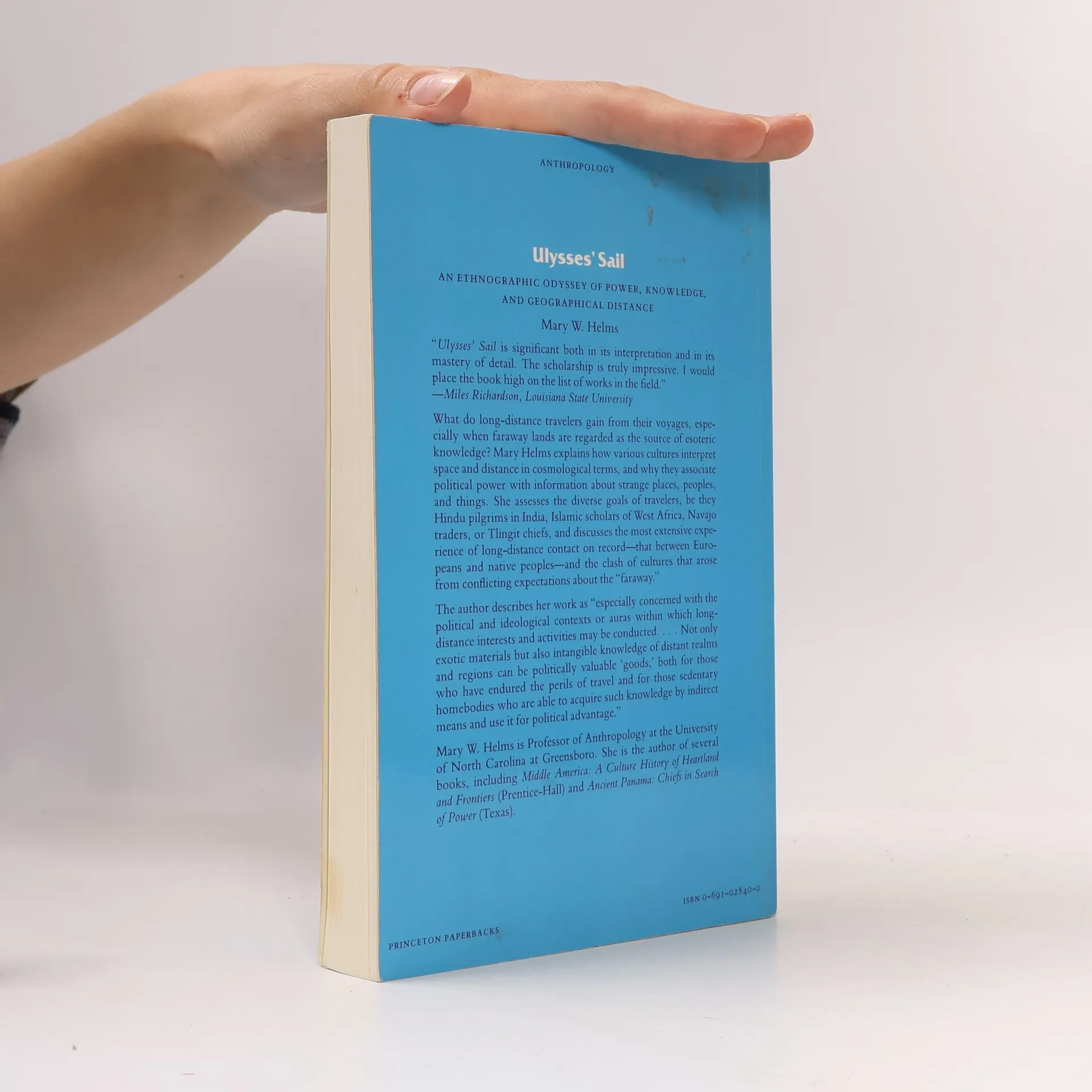
What do long-distance travelers gain from their voyages, particularly when distant lands are seen as sources of esoteric knowledge? The author explores how different cultures interpret space and distance in cosmological terms and link political power to information about unfamiliar places and peoples. By examining the diverse motivations of travelers—such as Hindu pilgrims, Islamic scholars, Navajo traders, and Tlingit chiefs—she highlights the significant long-distance interactions recorded, particularly between Europeans and indigenous peoples, and the cultural clashes stemming from differing expectations of the "faraway." The author emphasizes her focus on the political and ideological contexts surrounding long-distance interests and activities, noting that both exotic materials and intangible knowledge from distant realms can serve as politically valuable assets. This insight applies not only to those who brave the challenges of travel but also to those who acquire such knowledge indirectly for political gain. Originally published in 1988, this work is now available through the Princeton Legacy Library, which aims to enhance access to the scholarly heritage of Princeton University Press's extensive catalog.
Achat du livre
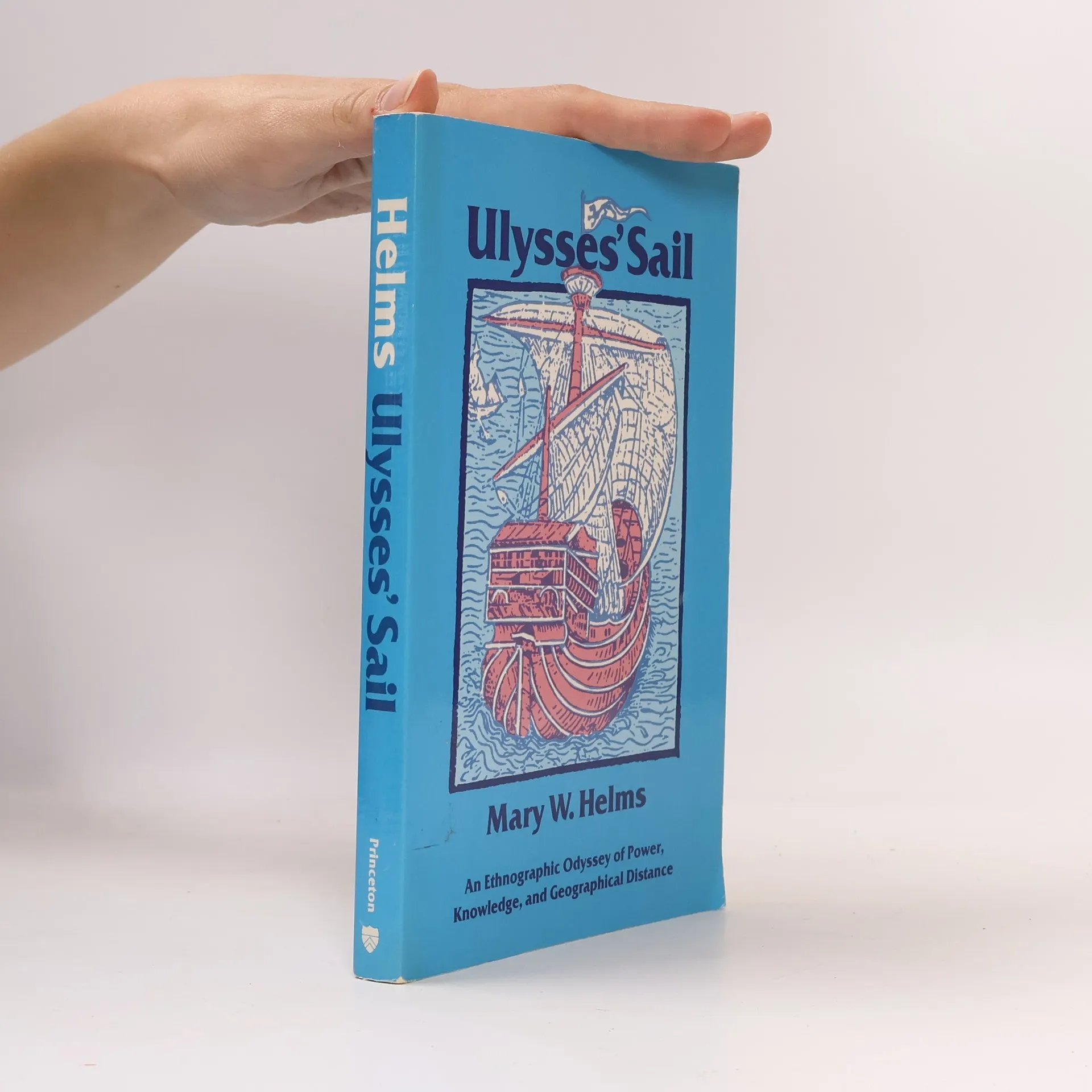
Ulysses' Sail, Mary W. Helms
- Langue

- Année de publication
- 1988
- Reliure
- (souple)
Modes de paiement
Personne n'a encore évalué .
- Titre
- Ulysses' Sail
- Sous-titre
- An Ethnographic Odyssey of Power, Knowledge, and Geographical Distance
- Langue
- Anglais
- Auteurs
- Mary W. Helms
- Éditeur
- Princeton University Press
- Publié
- 1988
- Format
- souple
- Pages
- 206
- ISBN10
- 0691028400
- ISBN13
- 9780691028408
- Séries
- Catégories
- Mots clés
- Voyage
- Description
- What do long-distance travelers gain from their voyages, particularly when distant lands are seen as sources of esoteric knowledge? The author explores how different cultures interpret space and distance in cosmological terms and link political power to information about unfamiliar places and peoples. By examining the diverse motivations of travelers—such as Hindu pilgrims, Islamic scholars, Navajo traders, and Tlingit chiefs—she highlights the significant long-distance interactions recorded, particularly between Europeans and indigenous peoples, and the cultural clashes stemming from differing expectations of the "faraway." The author emphasizes her focus on the political and ideological contexts surrounding long-distance interests and activities, noting that both exotic materials and intangible knowledge from distant realms can serve as politically valuable assets. This insight applies not only to those who brave the challenges of travel but also to those who acquire such knowledge indirectly for political gain. Originally published in 1988, this work is now available through the Princeton Legacy Library, which aims to enhance access to the scholarly heritage of Princeton University Press's extensive catalog.