



En savoir plus sur le livre
Narrative Politics delves into two key puzzles: how individuals unite for collective action and why storytelling is integral to this process. Mayer argues that understanding these questions hinges on recognizing the power of narrative to address challenges such as the temptation to free ride, coordinating group behavior, and achieving a shared understanding of collective interests. Humans are inherently narrative-driven beings; we use stories to interpret our experiences and shape our identities, which in turn influences our actions. This narrative aspect explains why leaders often frame their calls to action within compelling stories of tragedy and triumph, transforming participation into a moral imperative rather than a mere calculation of self-interest. Drawing from diverse fields including neuroscience, behavioral economics, political science, sociology, history, and narrative theory, Mayer illuminates various political phenomena—from social movements to electoral politics—demonstrating how storytelling can effectively promote collective action. By emphasizing the significance of narrative, the work offers valuable insights into the dynamics of group mobilization and the essential role of stories in fostering a sense of community and purpose.
Achat du livre
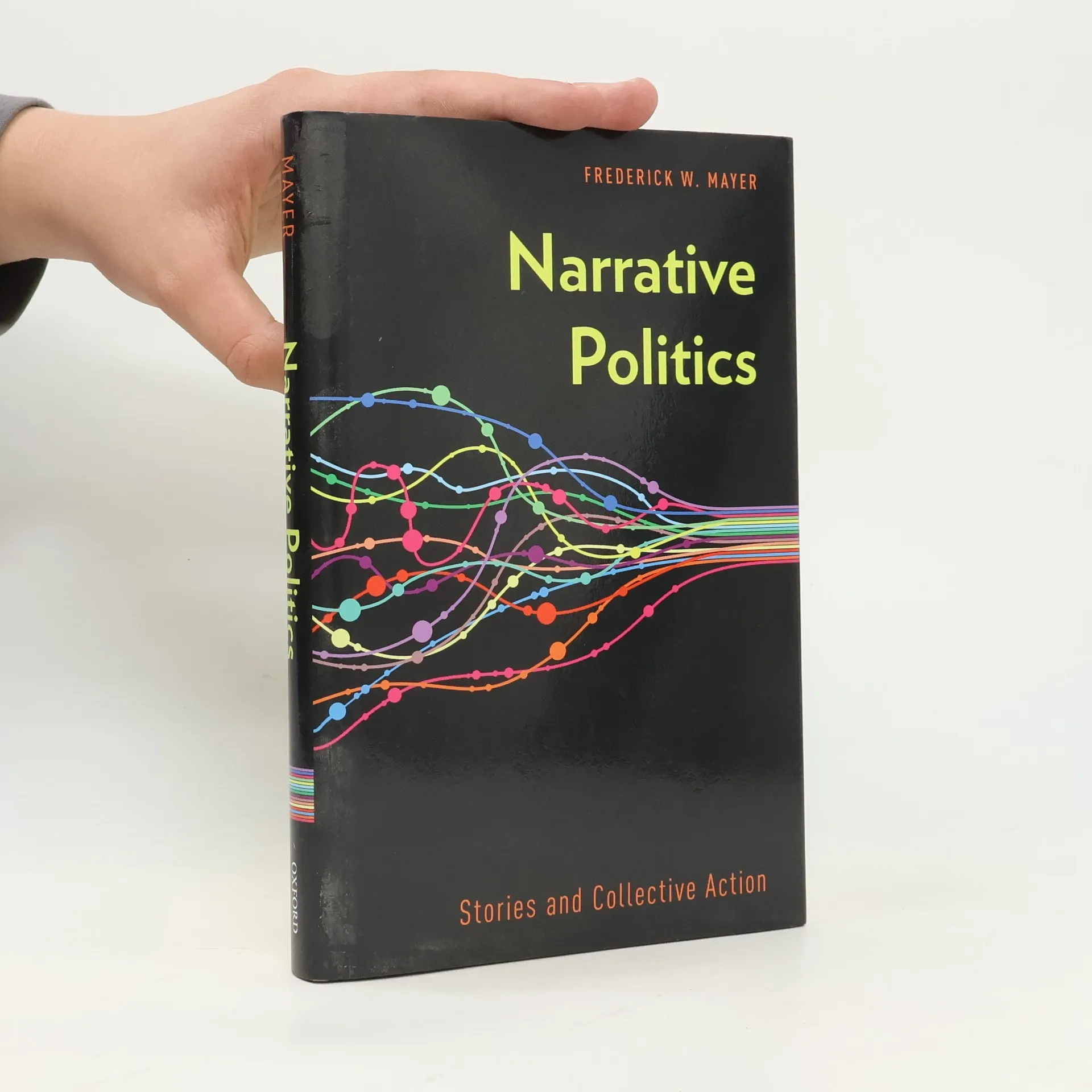
Narrative Politics, Frederick W. Mayer
- Langue

- Année de publication
- 2014
- Reliure
- (rigide)
Modes de paiement
Personne n'a encore évalué .
- Titre
- Narrative Politics
- Sous-titre
- Stories and Collective Action
- Langue
- Anglais
- Auteurs
- Frederick W. Mayer
- Éditeur
- Oxford University Press
- Publié
- 2014
- Format
- rigide
- Pages
- 192
- ISBN10
- 0199324468
- ISBN13
- 9780199324460
- Séries
- Catégories
- Mots clés
- Description
- Narrative Politics delves into two key puzzles: how individuals unite for collective action and why storytelling is integral to this process. Mayer argues that understanding these questions hinges on recognizing the power of narrative to address challenges such as the temptation to free ride, coordinating group behavior, and achieving a shared understanding of collective interests. Humans are inherently narrative-driven beings; we use stories to interpret our experiences and shape our identities, which in turn influences our actions. This narrative aspect explains why leaders often frame their calls to action within compelling stories of tragedy and triumph, transforming participation into a moral imperative rather than a mere calculation of self-interest. Drawing from diverse fields including neuroscience, behavioral economics, political science, sociology, history, and narrative theory, Mayer illuminates various political phenomena—from social movements to electoral politics—demonstrating how storytelling can effectively promote collective action. By emphasizing the significance of narrative, the work offers valuable insights into the dynamics of group mobilization and the essential role of stories in fostering a sense of community and purpose.