



En savoir plus sur le livre
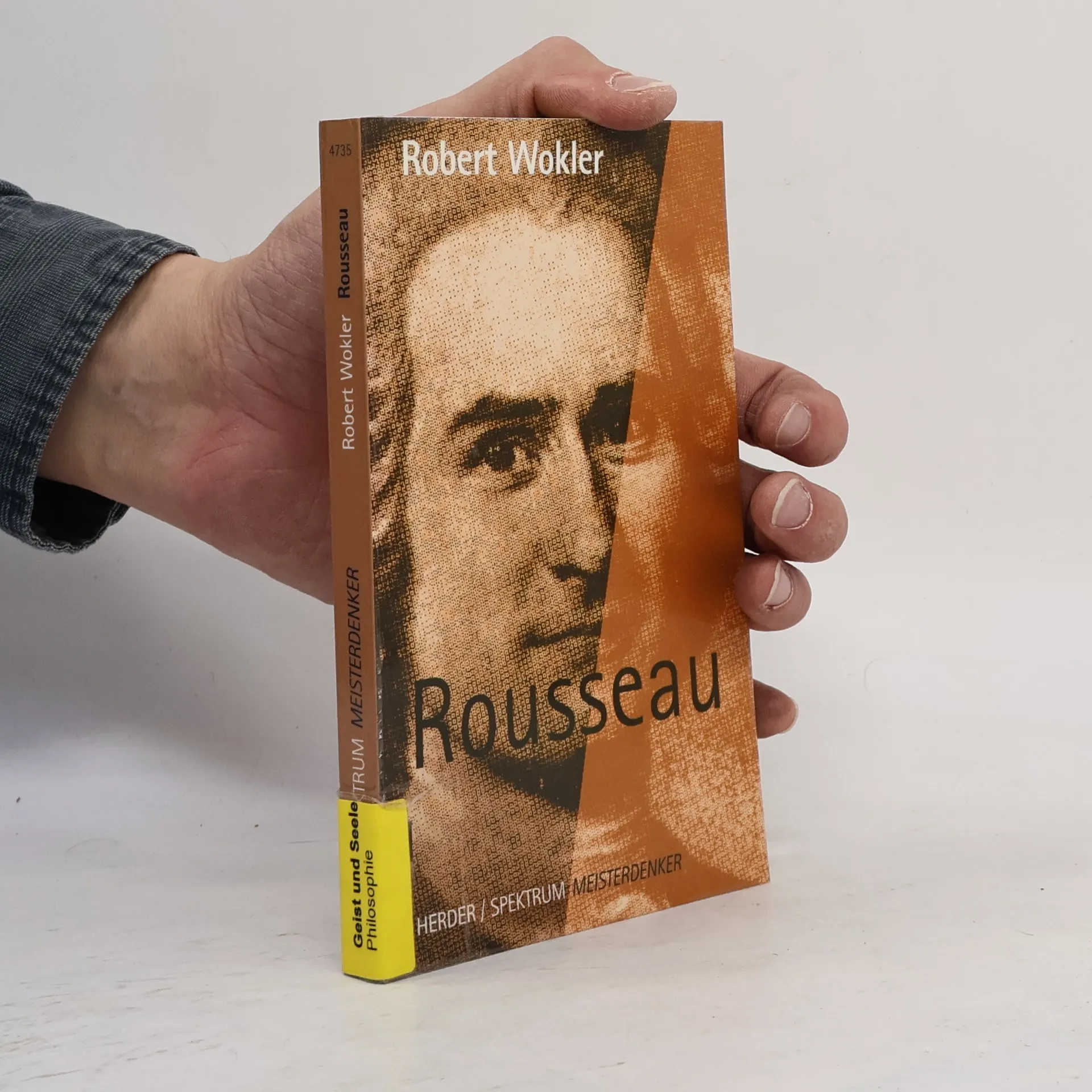
One of the most profound thinkers of modern history, Jean-Jacques Rousseau (1712-78) was a central figure of the European Enlightenment. He was also its most formidable critic, condemning the political, economic, theological, and sexual trappings of civilization along lines that would excite the enthusiasm of romantic individualists and radical revolutionaries alike. In this compact, thought-provoking study of Rousseau's life and works Robert Wokler shows how his philosophy of history, his theories of music and politics, his fiction, educational and religious writings, and even his botany, were all inspired by visionary ideals of mankind's self-realization in a condition of unfettered freedom. He explains how, in regressing to classical republicanism, ancient mythology, direct communion with God, and solitude, Rousseau anticipated some post-modernist rejections of the Enlightenment as well. No other work on Rousseau provieds such a readable introduction to his life and work.
Achat du livre
Rousseau, Robert Wokler
- Langue

- Année de publication
- 1999
- product-detail.submit-box.info.binding
- (souple),
- État du livre
- Abîmé
- Prix
- 1,49 €
Modes de paiement
Personne n'a encore évalué .
- Titre
- Rousseau
- Langue
- Allemand
- Auteurs
- Robert Wokler
- Éditeur
- Herder
- Publié
- 1999
- Format
- souple
- Pages
- 186
- ISBN10
- 3451047357
- ISBN13
- 9783451047350
- Séries
- Mots clés
- Nonfiction, Thème historique, Histoire, Histoires vraies, Biographies, Sciences politiques & Politique, Thématique philosophique, Philosophie, Politique, France, Biographies, L'Âge des Lumières, Introduction, propédeutique, Grande Révolution française (1789-1799)
- Description
- One of the most profound thinkers of modern history, Jean-Jacques Rousseau (1712-78) was a central figure of the European Enlightenment. He was also its most formidable critic, condemning the political, economic, theological, and sexual trappings of civilization along lines that would excite the enthusiasm of romantic individualists and radical revolutionaries alike. In this compact, thought-provoking study of Rousseau's life and works Robert Wokler shows how his philosophy of history, his theories of music and politics, his fiction, educational and religious writings, and even his botany, were all inspired by visionary ideals of mankind's self-realization in a condition of unfettered freedom. He explains how, in regressing to classical republicanism, ancient mythology, direct communion with God, and solitude, Rousseau anticipated some post-modernist rejections of the Enlightenment as well. No other work on Rousseau provieds such a readable introduction to his life and work.