

En savoir plus sur le livre
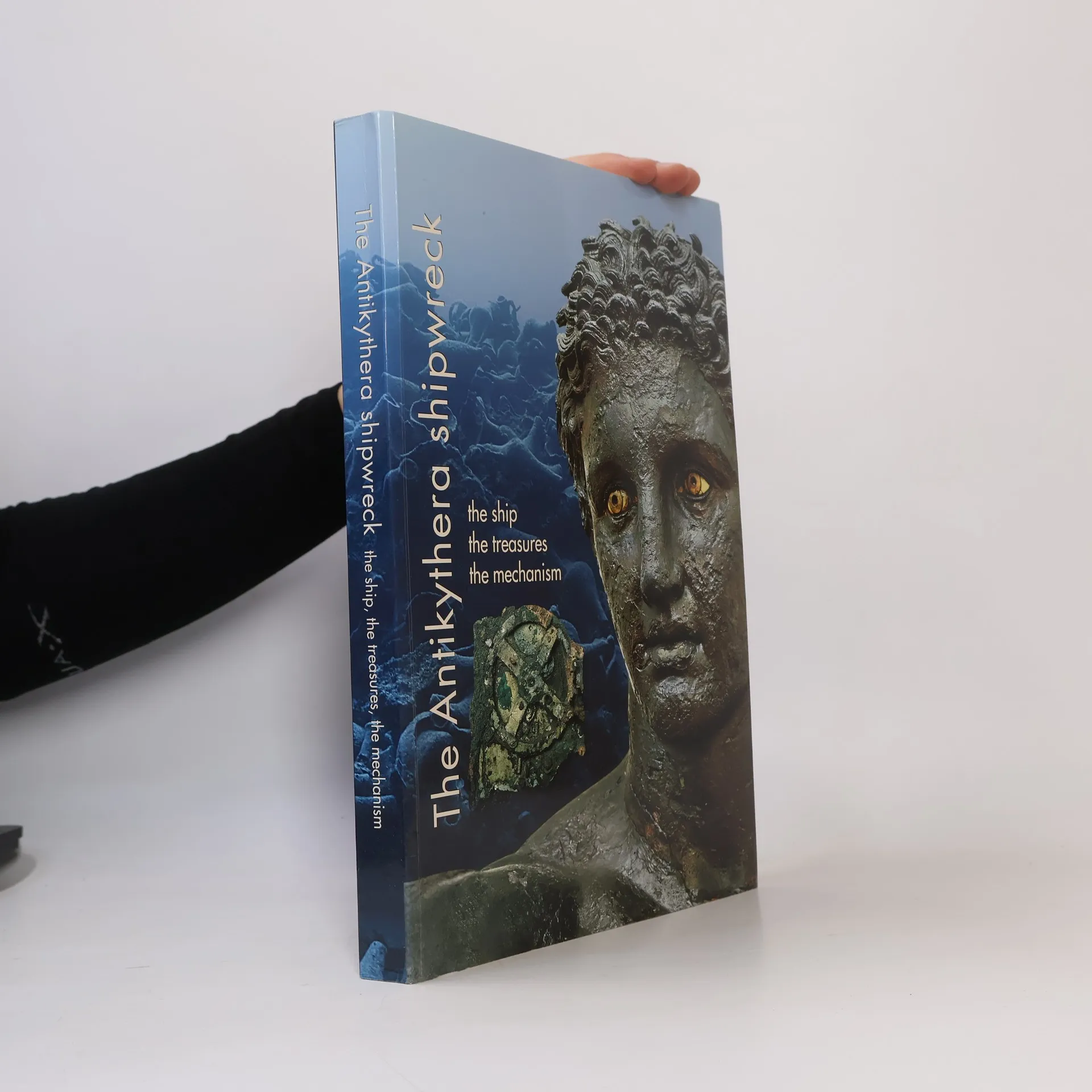
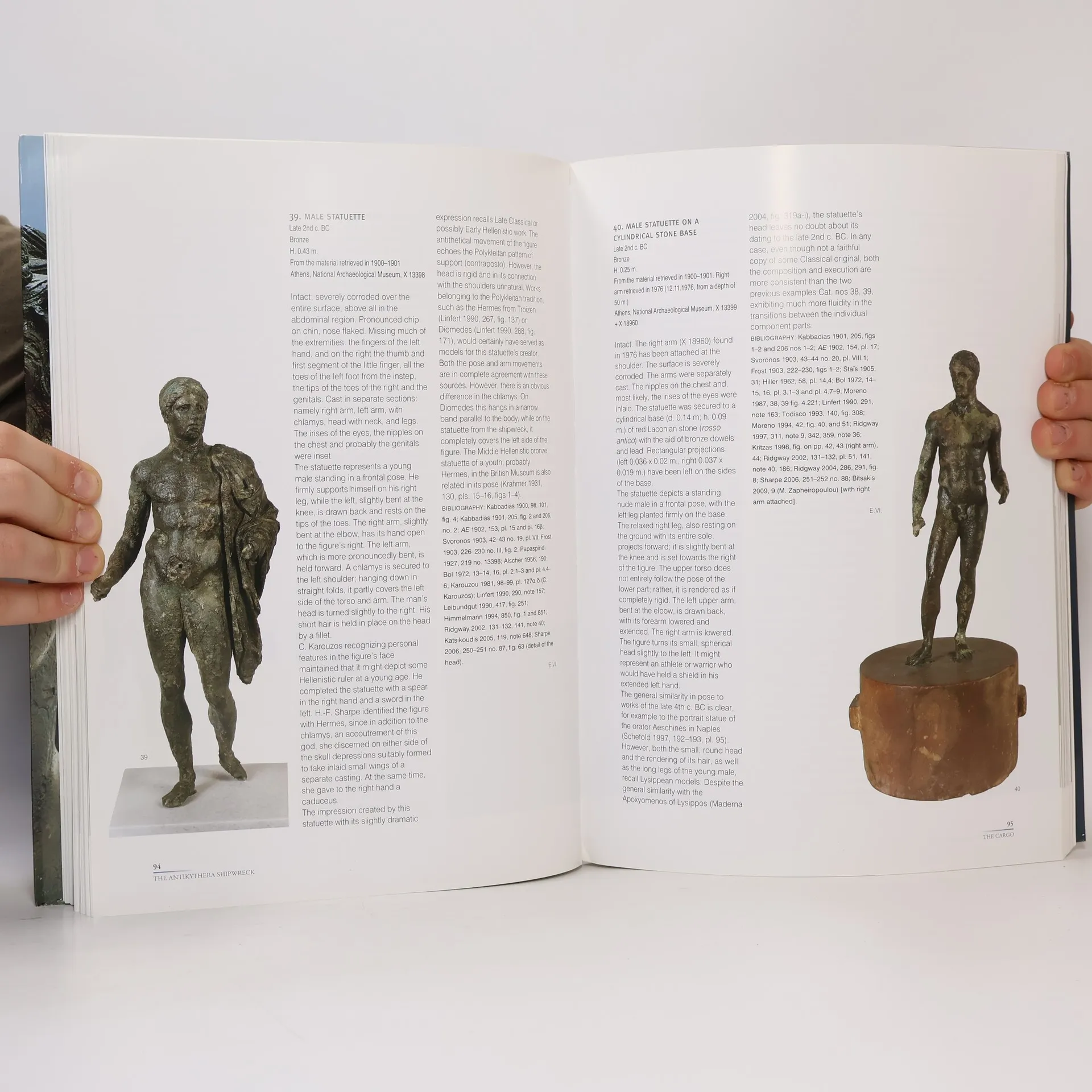
The investigation of the shipwreck off the northeast coast of Antikythera has provided invaluable insights into ancient Greek technology. Since the discovery of the unique mechanism in the early 20th century, the story of its retrieval and the ongoing exploration of its complex structure have captivated researchers. The archaeological remains also illuminate the history of art, maritime commerce, and the trade in art, revealing how Greek culture was received by Roman aristocrats and wealthy businessmen during the formation of a new Mediterranean order. The first underwater archaeological investigation in the Greek seas took place in 1884, prompted by archaeologist Christos Tsountas. The Antikythera shipwreck was discovered by sponge fishermen from Symi in 1900, and in 1907, they also found the Mahdia shipwreck off Tunisia. Until 1942, when diving techniques improved, professional sponge fishermen were the only divers exploring underwater sites. The mobilization to retrieve the Antikythera wreck was unprecedented, with the Greek Archaeological Service, supported by the Royal Navy, tasking Symi divers to salvage sculptures and luxury items from the cargo, alongside sections of the ship's hull. In 1976, Jacques-Yves Cousteau offered the resources of his vessel Calypso to the Greek state for further investigation of the site.
Achat du livre
The Antikythera Shipwreck, Polyxeni Bouyia, Elena Vlachogianni, Nikolaos E. Kaltsas
- Langue

- Année de publication
- 2012
- Reliure
- (souple)
Modes de paiement
Personne n'a encore évalué .
- Titre
- The Antikythera Shipwreck
- Sous-titre
- The Ship, the Treasures, the Mechanism - National Archaeological Museum, April 2012 - April 2013
- Langue
- Anglais
- Publié
- 2012
- Format
- souple
- Pages
- 303
- ISBN10
- 960386031X
- ISBN13
- 9789603860310
- Séries
- Catégories
- Mots clés
- Thème historique, Archéologie
- Description
- The investigation of the shipwreck off the northeast coast of Antikythera has provided invaluable insights into ancient Greek technology. Since the discovery of the unique mechanism in the early 20th century, the story of its retrieval and the ongoing exploration of its complex structure have captivated researchers. The archaeological remains also illuminate the history of art, maritime commerce, and the trade in art, revealing how Greek culture was received by Roman aristocrats and wealthy businessmen during the formation of a new Mediterranean order. The first underwater archaeological investigation in the Greek seas took place in 1884, prompted by archaeologist Christos Tsountas. The Antikythera shipwreck was discovered by sponge fishermen from Symi in 1900, and in 1907, they also found the Mahdia shipwreck off Tunisia. Until 1942, when diving techniques improved, professional sponge fishermen were the only divers exploring underwater sites. The mobilization to retrieve the Antikythera wreck was unprecedented, with the Greek Archaeological Service, supported by the Royal Navy, tasking Symi divers to salvage sculptures and luxury items from the cargo, alongside sections of the ship's hull. In 1976, Jacques-Yves Cousteau offered the resources of his vessel Calypso to the Greek state for further investigation of the site.