

Paramètres
- 180pages
- 7 heures de lecture
En savoir plus sur le livre
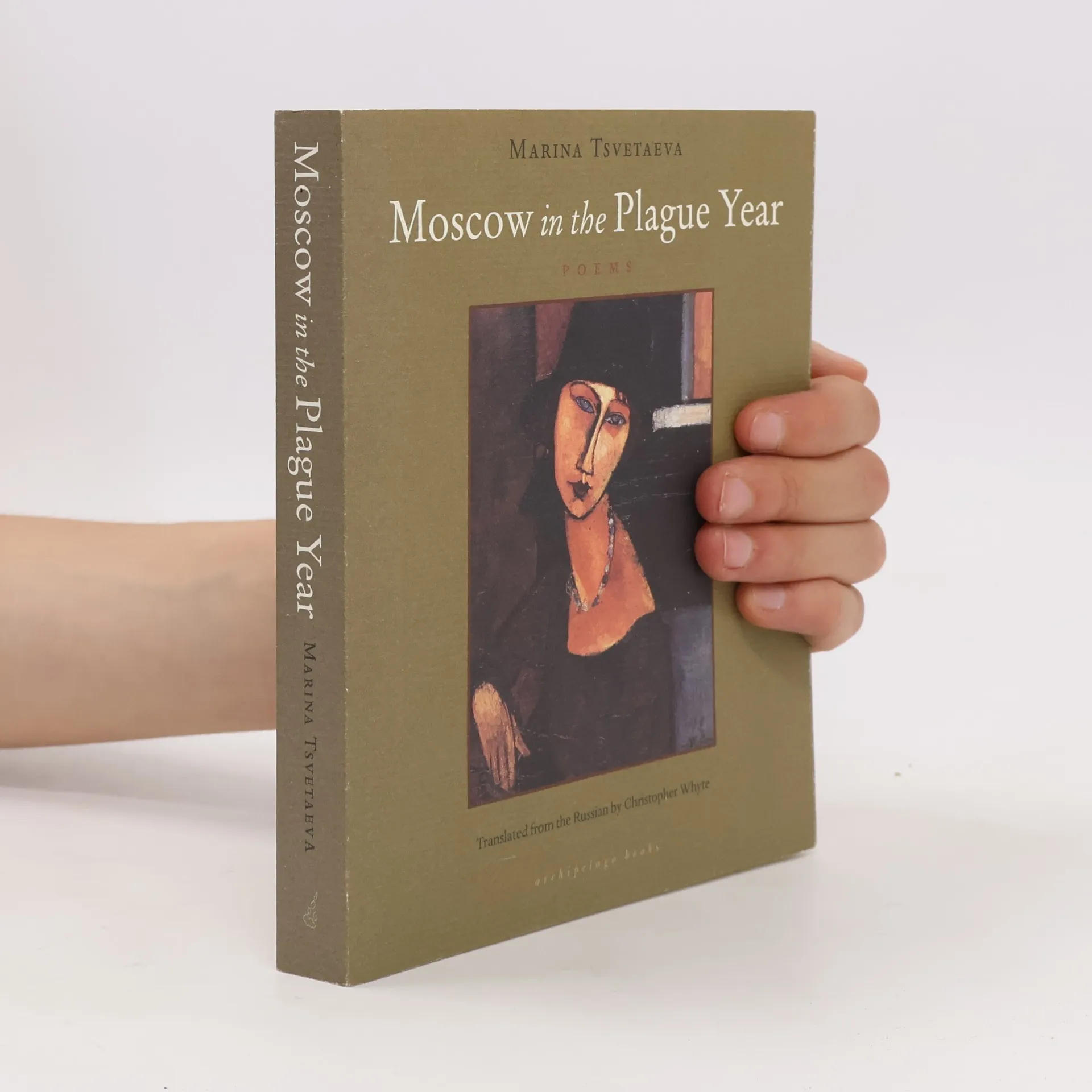
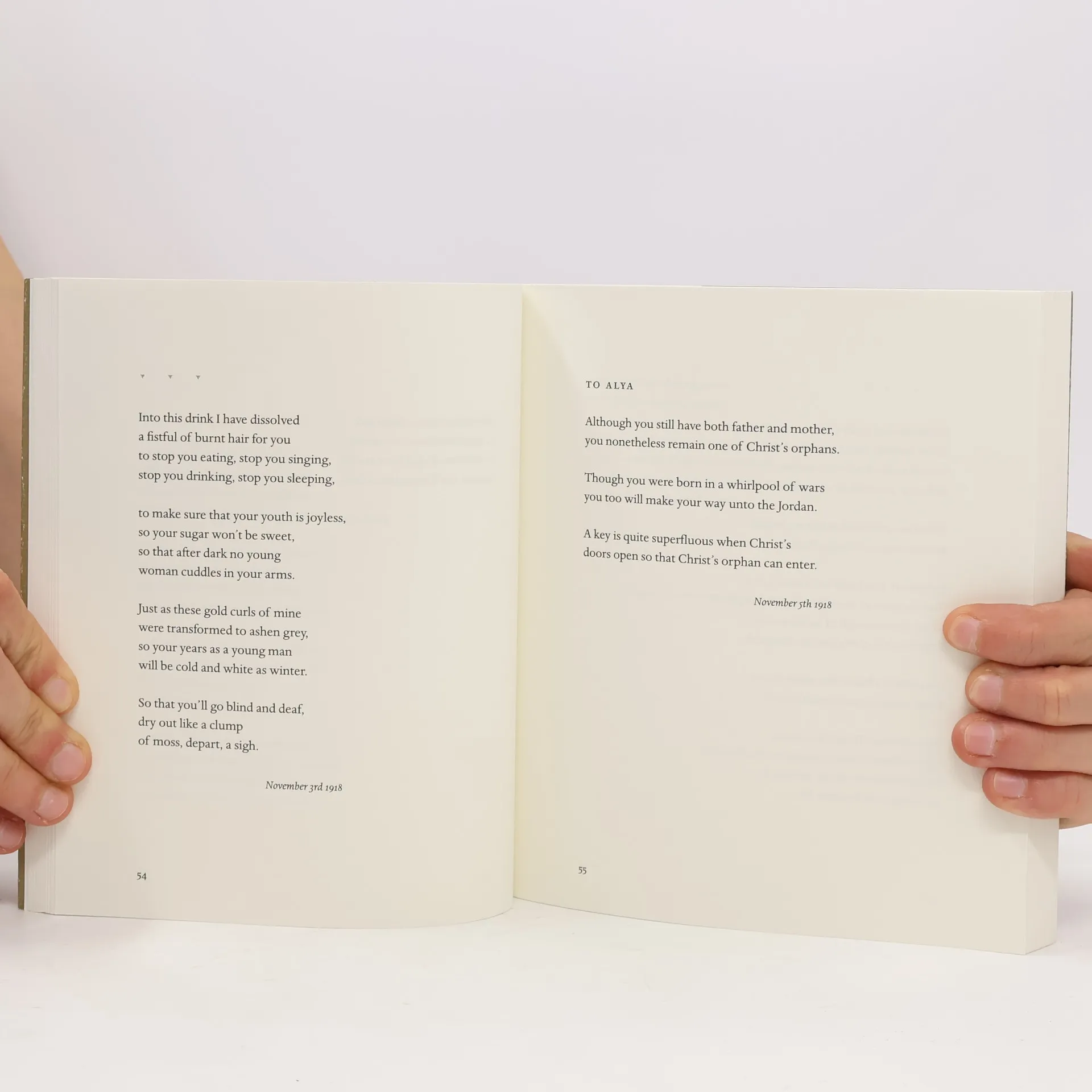
Written during the Russian Revolution of 1917 and the Moscow famine that followed, these poems are suffused with Tsvetaeva's irony and humor, which undoubtedly accounted for her success in not only reaching the end of the plague year alive, but making it the most productive of her career. We meet a drummer boy idolizing Napoleon, an irrepressibly mischievous grandmother who refuses to apologize to God on Judgment Day, and an androgynous (and luminous) Joan of Arc. Represented on a graph, Tsvetaeva's work would exhibit a curve - or rather, a straight line - rising at almost a right angle because of her constant effort to raise the pitch a note higher, an idea higher ... She always carried everything she has to say to its conceivable and expressible end. In both her poetry and her prose, nothing remains hanging or leaves a feeling of ambivalence. Tsvetaeva is the unique case in which the paramount spiritual experience of an epoch (for us, the sense of ambivalence, of contradictoriness in the nature of human existence) served not as the object of expression but as its means, by which it was transformed into the material of art. --Joseph Brodsky While your eyes follow me into the grave, write up the whole caboodle on my cross! 'Her days began with songs, ended in tears, but when she died, she split her sides with laugher!' --from Moscow in the Plague Year: Poems
Achat du livre
Moscow In The Plague Year, Марина Ивановна Цветаева, Christopher Whyte
- Langue

- Année de publication
- 2014
- Reliure
- (souple)
Modes de paiement
Personne n'a encore évalué .
- Titre
- Moscow In The Plague Year
- Langue
- Anglais
- Éditeur
- Archipelago Books
- Publié
- 2014
- Format
- souple
- Pages
- 180
- ISBN10
- 1935744968
- ISBN13
- 9781935744962
- Séries
- Mots clés
- Art, États-Unis, Féminisme, Russie, Critique littéraire, Livres-cadeaux, Littérature russe, Bibliothèques, Poésie russe, Poème
- Description
- Written during the Russian Revolution of 1917 and the Moscow famine that followed, these poems are suffused with Tsvetaeva's irony and humor, which undoubtedly accounted for her success in not only reaching the end of the plague year alive, but making it the most productive of her career. We meet a drummer boy idolizing Napoleon, an irrepressibly mischievous grandmother who refuses to apologize to God on Judgment Day, and an androgynous (and luminous) Joan of Arc. Represented on a graph, Tsvetaeva's work would exhibit a curve - or rather, a straight line - rising at almost a right angle because of her constant effort to raise the pitch a note higher, an idea higher ... She always carried everything she has to say to its conceivable and expressible end. In both her poetry and her prose, nothing remains hanging or leaves a feeling of ambivalence. Tsvetaeva is the unique case in which the paramount spiritual experience of an epoch (for us, the sense of ambivalence, of contradictoriness in the nature of human existence) served not as the object of expression but as its means, by which it was transformed into the material of art. --Joseph Brodsky While your eyes follow me into the grave, write up the whole caboodle on my cross! 'Her days began with songs, ended in tears, but when she died, she split her sides with laugher!' --from Moscow in the Plague Year: Poems