

Paramètres
- 207pages
- 8 heures de lecture
En savoir plus sur le livre
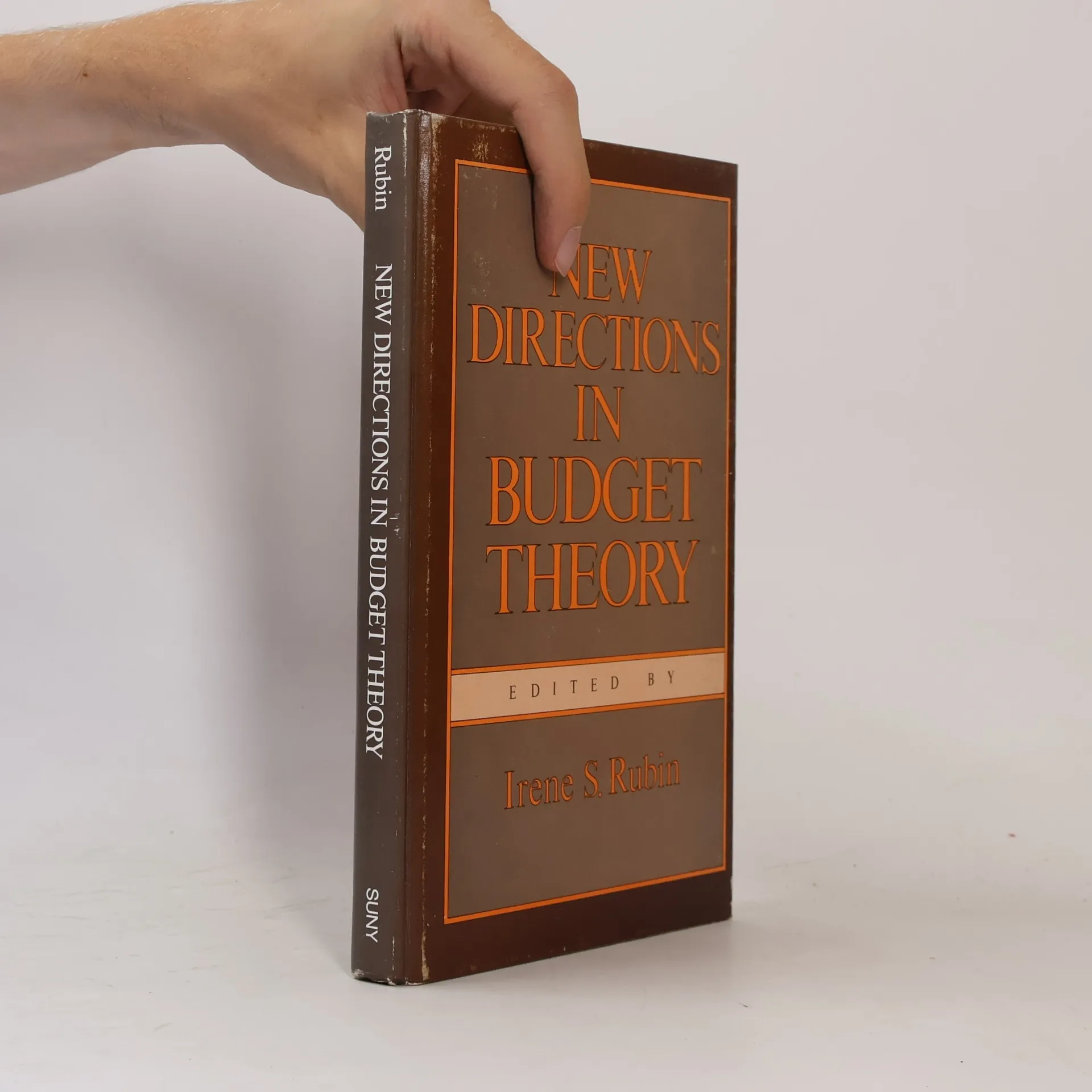
This collection is the first book-length work in many years to provide new theoretical direction to budget theory. Written by several of the most respected people in budgeting, including Allen Schick, Naomi Caiden, and Lance LeLoup, it explores such current topics as the scope of budgeting, the degree and source of variation in budgeting, and changes in budgeting process over time. New Directions will help to build a framework that is less confining than incrementalism, and will stimulate and guide future research. Some of the essays deal with the implications of looking at budgeting from a multi-year perspective, and the importance of allocating sources other than money (such as personnel ceilings); others pose questions about what a budget theory should look like, and how many budget theories are needed.
Achat du livre
New Directions in Budget Theory, Peter Colby, Irene S. Rubin
- Langue

- Année de publication
- 1988
- Reliure
- (rigide)
Modes de paiement
Personne n'a encore évalué .
- Titre
- New Directions in Budget Theory
- Langue
- Anglais
- Auteurs
- Peter Colby, Irene S. Rubin
- Publié
- 1988
- Format
- rigide
- Pages
- 207
- ISBN10
- 0887066240
- ISBN13
- 9780887066245
- Séries
- Description
- This collection is the first book-length work in many years to provide new theoretical direction to budget theory. Written by several of the most respected people in budgeting, including Allen Schick, Naomi Caiden, and Lance LeLoup, it explores such current topics as the scope of budgeting, the degree and source of variation in budgeting, and changes in budgeting process over time. New Directions will help to build a framework that is less confining than incrementalism, and will stimulate and guide future research. Some of the essays deal with the implications of looking at budgeting from a multi-year perspective, and the importance of allocating sources other than money (such as personnel ceilings); others pose questions about what a budget theory should look like, and how many budget theories are needed.