



Paramètres
- 146pages
- 6 heures de lecture
En savoir plus sur le livre
As homelessness continues to plague North America and also becomes more widespread in Europe, anthropologists turn their attention to solving the puzzle of why people in some of the most advanced technological societies in the world are found huddled in a subway tunnel, squatting in a vacant building, living in a shelter, or camping out in an abandoned field or on a beach. Anthropologists have a long tradition of working in poverty subcultures and have been able to contribute answers to some of the puzzles of homelessness through their ability to enter the culture of the homeless without some of the preconceptions of other disciplines. The authors, anthropologists from the U.S.A. and Canada, offer us an analysis of homelessness that is grounded in anthropological research in North America and throughout the world. Both have in-depth experience through working in communities of the homeless and present us withthe results of their own work and with that of their colleagues.
Achat du livre
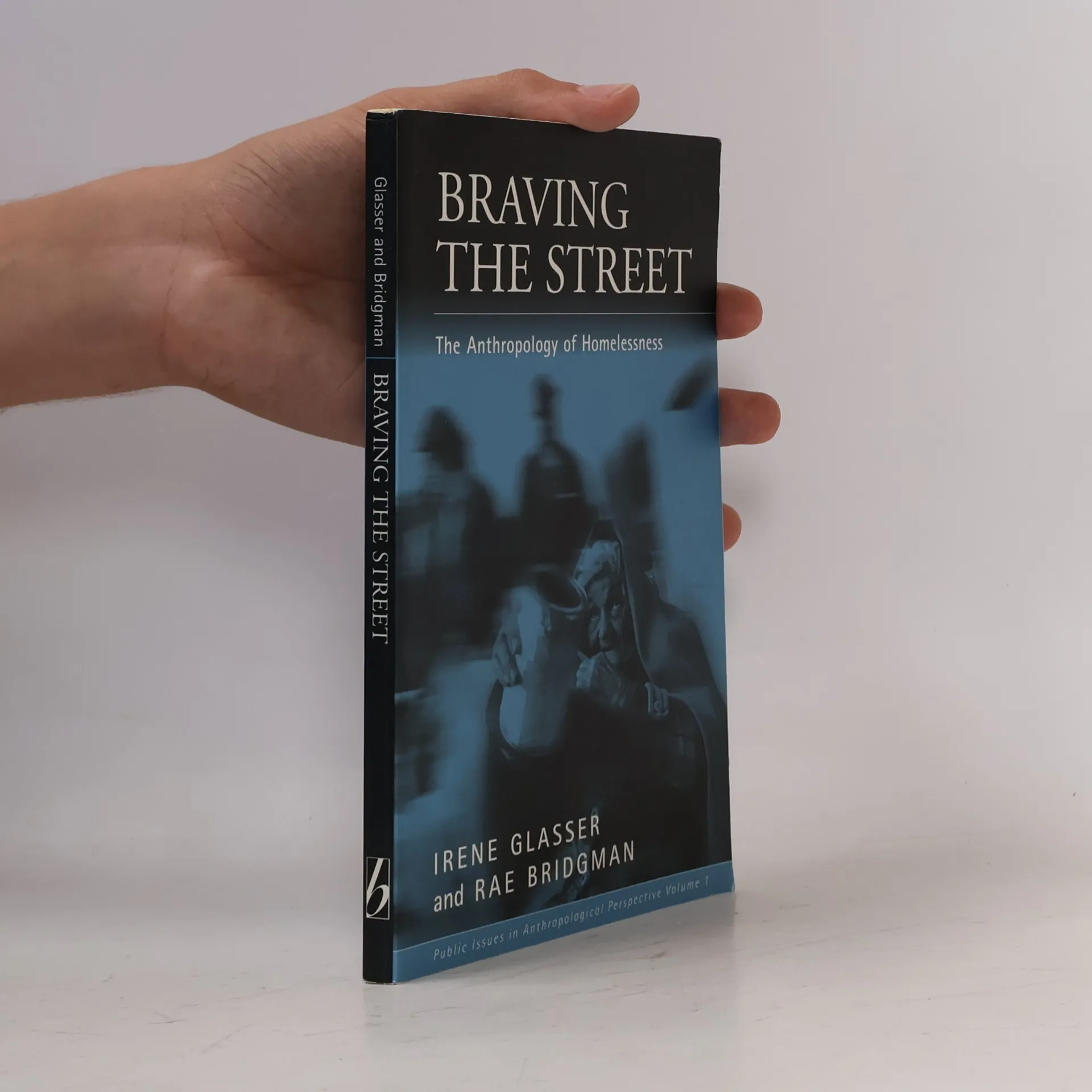
Public Issues in Anthropological Perspective - 1: Braving the Street, Irene Glasser, Rae Bridgman
- Langue

- Année de publication
- 1999
- Reliure
- (souple),
- État du livre
- Bon
- Prix
- 4,89 €
Modes de paiement
Personne n'a encore évalué .
- Titre
- Public Issues in Anthropological Perspective - 1: Braving the Street
- Sous-titre
- The Anthropology of Homelessness
- Langue
- Anglais
- Auteurs
- Irene Glasser, Rae Bridgman
- Éditeur
- Berghahn Books
- Publié
- 1999
- Format
- souple
- Pages
- 146
- ISBN10
- 1571810978
- ISBN13
- 9781571810977
- Séries
- Catégories
- Mots clés
- États-Unis, Europe, Théories politiques, Canada, Urbanisme, urbanisation, Sans-abrisme
- Description
- As homelessness continues to plague North America and also becomes more widespread in Europe, anthropologists turn their attention to solving the puzzle of why people in some of the most advanced technological societies in the world are found huddled in a subway tunnel, squatting in a vacant building, living in a shelter, or camping out in an abandoned field or on a beach. Anthropologists have a long tradition of working in poverty subcultures and have been able to contribute answers to some of the puzzles of homelessness through their ability to enter the culture of the homeless without some of the preconceptions of other disciplines. The authors, anthropologists from the U.S.A. and Canada, offer us an analysis of homelessness that is grounded in anthropological research in North America and throughout the world. Both have in-depth experience through working in communities of the homeless and present us withthe results of their own work and with that of their colleagues.