

Épuisé, mais très demandé!


Vous l'avez dans votre bibliothèque ?Gagnez de l'argent entre 0,91 € et 1,88 € en vendant ce livre.
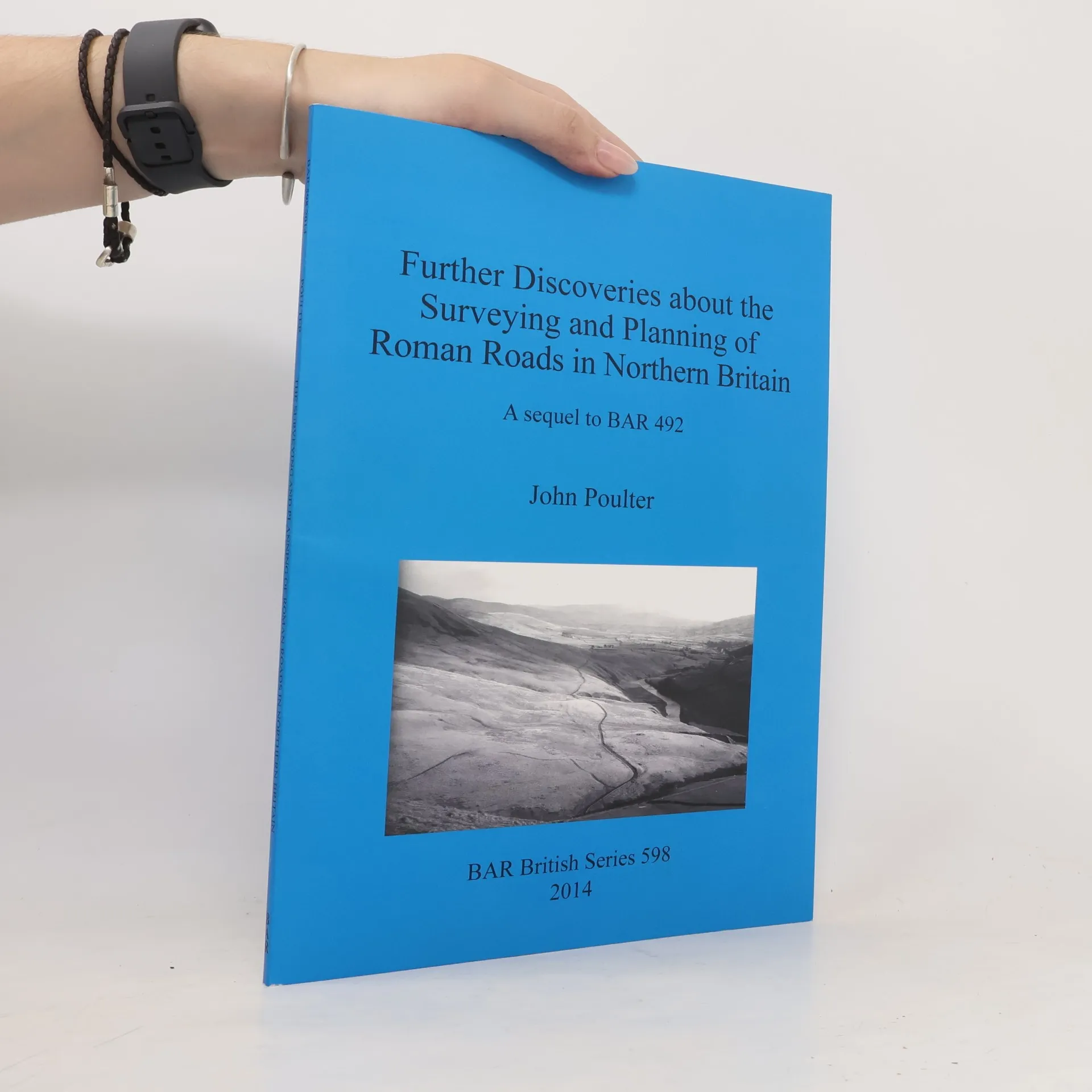
Vendre des livresBAR British Series - 598: Further Discoveries about the Surveying and Planning of Roman Roads in Northern Britain
A Sequel to BAR 492
Auteurs
En savoir plus sur le livre
The monograph explores the historical significance of long-distance alignments in Northern England, particularly in relation to Roman Dere Street and Hadrian's Wall. Building on previous research, the author investigates the origins and methodologies behind these alignments, influenced by findings from Robert Entwistle. It reveals the complexities involved in adapting these alignments for Roman road construction, explaining deviations in their actual routes. The study focuses on four major Roman roads, analyzing their planning and construction processes in detail.
Achat du livre
BAR British Series - 598: Further Discoveries about the Surveying and Planning of Roman Roads in Northern Britain, John Poulter
- Langue

- Année de publication
- 2014
- Reliure
- (souple)
Nous vous informerons par e-mail dès que nous l’aurons retrouvé.
Modes de paiement
Personne n'a encore évalué .
- Titre
- BAR British Series - 598: Further Discoveries about the Surveying and Planning of Roman Roads in Northern Britain
- Sous-titre
- A Sequel to BAR 492
- Langue
- Anglais
- Auteurs
- John Poulter
- Publié
- 2014
- Format
- souple
- Pages
- 104
- ISBN10
- 1407312812
- ISBN13
- 9781407312811
- Séries
- Catégories
- Mots clés
- Thème historique, Archéologie, Rome antique, Archéologie paysagère
- Description
- The monograph explores the historical significance of long-distance alignments in Northern England, particularly in relation to Roman Dere Street and Hadrian's Wall. Building on previous research, the author investigates the origins and methodologies behind these alignments, influenced by findings from Robert Entwistle. It reveals the complexities involved in adapting these alignments for Roman road construction, explaining deviations in their actual routes. The study focuses on four major Roman roads, analyzing their planning and construction processes in detail.