



Paramètres
- 494pages
- 18 heures de lecture
En savoir plus sur le livre
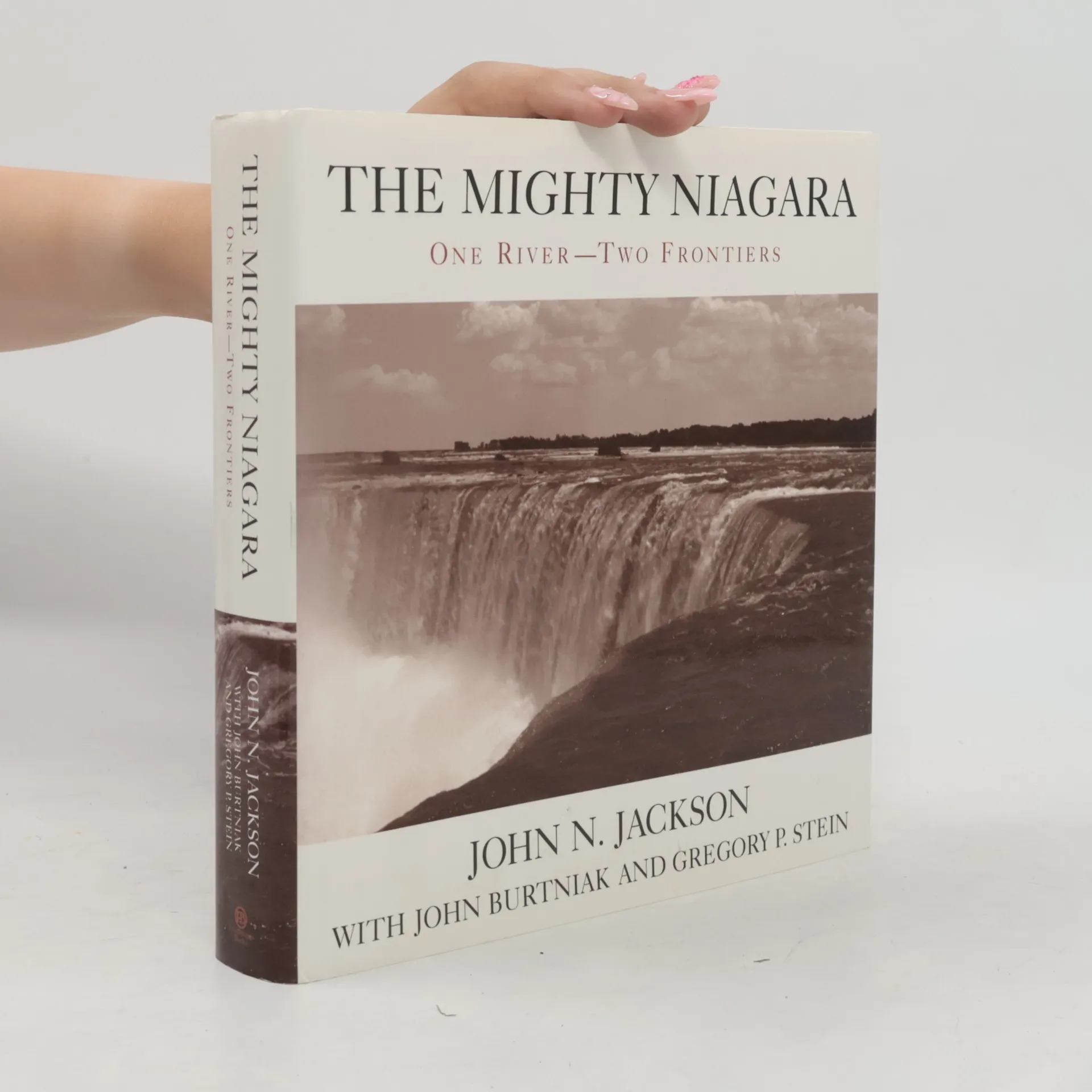
This in-depth regional study of the Niagara Frontier examines the evolution of landscape and settlement patterns on both sides of the Niagara River, from St. Catharines, Ontario, to Lockport, New York. This significant area, straddling an international frontier, both connects and separates Canadian and American territories. Professor Jackson employs a chronological approach, starting with the physical geography and its ongoing impact on land use and development. He highlights Native settlements, their trails, and economic activities, noting that certain Native features remain integral to the modern landscape. The analysis reveals how earlier human landscapes, once continuous across the river, became fragmented with the establishment of an international boundary in 1783. Subsequent chapters trace the transformations brought by canals, railways, hydroelectric power, and the automobile's dominance in contemporary times. Jackson emphasizes Niagara Falls as a central element in the region's development and discusses the tourist industry's influence. This comprehensive analysis serves as a valuable resource for students of regional, urban, and historical geography, as well as those engaged in cross-boundary trade, education, or tourism.
Achat du livre
The Mighty Niagara, John N. Jackson, John Burtniak, Gregory P. Stein
- Langue

- Année de publication
- 2003
- Reliure
- (rigide)
Modes de paiement
Personne n'a encore évalué .
- Titre
- The Mighty Niagara
- Sous-titre
- One River-Two Frontiers
- Langue
- Anglais
- Auteurs
- John N. Jackson, John Burtniak, Gregory P. Stein
- Éditeur
- Prometheus Books
- Publié
- 2003
- Format
- rigide
- Pages
- 494
- ISBN10
- 1573929808
- ISBN13
- 9781573929806
- Séries
- Catégories
- Mots clés
- Thème historique, Science, États-Unis, Littérature américaine, New York, Canada, Amérique du Nord
- Description
- This in-depth regional study of the Niagara Frontier examines the evolution of landscape and settlement patterns on both sides of the Niagara River, from St. Catharines, Ontario, to Lockport, New York. This significant area, straddling an international frontier, both connects and separates Canadian and American territories. Professor Jackson employs a chronological approach, starting with the physical geography and its ongoing impact on land use and development. He highlights Native settlements, their trails, and economic activities, noting that certain Native features remain integral to the modern landscape. The analysis reveals how earlier human landscapes, once continuous across the river, became fragmented with the establishment of an international boundary in 1783. Subsequent chapters trace the transformations brought by canals, railways, hydroelectric power, and the automobile's dominance in contemporary times. Jackson emphasizes Niagara Falls as a central element in the region's development and discusses the tourist industry's influence. This comprehensive analysis serves as a valuable resource for students of regional, urban, and historical geography, as well as those engaged in cross-boundary trade, education, or tourism.