


Paramètres
- 409pages
- 15 heures de lecture
En savoir plus sur le livre
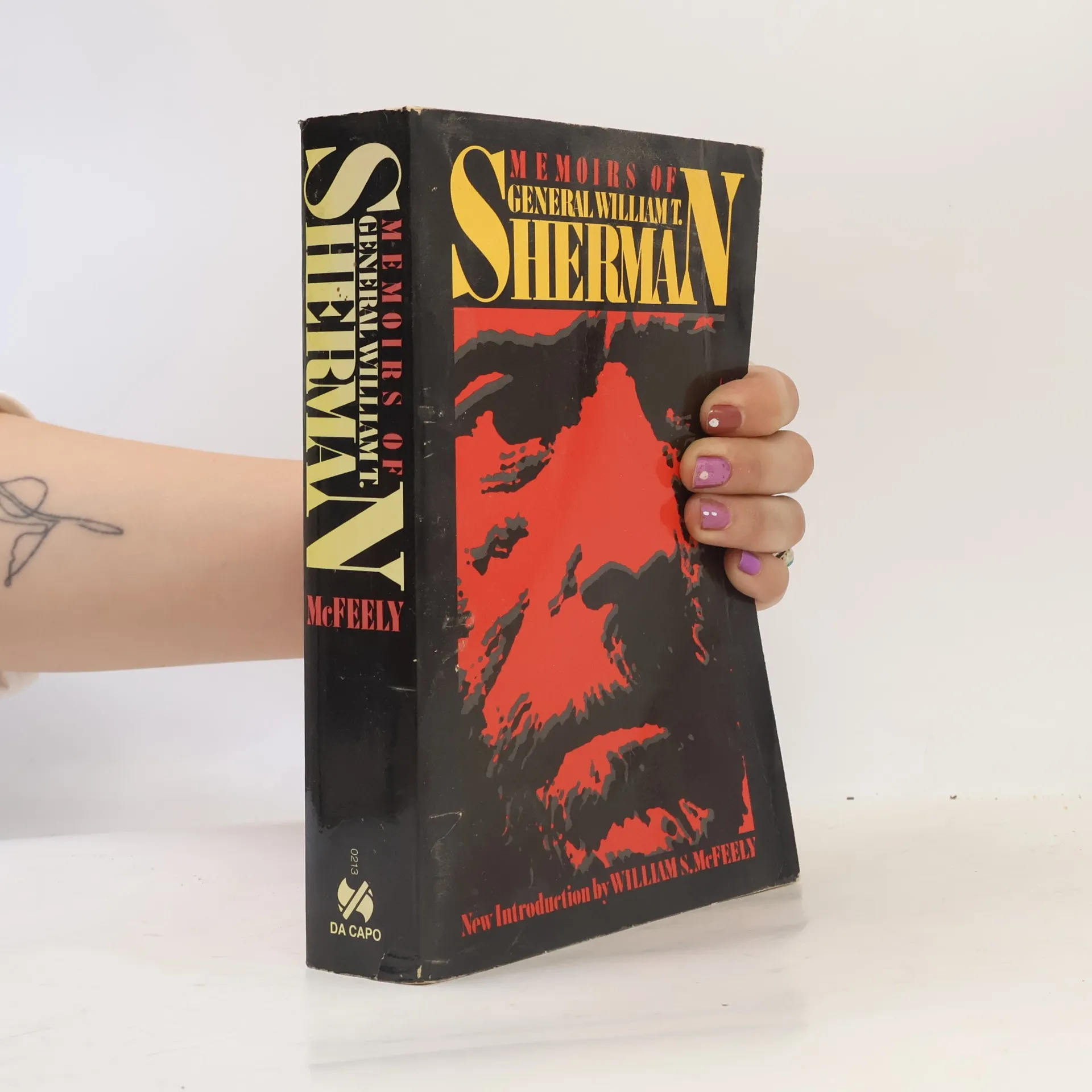
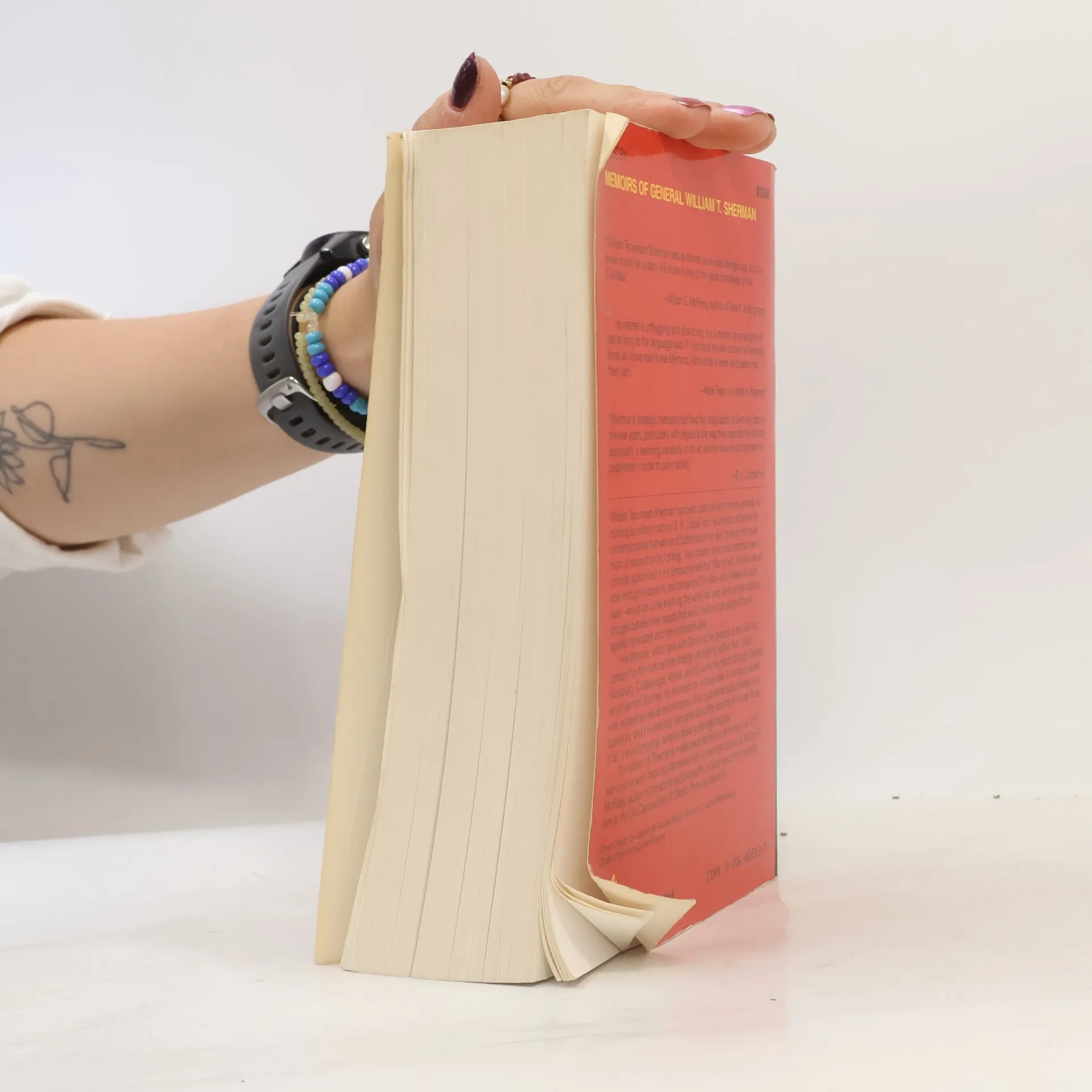
William Tecumseh Sherman has been called the first modern general. According to military historian B. H. Liddell Hart, he understood before his contemporaries that wars and battles would be won ”more by the movement of troops than by fighting.” Also modern is his unsentimental view of combat, epitomized by his famous remark that ”War is hell.” And he was an able enough historian to realize that the Civil War—and indeed all future wars—would be unlike anything the world had ever seen: a bitter national struggle between free people that would involve a campaign of terror against combatant and non-combatant alike.His <i>Memoirs,</i> which rank with Grant's as the greatest of the Civil War, concern for the most part the strategy and fighting at Bull Run, Shiloh, Vicksburg, Chattanooga, Atlanta, and of course the march through Georgia which earned Sherman his reputation for ruthlessness. It is a story packed with incident as well as swift sketches of his opponents, subordinates, and superiors, and it is endlessly instructive about the lessons of the war. Most of all, it is a compelling narrative about a national tragedy.
Achat du livre
The Memoirs of General William T. Sherman, William T. Sherman, William S. McFeely
- Langue

- Année de publication
- 1984
- product-detail.submit-box.info.binding
- (souple),
- État du livre
- Bon
- Prix
- 12,49 €
Modes de paiement
Personne n'a encore évalué .
- Titre
- The Memoirs of General William T. Sherman
- Langue
- Anglais
- Auteurs
- William T. Sherman, William S. McFeely
- Éditeur
- Da Capo Press
- Publié
- 1984
- Format
- souple
- Pages
- 409
- ISBN10
- 0306802139
- ISBN13
- 9780306802133
- Séries
- Mots clés
- Nonfiction, Thème historique, Biographies, Autobiographies et mémoires, États-Unis, Histoire militaire, Guerres, Militaire, Biographies, 19e siècle, Histoire des États-Unis, Guerre civile, Amérique du Nord, Généraux
- Description
- William Tecumseh Sherman has been called the first modern general. According to military historian B. H. Liddell Hart, he understood before his contemporaries that wars and battles would be won ”more by the movement of troops than by fighting.” Also modern is his unsentimental view of combat, epitomized by his famous remark that ”War is hell.” And he was an able enough historian to realize that the Civil War—and indeed all future wars—would be unlike anything the world had ever seen: a bitter national struggle between free people that would involve a campaign of terror against combatant and non-combatant alike.His <i>Memoirs,</i> which rank with Grant's as the greatest of the Civil War, concern for the most part the strategy and fighting at Bull Run, Shiloh, Vicksburg, Chattanooga, Atlanta, and of course the march through Georgia which earned Sherman his reputation for ruthlessness. It is a story packed with incident as well as swift sketches of his opponents, subordinates, and superiors, and it is endlessly instructive about the lessons of the war. Most of all, it is a compelling narrative about a national tragedy.