

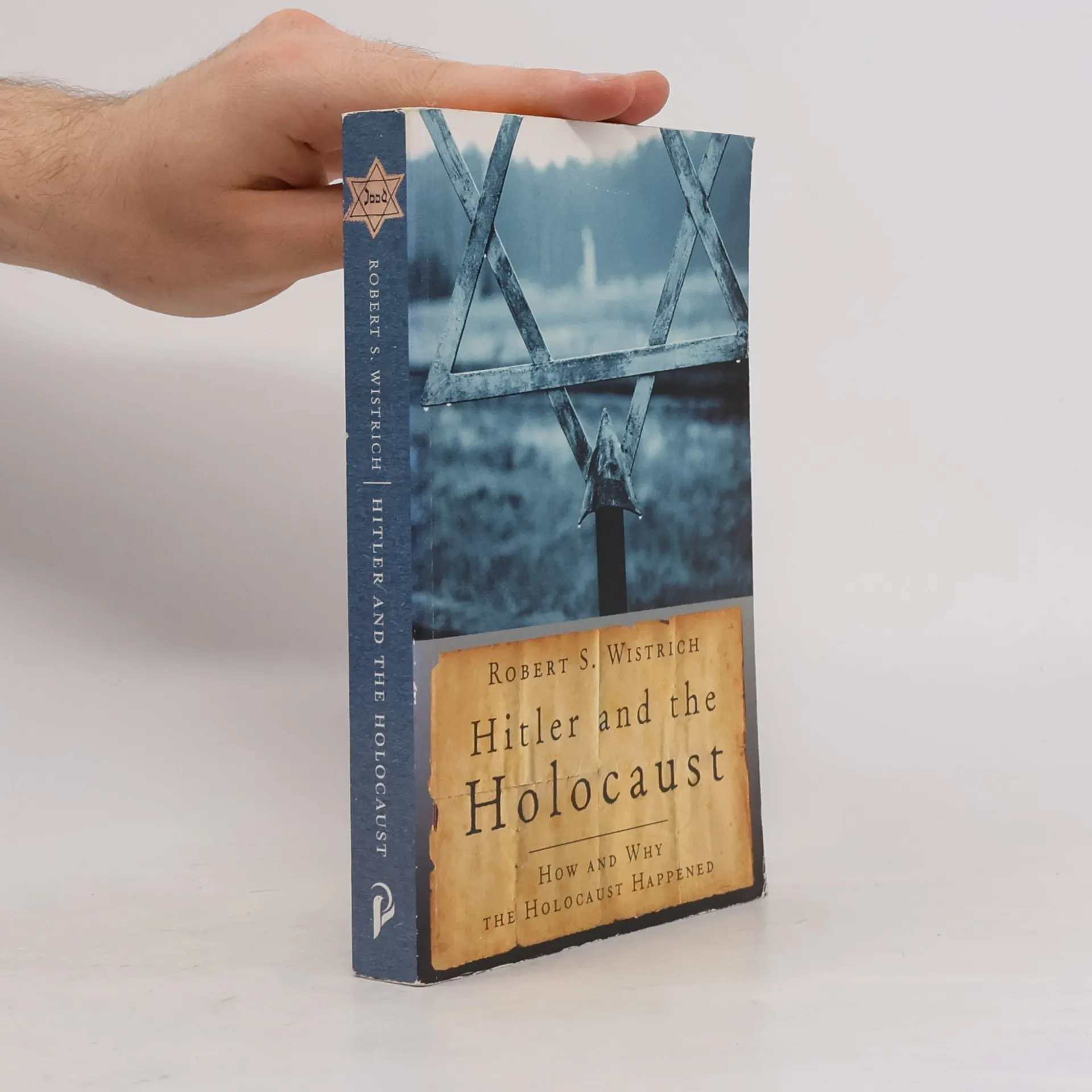
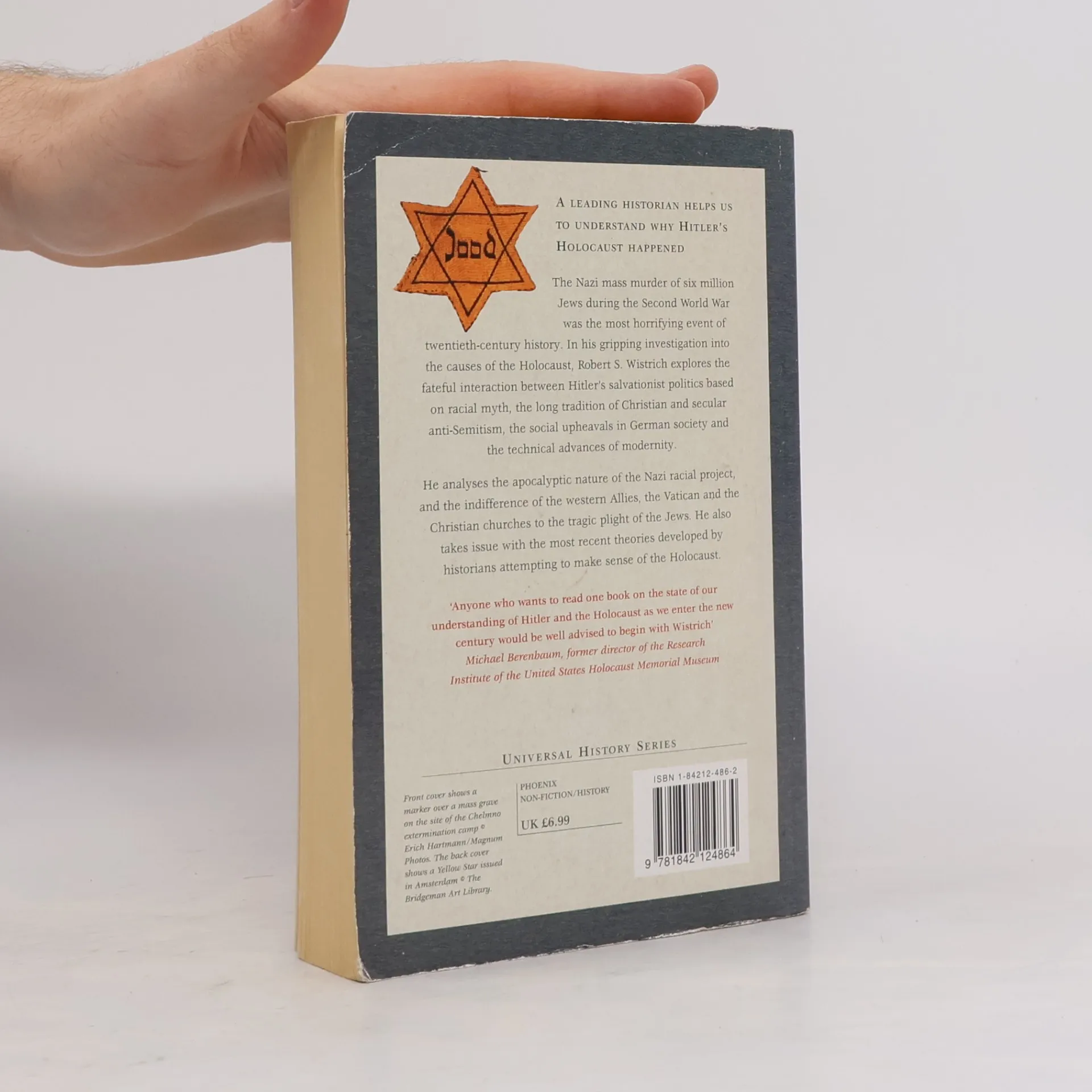
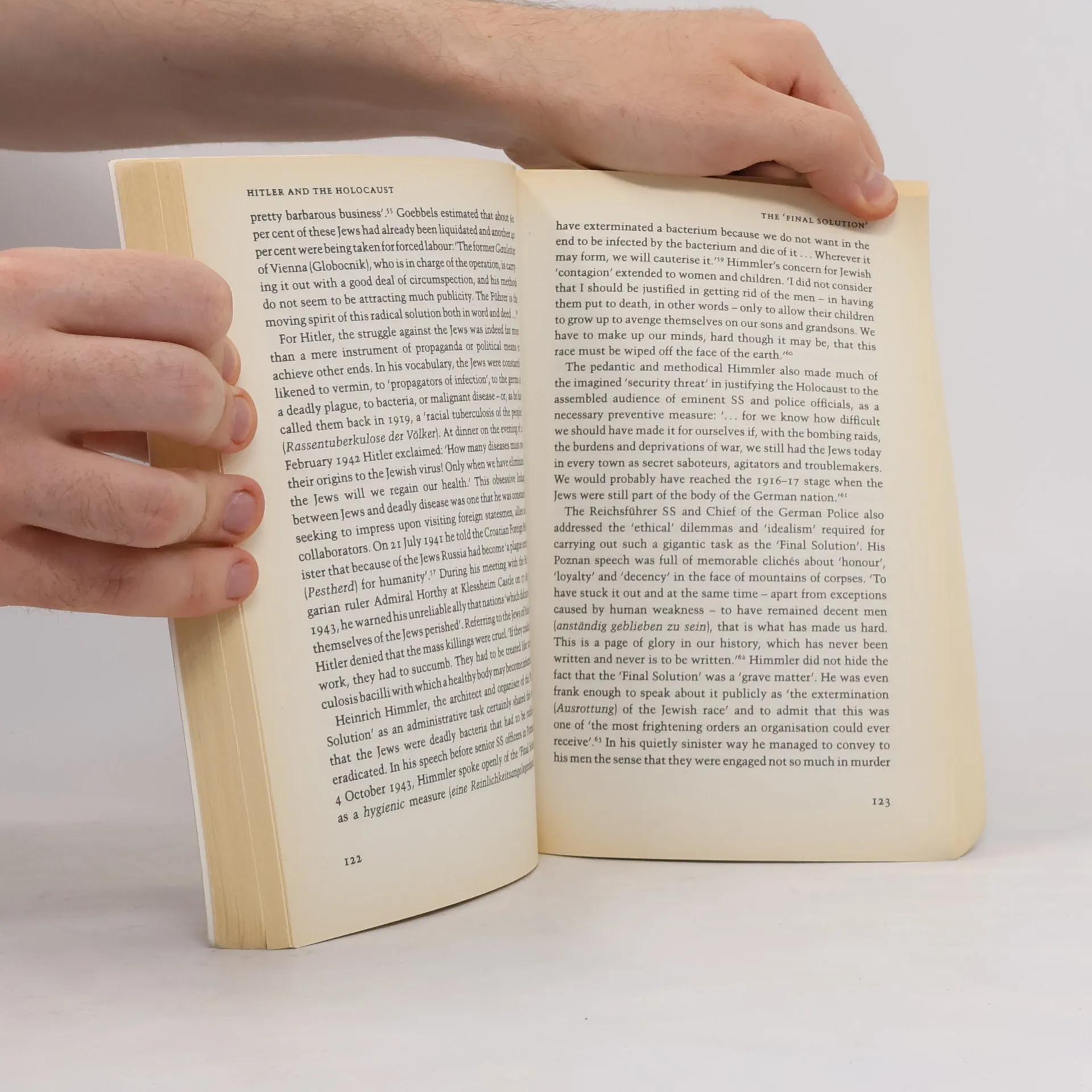
En savoir plus sur le livre
Robert Wistrich begins by exploring the origins of anti-Semitism in Europe, and especially in Germany, to try to explain how millions of Jews came to be killed systematically by the Third Reich. In the process of relating these events, he provides new and incisive answers to a number of central questions concerning the Shoah that have emerged over recent years: who, inside and outside Nazi Germany, knew that Jews were being murdered; how responsibility for the genocide should be divided between Hitler himself and ordinary Germans; and how historians have tried to make sense of the Holocaust. The book concludes by considering the legacy of Nazi crimes since 1945: the Nuremburg trials, the impact of the Holocaust on Diaspora Jewry (particularly in Israel and America), and the rise of neo-Nazism and Holocaust-denial.
Achat du livre
Universal History: Hitler And The Holocaust, Robert Solomon Wistrich
- Langue

- Année de publication
- 2002
- product-detail.submit-box.info.binding
- (souple),
- État du livre
- Bon
- Prix
- 11,99 €
Modes de paiement
Personne n'a encore évalué .
- Titre
- Universal History: Hitler And The Holocaust
- Langue
- Anglais
- Auteurs
- Robert Solomon Wistrich
- Éditeur
- Phoenix Press
- Publié
- 2002
- Format
- souple
- Pages
- 336
- ISBN10
- 1842124862
- ISBN13
- 9781842124864
- Séries
- Mots clés
- Nonfiction, Allemagne, Seconde Guerre mondiale, Holocauste, Université
- Description
- Robert Wistrich begins by exploring the origins of anti-Semitism in Europe, and especially in Germany, to try to explain how millions of Jews came to be killed systematically by the Third Reich. In the process of relating these events, he provides new and incisive answers to a number of central questions concerning the Shoah that have emerged over recent years: who, inside and outside Nazi Germany, knew that Jews were being murdered; how responsibility for the genocide should be divided between Hitler himself and ordinary Germans; and how historians have tried to make sense of the Holocaust. The book concludes by considering the legacy of Nazi crimes since 1945: the Nuremburg trials, the impact of the Holocaust on Diaspora Jewry (particularly in Israel and America), and the rise of neo-Nazism and Holocaust-denial.