

En savoir plus sur le livre
Hailed as a classic in music studies when it was first published in 1977, Early Downhome Blues is a detailed look at traditional country blues artists and their work. Combining musical analysis and cultural history approaches, Titon examines the origins of downhome blues in African American society. He also explores what happened to the art form when the blues were commercially recorded and became part of the larger American culture. From forty-seven musical transcriptions, Titon derives a grammar of early downhome blues melody. His book is enriched with the recollections of blues performers, audience members, and those working in the recording industry. In a new afterword, Titon reflects on the genesis of this book in the blues revival of the 1960s and the politics of tourism in the current revival under way.
Achat du livre
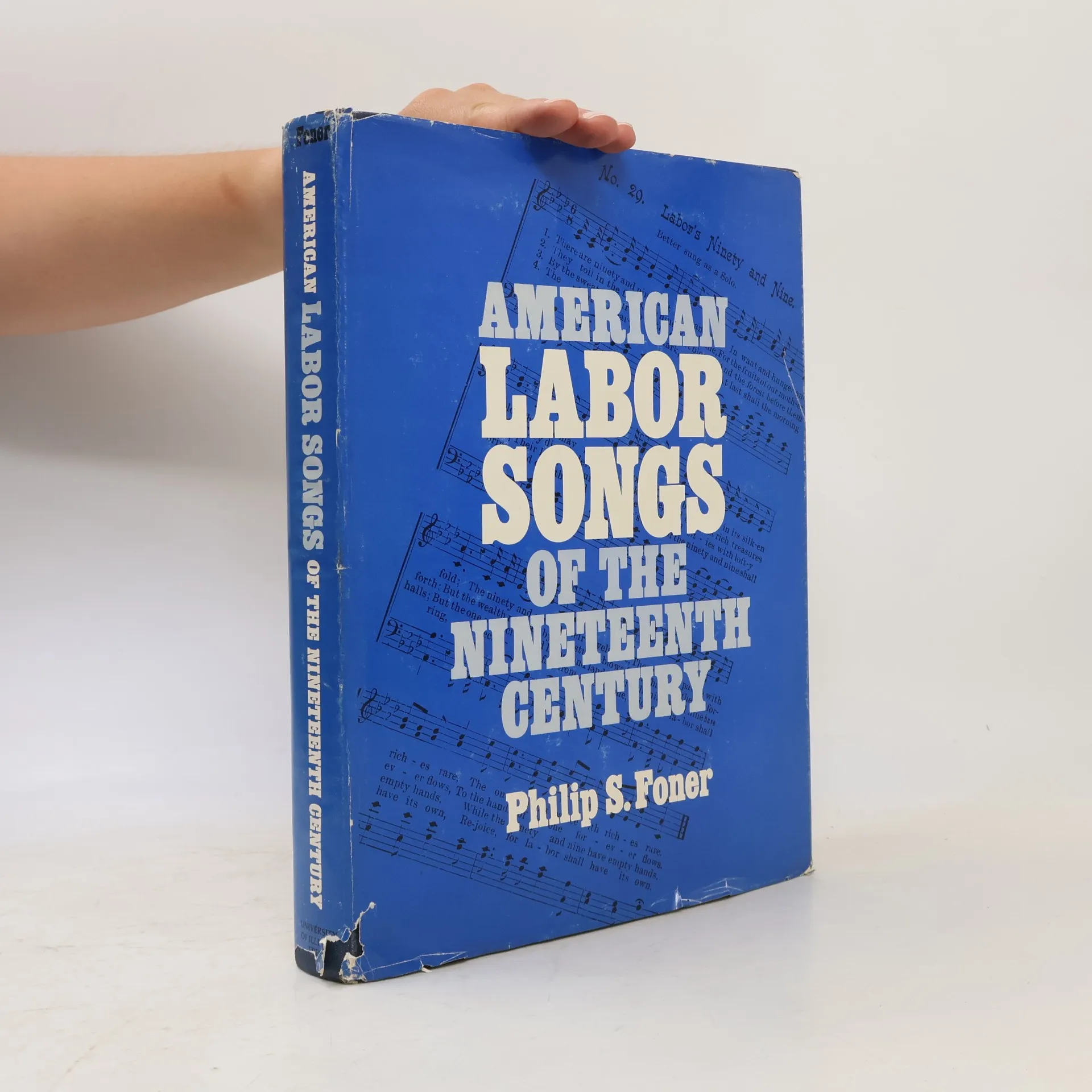
Music in American Life: American Labor Songs of the Nineteenth Century, Philip Sheldon Foner
- Langue

- Année de publication
- 1975
- Reliure
- (rigide)
Modes de paiement
Personne n'a encore évalué .
- Titre
- Music in American Life: American Labor Songs of the Nineteenth Century
- Langue
- Anglais
- Auteurs
- Philip Sheldon Foner
- Éditeur
- University of Illinois Press
- Publié
- 1975
- Format
- rigide
- Pages
- 356
- ISBN10
- 0252001877
- ISBN13
- 9780252001871
- Séries
- Mots clés
- Thématique musicale, Instruments de musique
- Description
- Hailed as a classic in music studies when it was first published in 1977, Early Downhome Blues is a detailed look at traditional country blues artists and their work. Combining musical analysis and cultural history approaches, Titon examines the origins of downhome blues in African American society. He also explores what happened to the art form when the blues were commercially recorded and became part of the larger American culture. From forty-seven musical transcriptions, Titon derives a grammar of early downhome blues melody. His book is enriched with the recollections of blues performers, audience members, and those working in the recording industry. In a new afterword, Titon reflects on the genesis of this book in the blues revival of the 1960s and the politics of tourism in the current revival under way.