

Paramètres
- 284pages
- 10 heures de lecture
En savoir plus sur le livre
The Earth's climate has always been in flux: glacial periods and warm ones have slowly and relentlessly alternated for millennia. But the period of global warming of the last 15,000 years is without precedent, and it set the conditions which enabled civilization to arise. It is our 'long summer'. From the almost unimaginably hostile climate of the late Ice to the onset of 'Little Ice Age', which began in 1315 and lasted half a millennium, this book tells the remarkable story of how human history has been influenced by the planet's ever-changing climate. Brian Fagan deploys all the resources of the new climatology to reveal the complex interplay between human development and the weather. He shows that human beings have proved themselves to be at their most resilient and adaptable when the Earth's volatile climate has posed the greatest challenges: severe droughts in southwestern Asia, the drying of the Sahara brought cattle people to the Nile Valley with their distinctive ideas of leadership, and the ripple effects of the Medieval Warm Period had very different and profound impacts in Europe and the Americas. Confronted with such challenges, our ancestors time and again rose to meet

Achat du livre
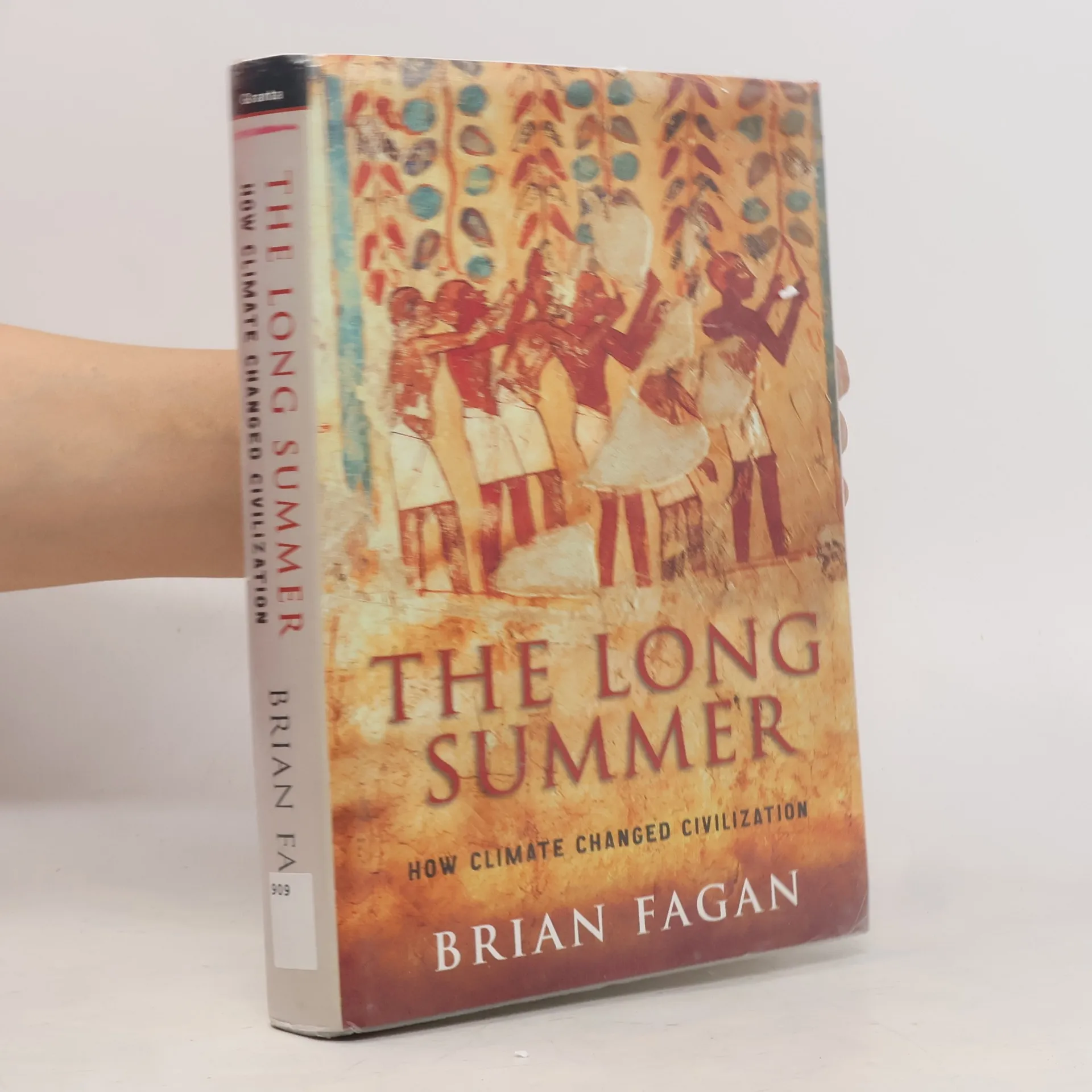
The Long Summer, Brian M. Fagan
- Langue

- Année de publication
- 2004
- Reliure
- (rigide)
Modes de paiement
Il manque plus que ton avis ici.
- Titre
- The Long Summer
- Sous-titre
- How Climate Changed Civilization
- Langue
- Anglais
- Auteurs
- Brian M. Fagan
- Éditeur
- Granta Books
- Publié
- 2004
- Format
- rigide
- Pages
- 284
- ISBN10
- 1862076448
- ISBN13
- 9781862076440
- Séries
- Catégories
- Titre original
- Floods, famines, and emperors
- Évaluation
- 1 sur 5
- Description
- The Earth's climate has always been in flux: glacial periods and warm ones have slowly and relentlessly alternated for millennia. But the period of global warming of the last 15,000 years is without precedent, and it set the conditions which enabled civilization to arise. It is our 'long summer'. From the almost unimaginably hostile climate of the late Ice to the onset of 'Little Ice Age', which began in 1315 and lasted half a millennium, this book tells the remarkable story of how human history has been influenced by the planet's ever-changing climate. Brian Fagan deploys all the resources of the new climatology to reveal the complex interplay between human development and the weather. He shows that human beings have proved themselves to be at their most resilient and adaptable when the Earth's volatile climate has posed the greatest challenges: severe droughts in southwestern Asia, the drying of the Sahara brought cattle people to the Nile Valley with their distinctive ideas of leadership, and the ripple effects of the Medieval Warm Period had very different and profound impacts in Europe and the Americas. Confronted with such challenges, our ancestors time and again rose to meet