

Paramètres
- 379pages
- 14 heures de lecture
En savoir plus sur le livre
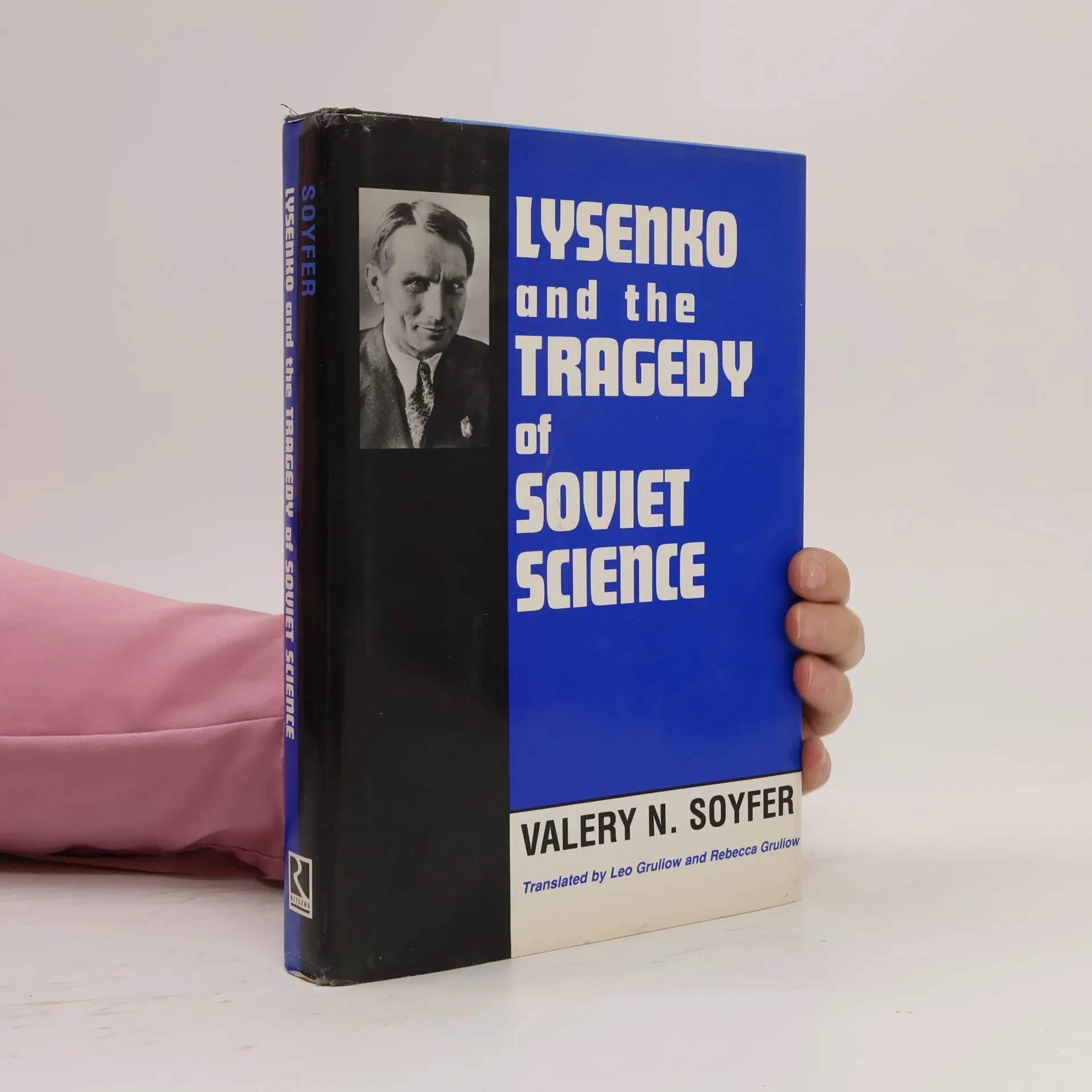
Dr. Soyfer, a former Soviet scientist who encountered Lysenko, chronicles the devastating impact of Lysenko’s influence on science and scientists. Lysenko, an undereducated agronomist, rose to prominence in the 1930s after being portrayed as a pioneering scientist by "Pravda." Understanding the power of public support, he sought recognition in non-academic publications. His humble beginnings and unverified claims made him a celebrated proletarian scientist, essential for advancing Communist ideals. As he climbed the ranks, he was aided by those who believed in his sincerity, only to later purge many of them after securing the backing of Stalin and Khrushchev. Despite his grand assertions of producing superior agricultural products, his claims repeatedly failed, yet dissent was silenced. Lysenko's actions nearly obliterated serious research in genetics, agriculture, and biology from the 1930s to the 1960s, leading to the exile, firing, or execution of numerous scientists. The author argues that the repercussions of Lysenko’s reign still resonate in Russia today. This account illustrates the tragic consequences when political ideologies dictate the boundaries of scientific inquiry.
Achat du livre
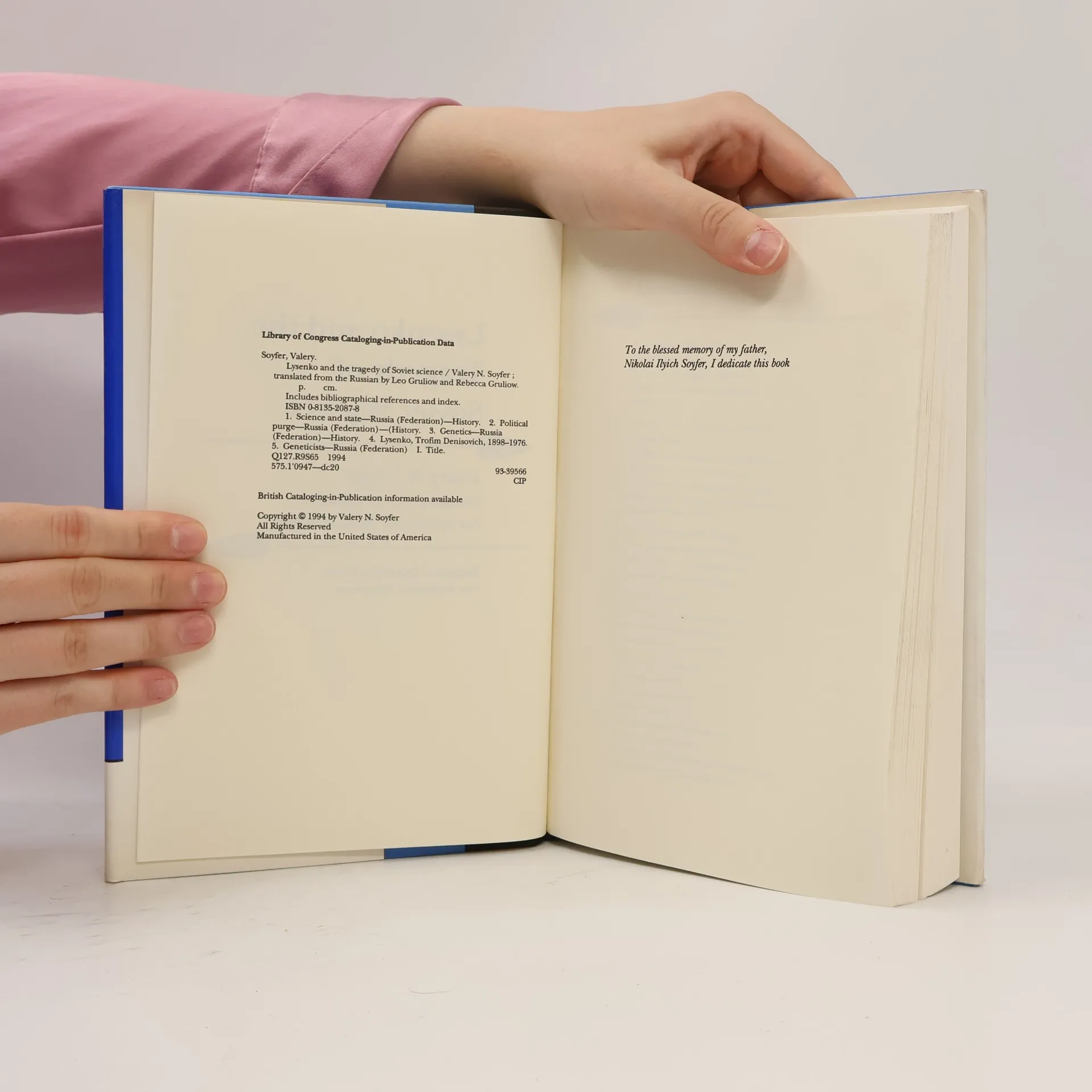
Lysenko and the Tragedy of Soviet Science, Valery N. Soyfer, Leo Gruliow, Rebecca Gruliow
- Langue

- Année de publication
- 1994
- product-detail.submit-box.info.binding
- (rigide),
- État du livre
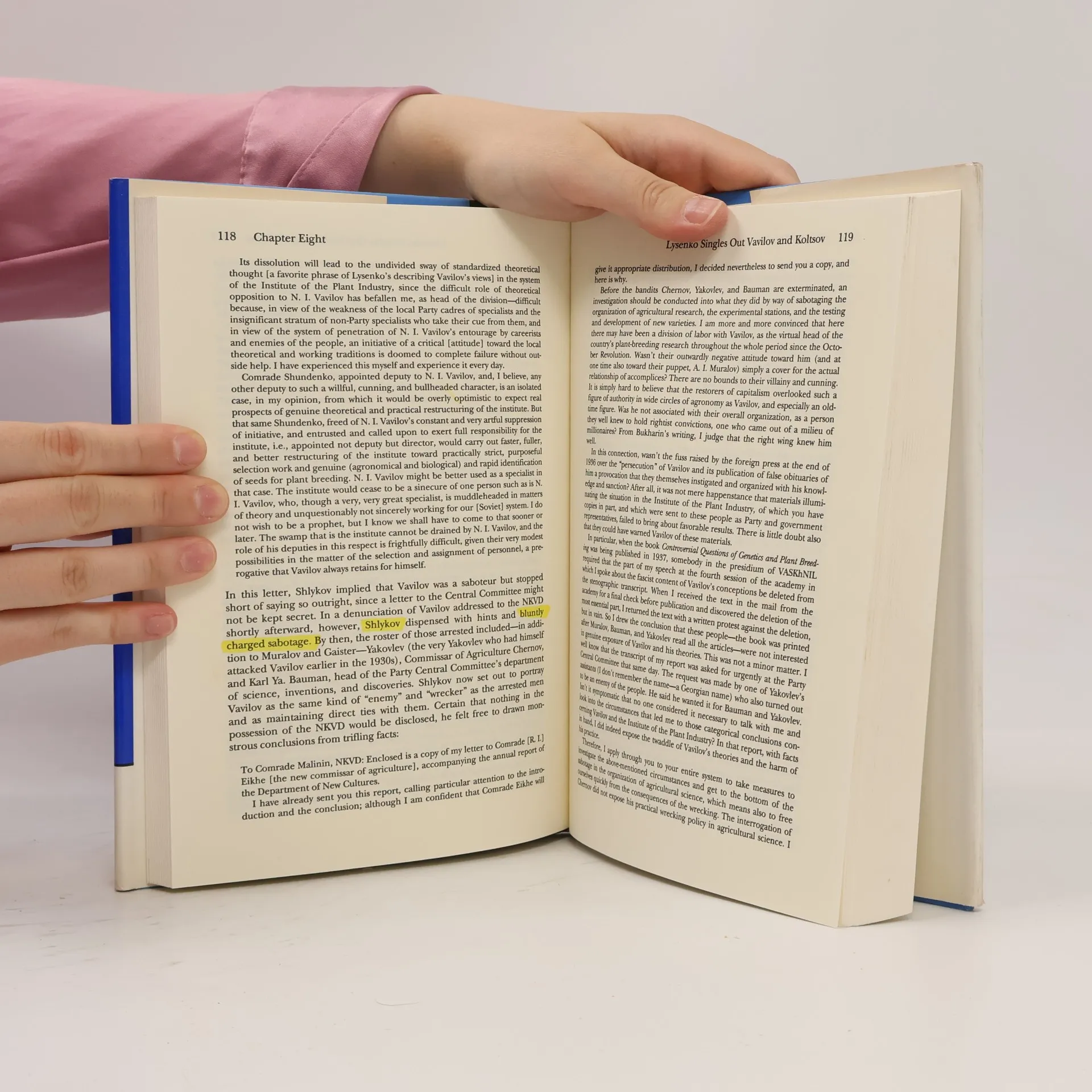
- Abîmé
- Prix
- 14,25 €
Modes de paiement
Personne n'a encore évalué .
- Langue
- Anglais
- Auteurs
- Valery N. Soyfer, Leo Gruliow, Rebecca Gruliow
- Éditeur
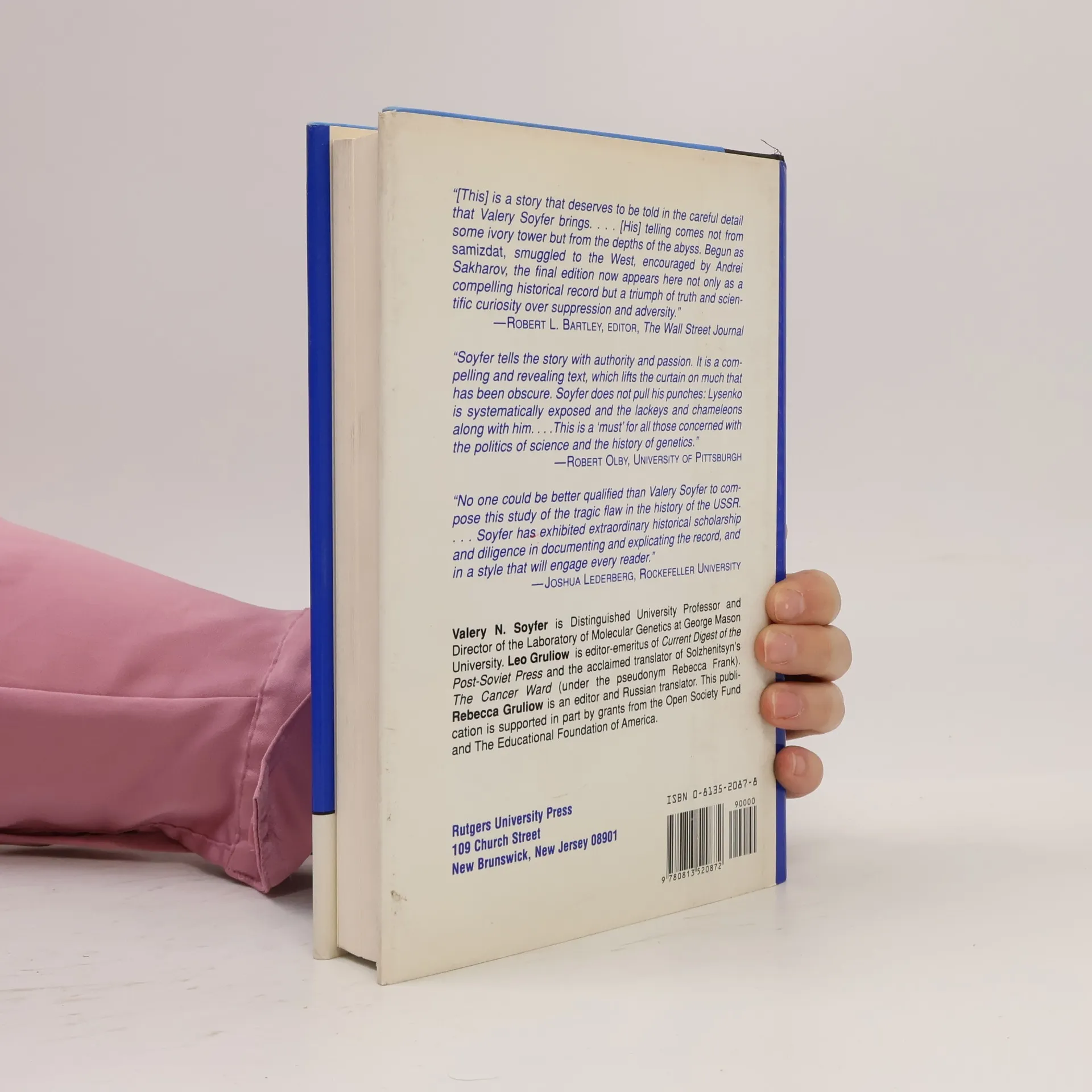
- Rutgers University Press
- Publié
- 1994
- Format
- rigide
- Pages
- 379
- ISBN10
- 0813520878
- ISBN13
- 9780813520872
- Séries
- Mots clés
- Nonfiction, Thème historique, Science et Mathématiques, Sciences naturelles, Biologie, Science, États-Unis, Génétique, Histoire des sciences
- Description
- Dr. Soyfer, a former Soviet scientist who encountered Lysenko, chronicles the devastating impact of Lysenko’s influence on science and scientists. Lysenko, an undereducated agronomist, rose to prominence in the 1930s after being portrayed as a pioneering scientist by "Pravda." Understanding the power of public support, he sought recognition in non-academic publications. His humble beginnings and unverified claims made him a celebrated proletarian scientist, essential for advancing Communist ideals. As he climbed the ranks, he was aided by those who believed in his sincerity, only to later purge many of them after securing the backing of Stalin and Khrushchev. Despite his grand assertions of producing superior agricultural products, his claims repeatedly failed, yet dissent was silenced. Lysenko's actions nearly obliterated serious research in genetics, agriculture, and biology from the 1930s to the 1960s, leading to the exile, firing, or execution of numerous scientists. The author argues that the repercussions of Lysenko’s reign still resonate in Russia today. This account illustrates the tragic consequences when political ideologies dictate the boundaries of scientific inquiry.