

Exactement cet exemplaire ira dans le panier


Paramètres
- 432pages
- 16 heures de lecture
En savoir plus sur le livre
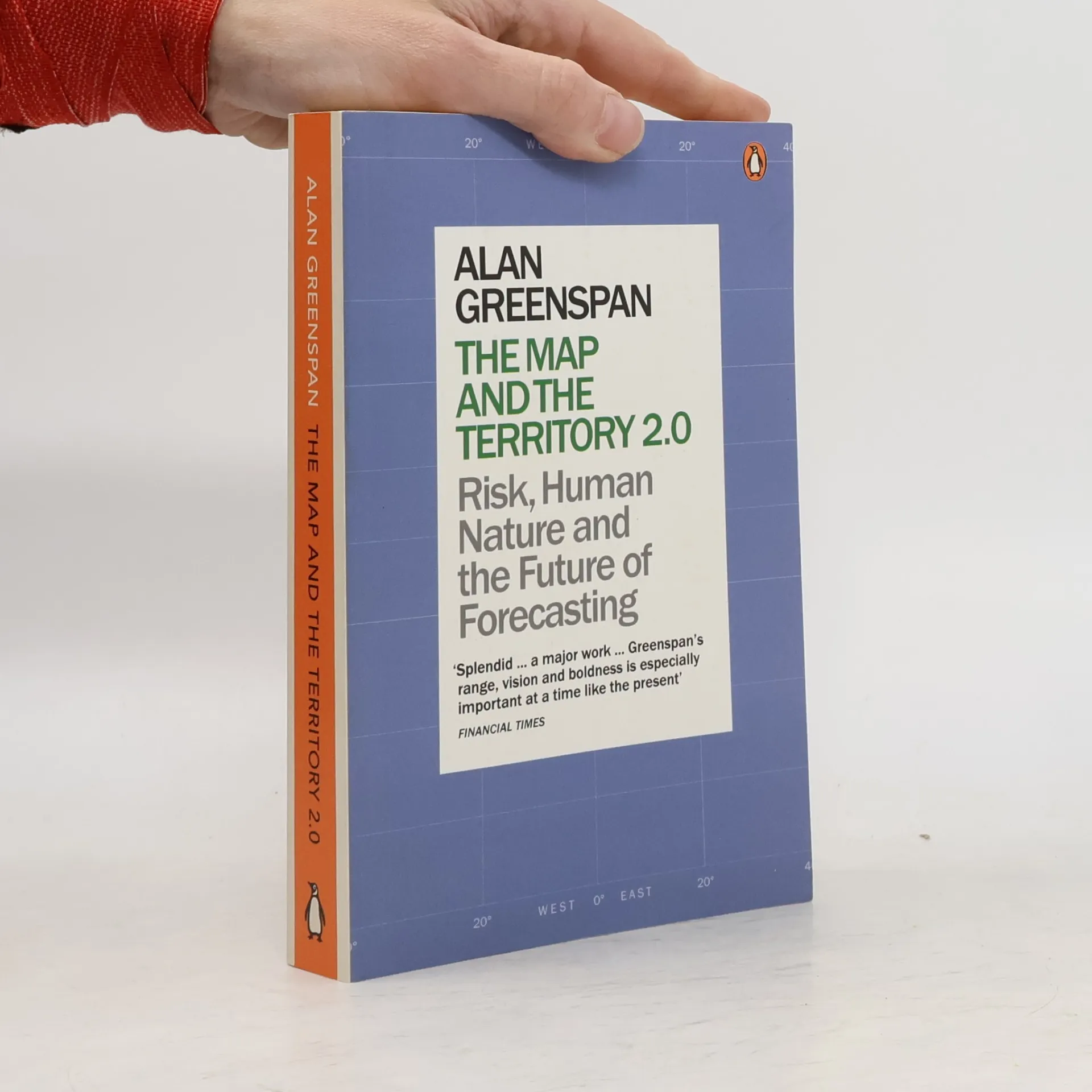
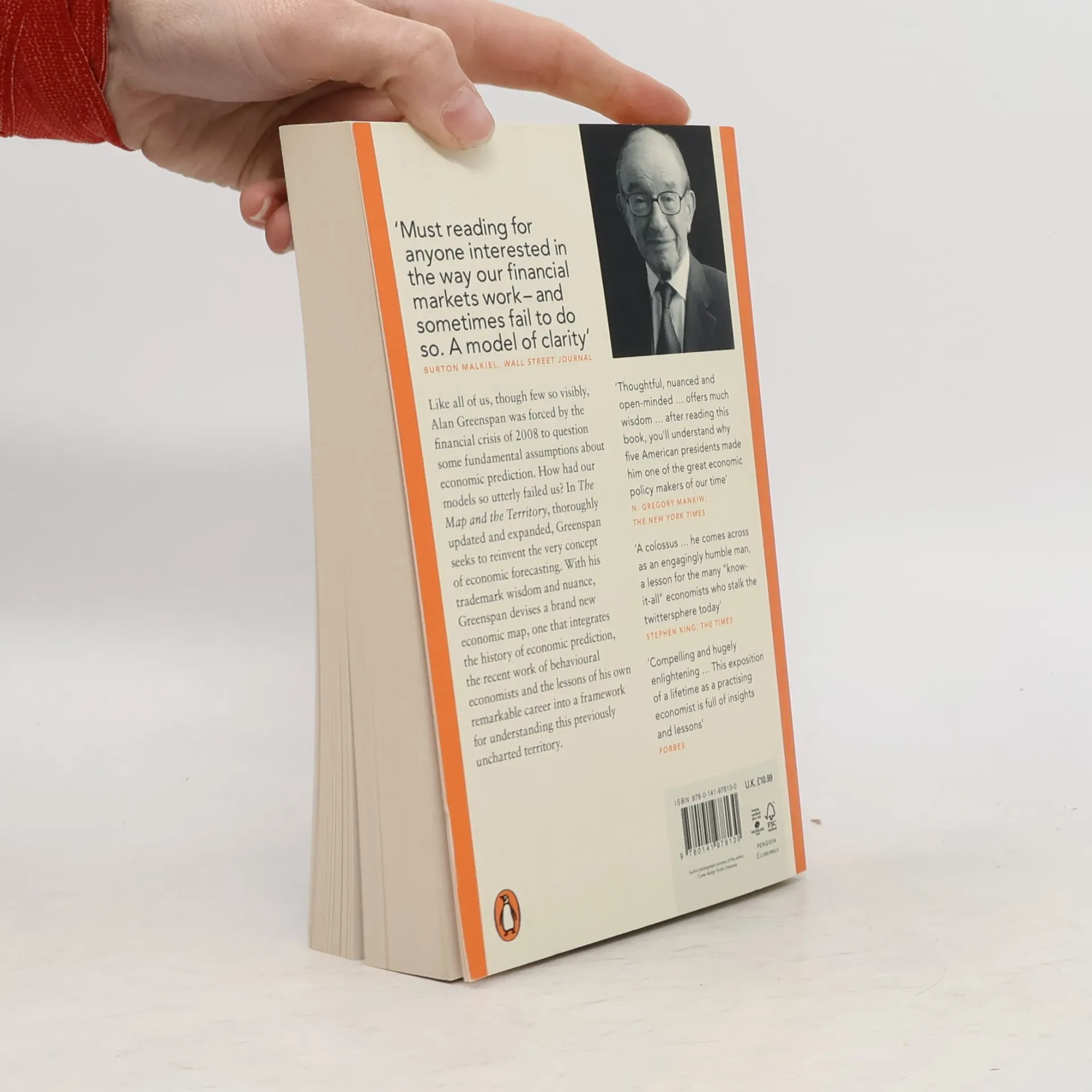
Like all of us, though few so visibly, Alan Greenspan was forced by the financial crisis of 2008 to question some fundamental assumptions about risk management and economic forecasting. How had our models so utterly failed us? Virtually every day, we make wagers on the future - but, even when we're not driven by factors entirely beyond our conscious control, the maps by which we are steering are often out-of-date. The Map and the Territory is an important attempt to update our forecasting conceptual grid using twenty-first-century technologies, offering a lucid and empirical grounding in what we can know about economic forecasting and what we can't.
Achat du livre
The Map and the Territory 2.0, Alan Greenspan
- Langue

- Année de publication
- 2014
- product-detail.submit-box.info.binding
- (souple),
- État du livre
- Très bon
- Prix
- 4,79 €
Modes de paiement
Personne n'a encore évalué .
- Titre
- The Map and the Territory 2.0
- Sous-titre
- Risk, Human Nature, and the Future of Forecasting
- Langue
- Anglais
- Auteurs
- Alan Greenspan
- Éditeur
- Penguin UK
- Publié
- 2014
- Format
- souple
- Pages
- 432
- ISBN10
- 0141978139
- ISBN13
- 9780141978130
- Séries
- Mots clés
- Nonfiction, Thème historique, Histoire, Commerce, Affaires & Gestion, Sciences politiques & Politique, Politique, Économie, Finance
- Description
- Like all of us, though few so visibly, Alan Greenspan was forced by the financial crisis of 2008 to question some fundamental assumptions about risk management and economic forecasting. How had our models so utterly failed us? Virtually every day, we make wagers on the future - but, even when we're not driven by factors entirely beyond our conscious control, the maps by which we are steering are often out-of-date. The Map and the Territory is an important attempt to update our forecasting conceptual grid using twenty-first-century technologies, offering a lucid and empirical grounding in what we can know about economic forecasting and what we can't.