


En savoir plus sur le livre
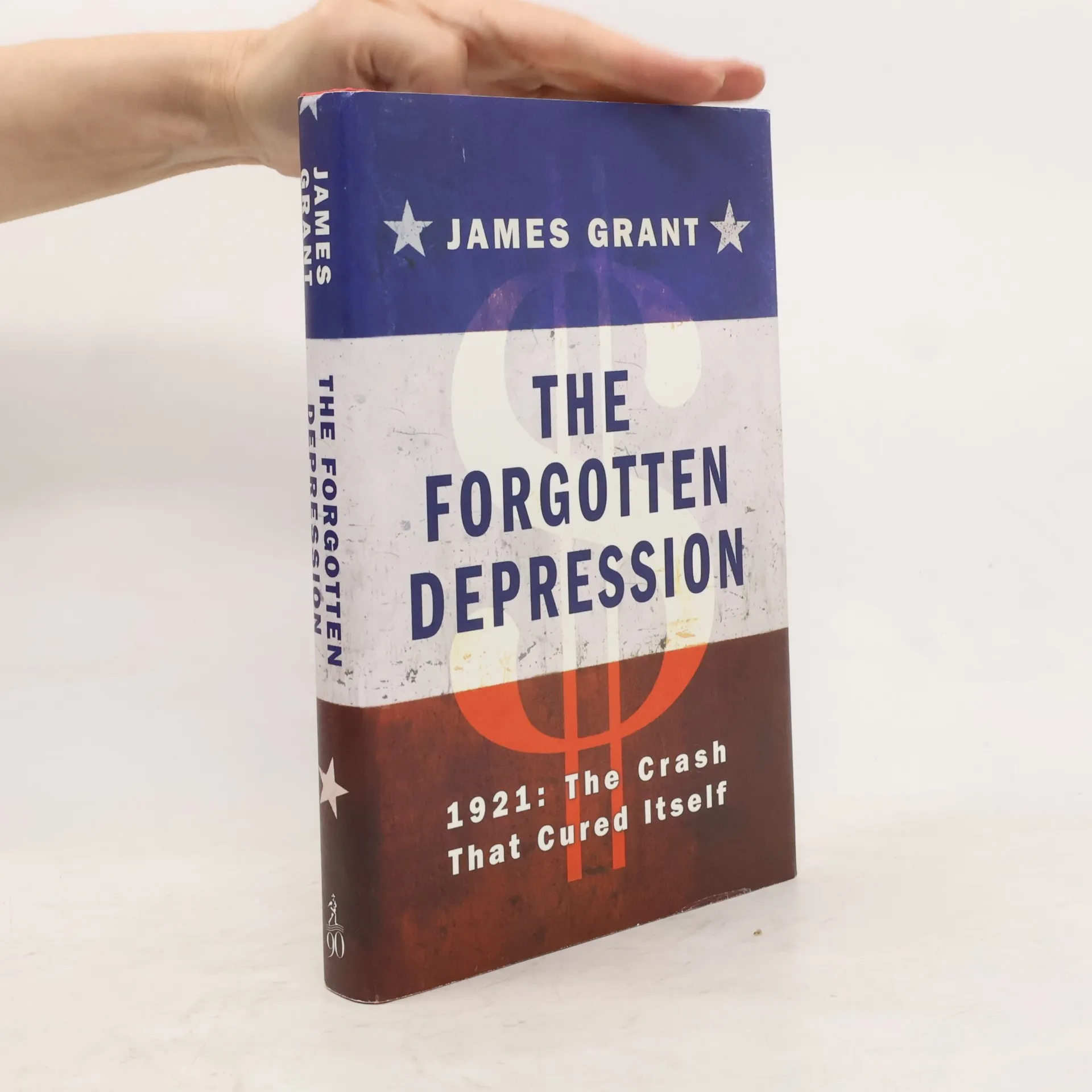
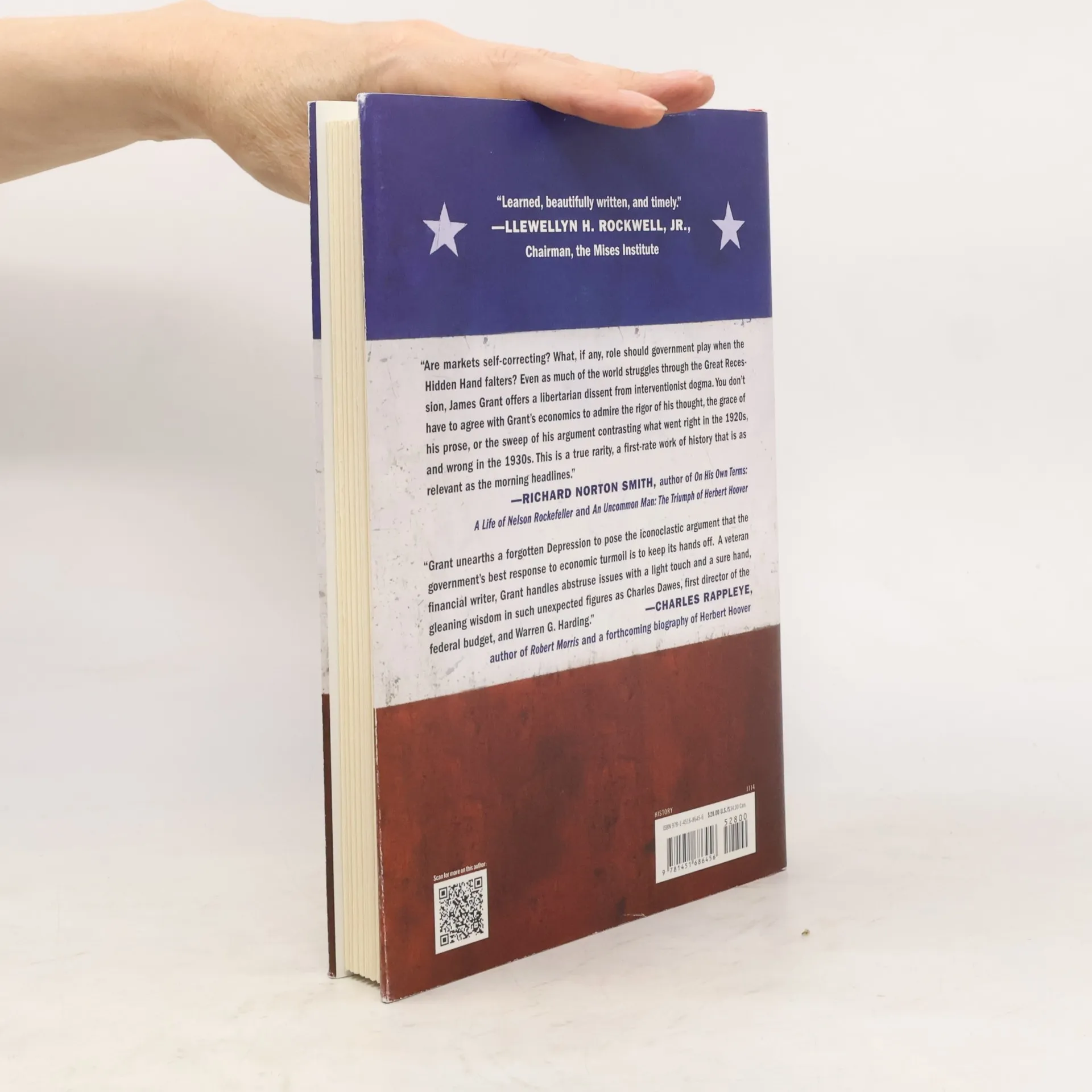
By the publisher of the prestigious "Grant's Interest Rate Observer," an account of the deep economic slump of 1920-21 that proposes, with respect to federal intervention, "less is more." This is a conservative rejoinder to the Keynesian stimulus applied by Bush and Obama to the 2007-09 recession, in whose aftereffects, Grant asserts, the nation still toils. James Grant tells the story of America's last government-untreated depression; relatively brief and self-correcting, it led to the Roaring Twenties. His book appears in the sixth year of a lackluster recovery from the "heavily medicated" downturn of 2007-2009. In 1920-21, Woodrow Wilson and Warren G. Harding met a deep economic slump by seeming to ignore it, implementing policies that most 21st century economists would call backward. Confronted with plunging prices, wages, and employment, the government balanced the budget and, through the Federal Reserve, raised interest rates. No "stimulus" was administered, but a powerful, job-filled recovery was under way by late in 1921. In 1929, the economy once again slumped--and kept right on slumping as the Hoover administration adopted the very policies that Wilson and Harding had declined to put place. Grant argues that well-intended federal intervention, notably the White House-led campaign to prop up industrial wages, helped to turn a bad recession into America's worst depression. He offers the experience of the earlier depression for lessons for today and the future. This is a powerful response to the prevailing notion of how to fight recession. The enterprise system is more resilient than even its friends give it credit for being, Grant demonstrates.
Achat du livre
The Forgotten Depression, James Grant
- Langue

- Année de publication
- 2014
- product-detail.submit-box.info.binding
- (rigide),
- État du livre
- Très bon
- Prix
- 4,39 €
Modes de paiement
Personne n'a encore évalué .
- Titre
- The Forgotten Depression
- Sous-titre
- 1921
- Langue
- Anglais
- Auteurs
- James Grant
- Éditeur
- Simon & Schuster
- Publié
- 2014
- Format
- rigide
- Pages
- 254
- ISBN10
- 1451686455
- ISBN13
- 9781451686456
- Séries
- Mots clés
- Nonfiction, Thème historique, Commerce, Politique, Économie, États-Unis, 20e siècle, Finance, Histoire des États-Unis, Macroéconomie, Crise financière, Politique Monétaire
- Description
- By the publisher of the prestigious "Grant's Interest Rate Observer," an account of the deep economic slump of 1920-21 that proposes, with respect to federal intervention, "less is more." This is a conservative rejoinder to the Keynesian stimulus applied by Bush and Obama to the 2007-09 recession, in whose aftereffects, Grant asserts, the nation still toils. James Grant tells the story of America's last government-untreated depression; relatively brief and self-correcting, it led to the Roaring Twenties. His book appears in the sixth year of a lackluster recovery from the "heavily medicated" downturn of 2007-2009. In 1920-21, Woodrow Wilson and Warren G. Harding met a deep economic slump by seeming to ignore it, implementing policies that most 21st century economists would call backward. Confronted with plunging prices, wages, and employment, the government balanced the budget and, through the Federal Reserve, raised interest rates. No "stimulus" was administered, but a powerful, job-filled recovery was under way by late in 1921. In 1929, the economy once again slumped--and kept right on slumping as the Hoover administration adopted the very policies that Wilson and Harding had declined to put place. Grant argues that well-intended federal intervention, notably the White House-led campaign to prop up industrial wages, helped to turn a bad recession into America's worst depression. He offers the experience of the earlier depression for lessons for today and the future. This is a powerful response to the prevailing notion of how to fight recession. The enterprise system is more resilient than even its friends give it credit for being, Grant demonstrates.