

En savoir plus sur le livre
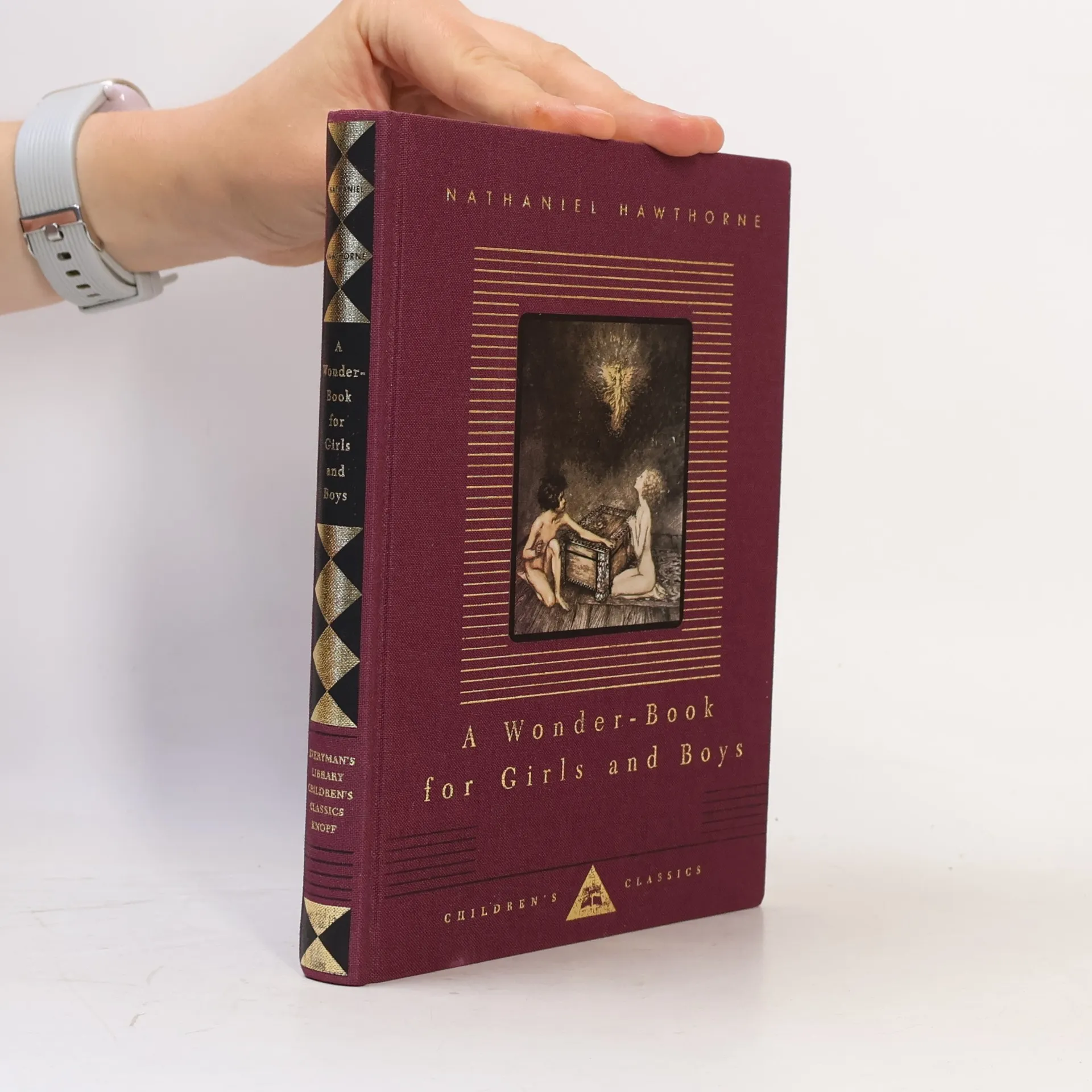
Six legends of Greek mythology, retold for children by Nathaniel Hawthorne. Included are The Gorgon’s Head, The Golden Touch, The Paradise of Children, The Three Golden Apples, The Miraculous Pitcher, and The Chimaera. In 1838, Hawthorne suggested to Henry Wadsworth Longfellow that they collaborate on a story for children based on the legend of the Pandora’s Box, but this never materialized. He wrote <b>A Wonder Book</b> between April and July 1851, adapting six legends most freely from Charles Anton’s <i>A Classical Dictionary</i> (1842). He set out deliberately to “modernize” the stories, freeing them from what he called “cold moonshine” and using a romantic, readable style that was criticized by adults but proved universally popular with children. With full-color illustrations throughout by Arthur Rackham.
Achat du livre
Everyman's Library Children's Classics: A Wonder-Book for Girls and Boys, Nathaniel Hawthorne
- Langue

- Année de publication
- 1994
- Reliure
- (rigide),
- État du livre
- Abîmé
- Prix
- 13,01 €
Modes de paiement
Personne n'a encore évalué .
- Titre
- Everyman's Library Children's Classics: A Wonder-Book for Girls and Boys
- Langue
- Anglais
- Auteurs
- Nathaniel Hawthorne
- Éditeur
- Everyman's Library
- Publié
- 1994
- Format
- rigide
- Pages
- 270
- ISBN10
- 067943643X
- ISBN13
- 9780679436430
- Séries
- Mots clés
- Livres pour enfants, Nouvelles, Mythologie, Mythologie grecque
- Description
- Six legends of Greek mythology, retold for children by Nathaniel Hawthorne. Included are The Gorgon’s Head, The Golden Touch, The Paradise of Children, The Three Golden Apples, The Miraculous Pitcher, and The Chimaera. In 1838, Hawthorne suggested to Henry Wadsworth Longfellow that they collaborate on a story for children based on the legend of the Pandora’s Box, but this never materialized. He wrote <b>A Wonder Book</b> between April and July 1851, adapting six legends most freely from Charles Anton’s <i>A Classical Dictionary</i> (1842). He set out deliberately to “modernize” the stories, freeing them from what he called “cold moonshine” and using a romantic, readable style that was criticized by adults but proved universally popular with children. With full-color illustrations throughout by Arthur Rackham.