




En savoir plus sur le livre
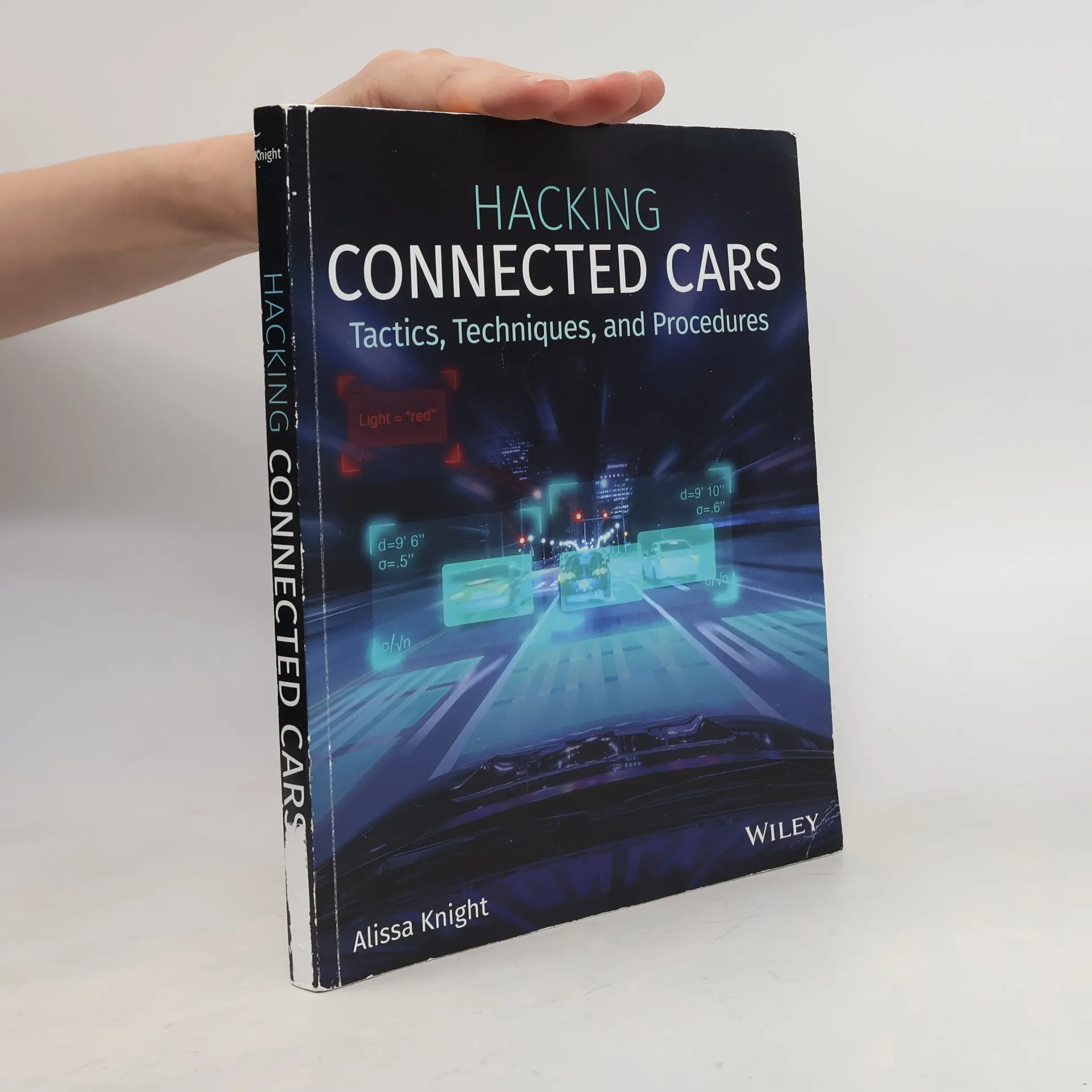
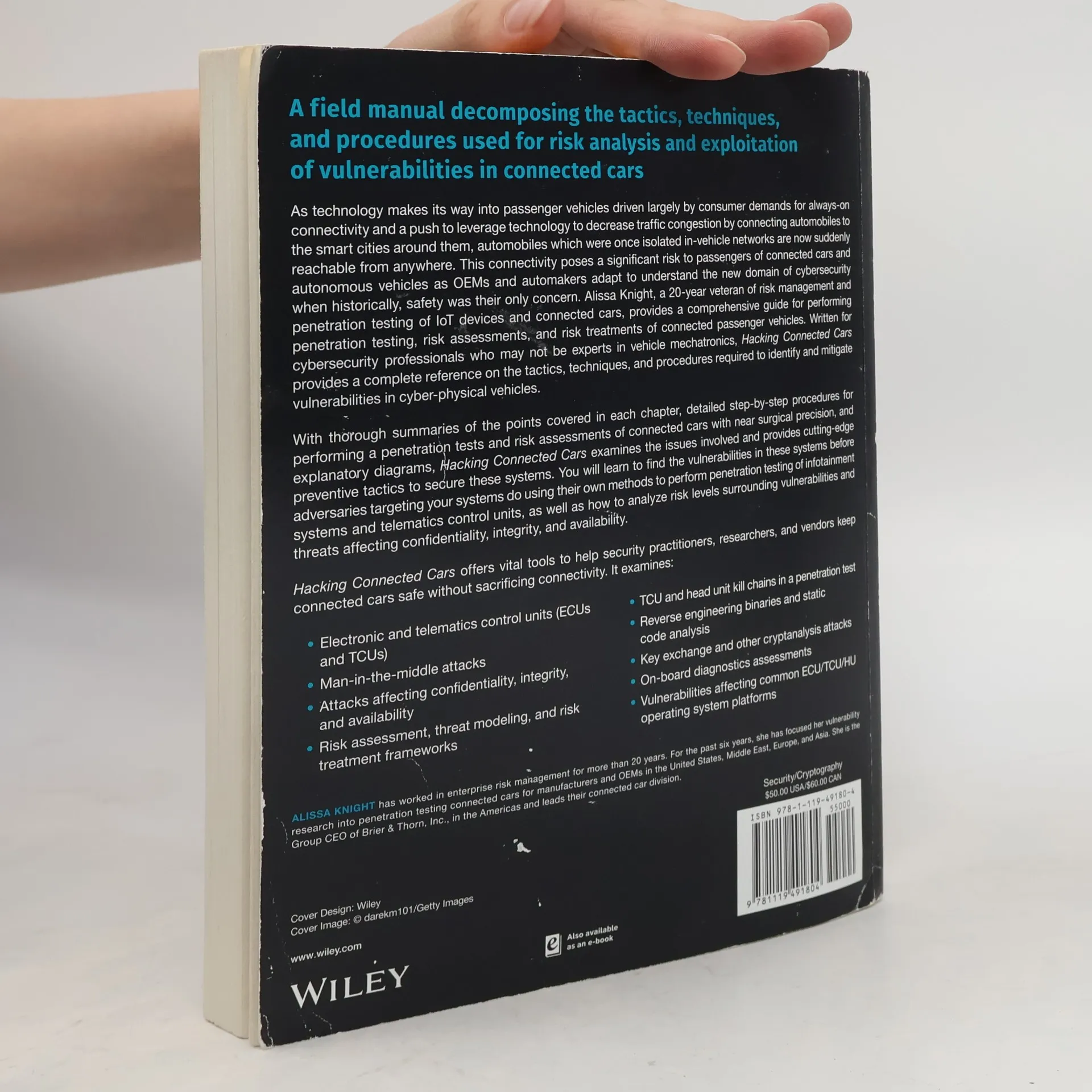
This field manual contextualizes cyber threats, vulnerabilities, and risks to connected cars through penetration testing and risk assessment. It deconstructs the tactics, techniques, and procedures (TTPs) used to hack into connected and autonomous vehicles, aiding in the identification and mitigation of vulnerabilities in cyber-physical vehicles. Authored by a veteran in risk management and IoT device penetration testing, it details how to conduct penetration testing, threat modeling, and risk assessments of telematics control units and infotainment systems. The book highlights how vulnerabilities in wireless networking, Bluetooth, and GSM can compromise the confidentiality, integrity, and availability of connected cars. With a significant rise in vehicle connectivity, driven by consumer demand and the Internet of Things, manufacturers face challenges in pushing updates without exposing systems to attacks. It offers in-depth examinations of these issues and presents advanced preventative tactics for security practitioners, researchers, and vendors to safeguard connected cars while maintaining connectivity. The guide includes step-by-step methods for testing infotainment systems and analyzing risk levels tied to vulnerabilities. As the need for in-vehicle security expertise intensifies, this book serves as a practical resource for enhancing vehicle safety against cyber threats.
Achat du livre
Hacking Connected Cars, Alissa Knight
- Langue

- Année de publication
- 2019
- Reliure
- (souple),
- État du livre
- Abîmé
- Prix
- 5,82 €
Modes de paiement
Personne n'a encore évalué .
- Sous-titre
- Tactics, Techniques, and Procedures
- Langue
- Anglais
- Auteurs
- Alissa Knight
- Éditeur
- Wiley
- Publié
- 2019
- Format
- souple
- Pages
- 272
- ISBN10
- 1119491800
- ISBN13
- 9781119491804
- Séries
- Mots clés
- États-Unis, Technologie, Hackers
- Description
- This field manual contextualizes cyber threats, vulnerabilities, and risks to connected cars through penetration testing and risk assessment. It deconstructs the tactics, techniques, and procedures (TTPs) used to hack into connected and autonomous vehicles, aiding in the identification and mitigation of vulnerabilities in cyber-physical vehicles. Authored by a veteran in risk management and IoT device penetration testing, it details how to conduct penetration testing, threat modeling, and risk assessments of telematics control units and infotainment systems. The book highlights how vulnerabilities in wireless networking, Bluetooth, and GSM can compromise the confidentiality, integrity, and availability of connected cars. With a significant rise in vehicle connectivity, driven by consumer demand and the Internet of Things, manufacturers face challenges in pushing updates without exposing systems to attacks. It offers in-depth examinations of these issues and presents advanced preventative tactics for security practitioners, researchers, and vendors to safeguard connected cars while maintaining connectivity. The guide includes step-by-step methods for testing infotainment systems and analyzing risk levels tied to vulnerabilities. As the need for in-vehicle security expertise intensifies, this book serves as a practical resource for enhancing vehicle safety against cyber threats.