

Paramètres
- 80pages
- 3 heures de lecture
En savoir plus sur le livre
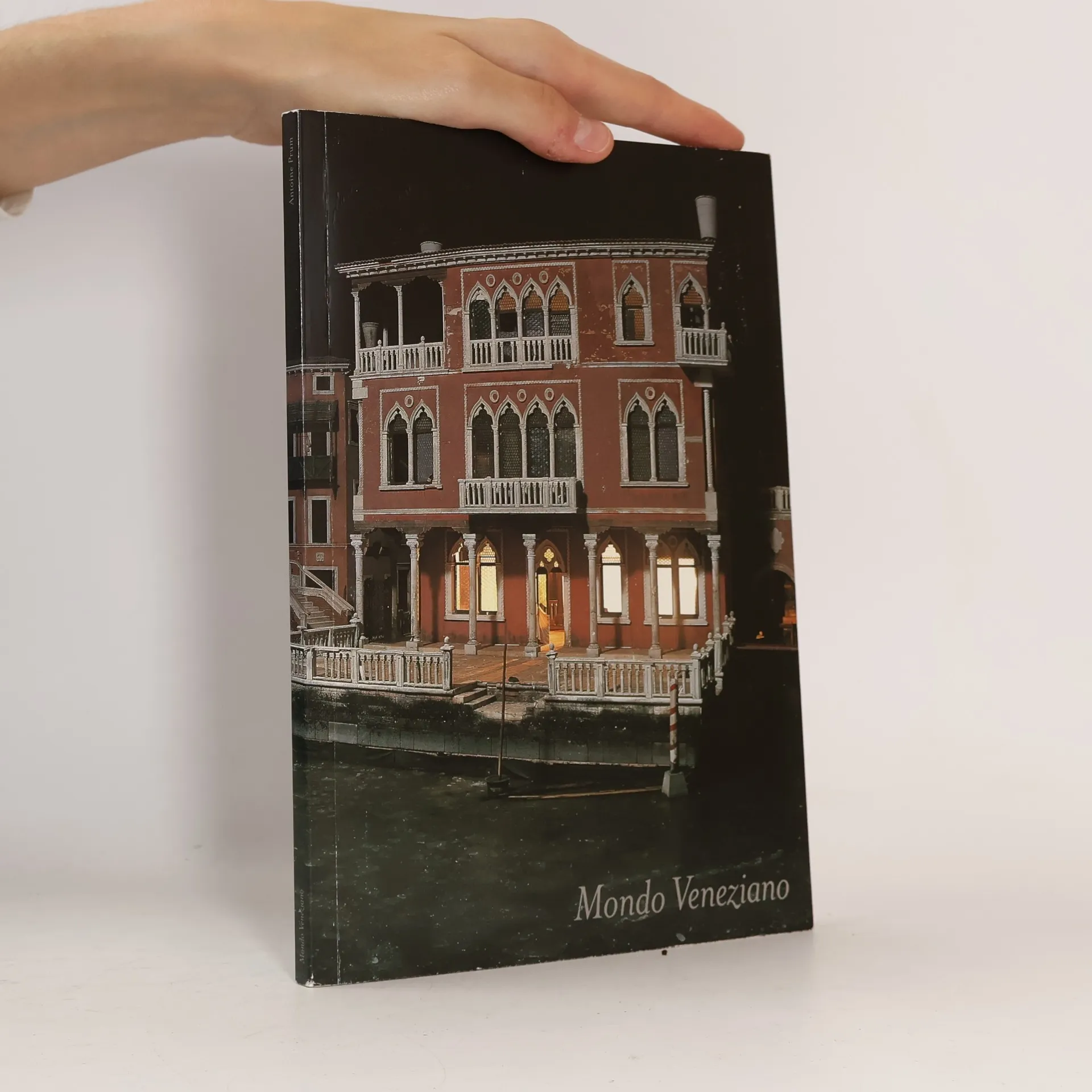
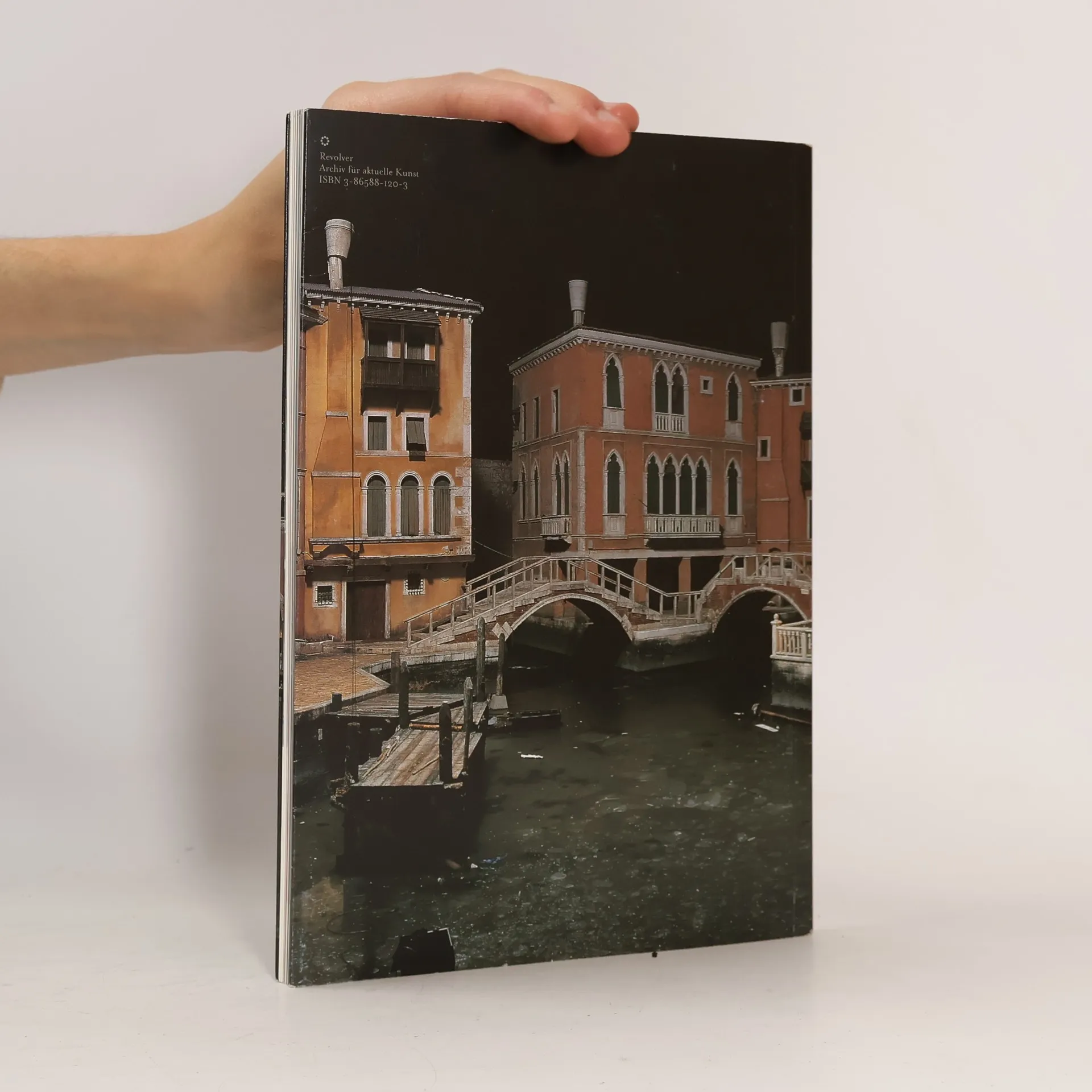
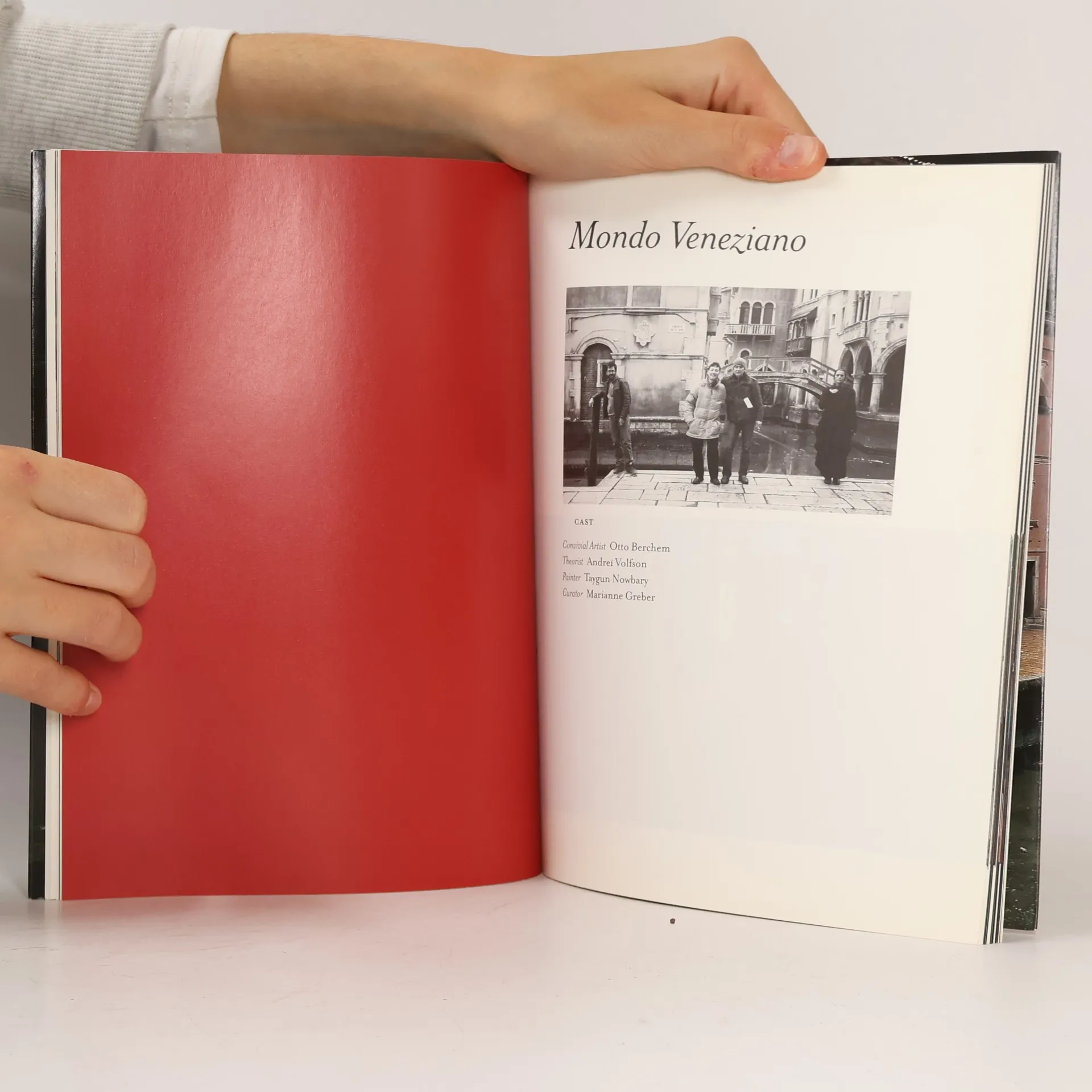
„Mondo Veneziano. High Noon in the Sinking City“ addresses a wide variety of theoretical discourses currently on the contemporary art agenda, confronting them with a series of unexpected and spectacular events. Cast in an abandoned Venice, „Mondo Veneziano“ narrates a meeting of four protagonists, representative of key players in the art world, who appear to conduct a complex theoretical debate. But their soliloquious confrontation – an insidious patchwork of quotations from recent specialist literature, paraphrasing the widely used „post-modern“ technique of sampling – is interrupted by a string of bloody killings, largely inspired by common cinema genres such as gore or splatter movies. The Venice that serves as a backdrop to the characters' intellectual and physical joust is in reality a large-scale film set located in a southern town in Luxembourg, which has served in numerous feature films. „Mondo Veneziano“ does not attempt to conceal the backlot; rather, the city itself becomes something of a quotation, much like the protagonists, who are depicted as actors rehearsing their comic-style figures for a final showdown. Alternating sinuous discursive phases with resolute physical action, „Mondo Veneziano“ is a part serious, part caustic comment on a professional milieu.
Achat du livre
Mondo Veneziano, Antoine Prum, Gerrit Gohlke, Mitch Cohen
- Langue
- Année de publication
- 2005
- Reliure
- (souple),
- État du livre
- Très bon
- Prix
- 5,29 €
Modes de paiement
Personne n'a encore évalué .
- Titre
- Mondo Veneziano
- Auteurs
- Antoine Prum, Gerrit Gohlke, Mitch Cohen
- Publié
- 2005
- Format
- souple
- Pages
- 80
- ISBN10
- 3865881203
- ISBN13
- 9783865881205
- Séries
- Description
- „Mondo Veneziano. High Noon in the Sinking City“ addresses a wide variety of theoretical discourses currently on the contemporary art agenda, confronting them with a series of unexpected and spectacular events. Cast in an abandoned Venice, „Mondo Veneziano“ narrates a meeting of four protagonists, representative of key players in the art world, who appear to conduct a complex theoretical debate. But their soliloquious confrontation – an insidious patchwork of quotations from recent specialist literature, paraphrasing the widely used „post-modern“ technique of sampling – is interrupted by a string of bloody killings, largely inspired by common cinema genres such as gore or splatter movies. The Venice that serves as a backdrop to the characters' intellectual and physical joust is in reality a large-scale film set located in a southern town in Luxembourg, which has served in numerous feature films. „Mondo Veneziano“ does not attempt to conceal the backlot; rather, the city itself becomes something of a quotation, much like the protagonists, who are depicted as actors rehearsing their comic-style figures for a final showdown. Alternating sinuous discursive phases with resolute physical action, „Mondo Veneziano“ is a part serious, part caustic comment on a professional milieu.