



En savoir plus sur le livre
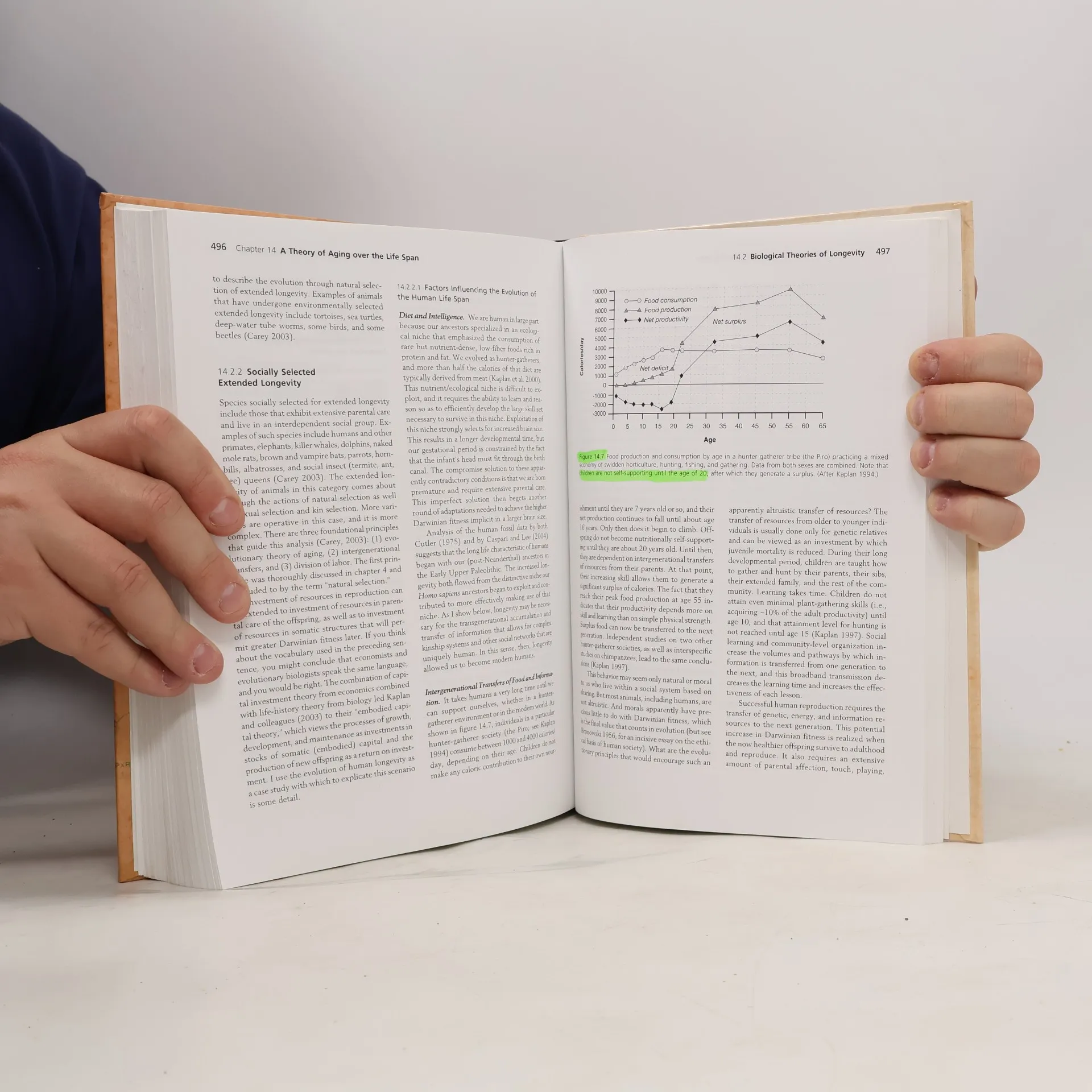
Robert Arking's Biology of Aging, 3rd edition, serves as an essential introductory text for advanced undergraduate and graduate students, providing a comprehensive review of the biology of aging. This edition highlights significant recent advancements in understanding both the ultimate and proximate mechanisms of aging. Key updates include clarified distinctions between longevity determination and senescent processes, along with a new conceptual framework to help readers organize and interpret the latest findings. Enhanced insights into aging cells reveal how they transition from healthy to senescent states, accommodating high levels of variability. The text discusses senescent mechanisms, emphasizing that aging results from a nonprogrammatic loss of function due to diminished regulatory signals, which can be modified in laboratory settings. It also addresses recent research on intergenerational resource transfers, challenging traditional evolutionary narratives regarding social organisms. As aging mechanisms are shown to be plastic, there is an increasing demand for anti-aging interventions in humans. The book presents biological and ethical arguments surrounding this issue, framing it thoughtfully. Fifteen focused chapters summarize extensive data on aging, with the final chapters integrating this material into a cohesive understanding of biological changes throughout the lifespan. Arking posits that pharmaceutical extension
Achat du livre
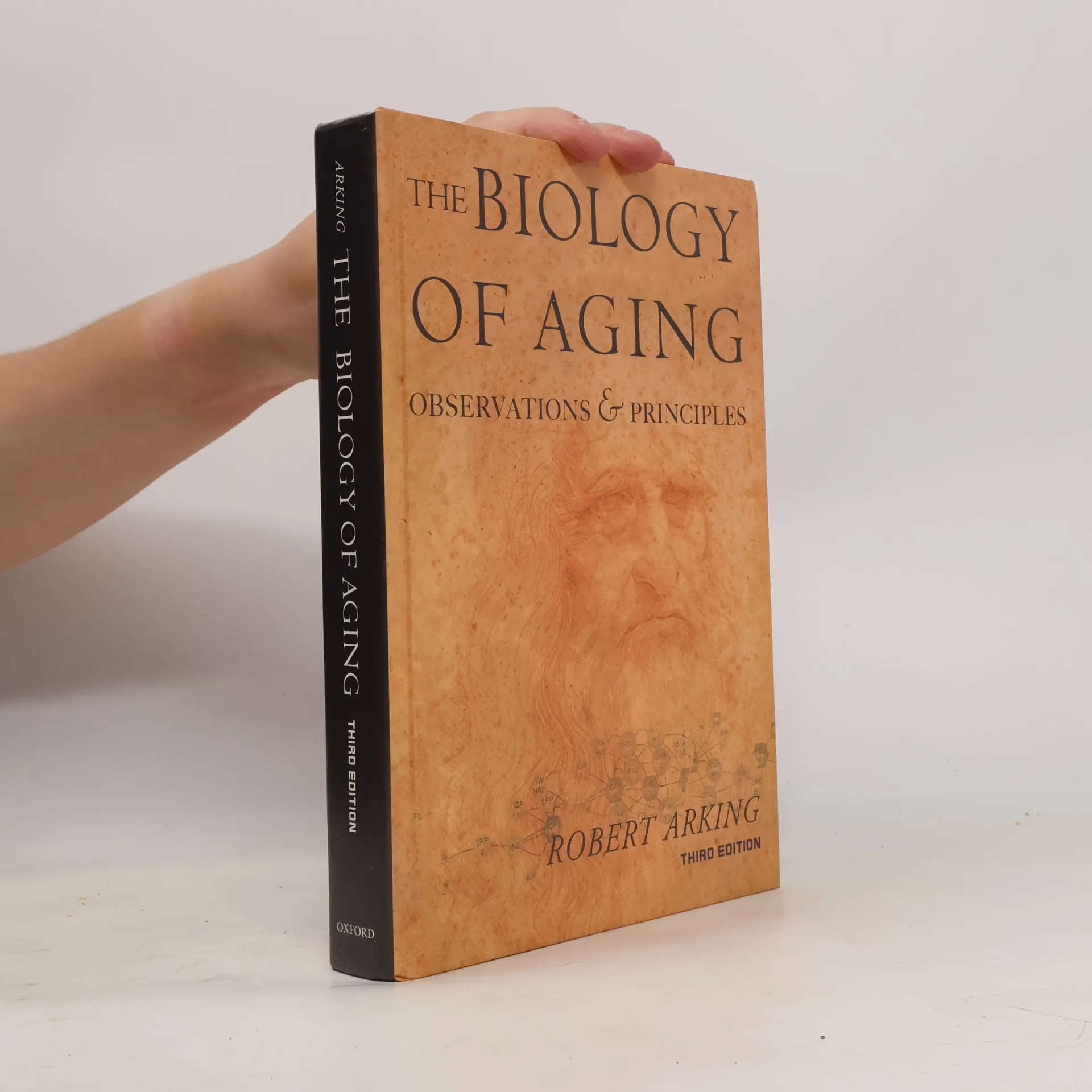
The Biology of Aging, Robert Arking
- Langue

- Année de publication
- 2006
- Reliure
- (rigide),
- État du livre
- Abîmé
- Prix
- 13,49 €
Modes de paiement
Personne n'a encore évalué .
- Titre
- The Biology of Aging
- Sous-titre
- Observations and Principles
- Langue
- Anglais
- Auteurs
- Robert Arking
- Éditeur
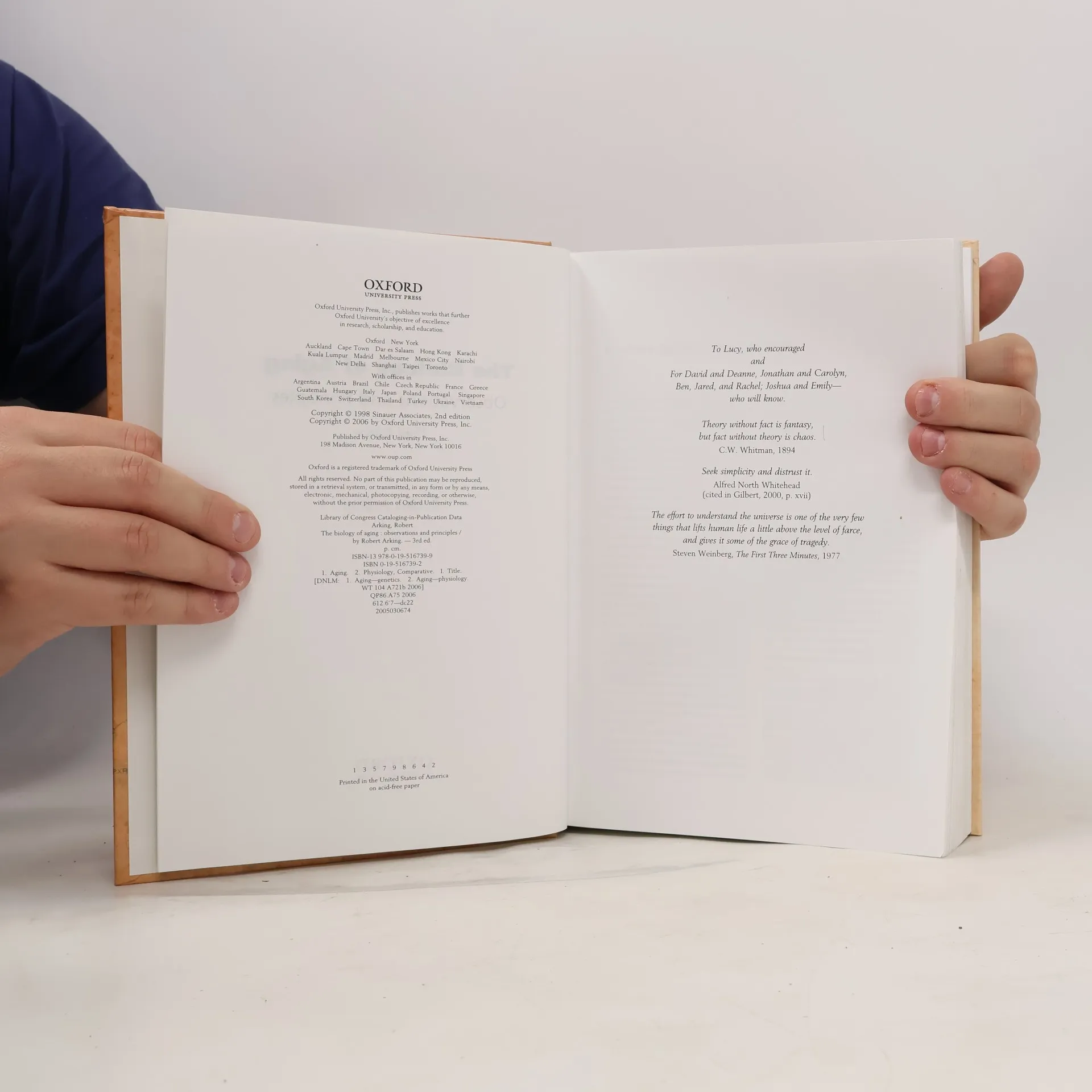
- Oxford University Press
- Publié
- 2006
- Format
- rigide
- ISBN10
- 0195167392
- ISBN13
- 9780195167399
- Séries
- Mots clés
- Description
- Robert Arking's Biology of Aging, 3rd edition, serves as an essential introductory text for advanced undergraduate and graduate students, providing a comprehensive review of the biology of aging. This edition highlights significant recent advancements in understanding both the ultimate and proximate mechanisms of aging. Key updates include clarified distinctions between longevity determination and senescent processes, along with a new conceptual framework to help readers organize and interpret the latest findings. Enhanced insights into aging cells reveal how they transition from healthy to senescent states, accommodating high levels of variability. The text discusses senescent mechanisms, emphasizing that aging results from a nonprogrammatic loss of function due to diminished regulatory signals, which can be modified in laboratory settings. It also addresses recent research on intergenerational resource transfers, challenging traditional evolutionary narratives regarding social organisms. As aging mechanisms are shown to be plastic, there is an increasing demand for anti-aging interventions in humans. The book presents biological and ethical arguments surrounding this issue, framing it thoughtfully. Fifteen focused chapters summarize extensive data on aging, with the final chapters integrating this material into a cohesive understanding of biological changes throughout the lifespan. Arking posits that pharmaceutical extension