

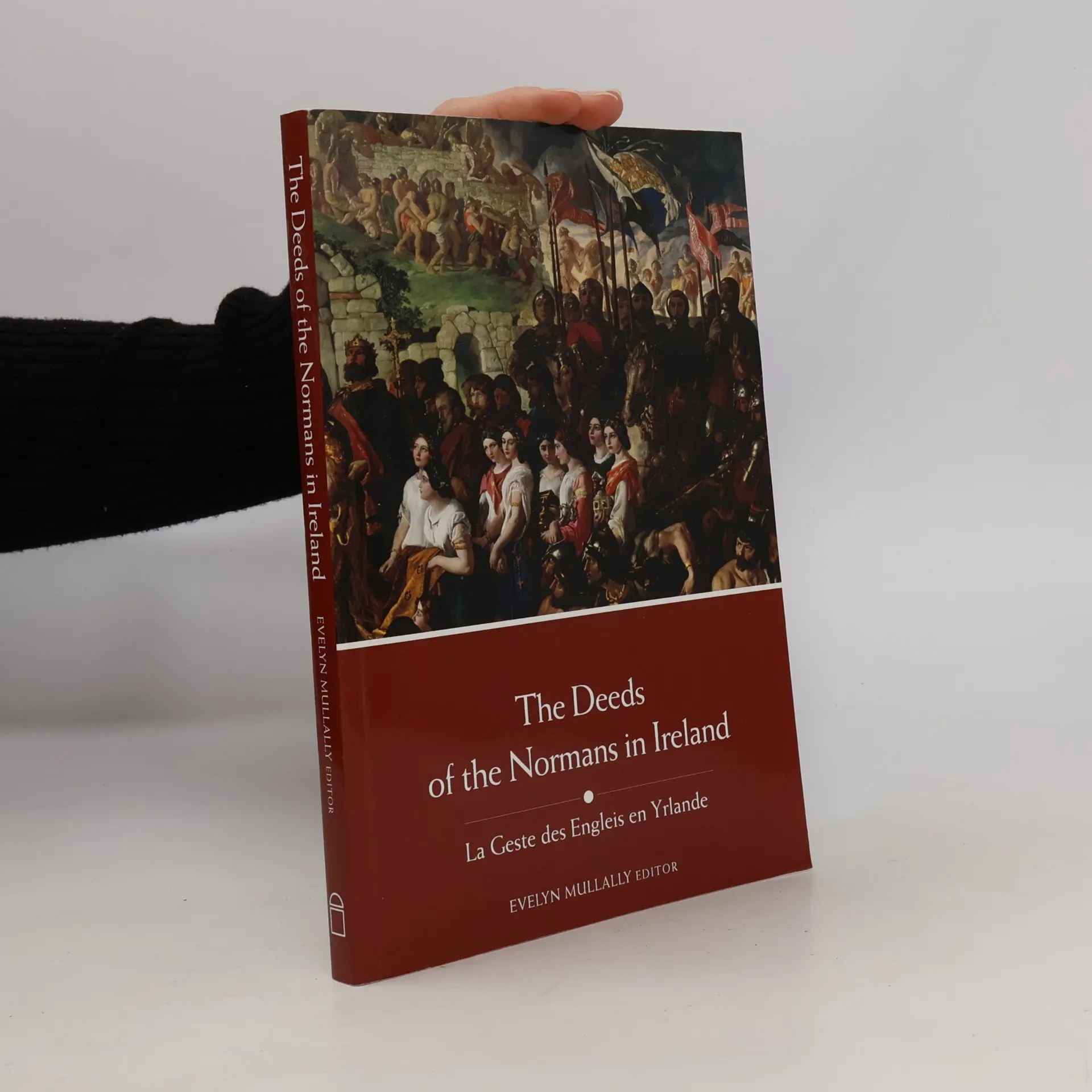
The Deeds of the Normans in Ireland
La Geste des Engleis en Yrlande
Auteurs
- Evelyn Mullally
- Collectif d'auteurs
En savoir plus sur le livre
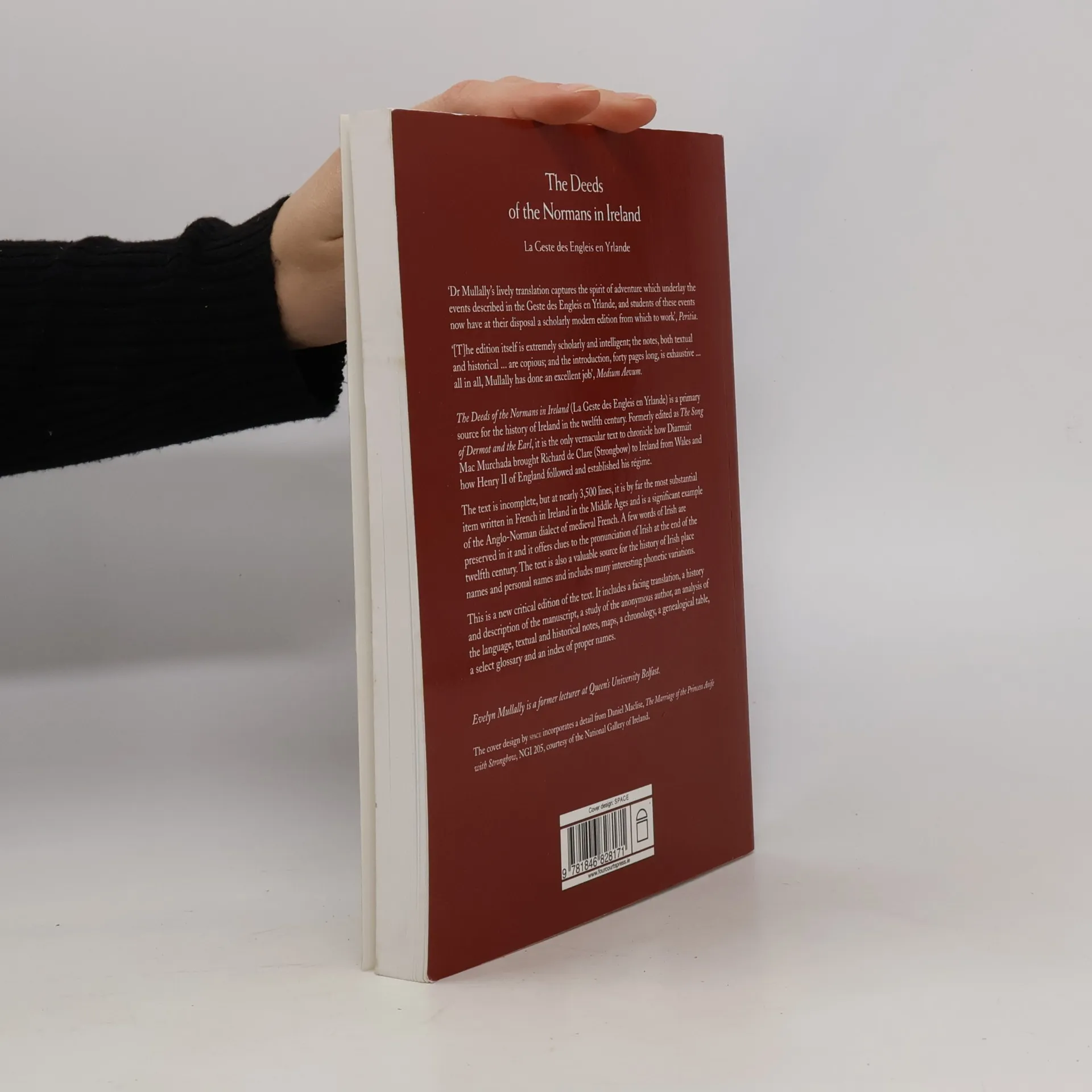
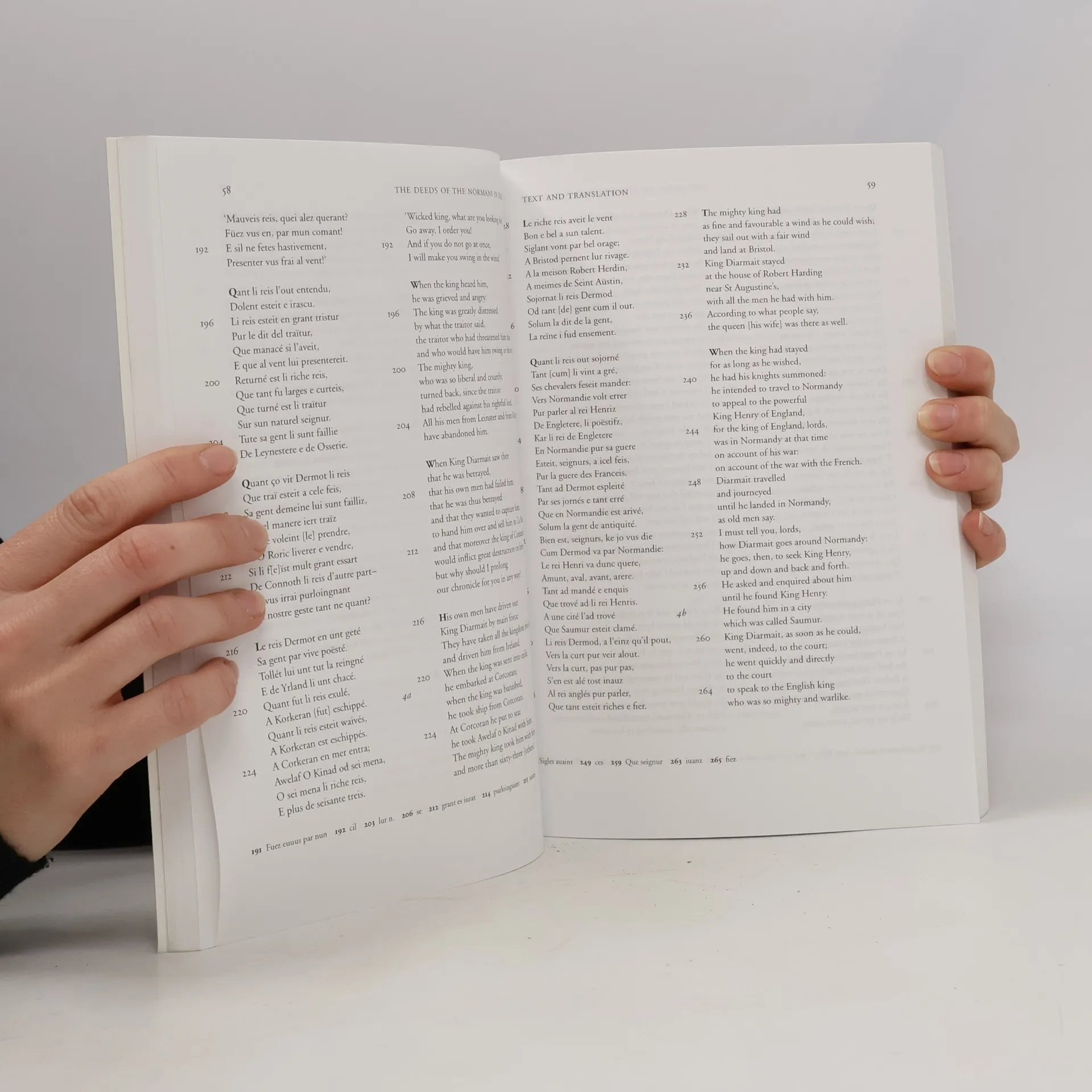
The Deeds of the Normans in Ireland (La Geste des Engleis en Yrlande) is a primary source for the history of Ireland in the twelfth century. Formerly edited as The Song of Dermot and the Earl, it is the only vernacular text to chronicle how Diarmait Mac Murchada brought Richard de Clare (Strongbow) to Ireland from Wales and how Henry II of England followed and established his régime. The text is incomplete, but at nearly 3,500 lines, it is by far the most substantial item written in French in Ireland in the Middle Ages and it is a significant example of the Anglo-Norman dialect of medieval French. A few words of Irish are preserved in it and it offers clues to the pronunciation of Irish at the end of the twelfth century. The text is also a valuable source for the history of Irish place names and personal names and includes many interesting phonetic variations. This is a new critical edition of the text. It includes a facing translation, a history and description of the manuscript, a study of the anonymous author, an analysis of the language, textual and historical notes, maps, a chronology, a genealogical table, a select glossary and an index of proper names.
Achat du livre
The Deeds of the Normans in Ireland, Evelyn Mullally, Collectif d'auteurs
- Langue

- Année de publication
- 2019
- Reliure
- (souple),
- État du livre
- Bon
- Prix
- 22,49 €
Modes de paiement
Personne n'a encore évalué .
- Titre
- The Deeds of the Normans in Ireland
- Sous-titre
- La Geste des Engleis en Yrlande
- Langue
- Anglais
- Auteurs
- Evelyn Mullally, Collectif d'auteurs
- Éditeur
- Four Courts Press Ltd
- Publié
- 2019
- Format
- souple
- Pages
- 180
- ISBN10
- 1846828171
- ISBN13
- 9781846828171
- Séries
- Mots clés
- Thème historique, Irlande
- Description
- The Deeds of the Normans in Ireland (La Geste des Engleis en Yrlande) is a primary source for the history of Ireland in the twelfth century. Formerly edited as The Song of Dermot and the Earl, it is the only vernacular text to chronicle how Diarmait Mac Murchada brought Richard de Clare (Strongbow) to Ireland from Wales and how Henry II of England followed and established his régime. The text is incomplete, but at nearly 3,500 lines, it is by far the most substantial item written in French in Ireland in the Middle Ages and it is a significant example of the Anglo-Norman dialect of medieval French. A few words of Irish are preserved in it and it offers clues to the pronunciation of Irish at the end of the twelfth century. The text is also a valuable source for the history of Irish place names and personal names and includes many interesting phonetic variations. This is a new critical edition of the text. It includes a facing translation, a history and description of the manuscript, a study of the anonymous author, an analysis of the language, textual and historical notes, maps, a chronology, a genealogical table, a select glossary and an index of proper names.