
Bookbot

Chroniques de l'Empire

Cette saga épique explore l'ascension et le déclin d'un empire américain fictif. Elle entrelace intimement les vies privées de deux familles inventées avec les carrières publiques de personnages historiques et d'événements cruciaux. Le récit offre une exploration étendue de l'ambition, du pouvoir et des paysages changeants d'une nation. De son aube à son déclin final, il offre une perspective captivante et critique sur la trajectoire historique d'un pays.

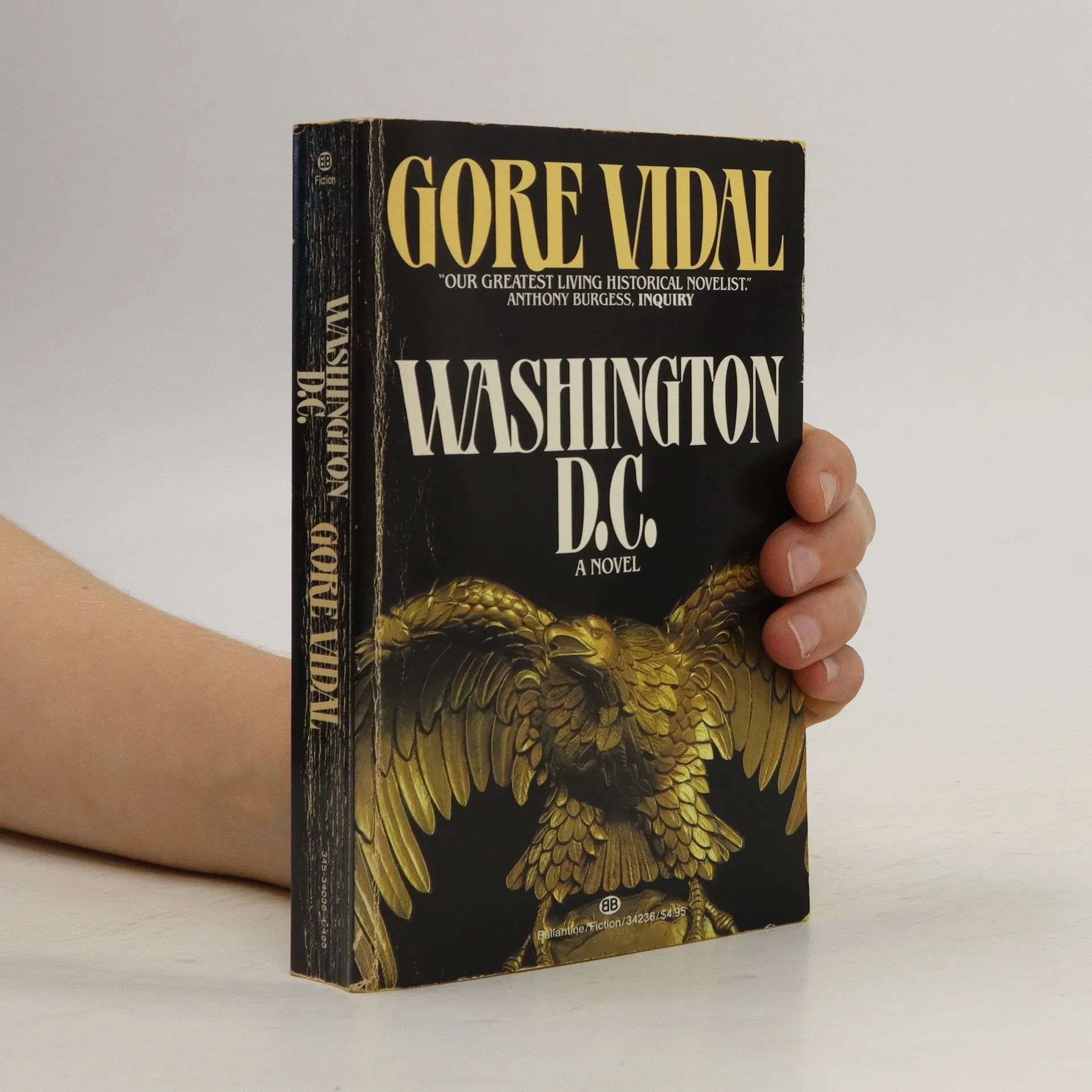
Washington, D. C.
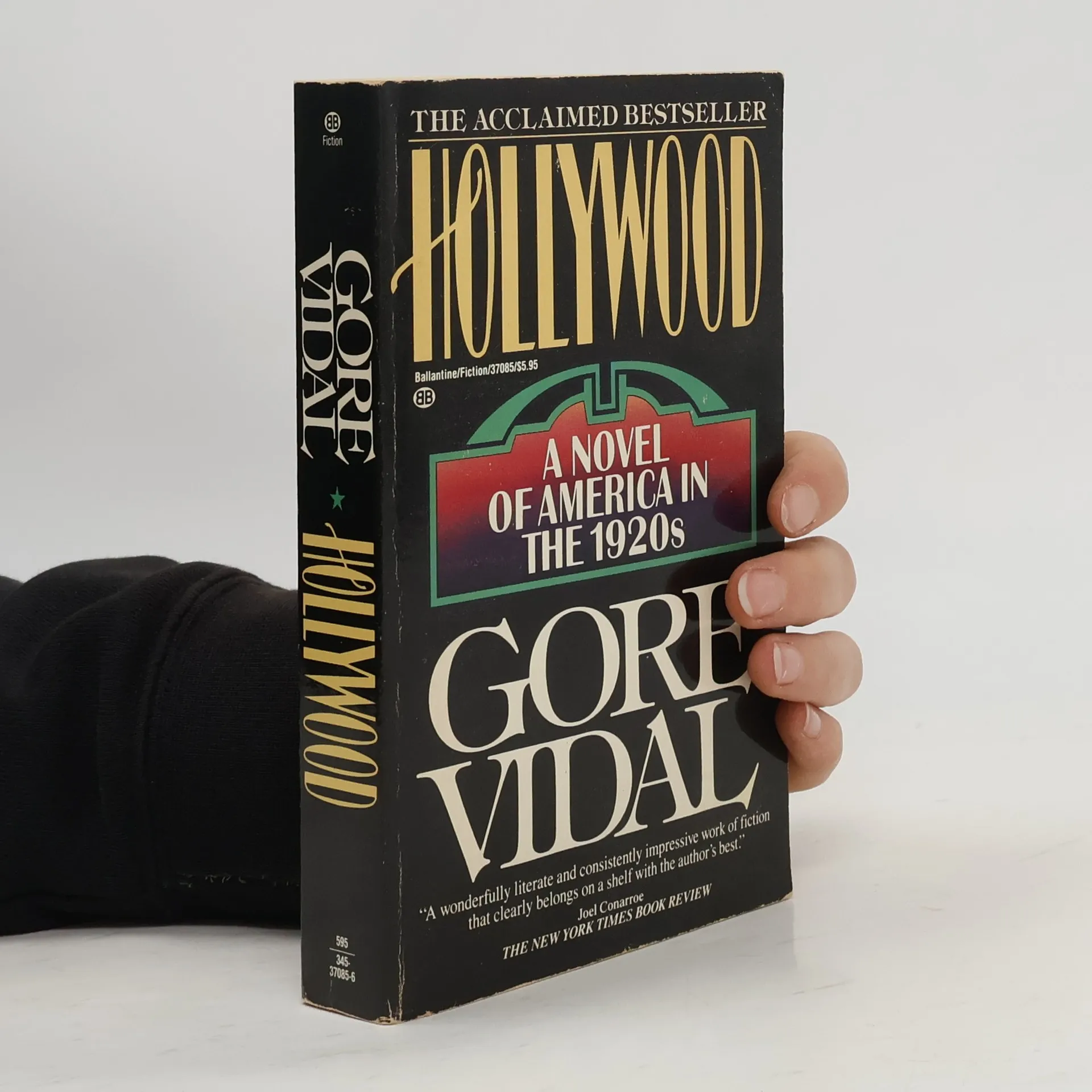
Hollywood
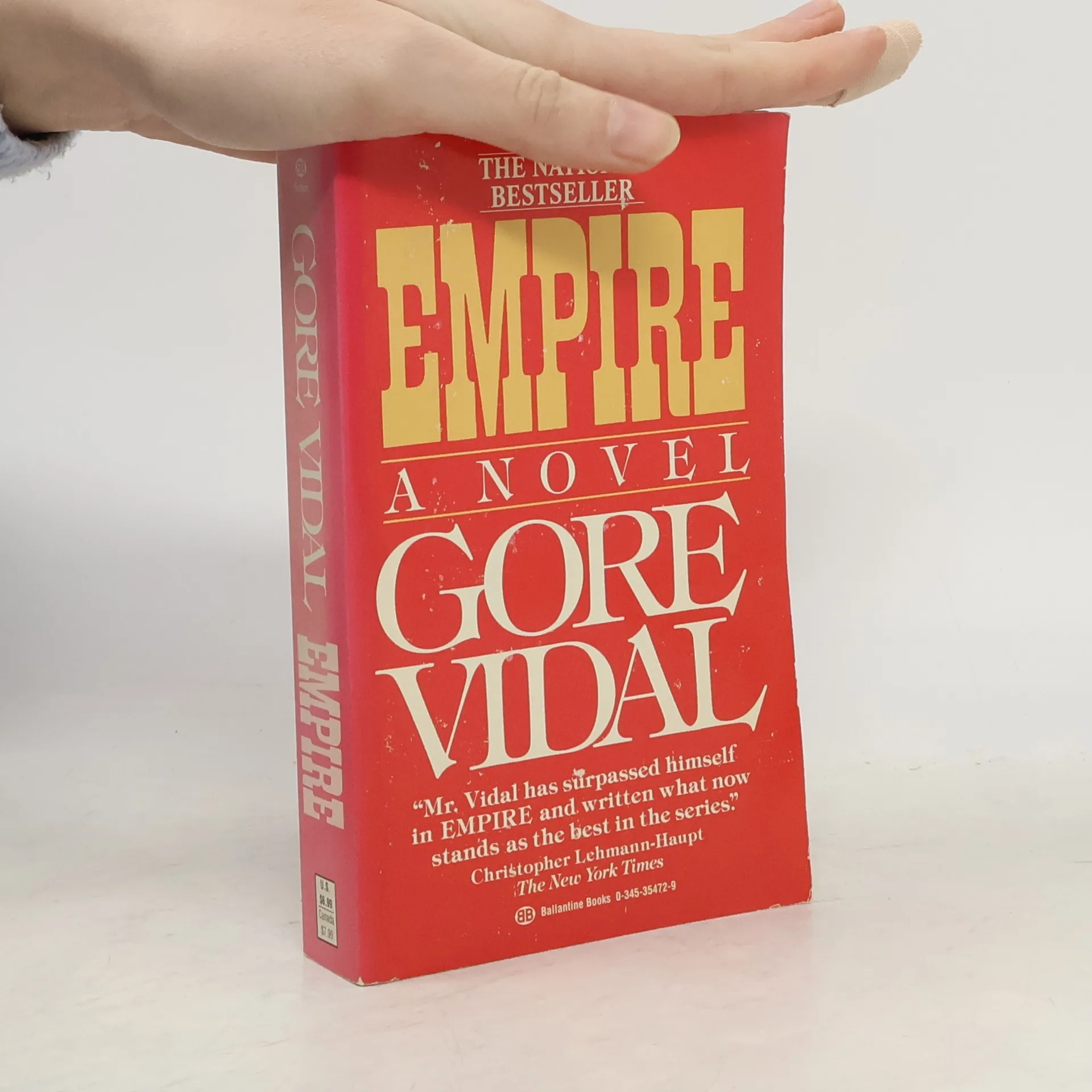
Empire
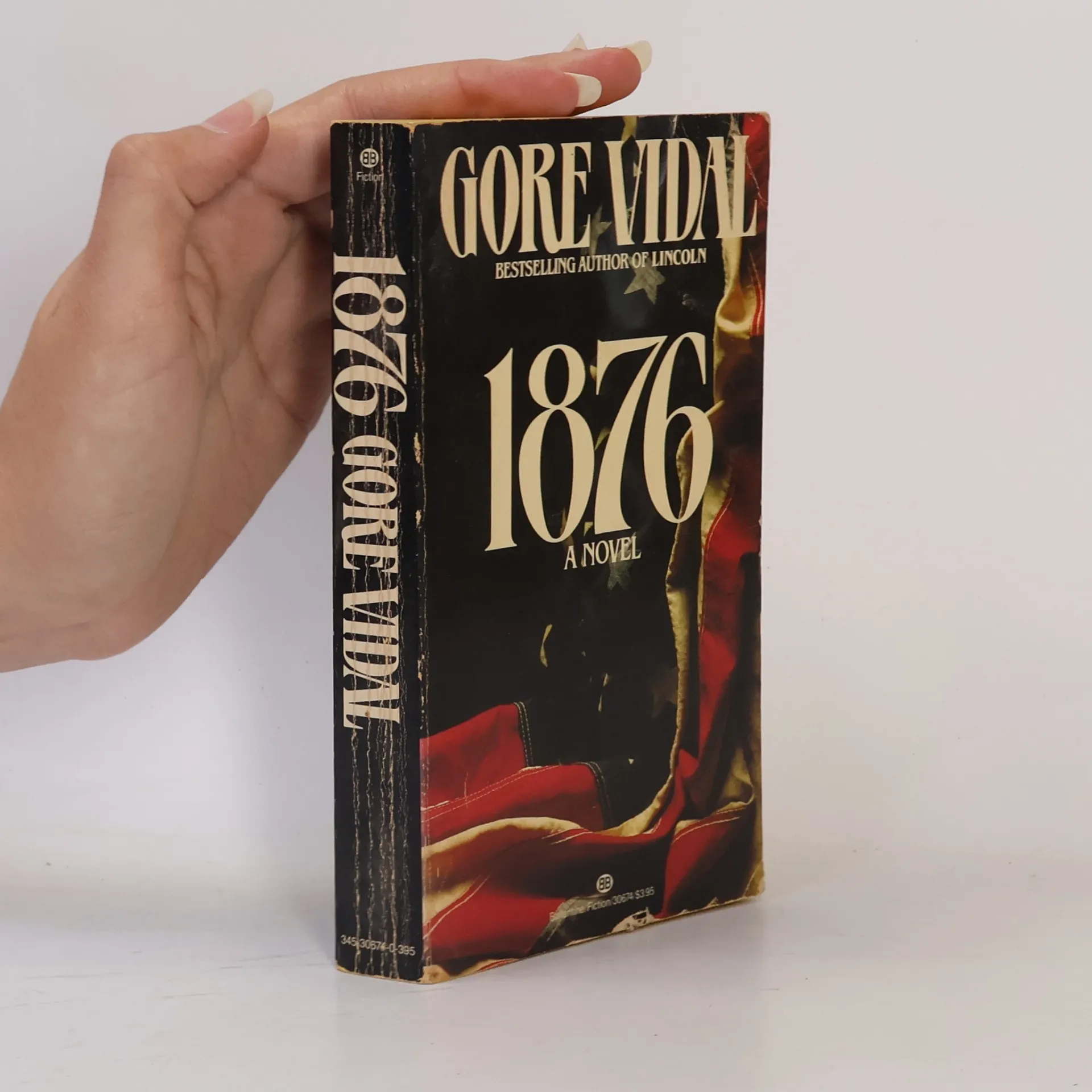
1876
Lincoln
Burr

Ordre de lecture recommandé

  1. Burr

    • 576pages
    • 21 heures de lecture

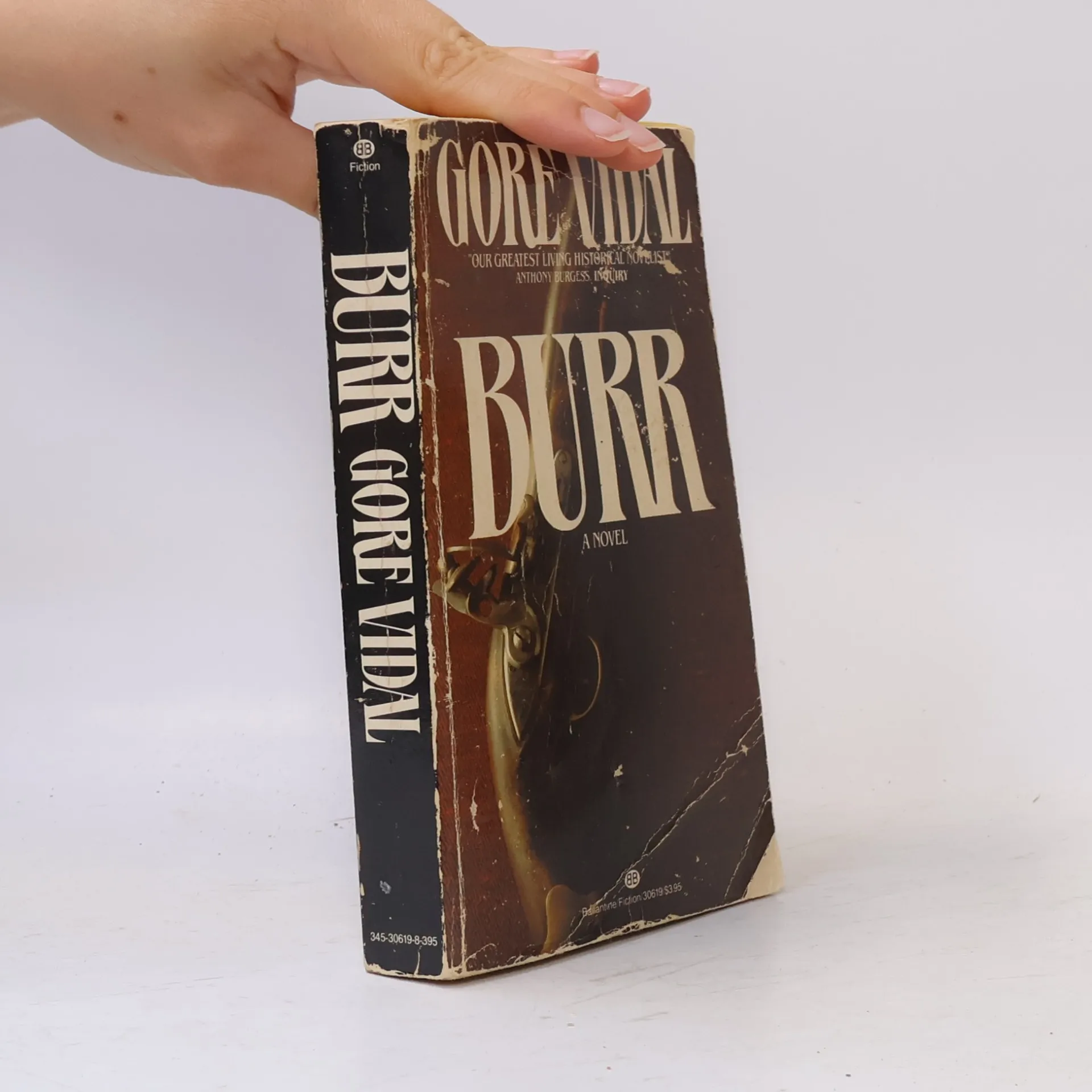
    Gore Vidal's Narratives of Empire series spans the history of the United States from the Revolution to the post-World War II years. With their broad canvas and large cast of fictional and historical characters, the novels in this series present a panorama of the American political and imperial experience as interpreted by one of its most worldly, knowing, and ironic observers. Burr is a portrait of perhaps the most complex and misunderstood of the Founding Fathers. In 1804, while serving as vice president, Aaron Burr fought a duel with his political nemesis, Alexander Hamilton, and killed him. In 1807, he was arrested, tried, and acquitted of treason. In 1833, Burr is newly married, an aging statesman considered a monster by many. Burr retains much of his political influence if not the respect of all. And he is determined to tell his own story. As his amanuensis, he chooses Charles Schermerhorn Schuyler, a young New York City journalist, and together they explore both Burr's past and the continuing political intrigues of the still young United States.
    Burr1
    4,1
  2. Lincoln

    • 692pages
    • 25 heures de lecture

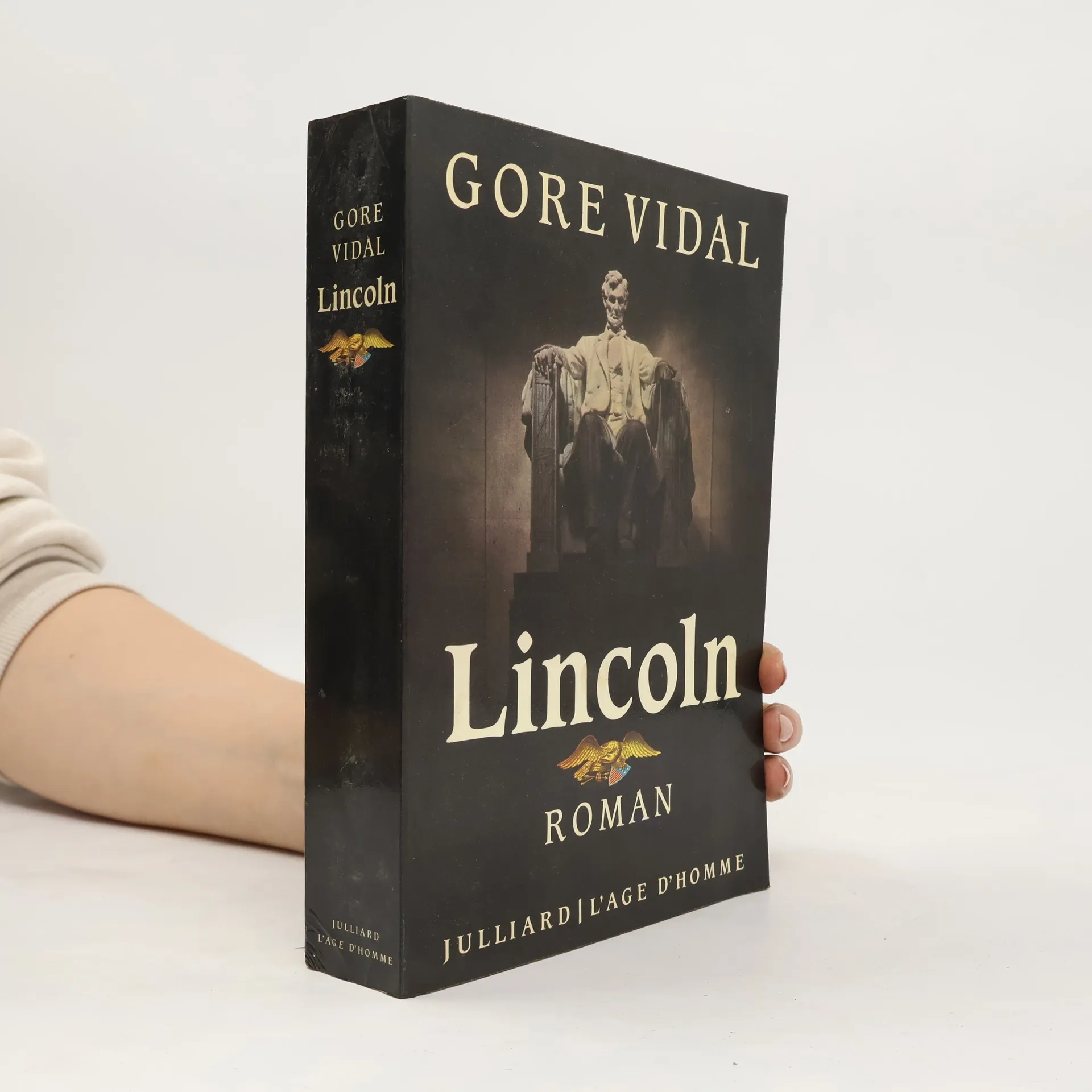
    La série Narratives of Empire de Gore Vidal couvre l'histoire des États-Unis de la Révolution aux années d'après la Seconde Guerre mondiale. Avec un vaste éventail de personnages fictifs et historiques, les romans de cette série offrent un panorama de l'expérience politique et impériale américaine, interprétée par un observateur à la fois érudit et ironique. Pour beaucoup d'Américains, Abraham Lincoln est une figure monolithique, le Grand Émancipateur et Sauveur de l'Union, adoré de tous. Dans Lincoln de Gore Vidal, nous découvrons Lincoln l'homme et Lincoln l'animal politique, le président qui entre dans une capitale assiégée où la majorité de la population soutient le Sud et où même ceux favorisant l'Union doutent de la capacité de l'homme de l'Illinois à la sauver. Loin d'être inébranlable dans son abhorrence de l'esclavage, Lincoln hésite sur la meilleure voie à suivre et prend sa grande décision seulement lorsque tout semble échouer. Alors que la guerre civile ravage sa nation, Lincoln doit faire face à de profonds tourments personnels, à la perte de son fils bien-aimé et aux critiques d'une épouse perçue comme traîtresse en raison de ses liens avec le Sud. Conçu brillamment et exécuté avec maîtrise, Lincoln de Gore Vidal permet à l'homme de revivre.

    Lincoln2
    4,3
  3. 1876

    • 436pages
    • 16 heures de lecture

    The third novel in the chronology of Vidal's epic NARRATIVES OF EMPIRE, embodying the passage of American history.

    18763
    3,9
  4. Empire

    • 480pages
    • 17 heures de lecture

    The brilliant successor to Burr and Lincoln, a stunning historical novel of Theodore Roosevelt's Washington, America's Gilded Age and the expanding American empire, seen through the eyes and minds of the remarkable men and women who ruled it.

    Empire4
    3,9
  5. Hollywood

    A Novel of America in the 1920s

    • 419pages
    • 15 heures de lecture

    "Wicked and provocative...Vidal's purview of Hollywood in one of its golden ages is fascinating." --"Chicago Tribune" In his brilliant and dazzling new novel, Gore Vidal sweeps us into one of the most fascinating periods of American political and social change. The time is 1917. In Washington, President Wilson is about to lead the United States into the Great War. In California, a new industry is born that will transform America: moving pictures. Here is history as only Gore Vidal can re-create it: brimming with intrigue and scandal, peopled by the greats of the silver screen and American politics, from Charlie Chaplin and Douglas Fairbanks to Franklin D. Roosevelt and the author's own grandfather, the blind Senator Gore. With Hollywood, Vidal once again proves himself a superb storyteller and a perceptive chronicler of human nature's endless deceptions. "From the Paperback edition."

    Hollywood5
    3,7
  6. This stunning and illuminating portrait of national politics from the New Deal to the McCarthy era superbly blends historical figures with fictional characters. We follow the lives of Blaise Sanford, the ruthless Washington newspaper tycoon; his son, Peter, a liberal editor both fascinated and repelled by the imperial city; Peter's beautiful and self-destructive sister Enid; her husband, Clay Overbury, a charismatic and ambitious politician; and James Burden Day, the powerful conservative senator. With characteristic wit and insight, Vidal chronicles life in the nation's capital at a time when these men and others transformed America into "possibly the last empire on earth".

    Washington, D. C.6
    3,8
  7. The Golden Age

    • 480pages
    • 17 heures de lecture

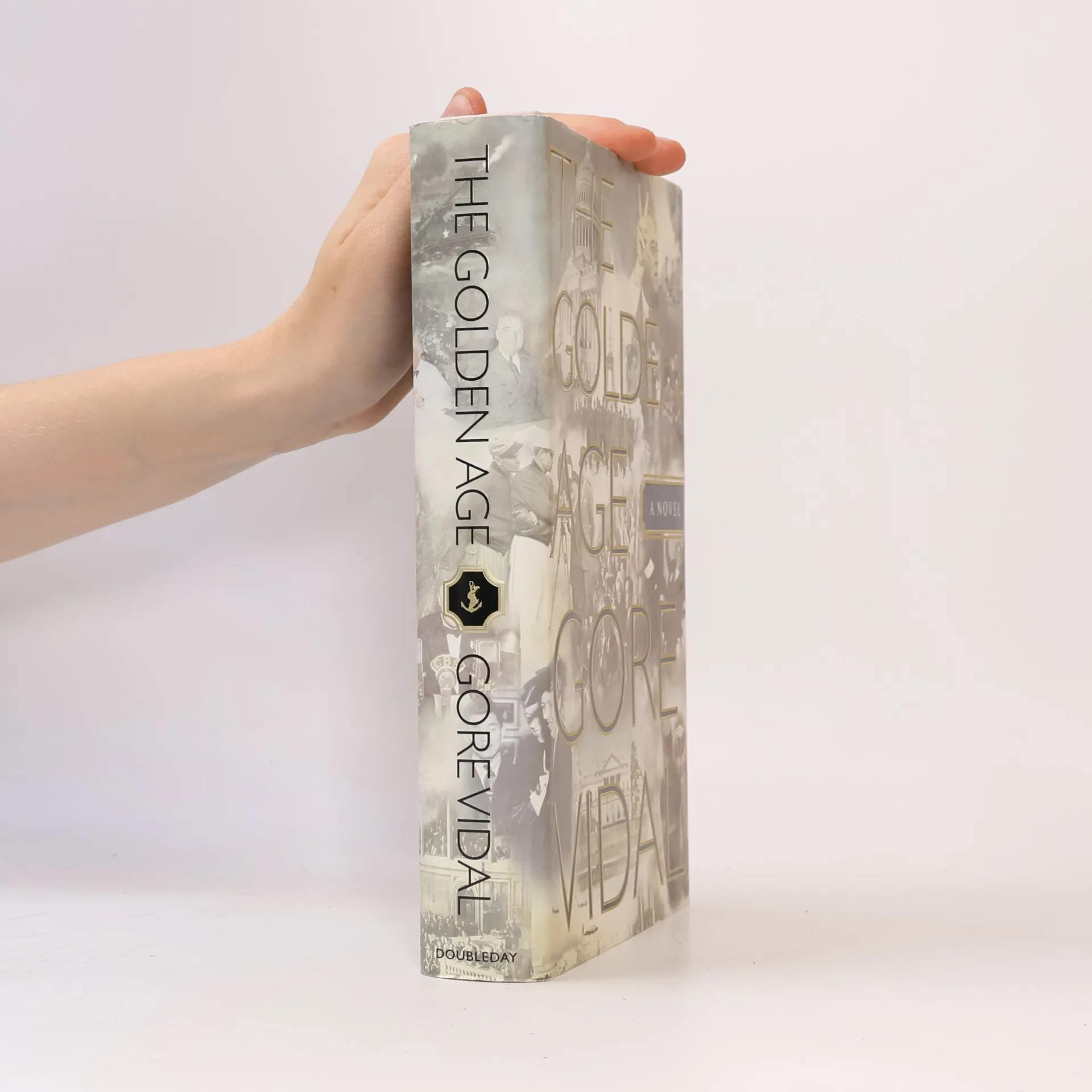
    The concluding volume in Gore Vidal's American empire novels presents a vibrant tapestry of American political and cultural life from 1939 to 1954, capturing the transformation of the nation from a republic into an empire amid the tumult of World War Two and the Cold War. Central to the narrative are Caroline Sanford, a D.C. newspaper publisher turned Hollywood producer, and her nephew Peter Sanford, who publishes the independent journal The American Idea. They witness Franklin Roosevelt's skillful efforts to draw a reluctant nation into World War Two, followed by Harry Truman's commitment to a prolonged struggle against Communism. Despite their skepticism about these developments, they observe the emergence of an American global empire. The story unfolds primarily in Washington, D.C., while also highlighting the influential Hollywood film industry and New York's cultural scene. Alongside historical figures such as Eleanor Roosevelt, Harry Hopkins, and Wendell Wilkie, Vidal himself appears vividly in the narrative, enriching the exploration of this pivotal era in American history.

    The Golden Age7
    3,7