

A guide that assists aspiring court interpreters in providing linguistic minorities with access to fair and expeditious judicial proceedings. It familiarizes prospective court interpreters and students interested in court interpreting with the nature, purpose and language of pretrial, trial and post-trial proceedings.
Collection de Monographies Savantes de l'American Translators Association Séries
Cette série savante explore en profondeur la théorie et la pratique de la traduction. Elle présente des articles évalués par des pairs traitant d'un large éventail de sujets, de la formation des traducteurs aux domaines spécialisés de la traduction. La collection est une lecture essentielle pour les professionnels, les éducateurs et les chercheurs de la communauté de la traduction. Elle offre une perspective internationale et des aperçus précieux sur le paysage en évolution des études de traduction.
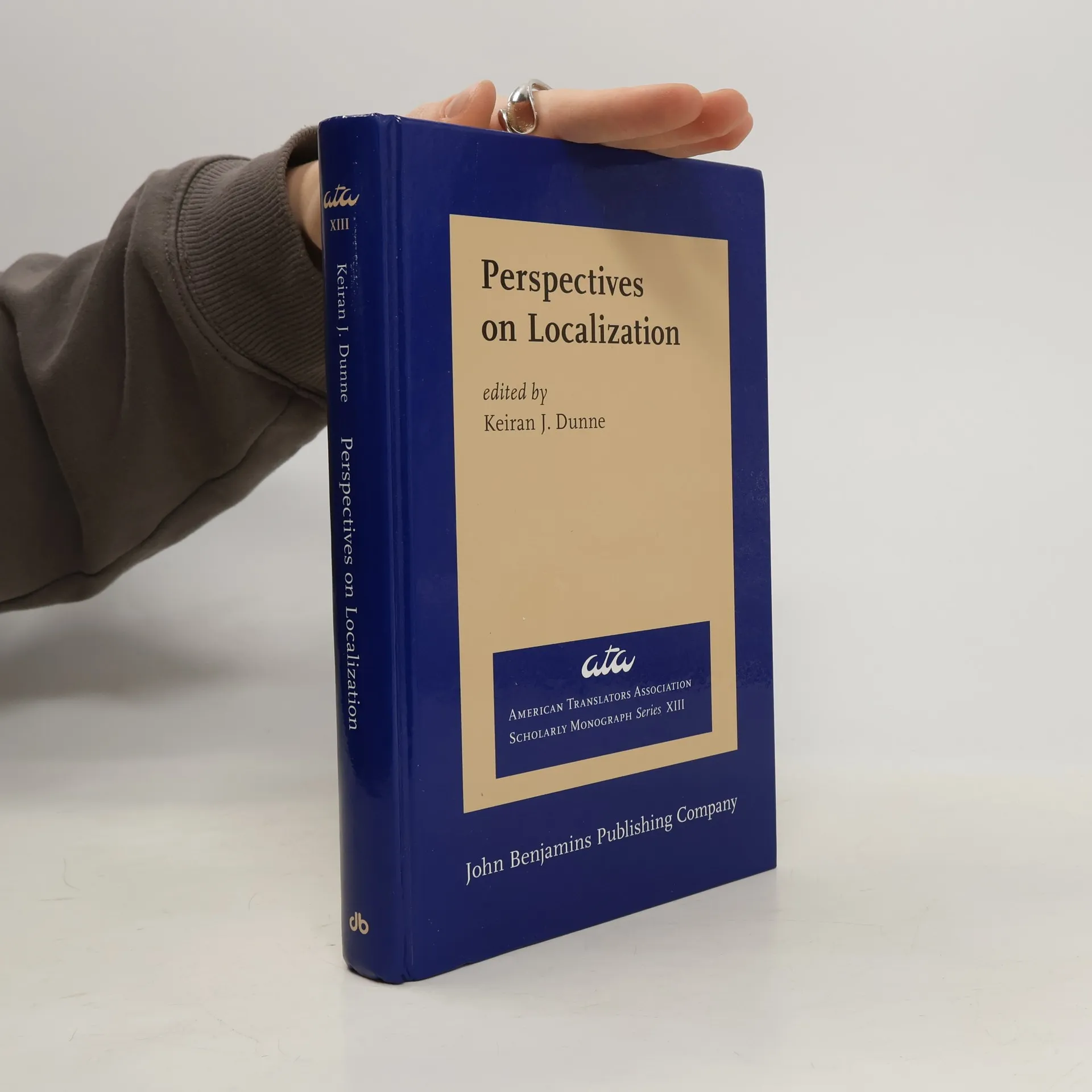

American Translators Association Scholarly Monograph Series - 13: Perspectives on Localization
- 356pages
- 13 heures de lecture
Over the past two decades, international trade agreements like GATT and NAFTA have reduced trade barriers, while the information revolution has transformed business operations and customer communication. The global acceptance of the ISO 9000 standard emphasizes that quality is defined by customer satisfaction. As trade barriers fall and quality standards rise, linguistic and cultural issues gain importance. To thrive in today's global economy, companies must localize their products and services to meet local market demands in language, culture, functionality, work practices, and legal requirements. This volume addresses key issues in localization, including: return on investment and the business case for localization; cost drivers and strategies for cost containment; quality management focused on customer satisfaction; challenges in localizing games, particularly MMORPGs; using a meta-language for accurate translation; managing source-language terminology; reconciling industry needs with academic goals in localization education; the commoditization of linguistic information; the creation of language industry standards; and rethinking customer-focused localization through user-centered design. It also discusses the shift from "translation" reuse to "language" reuse, highlighting the evolving landscape of localization.