
Études cinématographiques et médiatiques du Texas Séries
Cette série explore le monde dynamique du cinéma et des médias, retraçant son évolution du cinéma des débuts aux technologies numériques contemporaines. Elle met en lumière les pratiques clés de l'industrie et les analyses critiques de la culture médiatique, explorant diverses cinématographies nationales et l'histoire de la télévision. La collection examine les formes émergentes de communication interactive et considère des perspectives théoriques telles que la classe, le genre, la race, le genre et la réception.


Analyzing major films set in San Francisco, Gleich demonstrates that the city is a physical environment used to stage urban fantasies that reveal far more about Hollywood filmmaking and American culture than they do about San Francisco
From the mid-1930s to the late 1950s, Mexican cinema emerged as the most successful Latin American film industry and the leading Spanish-language cinema globally. While many films from this Golden Age followed Hollywood's model, a notable group of filmmakers, including Fernando de Fuentes, Emilio Fernández, and Luis Buñuel, sought to create a distinctly Mexican cinema. They aimed to tell stories in ways that were authentically national. The Classical Mexican Cinema explores the development of this unique cinematic aesthetic, designed to express lo mexicano. Charles Ramírez Berg traces the classical style's roots to popular Mexican artist José Guadalupe Posada in the early twentieth century and examines the emergence of Mexican classicism in Enrique Rosas' El Automóvil Gris, a pivotal film in the silent era that paved the way for Golden Age cinema. He then analyzes the works of key Golden Age auteurs over three decades, utilizing neoformalism and neoauteurism within a cultural studies framework. Berg reveals how Classical Mexican Cinema deviated from Golden Age norms to convey a distinctly Mexican sensibility in its themes, style, and ideology.
During the heyday of Hollywood’s studio system, stars were carefully cultivated and promoted, but at the price of their independence. This familiar narrative of Hollywood stardom receives a long-overdue shakeup in Emily Carman’s new book. Far from passive victims of coercive seven-year contracts, a number of classic Hollywood’s best-known actresses worked on a freelance basis within the restrictive studio system. In leveraging their stardom to play an active role in shaping their careers, female stars including Irene Dunne, Janet Gaynor, Miriam Hopkins, Carole Lombard, and Barbara Stanwyck challenged Hollywood’s patriarchal structure.Through extensive, original archival research, Independent Stardom uncovers this hidden history of women’s labor and celebrity in studio-era Hollywood. Carman weaves a compelling narrative that reveals the risks these women took in deciding to work autonomously. Additionally, she looks at actresses of color, such as Anna May Wong and Lupe Vélez, whose careers suffered from the enforced independence that resulted from being denied long-term studio contracts. Tracing the freelance phenomenon among American motion picture talent in the 1930s, Independent Stardom rethinks standard histories of Hollywood to recognize female stars as creative artists, sophisticated businesswomen, and active players in the then (as now) male-dominated film industry.
How the unruly woman uses humor and excess to undermine patriarchal norms and authority.
Connecting The Wire
- 260pages
- 10 heures de lecture
The first comprehensive, season-by-season analysis of the critically acclaimed HBO series The Wire, this book explicates the complex narrative arc of the entire series and its sweeping vision of institutional failure in the postindustrial United States.
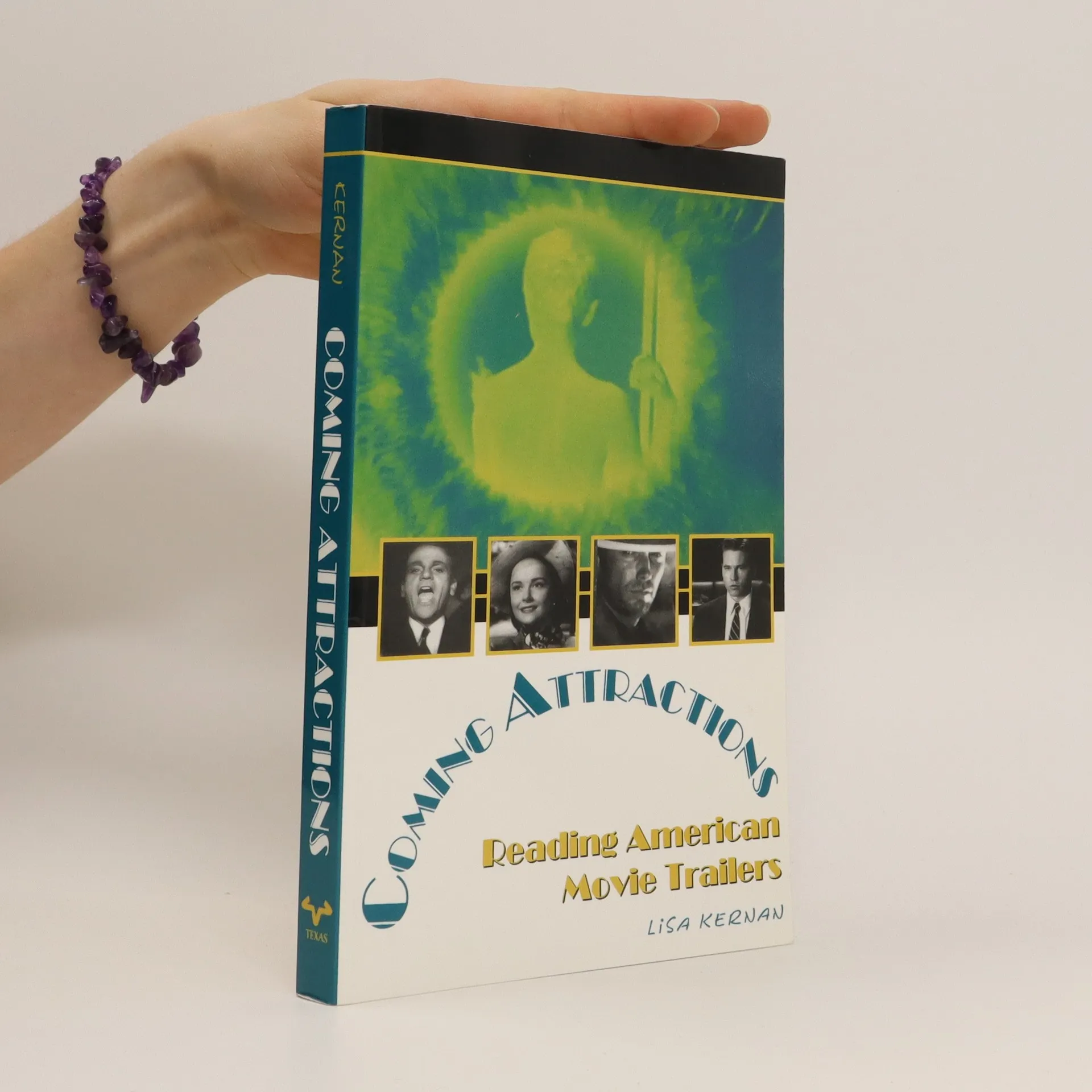
Starting from the premise that movie trailers can be considered a film genre, this study explores conventions as features of the genre & offers a primer for reading the rhetoric of movie trailers.
