


The Roots of Ethnic Cleansing in Europe
- 232pages
- 9 heures de lecture
Brings together arguments focussing on domestic and international factors to offer a coherent theory of the causes of ethnic cleansing.
Cette série explore les complexités de la politique internationale, en examinant les dynamiques entre les nations. Elle se concentre sur des thèmes tels que l'identité, la sécurité, les conflits, la démocratie et la justice à l'échelle mondiale. Chaque ouvrage propose une analyse approfondie des défis mondiaux contemporains, contribuant à la compréhension de la nature évolutive des États-nations au sein du système international.


Brings together arguments focussing on domestic and international factors to offer a coherent theory of the causes of ethnic cleansing.
This book explores the overlooked history of democratic rights movements in French colonies, shedding light on their struggles and significance.
Competitive authoritarian regimes – in which autocrats submit to meaningful multiparty elections but engage in serious democratic abuse – proliferated in the post–Cold War era. Based on a detailed study of 35 cases in Africa, Asia, Latin America, and post-communist Eurasia, this book explores the fate of competitive authoritarian regimes between 1990 and 2008. It finds that where social, economic, and technocratic ties to the West were extensive, as in Eastern Europe and the Americas, the external cost of abuse led incumbents to cede power rather than crack down, which led to democratization. Where ties to the West were limited, external democratizing pressure was weaker and countries rarely democratized. In these cases, regime outcomes hinged on the character of state and ruling party organizations. Where incumbents possessed developed and cohesive coercive party structures, they could thwart opposition challenges, and competitive authoritarian regimes survived; where incumbents lacked such organizational tools, regimes were unstable but rarely democratized.
The book explores how a state's foreign policy objectives and international relations influence its approach to ethnic groups, determining whether they are integrated or marginalized within society. It delves into the dynamics between a nation's strategic interests and its treatment of minority populations, offering insights into the broader implications of these policies on social cohesion and national identity.
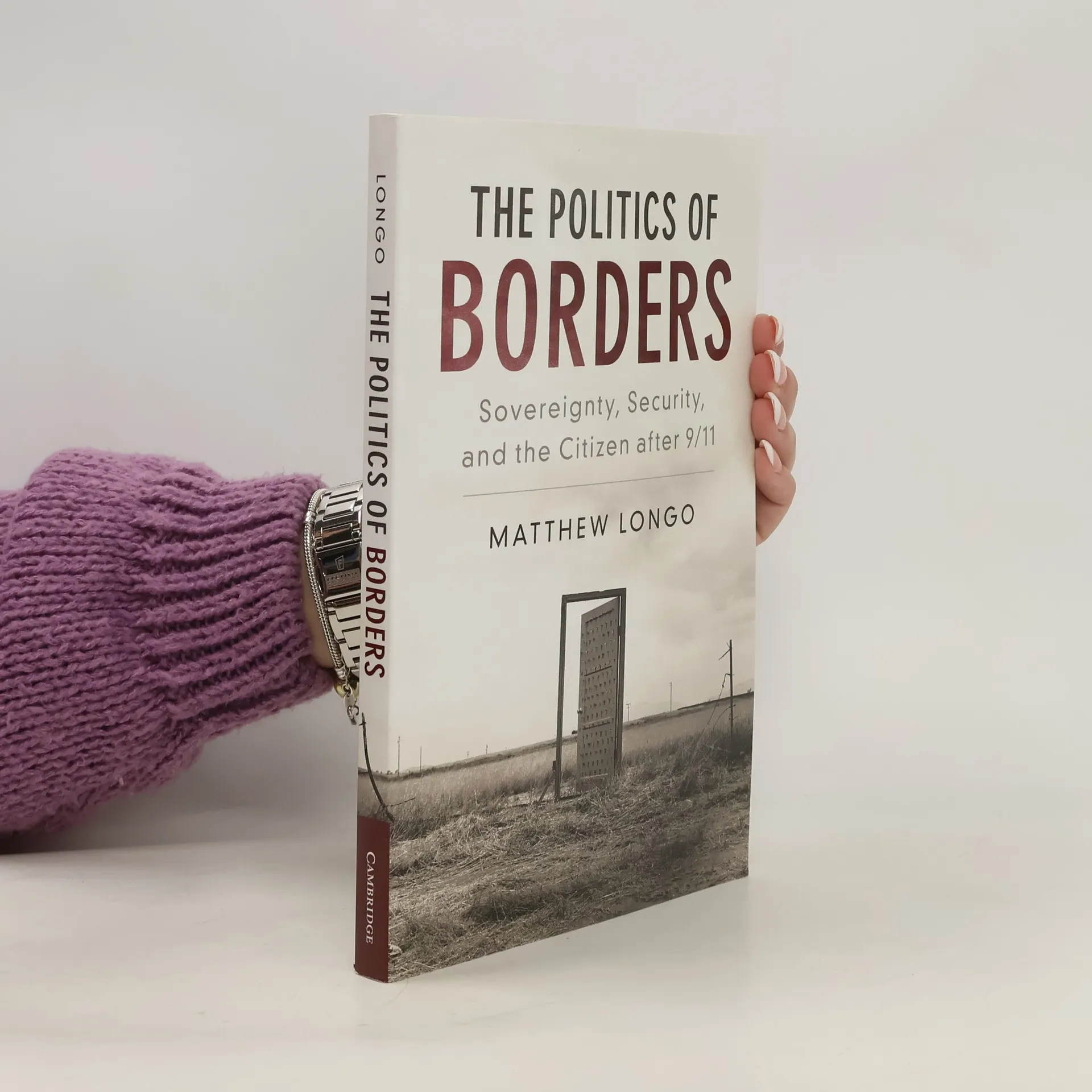
Borders are changing in response to terrorism and immigration. This book shows why this matters, especially for sovereignty, individual liberty, and citizenship.
The narrative explores the journey of democracy in Indonesia, the world's largest Muslim-majority nation. It delves into the historical, cultural, and political factors that contributed to the establishment and entrenchment of democratic principles in the country. Through various events and key figures, the book examines the challenges and triumphs faced in the pursuit of a democratic society, offering insights into Indonesia's unique political landscape and the broader implications for democracy in similar contexts.