

Bookbot

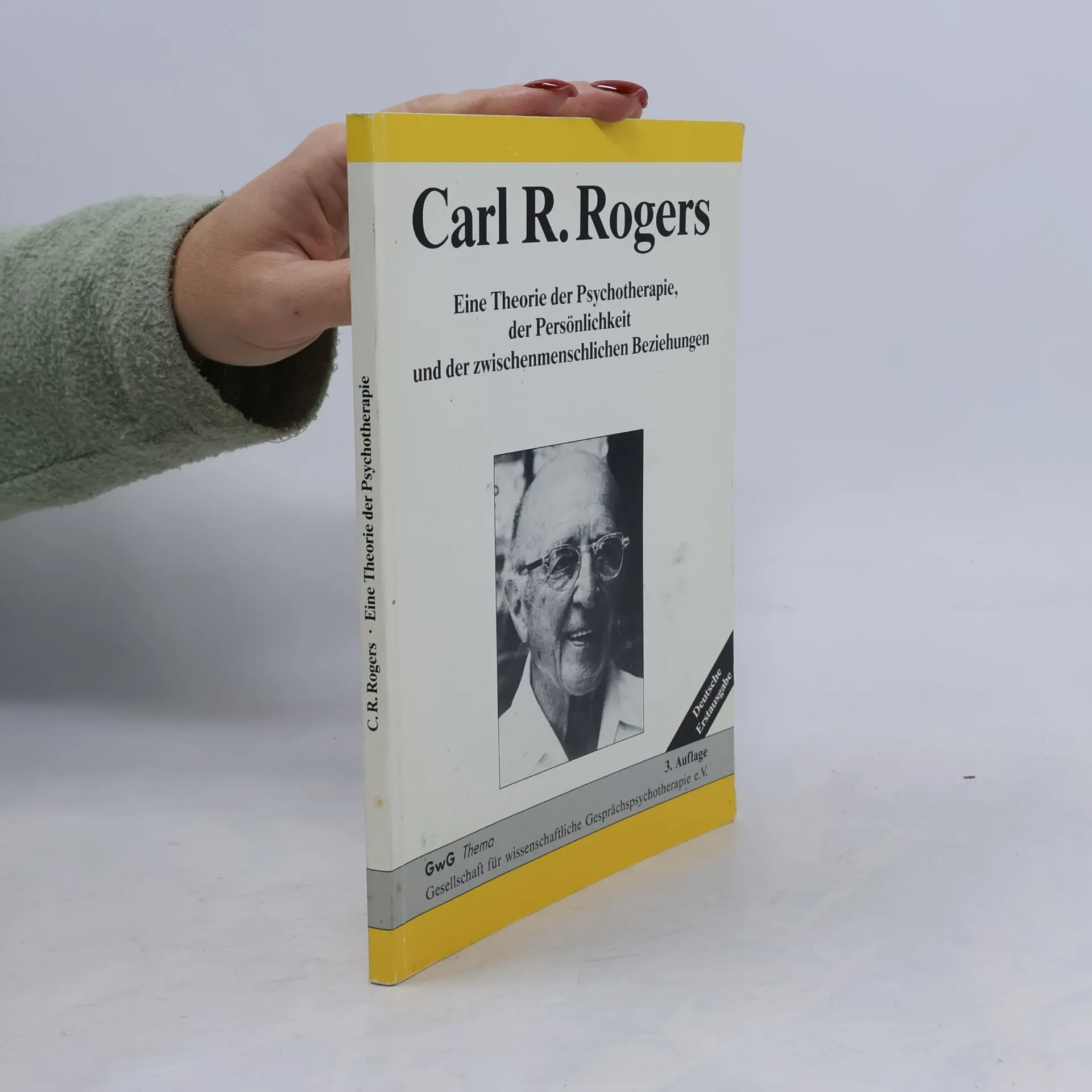
Rogers Carl R.

    8 janvier 1902 – 4 février 1987

    Cet auteur accorde la plus haute autorité à l'expérience personnelle, la considérant comme le critère de validité pour découvrir la vérité. Son travail se concentre sur des approches centrées sur la personne, humanistes et centrées sur le client, soulignant la valeur de l'expérience individuelle dans le processus de devenir. Il préconise de revenir à sa propre expérience vécue pour approcher la vérité au fur et à mesure qu'elle se déroule.

    Rogers Carl R.
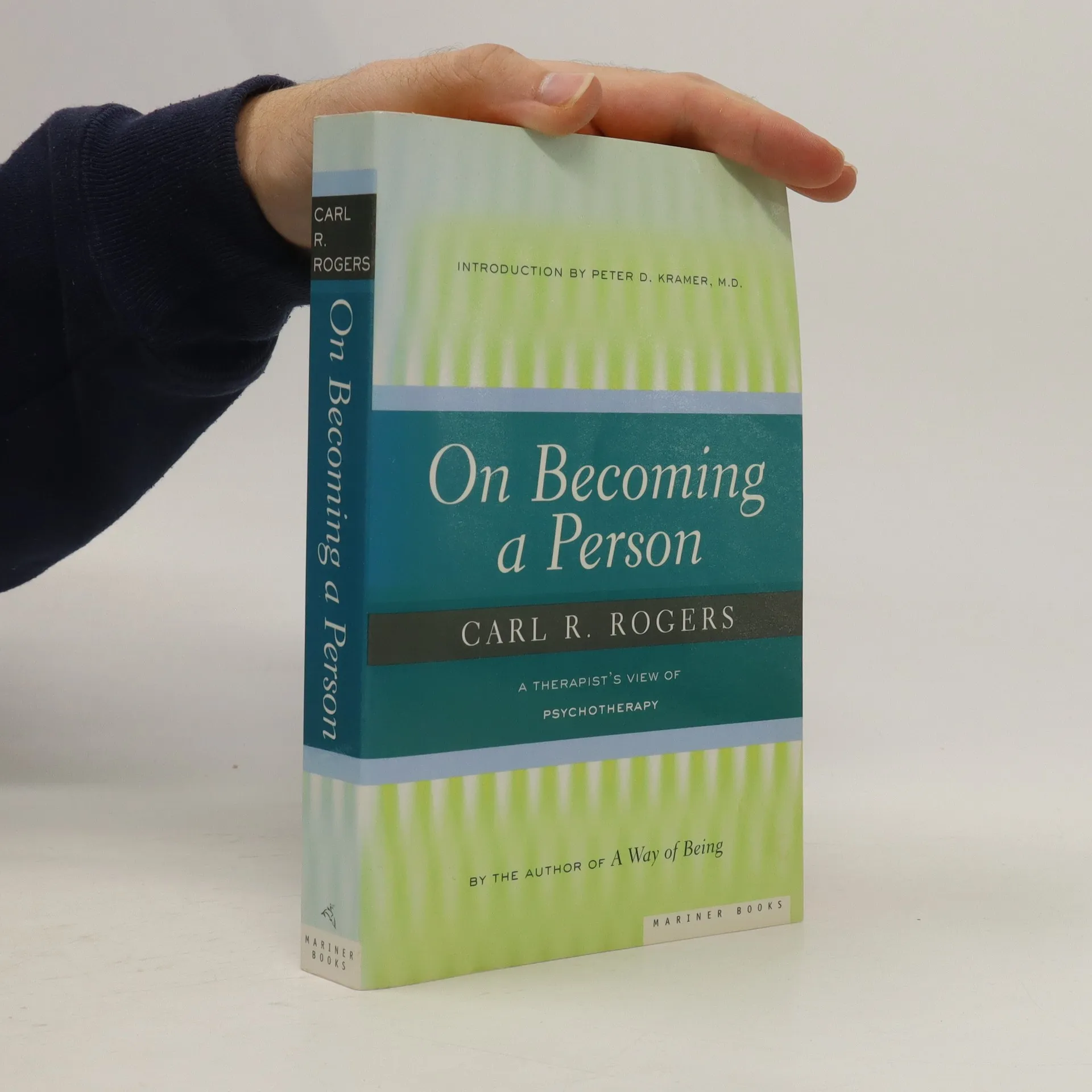
    On Becoming a Person
    Client-centered Therapy
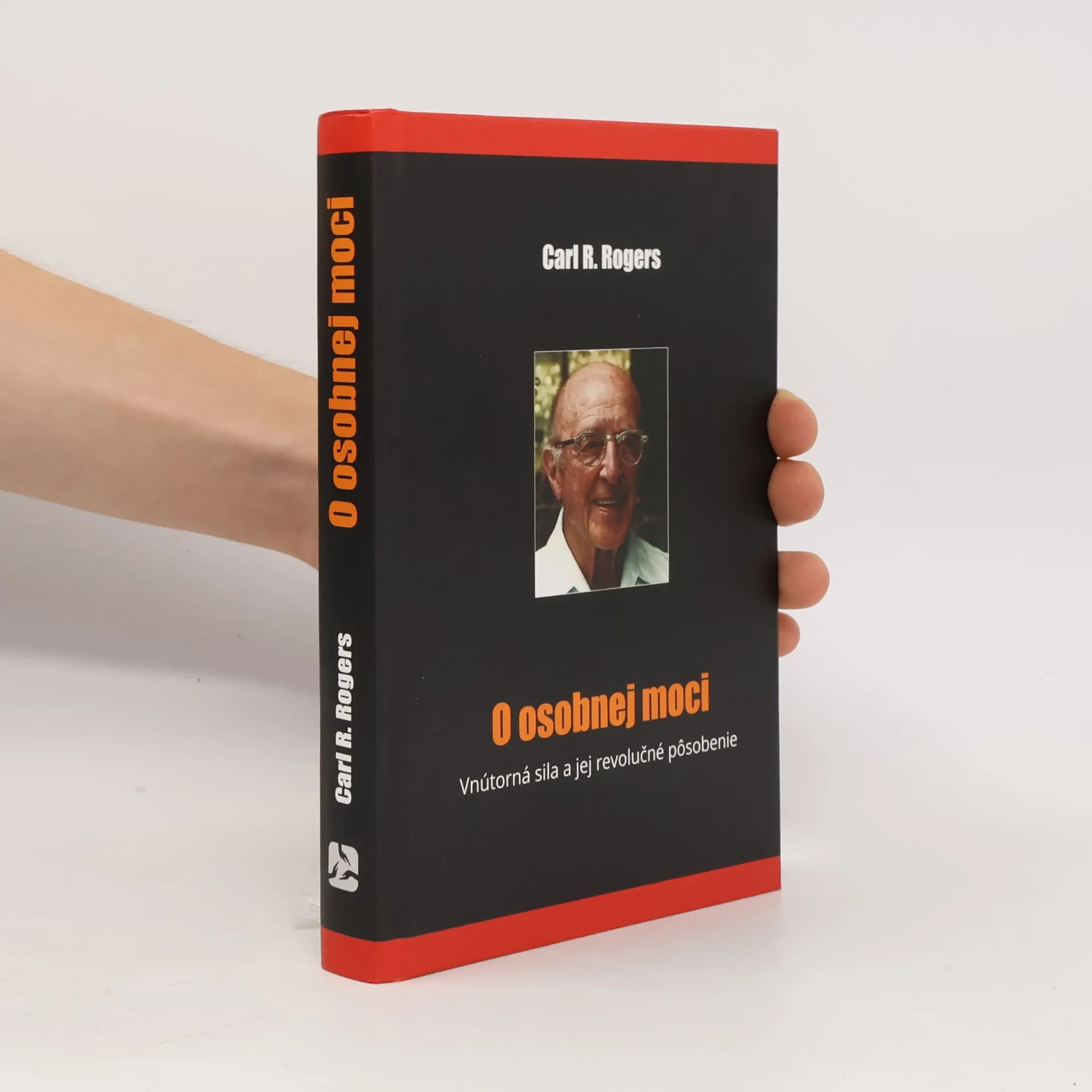
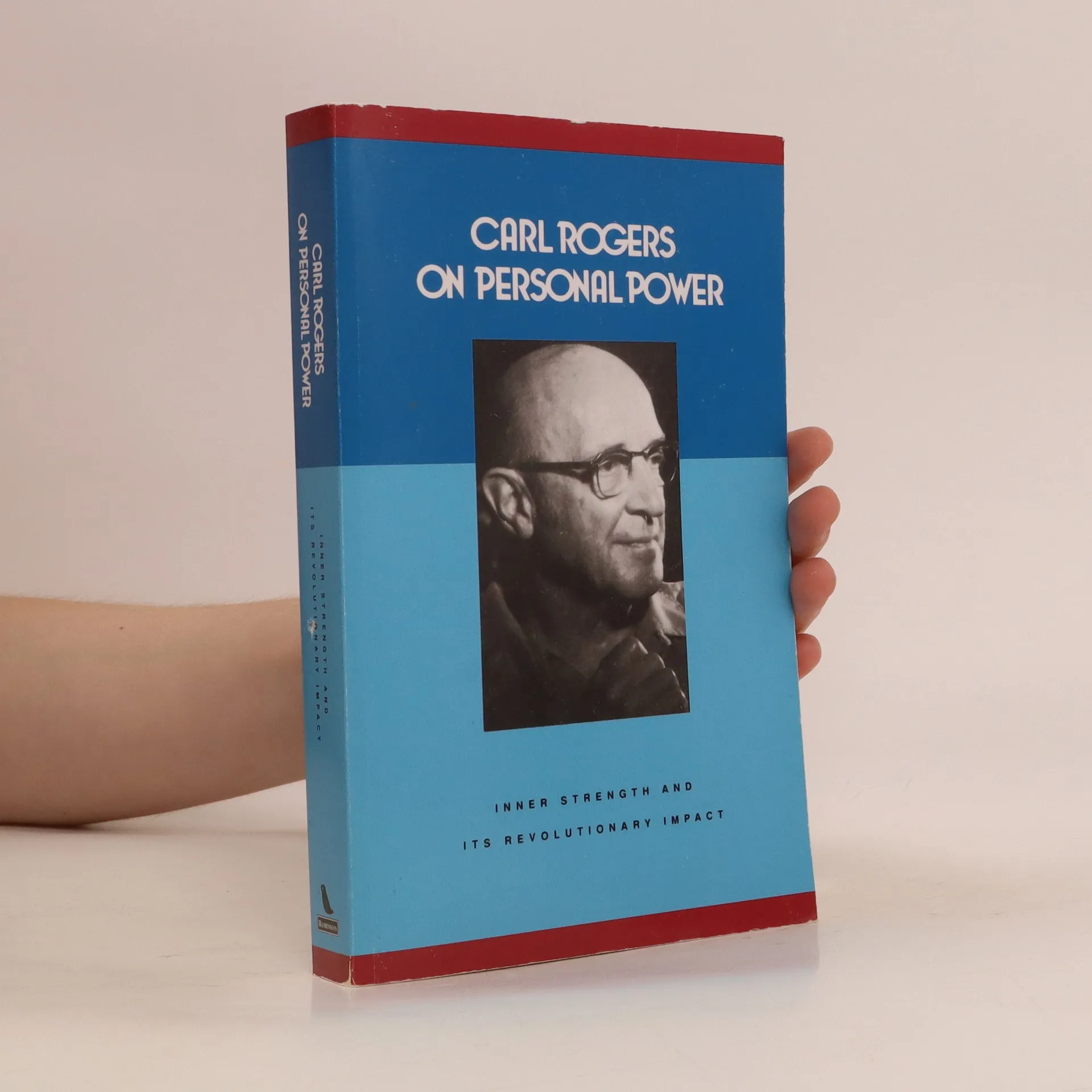
    Carl Rogers on personal power
    A Way of Being
    Counseling And Psychotherapy
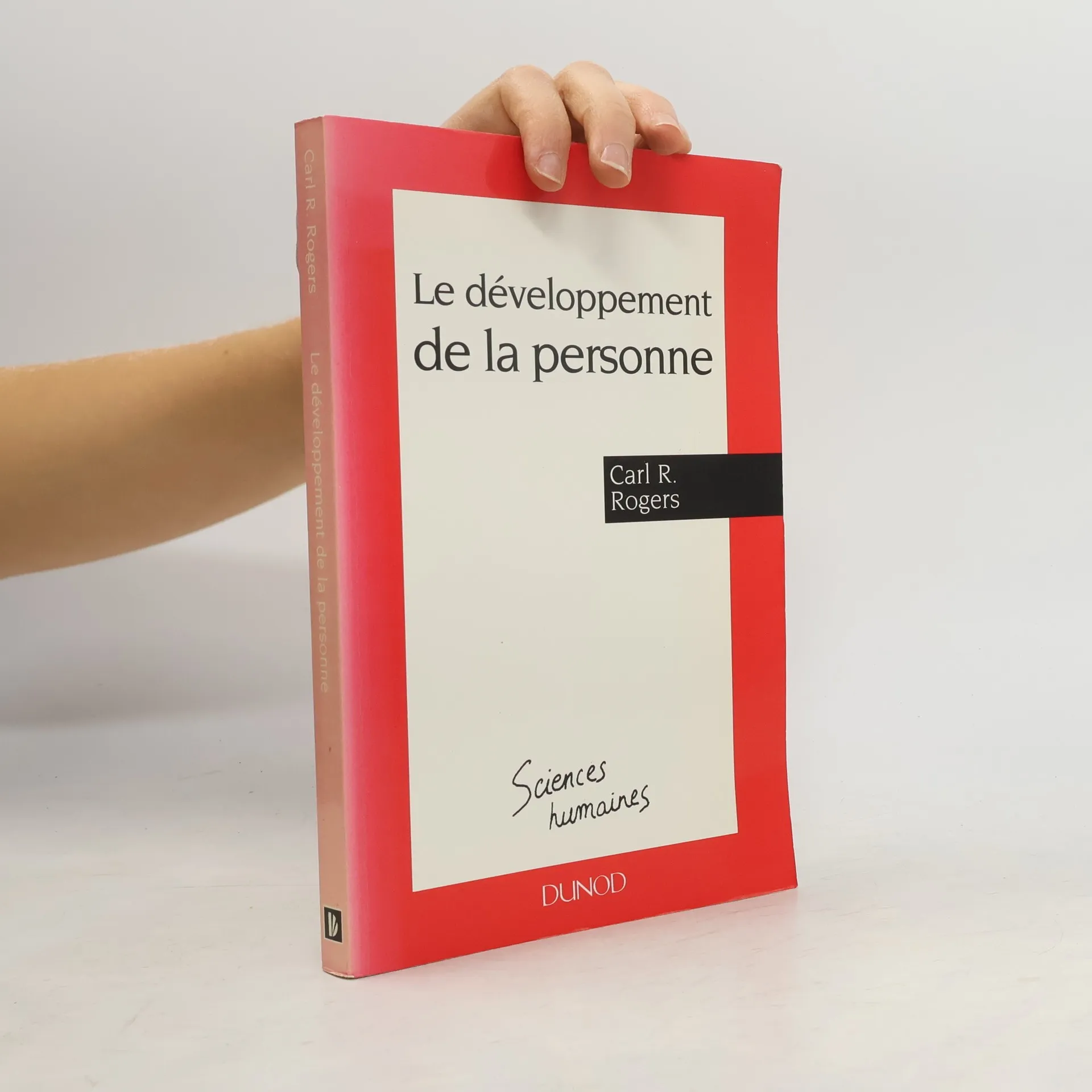
    La relation d'aide et la psychothérapie
    • La relation d'aide et la psychothérapie

      • 235pages
      • 9 heures de lecture

      Counseling and Psychotherdpy est en 1942 le premier ouvrage où Cari Rogers définit et illustre sa conception de l'aide psychologique. Alors âgé de quarante ans, Rogers crée en quelque sorte le modèle du psychologue thérapeute qu'il nomme "l'aidant", c'est-à-dire celui qui sait apporter sa spontanéité créatrice au projet d'autonomisation de son client. Cette nouvelle orientation de pensée abandonne tout a priori de jugement, de soutien et de contrôle. La non-directivité comporte une attitude de compréhension foncière laissant au client le choix de son itinéraire, de son langage et de ses décisions. Evitant les artefacts transférentiels et les étiquettes, la relation d'aide se fonde sur l'optimisme et la confiance dans les capacités évolutives de chaque individu, malgré la souffrance psychique. Clairement ou non. elle sert de mode relationnel de base à de nombreuses situations et méthodes psychothérapiques d'aujourd'hui. D'autres ouvrages de Rogers - Liberté pour apprendre, par exemple - placent ce créateur parmi les tout premiers des praticiens et théoriciens de la psychothérapie moderne. Ce livre, à l'étape initiale d'une grande découverte, apporte une ligne claire à l'action thérapeutique. dans le chaos des techniques et la confusion des idées contemporaines.
      La relation d'aide et la psychothérapie
    • Counseling And Psychotherapy

      • 466pages
      • 17 heures de lecture
      4,4(10)Évaluer

      Carl Rogers' early work delves into his person-centred approach to counselling and psychotherapy, offering valuable insights into the evolution of psychological practices. This rare first edition is a significant contribution to the history of psychology, making it a must-read for enthusiasts and scholars alike. The book is part of a series that aims to republish classic texts in high-quality, modern formats, preserving the original content and artwork for contemporary readers.

      Counseling And Psychotherapy
    • A Way of Being

      • 395pages
      • 14 heures de lecture
      4,3(2479)Évaluer

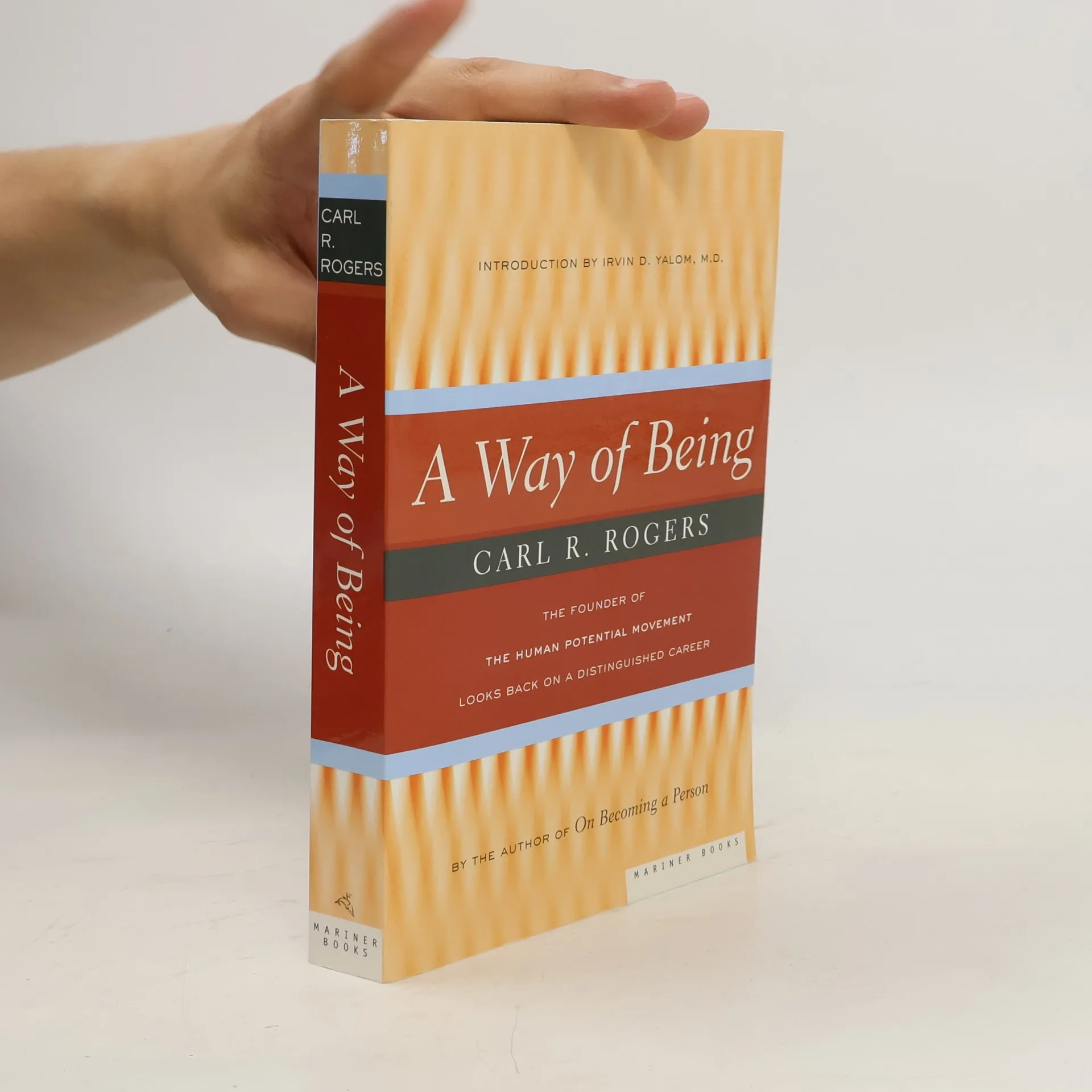
      A profound and deeply personal collection of essays by renowned psychologist Carl RogersThe late Carl Rogers, founder of the humanistic psychology movement and father of client-centered therapy, based his life's work on his fundamental belief in the human potential for growth. A Way of Being was written in the early 1980s, near the end of Carl Rogers's career, and serves as a coda to his classic On Becoming a Person. More philosophical than his earlier writings, it traces his professional and personal development and ends with a prophetic call for a more humane future.

      A Way of Being
    • Carl Rogers on personal power

      • 305pages
      • 11 heures de lecture
      4,2(114)Évaluer

      To anyone interested in psychology or sociology or politics or morality, Rogers will give a new dimension of awareness. The Month

      Carl Rogers on personal power
    • Client-centered Therapy

      • 560pages
      • 20 heures de lecture
      4,2(119)Évaluer

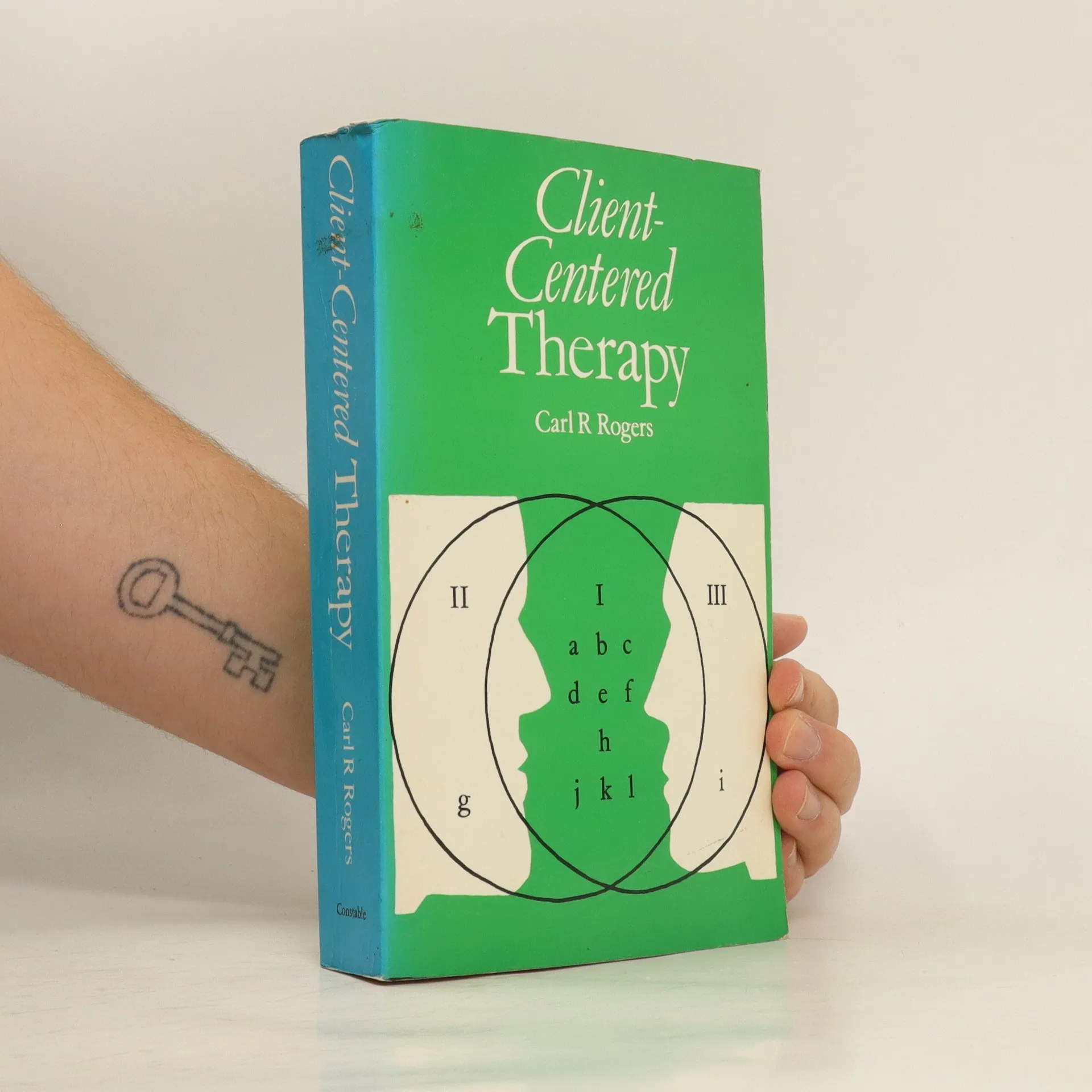
      This book crystallizes the progress which has been made in the last ten years in the development of techniques and basic philosophy of counselling.

      Client-centered Therapy
    • The Carl Rogers Reader

      • 526pages
      • 19 heures de lecture
      4,1(43)Évaluer

      A splendid introduction to the life and work of the pioneering psychotherapist, Carl Rogers.

      The Carl Rogers Reader
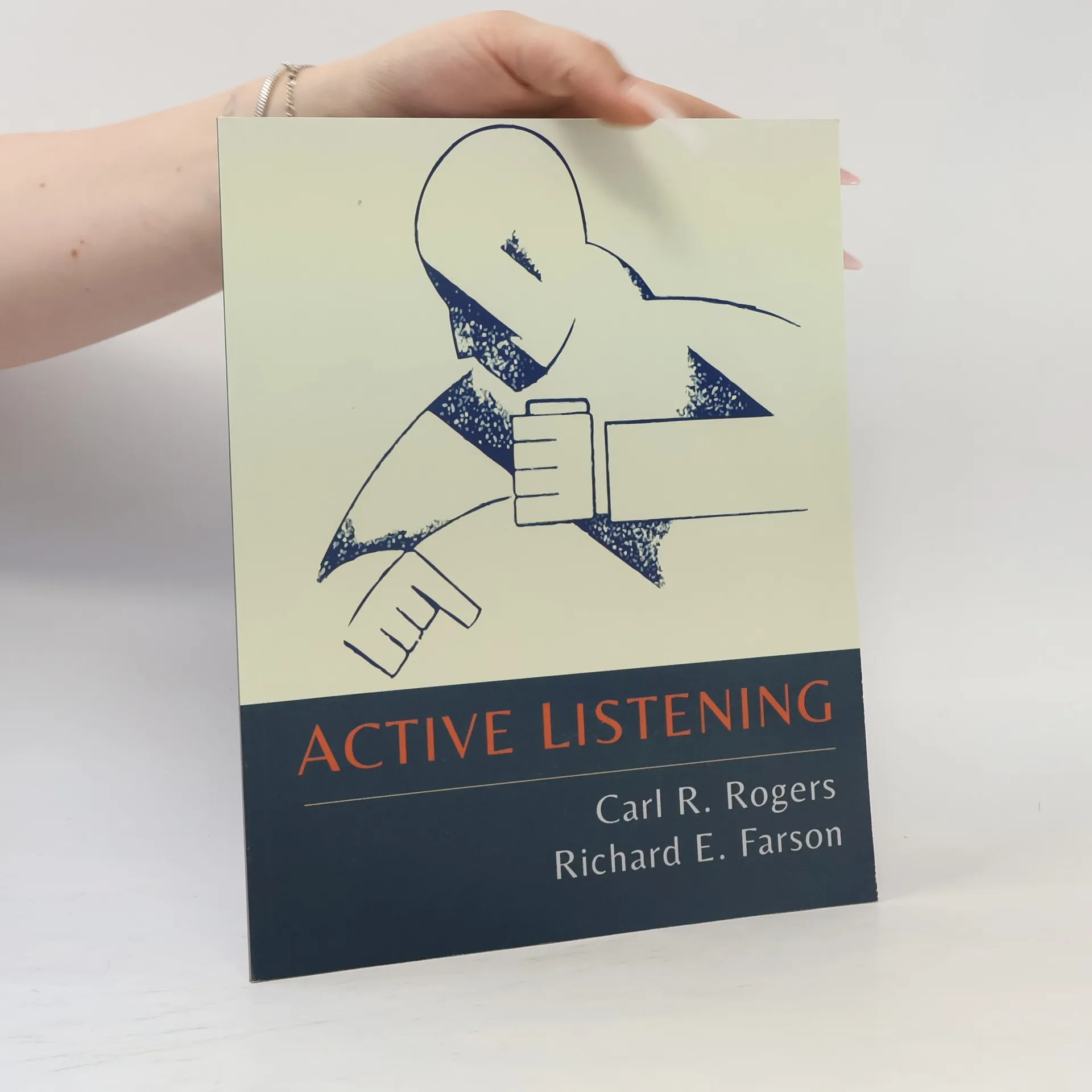
    • Active Listening, a concise work by Drs. Carl R. Rogers and Richard E. Farson, introduces the counselling technique of active listening to a broader audience, particularly focusing on its application in employer-employee interactions. Carl R. Rogers, a pioneer of the "client-centered" approach to psychotherapy, is often regarded as the most influential psychotherapist, surpassing even Sigmund Freud. He established the University of Chicago's counselling clinic and traveled globally to apply his theories in politically and socially tumultuous regions. Richard E. Farson, who studied under Rogers, became a significant figure in research institutions and co-founded the Western Behavioral Sciences Institute. Together, they produced several projects, including a notable group therapy session that won an Academy Award. Active Listening outlines a communication method essential for counselling and conflict resolution. Unlike passive conversation, active listeners engage actively, helping speakers articulate their issues. This involves restating what the speaker has said to confirm understanding and ensure the speaker feels heard. The technique emphasizes empathy, requiring listeners to grasp not just the words but also the emotions conveyed through various cues. While powerful, this practice demands inner security and courage, as it can challenge one's sense of self. Written in accessible language, the work aims to equip non-clinicia

      Active Listening
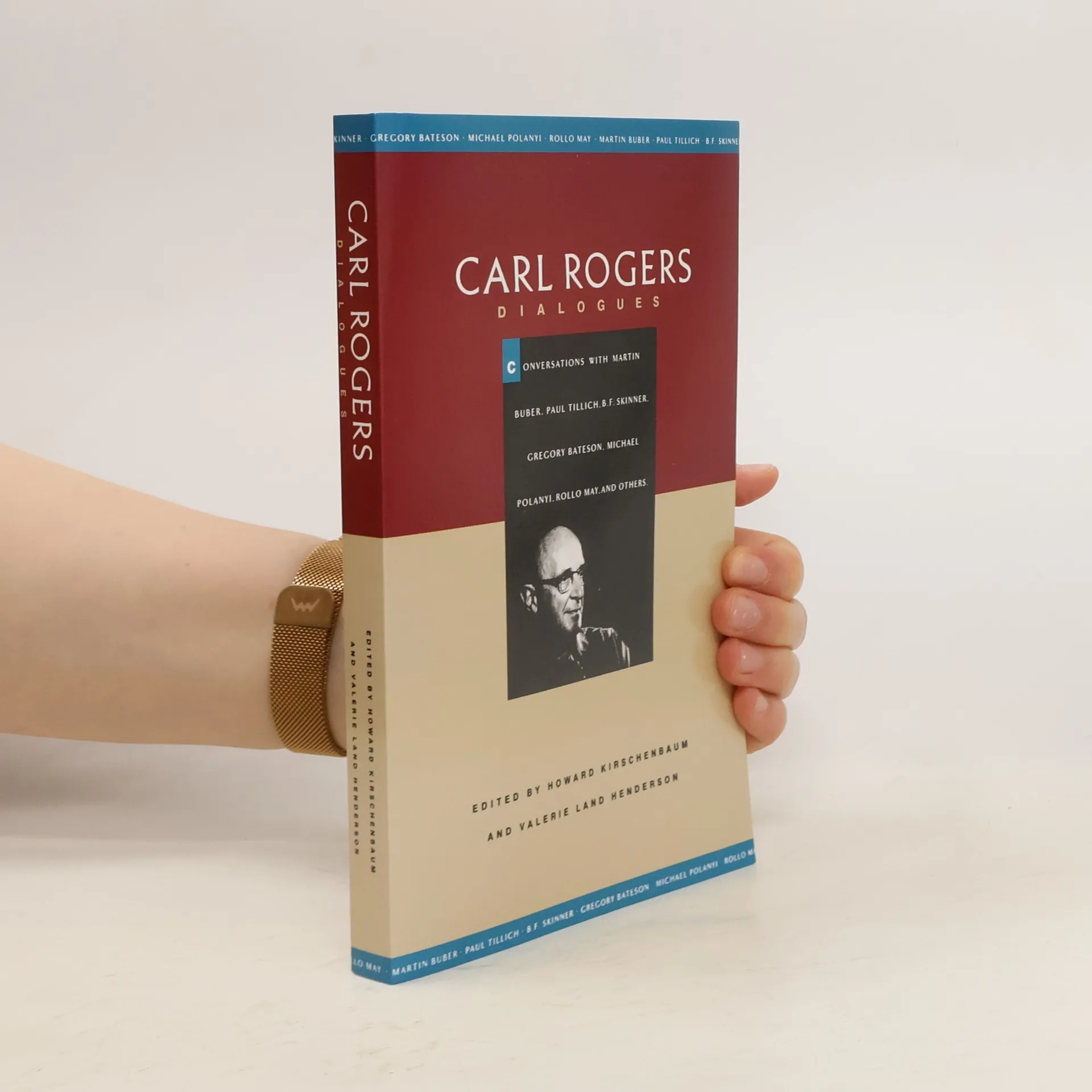
    • Carl Rogers Dialogues

      Conversations with Martin Buber, Paul Tillich, B.F. Skinner, Gregory Bateson, Michael Polanyi, Rollo May and Others

      • 255pages
      • 9 heures de lecture

      Offers a brief profile of Rogers, and shares his discussions with theologians and psychologists issues in psychotherapy

      Carl Rogers Dialogues