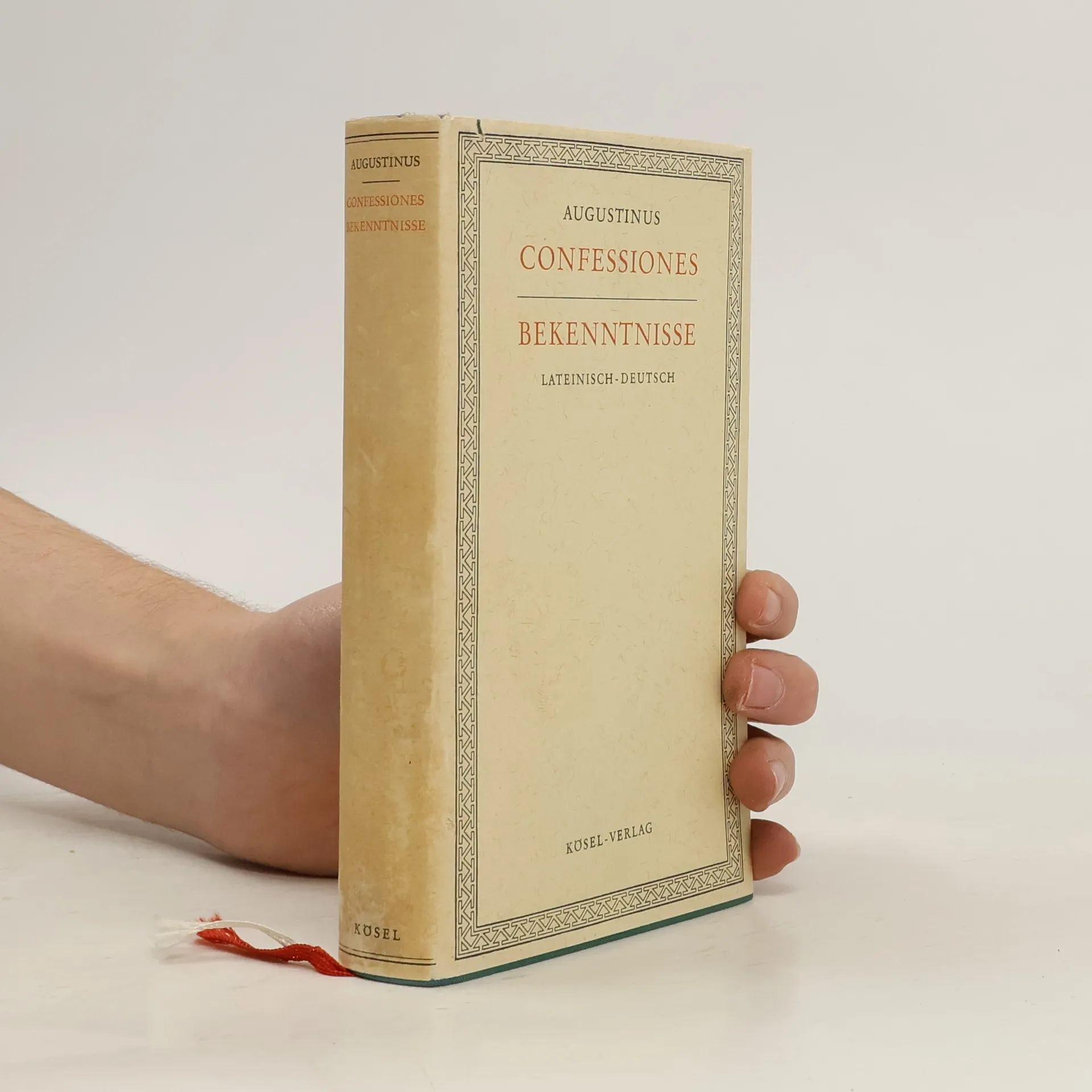
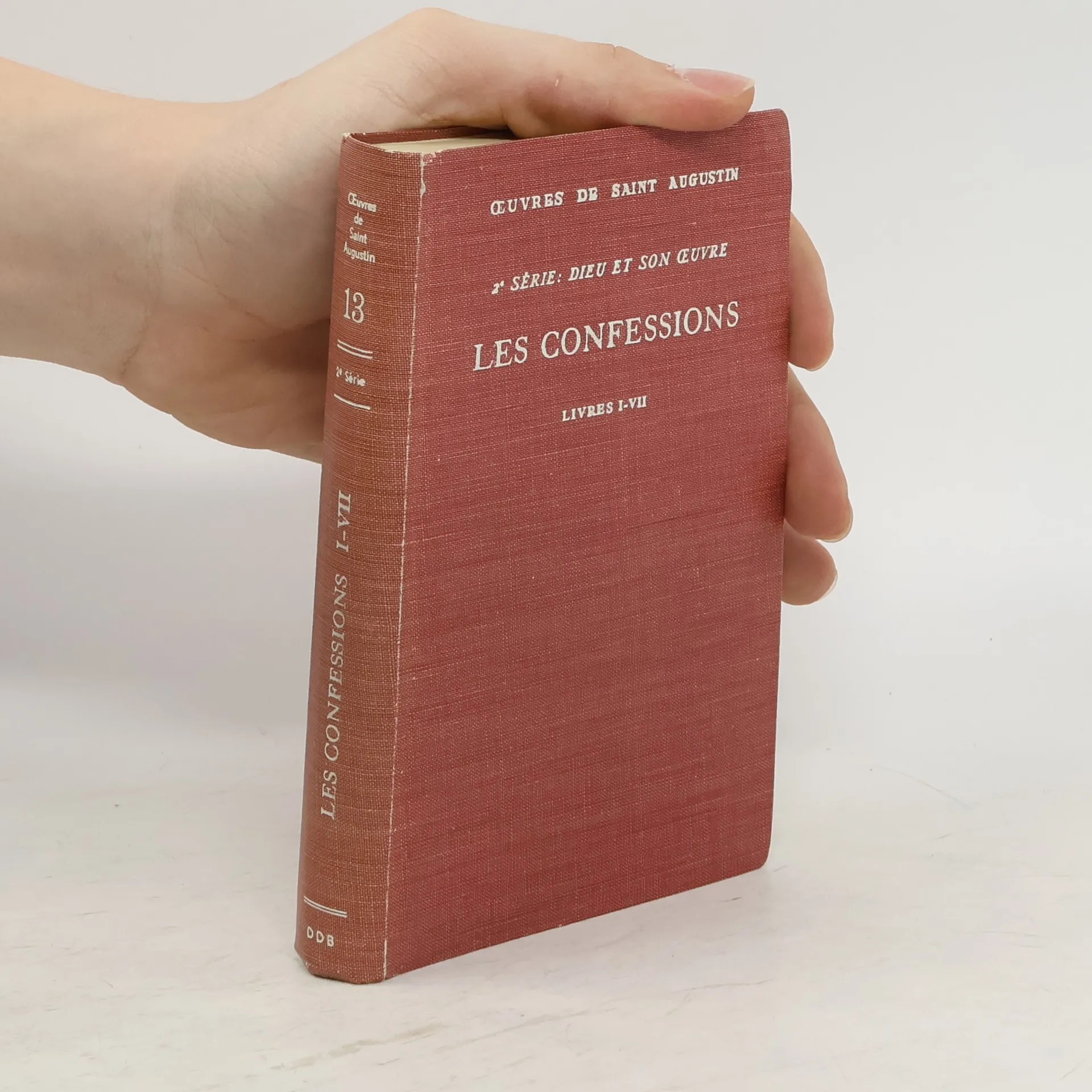
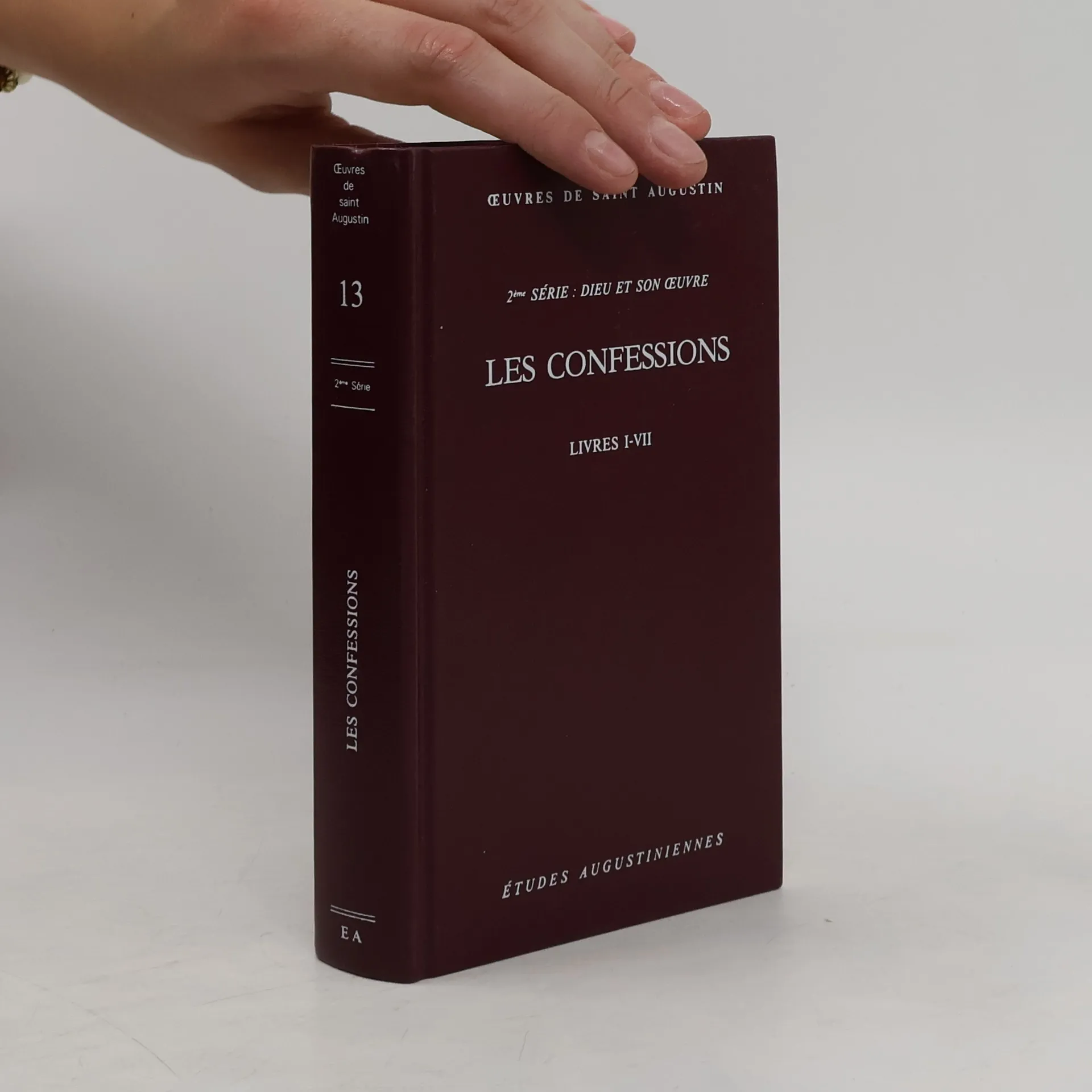

Les confessions
Livres 1-7
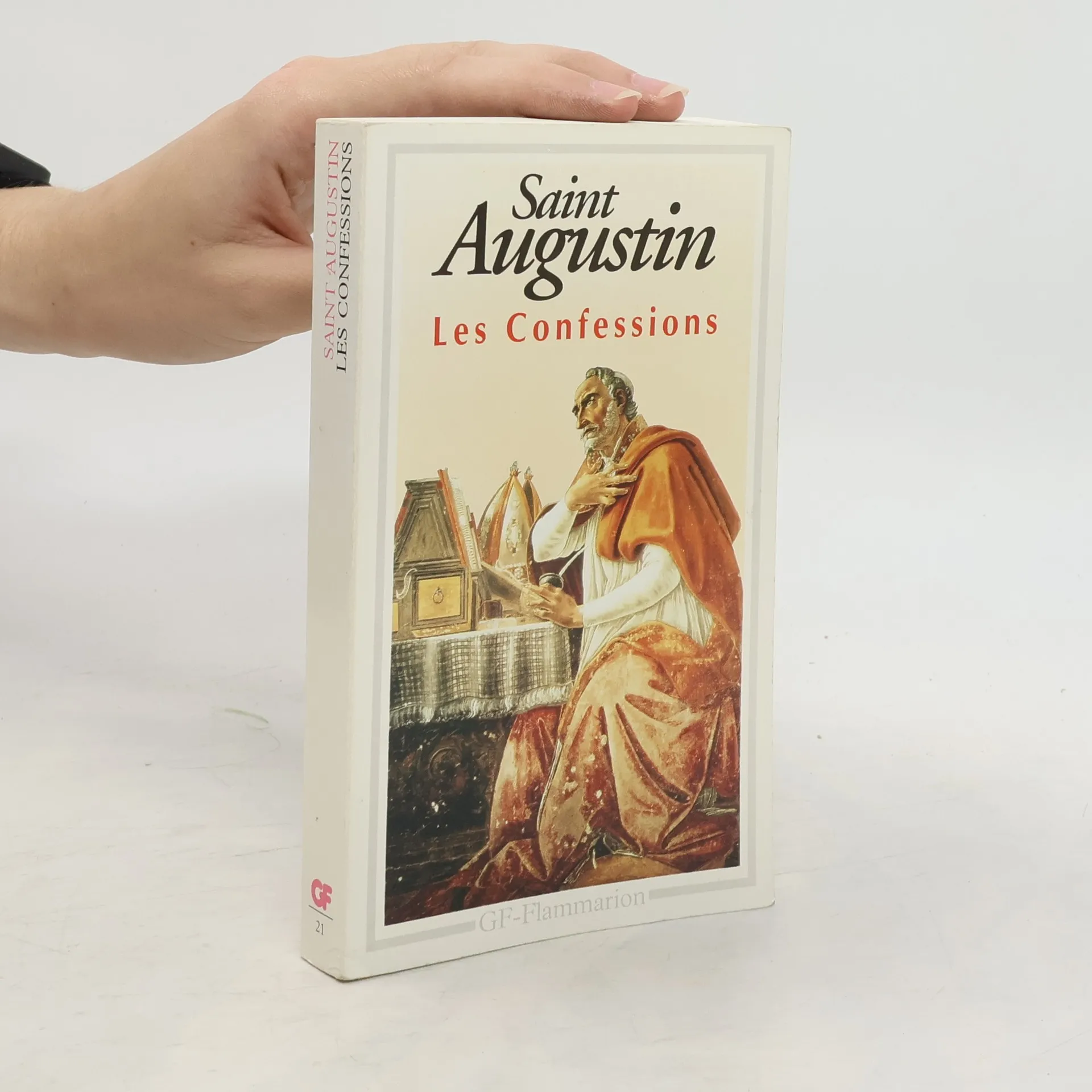
Ecrite vers 400, cette oeuvre contient l'histoire spirituelle du saint, la formation de sa pensée et de son initiation mystique. C'est à la fois une oeuvre philosophique et une autobiographie. ©Electre 2021
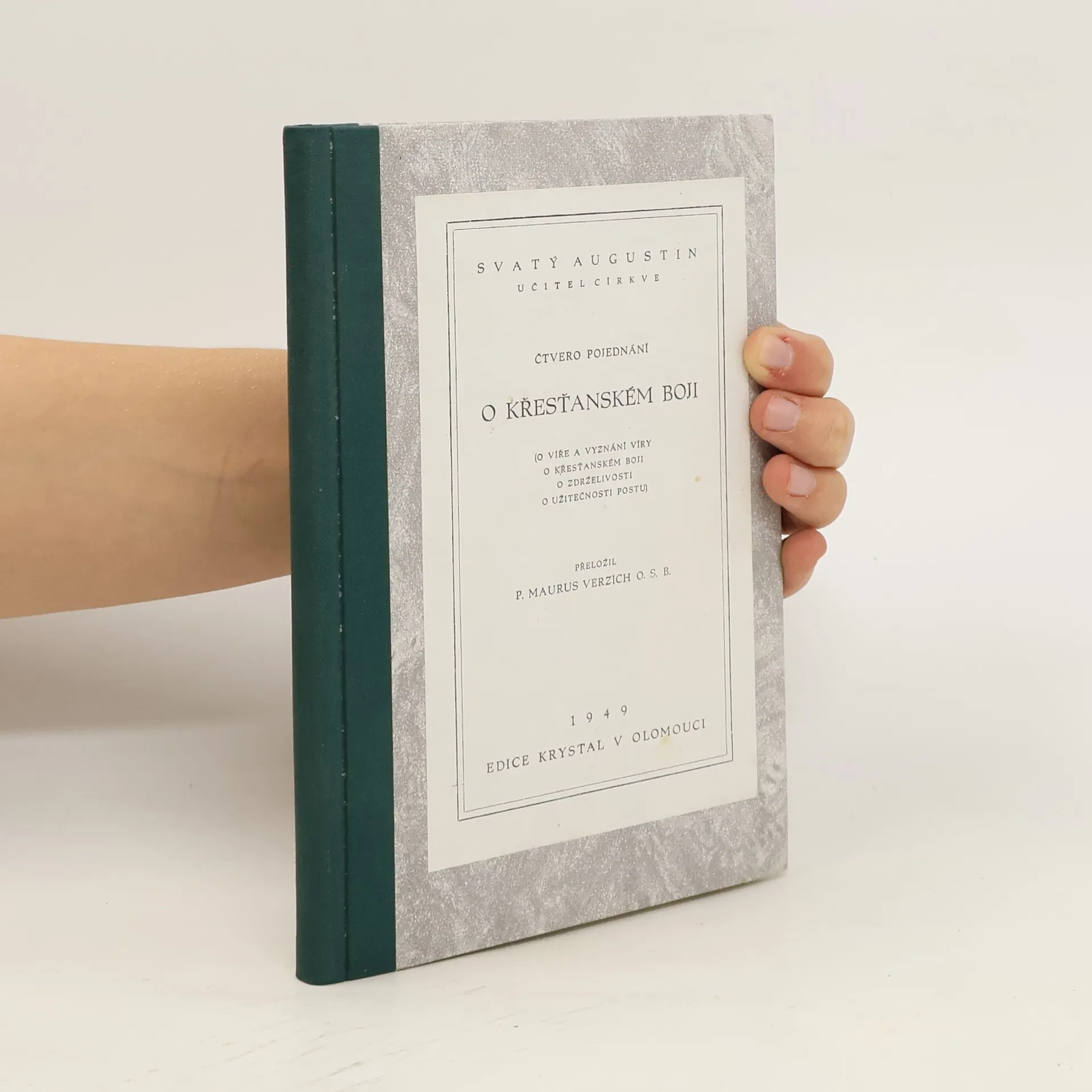
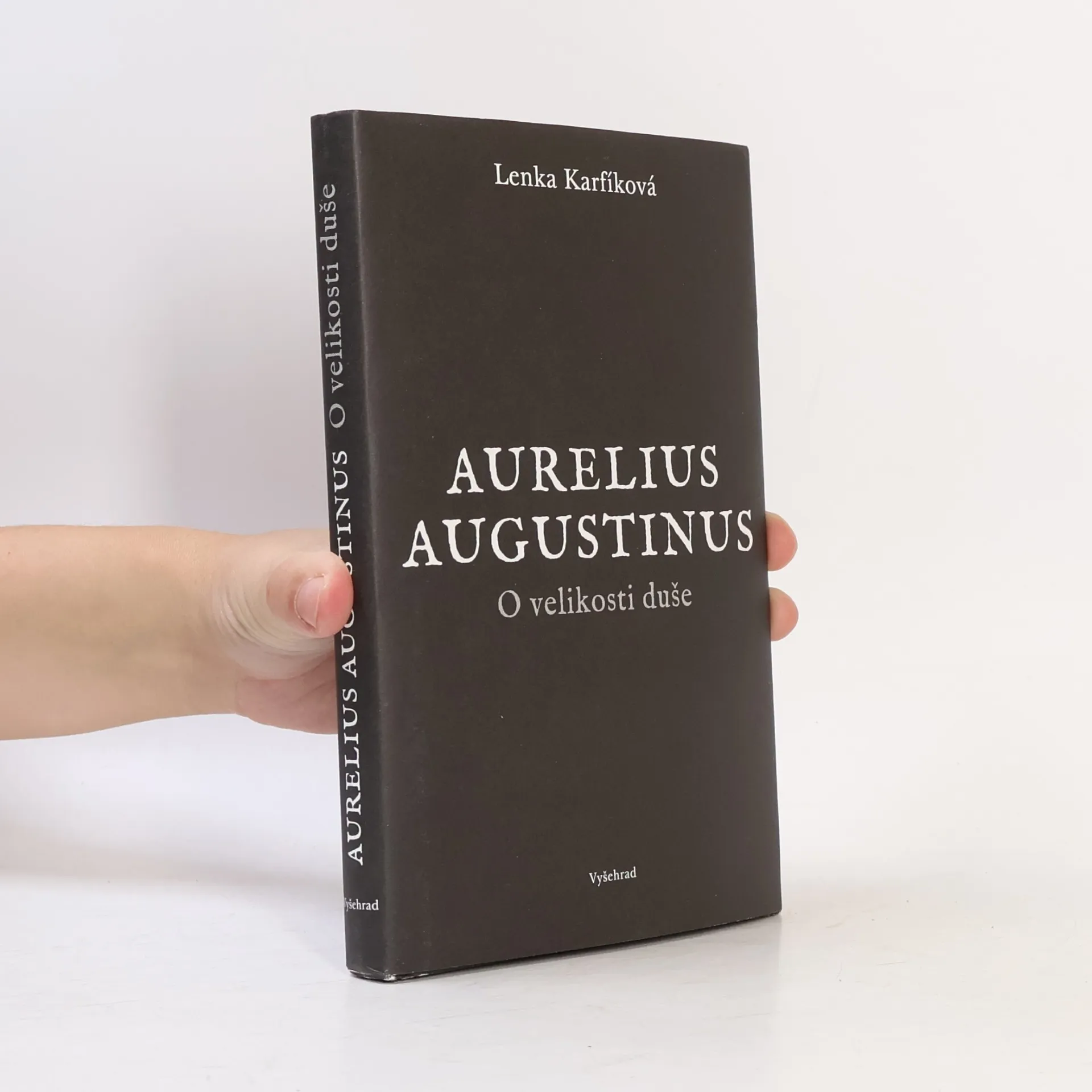


Livres 1-7
Ecrite vers 400, cette oeuvre contient l'histoire spirituelle du saint, la formation de sa pensée et de son initiation mystique. C'est à la fois une oeuvre philosophique et une autobiographie. ©Electre 2021
Découvrez la pensée de saint Augustin à travers une analyse philosophique approfondie. Réalisée par un expert, cette étude inclut sa biographie, un résumé détaillé de sa pensée et l'analyse de son courant philosophique. Recommandée par de nombreux enseignants.
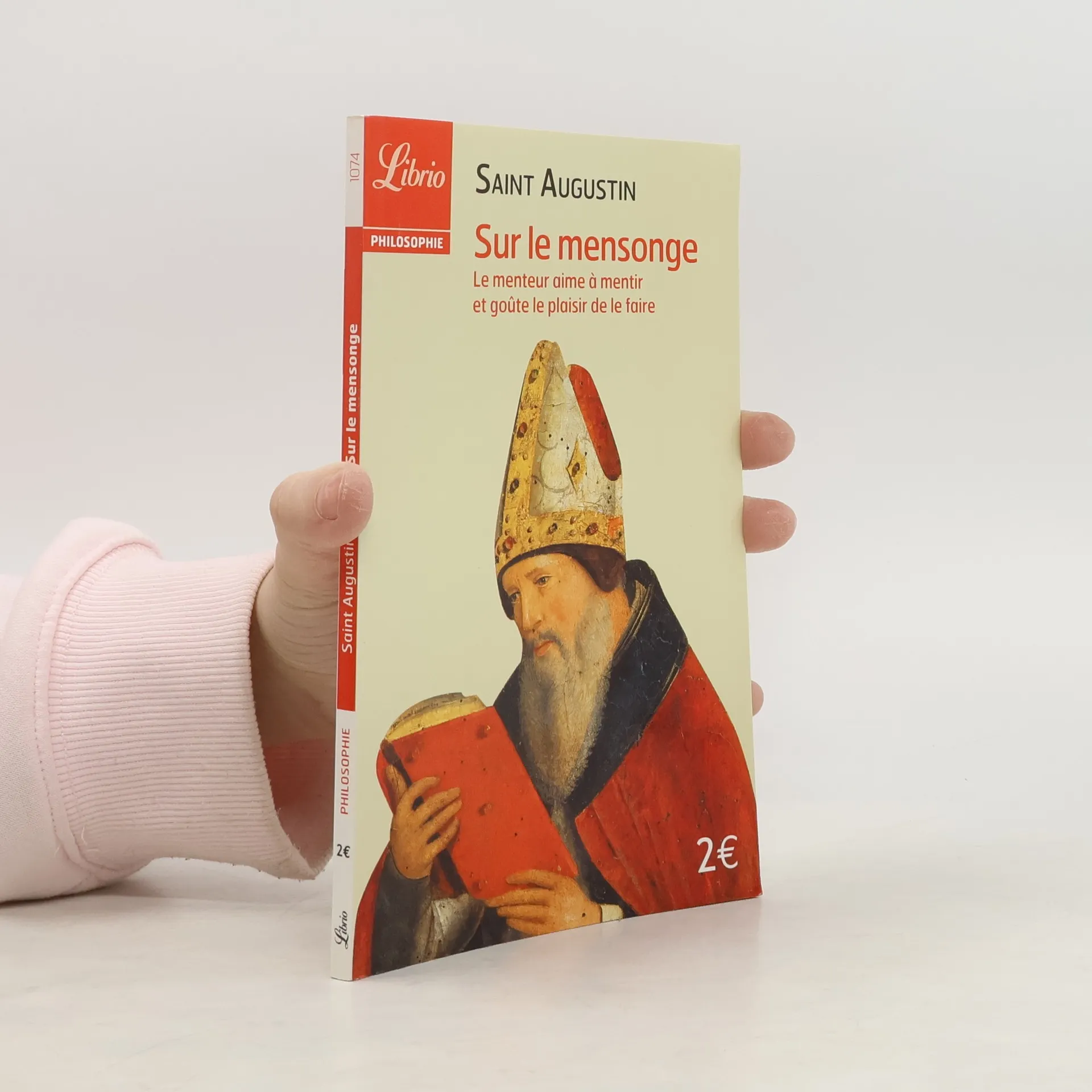
Faut-il toujours dire la vérité, au risque de nuire ? Le mensonge peut-il parfois être utile et bénéfique ? Comment le différencier de la plaisanterie ? Convaincu que tout homme a "l'obligation absolue de ne jamais mentir", Saint Augustin se penche sur les difficultés auxquelles pourrait se confronter un homme épris de vérité amené à mentir. Imprégné de valeurs chrétiennes, ce texte est aussi une réflexion sur le langage. Ces considérations se prolongent dans un bref essai sur son usage, sur le signe, et sur leur rapport à la vérité. Ces deux textes, au raisonnement rigoureux et méthodique, sont des modèles d'analyse.
Augustine's long exposition of the doctrine of theTrinity was written after the Council of Constantinople (381) had settled the matter of the consubstantiality of the three Persons of the Trinity. Augustine began this work around the year 400 and completed it in 416. Taking the image of God in the human being (Genesis 1:26-27) as his starting-point, Augustine reasons that since God is triune, the image must be so, too. There ensues a laborious quest for three aspects of every individual human being that serve as a mirror of the Trinity. En route to the successful outcome of his quest, Augustine explores a variety of theological and anthropological concepts.
The second book of the Catholic Classics series, The Confessions of St. Augustine , is an updated translation of the key work of Catholic tradition that is accessible for modern readers . Often considered one of the most influential and inspiring works of the saints, this classic yet relevant text was written by the Doctor of the Church as a prayer to God, confessing his faith despite past mistakes and recognizing the ways that God has transformed his heart. Through the years, it has remained a key reflection on the spiritual life for believers who seek to persevere through weakness toward the glory of heaven. Exploring topics such as understanding Sacred Scripture, the weakness of the human heart, and the transformative power of an encounter with the living God, this text draws readers ever closer to God through St. Augustine’s conversations with the heavenly Father who called him out of a life of sin and onto the path toward sainthood .With a new translation by Dr. Matthew Minerd, this special version renews Catholics' understanding and appreciation of this spiritual classic. It also This beautiful book draws all Catholics into a deeper relationship with God in their pursuit of holiness through the honesty, authenticity, and wisdom of one of the Church’s greatest saints.
Augustine's commentary on the Gospel of John stands out as the most complete and theologically profound among ancient Christian writings. It explores significant themes central to Augustine's thought, including the Trinity, the person of Christ, the Church's nature, and its sacraments, while also addressing the fulfillment of the divine plan. This work not only reflects Augustine's theological insights but also serves as a comprehensive examination of John's gospel, making it a vital resource for understanding early Christian doctrine.
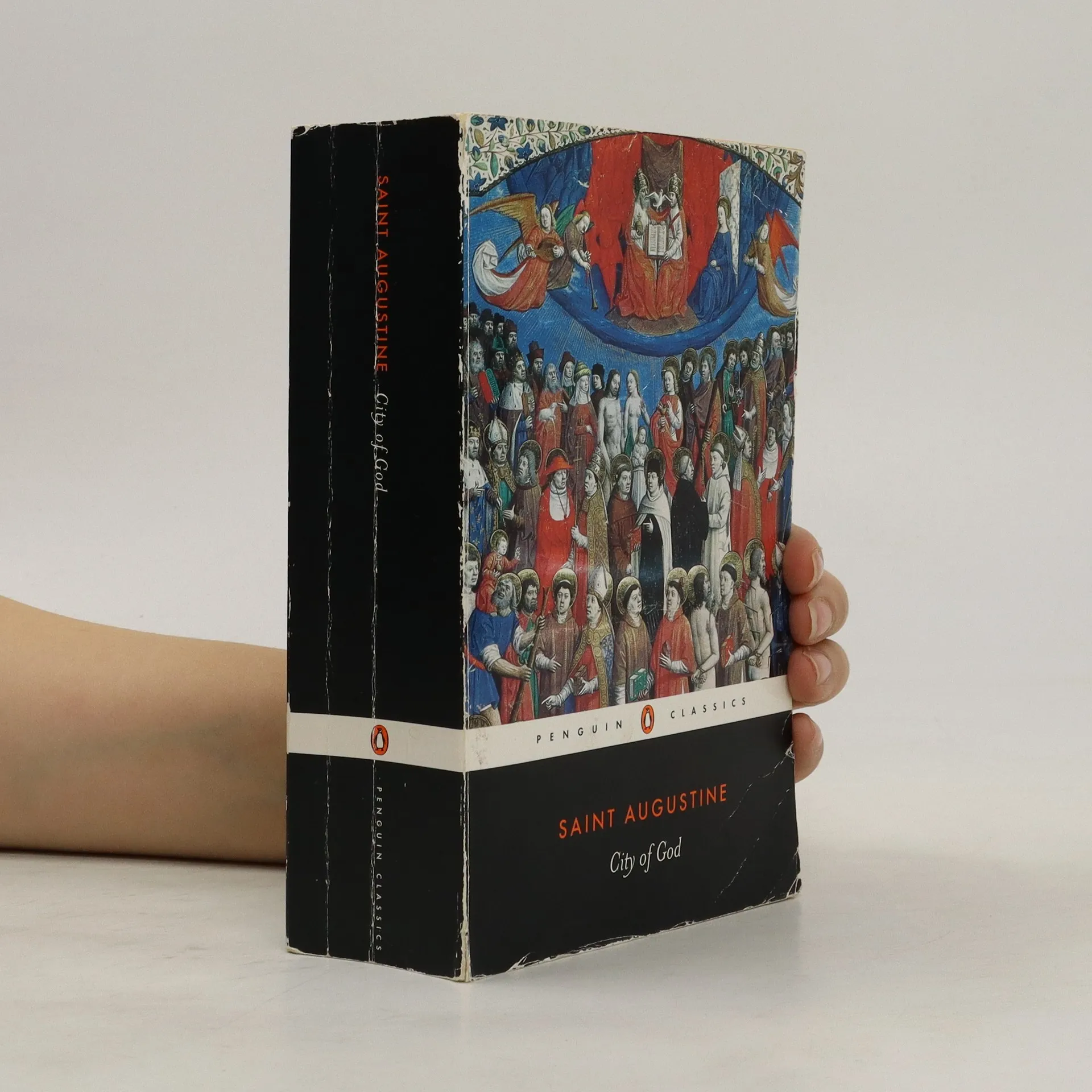
Exploring the dichotomy between the Earthly City and the City of God, this philosophical work by Augustine presents human history as a struggle between these two realms. It emphasizes the ultimate triumph of the City of God, reflecting on the implications for faith and society. Through this lens, the book delves into themes of morality, divine providence, and the nature of true happiness, offering profound insights into the Christian understanding of history and existence.
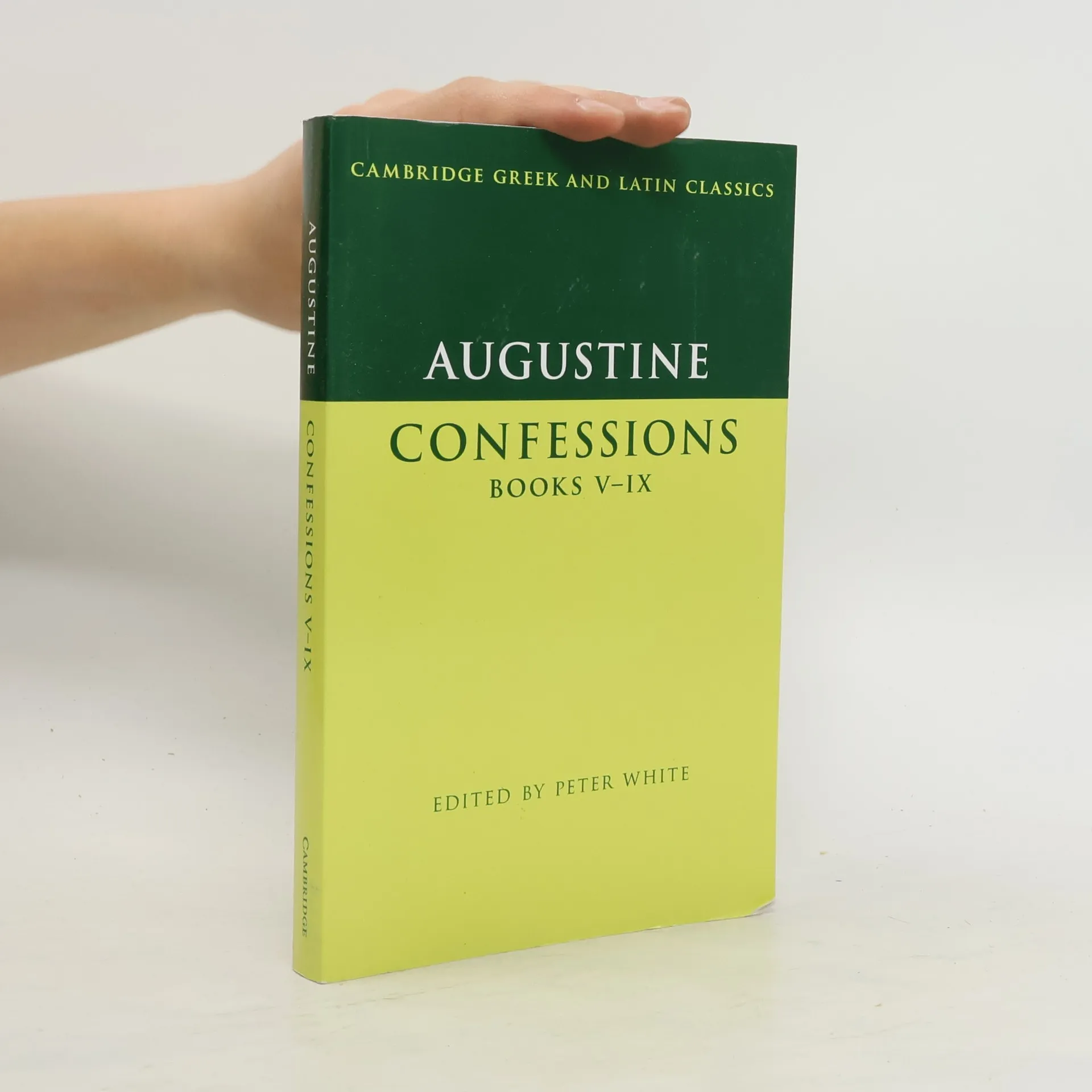
This edition highlights Augustine's art as a narrator, enhances appreciation of the Confessions by explaining unfamiliar Augustinian vocabulary, idioms, and ideas, and clarifies his place as one of the most original thinkers of late antique Christianity. It will be indispensable for students and teachers of Latin.
Exploring the profound themes of free will and divine grace, Saint Augustine's treatise delves into the nature of sin and human choice. Written in the late 4th century, the work argues against the notion that ignorance absolves individuals from blame, asserting that evil stems from conscious choices. Augustine’s insights reflect his journey from various beliefs to Christianity, positioning him as a pivotal figure in early Christian thought. This edition features a translation by Carroll Mason Sparrow and is printed on premium acid-free paper.