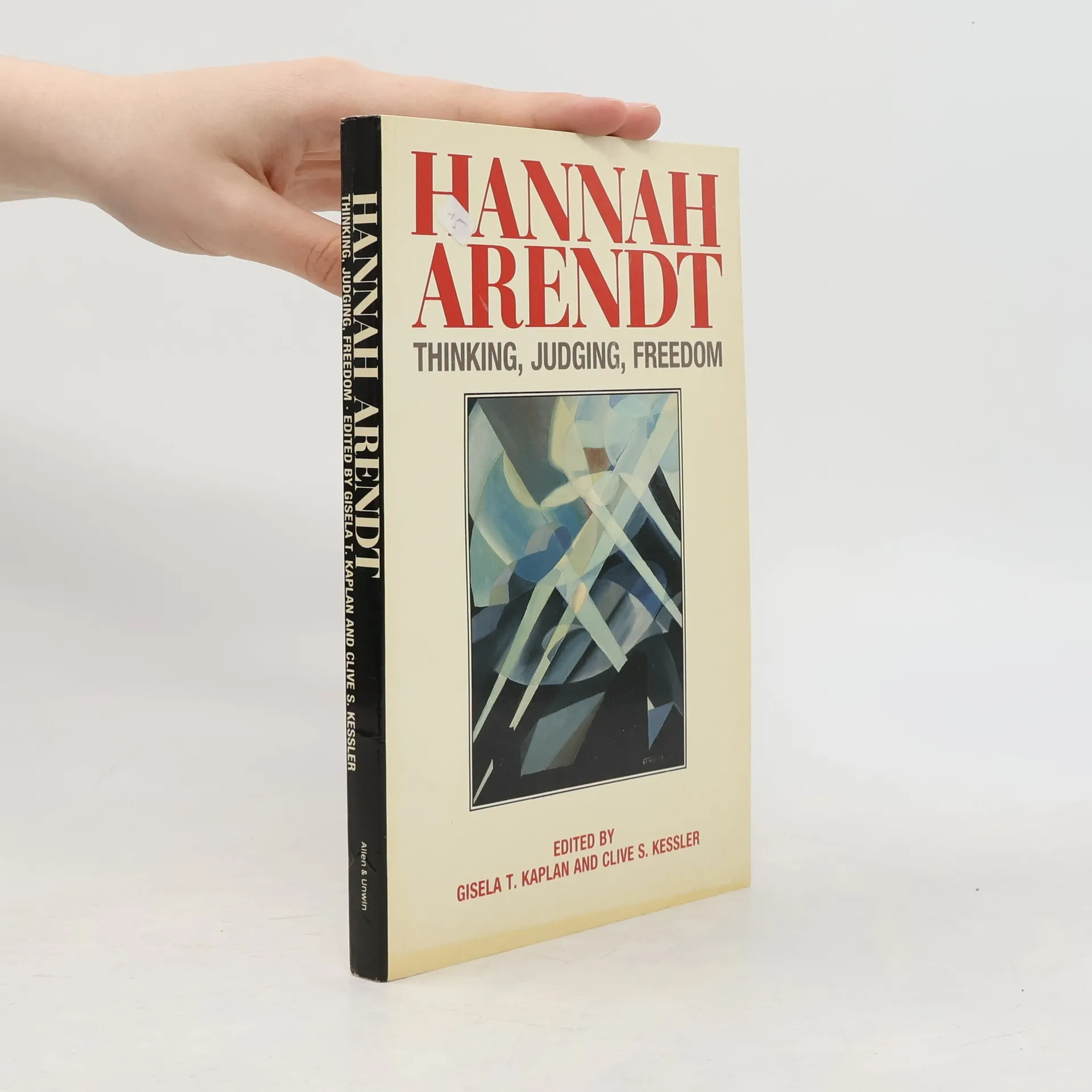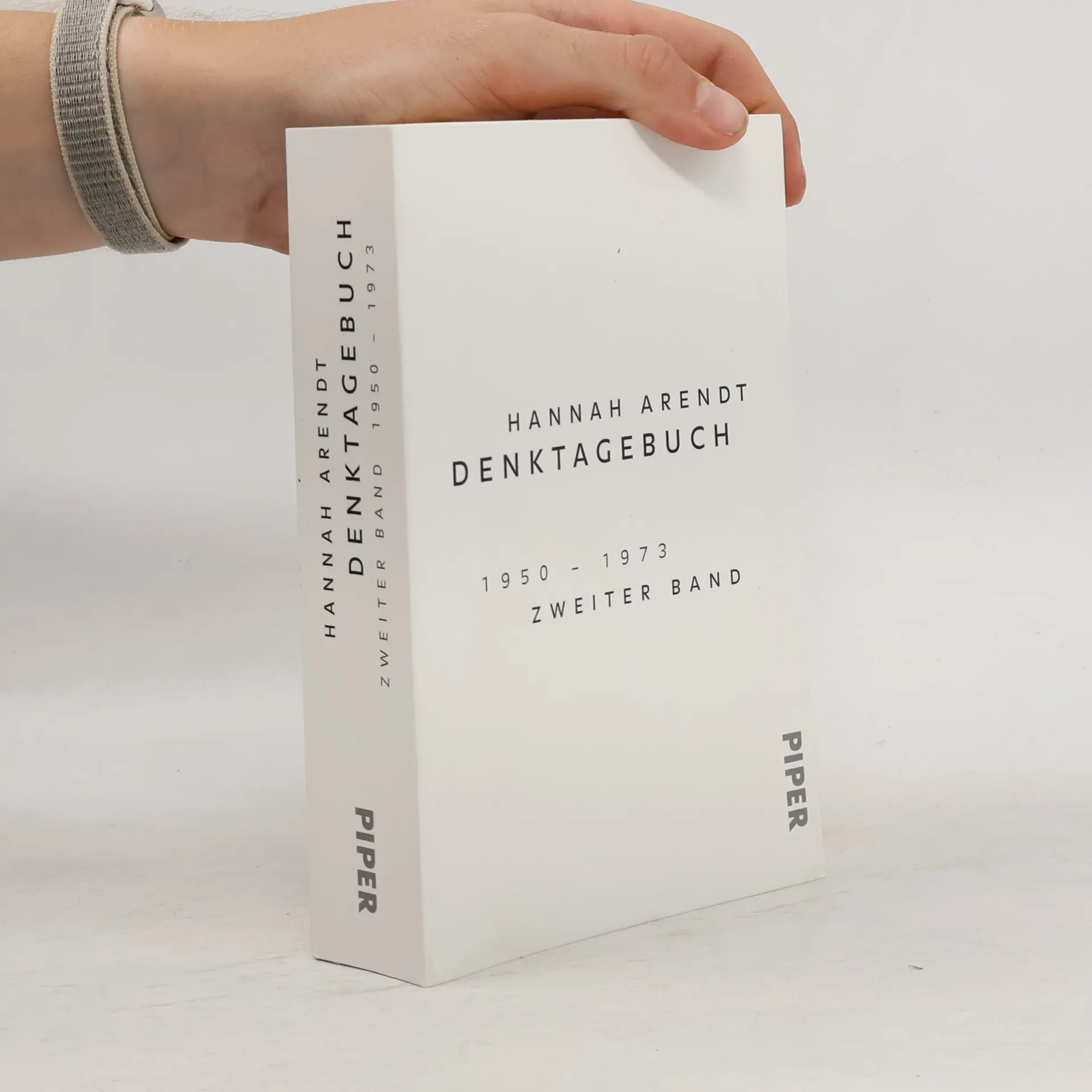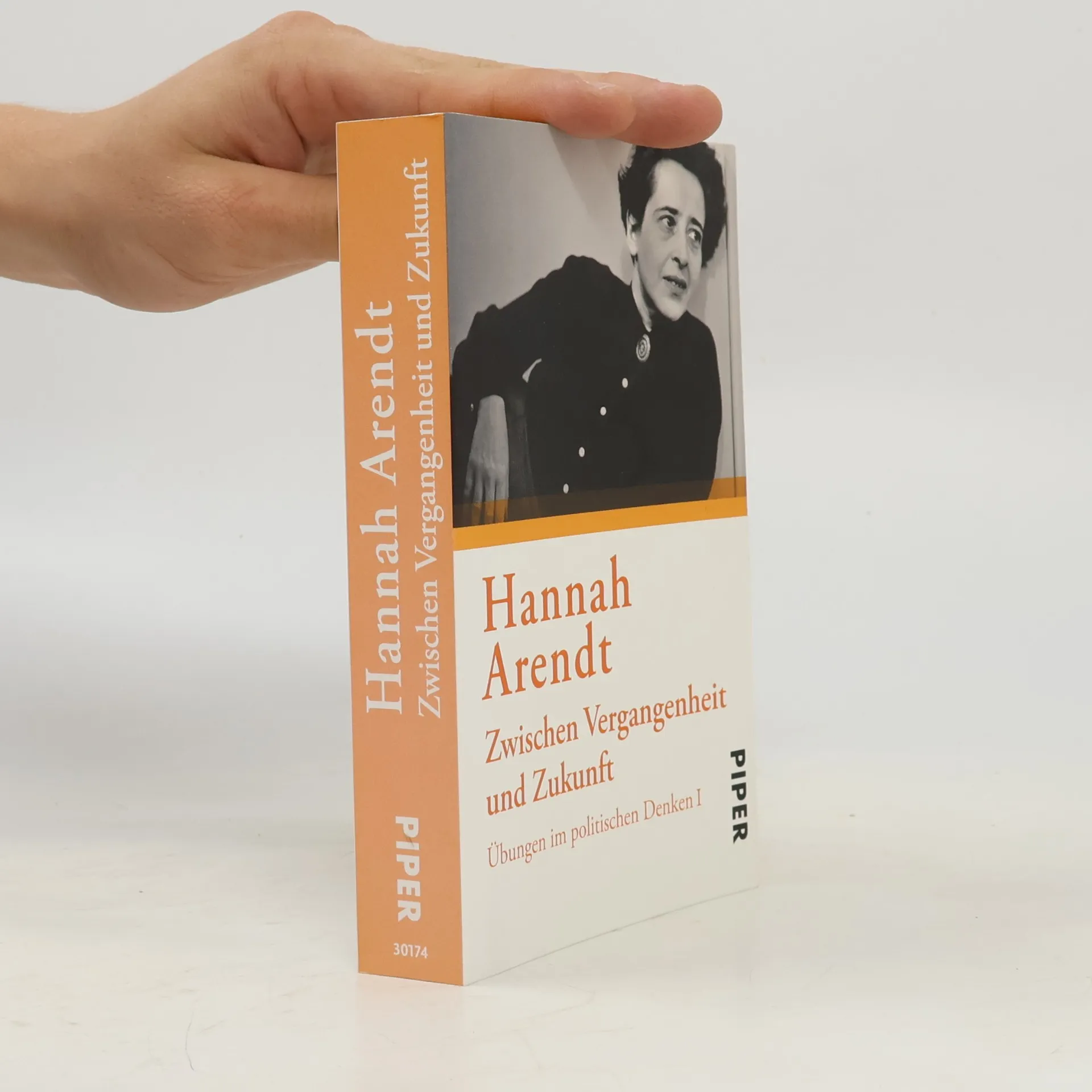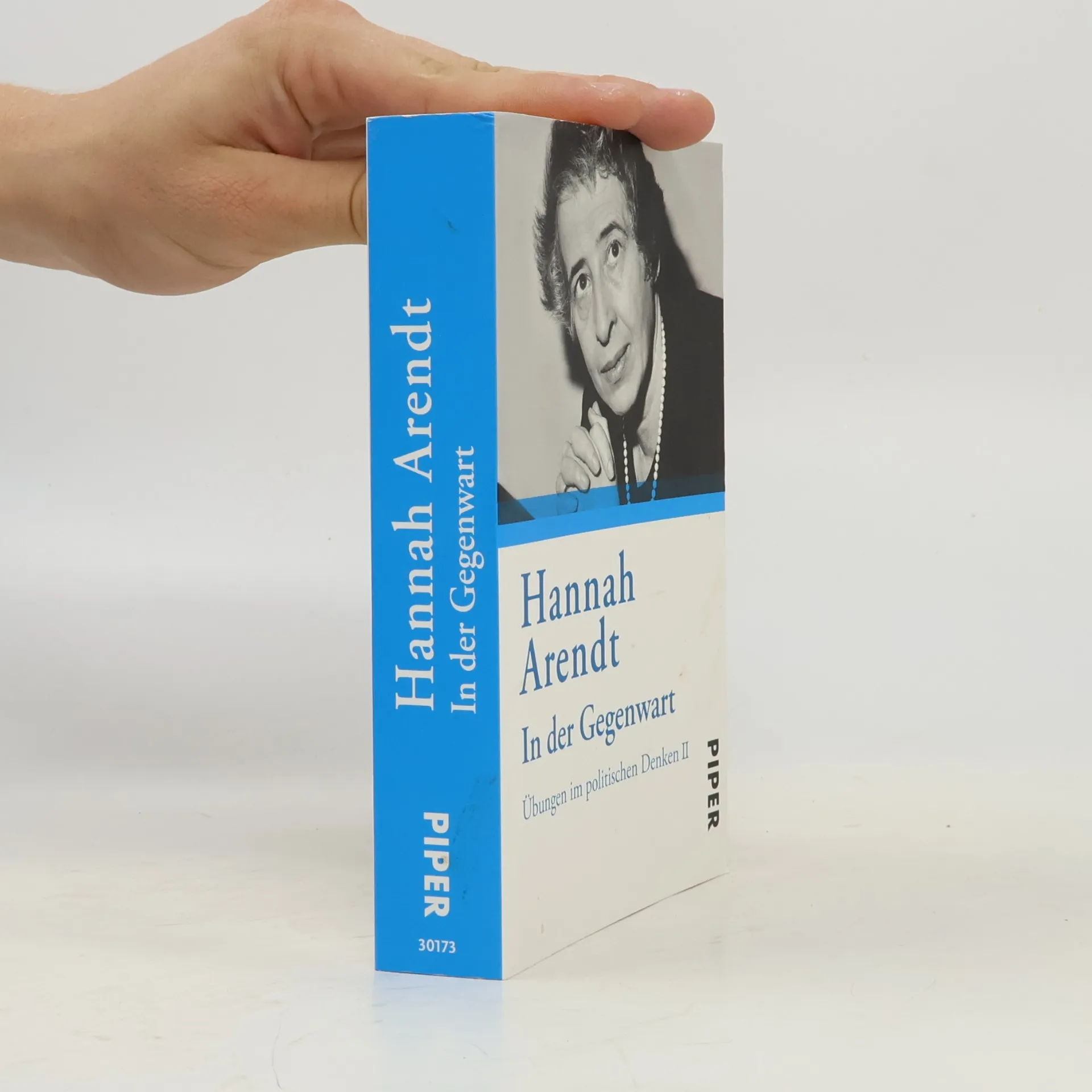

Hannah Arendt fut l'une des penseuses politiques les plus influentes du vingtième siècle. Son œuvre plonge dans les profondeurs de l'expérience humaine, offrant des aperçus profonds sur la nature du totalitarisme, de l'action humaine et des catégories fondamentales de la vie. À travers ses essais et ses études approfondies, elle a exploré la révolution, la liberté et l'autorité, prônant une compréhension de la pensée, de la volonté et du jugement. L'héritage d'Arendt continue de susciter la réflexion sur les complexités du monde moderne et l'essence de l'existence humaine.
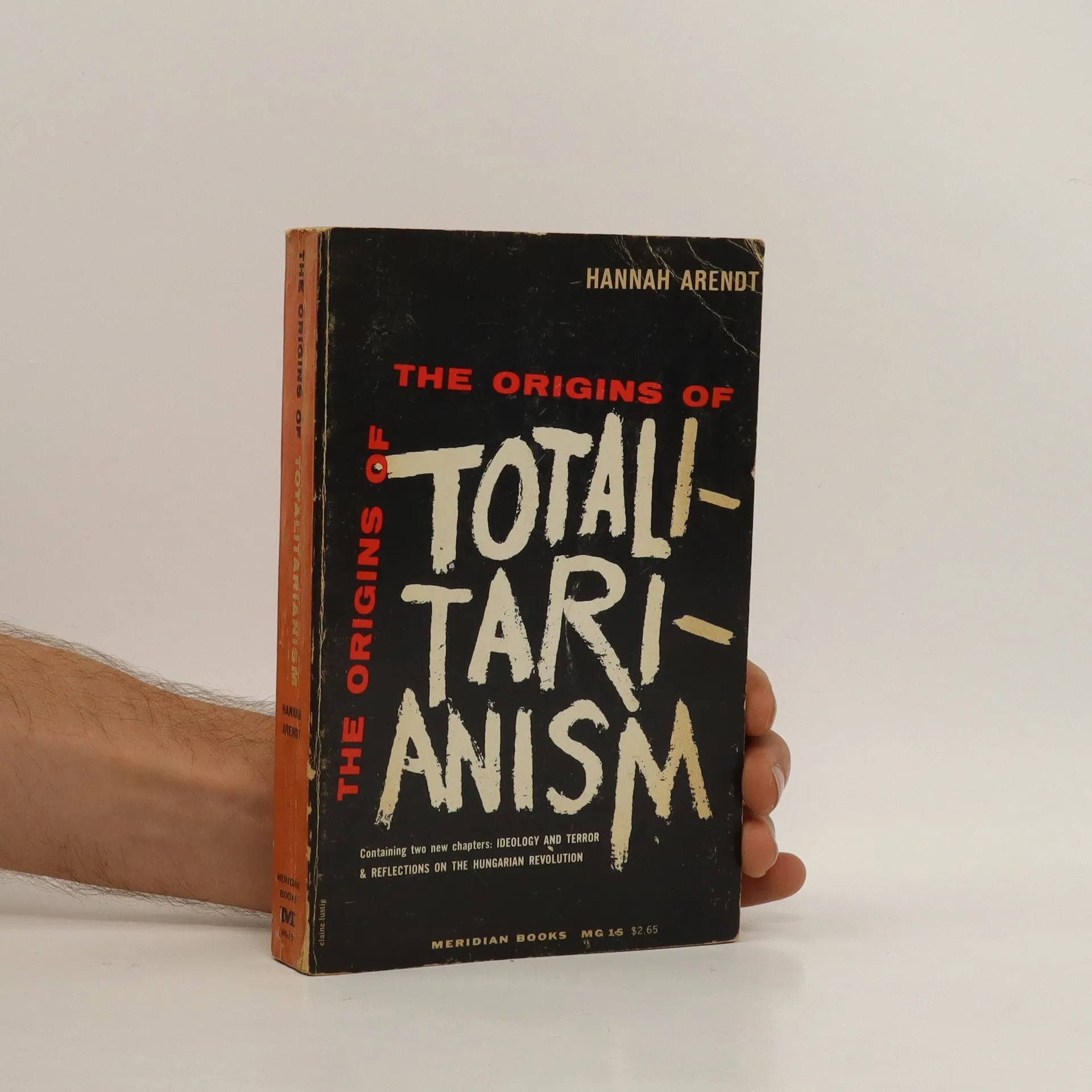
"Les origines du totalitarisme", ouvrage paru en trois volumes en français chez trois éditeurs différents, réunis ici en un seul volume comme dans l'édition américaine, constitue le coeur de l'oeuvre de Hannah Arendt. Le texte est accompagné d'un dossier critique, d'oeuvres complémentaires et de correspondances.
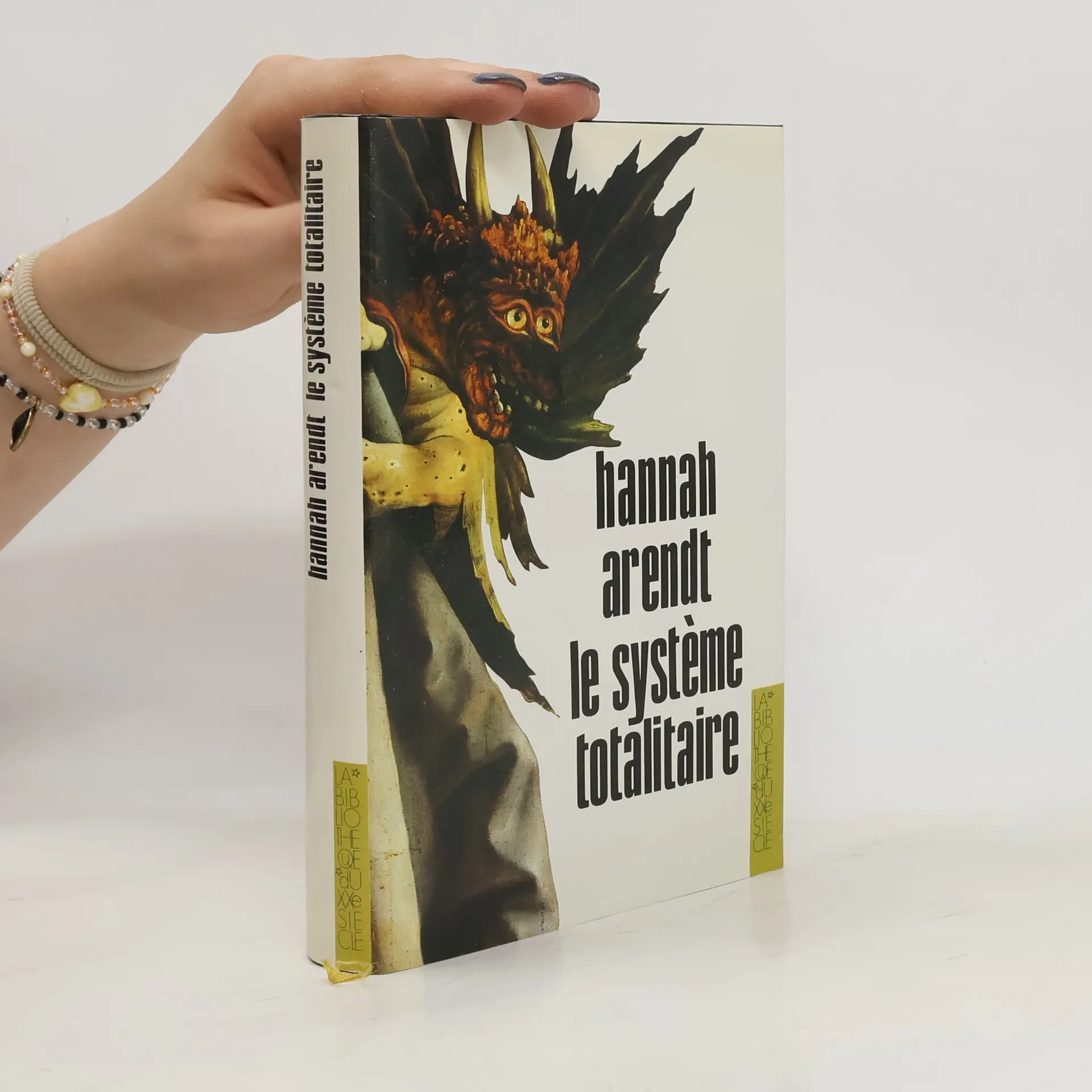
Le système politique mis au point par l'Allemagne hitlérienne et la Russie stalinienne ne consiste pas en une simple radicalisation des méthodes dictatoriales. C'est un système entièrement original qui repose sur la transformation des classes en masses, fait de la police le centre du pouvoir et met en oeuvre une politique étrangère visant ouvertement à la domination du monde. Animé par une logique de la déraison, il tend à la destruction complète de la société - comme de l'individu. Un classique de la théorie politique. Le système totalitaire est la troisième partie de l'oeuvre magistrale d'Hannah Arendt, Les Origines du totalitarisme . Les première et deuxième parties sont intitulées : Sur l'antisémitisme et L'Impérialisme .
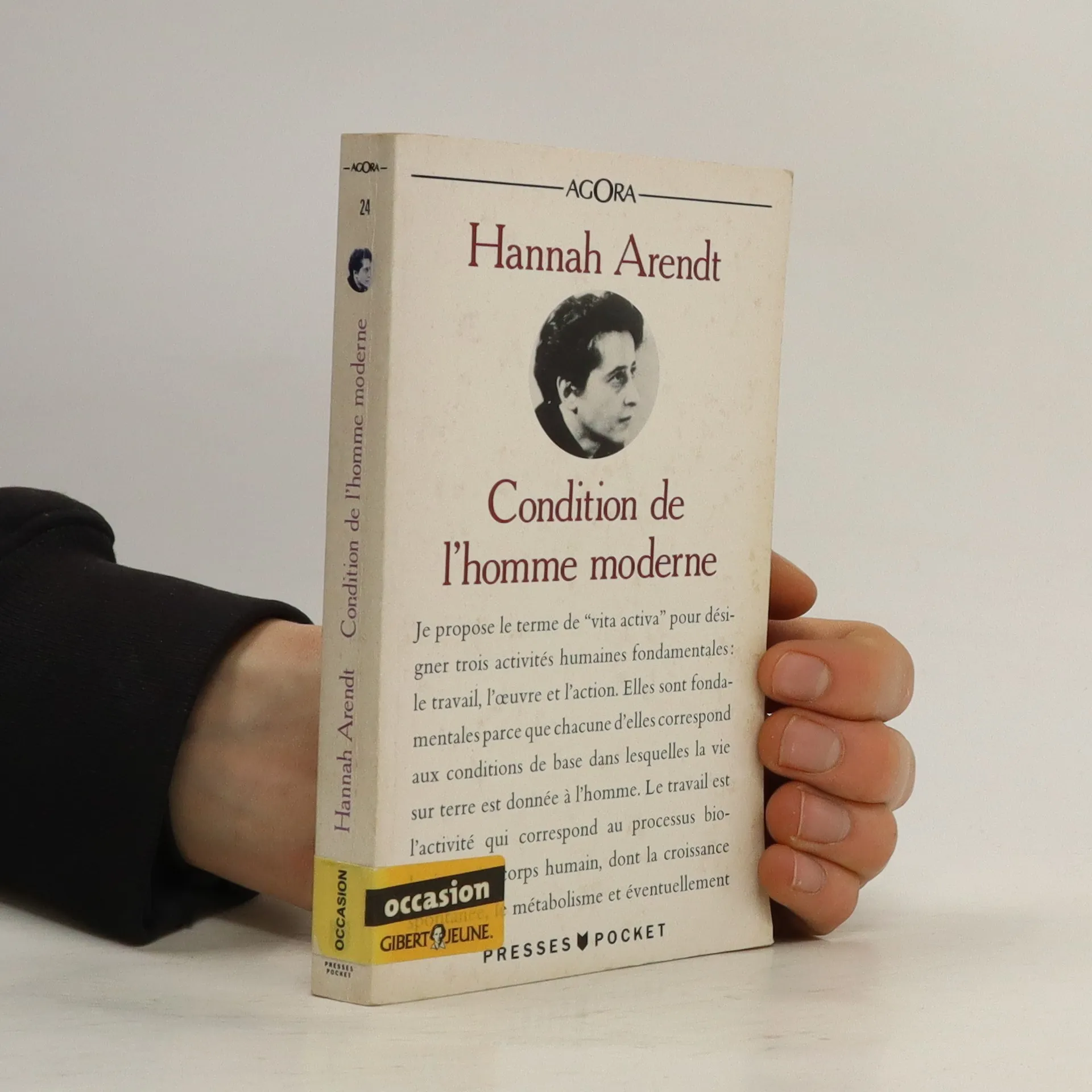
Notre siècle a totalement transformé le statut de l'homme ; celui-ci est désormais un membre d'un ensemble qui le dépasse, et dont il ne peut s'échapper. Il vit dans un monde où la technique prend de plus en plus d'importance, et où le politique s'impose sans possibilité d'écart ou de fuite. Ce monde est également celui des pires violences, de la barbarie généralisée. Hannah Arendt commence ici sa réflexion sur l'originalité radicale de notre époque. Elle pose les bases d'une réflexion qui permette, peut-être, de se donner les moyens d'éviter les dérapages vers la violence aveugle, en comprenant en profondeur la dimension de " l'homme moderne ". Un nouvel humanisme ?
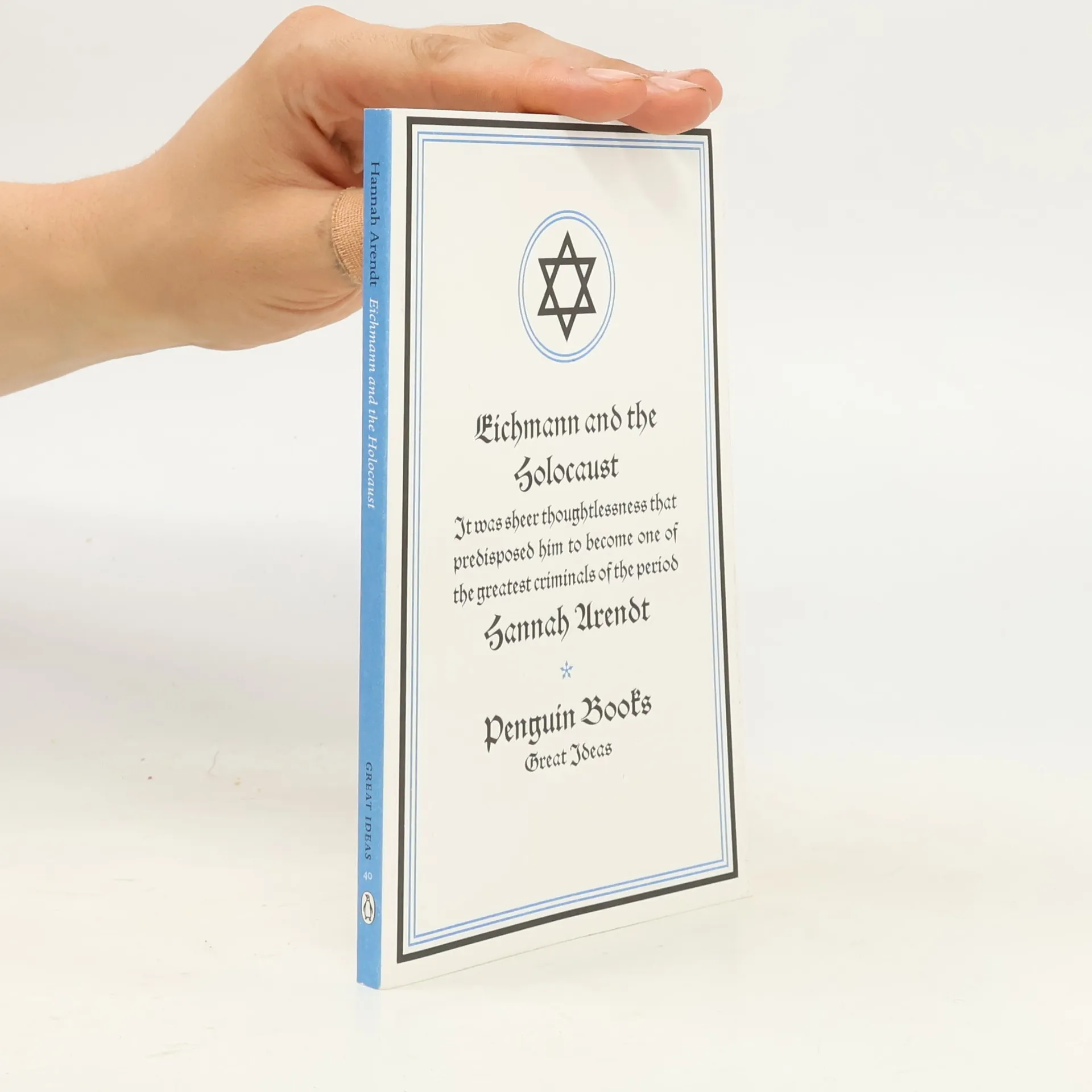
Voici un texte qui, par la controverse qu'il suscita dès sa parution chez les historiens, eut le mérite essentiel de contraindre ceux-ci à entreprendre des recherches nouvelles sur le génocide des Juifs par les nazis. En effet, le reportage d'Hannah Arendt, envoyée spéciale du New Yorker au procès de Jérusalem, philosophe américaine d'origine juive allemande, auteur d'un ouvrage célèbre sur les origines du totalitarisme, fit scandale à New York et à Londres, en Allemagne comme en Israël. Dans son procès du procès, l'auteur - qui ne fait siens ni tous les motifs de l'accusation ni tous les attendus du jugement - est entraîné d'abord à faire apparaître un nouvel Eichmann, d'autant plus inquiétant qu'il est plus " banal " ; puis à reconsidérer tout l'historique des conditions dans lesquelles furent exterminés des millions de Juifs. Et à mettre en cause les coopérations, voire les " complicités ", que le lieutenant-colonel SS a trouvées dans toutes les couches de la population allemande, dans la plupart des pays occupés, et surtout jusqu'au sein des communautés juives et auprès des dirigeants de leurs organisations. La personnalité de l'auteur, élève du philosophe allemand Karl Jaspers, la controverse qu'elle a partout suscitée et qu'analyse Michelle-Irène Brudny de Launay dans sa présentation, contribuent à faire de ce livre brillant un témoignage que l'on ne peut ignorer sur une des énigmes majeures du monde contemporain.
L'homme se tient sur une brèche, dans l'intervalle entre le passé révolu et l'avenir inconnu. Il ne peut s'y tenir que dans la mesure où il pense, brisant ainsi, par sa résistant aux forces du passé infini et du futur infini, le flux du temps indifférent. Chaque génération nouvelle, chaque homme nouveau, doit redécouvrir laborieusement l'activité de pensée. Longtemps, pour ce faire, on put recourir à la tradition. Or nous vivons, à l'âge moderne, l'usure de la tradition, la crise de la culture. Il ne s'agit pas de renouer le fil rompu de la tradition, ni d'inventer quelque succédané ultra-moderne, mais de savoir s'exercer à penser pour se mouvoir dans la brèche. Hannah Arendt, à travers ces essais d'interprétation critique - notamment de la tradition et des concepts modernes d'histoire, d'autorité et de liberté, des rapports entre vérité et politique, de la crise de l'éducation -, entend nous aider à savoir comment penser en notre siècle.
Hannah Arendt est l’une des grands penseurs politiques de notre temps. On trouvera dans ce livre quatre essais qui sont autant de méditations sur la politique et la condition de l’homme dans le monde contemporain.Dans Du mensonge en politique , l’auteure tire la leçon des documents du Pentagone, révélés en 1971 par la presse. Elle examine l’accumulation de mensonges officiels, d’obstination dans l’erreur qui a conduit les États-Unis à l’échec au Vietnam et reconstitue les mécanismes psychologiques dont les responsables politiques ont été les inventeurs et les victimes. La Désobéissance civile contient une réflexion originale sur la question : au nom de quoi et jusqu’à quel point peut-on désobéir à l’autorité établie ? De Socrate à Martin Luther King, en passant par Thoreau, Gandhi et les objecteurs de conscience, de multiples exemples illustrent la nécessité et l’efficacité de ce qui peut être plus qu’une contestation : un témoignage et une action politique. Sur la violence constitue le troisième essai. Ses doctrinaires, de Sorel à Fanon et à leurs épigones contemporains, sont analysés notamment au travers des mouvements étudiants. Politique et Révolution contient des réflexions sur les systèmes politiques en Amérique et en Europe. Quel système peut assurer la plénitude de l’homme et du citoyen ? Traduit de l’anglais par Guy Durand.
The book explores the nature of totalitarianism, examining its roots in Stalinism and Nazism through the lens of Hannah Arendt's experiences as a refugee from Nazi Germany. It delves into historical antisemitism, the Dreyfus Affair, and the interplay of imperialism and racism in the rise of totalitarian regimes. This expanded edition includes previously cut chapters and annotations that clarify Arendt's references, reinforcing her argument that totalitarianism remains a persistent threat in modern society.
Although Hannah Arendt is not primarily known as a Jewish thinker, she probably wrote more about Jewish issues than any other topic. As a young adult in Germany, she wrote about German Jewish history. After moving to France in 1933, she helped Jewish youth immigrate to Palestine. During her years in Paris, her principle concern was the transformation of antinomianism from prejudice to policy, which would culminate in the Nazi "final solution." After France fell, Arendt escaped from an internment camp and made her way to America. There she wrote articles calling for a Jewish army to fight the Nazis. After the war, she supported the creation of a Jewish homeland in a binational (Arab-Jewish) state of Israel. Arendt's original conception of political freedom cannot be fully grasped apart from her experience as a Jew. In 1961 she attended Adolf Eichmann's trial in Jerusalem. Her report, Eichmann in Jerusalem, provoked an immense controversy, which culminated in her virtual excommunication from the worldwide Jewish community. Today that controversy is the subject of serious re-evaluation, especially among younger people in the United States, Europe, and Israel. The publication of The Jewish Writings–much of which has never appeared before–traces Arendt’s life and thought as a Jew. It will put an end to any doubts about the centrality, from beginning to end, of Arendt’s Jewish experience.
Responsibility and Judgment gathers together unpublished writings from the last decade of Arendt’s life, where she addresses fundamental questions and concerns about the nature of evil and the making of moral choices. At the heart of the book is a profound ethical investigation, “Some Questions of Moral Philosophy,” in which Arendt confronts the inadequacy of traditional moral “truths” as standards to judge what we are capable of doing and examines anew our ability to distinguish good from evil and right from wrong. We also see how Arendt comes to understand that alongside the radical evil she had addressed in earlier analyses of totalitarianism, there exists a more pernicious evil, independent of political ideology, whose execution is limitless when the perpetrator feels no remorse and can forget his acts as soon as they are committed.Responsibility and Judgment is an indispensable investigation into some of the most troubling and important issues of our time.
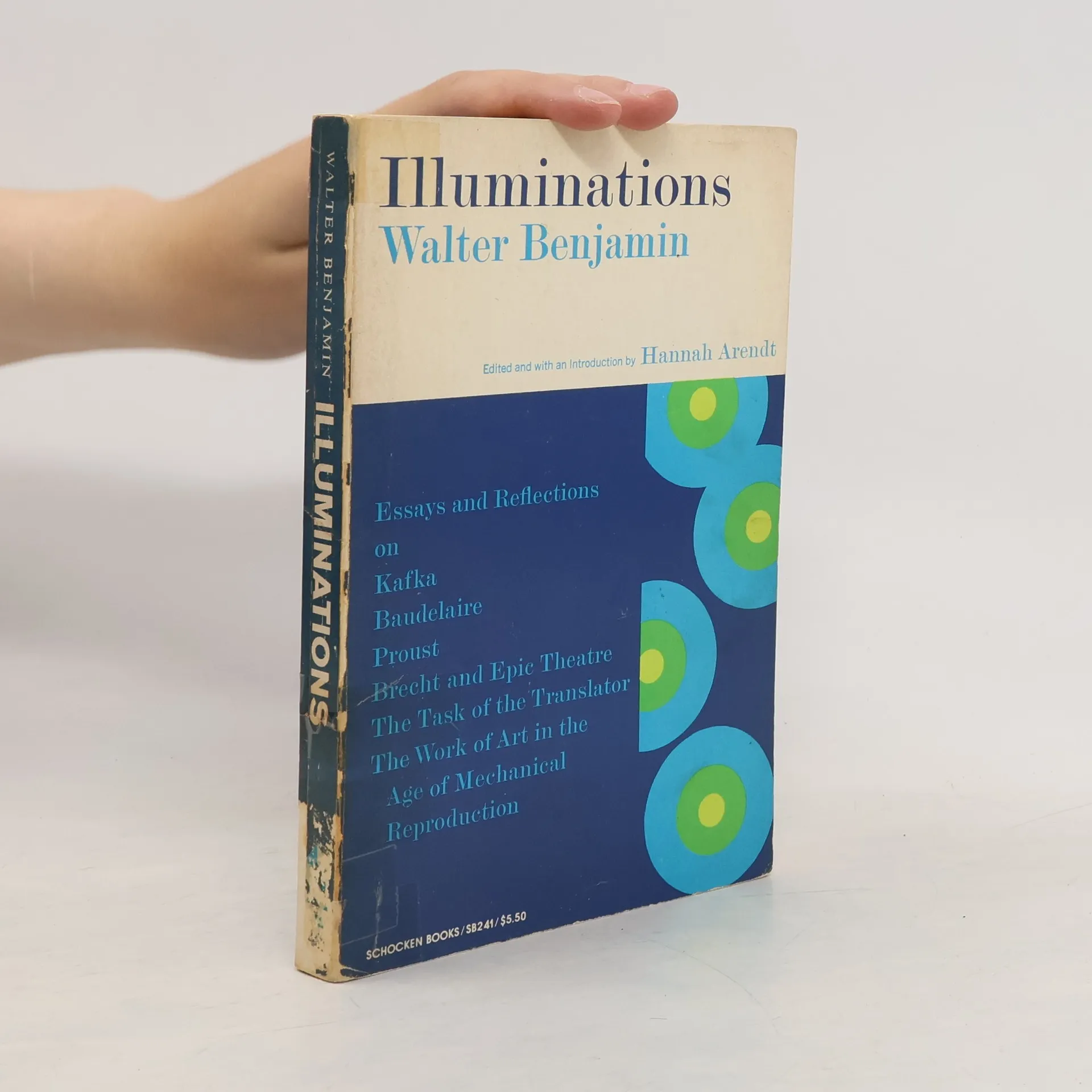
Studies on contemporary art and culture by one of the most original, critical and analytical minds of this century. Illuminations includes Benjamin's views on Kafka, with whom he felt the closest personal affinity, his studies on Baudelaire and Proust (both of whom he translated), his essays on Leskov and on Brecht's Epic Theater. Also included are his penetrating study on "The Work of Art in the Age of Mechanical Reproduction," an illuminating discussion of translation as a literary mode, and his thesis on the philosophy of history. Hannah Arendt selected the essays for this volume and prefaces them with a substantial, admirably informed introduction that presents Benjamin's personality and intellectual development, as well as his work and his life in dark times. Reflections the companion volume to this book, is also available as a Schocken paperback.Unpacking My Library, 1931The Task of the Translator, 1913The Storyteller, 1936Franz Kafka, 1934Some Reflections on Kafka, 1938What Is Epic Theater?, 1939On Some Motifs in Baudelaire, 1939The Image of Proust, 1929The Work of Art in the Age of Mechanical Reproduction, 1936Theses on the Philosophy of History, written 1940, pub. 1950
These diaries cover the years 1910 to 1923, the year before Kafka’s death at the age of forty. They provide a penetrating look into life in Prague and into Kafka’s accounts of his dreams, his feelings for the father he worshipped, and the woman he could not bring himself to marry, his sense of guilt, and his feelings of being an outcast. They offer an account of a life of almost unbearable intensity.From the Trade Paperback edition.The Diaries of Franz Kafka 1910-13 translated from the German by Joseph KreshThe Diaries of Franz Kafka 1914-23 translated from the German by Martin Greenberg with the cooperation of Hannah Arendt
Hannah Arendt's definitive work on totalitarianism and an essential component of any study of twentieth-century political history The Origins of Totalitarianism begins with the rise of anti-Semitism in central and western Europe in the 1800s and continues with an examination of European colonial imperialism from 1884 to the outbreak of World War I. Arendt explores the institutions and operations of totalitarian movements, focusing on the two genuine forms of totalitarian government in our time—Nazi Germany and Stalinist Russia—which she adroitly recognizes were two sides of the same coin, rather than opposing philosophies of Right and Left. From this vantage point, she discusses the evolution of classes into masses, the role of propaganda in dealing with the nontotalitarian world, the use of terror, and the nature of isolation and loneliness as preconditions for total domination.
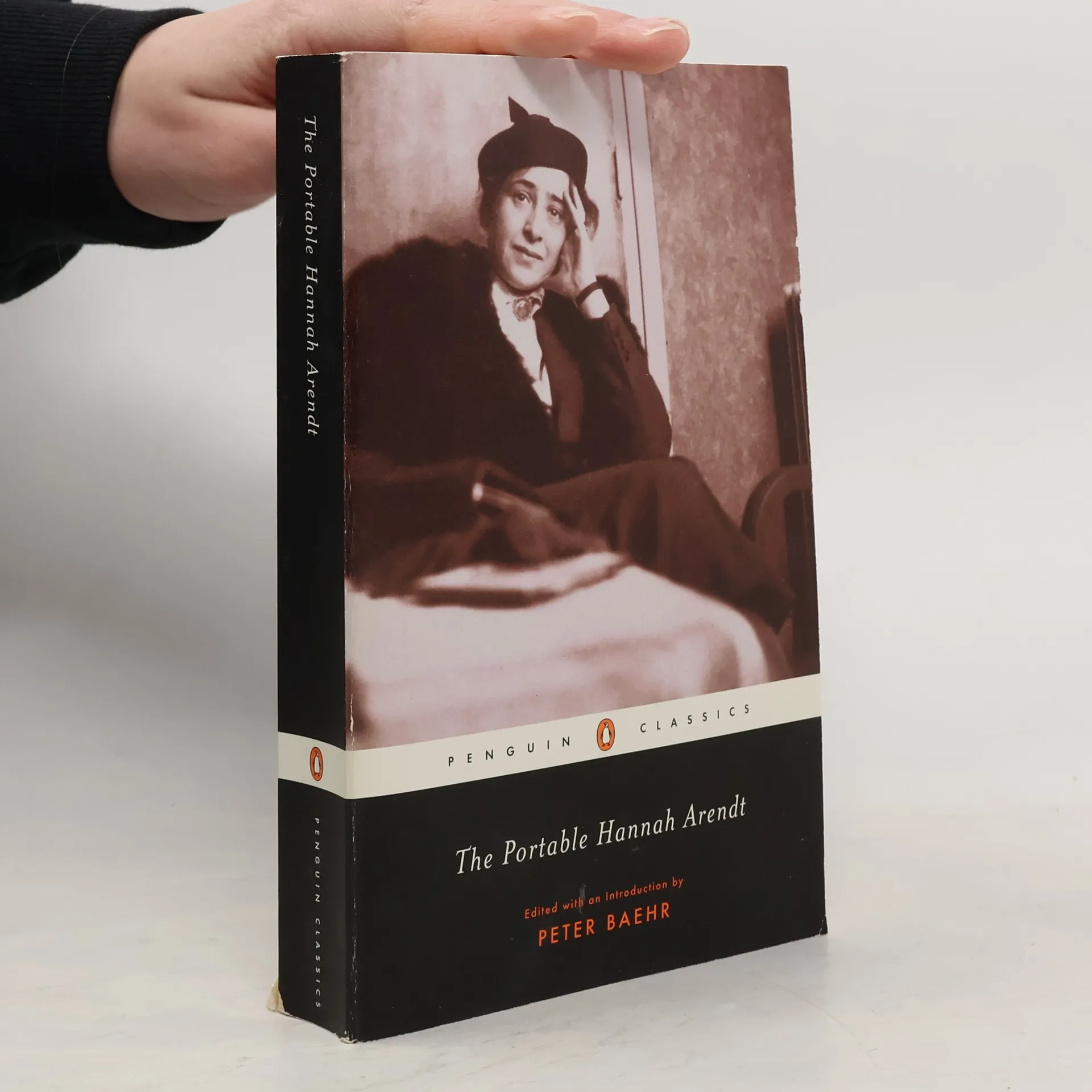
Hannah Arendt is considered one of the major contributors to social and political thought in the twentieth century. This title includes selections from her major works, including The Origins of Totalitarianism, Between Past and Future, Men in Dark Times, The Jew as Pariah, and The Human Condition, as well as shorter writings and letters. schovat popis
Essays on Karl Jaspers, Rosa Luxemburg, Pope John XXIII, Isak Dinesen, Bertolt Brecht, Randall Jarrell, and others whose lives and work illuminated the early part of the century. Index.
Few thinkers have tackled the political horrors and complexities of this century with the insight and passionate intellectual integrity of Hannah Arendt. A philosophic champion of human freedom, she was among the first to draw the now-evident parallel between Nazism and Bolshevism and to identify totalitarianism as a threat inherent to the modern world. Jerome Kohn, Arendt's longtime assistant, has compiled, edited, and annotated her manuscripts for publication, beginning with some of her earliest published work and including essays on Augustine, Rilke, Kierkegaard, and figures of the nineteenth-century "Berlin Salon"; the loyalties of immigrant groups within the United States; the unification or "federation" of Europe; "the German problem"; religion, politics, and intellectual life; the dangers of isolation and careerism in American society; the logical consequences of "scientific" theories of Nature and History; the terror that was the organizing principle of both the Nazi and the Communist states. Two seminal essays have never before been published in complete form: On the Nature of Totalitarianism: An Essay in Understanding (1953) and Concern with Politics in Recent European Philosophical Thought (1954).
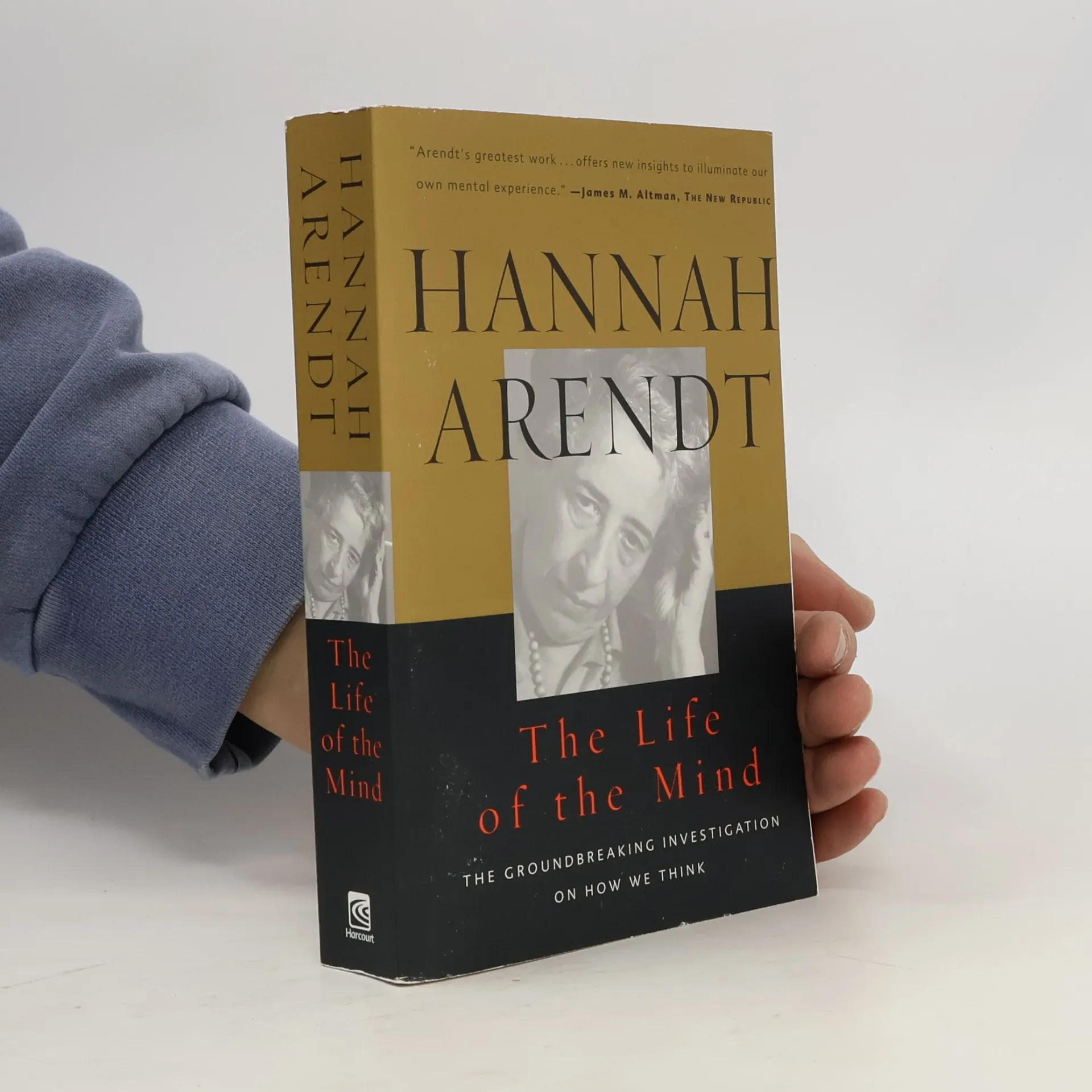
The author’s final work, presented in a one-volume edition, is a rich, challenging analysis of man’s mental activity, considered in terms of thinking, willing, and judging.
Here is the life story of two exceptional people, two Germans who fled their country for different reasons. It is the story of their life in exile in Paris and in New York, their dependence on each other and deepening love, their continued exchange of ideas, Arendt's teaching and writing, her involvement with Jewish life in Europe and in Israel, and Blucher's years at The New School and at Bard College. It is also an important document of the '30s in Germany and France, of World War II, and the post-war life in ravaged European cities. Meanwhile, there is love of food and drink, and of friendship-both intellectual and affectionate-with Karl Jaspers, Mary McCarthy, Alfred Kazin, and the complex relationship with Martin Heidegger and his wife. Within Four Walls is an extraordinary personal and historical record.
This middle volume focuses on the curious and cruel epoch of declining European colonial imperialism from 1884 to the outbreak of the First World War in 1914.
In The Promise of Politics, Hannah Arendt examines the conflict between philosophy and politics. In particular, she shows how the tradition of Western political thought, which extends from Plato and Aristotle to its culmination in Marx, failed to account for human action. The concluding section of the book, “Introduction into Politics,” examines an issue that is as timely today as it was when Arendt first wrote about it fifty years ago–the modern prejudice against politics. When politics is considered as a means to an end that lies outside of itself, argues Arendt, when force is used to create “freedom,” the very existence of political principles is imperiled.
Arendt’s penetrating observations of the modern world, based on a profound knowledge of the past, constitute a major contribution to political philosophy. In this book she describes the perplexing crises which modern society faces as a result of the loss of meaning of the traditional key words of politics: justice, reason, responsibility, virtue, and glory. Through a series of eight exercises, she shows how we can redistill once more the vital essence of these concepts.
A guide to help cancer patients deal with their post-treatment health includes
tips on diet, exercise, and enviroment to prevent relapse, manage stress, and
maintain healthy relationships.
Im Oktober 1940 informiert Hannah Arendt Gershom Scholem in einem Brief über den Suizid von Walter Benjamin, der vor den Nazis flieht. In Zeiten großer Bedrohung beginnt eine Korrespondenz, die von ihrem Engagement für das Werk des gemeinsamen Freundes geprägt ist und stets die Welt des europäischen Judentums im Blick hat. Im Auftrag der Jewish Cultural Reconstruction, die sich der Rettung jüdischer Kulturgüter widmet, reisen Arendt und Scholem in den frühen Nachkriegsjahren erstmals wieder nach Deutschland. Dieses weitgehend unbekannte Kapitel ihrer Geschichte wird durch bislang unveröffentlichte Berichte von Arendt über ihre Deutschlandreise 1949/50 ergänzt. 1963 veröffentlicht Arendt ihr Buch Eichmann in Jerusalem, in dem sie jüdische Repräsentanten während der Shoah kritisiert. Diese Kritik wird von Scholem in einer öffentlich ausgetragenen Kontroverse vehement abgelehnt, was zu einem Ende des Dialogs in ihren Briefen führt. Der erstmals publizierte Briefwechsel zwischen Arendt und Scholem ist ein einzigartiges zeitgeschichtliches Dokument, das eine Auseinandersetzung über zentrale Fragen jüdischer Geschichte und Identität nach der Shoah darstellt, geführt von zwei der bedeutendsten Denker deutsch-jüdischer Herkunft des 20. Jahrhunderts.
American writer Mary McCarthy and Hannah Arendt, a philosopher who had fled Nazi Germany, met in New York City, and soon became friends. In Between Friends, a complete record of their epistolary dialogue which lasted a remarkable 25 years, the two intellectual celebrities trade ideas about politics, literature, and morality, and share gossip and intimate domestic details.
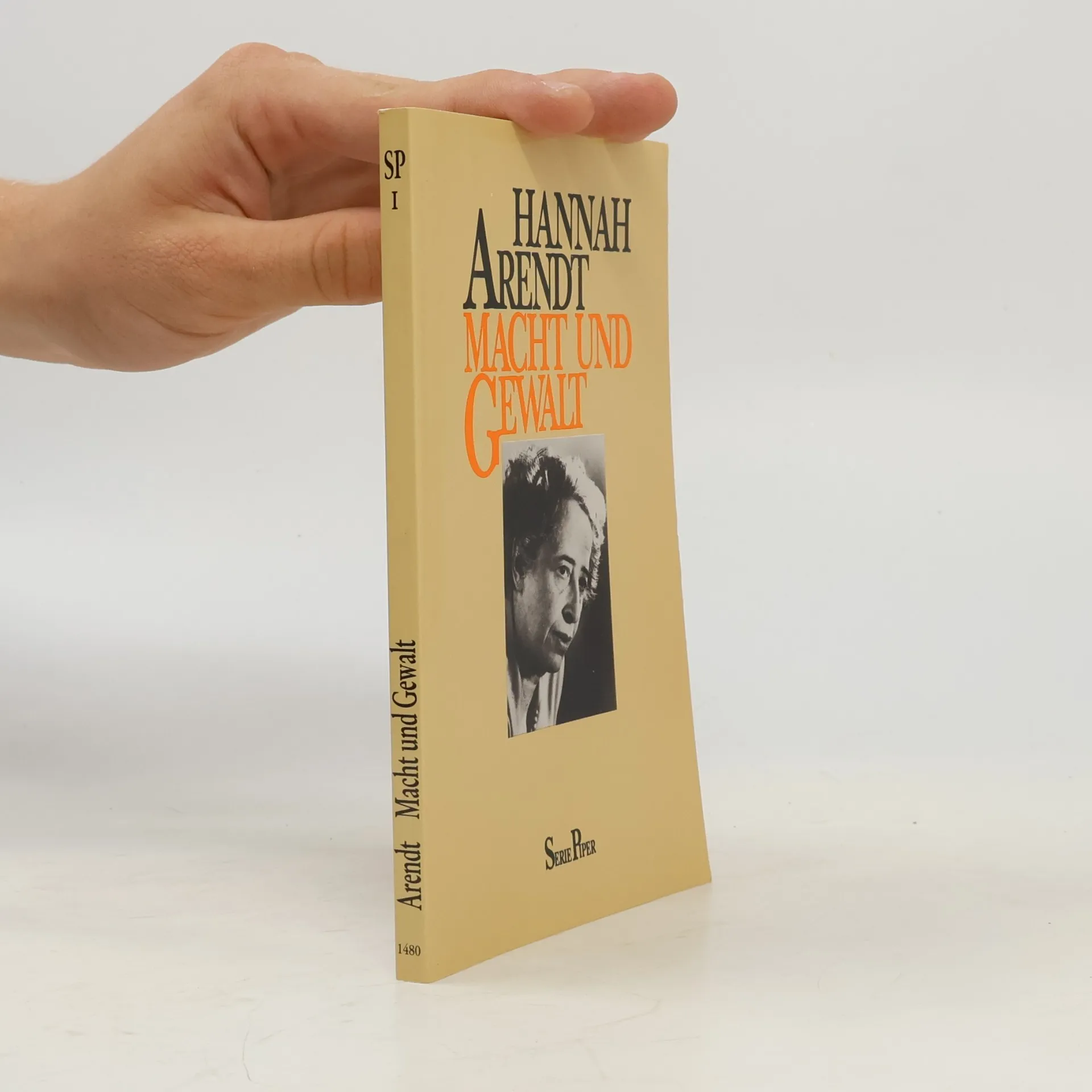
A collection of studies in which Arendt, from the standpoint of a political philosopher, views the crises of the 1960s and early 1970s as challenges to the american form of government.
Few thinkers have tackled the political horrors and complexities of this century with the insight and passionate intellectual integrity of Hannah Arendt. A philosophic champion of human freedom, she was among the first to draw the now-evident parallel between Nazism and Bolshevism and to identify totalitarianism as a threat inherent to the modern world. Jerome Kohn, Arendt's longtime assistant, has compiled, edited, and annotated her manuscripts for publication, beginning with some of her earliest published work and including essays on Augustine, Rilke, Kierkegaard, and figures of the nineteenth-century "Berlin Salon"; the loyalties of immigrant groups within the United States; the unification or "federation" of Europe; "the German problem"; religion, politics, and intellectual life; the dangers of isolation and careerism in American society; the logical consequences of "scientific" theories of Nature and History; the terror that was the organizing principle of both the Nazi and the Communist states. Two seminal essays have never before been published in complete form: On the Nature of Totalitarianism: An Essay in Understanding (1953) and Concern with Politics in Recent European Philosophical Thought (1954).
Hannah Arendt's last philosophical work was an intended three-part project entitled The Life of the Mind. Unfortunately, Arendt lived to complete only the first two parts, Thinking and Willing. Of the third, Judging, only the title page, with epigraphs from Cato and Goethe, was found after her death. As the titles suggest, Arendt conceived of her work as roughly parallel to the three Critiques of Immanuel Kant. In fact, while she began work on The Life of the Mind, Arendt lectured on "Kant's Political Philosophy," using the Critique of Judgment as her main text. The present volume brings Arendt's notes for these lectures together with other of her texts on the topic of judging and provides important clues to the likely direction of Arendt's thinking in this area.
Der neue Band innerhalb der Kritischen Gesamtausgabe: das erste Buch, mit dem sich Hannah Arendt 1948 an die deutsche Öffentlichkeit wandte. Drei Jahre nach dem Ende des Krieges, fünfzehn Jahre nach ihrer Flucht aus Deutschland erschienen Hannah Arendts »Sechs Essays«. »Es fällt ja heute einem Juden nicht leicht, in Deutschland zu veröffentlichen«, so heißt es auf der ersten Seite. Auch wenn Arendt die hier gesammelten Texte in ihrer Muttersprache verfasste, sind sie aus der Sicht des Exils geschrieben. Sie entwerfen eine »verborgene Tradition«, in der die Stimmen von Heinrich Heine und Franz Kafka, von Bernard Lazare und Stefan Zweig zu hören sind. Sie konfrontieren Leser im Nachkriegsdeutschland mit »Organisierter Schuld« an Verbrechen, für die nach dem Krieg niemand die Verantwortung übernehmen wollte. Erst 1976, ein halbes Jahr nach Arendts Tod, konnte das bedeutende Buch noch einmal erscheinen. Neben den deutschen Originalfassungen der Essays präsentiert der Band auch die englischen Versionen, die seit 1943 in verschiedenen Zeitschriften erschienen waren. Auf beiden Seiten des Atlantiks begründeten sie Arendts Ruhm als Essayistin.
Hannah Arendt was born in Germany in 1906 and lived in America from 1941 until her death in 1975. Thus her life spanned the tumultuous years of the twentieth century, as did her thought. She did not consider herself a philosopher, though she studied and maintained close relationships with two great philosophersKarl Jaspers and Martin Heideggerthroughout their lives. She was a thinker, in search not of metaphysical truth but of the meaning of appearances and events. She was a questioner rather than an answerer, and she wrote what she thought, principally to encourage others to think for themselves. Fearless of the consequences of thinking, Arendt found courage woven in each and every strand of human freedom
The book presents two influential essays on civil disobedience from Henry David Thoreau and Hannah Arendt, exploring the responsibilities of citizenship and moral conscience. Thoreau's "Resistance to Civil Government" details his imprisonment for refusing to pay poll taxes, advocating for individual conscience as a political force. In contrast, Arendt's "Civil Disobedience" critiques Thoreau, emphasizing the importance of collective action and societal promises for enacting meaningful change. An introduction by Roger Berkowitz contextualizes their arguments within the tradition of civil disobedience and contemporary politics.
Inspired by the trial of a bureaucrat who helped cause the Holocaust, this radical work on the banality of evil stunned the world with its exploration of a regime's moral blindness and one man's insistence that he be absolved all guilty because he was 'only following orders'.
This is the first volume in any language that collects Hannah Arendt's
remarkable series of essays and notes on literary figures and cultural
questions.
This is a revised and corrected English translation that incorporates Arendt's
own substantial revisions and provides additional notes based on letters,
contracts and other documents. It demonstrates how her early work on Augustine
provides the key to her later critique of modernity.
“There are no dangerous thoughts for the simple reason that thinking itself is such a dangerous enterprise.” —Hannah Arendt In these interviews—including her final interview given in October 1973, in the midst of Watergate and the Yom Kippur War—Hannah Arendt discusses politics, war, protest movements, the Eichmann trial, Jewish identity, and language with the incisiveness and courage that always set her apart.
Hannah Arendt noted that truthfulness is seldom regarded as a political virtue. This raises critical questions: Why do politicians lie? What is the connection between political lies and self-deception? How much deceit can a democracy tolerate before it collapses? Arendt addressed these issues in two pivotal essays, now presented together for the first time. Her insights, delivered in compelling prose, resonate powerfully today. In "Truth and Politics," she examines the link between lying and politics, emphasizing that the survival of factual truth relies on credible witnesses and an informed public. She warns that organized deceit can dismantle our shared reality, replacing it with a distorted world of manipulated evidence. In "Lying in Politics," prompted by the Pentagon Papers, Arendt critiques American policy in Southeast Asia, asserting that the true aim of the Vietnam War—and the lies used to justify it—was to enhance America's image. David Bromwich's introduction contextualizes Arendt's essays within her broader work, highlighting their urgent message about the persistent threat that lying poses to democracy.
Lebensgeschichte einer deutschen Jüdin / The Life of a Jewish Woman
She was, Hannah Arendt wrote, "my closest friend, though she has been dead for some hundred years." Born in Berlin in 1771 as the daughter of a Jewish merchant, Rahel Varnhagen would come to host one of the most prominent salons of the late eighteenth and early nineteenth centuries. Arendt discovered her writings some time in the mid-1920s and soon began to reimagine Rahel's inner life and write her biography. Long unavailable and never before published as Arendt intended, Rahel Varnhagen: The Life of a Jewess returns to print in an extraordinary new edition. For this first complete and critical edition of the book in any language, Liliane Weissberg reconstructs the notes Arendt planned for Rahel Varnhagen but never fully executed. She reveals the full extent to which Arendt wove the biography largely from the words of Rahel and her contemporaries. In her extended introduction, Weissberg reflects on Rahel's writings, on Arendt's reading of Rahel's work and life, and on the importance of this text in the development of Arendt's political theory. But the book was important to its author in other ways as well, Weissberg reveals, as she uncovers the hidden story of how Arendt manipulated documents relating to Rahel Varnhagen to claim for herself a university position and reparation payments from the postwar German state.
Approaching a liberal arts tradition in the classroom, across the curriculum, and beyond, The McGraw-Hill Reader offers rich and diverse readings in education, the social sciences, business and economics, the humanities, and the sciences. This new eleventh edition offers a new focus on reading and composing across various media; it includes over 100 selections from prominent thinkers and writers; each essay was chosen to provoke critical thought and encourage effective writing.
Wie handelt man richtig, wenn das moralische »Richtig« dem gesetzlichen »Richtig« widerspricht? Wie reagiert man auf Missachtungen der Menschenrechte durch höchste Regierungsinstanzen? Wie können wir urteilen über die, in deren Haut wir nicht stecken? Mit diesen Fragen, die Hannah Arendt bereits vor über 50 Jahren beschäftigten, werden wir heute wieder verstärkt konfrontiert. Damals wie heute gilt: Persönliche Verantwortung muss sich von politischer Verantwortung unterscheiden. In Arendts klarer und bestechender Sprache gibt dieser wiederentdeckte Aufsatz Antworten auf die häufigsten Fragen unserer Zeit.
Hannah Arendt dachte zeitlebens im Horizont Sokrates'. Schon in den amerikanischen Anfängen stellte sie den Lehrer Platons in den Mittelpunkt ihrer Versuche, ein politisch relevantes und persönlich haltbares Denken für die Moderne zu begründen. Meisterhaft entfaltet diese Vorlesung aus den 50er Jahren eine Apologie der menschlichen Pluralität. So wendet sich Arendt gegen die platonische Versuchung, der Relativität der möglichen Wahrheiten mit der absoluten Autorität eines wegweisenden Denkansatzes begegnen zu wollen. Entscheidend ist für Arendt der innere Dialog, den Sokrates philosophisch initiierte. Zudem hebt sie die Kommunikation unter Bürgern und Freunden hervor, die im Austausch der Meinungen gemeinsame Perspektiven der Weltgestaltung eröffnen könne. In den Erinnerungen »In Hannah Arendts Seminar« berichtet ihr letzter Assistent Jerome Kohn, wie sich entlang platonischer Texte das gemeinsame Nachdenken mit der Philosophin an der New School of Social Research gestaltete.
Im Sommer 1950 begann Hannah Arendt, handschriftlich Aufzeichnungen in ein Buch einzutragen, das sie ihr »Denktagebuch« nannte. In der Tat haben die 28 vollständig erhaltenen Hefte kaum etwas mit einem herkömmlichen Tagebuch gemein. Sie enthalten vielmehr Denkexperimente und Denkresultate und dienten dem lebenslangen Ziel der Autorin, die Wirklichkeit des Jahrhunderts der Kriege, Revolutionen und totalitärer Systeme denkend zu bewältigen. Ganz direkt erfahren die Leser hier Arendts Methode, die philosophische und politische Tradition des Abendlandes von Platon bis Heidegger zu befragen.
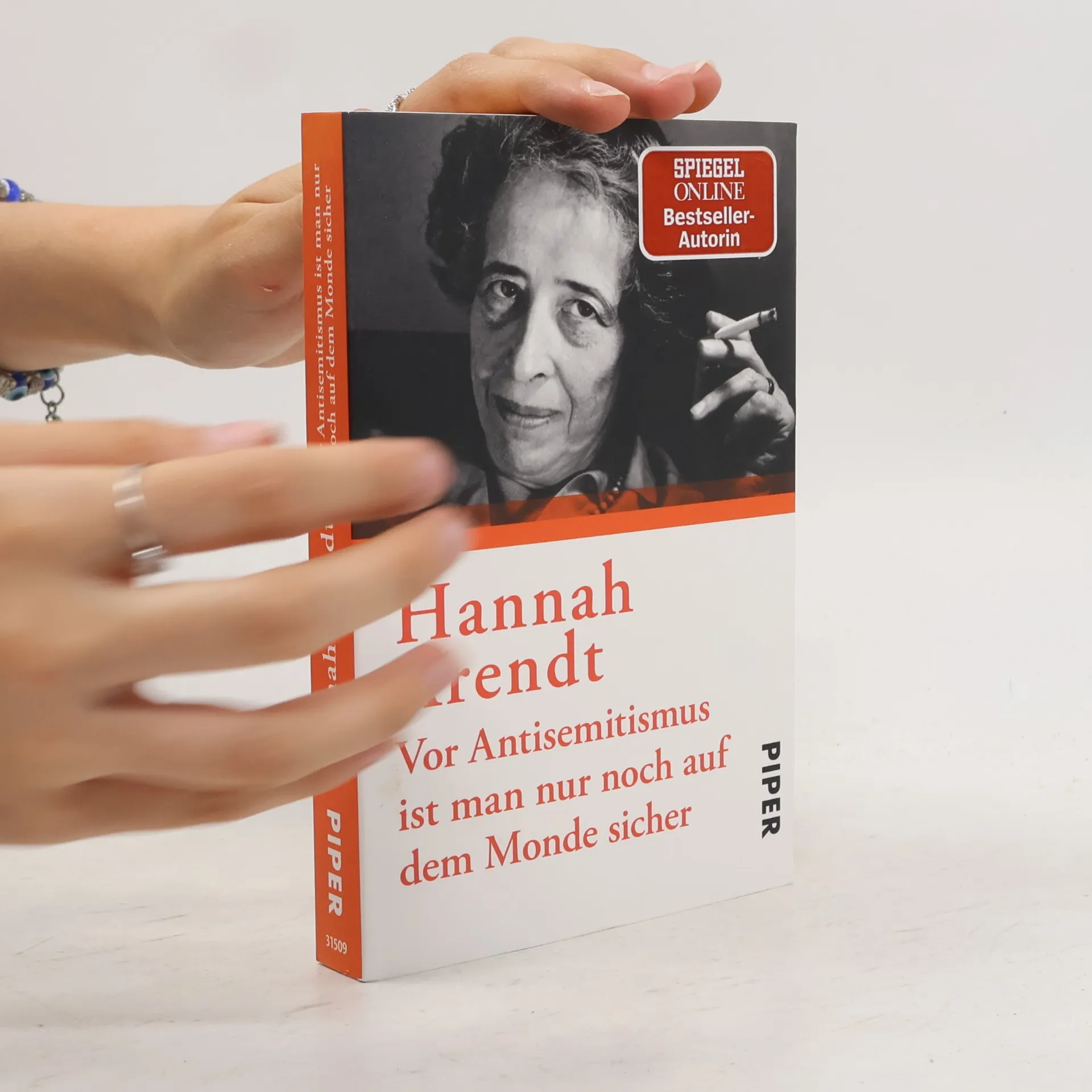
Dieser Band enthält frühe Überlegungen Hannah Arendts zu den Konzentrationslagern, zur Weltherrschaft als Endziel totalitärer Regimes und über den Versuch der totalen Beherrschung des Menschen. Über das Weiterleben des Faschismus in Europa nach 1945, über Diktatur und persönliche Verantwortung, über den Frankfurter Auschwitz-Prozeß und über die Eichmann-Kontroverse.
Em 1960, Eichmann, um dos principais responsáveis pelos campos de concentração nazistas, foi levado a julgamento em Israel. Sua defesa: não passava de um burocrata eficiente, que cumpria ordens. A filósofa Hannah Arendt, que assistiu ao julgamento como correspondente da revista The New Yorker, parte desse fato para refletir sobre as responsabilidades individuais no moderno estado burocrático.
Hannah Arendts Credo hat nichts an Gültigkeit verloren: »Im Kulturellen und im Politischen, also in dem gesamten Bereich des öffentlichen Lebens, geht es weder um Erkenntnis noch um Wahrheit, sondern um Urteilen und Entscheiden, um das urteilende Begutachten und Bereden der gemeinsamen Welt und die Entscheidung darüber, wie sie weiterhin aussehen und auf welche Art und Weise in ihr gehandelt werden soll.«
»Jude sein gehört zu den unbezweifelbaren Gegebenheiten meines Lebens.« - Hannah Arendt beginnt mit ihrer Arbeit zu Rahel Varnhagen, sich mit der jüdischen Geschichte in Deutschland zu beschäftigen, aber erst nachdem sie Deutschland 1933 verlassen hatte, setzte sie sich verstärkt mit ihrer Identität als Jüdin und der »jüdischen Frage« auseinander. Dieses Buch versammelt chronologisch alle zu Lebzeiten veröffentlichten Aufsätze Arendts zum Thema und zeigt so auch ihre Entwicklung in den diskutierten Fragen, beispielsweise ihre teilweise sehr wechselnde Haltung zu Israel und dem Zionismus. Herausgegeben, zum Teil neu übersetzt und eingeordnet von Marie Luise Knott und Ursula Ludz schließt der Band eine wichtige Lücke in der Arendt-Literatur.
Korespondence s významným religionistou, filosofem Gerhardem (Gershomem) Scholemem začíná v době, kdy Hannah Arendtová zápasí ve francouzském exilu o holou existenci. Spojovacím článkem mezi nimi je osud Scholemova přítele Waltera Benjamina, s nímž se Arendtová seznámila v emigraci v Paříži a který jí před jejím odjezdem do USA svěřil své rukopisy. Benjaminovi se však z Evropy uniknout nepodařilo – roku 1940 spáchal sebevraždu na francouzsko-španělské hranici. V jednom z prvních dopisů informuje Scholema, který v té době žije už skoro dvě desetiletí v Palestině, o jeho tragickém osudu. Rozbíhá se tak dlouholetý dialog mezi New Yorkem a Jeruzalémem a mezi dvěma protichůdnými osobnostmi – nezávislou politickou teoretičkou Arendtovou a přesvědčeným sionistou Scholemem, profesorem na Hebrejské univerzitě v Jeruzalémě a autorem zásadního díla o židovské mystice a kabale (Major Trends in Jewish Mysticism). Asi
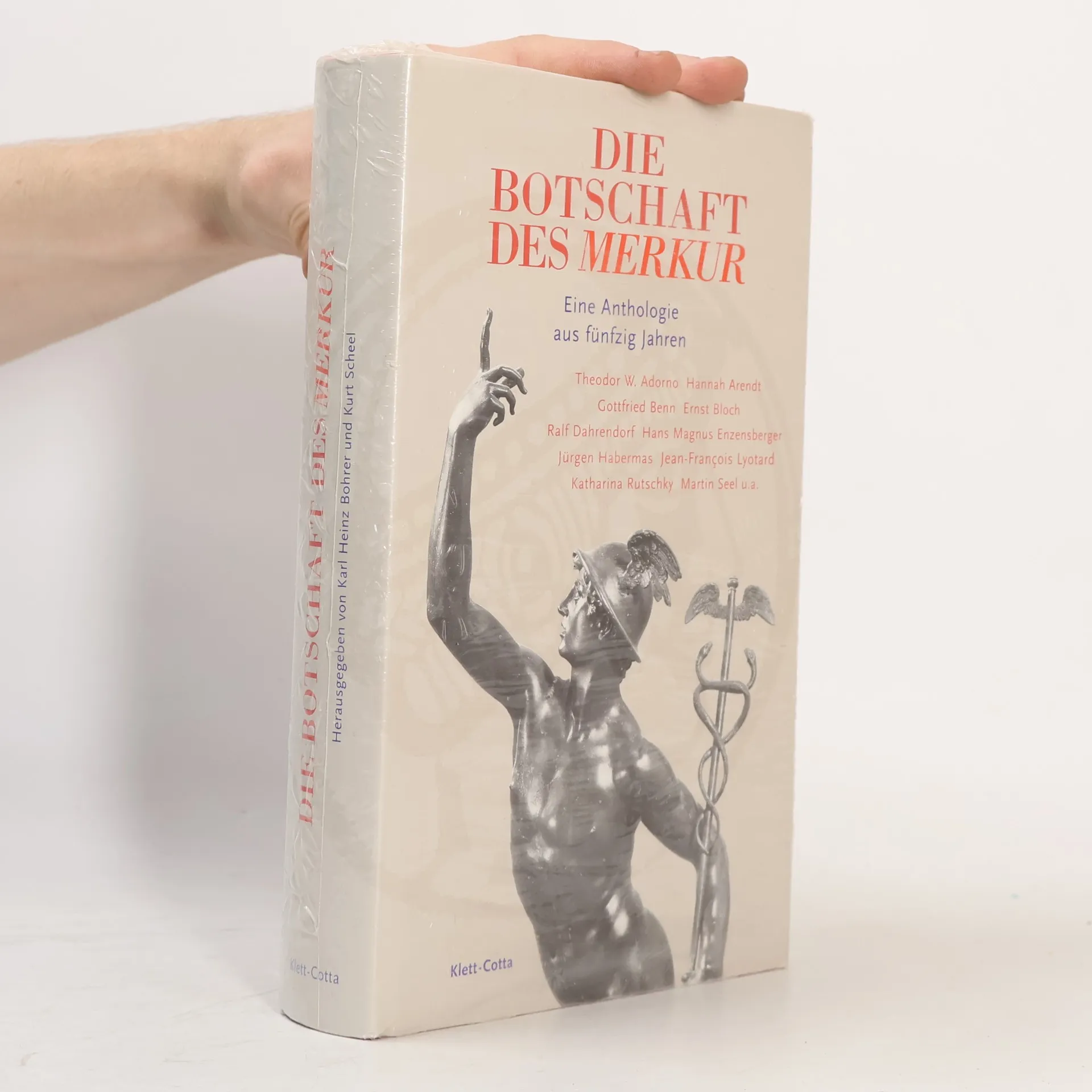
Mit Beiträgen von Theodor W. Adorno, Hannah Arendt, Jean Améry, Gottfried Benn, Hans Magnus Enzensberger, Jürgen Habermas, Ralf Dahrendorf, Ernst Bloch u. a.
Ein Mädchen sieht in der Schar seiner Gänse plötzlich eine neue. Sie ist anders, hat einen geheimnisvollen Fleck auf der Brust und fliegt davon. Das Mädchen bricht zu seiner großen Reise auf. Auf der Suche nach der Gans stapft es unerschrocken durch den Wald dieser Welt und begegnet Tieren, von denen es sich Hilfe erhofft und schließlich auch bekommt,
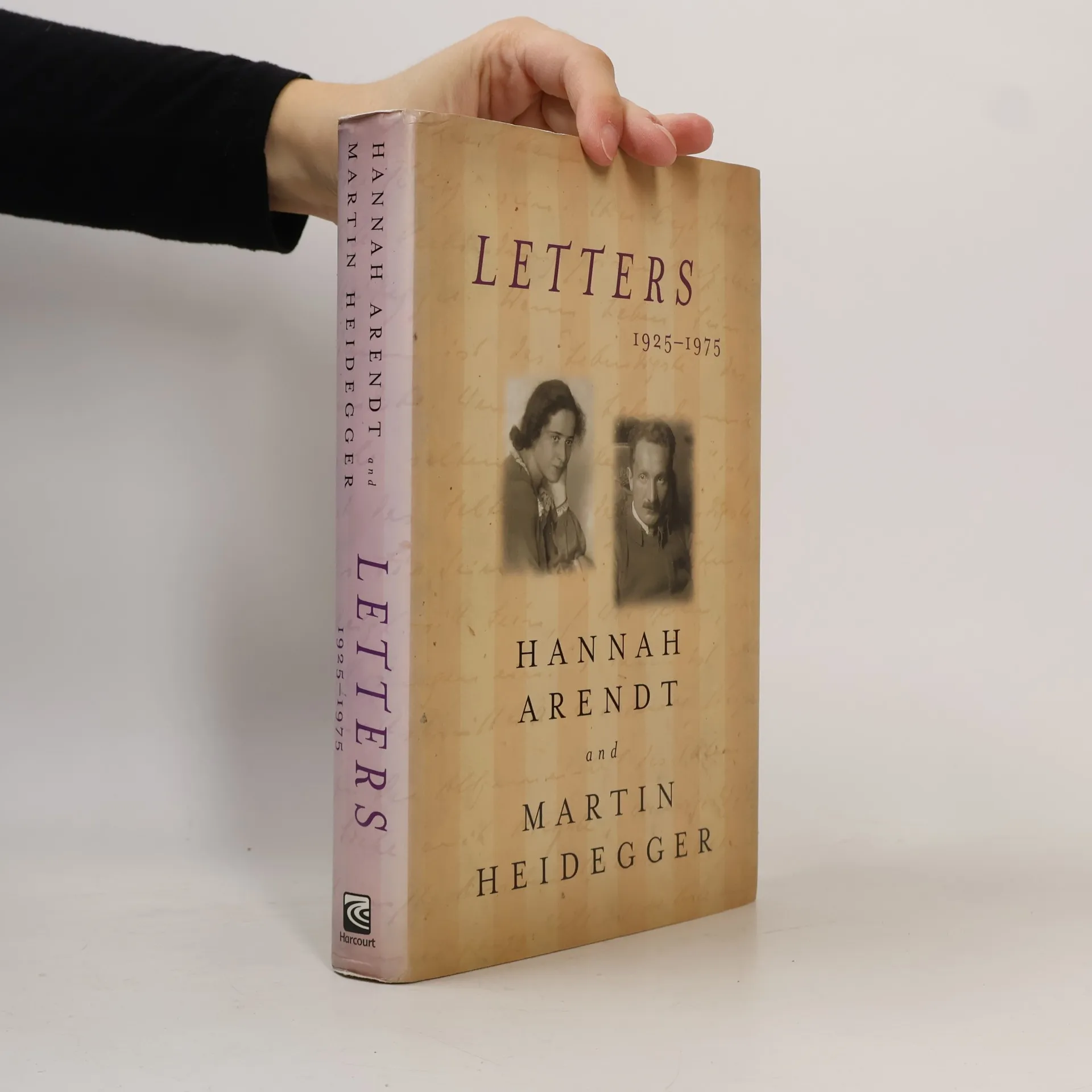
Seit den frühen achtziger Jahren ist bekannt, dass es zwischen Martin Heidegger und Hannah Arendt – über die Lehrer-Schüler- und spätere professionelle Verbindung hinaus – eine Liebes- und Freundschaftsbeziehung gegeben hat. Die Dokumente, die das Verhältnis belegen und in den Nachlässen Arendt und Heidegger im Deutschen Literaturarchiv Marbach lagern, waren bislang nicht zugänglich. In diesem Band werden sie erstmals veröffentlicht. Dieser Publikation mit ihrem großen Fundus an Materialien kommt erhebliche biographische und werkgeschichtliche Bedeutung zu. Die Ausgabe enthält zusätzlich zu den aus den Handschriften übertragenen Texten einen Anmerkungsteil mit kommentierenden Hinweisen, ein erläuterndes Nachwort sowie Register. It has been known since the early eighties that Martin Heidegger and Hannah Arendt had a love affair which went well beyond their teacher-student relationship and later professional connection. The documents that prove this relationship were stored in Arendt´s and Heidegger´s respective bequests in the Deutsches Literaturarchiv Marbach, and were not previously accessible. They are published for the first time in this volume. This publication with its large fund of materials has considerable biographical, philosophical, and historical significance. In addition to the texts transcribed from the manuscripts, the edition contains a commentary, a detailed afterword, and indices.
Hannah Arendts 1943 erschienener Essay wurde lange Zeit ignoriert, erst 1986 übersetzt – und zeigt erst heute seine eigentliche Sprengkraft: Aus unmittelbarem eigenem Erleben bezweifelte Arendt, dass Staaten überhaupt noch in der Lage sind, Flüchtlings-Probleme zu bewältigen, da die Nationalsozialisten die Idee des schützenden Nationalstaats unmöglich gemacht haben. Ähnlich wie bei »Eichmann in Jerusalem« brachte ihr diese These Schwierigkeiten mit zionistischen Strömungen ein, die Israel als Rettungsinsel genau in diesem Sinne sehen wollten. Der Essay von Thomas Meyer unterstreicht die Relevanz des Textes im Zusammenhang mit der heutigen Flüchtlingsdebatte.
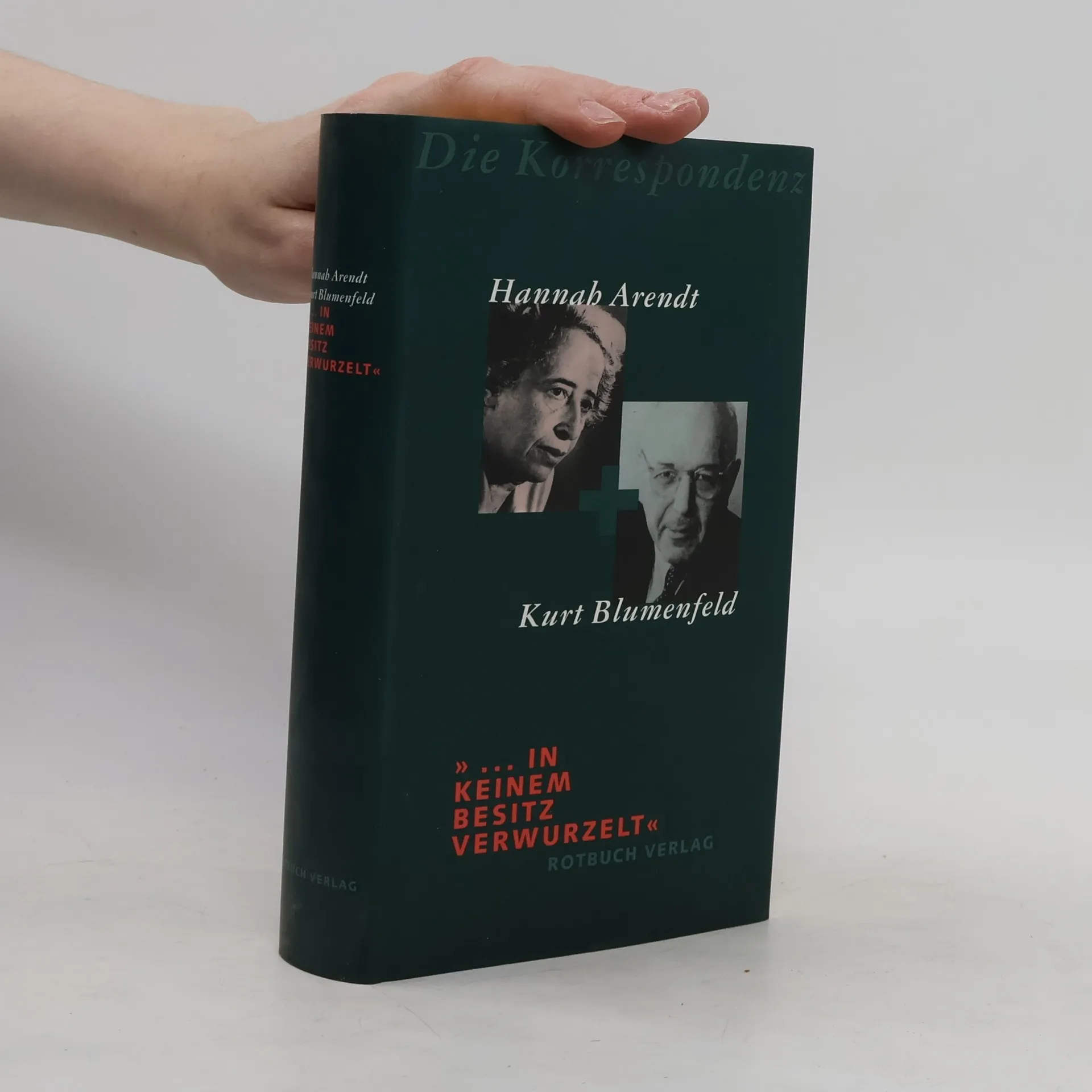
Der Briefwechsel zwischen beiden ist das Dokument einer engen Freundschaft. Die Korrespondenz gibt Aufschluß über das Exil der ersten Nachkriegsjahre, sie enthält Debatten über Albert Camus und Arthur Koestler, über die Situation im Nachkriegsdeutschland, über Philosophen wie Martin Heidegger und Karl Jaspers, über das Thema der Menschenrechte. Der Briefwechsel dauert bis zu Hermann Brochs plötzlichem Tod im Jahr 1951. Hannah Arendt schrieb einige Essays über Broch, die in diesen Band mit aufgenommen wurden. Es sind eindringliche Analysen seiner Hauptwerke und zugleich Zeichen einer Freundschaft, die Hannah Arendt sich ihr Leben lang für Broch bewahrte.
Rosa Luxemburg, Karl Jaspers, Tania Blixen, Hermann Broch, Martin Heidegger, Walter Benjamin, Bertolt Brecht, Nathalie Sarraute, Tania Blixen und andere Dichter, Literaten und Philosophen porträtiert Hannah Arendt in diesem Band. Die Essays "befassen sich mit Personen - mit der Art und Weise, wie diese ihr Leben lebten, wie sie sich in der Welt bewegten und wie sie von der geschichtlichen Zeit berührt wurden ... Gemeinsam ist allen das Zeitalter, in das ihre Lebenszeit fiel, die Welt der ersten Hälfte des zwanzigsten Jahrhunderts mit ihren politischen Katastrophen, moralischen Desastern und einer erstaunlichen Entwicklung von Kunst und Wissenschaft."
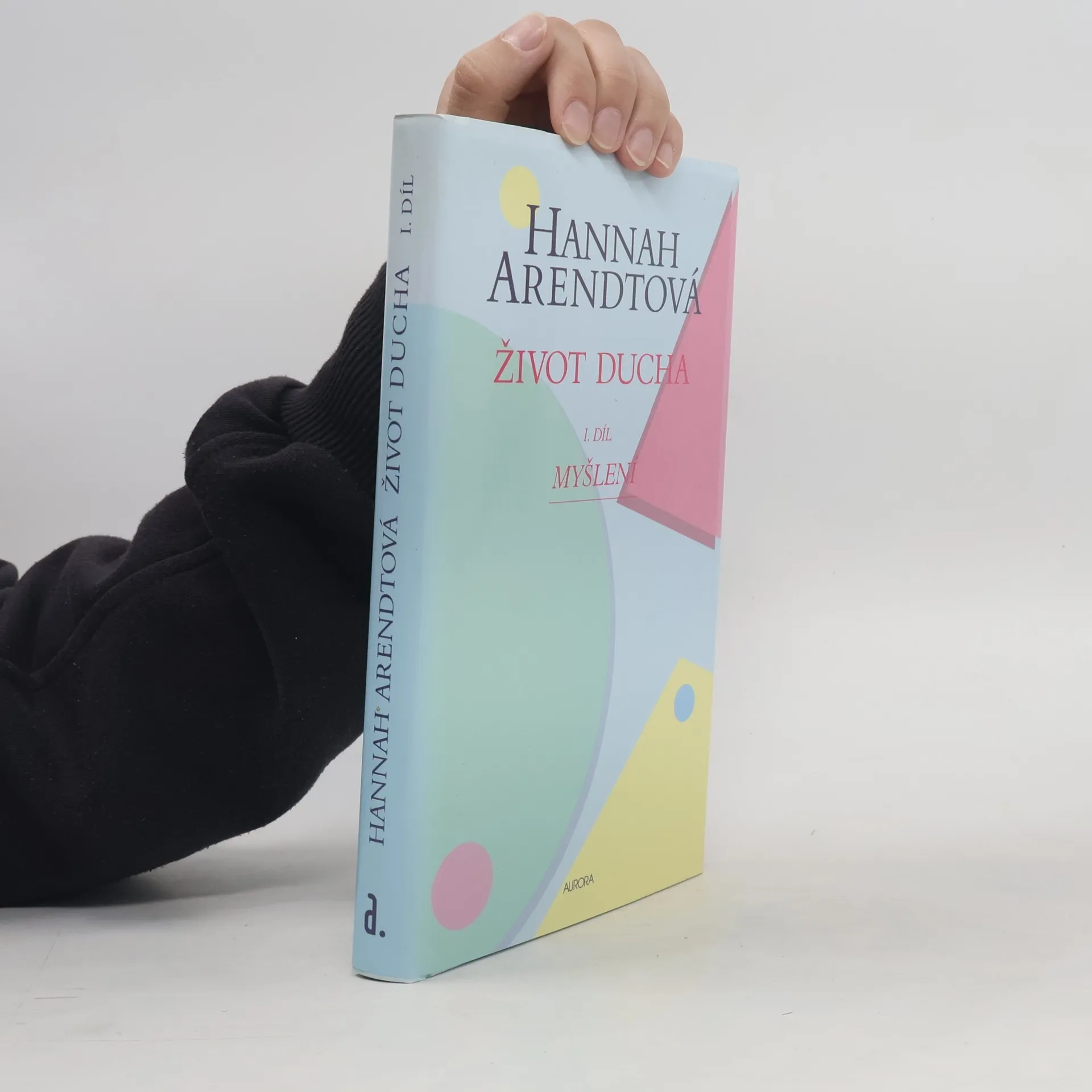
Publikace je rozdělena na čtyři oddíly. Prvý se zabývá světem okolo nás - jevy, druhý duchovními aktivitami ve světě jevů. Ve třetím oddíle se autorka snaží vyhmátnout důvod toho, co nás nutí myslet, zatímco v závěrečném shrnuje celou problematiku. Ve všech oddílech srovnává a cituje myšlenky a výroky světových filozofů od antiky po svou současnost. Studie je doplněna poznámkovým aparátem, předmětovým rejstříkem a jmenným rejstříkem.
Die Essays in diesem Band sind aus Vorträgen entstanden, die Dr. Hannah Arendt in den Jahren 1953 bis 1956 an deutschen und amerikanischen Universitäten gehalten hat. Der Titel versucht, die leitende Absicht der diesen Essays gemeinsamen kritischen Überlegungen anzudeuten. Diese befassen sich sachlich mit den in den Essaytiteln angezeigten Begriffen; die Kritik erfolgt durch eine Rückführung dieser Begriffe auf die politischen, geschichtlich gegebenen Erfahrungen, aus denen sie entstanden sind, und durch eine Konfrontation mit den modernen Erfahrungen, denen sie adäquat zu sein vorgeben.
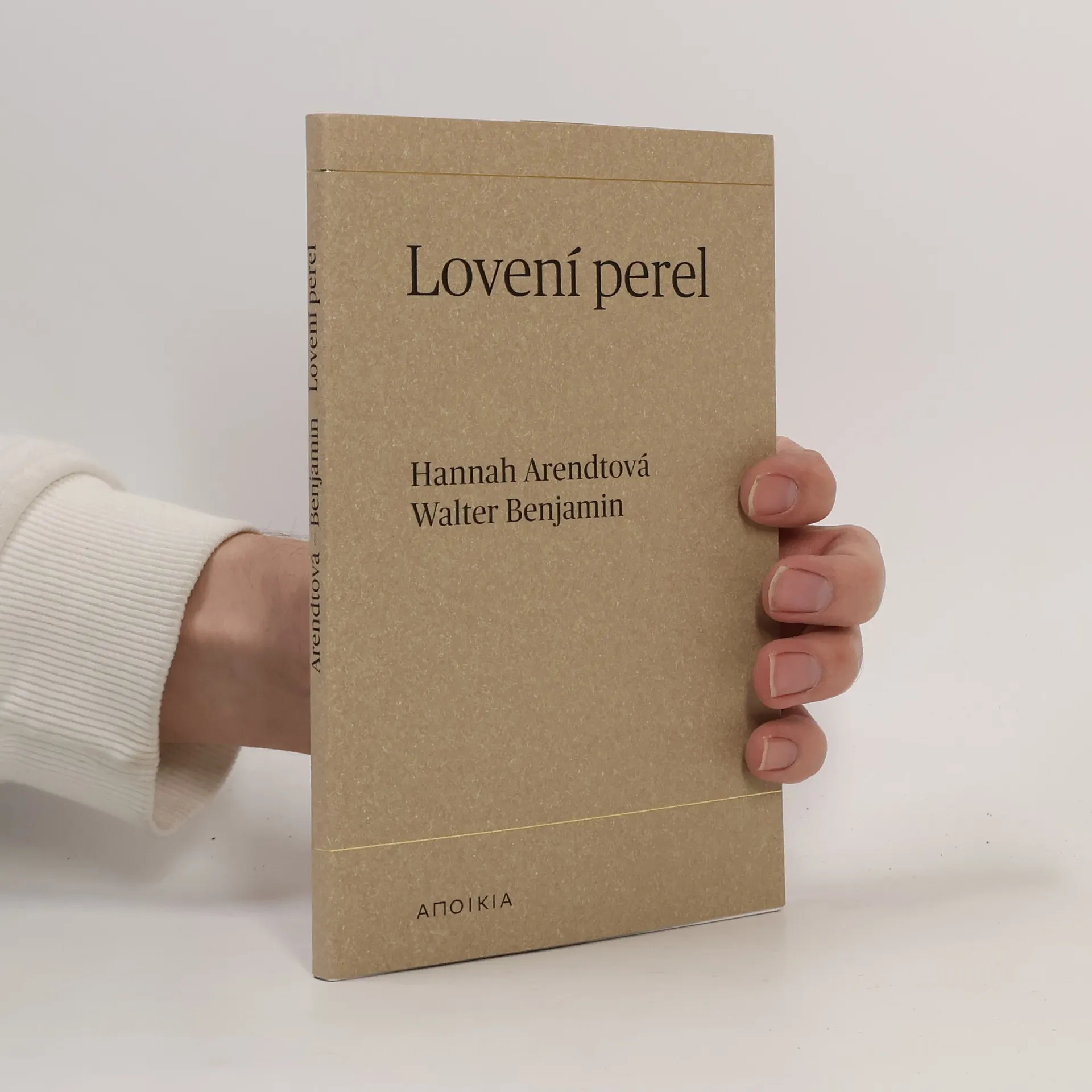
Hannah Arendtová publikovala v roce 1968 esej s jednoduchým názvem Walter Benjamin (1892–1940). Téhož roku uveřejnila i jeho anglickou verzi jako předmluvu k prvnímu anglickému vydání Benjaminových vybraných spisů, které neslo název Illuminations a o něž se sama výrazně zasloužila. Soubor s názvem Lovení perel uvádí český překlad tohoto eseje a doplňuje jej pěticí Benjaminových drobných prací, které se dosud nedočkaly českého překladu a na něž ve svém eseji upozorňuje i sama autorka. Vybrané texty nepojí žádná systematická souvislost, ale každý z nich se po svém vypořádává s týmž problémem ztráty tradice a navazování nového vztahu k minulosti, ať už z pohledu čtenáře Kafky, očima kritika dobové německé intelektuální produkce, či prizmatem vrtošivého sběratele.
Bereits 1926 begann die Korrespondenz zwischen der zwanzigjährigen Studentin und ihrem Lehrer, die bis zu seinem Tod 1969 dauerte: Der Briefwechsel zwischen Hannah Arendt und Karl Jaspers gehört zu den bedeutendsten Zeugnissen philosophischen und politischen Denkens des 20. Jahrhunderts. Und er ist das Dokument einer Freundschaft, die Verfolgung, Emigration und Krieg nicht zerstören konnten.
Sie versuchte, »ohne Geländer« zu denken. Das Werk der großen deutsch-jüdischen Philosophin, politischen Theoretikerin und Publizistin Hannah Arendt (1906–1975) ist bis heute aktuell. Dieses Lesebuch bietet eine Einführung in Arendts umfangreiches Werk. In ausgewählten Texten und zentralen Passagen aus ihren Briefen äußert sie sich zu Fragen der Philosophie sowie des politischen Denkens und Handelns, außerdem zur Situation des Menschen und zu Personen, die für ihr Leben wichtig waren.
Die Essays der weltberühmten Philosophin haben nachhaltig das politische Denken in Europa und den USA bestimmt. Der vorliegende Band enthält unter dem Titel »Die Lüge in der Politik« eine kritische Analyse der berühmt-berüchtigten Pentagon-Papers, die 1971 in den USA veröffentlicht worden sind, sowie den umfangreichen grundsätzlichen Essay über »Wahrheit und Politik«.
Publikace je rozdělena na čtyři oddíly. Prvý se zabývá světem okolo nás - jevy, druhý duchovními aktivitami ve světě jevů. Ve třetím oddíle se autorka snaží vyhmátnout důvod toho, co nás nutí myslet, zatímco v závěrečném shrnuje celou problematiku. Ve všech oddílech srovnává a cituje myšlenky a výroky světových filozofů od antiky po svou současnost.
Zwei bisher unbekannte Texte – erstmals auf Deutsch
Palästina, Israel und die Suche nach der Lösung Über Palästina vereint zwei neu entdeckte, bisher unbekannte Texte von und mit Hannah Arendt. Der Aufsatz »American Foreign Policy and Palestine« wurde 1944 von Arendt vor der Staatsgründung Israels verfasst und erst jetzt in einem Archiv gefunden. 14 Jahre später ist sie Mitglied eines Expert:innen-Rats, der in dem Bericht »The Palestine Refugee Problem« eine Lösung für die Situation der Geflüchteten im Nahen Osten formulierte. Diese beiden außergewöhnlichen Fundstücke belegen eindrücklich Arendts lebenslanges Ringen um einen Frieden in Israel und Palästina. Herausgegeben von Thomas Meyer
Hannah Arendt hat nie einen autobiografischen Text verfasst, Zeit ihres Lebens hat sie sich zurückgehalten, wenn es um ihre Person und die Beweggründe für ihre Arbeit ging. Und doch hat sie in Briefen und Gesprächen viel über sich enthüllt. Ursula Ludz, Kennerin von Leben und Werk der Philosophin, hat sich auf Spurensuche nach biografischen Zeugnissen begeben und verleiht so der Person Arendt Farben, Konturen und immer wieder überraschende Glanzlichter.
El presente libro es un penetrante estudio sobre el estado de la humanidad en el mundo contemporáneo, contemplada desde el punto de vista de las acciones de que es capaz. Propone una consideración de la condición humana desde el ventajoso punto de vista de nuestros más recientes temores y experiencias. De ahí que lo que plantea sea muy sencillo: nada más que pensar en lo que hacemos. El ensayo dibuja una concepción del hombre rigurosamente incompatible con los totalitarismos, y que a su vez permite sentar las bases para una nueva idea de la historia en la que depende de los propios hombres que ésta aparezca como una contingencia desoladora, es decir, que en cualquier momento podemos regresar a la barbarie.
Sborník esejů slavné německo-americké politické myslitelky je českému čtenáři již zčásti znám; čtyři eseje z celkových osmi již totiž vyšly pod názvem Krize kultury (Mladá fronta, 1994) a teprve nyní odděleně vychází i zbytek původního svazku. Tak jako v mnoha svých dílech i zde Arendtová občas stojí jakoby na půl cesty mezi politickou filosofií a poezií. Pohledy na dějiny, politickou filosofii i lidské myšlení vůbec, které tu Arendtová předkládá, zůstávají úchvatné a inspirativní.
Eseje, v nichž se Hannah Arendtová táže po povaze svobody, autority a dějin, pojí motiv osudového přeryvu: přerušení západní filosofické tradice vyústilo v totality dvacátého století. Knihu publikovanou poprvé r. 1961 proto uvádí výrokem Reného Chara, francouzského básníka a člena odporu v době nacistické okupace Francie: „Naše dědictví nám nebylo odkázáno žádnou závětí.“ Citát, který se jako ozvěna nese osmi esejemi, poukazuje k obtížné pozici moderního člověka: mezi minulostí a budoucností se rozevřela propast, k jejíž přemostění nelze užít zděděné pojmy
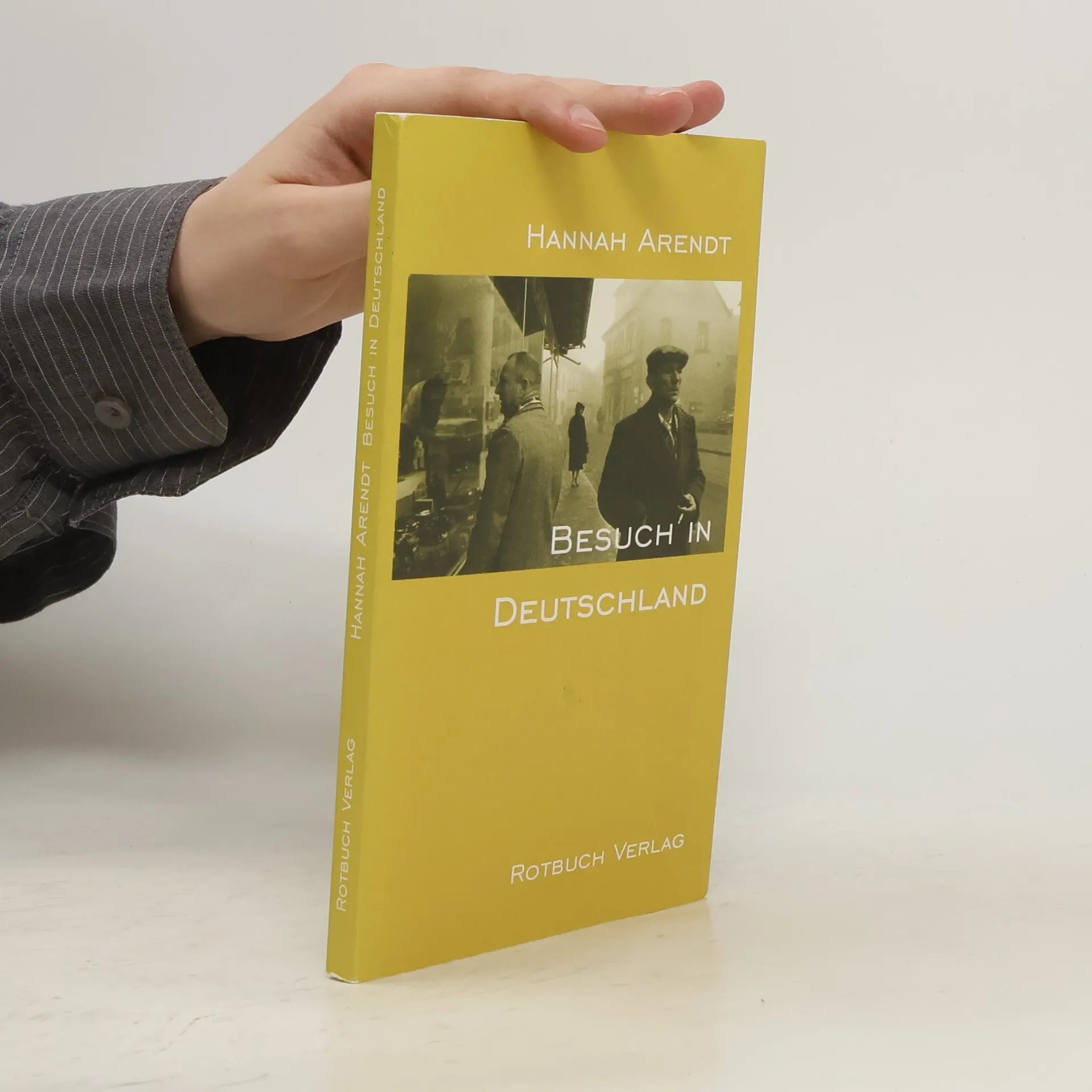
Erstmals seit ihrer Flucht nach Frankreich und der sich anschließenden Emigration in die Vereinigten Staaten von Amerika reiste Hannah Arendt vom August 1949 bis März 1950 wieder nach Deutschland. Anlass ihres Besuches in der gerade gegründeten Bundesrepublik waren Arbeiten für die Commission on European Jewish Cultural Reconstruction, als deren Direktorin die in Hannover geborene und in Königsberg aufgewachsene Philosophin bis 1952 tätig gewesen ist. Die Eindrücke, Erfahrungen und Erkenntnisse, die Hannah Arendt auf ihrer Reise durch ein nicht nur äußerlich zerstörtes Land sammelte, hat sie in einem Bericht niedergelegt, den die Zeitschrift Commentary im Herbst 1950 veröffentlichte. Arendts Essay gehört zum Klügsten, Bewegendsten und Weitsichtigsten, was über die sogenannte Stunde Null geschrieben wurde. Es ist der Versuch einer äußerst empfindsamen und hellsichtigen Frau, die das Manuskript ihres Hauptwerkes »Elemente und Ursprünge totaler Herrschaft« geraden abgeschlossen hatte, persönliche Verbitterung und Trauer durch die intellektuelle Anstrengung zu überwinden, dem im Aufbau befindlichen neuen Gemeinwesen einen Spiegel vorzuhalten.