

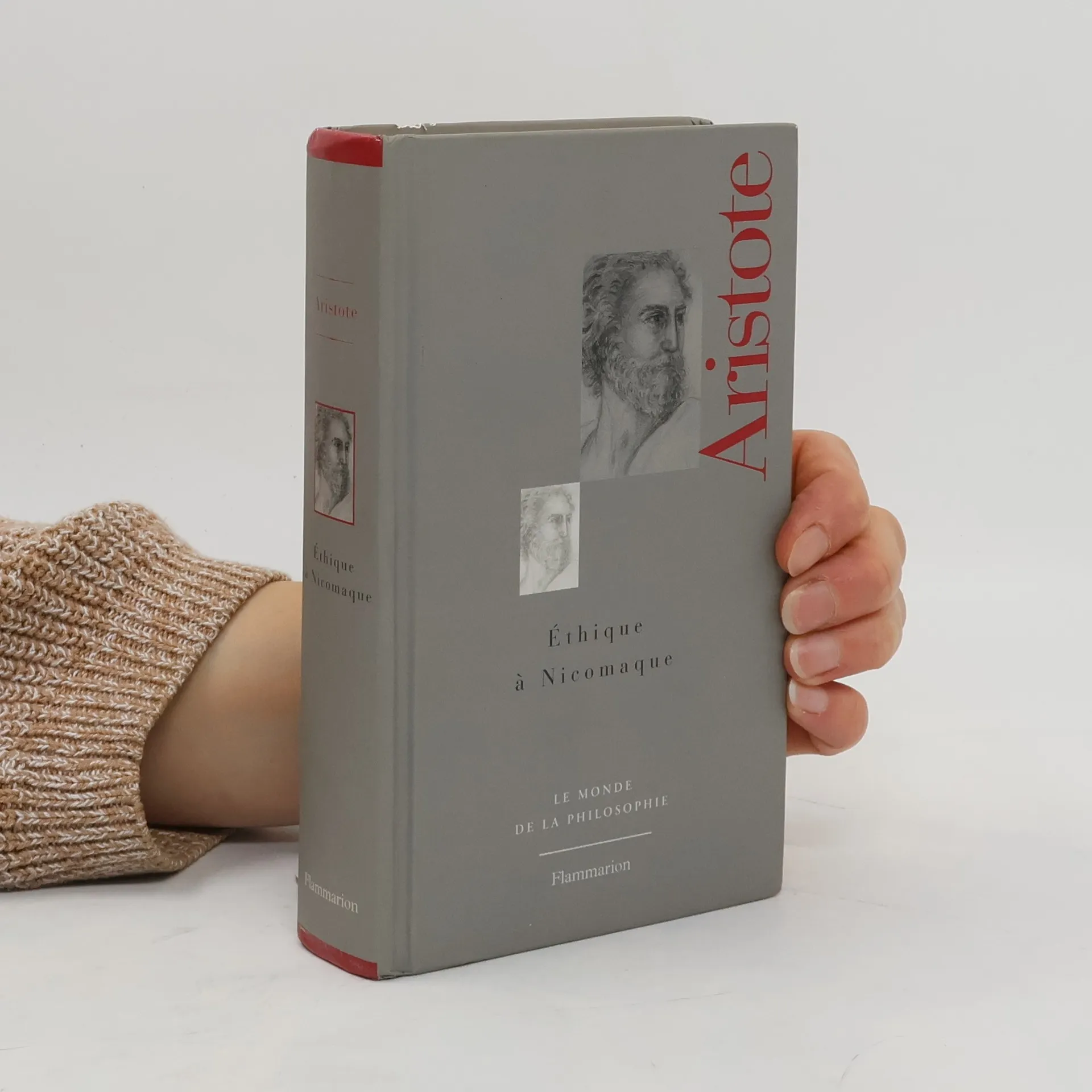
Aristote n'entend pas établir des règles pour les enfants, les esclaves, les ouvriers manuels. Il ne s'adresse qu'à des hommes libres, réfléchis, ayant fait de la pratique des vertus une habitude consciente, à tous ceux qui sont doués de raison active. Le sage, tel qu'il l'envisage, est humain, tout dévoué à la cité, mais il sait prendre plaisir à la vie, en apprécier exactement les biens; il se haussera davantage encore le jour où, dans une cité capable de favoriser l'exercice de la pensée pure, il pourra lui aussi se consacrer à la contemplation, but dernier de la sagesse. Ne risque-t-il pas de perdre de vue les nécessités de l'action ? Il ne les a pas oubliées. Il leur a accordé la part qu'elles méritent, puisqu'elles sont comme la base sur laquelle il appuie son effort.
Jacob Aristotle Livres
Aristote compte parmi les plus grands philosophes de tous les temps, ses œuvres ayant façonné la pensée occidentale pendant des siècles. Son travail a couvert un éventail impressionnant de sujets, de la logique et la métaphysique à l'éthique, la théorie politique et l'esthétique. Son approche empirique et son accent mis sur l'observation, notamment en biologie, ont jeté les bases de la recherche scientifique. La pensée d'Aristote, complexe et sujette à interprétation, continue de susciter le débat et l'intérêt académique, témoignant de sa signification durable.


Rhétorique
- 416pages
- 15 heures de lecture
This work has been selected by scholars as being culturally important, and is part of the knowledge base of civilization as we know it. This work was reproduced from the original artifact, and remains as true to the original work as possible. Therefore, you will see the original copyright references, library stamps (as most of these works have been housed in our most important libraries around the world), and other notations in the work. This work is in the public domain in the United States of America, and possibly other nations. Within the United States, you may freely copy and distribute this work, as no entity (individual or corporate) has a copyright on the body of the work. As a reproduction of a historical artifact, this work may contain missing or blurred pages, poor pictures, errant marks, etc. Scholars believe, and we concur, that this work is important enough to be preserved, reproduced, and made generally available to the public. We appreciate your support of the preservation process, and thank you for being an important part of keeping this knowledge alive and relevant.
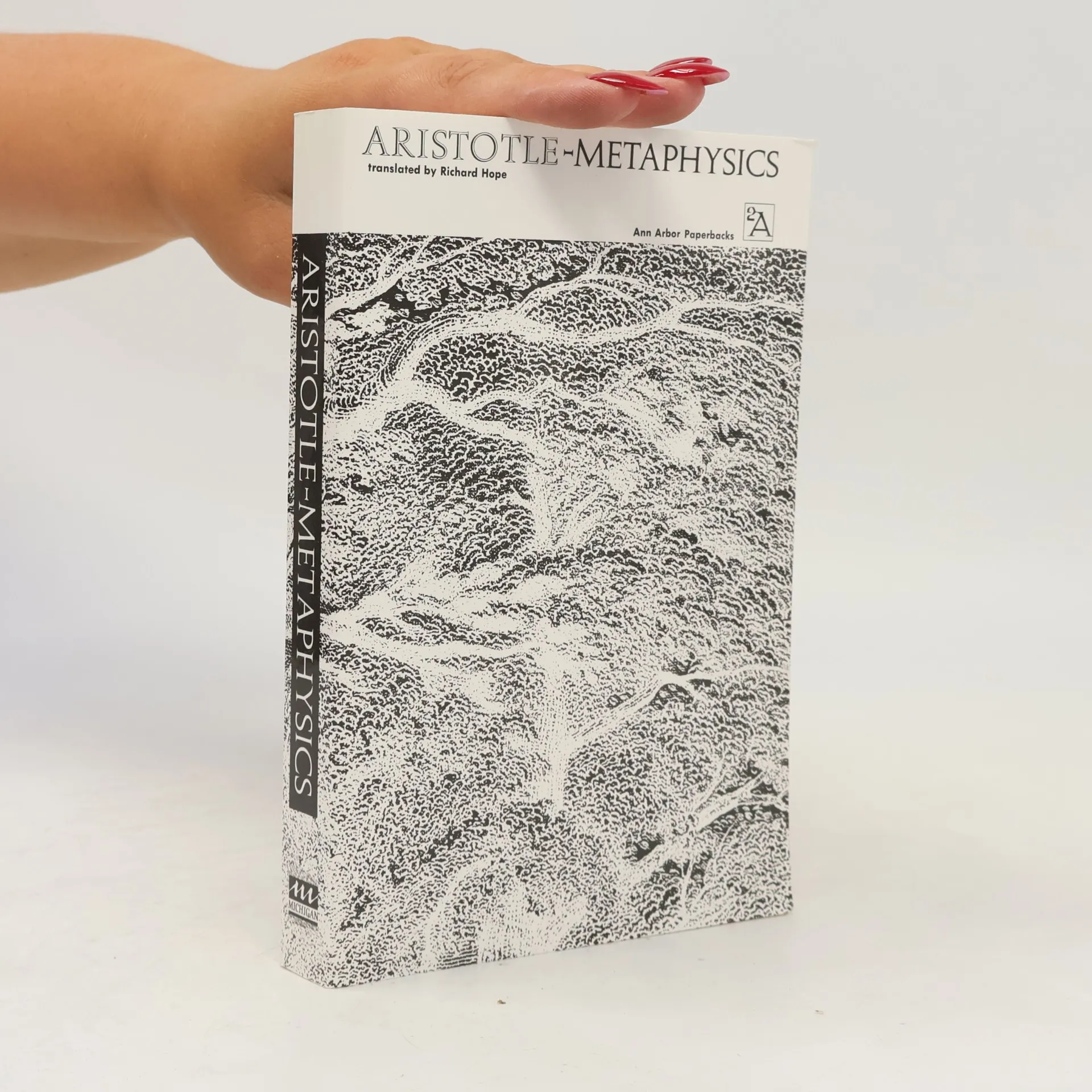
Metaphysics
- 416pages
- 15 heures de lecture
Aristotle's great work translated into English with an index giving Greek, Latin, and English forms of key terms
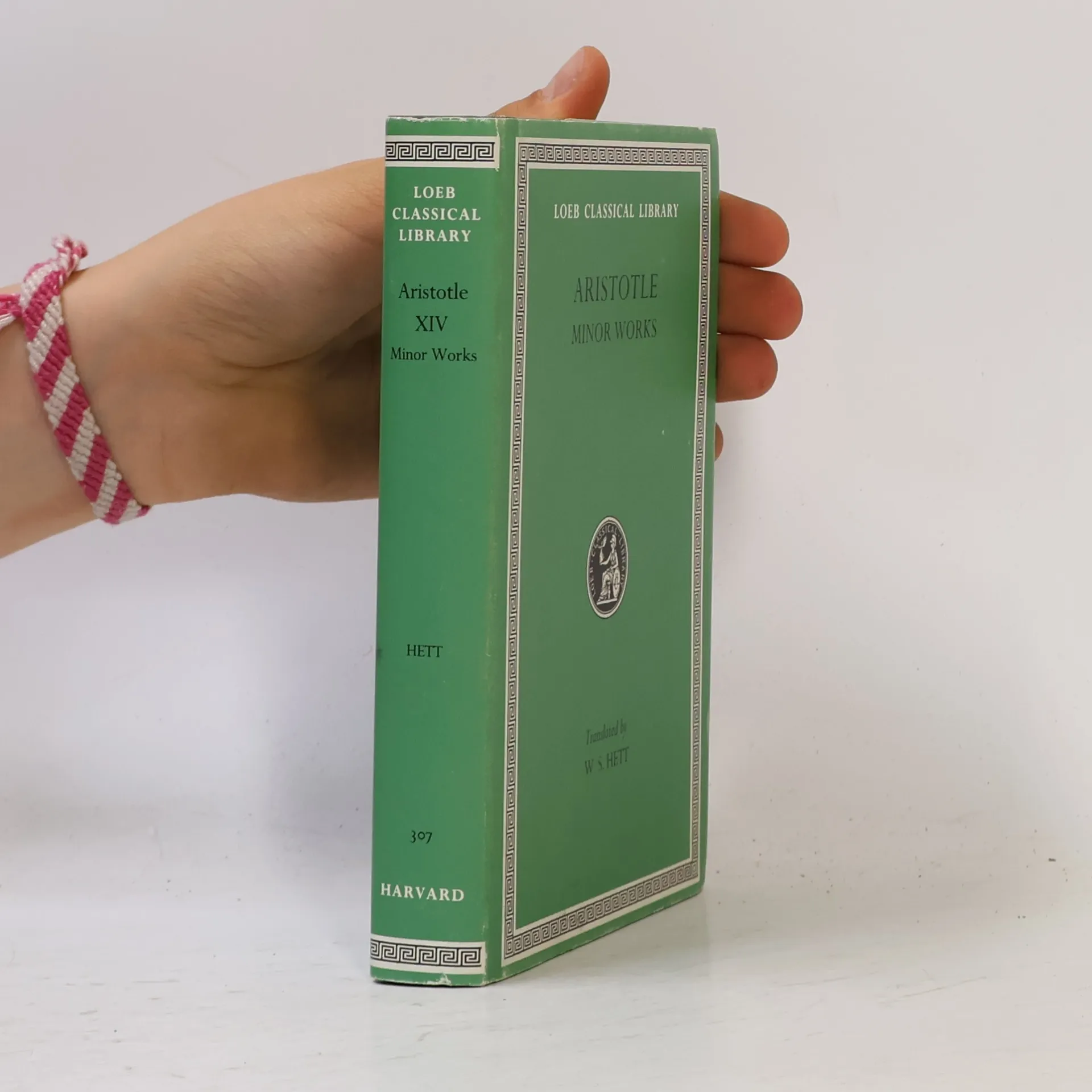
Loeb Classical Library - 14: Minor Works
- 528pages
- 19 heures de lecture
Nearly all the works Aristotle (384 322 BCE) prepared for publication are lost; the priceless ones extant are lecture-materials, notes, and memoranda (some are spurious). They can be categorized as practical; logical; physical; metaphysical; on art; other; fragments.
Aristotle XI. History of Animals. Books VII-X
Edited and Translated by D.M. Balme