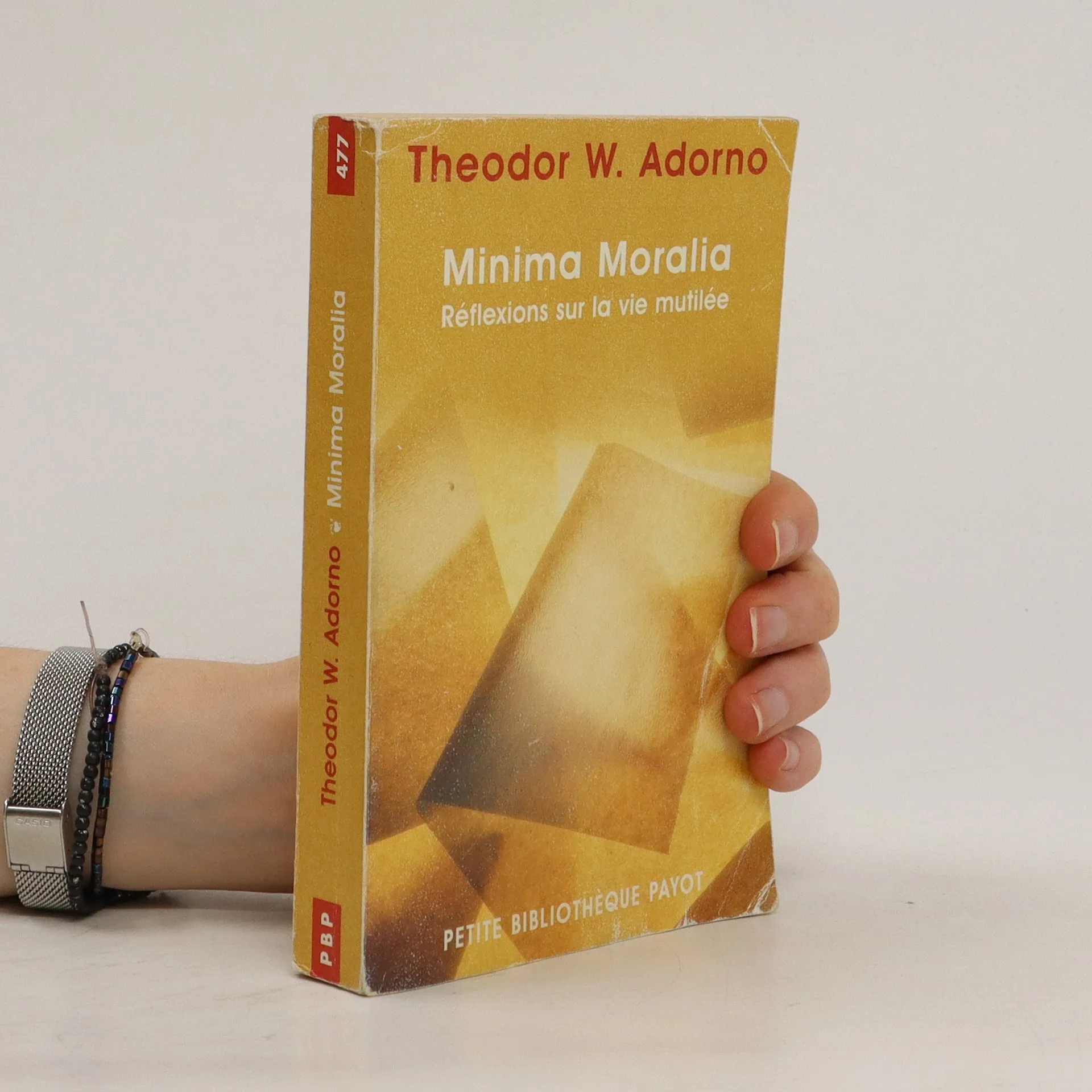
Minima Moralia est, selon Habermas, le " chef-d'œuvre d'un écrivain égaré parmi les fonctionnaires " ; autrement dit, l'invention d'une écriture anti-autoritaire. Entre les moralistes français, Marx et les romantiques allemands, Adorno entreprend, à travers de courts chapitres, vignettes, instantanés, une critique du mensonge de la société moderne, pourchassant au plus intime de l'existence individuelle les puissances objectives qui la déterminent et l'oppriment. Ce livre, qu'il convient d'étudier comme une somme, est à accueillir comme un art d'écrire, à méditer comme un art de penser et à pratiquer comme un art de vivre. Mieux : un art de résister.
Theodor W. Adorno Livres
11 septembre 1903 – 6 août 1969
Theodor W. Adorno s'est imposé comme un philosophe et critique social allemand essentiel de l'après-Seconde Guerre mondiale. Son influence découle de la nature interdisciplinaire de ses recherches et de son appartenance à l'École de Francfort. Il a examiné rigoureusement les traditions philosophiques occidentales et a offert une critique radicale de la société occidentale contemporaine. Initialement entravée par des traductions peu fiables, l'œuvre d'Adorno a connu une résurgence dans les pays anglophones, grâce à des traductions améliorées et des publications posthumes qui consolident son impact sur l'épistémologie, l'éthique, l'esthétique et la théorie culturelle.



Tous se pressent dans la crainte de manquer quelque chose.
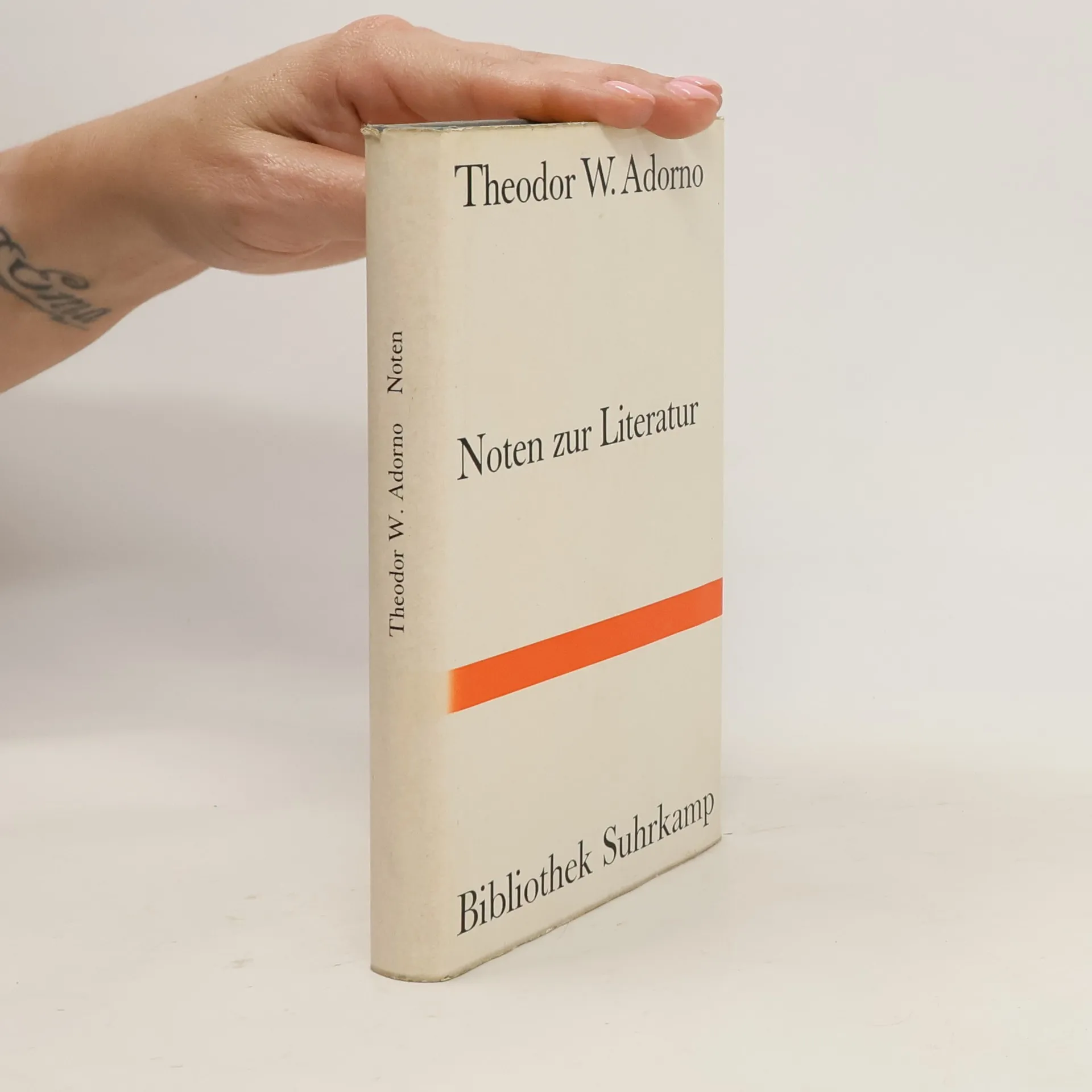
Notes sur la littérature
- 438pages
- 16 heures de lecture
Traduites pour la première fois en français en 1984, les Notes sur la littérature regroupent une série d'essais consacrés à des écrivains (Balzac, Proust, Valéry, Beckett...) et à des thèmes littéraires (le statut du narrateur, la poésie lyrique...). Le genre de l'essai, auquel est d'ailleurs consacrée la première de ces " Notes ", est l'une des formes de prédilection du philosophe : à rebours de la " perception claire et distincte " léguée par Descartes, il incarne un mode de connaissance spécifique, qui ne se soucie de résoudre ni l'équivoque ni la contradiction, et adéquate aux théories esthétiques d'Adorno. Celles-ci reposent sur l'idée que chaque œuvre d'art renferme un " contenu de vérité " propre, que le critique a pour tâche de déchiffrer. Il accède ainsi à une forme de connaissance unique des conditions de production de l'œuvre, de l'époque et de la société qui l'ont vue naître : pour Adorno, le domaine littéraire n'est pas prétexte à une application de théories philosophiques ou sociologiques, il est lui-même philosophie et instrument de connaissance.
Beethoven
- 288pages
- 11 heures de lecture
Beethoven is a classic study of the composer′s music, written by one of the most important thinkers of our time. Throughout his life, Adorno wrote extensive notes, essay fragments and aides–memoires on the subject of Beethoven′s music. This book brings together all of Beethoven′s music in relation to the society in which he lived. Adorno identifies three periods in Beethoven′s work, arguing that the thematic unity of the first and second periods begins to break down in the third. Adorno follows this progressive disintegration of organic unity in the classical music of Beethoven and his contemporaries, linking it with the rationality and monopolistic nature of modern society. Beethoven will be welcomed by students and researchers in a wide range of disciplines – philosophy, sociology, music and history – and by anyone interested in the life of the composer.
History and freedom
- 368pages
- 13 heures de lecture
"Early in the 1960s Adorno gave four courses of lectures on the road leading to Negative Dialectics, his magnum opus of 1966. The second of these was concerned with the topics of history and freedom. In terms of content, these lectures represented an early version of the chapters in Negative Dialectics devoted to Kant and Hegel. In formal terms, these were improvised lectures that permit us to glimpse a philosophical work in progress." -- Cover, p. [4].
Notes to Literature
- 560pages
- 20 heures de lecture
Notes to Literature is a collection of the great social theorist Theodor W. Adorno's essays on such writers as Mann, Bloch, Goethe, and Benjamin, as well as his reflections on a variety of subjects. This edition presents this classic work in full in a single volume, with a new introduction by Paul Kottman.
An introduction to dialectics
- 336pages
- 12 heures de lecture
This volume features Adorno's first lectures focused on the dialectic, a pivotal concept in philosophical discourse since antiquity. He examines connections to Plato and Kant while emphasizing Hegel's systematic development of the dialectic and its ties to Marx. Adorno articulates his own understanding of dialectical thinking as a critical response to this philosophical tradition. Delivered in the summer semester of 1958, the lectures delve into the challenges this mode of thought presented in the post-war cultural and intellectual landscape. Adorno posits a complementary relationship between positivist or functionalist approaches, particularly in the social sciences, and advocates for a revival of ontological and metaphysical thought to address the abstractness of modern social experience through regressive philosophical categories. He discusses central themes of Hegelian thought and references various philosophical, literary, and artistic figures significant to his critical theory, notably Walter Benjamin and the concept of a constellation of ideas representing an 'open or fractured dialectic' beyond rigid methods. Rich with anecdotes and personal reflections, these lectures offer insight into Adorno's intellectual process, making them an excellent resource for students and scholars in the humanities and social sciences interested in his work and dialectical thinking.
Philosophical Elements of a Theory of Society
- 192pages
- 7 heures de lecture
First published in German as Philosophische Elemente einer Theorie Der Gesellschaft, 1964.
Two volumes by Theodor W. Adorno are combined in this volume: Interventions - Nine Critical Models (1963) and Catchwords: Critical Model II (1969). Both books are examples of Adorno's postwar commitment to unmasking the culture that engendered Nazism.
Philosophy and Sociology: 1960
- 320pages
- 12 heures de lecture
In summer 1960, Adorno gave the first of a series of lectures devoted to the relation between sociology and philosophy. One of his central concerns was to dispel the notion, erroneous in his view, that these were two incompatible disciplines, radically opposed in their methods and aims, a notion that was shared by many. While some sociologists were inclined to dismiss philosophy as obsolete and incapable of dealing with the pressing social problems of our time, many philosophers, influenced by Kant, believed that philosophical reflection must remain ‘pure’, investigating the constitution of knowledge and experience without reference to any real or material factors. By focusing on the problem of truth, Adorno seeks to show that philosophy and sociology share much more in common than many of their practitioners are inclined to assume. Drawing on intellectual history, Adorno demonstrates the connection between truth and social context, arguing that there is no truth that cannot be manipulated by ideology and no theorem that can be wholly detached from social and historical considerations. This systematic account on the interconnectedness of philosophy and sociology makes these lectures a timeless reflection on the nature of these disciplines and an excellent introduction to critical theory, the sociological content of which is here outlined in detail by Adorno for the first time.
Aesthetic theory
- 512pages
- 18 heures de lecture
The most important aesthetics of the century, this is a long-awaited work, the culmination of a lifetime's investigation. Among the twelve major sections are Art, Society, Aesthetics; the Categories of the Ugly, the Beautiful, the Technics; Natural Beauty; Coherence and Subject-Object; Towards a Theory of the Artwork.
This volume features key lectures leading to Adorno's 1966 work, Negative Dialectics, focusing on essential concepts from its introductory section. It showcases Adorno as a philosopher navigating his methodology amidst contemporary trends. As a critical theorist, he rejects outdated Marxist stereotypes prevalent in the Soviet bloc, addressing students who fled East before the Berlin Wall's construction in 1961. While influenced by empirical thought from the U.S., he resists its tendency toward scientific abstraction, avoiding a return to traditional idealisms in Germany or the new ontology of Heidegger and his followers. Adorno seeks to articulate a 'negative', critical approach to philosophy, emphasizing the pervasive power of totalizing systems in the post-Auschwitz world. His intellectual negativity leads to a steadfast defense of individuals—both facts and people—who resist integration into 'the administered world.' The lectures reveal Adorno as an engaging speaker, demanding yet lively, interspersing his arguments with insights on philosophers and writers like Proust and Brecht, alongside reflections on current events. This blend of rigorous intellectual discourse and concern for student engagement characterizes his teaching style.
Kant's Critique of Pure Reason
- 300pages
- 11 heures de lecture
Adorno's exploration of Kant's "Critique of Pure Reason" reveals the significant influence Kant has on his philosophical framework. This volume compiles Adorno's lectures, offering insights into Kant's critical philosophy and its implications for modern thought. Through these discussions, Adorno engages deeply with Kant's ideas, shedding light on their relevance and impact on subsequent philosophical discourse.
This volume presents Adorno's lectures on metaphysics in English for the first time, offering a unique introduction to both metaphysics and Adorno's intellectual perspective as articulated in Negative Dialectics. Adorno defines metaphysics through a central tension between concepts and immediate facts, tracing this dualism back to Aristotle, whom he regards as the founder of metaphysics. In Aristotle, this tension manifests as an unresolved conflict between form and matter, a split that Adorno interprets as a continuous thread throughout metaphysical history. He finds this tension resolved in the Hegelian dialectic. Furthermore, Adorno identifies a critical dichotomy within metaphysics: while it challenges belief in transcendental realms through thought, it simultaneously attempts to affirm belief in a reality beyond the empirical. This ambiguity, according to Adorno, is what lends the metaphysical tradition its significance. The lectures primarily focus on a critical examination of Aristotle's thought and its inherent ambiguities. In his later discussions, Adorno shifts to the relevance of metaphysics in contemporary contexts, particularly post-Holocaust, suggesting that 'metaphysical experiences' offer a fragile refuge for humane truth. This volume is essential for those interested in Adorno's work and serves as a valuable resource for philosophy and social theory scholars.
Ontology and Dialectics 1960-61
- 384pages
- 14 heures de lecture
Originally published: Ontologie und Dialektik, 1960-61. Frankfurt am Main: Suhrkamp, 2002.
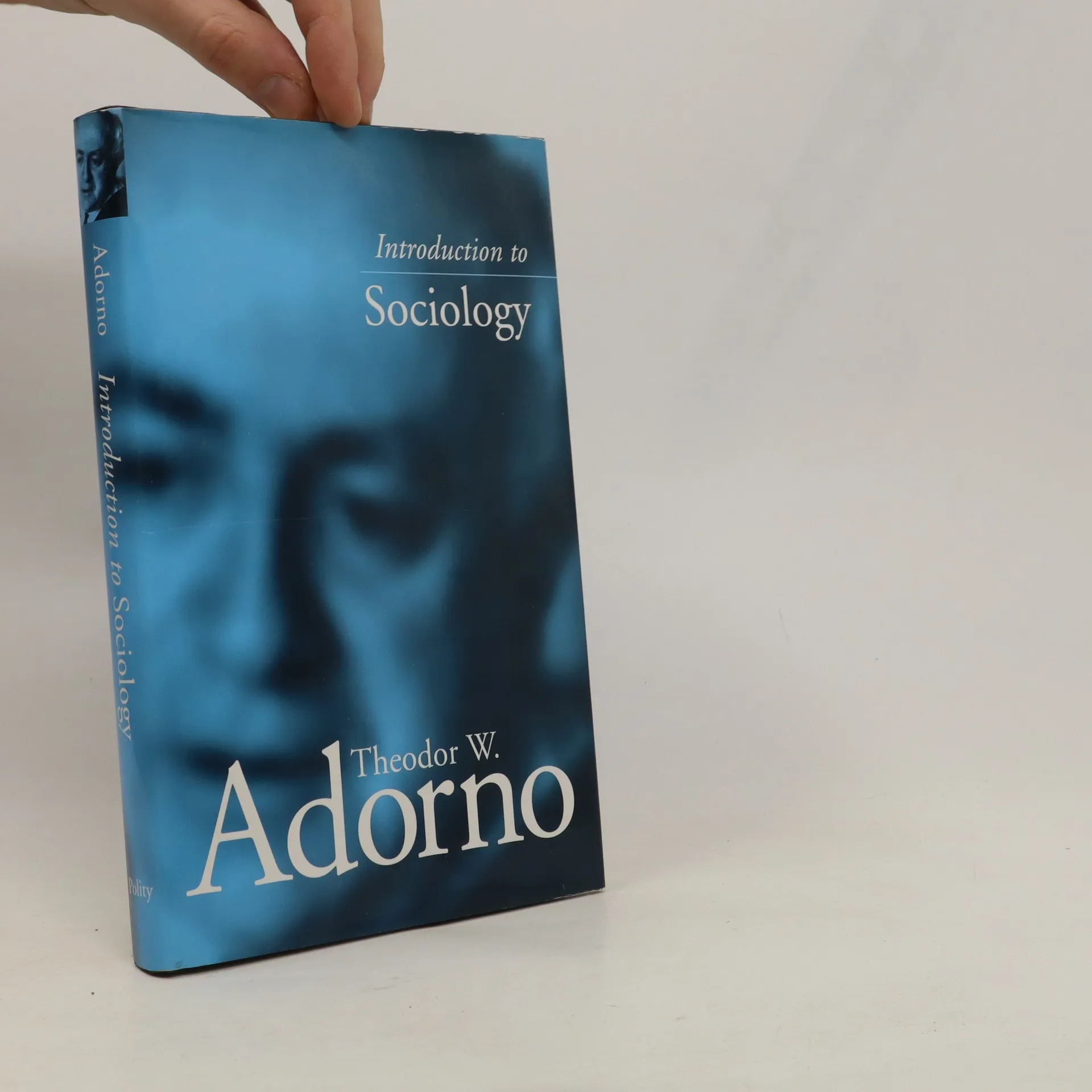
Introduction to sociology
- 198pages
- 7 heures de lecture
Comprising lectures given by Theodor Adorno towards the end of his life, this anthology provides an introduction to his historical and conceptual engagement with sociology. The lectures were held at the time of the positivist dispute in German sociology, when Adorno was defending the position of the Frankfurt School against criticism from mainstream positivist sociologists. He sets out a conception of sociology as a discipline going beyond the compilation and interpretation of empirical facts, its truth being inseparable from the essential structure of society itself. Sociology, therefore, is not seen as one academic field among others but as an over-arching discipline impinging on all aspects of social life.
Night music
- 473pages
- 17 heures de lecture
Theodor W. Adorno, primarily recognized for his role in the Frankfurt School of Critical Theory, initially made his mark as a composer and music critic. This collection features the first complete English translations of two significant compilations of his writings: "Moments musicaux," which includes essays from 1928 to 1962, and "Theory of New Music," comprising texts from 1929 to 1955. In "Moments musicaux," Adorno reflects on music through a lyrical lens, drawing parallels with Schubert's cycle and emphasizing aphorism. His essays provide in-depth aesthetic analyses, showcasing his commitment to applying philosophical rigor to music studies. "Theory of New Music" outlines his perspectives on contemporary composition, reception, and analysis. While his philosophical endeavors ultimately diverted him from a career in composition, his insights reflect both a theorist's and a composer's viewpoint. Adorno's well-known advocacy for the Second Viennese School, including Arnold Schoenberg and his students, is complemented by previously obscure writings now presented in full. This collection illuminates Adorno's extensive musical understanding and uncovers a lesser-known aspect of his influential thought.
Adorno's study of Austrian composer Alban Berg (1885-1935) is a sui generis document. In addition to Adorno's personal account of of the life and musical works of his mentor, friend, and composition teacher, the book explores the historical and cultural significance of Berg's music, its relationship to that of other nineteenth- and twentieth-century composers, and to the larger issues of contemporary life.
Correspondence, 1939 - 1969
- 520pages
- 19 heures de lecture
The correspondence between Theodor W. Adorno and Gershom Scholem reveals a deep intellectual friendship that blossomed despite their initial differences and mutual hostility. Spanning over thirty years, their letters cover a wide array of subjects, including philosophy, religion, history, politics, literature, and the arts. Additionally, they reflect on the life and work of their mutual friend, Walter Benjamin, showcasing the dynamic exchange of ideas between two influential thinkers in the 20th century.
This volume contains the surviving correspondence between Walter Benjamin and Theodor W. Adorno. In the letters, it is possible to trace the complex and developing character of Benjamin's and Adorno's attitudes to one another
Aesthetics
- 376pages
- 14 heures de lecture
This volume of lectures on aesthetics, given by Adorno in the winter semester of 1958 9, formed the foundation for his later Aesthetic Theory, widely regarded as one of his greatest works.
Against Epistemology
- 248pages
- 9 heures de lecture
This classic book by Theodor W. Adorno anticipates many of the themes that have since become common in contemporary philosophy: the critique of foundationalism, the illusions of idealism and the end of epistemology. It also foreshadows many of the key ideas that were developed by Adorno in his most important philosophical works, including Negative Dialectics. Against Epistemology is based on a manuscript Adorno originally wrote in Oxford in 1934-37 during his first years in exile and subsequently reworked in Frankfurt in 1955-56. The text was written as a critique of Husserl’s phenomenology, but the critique of phenomenology is used as the occasion for a much broader critique of epistemology. Adorno described this as a ‘metacritique’ which blends together the analysis of Husserl’s phenomenology as the most advanced instance of the decay of bourgeois idealism with an immanent critique of the tensions and contradictions internal to Husserl’s thought. The result is a powerful text which remains one of the most devastating critiques of Husserl’s work ever written and which heralded many of the ideas that have become commonplace in contemporary philosophy.
Aesthetics and Politics
- 224pages
- 8 heures de lecture
An intense and lively debate on literature and art between thinkers who became some of the great figures of twentieth-century philosophy and literature
Quasi una fantasia
- 336pages
- 12 heures de lecture
Quasi una Fantasia features Adorno's selection of essays and journalism spanning over three decades, showcasing analytical depth comparable to his works on modern music and notable composers. Its unique range of themes—from Mozart to Boulez and various musical styles—sets it apart in Adorno's oeuvre. Central to the collection are insightful studies of modern music pioneers like Mahler, Schoenberg, and Berg, alongside thoughtful rediscoveries of Zemlinsky and Schreker. Adorno's 'dialectical portrait' of Stravinsky revisits and refines his earlier critiques. The influential essay 'Vers une musique informelle' envisions a future music embracing unrestricted freedom. Additionally, the book includes poignant reflections on earlier works like Bizet's Carmen and Weber's Der Freischutz, as well as a sharp 'Natural History of the Theatre' that examines the rituals of the auditorium. Adorno critiques musical kitsch, addressing pieces such as Gounod's Ave Maria and Tchaikovsky's works, while maintaining that music's human essence allows it to confront inhumanity. This conviction resonates throughout the writings, illustrating the deep connection between music and philosophy, ultimately enriching our understanding of both.
"Adorno was twenty-one years old when he travelled to Vienna in March 1925 to study musical composition with Alban Berg. Twenty years later, Adorno wrote: 'How much of my writing will remain is beyond my knowledge or my control, but there is one claim I wish to stake: that I understand the language of music as the heroes in fairy tales understand the language of birds'. It was no less than the desire to learn to speak this language that drew him to Berg. Adorno already knew what he wanted to compose before he went to Berg, and the aim of his stay in Vienna and the following years was to learn to put this knowledge of musical composition into practice."
Mahler
- 188pages
- 7 heures de lecture
Theodor W. Adorno goes beyond conventional thematic analysis to gain a more complete understanding of Mahler's music through his character, his social and philosophical background, and his moment in musical history. Adorno examines the composer's works as a continuous and unified development that began with his childhood response to the marches and folk tunes of his native Bohemia. Since its appearance in 1960 in German, Mahler has established itself as a classic of musical interpretation. Now available in English, the work is presented here in a translation that captures the stylistic brilliance of the original. Theodor W. Adorno (1903-69), one of the foremost members of the Frankfurt school of critical theory, studied with Alban Berg in Vienna during the late twenties, and was later the director of the Institute of Social Research at the University of Frankfurt from 1956 until his death. His works include Aesthectic Theory, Introduction to the Sociology of Music, The Jargon of Authenticity, Prism, and Philosophy of Modern Music.
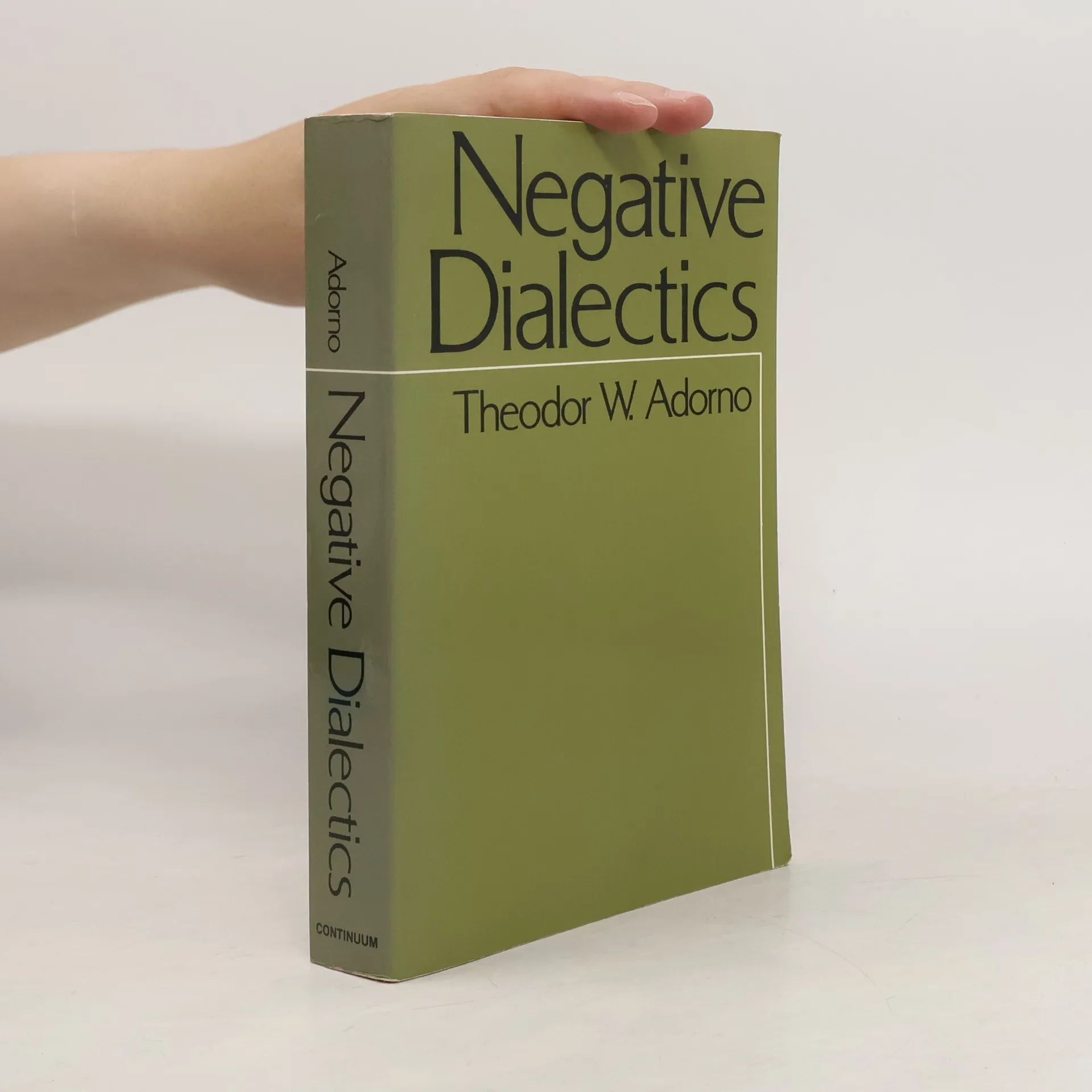
The major work and Adorno's culminating achievement. Negative Dialectics is a critique of the philosophies of Kant, Hegel, and Heidegger, and a visionary elaboration of the author's own vision of dialectics.
Adorno's lectures from 1949 to 1968 showcase his dynamic engagement with pressing social and political issues in postwar Germany. He tackled topics such as architecture, individual-society dynamics, authoritarianism, and the need for moral reckoning after Auschwitz. His improvisational style and critical insights reflect a commitment to modernity and a nuanced understanding of tradition. This collection serves as a vital resource for those interested in critical theory, German intellectual history, and the sociopolitical landscape of the era.
Cultural Resistance Reader
- 462pages
- 17 heures de lecture
Exploring the use of culture as a political weapon throughout history, this reader compiles classic texts that illustrate how cultural expressions have served as tools of resistance from the Diggers of 1649 to modern-day hacktivists. With insightful introductions, it features influential theoretical and historical writings alongside new contributions from emerging activist authors. This collection not only serves as a scholarly resource but also aims to inspire everyday readers to engage in resistance and activism.
[Kierkegaard, Søren] Adorno, Theodor W. Construction of the Aesthetic. Minneapolis, University of Minnesota Press, 1989. 8°. XXIII, 166 pages. Original Softcover. Very good condition with only minor signs of external wear. From the library of philosopher Graham Parkes. [Theory and History of Literature, Volume 61]. Includes for example the following Exposition of the Aesthetic / Constitution of Inwardness / Explication of Inwardness / Concept of Existance etc.
Aspects of the New Right-Wing Extremism
- 100pages
- 4 heures de lecture
A prescient analysis of the sources of right-wing radicalism by one of the greatest social and political thinkers of our time--
Prisms
- 272pages
- 10 heures de lecture
The titular description, 'prisms,' suits Adorno - a major thinker of facets and angles and revolutions - and the collection itself is an ideal introduction to his work.
Essays by Adorno on art and cinema, available in English for the first time. In Without Model, Theodor W. Adorno strikingly demonstrates the intellectual range for which he is known. Taking the premise of the title as his guiding principle, that artistic and philosophical thought must eschew preconceptions and instead adapt itself to its time, circumstances, and object, Adorno presents a series of essays reflecting on culture at different levels, from the details of individual products to the social conditions of their production. He shows his more nostalgic side in the childhood reminiscences of 'Amorbach', but also his acute sociocultural analysis on the central topic of the culture industry. He criticizes attempts to maintain tradition in music and visual art, arguing against a restorative approach by stressing the modernity and individuality of historical works in the context of their time. In all of these essays, available for the first time in English, Adorno displays the remarkable thinking of one both steeped in tradition and dedicated to seeing beyond it.
Orpheus in the Underworld
- 300pages
- 11 heures de lecture
Delves into Theodor W. Adorno's lesser-known musical career and successful music criticism. Theodor W. Adorno is recognized as one of the twentieth century's most prominent social theorists. Though best known for his association with the Frankfurt School of critical theory, Adorno began his career as a composer and successful music critic. Comprehensive and illuminating, Orpheus in the Underworld centers on Adorno's concrete and immediate engagement with musical compositions and their interpretation in the concert hall and elsewhere. Here, Adorno registers his initial encounters with the compositions of the Second Viennese School, when he had yet to integrate them into a broad aesthetics of music. Complementarily essays on Bela Bartók, Jean Sibelius, and Kurt Weill afford insight into his understanding of composers who did not fit neatly into the dialectical schema propounded in the Philosophy of New Music. Additionally, essays on recording and broadcasting show Adorno engaging with these media in a spirit that is no less productive than polemical and focused as sharply on their potentialities as on their shortcomings. Orpheus in the Underworld offers a captivating exploration of Adorno's musical compositions, shedding new light on his understanding of influential composers and his critical perspectives on recording and broadcasting.
The Jargon of Authenticity
- 142pages
- 5 heures de lecture
Adorno's frank and open challenge to directness, and the avoidance of language that 'gives itself over either to the market, to balderdash, or to the predominating vulgarity', is as timely today as it ever has been.
The Authoritarian Personality
- 1072pages
- 38 heures de lecture
This hugely influential study on the psychology of authoritarianism was written in answer to Hitler’s Germany—and now rings more relevant than ever as fascism and anti-Semitism sweep across America. What makes a fascist? Are there character traits that make someone more likely to vote for the far right? The Authoritarian Personality is not only one of the most significant works of social psychology ever written, it also marks a milestone in the development of Adorno’s thought, showing him grappling with the problem of fascism and the reasons for Europe’s turn to reaction. Over half a century later, and with the rise of right-wing populism and the reemergence of the far-right in recent years, this hugely influential study remains as insightful and relevant as ever. This new edition includes an introduction by Frankfurt School scholar Peter E. Gordon and contains the first-ever publication of Adorno’s subsequent critical notes on the project. “Adorno and his colleagues could easily have been describing Alex Jones’s paranoid InfoWars rants or the racist views expressed by many Trump supporters.” —Molly Worthen, New York Times
Correspondence 1943 - 1955
- 168pages
- 6 heures de lecture
* The correspondence of Theodor Adorno and Thomas Mann documents a rare encounter of creative tension between literary tradition and aesthetic modernism spanning the years 1943-1955. * The letters offer the reader a fascinating insight into the lives of two of the most important figures of twentieth-century intellectual life.
Philosophy of new music
- 208pages
- 8 heures de lecture
"In 1947 Theodor Adorno, one of the seminal European philosophers of the postwar years, announced his return after exile in the United States to a devastated Europe by writing Philosophy of New Music. Intensely polemical from its first publication, every aspect of this work was met with extreme reactions, from stark dismissal to outrage. Even Schoenberg reviled it." "Despite the controversy, Philosophy of New Music became highly regarded and widely read among musicians, scholars, and social philosophers. Marking a major turning point in his musicological philosophy, Adorno located a critique of musical reproduction as internal to composition itself, rather than as a matter of the reproduction of musical performance. Consisting of two distinct essays, "Schoenberg and Progress" and "Stravinsky and Reaction," this work poses the musical extremes in which Adorno perceived the struggle for the cultural future of Europe, between human emancipation and barbarism, between the compositional techniques and achievements of Schoenberg and Stravinsky." "In this completely new translation - presented along with an extensive introduction by distinguished translator Robert Hullot-Kentor - Philosophy of New Music emerges as a key to the whole of Adorno's illustrious and influential oeuvre."--Jacket
The positivist dispute in German sociology
- 307pages
- 11 heures de lecture
The Stars Down to Earth
- 248pages
- 9 heures de lecture
In this remarkable work written 50 years ago, Adorno showcases the dangers inherent in modern obsessions with consumption. schovat popis
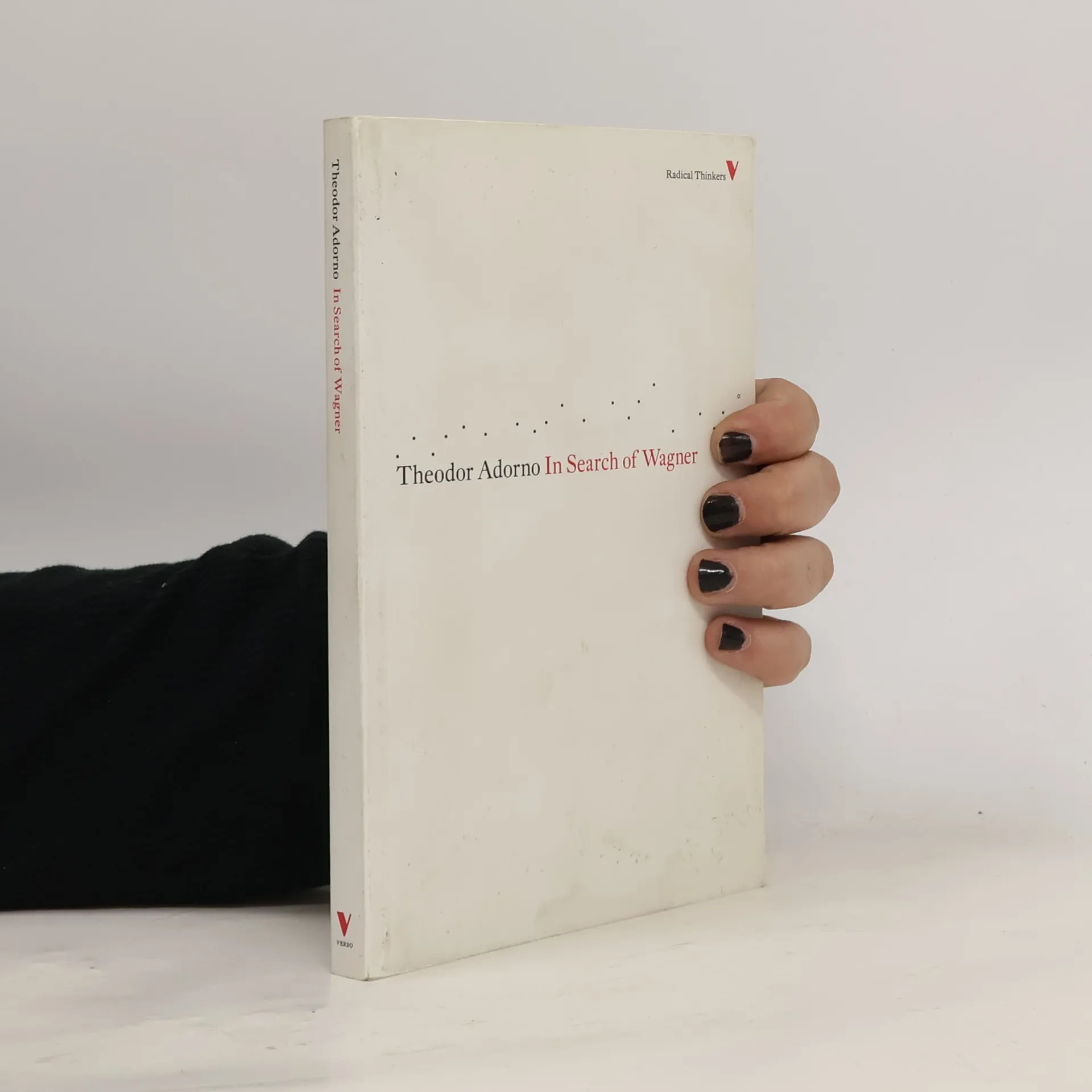
Written in exile from Germany, this potent study of Europe’s most controversial composer explodes the frontiers of musical and cultural analysis. Measuring key elements of Wagner’s oeuvre with patent musical dexterity, Adorno sheds light on a nineteenth-century bourgeois figure whose operas betray the social gestures and high-culture fantasies that helped plant the seeds of the modern Culture Industry. A foreword by Slavoj Žižek situates Adorno’s reflections within present debates over Wagner’s anti-Semitism and the moral status of his work, proving why this book remains one of the most important character studies of the twentieth century.
Towards a new manifesto
- 112pages
- 4 heures de lecture
Theodor Adorno and Max Horkheimer wrote the central text of “critical theory”, Dialectic of Enlightenment, a measured critique of the Enlightenment reason that, they argued, had resulted in fascism and totalitarianism. Towards a New Manifesto shows the two philosophers in a uniquely spirited and free-flowing exchange of ideas. This book is a record of their discussions over three weeks in the spring of 1956, recorded with a view to the production of a contemporary version of The Communist Manifesto. A philosophical jam-session in which the two thinkers improvise freely, often wildly, on central themes of their work—theory and practice, labor and leisure, domination and freedom—in a political register found nowhere else in their writing. Amid a careening flux of arguments, aphorisms and asides, in which the trenchant alternates with the reckless, the playful with the ingenuous, positions are swapped and contradictions unheeded, without any compulsion for consistency. A thrilling example of philosophy in action and a compelling map of a possible passage to a new world.
Adorno's lectures from 1949 to 1968 capture his dynamic analysis of music, literature, and the arts during Germany's postwar recovery. He passionately explored diverse topics, including Proust's prose and Schoenberg's compositions, advocating for a rediscovery of neglected cultural figures. Adorno emphasized the importance of tradition in a modernizing society, promoting a critical engagement with the past while addressing contemporary cultural aspirations. This collection highlights his ability to intertwine critical theory with the socio-political landscape of his time, making it invaluable for scholars of German intellectual history and modern arts.
Metaphysics: Concept and Problems
- 224pages
- 8 heures de lecture
This volume presents Adorno's lectures on metaphysics, offering insights into his intellectual perspective rooted in Negative Dialectics. It explores the tension between concepts and facts, tracing its origins to Aristotle. Adorno critically examines Aristotle's thought and addresses metaphysics' relevance post-Holocaust, emphasizing its role in preserving humane truths.
Correspondence 1925-1935
- 168pages
- 6 heures de lecture
In December 1945, Thomas Mann and Theodor Adorno engaged in a significant correspondence exploring the creative tension between literary tradition and modernism, particularly regarding Mann's novel Doctor Faustus. Their letters discuss Mann's admiration for Adorno's work and touch on personal themes, including postwar Germany. The volume includes extensive annotations for context.
Letters to his parents 1939 - 1951
- 397pages
- 14 heures de lecture
* These letters offer the reader a fascinating insight into the life of one the most important figures of twentieth-century intellectual life. * The letters touch upon issues of great personal and historical significance: the Nazi regime in 1930s Germany and the Second World War; the experience of the intellectual in exile.
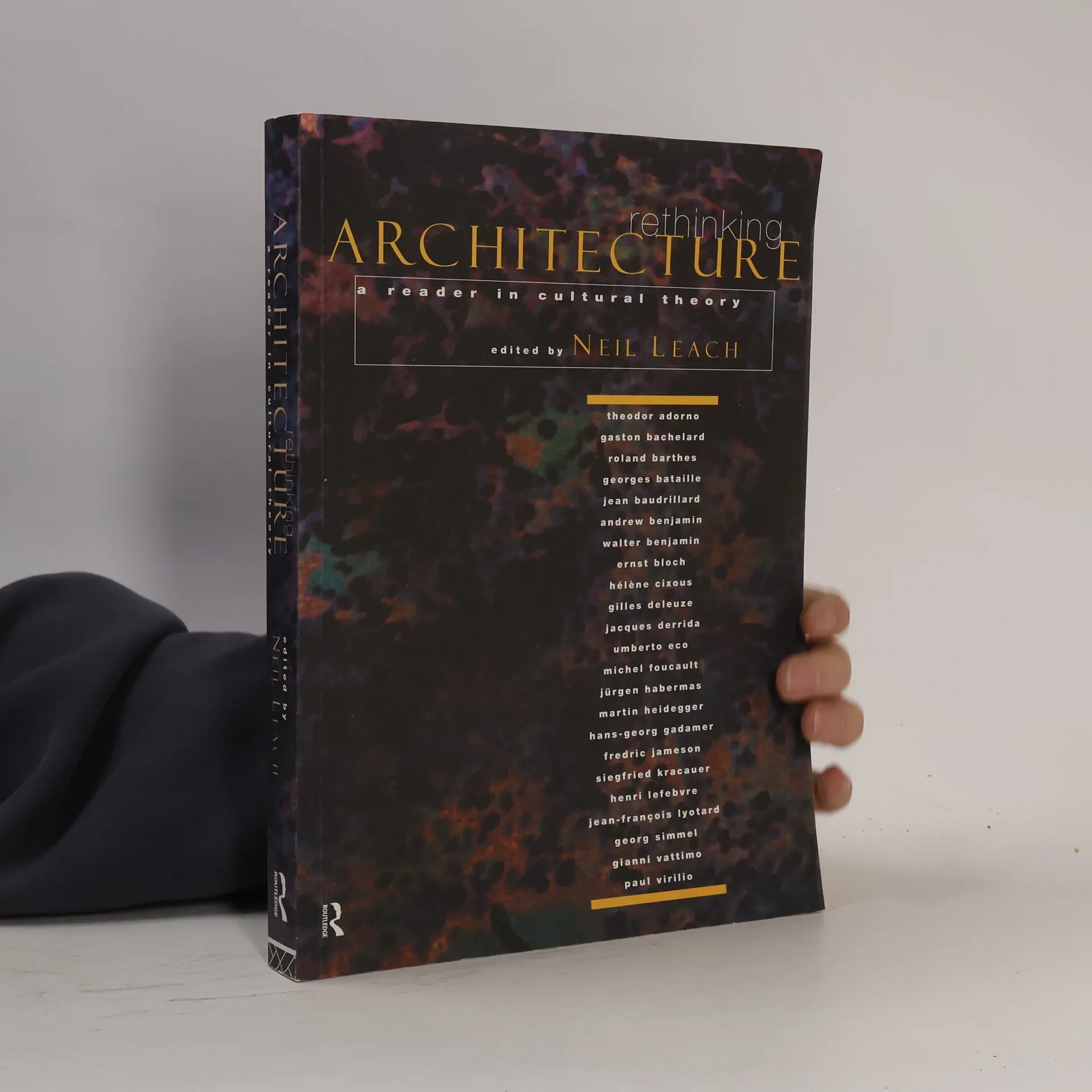
The collection features essential writings from influential philosophers and cultural theorists of the twentieth century, exploring the foundational ideas that have shaped urban environments and architectural experiences. It delves into the theoretical frameworks that underpin contemporary architecture, offering insights into the cultural and philosophical contexts that inform our understanding of space and design. This compilation serves as a critical resource for those interested in the intersection of architecture, philosophy, and urban theory.
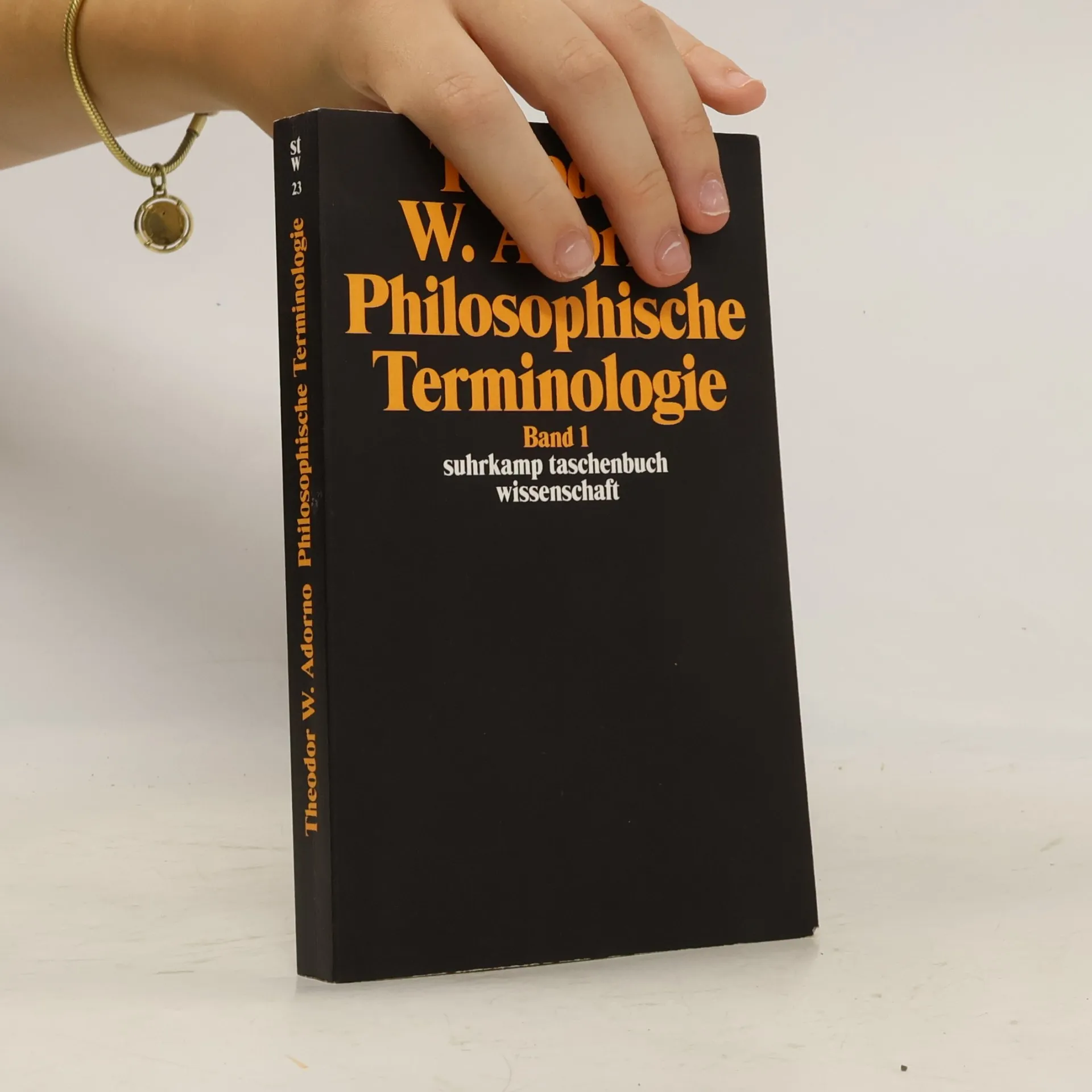
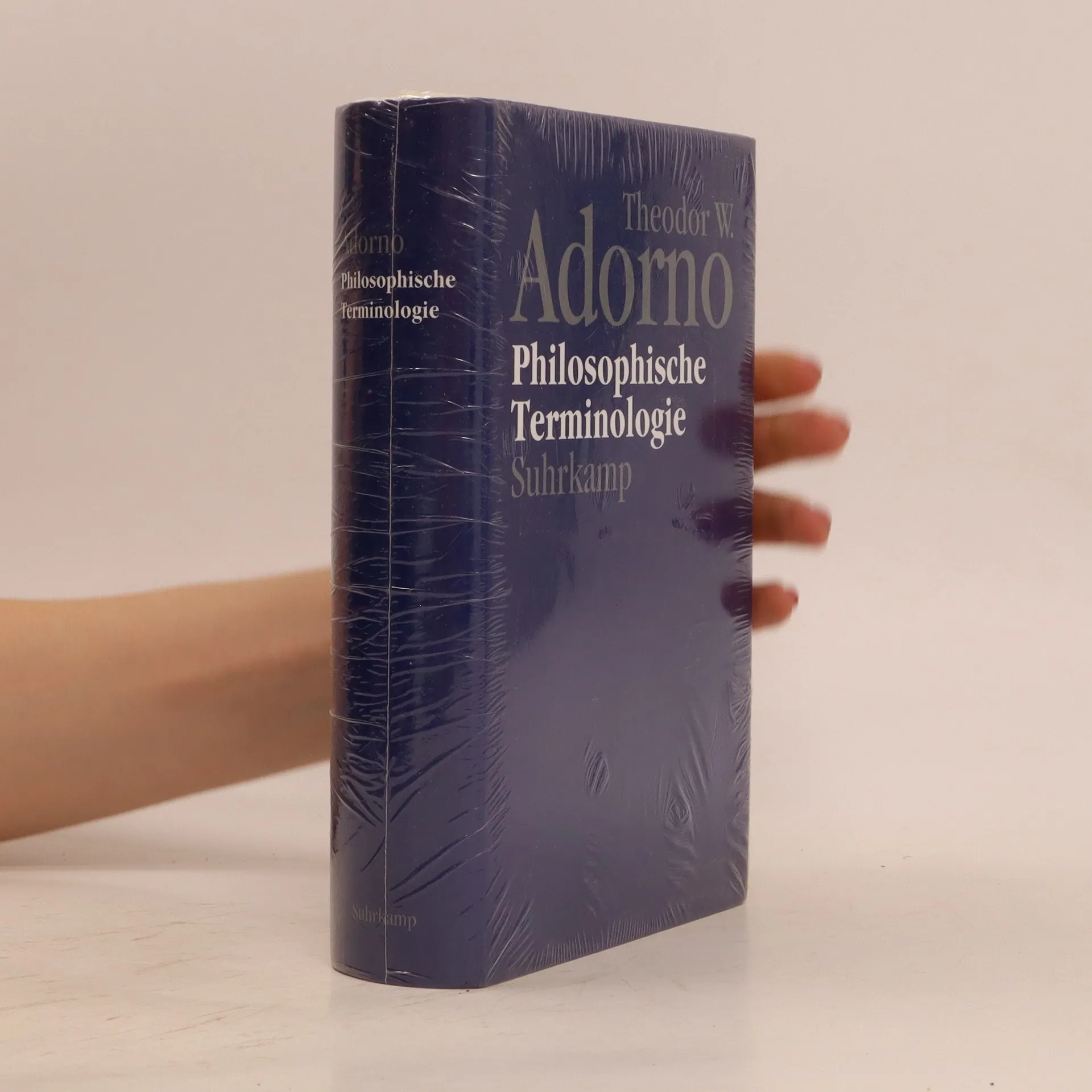
Philosophische Terminologie
Zur Einleitung. Band 1
Die »Philosophische Terminologie« ist dem Inhalt nach eine Einführung in die Beschäftigung mit Philosophie überhaupt als einem reflektierenden und zugleich aktuellen Verhalten. Durch die Form einer Vorlesung überträgt sich noch auf die heutigen Leser etwas davon, wie Adorno sich unmittelbar auf seine Hörer bezog, wie er theoretische Ausführungen immer auch an seinen und ihren Erfahrungen festzumachen suchte. Auf anschaulichen und leicht gangbaren Wegen wird der Leser zu dem Denken geführt, das sich trotzdem ohne jede falsche Vereinfachung auf die besondere historisch-dialektische Weise Adornos an den wichtigsten Termini, Autoren und Figuren der Philosophiegeschichte entwickelt.
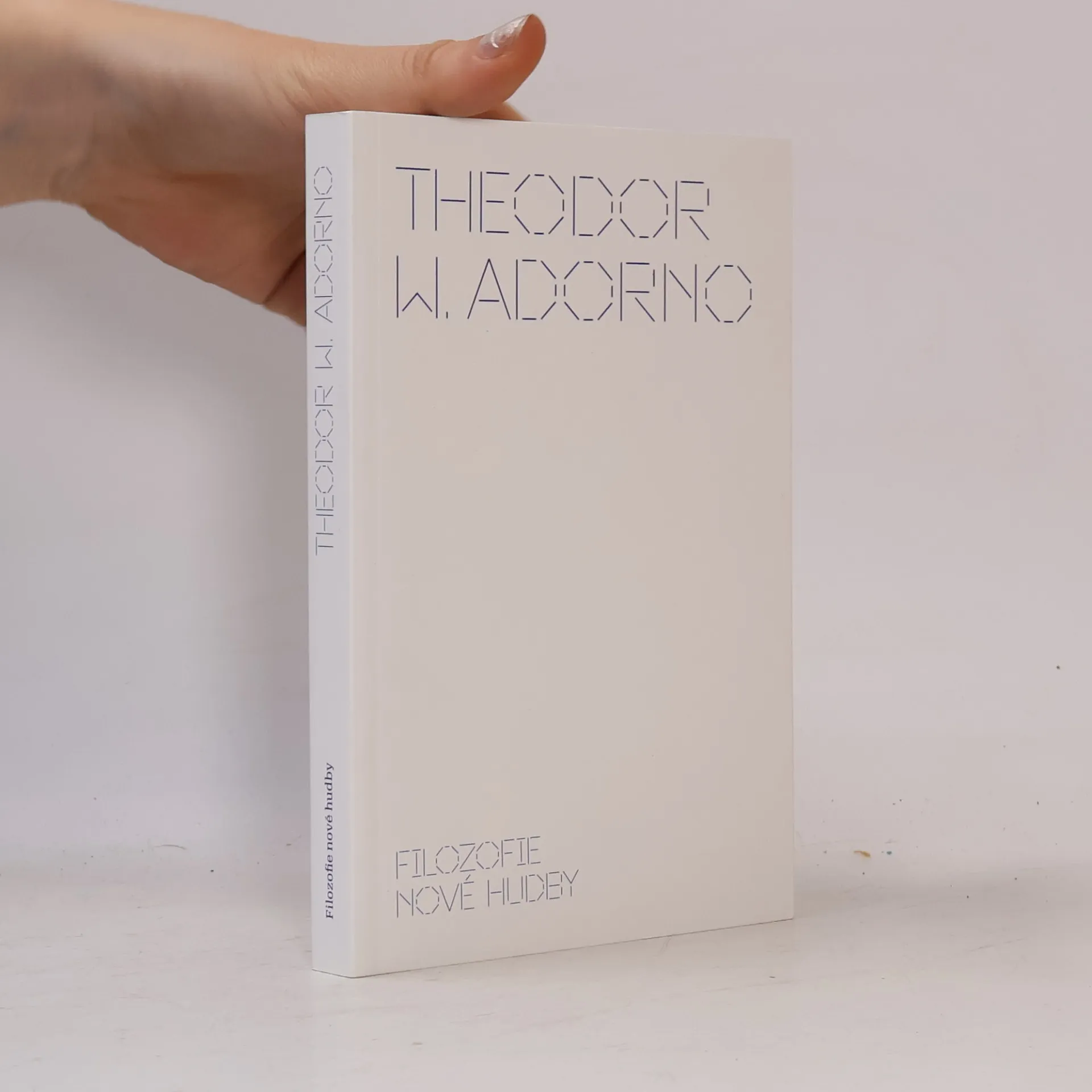
Filozofie nové hudby
- 250pages
- 9 heures de lecture
Základní spis, který reflektuje novou hudbu z několika různých hledisek – kromě hudebních aspektů je zohledněn její filozofický, sociologický a estetický kontext. Kniha je rozdělena na dvě části a je doplněna rozsáhlejší introdukcí. První část se zabývá dílem Arnolda Schönberga (od volné atonality k dvanáctitónové technice), druhá je věnována Igoru Stravinskému (ruské – folklorní – období a neoklasicismus). Dle Adornových slov vede objektivní zhodnocení filozofie nové hudby přes srovnání těchto dvou rozdílných komponistů. Myšlenky, které jsou obsaženy v tomto spisu, jsou v mnohém stále aktuální. Autor se detailně zabývá otázkou společenského postavení nové hudby a konstatuje její značnou izolovanost. Nová hudba je chápana jako jakési osamocené svědectvím o stavu společnosti, společnost o něj však nestojí – uvedený stav de facto přetrvává dodnes.
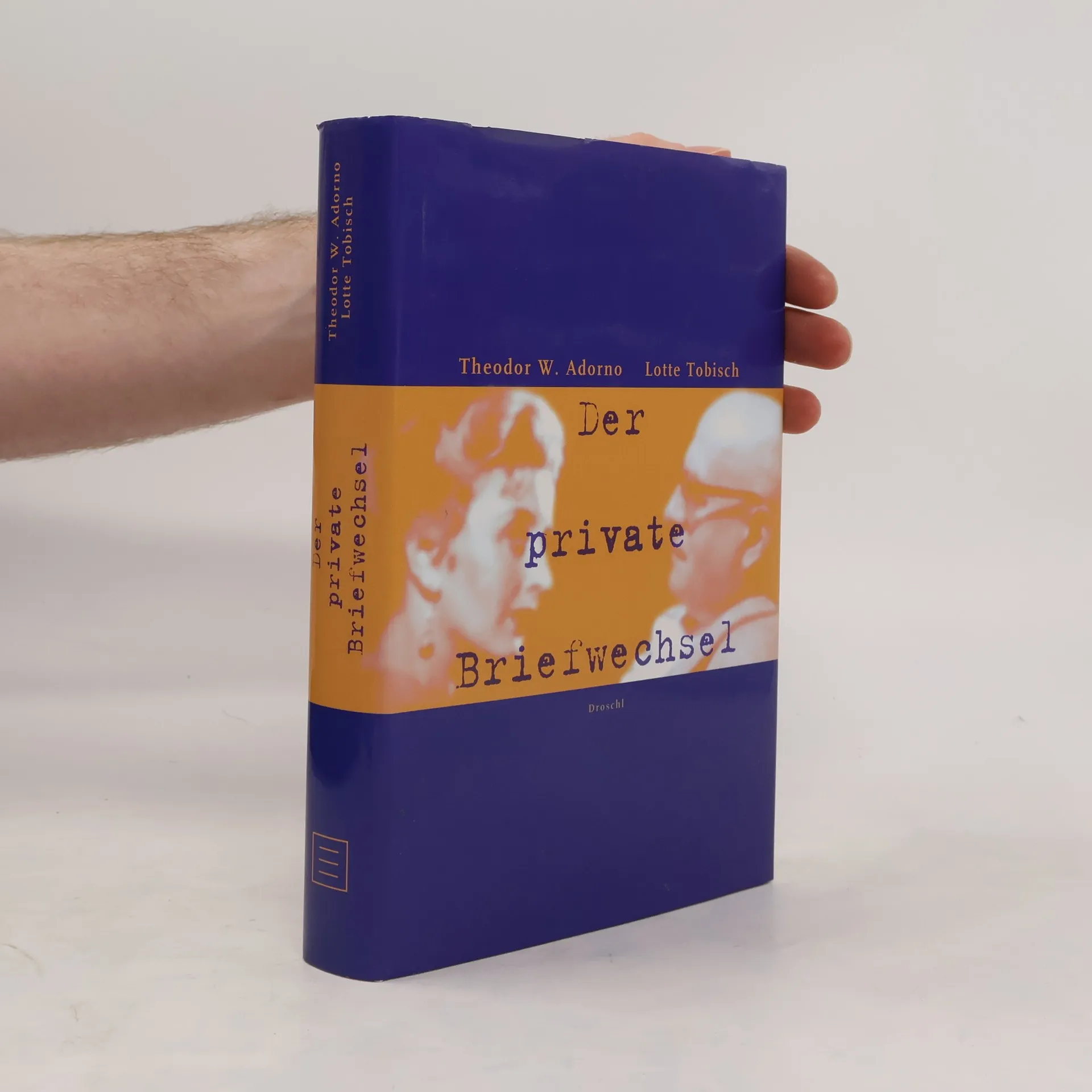
Der private Briefwechsel
- 349pages
- 13 heures de lecture
Der Briefwechsel zwischen Lotte Tobisch, Mitglied des Wiener Burgtheaters, und Theodor W. Adorno begann im September 1962 und dauerte bis zu Adornos Tod 1969. Er umfasst etwa 280 Briefe, Ansichtskarten und Telegramme und dokumentiert eine Freundschaft, die Generationen, soziale Positionen, Intellektualität und Temperamente überbrückt. Lotte Tobisch von Labotýn, ein Vierteljahrhundert jünger als Adorno, hatte den von ihm geschätzten sozialen Hintergrund: adelig, nonkonform und mit ironischer Distanz zur Gesellschaft. Durch ihren verstorbenen Partner, den um fast 40 Jahre älteren Chefdramaturgen des Burgtheaters, war sie auch indirekt mit dem Wien nach der Jahrhundertwende verbunden – einer Zeit der 'großen musikalischen Revolution' durch Schönberg, zu der Adorno als Komponist und Philosoph eine Verbindung fühlte. Tobisch, bekannt als Schauspielerin und Literaturkritikerin, war zudem mit bedeutenden Persönlichkeiten wie Günter Anders, Gershom Scholem und Elias Canetti befreundet. Sie eröffnete Adorno nicht nur einen Zugang zum zeitgenössischen Wien, sondern auch emotional zu seinem Jugend-Wien und seiner musikalischen 'Lehrzeit' bei Alban Berg. Der Briefwechsel thematisiert schließlich auch Adornos Plan, sich nach seiner Emeritierung in Wien wieder als Komponist zu engagieren.
Hard to Find book
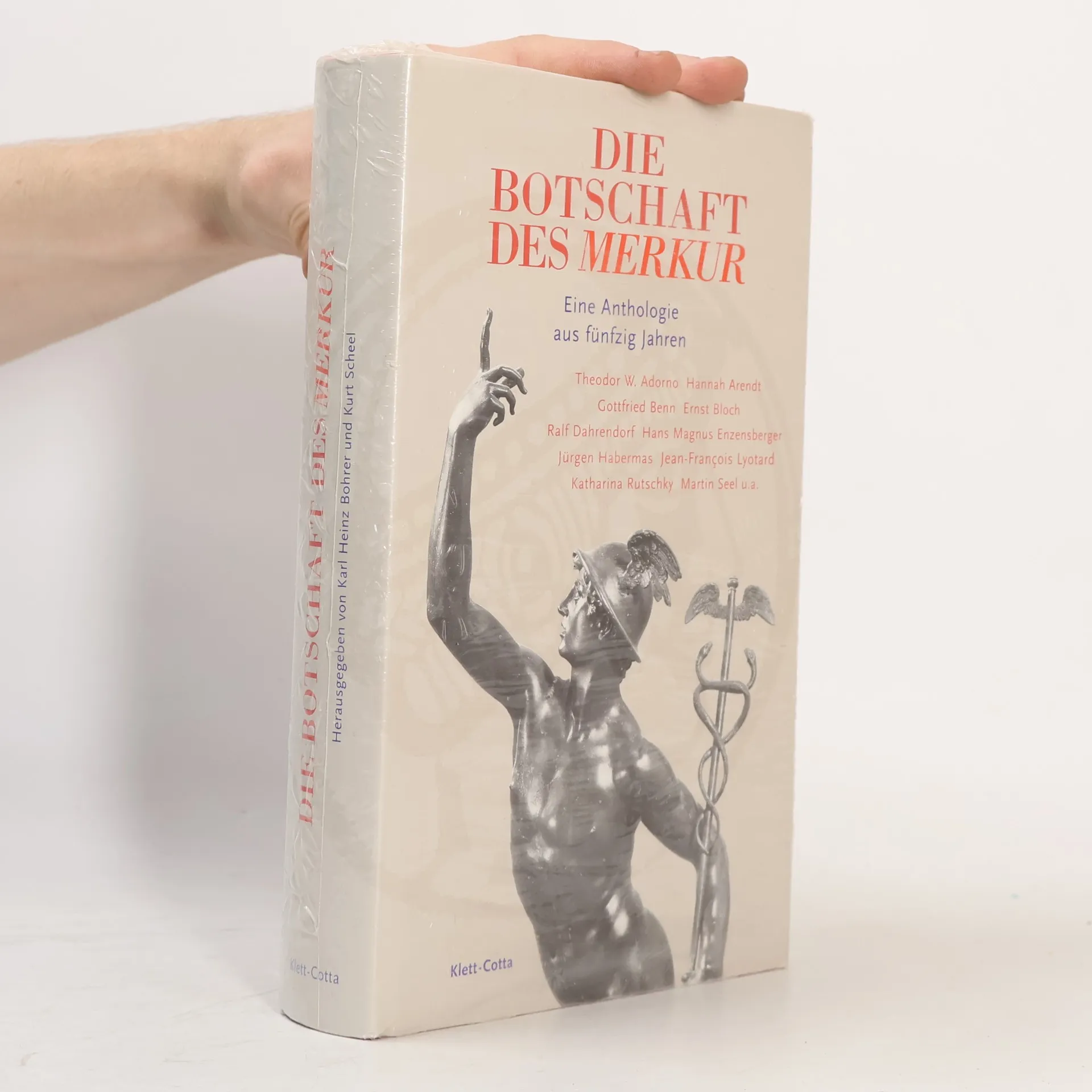
Die Botschaft des Merkur
- 572pages
- 21 heures de lecture
Mit Beiträgen von Theodor W. Adorno, Hannah Arendt, Jean Améry, Gottfried Benn, Hans Magnus Enzensberger, Jürgen Habermas, Ralf Dahrendorf, Ernst Bloch u. a.
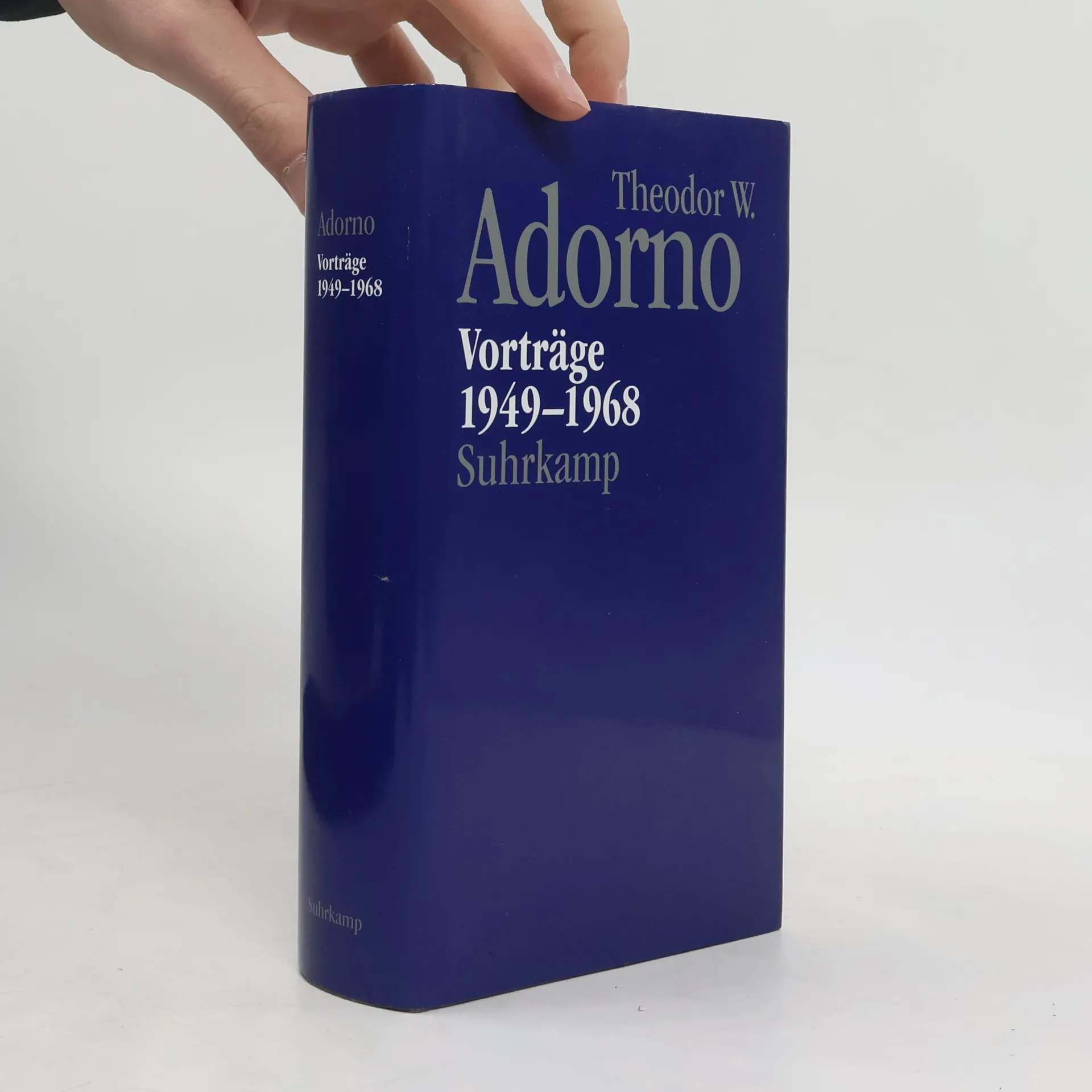
Vorträge 1949 - 1968
- 786pages
- 28 heures de lecture
Als Theodor W. Adorno 1949 aus dem amerikanischen Exil nach Deutschland zurückkehrte, nahm er nicht nur seine Lehr- und Forschungstätigkeit an der Frankfurter Universität sowie am Institut für Sozialforschung wieder auf, sondern machte sich alsbald als öffentlicher Intellektueller einen Namen. Adornos beachtlicher Einfluss auf die Debatten der Nachkriegszeit verdankte sich auch seinen außeruniversitären Vorträgen, in denen er pointiert zu den verschiedensten gesellschaftlichen Entwicklungen Stellung nahm.Der Band versammelt 20 dieser Vorträge, die er zwischen 1949 und 1968 gehalten hat. Das Spektrum der Themen ist breit: Es geht um das Suchtpotential von Prousts Prosa und um die Kompositionstechnik von Richard Strauss, um Fragen des Städtebaus und der Pädagogik, um Aberglauben und Antisemitismus, um die autoritäre Persönlichkeit und den neuen Rechtsradikalismus. Ihren besonderen Reiz gewinnen die Vorträge aus ihrer freien Form: Sie wollen keine Traktate sein, sondern verstehen sich als Improvisationen, die zum eigenen Verstandesgebrauch anregen sollen. Oder wie Adorno selber sagt: »Ich überlasse Ihnen das zum Weiterdenken.«
Der vorliegende Band der Gesamtausgabe von Adorno versammelt die Texte des deutschen Philosophen, in denen er sich mit der literarischen Schöpfung beschäftigt. Von Autoren über Werke bis hin zu kulturellen Bewegungen und literarischer Kritik bietet der Autor auf seinen Seiten eine reiche und tiefgehende Reflexion über die zeitgenössische Kultur, Kunst und Philosophie.
Die Metaphysik-Vorlebung vom Sommer 1965 ist ein echtes „work in progress“ oder besser: ein bestimmtes Stadium der noch im Entstehen begriffenen Negativen Dialektik, an der Adorno zu dieser Zeit mit Hochdruck arbeitete. Sie ist aber auch die einzige Behandlung eines Themas aus der antiken Philosophie Adornos, und geht in dieser Hinsicht weit über die negative Dialektik hinaus: Zwei Drittel der Vorlesung sind der Metaphysik des Aristoteles gewidmet und verfolgen die Geschichte des „metaphysischen Denkens als den “Versuch der Rettung ursprünglich theologischer Kategorien„mit den Mitteln der Vernunft. Der letztlich affirmative Charakter, der der klassischen Matephysik seit Platon und Aristotelesanhaftet, wird ihr jedoch zum Verhängnis. Denn durch die “Welt der Tortur„ hat sich der Stellenwert der Metaphysik vollkommen verändert. Die Frage “ob man nach Auschwitz überhaupt noch leben kann„ ist zwar die äußerste Negation metaphysischen Denkens, aber auch die eigentliche Gestalt, in der die Metaphysik “einem heute auf den Fingern brennt".
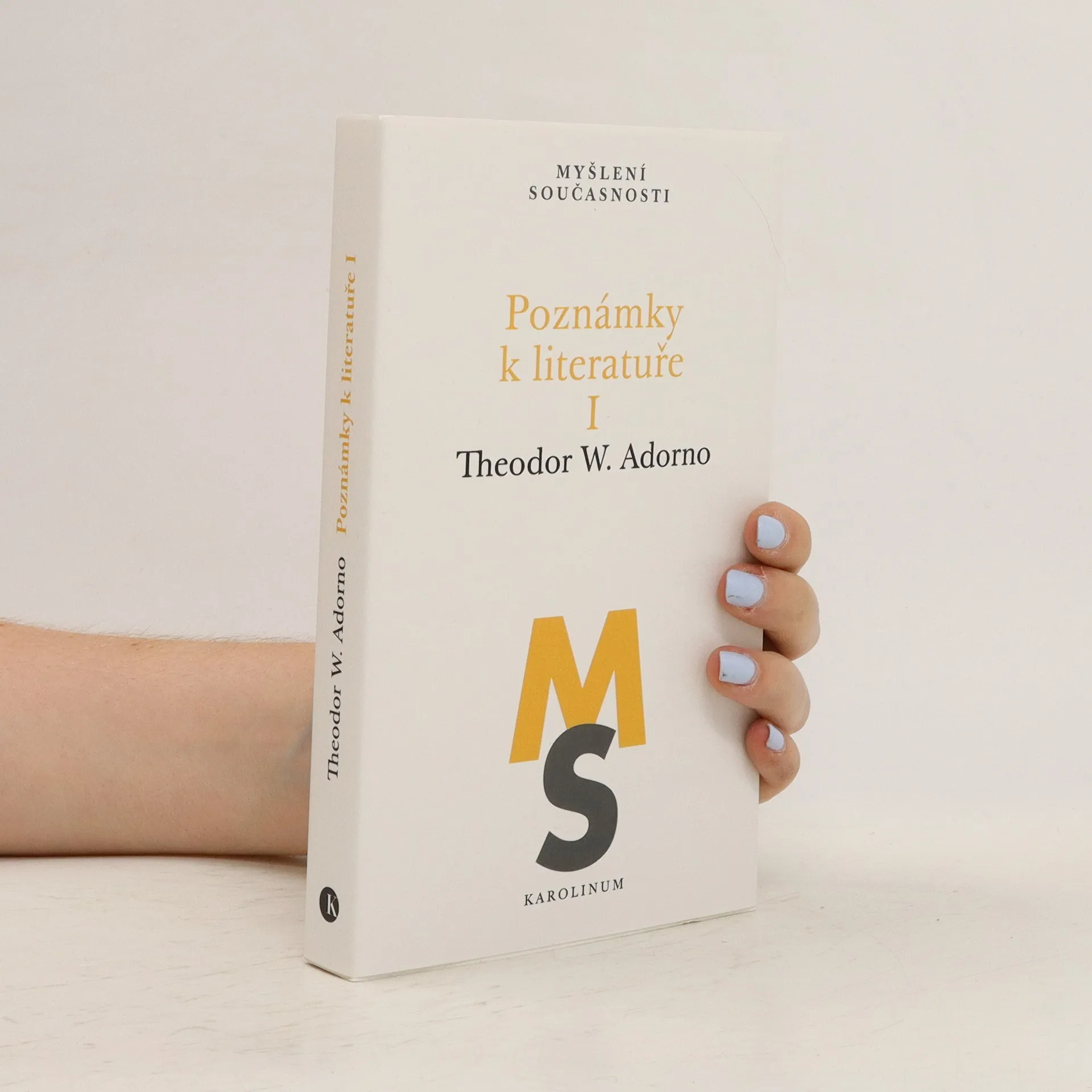
Poznámky k literatuře I
- 312pages
- 11 heures de lecture
Poznámky k literatuře obsahují texty napsané Theodorem Adornem převážně v 50. letech 20. století. Jedná se o eseje utvářející nová pravidla literární kritiky a interpretace. Nalezneme v nich jak práce věnované autorům jako Eichendorff, Beckett, Proust nebo Valéry, jež představují reflektovaný vztah k duchovní minulosti, tak obecnější texty zaměřené na vzájemnou provázanost estetického a společenského. Napříč nimi se formuje řada Adornových klíčových filosofických přesvědčení. Vzhledem k důrazu, který Adorno klade na esejistickou formu, Poznámky k literatuře nelze vnímat pouze jako doplněk jeho rozsáhlejších prací – naopak, představují jeden z Adornových nejvydařenějších pokusů o překlenutí rozestupu mezi kritikou a konstruktivní filosofií.
Die hier zusammengestellten Aufsätze und Vorträte aus den Jahren 1942 bis 1968 dokumentieren Formen und Absichten der soziologischen Reflexion, die für Adorno charakteristisch sind: die Entfaltung des Begriffs an der gesellschaftlichen Wirklichkeit und deren Verarbeitung im Erkenntnisprozeß. In ihnen ist eingelöst, was Adorno selbst als Versprechen gesellschaftlicher Kritik bestimmt hat: Differenzierung des Urteils an seinem Gegenstand.
1948 schrieb Theodor W. Adorno einen bis heute unpublizierten Text zum autoritären Charakter, in dem es nicht so sehr um einen Rückblick auf die Nazi-Barbarei geht, sondern vor allem und allgemeiner um das Individuum im Spätkapitalismus, das in Unmündigkeit gezwungen ist, diese aber auch zu wählen scheint. Besonders intensiv erörtert er die Dialektik der Aufklärung und die Bedeutung des Antisemitismus für die Kritische Theorie – also Themen, die angesichts der heutigen Krise des Politischen nichts an Aktualität eingebüßt haben. Neben den erstmals publizierten »Bemerkungen« enthält der Band weitere Schlüsseltexte zum autoritären Charakter und zur öffentlichen Meinung. Ein Kommentar der Herausgeberin erläutert deren Entstehungskontext und stellt Bezüge zu heutigen Debatten her.
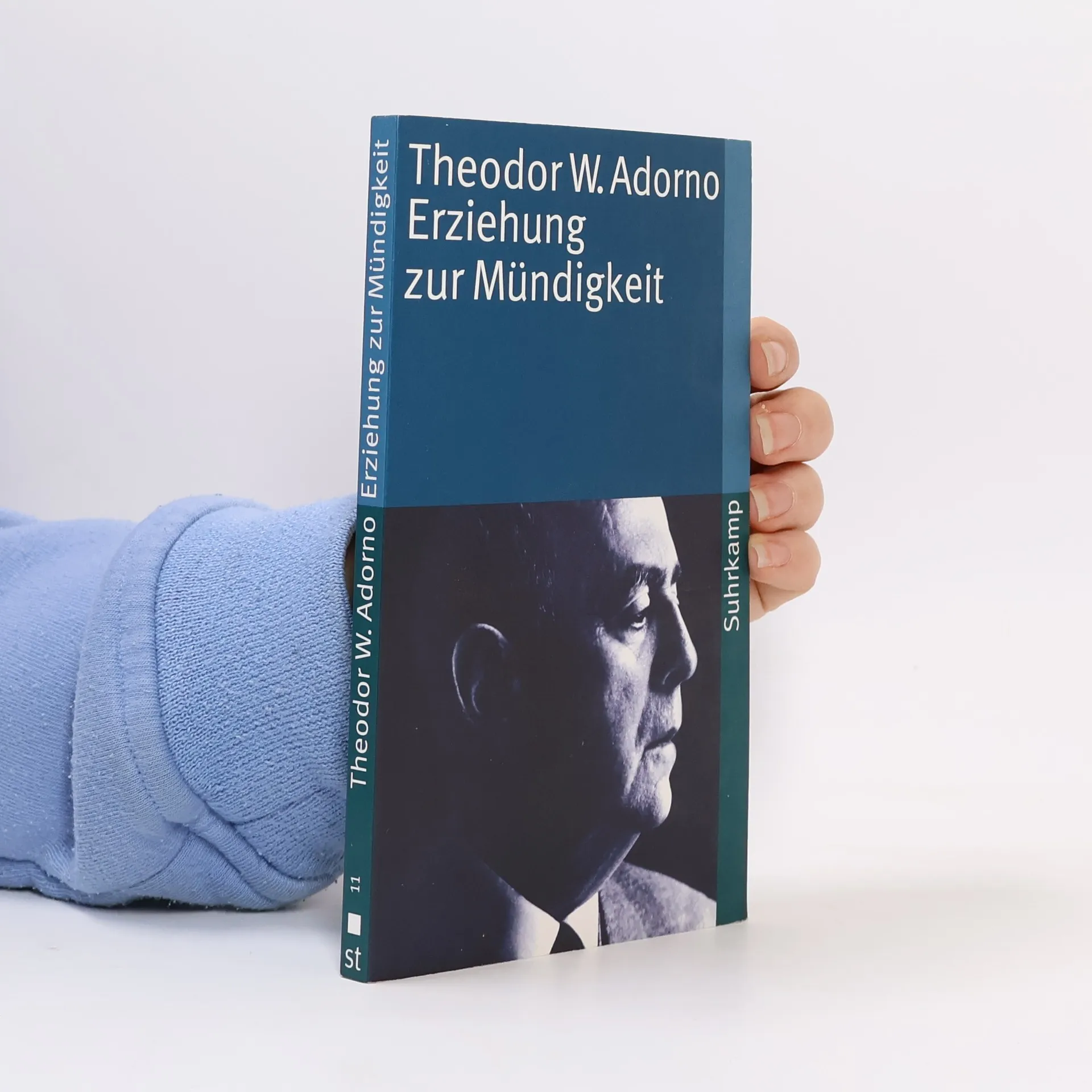
Erziehung zur Mündigkeit
- 147pages
- 6 heures de lecture
Erziehung zur Mündigkeit sammelt Vorträge und Gespräche, die von 1959 bis 1969 im Hessischen Rundfunk gesendet wurden. Sie zeigen einen »anderen« Adorno als die meisten seiner Bücher: er wirkt unmittelbare kommunikativer, verständlicher; er leitet den Leser – wie einst den Hörer zum Mitdenken und schließlich zum Selbstdenken an."Was bedeutet: Aufarbeitung der Vergangenheit. (1959). Philosophie und Lehrer. (1962). Fernsehen und Bildung. (1963). Tabus über dem Lehrbuch. (1965). Erziehung nach Auschwitz. (1966). Erziehung - wozu?. (1966). Erziehung zur Entbarbarisierung. (1968). Erziehung zur Mündigkeit. (1969).
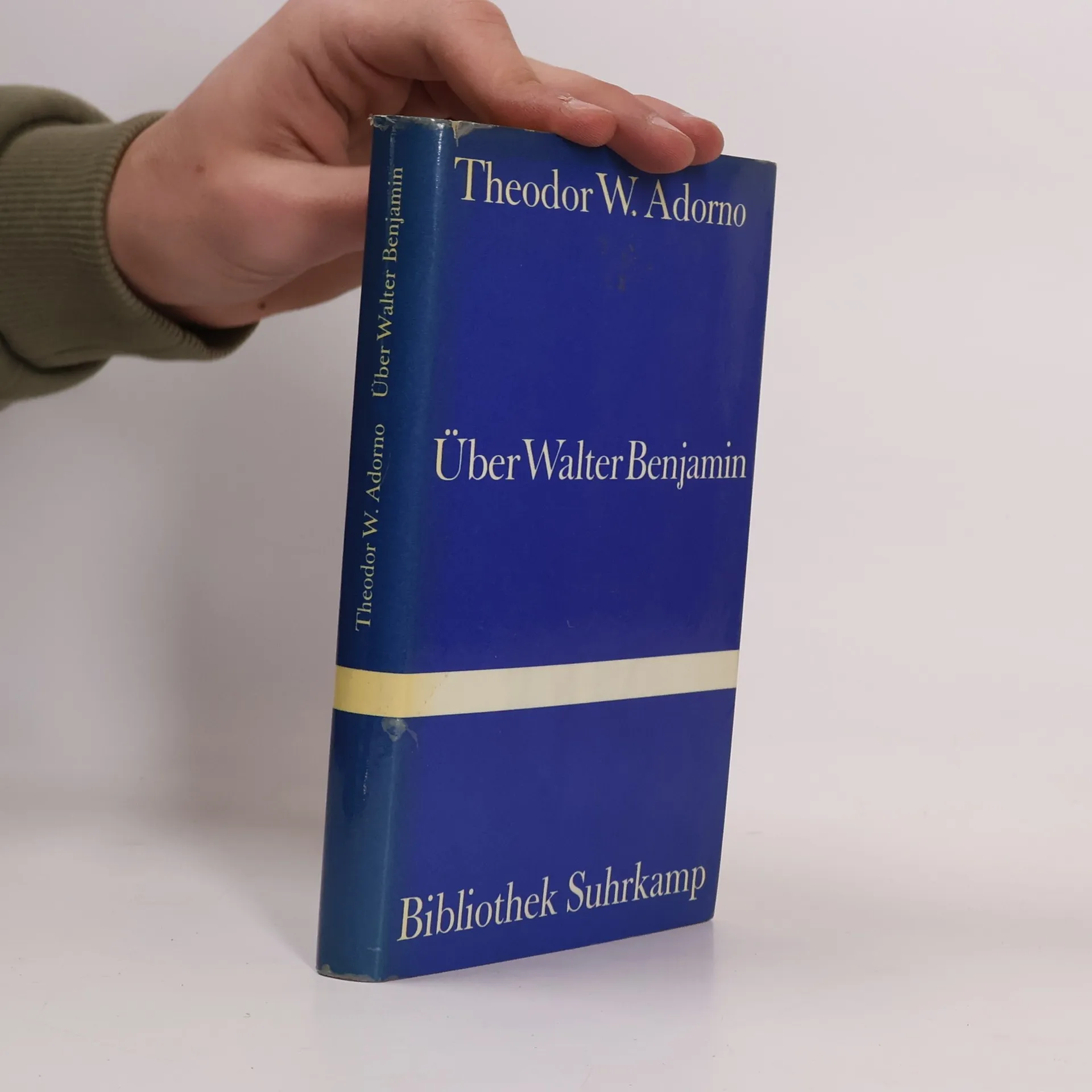
Briefe und Briefwechsel
Band 1: Theodor W. Adorno/Walter Benjamin. Briefwechsel 1928–1940
Der vorliegende Band versammelt alle erhaltenen Briefe und Karten der Korrespondenz zwischen Theodor W. Adorno und Walter Benjamin in chronologischer Reihenfolge. Ein großer Verlust für den Briefwechsel ist das Fehlen von Adornos Gegenbriefen bis Anfang 1933, die in Benjamins letzter Berliner Wohnung zurückblieben, als dieser Deutschland verlassen musste. Adornos Satz aus einem Brief an Benjamin charakterisiert die entscheidende Differenz zwischen den Diskussionen der Kritischen Theorie der dreißiger Jahre und deren heutiger Rezeption. Es besteht ein großer Unterschied zwischen der Kritik, die Adorno und Benjamin wechselseitig an ihren Arbeiten während der Emigration übten, und der fragmentierten und ungeschickt zusammengefügten Darstellung dieser zentralen Arbeiten in der Sekundärliteratur. Ein beträchtlicher Teil der Korrespondenz bezieht sich auf Benjamins unvollendetes „Passagen-Werk“ und den Baudelaire-Aufsatz für die „Zeitschrift für Sozialforschung“. Die Briefe, vor allem ab 1934, thematisieren die theoretische Darstellung grundlegender Erfahrungen der bürgerlichen Kultur, die mit dem Faschismus unwiederbringlich verloren gingen. Der Briefwechsel verdeutlicht die Bedeutung der praktischen und geistigen Solidarität zwischen Adorno und Benjamin in ihrer intellektuellen Isolation. Die Gelehrtenrepublik, die in der akademischen Welt abhanden ging, lebte in den beiden fort, die sich aller äußerlichen Konventionen entzogen. A
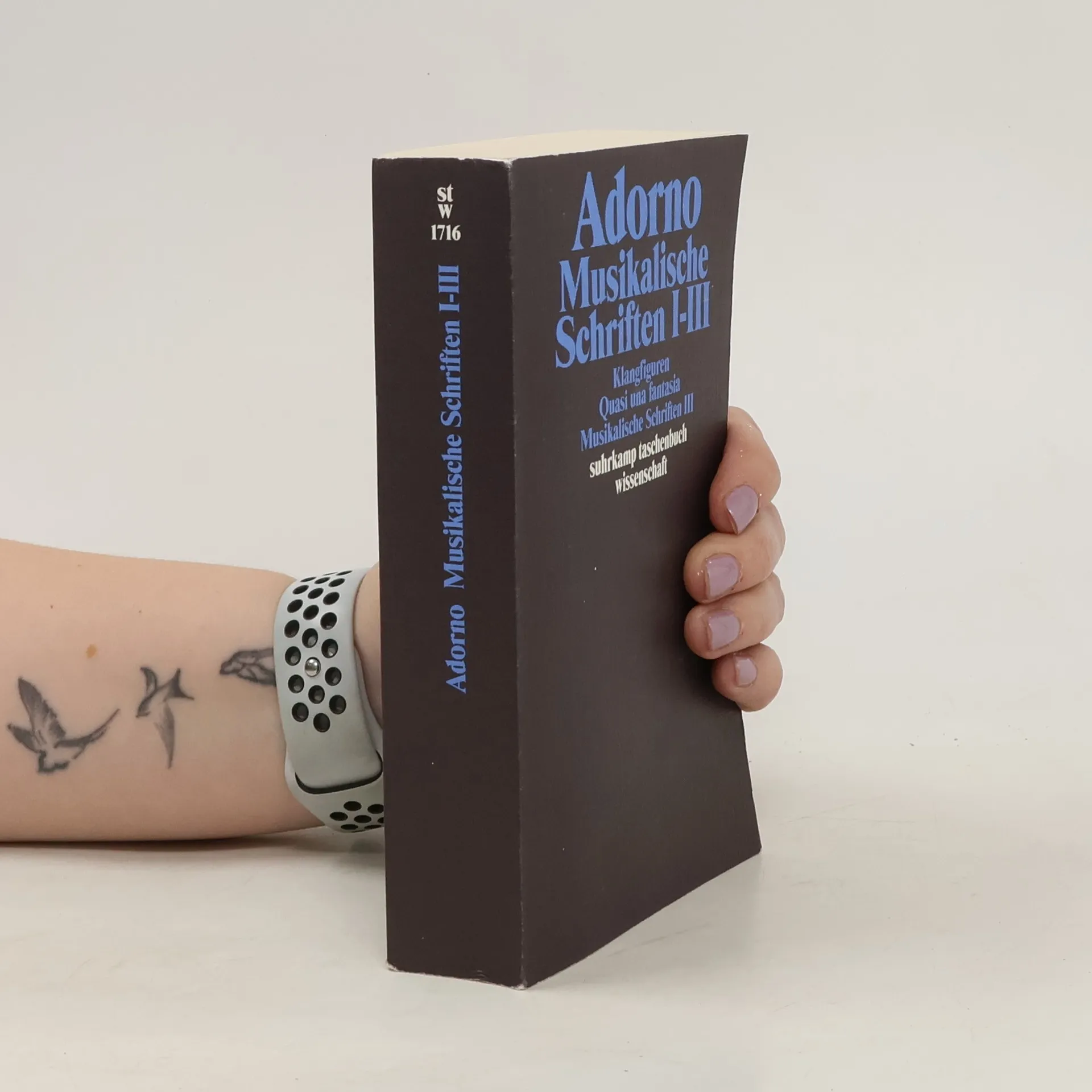
Musikalische Schriften. Tl.1-3
- 683pages
- 24 heures de lecture
Nachgelassene Schriften. Abteilung IV: Vorlesungen
Band 12: Philosophische Elemente einer Theorie der Gesellschaft
- 277pages
- 10 heures de lecture
Theodor W. Adorno war seit dem amerikanischen Exil mit den Spielregeln der empirischen Sozialforschung bestens vertraut. Die Erfahrungen, die er mit der damals avanciertesten Form dieser Untersuchungsmethoden hatte sammeln können, bestimmten auch die Forschungen des Frankfurter Institut für Sozialforschung seit 1950. Dennoch blieb Adornos Denken immer auch von dem prekären Verhältnis zwischen der soziologischen Theorie und ihrem Gegenstand, der Gesellschaft, geprägt, wie diese Vorlesung zeigt. Sowenig es in der Philosophie einen kontinuierlichen Übergang von den Prinzipien der Erkenntnis zur Erscheinung und umgekehrt gibt, sowenig gibt es einen von der Theorie zum gesellschaftlichen Faktum in der Soziologie.
"Die philosophischen Probleme sind weitgehend Probleme ihrer Sprache"--So lautet der Grundsatz, an dem sich Theodor W. Adorno in seiner in den Jahren 1962 und 1963 gehaltenen zweisemestrigen Vorlesung orientiert. Damit ist implizit das doppelte Ziel der Philosophischen Terminologie formuliert: Sie will in zentrale philosophische Termini einführen und damit zugleich in die Philosophie selbst. Anhand von Begriffspaaren wie Idealismus/Realismus oder Rationalismus/Empirismus begibt sich Adorno an die Brennpunkte des philosophischen Denkens, dessen Fluchtpunkt stets die Frage nach dem "richtigen Leben" zu sein hat. Nicht abstrakte Gegensätze herauszuarbeiten und Definitionen aufzustellen, ist seine Absicht, sondern "innerhalb der einzelnen Termini Problemgeschichte zu betreiben" und zu zeigen, wie sie dialektisch aufeinander verweisen
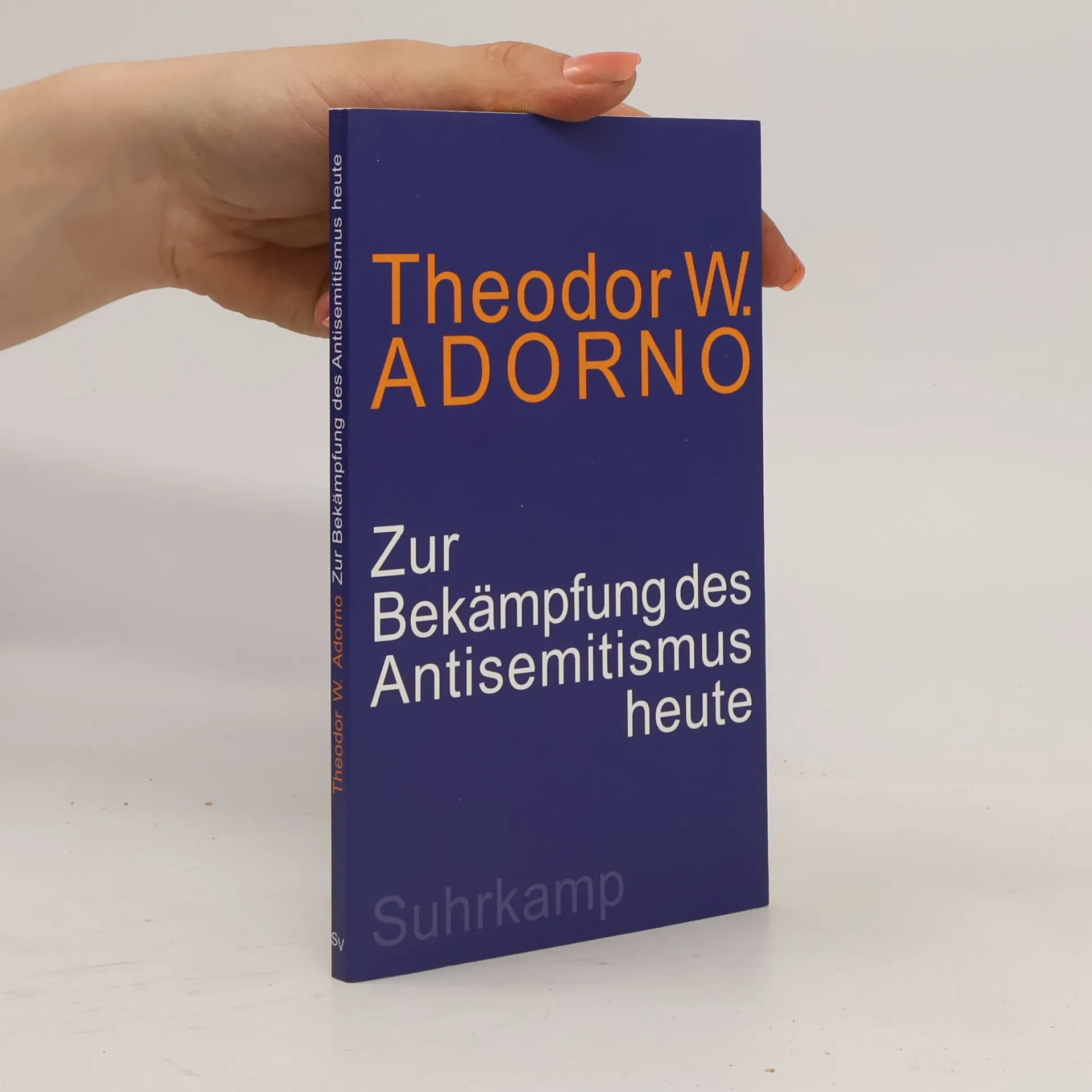
Im Herbst 1962 nahm Theodor W. Adorno an einer Tagung des Deutschen Koordinierungsrats der Gesellschaften für christlich-jüdische Zusammenarbeit teil, auf der er über die Bekämpfung des Antisemitismus sprach. Dieser Vortrag hat in seiner dichten und äußerst vielschichtigen Analyse nichts an Aktualität eingebüßt.Vor dem Hintergrund der Schuldabwehr und des »sekundären Antisemitismus« der deutschen Nachkriegsgesellschaft begreift Adorno den Antisemitismus als zentrales Bindemittel rechtsradikaler Bewegungen, das die diversen Strömungen eines militanten und exzessiven Nationalismus vereint. Er ist das »Gerücht über die Juden«, das halböffentliche Getuschel, mit dem sich die autoritäre Persönlichkeit zum Opfer stilisiert. Antiintellektualismus und Konformismus sind seine Triebfedern, und mit dem Rassismus teilt er eine identische Struktur. Zugleich warnt Adorno vor einer Idealisierung und Verkitschung der Juden und des Judentums im Kampf gegen den Antisemitismus und plädiert für unverbrüchliche Treue zur Wahrheit im Umgang mit den historischen sowie politischen Realitäten.Ein antiautoritäres Erziehungsprogramm zur Prävention antisemitischer Charakterbildung und hartes Durchgreifen bei antisemitischen Ausbrüchen sind die einander ergänzenden Elemente der Bekämpfung des Antisemitismus damals wie heute. Ein Nachwort von Jan Philipp Reemtsma zeigt die Bedeutung dieser brillanten Analyse für unsere Gegenwart.
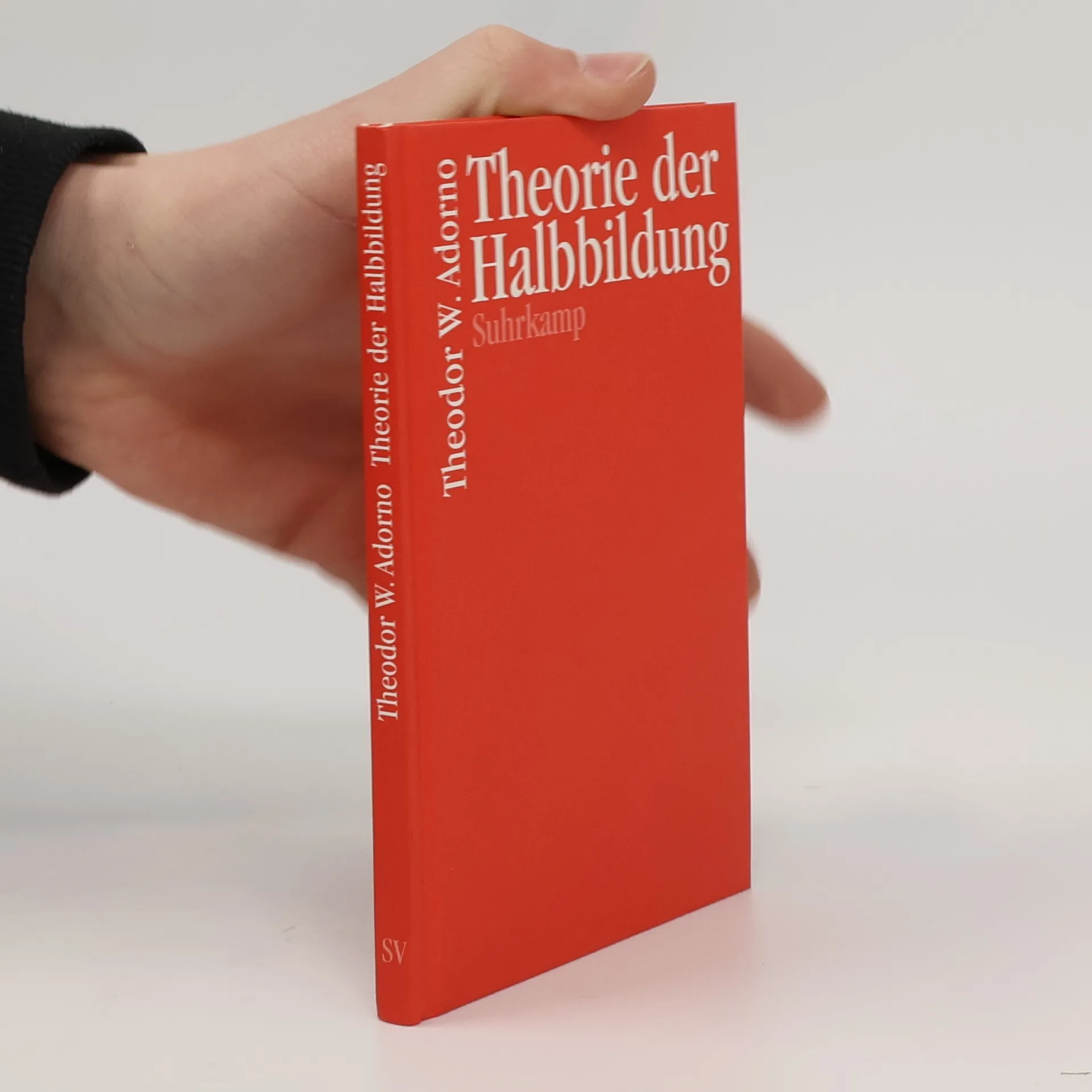
"Das Halbverstandene und Halberfahrene ist nicht die Vorstufe der Bildung, sondern ihr Todfeind."
Kindheit in Amorbach
Bilder und Erinnerungen
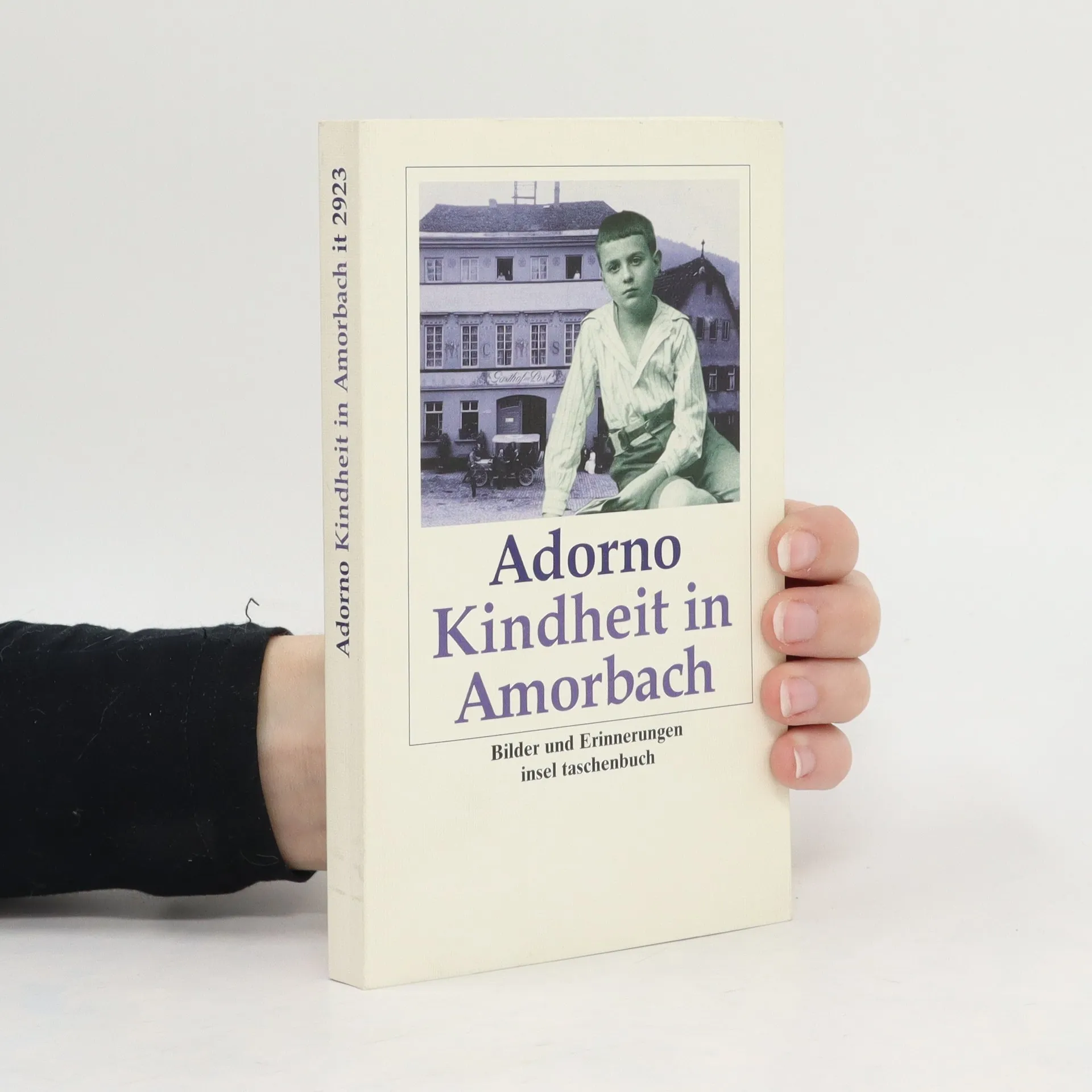
In Amorbach, einem seiner schönsten und persönlichsten Texte, horcht Adorno dem »Echo des längst Vergangenen« nach: Erinnerungen an sein »Lieblingsstädtchen«, an die ländliche Idylle im Odenwald, in der er jedes Jahr die Ferien verbrachte. Der ausführliche Anhang des Bandes blättert das Fotoalbum der Familie Wiesengrund auf und läßt mit einer Fülle unbekannter Abbildungen Adornos Welt, das verlorene Paradies seiner Kindheit, wieder lebendig werden. Darüber hinaus konnte der Herausgeber eine Vielzahl biographischer Quellen erschließen, die keinem anderen Forscher zugänglich waren. Wir erfahren Neues nicht nur über Adornos Vater, den Weinhändler Oscar Wiesengrund, seine Mutter und seine Tante – beide Sängerinnen von Beruf –, sondern auch über Adornos musikalische Anfänge. Und wir werden in das Amorbach der Zeit vor dem Ersten Weltkrieg zurückversetzt. Wir begleiten »Teddie« auf seinen Wanderungen durch die »Sommerfrischenwälder« nach Miltenberg oder in Dörfer der Umgebung wie Ottorfszell und Ernsttal und können die Schauplätze und Personen betrachten, die ihm ein Leben lang imGedächtnis blieben. Ein einzigartiges Buch über Adornos frühe Jahre.
K potírání antisemitismu: Přednáška
- 96pages
- 4 heures de lecture
Adorno považoval antisemitismus za klíčový prvek radikálních pravicových hnutí v poválečném Německu, spojující různé formy militantního nacionalismu. Upozorňoval na problém poloveřejné šeptandy, tedy „fám o Židech“, které mají reklamní charakter a zobrazuje šiřitele jako oběť. Identifikoval antiintelektualismus a konformismus jako hnací síly tohoto jednání, přičemž tvrdil, že sdílejí strukturu s rasismem. Zároveň varoval před idealizací Židů a židovství, neboť tento postoj může mít opačný efekt v boji proti antisemitismu. Tyto myšlenky přednesl na podzim 1962 na konferenci německé Koordinační rady spolků pro křesťansko-židovskou spolupráci, kde hovořil o boji proti antisemitismu. Český překlad vychází z německého vydání přednášky, která bude publikována v roce 2024. I když původní název obsahoval slovo „dnešního“, bylo z něj vynecháno, aby nedošlo k nedorozumění vzhledem k aktuální situaci. Text je transkripcí ze zvukového záznamu a Adorno se původně vyhýbal převodu své řeči do knižní podoby, avšak nakonec souhlasil a přidal krátký komentář. Charakteristické rysy ústního projevu byly v německém vydání zachovány a obdobně i v českém překladu. Doslov napsal Jan Philipp Reemtsma, který zdůrazňuje význam Adornových myšlenek pro současnost.
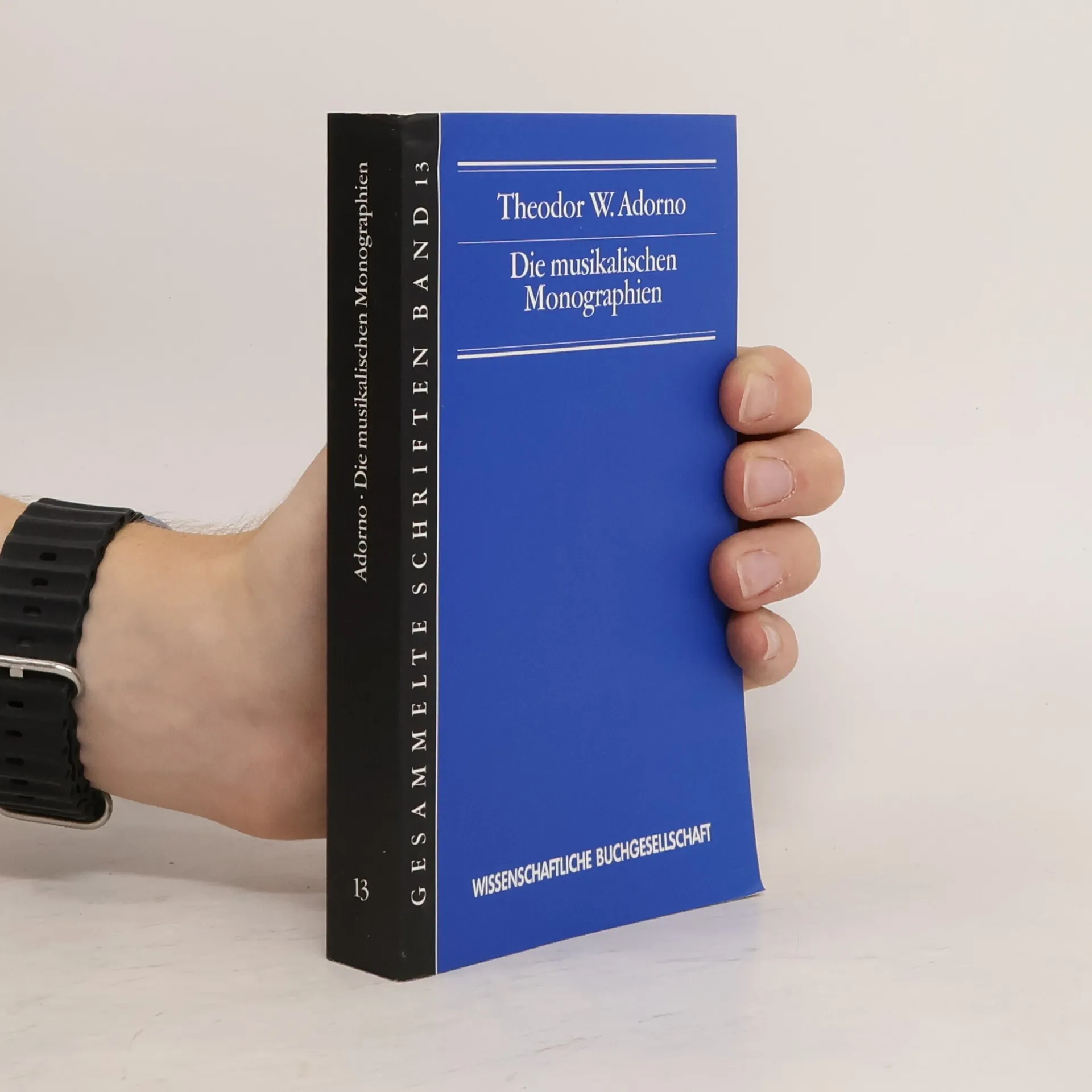
Die in diesem Band enthaltenen drei Monographien sind großen Komponisten gewidmet, die für die Entwicklung der modernen Musik von zentraler Bedeutung sind. Durch den »Versuch über Wagner« hat Adorno entscheidend dazu beigetragen, das Wagner-Bild in der Mitte unseres Jahrhunderts zu prägen und eine kritische Einstellung zur Wagnerschen Musik zu finden. Das Mahler-Buch half mit, das vielfach verbogene Urteil über Mahler zu revidieren, über diese Musik des Fin-de-siècle. Der Monographie über Alban Berg gingen verschiedene Aufsätze über diesen »aus Jugendstil und Fin-de-siècle hervorgegangenen« Komponisten voraus.
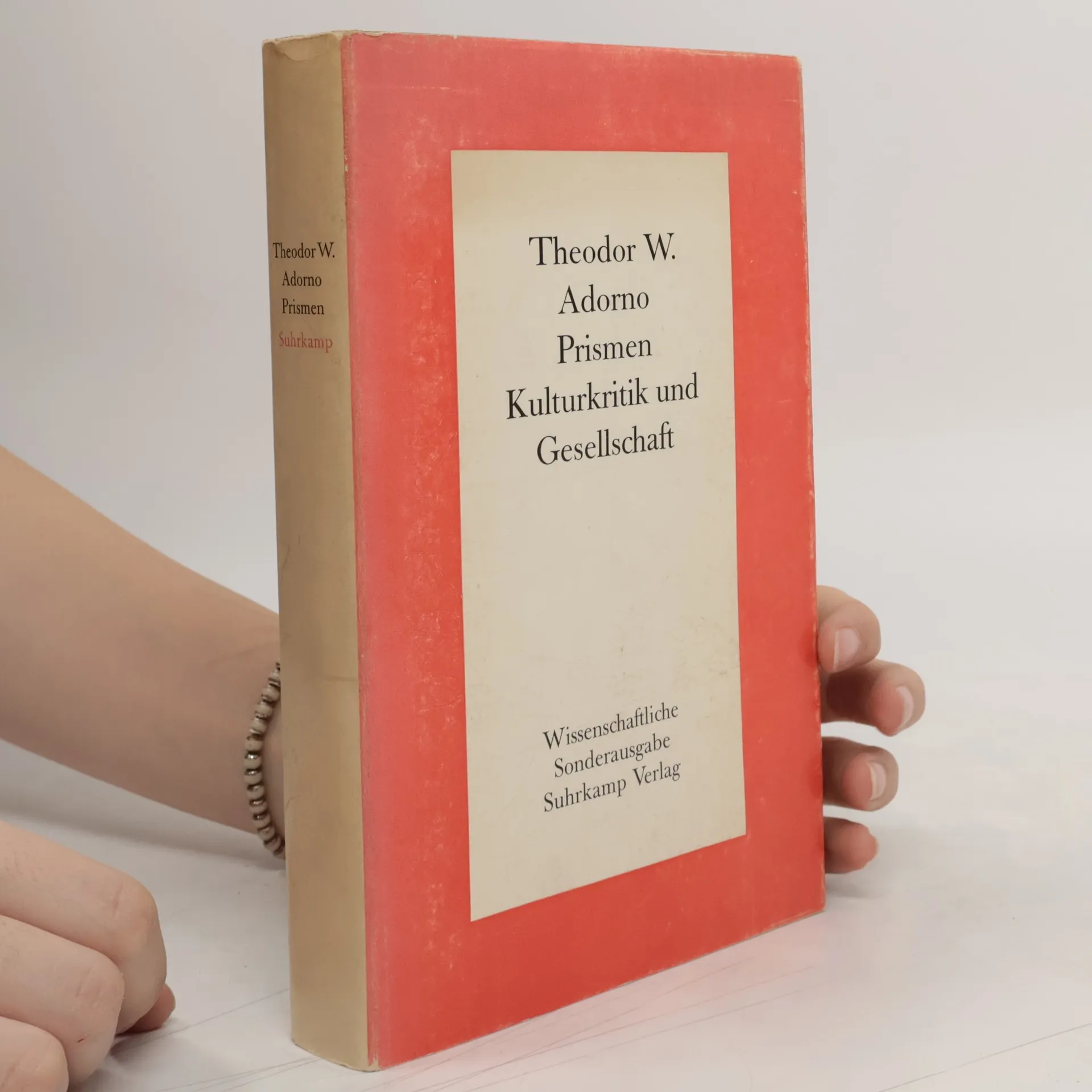
Kulturkritik und Gesellschaft, 2 Tle.
- 843pages
- 30 heures de lecture
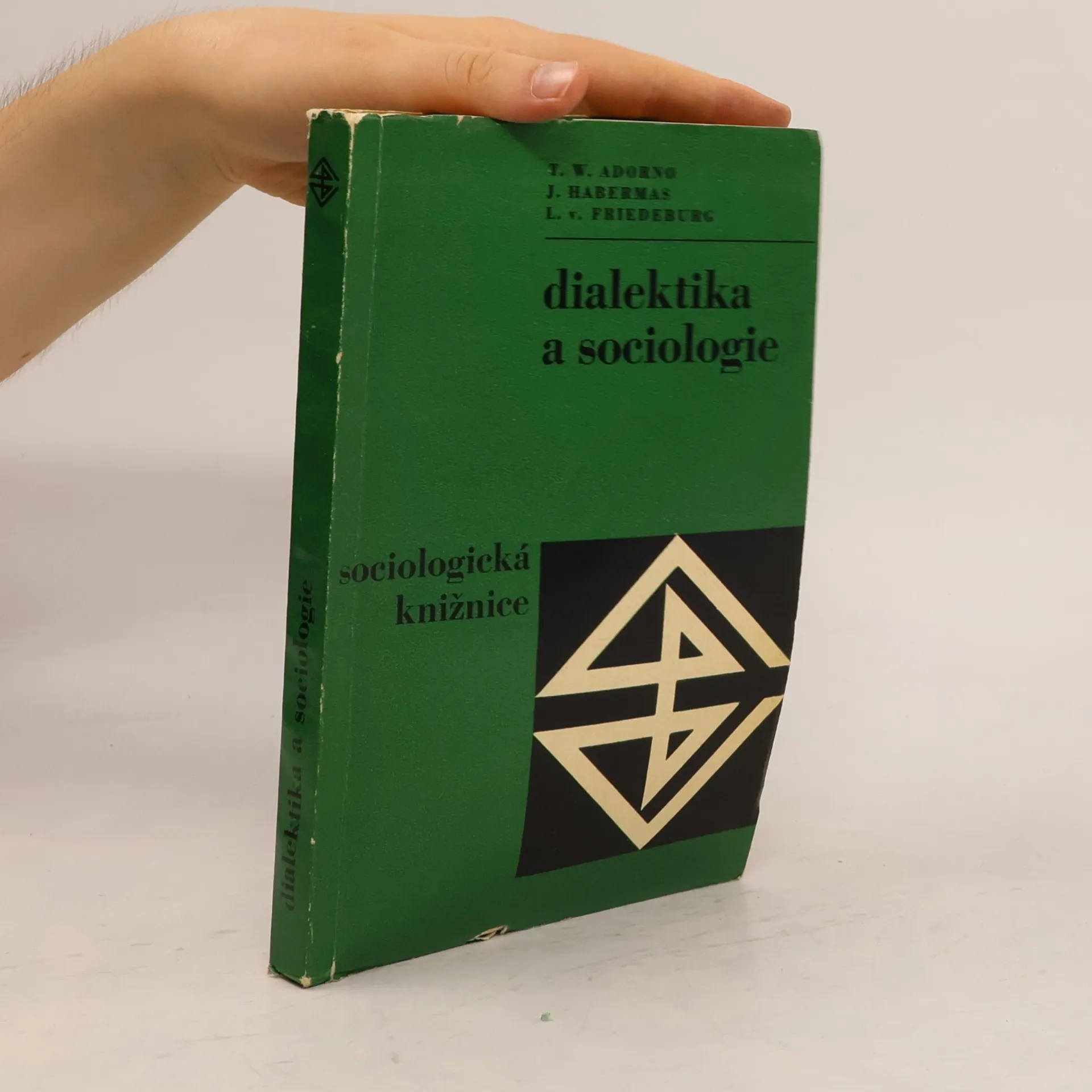
Sborník podává první, byť velmi fragmentární výběr prací tzv. frankfurtské školy, představující jeden z nejvýznačnějších proudů sociologického a filosofického myšlení v NSR. T.W. Adorno zkoumá obsah a možnosti empirické sociologie. Druhá jeho studie vyšetřuje vztah mezi sociologií apsychologií. J. Habermas jednak analyzuje kritické a konzervativní úkoly sociologie, jednak sleduje vliv středoškolského a vysokoškolského vzdělání na politické vědomí. Z díla L. von Friedeburga je uvedena studie k interpretaci empirických výzkumů v průmyslových podnicích.
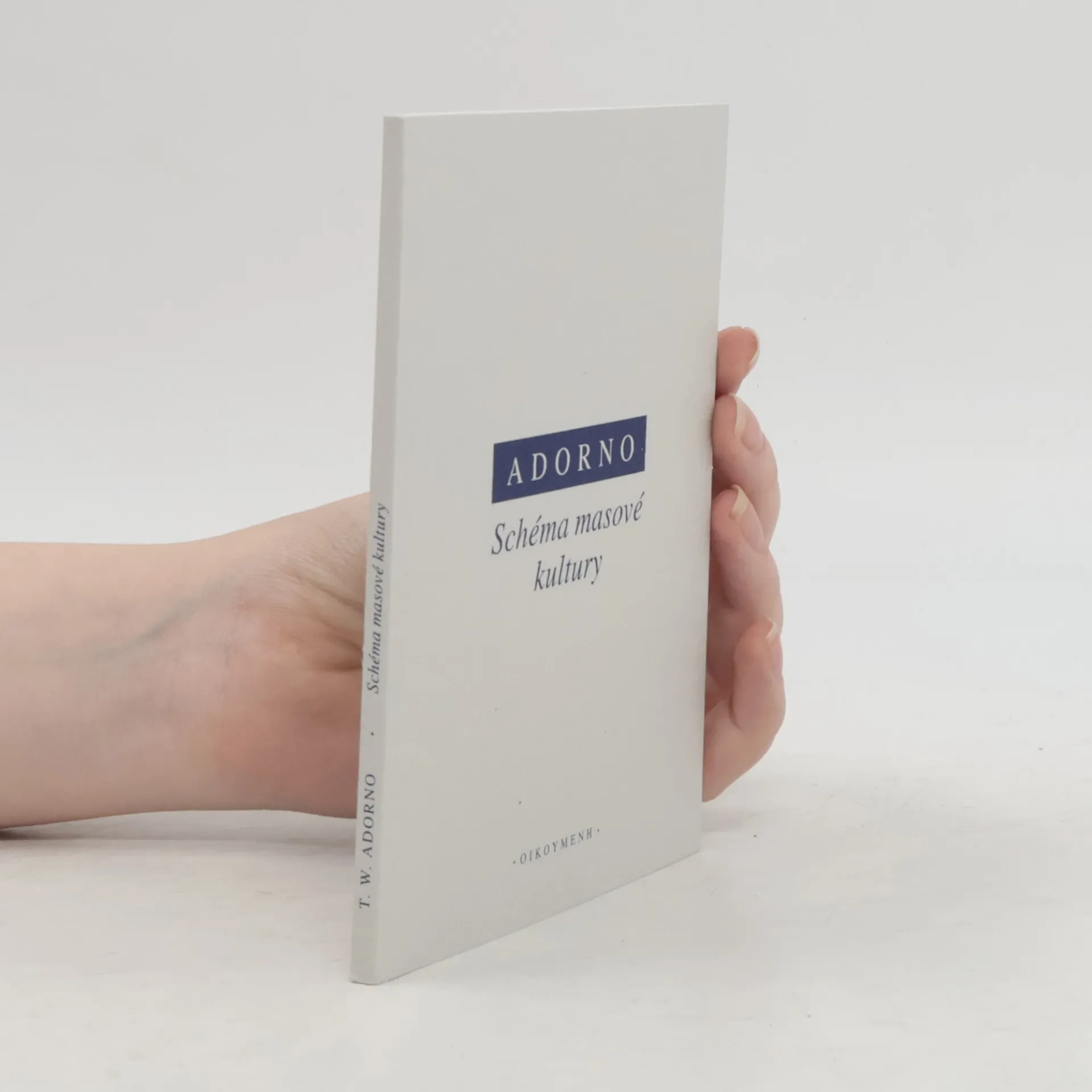
Adornova stať "Schéma masové kultury" byla nalezena v autorově pozůstalosti a přestavuje volné pokračování kapitoly o kulturním průmyslu z Dialektiky osvícenství. Lze ji považovat za shrnutí Adornovy kritiky masové kultury. Čtenář v ní nalezne Adornovu diagnózu základních prvků masové kultury: reklamy, filmu, rozhlasu, hudby.
Deutsche Menschen
Eine Folge von Briefen
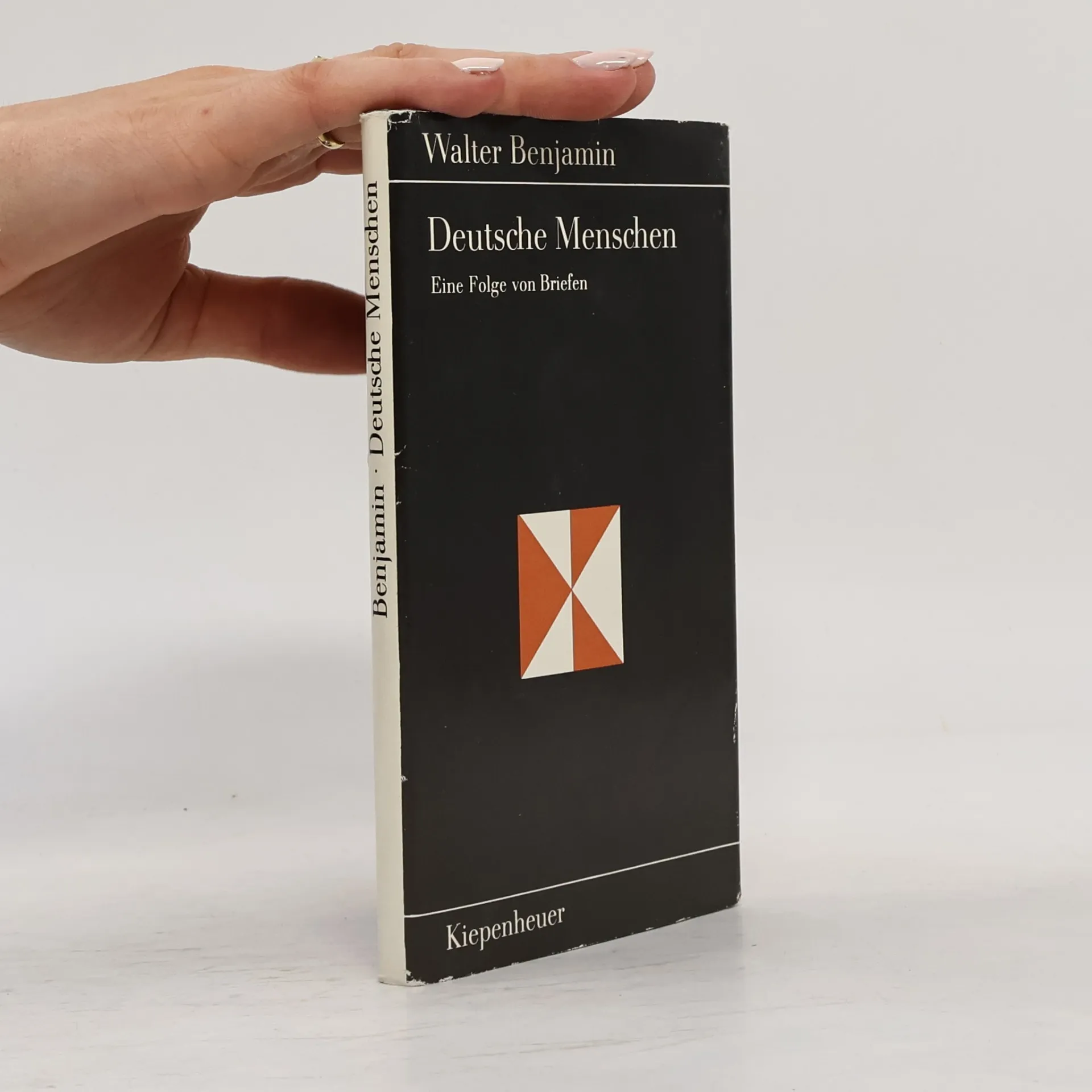
"Deutsche Menschen" ist eine Briefsammlung, zusammengestellt und kommentiert von Walter Benjamin. Das Buch versammelt siebenundzwanzig Briefe aus den hundert Jahren zwischen 1783 und 1883, also ungefähr von der Französischen Revolution bis zur Gründerzeit. Mit dem 1936 unter dem Pseudonym Detlef Holz in der Schweiz gedruckten Buch "Deutsche Menschen" beabsichtigte Walter Benjamin unter anderem, dem vom Nationalsozialismus beherrschten Deutschland das bessere Beispiel eines aufgeklärten und humanistischen Bürgertums vorzuhalten. Die Briefe und Kommentare waren schon 1930/31 in der Frankfurter Zeitung erschienen. Der Titel "Deutsche Menschen" war auch darauf berechnet, das Buch an der nationalsozialistischen Zensur vorbei auf den deutschen Markt zu schmuggeln.
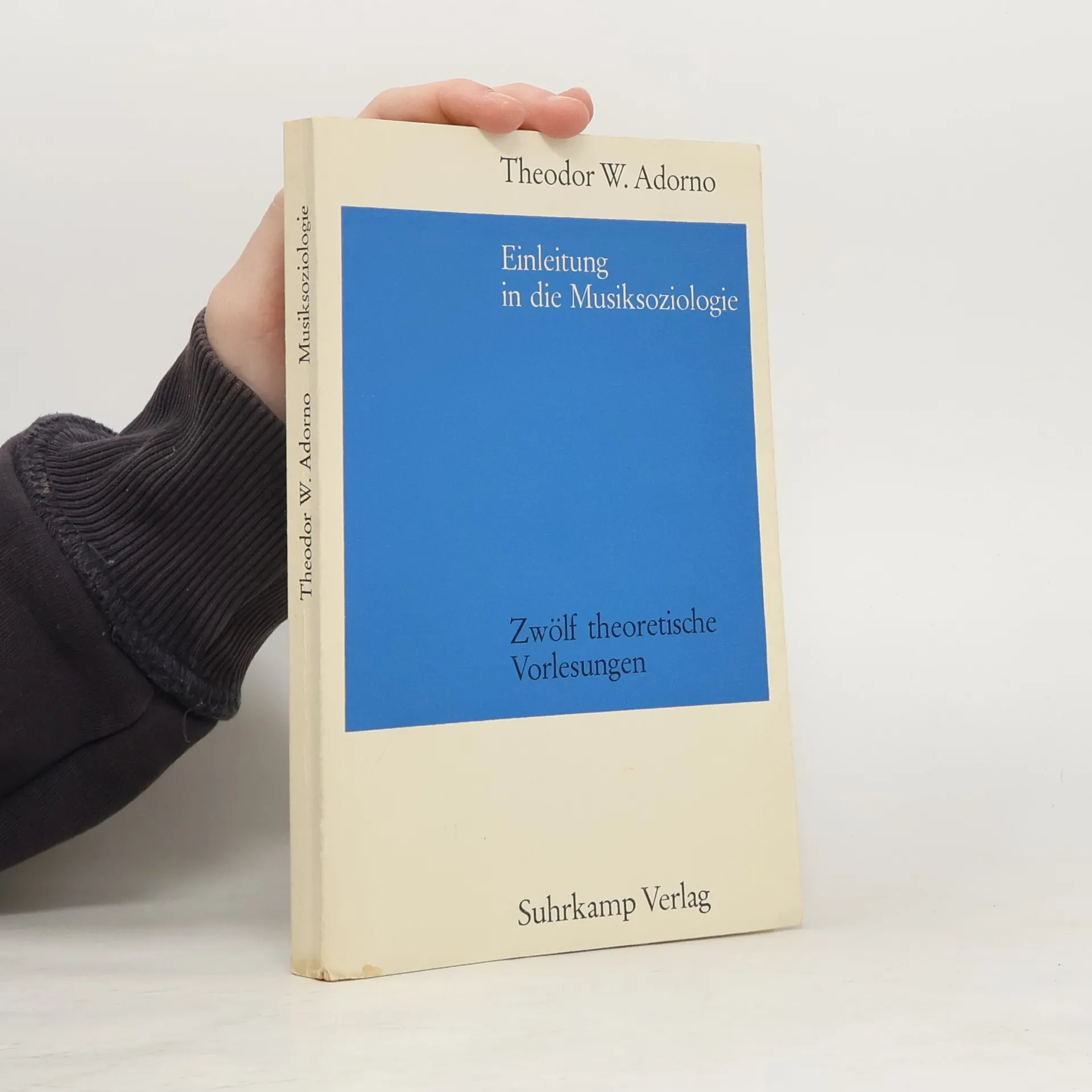
In den Vorlesungen zur Einleitung in die Musiksoziologie, die Adorno im Wintersemester 1961/1962 in Frankfurt hielt, werden die Beziehungen zwischen Musik und Gesellschaft in den vielfältigen Formen der Vermittlung, Verfremdung und Verblendung bis hin zur Gängelung untersucht, jedoch nicht in der bloßen Gegenüberstellung von musikalischer Produktion und musikalischer Rezeption. Vielmehr werden in den musikalischen Gebilden selbst gesellschaftliche Momente aufgespürt und dann wieder in Beziehung gesetzt zu allgemeinen gesellschaftlichen Phänomenen einerseits und zum musikalischen Leben andererseits. Die Vorlesungen zielen von verschiedenen Richtungen her zu dem zentralen Thema jeder Musiksoziologie: der gesellschaftlichen Vermitteltheit von Musik.
Traumprotokolle
- 119pages
- 5 heures de lecture
Anfang Januar 1956 notierte Adorno: »Unsere Träume sind nicht nur als ›unsere‹ untereinander verbunden, sondern bilden auch ein Kontinuum, gehören einer einheitlichen Welt an, so etwa, wie alle Erzählungen von Kafka in ›Demselben‹ spielen. Je enger aber Träume untereinander zusammenhängen oder sich wiederholen, um so größer die Gefahr, daß wir sie von der Wirklichkeit nicht mehr unterscheiden können.« Die Bedeutung des motivischen Zusammenhangs seiner Träume legte ihm den Gedanken nahe, eine Reihe von ihnen auszuwählen und zu publizieren. Einer kleinen Sammlung solcher Traumprotokolle, die er für die Veröffentlichung vorgesehen hatte, stellte Adorno folgende Vorbemerkung voran: »Die Traumprotokolle, aus einem umfangreichen Bestand ausgewählt, sind authentisch. Ich habe sie jeweils gleich beim Erwachen niedergeschrieben und für die Publikation nur die empfindlichsten sprachlichen Mängel korrigiert.« Die erste Separatausgabe ergänzt die bereits publizierten Traumprotokolle um den größten Teil einer umfangreicheren Auswahl, die als Typoskript überliefert ist.
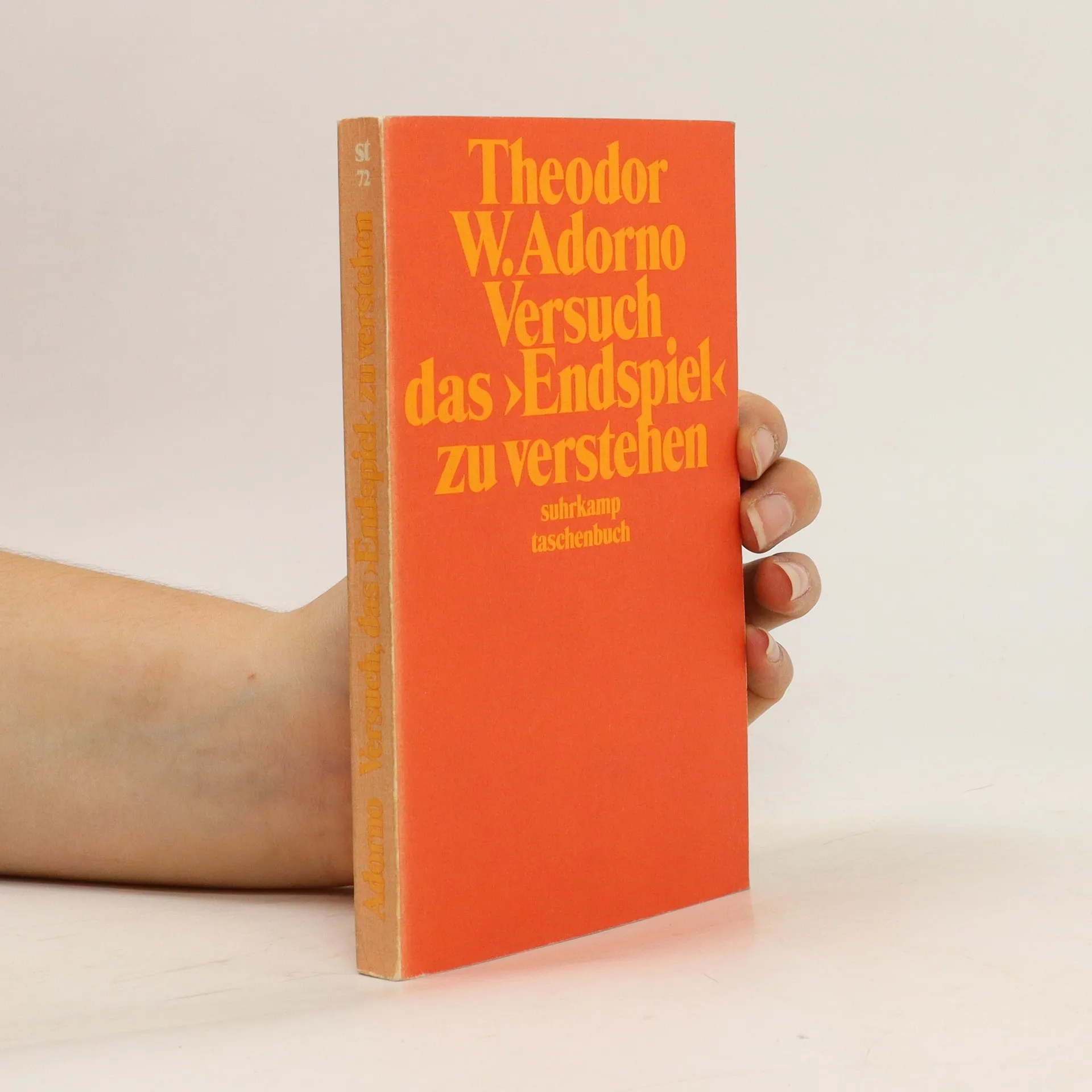
Contains 8 essays on literature by German philosopher Theodor W. Adorno.- Ist die Kunst heiter? (Is Art gay/blithe?)- Valéry Proust Museum- Valérys Abweichungen (Valéry's Aberrances)- Kleine Proust-Kommentare (Small comments on Proust)- Rückblickend auf den Surrealismus (Surrealism, retroperspectively)- Vorraussetzungen (Requirements)- Aufzeichnungen zu Kafka ([written] Records on Kafka)- Versuch, das Endspiel zu verstehen (Attempt to comprehend the "Endgame")