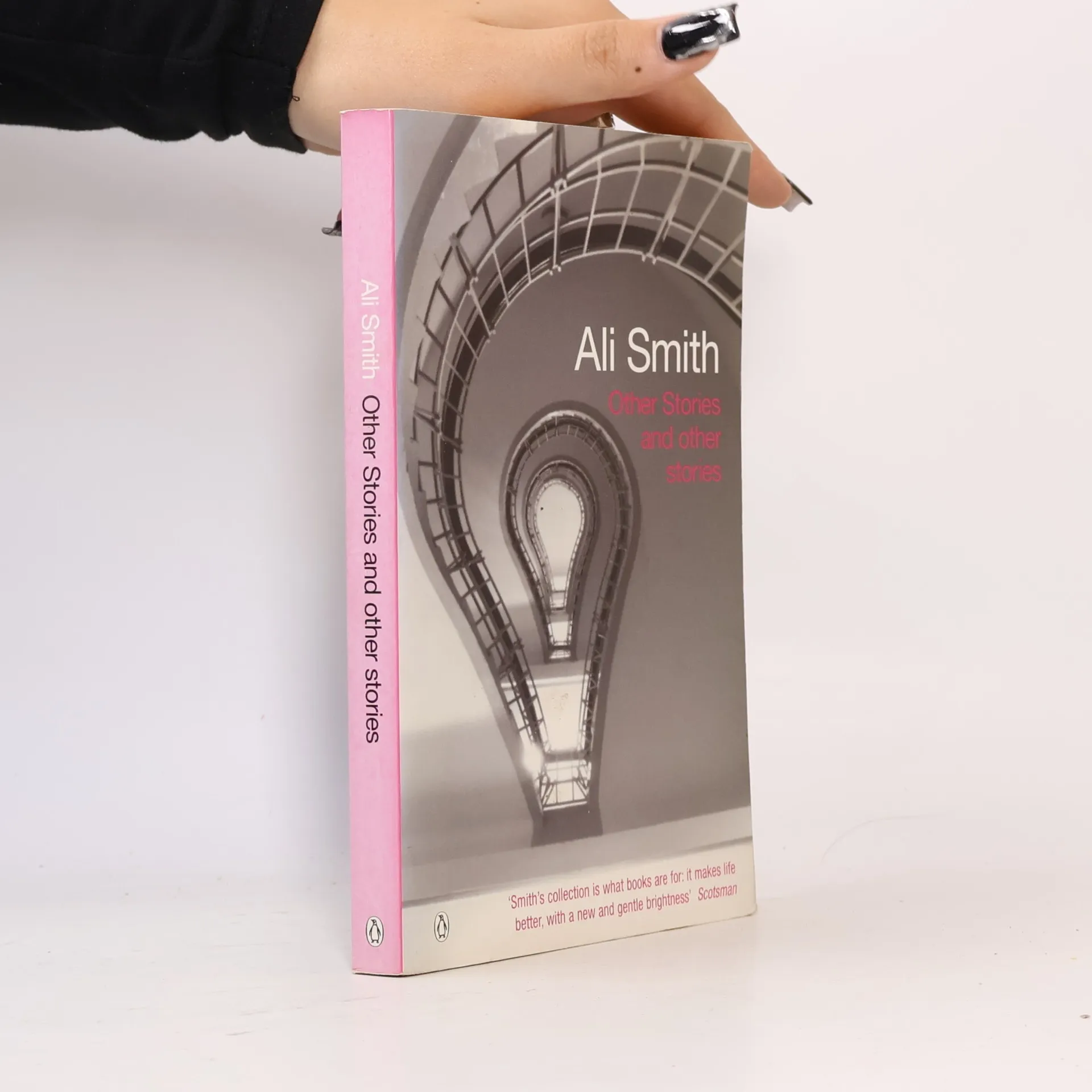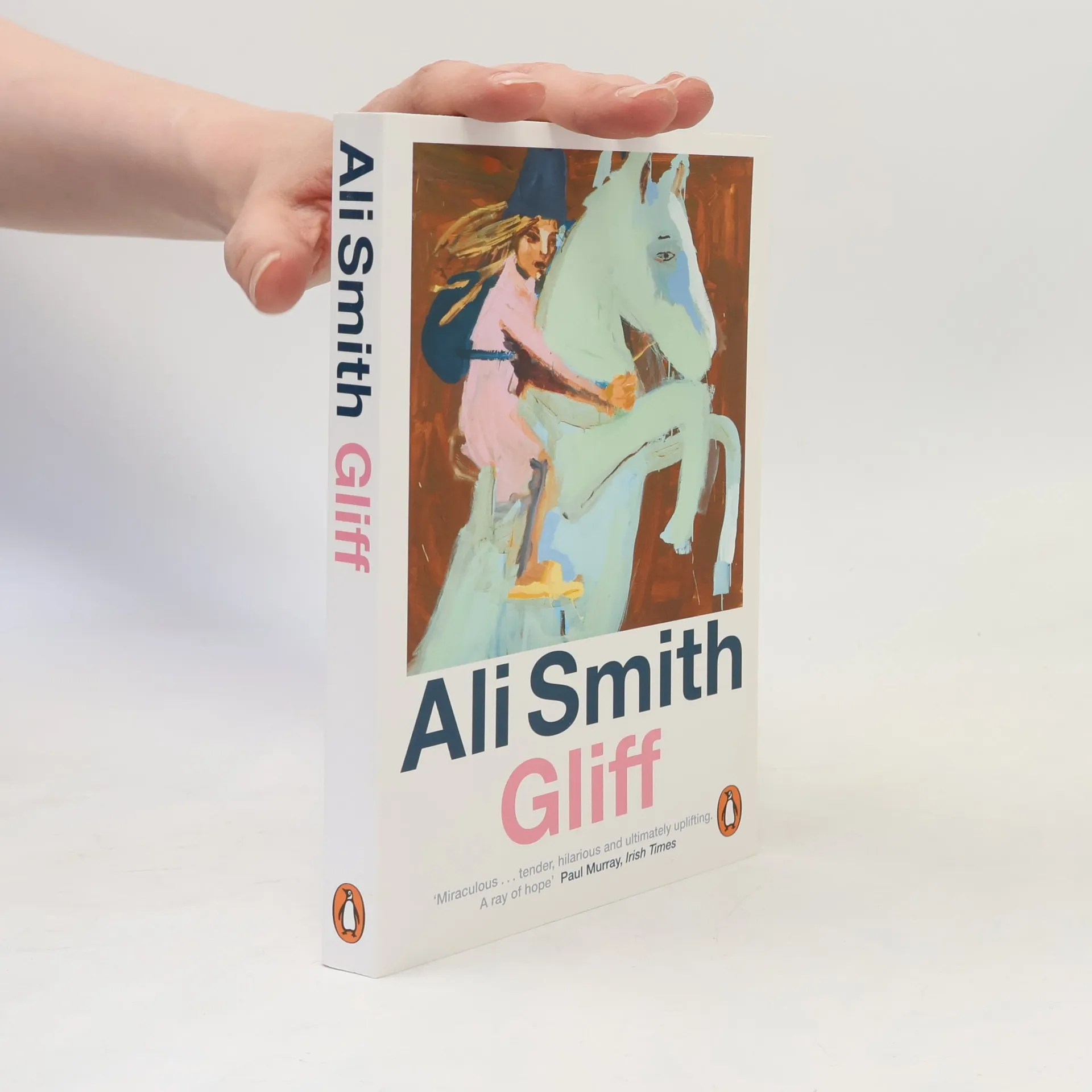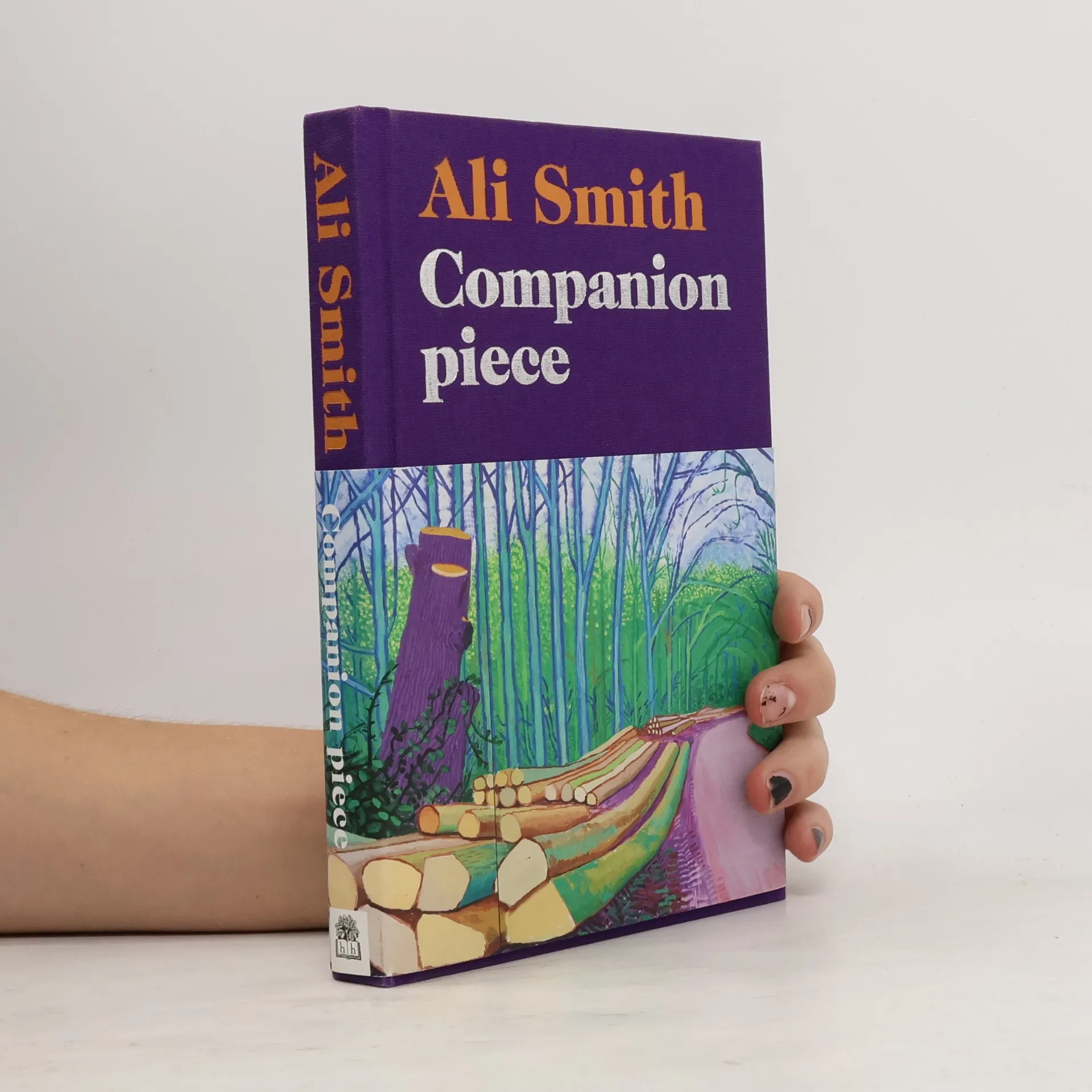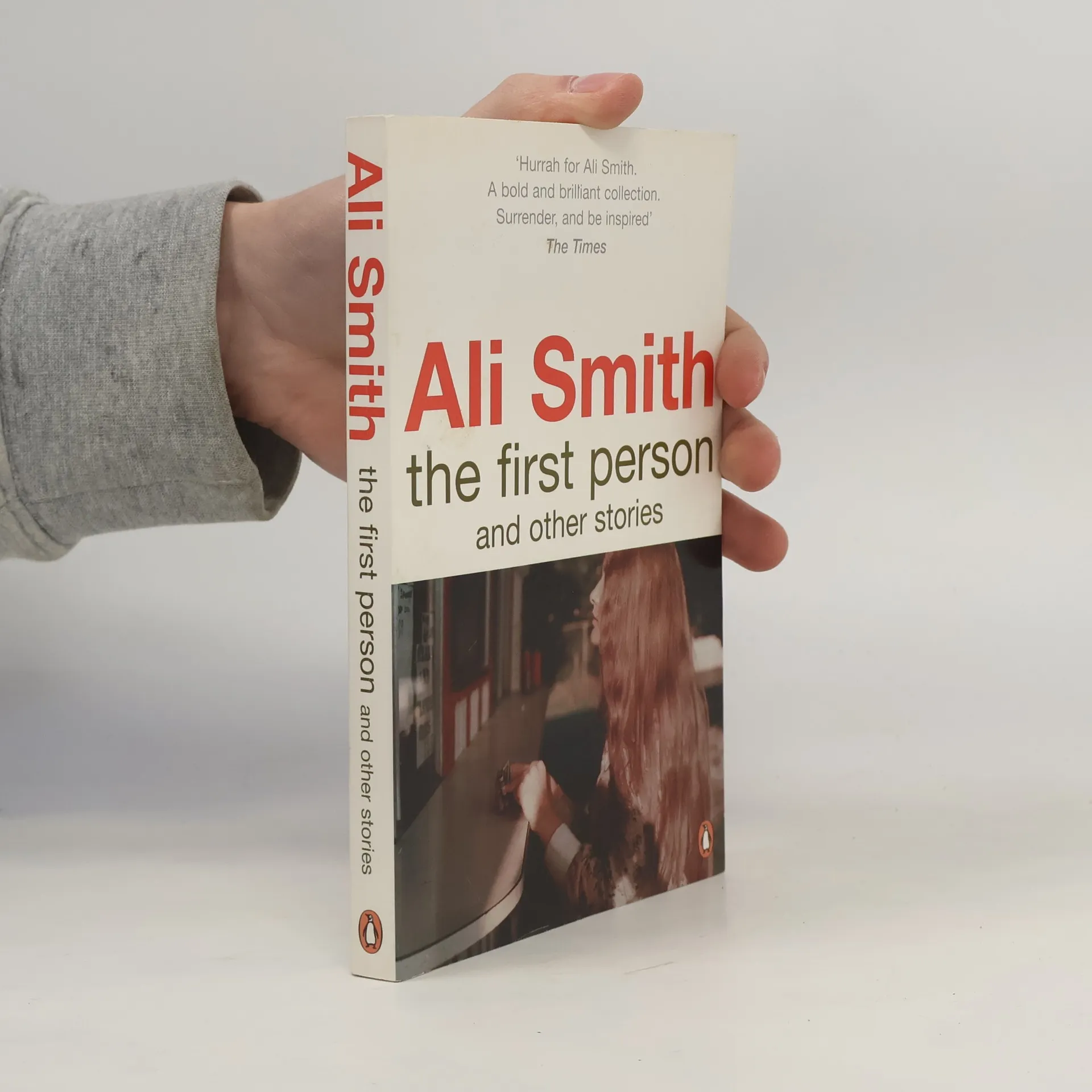
Red Petrograd
- 347pages
- 13 heures de lecture
A deeply engaging study, unmatched in its depth, of factory life in Petrograd over the course of Russia's revolutionary year.
Ali Smith est une écrivaine célébrée pour son approche ludique et expérimentale du langage et de la forme. Ses histoires explorent souvent des thèmes tels que l'identité, la mémoire et le passage du temps, bouleversant sans crainte les structures narratives traditionnelles. Smith possède une capacité unique à tisser des événements contemporains avec des références historiques, créant ainsi des œuvres qui semblent à la fois pertinentes et intemporelles. Son écriture est reconnue pour sa qualité poétique, son intelligence et sa profonde compréhension de l'expérience humaine.


A deeply engaging study, unmatched in its depth, of factory life in Petrograd over the course of Russia's revolutionary year.
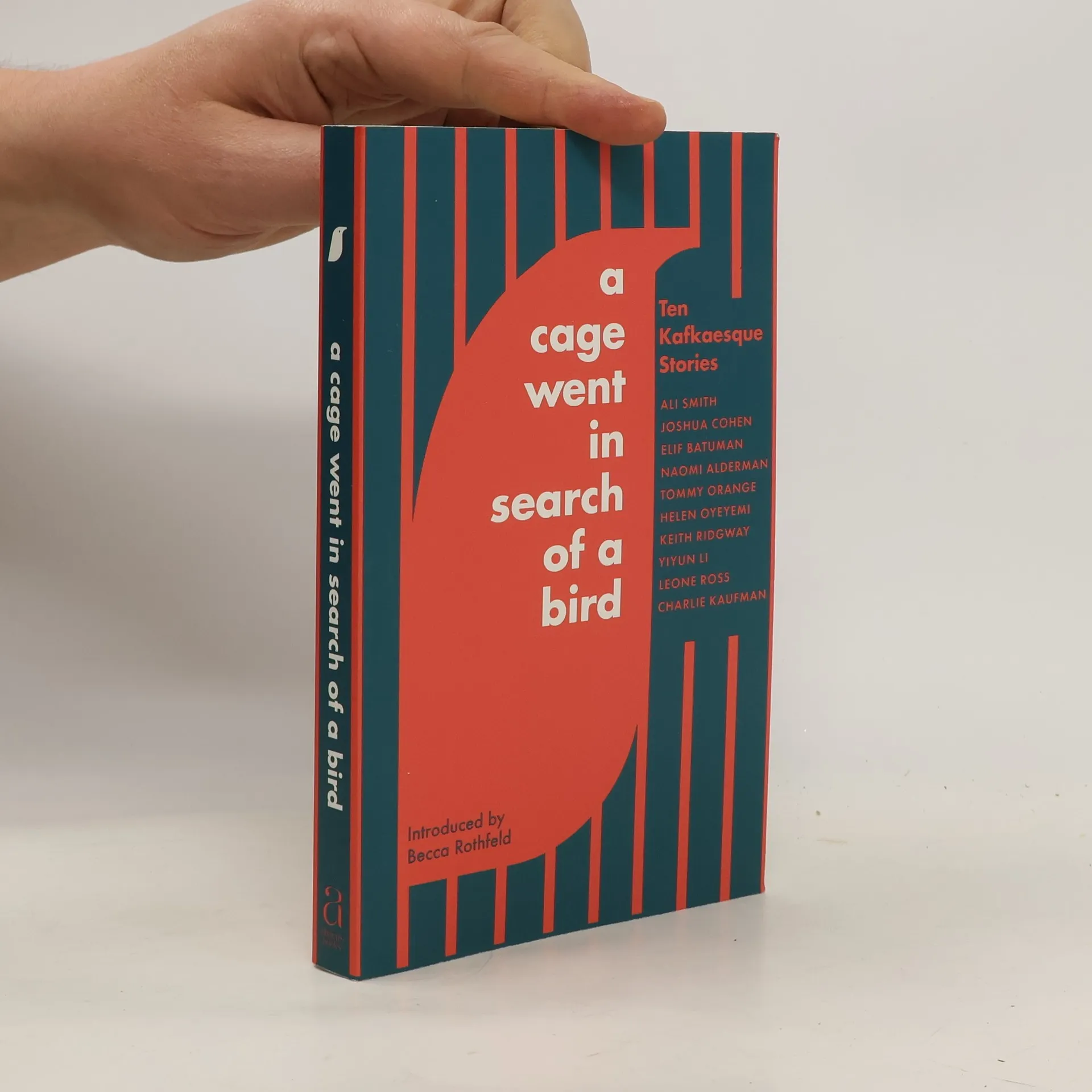
A collection of brand-new short stories written by prize-winning, bestselling writers and inspired by Kafka - published to commemorate the centenary of his death Chosen as a 2024 highlight in the Guardian, the Financial Times, the Daily Mail, New Statesman, Esquire and the New European Franz Kafka is widely regarded as one of the great geniuses of twentieth-century literature. What happens when some of the most original literary minds of today take an idea, a mood or a line from his work and use it to spark something new?From a future society who ask their AI servants to construct a giant tower to reach God; to a flat hunt that descends into a comically absurd bureaucratic nightmare; to a population experiencing a wave of unbearable, contagious panic attacks, these ten specially commissioned stories are by turns mind-bending, funny, unsettling and haunting. Inspired by the visionary imagination of a writer working one hundred years ago, they speak powerfully to the strangeness of being alive today.
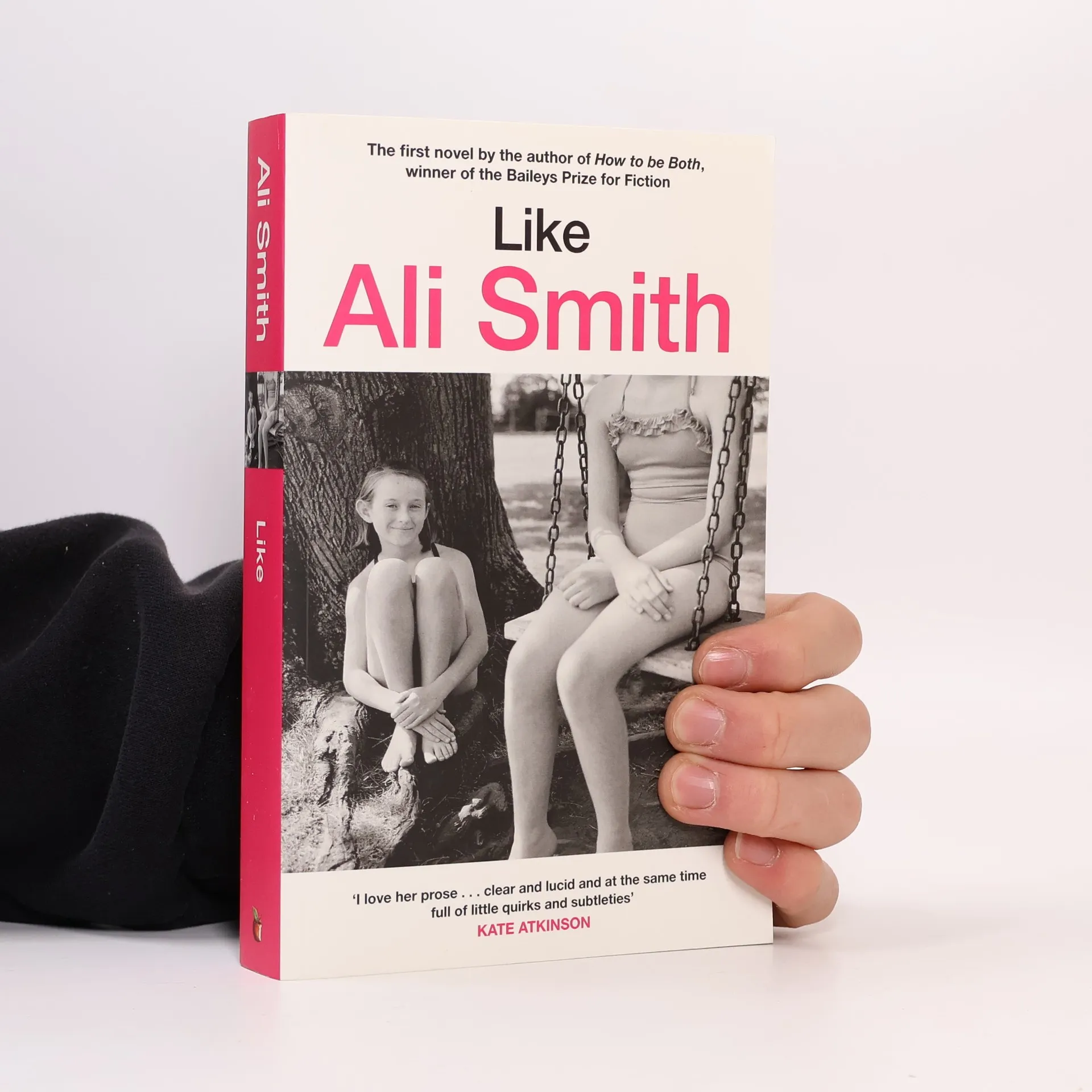
There's Amy and there's Ash. There's ice and there's fire. There's England and there's Scotland. Ali Smith evokes the twin spirits of time and place in an extraordinarily powerful first novel, which teases out the connections between people, the attractions, the ghostly repercussions. By turns funny, haunting and disconcertingly moving, LIKE soars across hidden borders between cultures, countries, families, friends and lovers. Subtle and complex, it confounds expectations about fiction and truths. 'Ingenious, shimmering fiction, written with a poetic grace that subtly illuminates the tensions between hope and desire, between past and present' Scotland on Sunday
As editors Toby Litt and Ali Smith explain in their introduction: "newness is quite a venerable category. There's not much that's new about it. In the 1930s, when a magazine called "New Writing" was first published, it had to compete with "New Signatures," "New Country," "New Verse," the "New Statesman" "and Nation" and "New Theatre," and what with the "New Woman" of the 1890s and new everything else, even then, new wasn't the new new. . . If we've achieved diversity, it's because our submissions were themselves diverse; and the final selection is representative of the proportion of short stories to novel extracts, poems and essays that were submitted. Originality is only proven over time, paradoxically. We are confident that some of the names here you've never heard before will become very familiar. They may even disgrace themselves by winning prizes, becoming established, etc. But they'll be the kinds of writer, like the known names published here, for whom everything they write is a renewal - of language, of place, of the senses and of the contemporary."
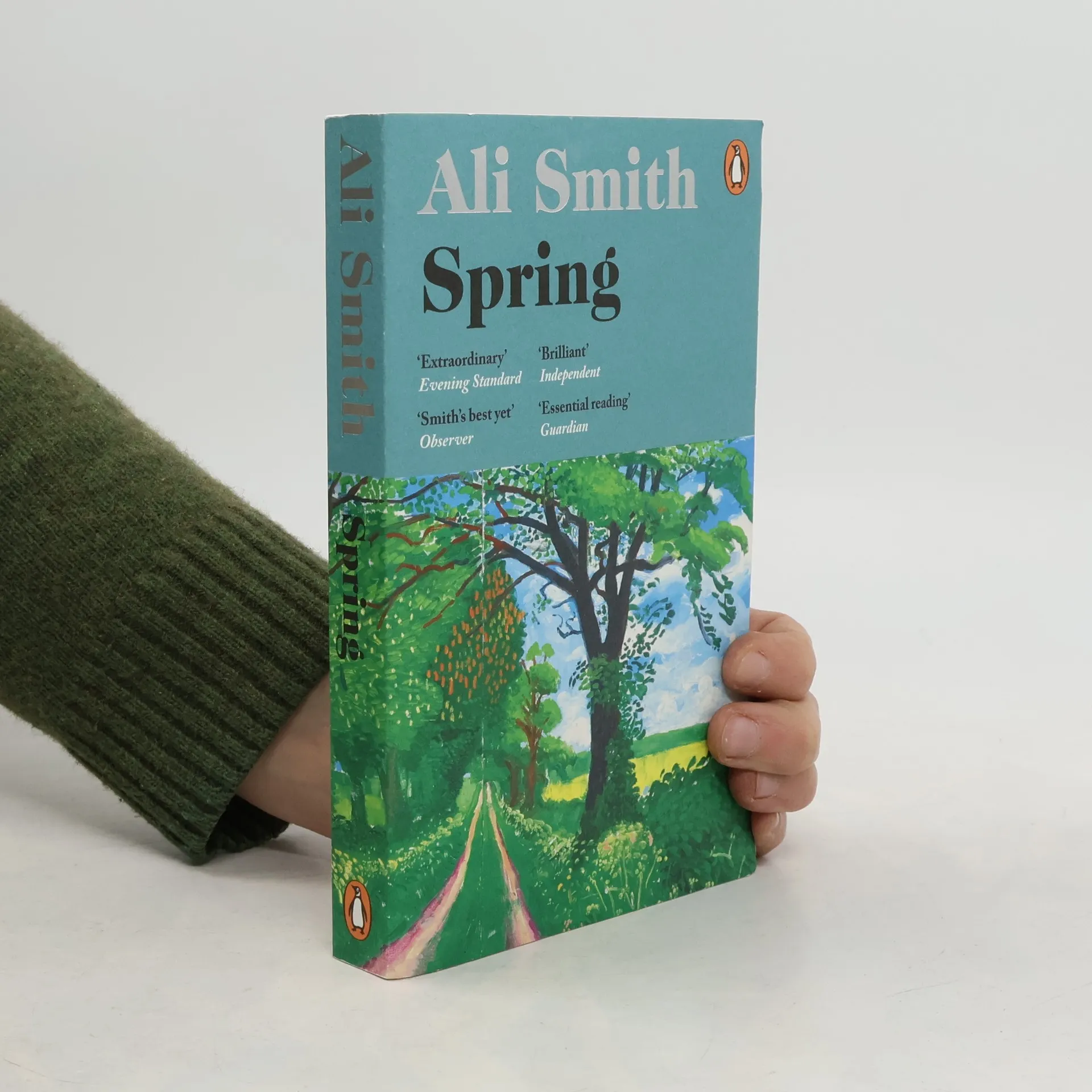
SUNDAY TIMES NUMBER ONE BESTSELLER A once-in-a-generation series, Ali Smith's Seasonal Quartet is a tour-de-force about love, time, art, politics, and how we live now. 'Her best yet, a dazzling hymn to hope, uniting the past and present with a chorus of voices' Observer What unites Katherine Mansfield, Charlie Chaplin, Shakespeare, Rilke, Beethoven, Brexit, the present, the past, the north, the south, the east, the west, a man mourning lost times, a woman trapped in modern times? Spring. The great connective. With an eye to the migrancy of story over time, and riffing on Pericles, one of Shakespeare's most resistant and rollicking works, Ali Smith tells the impossible tale of an impossible time. In a time of walls and lockdown Smith opens the door. The time we're living in is changing nature. Will it change the nature of story? Hope springs eternal. Discover all four instalments: Autumn, Winter, Spring and Summer. Ali Smith's new novel, Companion piece, is available now. ***** 'An astonishing accomplishment and a book for all seasons' Independent 'Smith is a masterful storyteller . . . Savour it' Evening Standard 'Infectious in its energy and warmth' Daily Telegraph
Adapted from the lectures given by Ali Smith at Oxford University, 'Artful' is a tidal wave of ideas in four thematically organised bursts of thought.
A collection of love stories for various moods and occasions.
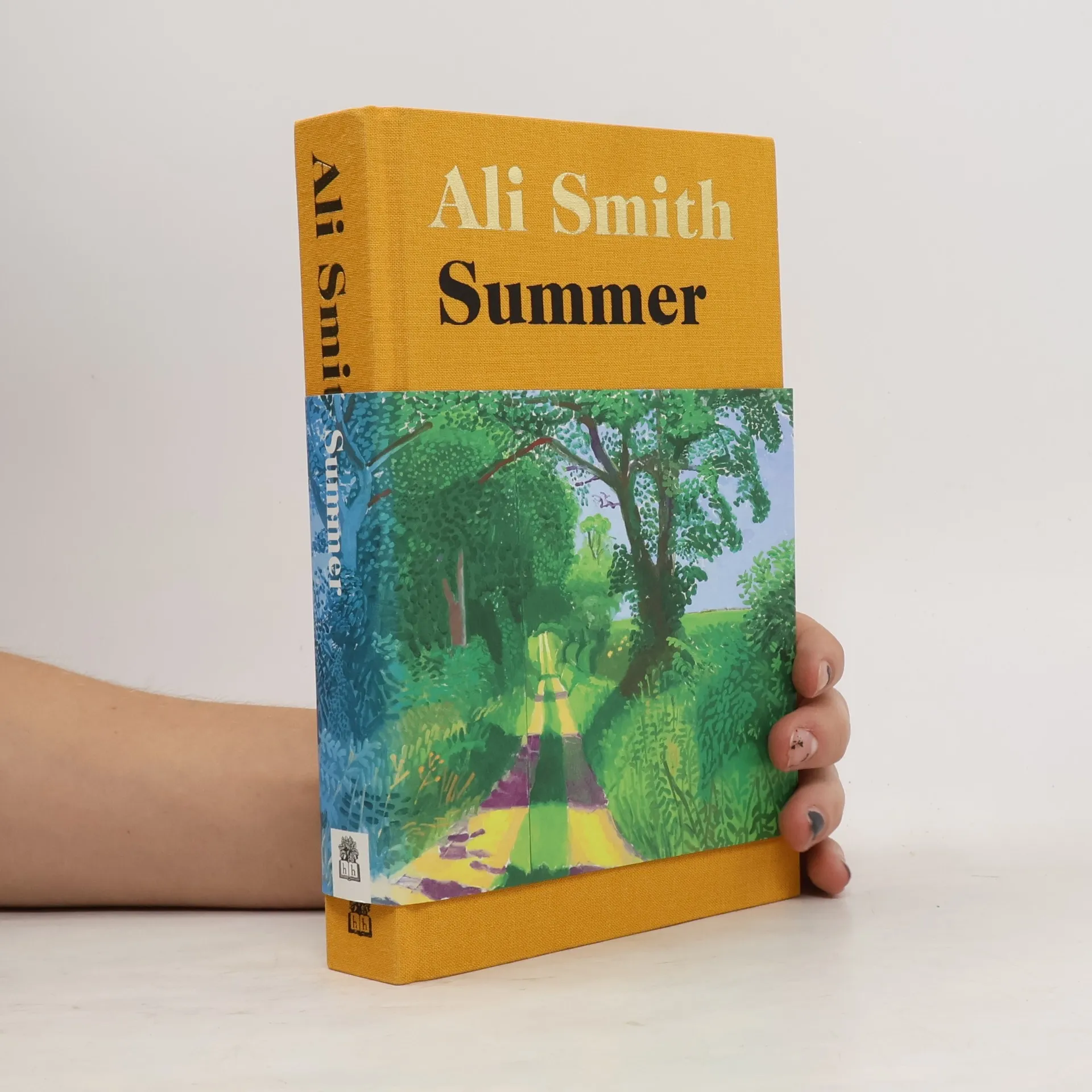
In the present, Sacha knows the world's in trouble. Her brother Robert just is trouble. Their mother and father are having trouble. Meanwhile the world's in meltdown - and the real meltdown hasn't even started yet. In the past, a lovely summer. A different brother and sister know they're living on borrowed time. This is a story about people on the brink of change. They're family, but they think they're strangers. So- where does family begin? And what do people who think they've got nothing in common have in common? Summer.
A whirling library of ghost story, funny story, love story, scary story, and more. Like Russian dolls, separate yet invisibly linked, they unfold from and into one another.
This novel marks the beginning of a pair of interconnected stories by acclaimed author Ali Smith, known for her literary accolades including the Booker Prize shortlist. It promises to explore themes of time, identity, and the human experience, showcasing Smith's distinctive narrative style and innovative storytelling. Readers can expect a thought-provoking journey that intertwines characters and their lives in unexpected ways, reflecting contemporary issues and the complexity of relationships.
Following the widely acclaimed and bestselling The Summer Book, here is a Winter Book collection of some of Tove Jansson’s best loved and most famous stories. Drawn from youth and older age, and spanning most of the twentieth century, this newly translated selection provides a thrilling showcase of the great Finnish writer’s prose, scattered with insights and home truths. It has been selected and is introduced by Ali Smith, and there are afterwords by Philip Pullman, Esther Freud and Frank Cottrell Boyce.The Winter Book features thirteen stories from Tove Jansson’s first book for adults, The Sculptor’s Daughter (1968) along with seven of her most cherished later stories (from 1971 to 1996), translated into English and published here for the first time.
'A story is never an answer. A story is always a question.' Here we are in extraordinary times. Is this history? What happens when we cease to trust governments, the media, each other? What have we lost? What stays with us? What does it take to unlock our future? Following her astonishing quartet of Seasonal novels, Ali Smith again lights a way for us through the nightmarish now, in a vital celebration of companionship in all its forms. 'Every hello, like every voice, holds its story ready, waiting.'
Always intellectually playful, but also very moving and funny, the author explores the ways and whys of storytelling.
When Elissa's nightmarish visions and inexplicable bruises lead to the discovery of a battered twin sister on the run from government agents, Elissa enlists the help of an arrogant new graduate from the space academy.
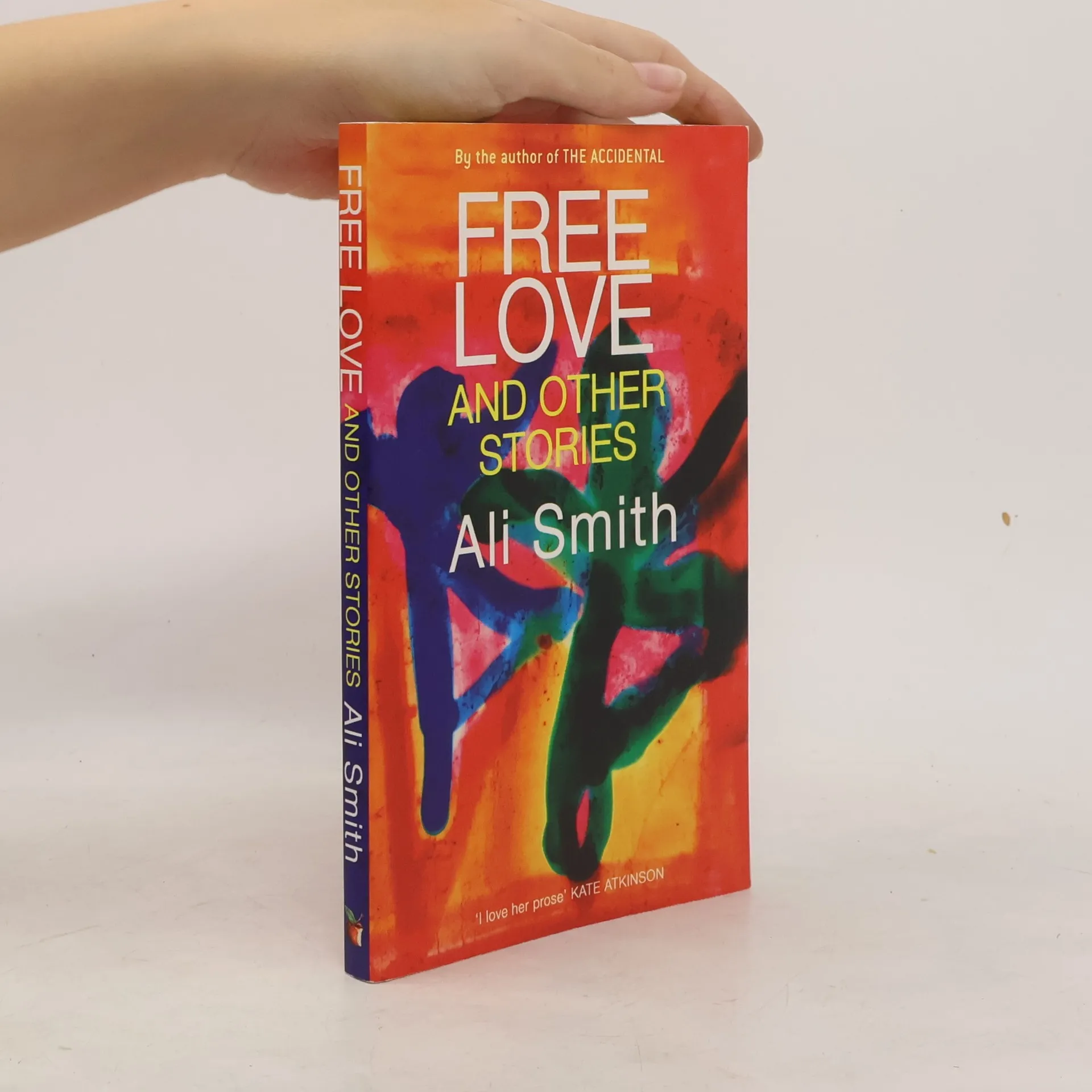
The timeless and unique collection of short stories is Ali Smith's first. 'I love her prose' - Kate Atkinson
Another internationally acclaimed writer contributes a fascinating, compelling reinterpretation of a myth that resonates deeply today. Ligdus and Telethusa are having a child, but they cannot afford to have a girl. Ligdus informs Telethusa that she had better hope for a boy. While this decision makes them both sad, Telethusa "must/obey." She prays to Isis, but births a girl and names her Iphis, a name that "suited male or female-/a neutral name." She convinces everyone, including Ligdus, that Iphis is a boy. Iphis matures and falls in love with another girl, Ianthe, and is engaged for marriage, yet s/he is ruled by the sexual norms of the time: "[P]ossessed by love so strange . . . no female wants/a female!" but "no learned art-can ever make of me/a boy." She attempts to reconcile her love for Ianthe against the pressures of "nature." The wedding day is near, Telethusa is desperate, and prays again to Isis. Iphis is transformed, looking like a boy. Is Ovid suggesting that what we think is nature is attitude? Does Iphis grow a penis? Or does Iphis, adopting the characteristics of a boy, remain a girl married to a girl, undermining traditional values? "From the Hardcover edition."
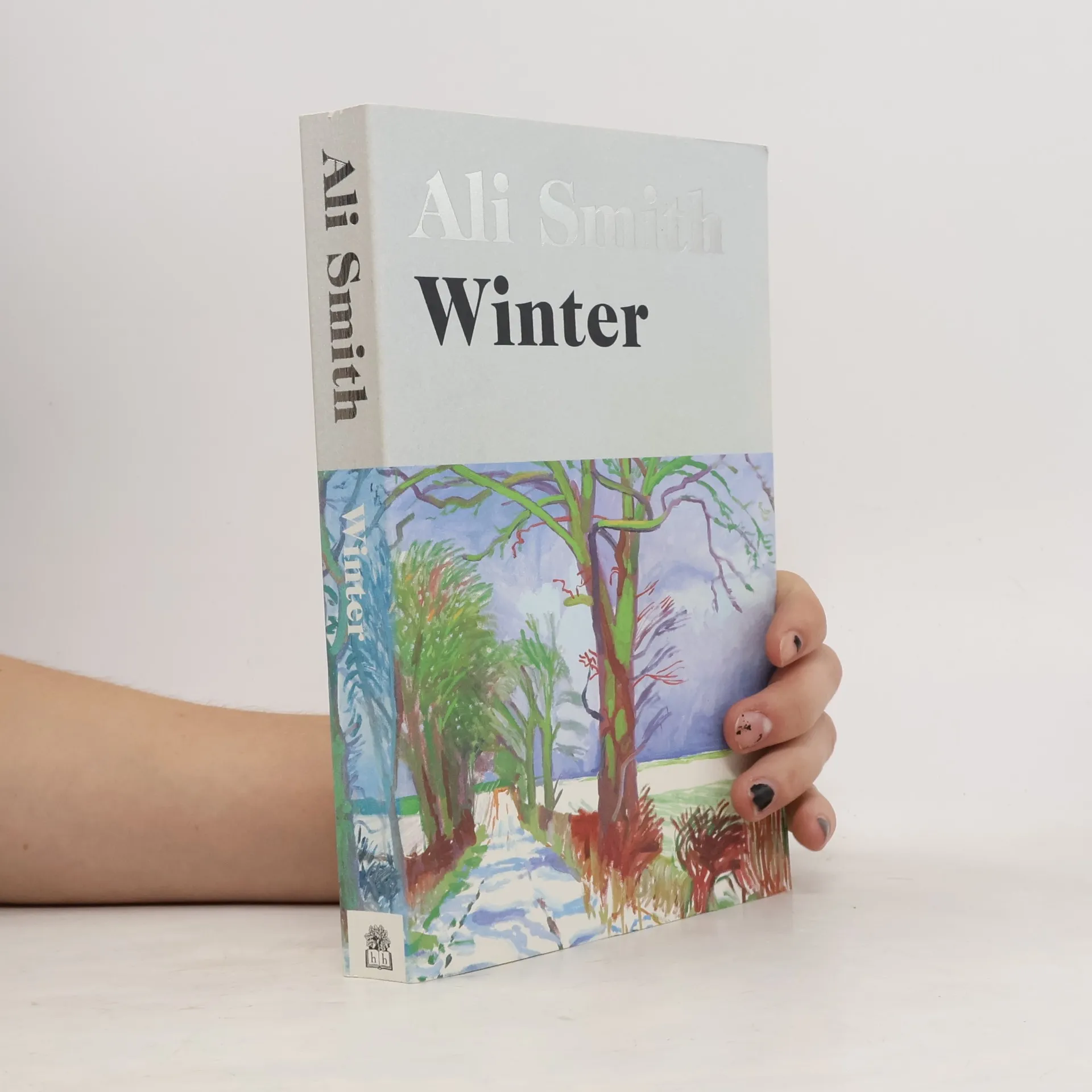
Winter? Bleak. Frosty wind, earth as iron, water as stone, so the old song goes. The shortest days, the longest nights. The trees are bare and shivering. The summer's leaves? Dead litter. The world shrinks; the sap sinks. But winter makes things visible. And if there's ice, there'll be fire.
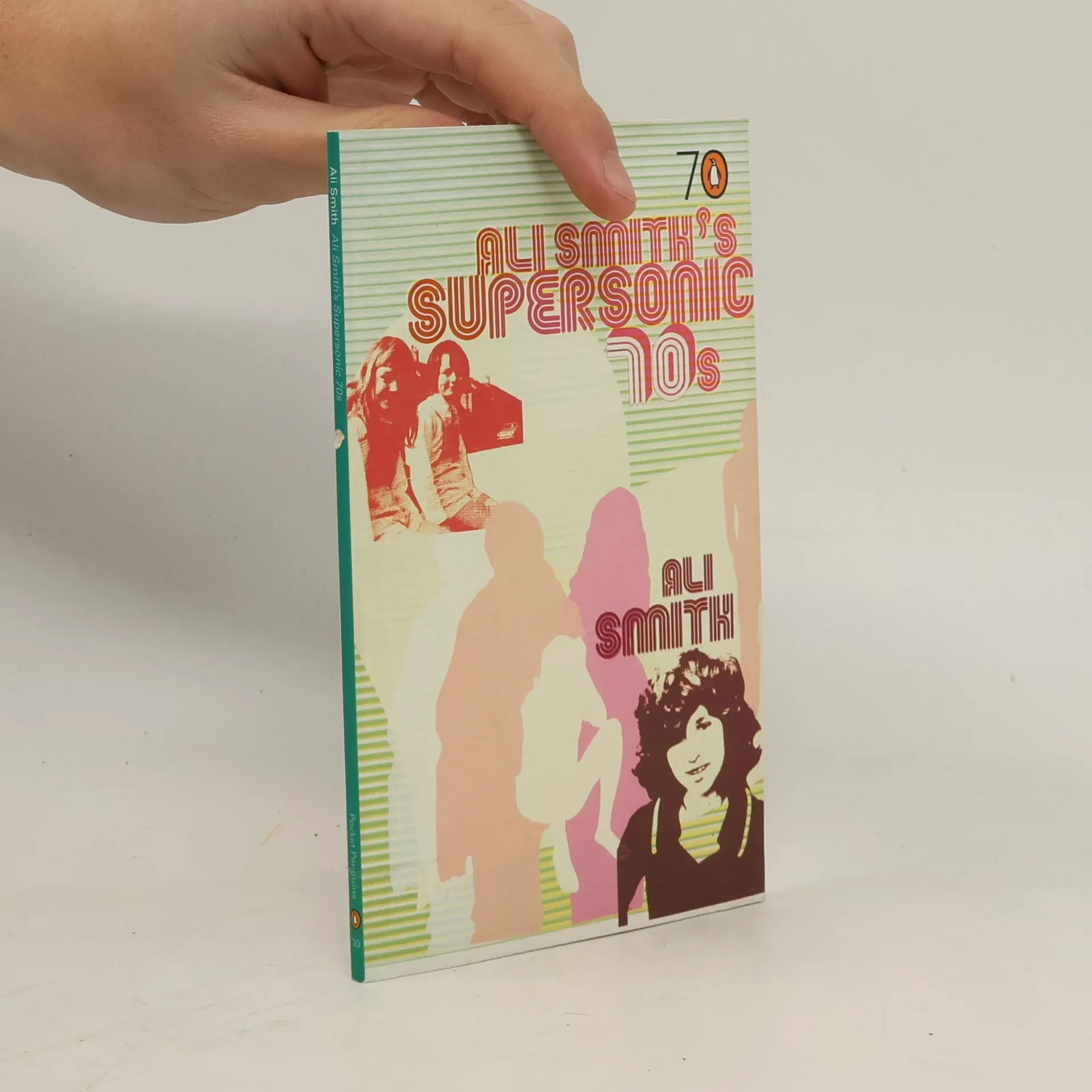
Ali Smith's Supersonic 70s collects together some of Ali Smith's best writing of the last ten years and also includes a brand new story.
This collection of stories explores the complexities of understanding the whole story and finding meaning amidst chance and coincidence. It delves into various themes, including nature, literature, art, and love, highlighting connections and missed connections.
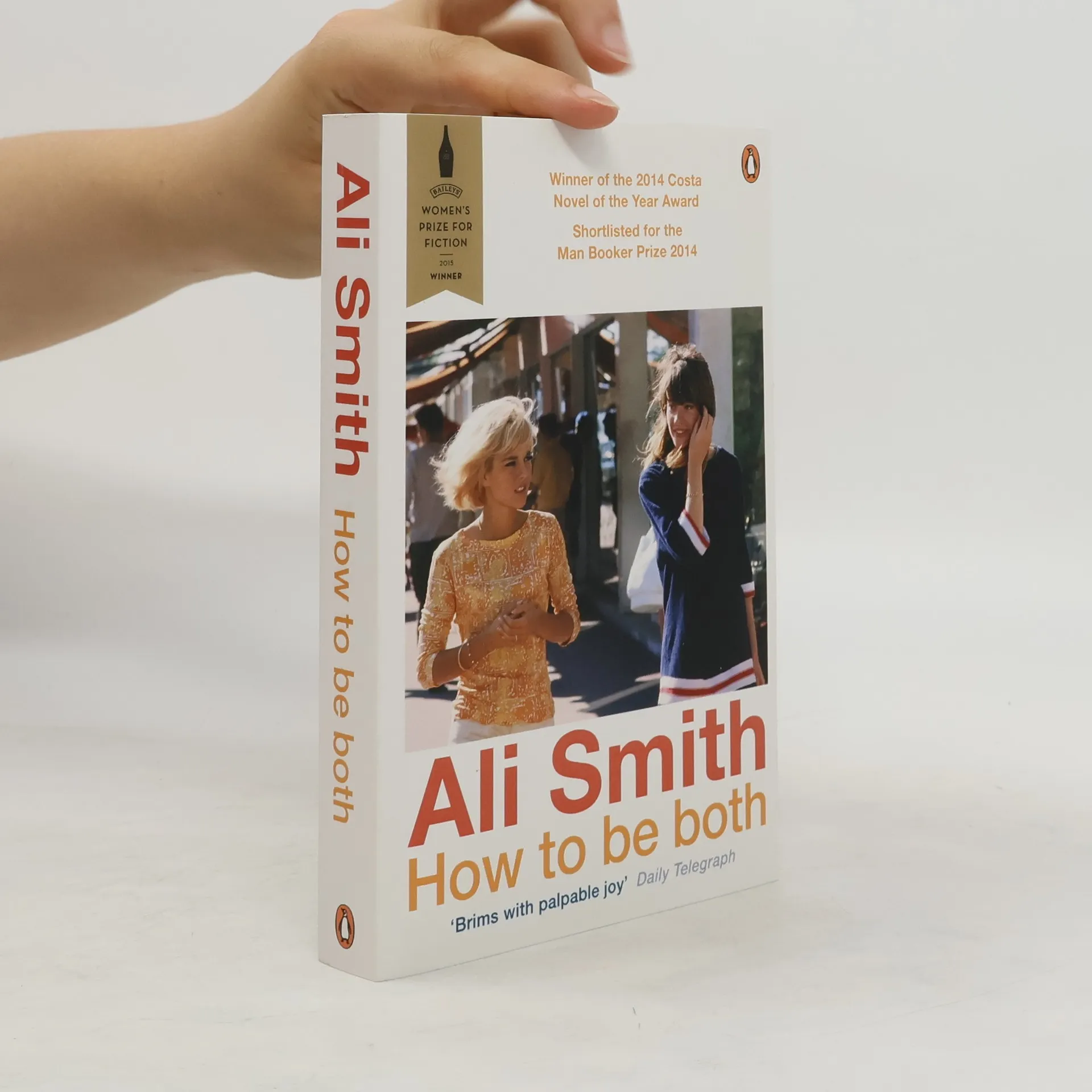
How to be both is a novel all about art's versatility. Borrowing from painting's fresco technique to make an original literary double-take, it's a fast-moving genre-bending conversation between forms, times, truths and fictions. There's a renaissance artist of the 1460s. There's a child of a child of the 1960s. Two tales of love and injustice twist into a singular yarn where time gets timeless, structural gets playful, knowing gets mysterious, fictional gets real - and all life's givens get given a second chance. 'I take my hat off to Ali Smith. Her writing lifts the soul.' Evening Standard 'She's a genius, genuinely modern in the heroic, glorious sense.' Alain de Botton
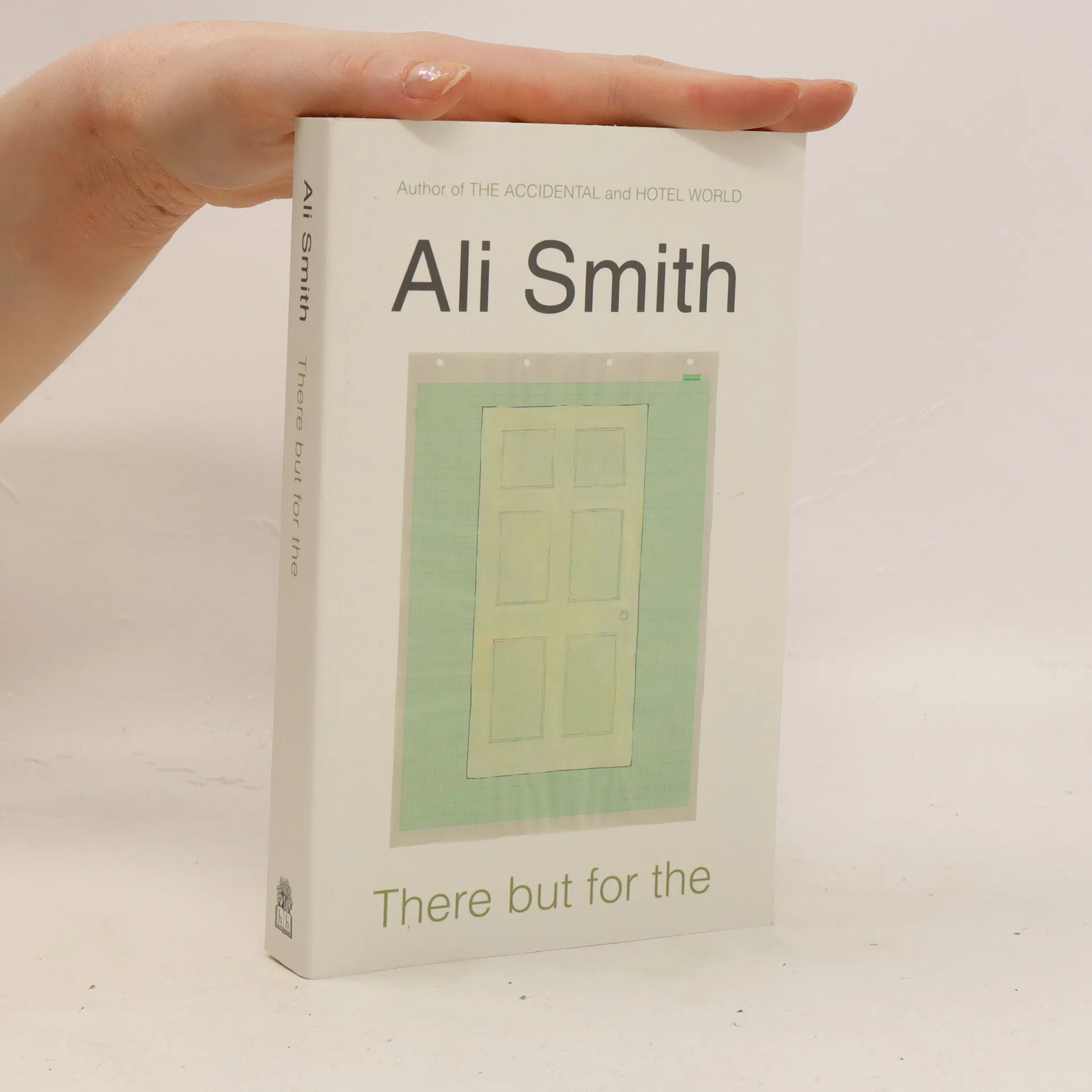
Imagine hosting a dinner party where a friend of a friend brings a stranger who unexpectedly locks himself in one of your bedrooms, refusing to leave. This scenario unfolds in a chic house in Greenwich during 2009 and 2010. The narrative centers on Miles, prompting reflections on identity and the complexities of living with others. With sharp satire and compassion, the story weaves together diverse perspectives to explore the communal nature of existence, highlighting our struggles between despair and hope, and the balance of enormity and intimacy. The novel delves into themes of time, memory, and the importance of self-reflection in a chaotic world. Critics praise it as a remarkable work—funny yet serious, whimsical yet profound. The writing is described as dazzling, agile, and full of wit, showcasing Smith's exceptional ability to bring characters to life. The book is not only a joy to read but also a testament to Smith's talent for crafting narratives that are both playful and deeply affecting, making her one of today's most exciting authors.
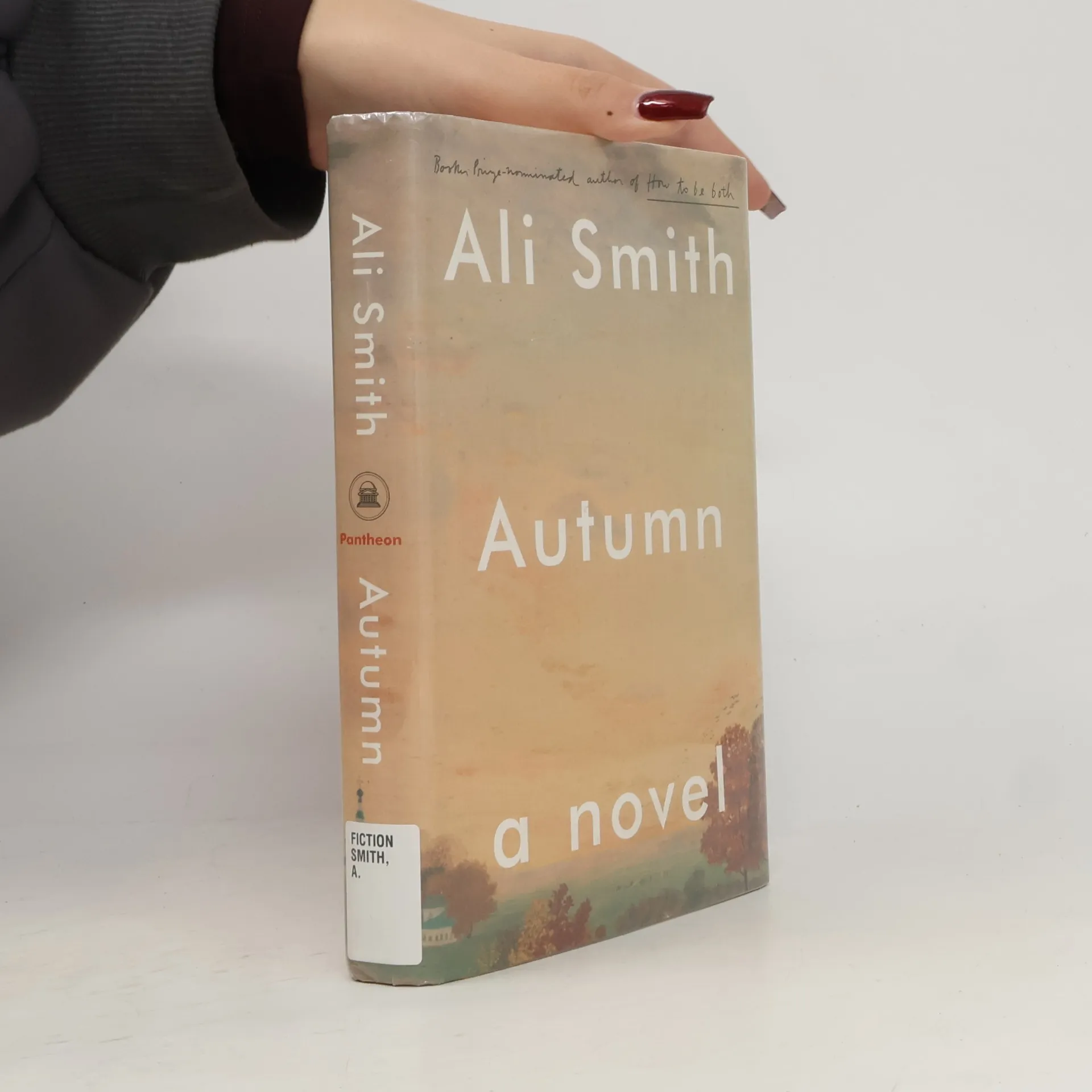
"The first of four novels in a shape-shifting series, wide-ranging in timescale and light-footed through histories. Fusing Keatsian mists and mellow fruitfulness with the vitality, the immediacy and the colour-hit of Pop Art - via a bit of very contemporary skulduggery and skull-diggery - Autumn is a witty excavation of the present by the past. The novel is a stripped-branches take on popular culture, and a meditation, in a world growing ever more bordered and exclusive, on what richness and worth are, what harvest means. Autumn is part of the quartet Seasonal- four stand-alone novels, separate yet interconnected and cyclical (as the seasons are), exploring what time is, how we experience it, and the recurring markers in the shapes our lives take and in our ways with narrative."
"Why are books so very powerful? What do the books we've read over our lives - our own personal libraries - make of us? What does the unravelling of our tradition of public libraries, so hard-won but now in jeopardy, say about us? The stories in Ali Smith's new collection are about what we do with books and what they do with us: how they travel with us; how they shock us, change us, challenge us, banish time while making us older, wiser and ageless all at once; how they coax us endlessly to unexpected blossom; how they remind us to pay attention to the world we make."--Jacket.
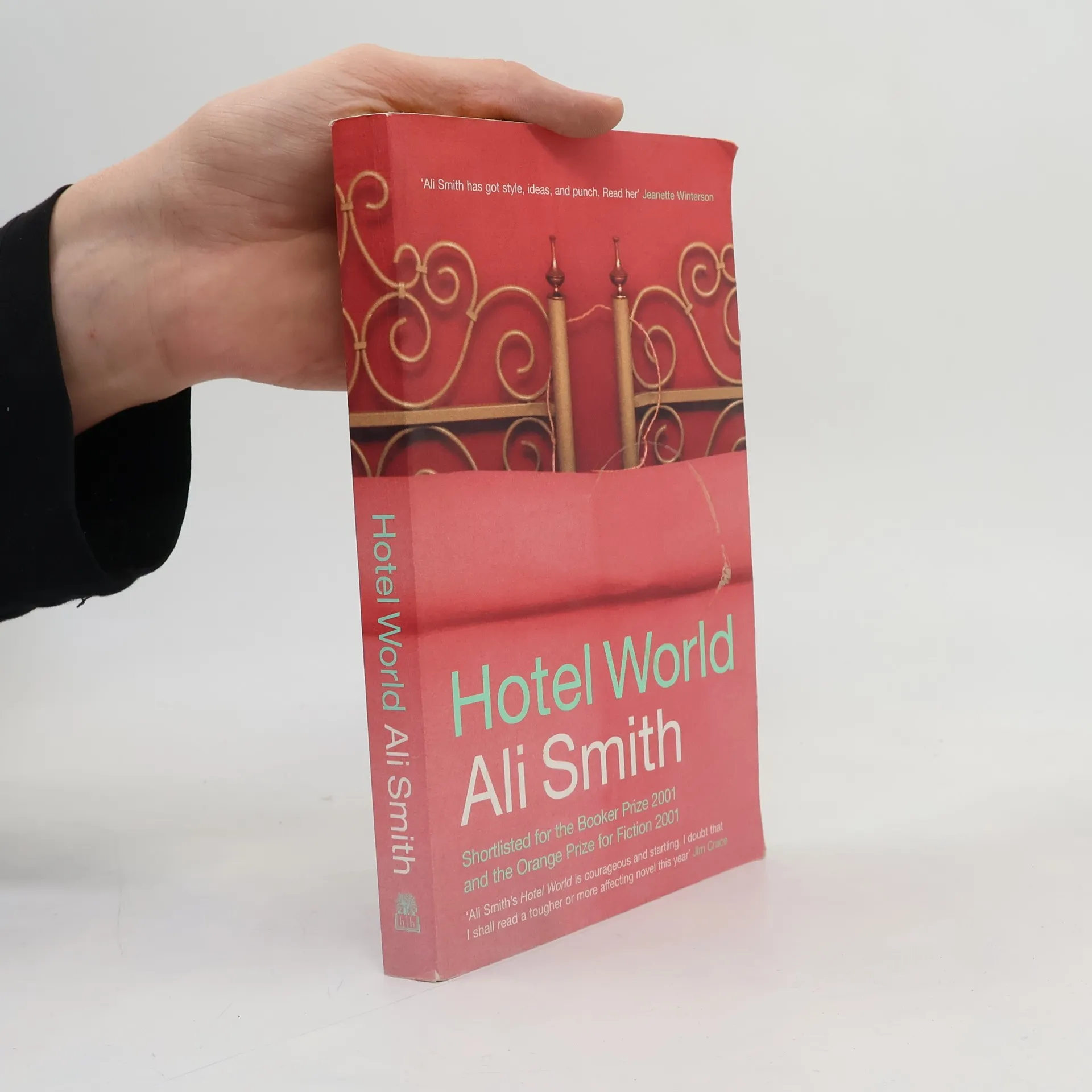
This story brings alive five characters, one of whom is dead, during one night in a hotel. The author traces their intersecting lives, examining the themes of time, chance, money and death.
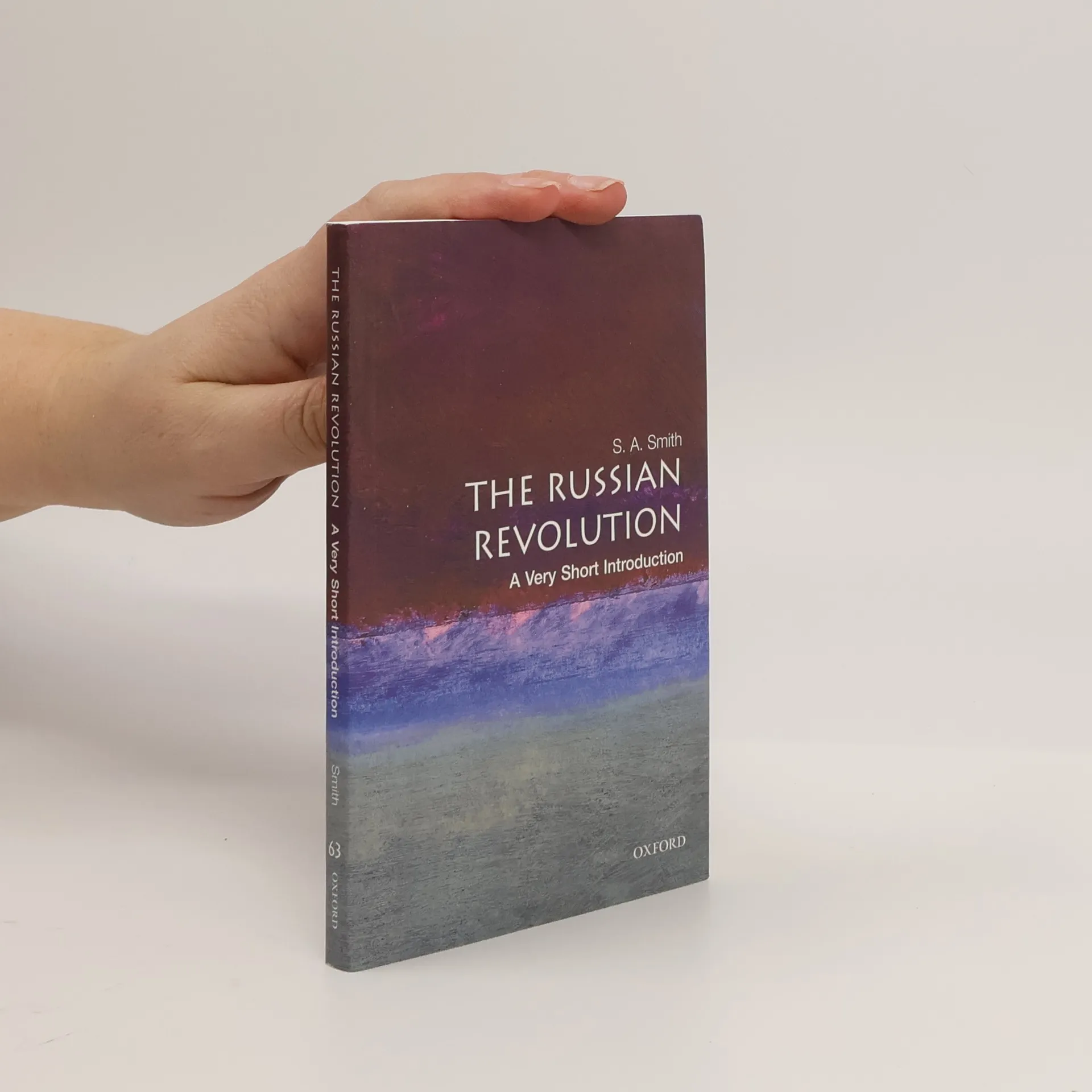
This Very Short Introduction provides an analytical narrative of the main events and developments in Soviet Russia between 1917 and 1936. It examines the impact of the revolution on society as a whole-on different classes, ethnic groups, the army, men and women, youth. Its central concern is to understand how one structure of domination was replaced by another.
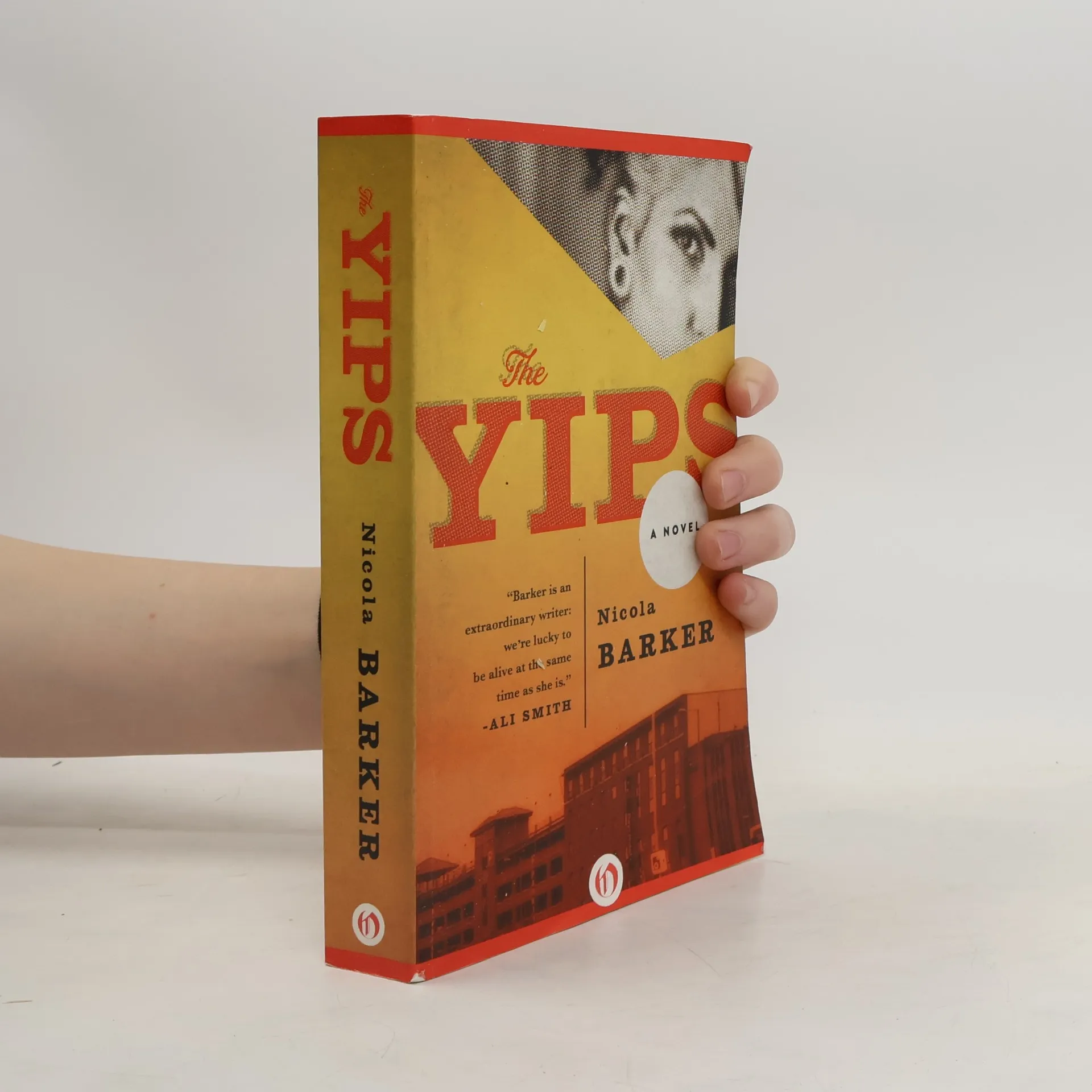
A new novel of the pre-Olympic moment from the Booker-shortlisted author of ‘Darkmans’, Nicola Barker. 'There was a rat in the bath', Gene explains. 'It's a long story, but basically I fished it out and was carrying around by the tail, not quite sure how to dispose of it, when I managed to barge in on this woman having a genital tattoo'. 2006 is a foreign country; they do things differently there. Tiger Woods' reputation is entirely untarnished and the English Defence League does not exist yet. Storm-clouds of a different kind are gathering above the bar of Luton's less than exclusive Thistle Hotel. Among those caught up in the unfolding drama are a man who's had cancer seven times, a woman priest with an unruly fringe, the troubled family of a notorious local fascist, an interfering barmaid with three E's at A-level but a PhD in bullshit, and a free-thinking Muslim sex therapist and his considerably more pious wife. But at the heart of every intrigue and the bottom of every mystery is the repugnantly charismatic figure of Stuart Ransom – a golfer in free-fall. Nicola Barker's ‘The Yips’ is at once a historical novel of the pre-Twitter moment, the filthiest state-of-the-nation novel since Martin Amis' ‘Money’ and the most flamboyant piece of comic fiction ever to be set in Luton.
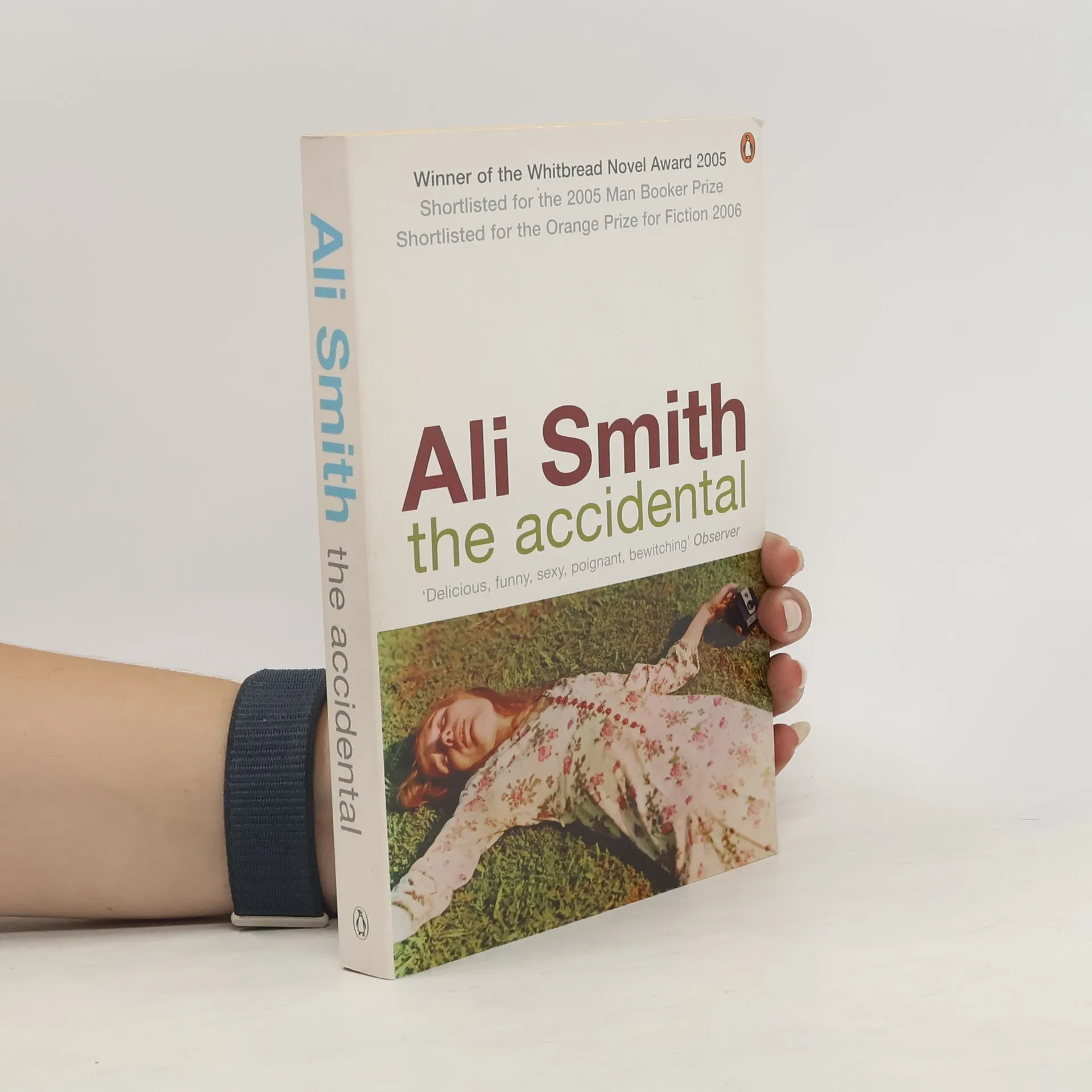
Winner of the Whitbread Award for best novel and a finalist for the Man Booker Prize, this virtuoso work by Ali Smith captivates with its profound, playful, and inventive narrative. The story centers around the Smart family, whose summer in a Norfolk cottage is disrupted by the arrival of Amber—a barefoot, thirtysomething woman who claims to be a student. She talks her way into their lives, weaving a web of lies that entangles each family member differently. Eve Smart, a biographical author, suspects Amber is involved with her husband, Michael, an English professor who only knows her car broke down. Their daughter, Astrid, views Amber as a friend, while son Magnus sees her as an angel. As Amber embeds herself in their lives, the family's focus shifts from who she is to how her presence forces them to confront the accidents and truths of their own existence. When Eve finally sends Amber away, her impact lingers, revealing profound changes in the Smart family upon their return to London. This literary tour de force explores truth, chance, and the transformative power of storytelling, all infused with Smith's signature lyricism and whimsy.
"This story of three men's work helping traumatized kids in one of America's most underserved cities reveals how mindfulness tools can help children and communities not only survive but thrive"-- Provided by publisher
A collection of brand-new short stories written by major international writers and inspired by Kafka - to commemorate one hundred years since his death
Czwarty tom bestsellerowego i nagradzanego cyklu Pory roku najwybitniejszej współczesnej pisarki szkockiej. W teraźniejszości Sacha wie, że świat boryka się z problemami. Robert, jej brat, stwarza problemy. Ich rodzice mają problemy. Tymczasem świat pogrążył się w kryzysie a prawdziwy kryzys jeszcze się nawet nie zaczął. W przeszłości cudowne lato. Inne rodzeństwo wie, że czasu jest coraz mniej. Jest to opowieść o ludziach w przededniu zmiany. Są rodziną, ale uważają się za obcych. Więc: gdzie się zaczyna rodzina? I co łączy ludzi, którzy myślą, że nie łączy ich nic? Lato.
Czterokrotna finalistka Nagrody Bookera, uznawana za najwybitniejszą współczesną szkocką pisarkę, przedstawia pierwszą powieść z cyklu „Pory Roku”. Daniel Gluck, ponad stuletni mieszkaniec domu spokojnej starości, jest wspominany przez Elisabeth Demand, która w dzieciństwie zaprzyjaźniła się z nim, mimo sprzeciwu matki. Teraz czuwa przy jego łóżku, rozmyślając o ich niezwykłej relacji, podczas gdy Daniel we śnie przeżywa swoje wspomnienia. W tle tych reminiscencji Wielka Brytania zmierza ku Brexitowi, co nadaje powieści znaczenie w kontekście nowej rzeczywistości społecznej. W drugiej części, „Zimie”, Ali Smith ukazuje mroźną porę roku, w której życie mierzy się z trudnościami, ale także z widocznością pewnych spraw. To opowieść o historii, pamięci i sztuce, która przetrwa. „Wiosna” to trzeci tom, w którym autorka przemyca nadzieję, łącząc różne postacie i motywy, od Katherine Mansfield po Brexitu. Smith bada migrację opowieści w czasie, otwierając drzwi w obliczu murów i zamknięcia. Ostatnia część, „Lato”, przedstawia Sacha, która widzi problemy w rodzinie i świecie. W obliczu kryzysu rodzeństwo zmaga się z pytaniami o to, co łączy ludzi, którzy czują się obcy. To opowieść o zmianie i poszukiwaniu tożsamości w trudnych czasach.
Die alte Krähe hat schon viel gesehen in ihrem langen Leben, und sie weiß: Das Königreich Theben ist verflucht, seit Krähen gedenken. In der Nacht hat ein schrecklicher Kampf getobt, weil zwei Brüder sich nicht einig waren, wem von ihnen die Königskrone zusteht. Menschen! Nun sind beide tot. Doch nur Eteokles darf beerdigt werden, das hat Kreon, der neue König, verfügt. Der andere Bruder, Polyneikes, sei ein Verräter und werde den Tieren zum Fraß vorgeworfen. Was die alte Krähe begrüßt - aber die zwölfjährige Antigone durchkreuzt die Pläne des Königs: Die Schwester von Polyneikes und Eteokles widersetzt sich Kreons Befehl, sie wird Polyneikes beerdigen. Und die alte Krähe fragt sich, wohin das alles noch führen soll …