

En savoir plus sur le livre
As editors Toby Litt and Ali Smith explain in their introduction: "newness is quite a venerable category. There's not much that's new about it. In the 1930s, when a magazine called "New Writing" was first published, it had to compete with "New Signatures," "New Country," "New Verse," the "New Statesman" "and Nation" and "New Theatre," and what with the "New Woman" of the 1890s and new everything else, even then, new wasn't the new new. . . If we've achieved diversity, it's because our submissions were themselves diverse; and the final selection is representative of the proportion of short stories to novel extracts, poems and essays that were submitted. Originality is only proven over time, paradoxically. We are confident that some of the names here you've never heard before will become very familiar. They may even disgrace themselves by winning prizes, becoming established, etc. But they'll be the kinds of writer, like the known names published here, for whom everything they write is a renewal - of language, of place, of the senses and of the contemporary."
Achat du livre
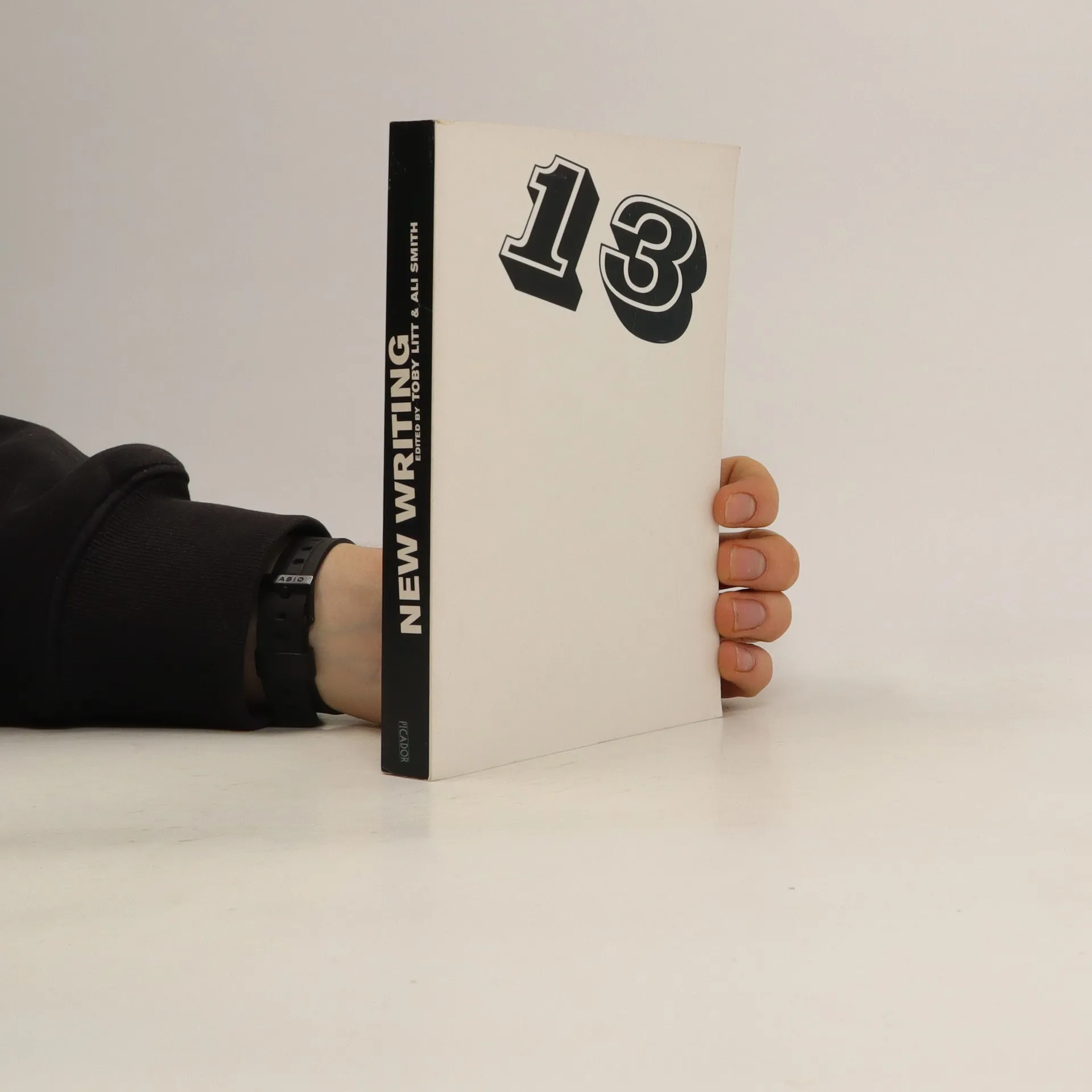
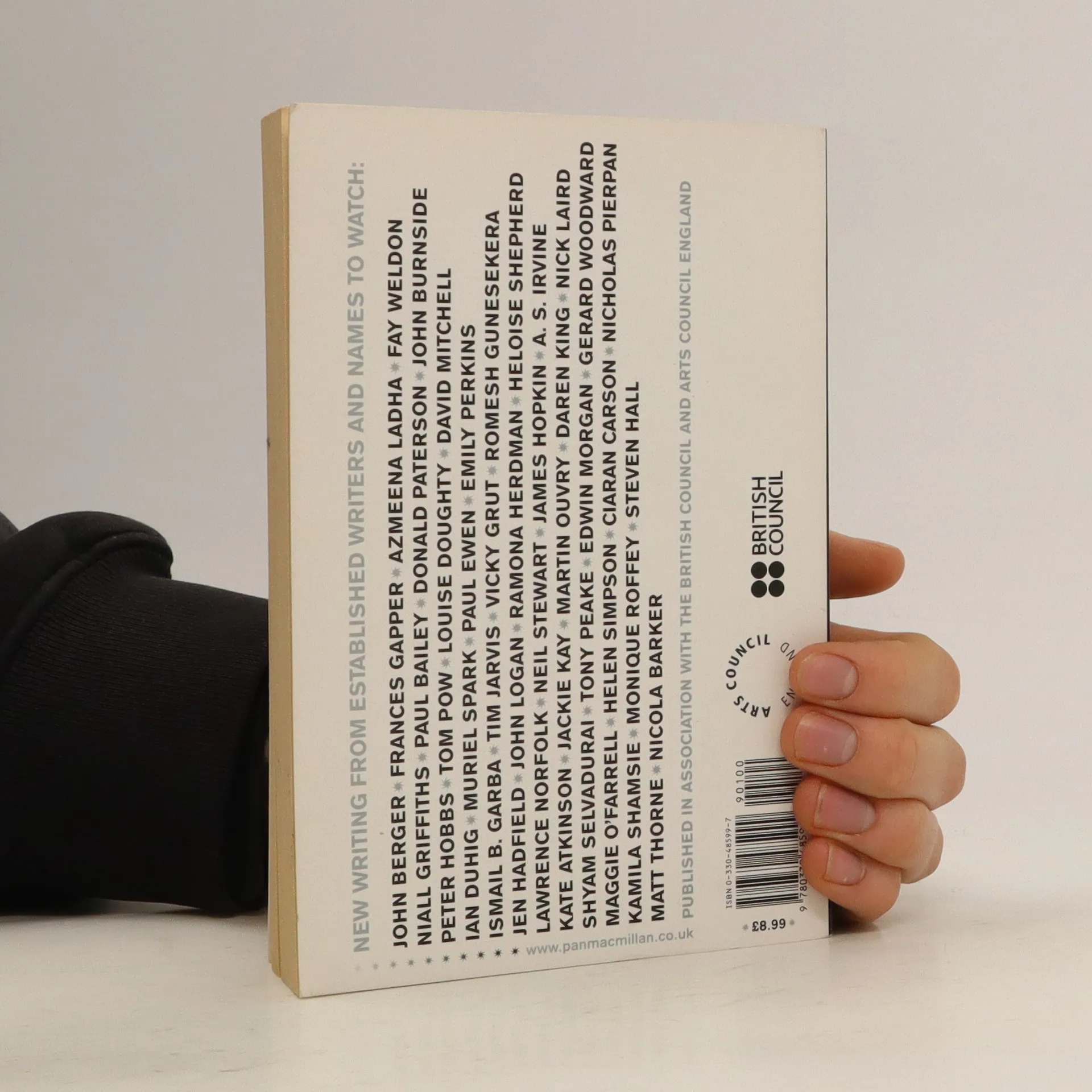
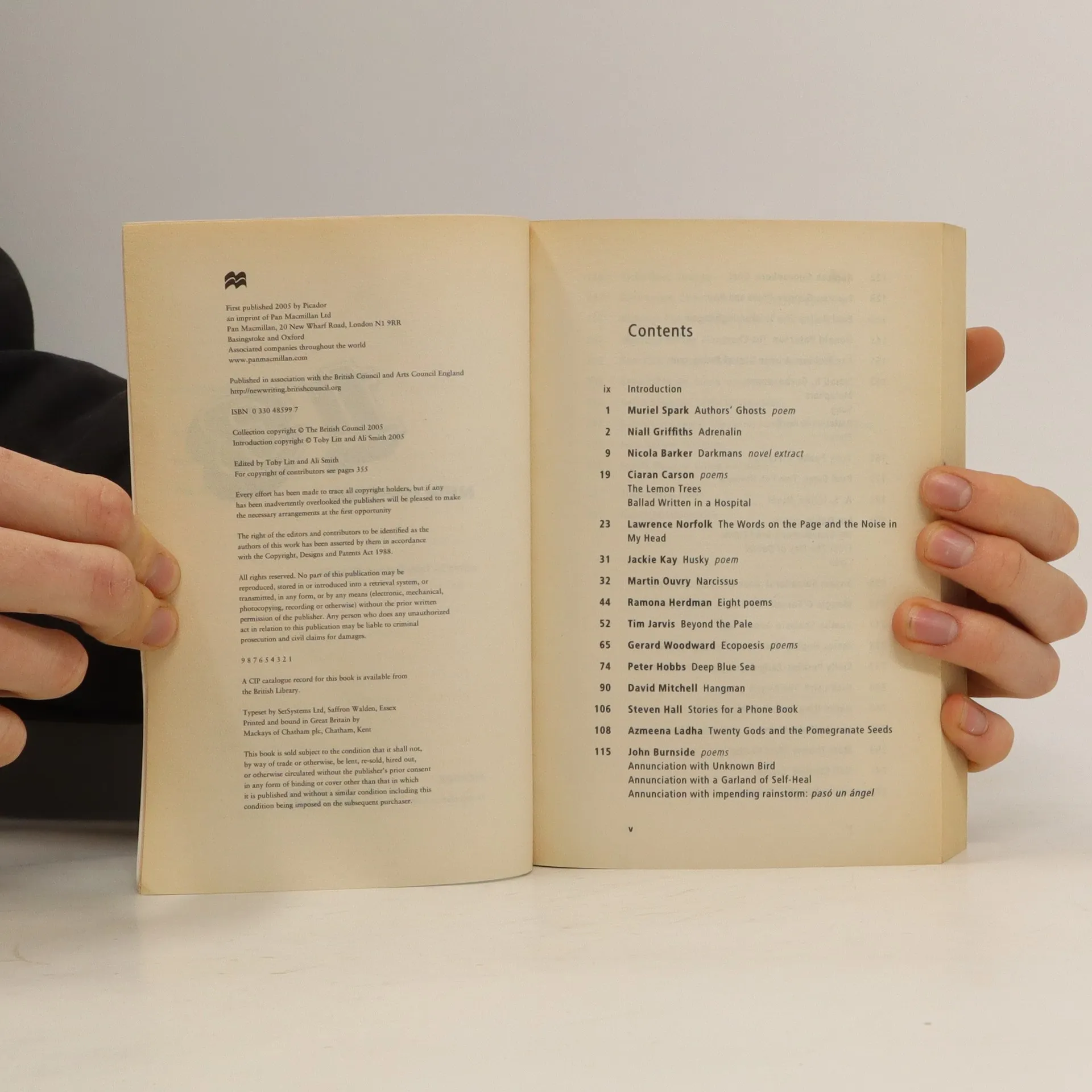
New writing 13 : an anthology, Toby Litt, Ali Smith
- Langue

- Année de publication
- 2005
- Reliure
- (souple)
Modes de paiement
Il manque plus que ton avis ici.
- Titre
- New writing 13 : an anthology
- Langue
- Anglais
- Éditeur
- Picador
- Publié
- 2005
- Format
- souple
- Pages
- 354
- ISBN10
- 0330485997
- ISBN13
- 9780330485999
- Séries
- Recueil
- New writing
- Catégories
- Mots clés
- Littérature mondiale
- Évaluation
- 3,9 sur 5
- Description
- As editors Toby Litt and Ali Smith explain in their introduction: "newness is quite a venerable category. There's not much that's new about it. In the 1930s, when a magazine called "New Writing" was first published, it had to compete with "New Signatures," "New Country," "New Verse," the "New Statesman" "and Nation" and "New Theatre," and what with the "New Woman" of the 1890s and new everything else, even then, new wasn't the new new. . . If we've achieved diversity, it's because our submissions were themselves diverse; and the final selection is representative of the proportion of short stories to novel extracts, poems and essays that were submitted. Originality is only proven over time, paradoxically. We are confident that some of the names here you've never heard before will become very familiar. They may even disgrace themselves by winning prizes, becoming established, etc. But they'll be the kinds of writer, like the known names published here, for whom everything they write is a renewal - of language, of place, of the senses and of the contemporary."