À côté des rares volumes de nouvelles qu'il publia, Kafka songea, à partir de 1917, faire paraître un recueil d'aphorismes. On trouvera ici les deux grandes séries collationnées par lui de ses “pensées” éparses, délimitées par Brod et Schoeps, et conformes à l'édition allemande. Comme en marge de la visée littéraire de Kafka, mais l'éclairant singulièrement, l'enjeu et la nature de ces aphorismes ne laisseront pas de surprendre. Et on pourrait dire, avec Claude David qui attira l'attention sur leur extrême importance, que c'est en effet, pour une réelle connaissance de Kafka, là sans doute «le fond permanent de sa pensée qui apparaît».
Une des œuvres majeures de la littérature moderne sur les cauchemars de l'existence, La transformation, ou métamorphose, de Gregor Samsa en un insecte monstrueux, semblable à un énorme scarabée, est un des jalons de la littérature universelle. Franz Kafka a écrit ce récit en 1915. Dans cette œuvre, la plus connue des cauchemars kafkaïens, le protagoniste se retrouve confronté à une réalité absurde et aliénante, symbolisant la lutte de l'individu contre un monde indifférent. La transformation de Gregor illustre les thèmes de l'isolement, de l'angoisse existentielle et de la déshumanisation. La critique souligne que l'univers de Kafka est un espace où l'homme se débat dans des situations intolérables, où la destruction de l'identité plane comme une menace inéluctable. La littérature de Kafka, à la fois cruelle et complexe, explore les profondeurs de l'âme humaine face à l'absurde et à la souffrance.
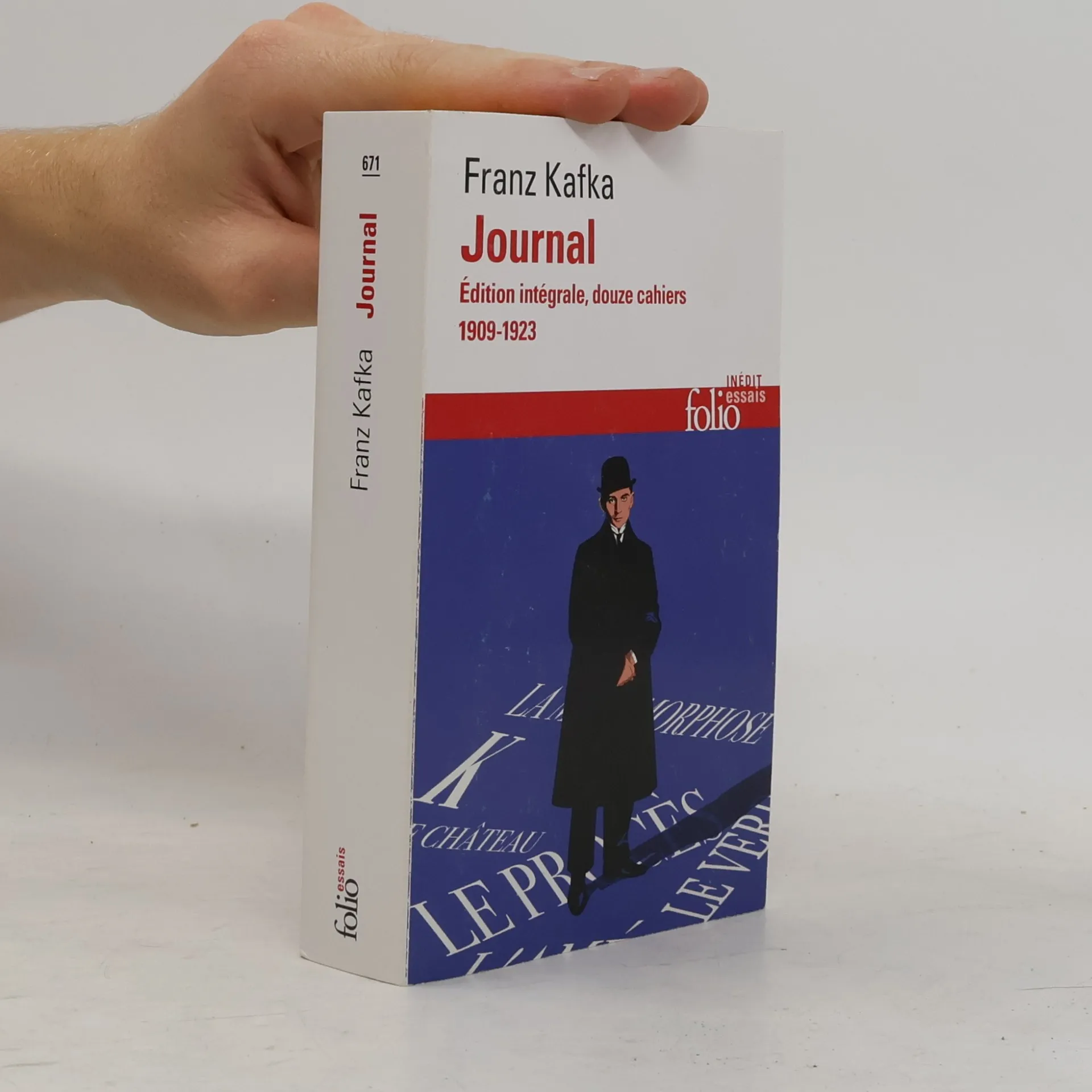
Une traduction essentielle des journaux intimes complets et non censurés de l'auteur, révélant les particularités et les aspérités de l'un des écrivains les plus influents du vingtième siècle. Datant de 1909 à 1923, ces journaux manuscrits contiennent divers types d'écrits : récits d'événements quotidiens, réflexions, observations, esquisses littéraires, brouillons de lettres, récits de rêves, ainsi que des histoires achevées. Ce volume propose une reconstruction complète des entrées de journal et fournit un contenu substantiel, y compris des détails, des noms, des œuvres littéraires et des passages de nature sexuelle qui avaient été omis dans des publications antérieures. En reproduisant fidèlement l'écriture distinctive — souvent étonnamment brute — des carnets de Kafka, le traducteur met en lumière non seulement l'utilisation des journaux pour l'expérimentation littéraire et l'expression personnelle, mais aussi leur valeur en tant qu'œuvre d'art à part entière.
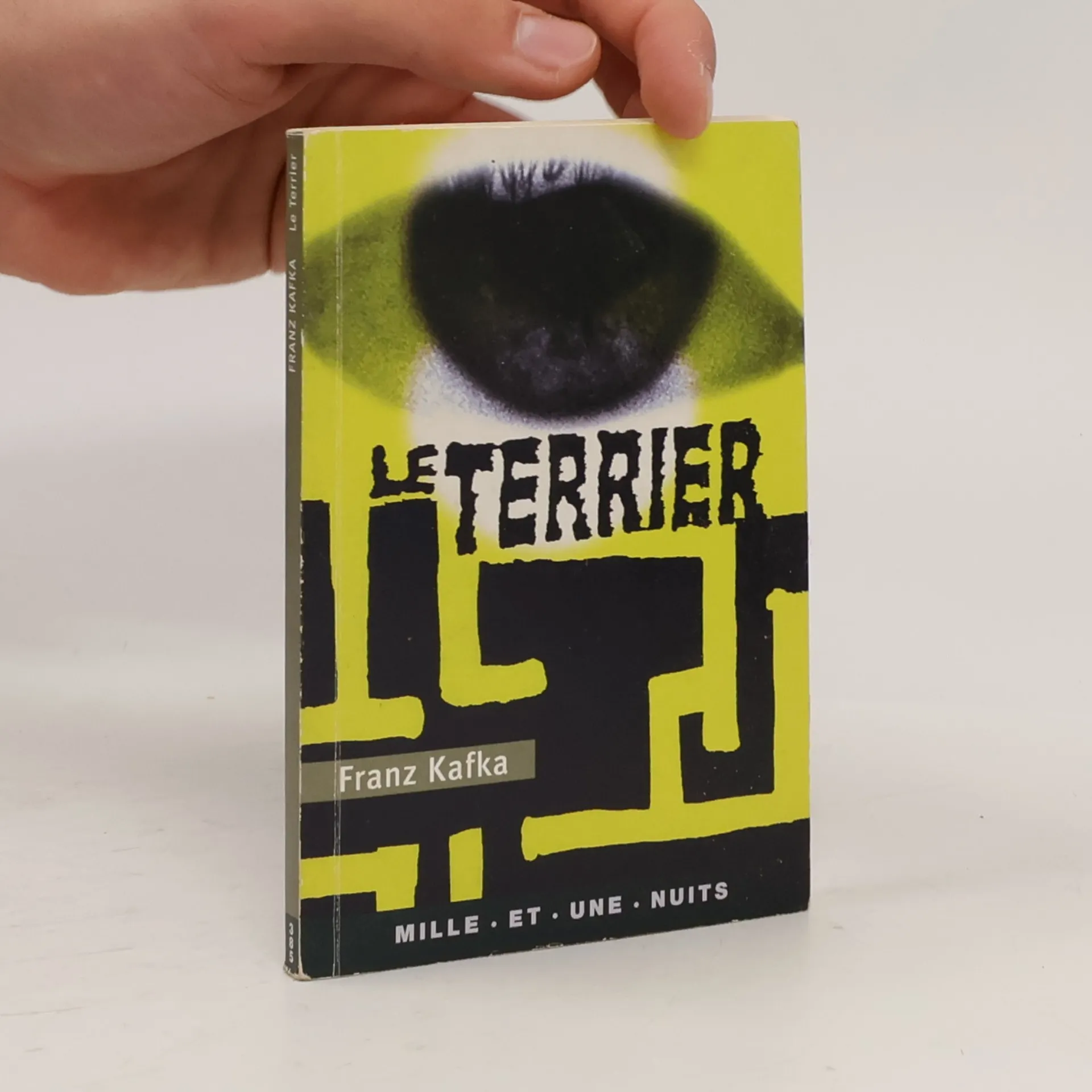
«Arranjei o covil e parece que me saí bem. Do exterior vê-se apenas um grande buraco, mas na realidade esse buraco não conduz a parte nenhuma (...) Porém, a uns passos do buraco, abre-se a verdadeira entrada, coberta por uma camada de musgo, que eu posso levantar: se há neste mundo alguma coisa segura é este lugar.»«Que buraco seguro e quentinho que eu arranjei... É o meu abrigo e não há cerco mais sólido, tranquilo e doce que este. Quando o mundo exterior me aborrece, importuna ou consome fujo para este recanto, rodeado por sebes que há muito deixei de podar. Para proteger o meu casebre construí várias armadilhas aptas a deglutir o inimigo num segundo. O pior é que por vezes me distraio na vigia e tropeço nos meus próprios artifícios. Tenho então que lutar para me tentar livrar do covil, de proprietária passo a prisioneira e para conseguir fugir tenho de deitar abaixo os muros que com tanto cuidado e estima construí. Depois quando me apetece regressar há que voltar a reerguer as barreiras para mais tarde as destruir. Trabalho árduo, cansativo e repetitivo...»Franz Kafka, in O Covil
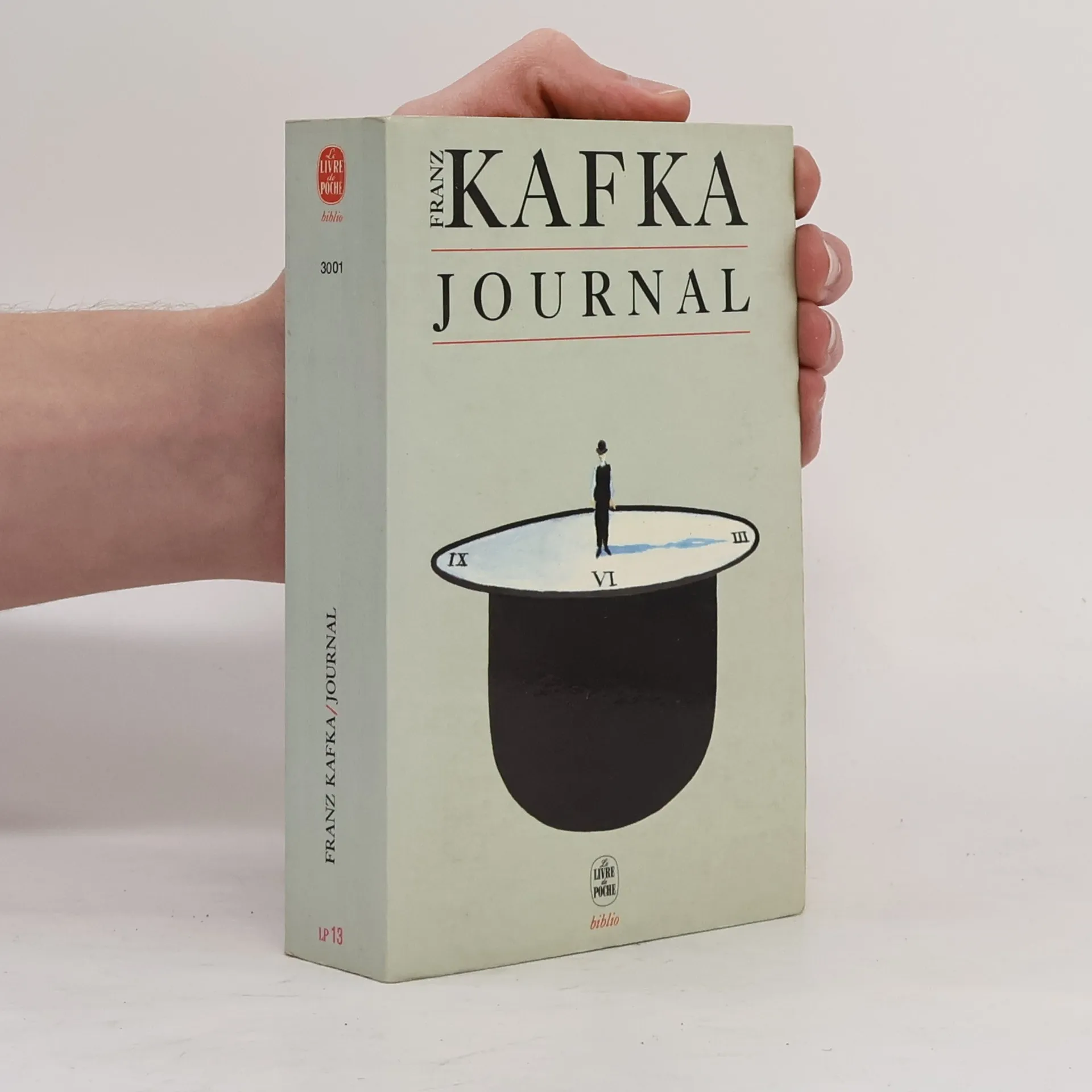
Voici le témoignage le plus poignant de toute l'histoire de la littérature. Que devient un homme quand le verbe pénètre en lui, décide de sa vie, et lui fait espérer un mystérieux salut ? " Nous avons été chassés du paradis mais le paradis n'a pas été détruit pour cela. " Ce paradis qu'on doit retrouver sera d'autant plus beau qu'on revient de loin. Kafka relate tout ce qui l'envahit et l'abat : peur de la maladie et de la solitude, désir et crainte du mariage, lutte contre le milieu familial et religieux. Etouffé par ses scrupules, Kafka ne perd jamais de vue sa vie spirituelle dont il attend force et lumière. Ce Journal, c'est tout l'ennui de la vie et le salut qui l'éclaire.
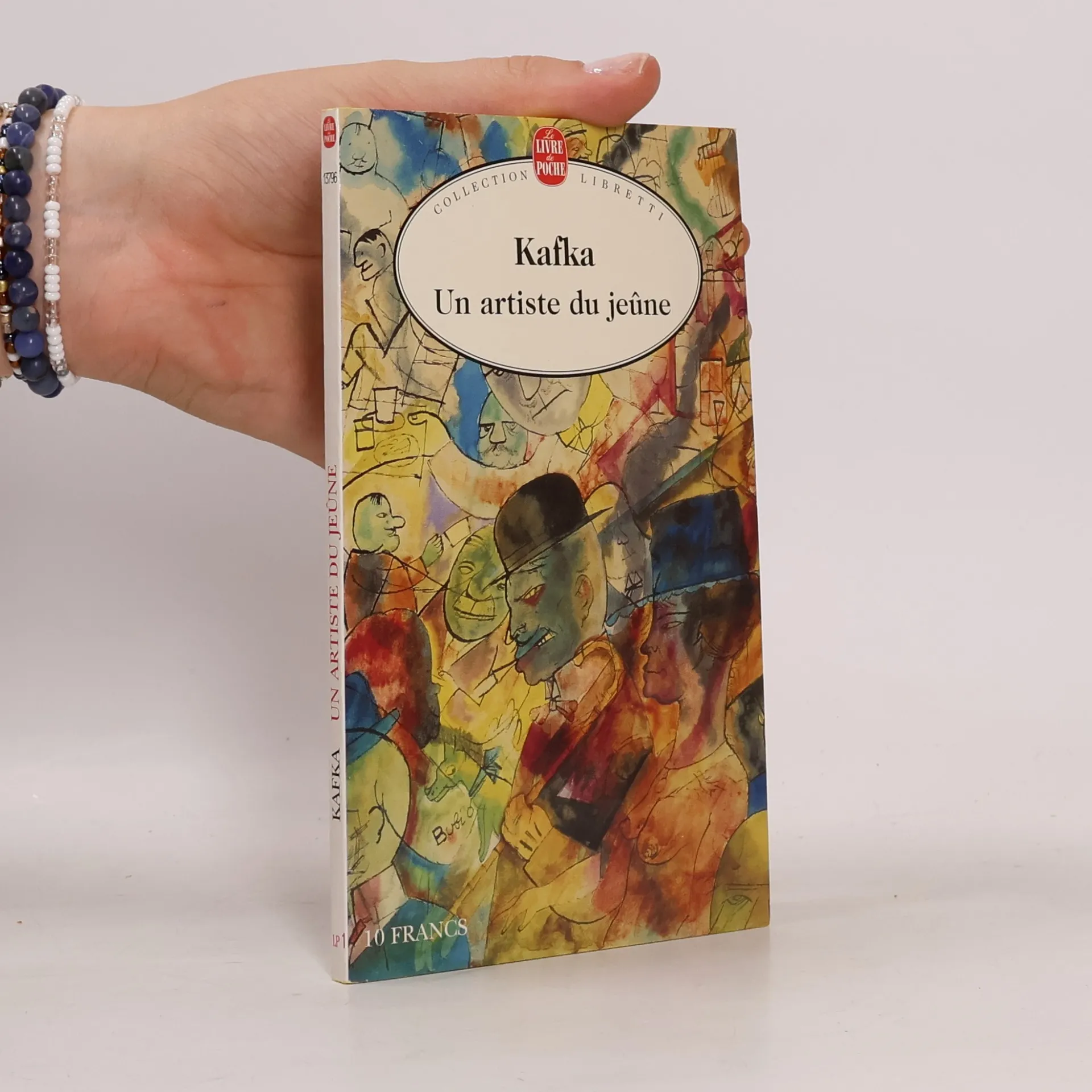
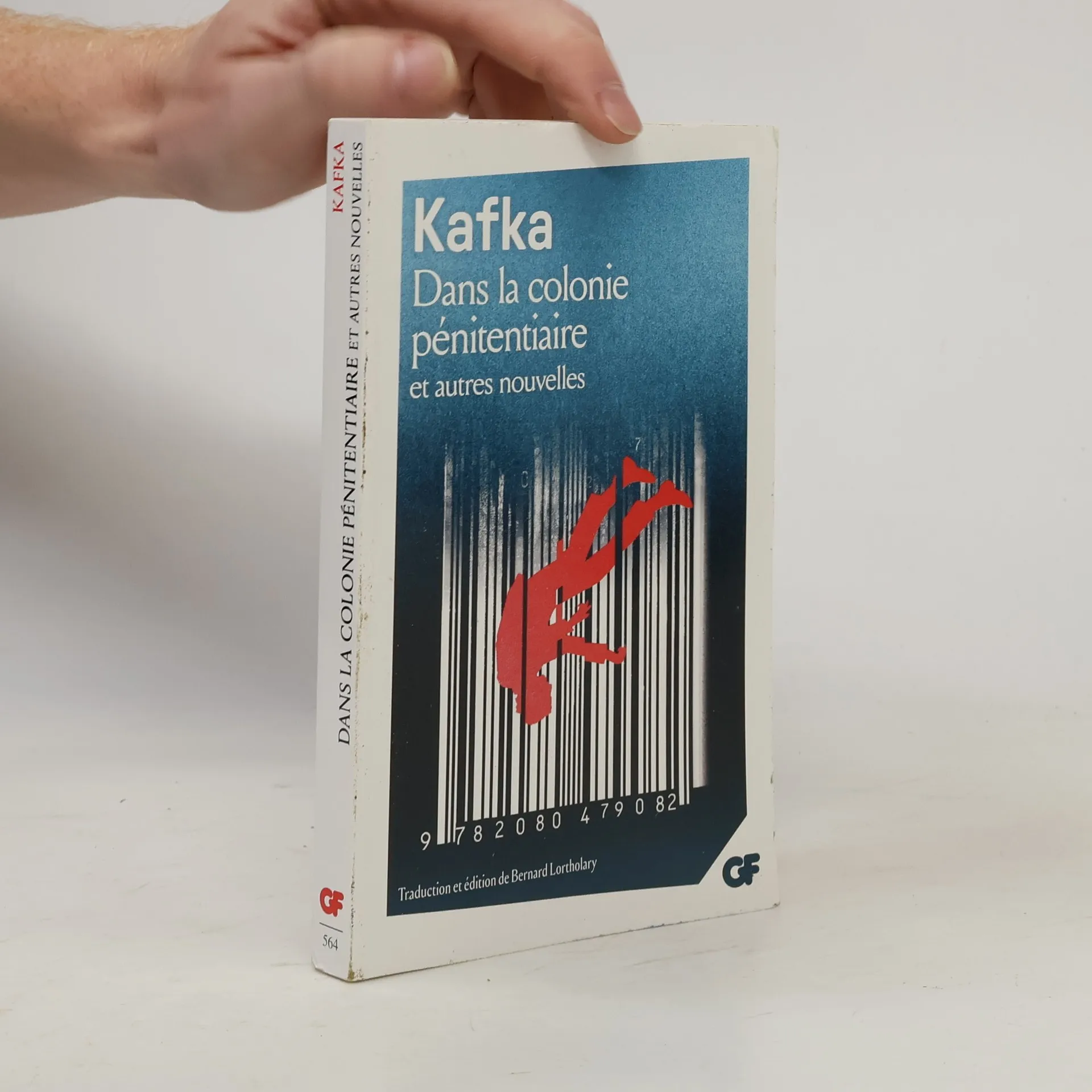
Du jeûne volontaire considéré comme un spectacle de cirque, jusqu'au jour où le public, lassé, se détourne de la cage... De l'animosité incompréhensible et torturante d'une voisine d'immeuble... De la soumission d'un fils, forcément coupable, même s'il ignore de quoi, à un père aussi terrifiant que grotesque... A travers les textes rassemblés ici, nous suivons toute l'évolution créatrice de Kafka, depuis les brefs récits de jeunesse réunis sous le titre Contemplation , jusqu'à ces chefs d'oeuvre de la maturité que sont Un artiste du jeûne ou Le Verdict . Mais ce qui prédomine, c'est l'unité et la prégnance d'un univers, d'une écriture impassible, imperceptiblement ironique, qui ne fait que mieux souligner le cauchemardesque à travers le quotidien, l'inquiétant à côté du drolatique.
« Très cher père, Tu m'as demandé récemment pourquoi je prétends avoir peur de toi. Comme d'habitude, je n'ai rien su te répondre... » Réel et fiction ne font qu'un dans la lettre désespérée que Kafka adresse à son père. Il tente, en vain, de comprendre leur relation qui mêle admiration et répulsion, peur et amour, respect et mépris. Réquisitoire jamais remis à son destinataire, tentative obstinée pour comprendre, la Lettre au père est au centre de l'œuvre de Kafka.
suivie de Karl Brand La rétro-métamorphose de Gregor Samsa
120pages
5 heures de lecture
„Als Gregor Samsa eines Morgens aus unruhigen Träumen erwachte, fand er sich in seinem Bett zu einem ungeheueren Ungeziefer verwandelt. Er lag auf seinem panzerartig harten Rücken und sah, wenn er den Kopf ein wenig hob, seinen gewölbten, braunen, von bogenförmigen Versteifungen geteilten Bauch, auf dessen Höhe sich die Bettdecke, zum gänzlichen Niedergleiten bereit, kaum noch erhalten konnte. Seine vielen, im Vergleich zu seinem sonstigen Umfang kläglich dünnen Beine flimmerten ihm hilflos vor den Augen.“ In diese Ausgabe der berühmten Kafka-Erzählung wurde auch die Rückverwandlung des Gregor Samsa, die im Prager Tagblatt erschienene Fortsetzung der Erzählung aus der Feder des früh an Kehlkopftuberkulose verstorbenen Karl Brand (1895–1917), eines Bekannten Kafkas, mitabgedruckt.
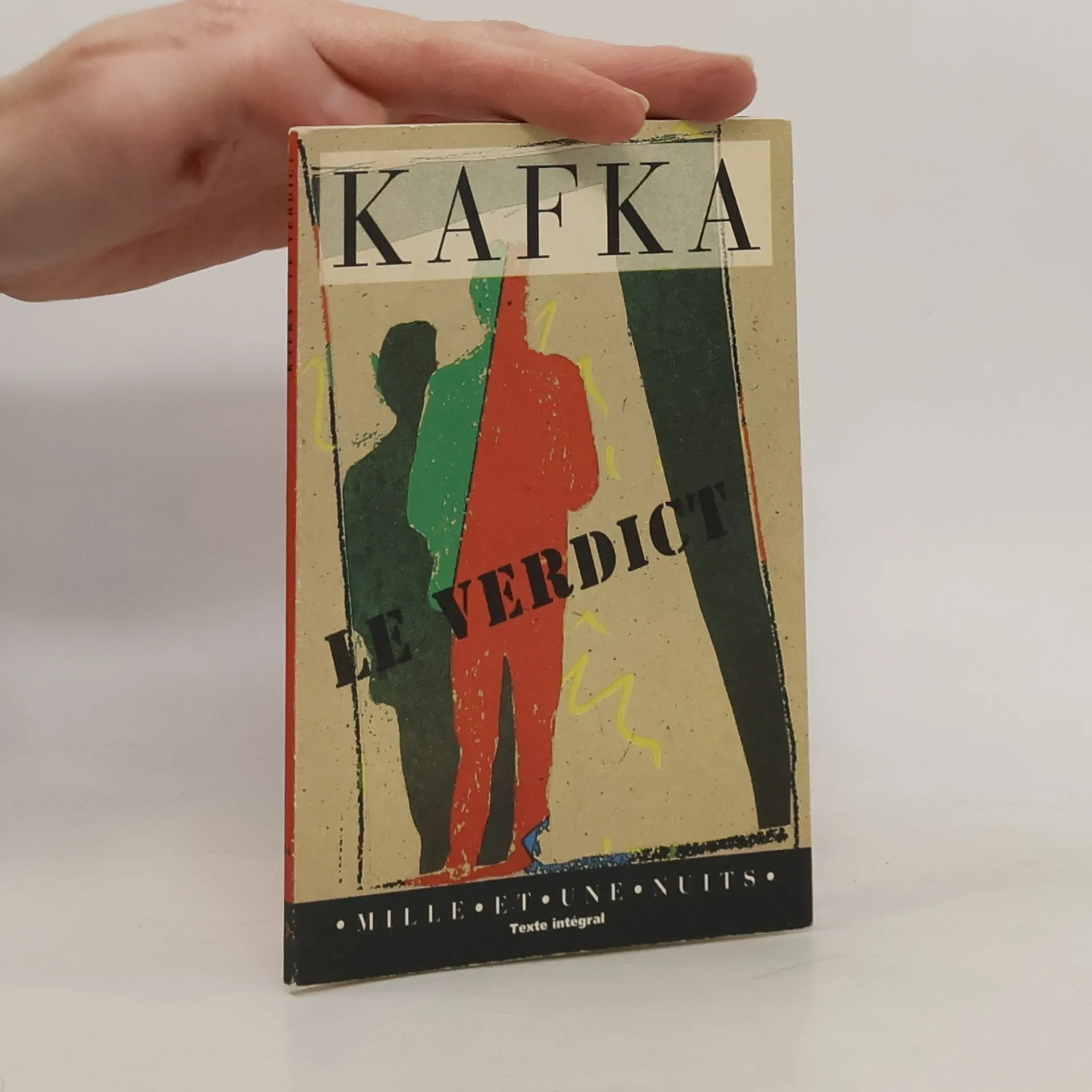
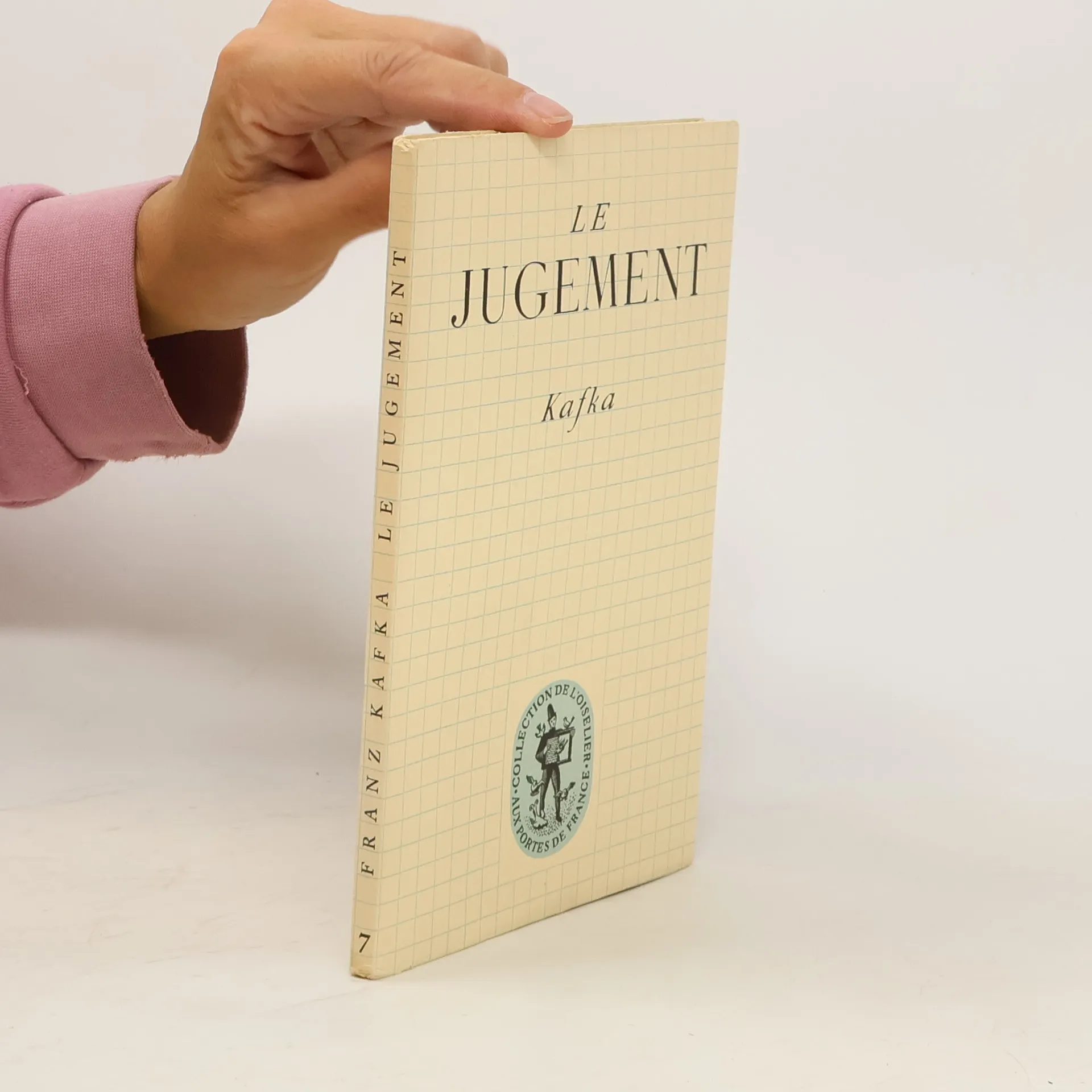
Dans la nuit du 22 au 23 septembre 1912, Kafka a écrit "Le Verdict". De la première ligne à la dernière, ce texte est empreint de vertige. Kafka nous propose la traversée périlleuse d'un pont qui mène d'une rive - l'enfance - à une auter, qui n'a pas de nom. Le père est le gardien royal de ce pont et il convient, malgré l'amour et la piété, de monter sur ses épaules pour voir plus loin, mieux et ailleurs, quelle que puisse être la douleur éprouvée.
" C'était le soir tard, lorsque K. arriva. Le village était sous la neige. La colline du Château restait invisible, le brouillard et l'obscurité l'entouraient, il n'y avait pas même une lueur qui indiquât la présence du grand Château. K. s'arrêta longuement sur le pont de bois qui mène de la route au village, et resta les yeux levés vers ce qui semblait être le vide... " K. entame là un long et harassant combat avec ce mystérieux Château, comme dans Le Procès un autre K. luttait contre un Tribunal omniprésent et pourtant insaisissable. Le fondé de pouvoir Joseph K. rêvait de se justifier. Le géomètre K. désire être reconnu et accepté. Parviendra-t-il même à prendre la mesure de son impuissance et de son ignorance ?
Lire en allemandCollection dirigée par Henri YvinecLa collection s'adresse à tous ceux qui désirent découvrir ou redécouvrir le plaisir de lire dans leur langue d'origine les oeuvres des plus grands auteurs contemporains.Notes en allemand en regard du texte, lexique bilingue en fin de volume dispensent d'un recours fastidieux au dictionnaire.20 Kurzgeschichten des 20. Jahrhunderts (Vingt histoires du xxe siècle) présentées par Maria Briand Notre aspect physique est-il le reflet de notre âme ? (R. Musil, W. Borchert, M. Frisch, C. Reinig). Un robot sosie pourrait-il nous remplacer ? (H. Kasack). Deux voisins échangent leur identité sans que personne s'en aperçoive... Est-ce possible ? (K. Kusenberg). Et si on nous donnait des pouvoirs magiques - serait-ce le paradis ou l'enfer ? (F. Kafka, E. Kästner, H. Spoerl)...Avec humour, ironie et d'un oeil parfois critique, les auteurs de ces Vingt histoires du xxe siècle observent ou imaginent la vie de leurs contemporains.
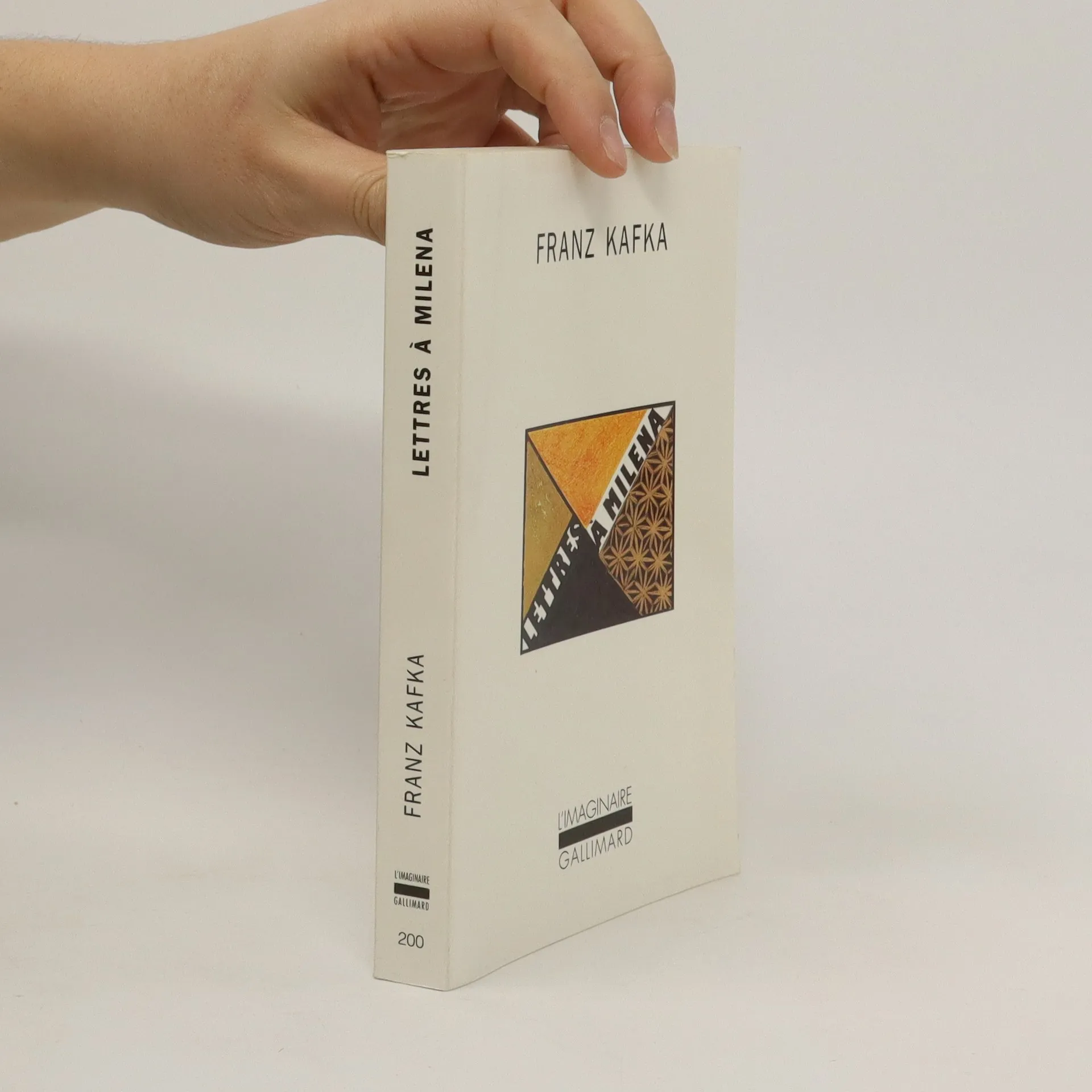
Franz Kafka connut d'abord Milena comme traductrice : elle établissait la version tchèque de quelques-unes de ses proses courtes. Ces relations se transformèrent en une liaison passionnée dont les lettres permettent de suivre le progrès. Cette passion ne dura q'un instant, elle tient en quelques mois à peine. Les lettres racontent d'un bout à l'autre ce roman d'amour, orgie de désespoir et de félicité, de mortification et d'humiliation. Car quelle qu'ait pu être la fréquence de leurs rencontres, leurs amours restent essentiellement épistolaires comme celles de Werther ou de Kierkegaard. Milena est morte vingt ans après Kafka, dans le camp de concentration de Ravensbrück.
L'intéret que l'on porte aux jeuneurs professionnels a beaucoup baissé au
cours des dernieres décennies. Alors qu'il était avantageux autrefois
d'organiser pour son propre compte des spectacles de cette nature, cela est
devenu aujourd'hui tout a fait impossible. C'étaient d'autres temps. A'cette
époque, toute la ville s'occupait du jeuneur ; l'intéret croissait de jour de
jeune en jour de jeune ; chacun voulait voir le jeuneur au moins une fois par
jour ; vers la fin, il y avait des abonnés qui restaient toute la journée
assis devant la petite cage grillagée...
Les dix-neuf récits et aphorismes, issus de l'œuvre posthume de Kafka, explorent des thèmes de forces lointaines et inaccessibles, de messages énigmatiques et de demandes vaines. Les personnages, souvent isolés, évoluent dans des mondes nocturnes et désespérés, soumis à des procédures complexes et à des réalités déconcertantes. Kafka parvient à capturer une dimension difficile à cerner de l'existence humaine à travers des métaphores puissantes, décrivant des expériences que peu d'auteurs ont su rendre avec une telle intensité. Dans ses récits, il évoque des sentiments de dégoût et d'étrangeté face à des événements extraordinaires, comme le cas d'un énorme taupe observé près d'un petit village, attirant des curieux de loin, mais laissant de côté ceux qui auraient dû montrer plus qu'une simple curiosité. Ces récits révèlent la profondeur et la complexité de la condition humaine, marquant un tournant dans la littérature moderne.
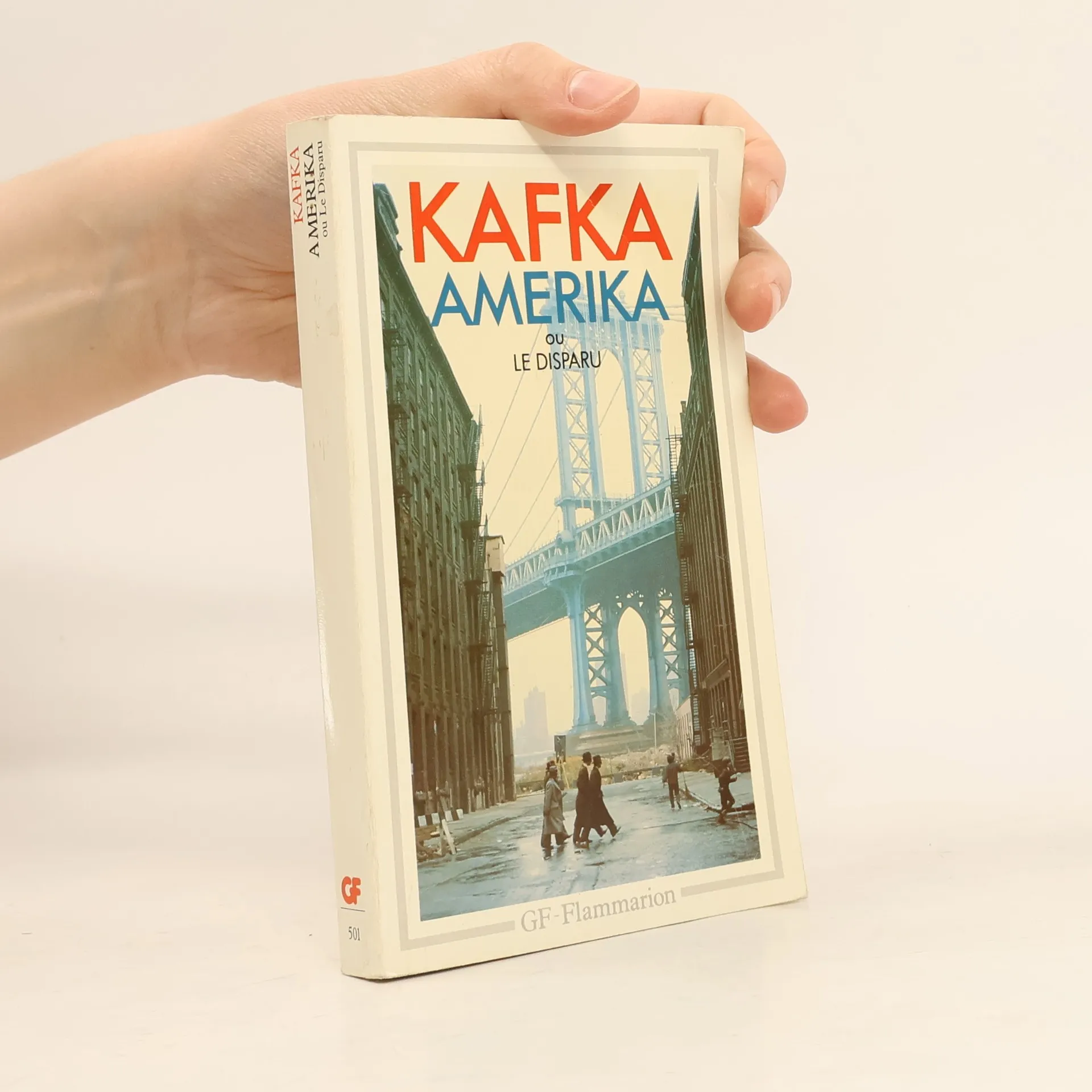
Lorsque, a seize ans, le jeune Karl Rossmann, que ses pauvres parents
envoyaient en exil parce qu'une bonne l'avait séduit et rendu pere, entra dans
le port de New York sur le bateau déja plus lent, la statue de fla Liberté,
qu'il observait depuis longtemps lui apparut dans un sursaut de lumieres. On
eut dit que le bras qui brandissait l'épée s'était levé a l'instant meme, et
l'air libre soufflait autour de ce grand corps...
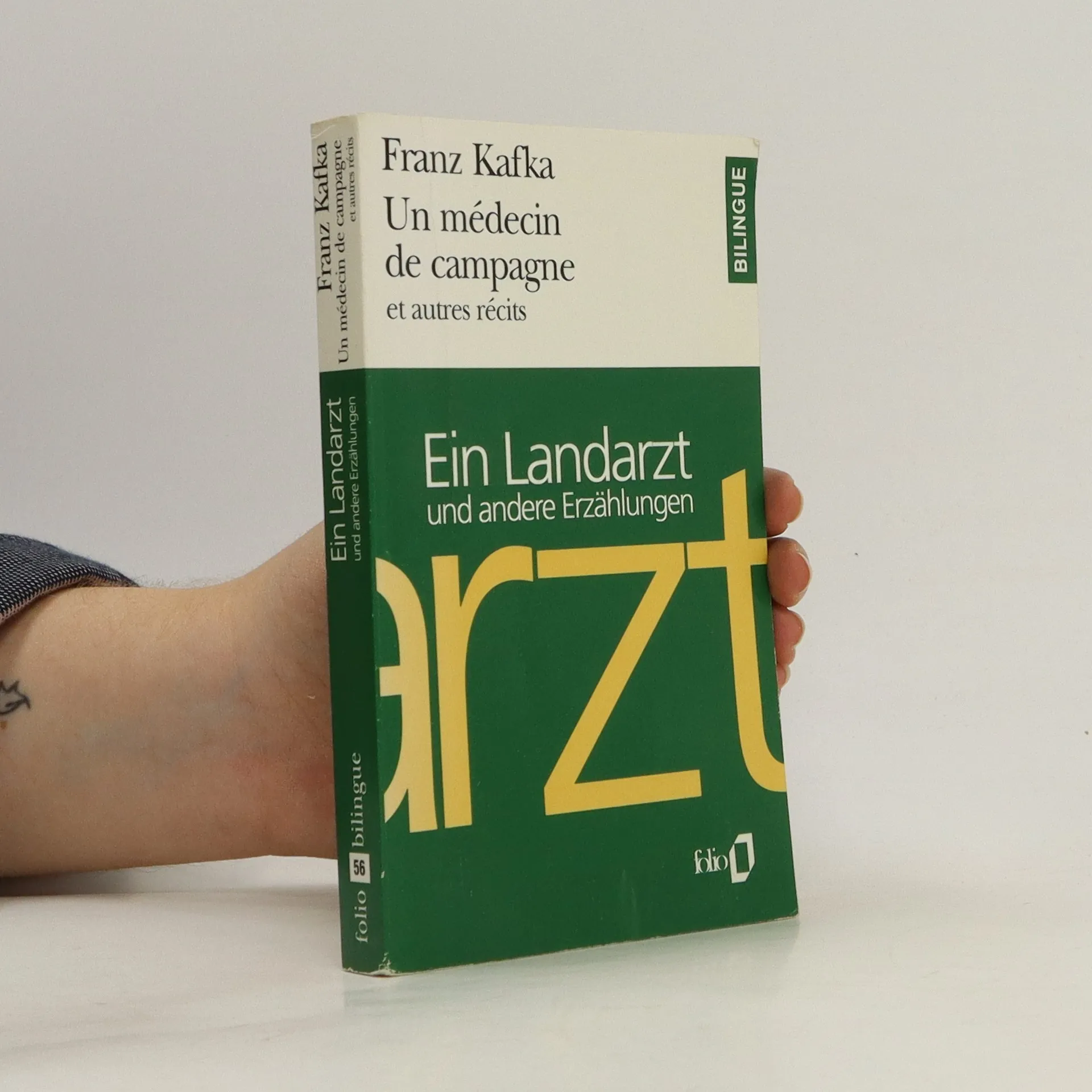
C'est au Hradschin, le Quartier du Château de Prague, que Franz Kafka (1883-1924) a écrit ces récits, publiés de son vivant sous le titre de Un médecin rural. Dans ses textes brefs, Kafka évoque un monde à la fois irrationnel et imprévisible, mais toujours terrifiant, dont il est pratiquement impossible d'échapper. Une fois, le faux son de la cloche du médecin déclenche une série de malheurs, une autre fois, des nomades étranges apparaissent devant lesquels même l'Empereur est impuissant. Les chacals parlants ou l'Odralek presque indéfinissable entraînent le lecteur vers le surréalisme. Existe-t-il une issue à ce désarroi ? Dans la quête de la Loi, le gardien de la porte donne une réponse : "C'est possible, mais pas maintenant".
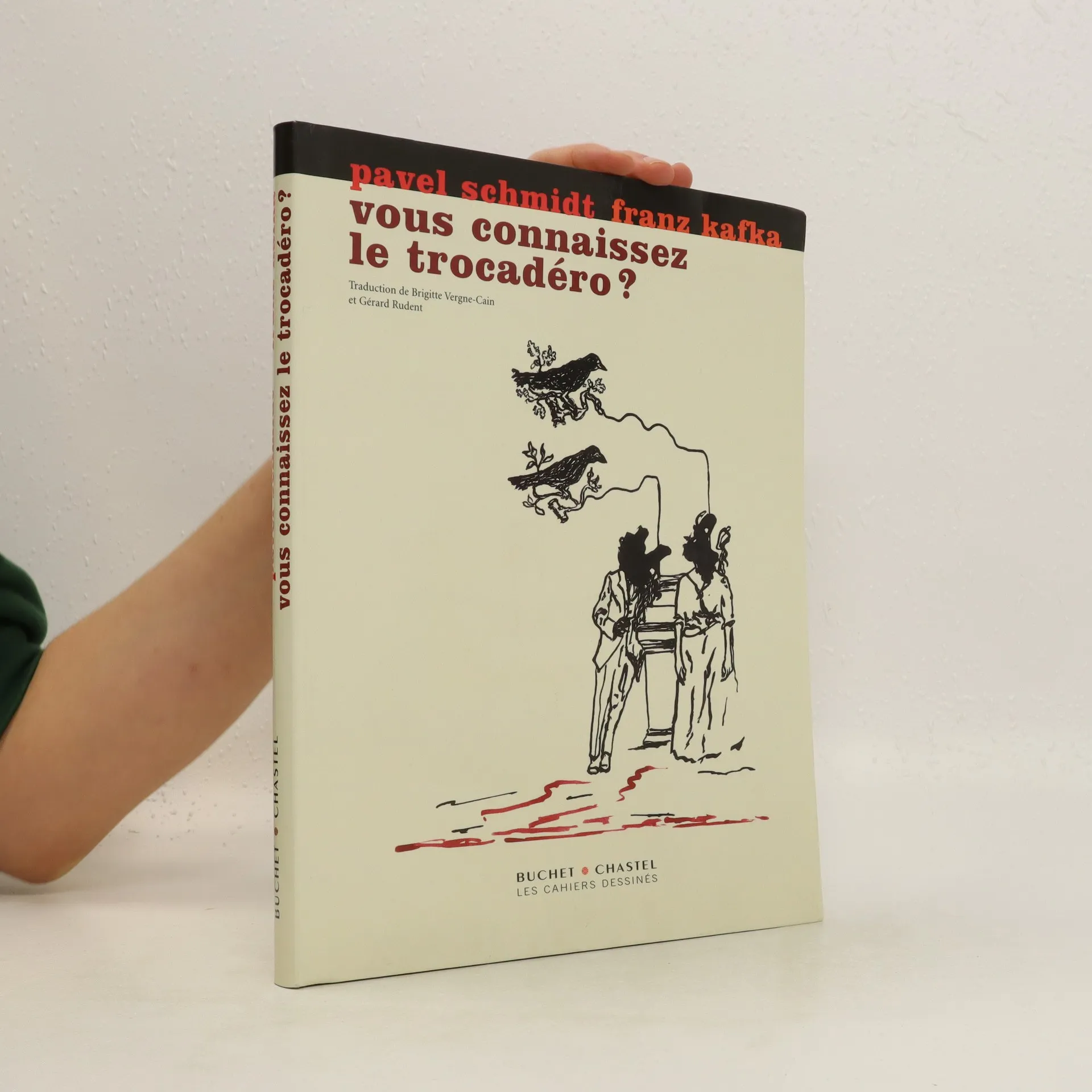
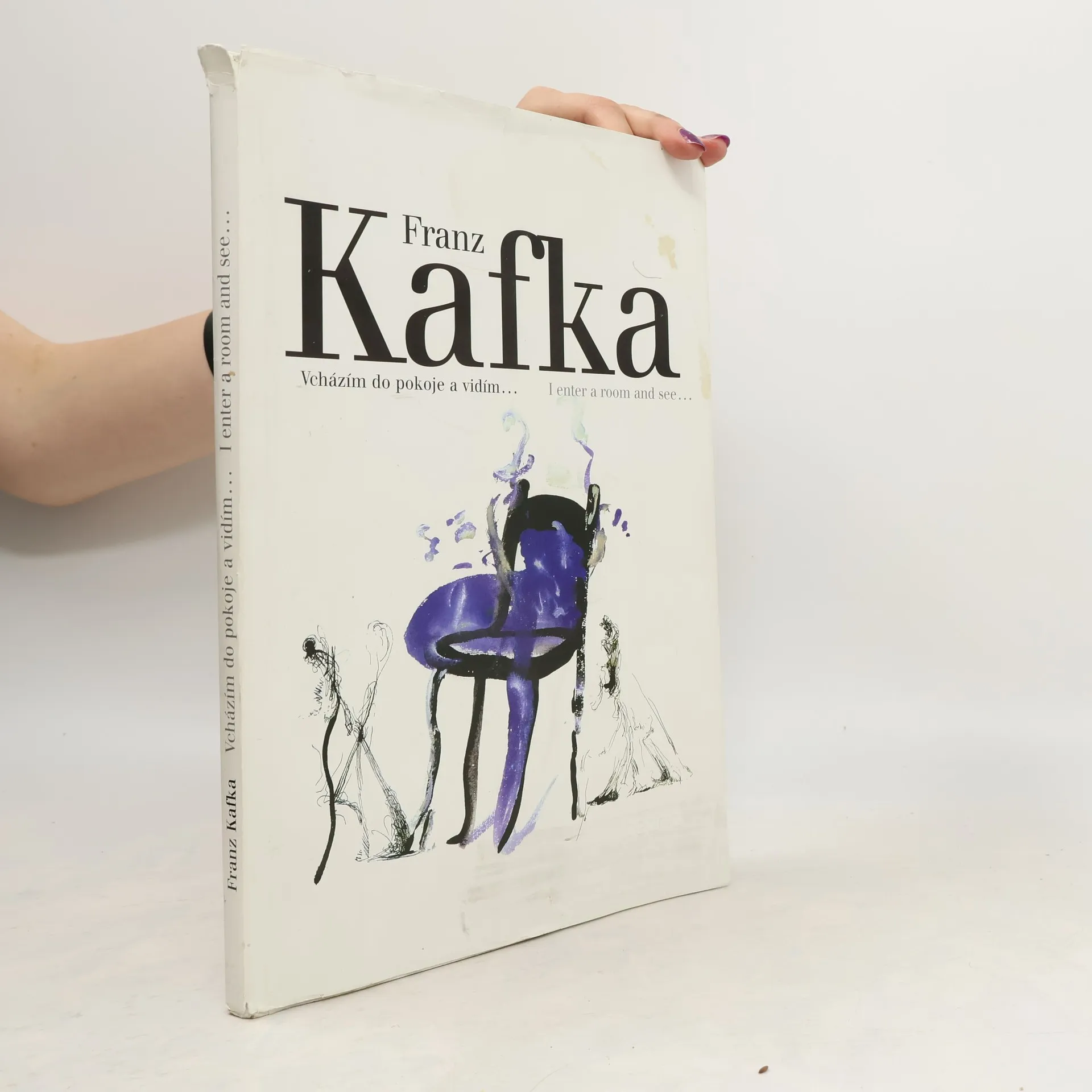
Les éditions Stroemfeld à Francfort publient actuellement les œuvres complètes de Franz Kafka. La plupart des manuscrits sont déposés à la Bodelian Library d'Oxford. On y trouve des notes, des brouillons, des copies, des fragments sans suite, des variations de récits. Cette édition consacre à chaque cahier un volume. La page d'un manuscrit est reproduite à côté de son double, avec toutes les fautes originelles, les paragraphes supprimés, les mots et les lettres raturés, et toute une gamme d'ajouts. Ainsi on découvre la lutte de Kafka avec les mots et sa manière singulière de sculpter son langage. Grâce à cette édition, Pavel Schmidt a pu extraire des passages jusque-là inédits. Dès l'an 2000, et jusqu'en 2005, donc bien avant le projet d'un livre, Pavel Schmidt a exécuté un ensemble de dessins à l'inverse des conventions de l'illustration : ce ne sont pas les dessins qui ont illustré le texte, mais les fragments inédits de Kafka qui ont été attribués aux dessins. À chaque dessin, il a ajouté le titre d'un personnage réel de la vie de l'écrivain ou celui d'un être fictif rencontré au hasard d'un récit. Pour l'amateur et le connaisseur de Kafka, cette rencontre suscitera un étonnement de plus, voire un examen nouveau ; pour le novice, elle offre un chausse-pied à cet univers inquiétant, érotique et comique.
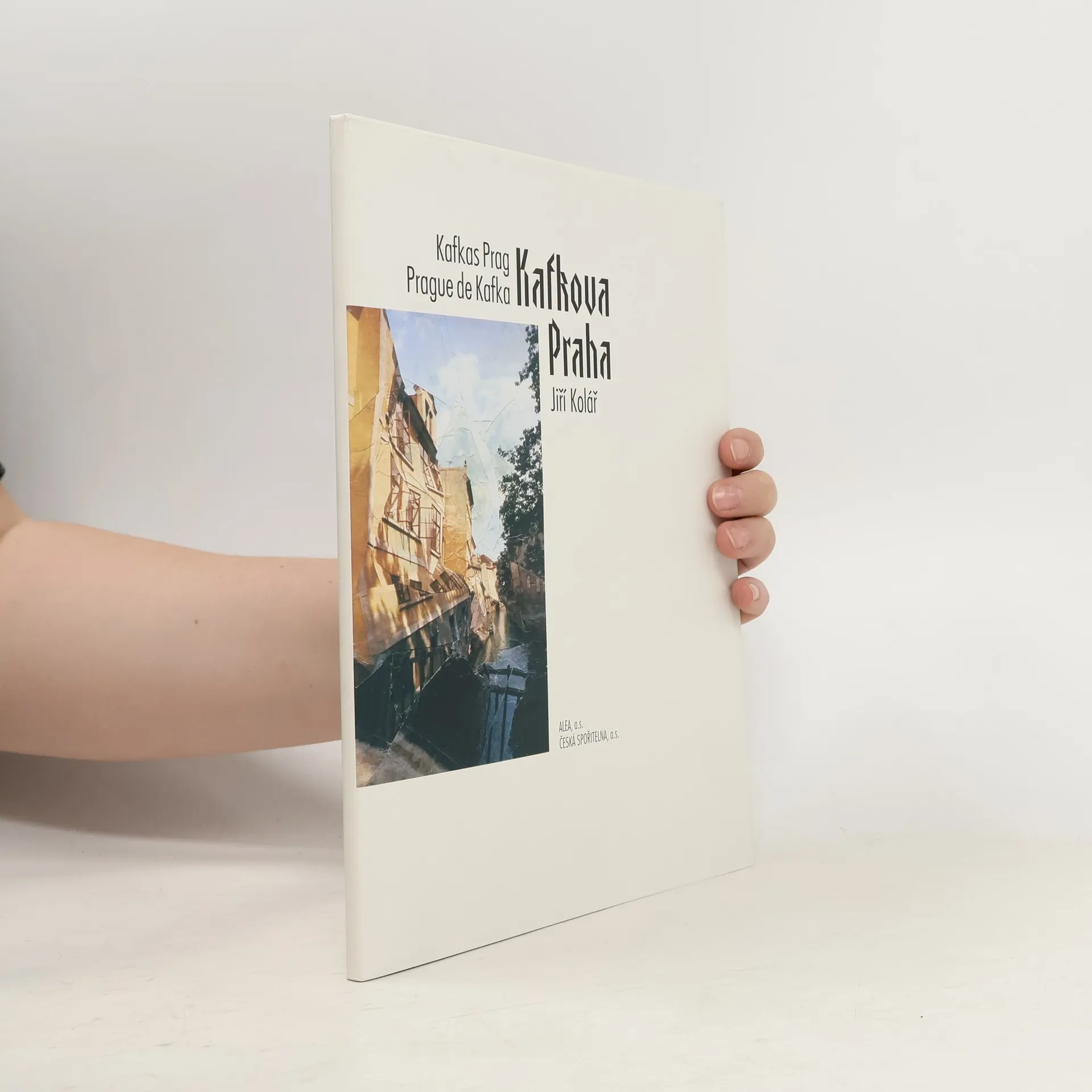
Kniha koláží vytvořených z fotografií pražských památek. Doplněno citáty z Kafkova díla v českém, německém a francouzském jazyce. Citáty z českých vydání díla Franze Kafky vybral Jiří Kolář. Text o F. Kafkovi a německé citáty z jeho díla připravila Společnost Franze Kafky. Francouzské citáty doplnil Václav Jamek. K vydání připravila Milada Motlová. Fotografické předlohy poskytla Galerie Lelong v Paříži. Publikace vyšla pod patronací České spořitelny, a.s., u příležitosti 100. výročí historické budovy Městské spořitelny pražské, 70 let úmrtí Franze Kafky a 80. narozenin Jiřího Koláře.
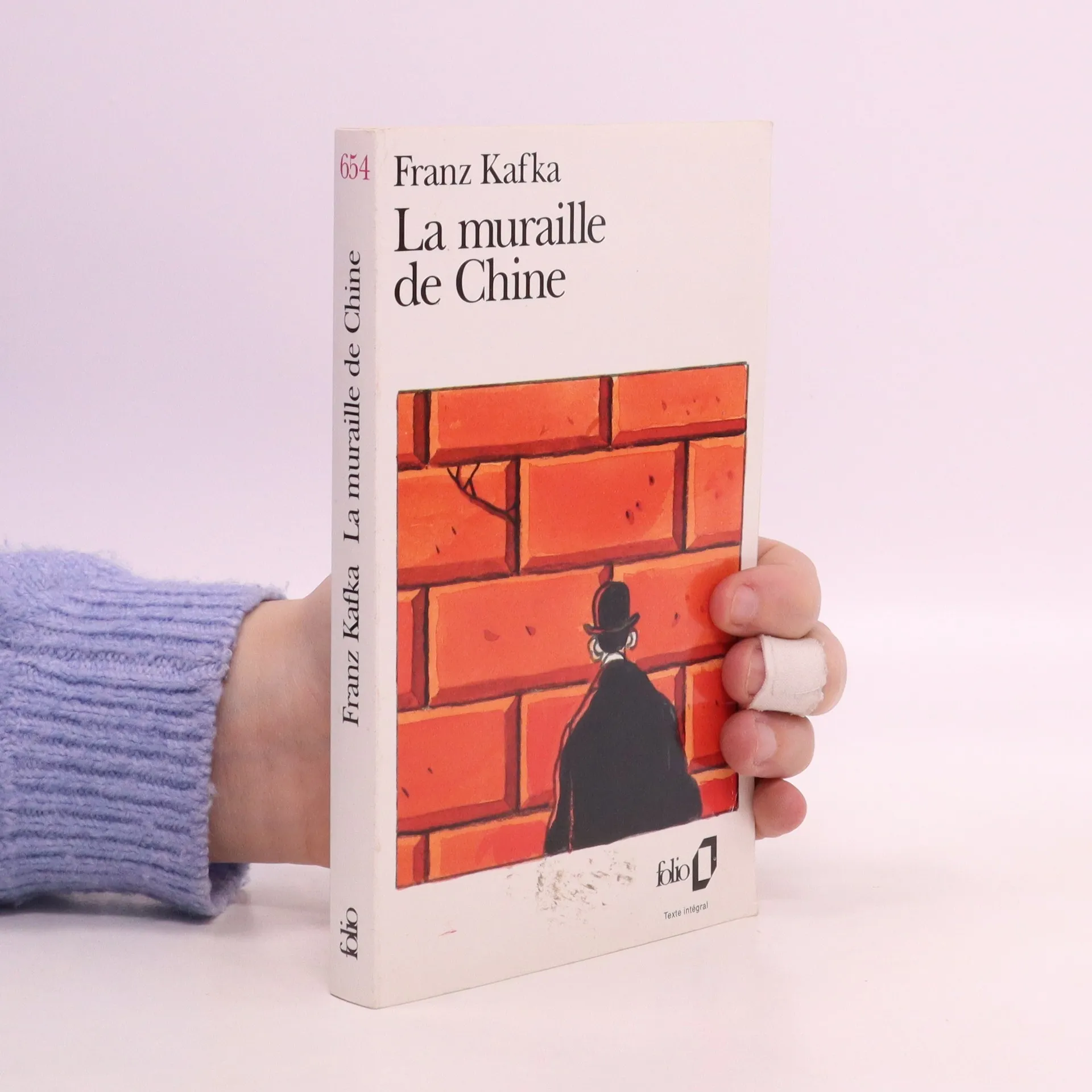
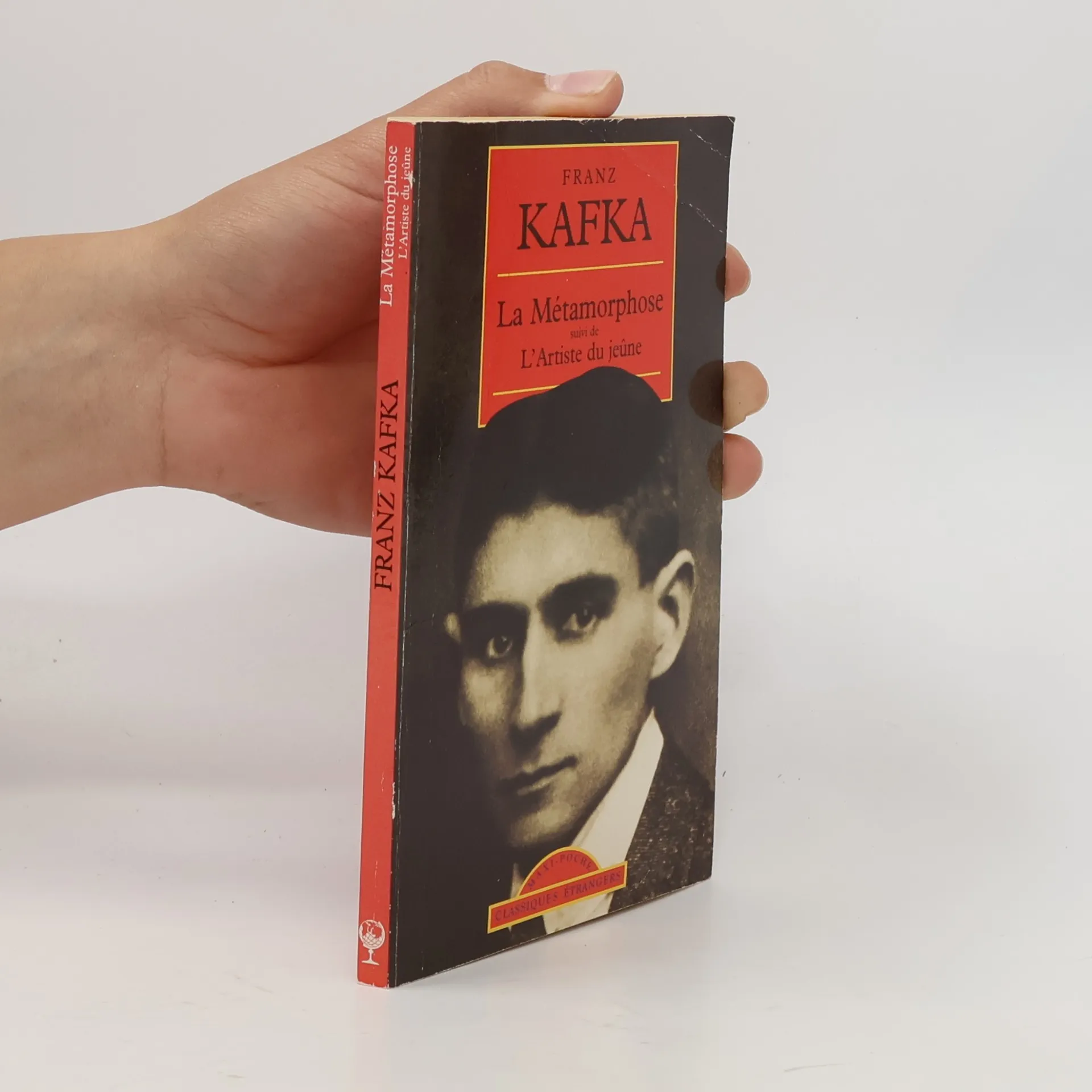
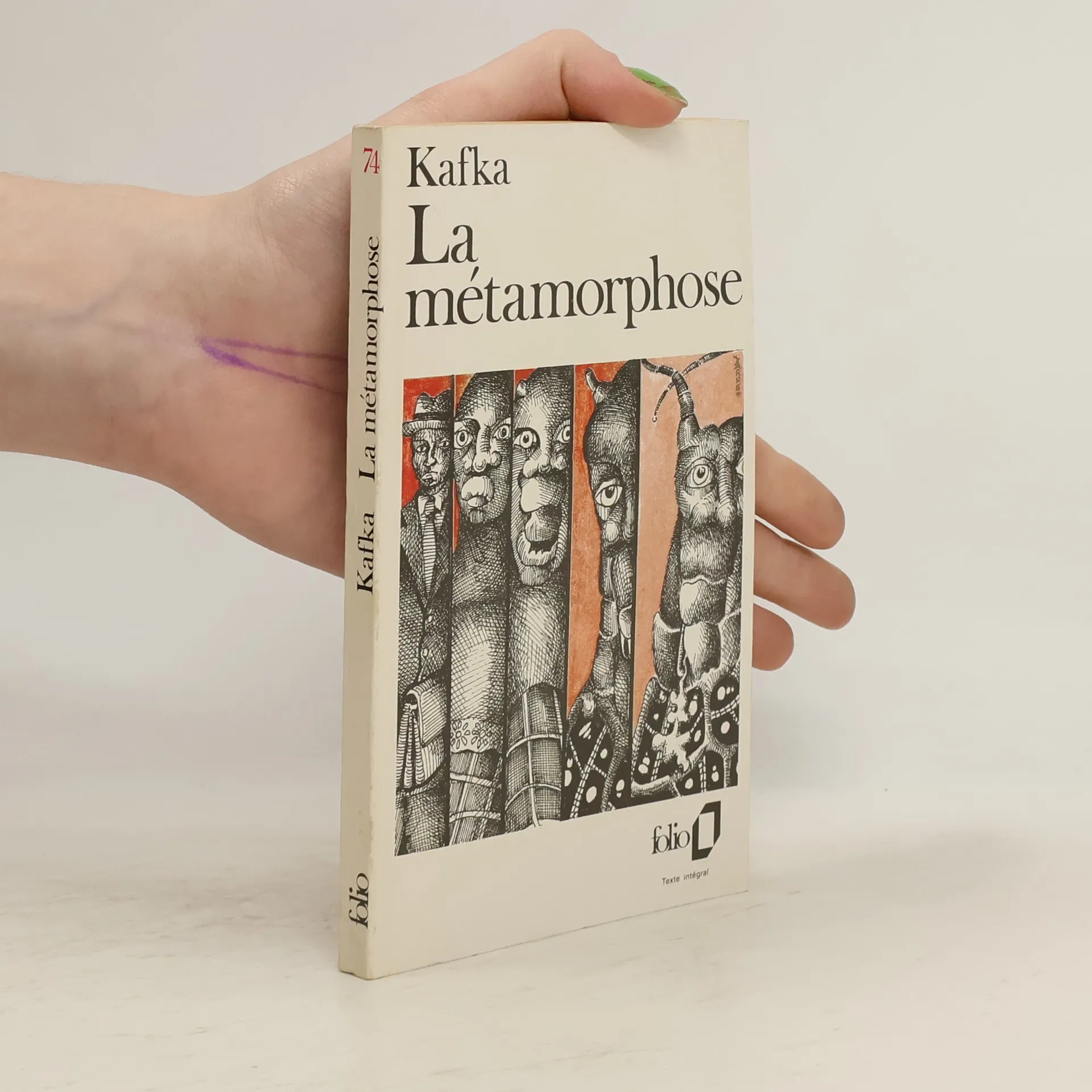
Bien entendu, lorsque Grégoire aperçoit son corps recouvert d'une carapace et constate que des pattes lui ont poussé dans la nuit, il croit à un mauvais rêve et ne s'inquiète pas outre mesure. Pourtant, la métamorphose est bien réelle. Elle est également évolutive. Étonnamment, Grégoire semble accepter cette mutation avec la résignation qui a toujours caractérisé cet employé modèle qui ne vit que pour assurer une existence décente à sa famille. Il lui arrive même, au début, d'éprouver de petites joies, comme celle de trouver la technique adéquate pour se retourner. Analyse de la dimension perverse de la culpabilité, thème que Kafka explorera plus avant dans Le Procès, La Métamorphose saisit avec brio les frayeurs humaines et des rapports de force nécessaires à l'affirmation de soi. Tirant sa force de la montée en puissance progressive de l'angoisse, ce récit du sacrifice de l'innocence sur l'autel de la médiocrité, à mi-chemin entre la fable psychanalytique et le conte surnaturel, a créé un nouveau type d'écriture : le fantastique kafkaïen. --Sana Tang-Léopold Wauters
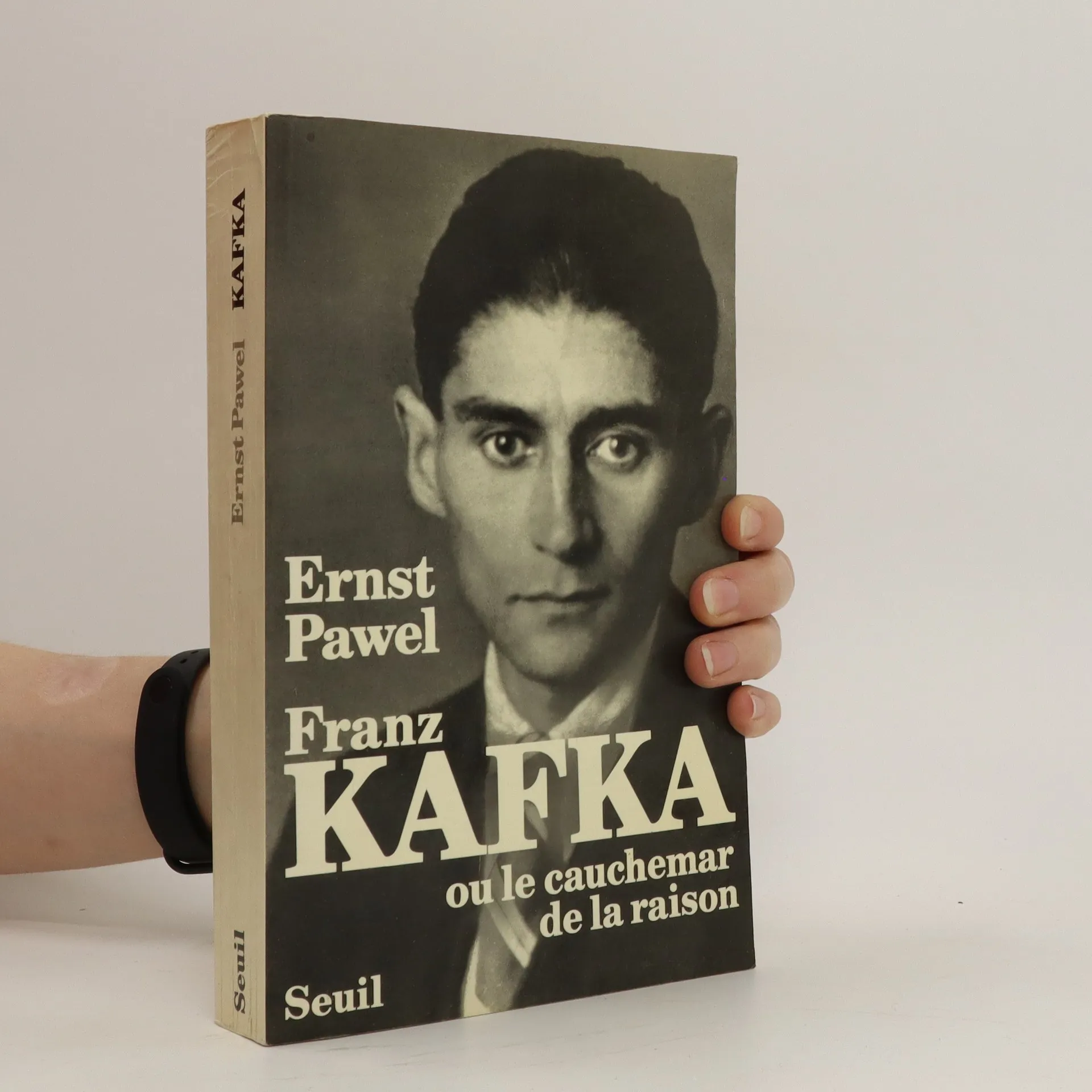
Biographie solidement documentée qui, en plus de bien situer cet étrange écrivain dans le contexte culturel de son époque, rétablit la vérité sur une foule de clichés et de légendes qui ont fleuri, tant autour de son oeuvre audacieuse qu'à propos de sa personnalité longtemps tributaire de témoignages biaisés. Récit maîtrisé, passionnant et révélateur.
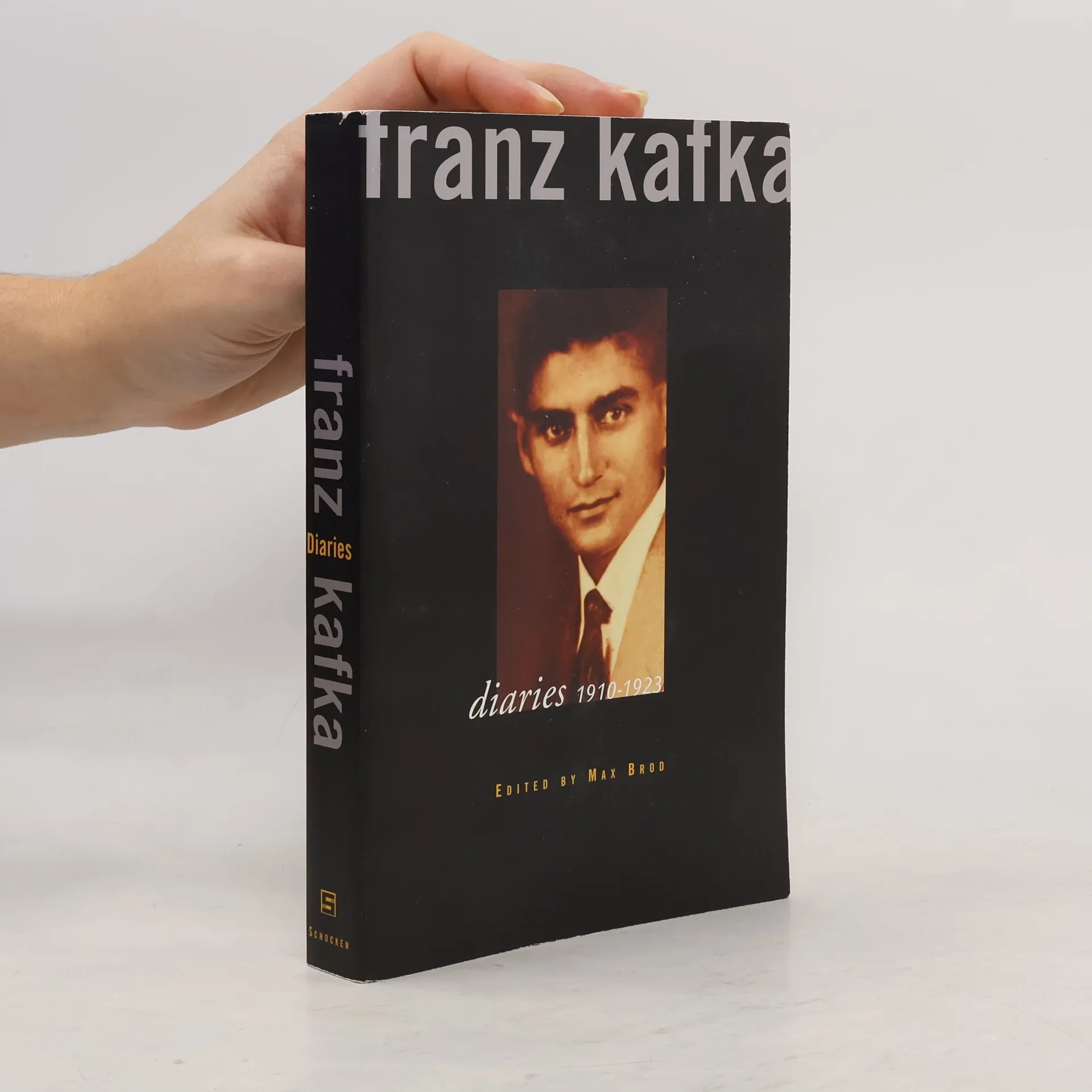
These diaries cover the years 1910 to 1923, the year before Kafka’s death at the age of forty. They provide a penetrating look into life in Prague and into Kafka’s accounts of his dreams, his feelings for the father he worshipped, and the woman he could not bring himself to marry, his sense of guilt, and his feelings of being an outcast. They offer an account of a life of almost unbearable intensity.From the Trade Paperback edition.The Diaries of Franz Kafka 1910-13 translated from the German by Joseph KreshThe Diaries of Franz Kafka 1914-23 translated from the German by Martin Greenberg with the cooperation of Hannah Arendt
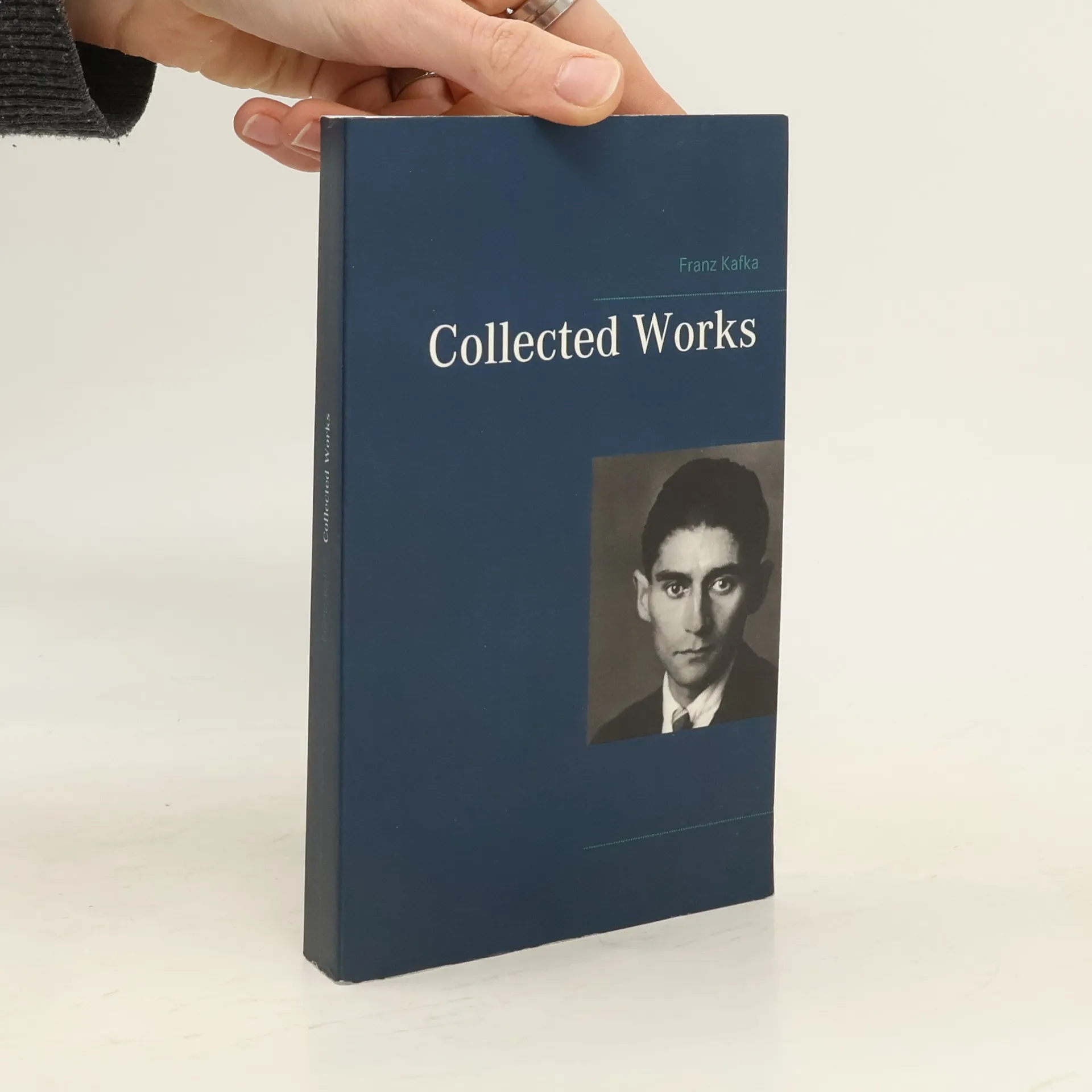
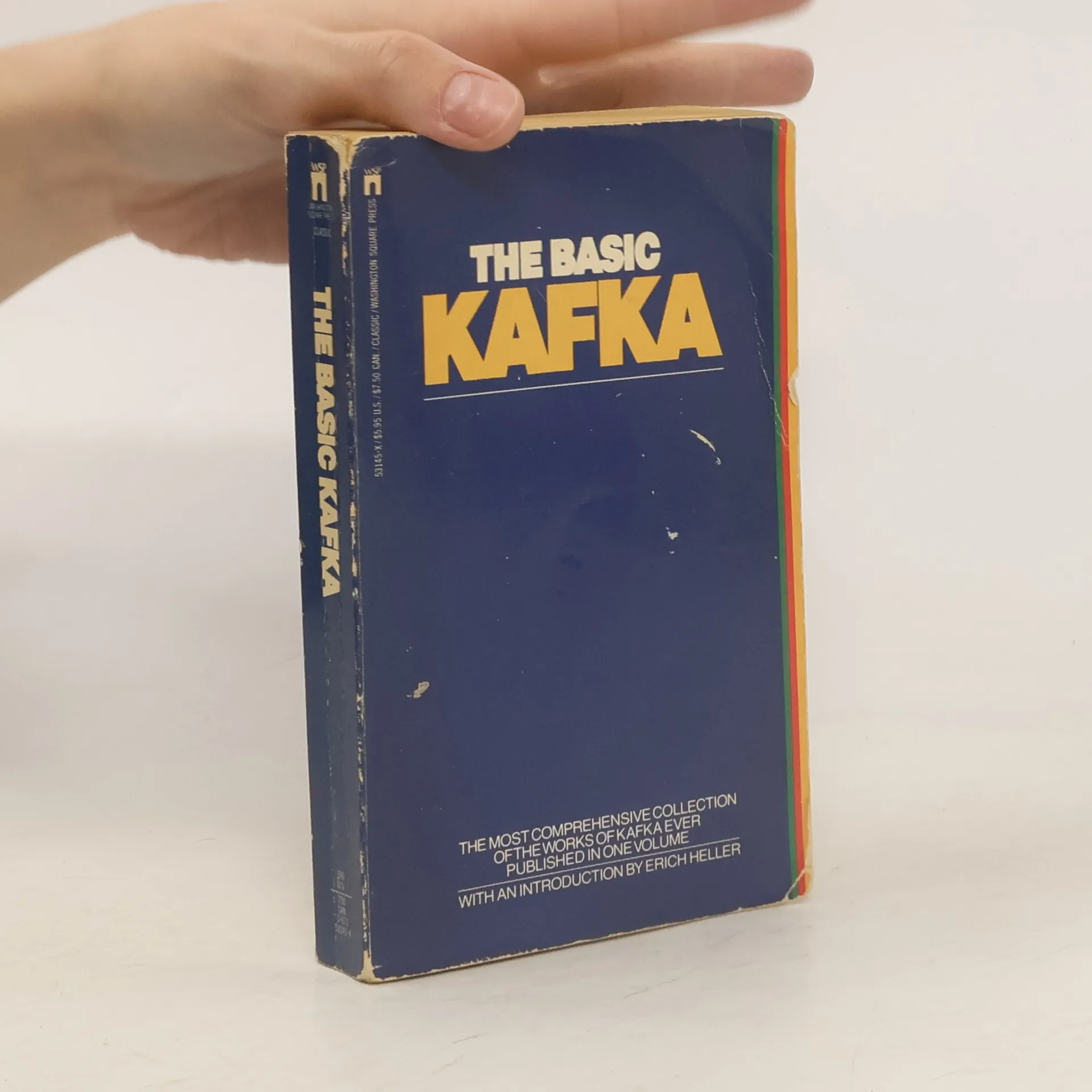
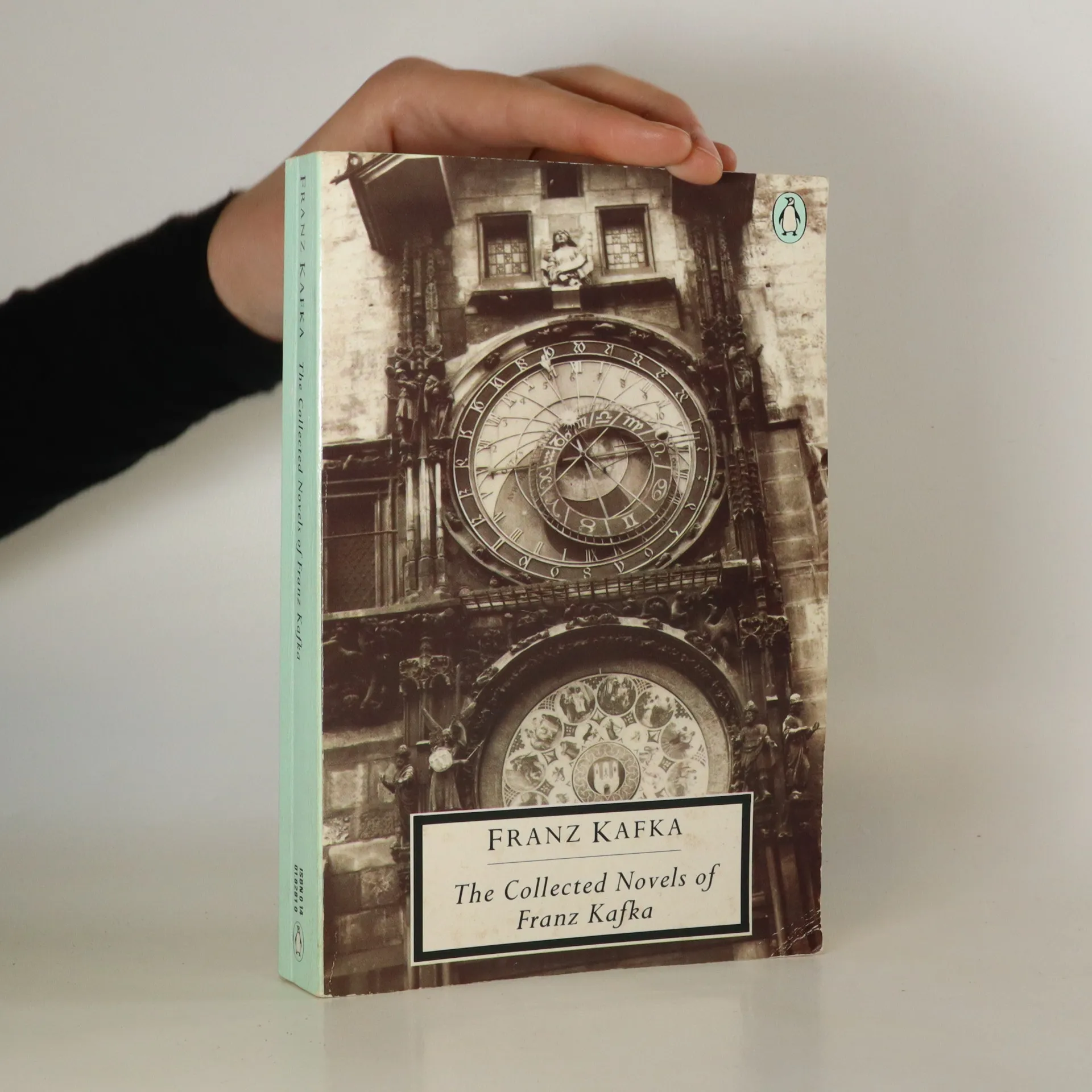
This volume contains the great works of fiction as well as the complete diaries and thus gives the reader considrable insight into the mind of this strange and powerful man.
Based on translations by leading Kafka scholar, this work includes twenty-nine stories, which accompanies annotations. The extracts from his letters, diaries and conversations offer a glimpse of Kafka's creative process. It covers ten essays on the major stories from a range of voices.
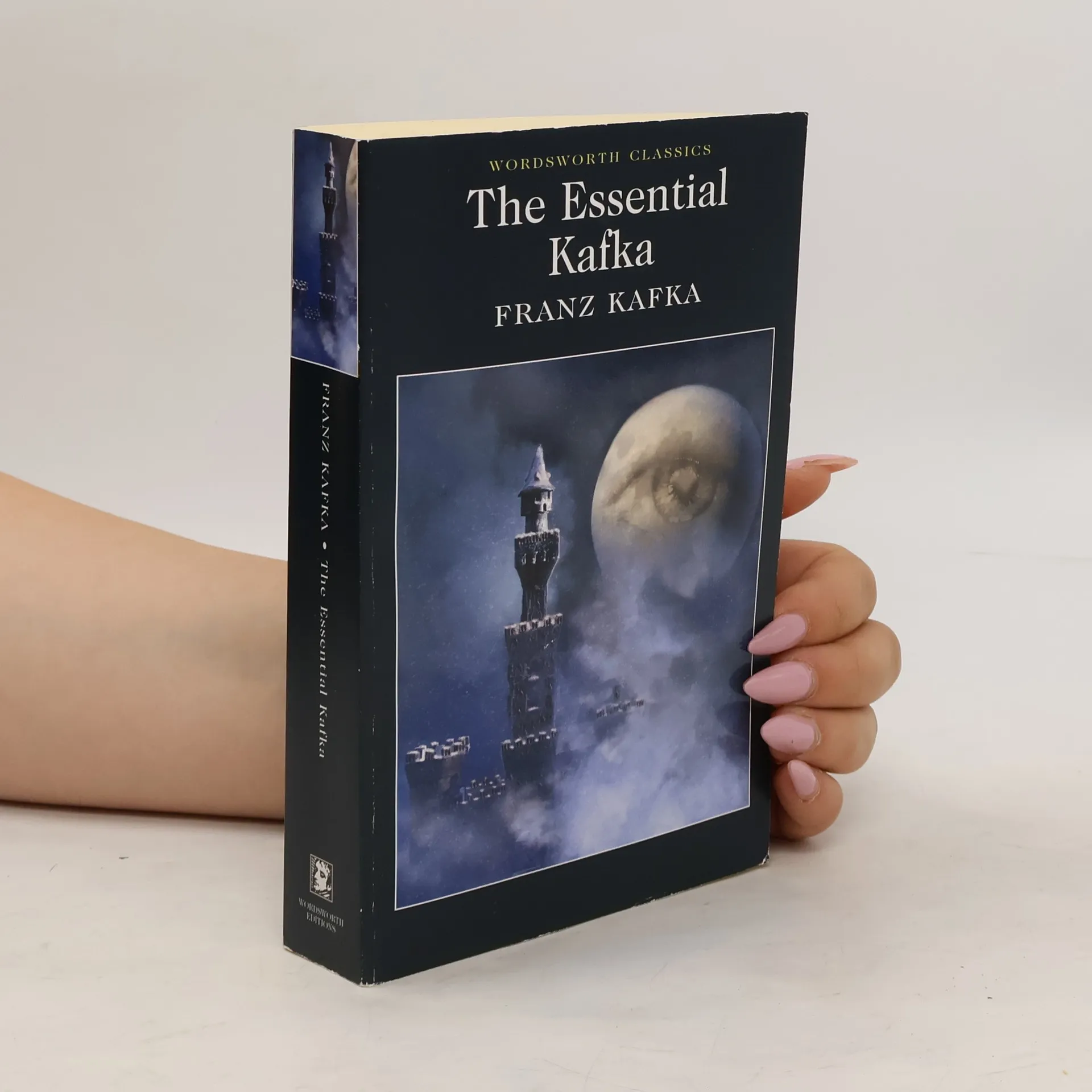
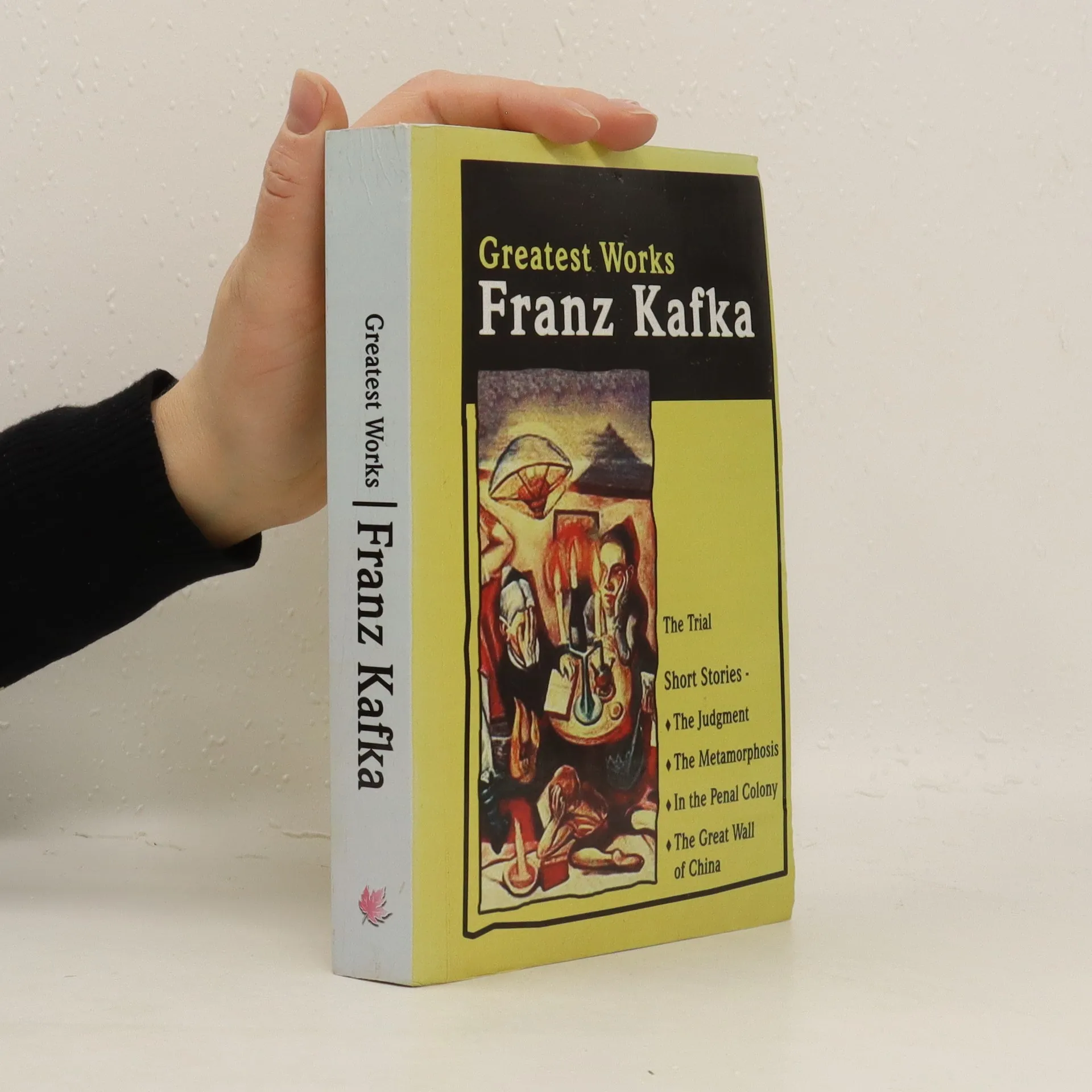
Franz Kafka (3 July 1883 – 3 June 1924) was a German-language writer of novels and short stories, regarded by critics as one of the most influential authors of the 20th century. Kafka strongly influenced genres such as existentialism. Most of his works, such as "Die Verwandlung" ("The Metamorphosis"), "Der Prozess" ("The Trial"), and "Das Schloss" ("The Castle"), are filled with the themes and archetypes of alienation, physical and psychological brutality, parent–child conflict, characters on a terrifying quest, labyrinths of bureaucracy, and mystical transformations. Table of Contents: - The Metamorphosis - A Country Doctor - A Hunger Artist - A Report for an Academy - An Imperial Message - Before the Law - In the Penal Colony - Jackals and Arabs - The Great Wall of China - The Hunter Gracchus - The Trial - Up in the Gallery
Franz Kafka's writing immerses readers in a surreal and ambiguous realm where the nature of the nightmare remains elusive. His work explores themes of existential dread, alienation, and the absurdity of life, inviting deep reflection on the human condition. Kafka's unique narrative style and haunting imagery create an unsettling atmosphere that challenges perceptions of reality and identity, making his stories both compelling and thought-provoking.
It is not well known that Franz Kafka liked to draw. From early on, his friend and literary executor Max Brod was of the opinion that Kafka was 'an artist of particular strength and individuality as a draughtsman too' and that it was unjust merely to regard his drawings as a 'curiosity.'
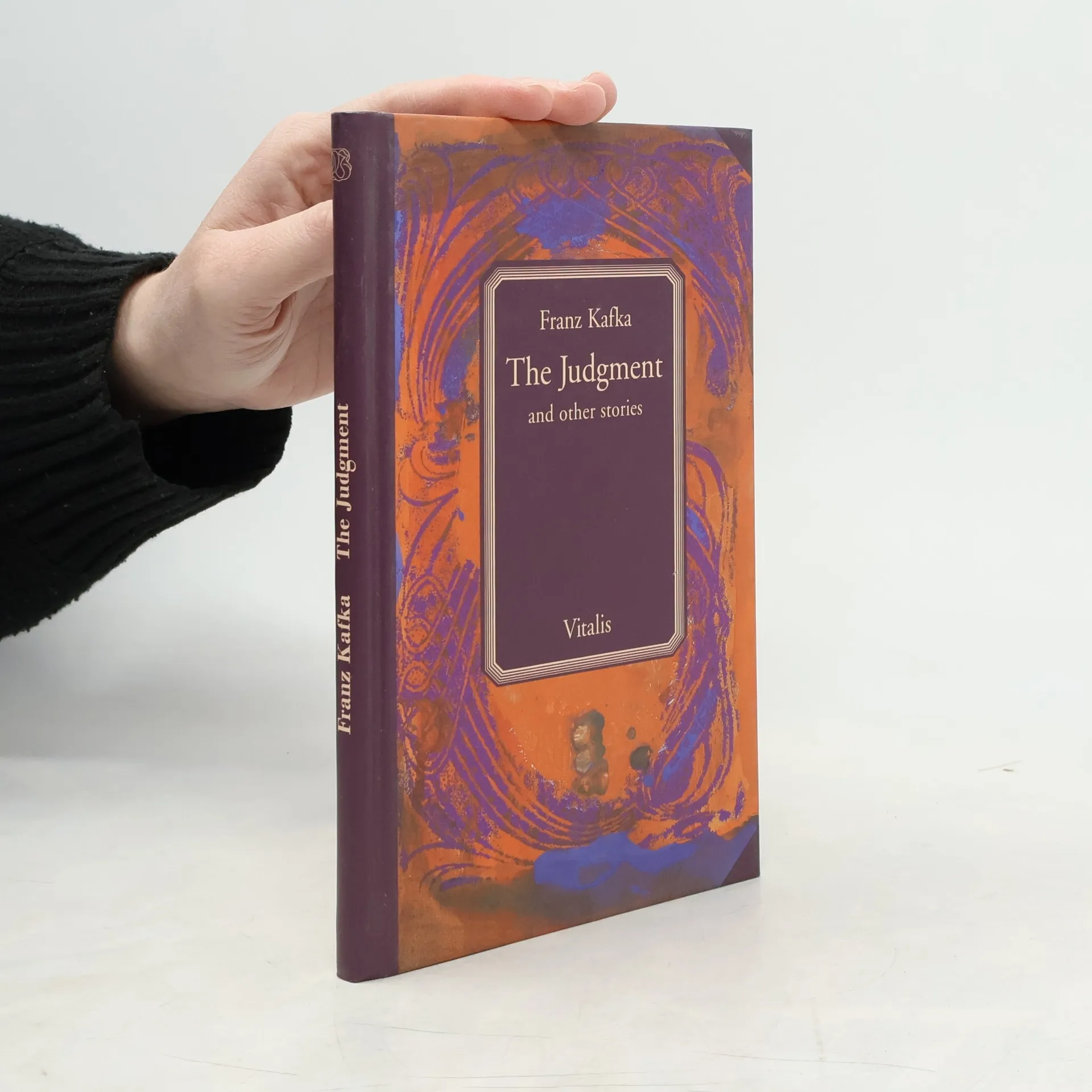
Featuring a meticulously curated collection of Franz Kafka's significant works, this book offers readers a comprehensive look into the themes and narratives that define his literary legacy. Known for his profound influence on world literature, Kafka's most notable pieces include "The Judgment," "The Metamorphosis," and "In the Penal Colony," among others. The collection is enhanced by a detailed and dynamic table of contents, ensuring an engaging reading experience. Kafka's works, largely published posthumously by his friend Max Brod, delve into existential and absurdist themes.
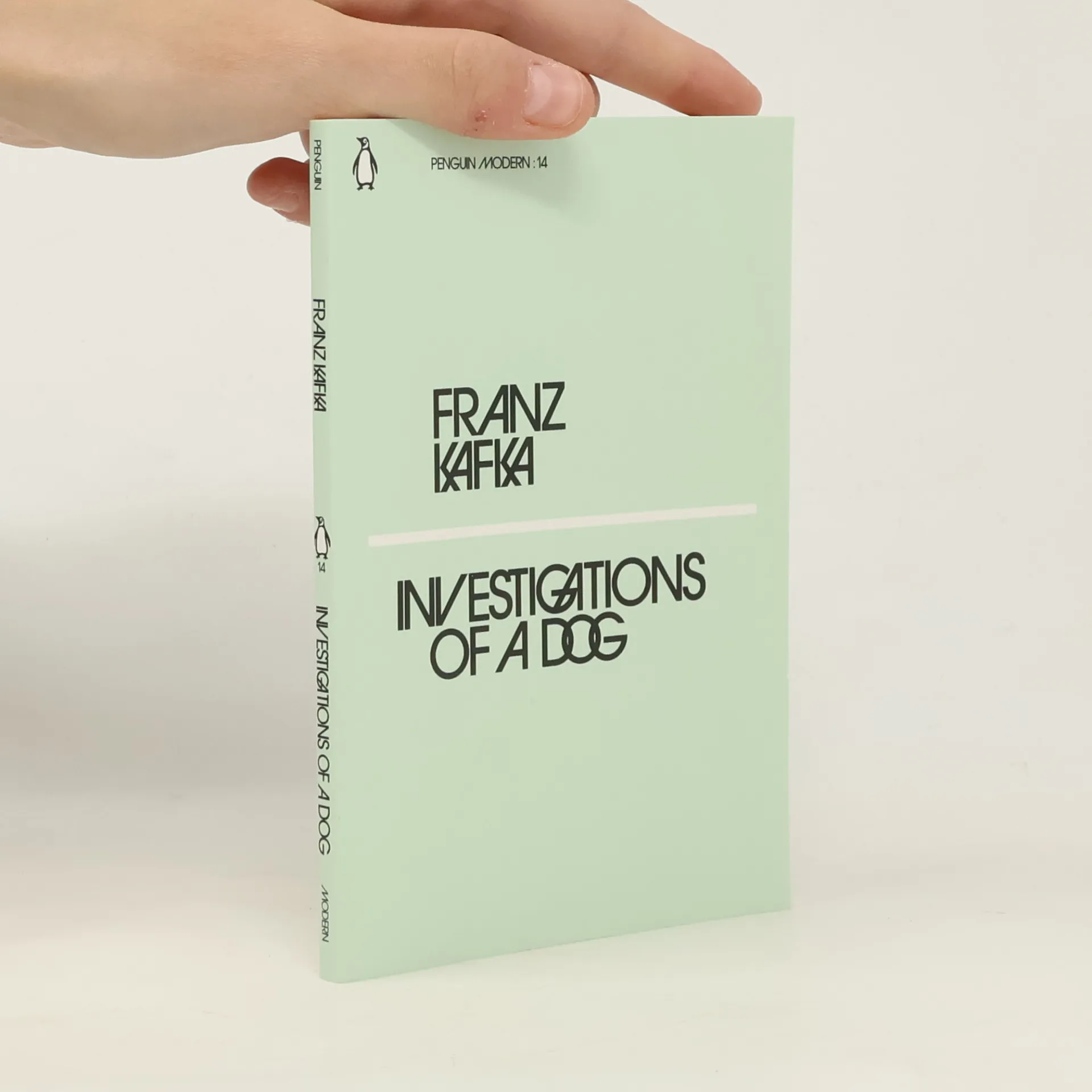
Diese Buch Sammlung ist mit einem detaillierten und dynamischen Inhaltsverzeichnis versehen und wurde sorgfältig korrekturgelesen. Franz Kafka (1883-1924) war ein deutschsprachiger Schriftsteller. Kafkas Werke zählen unbestritten zum Kanon der Weltliteratur. Sein Hauptwerk bilden neben drei Romanfragmenten zahlreiche Erzählungen. Kafkas Werke wurden zum größeren Teil erst nach seinem Tod und gegen seine letztwillige Verfügung von Max Brod veröffentlicht, einem engen Freund und Vertrauten, den Kafka als Nachlassverwalter bestimmt hatte. Inhalt: • Das Urteil • Die Verwandlung • Ein Bericht für eine Akademie • In der Strafkolonie • Forschungen eines Hundes
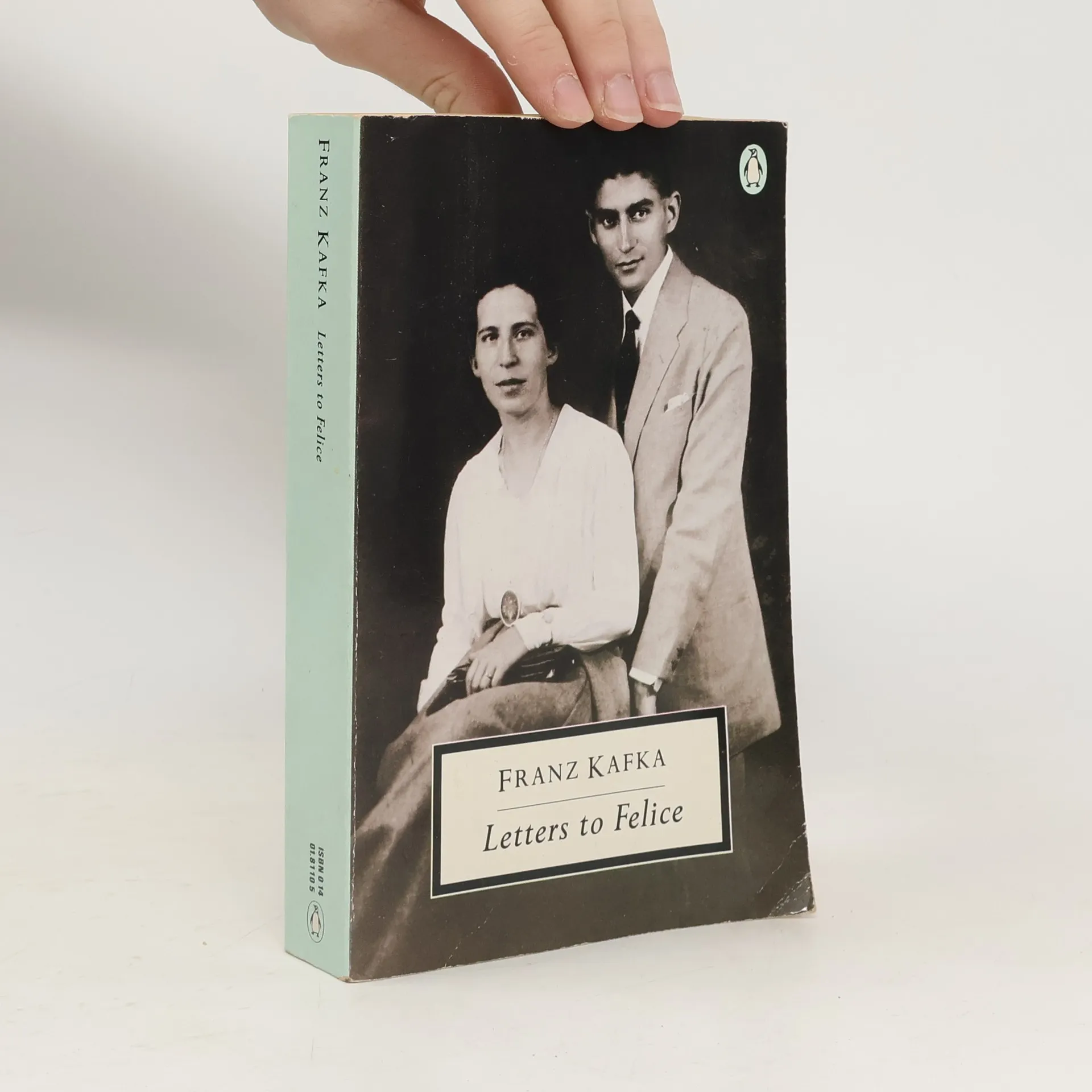
Franz Kafka met Felice Bauer in August 1912, at the home of his friend Max Brod. Energetic, down-to-earth, and life-affirming, the twenty-five-year-old secretary was everything Kafka was not, and he was instantly smitten. Because he was living in Prague and she in Berlin, his courtship was largely an epistolary one--passionate, self-deprecating, and anxious letters sent almost daily, sometimes even two or three times a day. But soon after their engagement was announced in 1914, Kafka began to worry that marriage would interfere with his writing and his need for solitude.The more than five hundred letters Kafka wrote to Felice--through their breakup, a second engagement in 1917, and their final parting in the fall of that year, when Kafka began to feel the effects of the tuberculosis that would eventually claim his life--reveal the full measure of his inner turmoil as he tried, in vain, to balance his desire for human connection with what he felt were the solitary demands of his craft.
Franz Kafka's enigmatic, deadpan, and deeply pessimistic stories are central to literary modernism. In 'The Metamorphosis', the estrangement of everyday life becomes corporealized when Gregor Samsa wakes up as a giant bug and wonders how he is going to get to work on time. Kafka inverts the implied degradation of a man's transformation into an animal in 'A Report of the Academy', an ape's address to a group of scientists.
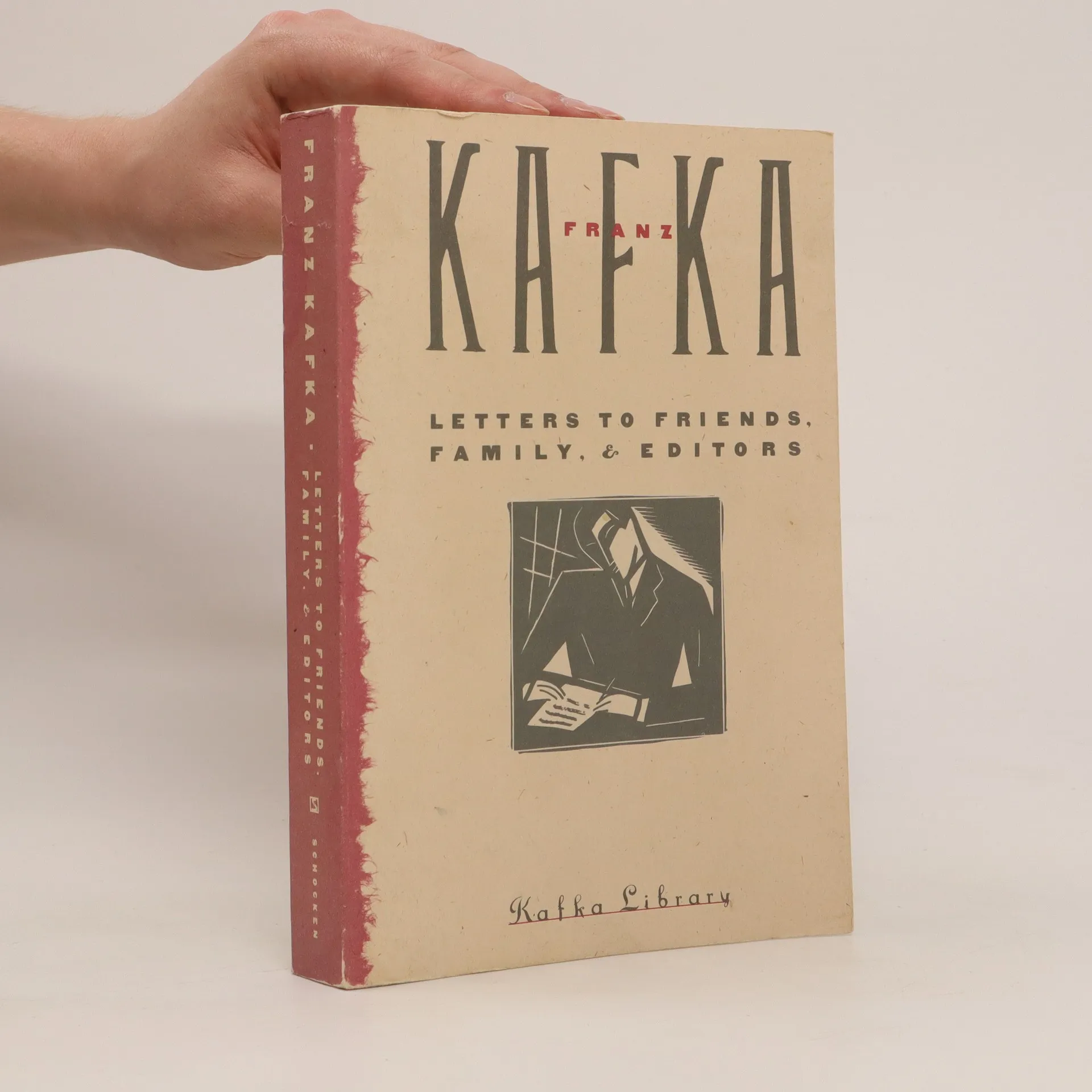
Collected after his death by his friend and literary executor Max Brod, here are more than two decades' worth of Franz Kafka's letters to the men and women with whom he maintained his closest personal relationships, from his years as a student in Prague in the early 1900s to his final months in the sanatorium near Vienna where he died in 1924.Sometimes surprisingly humorous, sometimes wrenchingly sad, they include charming notes to school friends; fascinating accounts to Brod about his work in its various stages of publication; correspondence with his publisher, Kurt Wolff, about manuscripts in progress, suggested book titles, type design, and late royalty statements; revealing exchanges with other young writers of the day, including Martin Buber and Felix Weltsch, on life, literature, and girls; and heartbreaking reports to his parents, sisters, and friends on the declining state of his health in the last months of his life.
The Trial; The Castle; America: Both Joseph K In The Trial And K In The Castle Are Victims Of Anonymous Governing Forces Beyond Their Control. Both Are Atomised, Estranged And Rootless Citizens Deceived By Authoritarian Power. Whereas Joseph K Is Relentlessly Hunted Down For A Crime That Remains Nameless, K Ceaselessly Attempts To Enter The Castle And So Belong Somewhere. Together These Novels May Be Read As Powerful Allegories Of Totalitarian Government In Whatever Guise It Appears Today. In America Karl Rossmann Is 'Packed Off To America By His Parents' To Experience Oedipal And Cultural Isolation. Here, Ordinary Immigrants Are Also Strange, And 'America' Is Never Quite As Real As It Seems.
A culturally-influential and celebrated author, Kafka is generally considered to be one of the most accomplished writers of the 20th century. In this boxed set are collected together three of his major works, including the maginificent 'Metamorphosis and Other Stories'.
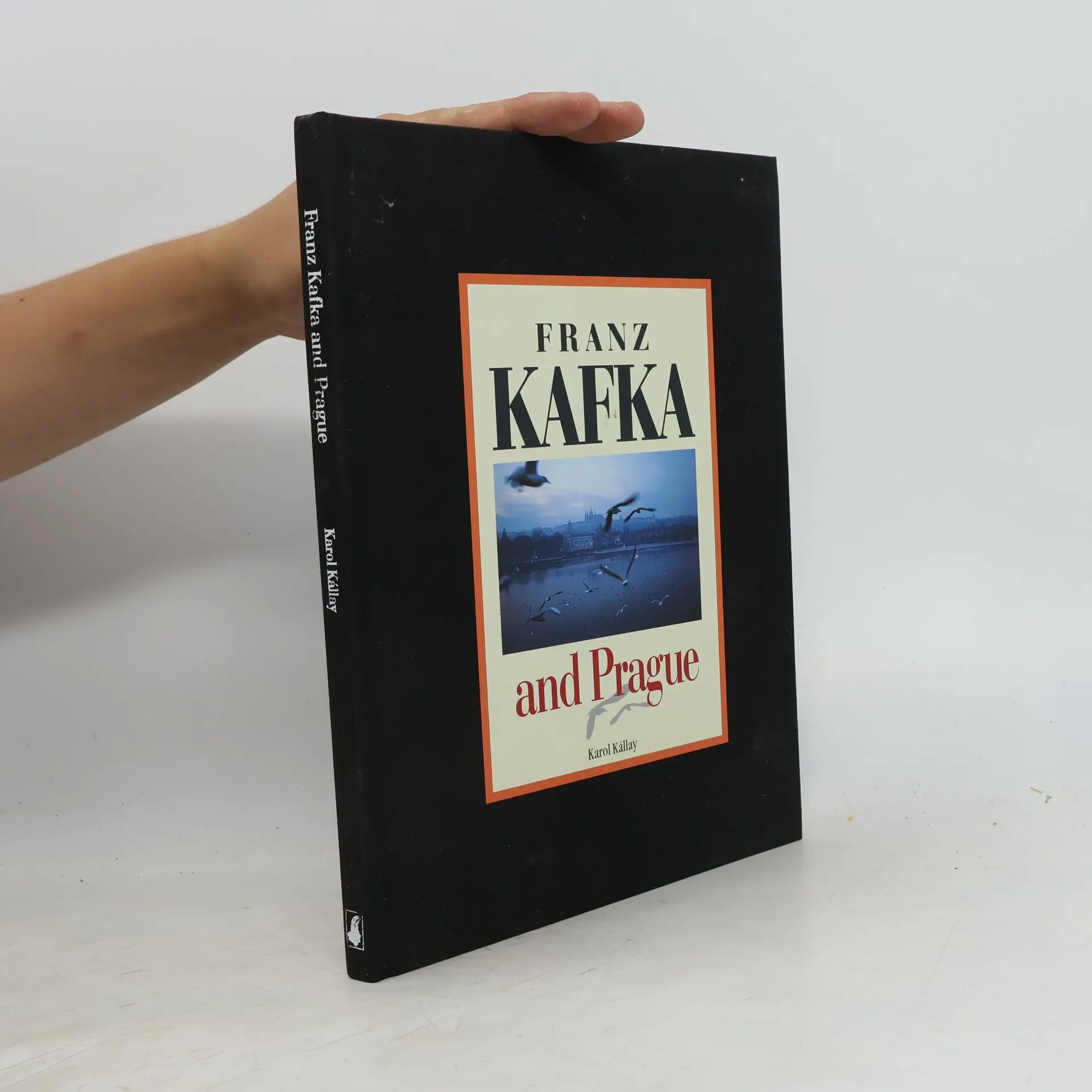
Nádherná a jedinečná kniha fotografií Prahy od významného slovenského fotografa Karola Kállaye doprovázených úryvky a citáty z Kafkových dopisů v angličtině.
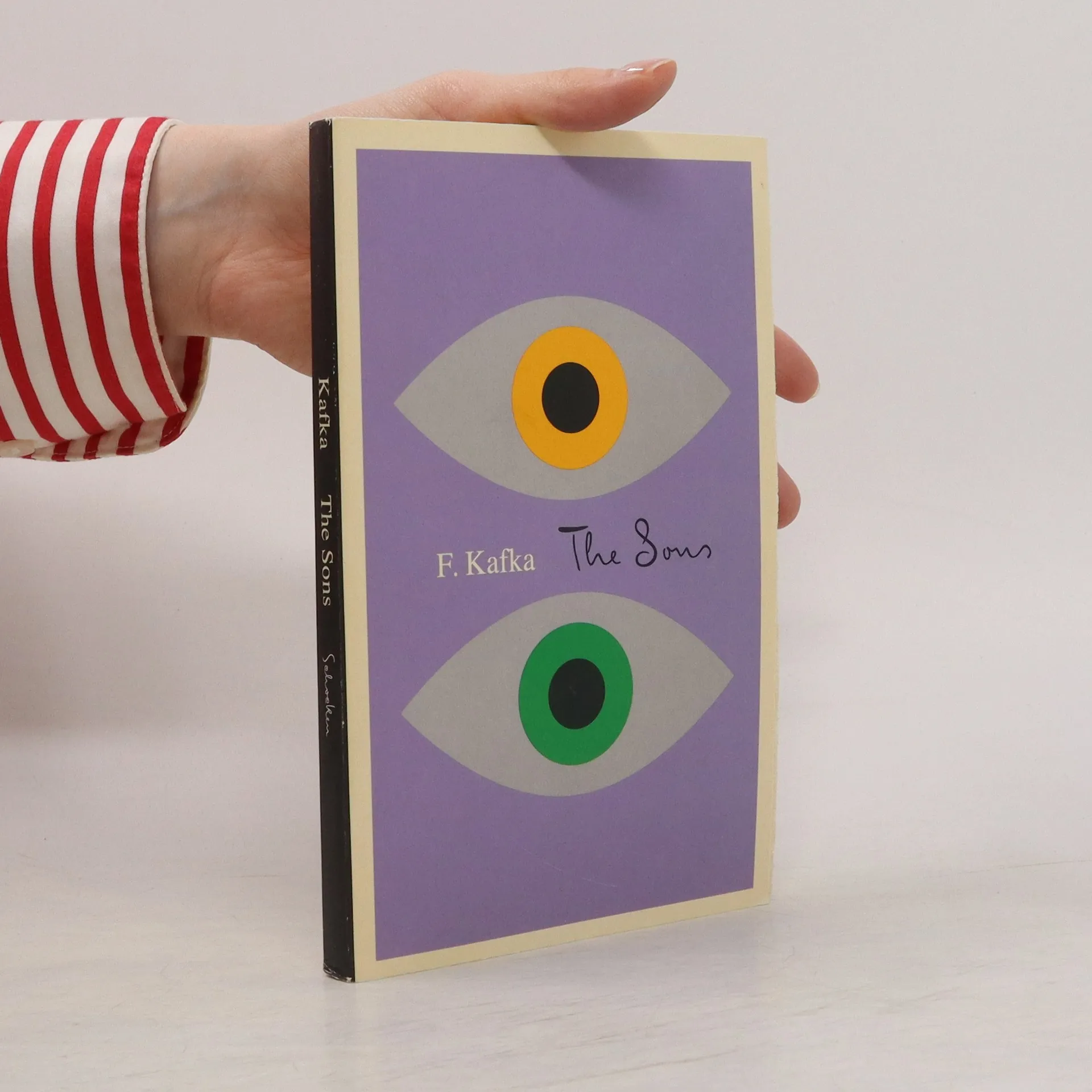
I have only one request," Kafka wrote to his publisher Kurt Wolff in 1913. "'The Stoker,' 'The Metamorphosis,' and 'The Judgment' belong together, both inwardly and outwardly. There is an obvious connection among the three, and, even more important, a secret one, for which reason I would be reluctant to forego the chance of having them published together in a book, which might be called The Sons."Seventy-five years later, Kafka's request is granted, in a volume including these three classic stories of filial revolt as well as his own poignant "Letter to His Father," another "son story" located between fiction and autobiography. A devastating indictment of the modern family, The Sons represents Kafka's most concentrated literary achievement as well as the story of his own domestic tragedy. Grouped together under this new title and in newly revised translations, these texts—the like of which Kafka had never written before and (as he claimed at the end of his life) would never again equal—take on fresh, compelling meaning.
Exploring the surreal and thought-provoking realms of human existence, this collection features the masterpieces of Franz Kafka, including "The Trial" and "The Metamorphosis." Readers will encounter ordinary individuals facing absurdity and bureaucratic nightmares, all set against haunting landscapes emblematic of Kafkaesque imagination. The anthology delves into themes of existentialism and surrealism, showcasing Kafka's profound insights into the complexities of human nature. This essential collection invites readers to engage with the literary genius of one of the 20th century's most influential writers.
From one of the greatest writers of the twentieth century, the author of The Metamorphosis and The Trial: A collection that brings together the stories he allowed to be published during his lifetime, including his best-known tale of a man who wakes up transformed into an insect. To Max Brod, his literary executor, Kafka wrote: “Of all my writings the only books that can stand are these.” “Kafka’s survey of the insectile situation of young Jews in inner Bohemia can hardly be improved upon: ‘With their posterior legs they were still glued to their father’s Jewishness and with their wavering anterior legs they found no new ground.’ There is a sense in which Kafka’s Jewish question (‘What have I in common with Jews?’) has become everybody’s question, Jewish alienation the template for all our doubts. What is Muslimness? What is femaleness? What is Polishness? These days we all find our anterior legs flailing before us. We’re all insects, all Ungeziefer, now.” —Zadie Smith, bestselling author of White Teeth and On Beauty
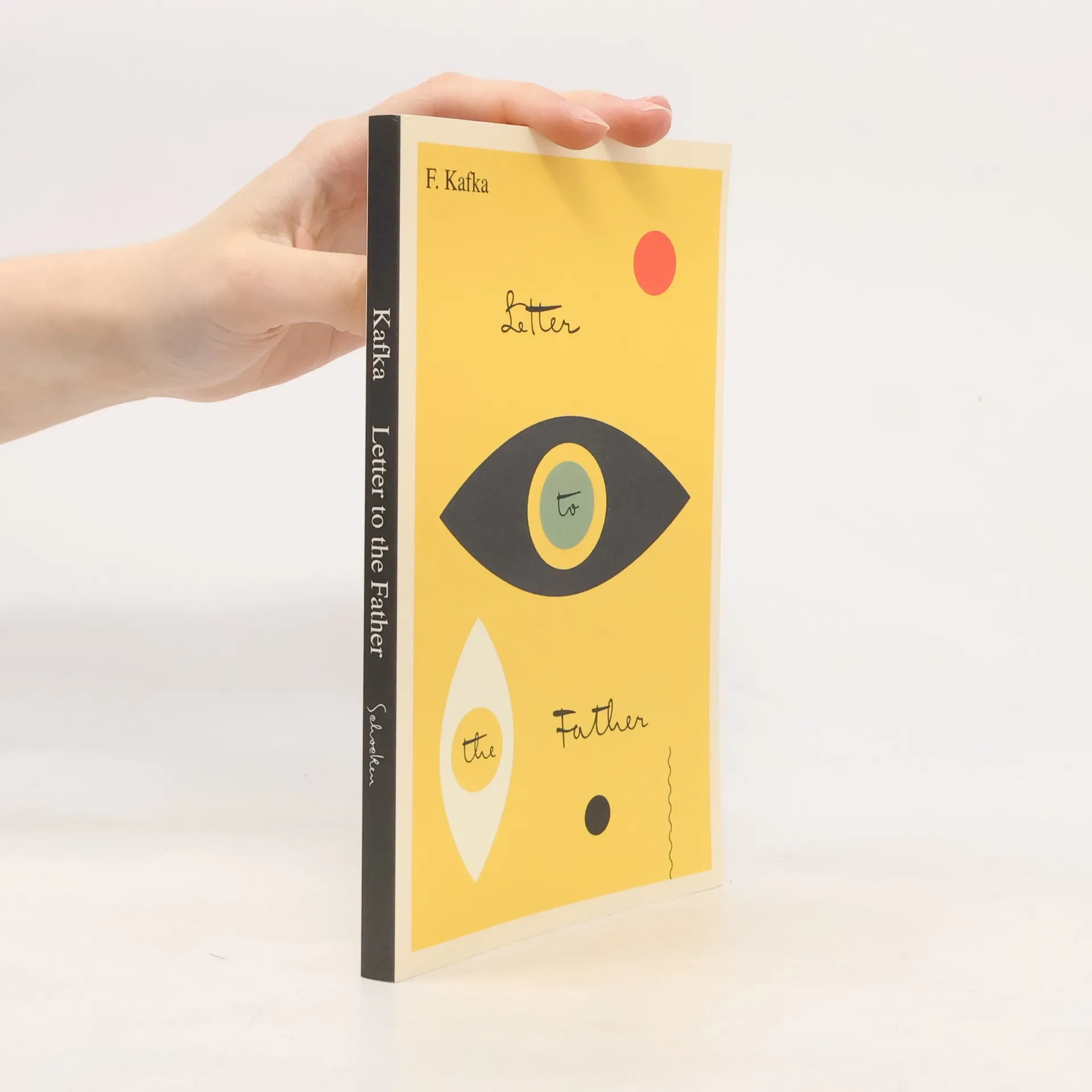
Franz Kafka wrote this letter to his father, Hermann Kafka, in November 1919. Max Brod, Kafka’s literary executor, relates that Kafka actually gave the letter to his mother to hand to his father, hoping it might renew a relationship that had lost itself in tension and frustration on both sides. But Kafka’s probing of the deep flaw in their relationship spared neither his father nor himself. He could not help seeing the failure of communication between father and son as another moment in the larger existential predicament depicted in so much of his work. Probably realizing the futility of her son’s gesture, Julie Kafka did not deliver the letter but instead returned it to its author.
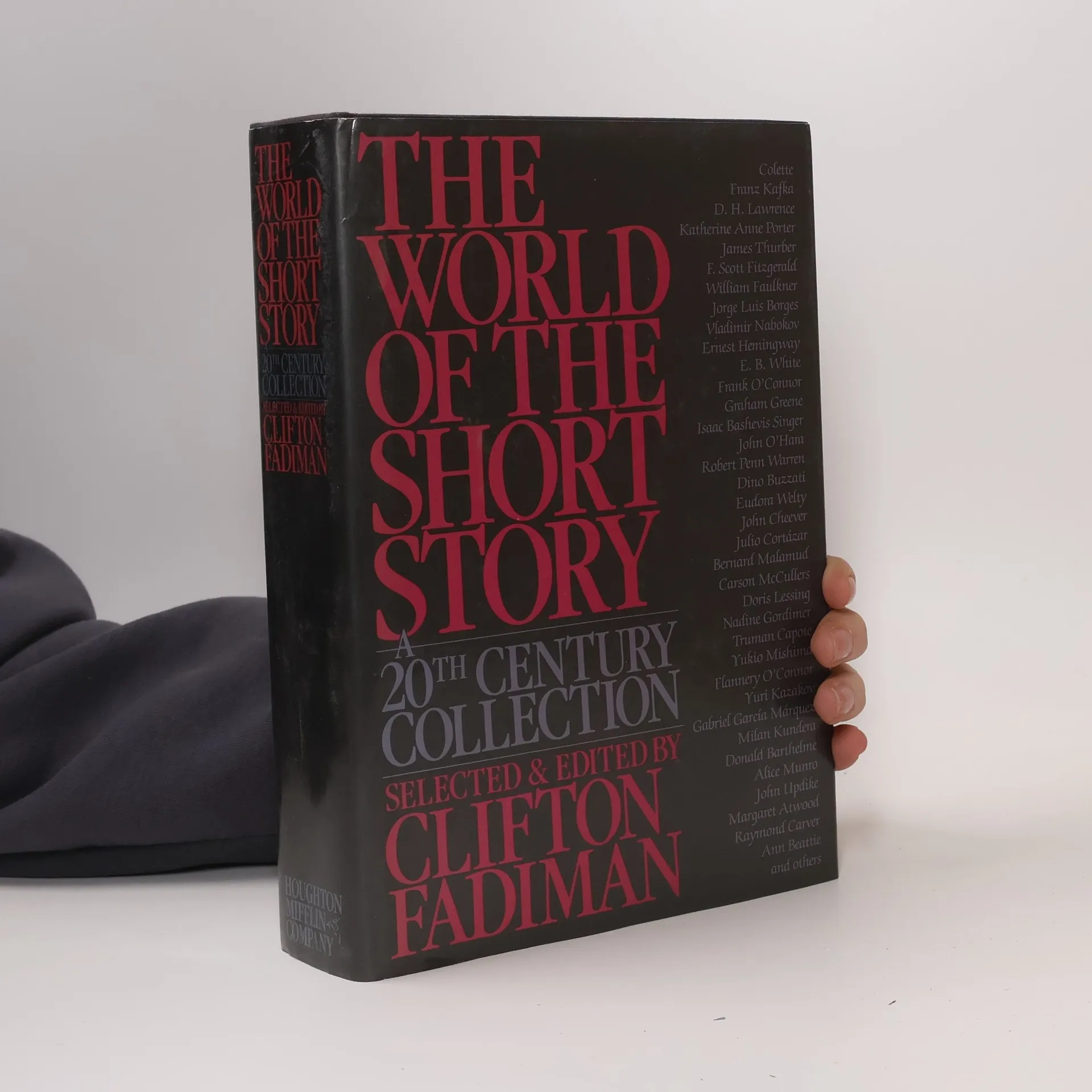
At age 82, Clifton Fadiman continues his prolific publishing career, here presenting 62 of the world's best short stories from 16 countries. His criteria? "Each story had to be both interesting and of high literary merit." Fadiman fulfills both requirements and much more, offering a cornucopia of superior 20th-century writers that includes Franz Kafka, D. H. Lawrence, Isaac Babel, F. Scott Fitzgerald, William Faulkner, Ernest Hemingway, John Cheever, Sean O'Faolain, Graham Greene, Robert Penn Warren, Colette, John Updike, Donald Barthelme, and James Thurber. (Regrettably, J. D. Salinger is not included due to lack of permission.) Here is a truly remarkable collection of this century's short stories that readers from all over the world will read with delight.
"His language is crystal clear, and on the surface one observes, in a sense, no other aim than to be accurate, lucid, and suitable to the subject. And yet dreams, visions of measureless depth, are conveyed beneath the serene mirror of this pure stream of language. One peers into it and is spellbound by beauty and originality" --Max Brod in Die Neue (Rundschau 1921) Translated from German by Jon Calame and Seth Rogoff. Story index: The Judgement. A Story The Stoker. A Fragment The Bucket-Rider In the Penal Colony Great Noise The First Chapter of "Richard and Samuel" by Max Brod and Franz Kafka The Air Show at Brescia
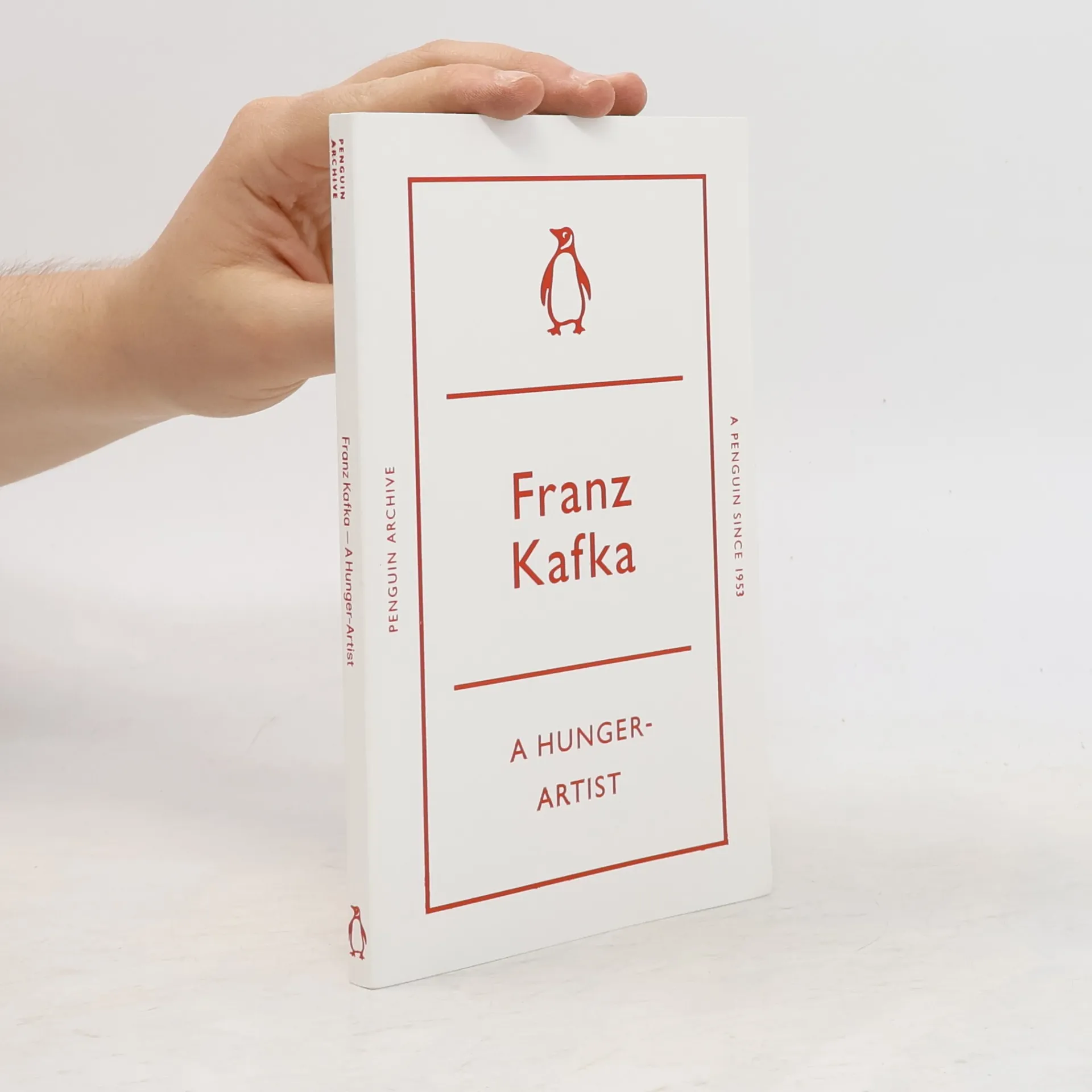
The whole town got involved with the hunger-artist; from day to day of his starving, people's participation grew; everyone wanted to see the hunger-artist at least once a day; on the later days there were season-ticket holders who sat for days on end in front of his little cage Reading these stories by the master of the absurd is like entering a dreamworld in which nothing, and yet somehow everything, makes sense.
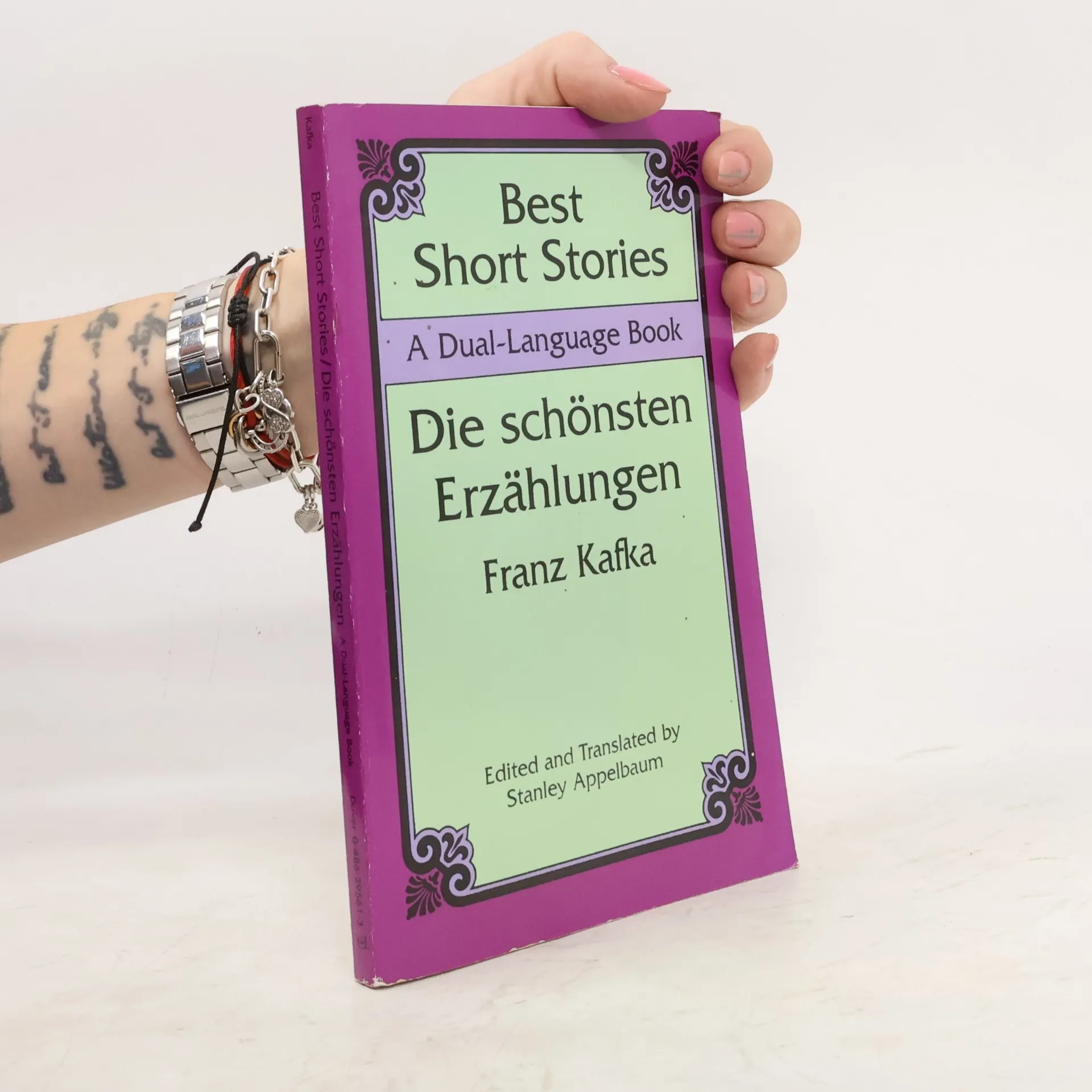
Students of German language and literature will welcome this dual-language edition of five stories by Franz Kafka (1883–1924). Considered one of the greatest modern writers, Kafka wrote tales that brilliantly explore the anxiety, futility, and complexity of modern life.The stories in this volume are "The Metamorphosis" (thought by many critics to be Kafka's most perfect work), "The Judgment," "In the Penal Colony," "A Country Doctor," and "A Report to an Academy." Along with the original German texts, Stanley Applebaum has provided accurate English translations on facing pages, affording students an ideal opportunity to read some of Kafka's finest stories in the original, to discover the passion and profundity of this extremely important figure in modern European literature, and to upgrade their German language skills.
Franz Kafka’nın daha önce kitaplarda yer almamış bazı anlatılarını da içeren Ceza Kolonisinde, Can Yayınları’ndan çıkmıştı. Bu kitabın devamı niteliğindeki Bir Kavganın Tasviri, yazarın ölümünden sonra ardında bıraktığı anlatılardan oluşuyor. Böylece Kafka’nın bütün anlatıları iki kitap halinde toplanmış oluyor. Bu kitapta yer alan 34 anlatı, özünde yalnız olan bireyin, “kafkaesk” dünyanın çıkmaz sokaklarında var olma çabasını gözler önüne seriyor. Kafka, varoluşun karanlık boyutlarını, kendisinden ne önce ne de sonra hiçbir yazarın ulaşamadığı bir yoğunlukta tasvir ediyor. Kahramanları kadar yalnız olan Kafka, 20. yüzyıl edebiyatı¬nı derinden etkilemiştir. Onun eserinde bireyin korkuları, umutsuzlukları, açmazları tematik bir çokkatmanlılık içinde duru bir dille işlenmiştir.
After Franz Kafka's death, in perhaps the most important of all acts of
literary disobedience, his executor refused to agree to Kafka's wish that his
great mass of unpublished fiction be destroyed. This fiction included not only
The Castle and The Trial but also the amazingly varied, chilling and ingenious
short works collected in The Burrow and Other Stories. These tales, some
little more than a page, others much more substantial, are among the greatest
works of Central European literature. They vary from the tiny and horrifying
'Little Fable' to the elaborate waking nightmares of 'Building the Great Wall
of China' and the title story 'The Burrow', in which an unidentified creature
describes its creation of an endlessly elaborate burrow to protect itself from
unidentified enemies, but with every trap or tunnel only creating further
terrors and uncertainty.
In this volume, British artist David Musgrave revisits Franz Kafka's novella Blumfeld, an Elderly Bachelor , the tale of a man who arrives home one day to find two plastic balls bouncing off the ground of their own accord. To his great irritation, these balls follow Blumfeld--who is a stickler for absolute order in his universe--wherever he goes, and his attempts to divest himself of their presence are described with Kafka's customary flair for the detached observation of the extremely bizarre. Musgrave has responded to Kafka's story with a series of pencil drawings of curious artifacts and pseudo-archaeological fragments of his own invention. Combined with John Morgan's austere design--which finds the book typeset in Kafka's preferred font and large type size, which he was never able to see printed in his lifetime--this volume almost feels like a case study of some unique bygone supernatural phenomenon.
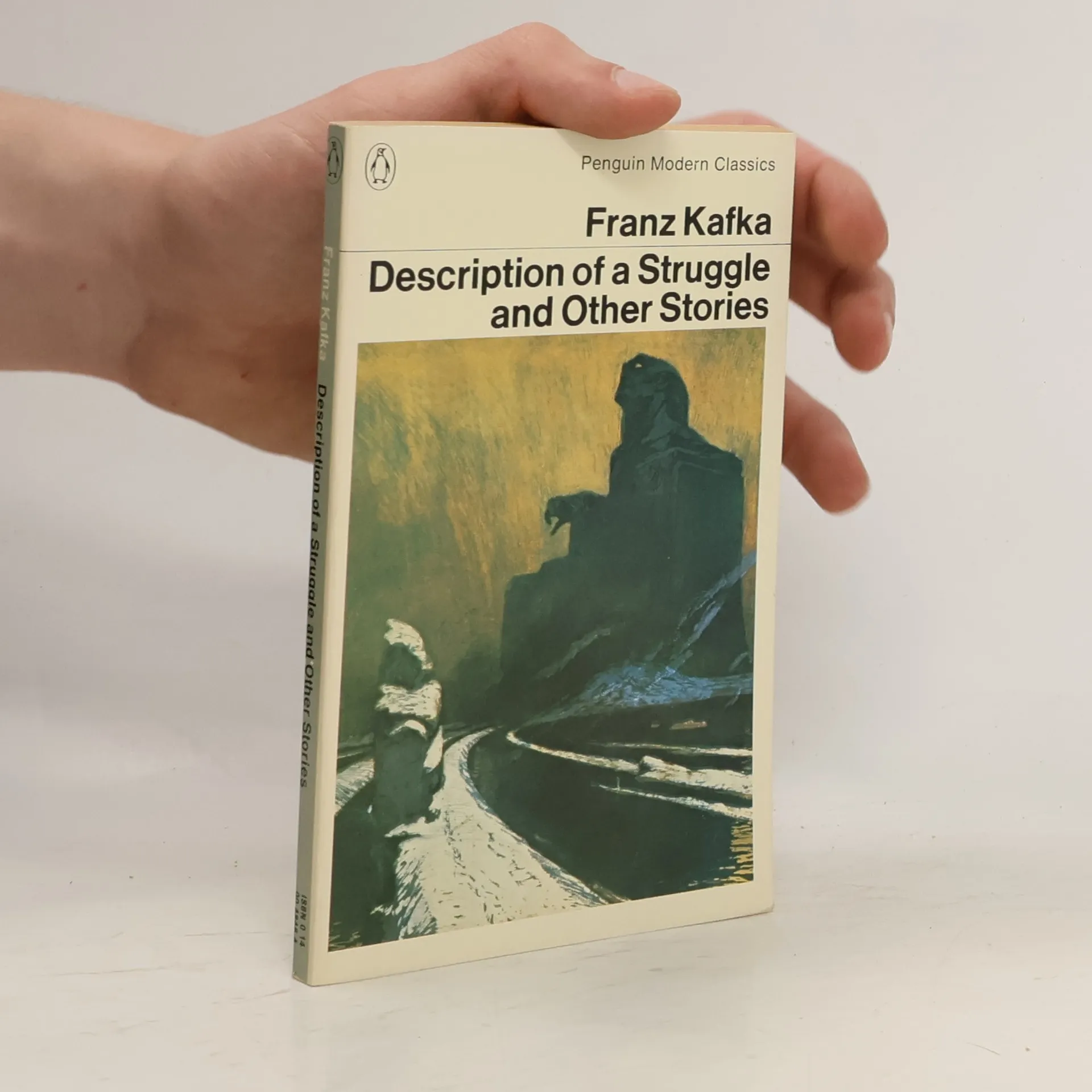
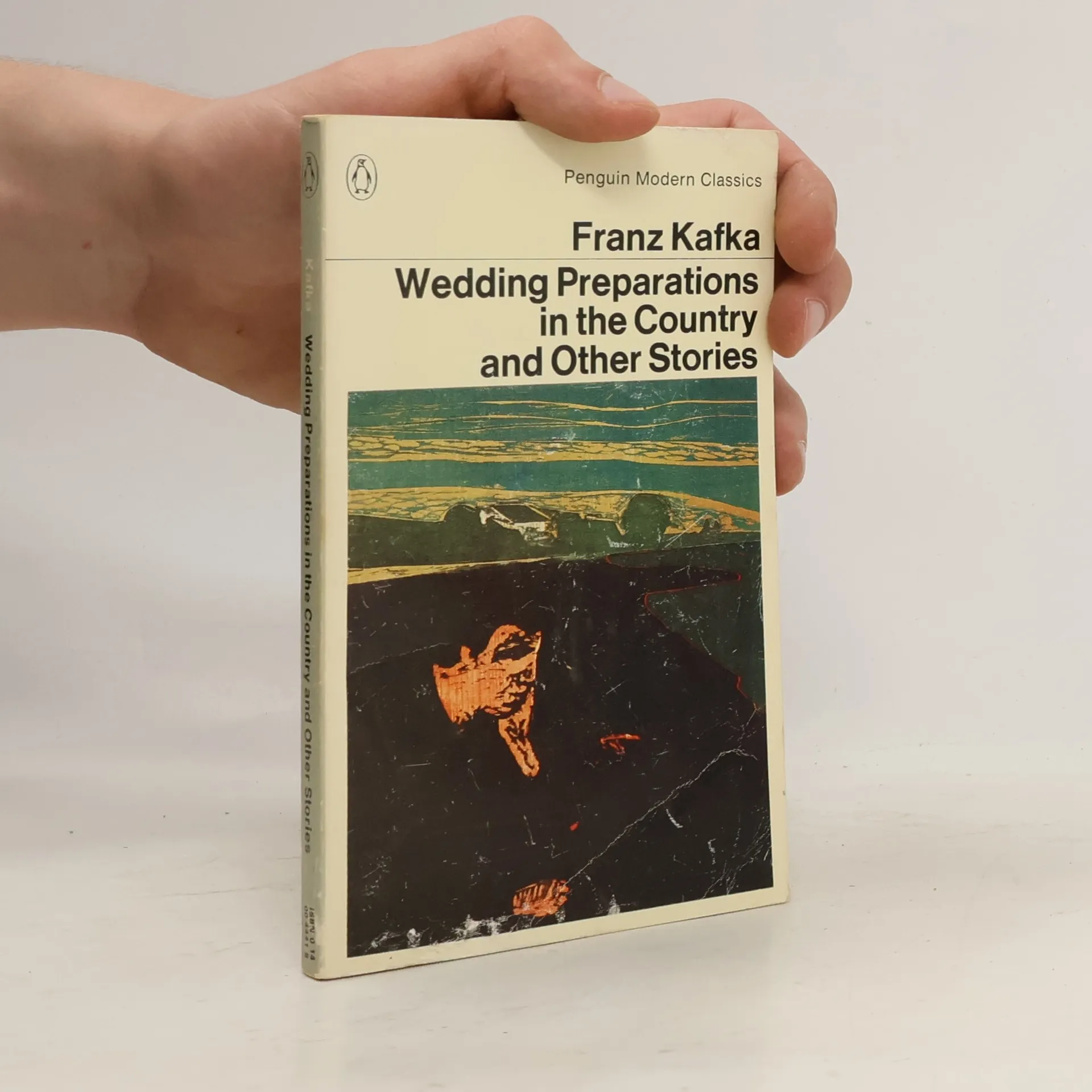
In these stories the obscure, yet terrifyingly clear world of Franz Kafka is given enigmatic force. The author's themes are not the fashionable ones of alienation, angst and existentialism; they are powerful allegories of man's spiritual exile from the reality of twentieth-century Europe.
Erzählungen von Franz Kafka, Bilder von Hanna Koch / Stories by Franz Kafka, Illustrations by Hanna Koch
60pages
3 heures de lecture
Die Erzählungen von Kafka, illustriert von Hanna Koch, erscheinen märchenhaft und ermöglichen Kindern, die Schönheit seiner Prosa zu entdecken. Auch Jugendliche und Erwachsene erleben die Geschichten in neuem Licht. Enthalten sind unter anderem: Der Kübelreiter, Vor dem Gesetz und Wunsch Indianer zu werden.
The Castle: Arriving in a village to take up the position of land surveyor for the mysterious lord of a castle, the character known as K finds himself in a bitter and baffling struggle to contact his new employer and go about his duties. As the villagers and the Castle officials block his efforts at every turn, K's consuming quest - quite possibly a self-imposed one - to penetrate the inaccessible heart of the Castle and take its measure is repeatedly frustrated. Kafka once suggested that the would-be surveyor in The Castle is driven by a wish "to get clear about ultimate things," an unrealizable desire that provided the driving force behind all of Kafka's dazzlingly uncanny fictions. The Trial: Written in 1914, The Trial is the terrifying tale of Josef K, a respectable bank officer who is suddenly arrested and must defend himself against a charge about which he can get no information. Kafka's nightmare has resonated with chilling truth for generations of readers.
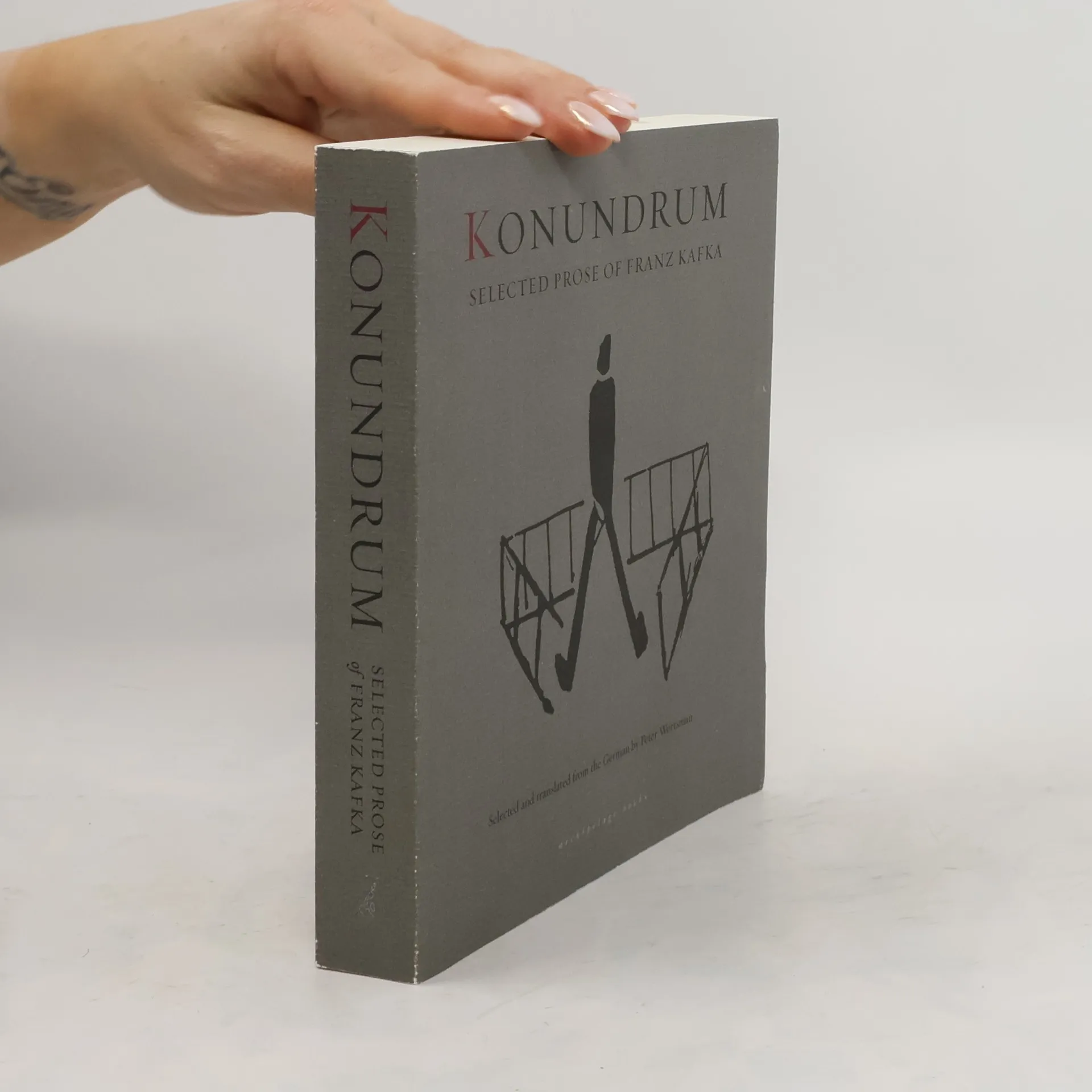
In this new selection and translation, Peter Wortsman mines Franz Kafka's entire opus of short prose - including works published in the author's brief lifetime, posthumously published stories, journals and letters. The result is a thorough plumbing of the imaginative depths of the great German-Jewish scribe from Prague that refreshes the writer's mythic storytelling powers for a new generation of readers.
Acclaimed as one of the founding Masters of Modern World literature, Franz Kafka's influence has been too far,too wide and too deep for any comprehensive assessment.Enigmatic and paradoxical,full of predicaments of the modern man, these pieces of fiction reveal the breath of Kafka's literary vision and the extraordinary imaginative depth of his thought.
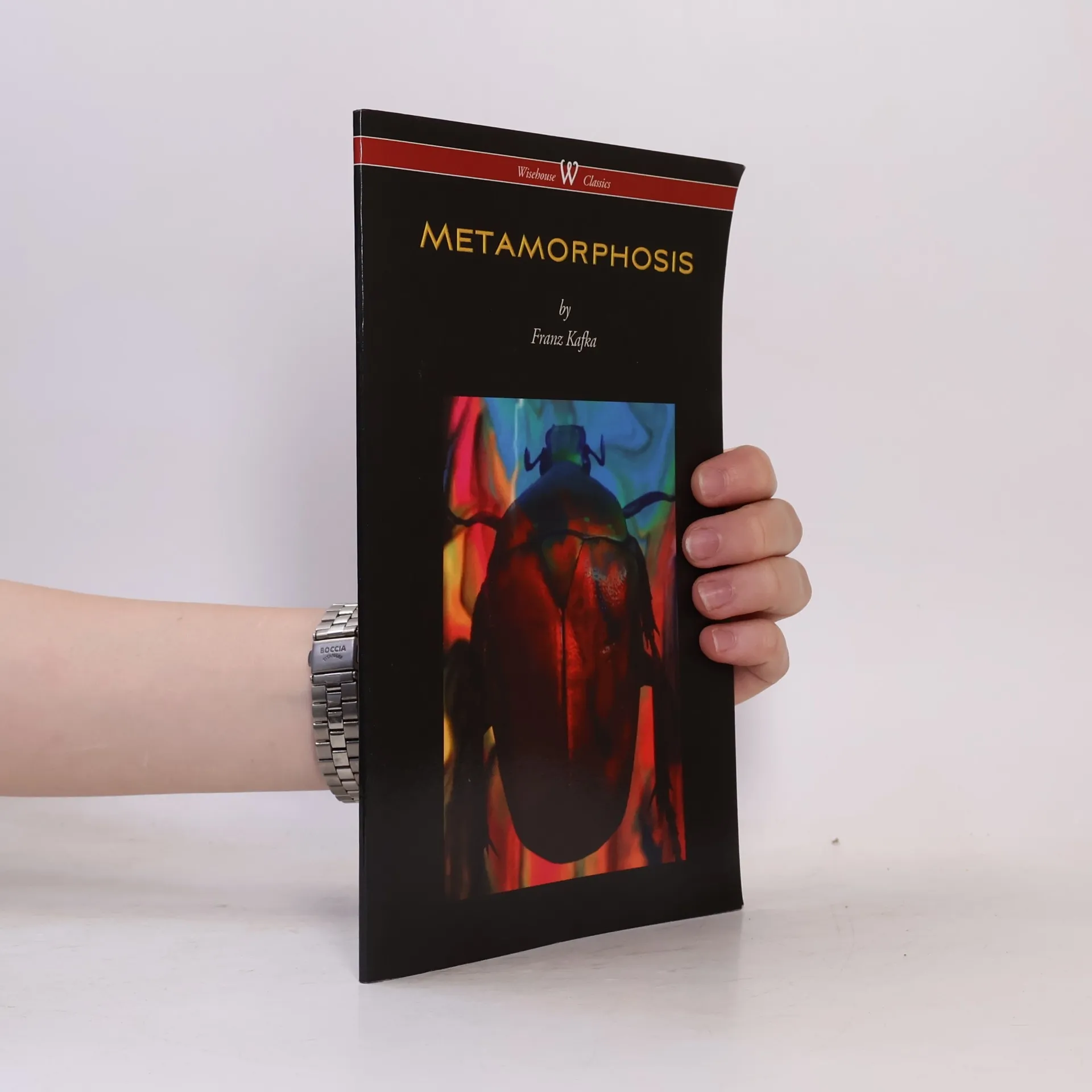
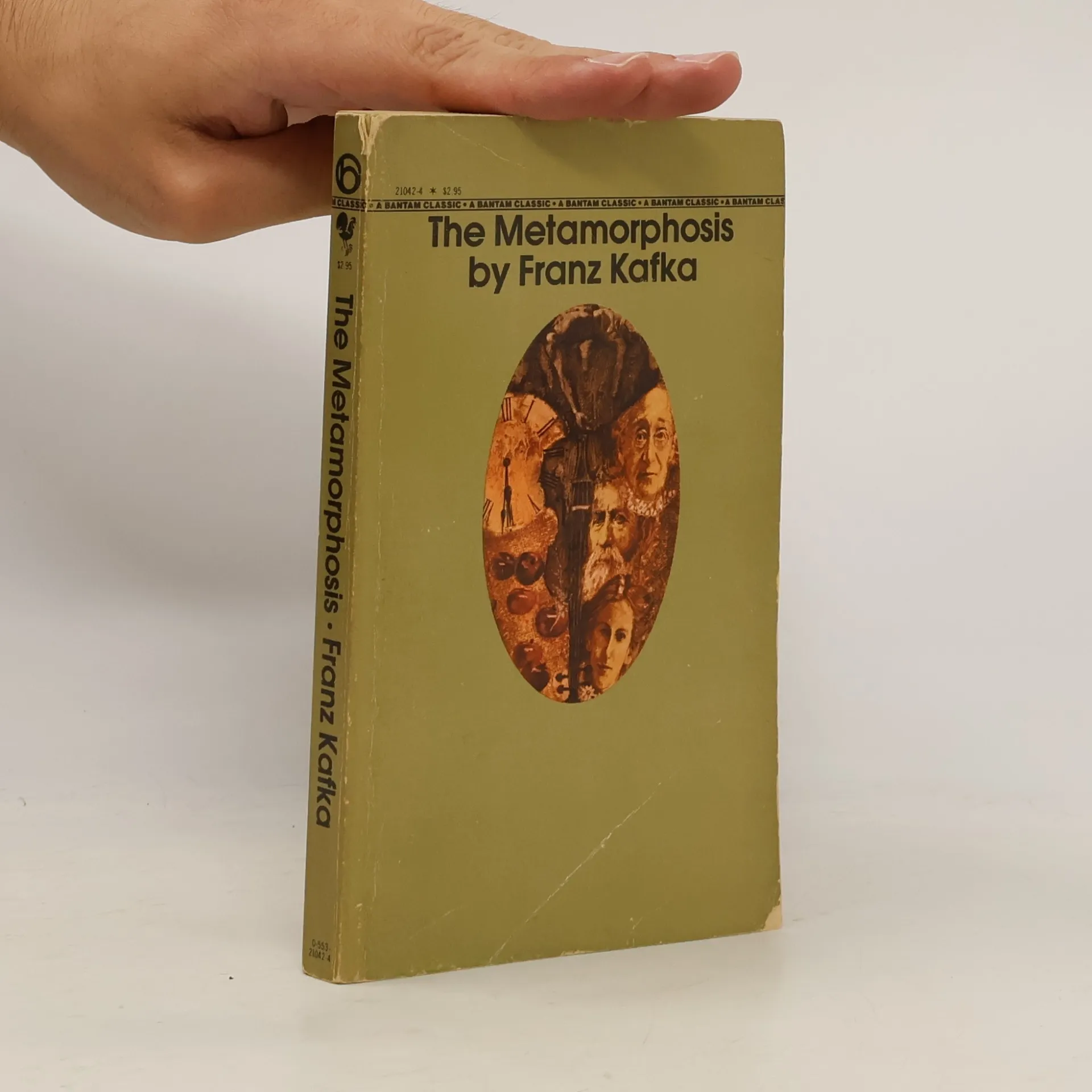
THE METAMORPHOSIS (German: Die Verwandlung, also sometimes translated as The Transformation) is a novella by Franz Kafka, first published in 1915. It has been called one of the seminal works of fiction of the 20th century and is studied in colleges and universities across the Western world. The story begins with a traveling salesman, Gregor Samsa, waking to find himself trans¬formed (metamorphosed) into a large, monstrous insect-like creature. The cause of Gregor's transformation is never revealed, and Kafka himself never gave an explanation. The rest of Kafka's novella deals with Gregor's attempts to adjust to his new condition as he deals with being burdensome to his parents and sister, who are repelled by the horrible, verminous creature Gregor has become.
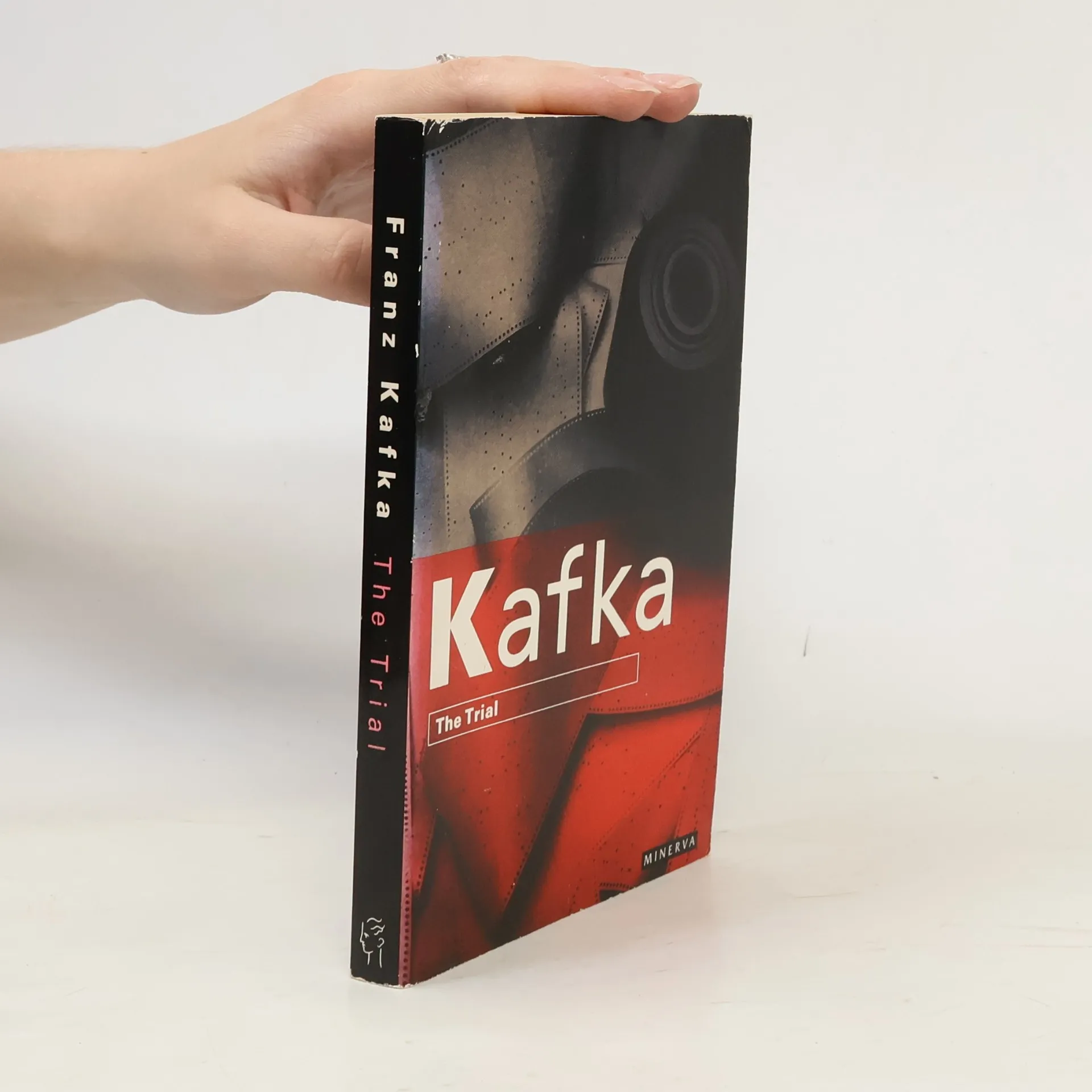
An image of man in the modern world, Joseph K., an ordinary man, is arrested and put on trial for a crime he did not commit. He feels compelled to justify his life at a deep metaphysical level, not simply to rationalize his actions. This is all the more difficult because he cannot communicate with the court that tries him.
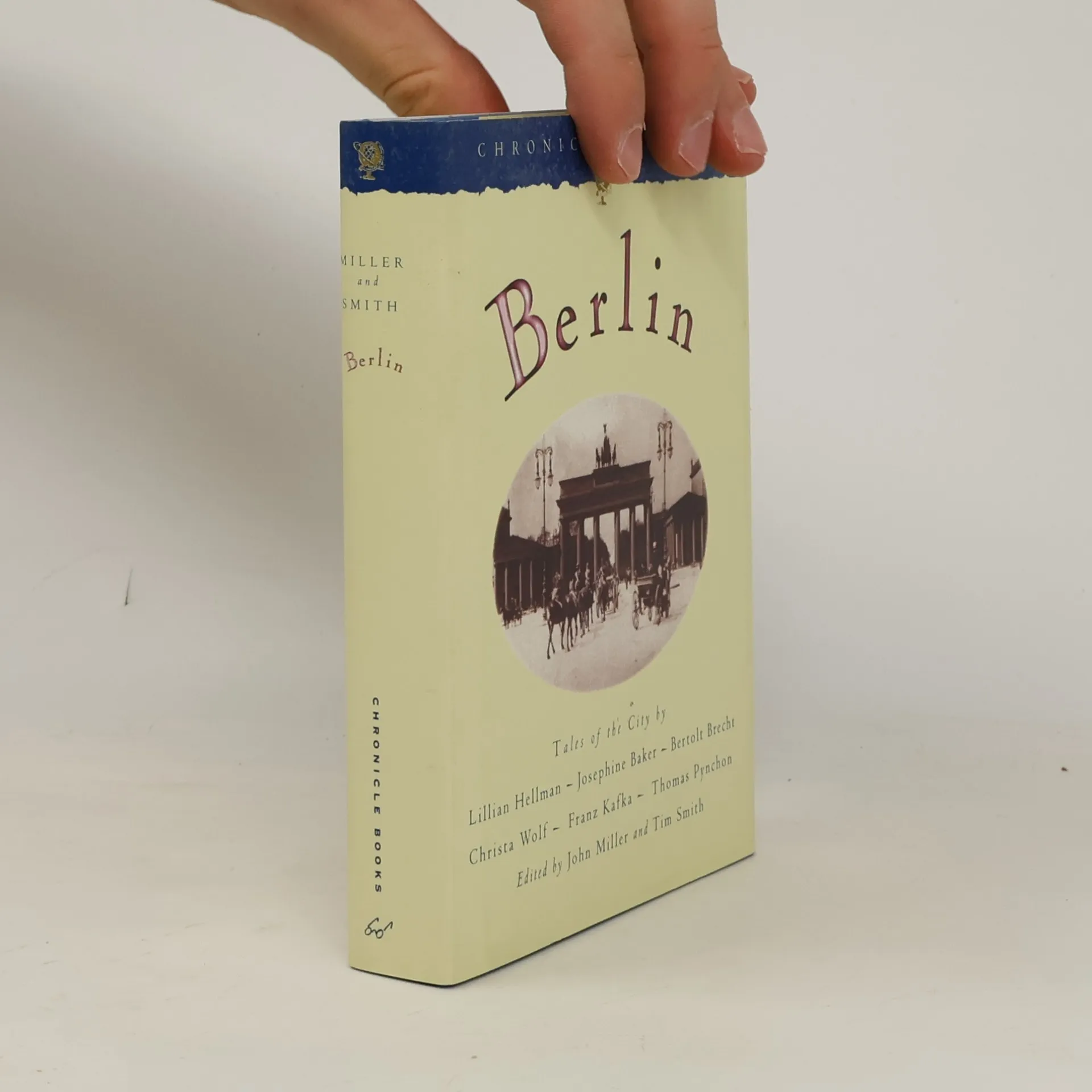
Berlin is one of the most intriguing cities in Europe. Despite its tumultuous history, it has remained the heart of Germany, even when the heart was divided in four. In one pocket-sized volume, Berlin collects the best fiction and nonfiction about the city from an array of writers of international stature. From chanteuse Josephine Baker on her second adopted home to playwright Bertolt Brecht on the decline of the Weimar Republic, and including an excerpt from Thomas Pynchon's Gravity's Rainbow, a resident's 1989 account of the fall of the Berlin Wall, and a description of Berlin from the 1912 edition of a Baedeker guide (written by Karl Baedeker himself), Berlin is an engaging literary stroll through a remarkable city. contents Preface / Vladimir Nabokov --The job / Bertolt Brecht --The Berlin diaries / Marie Vassiltchikov --Berlin Alexanderplatz / Alfred Doblin --Gravity's rainbow / Thomas Pynchon --Picture postcard, Berlin / Franz Kafka --The lavender lay / Marcellus Schiffer --The party at the wall / Bennett Owen --Julia / Lillian Hellman --Berlin's general aspect / Karl Baedeker --A Berlin diary / Christopher Isherwood --From Berlin to the Folies-Bergere / Josephine Baker --Berlin letter / Rainer Maria Rilke --Ritter Gluck / E. T. A. Hoffmann --The quest for Christa T. / Christa Wolf.
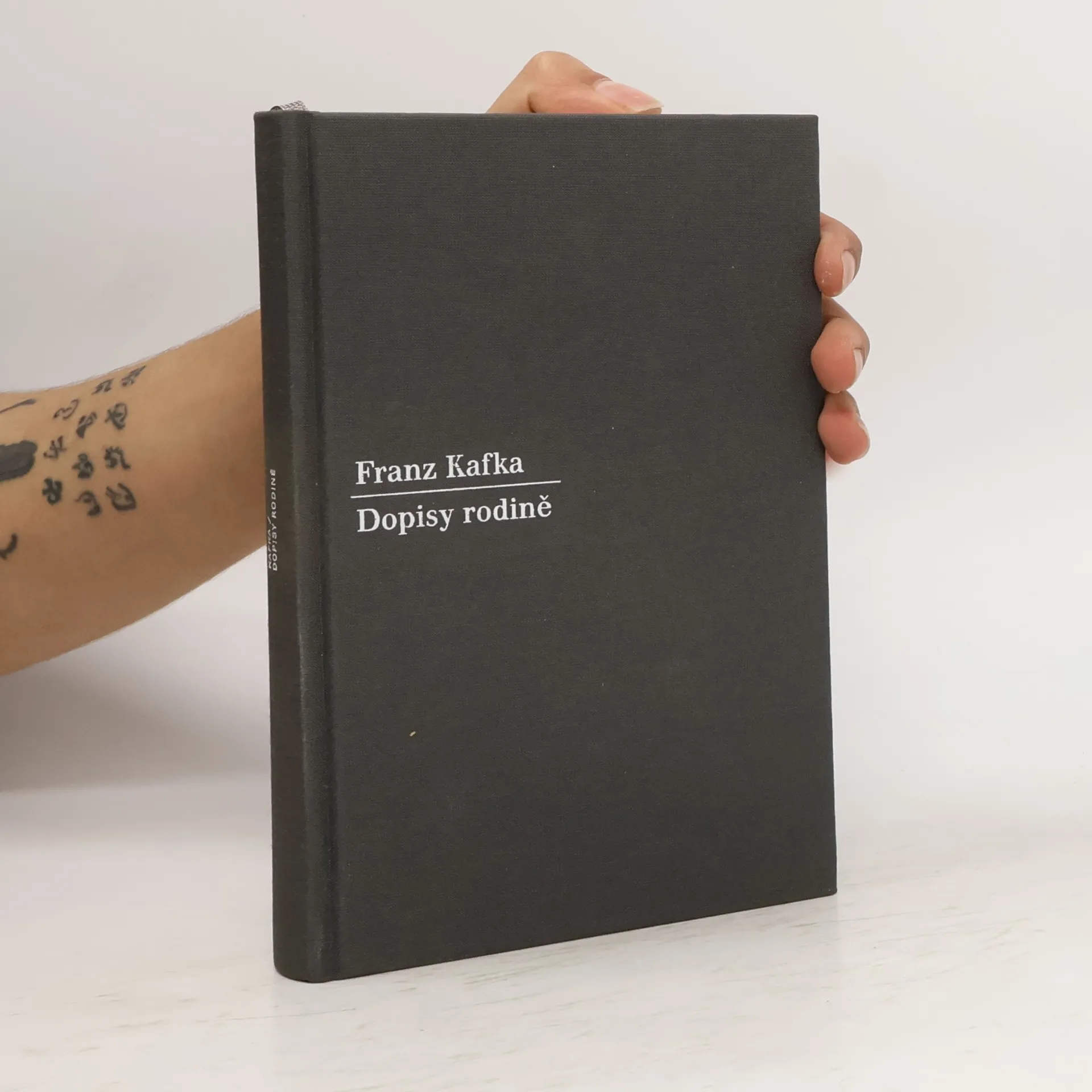
Kniha obsahuje korespondenci od roku 1900 do roku 1924. Nové vydání Kafkovy rodinné korespondence zahrnuje listy sestře Ottle i rodičům, rozsáhlý poznámkový aparát a autorův rodokmen. V těchto dopisech poznáme F. Kafku i takového, jaký se dosud v žádných ze svých textů neprojevoval.
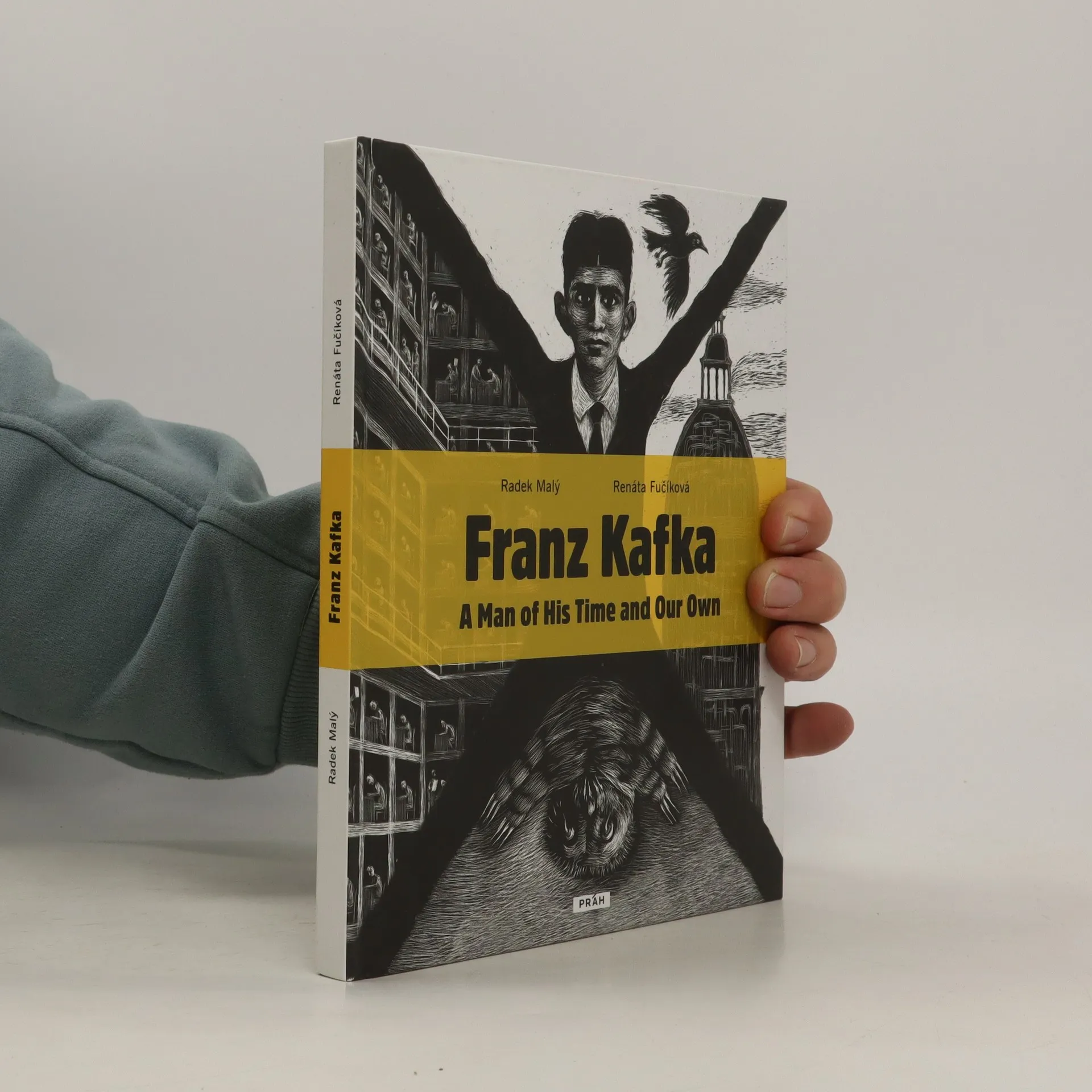
This lavish book about the most famous native of Prague Franz Kafka is intended for everyone who wishes to learn more about his life and work, and his world. It brings to life the world of Prague German literature, the world of Kafka’s interests, family and friends, and also the world of his strange stories, which continue to fascinate and puzzle both readers and experts. The author of the text is the poet, translator and Germanist Radek Maly, twice recipient of the Magnesia Litera Prize. The illustrations have been created by Renáta Fučíková, a leading Czech illustrator and holder of many Czech and international awards.
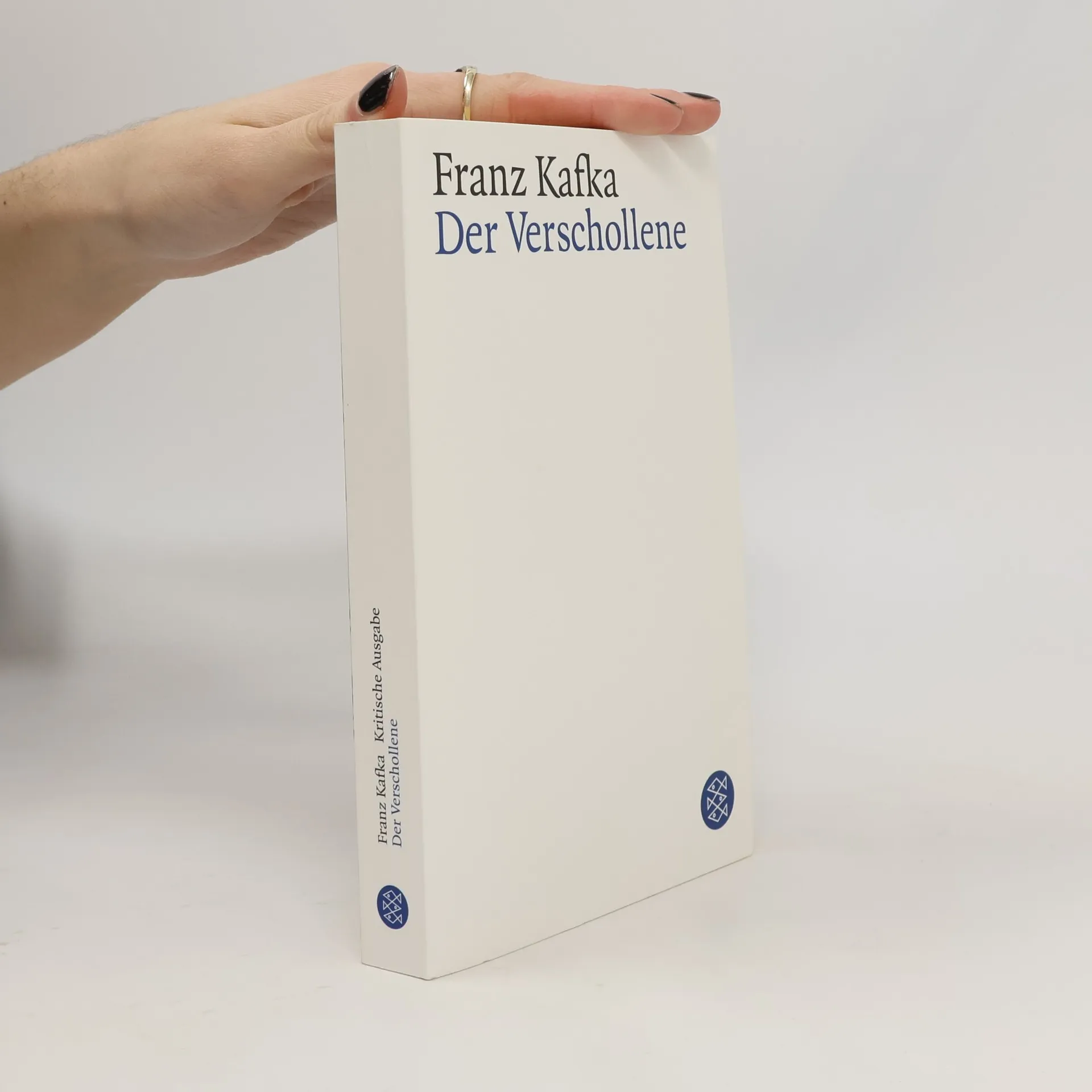
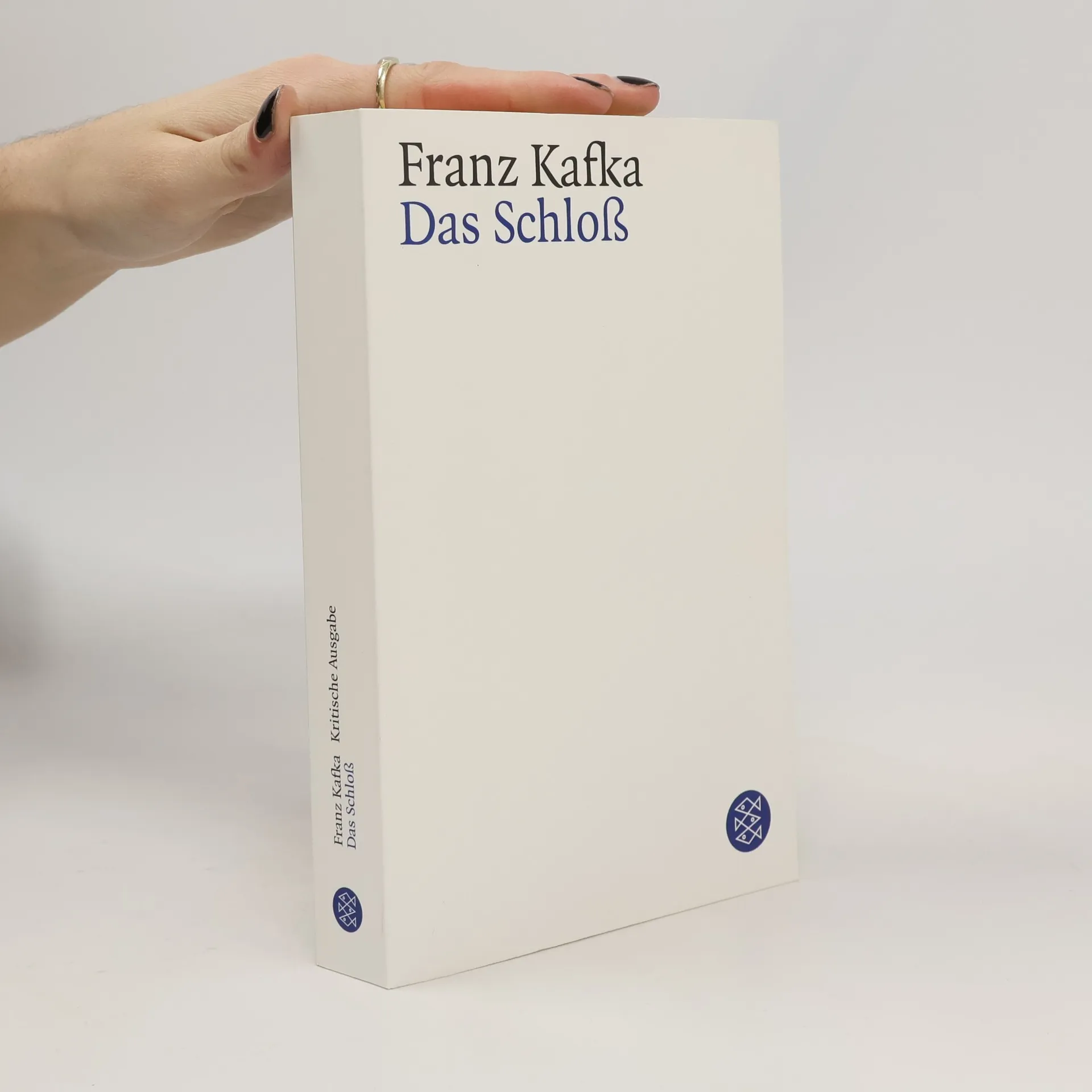
Die Kritische Ausgabe wendet sich an Leser, die Kafkas Texte in möglichst originalgetreuer Fassung lesen möchten, aber auch genauen Einblick in den verzweigten Entstehungsprozeß dieser Texte wünschen. Bei keinem Autor des 20. Jahrhunderts ist dieser Prozeß von größerer Bedeutung zum Verständnis des Werkes. Die limitierte Sonderausgabe präsentiert in 15 Bänden seitenidentisch mit der Kritischen Ausgabe die Schriften und die Tagebücher.
Die Kritische Ausgabe wendet sich an Leser, die Kafkas Texte in möglichst originalgetreuer Fassung lesen möchten, aber auch genauen Einblick in den verzweigten Entstehungsprozeß dieser Texte wünschen. Bei keinem Autor des 20. Jahrhunderts ist dieser Prozeß von größerer Bedeutung zum Verständnis des Werkes. Die limitierte Sonderausgabe präsentiert in 15 Bänden seitenidentisch mit der Kritischen Ausgabe die Schriften und die Tagebücher.
Die Kritische Ausgabe wendet sich an Leser, die Kafkas Texte in möglichst originalgetreuer Fassung lesen möchten, aber auch genauen Einblick in den verzweigten Entstehungsprozeß dieser Texte wünschen. Bei keinem Autor des 20. Jahrhunderts ist dieser Prozeß von größerer Bedeutung zum Verständnis des Werkes. Die limitierte Sonderausgabe präsentiert in 15 Bänden seitenidentisch mit der Kritischen Ausgabe die Schriften und die Tagebücher.
Die Kritische Ausgabe wendet sich an Leser, die Kafkas Texte in möglichst originalgetreuer Fassung lesen möchten, aber auch genauen Einblick in den verzweigten Entstehungsprozeß dieser Texte wünschen. Bei keinem Autor des 20. Jahrhunderts ist dieser Prozeß von größerer Bedeutung zum Verständnis des Werkes. Die limitierte Sonderausgabe präsentiert in 15 Bänden seitenidentisch mit der Kritischen Ausgabe die Schriften und die Tagebücher.
Die Kritische Ausgabe wendet sich an Leser, die Kafkas Texte in möglichst originalgetreuer Fassung lesen möchten, aber auch genauen Einblick in den verzweigten Entstehungsprozeß dieser Texte wünschen. Bei keinem Autor des 20. Jahrhunderts ist dieser Prozeß von größerer Bedeutung zum Verständnis des Werkes. Die limitierte Sonderausgabe präsentiert in 15 Bänden seitenidentisch mit der Kritischen Ausgabe die Schriften und die Tagebücher.