Siri Hustvedt Ordre des livres (chronologique)
19 février 1955
Hustvedt explore des thèmes complexes d'identité et d'obsession, souvent à travers le prisme du voyeurisme et du lien entre les vivants et les morts. Sa prose, qui incorpore fréquemment l'art et la peinture, témoigne d'un aperçu profond de la psychologie des personnages et de l'exploration des relations humaines. Hustvedt écrit également des essais et de la poésie, élargissant ainsi sa portée littéraire. Son style est incisif et évocateur, entraînant les lecteurs dans des récits réfléchis et émotionnels.

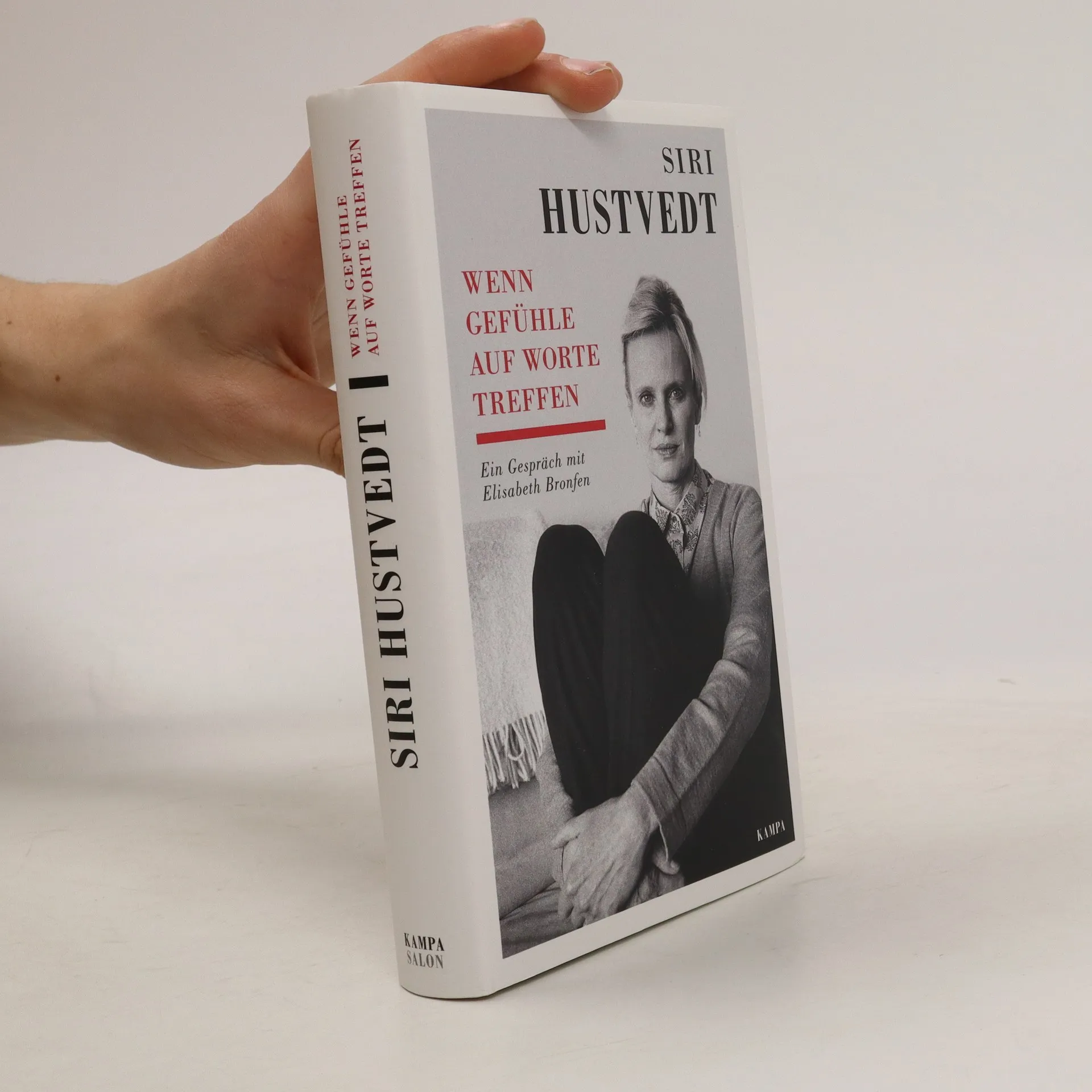
Alles beginnt in einem Sommer in Island. Die Nächte sind lang und hell. Siri Hustvedt, 13, liest David Copperfield und weiß, dass sie Schriftstellerin werden will. Mit 14 liest sie Simone de Beauvoir und wird Feministin. Ihre Wissbegier ist schon früh enorm. Mit Anfang zwanzig flieht sie aus der amerikanischen Provinz zum Studium nach New York, wo sie noch heute lebt. Das Bewegliche, Offene dieser Stadt habe sie immer fasziniert, erzählt Hustvedt der Kulturwissenschaftlerin Elisabeth Bronfen im Sommer 2018. Alles Starre, jedes Dogma hingegen ist ihr fremd - kulturelle Stereotype, patriarchale, sexistische Denkmuster, wie sie im Amerika unter Donald Trump wieder an Popularität gewinnen. Siri Hustvedt sucht das Verbindende, nicht das Trennende, eine Vielfalt der Perspektiven. Das Spiel mit Identitäten, auch mit Geschlechteridentitäten bestimmt ihre Romane, das Zusammenwirken verschiedener wissenschaftlicher Disziplinen ihre essayistischen Texte. Luzide legt Siri Hustvedt dar, dass wahre Denkräume Zwischenräume sind, in denen nicht die Gewissheit regiert, sondern das Sowohl-als-auch.
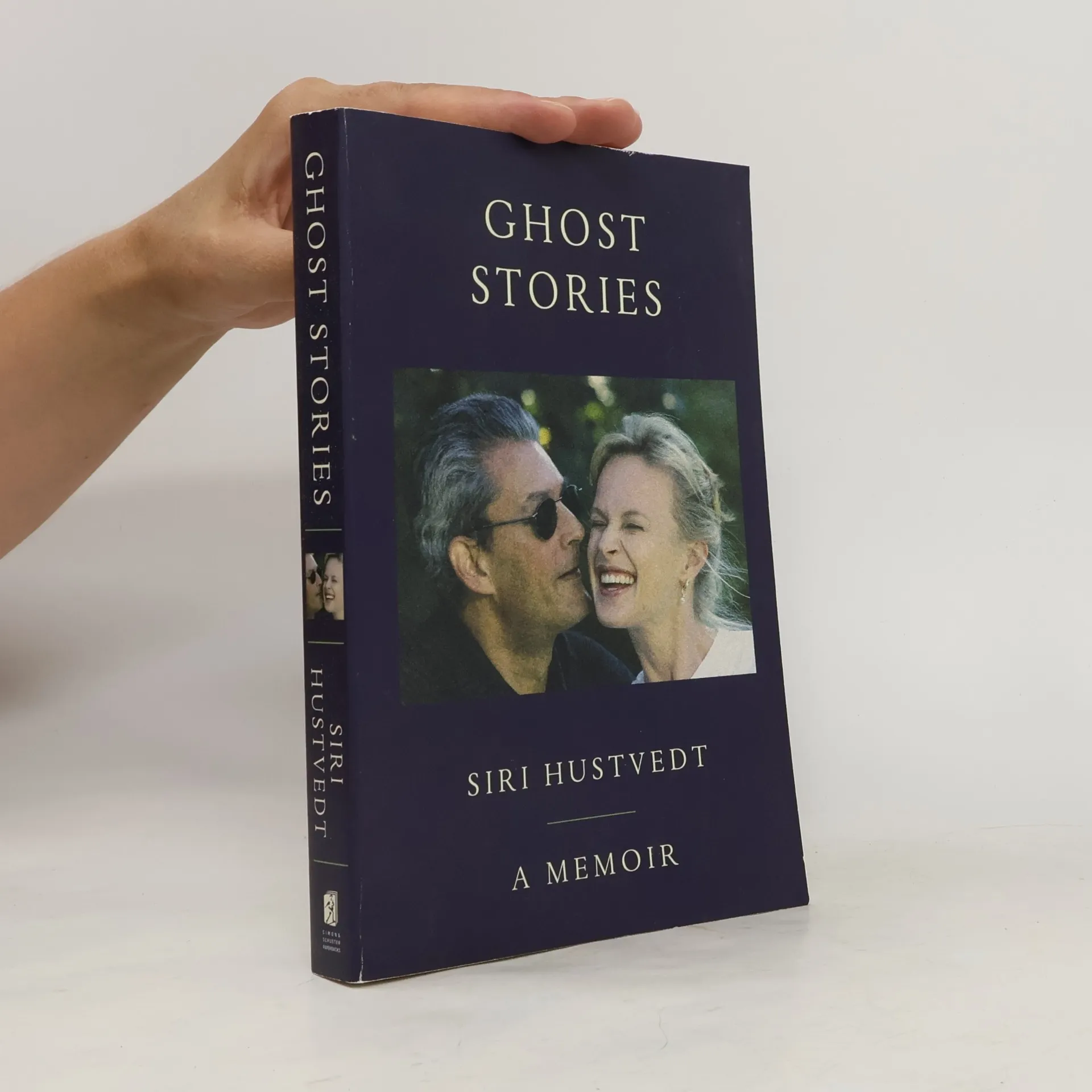
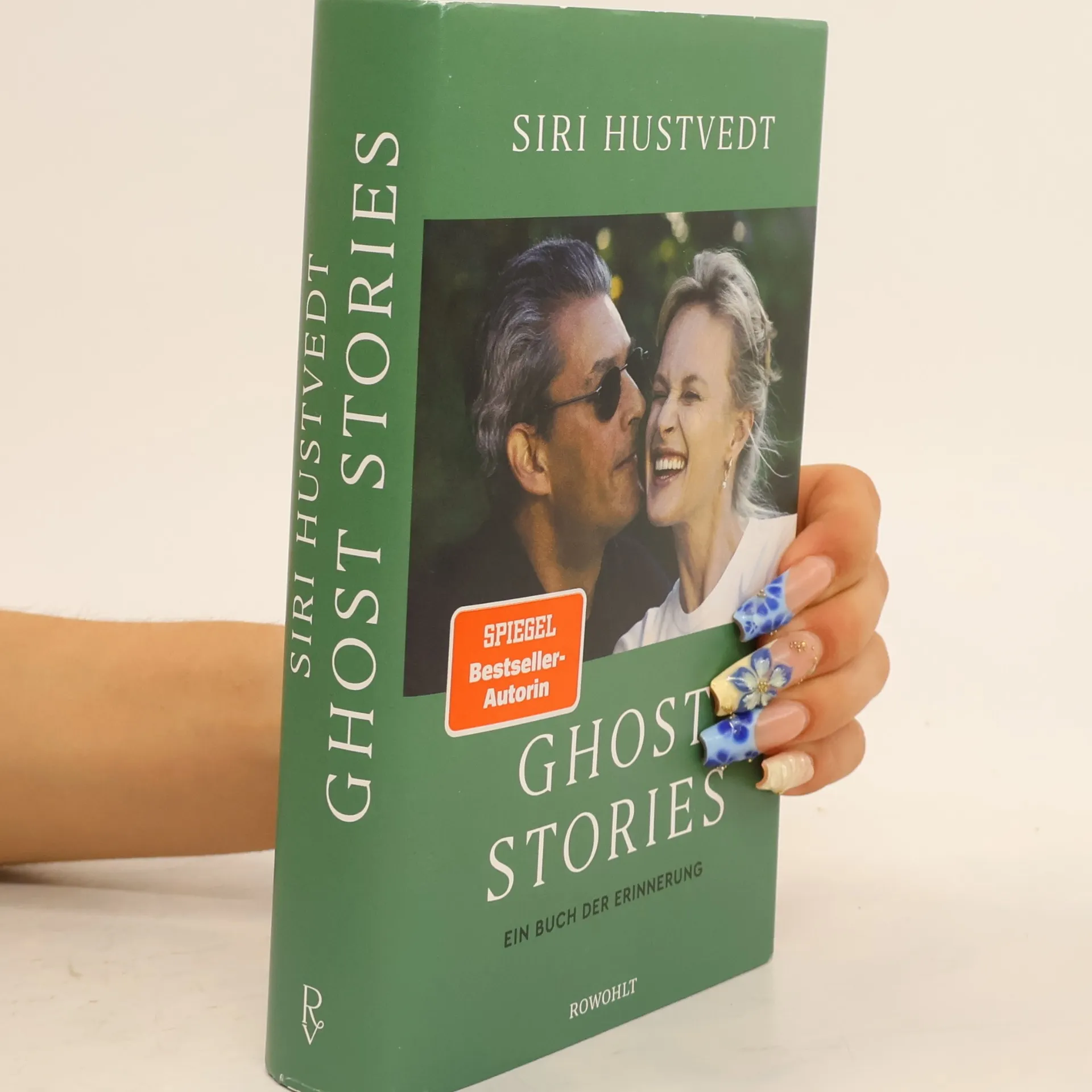
Ghost Stories
Ein Buch der Erinnerung
Gerhard Richter – Overpainted Photographs is a catalogue published on the occasion of the homonymous exhibition at Sies + Höke in 2023. The exhibition presents over 60 Overpainted Photographs by Gerhard Richter dating from the years 1989 to 2018, illuminating this important part of Richter's œuvre. Overpainted Photographs were created by Richter from the late 1980s onwards. Despite their small format, they have a significant status within the artist’s œuvre: like no other group of works, they embody the interface between the representation of photographic image content and abstract painting. Through photography, a representational motif is conveyed pictorially, while at the same time an abstract colour matter is applied to the surface. These two levels of reality appear as an interlocking unity and enter into a close, tension-filled and subtle connection. Across 304 pages, this monographic catalogue features reproductions of the exhibited works with a particular focus on illuminating their fine details. The catalogue includes a reprinted essay by Siri Hustvedt as well as new texts by Dietmar Elger and Mark Godfrey.
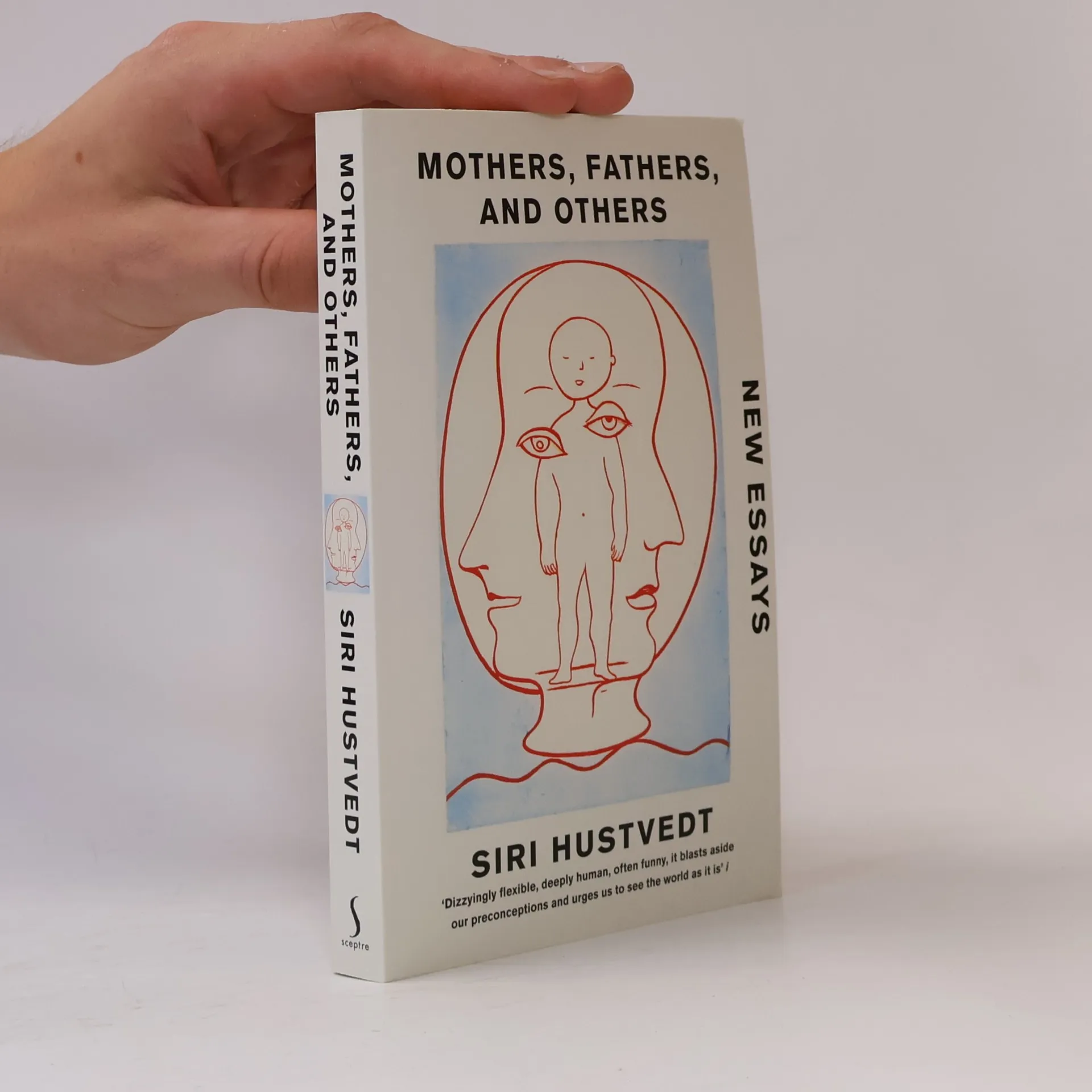
Mothers, Fathers, and Others
- 304pages
- 11 heures de lecture
Feminist philosophy meets family memoir in a fresh essay collection by the award-winning essayist and novelist Siri Hustvedt, author of the bestselling What I Loved and Booker Prize-longlisted The Blazing World.
Alles beginnt in einem Sommer in Island. Die Nächte sind lang und hell. Siri Hustvedt, 13, liest David Copperfield und weiß, dass sie Schriftstellerin werden will. Mit 14 liest sie Simone de Beauvoir und wird Feministin. Ihre Wissbegier ist schon früh enorm. Mit Anfang zwanzig flieht sie aus der amerikanischen Provinz zum Studium nach New York, wo sie noch heute lebt. Das Bewegliche, Offene dieser Stadt habe sie immer fasziniert, erzählt Hustvedt der Kulturwissenschaftlerin Elisabeth Bronfen im Sommer 2018. Alles Starre, jedes Dogma hingegen ist ihr fremd – kulturelle Stereotype, patriarchale, sexistische Denkmuster, wie sie im Amerika unter Donald Trump wieder an Popularität gewinnen. Siri Hustvedt sucht das Verbindende, nicht das Trennende, eine Vielfalt der Perspektiven. Das Spiel mit Identitäten, auch mit Geschlechteridentitäten bestimmt ihre Romane, das Zusammenwirken verschiedener wissenschaftlicher Disziplinen ihre essayistischen Texte. Luzide legt Siri Hustvedt dar, dass wahre Denkräume Zwischenräume sind, in denen nicht die Gewissheit regiert, sondern das Sowohl-als-auch.
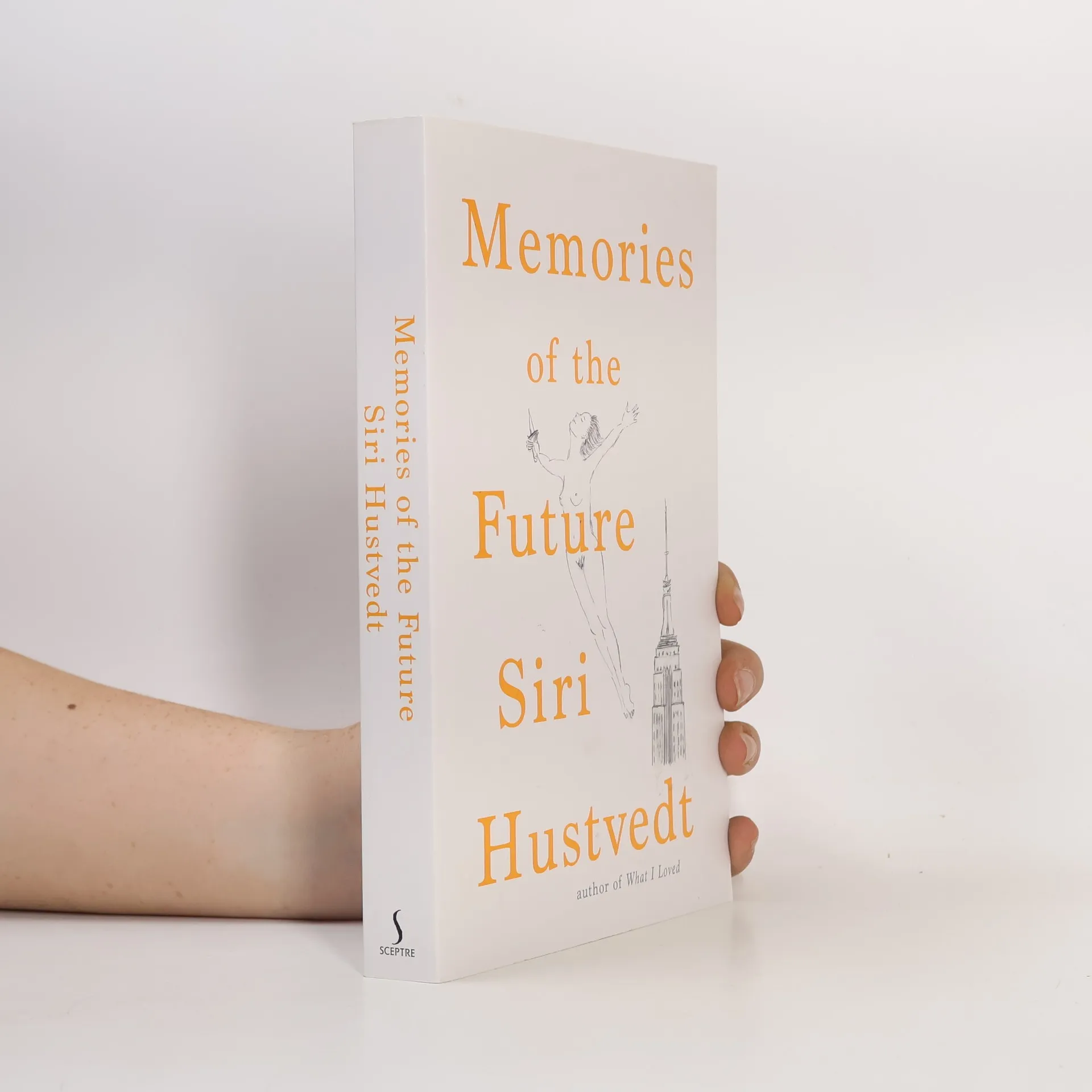
Memories of the Future
- 352pages
- 13 heures de lecture
A provocative, wildly funny and engrossing novel by the internationally acclaimed author of WHAT I LOVED, illustrated with her own drawings.
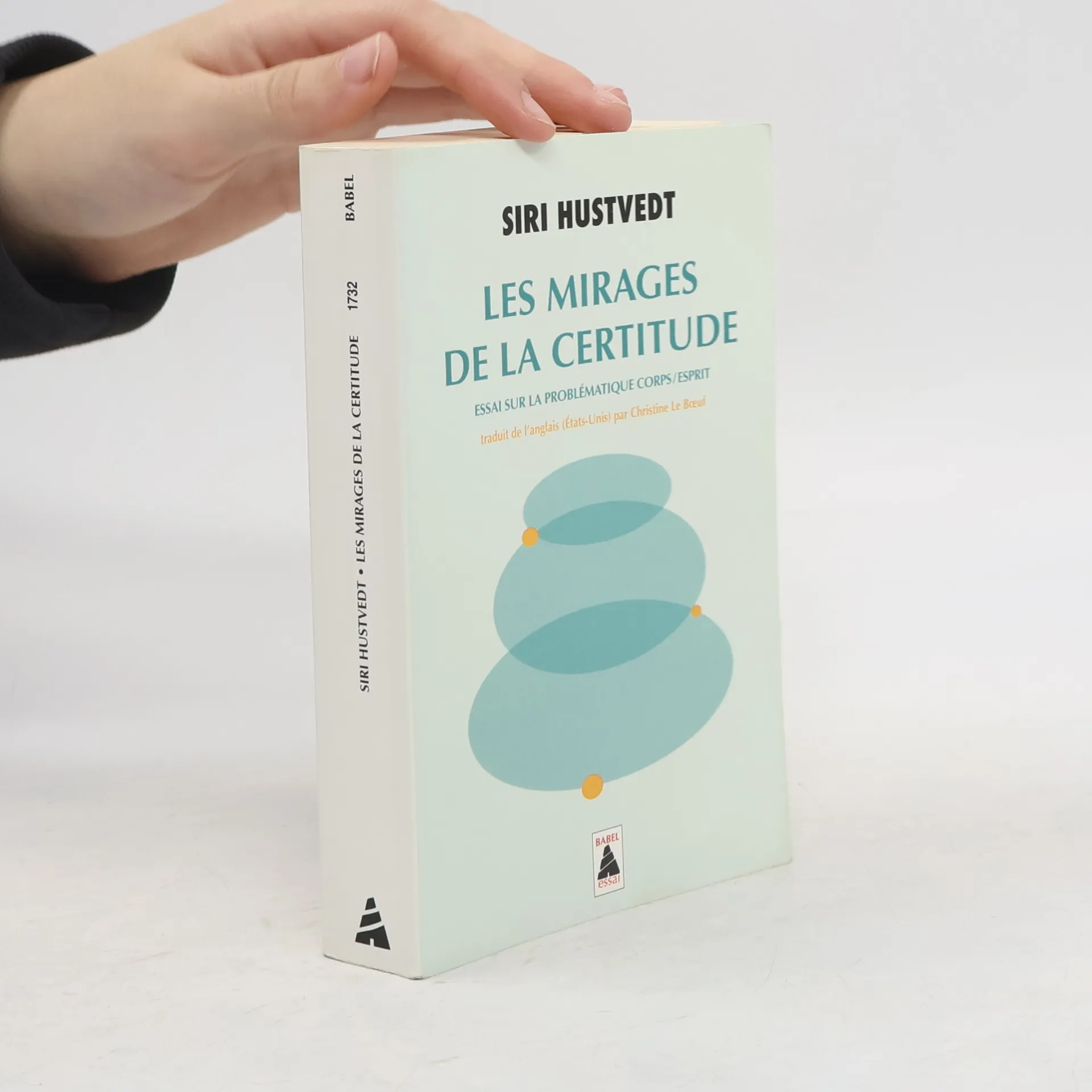
Babel - 1732: Les Mirages de la certitude
Essai sur la problématique corps/esprit
- 409pages
- 15 heures de lecture
Comment pense le corps ? Qu'est-ce que l'esprit ? En quoi se distingue-t-il du corps ? L'esprit peut-il être réduit à des neurones dans le cerveau ou non ? Dans son essai, Siri Hustvedt aborde le vieux problème non résolu de l'esprit et du corps et souligne à quel point les différentes réponses à cette question ont une signification profonde pour notre compréhension de nous-mêmes. Avec son approche multidisciplinaire, Hustvedt montre à quel point des hypothèses injustifiées sur le corps et l'esprit ont déformé et confondu la pensée des neuroscientifiques, généticiens, psychiatres, psychologues évolutionnistes et chercheurs en intelligence artificielle. Dans cet essai érudit, Hustvedt introduit le lecteur à diverses théories intégratives du corps concernant la conscience, qui modifient le débat actuel sur l'esprit et le corps. Elle souligne également qu'aucune idée n'est intouchable. "Le doute", écrit-elle, "n'est pas seulement une expression de l'intelligence ; c'est une nécessité."
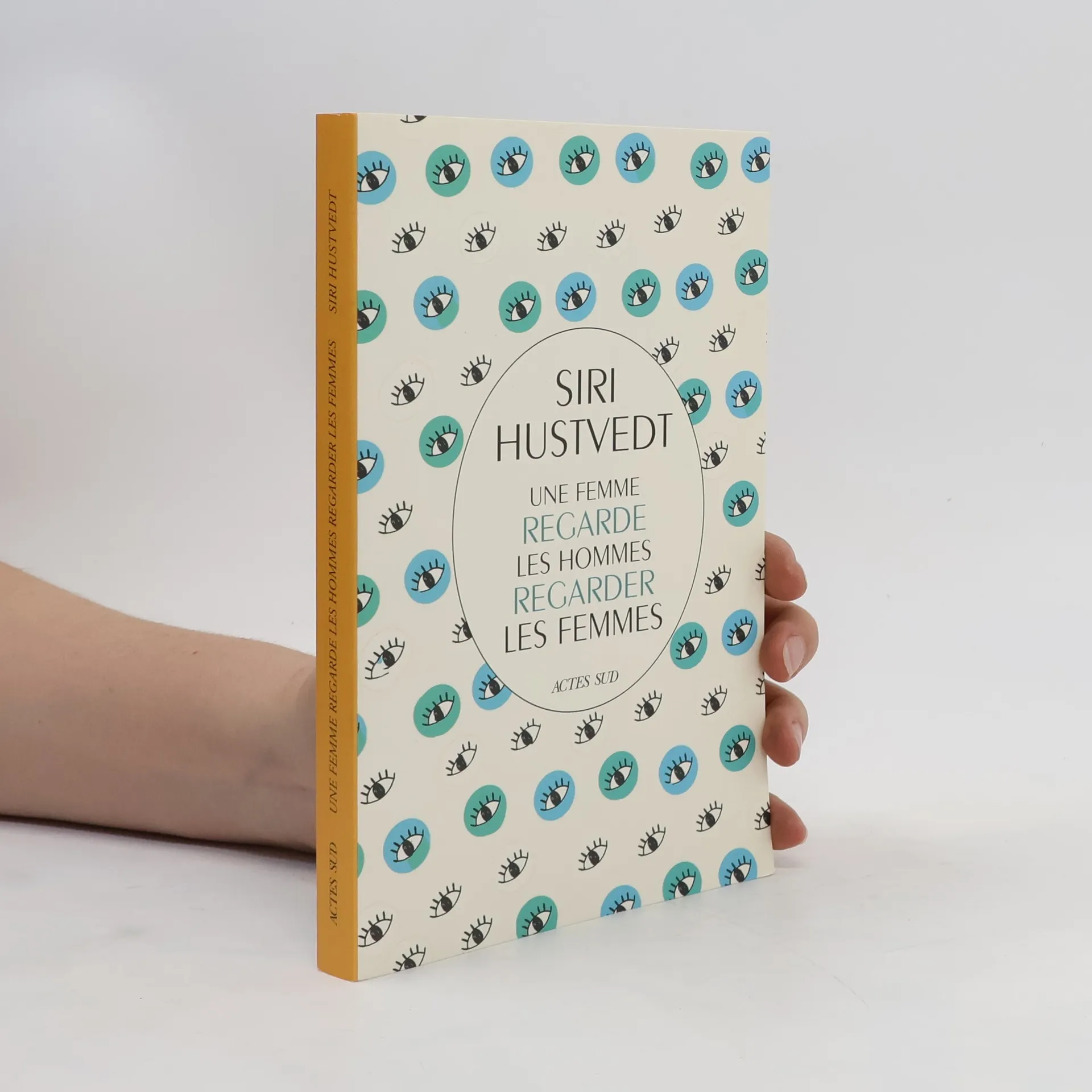
Siri Hustvedt, fidèle à son engagement envers la cause des femmes, examine le regard souvent manipulateur que les artistes masculins portent sur les femmes, qu'elles soient modèles ou artistes. Elle s'intéresse particulièrement aux biais, conscients et inconscients, qui influencent notre jugement sur l'art, la littérature et le monde. En se basant sur les œuvres de Picasso, De Kooning, Max Beckmann, Jeff Koons, Robert Mapplethorpe, ainsi que sur des réalisateurs comme Pedro Almodóvar et Wim Wenders, et des écrivaines comme Louise Bourgeois et Emily Dickinson, l'auteur développe une réflexion sur les relations entre l'art et la perception. Elle interroge notre évaluation de la créativité et souligne que les critères d'appréciation évoluent selon les cultures et les époques, contredisant l'idée que l'art se définit par des normes universelles et immuables. S'opposant à cette notion, Hustvedt, fidèle à son éthique intellectuelle, privilégie les questions aux réponses, cherchant à ouvrir des espaces de discussion libre et invitant le lecteur à explorer divers angles d'approche, lui laissant ainsi le choix de sa propre perspective.
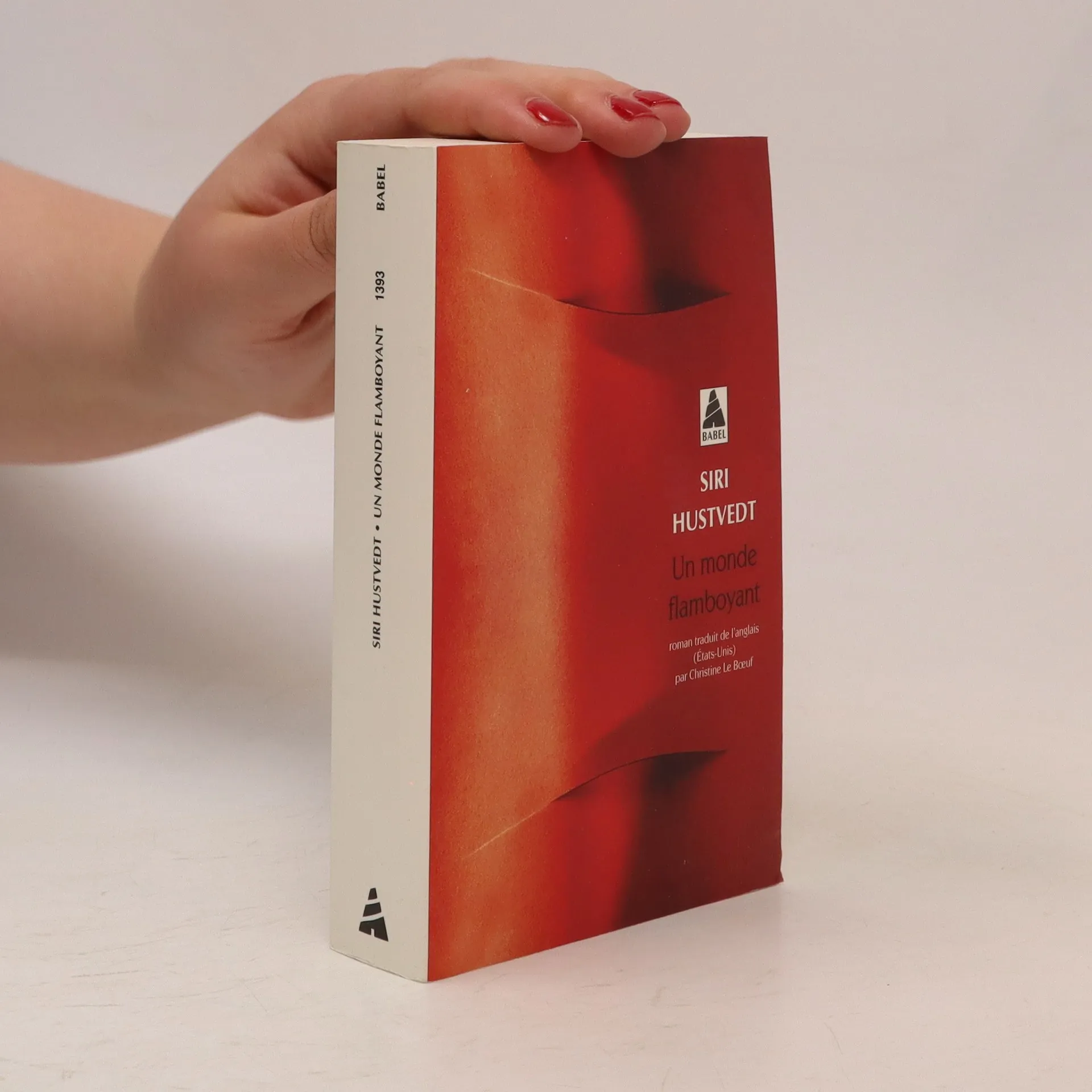
Méconnue de son vivant, l'artiste new-yorkaise Harriet Burden fait, après sa disparition, l'objet d'une étude universitaire qui dessine le parcours d'une femme aussi puissante que complexe n'ayant cessé, sa vie durant, de souffrir du déni dont son oeuvre a été victime. Epouse irréprochable d'un célèbre galeriste de New York, mère aimante de deux enfants, "Harry" a vécu avec élégance et panache, déguisant en normalité triomphante son profond exil intérieur au sein d'une société qui ne l'a jamais vue que comme une "femme de" et une artiste confidentielle. La mort brutale de son mari lui a permis de se consacrer à une vocation trop longtemps muselée : elle est revenue sur le devant de la scène par le biais d'une mystification destinée à prouver le sexisme du monde de l'art... Une fiction vertigineuse en forme de thriller intellectuel qui plonge dans les arcanes de l'âme humaine et de la création en tant que réinvention permanente des langages du désir.
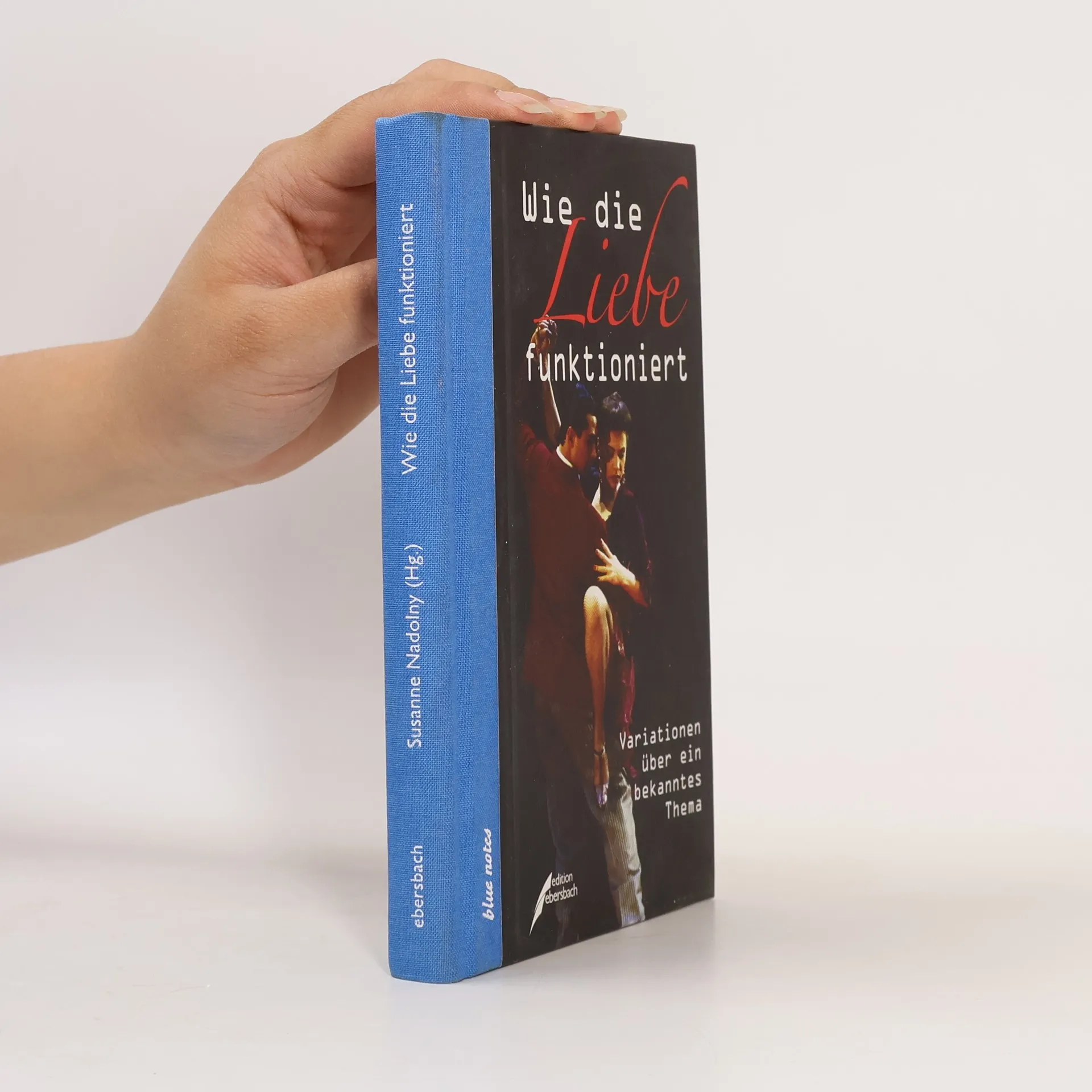
blue notes: Wie die Liebe funktioniert
Variationen über ein bekanntes Thema
- 144pages
- 6 heures de lecture
Gibt es eine Formel, nach der die großen Leidenschaften funktionieren? Roberta Gómez Dawson, Literatin und ehemals Inhaberin eines Lehrstuhls für Mathematik, ist sich sicher, eine solche Formel gefunden zu haben. Zu spät, wie die 82-Jährige findet. Den einzigen Mann, den sie je wollte, hat sie immer nur fast bekommen. Hätte ihr das Wissen um die Formel seinerzeit genützt? Wie handelt man richtig, wenn man glaubt, den einen Menschen gefunden zu haben, der 100%ig zu einem passt? Was passiert, wenn zwei Menschen die Erfüllung ihres Traums schon mit 18 Jahren erleben? Welche Rolle ist begehrenswerter: Lieben oder Geliebtwerden? Gibt es eine Strategie des Glücks? Helfen Vorbilder, Theorien weiter? Lässt sich eine Liebe wiederbeleben, zu der man 25 Jahre zuvor nein gesagt hat? Fragen wie diese tauchen in den von Susanne Nadolny kenntnisreich zusammengestellten Texten auf. Sie regen zum Nachdenken über die Liebe an – über jenes „Wunder des Kosmos“, das uns jeden Tag, an jeder Straßenecke begegnen kann. Ob mit 18 oder 80, ob in Buenos Aires oder Paris, Harajuku oder Amsterdam. Jede Liebe hat ihre eigene Geschichte und funktioniert auf eigene Weise. Acht besondere erzählt dieses Buch mit Texten von Alex Capus, Jeffrey Eugenides, Gustave Flaubert, Benoîte Groult, Siri Hustvedt, Haruki Murakami, Connie Palmen, Esther Vilar
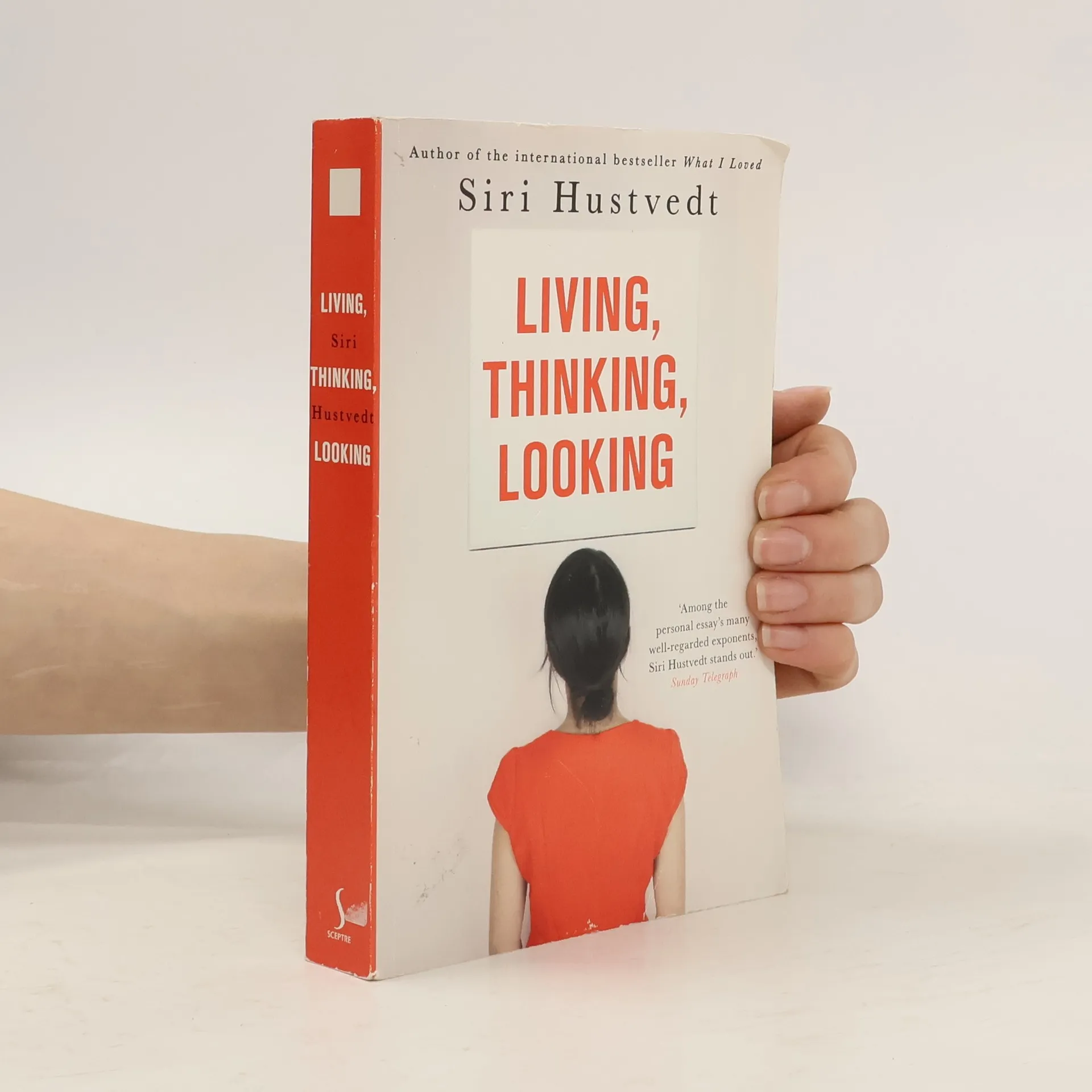
From the internationally bestselling author of What I Loved and The Summer Without Men, a dazzling collection of essays written with Siri Hustvedt's customary intelligence, wit and ability to convey complex ideas in a clear and lively way. Divided into three sections - Living, which draws on Siri's own life; Thinking, on memory, emotion and the imagination; and Looking, on art and artists - the essays range across the humanities and science as Siri explores how we see, remember, feel and interact with others, what it means to sleep, dream and speak, and what we mean by 'self'. The combination offers a profound and fascinating insight into ourselves as thinking, feeling beings.
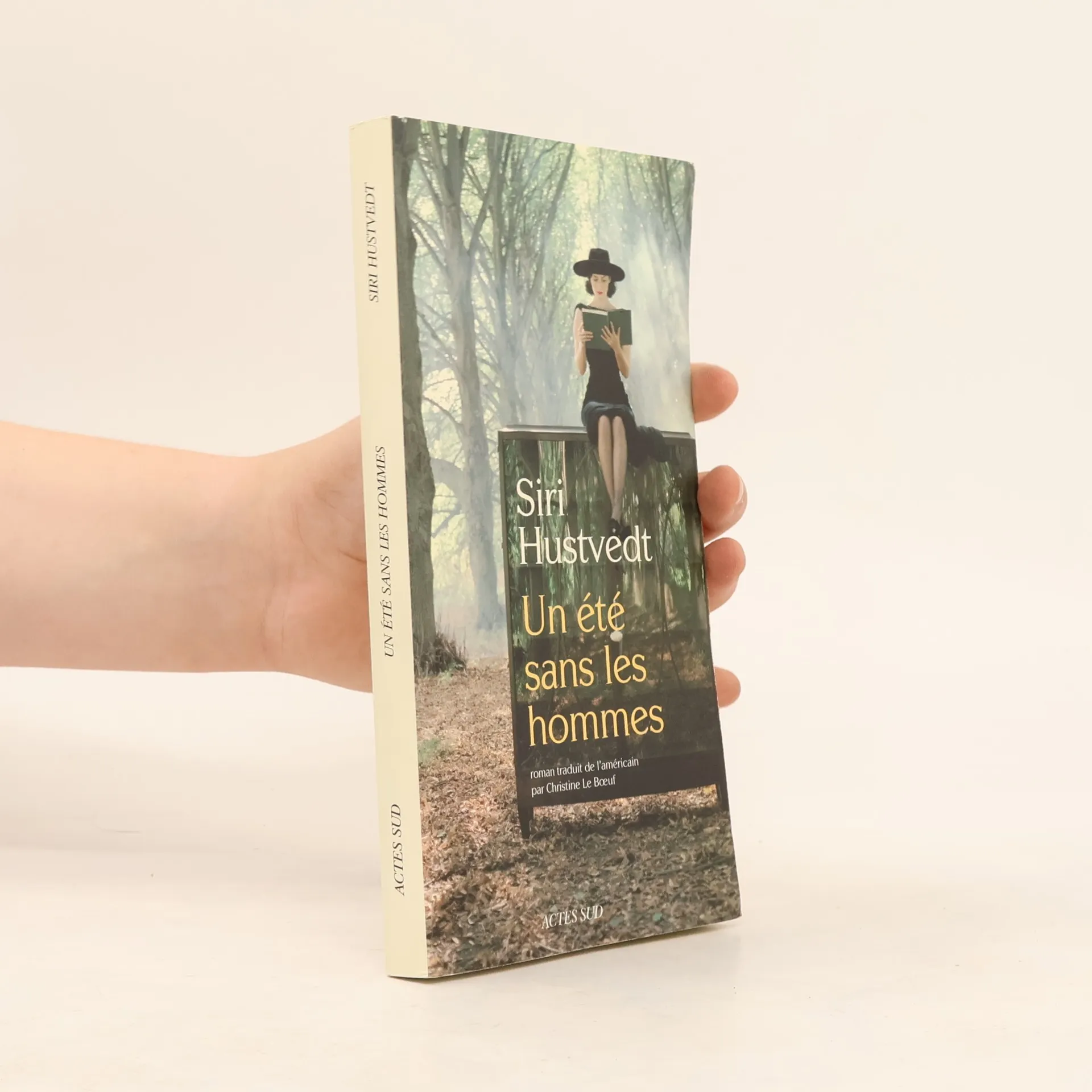
Un été sans les hommes
- 215pages
- 8 heures de lecture
Incapable de supporter plus longtemps la liaison que son mari, Boris, neuroscientifique de renom, entretient avec une femme plus jeune qu'elle, Mia, poétesse de son état, décide de quitter New York pour se réfugier auprès de sa mère qui a, depuis la mort de son mari, pris ses quartiers dans une maison de retraite du Minnesota. En même temps que la jubilatoire résilience dont fait preuve le petit groupe de pétillantes veuves octogénaires qui entoure sa mère, Mia va découvrir la confusion des sentiments et les rivalités à l'oeuvre chez les sept adolescentes qu'elle a accepté d'initier à la poésie le temps d'un été, tout en nouant une amitié sincère avec Lola, jeune mère délaissée par un mari colérique et instable... Parcours en forme de "lecture de soi" d'une femme à un tournant de son existence et confrontée aux âges successifs de la vie à travers quelques personnages féminins inoubliables, ce roman aussi solaire que plaisamment subversif dresse le portrait attachant d'une humanité fragile mais se réinventant sans cesse.
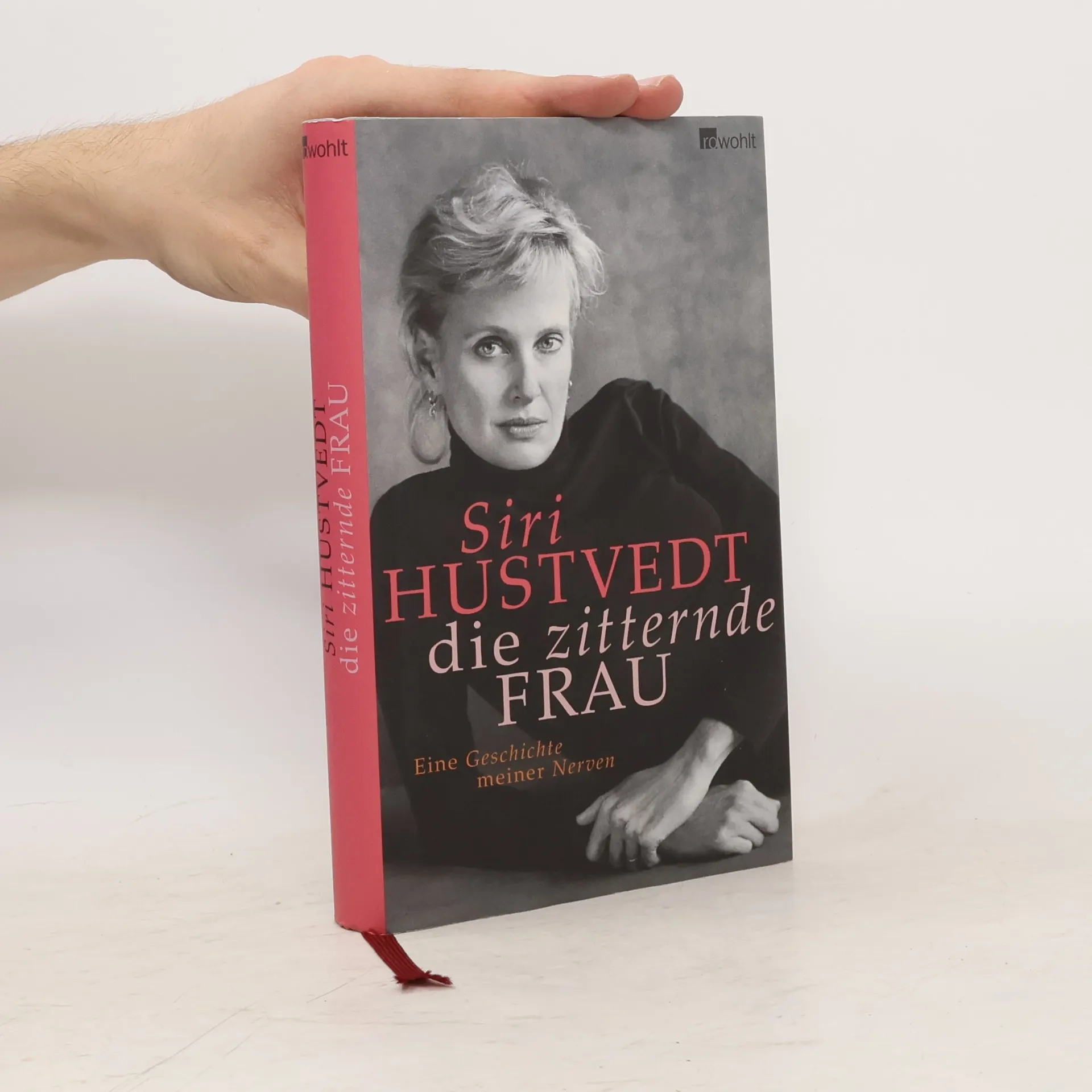
Während sie 2006 bei einer Hommage an ihren Vater öffentlich sprach, begann Siri Hustvedt unkontrolliert von Kopf bis Fuß zu zittern. „Meine Arme zuckten übermäßig. Meine Knie schlugen gegeneinander. Ich zitterte, als wäre ich von einem epileptischen Anfall betroffen. Das Unglaubliche war, dass meine Stimme davon überhaupt nicht betroffen war. Ich sprach, als wäre ich völlig ungerührt“, schrieb sie später. Es war, als hätte sie sich plötzlich in zwei Personen verwandelt und könnte sich nicht in dem Teil von ihr erkennen, der krank zu sein schien. Fasziniert von diesem Vorfall beschloss sie, die zitternde Frau zu suchen. In diesen Erinnerungen versucht die Schriftstellerin, eine Diagnose zu finden, die diese mysteriöse Transformation aufklärt. Sie vertieft sich in die Geschichte der Medizin und in ihre eigene Biografie und beschäftigt sich mit Disziplinen wie Neurologie, Psychiatrie und Psychoanalyse. Hustvedt verfasst ein einzigartiges Buch, in dem, in der Tradition von Autoren wie Oliver Sacks, Wissenschaft und Literatur Hand in Hand gehen, um alles zu erhellen, was wir nicht über uns selbst wissen.
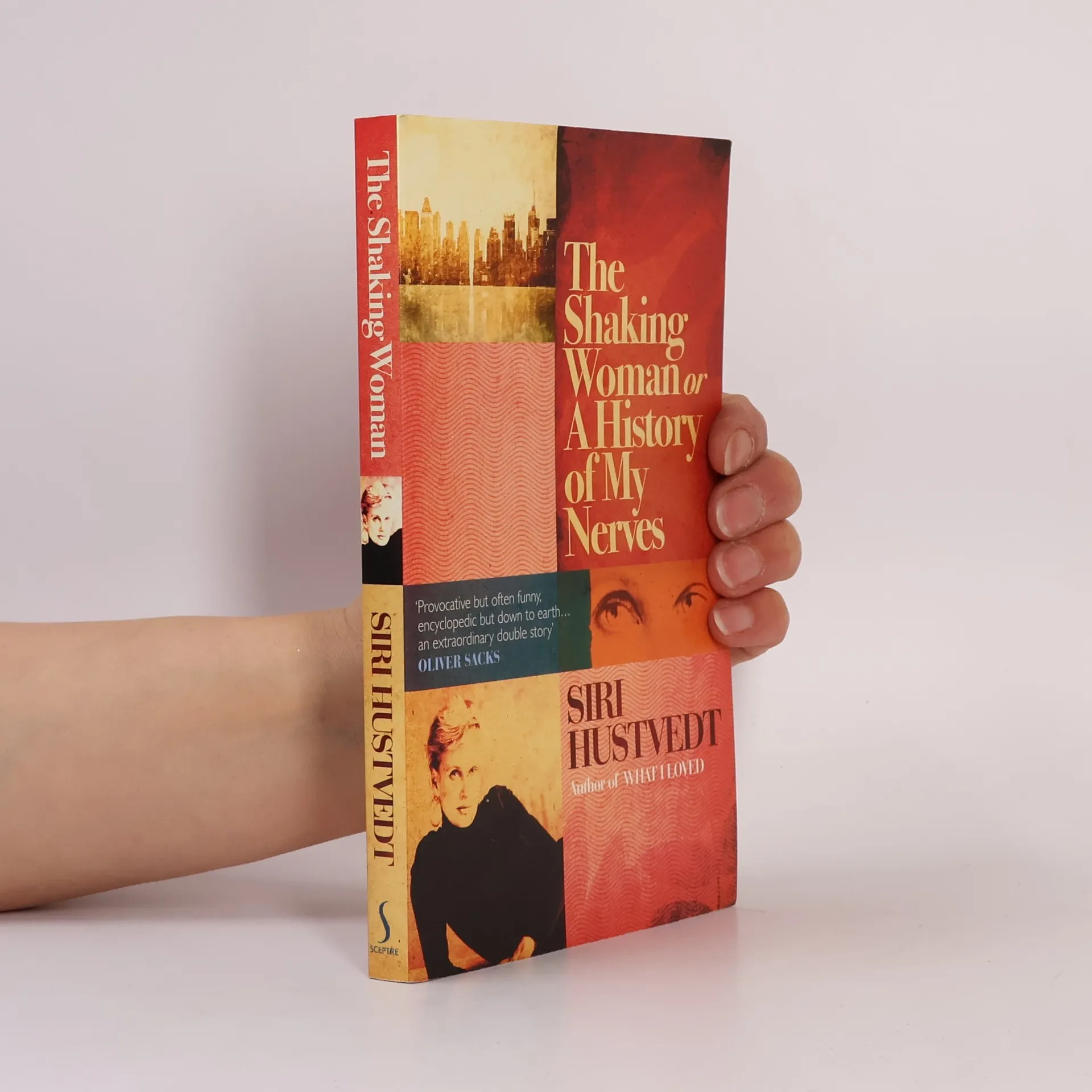
"While speaking at a memorial event for her father, the novelist Siri Hustvedt suffered a violent seizure from the neck down. Was it triggered by nerves, emotion - or something else entirely?"--Back cover
The narrative explores the immigrant experience and the generational ghosts that affect families. After discovering a troubling note among their deceased father's belongings, Erik Davidsen and his sister, Inga, suspect he may be linked to a mysterious death. As they navigate the year following their father's funeral, they return to New York from Minnesota to unravel the secrets surrounding the note. Erik grapples with his emotional vulnerability towards his psychiatric patients and his new tenants, while Inga faces a hostile journalist connected to her late husband, a renowned novelist. Each revelation leads Erik to confront his father's hidden past, shaped by poverty, the Depression, and war, while Inga must come to terms with her husband's double life. This tale delves into the complexities of father-child relationships, the challenges of communication, and the pain of silence. It examines memory's ambiguities, loneliness, illness, and recovery. Through exquisite prose, the author unveils the hidden sorrows of one family, creating a profound mosaic of secrets and stories that reflect the fragmented nature of identity.
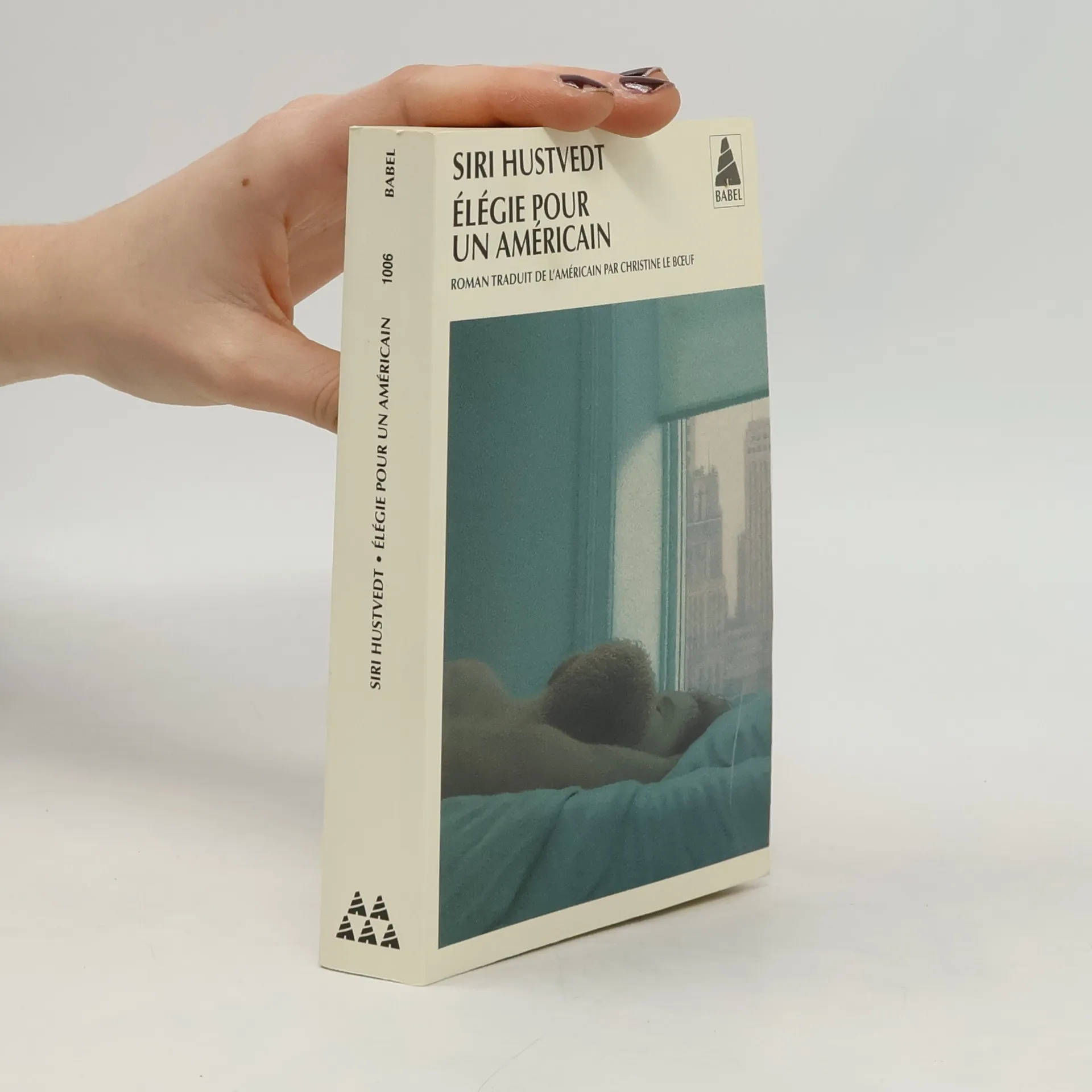
Élégie pour un Américain
Roman traduit de l'Américain par Christine Le Boeuf
- 401pages
- 15 heures de lecture
De retour à New York après l'enterrement de leur père, dans le Minnesota, Erik Davidsen, psychiatre divorcé, et sa sœur, Inga, veuve dévastée et récente d'un écrivain célèbre, découvrent la lettre qu'une femme a jadis adressée au disparu et par laquelle ils apprennent que leur père aurait naguère été impliqué dans une mort mystérieuse. Dès lors, dans une Amérique toujours traumatisée par les événements du 11 Septembre survenus quatre ans plus tôt, tous les personnages qui gravitent autour de la famille Davidsen vont, de proche en proche, être amenés à se confronter à la part la plus opaque de leur être. Conjuguant la mémoire de l'immigration et le thème du secret de famille, pointant les ambiguïtés de la transmission et la difficulté pour tout individu de réinventer sa vie, Siri Hustvedt écrit ici le roman compassionnel de l'inconscient d'une Amérique déchirée entre l'apparente infaillibilité de ses mythologies fondatrices et la profondeur des désarrois qui l'habitent aujourd'hui.
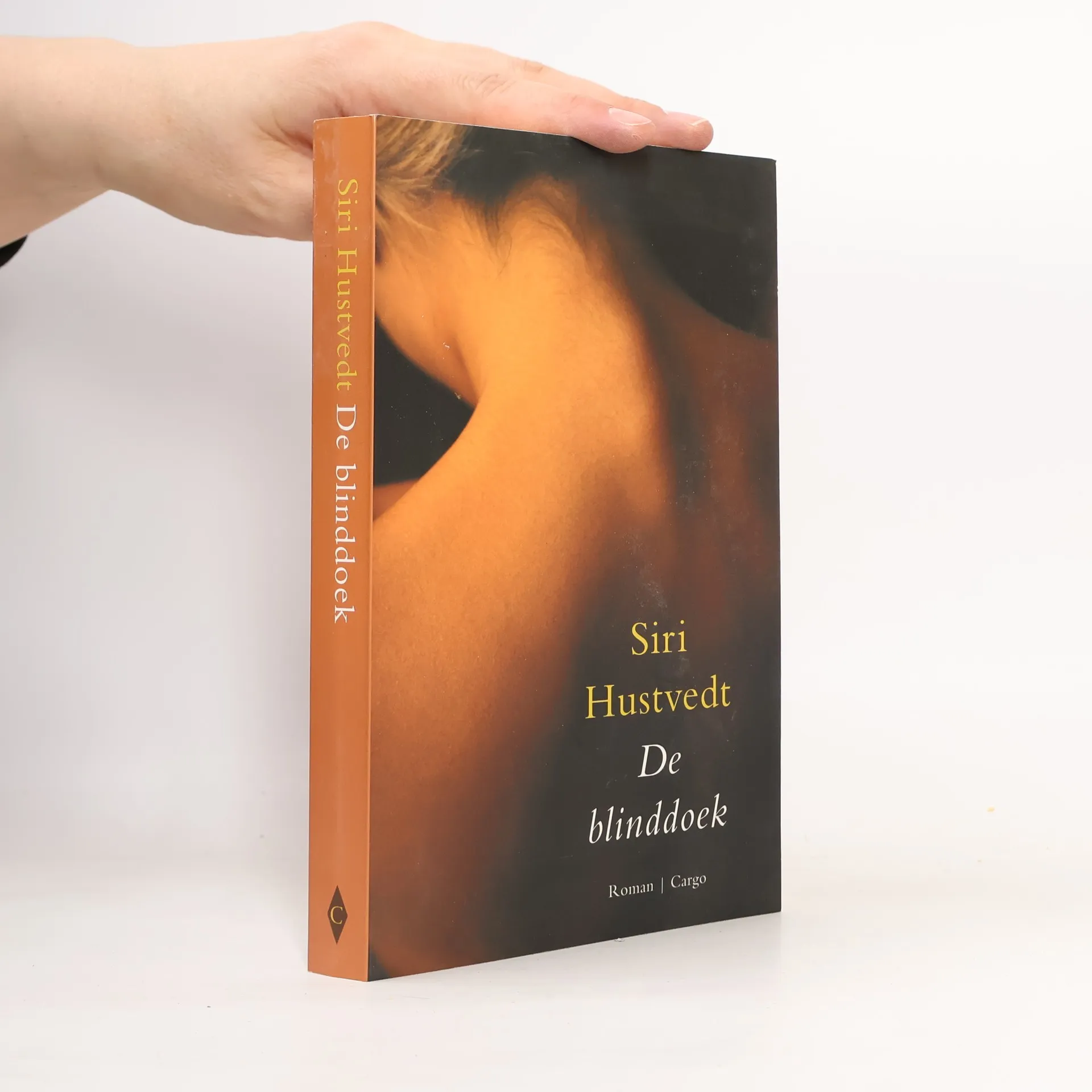
De blinddoek
- 228pages
- 8 heures de lecture
In het leven van een Amerikaanse studente, die haar eigen identiteit aan het zoeken is, spelen in verschillende perioden vier mensen een grote rol.
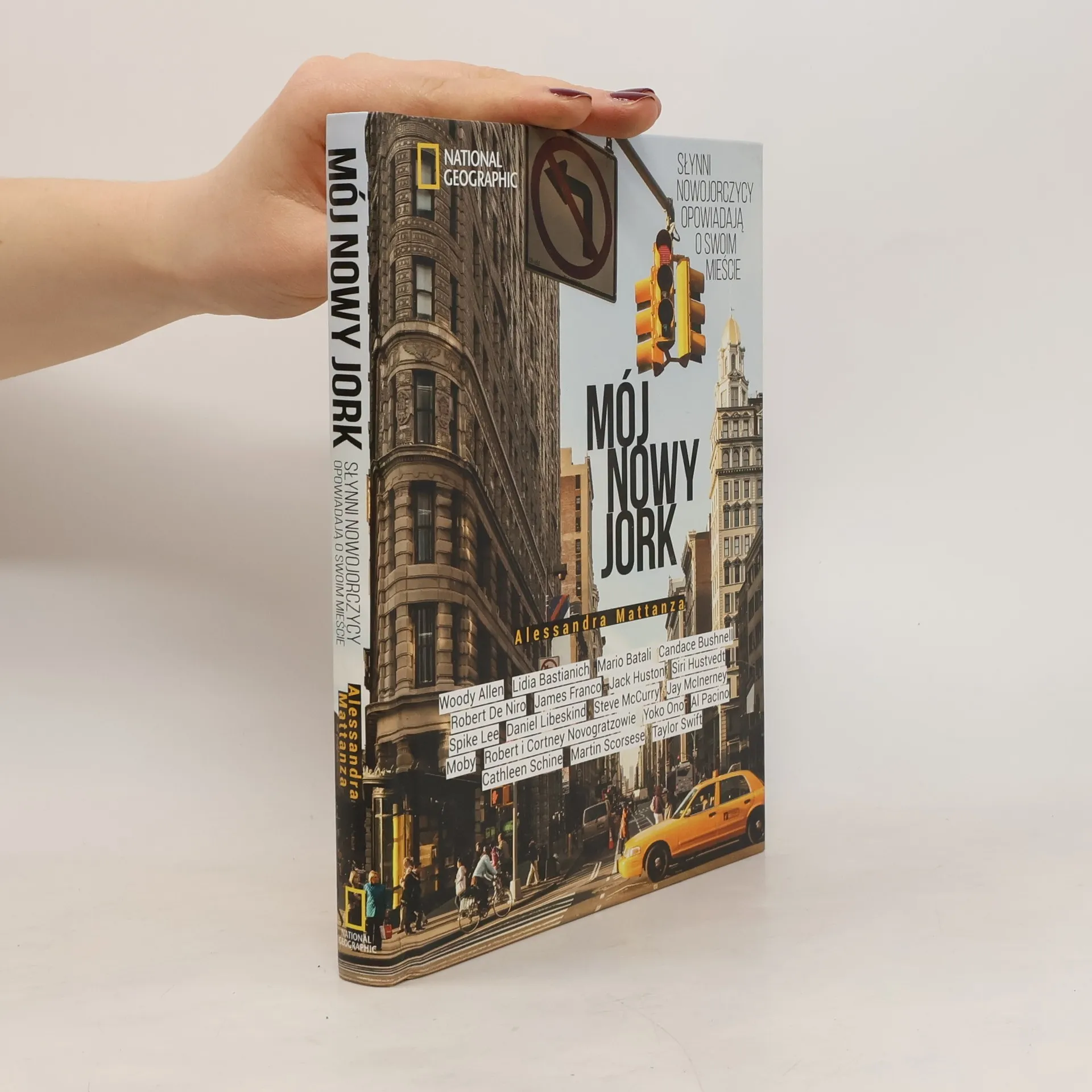
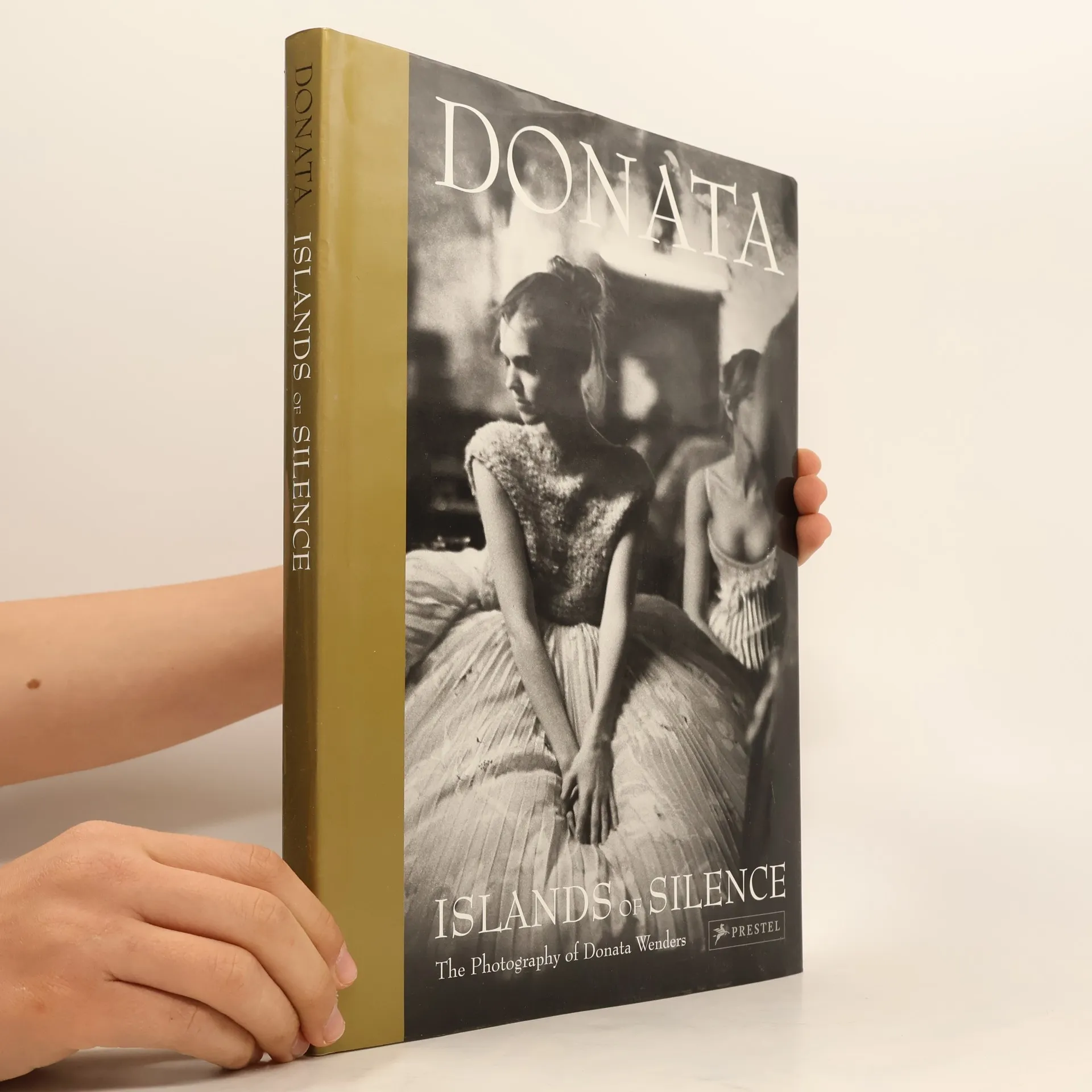
Although she has spent many years assisting her husband, filmmaker Wim Wenders, Donata Wenders is a celebrated photographer in her own right. Her access to some of the most important creative figures of our day—musicians, artists, actors, and dancers—has given her opportunities to catch her famous subjects in rare moments of unselfconsciousness. Presented in an elegant package that features a linen jacket and gold embossing, these sumptuous black-and-white images of celebrities and ordinary people illustrate moments of exquisite contemplation, which she likens to "islands of silence." Accompanied by essays from novelist Siri Hustvedt and critic Mark Gisbourne, these glimpses of everyday life remind us of the world we all inhabit, regardless of our fame.
A Plea for Eros
- 228pages
- 8 heures de lecture
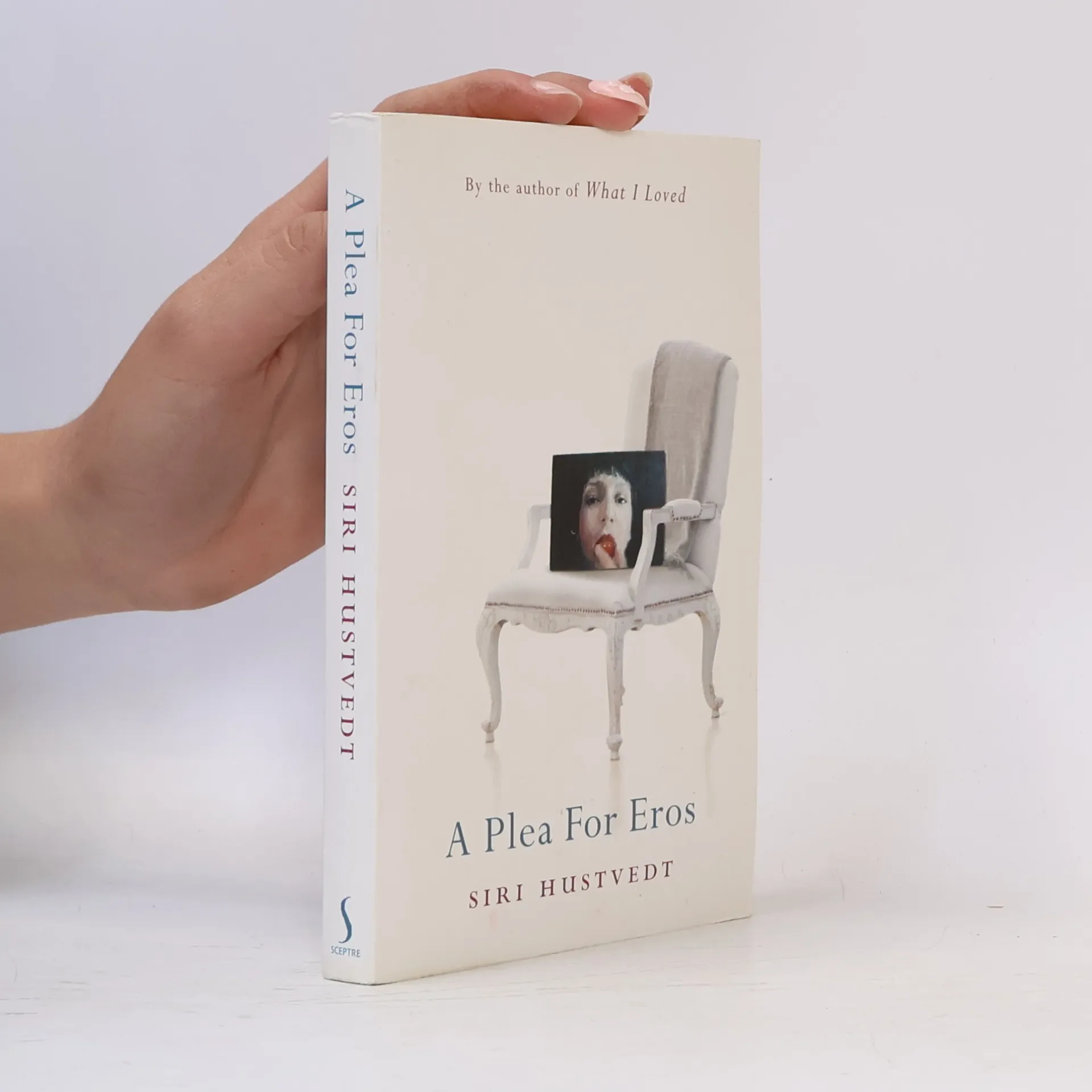
In this illuminating and absorbing collection of essays, Siri Hustvedt explores many of the themes that preoccupy her novels: identity and memory, sexuality and mortality, psychology, love and the power of imagination. But here she offers her personal experience - as daughter, sister, mother and wife, student, reader and writer - to illustrate fundamental aspects of our lives as individuals and social beings in the modern world. She draws, too, on the work of Henry James, F Scott Fitzgerald and Charles Dickens, probing their insights into human nature. Wise, honest and luminously intelligent, this is a book that invites us to look afresh at ourselves and the universe we inhabit.
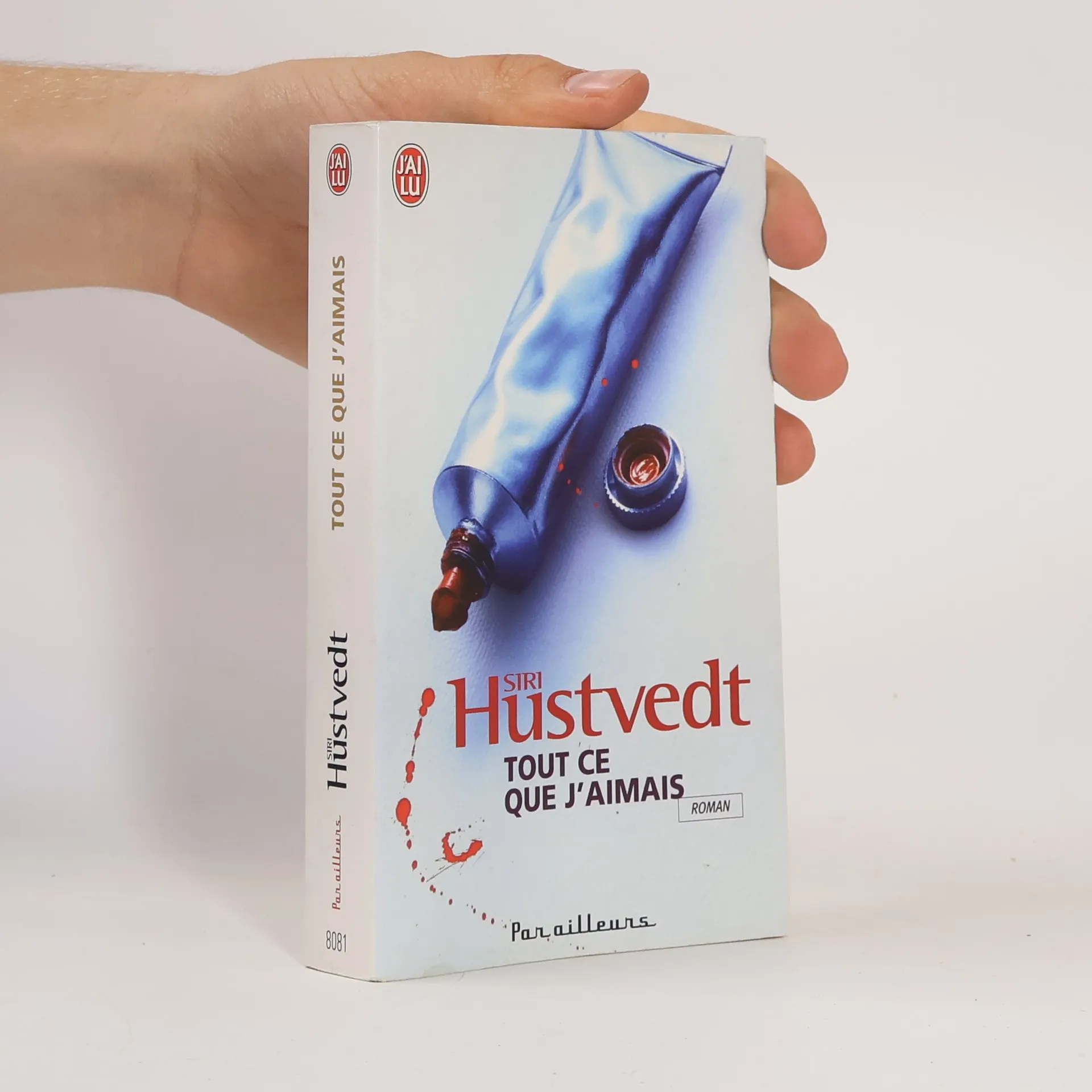
Tout ce que j'aimais
- 446pages
- 16 heures de lecture
Au milieu des années 1970, a New York, deux couples d'artistes ont partagé les reves de liberté de l'époque. De l'art et de la création, ils ont fait le ciment d'une amitié qu'ils voulaient éternelle et, quand ils ont fondé leur famille, se sont installés dans des appartements voisins. Rien n'a pu les préparer aux coups dont le destin va les frapper et qui vont infléchir radicalement le cours de leurs vies... Siri Hustvedt convie ici a un voyage a travers les régions inquiétantes de l'âme : bouleversant, ambigu, vertigineux, Tout ce que j'aimais est le roman d'une génération coupable d'innocence qui se retrouve, vingt ans plus tard, au bout de son beau reve. schovat popis
Det jeg elsket
- 410pages
- 15 heures de lecture
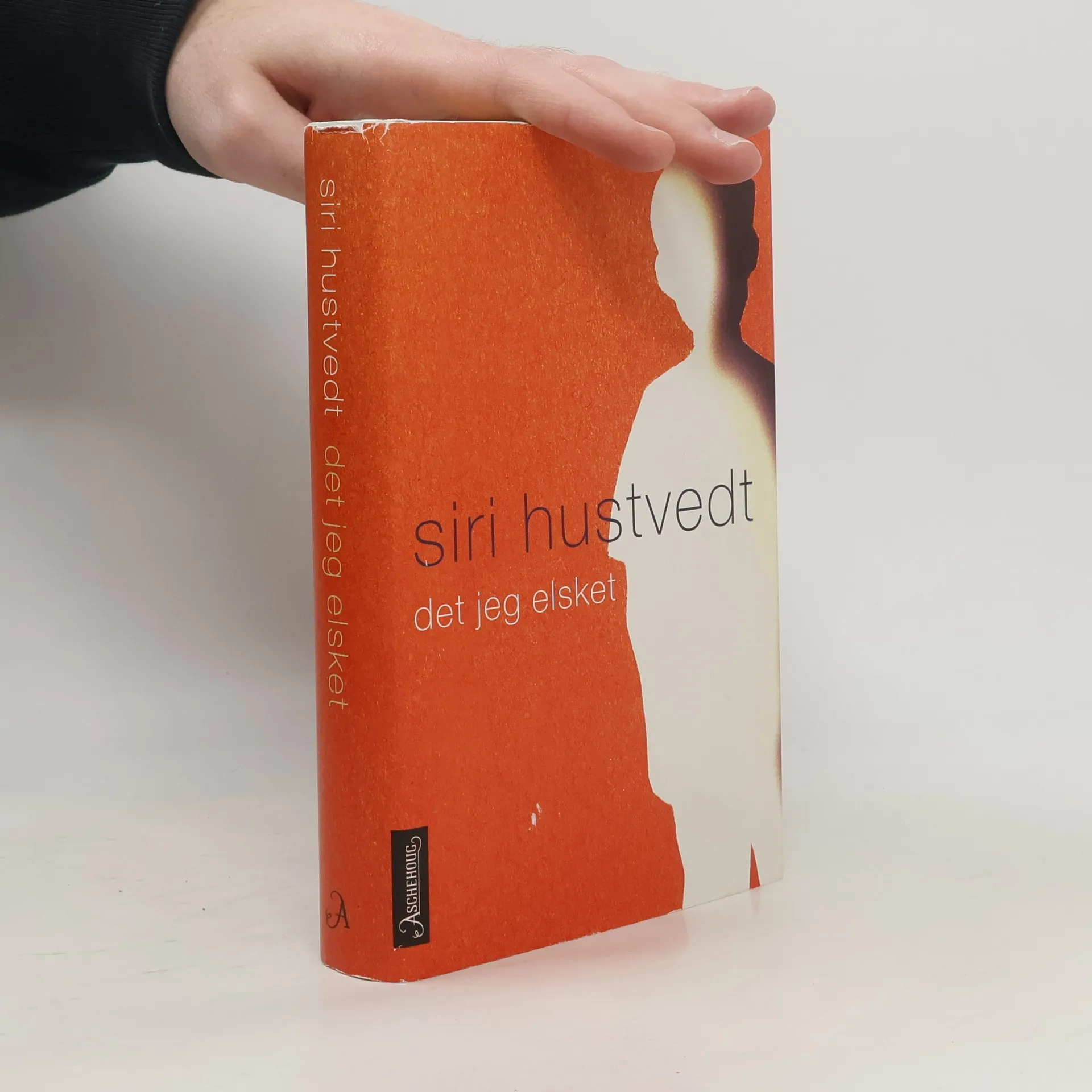
Siri Hustvedts nye roman er en fortelling om to familier som møter sorgen, og om hvordan de lever seg gjennom den. Hovedpersonene er kunstnere og intellektuelle, og vi følger dem gjennom mer enn to tiår i New Yorks Soho, der de bor i samme hus i hver sin etasje. Begge parene får en sønn. De er jevngamle og alltid sammen. Tilsynelatende lever de familiene i en og balanse mellom foreldrenes intellektuelle og kunstneriske virksomhet. Så rammer tragedien med full tyngde. Den ene av guttene dør i en drukningsulykke. Forholdet mellom foreldrene forvitrer, og de to kapsler seg inn og flykter inn i sin "voksne" virksomhet. I etasjen over er det duket for enda en sorg. Sønnen her viser å være et destruktivt menneske som lyver og manipulerer langt mer enn normalt. Etter hvert blir sammenhengen tydelig mellom de menneskelige tragediene boken skildrer og den kunstkritikk og historieskrivning de voksne arbeider med. To av Hustvedts bøker er tidligere utgitt på norsk, bl.a. ?Lily Dahls fortryllelse? (1997).
Nicht hier, nicht dort
- 224pages
- 8 heures de lecture
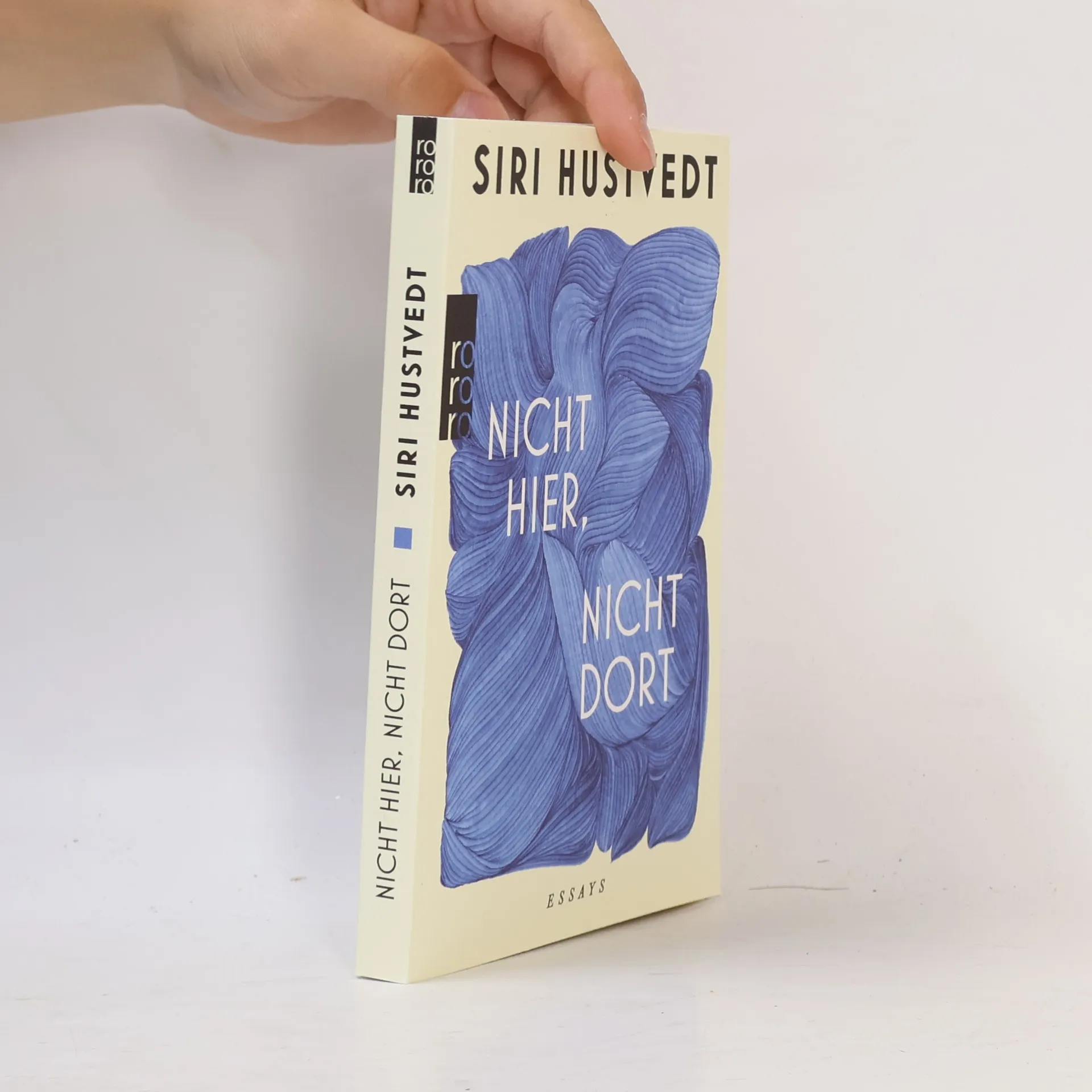
Siri Hustvedt hat sich mit ihren Romanen als Autorin spannender und moderner Literatur einen Namen gemacht. In «Nicht hier, nicht dort» sind erstmals ihre essayistischen Schriften versammelt. Der Titel bezieht sich auf ihre geographische Herkunft als Tochter norwegischer Einwanderer und auf ihren künstlerischen Standpunkt als Beobachterin: die Fiktion als Zwilling der Erinnerung, angesiedelt zwischen der realen und der gefühlten Welt. Die Sprache als Mittlerin zwischen diesen Welten steht im Mittelpunkt von Hustvedts Betrachtungen zu Literatur und bildender Kunst. Sie erschließt ein komplexes System von Zeichen und Symbolen, deren Struktur und Bedeutung sowohl in unserem Bewusstsein als auch außerhalb von uns angelegt sind. Hustvedt beleuchtet, wie der künstlerische Schaffensprozess zu Erkenntnis führt, anhand von Beispielen wie Vermeers «Annunziata» und F. Scott Fitzgeralds «Gatsby». Zudem untersucht sie in einem Essay den puritanischen Dirigismus, mit dem US-amerikanische Institutionen die Sexualität regulieren wollen, und erforscht das Feld der Annäherung, in dem jeder erotische Kontakt beginnt. Wie in ihren Romanen verweben sich private Biographie und öffentliches Werk, was diesem Buch einen besonderen Wert verleiht. Es bietet Einblick in ihre Arbeit und ihr Leben und unterhält auf hohem Niveau.
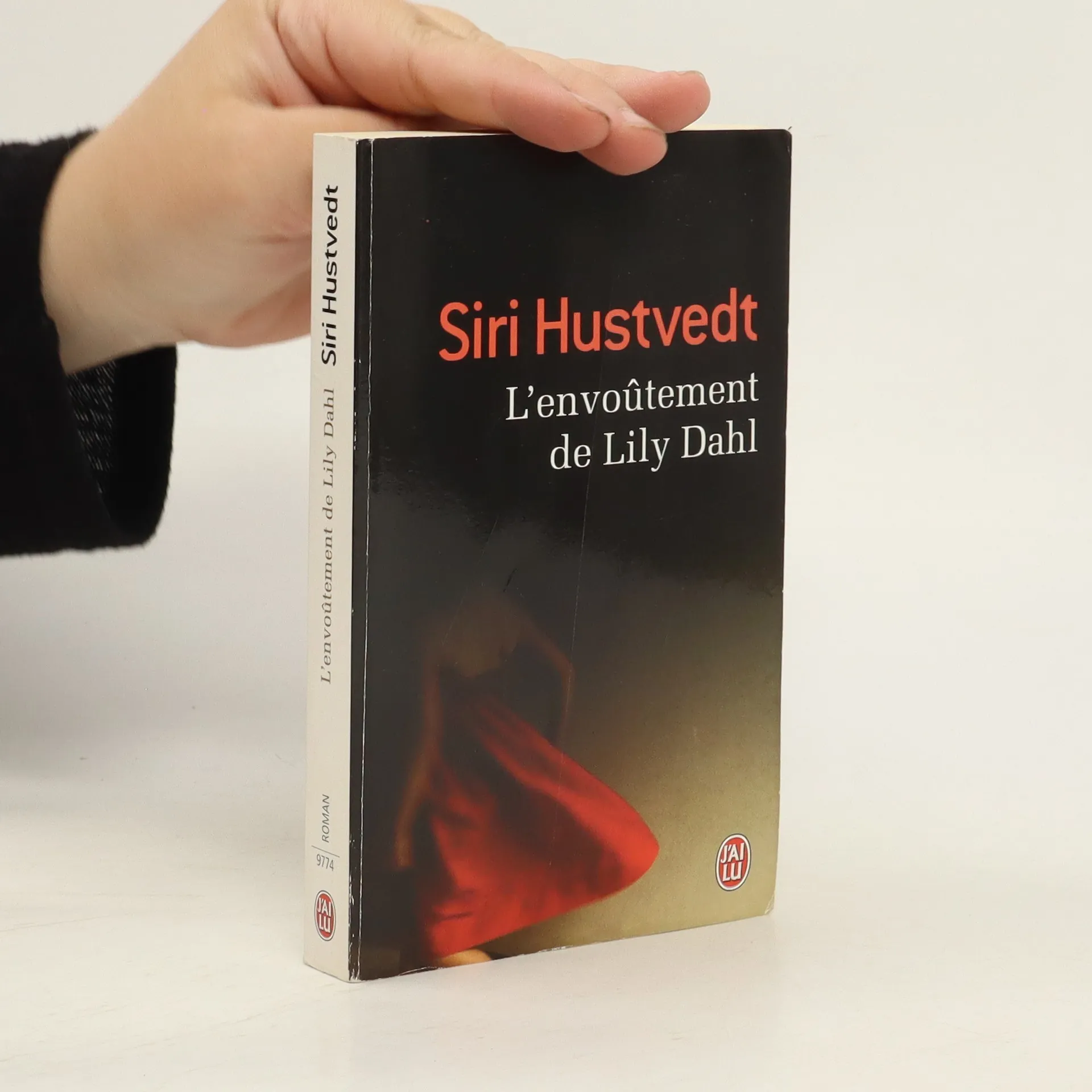
Dans une petite ville du Minnesota, où jaser donne la mesure du temps, Lily Dahl, jolie serveuse de dix-neuf ans, rêve de Marilyn et d'ailleurs. Toute à ses désirs de fuite, elle se laisse séduire par un mystérieux peintre new-yorkais de dix ans son aîné et épouse sa vocation d'actrice en décrochant un rôle pour une pièce de théâtre. Jusqu'à ce qu'une série de phénomènes étranges vienne donner à sa jeunesse le parfum capiteux du danger.
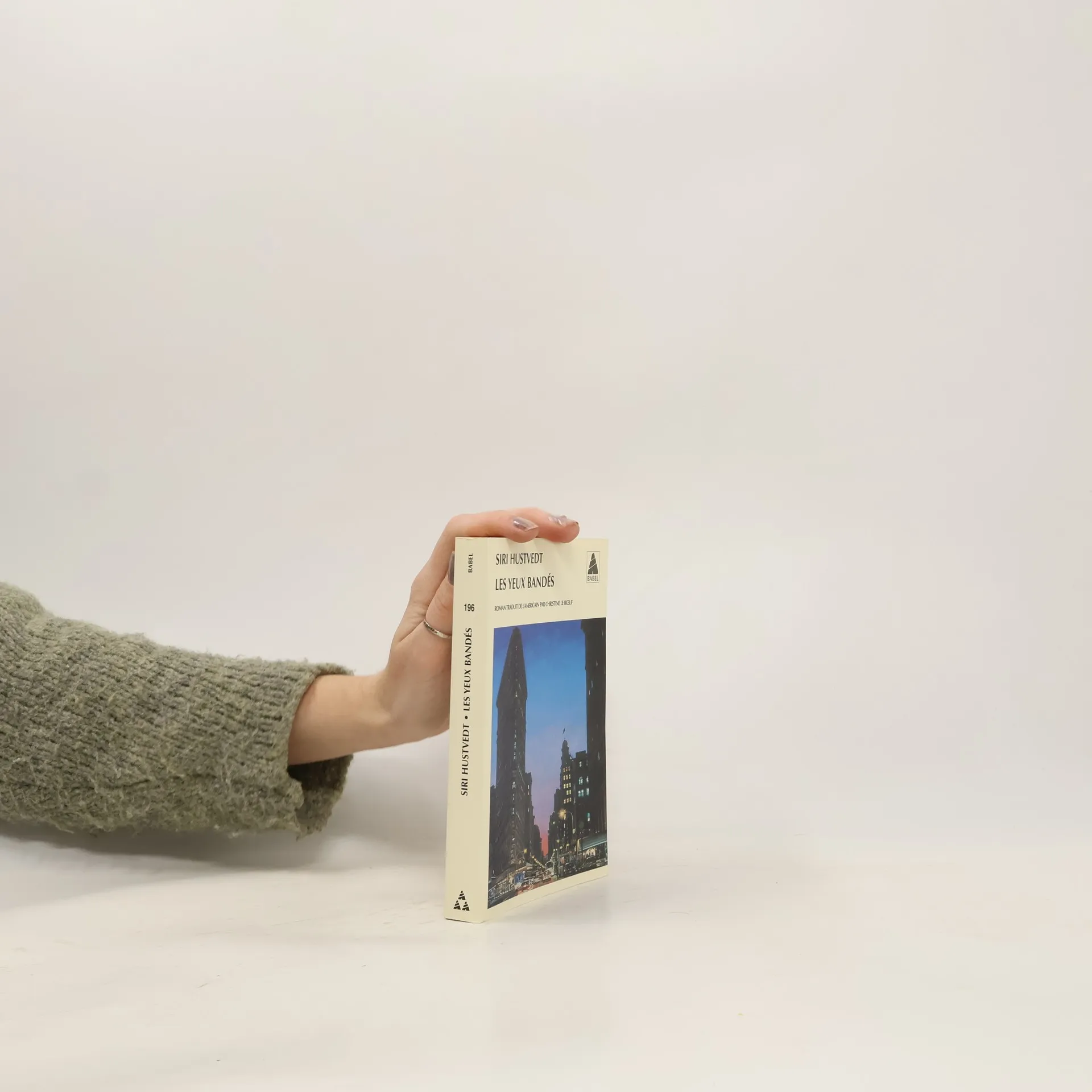
Les Yeux bandés
- 281pages
- 10 heures de lecture
"Pour moi, Klaus demeurait un jeune homme, en dépit du fait que les gens qui me connaissaient sous ce nom ne me prenaient jamais pour un garçon. Le fossé entre ce que j’étais bien obligée d’admettre devant les autres — à savoir : que j’étais une femme — et mes rêves intérieurs ne me dérangeait pas. En devenant Klaus la nuit, j’avais effectivement brouillé mon genre. Le costume, mon crâne tondu et mon visage nu modifiaient la perception que les gens avaient de moi, et à travers leurs yeux je changeais de personnalité. Jusqu’à ma façon de parler changeait quand j’étais Klaus." Entre ombre et lumière, entre nuit et jour, dans la ville superlative, New York — elle-même personnage à part entière de ces récits —, Iris Vegan, la narratrice, fait l’expérience d’étranges rencontres et de singulières transformations de sa propre identité. Polyptyque à quatre volets, Les Yeux bandés a marqué, lors de sa publication en 1993, l’entrée en littérature d’un talent subtil et incontestable, celui de Siri Hustvedt.