Mon nom est Conques
Un guide à la première personne de Soulages à Sainte Foy






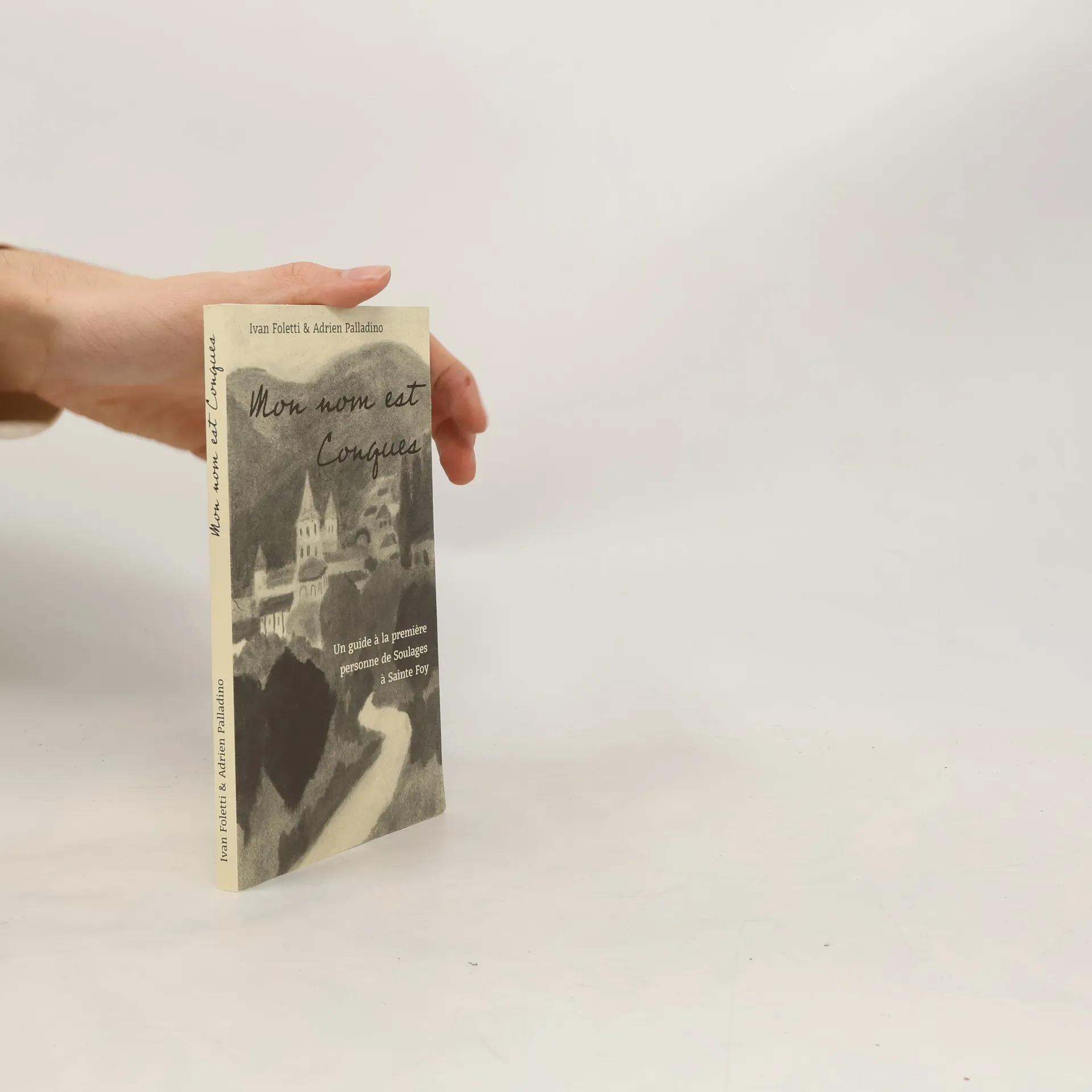
Un guide à la première personne de Soulages à Sainte Foy
Is it possible to "invent" the past? Through a series of studies, this volume explores the history of how this process occurred in Czechoslovakia within the period from about the end of the First World War until the 1960s. It focuses specifically on the re-invention of the "national" Middle Ages at the background of the meeting of different linguistic and ethnic groups - Czechs, Slovaks, Germans, and Russians - where one group would often negate, reshape, and ignore the point of view of the other, within an increasingly fractured political geography of the country. The presented case studies show how research on medieval artworks and objects could become a fertile ground for the creation of ideological tools and narratives. In this way, understanding the historiography of art history also contributes to redefining Central Europe as a place of transcultural encounters and dialogues, beyond historical ruptures.
Exploring the historical foundations of Russian imperialism, the book delves into the portrayal of Byzantium as a crucial source of imperial legitimacy in Russian history. It highlights the influence of the powerful medieval Christian empire on Russia's self-identity and imperial narrative, illustrating the complex relationship between these two empires throughout history.
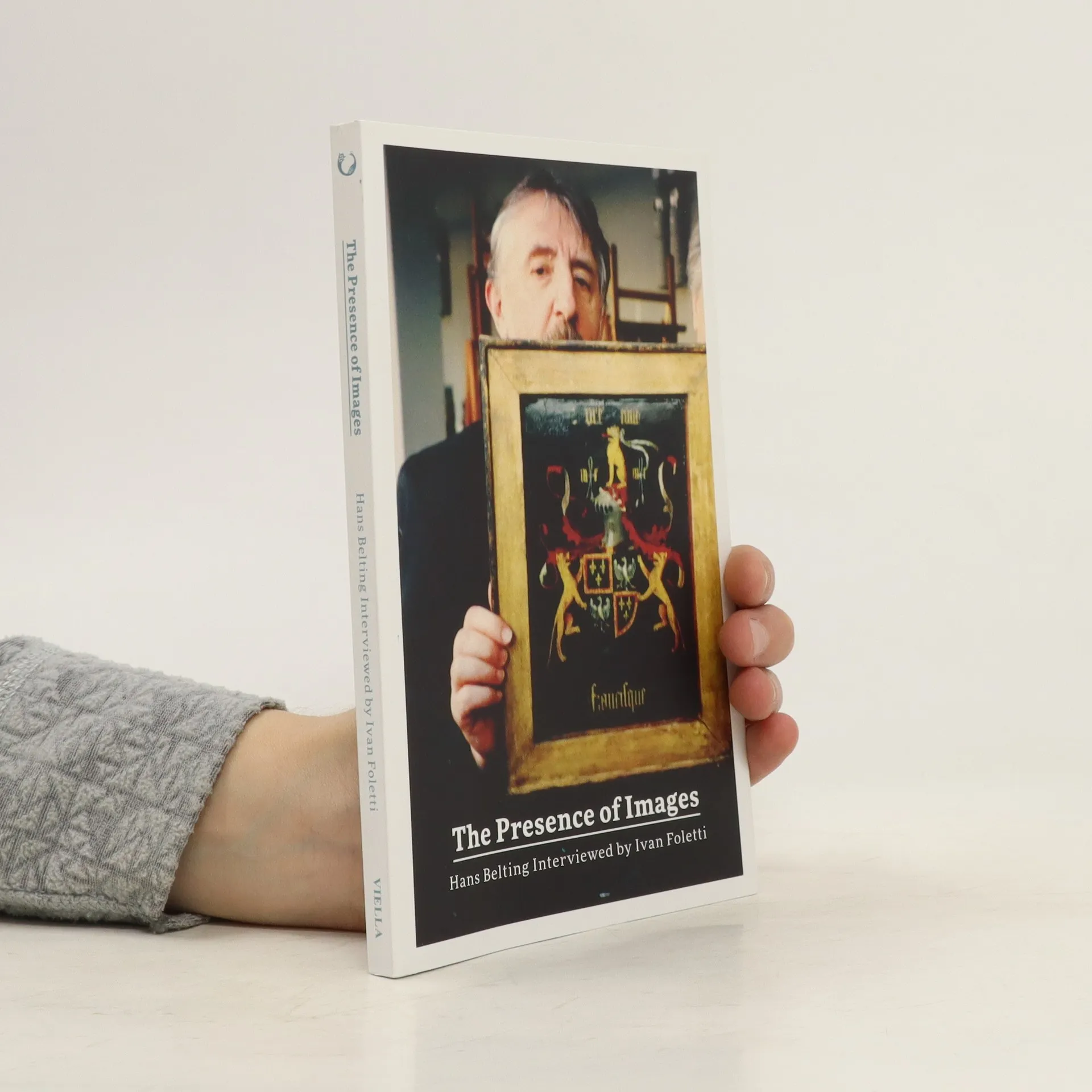
Přítomnost obrazů. Rozhovor Ivana Folettiho s Hansem Beltingem Obsah této knihy, která představuje dlouhodobý neformální rozhovor, zahrnuje období od jara 2017 do začátku ledna 2023. Byl to rozhovor mezi přáteli, protahovaný telefonáty a návštěvami doma, ale s onou jiskrou elektrizujícího vzrušení živeného společnými zájmy a touhami. Hans Belting, jeden z největších historiků umění vůbec, zde vypráví svou intelektuální parabolu. Při putování z poválečného Německa do Spojených států na konci padesátých let, do Evropy druhé poloviny dvacátého století a na začátek nového tisíciletí čtenáři pomalu odhalí společné nitky jeho životního příběhu: mihotavou funkci obrazů mezi tělem a objektem, otevřenost ke spolupráci a interdisciplinaritě a samozřejmě fascinaci dějinami obrazů od středověku až po současnost.
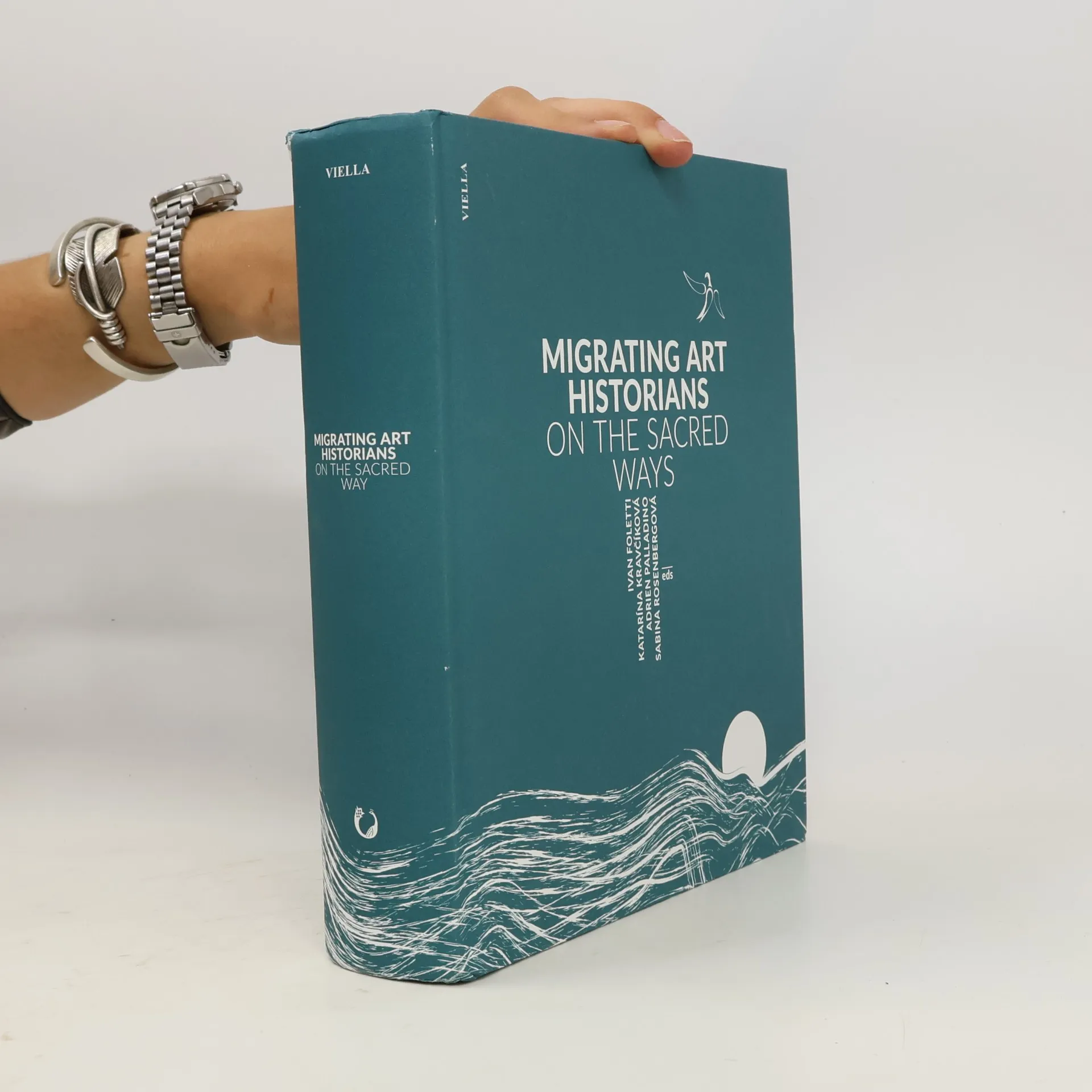
Is it possible to reconstruct the feeling of a medieval pilgrim walking towards the sacred? No, it is not. And yet, the experimental project Migrating Art Historians sought to delve into this impossibility. Journeying by foot over more than 1500km, twelve modern pilgrims - students and scholars from Masaryk University - reached some of the most impressive artistic monuments of medieval France. One year later, this book presents their intellectual, human, and art historical theoretical know-how, transformed by the experience of their bodies. In this context, exhausted and activated bodies became instruments asking new questions to medieval artworks and sources. Structured as a walk along pilgrimage routes, this book presents firstly the landscape, followed by liminal zones, before leading the reader inside medieval churches and ultimately towards the sacred. Original scientific art historical research combines with personal engagement. What emerges is the subject confronted with the experience of medieval art.
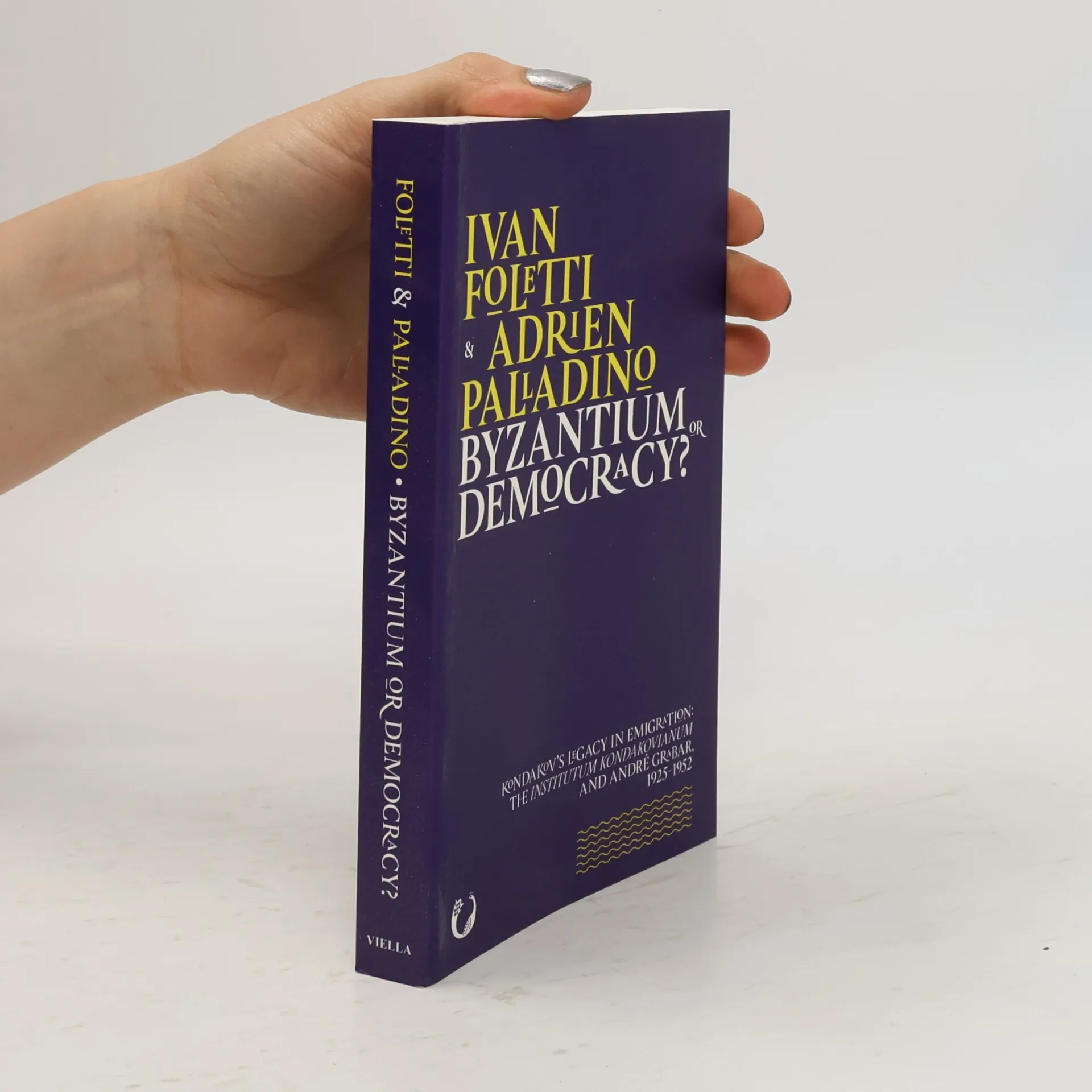
The notion of "Byzantium" has for centuries been associated with autocracy, totalitarianism, and suppression of freedom. It thus became the favored model for the Russian autocracy. In the nineteenth-century, Russian scholars working under Tsarist regimes were, either explicitly or tacitly, condoning and even supporting the ruling autocracy. After the Revolution of 1917, however, many of these effectively complicit intellectuals left Russia for Western democracies. This book shows how this experience affected the lives of intellectuals who fled and transformed their scholarship. Archival materials and writings from the time reveal how scholarship can move from aspiration to reality, as it did for the Russian emigres until the crash of 1929 and the rise of Nazism in Germany. But how is this relevant today? Because it shows how scholarship and science must be understood as part of history, and because it illustrates the power of hope. As studied and presented by emigres from Tsarist totalitarianism, "Byzantium" came to be a multinational screen onto which scholars projected not only frustrations but also dreams.
Objects, Bodies, and Rituals
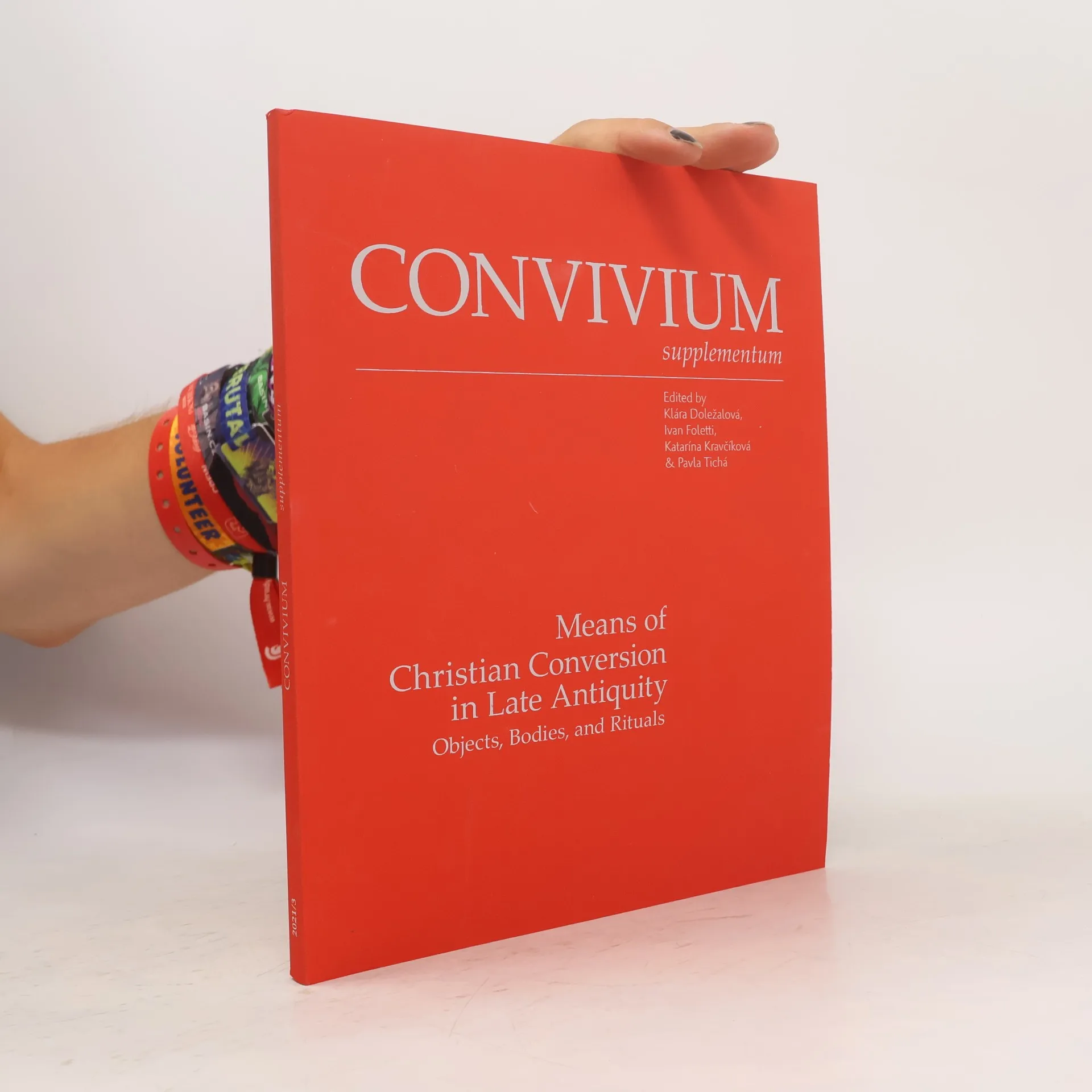
This volume presents the proceedings of the conference Materiality and The Role of Material and Visual Cultures in the Christianization of the Latin West organized by the Centre for Early Medieval Studies in 2020. Its contributions thus focus on the Christianization of the Roman Empire between the fourth and sixth centuries. The studies examine the religious change through the "material turn" approach, building on the material and sensorial dimension of Christian conversion and especially the baptismal rite as one of the key components of the process. The material and visual cultures are regarded as vectors and witnesses of conversion to Christianity, while human body is viewed as one of the agents in ritual actions. The volume covers a wide range of topics, including the prebaptismal purification, the moment of immersion in the baptismal font, the postbaptismal alteration of perception, as well as the continuous changes in funeral forms. As such, the papers attempt to shed more light on the role of materiality in the complex and rapid conversion to Christianity in Late Antique West.
Ritual, Movement, and Visual Culture in the Middle Ages
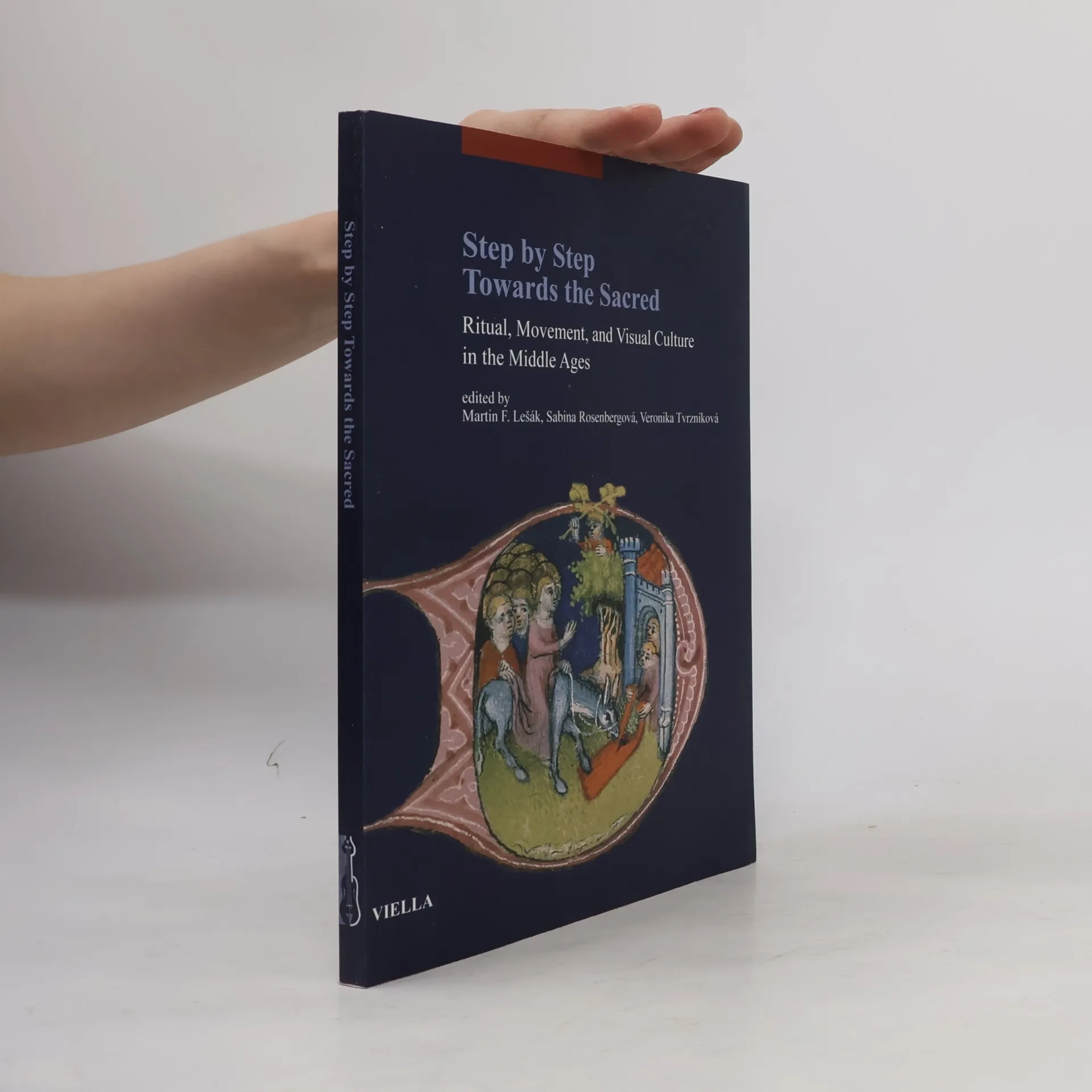
The articles published in this volume aim to contribute to the art historical debates on the role of visual culture within medieval rituals and how the latter were experienced bodily. The studies focus on the essential importance of movement within medieval religious practice and its impact on production, conception, perception, and use of artistic objects and architecture in the Middle Ages. At their core is the moving body, individual or collective, which enters into dialogue with the surrounding architectural or urban space, artefacts, and images, thus awakening their sacred potential with each and every step. Shifting attention to the movement of the worshipers and the objects themselves, this book wishes to instigate further discussion on various medieval visual cultures.
The Basilica of Sant' Ambrogio in Milan and the Cult of Its Saints (386-972)
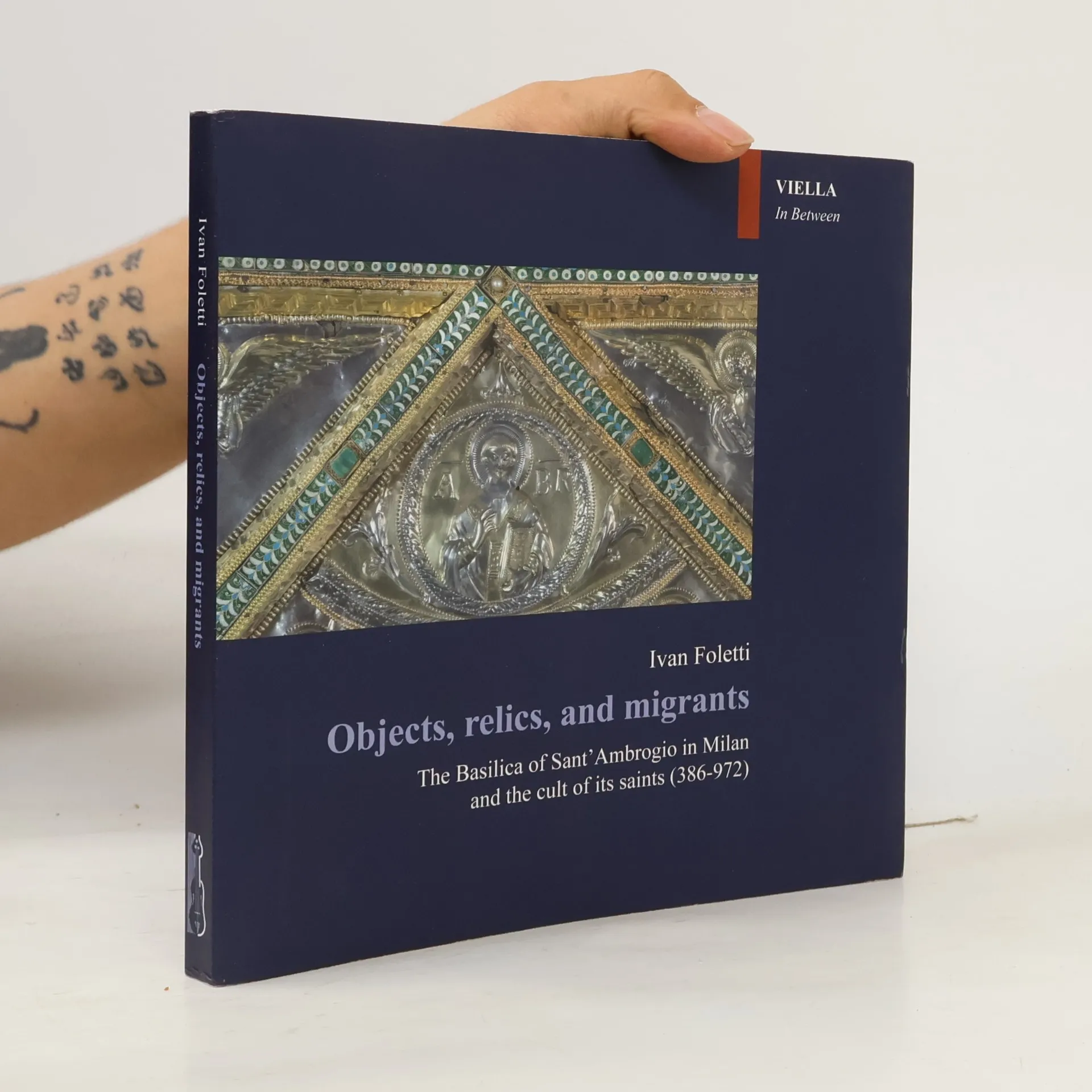
The Basilica of Sant'Ambrogio in Milan, originally built under Ambrose (374-397), and radically restructured at the end of the eleventh century, is an extraordinary lieu de memoire, containing the presence of medieval objects and monuments. Through the study of some of the renowned works conserved in the basilica, among which the chapel of San Vittore in Ciel d'Oro, the golden altar, and the St Ambrose ciborium, this book deals with the interaction between the building's topology and its objects, the relics around which the basilica was built, and the notion of 'migrants'. The aim, in other words, is to analyze, over the longue duree, how some objects became a reflection of the relics, and how the material sanctity stemming from them was used as an instrument of exclusion and inclusion in a problematic ethnic context. Dedicated photographic documentation, carried out specifically for this work, offers rich and sumptuous iconographic material underpinning the volume.
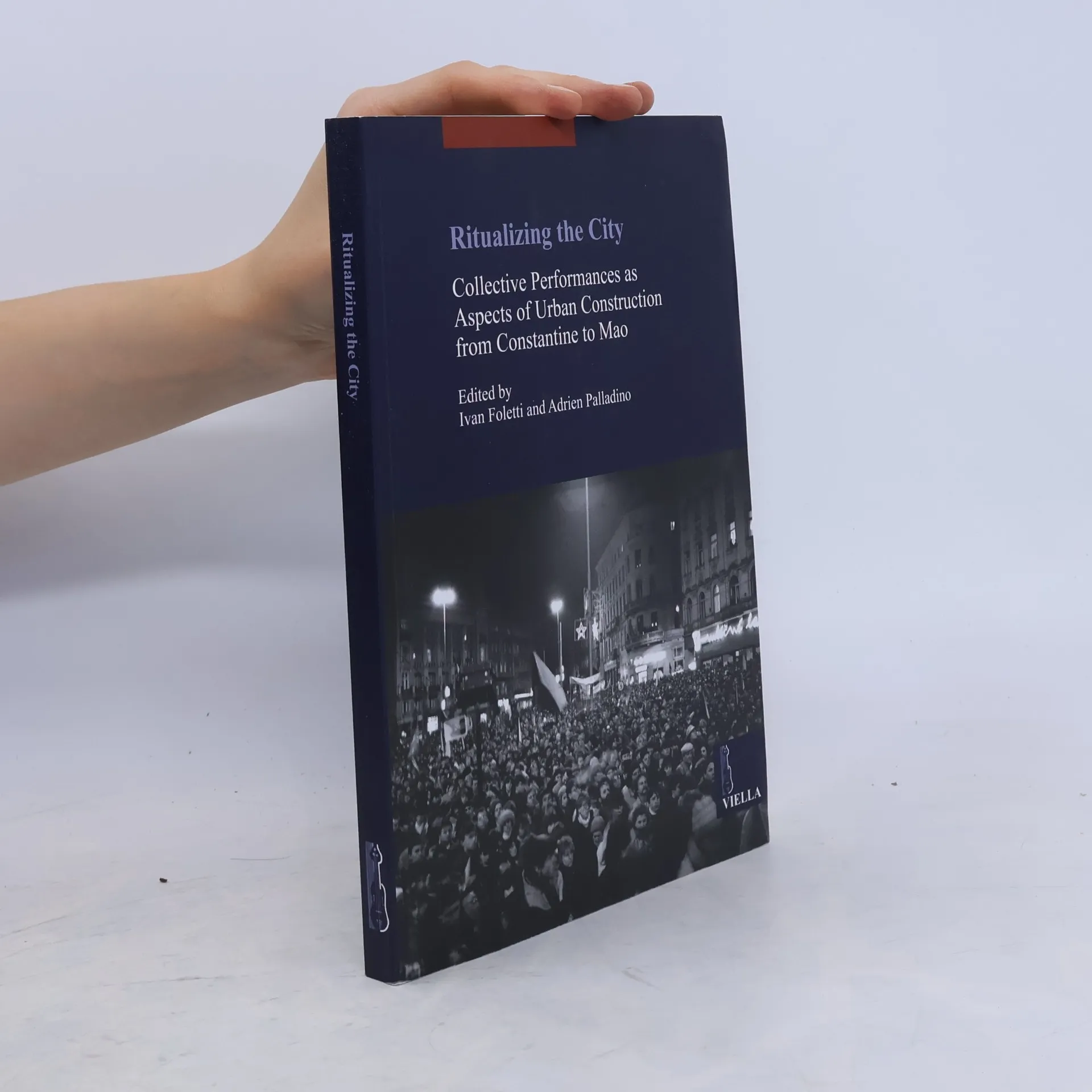
Collective Performances as Aspects of Urban Construction from Constantine to Mao
The city has always been, and remains, the ideal place of collective rituality. It is the city that has hosted, since Antiquity, collective celebrations of victory, important religious ceremonies, but also ritual consecrations of the elite. Based on these essential notions, the aim of this book is to reflect on a specific the interaction between ritual and city space. Our wish is to understand, in a multidisciplinary and cross-epochal approach, how a collective liturgy, civic or religious, can unfold within the public space and transform it. In addition to sacred buildings and seizures of power, the square and the streets become in this sense important identity-shaping loci. Bringing places of power to the street or the square - which are by definition liminal spaces - means entering into a dialogue constructed between those who organise the ritual, those who perform it and those who witness it. It seems that it is in compromise between the different components of society that collective rituals can happen within the public space. Therefore, it is no surprise that the crucial question for this book is the way in which this same space is adapted to the requirements of the ritual, or, on the contrary, how the ritual adapts to the space.
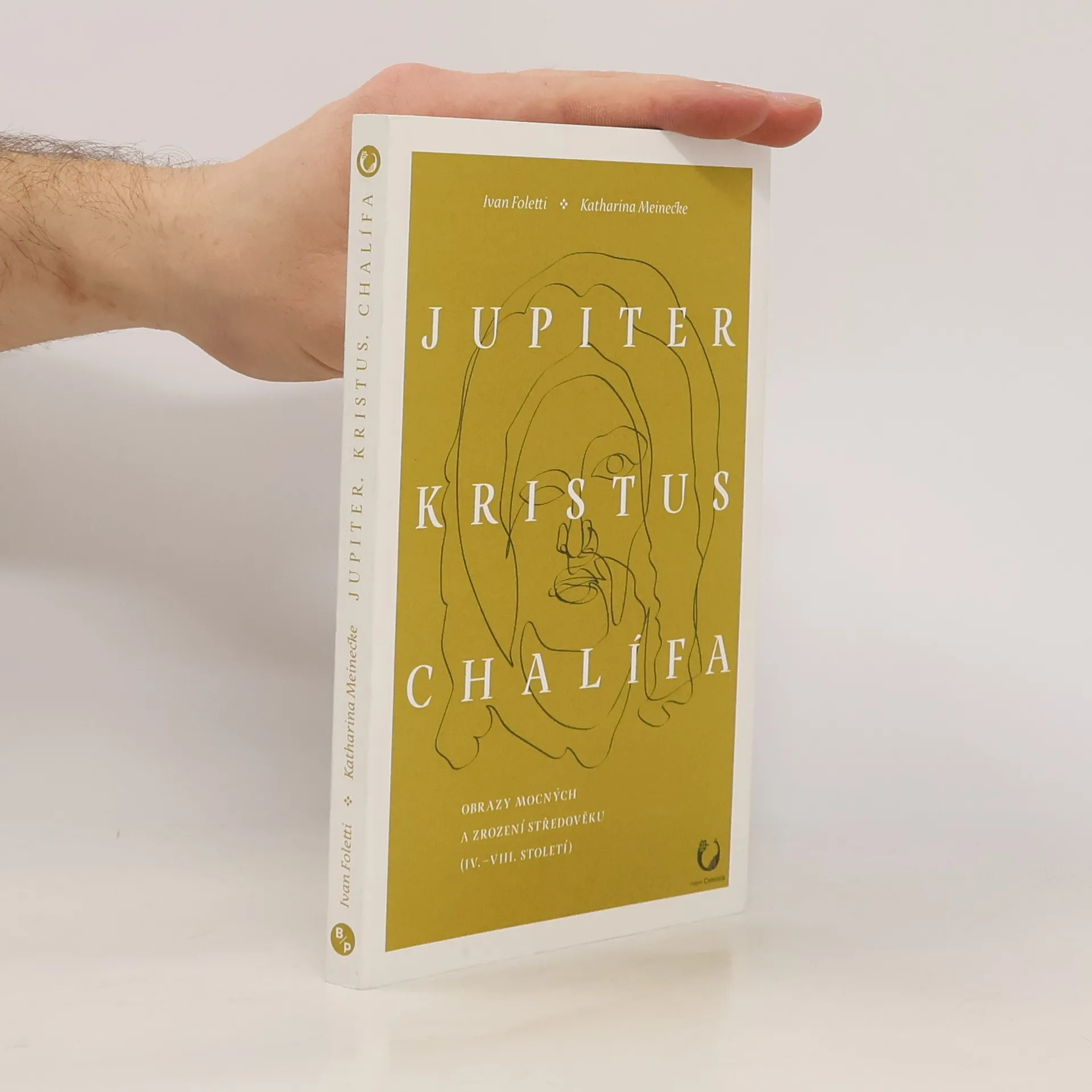
Jupiter, Kristus, Chalífa: Obrazy mocných a zrození středověku (IV.–VII. století) Pohanský bůh Jupiter Serapis, Ježíš Kristus a muslimský Chalífa – jejich tváře jsou si překvapivě blízké. Autoři se pozastavují nad tímto zdánlivým paradoxem a ptají se: Proč vypadají „úhlavní nepřátelé“ téměř stejně? Odpovědi hledají nejprve v konkrétních historických okolnostech – v dramatickém pádu Serapea v Alexandrii, v prosazení křesťanství jako státního náboženství či v dobytí Sýrie Umajjovci. Samotný způsob, kterým vítězové doslova „kradou“ tváře poraženým však sahá ještě hlouběji do historie, do doby kmenů a šamanů, kdy byl rituál s maskou nepřítele přípravou na boj či oslavou vítězství. Moudrý vládce ale nemůže být ten, který poražené příliš ponižuje. Co kdyby přejímání tváře vyjadřovalo též snahu ukázat inkluzi a kontinuitu? Pohled do daleké minulosti ukazuje, jak jsou obrazy mocné a jak důležité je jim rozumět. Upozorňuje též na společné kořeny středomořských civilizací, z nichž – v napětí mezi střety a kontinuitou – vyrostla evropská kultura.
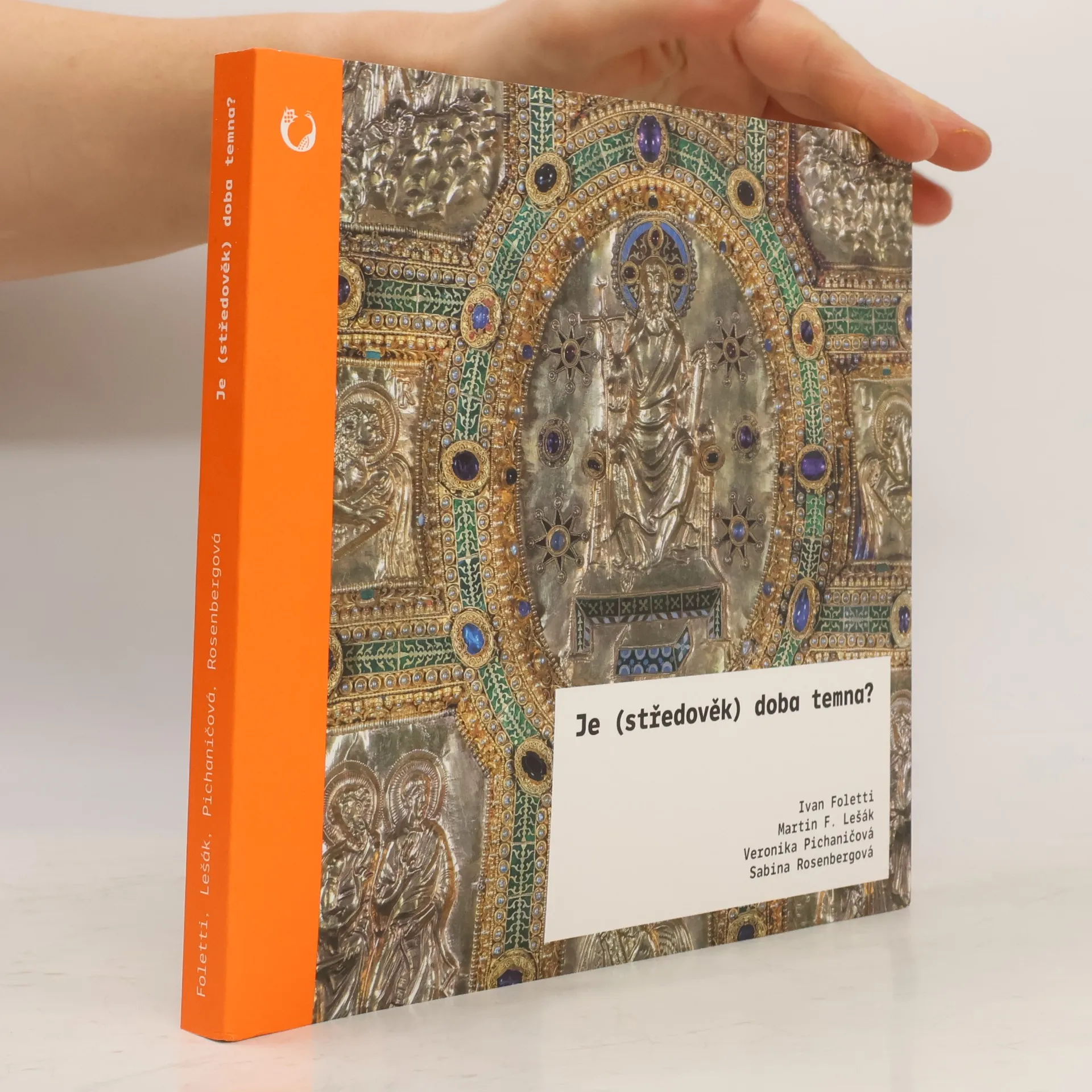
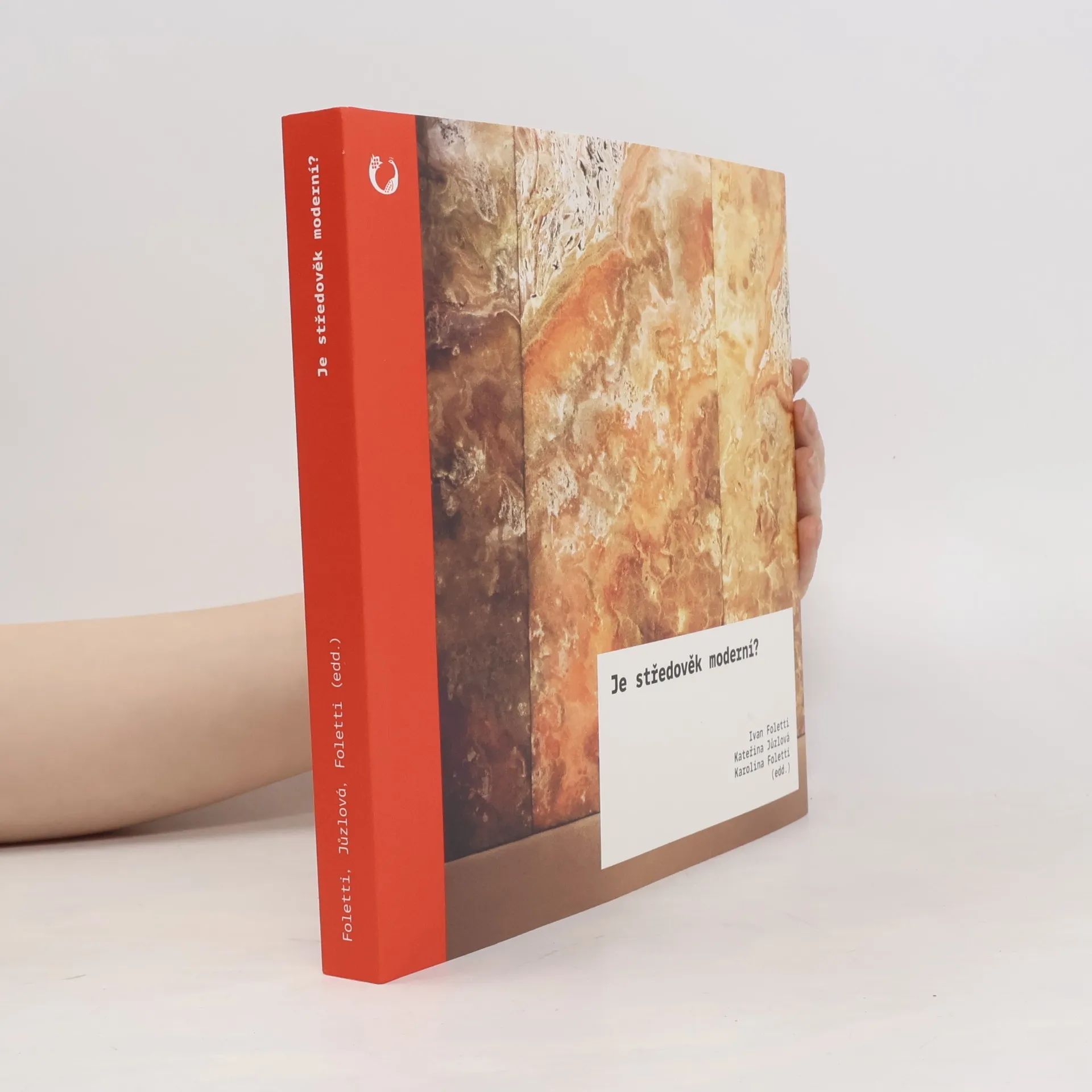
Středověk je dnes vnímán téměř výhradně jako doba temna a strádání, a obdobně je také umění této doby prezentováno jako úpadkové. Tento pohled je však především výsledkem po staletí se hromadících představ a předsudků, které se pokoušely dobu, kterou ale v žádném případě nelze charakterizovat pouze několika větami, zjednodušeně popsat. Rádi bychom naší knihou toto pojetí překonali a nabídli na umění a dobu, často nepřesně označovanou jako raný středověk, nový pohled. Pokoušíme se odpovědět na několik otázek: Způsobil pád Římské říše a migrace kočovných kmenů úpadek umělecké tvorby? Jak vlastně vypadala středověká krajina? Byla skutečně protkána temnými, neproniknutelnými a nebezpečnými hvozdy, jak je líčily legendy o Robinu Hoodovi nebo četná díla romantiků? Byl svět víry opravdu neprostupně oddělen od života pozemského? Sloužilo umění pouze k oslavě Boha? A co kostely plné zlata a drahého kamení? Ukazovala tak církev jen svoji moc a bohatství? Přáli bychom si představit čtenářům „raný středověk“ mnohem bližší tomu, jak mohl ve skutečnosti vypadat: jako barevnou mozaiku, dobu čilých a rozmanitých kulturních výměn a v jistém smyslu i jako kolébku abstraktního a konceptuálního myšlení. Na otázku „Je středověk doba temna?“ tak odpovídáme jasně: „Nikoliv!“
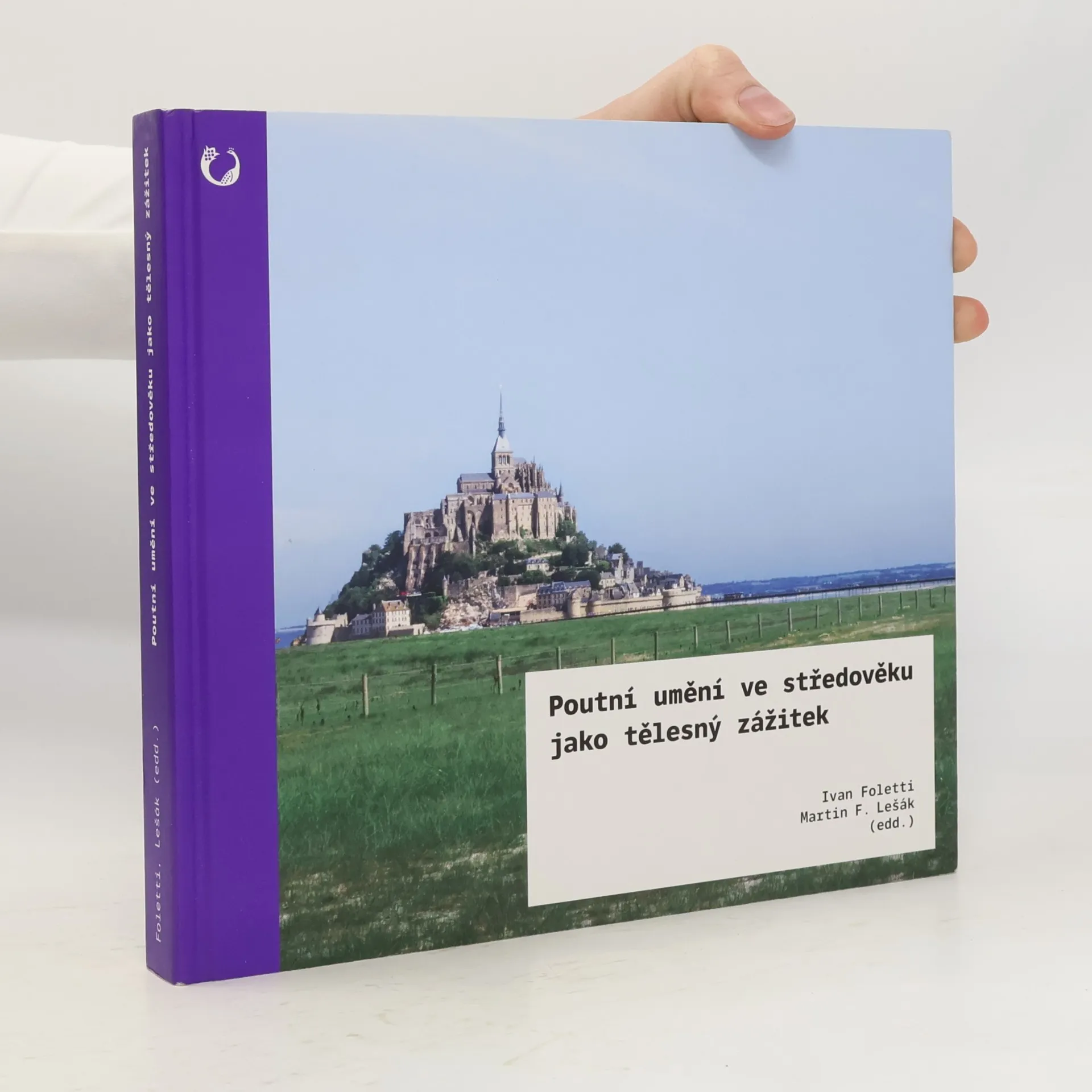
Když se řekne středověká pouť, mnozí si dnes představí takřka fanatický náboženský akt. Taková představa se zakládá na moderních předsudcích o středověkém náboženství, které je dnes běžně spojováno s iracionalitou, manipulací, absencí tolerance a často i násilím. Jak ale ve skutečnosti probíhala středověká pouť? Jak vypadal středověký poutník a svět kolem něj? A jaký je vztah poutnictví a umění? To jsou některé z otázek, na něž tato kniha hledá odpovědi. Doprovází středověkého poutníka na cestě krajinou až do cíle jeho cesty, inte¬riéru kostela, a ukazuje, jak v něm díky umění, vůni kadidla, světlu svící a příjemnému chladu zažíval posvátno všemi smysly. Jedna věc se zdá být jistá: v předmoderním světě stejně jako dnes bylo putování zážitkem, který proměňoval život a nenechal nikoho lhostejným.
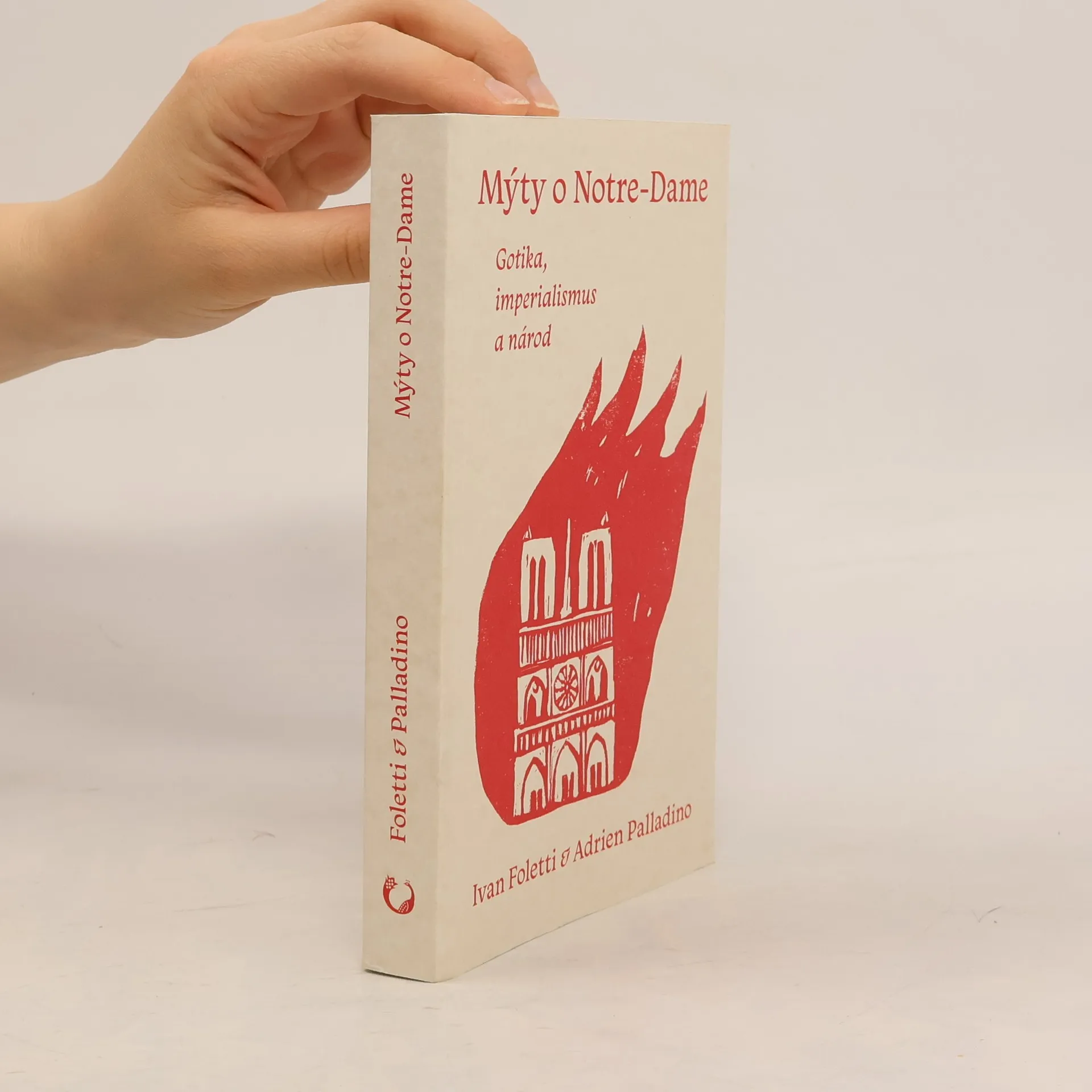
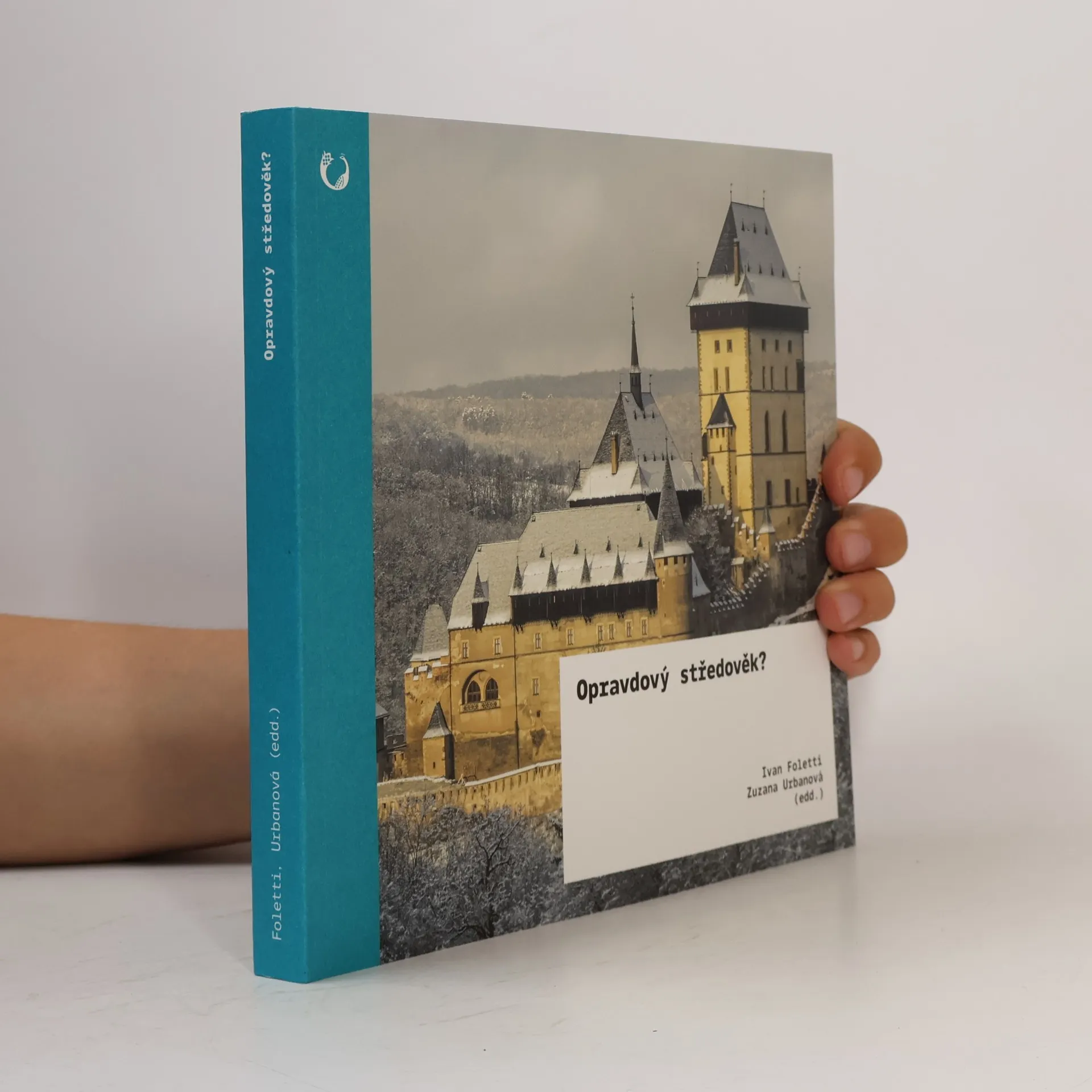
Katedrála sv. Víta v Praze, Notre-Dame v Paříži, Votivní kostel ve Vídni či jiný majestátní chrám některé z evropských metropolí jsou pro většinu z nás ztělesněním opravdového středověku. Málokdo ví, že se ve skutečnosti často jedná o architekturu z 19. století nebo o budovy v tomtoobdobí zásadně přestavěné. Vzhled těchto památek je, spíše než svědectvím o předmoderní minulosti, výsledkem romantických idealizací, nacionalistických sporů a ekonomických zájmů 19. století. Tato knížka ukazuje, že náš „opravdový středověk“ má s tím původním jen málo společného, zato nám však říká mnohé o evropské kultuře posledních dvou staletí.
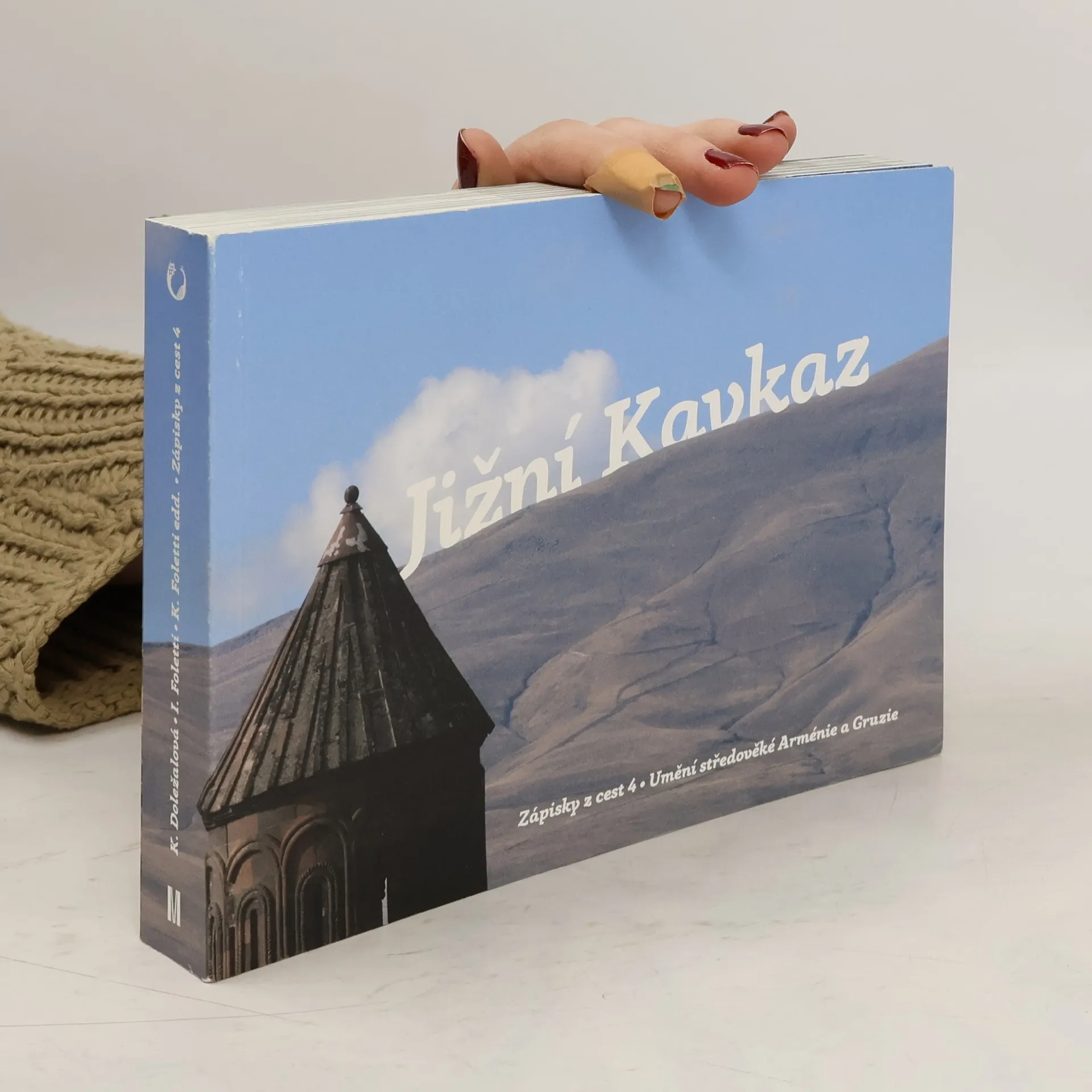
Tato kniha, určená obdivovatelům unikátního kulturního dědictví jižního Kavkazu a Turecka, je výsledkem pěti terénních cest, které v letech 2015–2022 podnikli studenti a pedagogové Semináře dějin umění Filozofické fakulty Masarykovy univerzity v Brně do oblastí dnešní Arménie, Gruzie a Turecka, tedy do oblasti středověkých království Arménie a Iberie. Kniha obsahuje krátké studentské texty věnované význačným středověkým památkám tohoto regionu a nabízí originální poznatky. Počet zahrnutých památek je výjimečný, což z předkládaného svazku činí jeden z prvních v českém i mezinárodním prostředí, který se takto komplexně zabývá kulturním dědictvím regionu. Kniha, které předchází odborná reflexe specifik zkoumaného kulturního dědictví – včetně unikátního fenoménu arménských liturgických předsíní, tzv. gávitů, a zajímavého dialogu kultury a krajiny, seznamuje čtenáře s více než třiceti kostely, jejich výzdobou, liturgickým vybavením a ikonami. Jednotlivé památky jsou řazeny geograficky podle současných provincií a regionů, aby se svazek stal užitečným cestovatelským průvodcem.
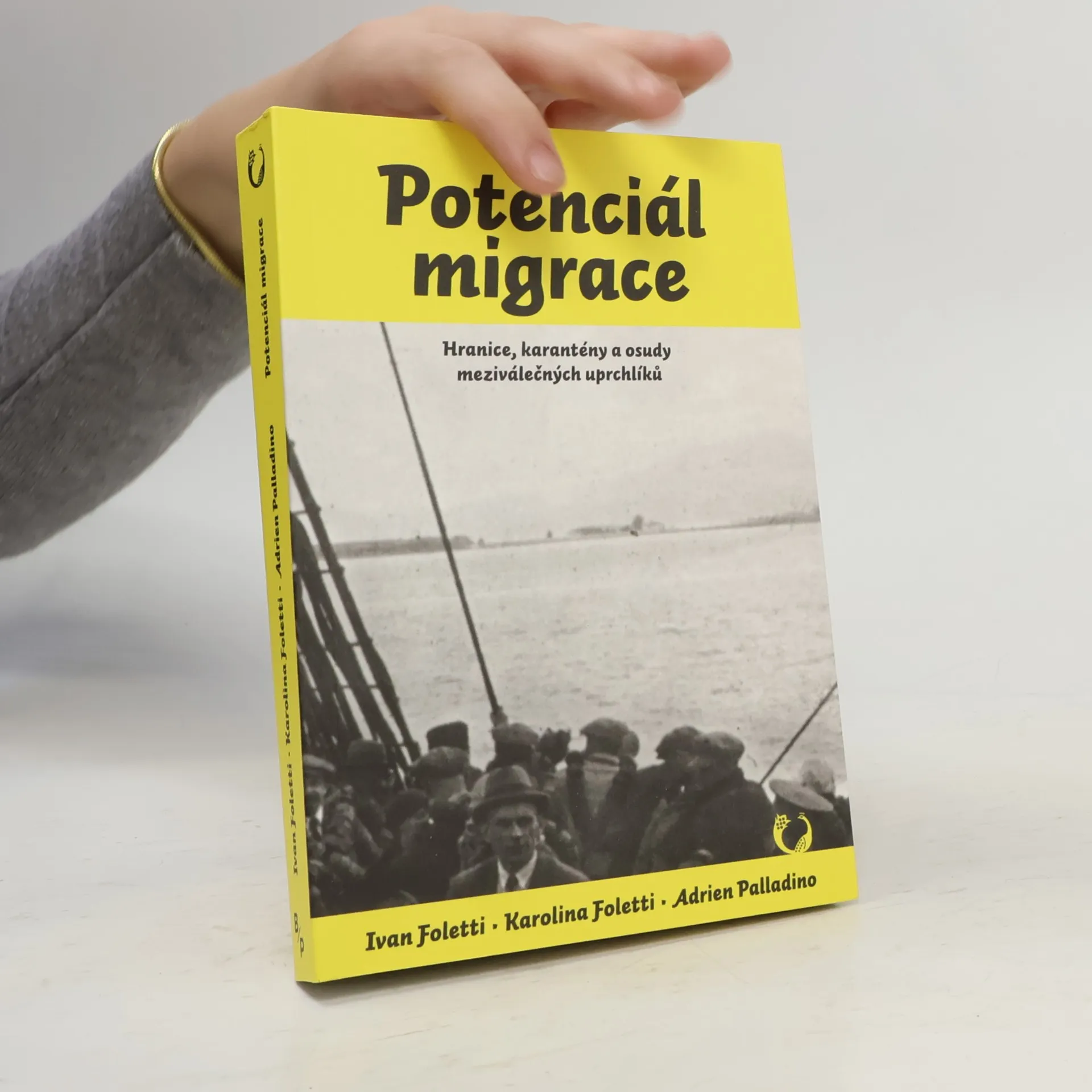
Politická situace a stupňující se společenské napětí v meziválečných zemích Rusku a Německu vyhnaly z domovů statisíce lidí a přiměly je hledat útočiště v cizině. Překračování hranic na cestě do bezpečí však bylo spojeno s mnoha obtížemi. Uprchlíky z Ruska zasáhla mimo jiné protiepidemická opatření, která měla zastavit smrtící tyfovou vlnu. Podobná opatření stála o několik let později v cestě Židům prchajícím z nacistického Německa. Útěk přes hranice a zkušenost emigrace se projevily i v životních osudech a dílech spisovatelek Irene Némirovsky a Hélene Iswolsky a historiků umění Nikodima Kondakova, Andrého Grabara, Richarda Krautheimera a Ernsta Kitzingera. Přestože se museli potýkat s četnými těžkostmi, život v exilu jim poskytl i řadu nových možností, díky nimž významnou měrou obohatili společnost, která je přijala. Kniha pojednává o událostech sto let starých, avšak témata, kterým se věnuje – uzavírání hranic, sanitární opatření a emigrace – jsou palčivě aktuální i dnes.
Panna. Vdova. Kněžka. V rodící se křesťanské společnosti kolem roku 400 ženy získávají moc. Ale jak dlouho si ji udrží? Kdo jim k novému postavení dopomohl a co bylo příčinou jejich pádu? Autor knihy se ohlíží do minulosti a vykresluje zlomové období emancipace žen a jejich dříve nevídaného zapojení do církevního i společenského života. Příběh, který vypráví, byl z dějin téměř vymazán. Avšak zmínky o něm zůstaly skryty v uměleckých dílech, která dnes přinášejí vzácná svědectví o emancipovaných a sebevědomých ženách, stojících kdysi ve středu dění.
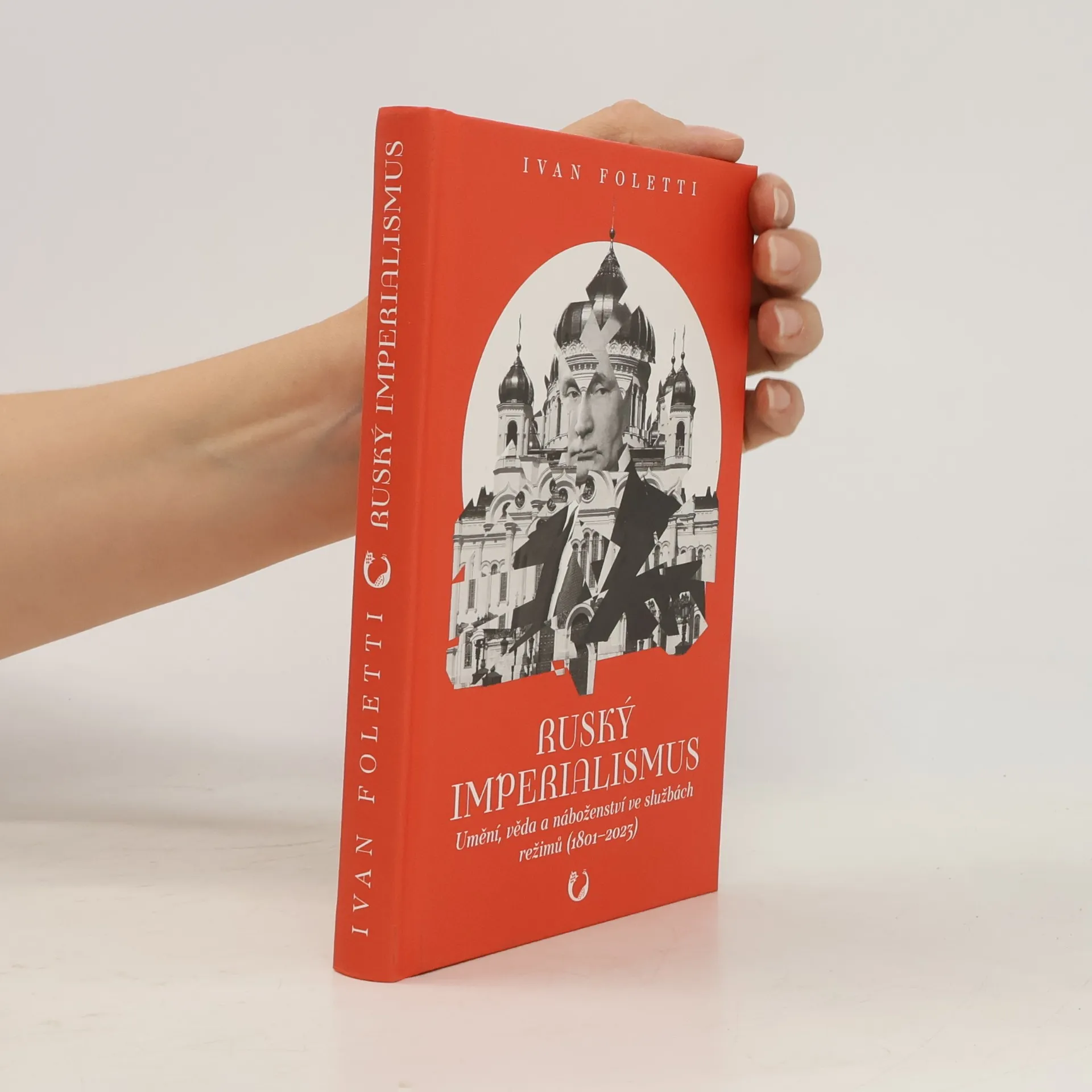
K obhajobě své imperialistické politiky Vladimir Putin pravidelně využívá minulost. Rusko představuje jako říši, které je potřeba navrátit její dávnou slávu a „původní“ území. Jaká je ale historie ruského imperialismu? Tato kniha ukazuje, jak ruské vládnoucí elity v posledních dvou staletích využívaly architekturu, obrazy i vědu k opakovanému „znovuvytváření“ příběhu impéria. Historie, na kterou se odvolávaly, však byla z velké části vykonstruovaná. Ústřední roli v ní hrála Byzantská říše, jejíž následnictví i území si Rusko nárokovalo. Most mezi středověkou minulostí a současností nacházeli ideologové ruského imperialismu v pravoslaví. A paradoxně — stejný příběh sloužil velmi odlišným režimům: posledním Romanovcům, Stalinovi a dnes i Putinovi. Zásadní otázkou zůstává, zda tento příběh, opakovaně znetvořený propagandou, odpovídá skutečnosti. A co nám vlastně říká o Rusku samotném?
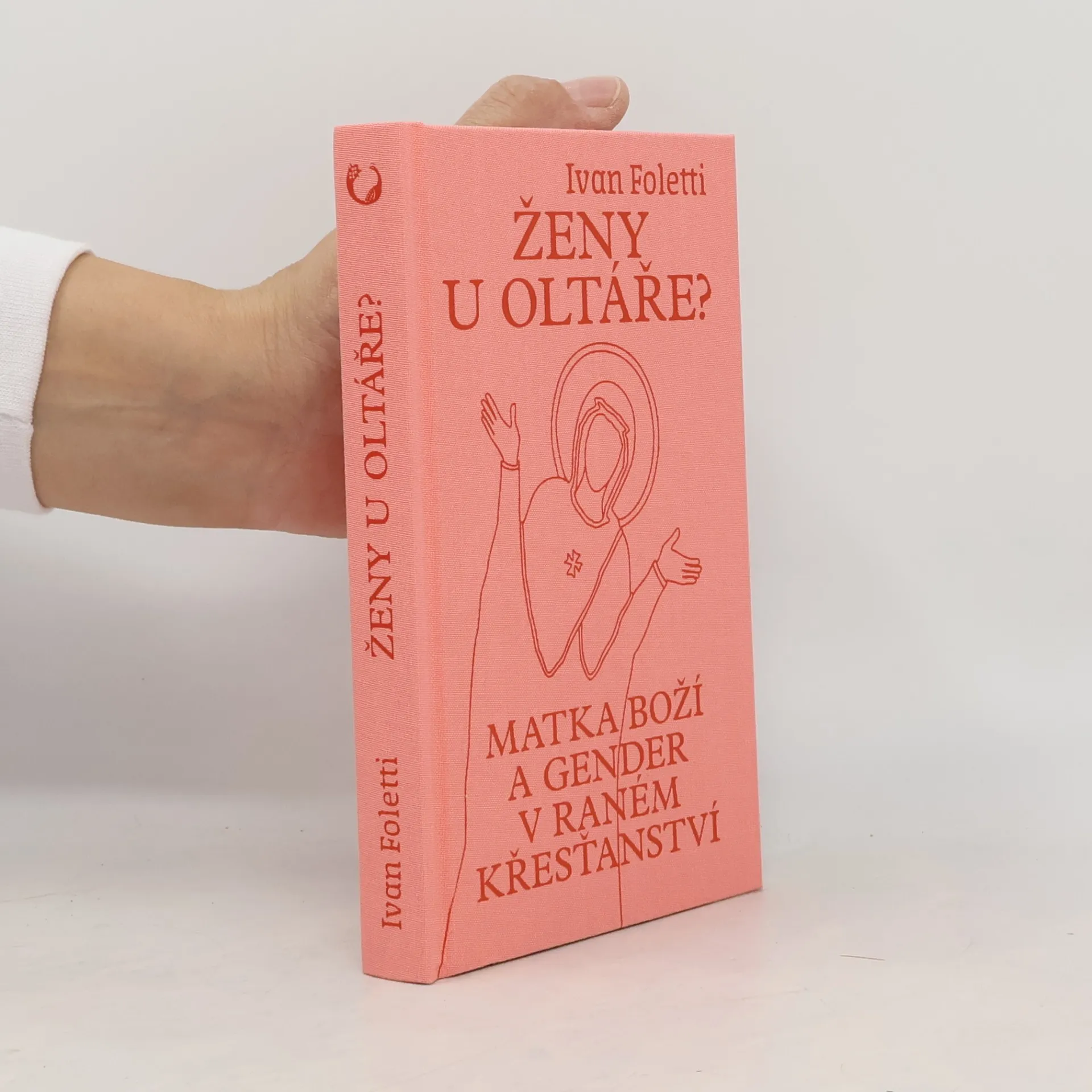
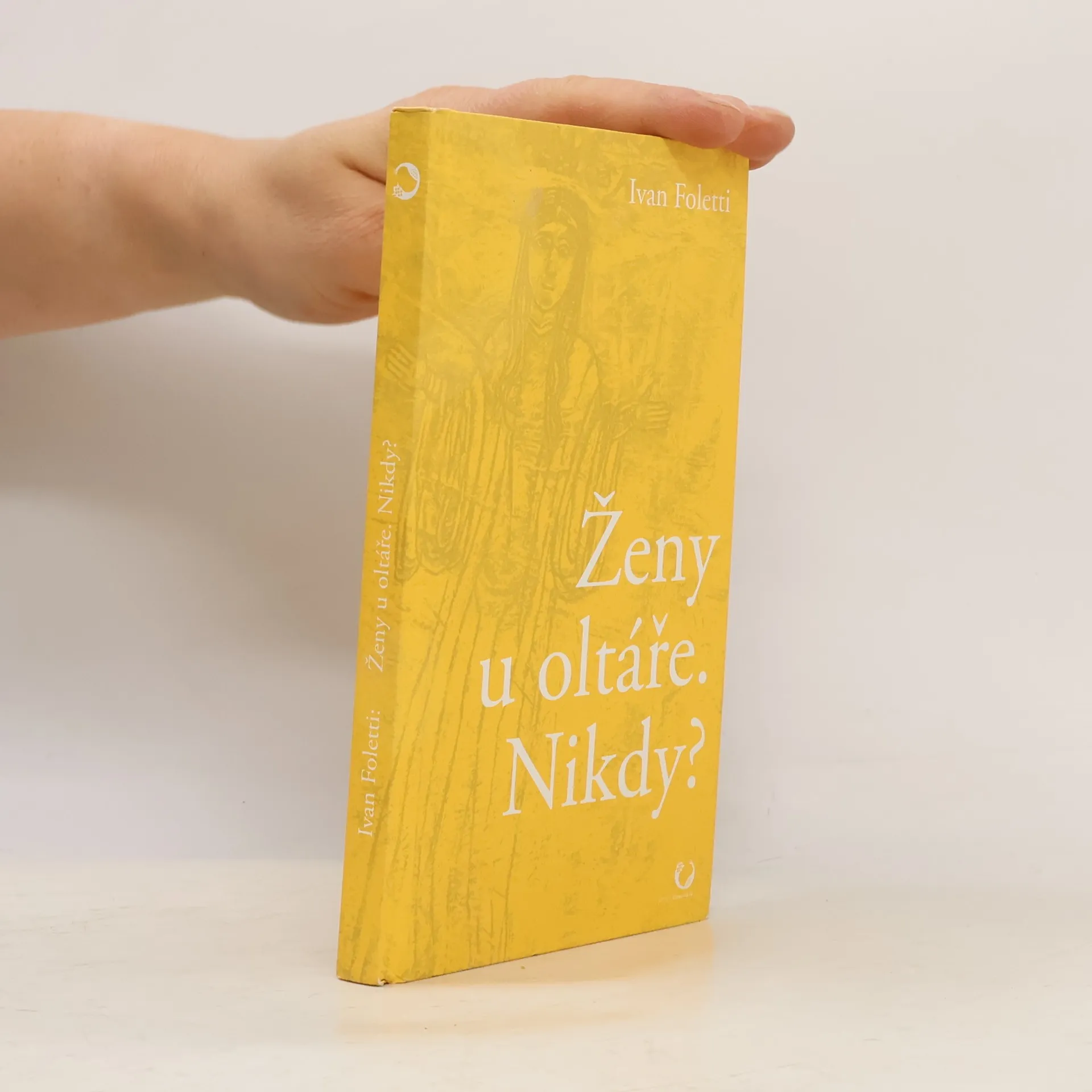
Jaká je a jaká byla role žen v církvi? Dnes se ženy, protože nemohou být svěceny, ocitají mimo církevní hierarchii, která sestává pouze z vysvěcených osob. Ale bylo tomu tak vždy? Na tuto otázku hledá odpověď kniha "Ženy u oltáře. Nikdy?" Autor zahrnuje do debaty umělecké předměty z období od třetího do šestého století, na kterých se objevuje nová ikonografie Matky Boží. Kolem roku 400 vznikají znázornění, na nichž má Marie maforium, těžký závoj vdaných žen a vdov. Na jiných zobrazeních zpod jejího pláště vystupuje štola. Na základě srovnání s dalšími díly i s dobovými texty lze dojít k závěru, že se z maforia a štoly stal liturgický oděv. Do nové ikonografie Matky Boží by se tak promítly atributy vysvěcených žen, které po krátkou dobu patřily do hierarchických struktur církve, a míněná znázornění Matky Boží by tak vyjadřovala, že tyto ženy byly pod Mariinou ochranou. Společenská situace se však rychle měnila a během šestého století ženy podíl na moci v církvi ztratily. Jejich působení se omezilo na život v klášteře. Zobrazování Matky Boží se štolou a maforiem však přetrvalo a dnes se nabízí jako cenný dokument pro studium postavení žen v pozdně antické církvi. Z knihy vyplývá, že ženy – ať už byly nazývány jáhenky, kněžky či zasvěcené vdovy – měly v hierarchii pozdně antické církve své místo.
Zpráva o aktivitách Centra raně středověkých studií při Semináři dějin umění FF MU (2012-2016). Zdánlivě není člověku 21. století nic vzdálenějšího než umění jižní Evropy, byzantského východu a persko-islámské civilizace v raném středověku. Vizuální kultura těchto světů se vymyká kategoriím post-avantgardní estetiky a smysl obrazů, staveb a reliéfů, hluboce zakořeněný v náboženských tradicích Středozemí, jen málo rezonuje v postmoderní kultuře. Přesto existuje v Brně Centrum raně středověkých studií, které se věnuje v oblasti výuky, výzkumu a také v kontaktu s ne-akade-mickou veřejností studiu a prezentaci figurálního umění ve Středomoří od 4. do 10. století. Cílem Centra je analyzovat vývoj hlavních civilizací vzniklých na půdorysu zaniklé Římské říše. Předmětem studia je rozvoj identity Západu, Byzance a islámu jako autonomních fenoménů i jejich vzájemná interakce. Tento transkulturní přístup je zásadní pro chápání jejich dialogu i střetů, ale zároveň i pro porozumění globálním fenoménům, které v těchto kulturách vznikaly nezávisle na sobě. Studium tohoto zdánlivě vzdáleného období také otvírá nové pohledy na dobu, ve které žijeme.
Publikace je syntentickým průvodcem tvorbou na Jižním Balkáně od V. do XIV. století. Autory této kolektivní monografie jsou studenti a pedagogové Centra raně středověkých studií.
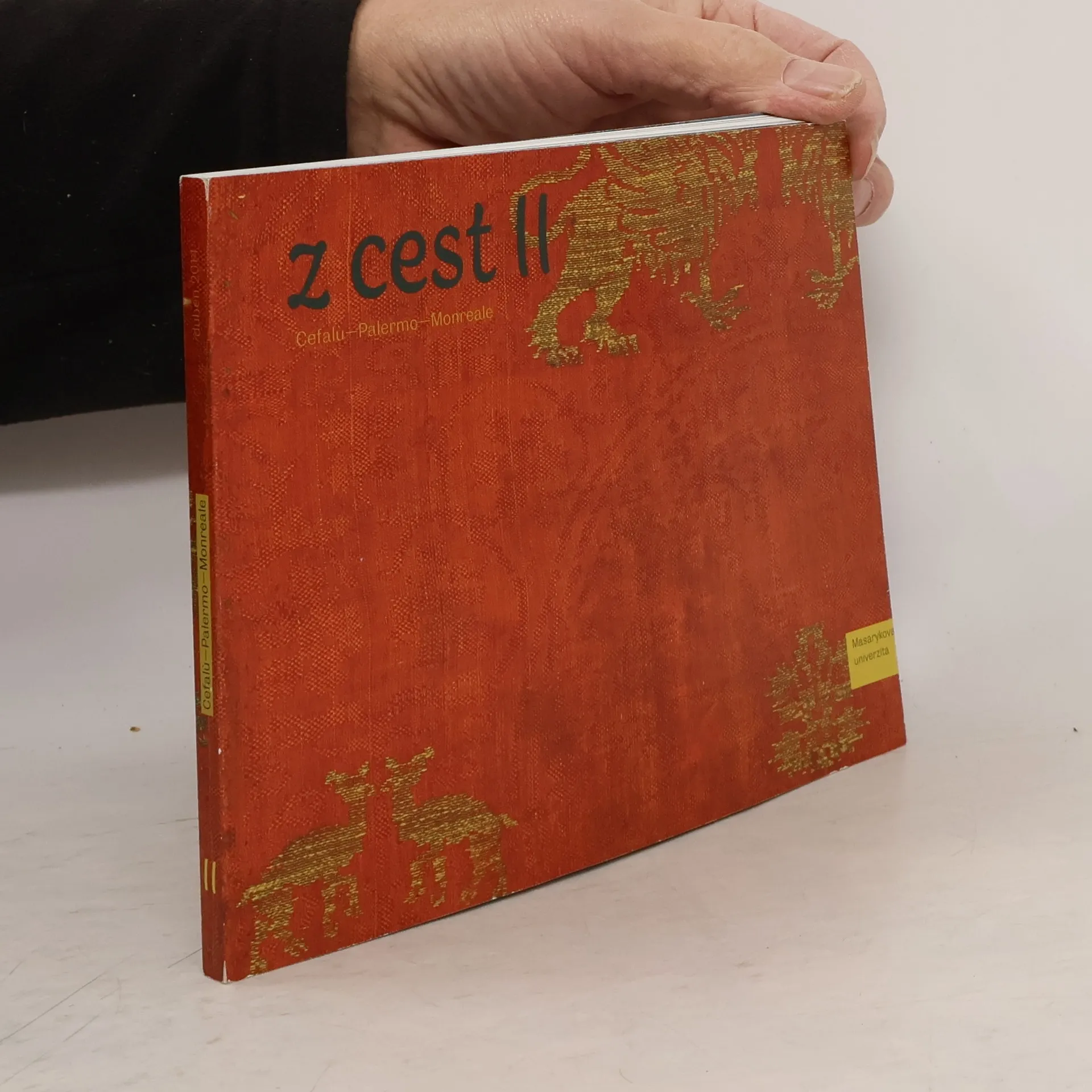
Publikace je zaměřená na studium památek sicilského středověku, především 12. století. Autory této kolektivní monografie jsou studenti a pedagogové Centra raně středověkých studií, studenti Univerzity Lausanne a Kunsthistorisches Institutu.
Kniha shrnuje příspěvky přednesené na stejnojmenné konferenci, uspořádané u příležitosti slavnostního otevření Knihovny Hanse Beltinga v Brně.
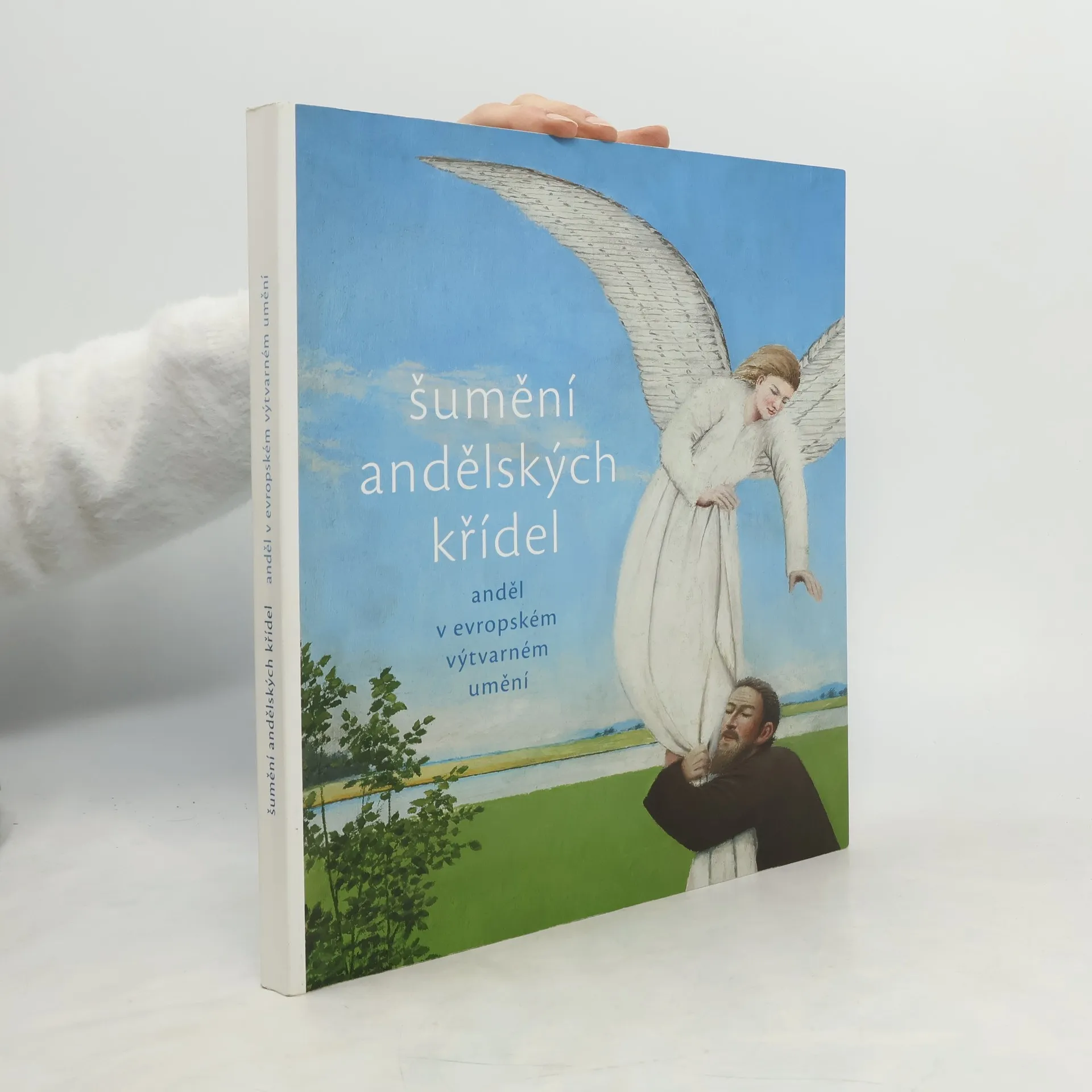
Andělé provázejí člověka téměř odnepaměti, proto jsou také zakomponováni v mnoha náboženských systémech. Naše výstava představí především křesťanské pojetí a zobrazení andělské bytosti, které úzce navazuje na judaismus, na biblickou představu anděla – posla Božího. Andělé však nejsou jen božími posly, zprostředkovateli jeho vůle a ochránci lidí, mají též jiné zásadní úkoly spjaté s fungováním a harmonií celého světa, přesuny hvězd, bdění nad všemi elementy universa, národy, městy. Seznámíme vás s dlouhou vizuální tradicí zobrazování andělských bytostí, od středověku až po současnost, od témat, kde hraje anděl úlohu hlavní, přes vedlejší či doprovodné role až k volným „osvobozeným“ andělským motivům v umění 20. století. Část exponátů pochází ze sbírek Muzea umění Olomouc a Arcidiecézního muzea Olomouc i z arcibiskupských sbírek soustředěných v Kroměříži, většinou ale budou exponáty zapůjčeny ze státních i církevních institucí, ze soukromých sbírek i ateliérů umělců.
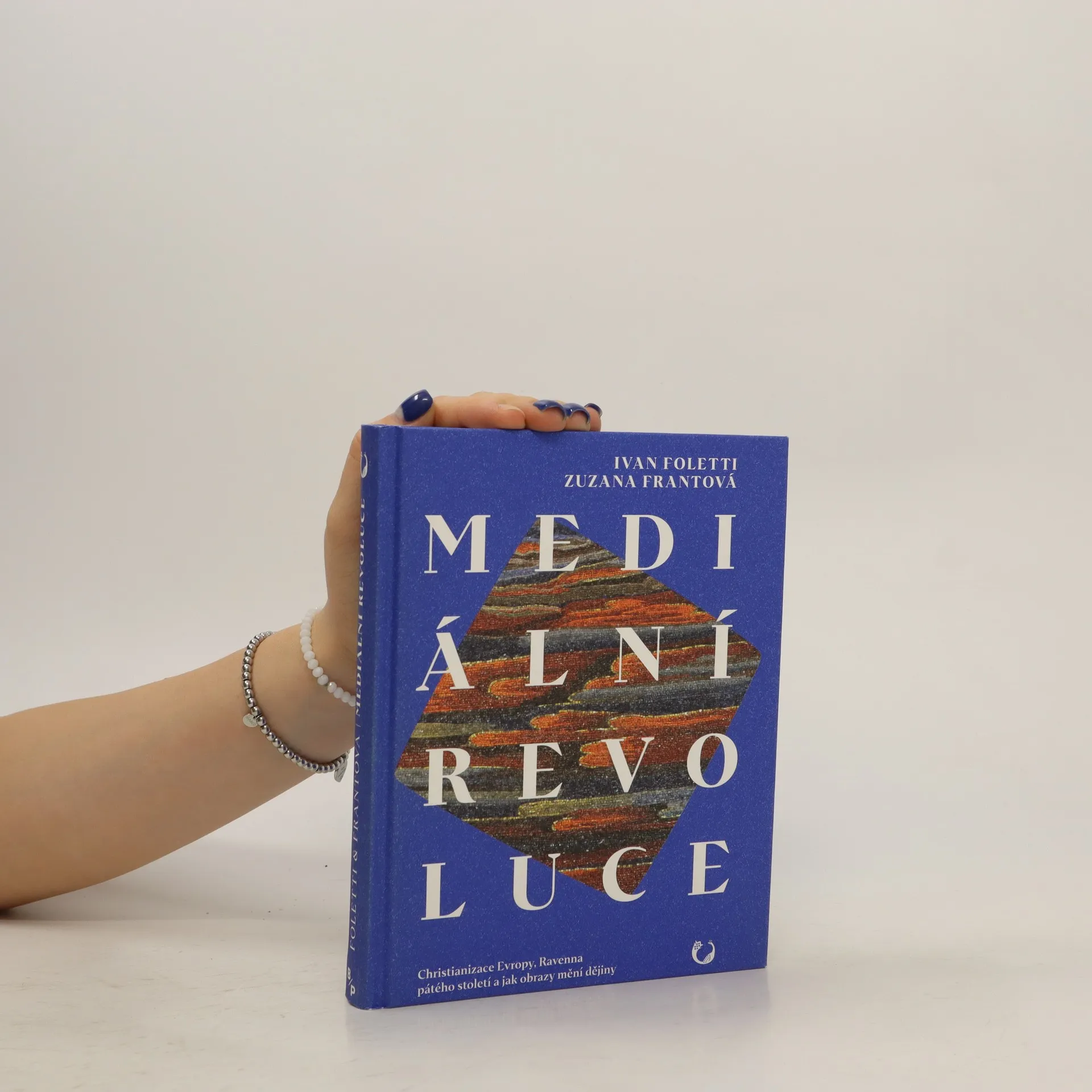
V roce 303 n. l. tvoří křesťané ve Středomoří pouhých dvacet procent obyvatel a čelí neobvykle silné vlně pronásledování. Avšak o dvě stě padesát let později už je christianizovaná de facto celá populace tohoto obrovského regionu. Co se mohlo stát? Jak je možné, že se během relativně krátké doby obrátila celá říše? Je jediným důvodem politické rozhodnutí Konstantina Velikého, který křesťanství v roce 313 legalizoval? Kniha nabízí zamyšlení nad vizuálními nástroji, které mohly k zásadní změně evropské společnosti velkou měrou přispět. V období mezi čtvrtým a pátým stoletím se Evropou šíří nové výtvarné médium – mozaika vyrobená především ze skla. Mohla být právě ona jedním z prostředků, které christianizaci Evropy napomohly? A jakou úlohu hrály neuvěřitelně působivé křesťanské rituály, které se doslova dotýkaly těla budoucích křesťanů, a jedinečně tak propojovaly tělo a mysl? Autoři se na příkladu mozaikové výzdoby tzv. Baptisteria ortodoxních v Ravenně z poloviny pátého století pokoušejí porozumět dialogu mezi „zářícími“ obrazy a kolektivními rituály a pochopit jejich roli v proměně západního světa.
Snaha ztvárnit lidské emoce a vyvolat v divákovi citové pohnutí patří k jednomu z klíčových aspektů umělecké tvorby již od starověku. Nicméně i bez explicitní intence tvůrce může člověk před uměleckými díly zažívat hluboké a niterné emoce, které nikdo neztvárnil. Kniha nabízí čtenářům setkání s různými příběhy. Jsou to příběhy obrazů, soch, architektur, zlatnických předmětů i konceptuálních děl a všechny mají jedno společné — vyvolávají emoce. Nejen záměrně v divácích, jimž byla tato díla určena, ale také v divácích dnešních a konečně také v historicích a historičkách umění, kteří o nich pojednávání. Podání autorů jednotlivých textů představuje na jedné straně reflexi uměleckohistorickou, založenou na erudovaných znalostech pisatelů, zároveň je však možné v nich nalézt naše vlastní emoce. Jak totiž připomíná Ladislav Kesner, kterému je tato kniha věnována, je subjektivní a emocionální prožívání uměleckého díla pro dějiny umění zcela zásadní.
Jedná se o druhou brožuru ve francouzštině z krátké série určené širokému neakademickému publiku, tentokrát s více ilustracemi n...
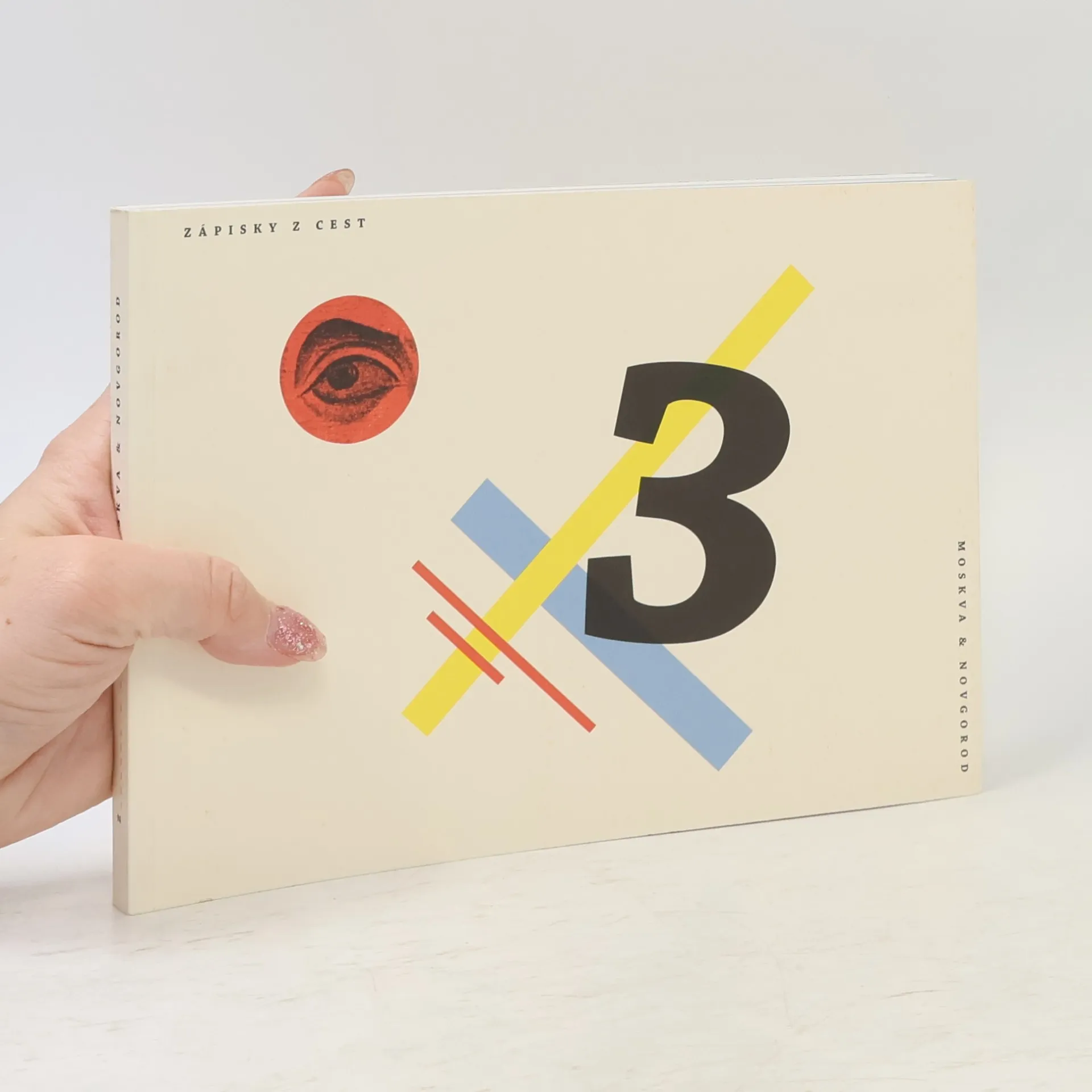
Kniha je výsledkem studijní cesty do Moskvy a Novgorodu, která proběhla v roce 2014. Studenti v jednotlivých kapitolách krátce představují ruská (nejen) středověká umělecká díla.
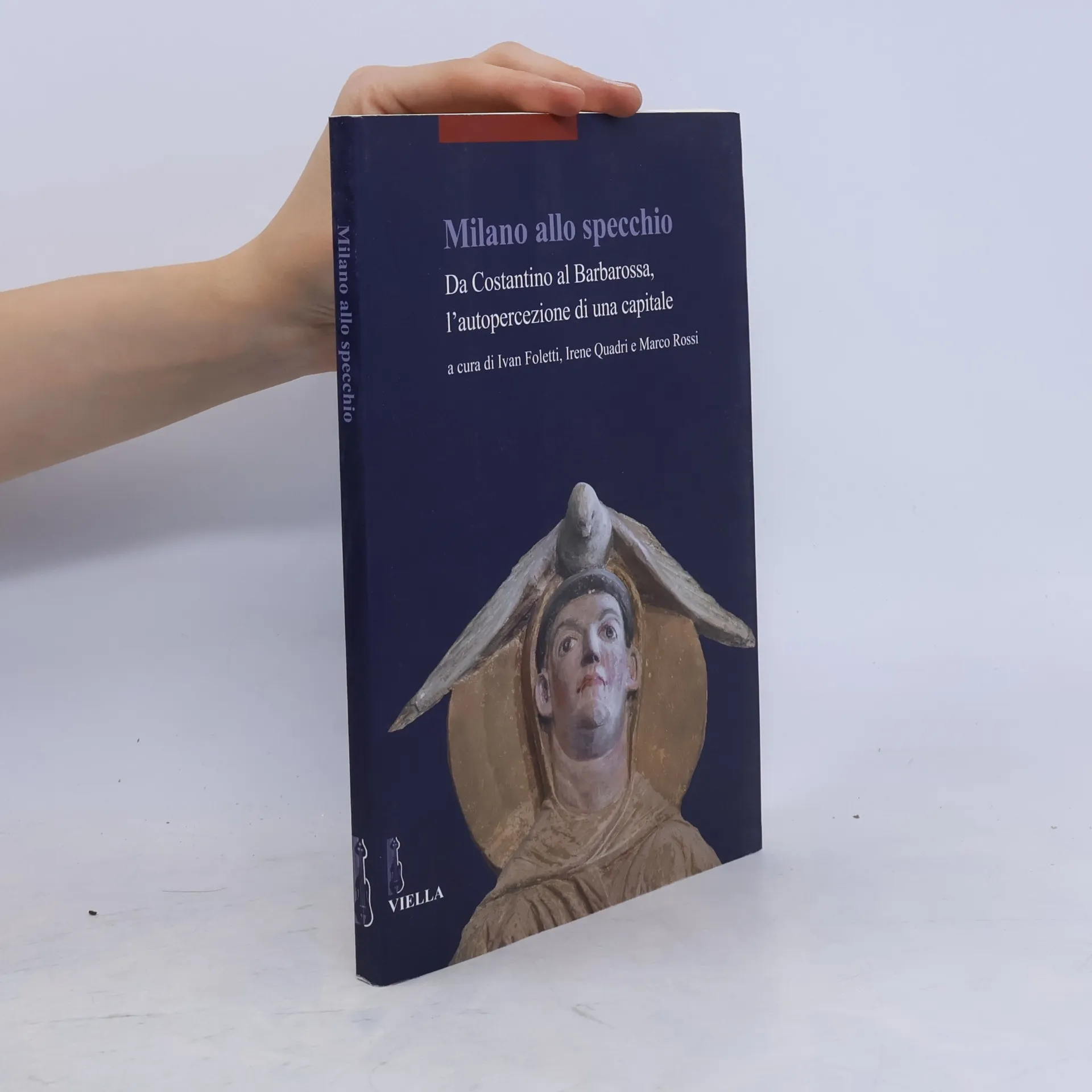
Da Costantino al Barbarossa, l'autopercezione di una capitale
L’autoreferenzialità quale prisma attraverso cui leggere la Milano tardoantica e medievale è il filo rosso sotteso ai sette saggi che compongono questo libro. Capitale dell’impero segnata dall’episcopato di Ambrogio, metropoli ecclesiastica di prim’ordine e potente Comune, la Milano medievale ha uno sviluppo eccezionale sulla lunga durata. Solo sporadicamente, però, tale stratificazione – storica, culturale e materiale – è stata indagata in una prospettiva di autoreferenzialità, centrale invece per la mentalità medievale e soprattutto per una città come Milano, dove la tradizione diviene garante del ruolo chiave che il capoluogo lombardo intende assumere nel corso del Medioevo.Il patrimonio immateriale e materiale della città – significativamente rappresentato dalla basilica di Sant’Ambrogio, fulcro della cultura e della coscienza milanese – è indagato da un punto di vista pluridisciplinare. L’analisi di storici, archeologi, storici dell’arte e filologi permette d’individuare i punti nodali di questo meccanismo, fornendo una visione a tutto tondo per molti aspetti innovativa, al fine di meglio comprendere in che modo Milano si relazioni al proprio passato e come questo passato costituisca una continuità attraverso la quale plasmare un’immagine di sé, diventando un aggregatore identitario fondamentale.
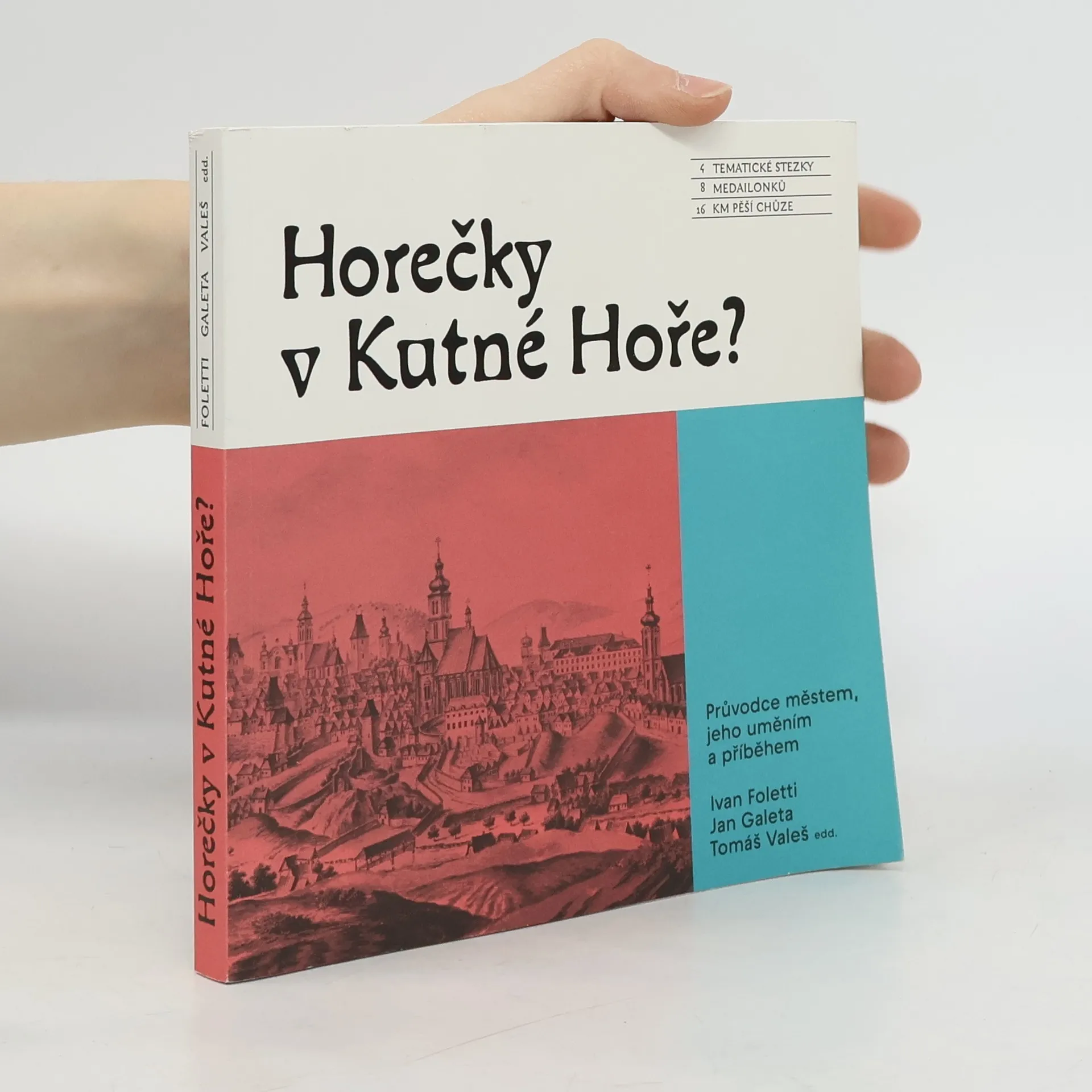
Průvodce městem, jeho uměním a příběhem
Všem, kteří chtějí poznat Kutnou Horu - ať už na místě, nebo na stránkách knihy -, nabízí tento průvodce čtyři procházky městem. Na první trase se čtenáři a čtenářky seznámí s proměnami urbanismu v historii. Na druhé se mohou zaměřit na místní sakrální umění. Třetí trasa je provede bohatými sociálními dějinami hornického města a čtvrtá zavede na místa, kde se obzvláště silně projevil lokální patriotismus i národní obrození. Prostřednictvím architektury a uměleckých děl autorky představují příběh Kutné Hory a zamýšlejí se nad tím, jak si lidé v různých obdobích utvářeli představy o minulosti i jak na minulost pohlížíme my dnes. Osmero medailonků v druhé části průvodce stručně představuje nejdůležitější kutnohorské stavby. Mapky na klopách usnadní orientaci ve městě.