Friedrich Nietzsche était un philosophe allemand qui a remis en question les fondements du christianisme et de la morale traditionnelle. Son œuvre s'est concentrée sur l'amélioration de la santé individuelle et culturelle, en mettant l'accent sur la vie, la créativité, le pouvoir et les réalités du monde que nous habitons. L'idée centrale de sa philosophie est « l'affirmation de la vie », qui implique un questionnement honnête de toutes les doctrines qui épuisent les énergies vitales expansives, aussi prédominantes soient-elles socialement. La philosophie revitalisante de Nietzsche a inspiré des figures de proue dans tous les domaines culturels.
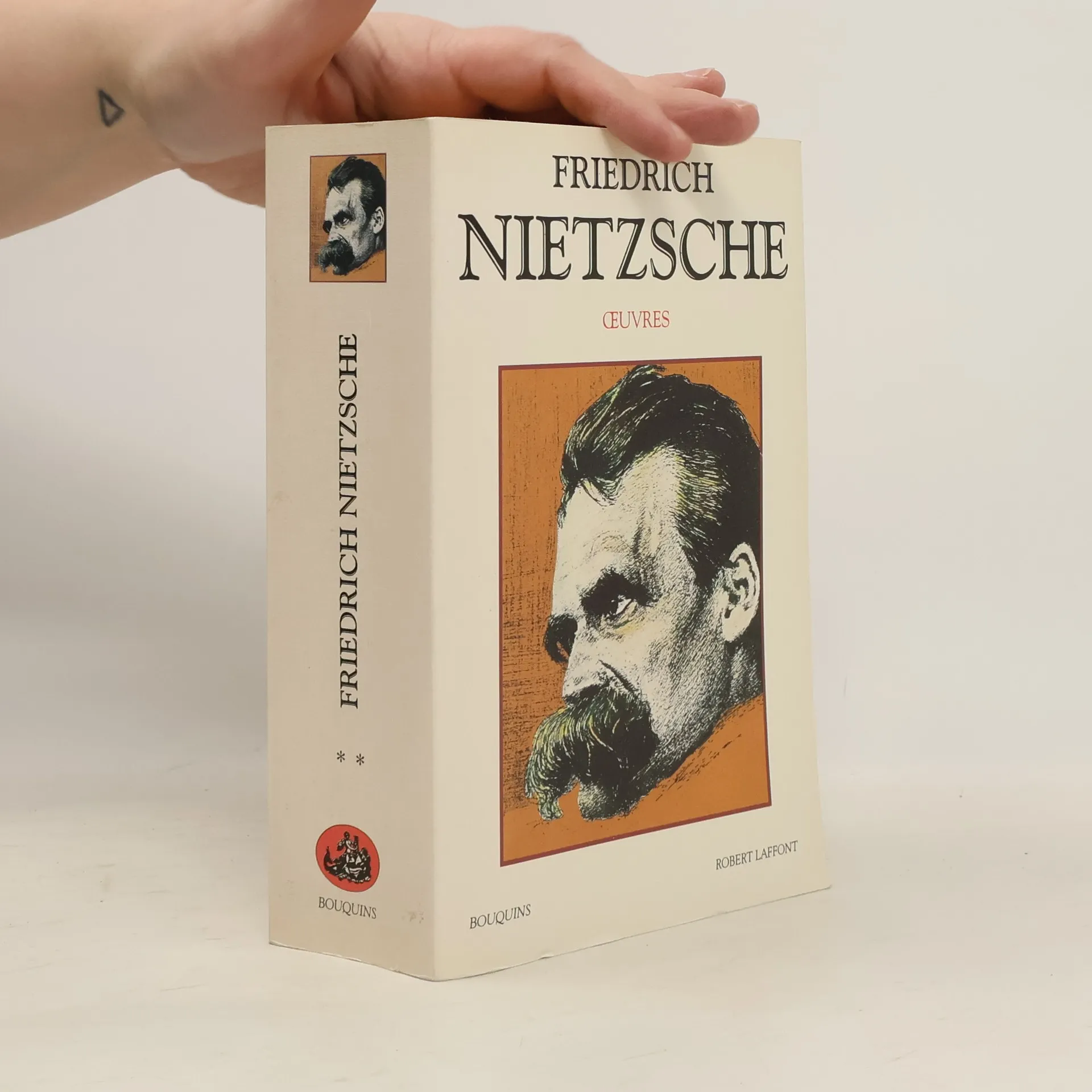
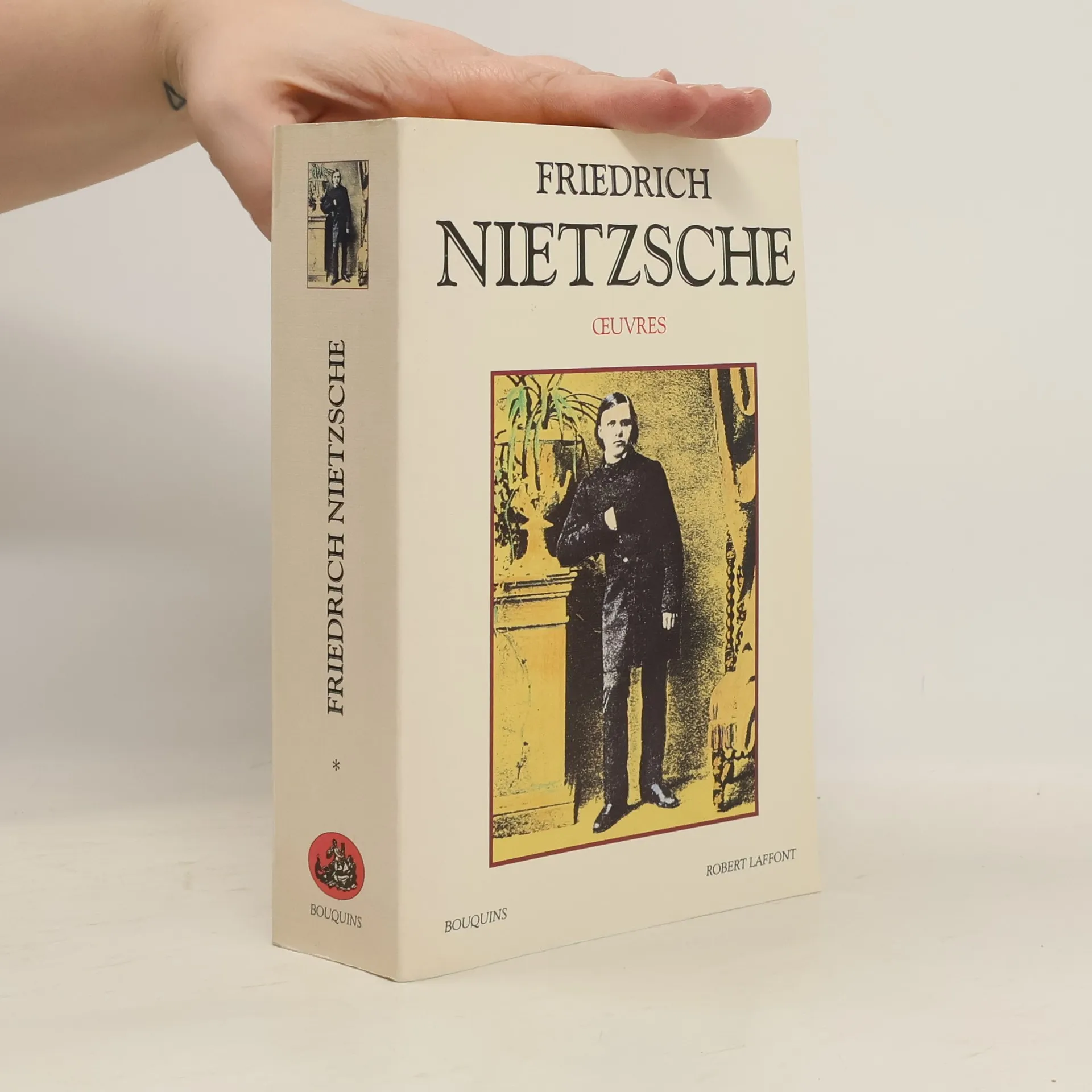
Tome ILa Naissance de la tragédieConsidérations inactuellesHumain, trop humainLe Voyageur et son ombreAuroreTome IILe Gai SavoirAinsi parlait ZarathoustraPar-delà bien et malGénéalogie de la moraleLe Cas WagnerLe Crépuscule des idolesL'AntéchristEcce HomoNietzsche contre Wagner
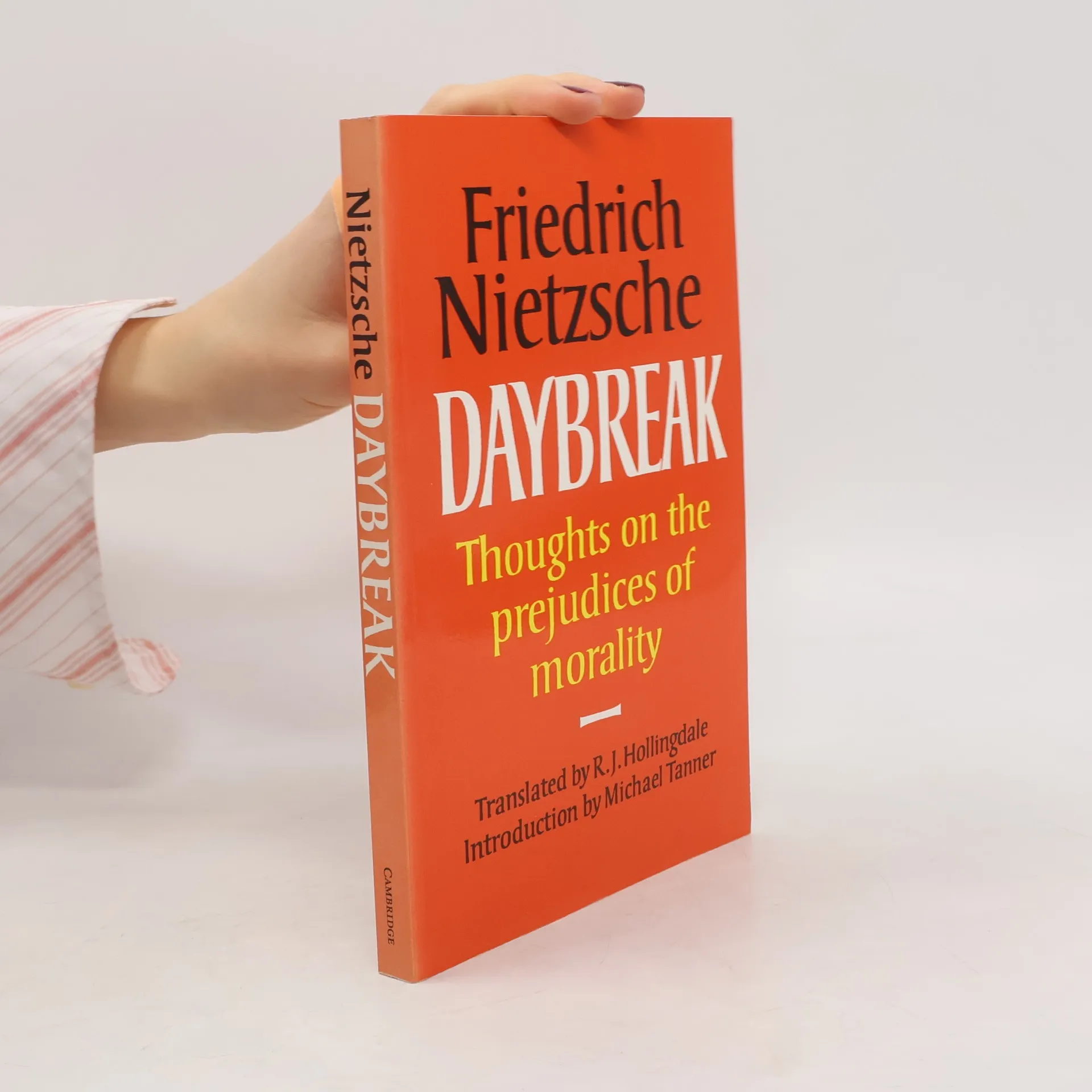
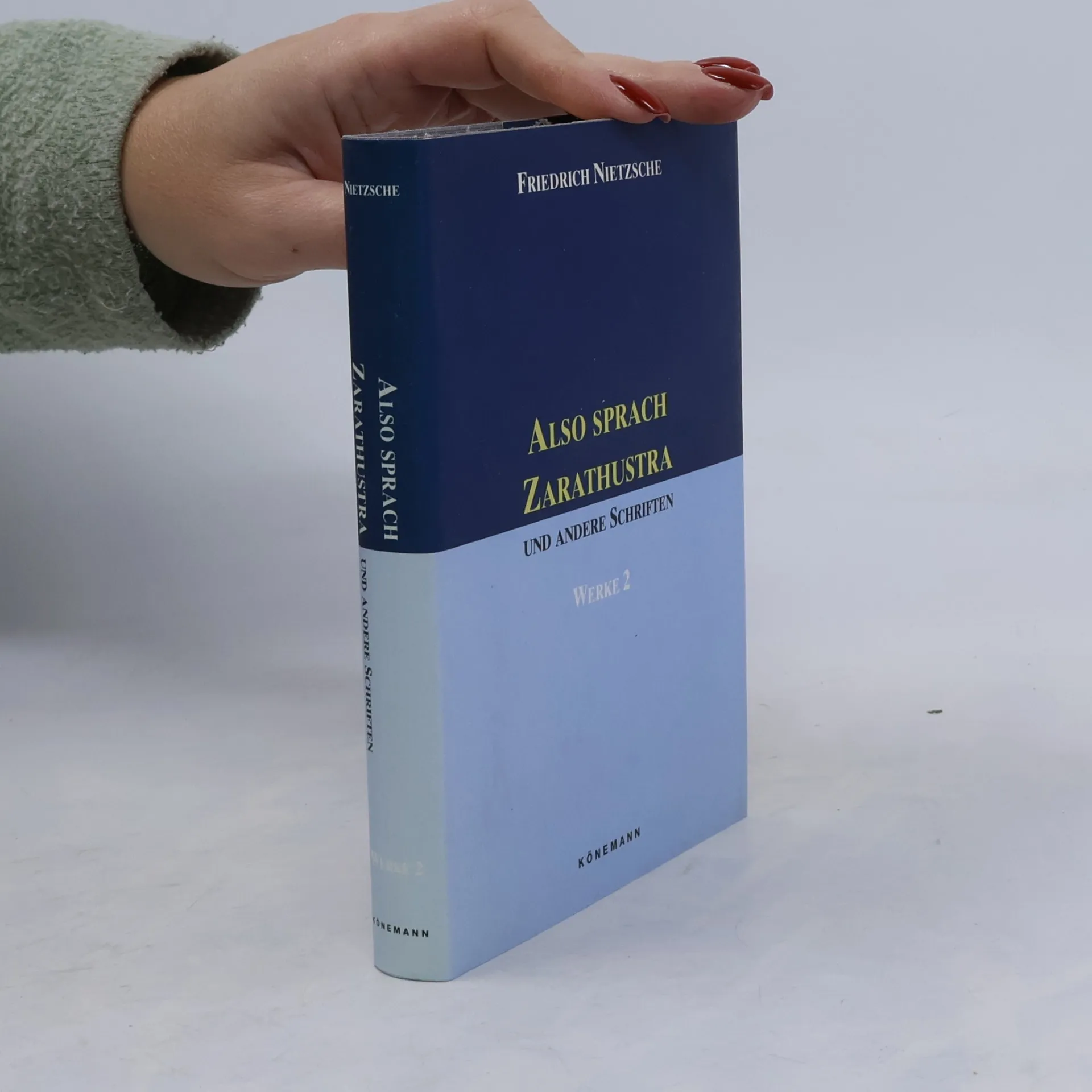
À chaque phase de ce livre, la gravité et l'enjouement se donnent tendrement la main, comme le souligne Nietzsche dans le Gai Savoir, qui ouvre ce second volume de ses œuvres. Ce texte célèbre la "grande santé" de l'intellect, qui se moque des valeurs considérées comme "bonnes, intangibles, divines", en particulier la morale, perçue comme un refuge pour les rêveurs. Les thèmes de la compassion, de l'abnégation et de l'amour indifférencié du prochain sont ainsi remis en question. Ces idées, reprises de manière lyrique dans Ainsi parlait Zarathoustra, continueront d'occuper la pensée de Nietzsche jusqu'à ses derniers écrits, où il cherche à inverser toutes les valeurs. Ce volume reprend le texte révisé par Jacques Le Rider et Jean Lacoste, basé sur les premières traductions françaises de Nietzsche. Les textes sont accompagnés de notices et de notes adaptées de l'édition allemande des Oeuvres de Peter Pütz. Une préface de Philippe Raynaud situe Nietzsche dans la tradition philosophique, tandis qu'une postface de Georges Liébert examine ses relations passionnées avec la musique. Enfin, un index des noms et des notions, établi par Jacques Le Rider et Jean Lacoste, est inclus, étant le premier de ce type à paraître en France.
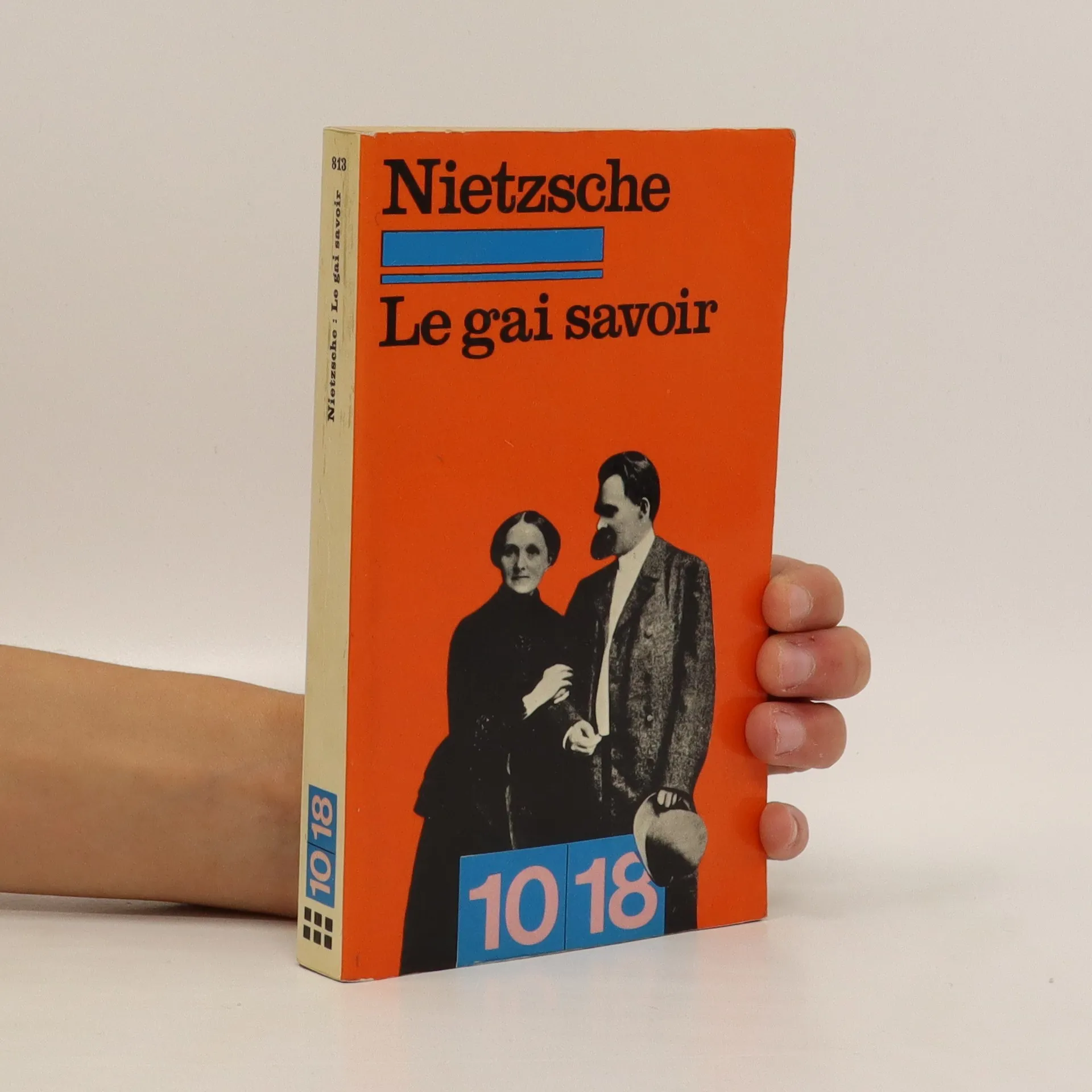
Interroger le fanatisme de la vérité qui gouverne la philosophie, reconnaître la vie seule pour source de toute valeur, l'indépendance pour la vertu suprême du philosophe, et rechercher une réconciliation inédite de l'art et de la science : tel est pour Nietzsche le sens du gai savoir, de l' " idée provençale de 'gaya scienza', cette unité du troubadour, du chevalier et de l'esprit libre par laquelle cette magnifique culture ancienne des Provençaux se distingue de toutes les cultures équivoques. " Unité de l'amor fati et de la philosophie de Dionysos, le gai savoir est la philosophie du oui à la vie, engendrée par la reconnaissance et l'acquiescement, qui culmine dans la pensée de l'éternel retour, présentée ici pour la première fois. Le Gai savoir, publié en 1882, réédité et augmenté en 1887, constitue donc le prélude de Ainsi parlait Zarathoustra. " Je mets au rang des choses que je n'oublierai pas le fait qu'on m'a envoyé pour ce livre du " gai saber " plus de félicitations que pour tous les autres réunis. "
" Peut-être le temps est-il très proche où l'on s'avisera que la pierre angulaire des édifices sublimes et inconditionnés que les philosophes dogmatiques se sont plus à élever n'était au fond que superstition populaire venue d'un temps immémorial (comme la superstition de l'âme qui, devenue superstition du sujet et du moi, ne cesse aujourd'hui encore d'engendrer des méfaits), quelconque jeu de mots peut-être, suggestion aberrante de la grammaire, ou encore généralisation téméraire de quelques faits limités, très personnels, d'un caractère très humain, trop humain. Il semble que pour se graver, avec leurs exigences éternelles dans le cœur de l'humanité, toutes les grandes choses doivent d'abord errer à travers le monde sous la forme de masques monstrueux et effrayants ; l'un de ces masques fut la philosophie dogmatique, par exemple, l'invention platonicienne de l'esprit pur et du Bien en soi. Mais à présent qu'on en est venu à bout, que l'Europe respire et sort de ce cauchemar et qu'il lui est permis de jouir au moins ... d'un sommeil plus sain, nous, dont la tâche même est de veiller, avons hérité toute l'énergie qu'a grandement disciplinée le combat contre cette erreur ".
Friedrich Nietzsche, né le 15 octobre 1844, a étudié à Bonn et Leipzig, se spécialisant en philologie classique. Sa rencontre avec Richard Wagner en 1868 a profondément influencé sa pensée, bien que leur amitié se soit détériorée en raison de la désapprobation de Nietzsche envers les Festivités de Bayreuth. En 1869, il est nommé professeur de philologie classique à Bâle, mais abandonne ce poste dix ans plus tard pour des raisons de santé. Il vit ensuite de sa pension, finançant de nombreux voyages en Suisse et en Italie, où il rédige ses œuvres philosophiques majeures. Nietzsche annonce le « décès de Dieu », décrit le concept du surhomme et plaide pour la réévaluation de toutes les valeurs, contribuant ainsi au nihilisme. Ses œuvres les plus célèbres incluent Ainsi parlait Zarathoustra et Ecce Homo. Dans les années 1880, ses souffrances physiques et mentales s'intensifient, culminant en 1889 avec un effondrement dont il ne se remettra pas. Il décède le 25 août 1900 à Weimar, sous les soins de sa mère et de sa sœur.
suivi de Sur l'avenir de nos établissements d'enseignement
243pages
9 heures de lecture
" Les Grecs, parce qu'ils sont véritablement sains, ont une fois pour toutes légitimé la philosophie elle-même du simple fait qu'ils ont philosophé, et bien plus en effet que tous les autres peuples. Ils ont su commencer à temps ; et cet enseignement qui détermine à quel moment il faut commencer à philosopher, ils l'ont prodigué plus clairement qu'aucun autre peuple. Ce n'est pas à vrai dire une fois qu'on est dans le malheur qu'il faut commencer, mais c'est dans le bonheur, en pleine force de l'âge, fort de la bouillonnante allégresse d'une vigoureuse et victorieuse maturité virile. Le fait que ce moment-là ait été celui où les Grecs ont philosophé nous en apprend autant sur ce qu'est la philosophie et ce qu'elle doit être que sur les Grecs eux-mêmes. "Friedrich Nietzsche est né à Rocken, près de Leipzig, le 15 octobre 1844. Après ses études, il occupe la chaire de philologie classique de l'université de Bâle, fréquentant le milieu intellectuel bâlois et Richard Wagner avec qui il se brouillera en 1878. Gravement malade, relevé de ses fonctions de professeur à sa demande, il mène une vie errante entre Sils-Maria, Nice, Menton et plusieurs villes italiennes. Frappé de folie au début de 1889, il meurt le 25 août 1900 à Weimar.
Il est temps, il est grand temps. L'heure a sonné. L'heure de la grande connaissance, celle de la vérité révélée voilà déjà plus d'un siècle par le supérieur inconnu Friedrich Nietzsche. Inconnu, car sa philosophie suppose son expérimentation : " En comprendre six phrases, c'est-à-dire les avoir vécues, élève le mortel à un échelon supérieur à celui que des hommes "modernes" pourraient atteindre ", peut-on lire dans Ecce homo ; et force est de constater que, de nos jours, ce n'est pas la hauteur qui donne le vertige. Mais il est temps. Nietzsche nous avait prévenus. Il ne sera lu et compris qu'à l'aube du troisième millénaire. Dieu est mort. Libre à nous de devenir surhumains. Qui veut devenir surhumain ? Qui veut apprendre à maîtriser son éclair ? Les citations de Nietzsche réunies dans ce guide sont tirées de son œuvre complète et constituent de véritables tables des lois des Hyperboréens. La foudre surhumaine est entre vos mains... Que vive le Surhomme !
" A première vue, ce problème de la valeur de la pitié et de la morale de la pitié semble n'être qu'une question isolée, un point d'interrogation à part ; mais à celui qui s'arrêtera ici, qui apprendra à interroger ici, il arrivera ce qui m'est arrivé : une perspective nouvelle et immense s'ouvrira devant lui, la foi en la morale, en toute morale s'en trouvera ébranlée- enfin une nouvelle exigence se fera entendre. Nous avons besoin d'une critique des valeurs morales, il faut commencer par mettre en question la valeur même de ces valeurs, et cela suppose une connaissance telle qu'il n'en a pas existé jusqu'à présent et telle qu'on ne l'a même pas souhaitée. "
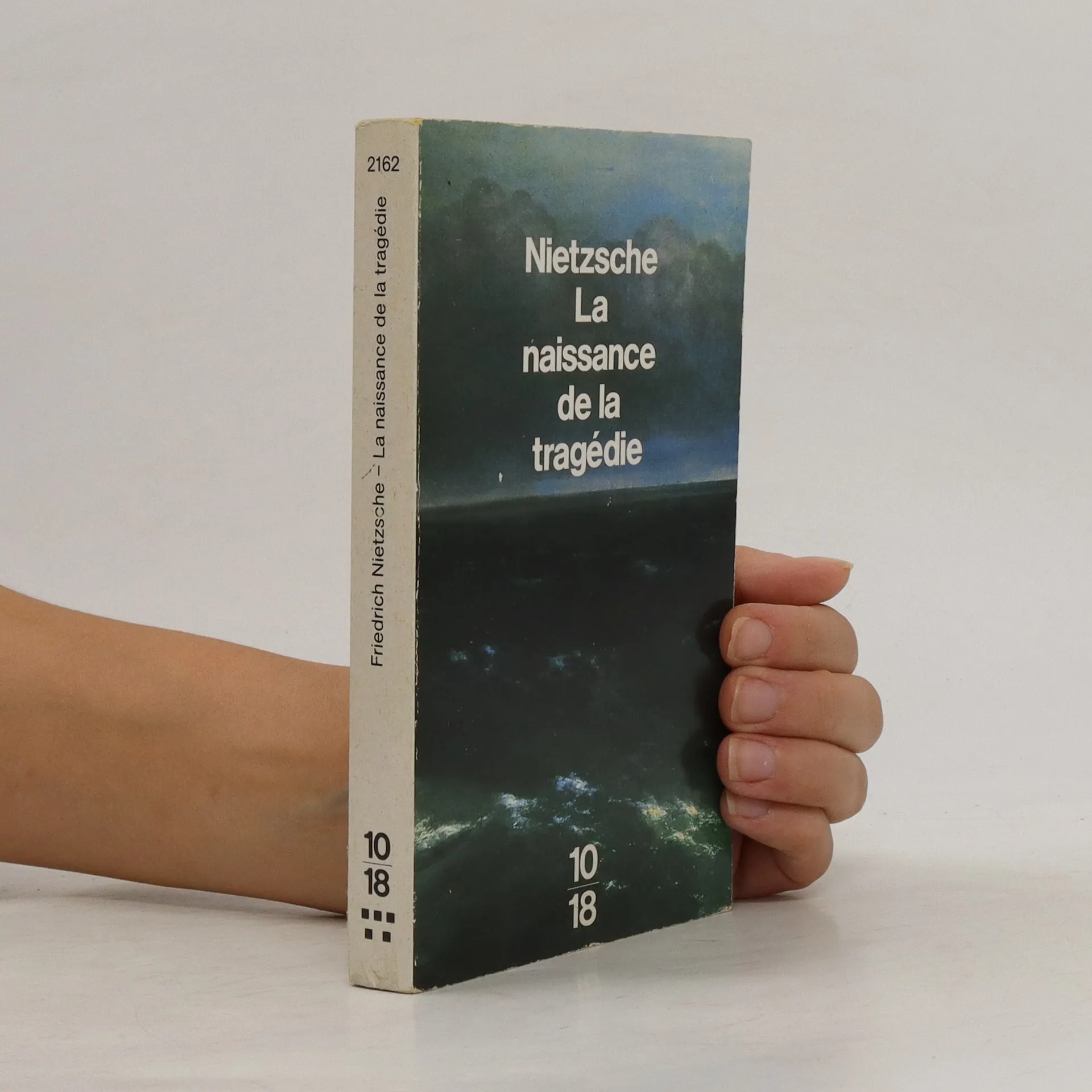
Extrait : Nous aurons fait un grand pas en ce qui concerne la science esthétique, quand nous en serons arrivés non seulement à l’induction logique, mais encore à la certitude immédiate de cette pensée : que l’évolution progressive de l’art est le résultat du double caractère de l’esprit apollinien et de l’esprit dionysien, de la même manière que la dualité des sexes engendre la vie au milieu de luttes perpétuelles et par des rapprochements seulement périodiques. Ces noms, nous les empruntons aux Grecs qui ont rendu intelligible au penseur le sens occulte et profond de leur conception de l’art, non pas au moyen de notions, mais à l’aide des figures nettement significatives du monde de leurs dieux. C’est à leurs deux divinités des arts, Apollon et Dionysos, que se rattache notre conscience de l’extraordinaire antagonisme, tant d’origine que de fins, qui exista dans le monde grec entre l’art plastique apollinien et l’art dénué de formes, la musique, l’art de Dionysos...
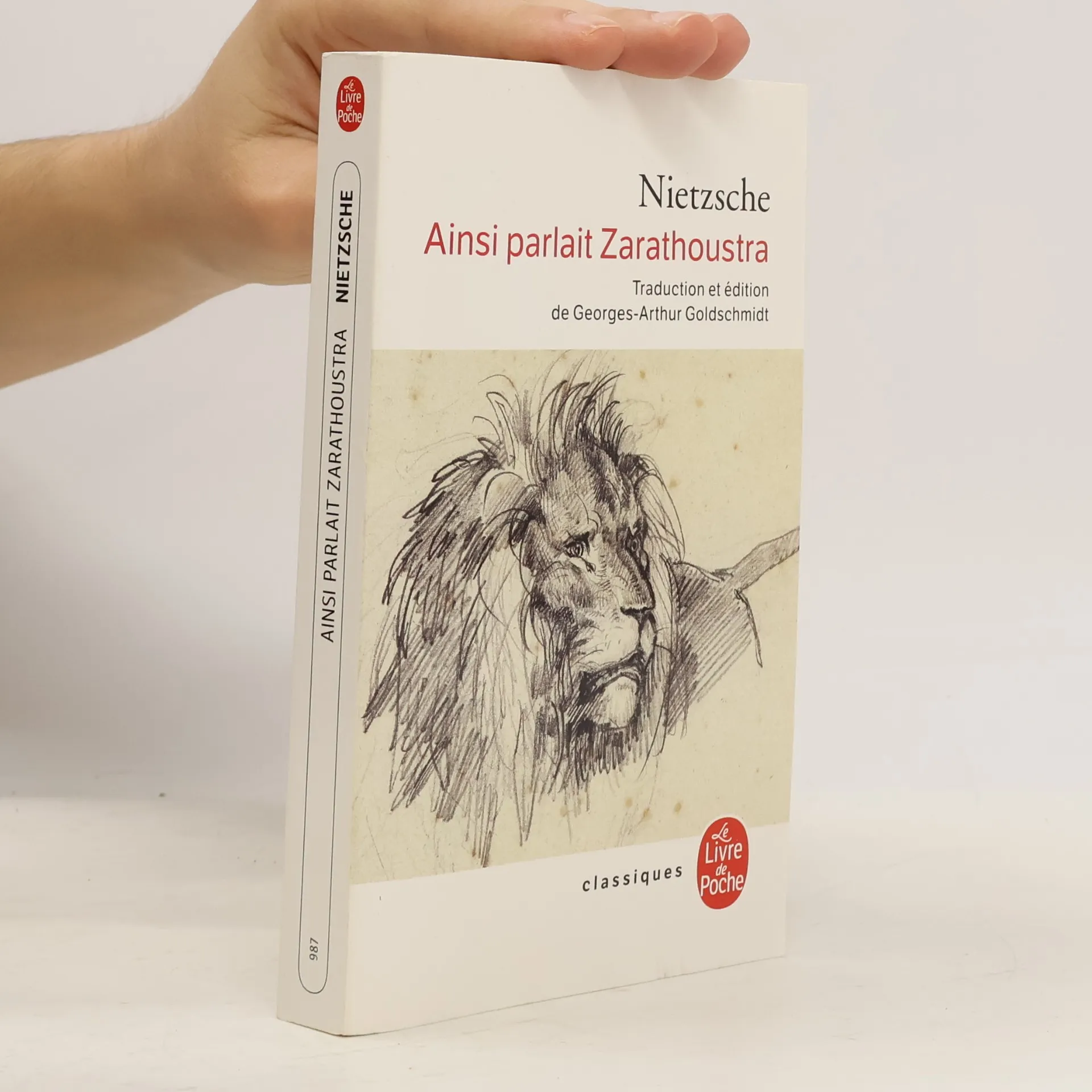
Ainsi parlait Zarathoustra est une œuvre philosophique magistrale. Elle a bouleversé la pensée de l'Occident. " Nietzsche démolit, il sape ", disait Gide. Il remet définitivement l'homme en question. Poète-prophète, Zarathoustra se retire dans la montagne et revient parmi les hommes pour leur parler. Sa leçon essentielle : " Vouloir libère " Son leitmotiv : rejeter ce qui n'est pas voulu, conquis comme tel, tout ce qui est subi. C'est le sens du fameux : " Deviens celui que tu es. " La vertu est souvent le droit du plus faible, elle paralyse tout, désir, création et joie. Le surhomme nietzschéen est celui qui a la plus grande diversité d'instincts qui s'opposent puissamment mais qu'il maîtrise. La pensée de Nietzsche est un défi permanent. Elle échappe à tout système politique. La ferveur de sa poésie, sa vigoureuse drôlerie ont donné à Nietzsche une célébrité universelle. Nos contemporains n'ont le choix qu'entre lui et Marx.
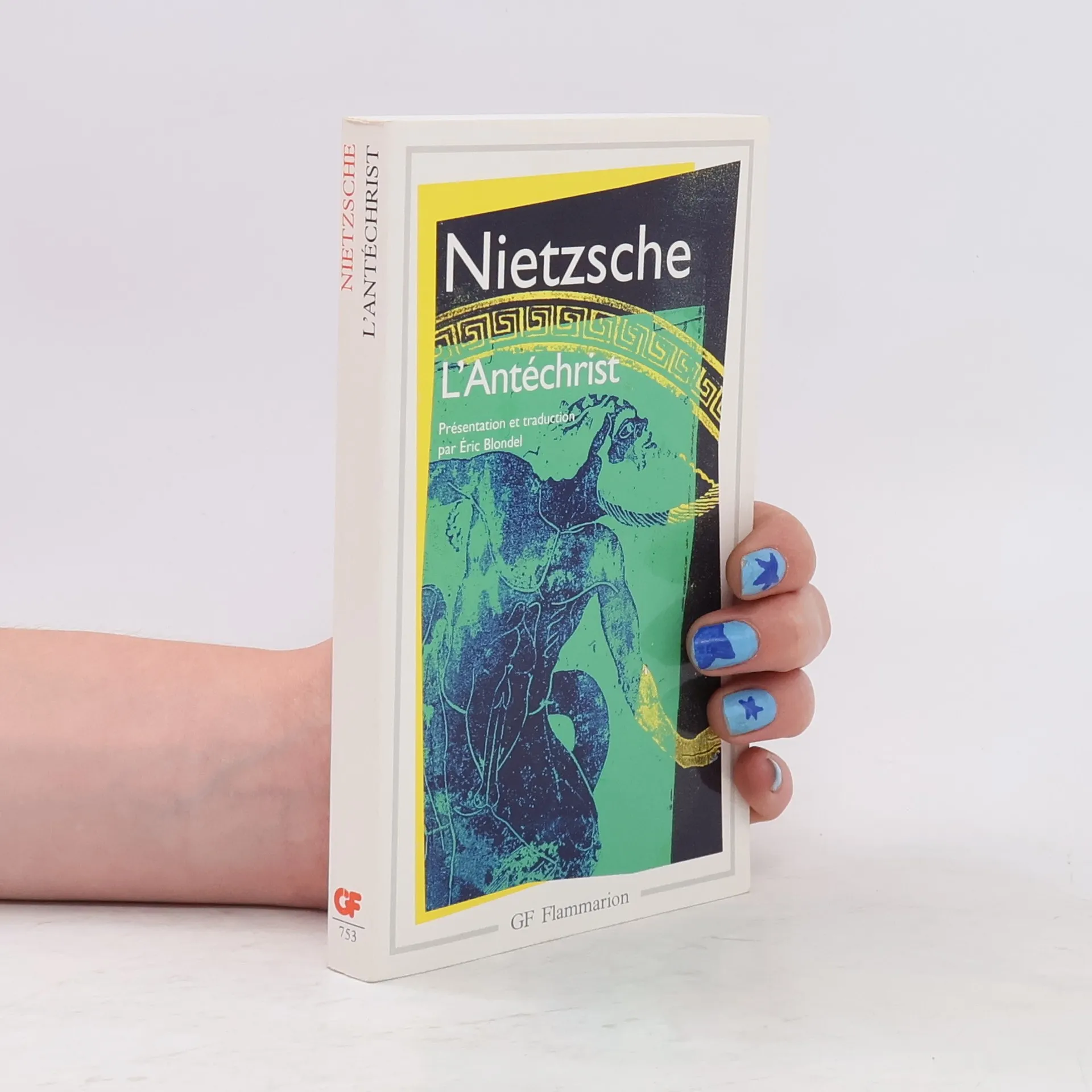
Il est peu question du Christ dans cet ouvrage tardif (écrit en 1888, quelques mois avant que Nietzsche ne sombre dans la folie, il ne sera publié qu'en 1895), mais beaucoup du christianisme. Illusion, fiction, Idéal négatif parce que nourri de la faiblesse et du ressentiment, le christianisme désigne, pour Nietzsche, le pouvoir du mensonge. Il escamote la réalité et c'est pourquoi il ne faut pas seulement le réfuter ; il faut aussi le combattre. D'où une nécessaire violence à l'encontre des malades : Ce qui est chrétien, c'est la haine contre l'esprit, contre la fierté, le courage, la liberté, le libertinage de l'esprit ; ce qui est chrétien, c'est la haine contre les sens, contre les joies des sens, contre la joie tout court. Livre injuste et méchant donc, qui veut être un hymne à la belle humeur, à l'innocence et à la grâce, au bonheur et à la plénitude ;livre d'équivoques aussi, écrit par celui qui signera plus tard Le Crucifié.
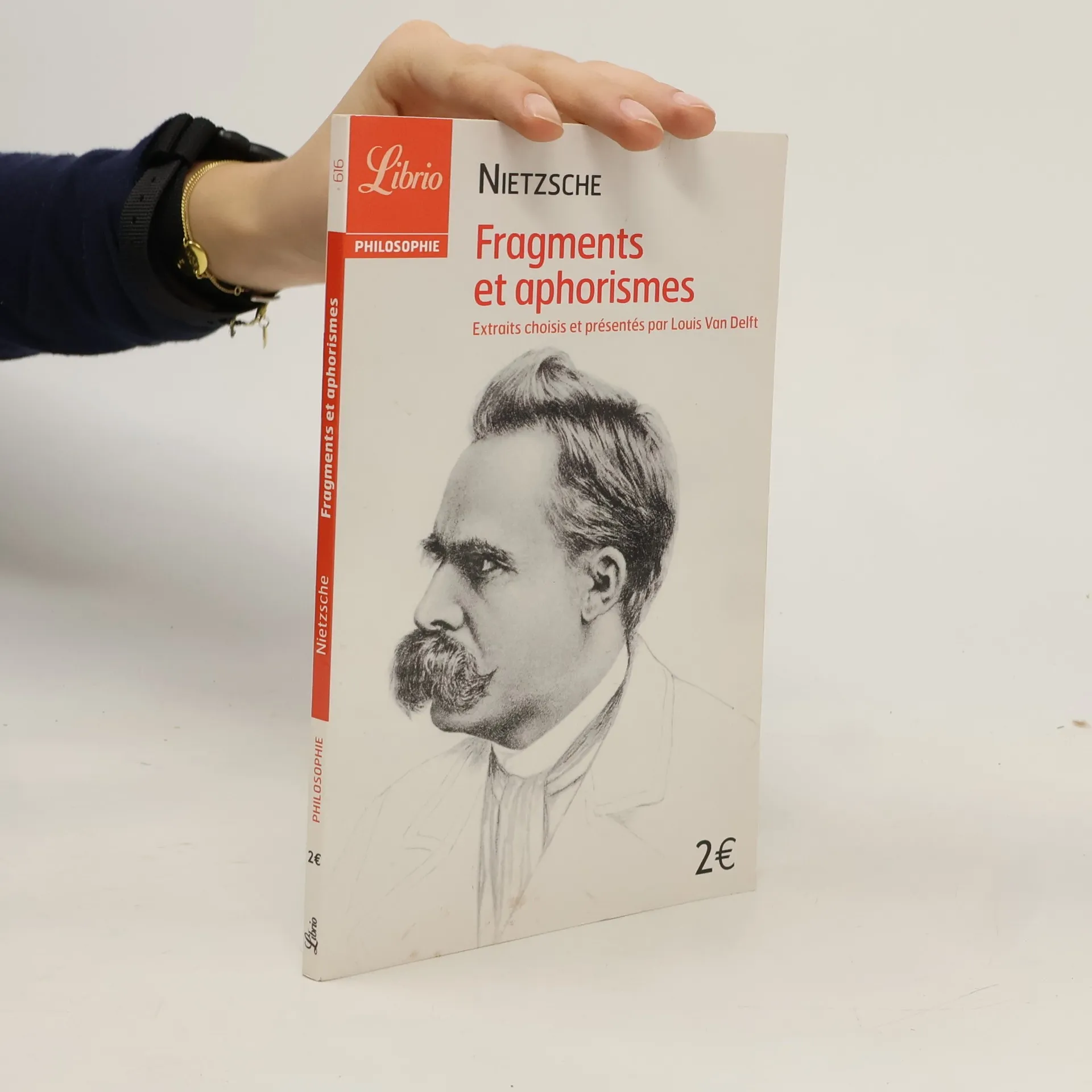
" Je ne suis pas un homme, je suis de la dynamite. " Nietzsche le disait lui-même, et sa pensée continue, aujourd'hui encore, à produire un " effet de souffle " qui renverse et projette le lecteur, violemment, très loin de ses certitudes. Avec Nietzsche, nos convictions les plus intimes - qu'elles soient sociales, politiques, familiales ou religieuses - sont ébranlées. Moraliste, le philosophe s'est exprimé sur tout, par des formules cinglantes et des invectives lapidaires - un style qu'il manie mieux que tout autre. Incisives et féroces, ses visions n'ont rien perdu de leur puissance, et témoignent d'une exceptionnelle liberté de pensée. Présenté par Louis Van Delft, professeur à l'université de Nanterre et spécialiste des moralistes européens, cet ouvrage se veut une introduction vivante et accessible à l'œuvre d'un très grand philosophe. Il présente et réunit de courts extraits des principales œuvres selon un classement thématique : la vie, la morale, la volonté, le Bien et le Mal, la guerre, les femmes et l'amour, la littérature et la musique.
Translated from Friedrich Nietzsche, S'amtliche Werke: Kritische
Studienausgabe, ed. Giorgio Colli and Mazzino Montinari, in 15 vols. This book
corresponds to Vol. 5.
This 6th volume in the acclaimed series The Complete Works of Friedrich Nietzsche presents a new translation of one of the philosopher's most familiar and beloved works, The Joyful Science, and the first English translations of the Idylls from Messina and his unpublished notebooks of 1881-1882.
Friedrich Nietzsche's exploration of moral philosophy delves into the origins of moral prejudices through a preface and three essays. He examines the historical conflict between socio-economic classes, the institution of punishment as a creditor-debtor relationship, and the significance of ascetic ideals. Written in response to Paul Rée's work, this 1887 publication expands on Nietzsche's earlier ideas from "Thus Spoke Zarathustra" and "Beyond Good and Evil." The edition features a translation by Horace B. Samuel and an introduction by Willard Huntington Wright.
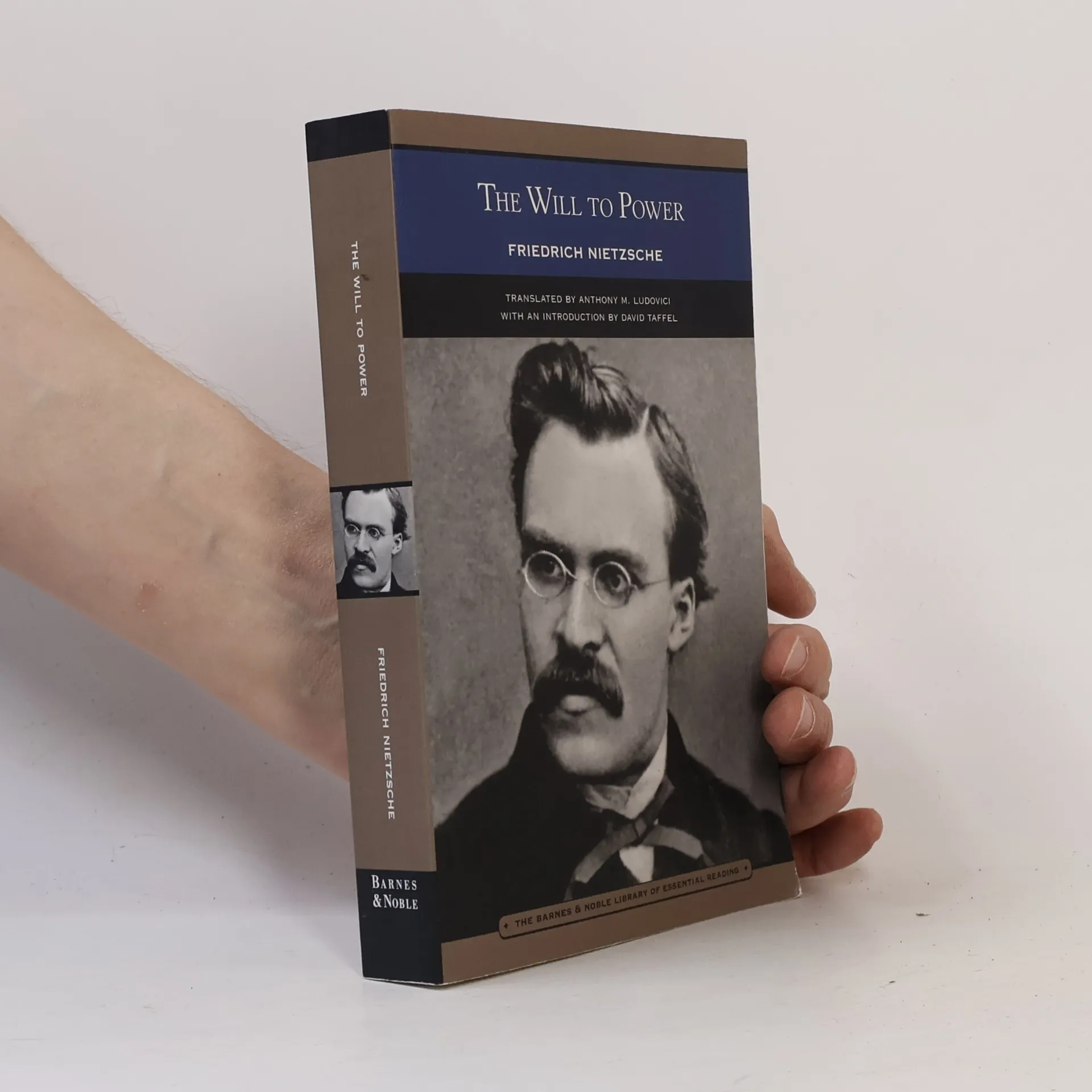
Friedrich Nietzsche's influential work, originally published in 1910, delves into profound philosophical concepts. It is essential reading for philosophy enthusiasts, offering insights into Nietzsche's thoughts on power and existence. This edition is part of a series that aims to make classic literature more accessible, featuring high-quality reproductions of the original text and artwork, while preserving the integrity of the author's vision.
Originally published as separate volumes as Mixed Opinions and Maxims (1879)
and The Wanderer and His Shadow (1880), the two works included here continue
the aphoristic style begun in Volume I of Nietzsche's Book for Free Spirits
and offer a window into the intellectual sources behind his evolution as a
philosopher.
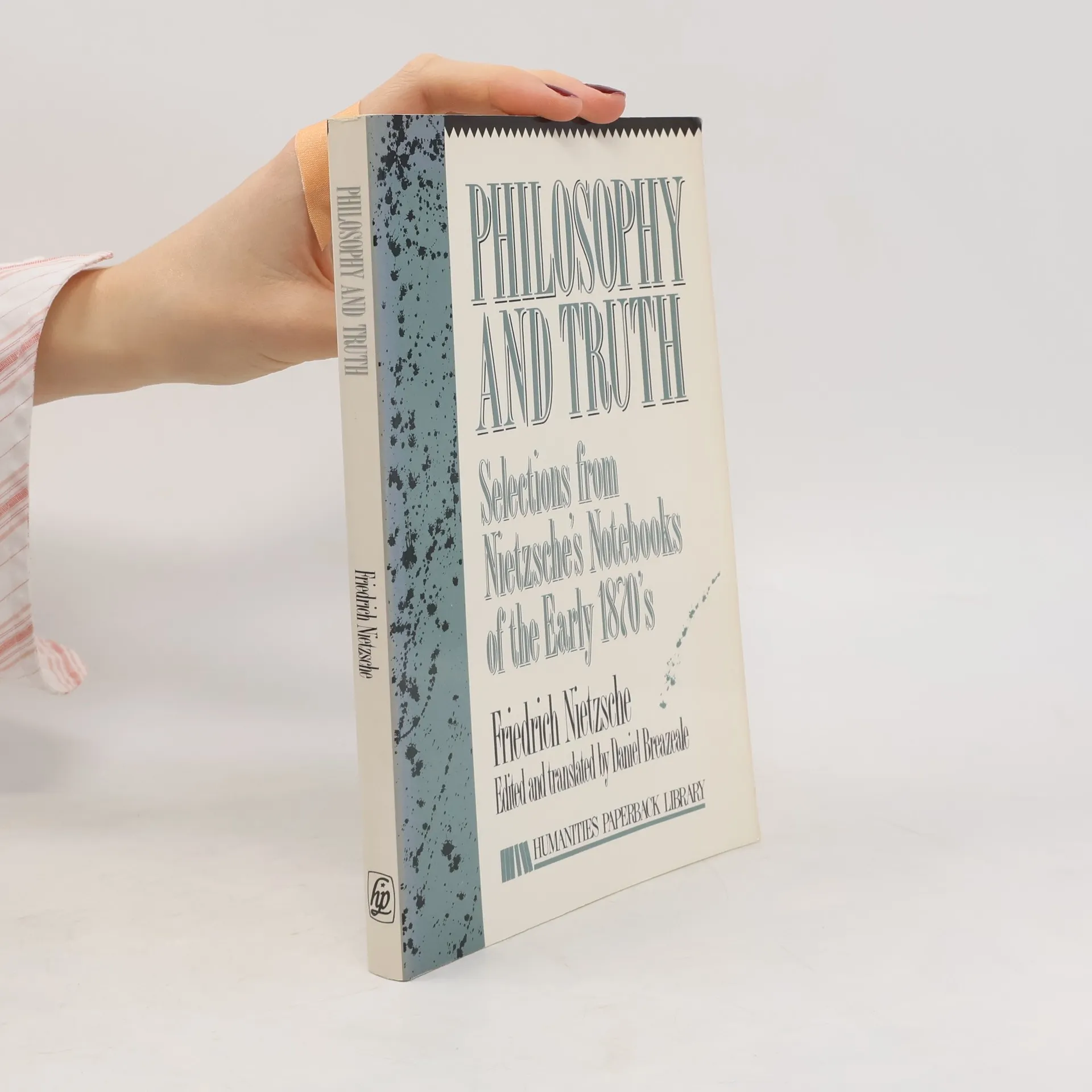
Selections from Nietzsche's Notebooks of the Early 1870's
166pages
6 heures de lecture
Philosophy and Truth offers the first English translation of six unpublished theoretical studies (sometimes referred to as Nietzsche's "Philosopher's Book") written just after the publication of The Birth of Tragedy and simultaneously with Untimely Meditations. In addition to the texts themselves, which probe epistemological problems on philosophy's relation to art and culture, this book contains a lengthy introduction that provides the biographical and philological information necessary for understanding these often fragmentary texts. The introduction also includes a helpful discussion of Nietzsche's early views concerning culture, knowledge, philosophy, and the Greeks.
Exploring themes of tragedy, Nietzsche's first book delves into the nature of art and existence, reflecting ideas that would later influence existentialism and psychoanalysis. In contrast, his later work, The Anti-Christ, critiques the concept of an evil leader opposing God and His church, presenting a provocative examination of morality and religion. Together, these works showcase Nietzsche's profound impact on philosophical thought, addressing the complexities of human experience and belief.
Could it be possible? This old saint in the forest hath not yet heard of it, that God is dead! - Nietzsche, Thus Spake ZarathustraThis beautiful jacketed hardcover brings together three of Friedrich Niezsche's most influential essays, Thus Spake Zarathustra , Ecce Homo and Beyond Good and Evil .This German philosopher was one of the most prominent thinkers of the 19th century. His work contains a radical critique of objective truth, rejecting Christian morality and arguing instead that nihilism has become an inherent condition of the modern world.These influential works have profoundly shaped modern philosophy and their ideas remain as pertinent now as they ever were.ABOUT THE The World Classics Library series gathers together the work of authors and philosophers whose ideas have stood the test of time. Perfect for bibliophiles, these gorgeous jacketed hardcovers are a wonderful addition to any bookshelf.
An entirely new translation of Nietzsche's fourth book, which falls in what is regarded as his "positivist" period. Especially notable for the advance it represents in his understanding of psychology.
The works of Friedrich Nietzsche have fascinated readers around the world ever since the publication of his first book more than a hundred years ago. As Walter Kaufmann, one of the world's leading authorities on Nietzsche, notes in his introduction, "Few writers in any age were so full of ideas," and few writers have been so consistently misinterpreted. The Portable Nietzsche includes Kaufmann's definitive translations of the complete and unabridged texts of Nietzsche's four major works: Twilight of the Idols, The Antichrist, Nietzsche Contra Wagner and Thus Spoke Zarathustra. In addition, Kaufmann brings together selections from his other books, notes, and letters, to give a full picture of Nietzsche's development, versatility, and inexhaustibly. "In this volume, one may very conveniently have a rich review of one of the most sensitive, passionate, and misunderstood writers in Western, or any, literature." -Newsweek
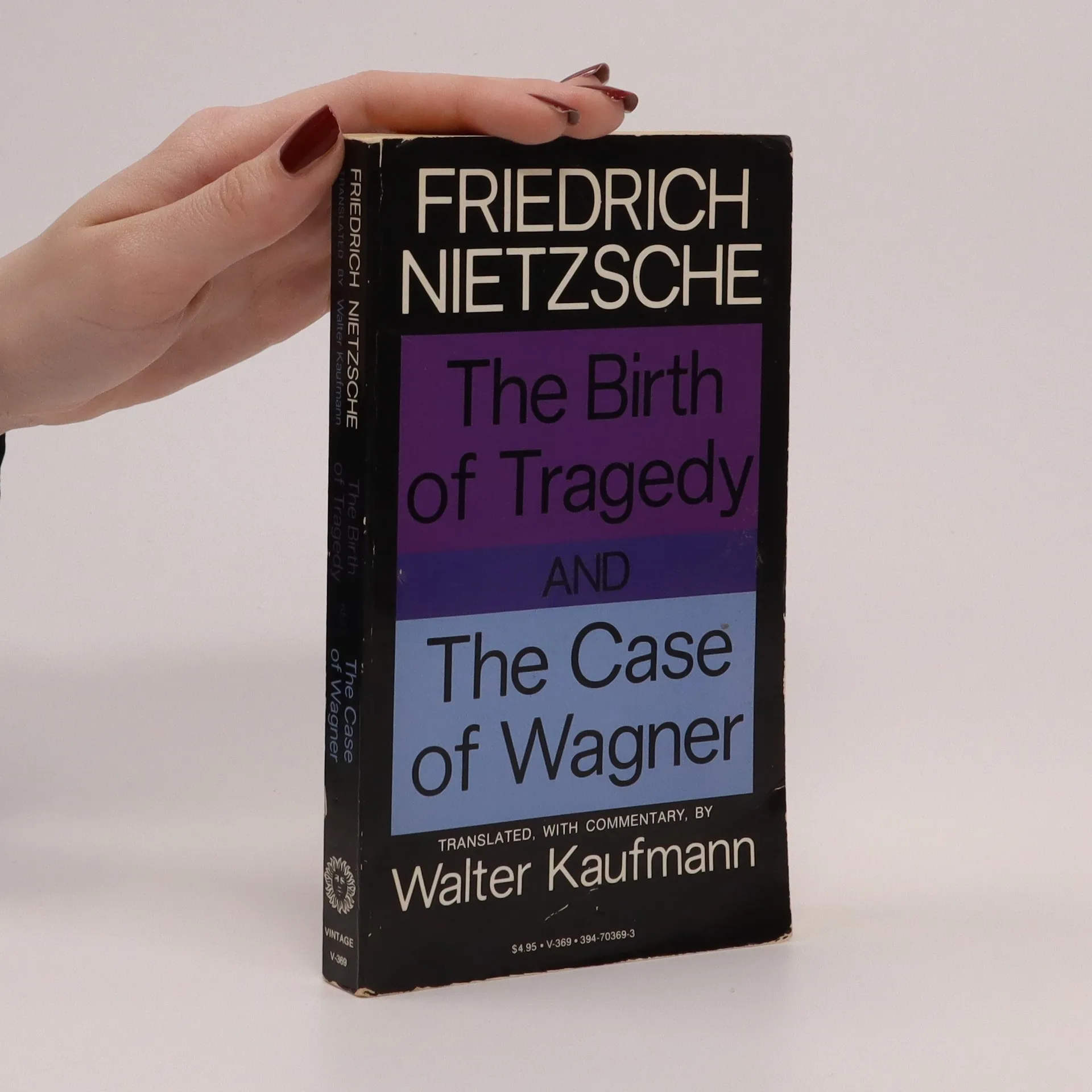
The Birth of Tragedy (1872) was Nietzsche's 1st book. Its youthful faults were exposed by him in the brilliant 'Attempt at a Self-Criticism' which he added to the new edition of 1886. But the book, whatever its excesses, remains one of the most relevant statements on tragedy ever penned. It exploded the conception of Greek culture that was prevalent down thru the Victorian era. It sounded themes developed in the 20th century by classicists, existentialists, psychoanalysts & others. The Case of Wagner (1888) was one his last books & his wittiest. In attitude & style it's diametrically opposed to The Birth of Tragedy. Both works transcend their ostensible subjects & deal with art & culture, as well as the problems of the modern age generally. Each book in itself gives us an inadequate idea of its author; together, they furnish a striking image of Nietzsche's thought. The distinguished new translations by Walter Kaufmann superbly reflect in English Nietzsche's idiom & the vitality of his style. Kaufmann has also furnished running footnote commentaries, relevant passages from Nietzsche's correspondence, a bibliography, &, for the 1st time in any edition, an extensive index to each book.
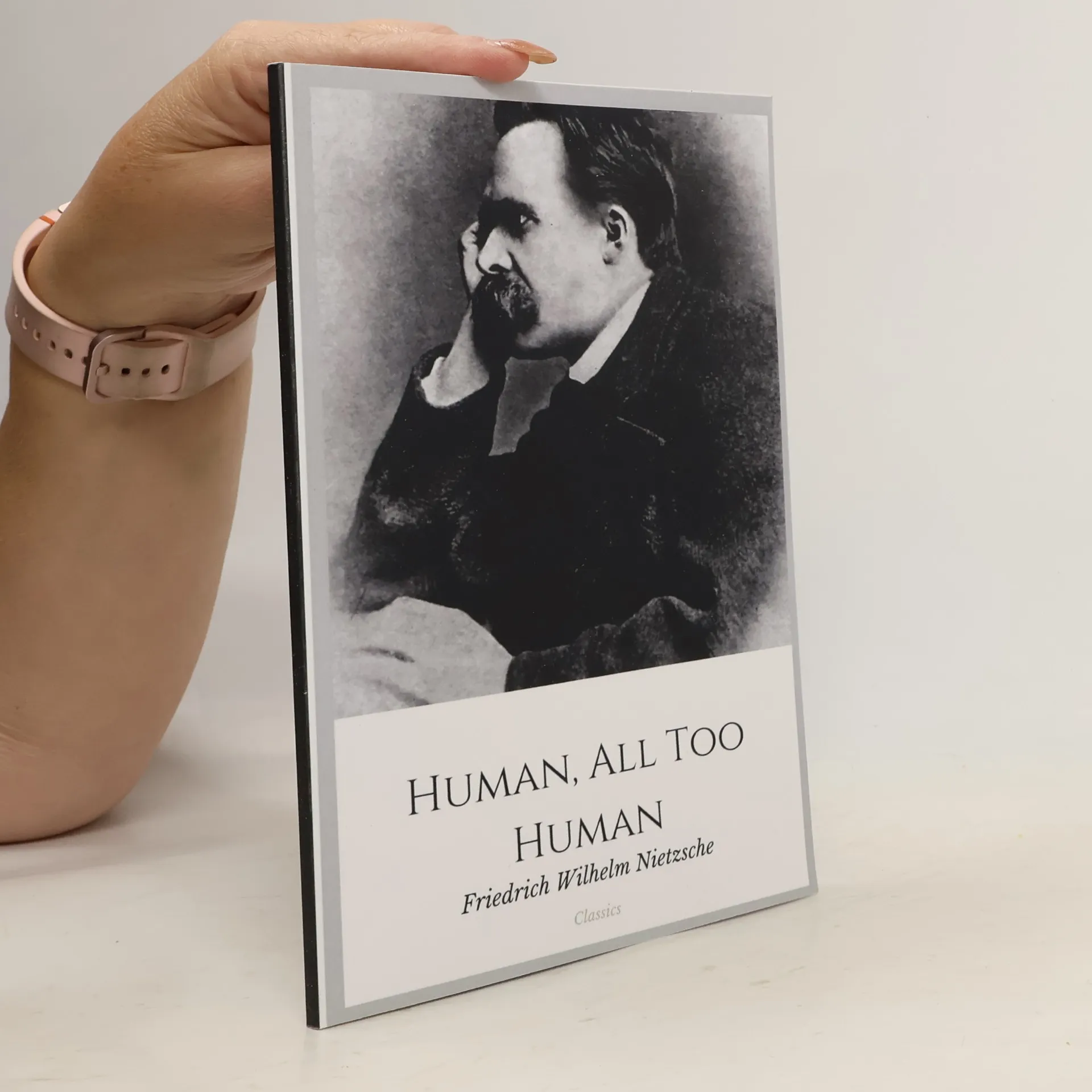
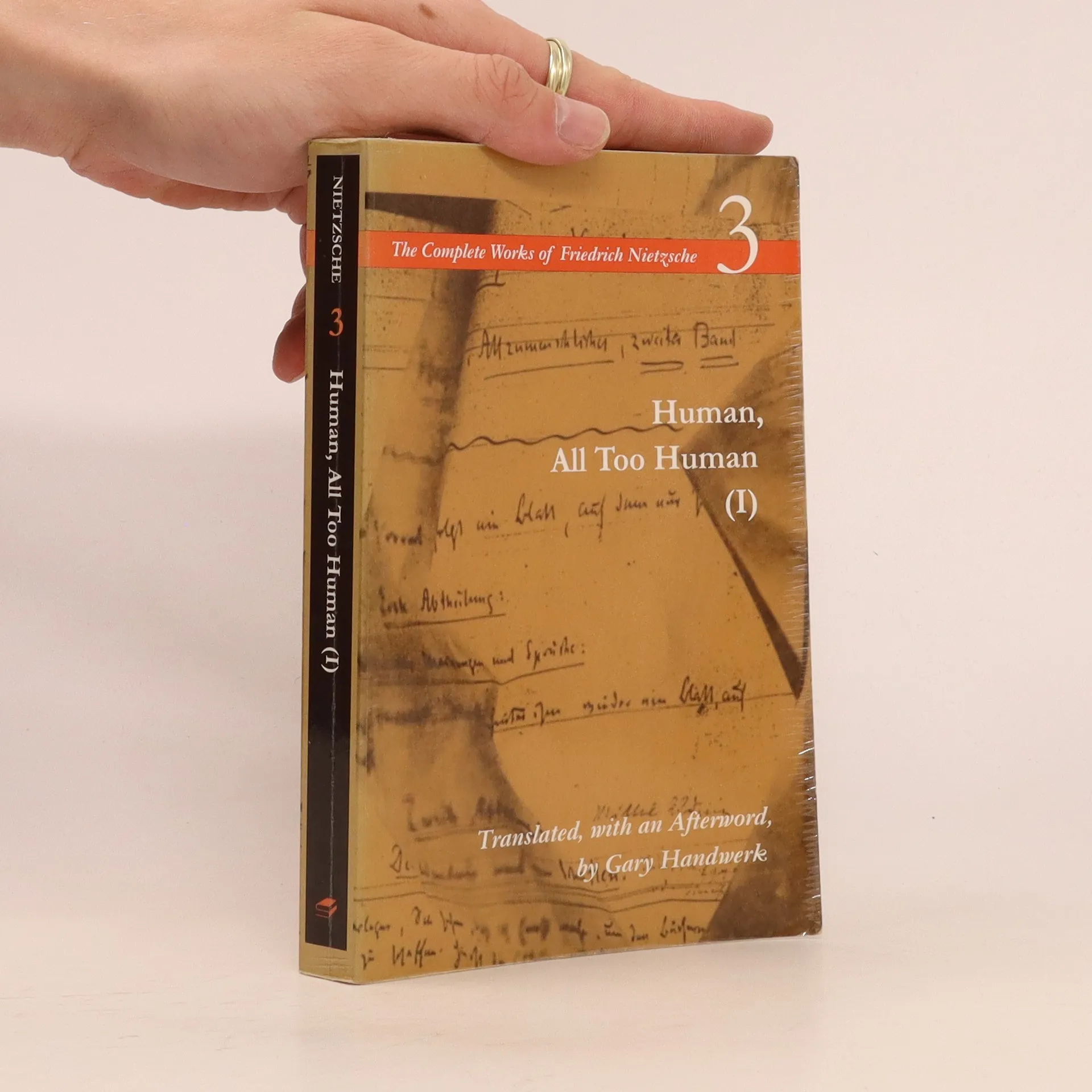
This is the second volume to appear in an edition that will be the first complete, critical, and annotated English translation of all of Nietzsches work. Volume 2: Unfashionable Observations, translated by Richard T. Gray, was published in 1995. The edition is a new English translation, by various hands, of the celebrated Colli-Montinari edition, which has been acclaimed as one of the most important works of scholarship in the humanities in the last quarter century. The original Italian edition was simultaneously published in French, German, and Japanese. This volume of Human, All Too Human, the first of two parts, is the earliest of Nietzsches works in which his philosophical concerns and methodologies can be glimpsed. In this work Nietzsche began to establish the intellectual difference from his own cultural milieu and time that makes him our contemporary. Published in 1878, it marks both a stylistic and an intellectual shift away from Nietzsches own youthful affiliation with Romantic excesses of German thought and culture typified by Wagnerian opera.
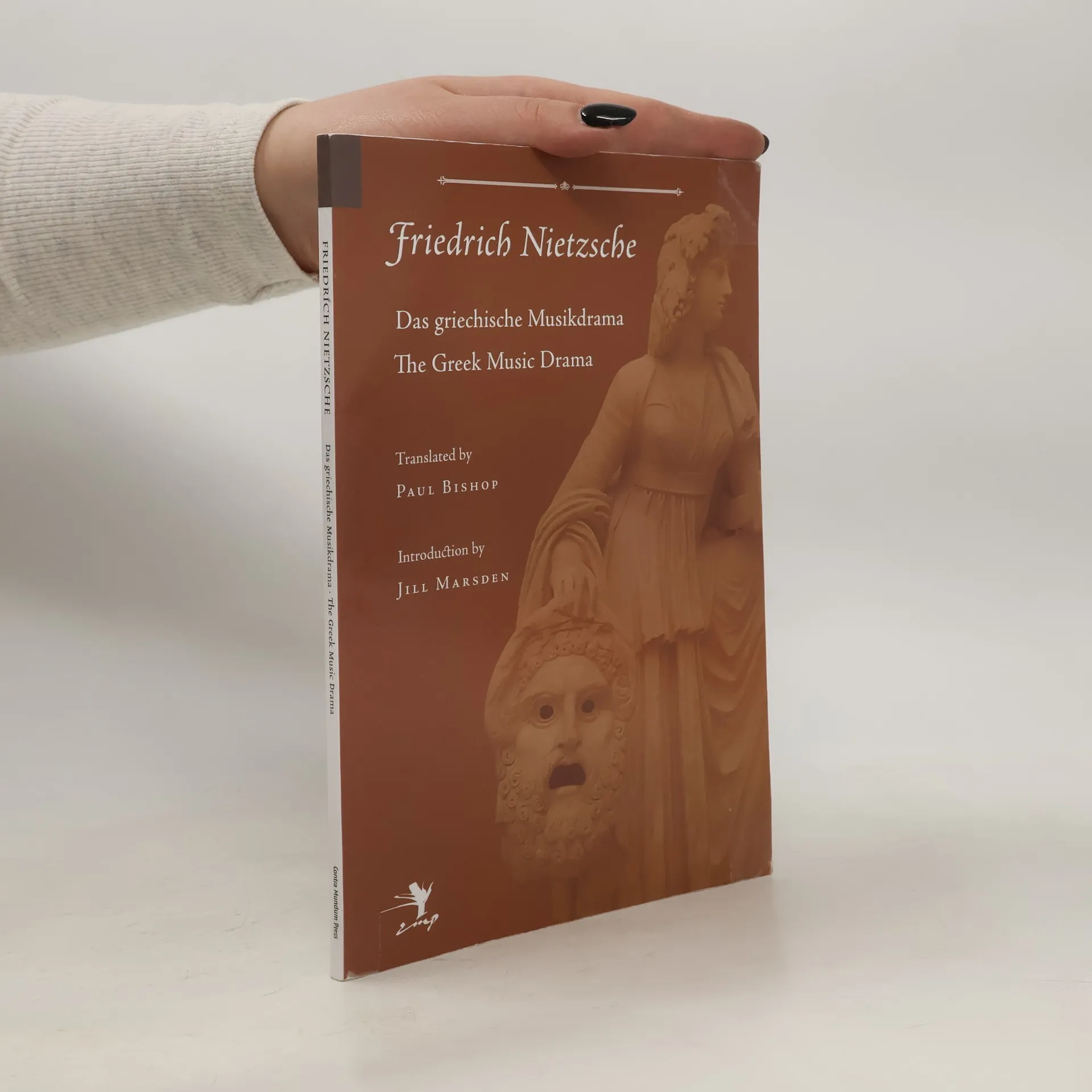
Focusing on the significance of aesthetic experience, this work highlights Nietzsche's early exploration of themes that would define his philosophy, such as the role of the body and physiological drives. Delivered in 1870, it emphasizes music's centrality in Greek tragedy and showcases Nietzsche's developing genealogical approach and anti-humanist aesthetics. This presentation marks a pivotal moment in understanding the evolution of his thought and its cultural implications.
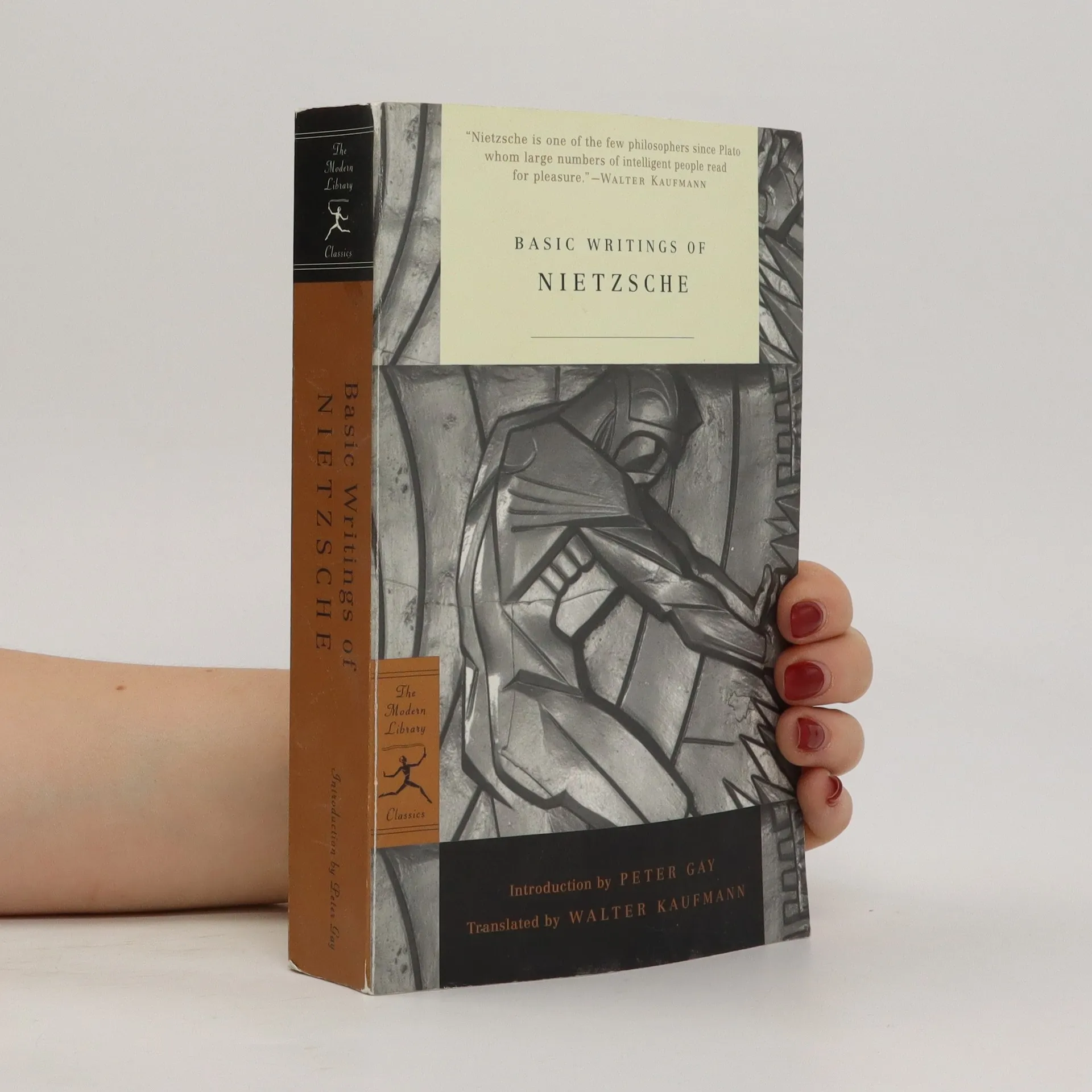
Introduction by Peter Gay Translated and edited by Walter Kaufmann Commentary by Martin Heidegger, Albert Camus, and Gilles Deleuze One hundred years after his death, Friedrich Nietzsche remains the most influential philosopher of the modern era. Basic Writings of Nietzsche gathers the complete texts of five of Nietzsche’s most important works, from his first book to his last: The Birth of Tragedy, Beyond Good and Evil, On the Genealogy of Morals, The Case of Wagner, and Ecce Homo. Edited and translated by the great Nietzsche scholar Walter Kaufmann, this volume also features seventy-five aphorisms, selections from Nietzsche’s correspondence, and variants from drafts for Ecce Homo. It is a definitive guide to the full range of Nietzsche’s thought. Includes a Modern Library Reading Group Guide
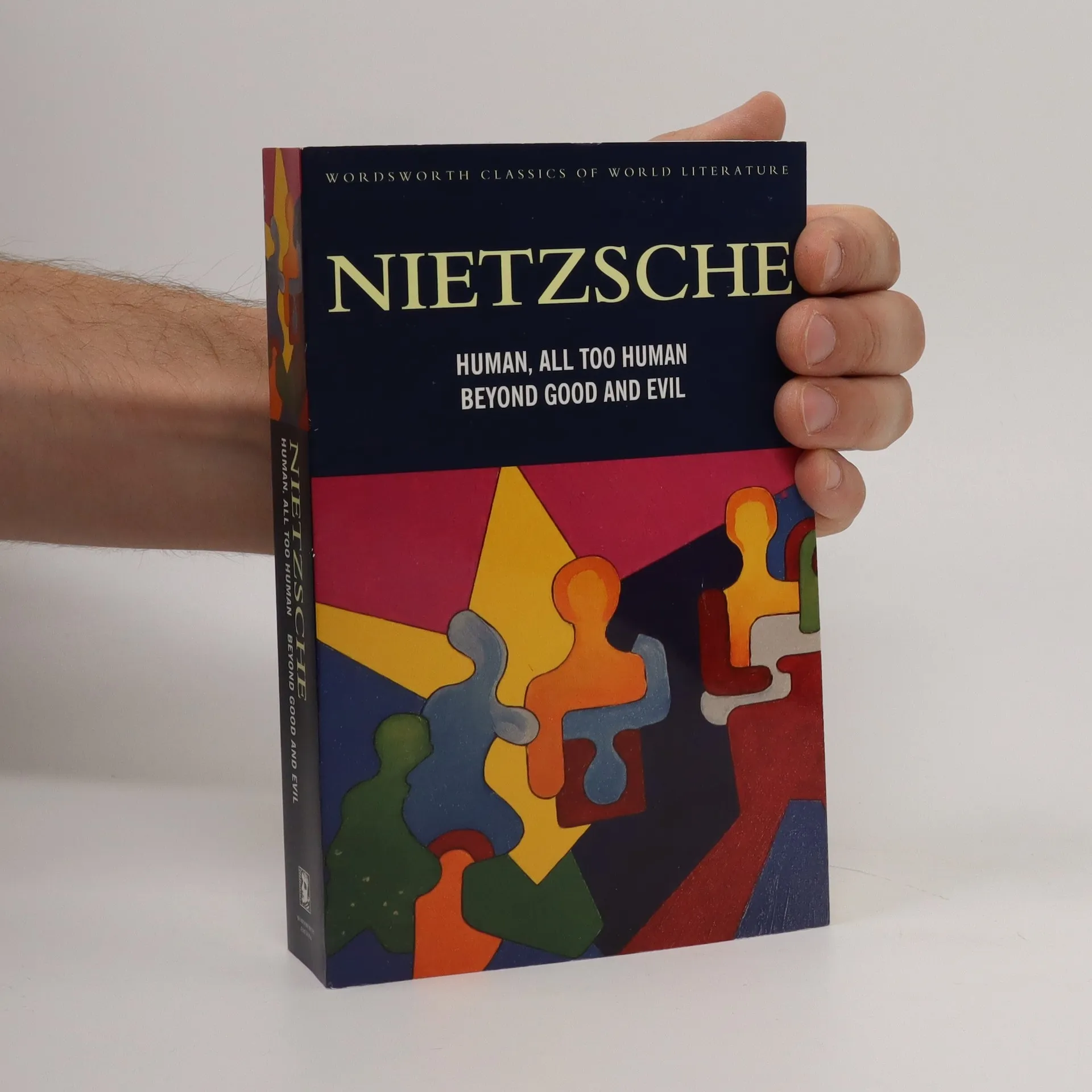
Human, All Too Human (1878) marks the point where Nietzsche abandons German romanticism for the French Enlightenment. The result is one of the cornerstones of his life's work. Beyond Good and Evil (1886) is a scathing and powerful critique of philosophy, religion and science.
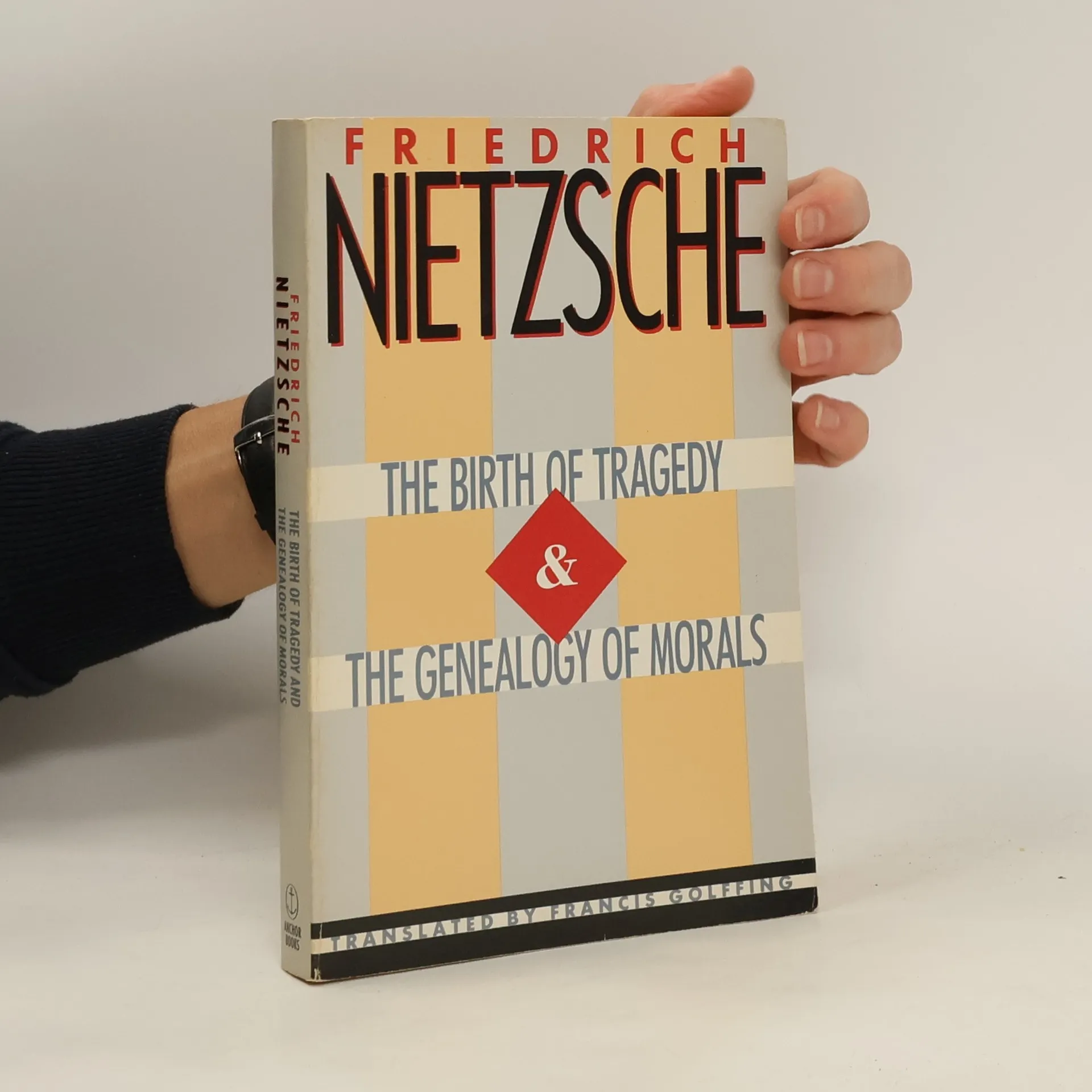
Skillful, sophisticated translations of two of Nietzsche's essential works about the conflict between the moral and aesthetic approaches to life, the impact of Christianity on human values, the meaning of science, the contrast between the Apollonian and Dionysian spirits, and other themes central to his thinking.The Birth of Tragedy (1872) was Nietzsche's first book, The Geneology of Morals (1887) one of his last. Though they span the career of this controversial genius, both address the problems such as the conflict between the moral versus aesthetic approaches to life, the effect of Christianity on human values, the meaning of science, and the famous dichotomy between the Apollonian and Dionysian spirits, among many themes which Nietzsche struggled throughout his tortured life.
Includes three works, all dating from Nietzsche's last lucid months, that aim show him at his most stimulating and controversial: the portentous utterances of the prophet (together with the ill-defined figure of the Ubermensch) are forsaken, as wit, exuberance and dazzling insights predominate.
Heralds the decline of modern Western civilization. In this book, nihilism - the uncanny and pervasive feeling that life is devoid of all meaning, purpose, and value - is subjected to a thoroughgoing and multifaceted examination.
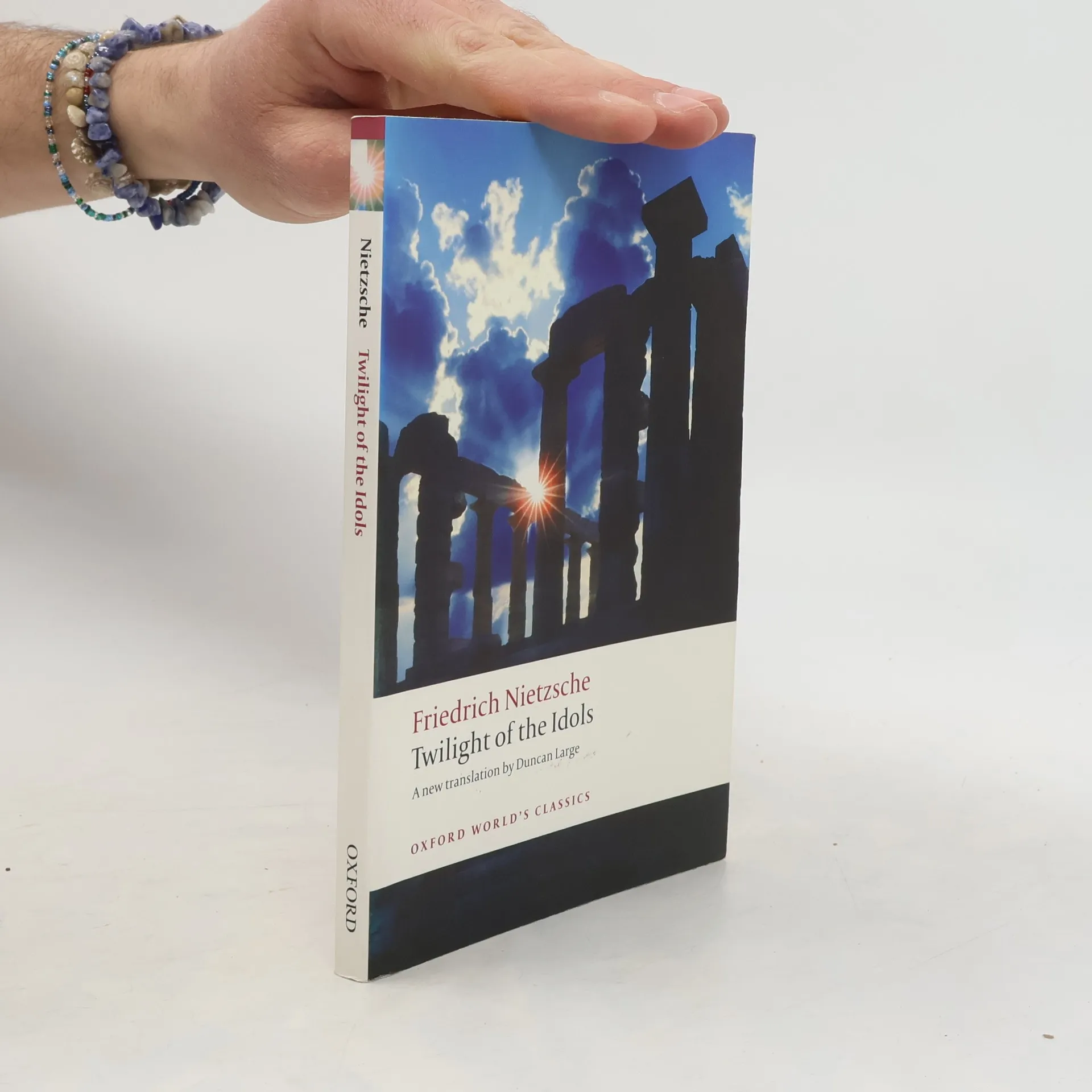
'Twilight of the Gods' was to serve as a short introduction to the whole of Nietzsche's philosophy and its aim was to attack eternal idols as he put it. These included socratic rationality, Christian morality and their contemporary counterparts.
The literary career of Friedrich Nietzsche (1844-1900) spanned less than twenty years, but no area of intellectual inquiry was left untouched by his iconoclastic genius. The philosopher who announced the death of God in The Gay Science (1882) and went on to challenge the Christian code of morality in Beyond Good and Evil (1886), grappled with the fundamental issues of the human condition in his own intense autobiography, Ecce Homo (1888). Most notorious of all, perhaps, his idea of the triumphantly transgressive übermann ('superman') is developed in the extreme, yet poetic words of Thus Spake Zarathustra (1883-92). Whether addressing conventional Western philosophy or breaking new ground, Nietzsche vastly extended the boundaries of nineteenth-century thought.
This book has been considered by academicians and scholars of great significance and value to literature. This forms a part of the knowledge base for future generations. We have represented this book in the same form as it was first published. Hence any marks seen are left intentionally to preserve its true nature.
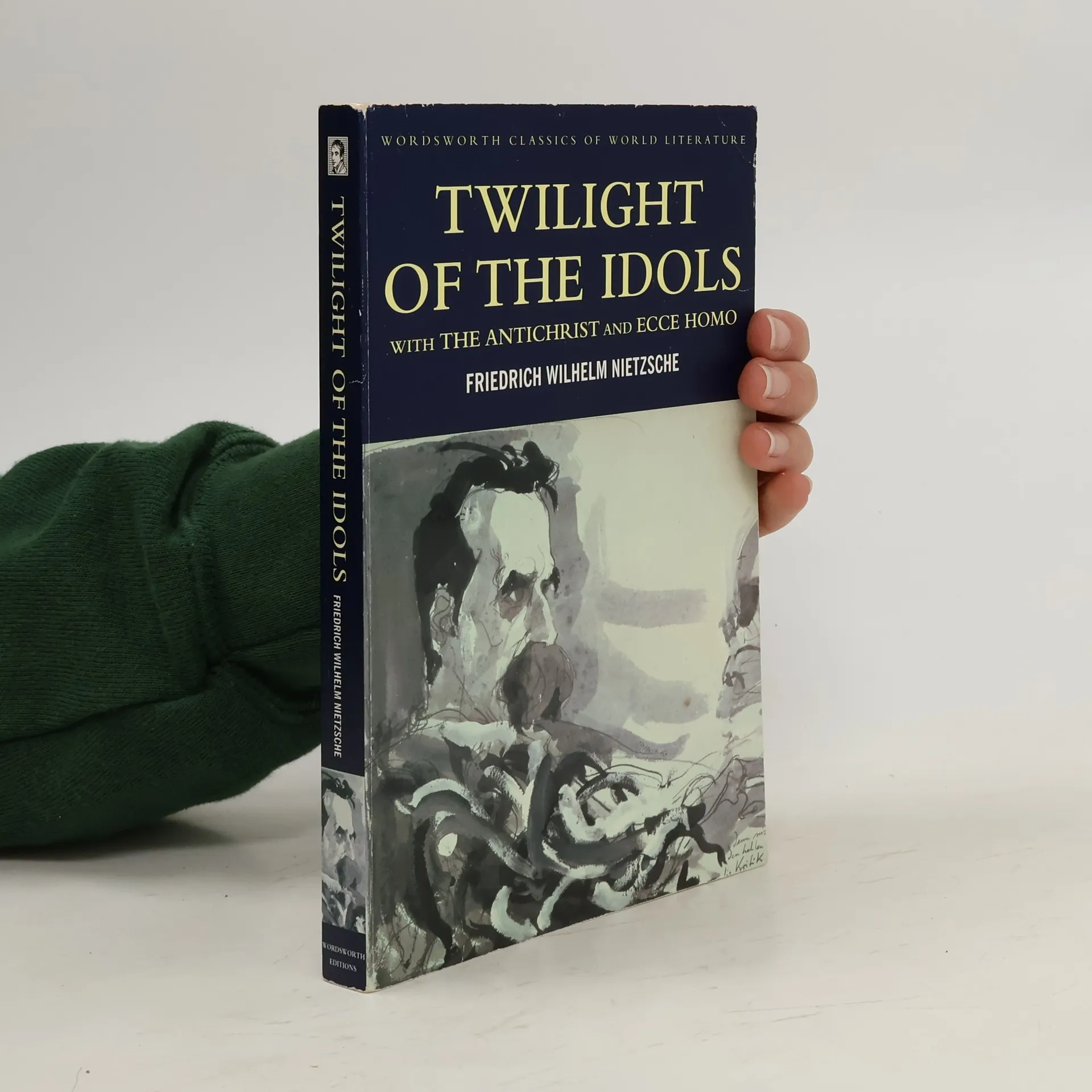
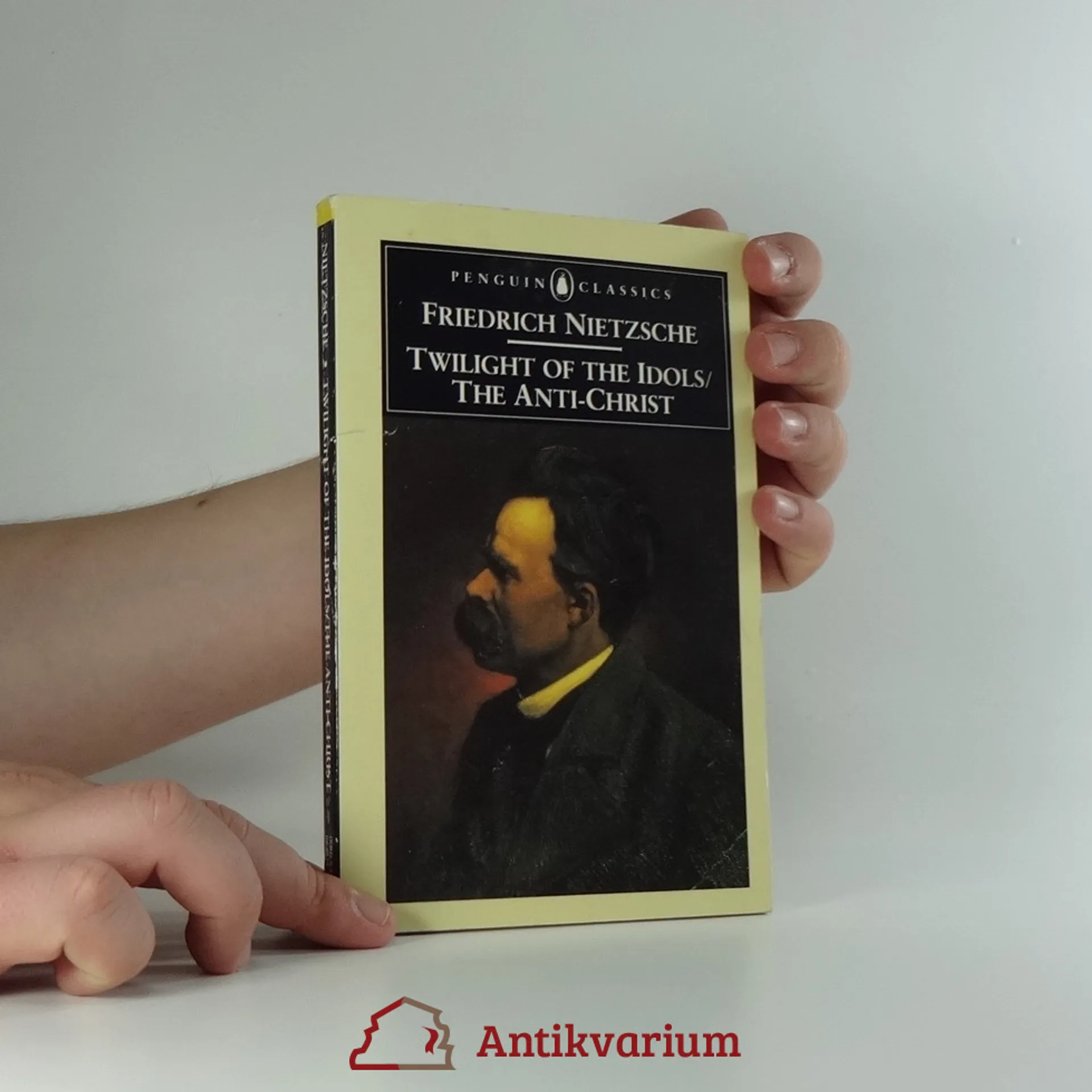
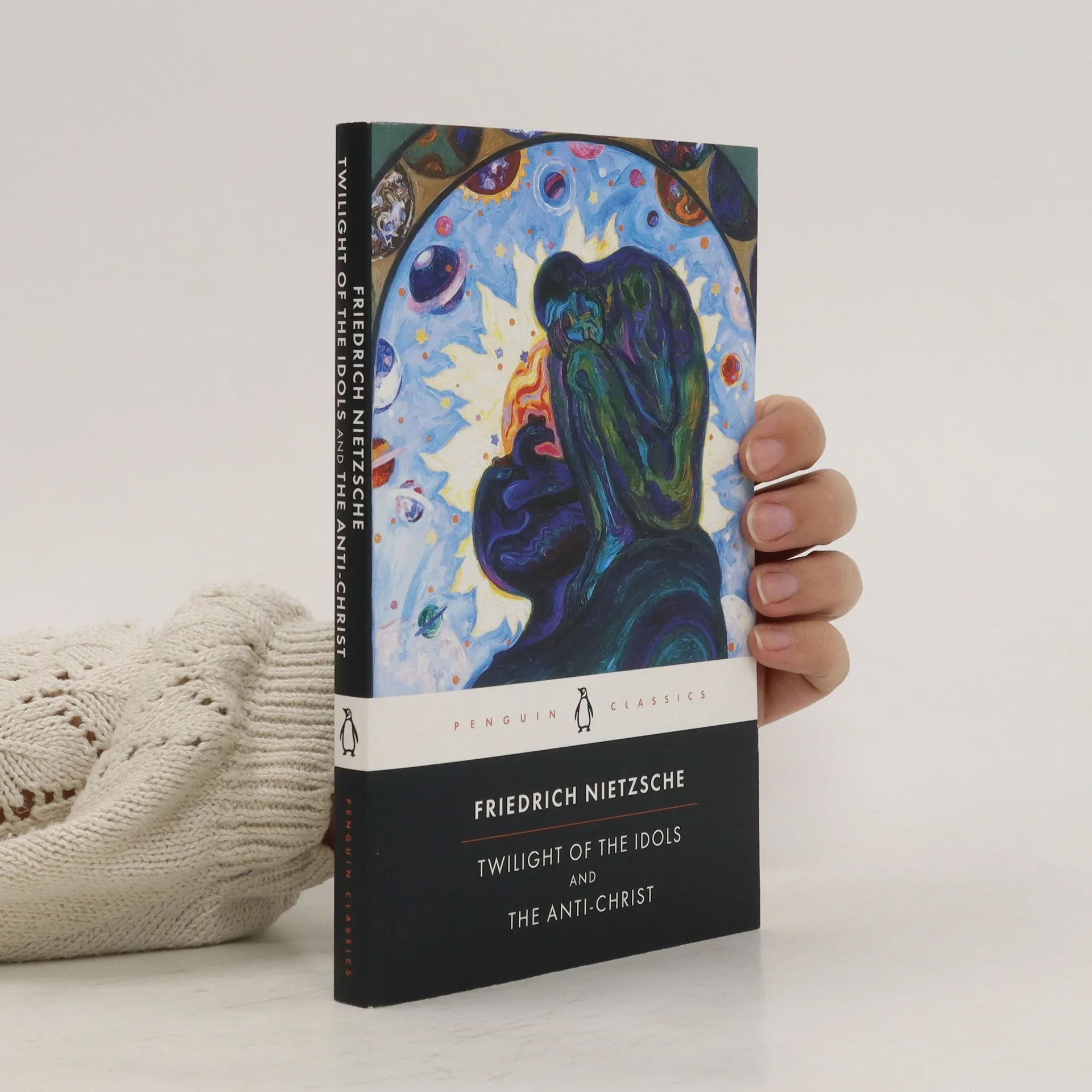
In 1888, the last sane year of his life Nietzsche produced these two brief but devastating books. Twilight of the Idols, 'a grand declaration of war' on all the prevalent ideas of his time, offers a lightning tour of his whole philosophy. It also prepares the way for The Anti-Christ, a final assault on institutional Christianity. Yet although Nietzsche makes a compelling case for the 'Dionysian' artist and celebrates magnificently two of his great heroes, Goethe and Cesare Borgia, he also gives a moving, almost ecstatic portrait of his only worthy opponent: Christ. Both works show Nietsche lashing out at self-deception, astounded at how often morality is based on vengefulness and resentment. Both combine utterly unfair attacks on individuals with amazingly acute surveys of the whole contemporary cultural scene. Both reveal a profound understanding of human mean-spiritedness which still cannot destroy the underlying optimism of Nietzsche, the supreme affirmer among the great philosophers.
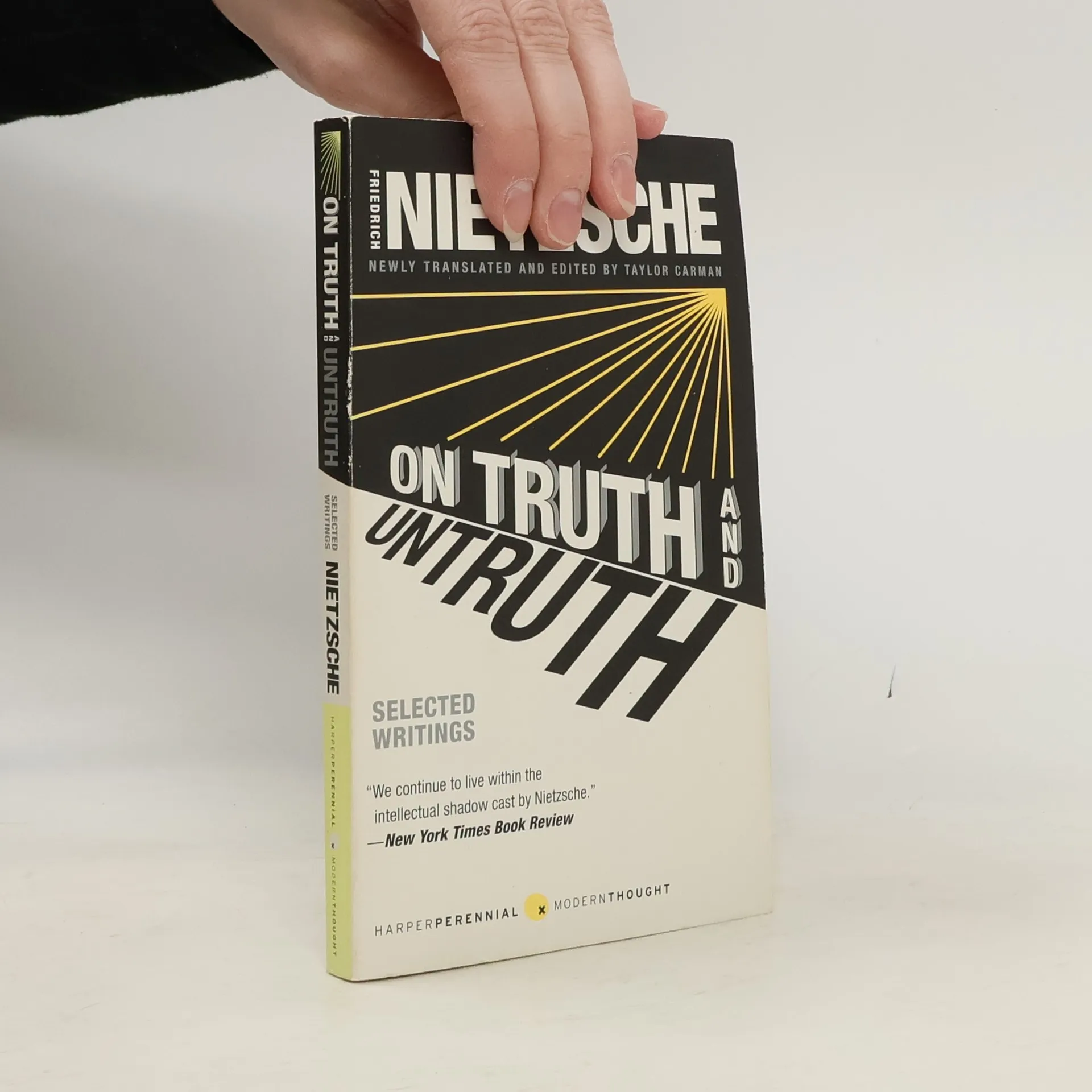
Newly translated and edited by Taylor Carman, On Truth and Untruth charts Nietzsche’s evolving thinking on truth, which has exerted a powerful influence over modern and contemporary thought. This original collection features the complete text of the celebrated early essay “On Truth and Lie in a Nonmoral Sense” (“a keystone in Nietzsche’s thought” —Stanford Encyclopedia of Philosophy), as well as selections from the great philosopher’s entire career, including key passages from The Gay Science, Beyond Good and Evil, On the Genealogy of Morals, The Will to Power, Twilight of the Idols, and The Antichrist.
In late 1888, only weeks before his final collapse into madness, Nietzsche
(1844-1900) set out to compose his autobiography, and 'Ecce Homo' remains one
of the most intriguing yet bizarre examples of the genre ever written.
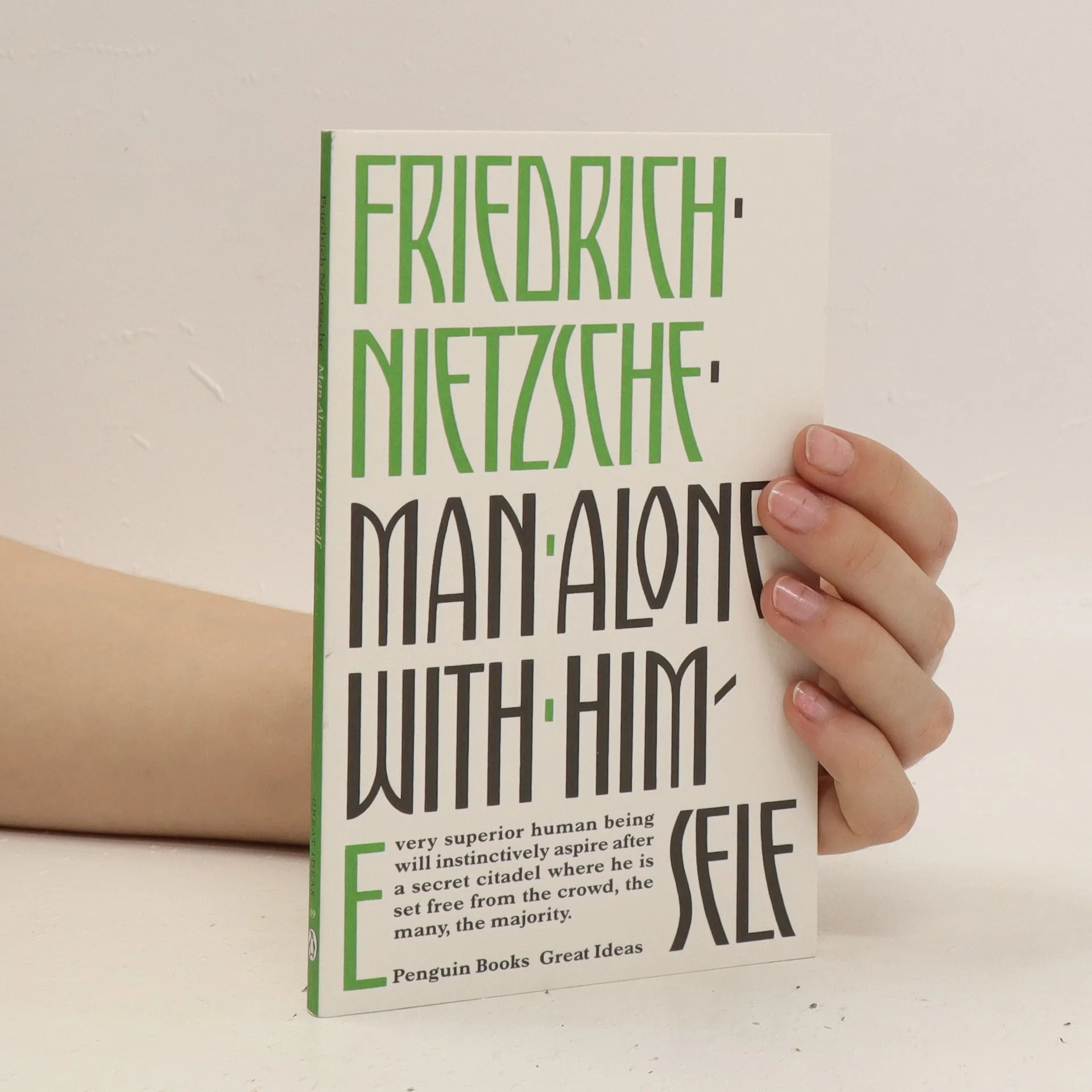
Grounded in his famous notion that "God is dead," a selection from Nietzsche's most personal book, The Joyous ScienceNietzsche's devastating demolition of religion would have seismic consequences for future generations. With God dead, he envisages a brilliant future for one in which individuals would at last be responsible for their destinies.Throughout history, some books have changed the world. They have transformed the way we see ourselves - and each other. They have inspired debate, dissent, war and revolution. They have enlightened, outraged, provoked and comforted. They have enriched lives--and upended them. Now Penguin brings you a new set of the acclaimed Great Ideas, a curated library of selections from the works of the great thinkers, pioneers, radicals and visionaries whose ideas shook civilization and helped make us who we are.
Friedrich Nietzsche was one of the most revolutionary thinkers in Western philosophy. Here he sets out his subversive views in a series of aphorisms on subjects ranging from art to arrogance, boredom to passion, science to vanity, rejecting conventional notions of morality to celebrate the individual's 'will to power'.
"Twilight of the Idols, 'a grand declaration of war' on all the prevalent ideas of Nietzsche's time, offers a lightning tour of his whole philosophy. It also prepares the way for The Anti-Christ, a final assault on institutional Christianity. Yet although Nietzsche makes a compelling case for the 'Dionysian' artist and celebrates magnificently two of his great heroes, Goethe and Cesare Borgia, he also gives a moving, almost ecstatic portrait of his only worthy opponent: Christ. Both works show Nietzsche lashing out at self-deception, astounded at how often morality is based on vengefulness and resentment. Both combine utterly unfair attacks on individuals with amazingly acute surveys of the whole contemporary cultural scene. Both reveal a profound understanding of human mean-spiritedness which still cannot destroy the underlying optimism of Nietzsche, the supreme affirmer among the great philosophers."--BOOK JACKET
"Self-celebrating and self-mocking autobiographical writings fromaEcce Homo, the last work iconoclastic German philosopher Nietzsche wrote before his descent into madness. "
Exploring the relationship between opinions and life, the text argues that even false opinions can be essential for human existence. It suggests that life may depend on the acceptance of logical fictions and the imaginative constructs of an absolute reality. By asserting that renouncing falsehoods equates to rejecting life itself, the work challenges traditional values and moral concepts. This provocative philosophy positions itself outside conventional notions of good and evil, advocating for a deeper understanding of truth and its role in human survival.
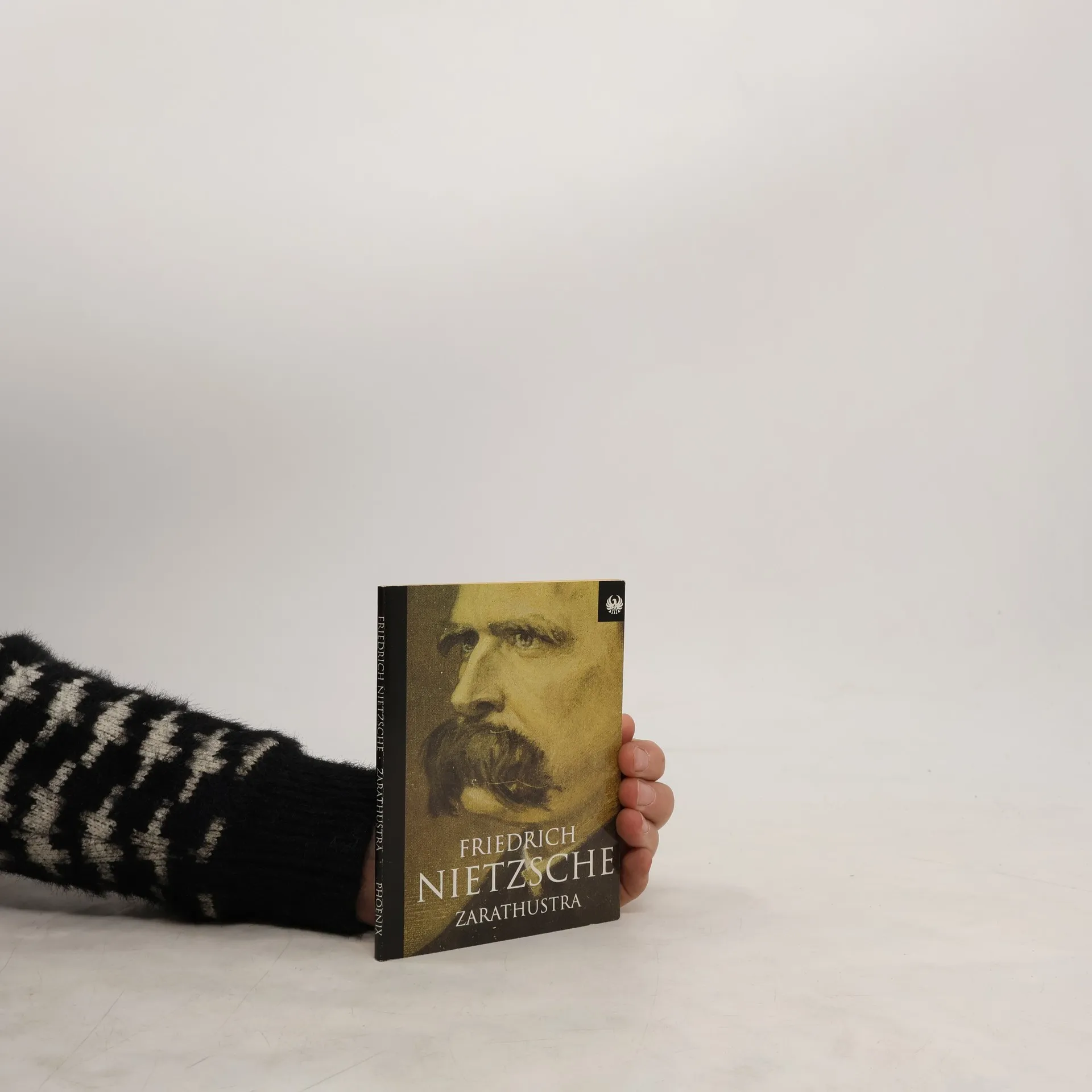
Friedrich Nietzsche's philosophical novel explores the fictional journey and teachings of Zarathustra, a reinterpretation of the Persian prophet Zoroaster. The narrative challenges traditional morality and introduces key concepts such as the Übermensch, eternal recurrence, and the will to power. Nietzsche employs an experimental style to convey his moral philosophy, which he further develops in later works. This edition features a translation by Thomas Common, along with introductions and notes that enhance the reader's understanding of Nietzsche's provocative ideas.
The book presents three interconnected treatises that explore the development of moral concepts, aiming to challenge prevailing moral prejudices, particularly those rooted in Christianity and Judaism. Through a critical examination of historical episodes, it offers insights into the evolution of ethics and invites readers to reconsider established moral beliefs.
This work is a reproduction of an original text, produced by Megali, a publishing house dedicated to making historical works accessible through large print. Their focus on readability caters specifically to individuals with impaired vision, ensuring that important historical narratives remain available to a wider audience.
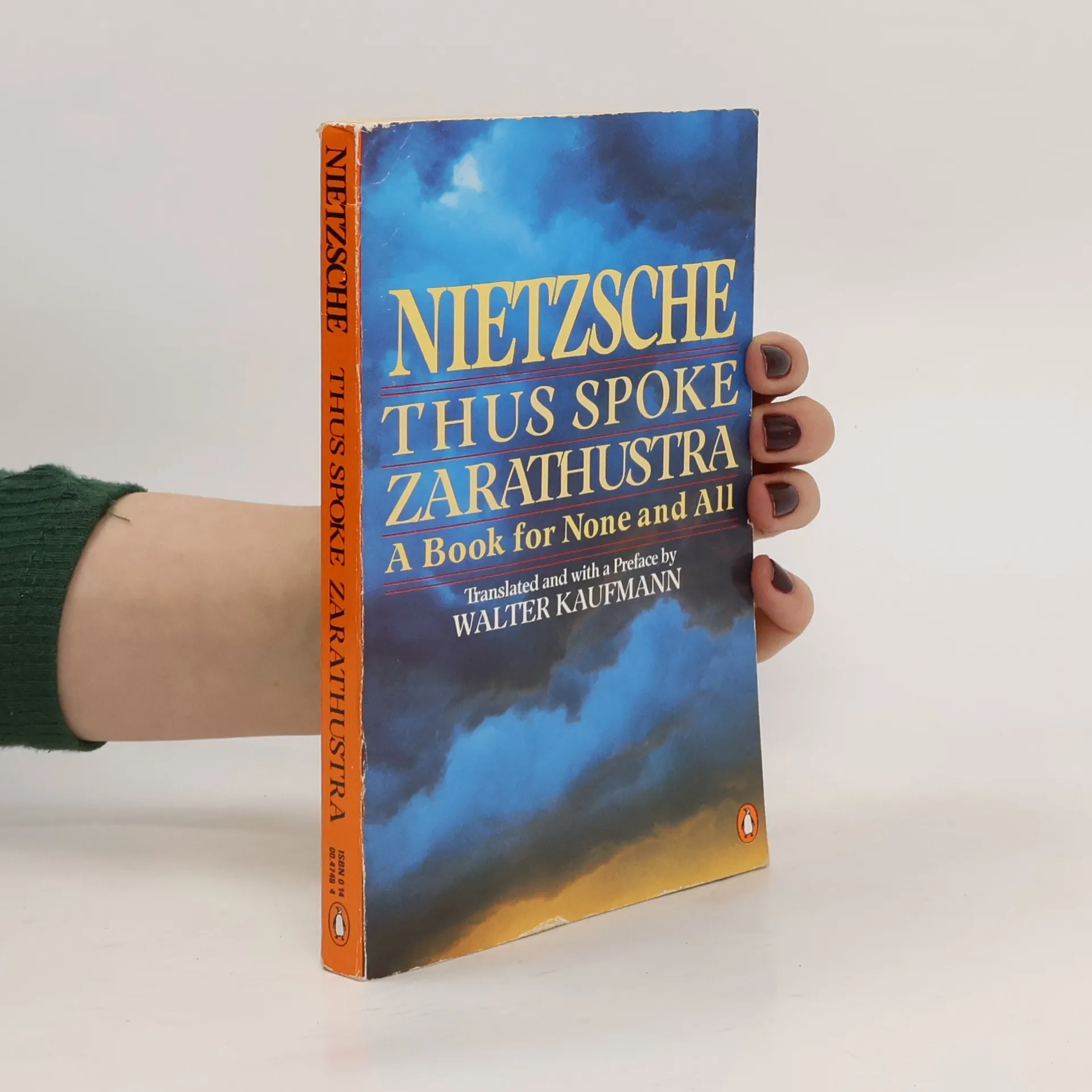
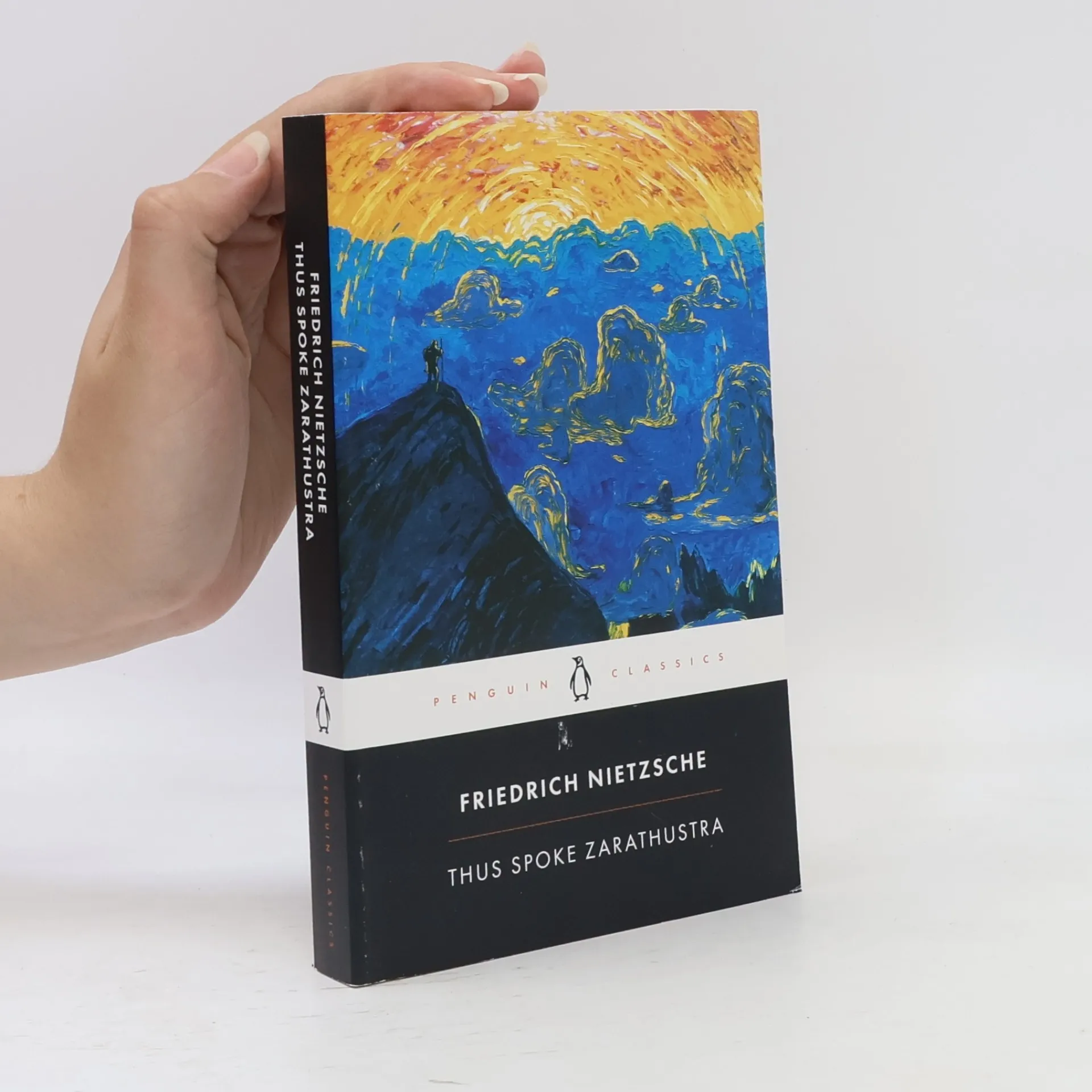
Friedrich Nietzsche's most accessible and influential philosophical work, misquoted, misrepresented, brilliantly original and enormously influential Nietzsche was one of the most revolutionary and subversive thinkers in Western philosophy, and Thus Spoke Zarathustra remains his most famous and influential work. It describes how the ancient Persian prophet Zarathustra descends from his solitude in the mountains to tell the world that God is dead and that the Superman, the human embodiment of divinity, is his successor. Nietzsche's utterance 'God is dead', his insistence that the meaning of life is to be found in purely human terms, and his doctrine of the Superman and the will to power were all later seized upon and unrecognisably twisted by, among others, Nazi intellectuals. With blazing intensity and poetic brilliance, Nietzsche argues that the meaning of existence is not to be found in religious pieties or meek submission to authority, but in an all-powerful life force: passionate, chaotic and free.
This handsome five-volume box set brings together the classic works Friedrich Nietzsche, presented with striking contemporary cover designs.One of the most prominent thinkers of the 19th century, Nietzsche was a cultural critic and philosopher whose theories on truth, morality, nihilism and the meaning of existence have had enormous influence on Western philosophy. This box set contains his most prominent works,Human, All Too HumanThus Spake ZarathustraBeyond Good and EvilOn the Genealogy of MoralsEcce HomoThese influential essay collections have profoundly shaped modern philosophy and remain as pertinent now as they ever were.ABOUT THE The Arcturus Classic Collections series features delightful, high-quality paperback box sets of classic works of literature with striking contemporary cover designs.
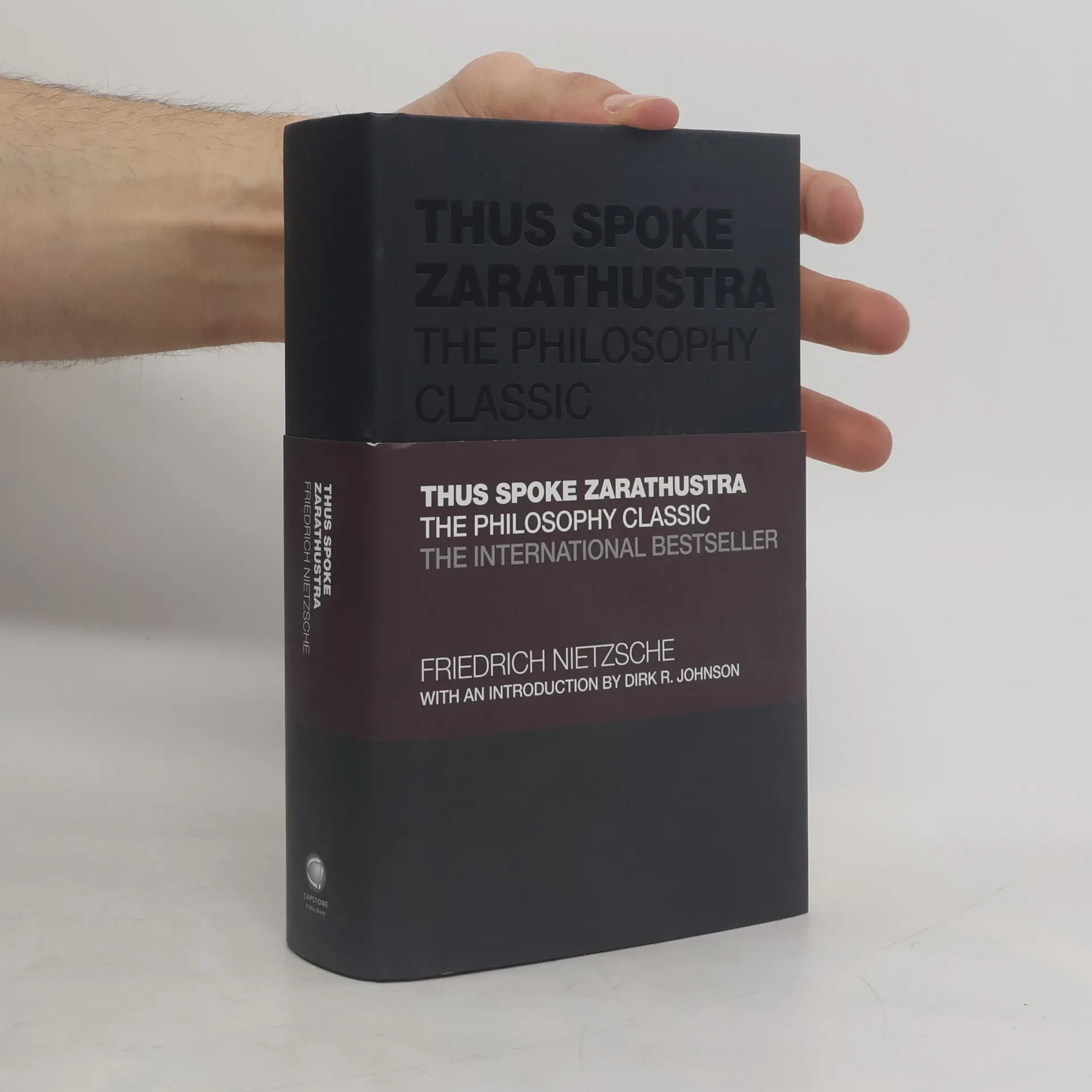
A startling and thought-provoking work from one of the most powerful philosophers in the Western canon Thus Spoke Zarathustra: A Philosophy Classic, is Friedrich Nietzsche’s classic masterpiece of philosophy and literature. Nietzsche writes from the perspective of Zarathustra who, after years of meditation, has come down from a mountain to provide his wisdom to an unsuspecting world. He offers enduring observations on God, the Übermensch, the will to power, and the nature of human beings. This deluxe hardback Capstone edition includes an insightful introduction from leading Nietzsche scholar Dirk R. Johnson Perfect for students and scholars of philosophy, literature and history, Thus Spoke Zarathustra: A Philosophy Classic belongs in the libraries of anyone interested in the philosophy of Nietzsche and in his powerful explorations of God, life, power, and humanity.
The ancient Persian prophet Zarathustra descends from the mountains to tell the world that God is dead and that Superman, the human embodiment of divinity, is his successor. Nietzsche argues that the meaning of existence is not religious
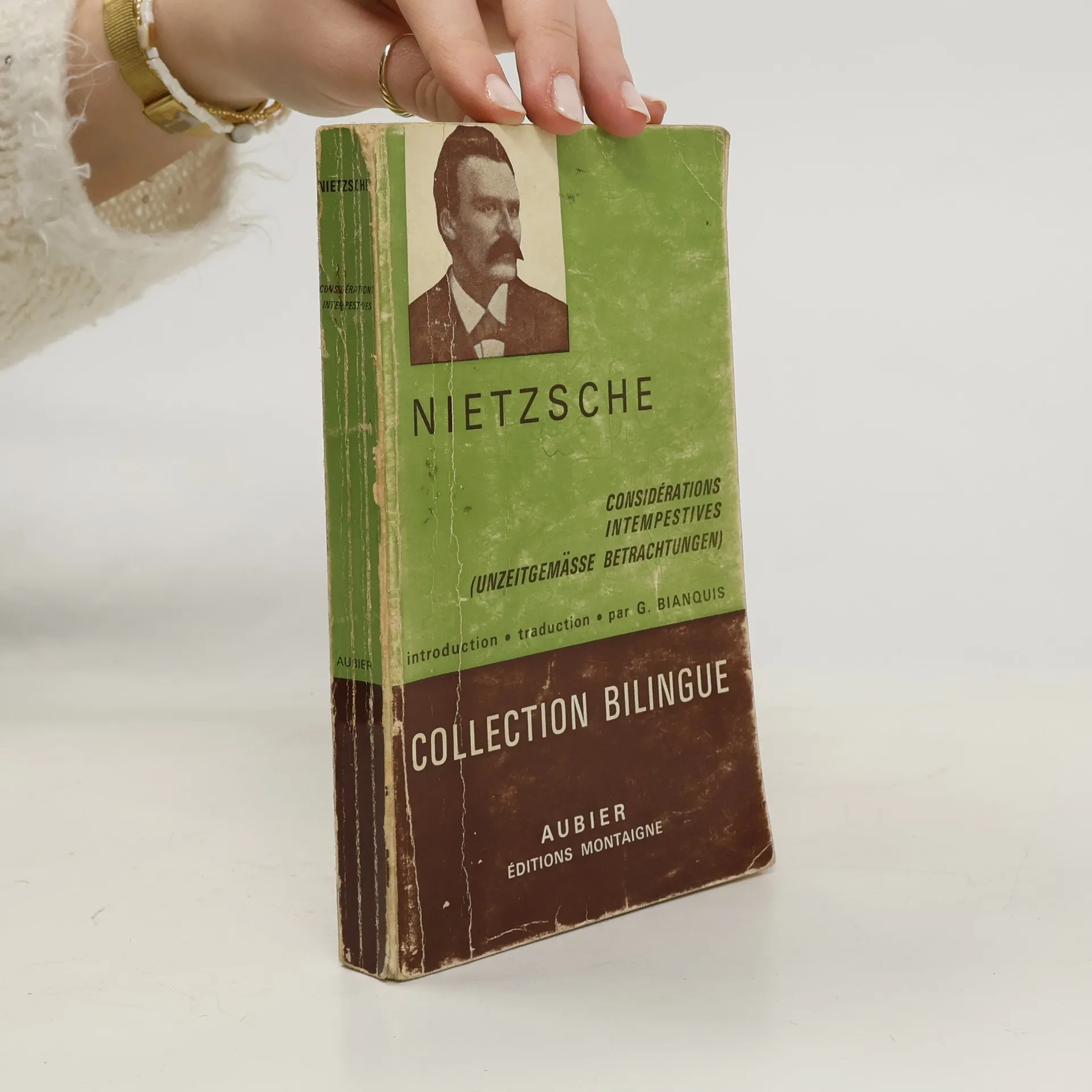
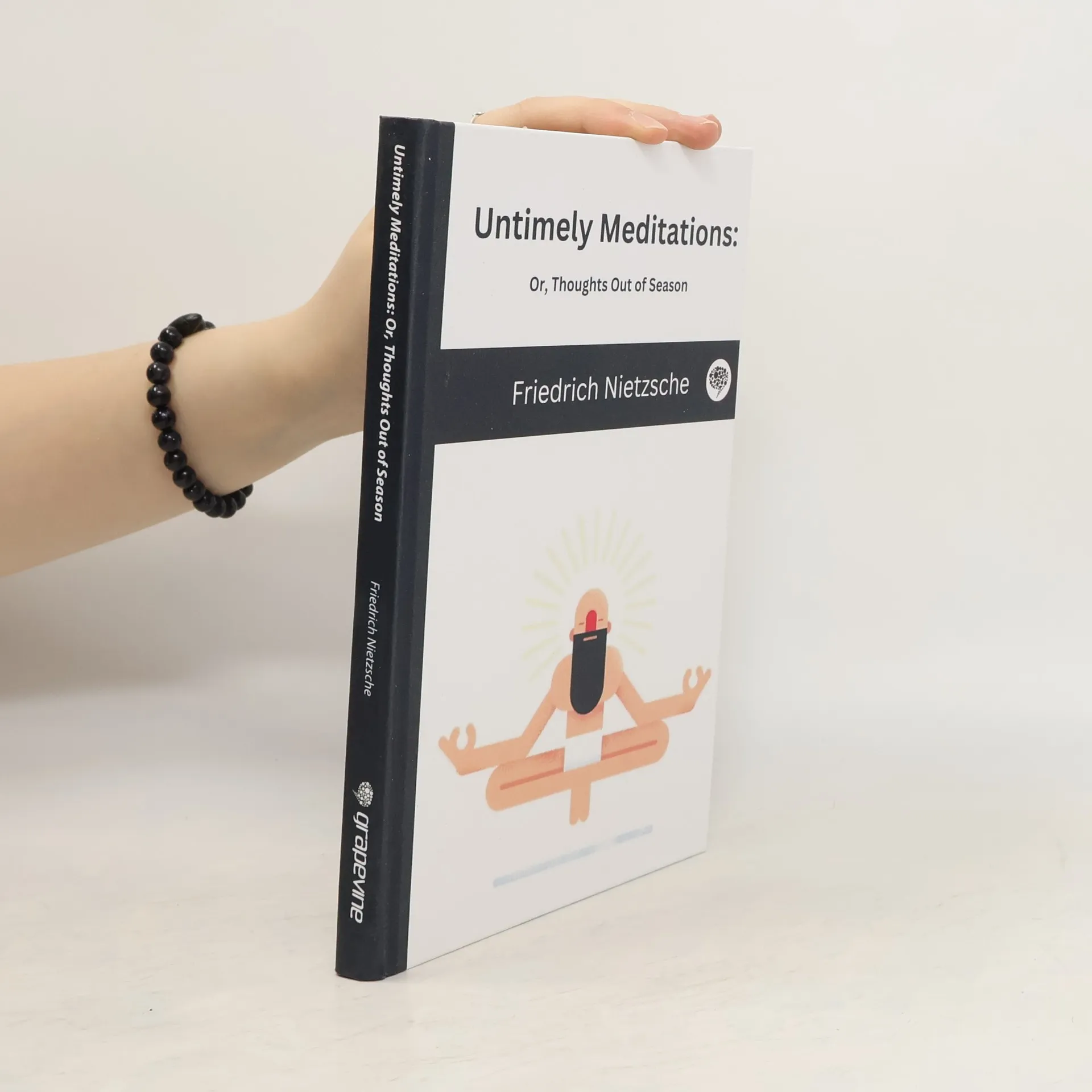
The four essays that constitute 'Untimely Meditations’ are key works for understanding the development of Nietzsche's thought and clearly anticipate many of his later writings. Nietzsche here began to discuss the limitations of empirical knowledge, and presented what would appear compressed in later aphorisms. The essays deal with such broad topics as the relationship between popular and genuine culture, strategies for cultural reform, the task of philosophy, the nature of education, and the relationship among art, science and life. These early writings by Nietzsche display much of the promise which was to unfurl later in the philosopher's life.Regarded as one of the most profound German philosophers, Friedrich Nietzsche (1844-1900) is popularly considered a cultural critic and philologist whose work exerted a scholarly influence on modern intellectual history. His intellectual works focus on widespread themes such as religion, morality, philosophy, and science. Prominent elements of his philosophy include his radical critique of truth, a genealogical criticism of religion, and Christian morality. His body of work touched a wide range of topics, including art, philology, history, music, tragedy, and culture, most of which drew inspiration from Greek tragedy.
This unique anthology brings together material from 38 well-known writers, artists, and scientists who attempt to describe the process by which original ideas come to them. Contributors include Albert Einstein, Wolfgang Amadeus Mozart, Amy Lowell, Rudyard Kipling, Max Ernst, Katherine Anne Porter, Henry Miller, Carl Gustav Jung, Mary Wigman, Yasuo Kuniyoshi, Henri Poincaré and many others.
Exploring a range of topics such as nihilism, religion, morality, knowledge theory, and art, this collection presents Friedrich Nietzsche's unedited and unpublished writings, compiled by his sister after his death. Created during a time of poor health, these notes reflect both his completed thoughts and the evolution of his ideas. Offering insight into the mind of one of the nineteenth century's most influential philosophers, this work serves as a unique glimpse into Nietzsche's intellectual journey.
Kniha Lidské, příliš lidské, kterou Friedrich Nietzsche při závěrečném zhodnocení své tvorby v Ecce homo nazval „pomníkem krize“, je jeho prvním rozsáhlým dílem napsaným formou „aforismů“, jež autor zkomponoval do tematických skupin. Postavou „svobodného ducha“ a filosofickým zájmem o bezpředsudečné poznání „nejbližších věcí“ se zde Nietzsche definitivně odpoutává od svých vzorů, A. Schopenhauera a R. Wagnera, a obrací se proti dosavadní metafyzické tradici. Nevystupuje jen jako pokračovatel osvícenské kritiky náboženských a morálních představ,ale i jako pronikavý psycholog. Třebaže bylo toto dílo poněkud stranou zájmu velkých filosofických interpretací, představuje nesporně rozhodující obrat na Nietzschově cestě k vlastní filosofické pozici, a právě proto umožňuje lépe porozumět složitému vývoji jeho myšlení.
Nové opravené vydání obou dílů v jednom svazku.
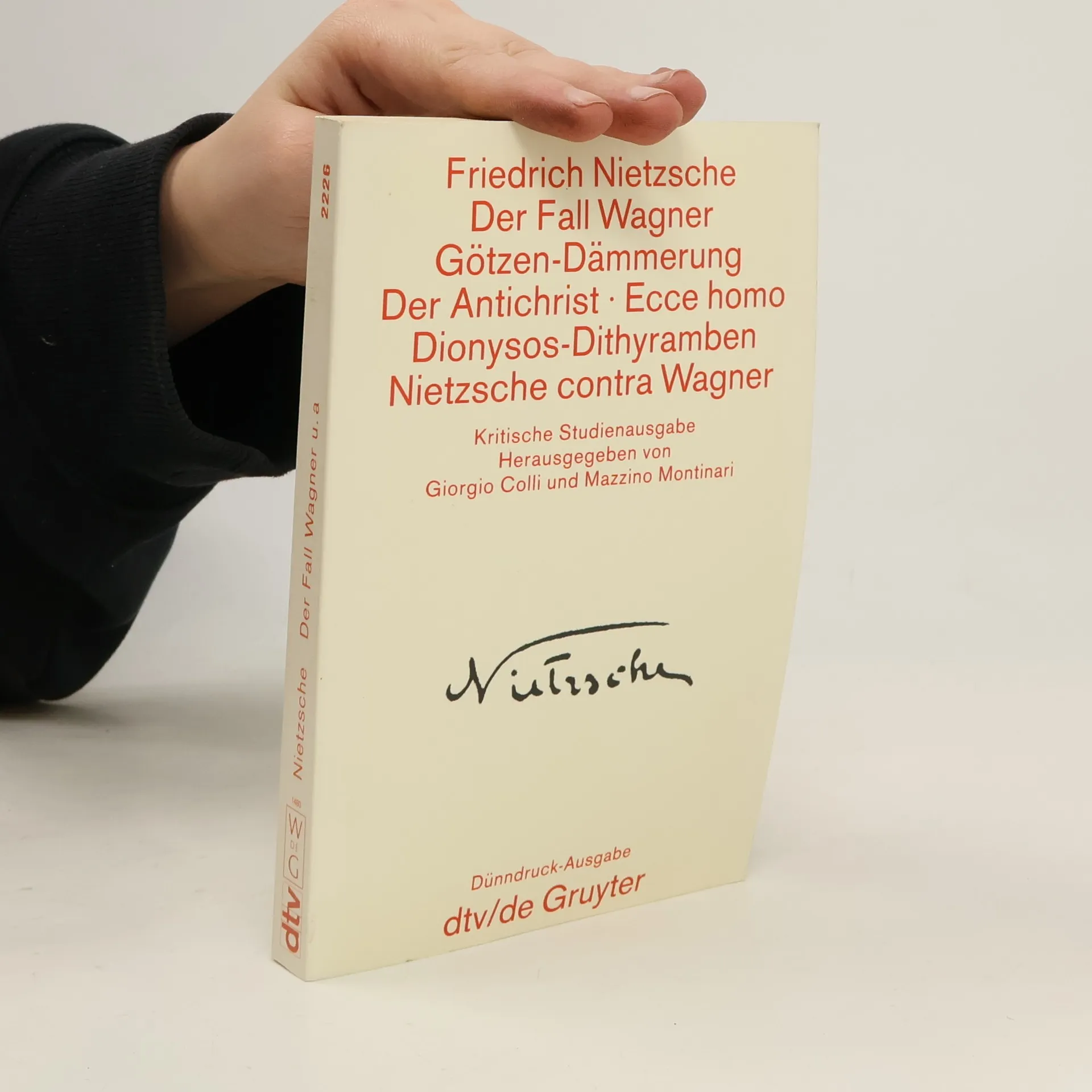
Die fröhliche Wissenschaft · Also sprach Zarathustra · Jenseits von Gut und Böse · Zur Genealogie der Moral · Der Fall Wagner · Götzen-Dämmerung · Nietzsche contra Wagner · Ecce homo · Der Antichrist · Dionysos Dithyramben
Filozofie Friedricha Nietzscheho přitahuje stejně jako jeho život pozornost poměrně široké skupiny skupiny těch, kterým „klasicky“ znějící filozofie mnoho neříká – Nietzsche, buřič s kladivem, kterým hrozí Bohu, je oblíbeným filozofem těch, kteří teprve hledají své místo ve společnosti, básnický styl jeho prací z něj pak dělá zároveň působivého literáta. Nečasové úvahy, z nichž je nejproslulejší zejména ta druhá, nazvaná O užitečnosti a škodlivosti historie pro život, v níž se Friedrich Nietzsche obrací proti nemírnému šíření historických poznatků, šíření, které hrozí zahubit skutečný život, vznikají v ranném období Nietzschovy tvorby mezi lety 1976–76 jako základ, který pak Nietzsche postupně rozvine ve svůj filozofický systém. Úvahou třetí, Schopenhauer jako učitel a čtvrtou Richard Wagner v Bayreuthu pak Friedrich Nietzsche oslavuje své duchovní učitele, Schopenhauera a Wagnera, jako vychovatele k nové, zušlechtěné kultuře. Kniha je určena každému, kdo chce blíže poznat dílo Friedricha Nietzscheho. ...
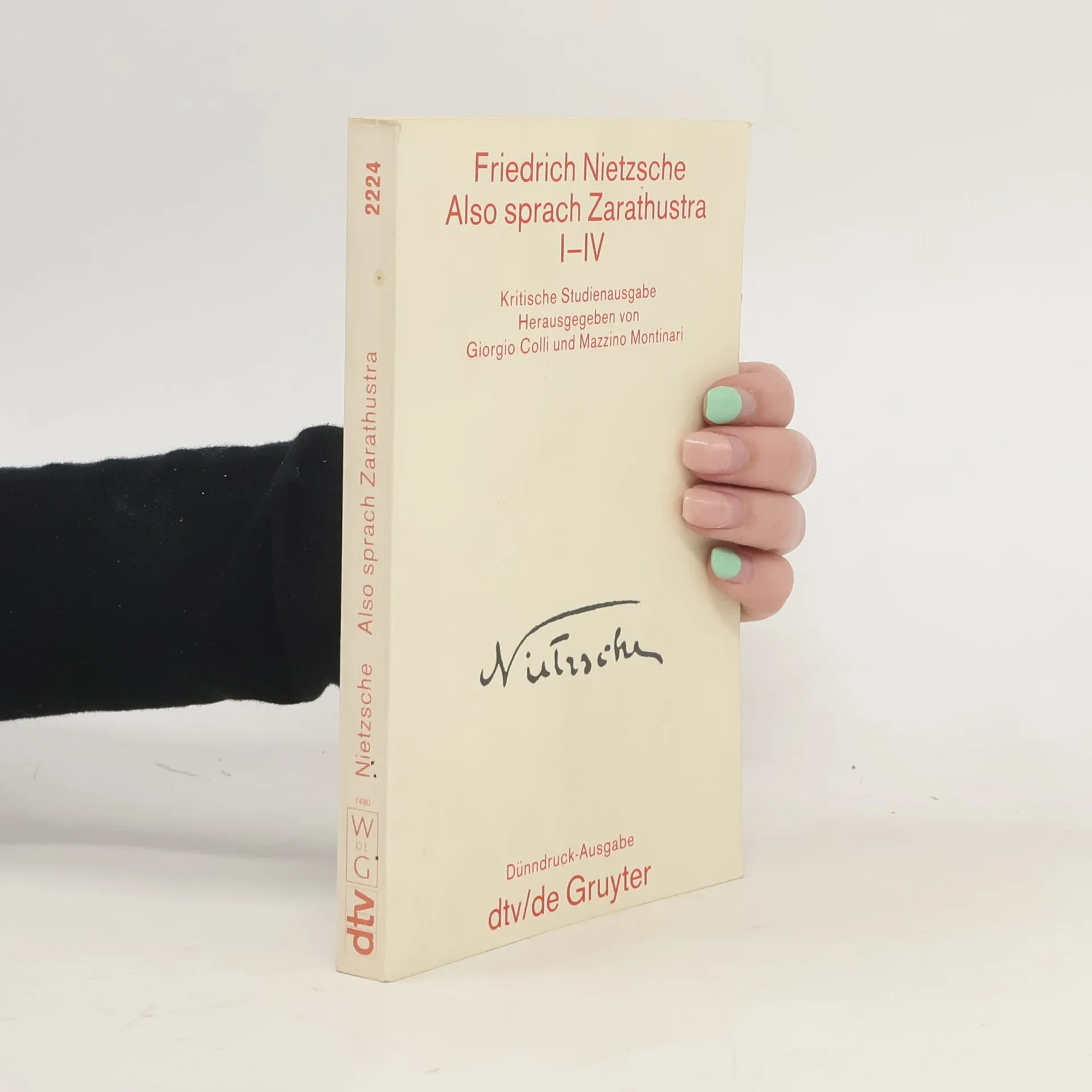
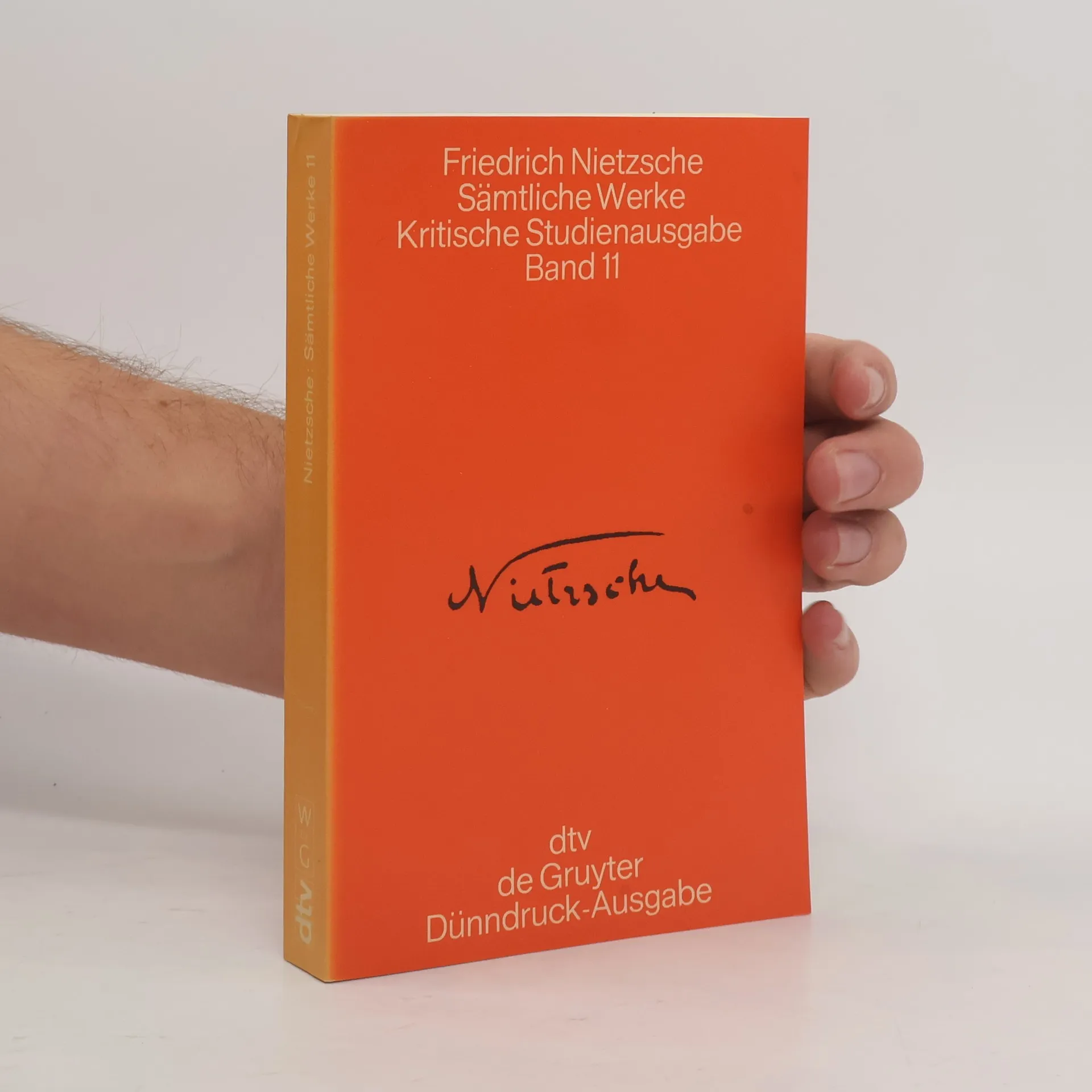
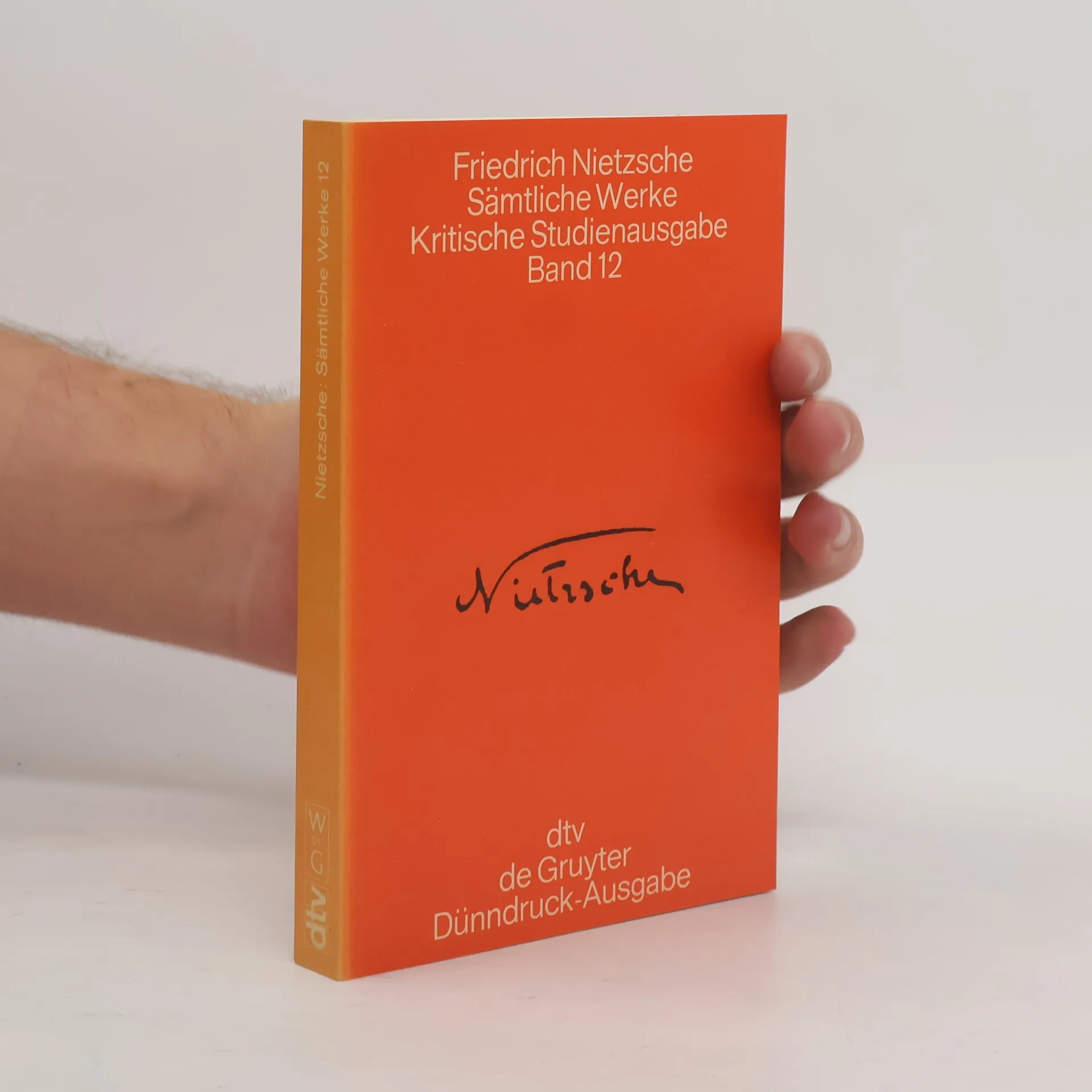
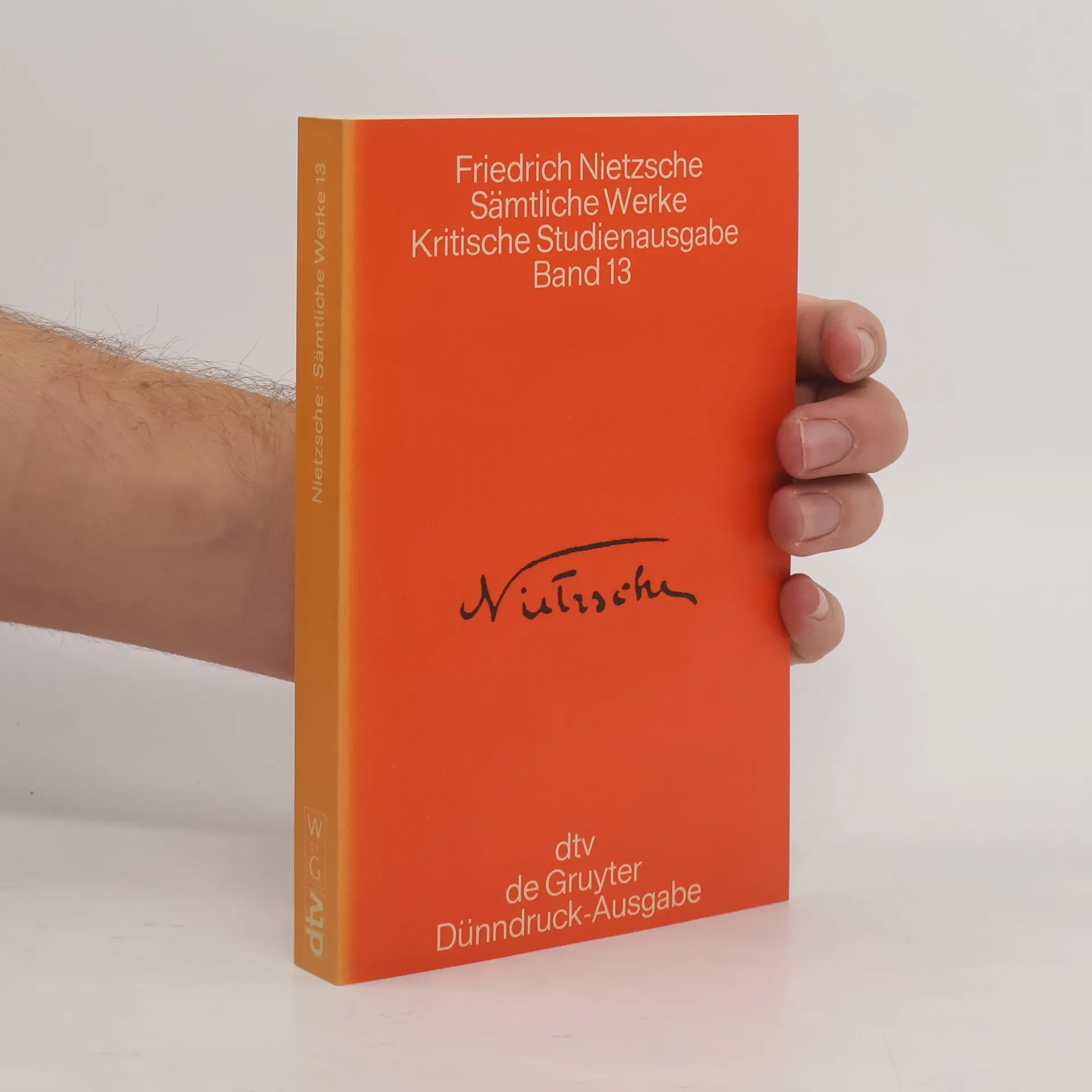
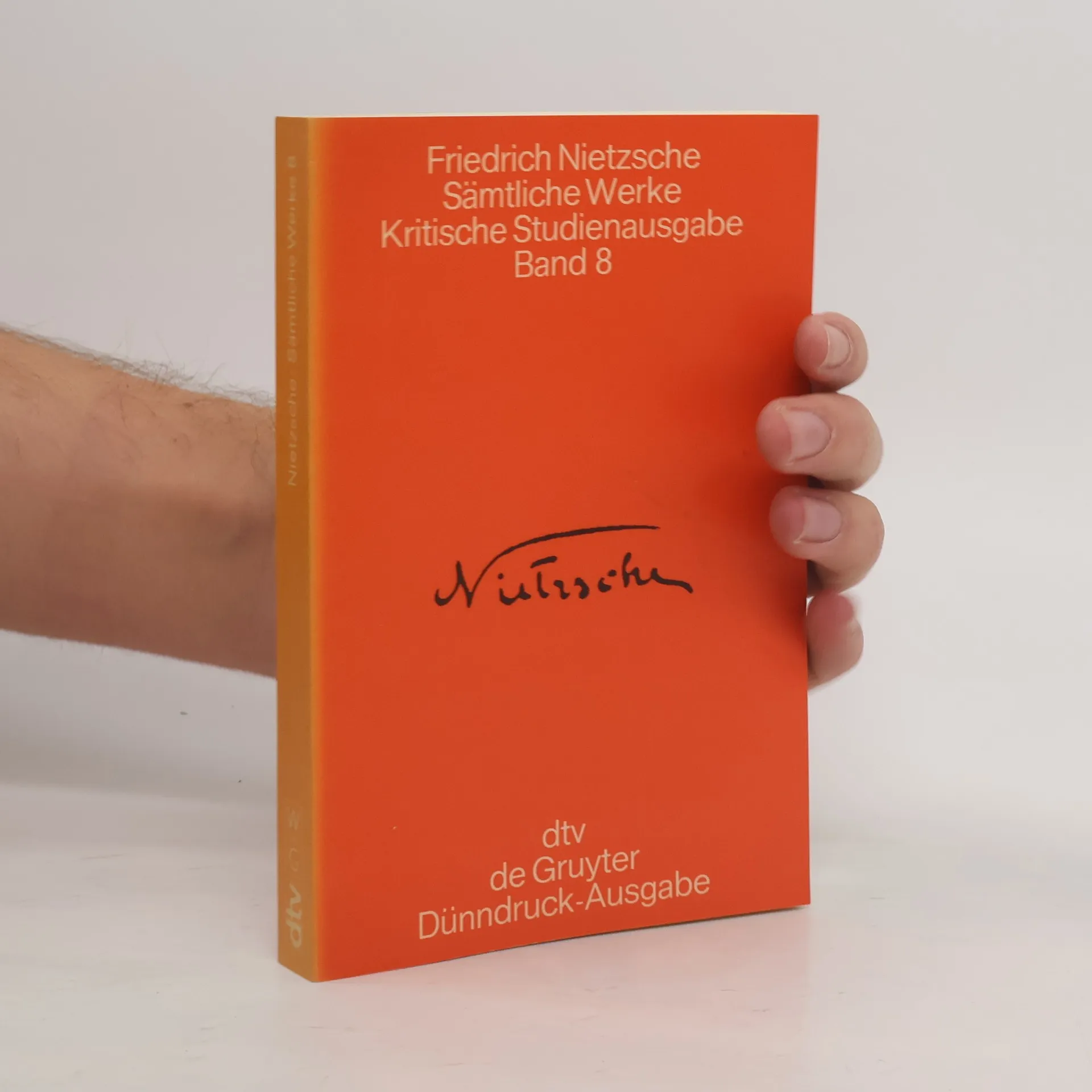
Die 1980 erschienene "Kritische Studienausgabe" der Werke Friedrich Nietzsches revolutionierte die Nietzsche-Rezeption, indem sie erstmals den gesamten Nachlass ohne Fälschungen zugänglich machte. Die italienischen Forscher Colli und Montinari transkribierten die Manuskripte und trugen zur Zerschlagung von Nietzsche-Legenden bei.
Friedrich Nietzsche wurde am 15. Oktober 1844 in Röcken bei Lützen als Sohn eines Pastors geboren. Er studierte in Bonn und Leipzig zunächst Sprachwissenschaften und evangelische Theologie, seinen Abschluß machte er jedoch nur in klassischer Philologie. 1868 lernte er Richard Wagner kennen, der sein Denken neben Schopenhauer stark beeinflußte. Einige Jahre später zerbrach die Freundschaft über Nietzsches Geringschätzung der Bayreuther Festspiele. 1869 wurde er auf eine Professur für Altphilologie nach Basel berufen, die er aus gesundheitlichen Gründen zehn Jahre später wieder aufgab. Fortan lebte er von seiner Pension und finanzierte davon viele Reisen, u. a. in die Schweiz und nach Italien, auf denen seine wichtigsten philosophischen Werke entstanden. In seinen Hauptwerken sagte Nietzsche den Tod Gottes voraus, beschrieb den Übermenschen, trat für die Umwertung aller Werte ein und prägte somit den Nihilismus. Zu seinen bekanntesten Werken zählen Also sprach Zarathustra (1883) und Ecce Homo (1908). In den 1880er Jahren nahmen seine körperlichen und seelischen Leiden zu und gipfelten 1889 in einem Zusammenbruch, von dem er sich nicht mehr erholte. Bis zu seinem Tod am 25. August 1900 in Weimar wurde er von seiner Mutter und seiner Schwester gepflegt.
Zarathustra, inspiriert von einem persischen Religionsstifter des 6. Jahrhunderts v. Chr., bekämpft den Nihilismus, der aus der Erkenntnis 'Gott ist tot' hervorgeht. Er strebt danach, einen neuen Glauben zu etablieren: den Glauben an den 'Übermenschen'. Während schwache Menschen den Geboten des toten Gottes folgen, sucht der Übermensch sein Heil in der Erde, der Macht, Vitalität und Stärke, um der Welt einen neuen Sinn zu geben. Der Übermensch ist in der Lage, alte moralische Werte abzuschaffen und in völliger Freiheit das Lebensgefühl zu verbessern. Das Werk besteht hauptsächlich aus Zarathustras Reden. Um den nihilistischen Folgen des christlichen Denkens zu entfliehen, zieht sich Zarathustra mit 30 Jahren in eine Höhle zurück, wo er die Lehre vom Übermenschen entwickelt. Das Buch gliedert sich in vier Teile: In den ersten beiden verkündet Zarathustra die Lehre vom Übermenschen. Im dritten Teil formuliert er den zentralen Gedanken seiner Philosophie: 'Grund aller Dinge ist die ewige Wiederkehr des Gleichen mit ihrer Sinnlosigkeit.' Er widerspricht einem übergeordneten Sinn und erkennt den schöpferischen Willen der Menschen, der Götter und des Lebens. Im letzten Teil wird Zarathustra von Menschen um Hilfe gebeten, um die Verzweiflung nach dem Tod Gottes zu überwinden. Trotz anfänglichem Mitleid siegt sein Wissen um die Wiederkehr des Gleichen, wodurch er die christlichen Werte verwirft und dem Ideal des Übermenschen entsprich
Filozofie Friedricha Nietzscheho přitahuje stejně jako jeho život pozornost poměrně široké skupiny skupiny těch, kterým „klasicky“ znějící filozofie mnoho neříká – Nietzsche, buřič s kladivem, kterým hrozí Bohu, je oblíbeným filozofem těch, kteří teprve hledají své místo ve společnosti, básnický styl jeho prací z něj pak dělá zároveň působivého literáta.
Nečasové úvahy, z nichž je nejproslulejší zejména ta druhá, nazvaná O užitečnosti a škodlivosti historie pro život, v níž se Friedrich Nietzsche obrací proti nemírnému šíření historických poznatků, šíření, které hrozí zahubit skutečný život, vznikají v ranném období Nietzschovy tvorby mezi lety 1976–76 jako základ, který pak Nietzsche postupně rozvine ve svůj filozofický systém. Úvahou třetí, Schopenhauer jako učitel a čtvrtou Richard Wagner v Bayreuthu pak Friedrich Nietzsche oslavuje své duchovní učitele, Schopenhauera a Wagnera, jako vychovatele k nové, zušlechtěné kultuře. Kniha je určena každému, kdo chce blíže poznat dílo Friedricha Nietzscheho.
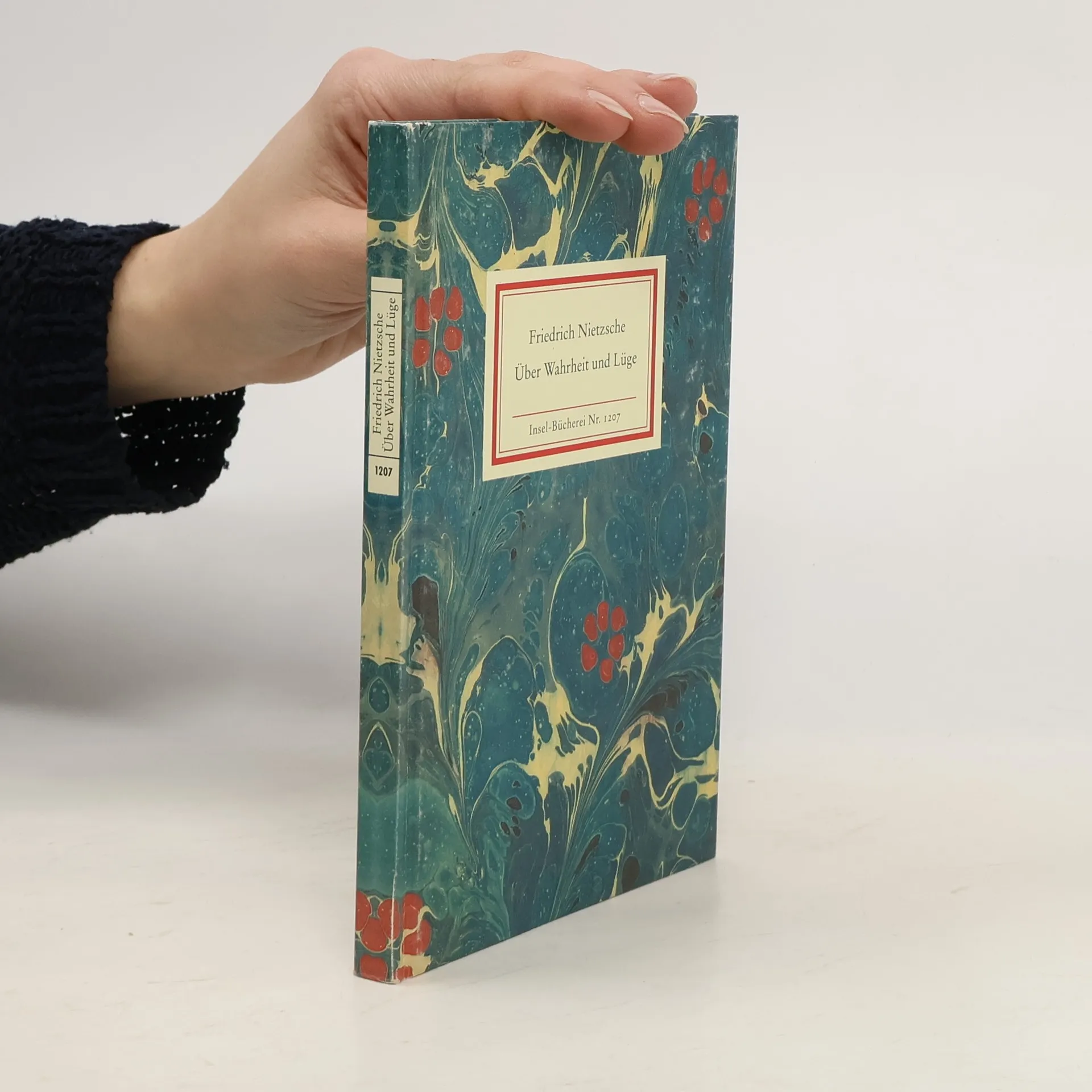
In "Über Wahrheit und Lüge" untersucht Nietzsche die Entstehung der Sprache und deren Bedeutung für menschliche Erkenntnis. Diese überarbeitete kommentierte Ausgabe bietet eine präzise Wiedergabe des Textes, eine historische Einordnung, eine Analyse der Argumentationsstruktur sowie Informationen über den Autor und relevante Literatur.
Deutsch-Lektüre, Deutsche Klassiker der Literatur – 18850
189pages
7 heures de lecture
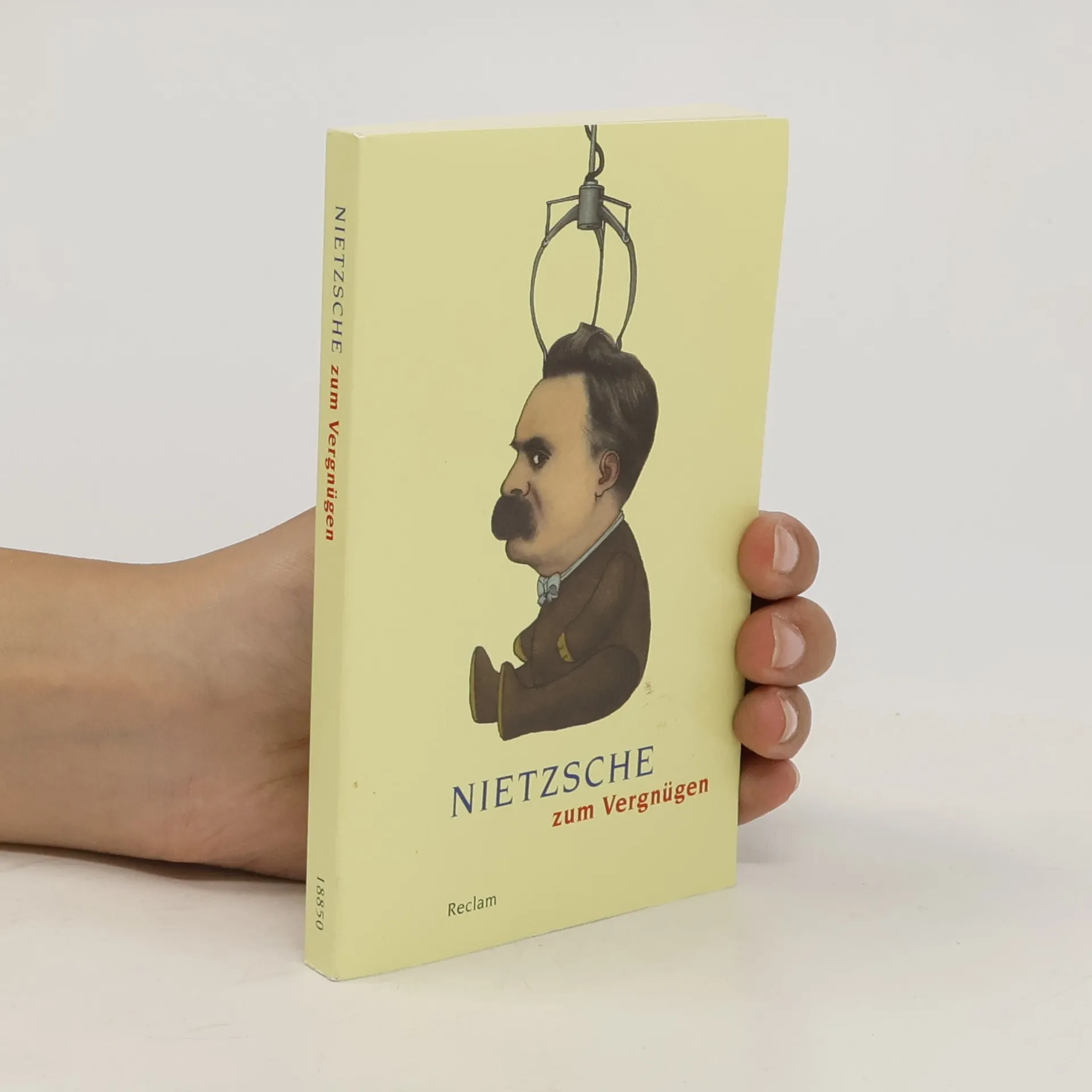
»Die Affen sind zu gutmütig, als daß der Mensch von ihnen abstammen könnte.« (Nietzsche) In der Reihe »Zum Vergnügen« zeigen Gedichte, Aphorismen, Briefe und Werkausschnitte berühmte Dichter und Denker von einer neuen Seite: unterhaltsam, pointiert, brillant.
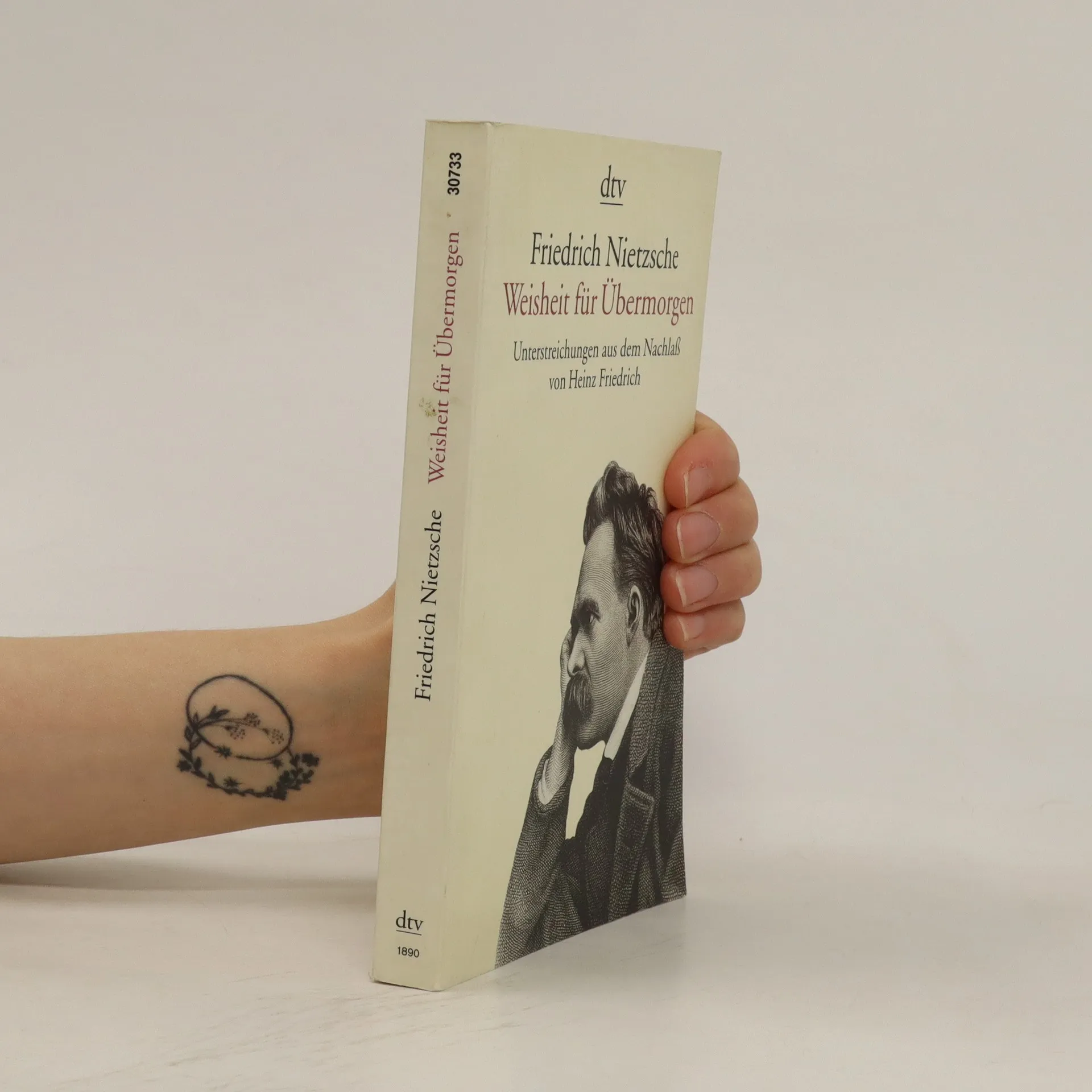
Unter dem von Nietzsche selbst notierten Titel für eine Sammlung seiner Gedankensplitter, stellt dieser Band Nietzsches Nachlaß von 1869 – 1889, der im Umfang den zu Lebzeiten des Philosophen veröffentlichten Werken nicht nachsteht, in den Mittelpunkt. Aus der ungeheuren Fülle der inzwischen text-kritisch edierten Eintragungen wurden jene unterstrichen und ausgewählt, die über einen Zeitraum von zwanzig Jahren hinweg Friedrich Nietzsche sowohl als den radikalsten Gesellschafts- und Kulturkritiker des bürgerlichen Zeitalters als auch den beklemmend aktuellen Prognostiker des 20. Jahrhunderts ausweisen. Das Ergebnis ist ein ebenso aufregendes wie anregendes Buch, das im unmittelbarsten Sinn des Wortes zu denken gibt.
Friedrich Nietzsche (1844 – 1900) – významný nemecký filozof a jeden z najhlbších mysliteľov všetkých čias, kritik kultúry a náboženstva, básnik a esejista, predstaviteľ filozofie života a „otec nihilizmu“, zásadným spôsobom ovplyvnil filozofiu, myslenie a literatúru 20. storočia. Jeho často kontroverzné názory netvoria ucelený systém, preto umožňujú najrozličnejšie interpretácie.
Výber z myšlienok F. Nietzscheho chce čitateľovi poskytnúť pohľad na základné myšlienkové okruhy a témy jeho filozofovania (o sebe, morálke, umení, náboženstve, človeku, vede, pravde, výchove, vôli k moci, nadčloveku a ďalších oblastiach ľudského bytia). Môže tak predstavovať nielen akýsi úvod do jeho diela, ale hlavne podnecovať k úvahám, prebúdzať k úvahám a novým pohľadom na modernú dobu, ktoré vyvoláva svojim hlbokým, ostrým a kritickým odhaľovaním často skrytých stránok života v dobe hlbokej krízy hodnôt a fungovania kultúry a civilizácie.
Band I.2 enthält Nietzsches Schriften aus den ersten vier Jahren, die er in Schulpforta verbrachte (Herbst 1858-Herbst 1862). Es enthält Essays, die er mehr oder weniger aus eigener Motivation verfasste, sowie persönliche Notizen (z. B. Tagebücher). Ein erheblicher Teil der hier präsentierten Texte sind bislang unveröffentlichte Schulübungen, und schließlich enthält der Band Nietzsches erhaltene Notizen, hauptsächlich zur (literarischen) Geschichte.
Band I.2 enthält Nietzsches Schriften aus den ersten vier Jahren, die er in Schulpforta verbrachte (Herbst 1858-Herbst 1862). Es enthält Essays, die er mehr oder weniger aus eigenem Antrieb verfasste, sowie persönliche Notizen (z. B. Tagebücher). Ein erheblicher Teil der hier präsentierten Texte sind bisher unveröffentlichte Schulübungen, und schließlich enthält der Band Nietzsches erhaltene Notizen, hauptsächlich zur (literarischen) Geschichte.
Band I.2 enthält Nietzsches Schriften aus den ersten vier Jahren, die er in Schulpforta verbrachte (Herbst 1858-Herbst 1862). Es enthält Essays, die er mehr oder weniger aus eigenem Antrieb verfasste, sowie persönliche Notizen (z. B. Tagebücher). Ein erheblicher Teil der hier präsentierten Texte sind bislang unveröffentlichte Schulübungen, und schließlich enthält der Band Nietzsches erhaltene Notizen, hauptsächlich zur (literarischen) Geschichte.
Band I.2 enthält Nietzsches Schriften aus den ersten vier Jahren, die er in Schulpforta verbrachte (Herbst 1858-Herbst 1862). Es enthält Essays, die er mehr oder weniger aus eigener Initiative verfasste, sowie persönliche Notizen (z. B. Tagebücher). Ein erheblicher Teil der hier präsentierten Texte sind bislang unveröffentlichte Schulübungen, und schließlich enthält der Band Nietzsches erhaltene Notizen, hauptsächlich zur (literarischen) Geschichte.
Band I.2 enthält Nietzsches Schriften aus den ersten vier Jahren, die er in Schulpforta verbrachte (Herbst 1858-Herbst 1862). Es enthält Essays, die er mehr oder weniger aus eigenem Antrieb verfasste, sowie persönliche Notizen (z. B. Tagebücher). Ein erheblicher Teil der hier präsentierten Texte sind bislang unveröffentlichte Schulübungen, und schließlich enthält der Band Nietzsches erhaltene Notizen, hauptsächlich zur (literarischen) Geschichte.
Band I.2 enthält Nietzsches Schriften aus den ersten vier Jahren, die er in Schulpforta verbrachte (Herbst 1858-Herbst 1862). Es umfasst Essays, die er mehr oder weniger aus eigenem Antrieb verfasste, sowie persönliche Notizen (z. B. Tagebücher). Ein erheblicher Teil der hier präsentierten Texte sind bislang unveröffentlichte Schulübungen, und schließlich enthält der Band Nietzsches erhaltene Notizen, hauptsächlich zur (literarischen) Geschichte.
Band I.2 enthält Nietzsches Schriften aus den ersten vier Jahren, die er in Schulpforta verbrachte (Herbst 1858-Herbst 1862). Es enthält Essays, die er mehr oder weniger aus eigenem Antrieb verfasste, sowie persönliche Notizen (z. B. Tagebücher). Ein erheblicher Teil der hier präsentierten Texte sind bislang unveröffentlichte Schulübungen, und schließlich enthält der Band Nietzsches erhaltene Notizen, hauptsächlich zur (literarischen) Geschichte.