Théorie et pratique
- 240pages
- 9 heures de lecture


Jürgen Habermas est un sociologue et philosophe allemand, ancré dans la tradition de la théorie critique et du pragmatisme américain. Son œuvre se concentre sur les fondements de la théorie sociale et de l'épistémologie, l'analyse des sociétés capitalistes avancées et de la démocratie. Le système théorique d'Habermas vise à révéler la possibilité de raison, d'émancipation et de communication rationnelle-critique latentes dans les institutions modernes et dans la capacité humaine à délibérer et à poursuivre des intérêts rationnels.


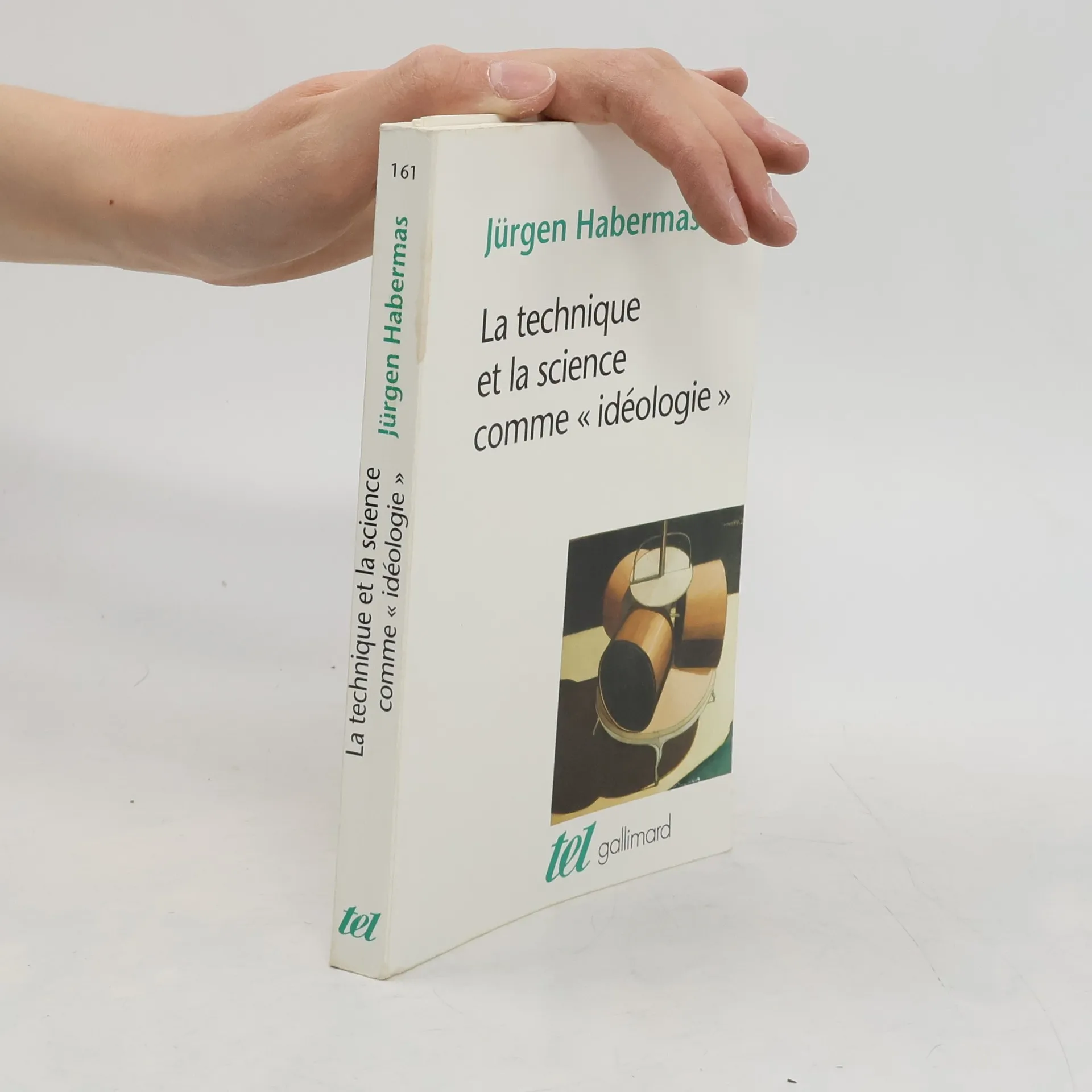

La 4e de couverture indique : "La technique et la science constituent désormais les forces productives les plus importantes des sociétés développées. Cette situation nouvelle pose le problème de leur relation avec la pratique sociale, telle qu'elle doit s'exercer dans un monde où l'information est elle-même un produit de la technique. Jürgen Habermas examine dans les études réunies dans ce volume l'incidence de la rationalité scientifique sur le «monde social vécu» et ses répercussions sur le fonctionnement de la démocratie. Il montre les limites de la technocratie qui tend à s'abriter derrière une pseudo-rationalité pour assurer le triomphe de ses intérêts. Il analyse le système des valeurs en cours, les finalités que se propose le corps social sans toujours en avoir conscience, la fonction des idéologies qui les systématisent. Du même coup il est ici abordé une des plus grandes questions de notre temps : comment le consensus social que postule la démocratie peut-il s'opérer dans les sociétés industrielles avancées ?"
Le principe de Publicité, opposé au secret de l'État absolu, a créé une sphère publique à partir du XVIIIe siècle, visant à établir une médiation entre la société et l'État par le biais d'une « opinion publique » destinée à transformer la domination. Ce principe repose sur un cadre institutionnel permettant des discussions sur des questions d'intérêt général, soumettant l'autorité politique à une critique rationnelle. Cependant, le modèle libéral de la sphère publique, qui réprime l'opinion publique plébéienne, s'avère inadapté aux démocraties de masse régies par un État social. Ce dernier a vu une interconnexion entre les domaines privé et public, entraînant une manipulation de la Publicité par des groupes d'intérêts et une reféodalisation de la sphère publique. Dans l'État social, la sphère publique politique perd ses fonctions critiques, et la Publicité actuelle se limite à des comportements dictés par un assentiment passif. Initialement un principe de critique, la Publicité a été transformée en un principe d'intégration, où le consensus fabriqué prime sur l'opinion publique. En 1990, J. Habermas propose une révision en trois volets : remettre en question le concept de totalité, réévaluer la capacité critique du public, et interroger la possibilité d'un espace public. Sa conception discursive de la démocratie envisage un dédoublement de l'espace public pour que le pouvoir communicationnel puisse influencer le pouvoir admini
Produit de la centralisation monarchique et des révolutions modernes, l'Etat-nation apparaît aujourd'hui bien mal adapté à l'intégration économique mondiale. Les eurosceptiques, qui en revendiquent l'héritage et affirment sa pérennité, redoutent l'ouverture des frontières et appellent au refus de la mondialisation des échanges. Les eurolibéraux, qui se satisfont d'une Europe du grand marché, n'ont que faire des structures politiques et se moquent des malheurs des Etats nationaux. Les fédéralistes, qui défendent à la fois l'ouverture des frontières et la formation d'un espace politique intégré à l'échelle européenne, fondent leur position sur la nécessité d'élever le pouvoir politique à la hauteur de la puissance nouvelle de l'économie afin de lui faire contrepoids. Jürgen Habermas est de ceux-là. L'un des plus grands philosophes contemporains dessine les contours d'une politique européenne qui ferait toute sa place à l'exercice de la citoyenneté et à la mise en oeuvre de la justice sociale.
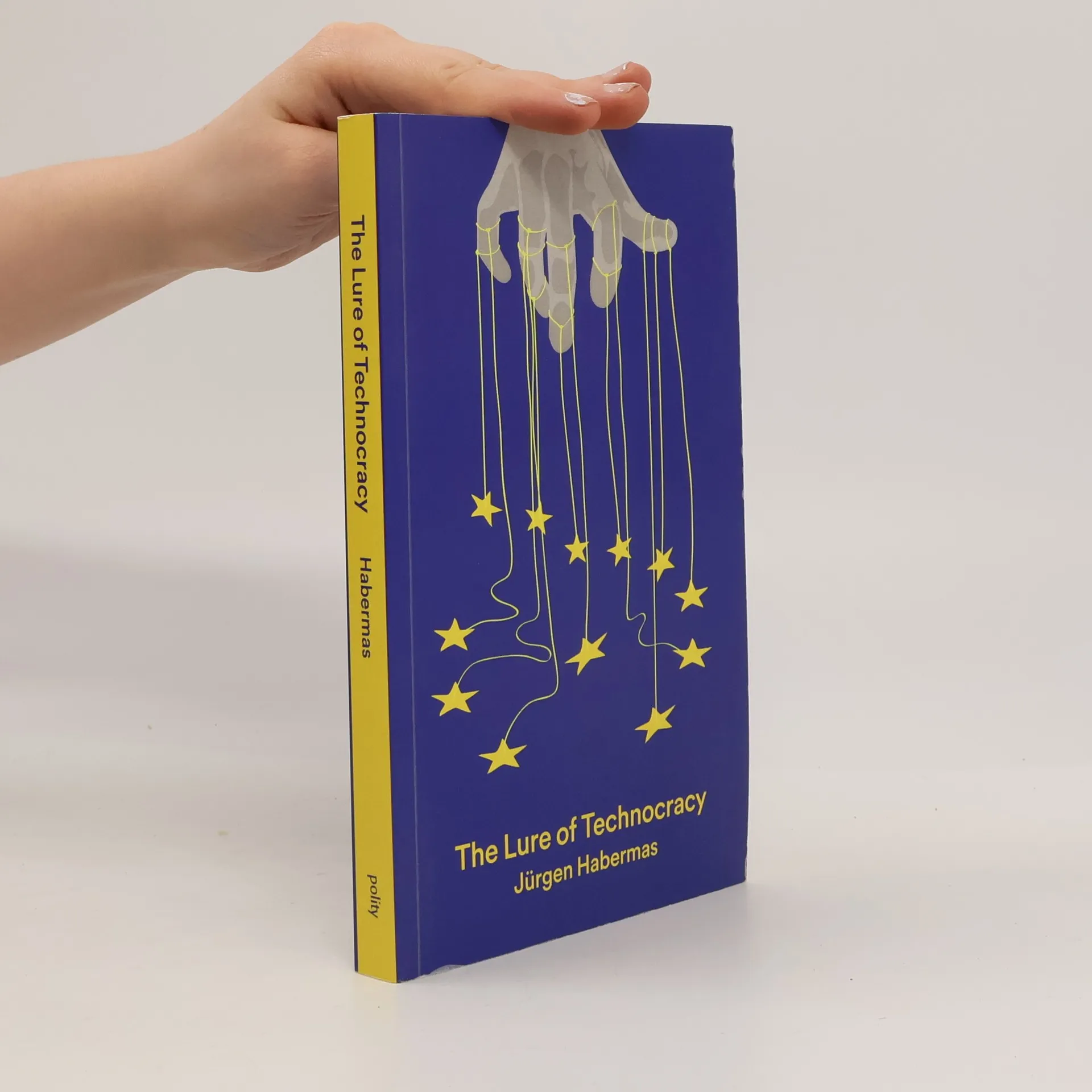
We live in a time of turbulent change when many of the frameworks that have characterized our societies over the last few centuries - such as the international order of sovereign nation-states - are being called into question.
In this new collection of recent essays, Habermas takes up and pursues the line of analysis begun in The Philosophical Discourse of Modernity. He begins by outlining the sources and central themes of twentieth–century philosophy, and the range of current debates. He then examines a number of key contributions to these debates, from the pragmatic philosophies of Mead, Perice and Rorty to the post–structuralism of Foucault. Like most contemporary thinkers, Habermas is critical of the Western metaphysical tradition and its exaggerated conception of reason. But he cautions against the temptation to relinquish this conception altogether. In opposition to the radical critics of Western philosophy, Habermas argues that postmetaphysical thinking can remain critical only if it preserves the idea of reason while stripping it of its metaphysical trappings. Habermas contributes to this task by developing further his distinctive approach to problems of meaning, rationality and subjectivity. This book will be of particular interest to students of philosophy, sociology and social and political theory, and it will be essential reading for anyone interested in the continuing development of Habermas′s project.
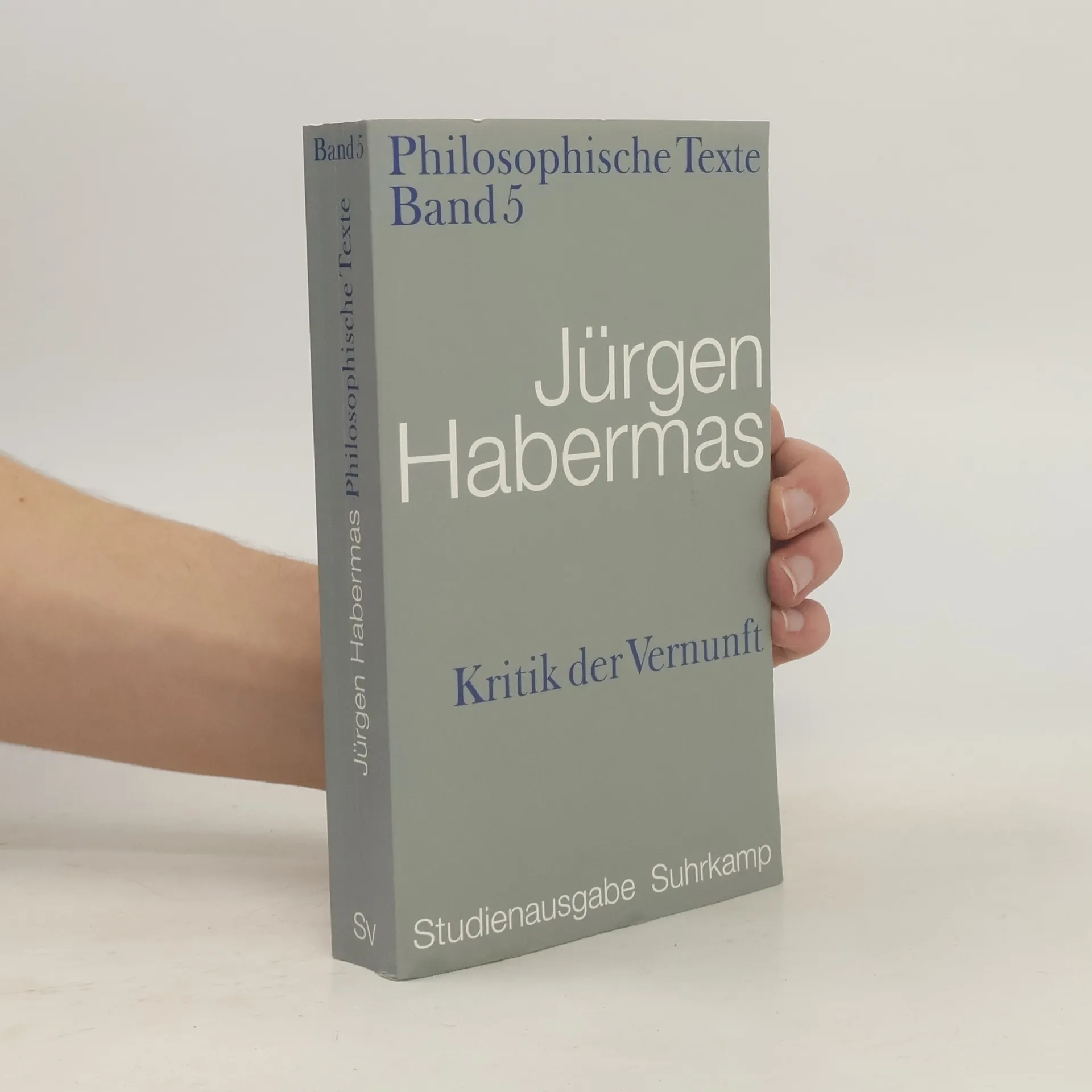
On the occasion of Habermas s 80th birthday, the German publisher Suhrkamp brought out five volumes of Habermas s papers that spanned the full range of his philosophical thought, from the theory of rationality to the critique of metaphysics.
Essays discuss denial of Germany's Nazi past, the rise of the neoconservative movement in Europe and America, and the welfare state.
Jürgen Habermas is a prominent and influential European philosopher, known for over thirty years of significant contributions to various fields, including society, knowledge, history, and ethics. He is a key figure in Germany, often engaging in public debates and addressing the profound changes occurring in Germany, Europe, and globally. This collection of interviews showcases Habermas's deep involvement with contemporary issues, covering critical topics of the 1990s such as German unification, debates on German history, asylum policies, the Nazi era, and efforts toward a peaceful Europe, as well as the implications of the Persian Gulf War. A concluding interview explores the relationship between theory and practice, highlighting the connection between philosophy and real-world issues. In the afterword, Habermas discusses a range of challenges facing Germany and other nations as the century draws to a close. Translated and annotated by Max Pensky, a philosophy professor at the State University of New York-Binghamton, this volume offers a compelling portrait of an intellectual adept in both academic philosophy and public discourse, bridging the gap between the two realms.
The normative authority of the United States lies in ruins, a judgment reflecting the political repercussions of the Iraq war. The decision to engage in this conflict without explicit Security Council backing has created a deep divide in the West, hindering coordinated responses to international terrorism. In this timely volume, Jürgen Habermas addresses the political events since September 11, 2001, and proposes a way to advance the political agenda beyond the contentious debates surrounding the war and the Bush Administration's coalition. Habermas emphasizes the importance of the Kantian project, which seeks to overcome the state of nature among states through the constitutionalization of international law. He presents a detailed model of transnational and supranational governance inspired by Kantian cosmopolitanism, contextualizing it within the evolution of international law towards a cosmopolitan constitutional order in the nineteenth and twentieth centuries. Additionally, he defends this model against the hegemonic liberal vision that underpins the current US administration's aggressive unilateralism. This work represents a significant contribution from one of today's leading political thinkers, making it essential reading for students and anyone interested in the future of European and international politics.
In Between Facts and Norms Jurgen Habermas works out the legal and political implications of his Theory of Communicative Action (1981), bringing to fruition the project announced with his publication of The Structural Transformation of the Public Sphere in 1962. This new work is a major contribution to recent debates on the rule of law and the possibilities of democracy in postindustrial societies, but it is much more. The introduction by William Rehg succinctly captures the special nature of the work, noting that it offers a sweeping, sociologically informed conceptualization of law and basic rights, a normative account of the rule of law and the constitutional state, an attempt to bridge normative and empirical approaches to democracy, and an account of the social context required for democracy. Finally, the work frames and caps these arguments with a bold proposal for a new paradigm of law that goes beyond the dichotomies that have afflicted modern political theory from its inception and that still underlie current controversies between so- called liberals and civic republicans. The book includes a postscript written in 1994, which restates the argument in light of its initial reception, and two appendixes, which cover key developments that preceded the book. Habermas himself was actively involved in the translation, adapting the text as necessary to make it more accessible to English-speaking readers.
Jurgen Habermas's program in formal pragmatics fulfills two main functions. First, it serves as the theoretical underpinning for his theory of communicative action, a crucial element in his theory of society. Second, it contributes to ongoing philosophical discussion of problems concerning meaning, truth, rationality, and action. By the "pragmatic" dimensions of language, Habermas means those pertaining specifically to the employment of sentences in utterances. He makes clear that "formal" is to be understood in a tolerant sense to refer to the rational reconstruction of general intuitions or competences. Formal pragmatics, then, aims at a systematic reconstruction of the intuitive linguistic knowledge of competent subjects as it is used in everyday communicative practices. His program may thus be distinguished from empirical pragmatics—for example, sociolinguistics—which looks primarily at particular situations of use. This anthology brings together for the first time, in revised or new translation, ten essays that present the main concerns of Habermas's program in formal pragmatics. Its aim is to convey a sense of the overall purpose of his linguistic investigations while introducing the reader to their specific details, in particular to his theories of meaning, truth, rationality, and action.
This text contains Jurgen Habermas's most recent work in political theory and political philosophy. Here Habermas picks up some of the central themes of Between Facts and Norms and elaborates them in relation to current political debates of the late 1990s. One of the distinctive features of Habermas's work has been its approach to the problem of political legitimacy through a sustained reflection on the dual legitimating and regulating function of modern legal systems. Extending his discourse theory of normative validity to the legal-political domain, Habermas has defended a proceduralist conception of deliberative democracy in which the burden of legitimating state power is borne by informal and legally institutionalized processes of political deliberation. Its guiding intuition is the radical democratic idea that there is an internal relation between the rule of law and popular sovereignty. In these essays he brings this discursive and proceduralist analysis of political legitimacy to bear on such urgent contemporary issues as the enduring legacy of the welfare state, the future of the nation state, and the prospects of a global politics of human rights.
This study offers a systematic reconstruction of the theoretical foundations and framework of critical social theory. It is Habermas' magnum opus, and it is regarded as one of the most important works of modern social thought.
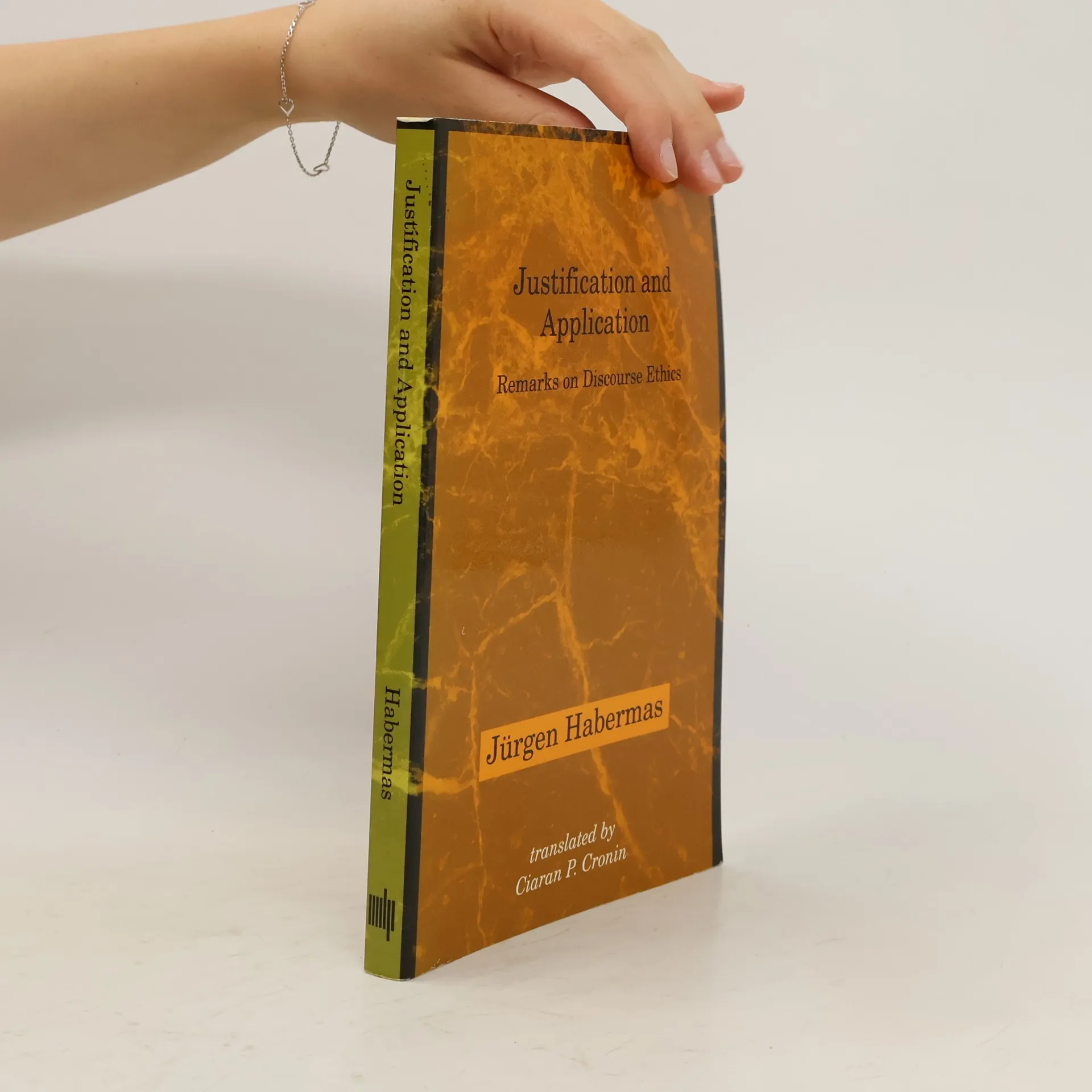
This collection features four essays and an interview that present Habermas's latest contributions to ethical theory, building on his previous work on discourse ethics. In response to critiques from contemporary neo-Aristotelians, Habermas asserts the significance of discourse ethics in modern moral philosophy, refining key concepts of his theory, particularly regarding practical reason, application, and motivation. The first essay provides a thorough analysis of practical rationality, distinguishing between pragmatic, ethical, and moral questions, as well as different forms of volition and practical discourse. The core of the collection is a robust defense of discourse ethics, including critiques of major competing theories from thinkers like John Rawls, Bernard Williams, and Alasdair MacIntyre. Subsequent essays uphold the universalist moral theory against neo-Aristotelian ethics and Horkheimer's skepticism toward reason, which led to a religiously inspired ethic of compassion. The collection concludes with an interview where Habermas discusses the origins of discourse ethics, its controversial aspects, and its connections to communicative action theory. Jurgen Habermas is a Professor of Philosophy at the University of Frankfurt.
Examines the theoretical and philosophical contours of the modern era. The book traces the contemporary critiques of modernity back to their philosophical origins in the work of Marx, Nietzsche, Heidegger and others.
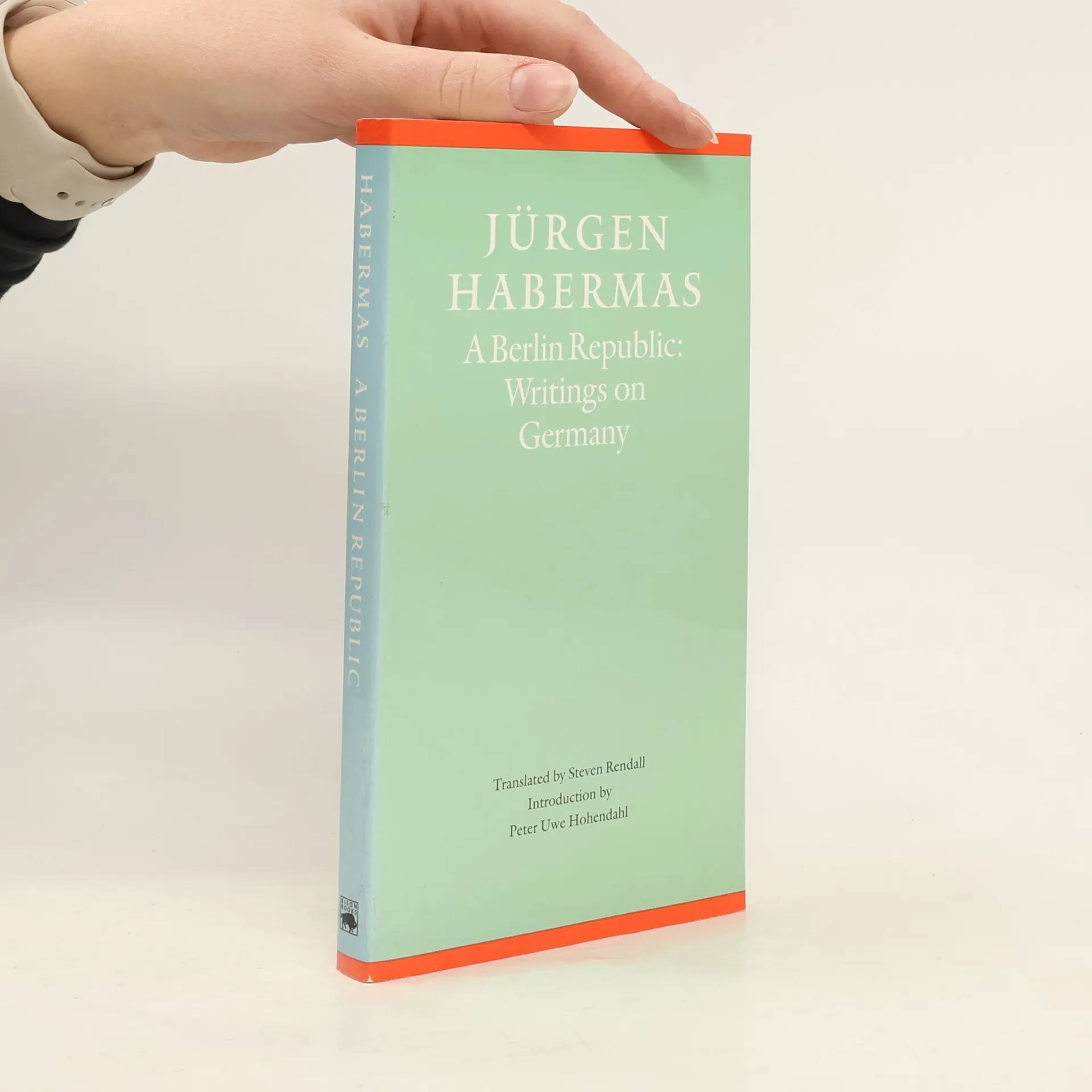
A Berlin Republic (Die Normalität einer Berliner Republik) brings together writings on the new, united Germany by one of that country’s most original and trenchant commentators, Jürgen Habermas. Among other topics, Habermas addresses the consequences of German history, the challenges and perils of the post-Wall era, and Germany’s place in contemporary Europe. Here, as in his earlier Past as Future, Habermas emerges as an inspired analyst of contemporary German political and intellectual life. He repeatedly criticizes recent efforts by historians and political commentators to “normalize” and, in part, to understate the horrors of modern German history. He insists that 1945—not 1989—was the crucial turning point in German history, since it was then that West Germany decisively repudiated certain aspects of its cultural and political past (nationalism and anti-Semitism in particular) and turned toward Western traditions of democracy, free and open discussion, and respect for the civil rights of all individuals. Similarly, Habermas deplores the renewal of nationalist sentiment in Germany and throughout Europe. Drawing upon his vast historical knowledge and contemporary insight, Habermas argues for heightened emphasis on trans-European and global democratic institutions—institutions far better suited to meet the challenges (and dangers) of the next century.
In this thought-provoking book, Jurgen Habermas explores the ethical implications of genetic engineering and its impact on human identity. He argues that genetic manipulation could restrict individual freedom and alter the relationships between people. The final chapter addresses the conflict between science and religion in contemporary society.
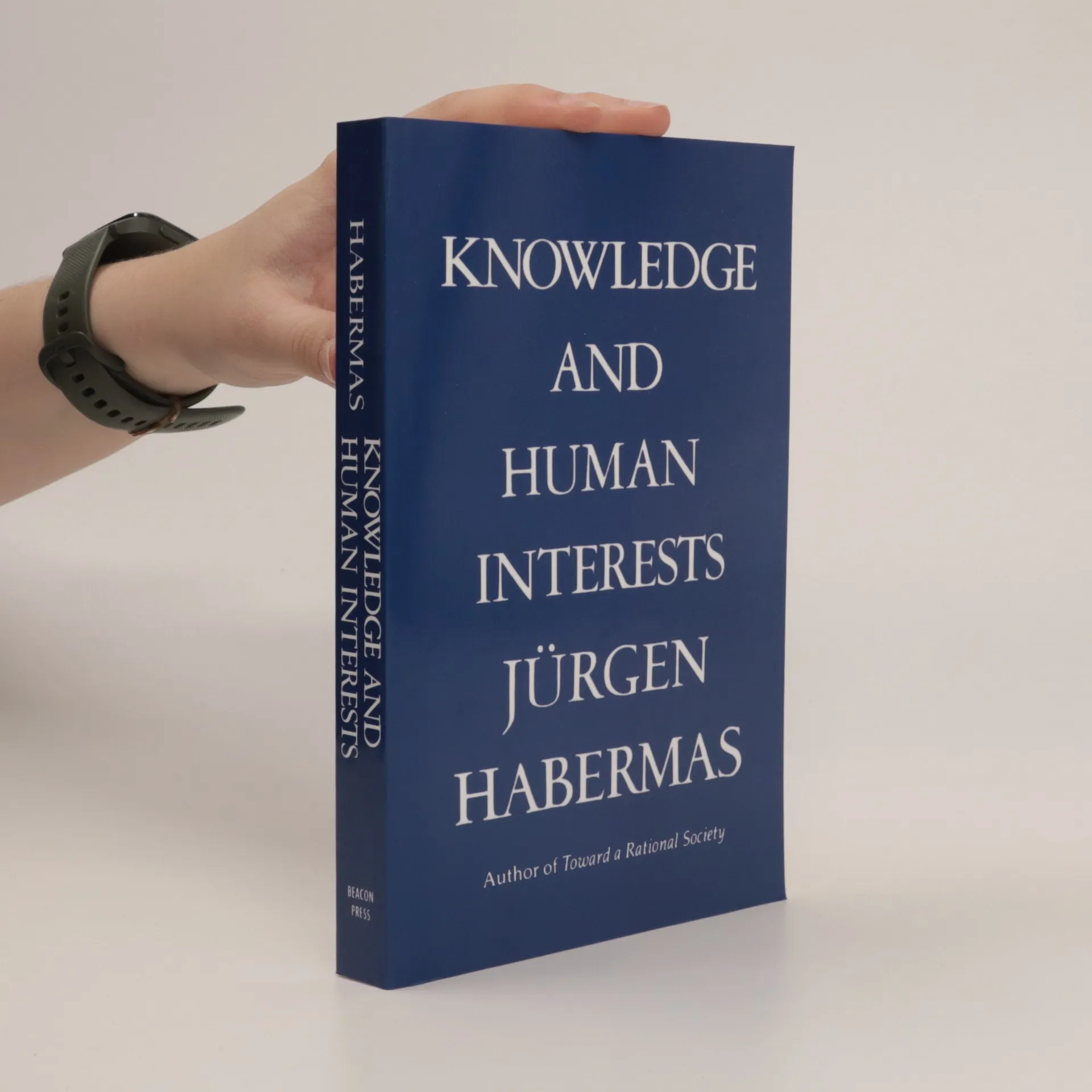
For those concerned with the relationships between thought and action, Knowledge and Human Interests will quickly be recognized as a brilliant book -- and a bold outline for a new social theory."…this book is rich in suggestions for a new theory of knowledge that would take into account the 'interest' of humanity in non-repressive and non-distorting commmunication, or free and equal interaction as the implicit horizon of knowledge." -- Mark Poster"It is not altogether easy to assess the work of a scholar whose professional competence extends from the logic of science to the sociology of knowledge, by way of Marx, Hegel, and the more recondite sources of the European metaphysical tradition.…The baffling thing about Habermas is that, at an age when most of his colleagues had painfully established control over one corner of the field, he has made himself the master of the whole, in depth and breadth alike." -- Times Literary Supplement
Ernest Gellner also turns against Rorty's pragmatism, which he denounces as a product of the Enlightenment roots of American culture and its centuries of political and economic stability.
aeo This book is a sequel to the acclaimed Theory of Communicative Action. aeo The work is inter--disciplinary, covering the social sciences, philosophy and ethics. aeo Habermas is widely acknowledged to be the greatest living social and political theorist. aeo This book is a sequel to the acclaimed Theory of Communicative Action.
Whilst much of Jurgen Habermas's recent work has been about morality and law, in "Truth and Justification" the great philosopher and social thinker returns to traditional themes of truth, objectivity and reality.
This book provides a comprehensive introduction to, and selection from, Jurgen Habermas′s writings from the early 1960s to the present. The book is divided into seven sections, covering the principal areas of Habermas′s work. Each section includes an introduction and a selection of substantial extracts from relevant books. In the general introduction, Outhwaite outlines the central themes of Habermas′s work and analyses the development of his views over the years. Subsequent sections are organized thematically and chronologically, so that the book will be easy to use by students. There are extracts from all of Habermas′s major works, including his early work on the public sphere and on science and technology; his writings on the methodology and epistemology of the social sciences; his work on evolution and legitimation; his theory of communication and discourse ethics; his analysis of modernity and his critique of postmodernism; and his most recent work on law and the state. By bringing these wide-ranging contributions together in a single volume, The Habermas Reader is an ideal teaching text. It will also be of interest to anyone who wishes to gain an overview of the work of one of the most important social thinkers of the twentieth century.
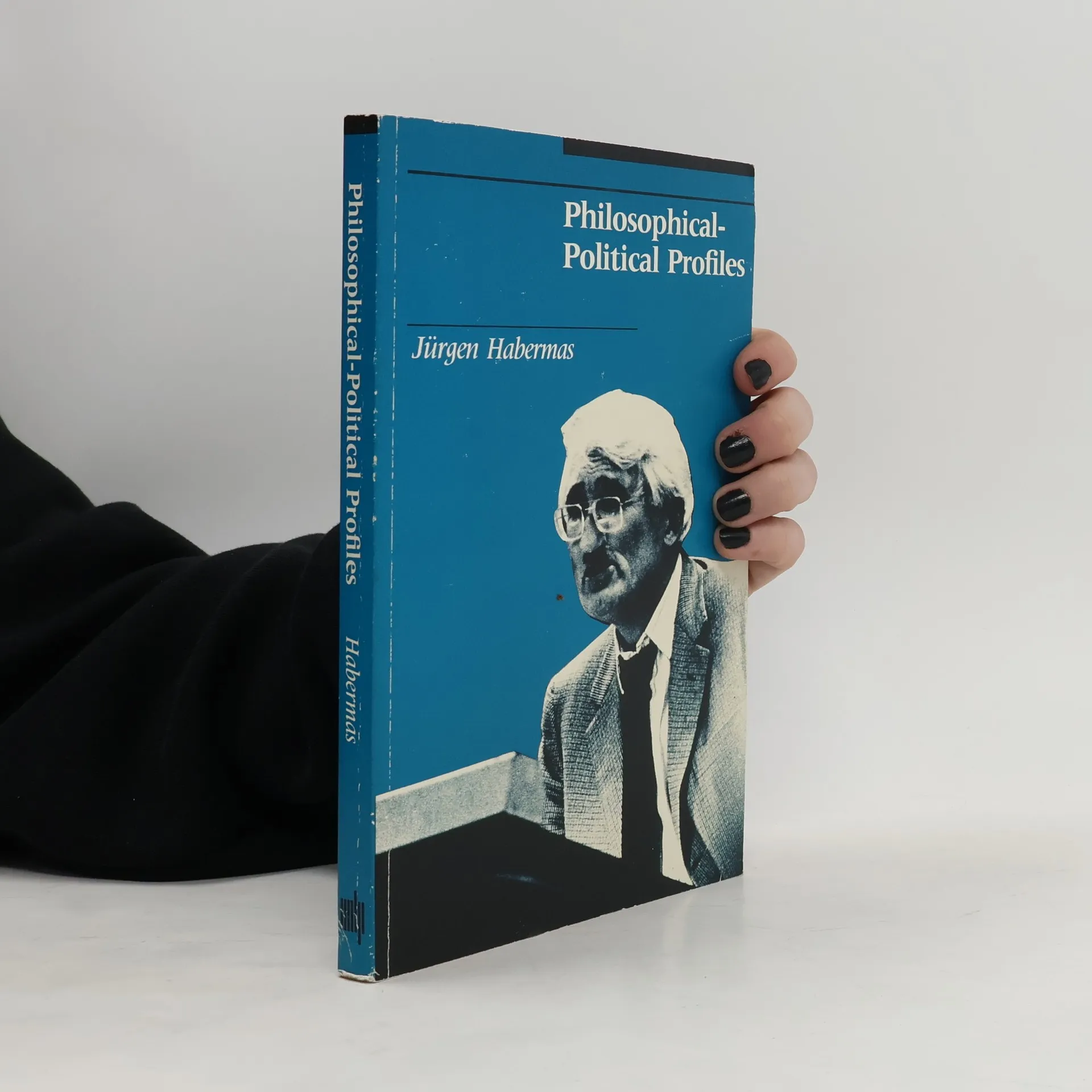
Based on the new German edition of Philosophisch-politische Profile which has attracted serious and widespread attention, this book includes thirteen pieces written by Habermas between 1958 and 1978 - the most important of those in the German edition, plus additional articles.In these essays, Habermas offers a clear and strikingly personal examination of major modern German philosophers and cultural critics, focusing particularly on the content of their thought in relation to their respective political and biographical contexts. Contents Does Philosophy Still Have a Purpose? - The German Influence (Heidegger) - The Figures of Truth (Jaspers) - Karl L�with's Stoic Retreat from Historical Consciousness - A Marxist Schelling (Bloch) - A Primal History of Subjectivity and Self-Affirmation Gone Wild (Adorno) - Imitated Substantiality (Gehlen) - Consciousness-raising or Rescuing Critique-On the Relevance of Walter Benjamin - Herbert Marcuse on Art and Revolution - Hannah Arendt's Concept of Power - The Hidden Torah (Gershom Scholem) - Urbanizing the Heideggerian Province-In Praise of Hans-Georg Gadamer Philosophical-Political Profiles is included in the series, Studies in Contemporary German Social Thought.
The future of Europe and the role it will play in the 21st century are among the most important political questions of our time. The optimism of a decade ago has now faded but the stakes are higher than ever. The way these questions are answered will have enormous implications not only for all Europeans but also for the citizens of Europe’s closest and oldest ally – the USA. In this new book, one of Europe's leading intellectuals examines the political alternatives facing Europe today and outlines a course of action for the future. Habermas advocates a policy of gradual integration of Europe in which key decisions about Europe's future are put in the hands of its peoples, and a 'bipolar commonality' of the West in which a more unified Europe is able to work closely with the United States to build a more stable and equitable international order. This book includes Habermas's portraits of three long-time philosophical companions, Richard Rorty, Jacques Derrida and Ronald Dworkin. It also includes several important new texts by Habermas on the impact of the media on the public sphere, on the enduring importance religion in "post-secular" societies, and on the design of a democratic constitutional order for the emergent world society.
Eduardo Mendieta is professor of philosophy at the State University of New York, Stony Brook. --
Jürgen Habermas’s book The Structural Transformation of the Public Sphere, first published in 1962, has long been recognized as one of the most important works of twentieth-century social thought. Blending philosophy and social history, it offered an account of the public sphere as a domain that mediates between civil society and the state in which citizens could discuss matters of common concern and participate in democratic decision-making through the formation of public opinion. Now, in view of the digital revolution and the resulting crisis of democracy, he returns to this important topic. In this new book Habermas focuses on digital media, in particular social media, which are increasingly relegating traditional mass media to the background. While the new media initially promised to empower users, this promise is being undermined by their algorithm-steered platform structure that promotes self-enclosed informational ‘bubbles’ and discursive ‘echo chambers’ in which users split into a plurality of pseudo-publics that are largely closed off from one other. Habermas argues that, without appropriate regulation of digital media, this new structural transformation is in danger of hollowing out the institutions through which democracies can shape social and economic processes and address urgent collective problems, ranging from growing social inequality to the climate crisis.
Recent developments in biotechnology and genetic research are raising complex ethical questions concerning the legitimate scope and limits of genetic intervention. schovat popis
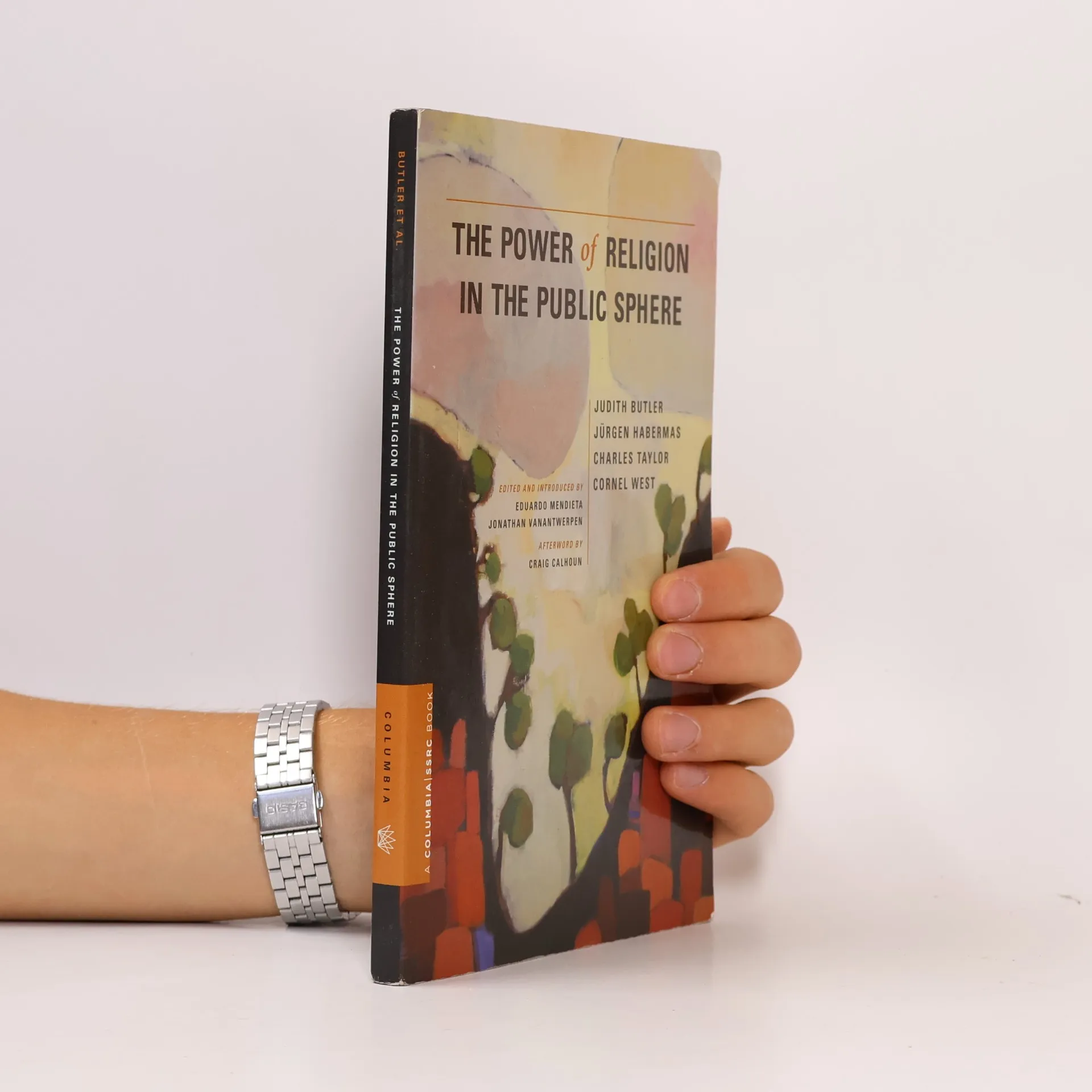
In this book, Habermas explores the relationship between religion and secular reason, urging constructive dialogue to combat fundamentalism. He outlines conditions for this engagement, emphasizing mutual respect between faith and reason. The volume includes his essay and discussions from a debate with philosophers, making it essential for understanding contemporary challenges.
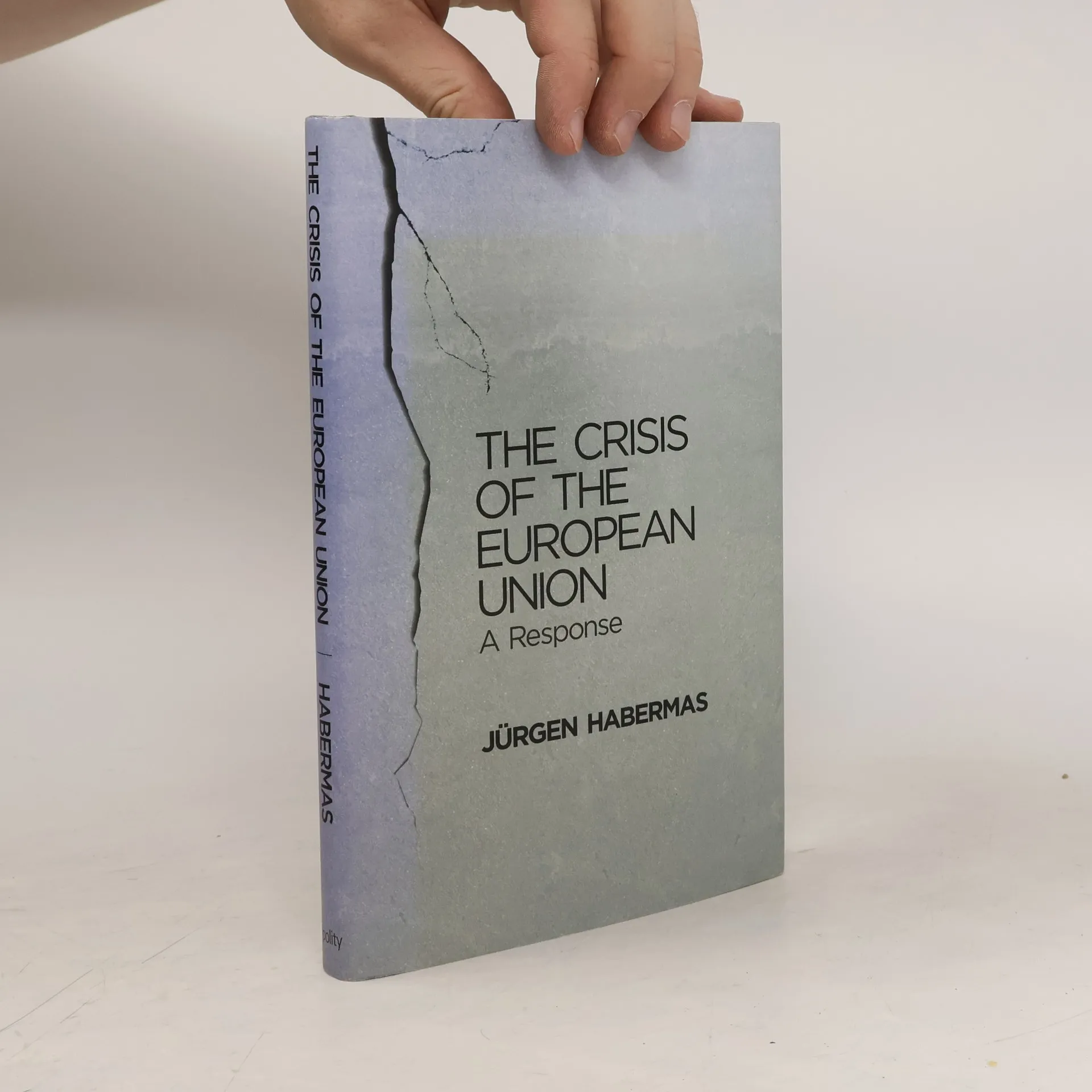
Extended essay on the constitution for Europe which represents the author's constructive engagement with the European project at a time when the crisis of the euro zone is threatening the very existence of the European Union. He addresses the growing realization that the European treaty needs to be revised in order to deal with the structural defects of monetary union, but a clear perspective for the future is missing. Using his analysis of European unification as a process in which international treaties have progressively taken on features of a democratic constitution, he explains why the current proposals to transform the system of European governance into one of executive federalism is a mistake. Europe must realize its democratic potential by evolving from an international into a cosmopolitan community. The concept of human dignity in the genealogy of human rights in the modern era throws further important light on the philosophical foundations of his argument and how democratic political institutions can be extended beyond the level of nation-state
There is no alternative to postmetaphysical thinking : this statement, made by Jurgen Habermas in 1988, has lost none of its relevance.
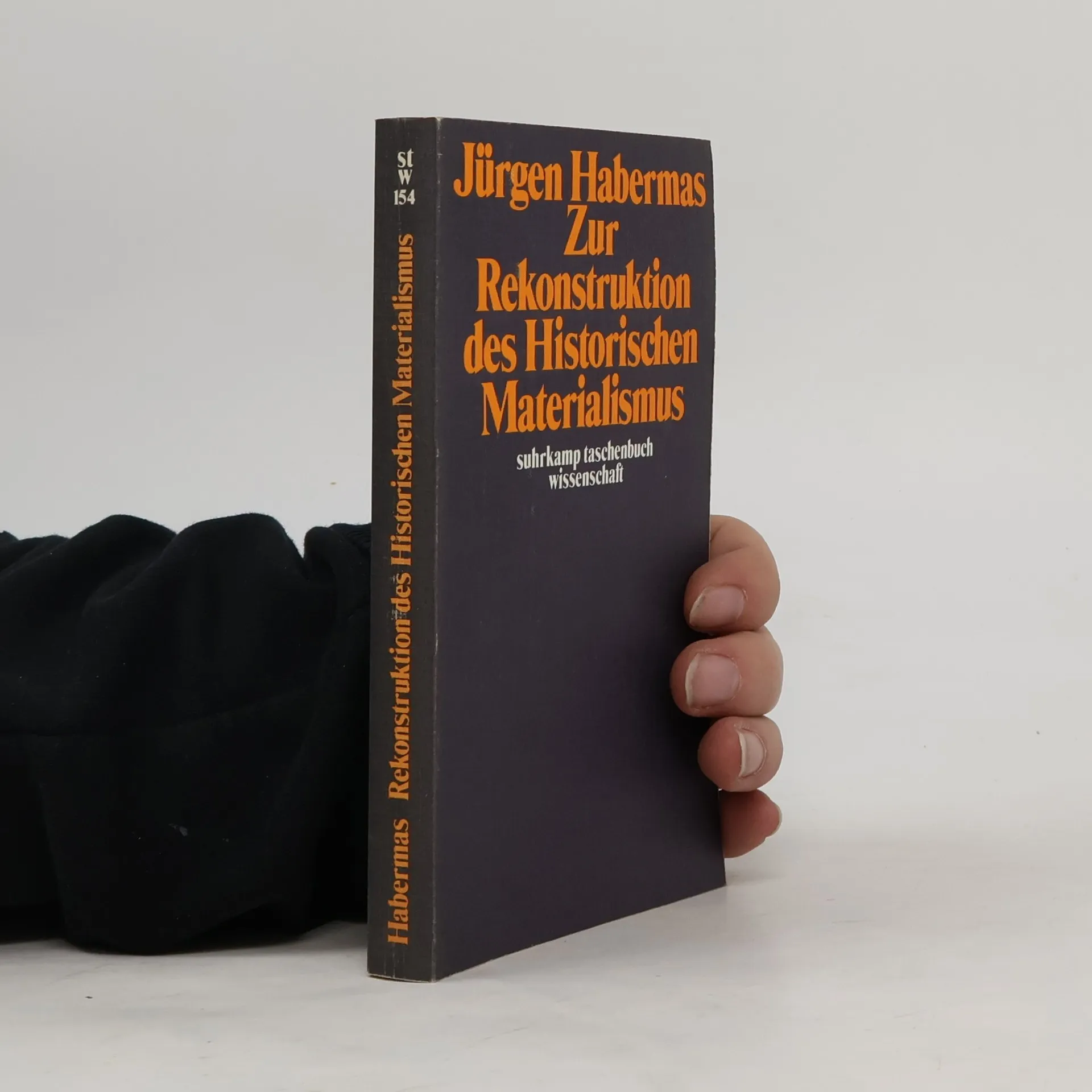
In this important volume Habermas outlines the views which form the basis of his critical theory of modern societies. The volume comprises five interlocking essays, which together define the contours of his theory of communication and of his substantive account of social change. ′What is Universal Pragmatics?′ is the best available statement of Habermas′s programme for a theoryof communication based on the analysis of speech acts. In the following two essays Habermas draws on the work of Kohlberg and others to develop a distinctive account of moral consciousness and normative structures. ′Toward a Reconstruction of historical Materialsim′ takes these issues further, offering a wide–ranging reconstruction of Marx′s historical materialsim understood as a theory of social evolution. The final essay focuses on the question of legitimacy and on the legitimation problems faced by modern states. This book is essential reading for anyone concerned with the key questions of social and political theory today.
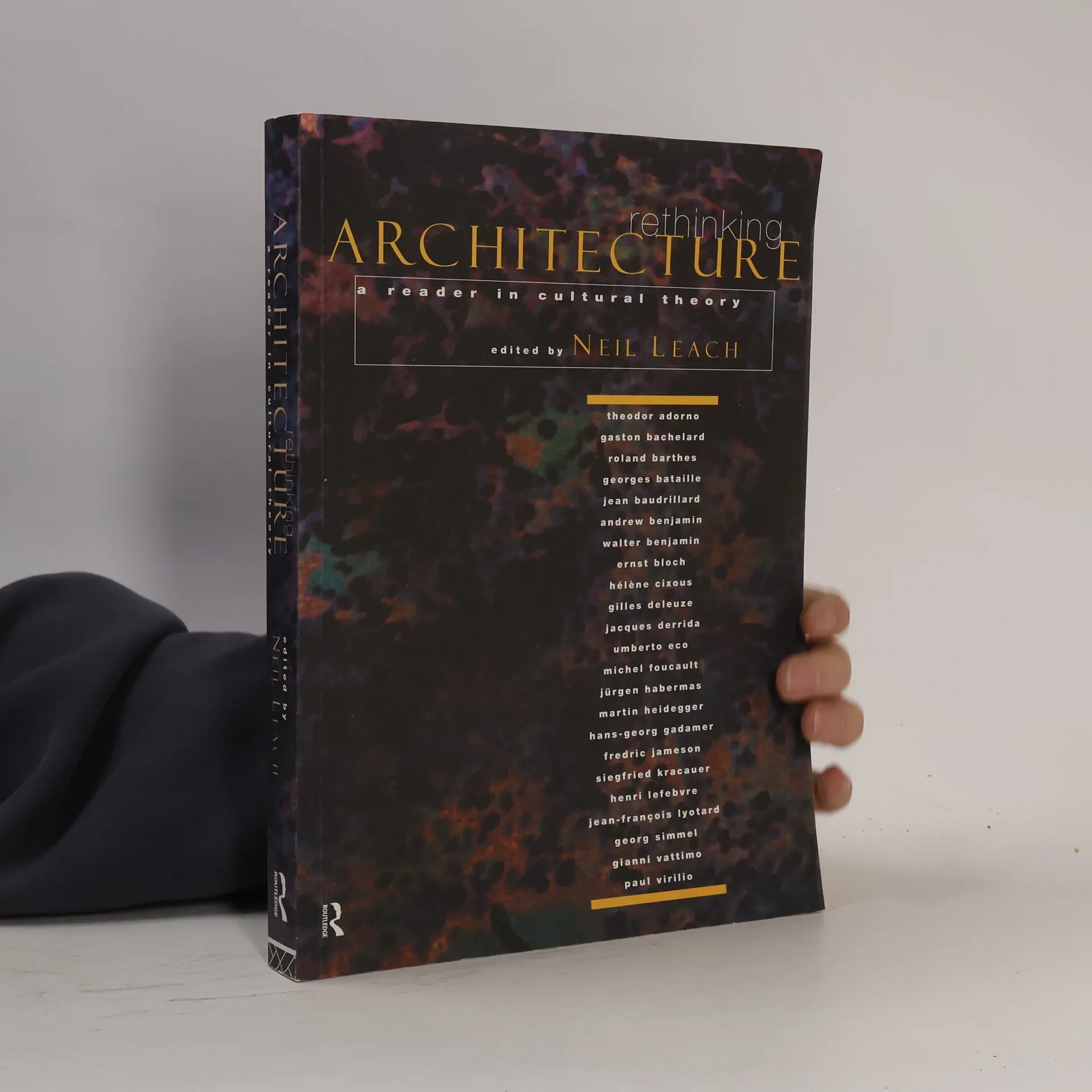
The collection features essential writings from influential philosophers and cultural theorists of the twentieth century, exploring the foundational ideas that have shaped urban environments and architectural experiences. It delves into the theoretical frameworks that underpin contemporary architecture, offering insights into the cultural and philosophical contexts that inform our understanding of space and design. This compilation serves as a critical resource for those interested in the intersection of architecture, philosophy, and urban theory.
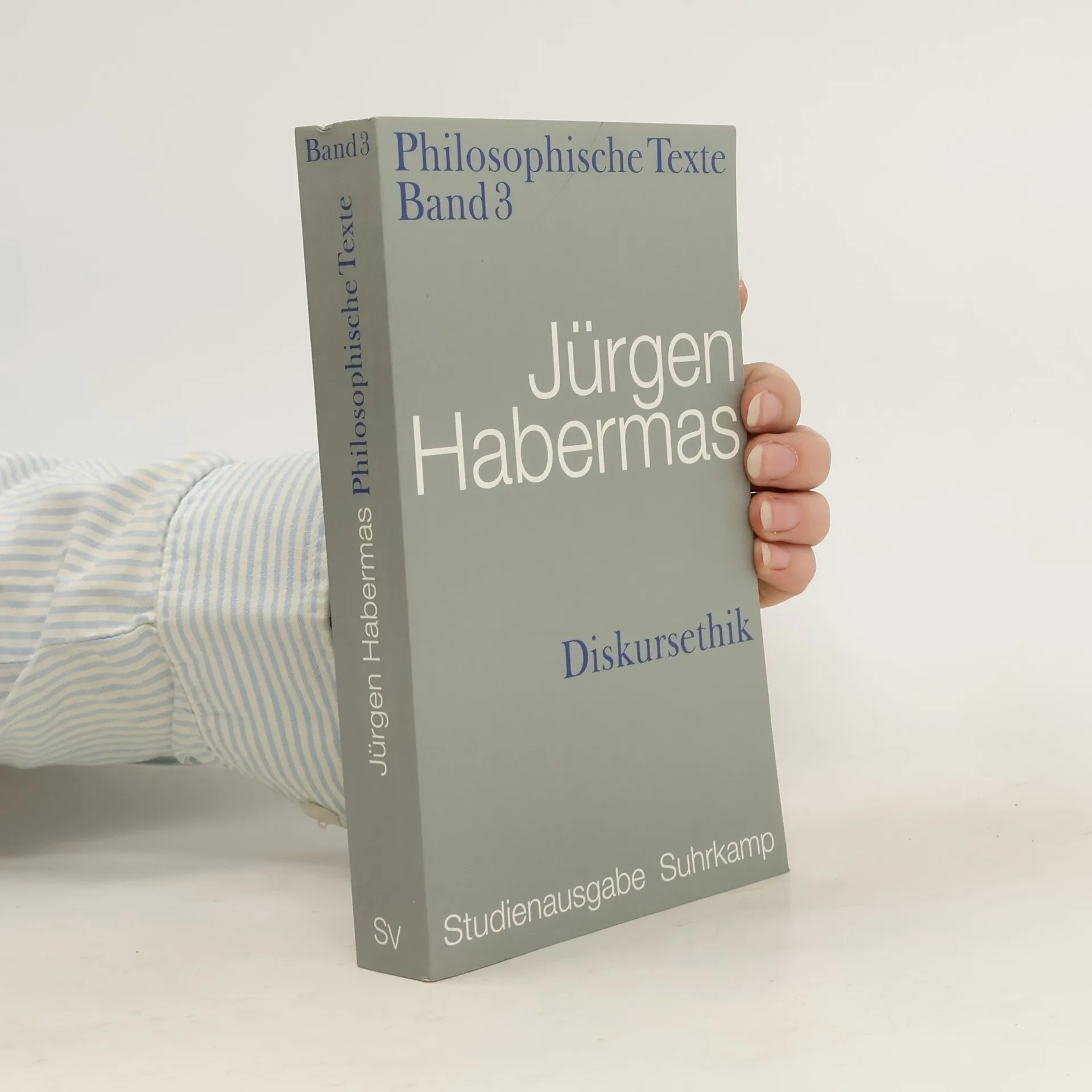
Am 18. Juni 2009 feiert der Philosoph und Soziologe Jürgen Habermas seinen 80. Geburtstag. Zu diesem Anlass hat er eine Auswahl wichtiger Texte zusammengestellt, darunter auch unveröffentlichte, die den philosophischen Kern seines umfangreichen Werks offenbaren. In ausführlichen Einleitungen zu jedem Band skizziert er die Grundzüge und Motive seines Denkens zu Themen wie Sprache, Wahrheit, Vernunft, Moral, Recht und Demokratie, die sich in Auseinandersetzung mit den Einzelwissenschaften entwickelt haben. Diese Bände ersetzen ungeschriebene philosophische Monographien und bieten einen tiefen Einblick in ein Denken, das die Geistesgeschichte der Gegenwart maßgeblich geprägt hat. Der dritte Band behandelt Diskursethik und Sprachtheorie und umfasst ein Vorwort, eine Einleitung sowie mehrere zentrale Texte. Dazu gehören Notizen zu einem Begründungsprogramm der Diskursethik, ein Interview zur Verbindung von Diskursethik und Gesellschaftstheorie, Erläuterungen zur Diskursethik, eine genealogische Betrachtung des kognitiven Gehalts der Moral, sowie Überlegungen zum praktischen Gebrauch der Vernunft und zur Richtigkeit moralischer Urteile. Schließlich wird die Architektonik der Diskursdifferenzierung in einer kleinen Replik behandelt.
Studienausgabe
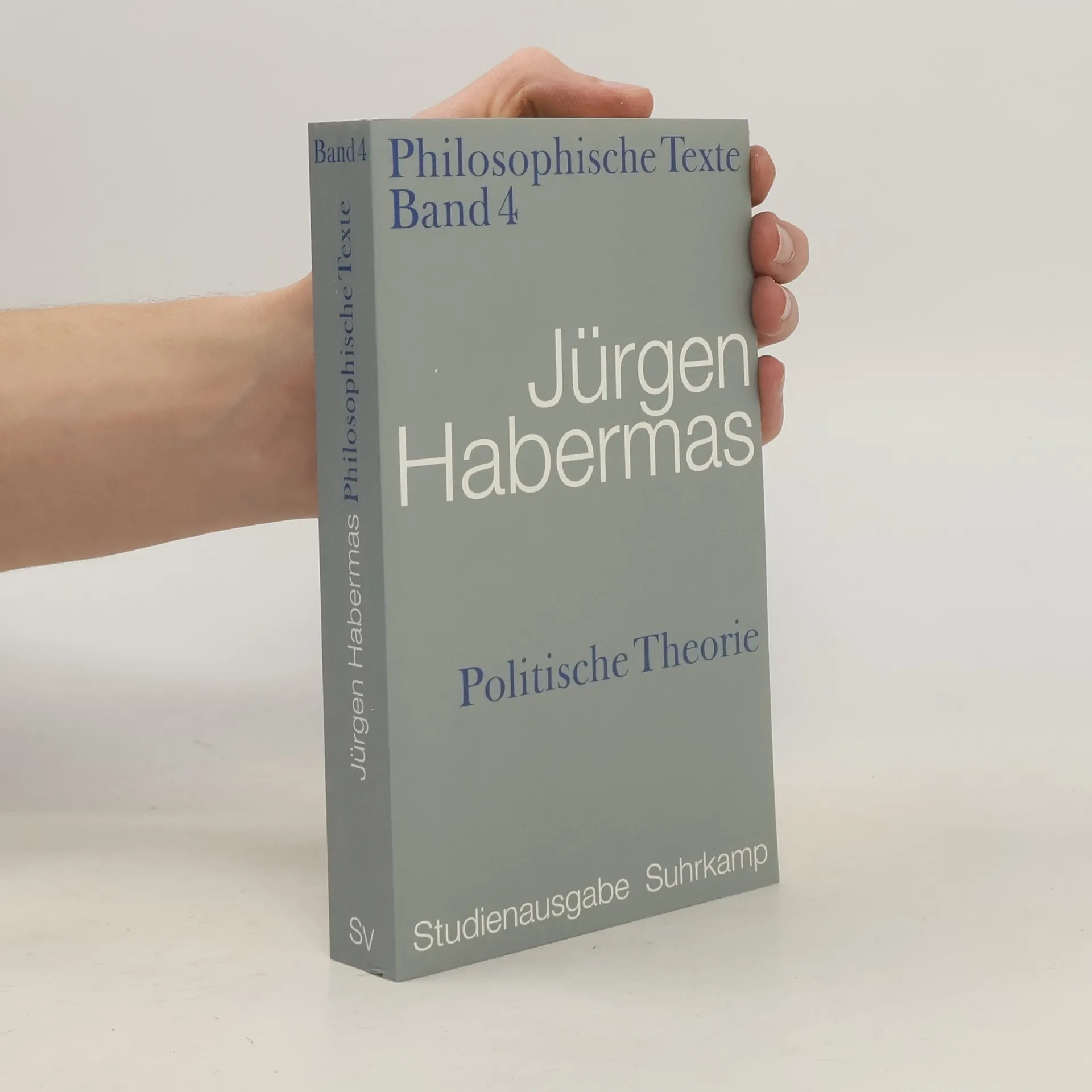
Am 18. Juni 2009 feiert der Philosoph und Soziologe Jürgen Habermas seinen 80. Geburtstag. Zu diesem Anlass hat er eine Auswahl wichtiger Texte zusammengestellt, darunter auch unveröffentlichte, die den philosophischen Kern seines Werks offenbaren. In jeder Einführung erläutert er die Grundzüge seines Denkens zu Themen wie Sprache, Wahrheit, Vernunft, Moral, Recht und Demokratie, die in Auseinandersetzung mit den Einzelwissenschaften entstanden sind. Diese Bände ersetzen ungeschriebene Monographien und bieten einen umfassenden Einblick in ein Denken, das die Geistesgeschichte der Gegenwart maßgeblich geprägt hat. Der vierte Band behandelt die politische Theorie und umfasst ein Vorwort sowie eine Einleitung. Die zentralen Themen sind die Volkssouveränität als Verfahren, normative Modelle der Demokratie, die epistemische Dimension der Demokratie, der Zusammenhang von Rechtsstaat und Demokratie, die paradoxe Verbindung widersprüchlicher Prinzipien im demokratischen Rechtsstaat, vorpolitische Grundlagen desselben, kulturelle Gleichbehandlung im Kontext des postmodernen Liberalismus, die Legitimation durch Menschenrechte und die Chancen der Konstitutionalisierung des Völkerrechts.
Mit Beiträgen von Theodor W. Adorno, Hannah Arendt, Jean Améry, Gottfried Benn, Hans Magnus Enzensberger, Jürgen Habermas, Ralf Dahrendorf, Ernst Bloch u. a.
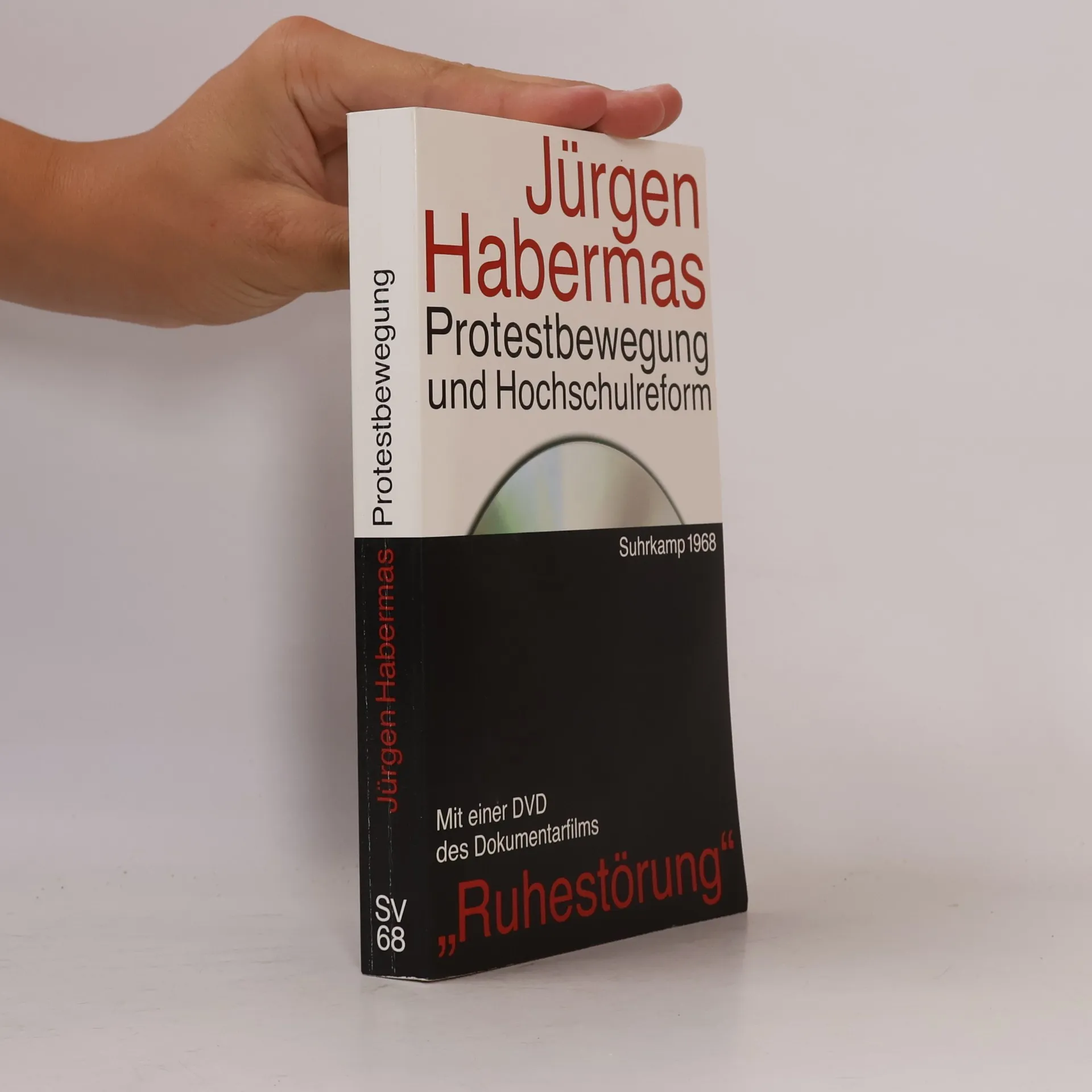
Wohin bewegen sich die Universitäten? In den Aufsätzen dieses Bandes kommentiert und analysiert Jürgen Habermas, einer der Mentoren der Universitätsreform, die Rolle der studentischen Protestbewegung. DVD Schüler und Studenten demonstrieren in Berlin: Dokumentation zur „deutschen Unruhe“ aus dem Jahr 1968.
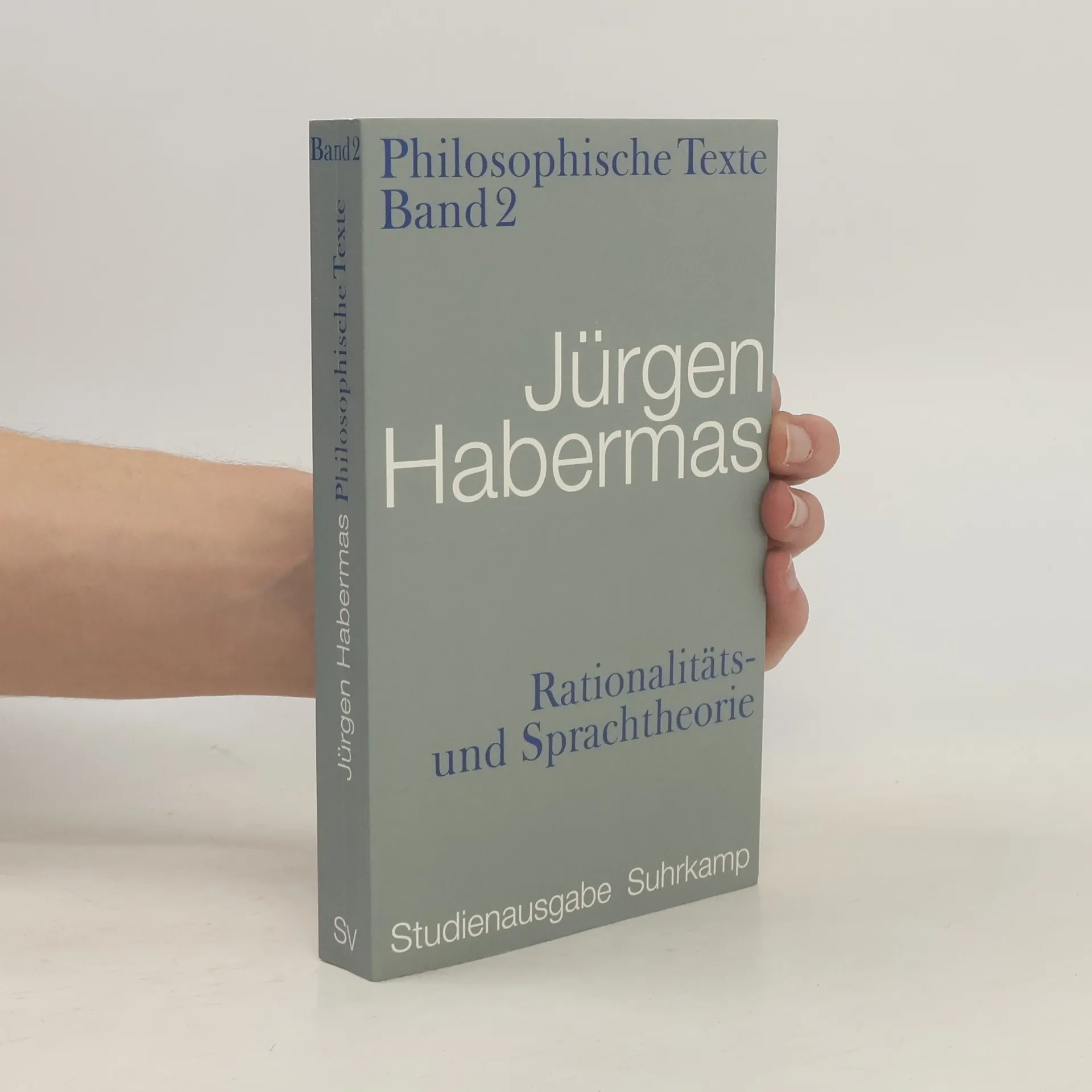
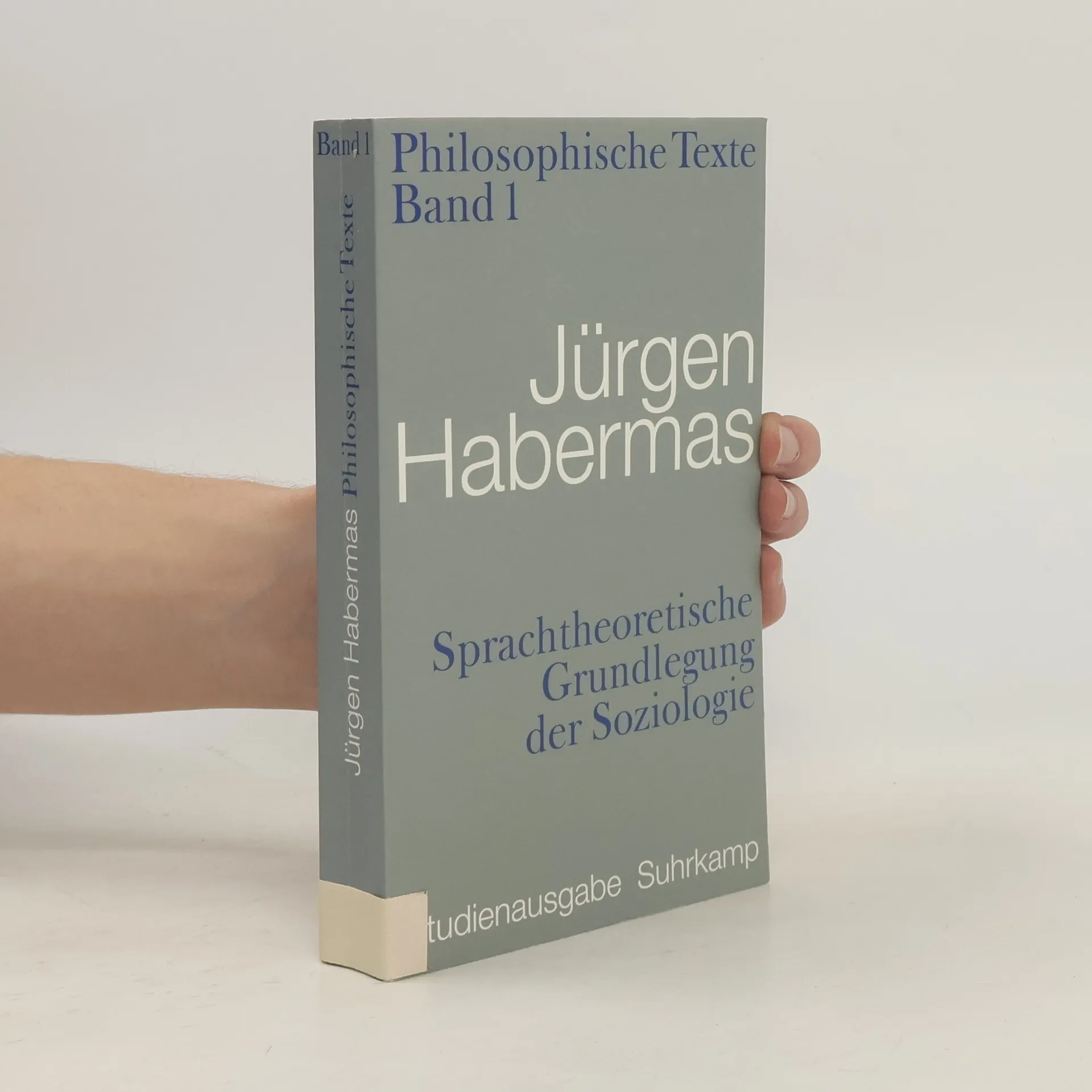
Der Philosoph und Soziologe Jürgen Habermas feierte am 18. Juni 2009 seinen 80. Geburtstag und präsentierte zu diesem Anlass eine systematische Auswahl bedeutender Texte, darunter auch unveröffentlichte. Diese Sammlung offenbart den philosophischen Kern seines umfangreichen Schaffens. In den einleitenden Kapiteln zu jedem Band erläutert Habermas die zentralen Aspekte seines Denkens zu Themen wie Sprache, Wahrheit, Vernunft, Moral, Recht und Demokratie, die in Auseinandersetzung mit den Einzelwissenschaften entstanden sind. Die Bände ersetzen somit ungeschriebene philosophische Monographien und bieten einen tiefen Einblick in ein Denken, das die Geistesgeschichte der Gegenwart maßgeblich beeinflusst hat. Der erste Band thematisiert die sprachtheoretischen Grundlagen der Soziologie und umfasst Vorlesungen zur sprachtheoretischen Fundierung, Erklärungen zum kommunikativen Handeln sowie die Analyse von Handlungen, Sprechakten und sprachlich vermittelten Interaktionen. Des Weiteren werden die Individuierung durch Vergesellschaftung, Aspekte der Handlungsrationalität und die Unterscheidung zwischen rekonstruktiven und verstehenden Sozialwissenschaften behandelt. Abschließend wird ein Rückblick auf zwei Traditionen der Moderne geworfen.
I. Die Lebenswelt als Raum der Gründe. 1. Von den Weltbildern zur Lebenswelt -- 2. Die Lebenswelt als Raum symbolisch verkörperter Gründe -- 3. Eine Hypothese zum gattungsgeschichtlichen Sinn des Ritus -- II. Nachmetaphysisches Denken. 4. Ein neues Interesse der Philosophie an Religion. Ein Interview von Eduardo Mendieta -- 5. Religion und nachmetaphysisches Denken. Eine Replik -- 6. Ein Symposion über Glauben und Wissen. Replik auf Einwände, Reaktion auf Anregungen -- III Politik und Religion. 7. "Das Politische" -- Der vernünftige Sinn eines zweifelhaften Erbstücks der Politischen Theologie -- 8. Das "gute Leben" eine "abscheuliche Phrase". Welche Bedeutung hat die religiöse Ethik des jungen Rawls für dessen Politische Theorie? -- 9. Rawls' Politischer Liberalismus. Replik auf die Wiederaufnahme einer Diskussion -- 10. Religion in der Öffentlichkeit der "postsäkularen" Gesellschaft.
Das Buch kann als paradigmatistische Interpretation und Kritik des sozialen Zustands im Rahmen des sogenannten "westlichen Marxismus" der 60er Jahre verstanden werden.
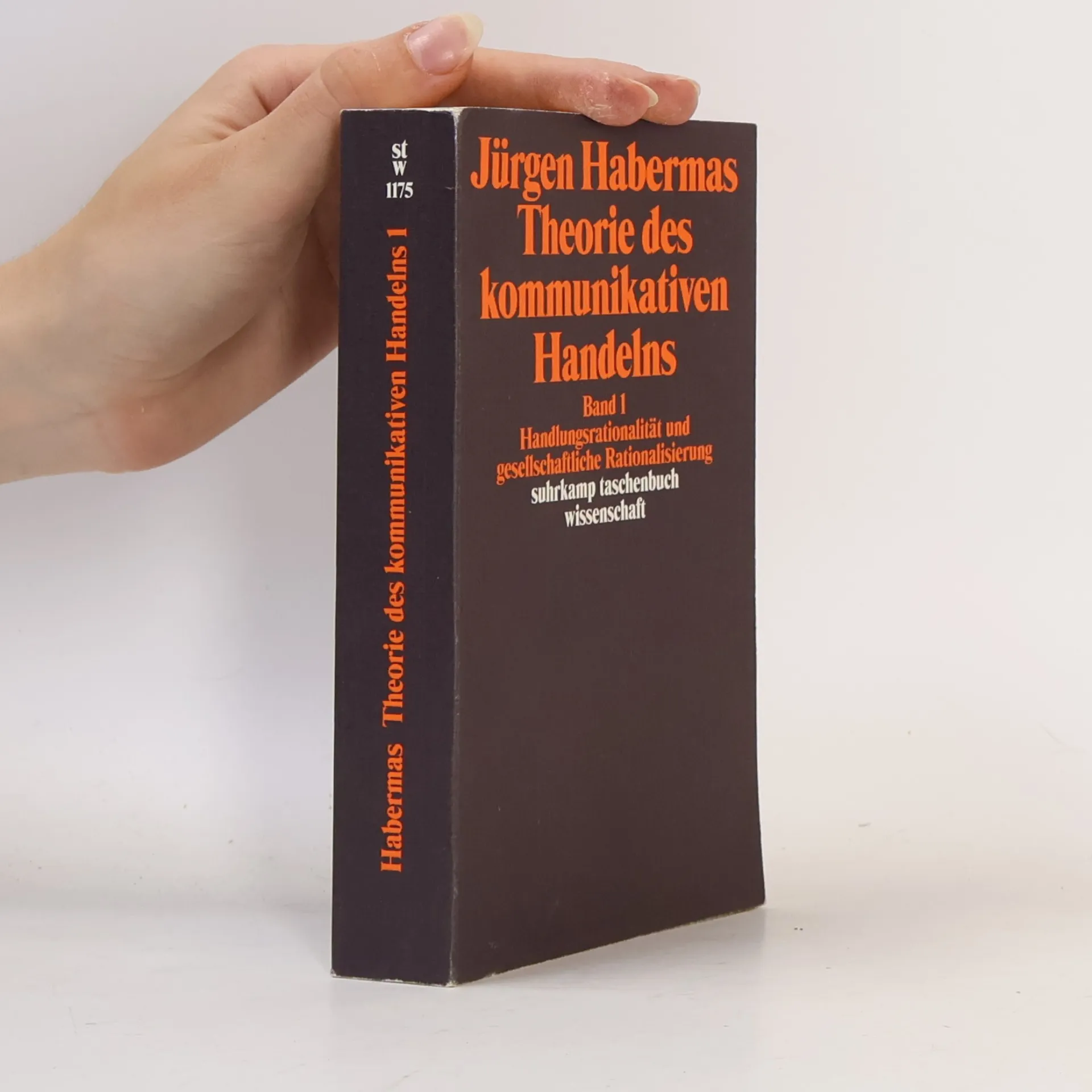
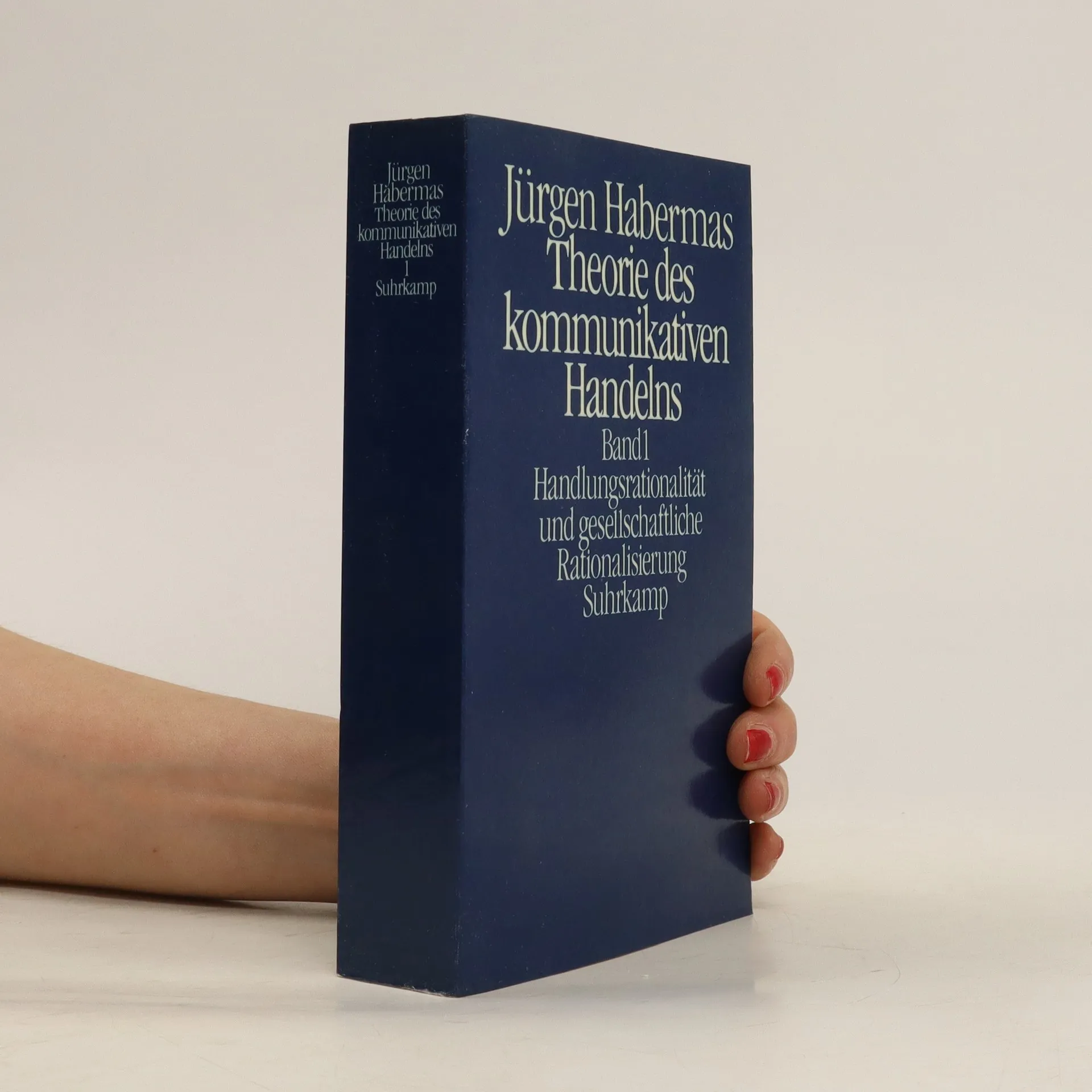
Jürgen Habermas entwickelt in der Theorie des kommunikativen Handelns ein umfassendes und neues kritisches Gesellschaftstheorie-Projekt, das auf den Grundlagen basiert, die in Sozialwissenschaften gelegt wurden. Die Theorie des kommunikativen Handelns ist ein Hauptwerk, in dem Habermas die Disziplinen der Soziologie, Linguistik, Geschichte, Anthropologie, Phänomenologie und Systemtheorie kritisch betrachtet und mit einer Reihe von Denkern und Philosophen von Weber bis Adorno diskutiert. Der Begriff des kommunikativen Handelns umfasst drei miteinander verbundene Themenkomplexe: kommunikative Rationalität, Handlung und ein Gesellschaftsdesign, das die Dilemmata der Moderne erklärt, indem es die kommunikativ strukturierten Lebenswelten den unabhängig gewordenen und formal organisierten Handlungssystemen unterordnet. In diesem Werk, das auch als das Kapital des 21. Jahrhunderts gelesen werden kann, schlägt Habermas vor, die Unzulänglichkeit des marxistischen Paradigmas von Produktionsmitteln und Produktionsverhältnissen zu überwinden, indem er die Konzepte der Lebenswelt in die Theorie des kommunikativen Handelns integriert.
Mit seiner Friedenspreisrede eröffnete Jürgen Habermas 2001 die Auseinandersetzung mit Vertretern der katholischen Kirche: Er traf sich mit Joseph Kardinal Ratzinger. Unter dem Titel „Ein Bewußtsein von dem, was fehlt“ führte er nun ein Gespräch mit renommierten Philosophen der Hochschule für Philosophie der Jesuiten. Habermas betont, daß die moderne Vernunft sich selbst nur verstehen könne, wenn sie ihre Stellung zum religiösen Bewußtsein kläre. Hintergrund für seine Argumentation ist u. a. auch die Verhältnisbestimmung von Glaube und Vernunft, die Papst Benedikt XVI. in seiner Regensburger Rede formuliert hatte. Der Band versammelt den Essay sowie die Beiträge der Debatte. Die Einleitung gibt einen Überblick über Habermas’ religionsphilosophische Interventionen.
Un importante contributo alla teoria sociale contemporanea. Non solo offre una critica convincente di alcune delle principali prospettive della filosofia e della scienza sociale del XX secolo, ma presenta anche una sintesi sistematica dei molti temi che hanno occupato Habermas per trent'anni.
InhaltsverzeichnisVorwort Ernst Bloch. Ein marxistischer Schelling (1960) Theodor W. Adorno. Urgeschichte der Subjektivität und verwilderte Selbstbehauptung (1969) Bewußtmachende oder rettende Kritik. Die Aktualität Walter Benjamins (1972) Herbert Marcuse über Kunst und Revolution (1973) Hannah Arendts Begriff der Macht (1976) Die verkleidete Tora. Rede zum 80. Geburtstag von Gershom Scholem (1978) Textnachweise Biographische Notiz Buchveröffentlichungen
Monografie o životě a díle významného představitele frankfurtské školy.
Gespräche mit Stefan Müller-Doohm und Roman Yos | Der perfekte Einstieg in den Habermas-Kosmos
Der Autor bietet Einblicke in die Entwicklung seines Denkens und die prägenden Erfahrungen, die seine Werke beeinflussten. Er beschreibt den Entstehungsprozess seiner Ideen, bedeutende Lektüren und wichtige Begegnungen mit Kollegen. Dadurch entfaltet sich ein facettenreiches Netzwerk, das sich durch die intellektuelle Landschaft des 20. Jahrhunderts bis in die Gegenwart zieht und die Veränderungen seines Denkens über die Jahrzehnte hinweg dokumentiert.
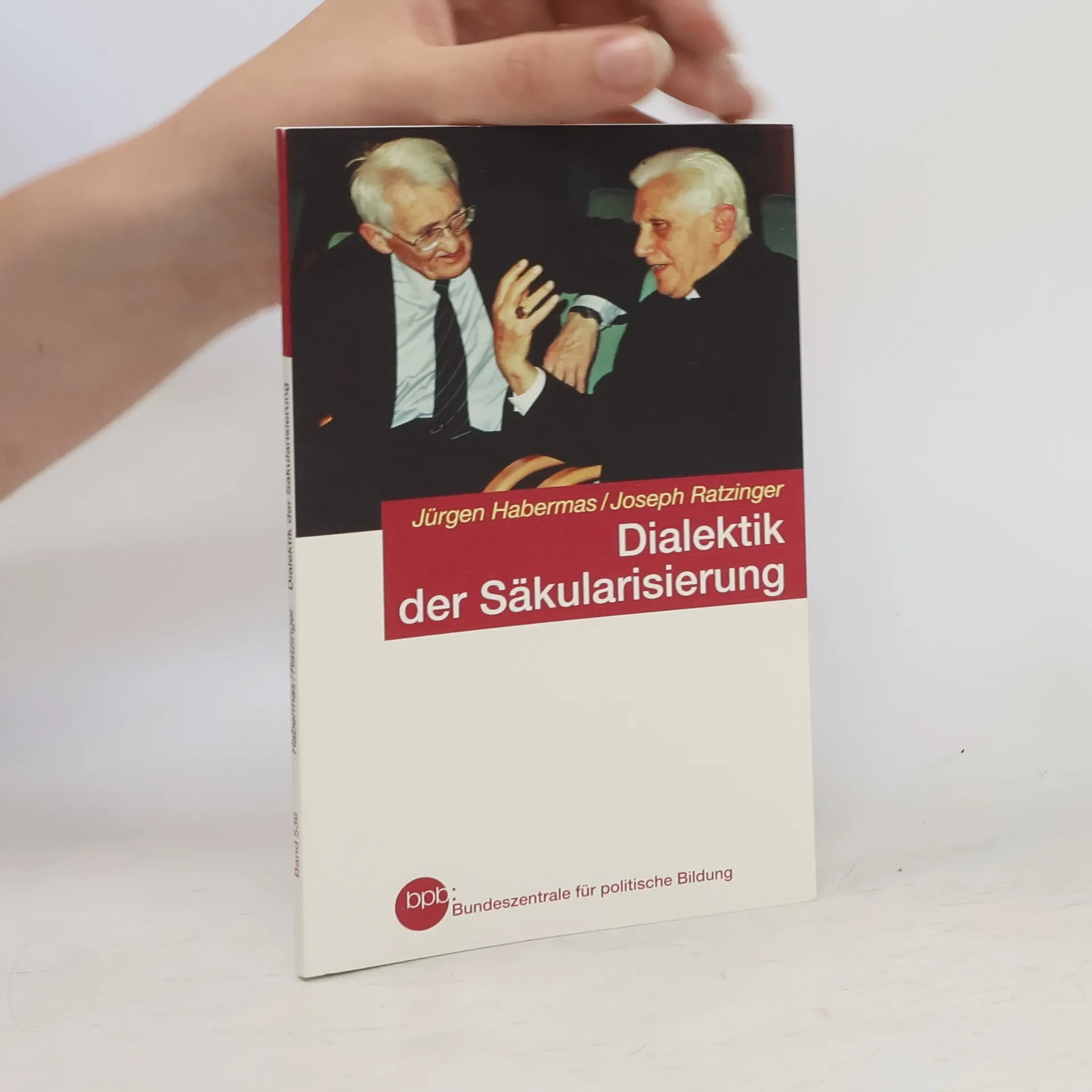
Der Kurienkardinal im Gespräch mit dem wohl bedeutendsten Gegenwartsphilosophen über Grundlagen einer freiheitlichen und friedlichen Gesellschaftsordnung. Wie ist zu verhindern, dass Modernisierung entgleist? Kann Religion der Vernunft Grenzen setzen - und umgekehrt? Das Dokument einer zukunftsweisenden Begegnung zur geistigen Situation unserer Zeit.
Die entscheidende Arbeit, die die Grundlagen der Theorie der kommunikativen Aktion von Habermas festlegte. In diesem unverzichtbaren Buch führte Jürgen Habermas eine umfassende Revision der marxistischen Theorie des historischen Materialismus durch, einem konzeptionellen Rahmen, der in Europa so einflussreich ist, dass er trotz einer tiefgreifenden kritischen Überprüfung weiterhin unbestreitbare stimulierende Kraft besitzt. Eingebettet in die Bewegung der Kritik am marxistischen Gesellschaftsanalyse und gleichzeitig in diese Analyse vertieft, nutzte das Buch (ursprünglich 1976 veröffentlicht) die neuen Beiträge der Sozialwissenschaften, um die Theorie mit einem erneuerten Geist neu zu gestalten und so besser das Ziel zu erreichen, das es sich setzte, unter Berücksichtigung des kontextuellen Wandels des späten 20. Jahrhunderts, das durch den Kapitalismus vollständig transformiert wurde. Dieses entscheidende Buch hatte zum Ziel, eine auf Sprache basierende Politik zu begründen, die uns von den Täuschungen der Ideologie befreien kann, die die freie Kommunikation behindern.
In den zeitdiagnostischen Beiträgen und Interviews dieses Sammelbandes, dessen Titel rasch zu einem geflügelten Wort avancierte, nimmt Jürgen Habermas Stellung zu aktuellen Fragen, angefangen mit dem Vordringen des Neokonservatismus im geistigen und politischen Leben der USA und der Bundesrepublik, über die Krise des Wohlfahrtsstaates und der Erschöpfung utopischer Energien bis hin zum gegenwärtigen intellektuellen Klima in der Bundesrepublik. Der Band, der kurz nach seinem Erscheinen mit dem Geschwister-Scholl-Preis ausgezeichnet wurde, verschafft nicht nur einen glänzenden Überblick über Habermas? bisheriges Gesamtwerk, er verdeutlicht überdies die Motive seiner Arbeit.
In diesem Band, so ist mein Eindruck, präsentiert sich eine nachdenkliche Linke, gleich weit entfernt von Gewißheit wie von Unsicherheit. In diesen Jahrgängen ist das Bewußtsein, daß unsere Republik auch im dreißigsten Jahr ihres Bestehens noch auf tönernen Füßen steht und daß sie gegen die, die sich heute nicht mehr genieren, ein Zuviel an Demokratie offen zu beklagen, verteidigt werden muß, in beinahe konventioneller Klarheit ausgebildet.« (Jürgen Habermas in der Einleitung)
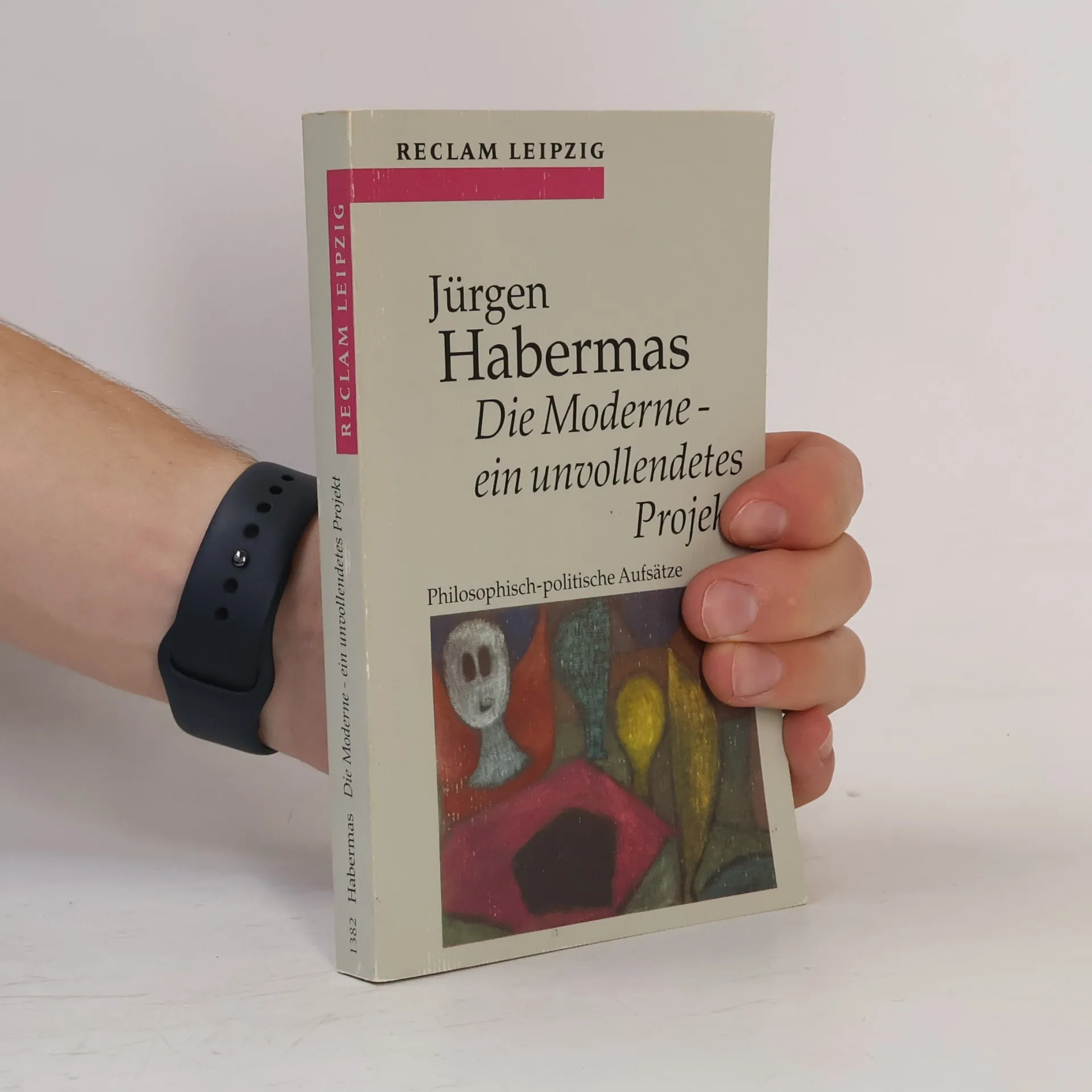
Der vorliegende Text, der aus dem Vortrag stammt, den Jürgen Habermas im September 1980 in Frankfurt hielt, als er mit dem Theodor W. Adorno-Preis ausgezeichnet wurde, ist von grundlegender Bedeutung, da er nicht nur ein prägnanter Text ist, sondern auch inspirierend für eines seiner Hauptwerke: Der philosophische Diskurs der Moderne. Die gedankliche Übereinstimmung, die ihn in einigen Aspekten Adorno näherbringt, wird von vielen als Tribut an die kritische Theorie dieses Philosophen angesehen. In der Tat geht die Behauptung von Habermas, dass die Versprechen der Aufklärungsära noch nicht eingelöst sind und ein Potenzial zur Verbesserung der menschlichen Bedingung trotz der Pathologien der Moderne bergen, mit der negativen Theorie von Adorno einher. In einem gemeinsamen Konzept kann die Moderne nicht auf eine binäre Logik reduziert werden, die auf Zufall und Totalisierung basiert, sondern zeigt sich vielmehr durch eine nicht-lineare Ambivalenz zwischen dem Universellen und dem Besonderen. Dies wirft für Habermas zwei zentrale Fragen auf: Ist die Moderne so passé, wie die Postmodernen behaupten? Oder ist die so oft beschworene Postmoderne ihrerseits einfach nur falsch?
Výbor textů obsahuje studie a doplňky Jürgena Habermase k jeho diskursivní politické a právní teorii demokratického právního státu, kterou systematicky vypracoval ve své monumentální knize Faktizität und Geltung. Beiträge zur Diskurstheorie des Rechts und des demokratischen Rechtsstaats (1991). Jde o druhý opus magnum „zralého“ Habermase v oblasti „praktické filosofie“, v němž velmi složitým způsobem navazuje na svou předchozí, stejně tak monumentální knihu Theorie des kommunikativen Handelns (1981). Habermasův pokus o diskursivní zdůvodnění liberální demokracie je organickou součástí tradičních diskusí v německé politické a právní teorii, dokládá systematickou recepci anglosaských diskusí, komplikovaným způsobem navazuje na předchozí etapy Habermasova myšlení a zcela novým způsobem naplňuje jeho základní intence.
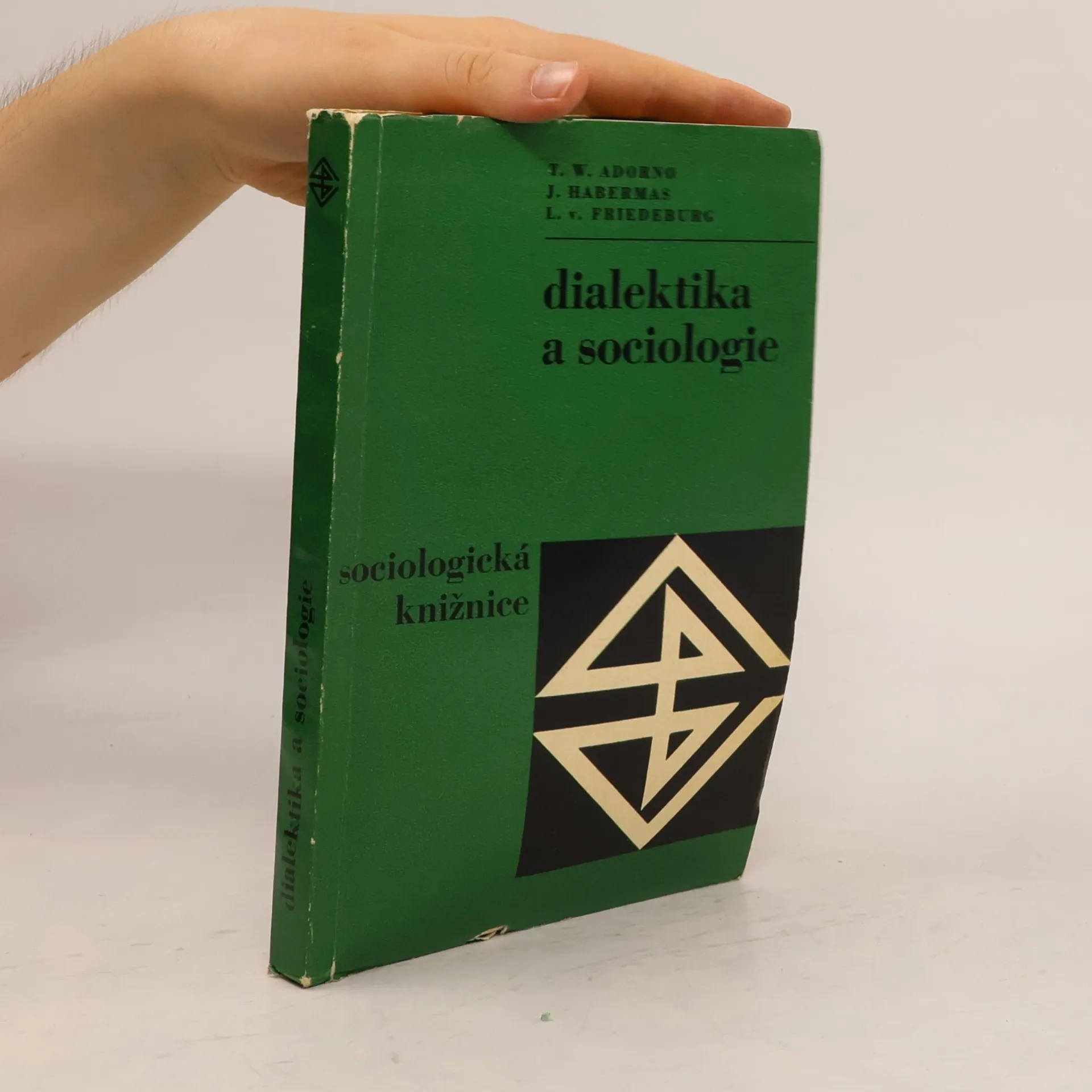
Sborník podává první, byť velmi fragmentární výběr prací tzv. frankfurtské školy, představující jeden z nejvýznačnějších proudů sociologického a filosofického myšlení v NSR. T.W. Adorno zkoumá obsah a možnosti empirické sociologie. Druhá jeho studie vyšetřuje vztah mezi sociologií apsychologií. J. Habermas jednak analyzuje kritické a konzervativní úkoly sociologie, jednak sleduje vliv středoškolského a vysokoškolského vzdělání na politické vědomí. Z díla L. von Friedeburga je uvedena studie k interpretaci empirických výzkumů v průmyslových podnicích.
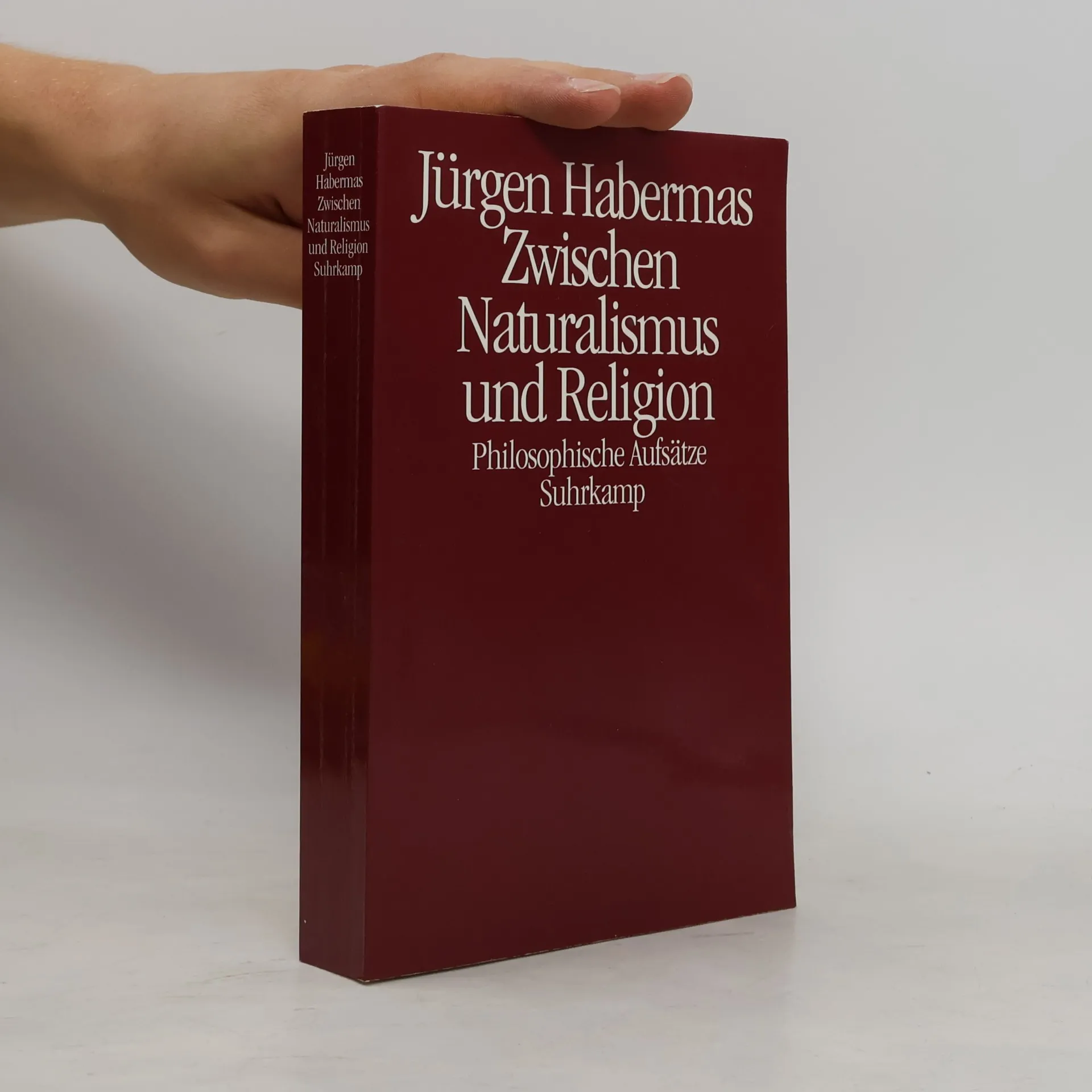
Die gegenwärtige geistige Situation wird von zwei gegensätzlichen Tendenzen geprägt: der Ausbreitung naturalistischer Weltbilder und der Rückkehr religiöser Orthodoxien. Auf der einen Seite beeinflussen Fortschritte in Biogenetik, Hirnforschung und Robotik unser Selbstverständnis und dringen in alltägliche Handlungen ein. Diese Entwicklung stellt die Philosophie vor die Herausforderung eines szientistischen Naturalismus, wobei die Diskussion nicht um die Abhängigkeit menschlicher Geisteshandlungen von organischen Substraten kreist, sondern um die angemessene Auffassung der kulturellen Evolution. Auf der anderen Seite erleben wir eine unerwartete Wiederbelebung religiöser Traditionen und die Politisierung von Glaubensgemeinschaften. Diese religiösen Kräfte fordern die Philosophie heraus, das nachmetaphysische und nichtreligiöse Selbstverständnis der westlichen Moderne grundlegend zu hinterfragen. Hierbei geht es nicht nur um die politischen Gestaltungsmöglichkeiten innerhalb der wissenschaftlich-technischen und wirtschaftlichen Infrastrukturen des Westens, sondern um die Deutung der Säkularisierungsfolgen einer kulturellen und gesellschaftlichen Rationalisierung. Der vorliegende Band versammelt Aufsätze, die sich mit diesen Fragestellungen befassen und dabei den komplementären Herausforderungen von Naturalismus und Religion sowie dem normativen Eigensinn einer detranszendentalisierten Vernunft nachgehen.
Die Theorie des kommunikativen Handelns dient der Klärung der Grundlagen einer kritischen Gesellschaftstheorie. Der Grundbegriff des kommunikativen Handelns erschließt den Zugang zu drei Themenkomplexen, die miteinander verschränkt sind: zum Begriff der kommunikativen Rationalität, zu einem zweistufigen, die Paradigmen von Handlung und System verknüpfenden Gesellschaftskonzept und zu einem theoretischen Ansatz, der die Paradoxien der Moderne mit Hilfe einer Unterordnung der kommunikativ strukturierten Lebenswelt unter die imperativen verselbständigten, formal organisierten Handlungssysteme erklärt
Der Haupttitel deutet an, worum es Jürgen Habermas in diesem Buch vor allem geht: um die Frage, wie denn auf die Revolution in der damaligen DDR zu reagieren sei. Es versteht sieh von seihst, daß er der Euphorie von 1989/90, wonach sich die Bundesrepublik historisch als die »beste aller Welten« erwiesen habe, kritisch gegenübersteht. Dennoch verkennt er nicht, daß in der DDR eine Revolution stattgefunden hat, die nachholend genannt werden kann, wenn man sie an den Verfassungsgrundsätzen der westlichen Demokratien mißt
Die Theorie des kommunikativen Handelns bietet nicht weniger als eine systematische Rekonstruktion der theoretischen Grundlagen und des Rahmens der kritischen Sozialtheorie.
Shapiro analyzuje současné teorie demokracie, nevynechává žádný významnější směr. Ve svém výkladu přitom vychází z pozic schumpeterovských a polemicky se zaměřuje proti normativním teoriím, zvláště proti koncepci deliberativní demokracie. Habermasův článek se zase věnuje teoriím normativním, tedy teoriím, jež nevylučují otázku, zda daný politický režim je dobrý a proč je dobrý. Habermas ve své argumentaci navazuje na hlavní proud soudobé politické filosofie a svůj výklad rozvíjí v kontextu diskuse mezi liberalismem a komunitarismem, formuluje však vlastní pozici, jež staví na diskurzní etice. Uspořádal a úvodní studii napsal Milan Znoj.
Filosofický příspěvek k současné diskusi v biomedicíně. Řeší problematiku morálního a právního postavení embrya a vyjadřuje znepokojení nad možnými negativními důsledky programování lidí - narušení lidské přirozenosti, identity jednotlivce, mezigeneračních vztahů apod. Obsahuje stať Víra a vědění, která je reakcí na aktuální problémy naší kultury po 11. září 2001.
»Wer einen Krieg der Kulturen vermeiden will, muss sich die unabgeschlossene Dialektik des eigenen, abendländischen Säkularisierungsprozesses in Erinnerung rufen.« Jürgen Habermas
Politik und Kultur
Wir leben in einer Zeit turbulenter Veränderungen, in der die Rahmenbedingungen, die unsere Gesellschaften geprägt haben, in Frage gestellt werden. In diesem neuen Band von Essays und Interviews richtet Habermas seine Aufmerksamkeit auf diese Veränderungsprozesse und bietet Ressourcen, um sie zu verstehen. Welche internationale Ordnung sollten wir im globalen Zeitalter anstreben? Wie sollten wir das politische Projekt Europas begreifen und das demokratische Defizit der EU überwinden? Zudem wird das Verhältnis zwischen Demokratie als Volkssouveränität und der Idee der grundlegenden Menschenrechte, die im Rechtsstaat verkörpert sind, thematisiert. Habermas bringt seine bemerkenswerten Analysefähigkeiten und theoretische Perspektive auf zentrale Fragen der modernen Zeit zur Geltung. Seine Analyse wird durch sein Engagement für informierte öffentliche Debatten und seine Befürwortung einer postnationalen Erneuerung der verfassungsmäßigen Demokratie geprägt. Diese Lektüre wird für Studierende und Wissenschaftler der Soziologie und Politik essenziell sein und ist von Interesse für alle, die sich mit den zentralen sozialen und politischen Fragen unserer Zeit beschäftigen.
In den zeitdiagnostischen Beiträgen und Interviews dieses Sammelbandes, dessen Titel rasch zu einem geflügelten Wort avancierte, nimmt Jürgen Habermas Stellung zu aktuellen Fragen, angefangen mit dem Vordringen des Neokonservatismus im geistigen und politischen Leben der USA und der Bundesrepublik, über die Krise des Wohlfahrtsstaates und der Erschöpfung utopischer Energien bis hin zum gegenwärtigen intellektuellen Klima in der Bundesrepublik. Der Band, der kurz nach seinem Erscheinen mit dem Geschwister-Scholl-Preis ausgezeichnet wurde, verschafft nicht nur einen glänzenden Überblick über Habermas? bisheriges Gesamtwerk, er verdeutlicht überdies die Motive seiner Arbeit.
La Teoria dell'agire comunicativo offre nient'altro che una ricostruzione sistematica delle fondamenta teoriche e del quadro della teoria sociale critica.