Bookbot

Paul Virilio

    4 janvier 1932 – 10 septembre 2018

    Paul Virilio était un théoricien culturel et urbaniste, surtout connu pour ses écrits sur la technologie telle qu'elle s'est développée en relation avec la vitesse et le pouvoir. Son œuvre s'inspire de diverses références à l'architecture, aux arts, à la ville et au domaine militaire pour explorer comment ces éléments façonnent notre compréhension du monde. Virilio a examiné les impacts de l'accélération constante sur la société et l'esprit. Ses analyses offrent des perspectives profondes sur la dynamique de la vie moderne.

    Paul Virilio
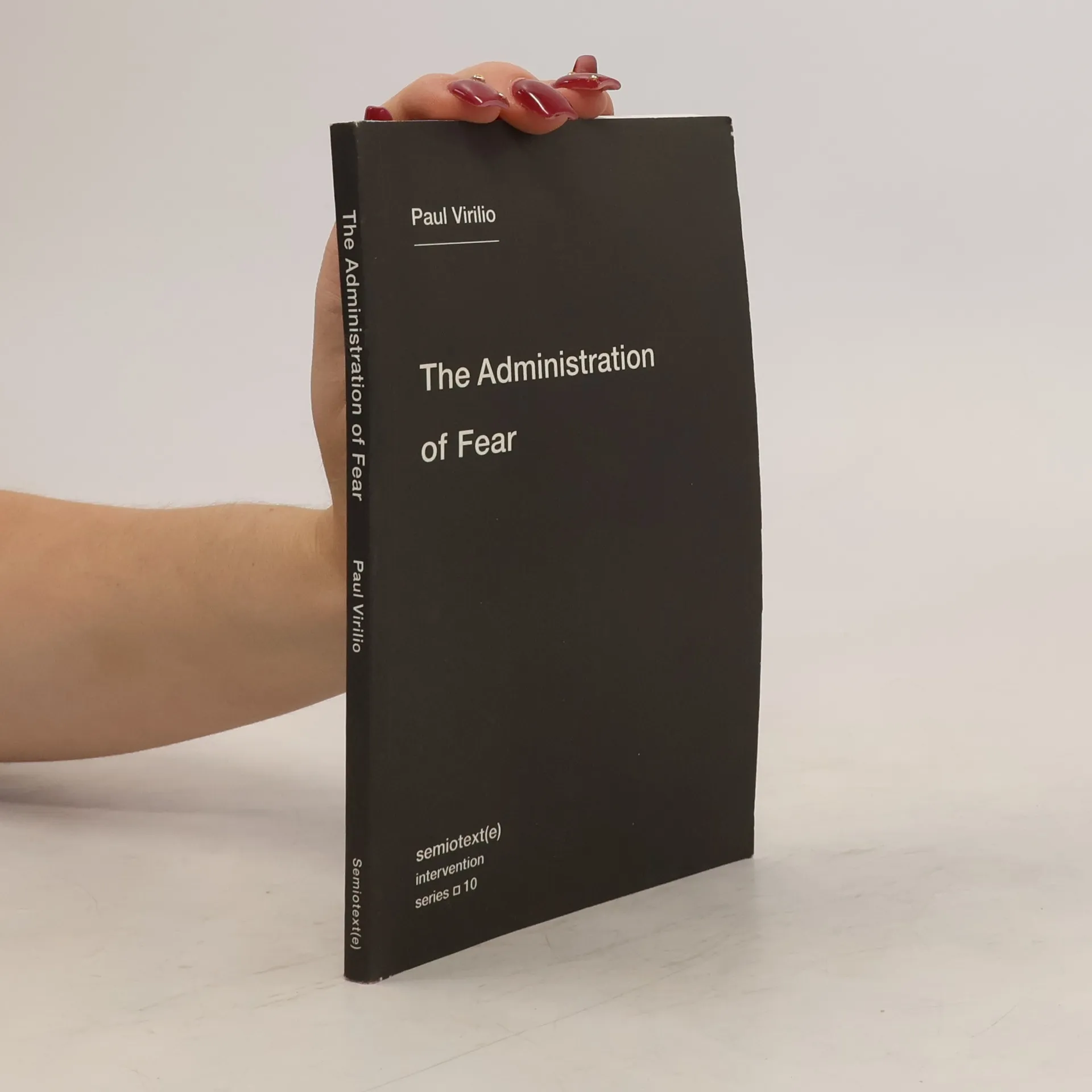
    The Administration of Fear
    Pure War
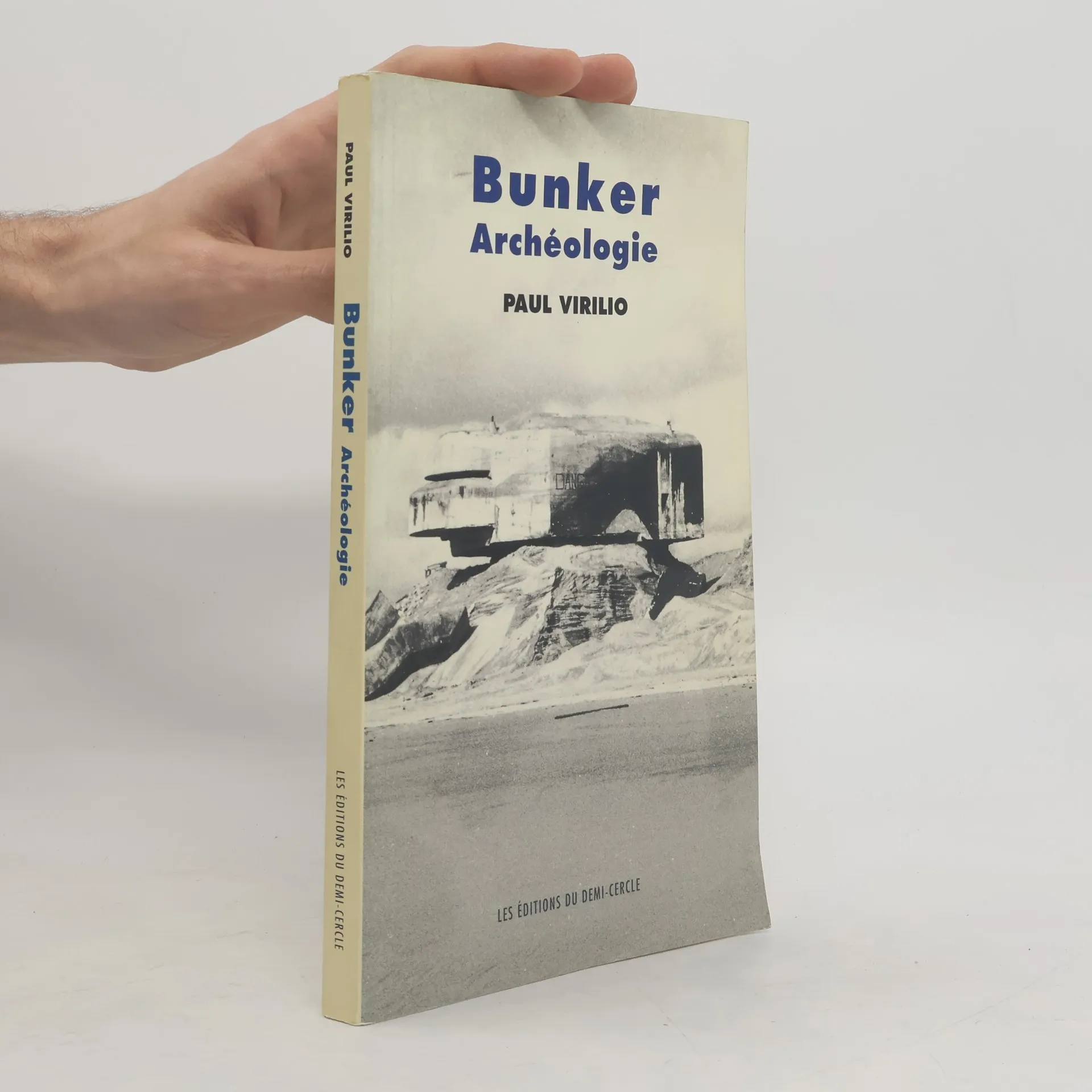
    Bunker Archaeology
    Bunker archéologie
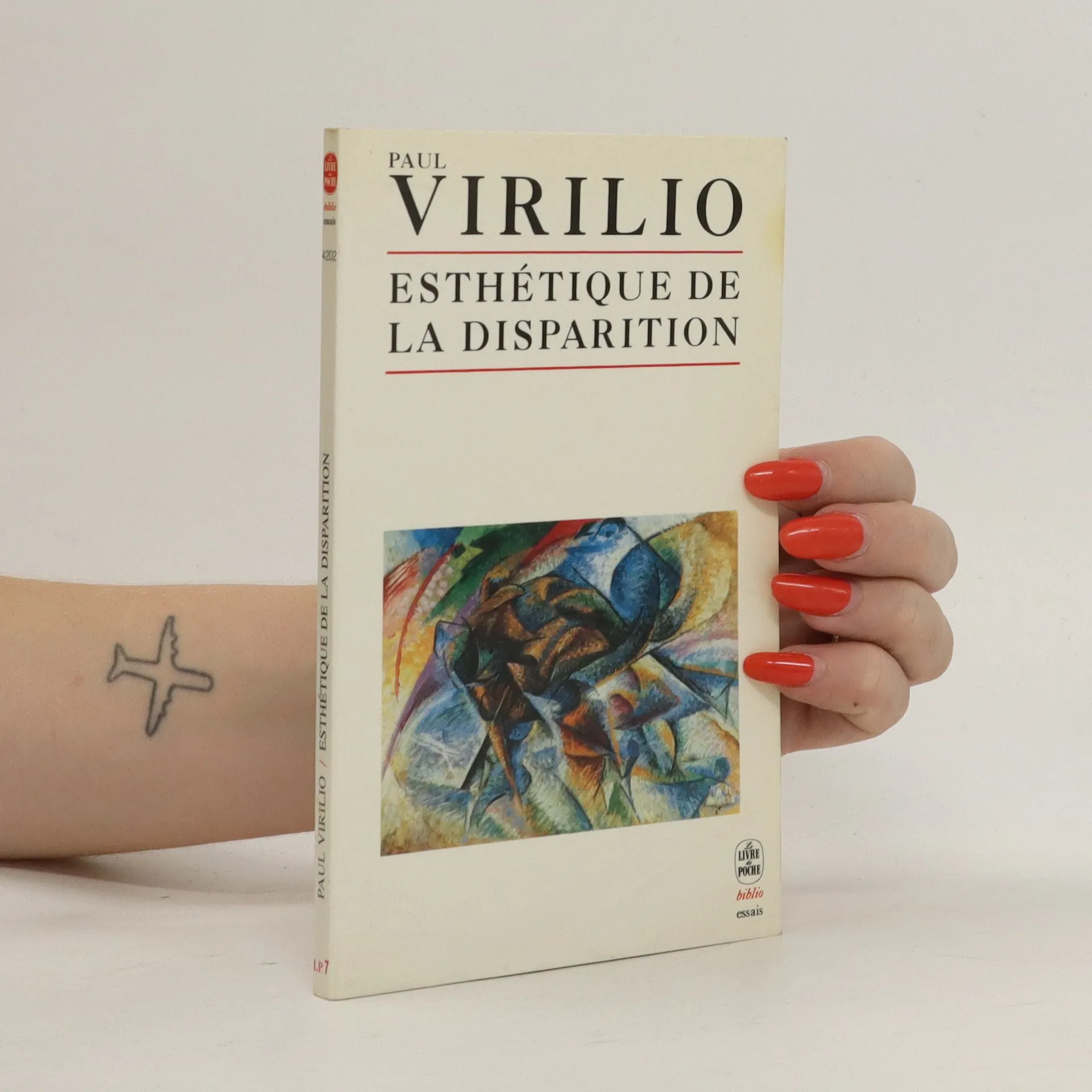
    Esthétique de la disparition
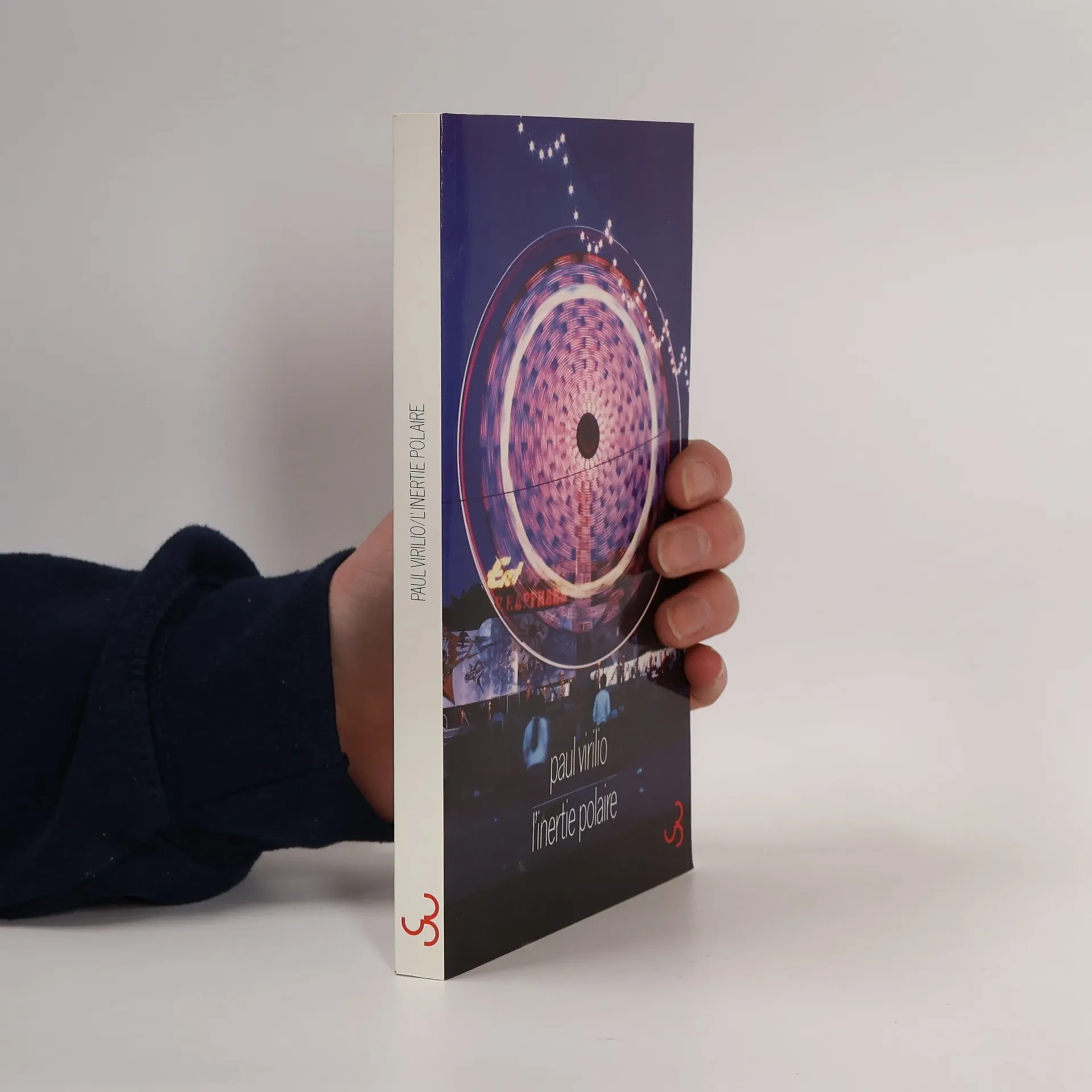
    L'inertie polaire. Essai sur Fernando Pessoa
    • A l'origine de la science moderne se trouvent le principe d'inertie et celui de la relativité du mouvement exprimés par Galilée... Aujourd'hui, après des siècles de développement, les technosciences issues de cette pensée aboutissent à la généralisation de ce même principe : l'inertie devient l'horizon prioritaire de l'activité humaine. Ce qui paraissait jusqu'à présent le signe du handicap et de l'infirmité - l'incapacité à se mouvoir pour agir - devient symbole de progrès et de maîtrise du milieu. A l'aménagement du territoire se substitue, dès lors, le contrôle d'environnement, un contrôle où le temps réel de la téléaction l'emporte sur l'espace réel de l'action immédiate, la téléprésence à distance dominant la présence effective des personnes, tout arrive désormais, sans qu'il soit nécessaire de partir. A l'arrivée restreinte des moyens de transport et de télécommunication succède alors l'arrivée généralisée des moyens de télécommunication instantanés, d'où ce confinement domestique, cette inertie domiciliaire présentés le plus souvent comme le comble du confort et de l'autonomie. Après l'Insécurité du territoire et l'Espace critique, l'inertie polaire parachève un triptyque ébauché il y a une quinzaine d'années par Paul Virilio et consacré à l'évolution du statut de l'espace contemporain.

      L'inertie polaire. Essai sur Fernando Pessoa
    • Esthétique de la disparition

      • 123pages
      • 5 heures de lecture
      3,8(27)Évaluer

      Réflexion sur le visible, le mouvement, la vitesse et le temps, bref sur la réalité " comme elle va ", Esthétique de la disparition bouleverse nos idées sur les choses et conduit au terme de leur logique les propositions suggérées par la science contemporaine. Si le Temps c'est le cycle de la lumière, si le visible n'est que l'effet de réel de la promptitude de l'émission lumineuse et si ce qui passe de plus en plus vite se perçoit de moins en moins nettement, alors il faut nous rendre à l'évidence : ce qui est donné à voir dans le champ visuel, l'est grâce au truchement de phénomènes d'accélération et de décélération en tout point identifiables aux intensités d'éclairement. Conséquences : le semblant c'est le mouvant, les apparences sont des transparences momentanées et trompeuses, et les dimensions de l'espace ne sont que de fugitives apparitions, au même titre que les choses données à voir dans l'instant du regard.

      Esthétique de la disparition
    • Out of print for almost a decade, we are thrilled to bring back one of our most requested hard-to-find titlesphilosopher and cultural theorist Paul Virilio's Bunker Archeology. In 1994 we published the first English-language translation of the classic French edition of 1975, which accompanied an exhibition of Virilio's photographs at the Centre Pompidou. In Bunker Archeology, urbanist Paul Virilio turns his attentionand camerato the ominous yet strangely compelling German bunkers that lie abandoned along the coast of France. These ghostly reminders of destruction and oppression prompted Virilio to consider the nature of war and existence, in relation to both World War II and contemporary times. Virilio discusses fortresses and military space in general as well as the bunkers themselves, including an examination of the role of Albert Speer, Hitler's architect, in the rise of the Third Reich.

      Bunker Archaeology
    • Virilio and Lotringer revisit their prescient book on the invisible war waged by technology against humanity since World War II.

      Pure War
    • The Administration of Fear

      • 93pages
      • 4 heures de lecture
      4,0(54)Évaluer

      A new interview with the philosopher of speed, addressing the ways in which technology is utilized in synchronizing mass emotions.

      The Administration of Fear
    • Looking at how the technologies of cinema and warfare have developed a fatal interdependence, this book explores these conjunctions from a range of perspectives. It gives a detailed technical history of weaponry, photography and cinematography, with accounts of films and military campaigns.

      War and Cinema
    • Speed and Politics

      • 176pages
      • 7 heures de lecture
      3,9(462)Évaluer

      Focusing on the concept of speed as a transformative force, Paul Virilio's work examines its role in shaping civilization through technological advances linked to militarization. He argues that speed, rather than class or wealth, drives societal change, presenting a topological history of humanity's evolution. Drawing from various thinkers, Virilio's "technical vitalism" explores the implications of rapid advancements, including military technology and information systems, offering a critical perspective on their impact on human nature and society's future.

      Speed and Politics
    • Lost Dimension

      • 191pages
      • 7 heures de lecture
      3,4(8)Évaluer

      A vision of the city as a web of interactive, informational networks that turn our world into a prison-house of illusory transcendence.

      Lost Dimension
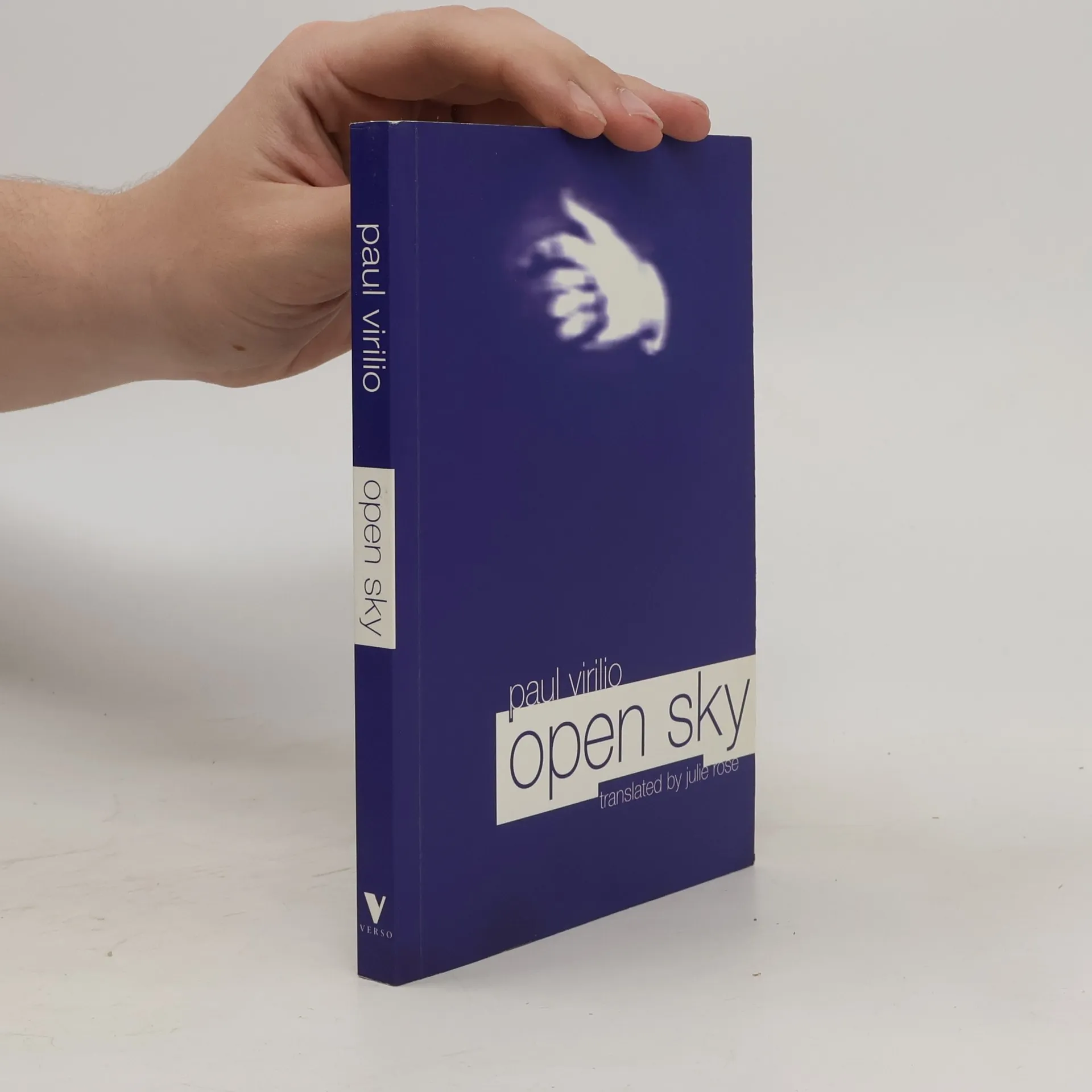
    • “One day the day will come when the day will not come.” Bleak in its analysis of the social destruction wrought by modern technologies of communication and surveillance, but passionately political, Open Sky is Paul Virilio’s most far-reaching and radical book for many years. Deepening and extending his earlier work on speed perception and political control, and applying it now to the global ‘real time’ of the information superhighways, he explores the growing danger of what he calls a “generalized accident,” provoked by the breakdown of our collective and individual relation to time, space and movement.But this is not merely a lucid and disturbing lament for the loss of real geographical spaces, distance, intimacy or democracy. Open Sky is also a call for revolt—against the insidious and accelerating manipulation of perception by the electronic media and repressive political power, against the tyranny of “real time,” and against the infantilism of cyberhype. Paul Virillo makes a powerful case for a new ethics of perception, and a new ecology, one which will not only strive to protect the natural world from pollution and destruction, but will also combat the devastation of urban communities by proliferating technologies of control and virtuality.

      Open Sky