
Bookbot

John Maynard Keynes

    5 juin 1883 – 21 avril 1946

    John Maynard Keynes fut un économiste britannique dont l'influence sur la théorie et la pratique de la macroéconomie moderne est particulièrement significative. Sa pensée économique a profondément façonné la compréhension contemporaine du fonctionnement des économies. Keynes s'est attaqué à des systèmes économiques complexes, et ses travaux sont devenus fondamentaux pour de nombreuses théories économiques ultérieures. Son héritage réside dans sa profonde perspicacité sur la dynamique du marché et la politique gouvernementale.

    John Maynard Keynes
    A Tract on Monetary Reform
    Essays in Persuasion
    A Treatise On Probability - Unabridged
    John Maynard Keynes
    The Collected Writings of John Maynard Keynes
    Bibliothèque scientifique Payot: Théorie générale de l'emploi de l'intérêt et de la monnaie
    • Économiste et financier britannique, John Maynard Keynes (1883-1946) est considéré comme l'un des plus grands noms de l'économie politique contemporaine. Son oeuvre a marqué dans la pensée économique une véritable révolution (au même sens que celle de Copernic en astronomie). Sa Théorie générale, qui a exercé une profonde influence sur les gouvernements occidentaux, affirme que tout doit être mis en œuvre pour assurer le plein emploi de la main d'oeuvre, grâce à une redistribution des revenus telle que le pouvoir d'achat des consommateurs croisse proportionnellement au développement des moyens de production. C'est là la condition, dans une société libre, de l'équilibre politique et social.

      Bibliothèque scientifique Payot: Théorie générale de l'emploi de l'intérêt et de la monnaie
      3,5
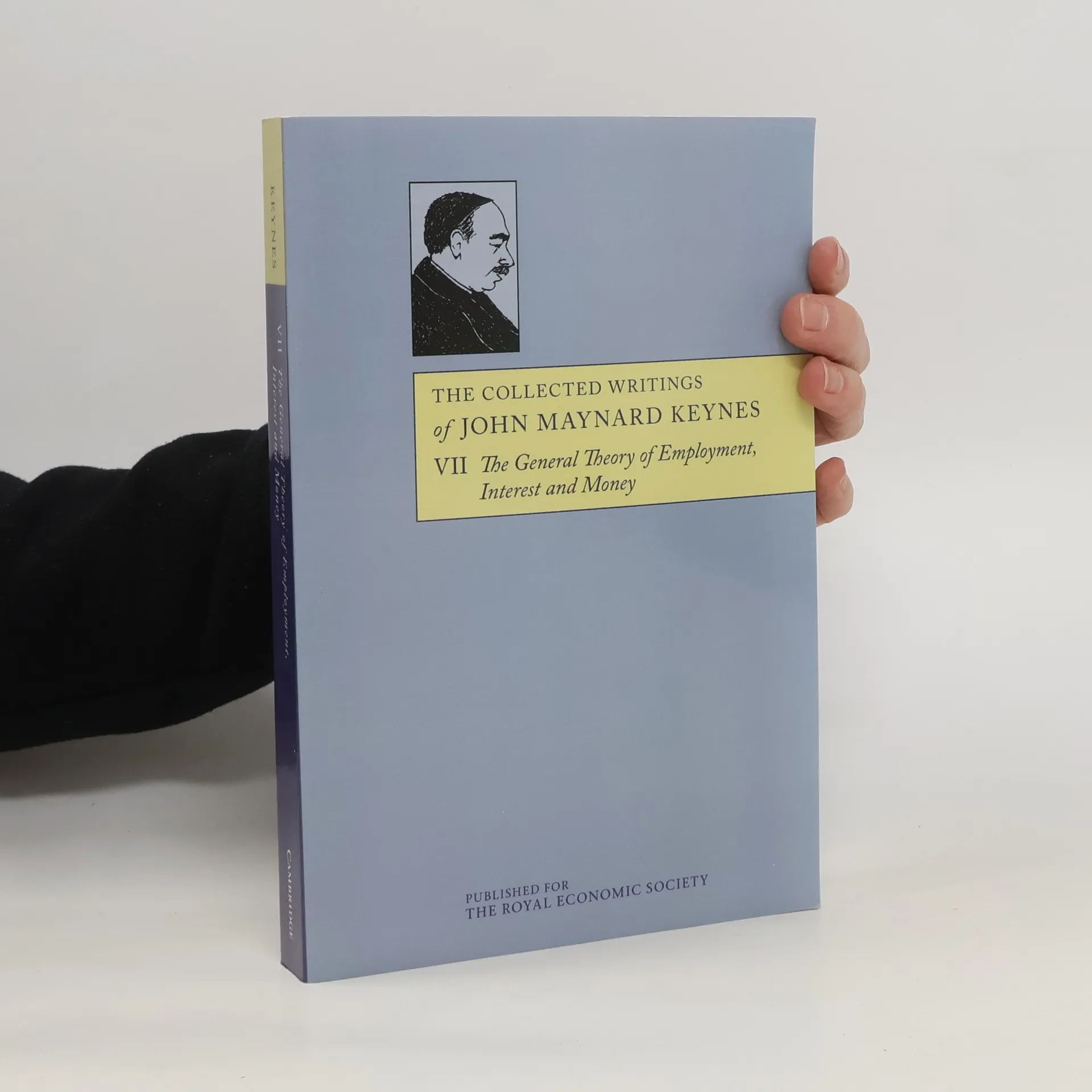
    • The most provocative book written by any economist of Keynes's generation, propounding a fundamentally new approach that revolutionised economics.

      The Collected Writings of John Maynard Keynes
      4,4
    • John Maynard Keynes

      • 192pages
      • 7 heures de lecture

      Offers a reinterpretation of the Keynesian revolution that casts uncertainty, risk, and financial markets as the drivers of boom and bust cycles.

      John Maynard Keynes
      4,2
    • A Treatise On Probability - Unabridged

      • 480pages
      • 17 heures de lecture

      Exploring the intricate relationship between probability and knowledge, this comprehensive work delves into various methods of measuring probabilities and the principles underlying them. It covers topics such as the frequency theory, logical inference, and the axioms of probability, while also addressing historical perspectives and significant theorems by renowned mathematicians. The book further examines the practical applications of probability in everyday conduct and statistical inference, making it a valuable resource for those interested in the foundations and implications of probabilistic reasoning.

      A Treatise On Probability - Unabridged
      4,1
    • The essays in this volume show Keynes's attempts to influence the course of events by public persuasion over the period of 1919-40. In the light of subsequent history, Essays in Persuasion is a remarkably prophetic volume covering a wide range of issues in political economy. In articles on the Versailles Treaty. John Maynard Keynes foresaw all too clearly that excessive Allied demands for reparations and indemnities would lead to the economic collapse of Germany. In Keynes's essays on inflation and deflation, the reader can find ideas that were to become the foundations of his most renowned treatise, The General Theory of Employment, Interest and Money (1936). With startling accuracy Keynes forecast the economic fluctuations that were to beset the economies of Europe and the United States and even proposed measures which, if heeded at the time, might have warded off an era of world-wide depression. His views on Soviet Russia, on the decline of laissez-faire, and the possibilities of economic growth are as relevant today as when Keynes originally set them forth.

      Essays in Persuasion
      4,1
    • A Tract on Monetary Reform

      • 148pages
      • 6 heures de lecture

      This classical work on monetary reform, published over a century ago, has maintained its significance throughout history. Alpha Editions has undertaken the task of preserving this important text by republishing it in a modern format, ensuring clarity and readability. The book has been meticulously reformatted and retyped, moving away from scanned copies to provide a fresh presentation for both present and future generations.

      A Tract on Monetary Reform
      4,0
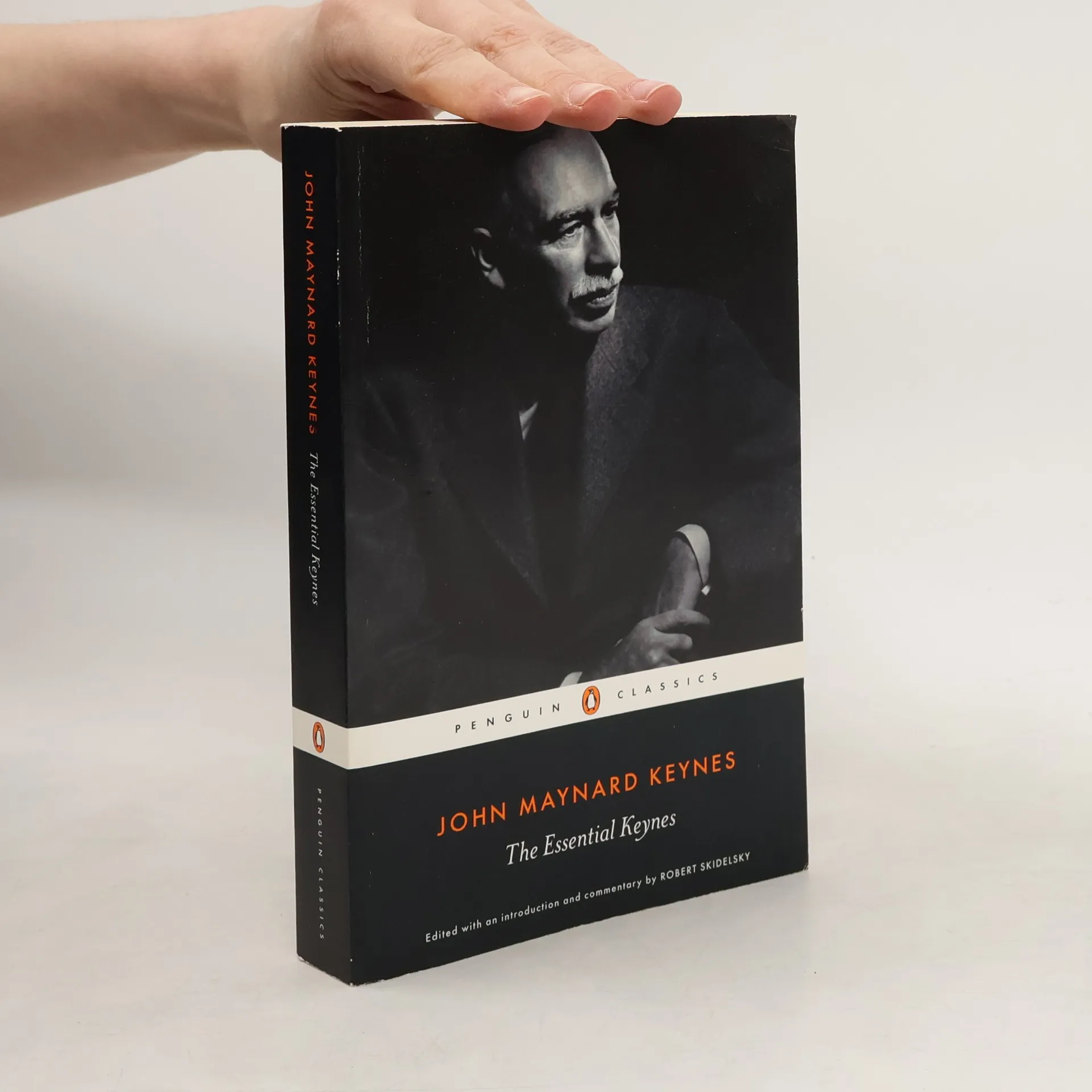
    • Edited with an introduction by ROBERT SKIDELSKY'Many of the greatest economic evils of our time are the fruits of risk, uncertainty, and ignorance'John Maynard Keynes was the most influential economist, and one of the most influential thinkers, of the twentieth century. He overturned the orthodoxy that markets were optimally self-regulating, and instead argued for state intervention to ensure full employment and economic stability. This new selection is the first comprehensive single-volume edition of Keynes's writings on economics, philosophy, social theory and policy, including several pieces never before published. Full of irony and wit, they offer a dazzling introduction to a figure whose ideas still have urgent relevance today.John Maynard Keynes (1883-1946) is widely considered to have been the most influential economist of the 20th century. His key books include The Economic Consequences of the Peace (1919); A Treatise on Probability (1921); A Tract on Monetary Reform (1923); A Treatise on Money (1930); and his magnum opus, the General Theory of Employment, Interest, and Money (1936).Robert Skidelsky is Emeritus Professor of Political Economy at Warwick. His three-volume biography of Keynes received numerous awards, including the Lionel Gelber Prize and the Council on Foreign Relations Prize.

      The Essential Keynes
      4,0
    • The End of Laissez-faire

      • 298pages
      • 11 heures de lecture

      "John Maynard Keynes (1883-1946) was one of the most influential economists of the first half of the twentieth century. In The End of Laissez-Faire (1926), Keynes presents a brief historical review of laissez-faire economic policy."--Jacket

      The End of Laissez-faire
      4,0
    • Distinguished British economist John Maynard Keynes (1883-1946) set off a series of movements that drastically altered the ways in which economists view the world. In his most important work, The General Theory of Employment, Interest, and Money (1936), Keynes critiqued the laissez-faire policies of his day, particularly the proposition that a normally functioning market economy would bring full employment. Keynes's forward-looking work transformed economics from merely a descriptive and analytic discipline into one that is policy oriented. For Keynes, enlightened government intervention in a nation's economic life was essential to curbing what he saw as the inherent inequalities and instabilities of unregulated capitalism.

      The general theory of employment, interest, and money
      3,9
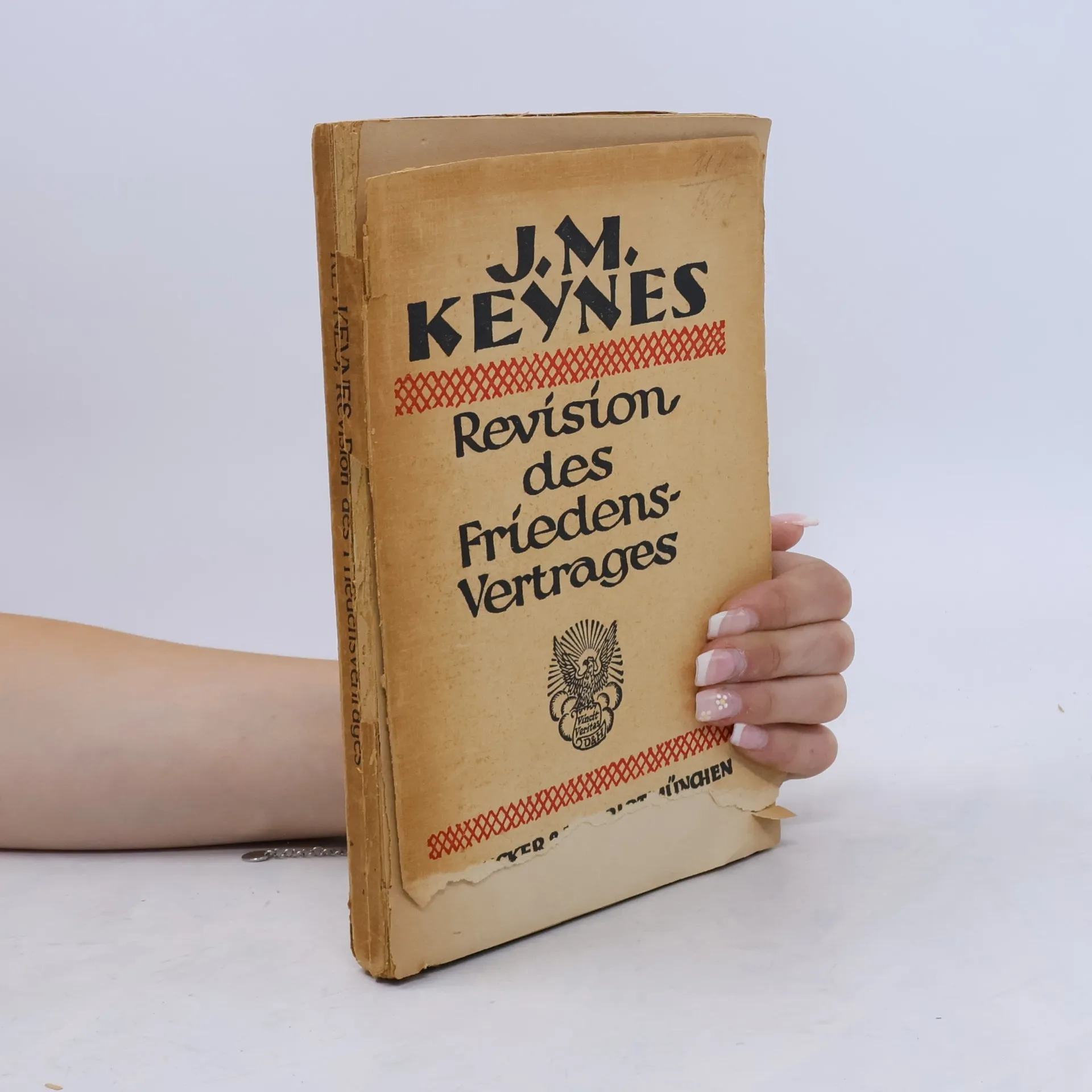
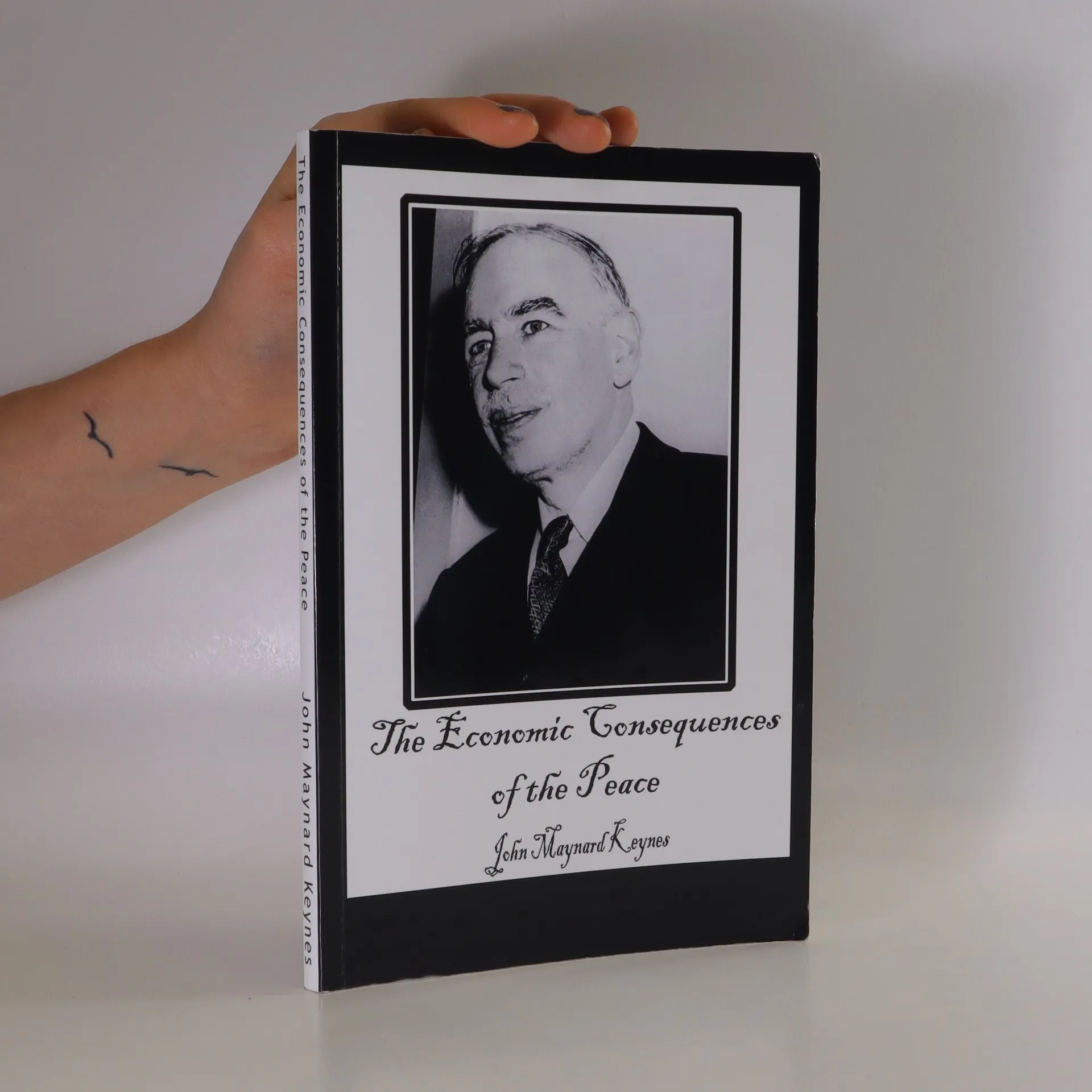
    • John Maynard Keynes, wrote and published The Economic Consequences of the Peace after he was attached to the British Treasury during the war, deputy for the Chancellor of the Exchequer on the Supreme Economic Council and the official representative at the Paris Peace Conference. Leaving this positions his objections to the Versailles Treaty are made clear through this book. The success of The Economic Consequences of the Peace make Keynes a leading economist as most of the British public agreed with his assessment that Germany was being treated unfairly by the treaty.

      The Economic Consequences of the Peace
      3,6
    • A Tract on Monetary Reform

      in large print

      • 248pages
      • 9 heures de lecture

      Focusing on accessibility, this book is a reproduction of a historical work presented in large print format. The publishing house Megali aims to enhance the reading experience for individuals with impaired vision, ensuring that classic literature remains available and enjoyable to a broader audience.

      A Tract on Monetary Reform
    • Ekonomické důsledky míru

      • 199pages
      • 7 heures de lecture

      V českých podmínkách poněkud méně známá práce světově proslulého anglického ekonoma a politika J. M. Keynese je brilantní analýzou důsledků vyplývajících z přijetí Versailleské smlouvy. Keynes na základě své osobní účasti na jednání ve Versailles a důkladné znalosti zvažovaných variant poválečného uspořádání ukazuje, že konečná podoba Versailleské smlouvy je sama o sobě zárodkem velkých konfliktů v budoucnu. Kniha, jejíž první vydání vyšlo v roce 1919, tak má ojedinělý přídech vysoce výstižné předpovědi.

      Ekonomické důsledky míru
      4,4
    • Výbor obsahuje politické, ekonomické a biografické eseje Johna Maynarda Keynese. V pozoruhodných statích o Versailleské smlouvě, Velké hospodářské krizi a úvahách o budoucnosti kapitalismu se skrývají zárodky Obecné teorie zaměstnanosti, úroku a peněz, základního díla dějin ekonomie. Zastoupen je však i Keynesův nejoblíbenější žánr: psychologický portrét a biografická skica. Svazek obsahuje osobní portréty státníků, například Georgese Clémenceaua, Woodrowa Wilsona či Lloyda George, ale i vědců jako Albert Einstein či Isaac Newton, a ekonomů Roberta Malthuse či Williama Stanleyho Jevonse.

      Jsem liberál? – Výbor esejů
      4,0
    • Das Ende des Laissez-Faire.

      Ideen zur Verbindung von Privat- und Gemeinwirtschaft.

      • 52pages
      • 2 heures de lecture

      In "Das Ende des Laissez-faire" analysiert John Maynard Keynes kritisch die Laissez-faire-Ideologie, die vor dem Ersten Weltkrieg dominant war und seit den 1970er Jahren wieder an Bedeutung gewonnen hat. Er beleuchtet die Wechselwirkungen zwischen Privatwirtschaft und staatlichem Handeln, plädiert für ein Ende des staatlichen Nichtstuns und diskutiert die Notwendigkeit einer aktiven Rolle des Staates in der Wirtschaft. Die Neuauflage enthält ein Vorwort von Kalmbach und Kromphardt, das den historischen Kontext und die Relevanz von Keynes' Ideen hervorhebt.

      Das Ende des Laissez-Faire.
    • Kernprobleme unserer Was soll der Staat tun? Was muss der Staat tun? Was sollte er besser lassen? Und was vermag die Wirtschaft? John Maynard Keynes zählt zu den bedeutendsten Ökonomen des 20. Jahrhunderts. Bis heute ist der "Keynesianismus" von großem Einfluss auf die Wirtschaftspolitik. Die neoklassische Theorie, dass die Märkte schon alles von sich aus richten würden, griff er scharf Dies sei nicht richtig, sondern nur einfach gedacht und deshalb so erfolgreich. Der Essay gehört "in seiner ganzen Unvollkommenheit", wie Nikolaus Piper in seinem Essay zusammenfasst, "zu den wichtigsten Dokumenten in der Geschichte des ökonomischen Denkens".

      Das Ende des Laissez-faire
    • 1930 rechnete der Ökonom Keynes vor, dass seine Enkelkinder-Generation hundert Jahre später dank technologischen Fortschritts in nie gekanntem materiellem Wohlstand leben und dank dieser Entwicklung nur noch 15 Stunden pro Woche arbeiten würde. Die erste Prognose ist präzise eingetroffen – die zweite offenkundig nicht. Keynes’ visionärer Essay wirft Fragen auf, die heute mehr denn je zentral sind: Warum arbeiten wir immer noch so viel und wieder zunehmend mehr? Welche Alternativen gäbe es zum derzeitigen Arbeitsregime? Und wofür arbeiten wir überhaupt? Ein Essay der Journalistin Ulrike Herrmann gibt zusätzliche Denkanstöße.

      Wirtschaftliche Möglichkeiten für unsere Enkel
    • Beispiellos in der Geschichte der Ökonomie, suchte der weltberühmte Wirtschaftswissenschaftler John Maynard Keynes seine Ideen auch der breiten Bevölkerung verständlich zu machen. Kein Medium war dafür besser geeignet als das Radio. Zwanzig Jahre lang wandte er sich mit Themen wie Arbeitslosigkeit und Rezession, Sparen und Investieren, Kapitalmärkte und Finanzpolitik an die Hörer der BBC. Erstmals auf Deutsch versammelt, sind diese Sendungen ein Zeitdokument des 20. Jahrhunderts sowie ein verständlicher Einstieg in das Denken von John Maynard Keynes.

      On air
    • Freund und Feind

      Erinnerungen

      "Der große John Maynard Keynes wurde berühmt mit einer vernichtenden Kritik am Versailler Friedensvertrag. Aus der Zeit, als er 1919 als Mitglied der britischen Waffenstillstandskommission nach Paris kam, stammt dieses Porträt eines Feindes, der zum Freund wurde, zugleich eine Nahaufnahme der Monate nach Ende des Ersten Weltkriegs, die schicksalhaft für Europa wurden. Für seinen Biographen Robert Skidelski war dies "das persönlichste und beste, was Keynes je geschrieben".--Verlag.

      Freund und Feind
    • Ein Traktat über Währungsreform

      • 222pages
      • 8 heures de lecture

      Jahrzehntelang vergriffen, hat sich der Verlag zu einem Nachdruck des 1924 erschienenen Titels entschlossen. Damit wird neben der „Allgemeinen Theorie der Beschäftigung, des Zinses und des Geldes“ und „Vom Gelde“ ein weiterer Text des bedeutenden Nationalökonomen John Maynard Keynes einer interessierten Leserschaft zugänglich gemacht. Daß dieses Werk auch rund 70 Jahre später noch gültig ist, belegt dieser Auszug aus dem Vorwort: „Nirgends hält man konservative Auffassungen für so angebracht, wie in Währungsfragen; und doch ist nirgends die Notwendigkeit einer Neuorientierung dringender. Oft wird behauptet, eine wissenschaftliche Behandlung von Währungsfragen sei unmöglich, weil die Bankwelt intellektuell außerstande sei, ihre eigenen Probleme zu verstehen. Falls das stimmt, wird die von ihr vertretene soziale Ordnung zusammenbrechen. Aber ich glaube das ganz und gar nicht. Was uns gefehlt hat, ist mehr eine klare Analyse der realen Vorgänge als die Fähigkeit, eine etwa bereits vorliegende Analyse zu verstehen. Wenn die neuen Ideen, die sich jetzt vielerorts entwickeln, gesund und richtig sind, so zweifle ich nicht, daß sie früher oder später durchdringen werden.“

      Ein Traktat über Währungsreform
    • Malthus' Persönlichkeit und Opus

      • 94pages
      • 4 heures de lecture

      »Adam Smith und Malthus und Ricardo! Um diese drei Gestalten webt etwas, das in uns, ihren geistigen Kindern, mehr als nur die normalen Gefühle wachruft.« - John Maynard Keynes hat Person und Werk Thomas Robert Malthus' (1766-1834) in einem brillanten Essay gewürdigt. Er kommt zu dem Schluß: »Wäre doch nur Malthus, statt Ricardo, die Stammwurzel der Nationalökonomie des 19. Jahrhunderts geworden, ein wieviel weiserer und wohlhabenderer Platz wäre die Welt heute!« Th. R. Malthus' zweites Hauptwerk »Principles of Political Economy« (1820) ist eine grundlegende Untersuchung über Wert, Grundrente, Arbeit und Arbeitslohn und zeigt die Faktoren auf, die in der Entwicklung auf den Wohlstand eines Volkes einwirken. In der Wert- und Preislehre steht Malthus im Widerspruch zu Ricardo - die theoretischen Dispute zwischen diesen beiden Freunden sind berühmt geworden - und schreibt, ganz im Sinne Adam Smiths, dem Angebot und der Nachfrage die wichtigere Rolle zu.

      Malthus' Persönlichkeit und Opus
    • Keynes

      • 191pages
      • 7 heures de lecture
      Keynes
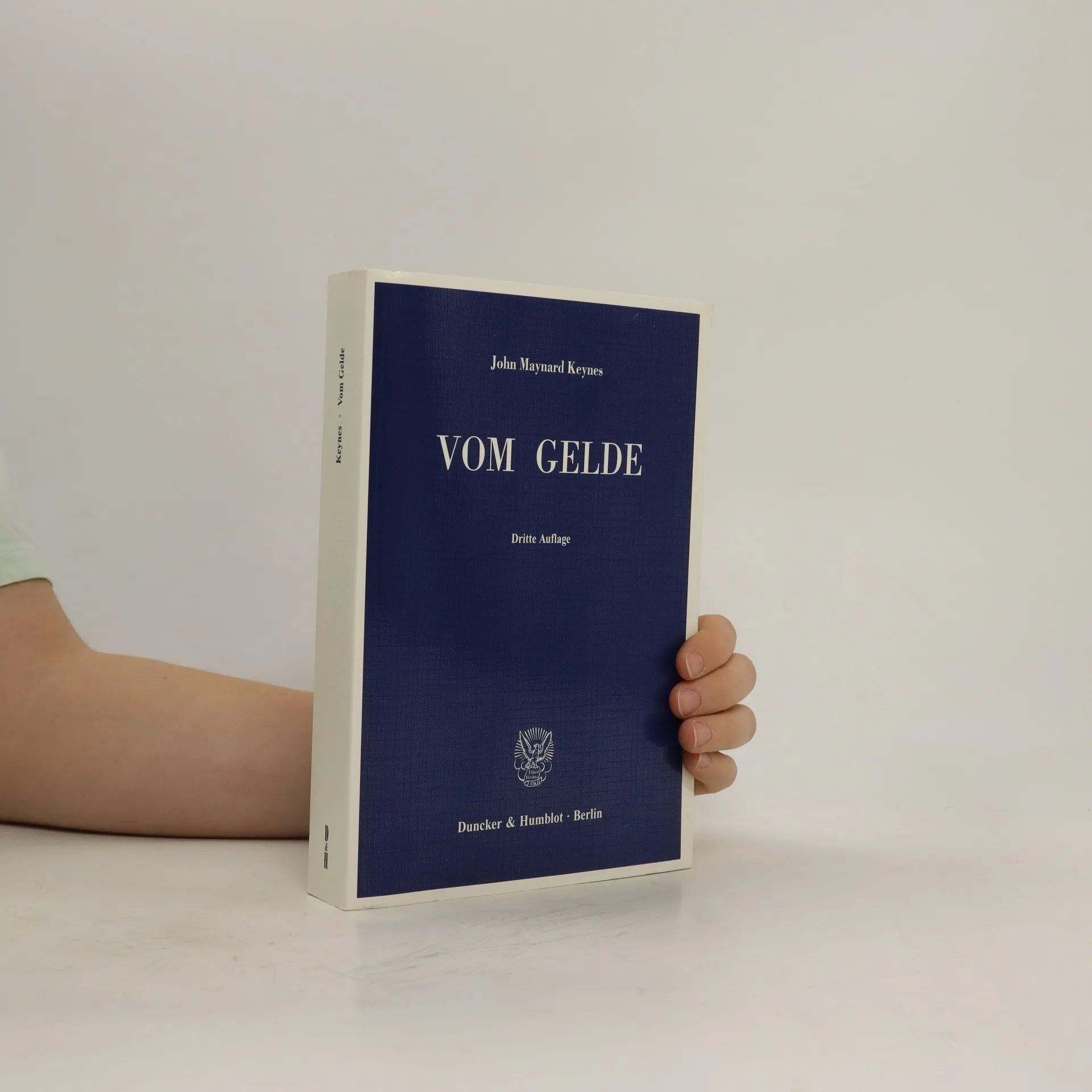
    • Vom Gelde

      • 635pages
      • 23 heures de lecture

      Auch am Ausgang des 20. Jahrhunderts gehört John Maynard Keynes' „Vom Gelde“ zum Kanon der ökonomischen Theorie. Nach 20 Jahren Angebotspolitik und angesichts andauernder Arbeitslosigkeit auf hohem Level vermelden Politiker und Volkswissenschaftler erneut Interesse an Keynes' Nachfragepolitik: „Und nun feiert das, was nach seinem Tod im Jahre 1946 als Keynesianismus entstanden ist, ein Comeback (...). Was liegt näher, als das Original zu lesen?“ Uwe Jean Heuser, in: DIE ZEIT, 7.1.1999

      Vom Gelde