Michael Armstrong est passé de professionnel du marketing au secteur à but non lucratif, où il a occupé le poste de directeur exécutif de plusieurs organisations renommées. Après la naissance de sa fille, il est devenu père au foyer, redécouvrant sa passion pour l'écriture de livres pour enfants. Son œuvre se caractérise par sa fantaisie et sa capacité à créer un lien avec les jeunes lecteurs. Armstrong est un membre actif de la Society of Children's Book Writers and Illustrators, et ses livres sont appréciés pour leur originalité et leur traitement sensible des thèmes.
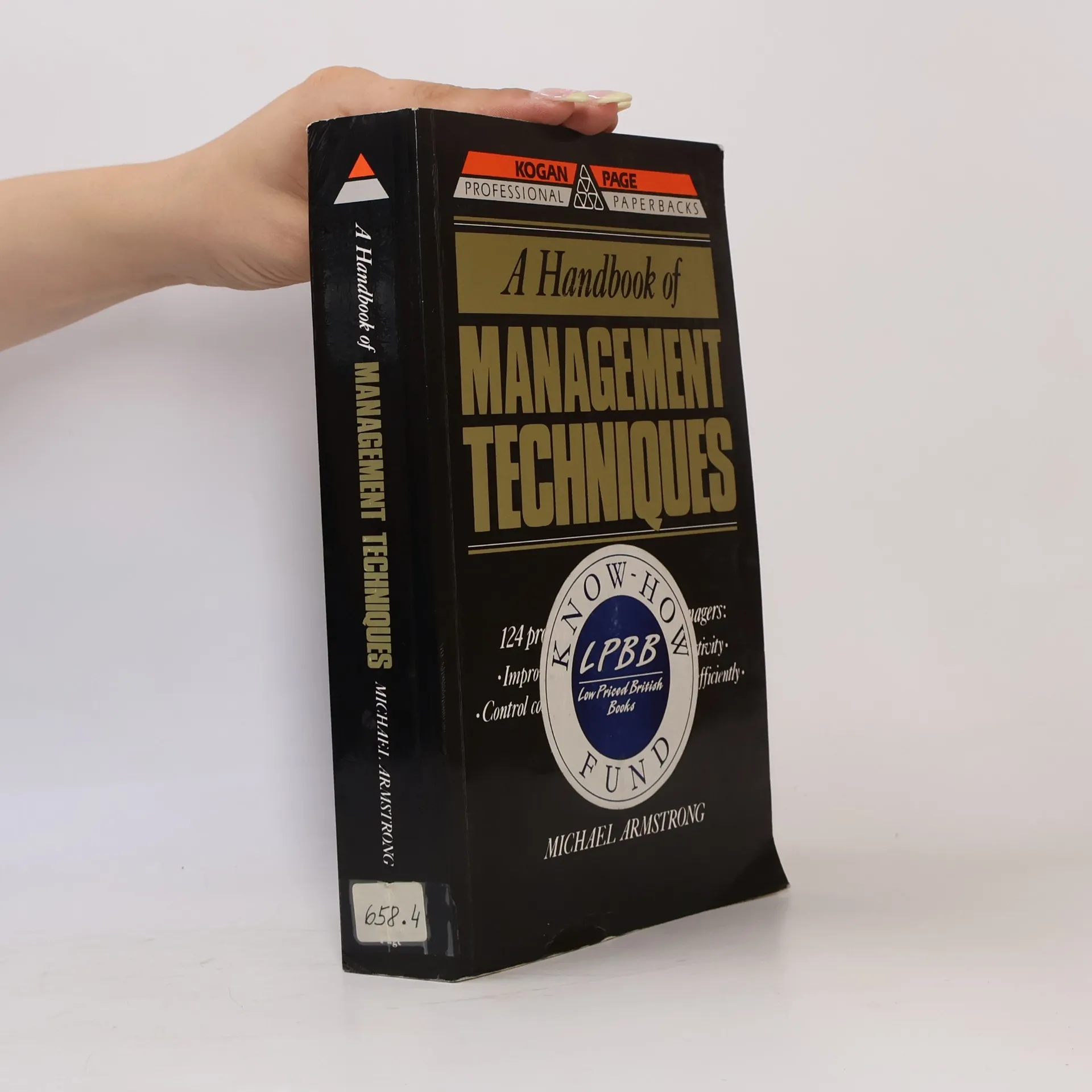
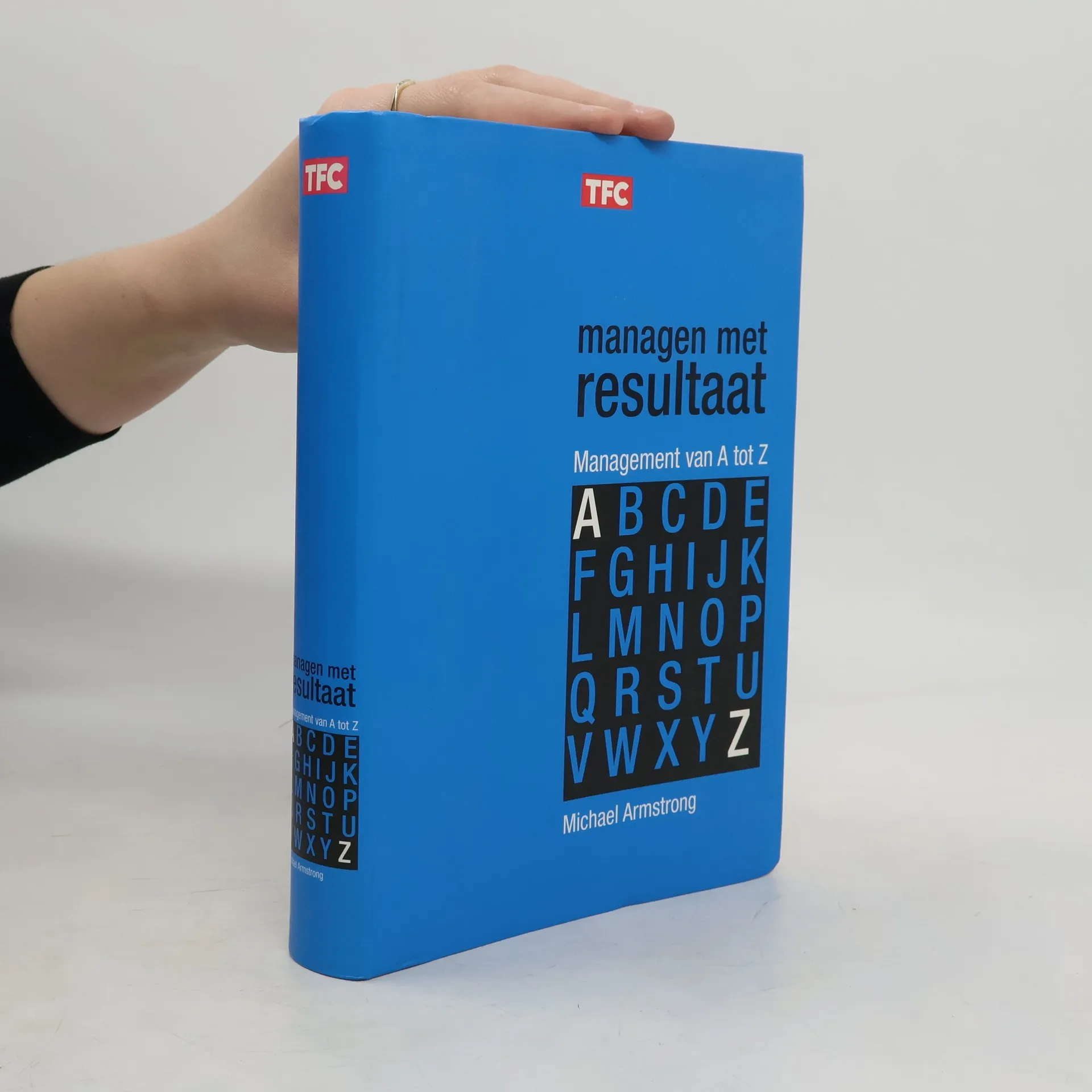
Packed with figures, diagrams and illustrations, this eagerly awaited third edition contains the tried and tested tools of management alongside all the new techniques and developments of the last five years. All areas are covered including: -- Corporate Management -- Marketing Management -- Operations Management -- Financial Management -- Human Resource Management -- Information Management -- Management Science -- Planning and Resource Allocation -- Efficiency and Effectiveness
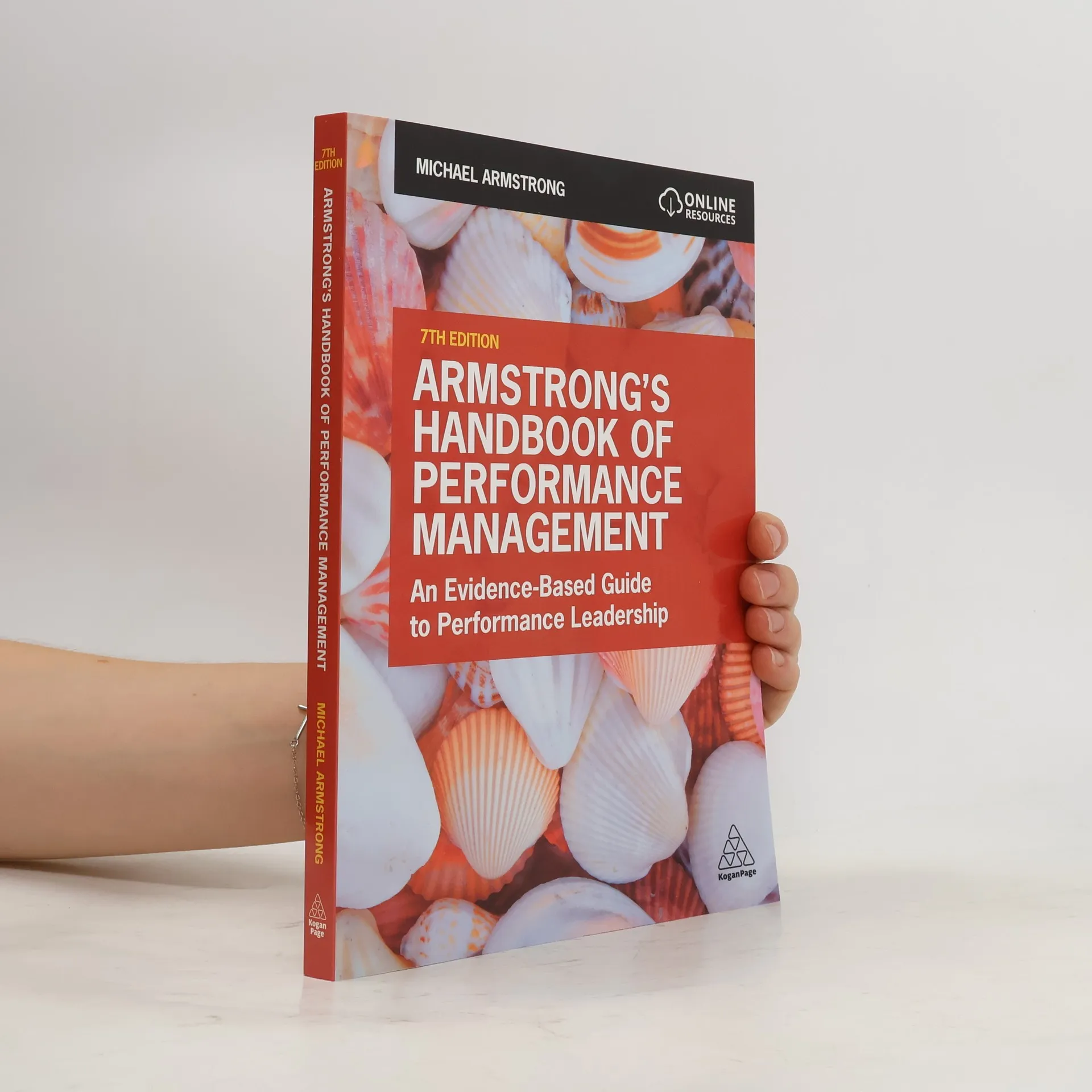
An Evidence-Based Guide to Delivering High Performance
Managing staff performance is an effective mechanism for developing both staff and organizational growth. By clarifying an organization’s objectives, translating these into clear individual goals, and reviewing these goals regularly, performance management provides a well-structured and effective management tool. This new edition of Armstrong’s Handbook of Performance Management looks at the results of major research in this area. Armstrong considers how evidence-based material can inform one’s understanding of performance management, and he provides practical guidance on how this evidence can be interpreted and applied.
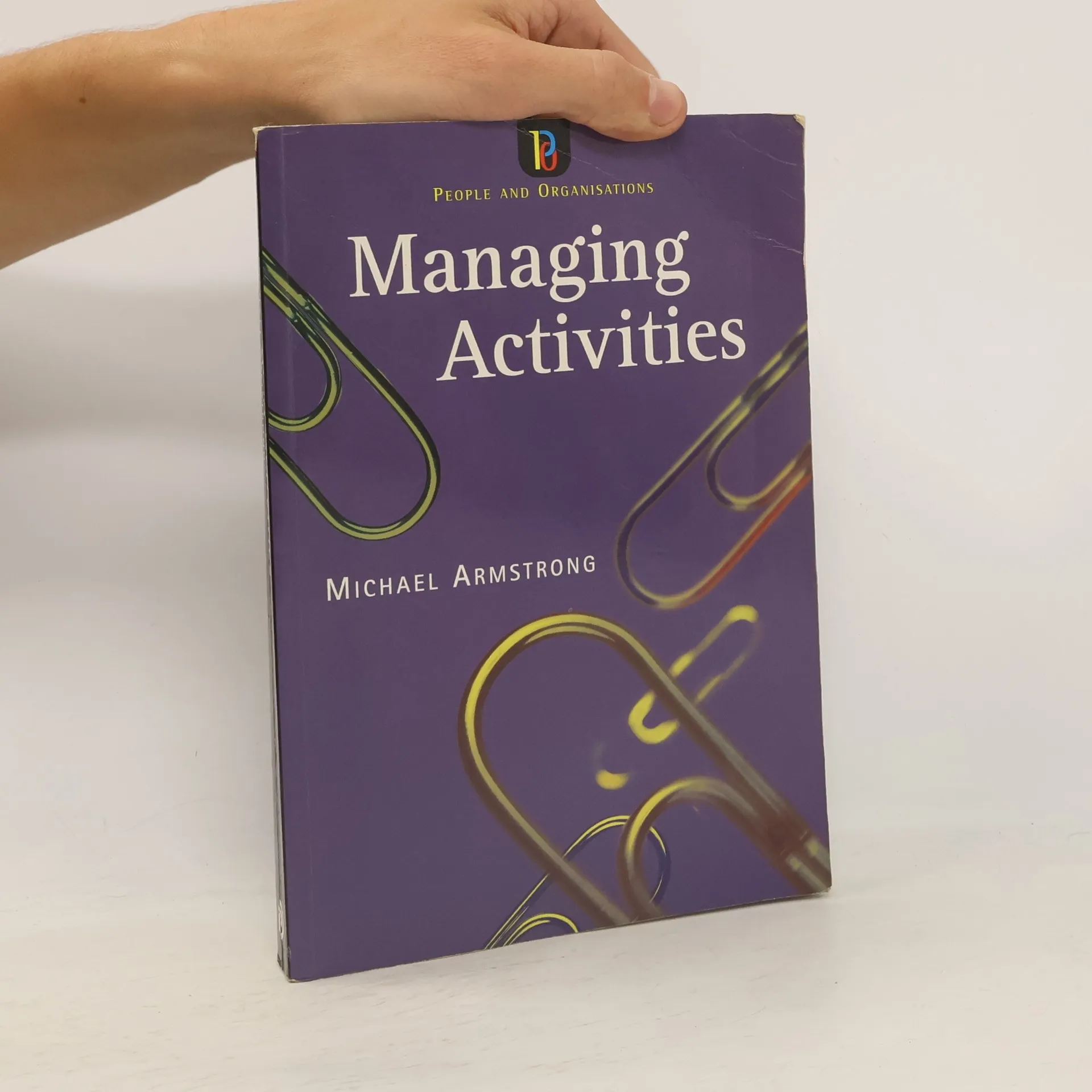
Managing Activities describes and explains the nature of managerial work. It gives a definitive overview of the activities carried out in organisations to achieve their aims and meet the expectations and needs of their stakeholders - owners, managers employees, customers, suppliers and the public.
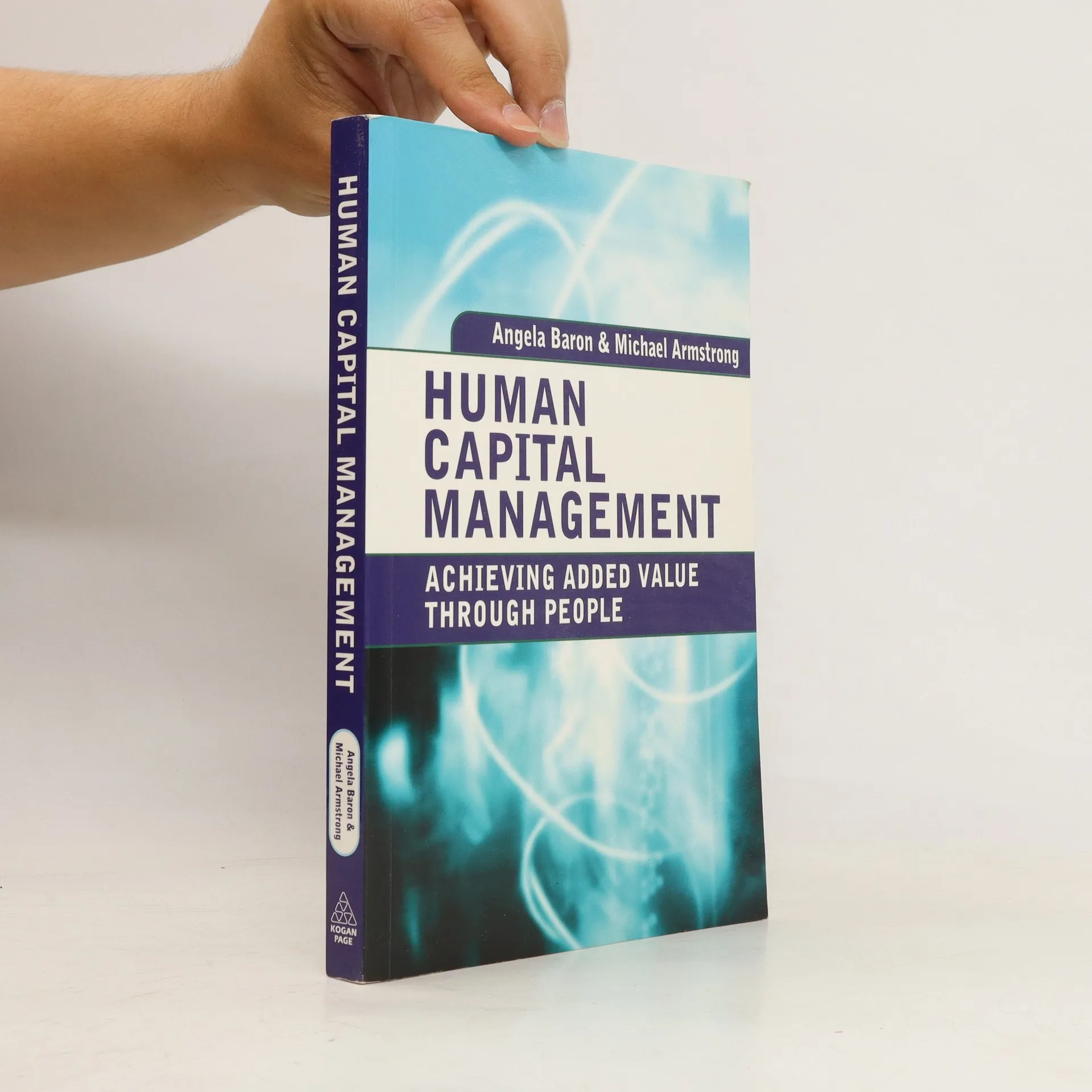
Aimed at human resources practitioners, this volume explains how managing human capital impacts business performance and profitability. Baron and Armstrong discuss the concept of human capital management (HCM), describe how it works in practice, and identify the specific skills HR specialists need in order to deliver effective HCM. The appendix includes a “toolkit” that organizations can use to develop their own policies.
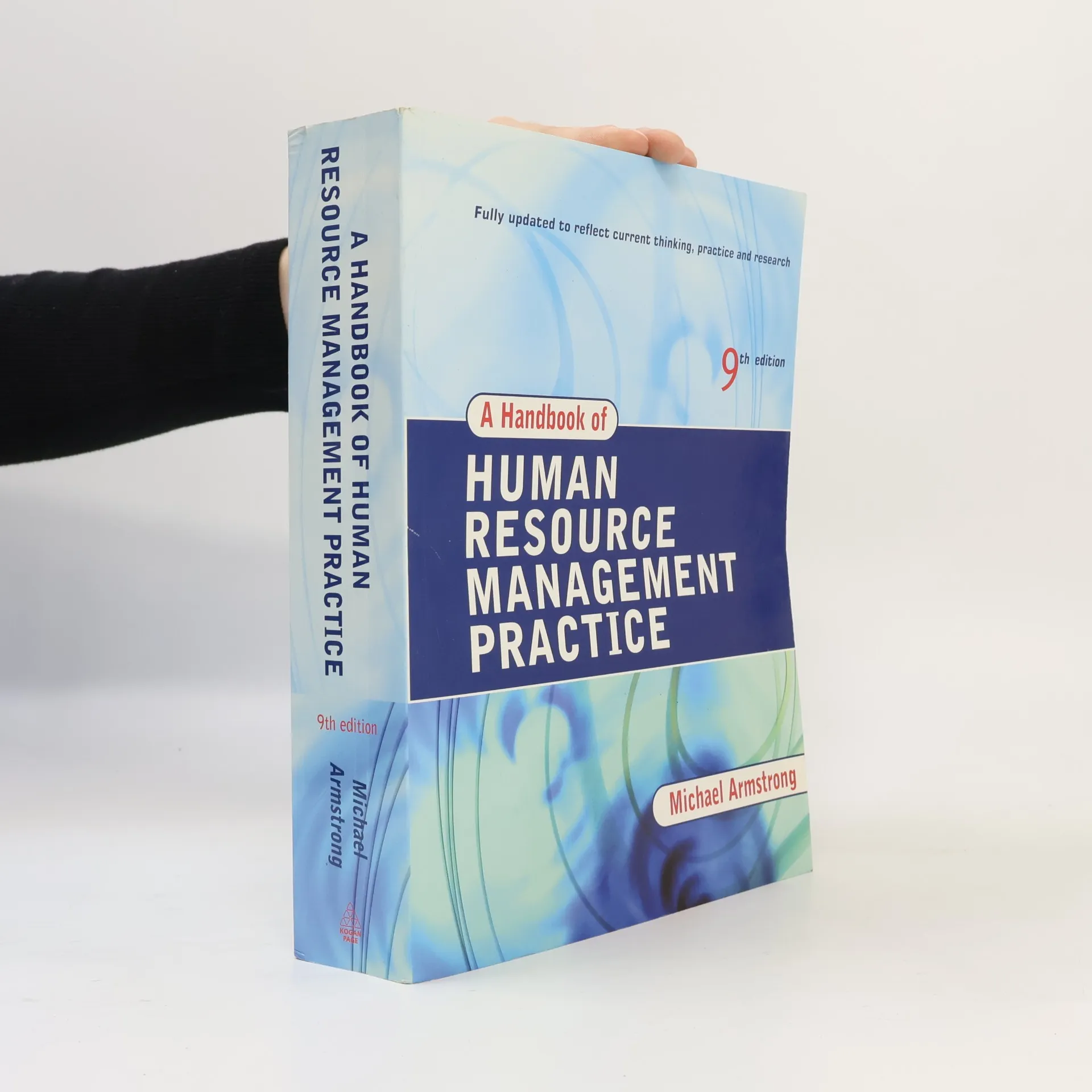
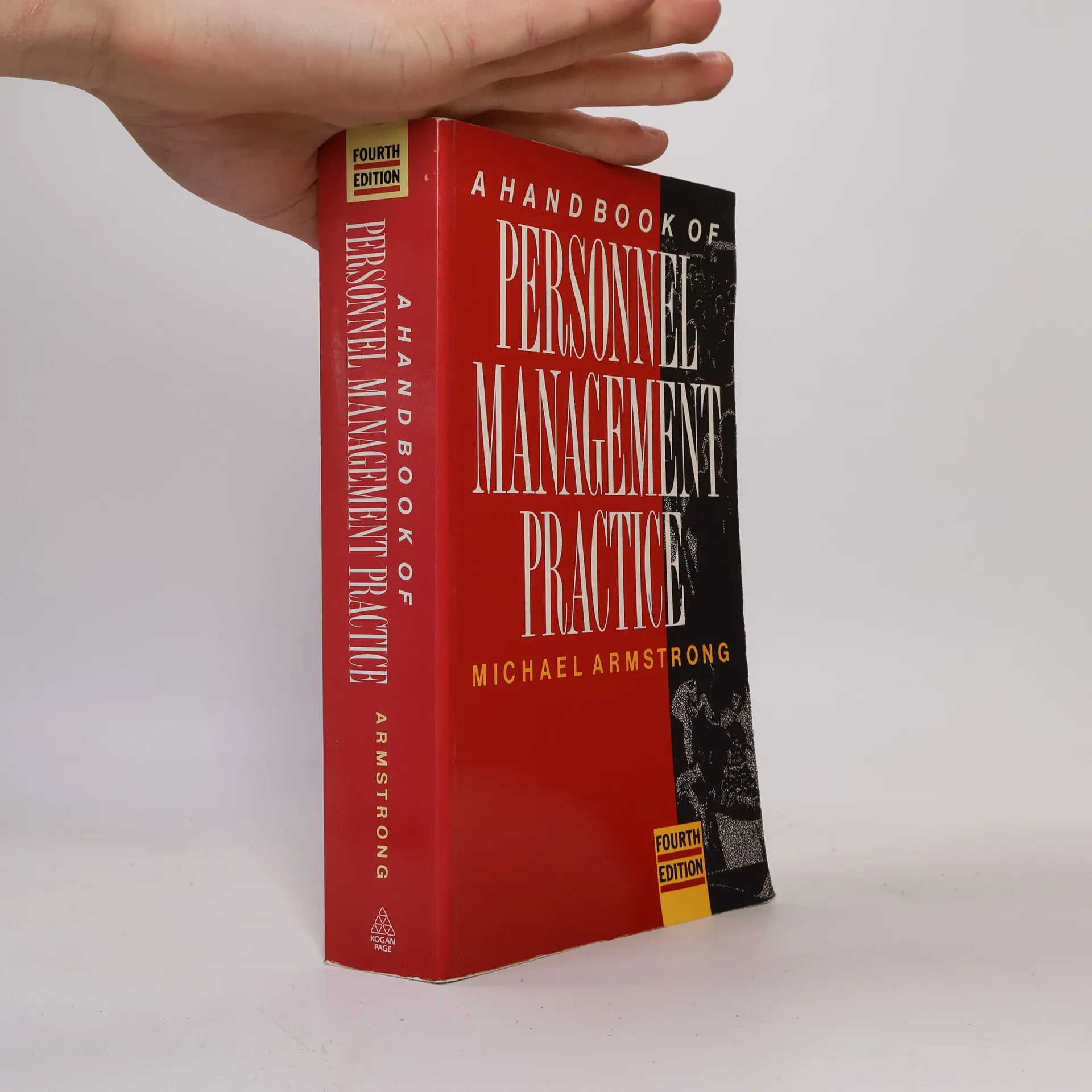
This ninth edition of the best-selling Handbook of Human Resource Management Practice has been fully updated to take account of the latest developments in HRM.Entailing every aspect of the human resource function, this highly comprehensive handbook considers the function in relation to the needs of the business as a whole. Recognizing HRM as a strategic process, Michael Armstrong offers clear practical advice on how companies can maximize the effectiveness of the HRM function and ensure that it makes a major contribution to organizational success.Covering a wide range of topics, this new edition is packed with all the essential information on HRM theory and best practice. In the light of new concepts of good practice and the outcomes of fresh research, the following areas have been either wholly replaced or substantially revised:HRM - characteristics, impact and context;HRM - development and issues;role of the HR function;role of the HR practitioner;strategic human resource management;competency-based HRM;how people learn;the delivery of learning and training;reward management fundamentals;job evaluation;grade and pay structures;involvement and participation.This Handbook is an essential guide for both students taking a Master's degree in HRM as well as CIPD students. In this edition, there are new additional chapters on:talent management;e-learning;facilitating change.
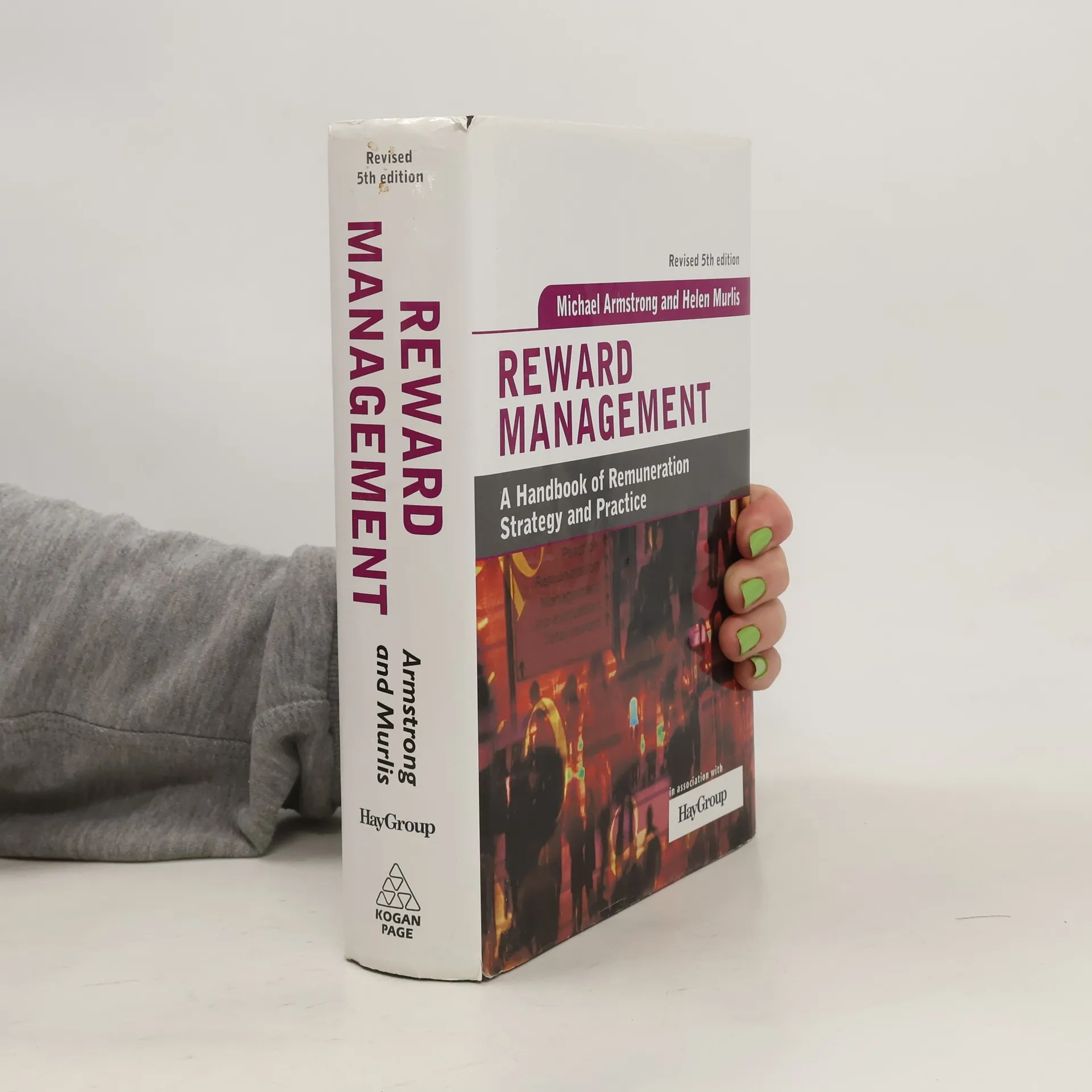
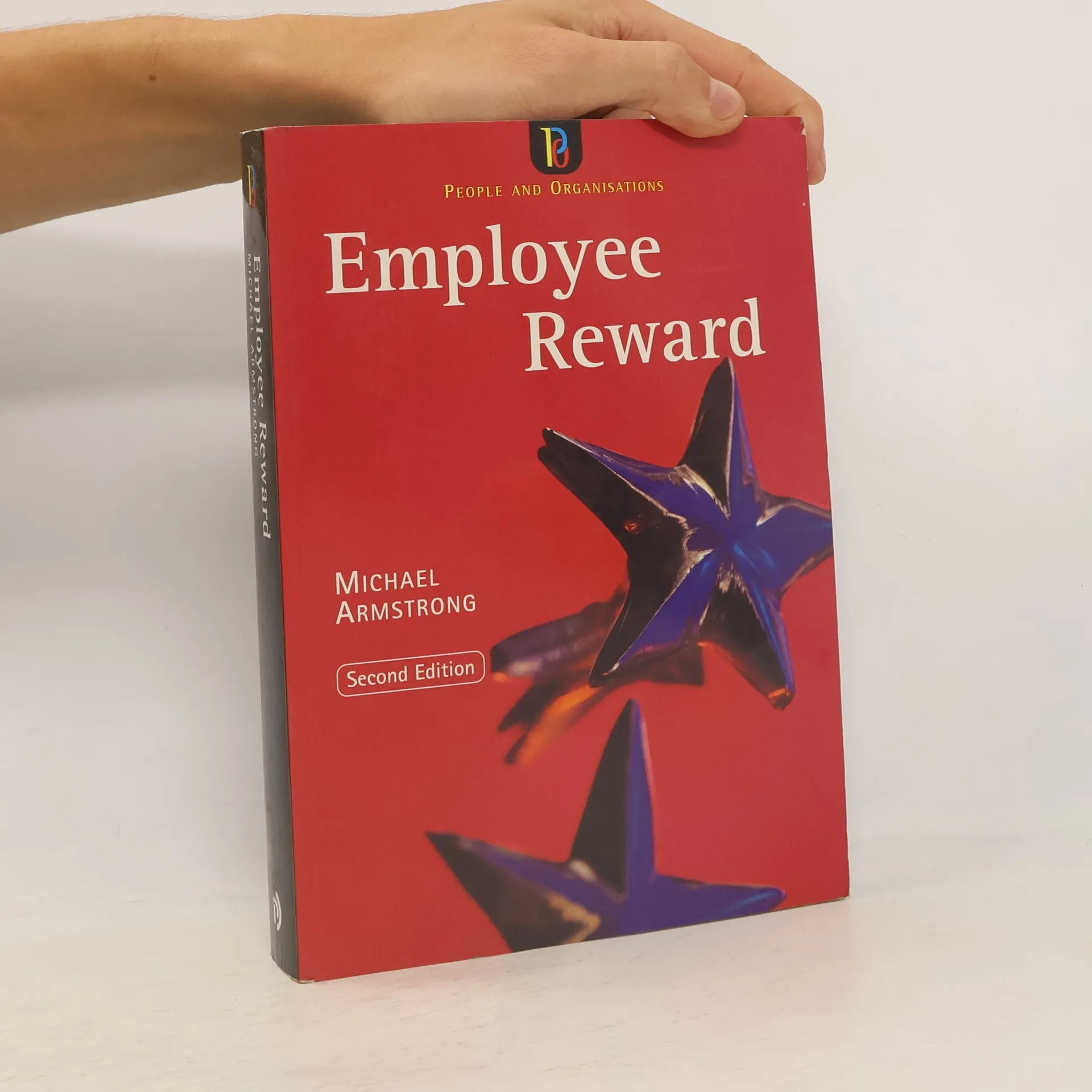
Based on British practice but also of interest to American HR professionals, Reward Management has been judged “the undisputed ‘bible’ on the topic” by the Journal of Administrative Management. This definitive book explains reward management, which is concerned with formulating and implementing strategies and policies that aim to reward people fairly, equitably and consistently in accordance with their value to the organization. It examines in detail the processes and various approaches that can be adopted to achieve and reward outstanding skill and competence levels in the workplace. Comprehensive and highly practical in its approach, it takes a strategic perspective and addresses the wide gap that exists between theory and practice, with a focus on the implications for practitioners.
No longer dogs of war running ragtag armies, the new breed of private soldiers
operate their million-dollar contracts from executive boardrooms worldwide.
The lucrative contracts of the 'War on Terror' have made their plans even more
ambitious - to offer governments and corporations discrete and well-trained
private armies.
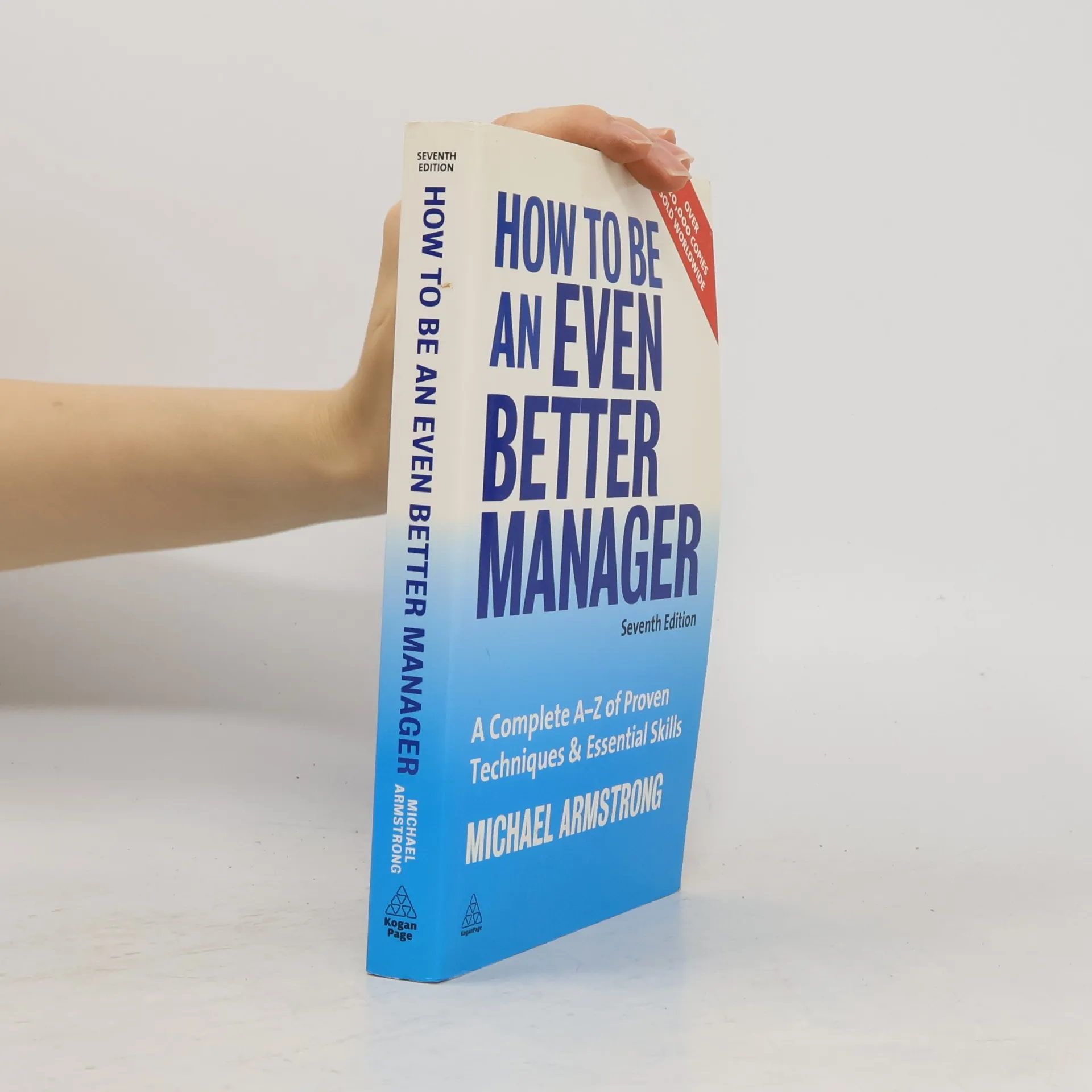
This new edition of the bestselling "How to be an Even Better Manager" covers 50 topics organized into three key areas: managing people, managing activities and processes, and managing and developing oneself.
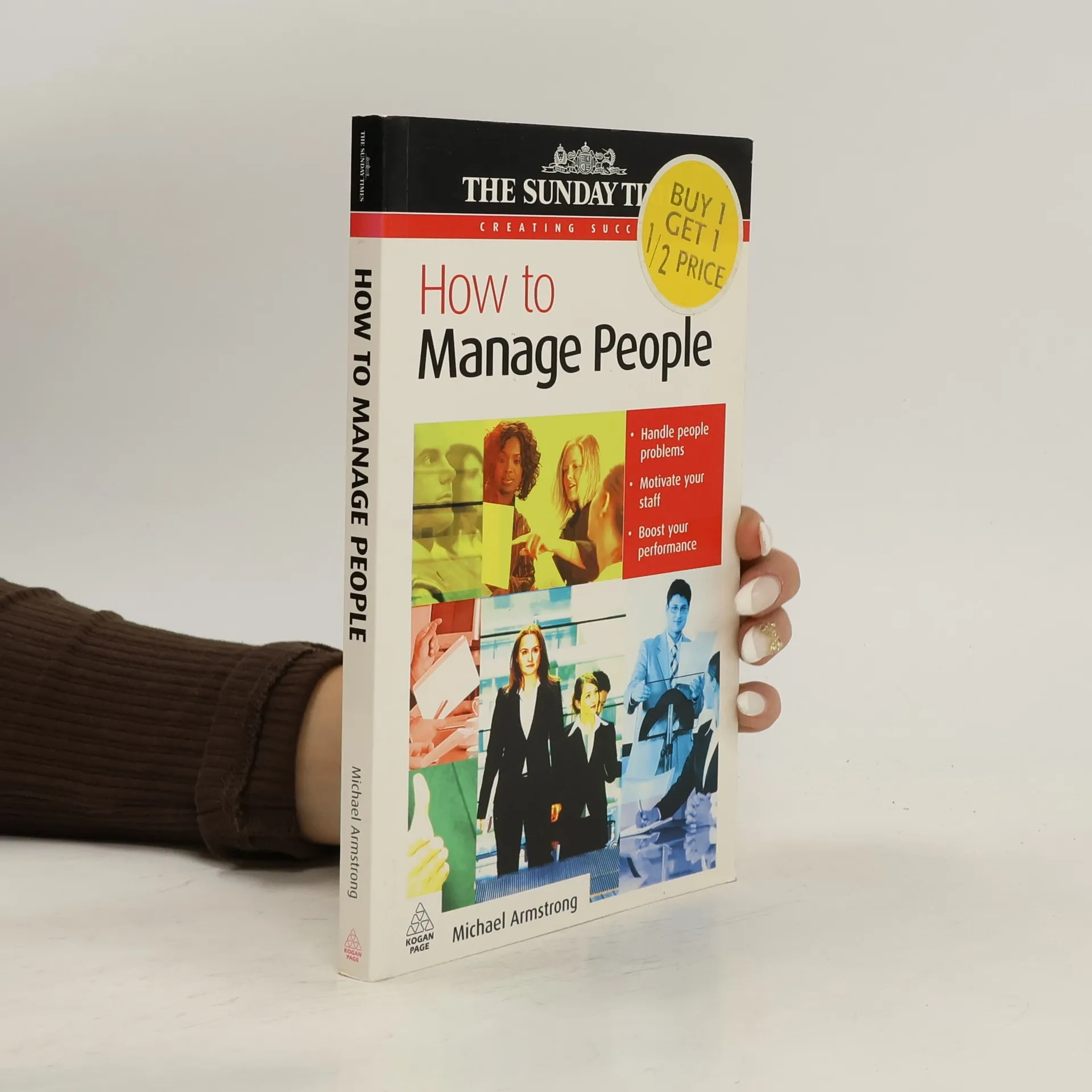
How to Manage People is a practical new book from bestselling author Michael Armstrong. A distillation of all his knowledge and experience, it provides advice to managers and team leaders on how to manage their staff, getting the best results from them and dealing with any people problems that may arise.This guide will prove invaluable for the many managers who have to do their job without HR support. It covers topics relating to achieving results through people management, leadership; motivating people; team building; delegating; interviewing; managing performance; developing and rewarding people; managing change; handling people problems.Concise yet comprehensive, How to Manage People provides support for every front-line manager and should be esstential reading if you want to get the best results from your staff.
An examination of the forces influencing decisions about pay - such as market forces, economics, and corporate culture and strategy. It provides guidance on all remuneration issues including job evaluation, grading structures, performance management, and profit-related pay.
A text which considers aspects of the personnel management function. Revised in line with the IPM's new syllabus, this volume aims to consider this function in relation to the needs of the business as a whole and includes sections on organizational behaviour and human resource development.
Offers practical guidance on implementing the complex HR strategies that have been formulated in recent years, aiming to bridge the gap between the rhetoric of SHRM and the reality of strategy in action.
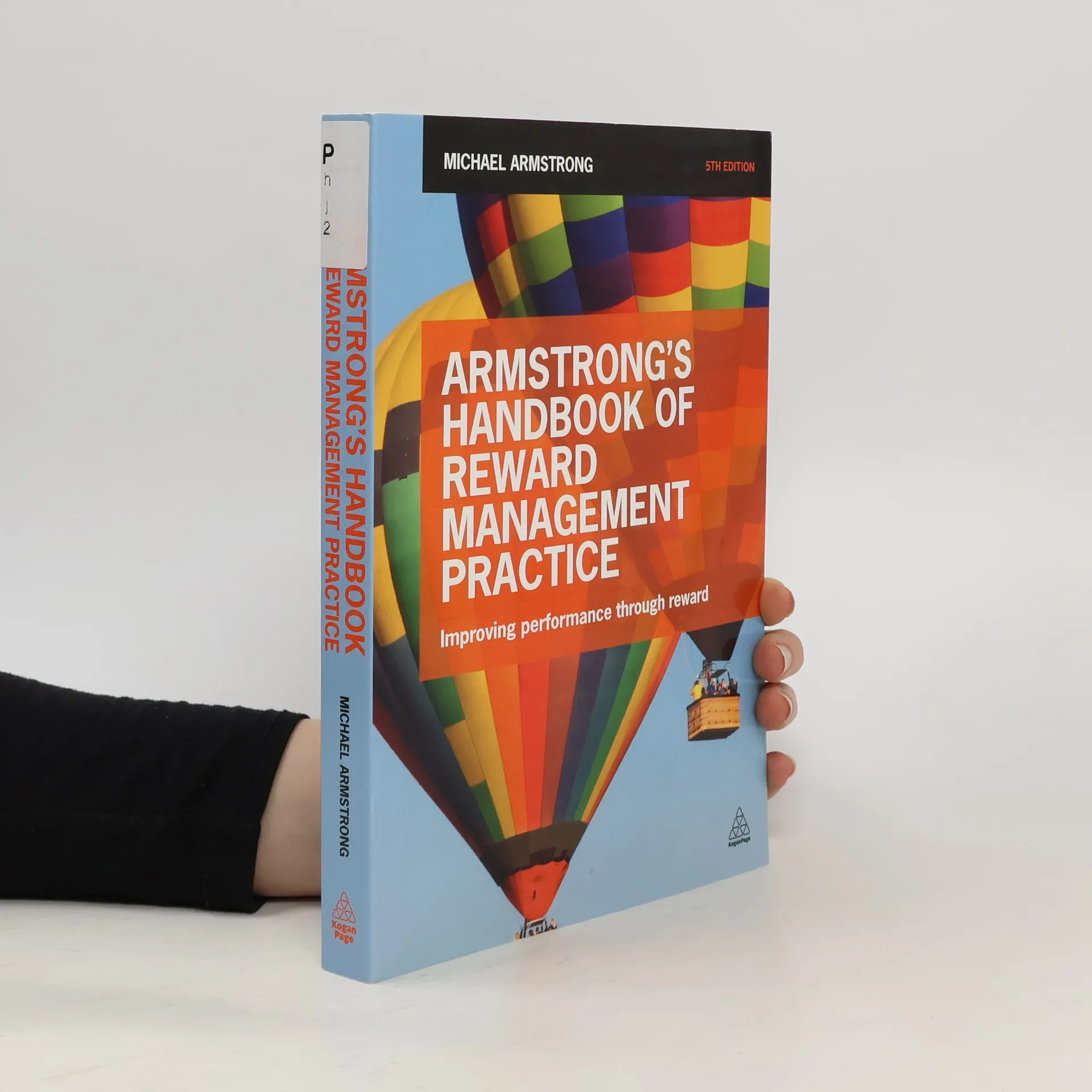
Armstrong's Handbook of Reward Management Practice is the definitive guide to understanding, developing and implementing effective reward. It is closely aligned to the CIPD's standard in reward management and is supported by online resources for both lecturers and students. Updated to reflect the practical implications of the most recent research and discussion on reward management, this new fifth edition includes a new chapter on computerized reward management, completely updated chapters on job evaluation, pay structures, merit pay and executive pay, and new case studies.As with all of Armstrong's texts, Armstrong's Handbook of Reward Management Practice truly bridges the gap between academic and practitioner and is, therefore ideally suited to anyone studying for a professional qualification in HR, of which Reward is often a core part, in particular the CIPD's intermediate and advanced level qualifications. Online supporting resources include lecture slides, an instructor's manual and a student's manual complete with a glossary, bibliography and literature review.
Gain a complete understanding of the theory and practice of L&D for students and practitioners alike covering the fundamentals of learning and development, new developments, learning cultures and strategic L&D.
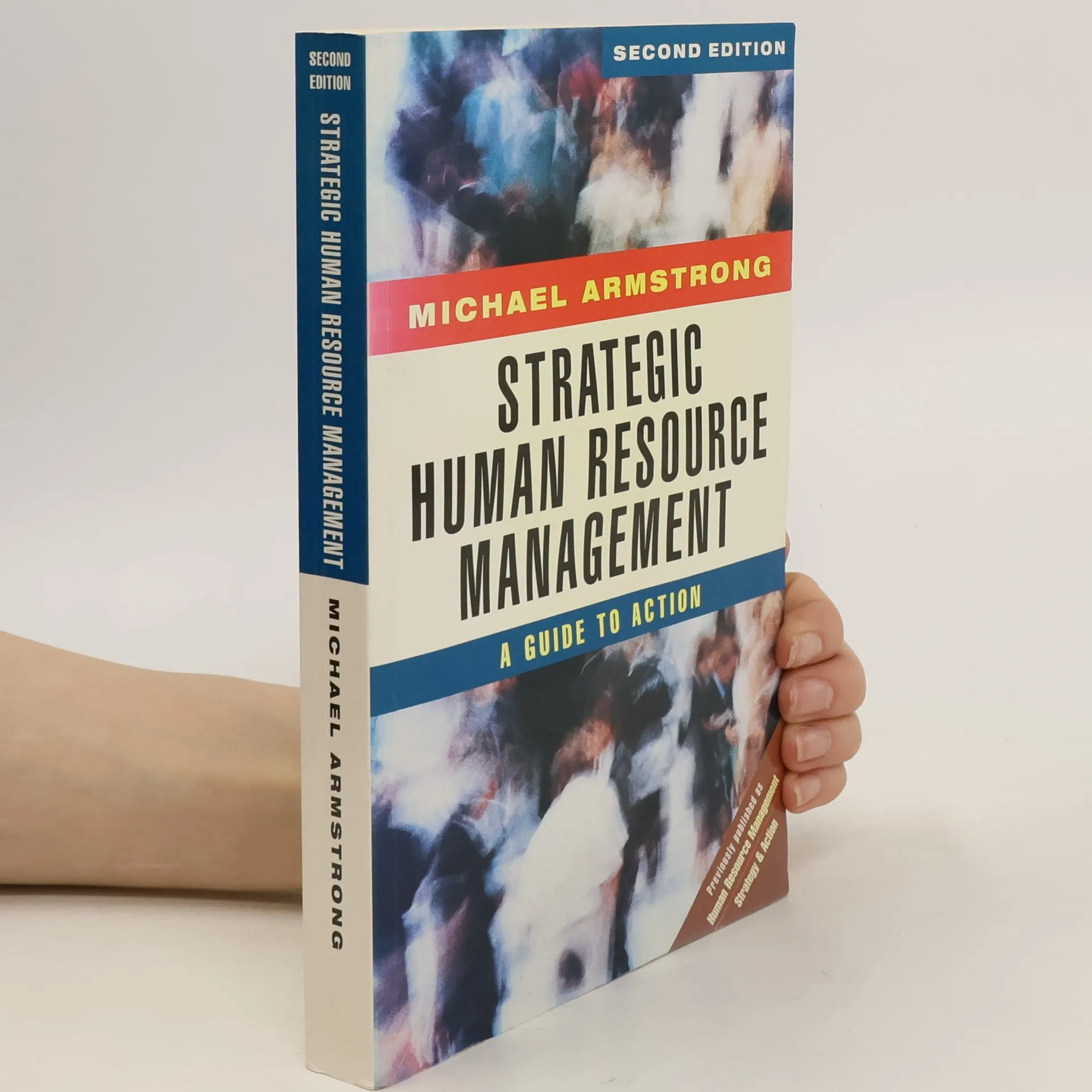
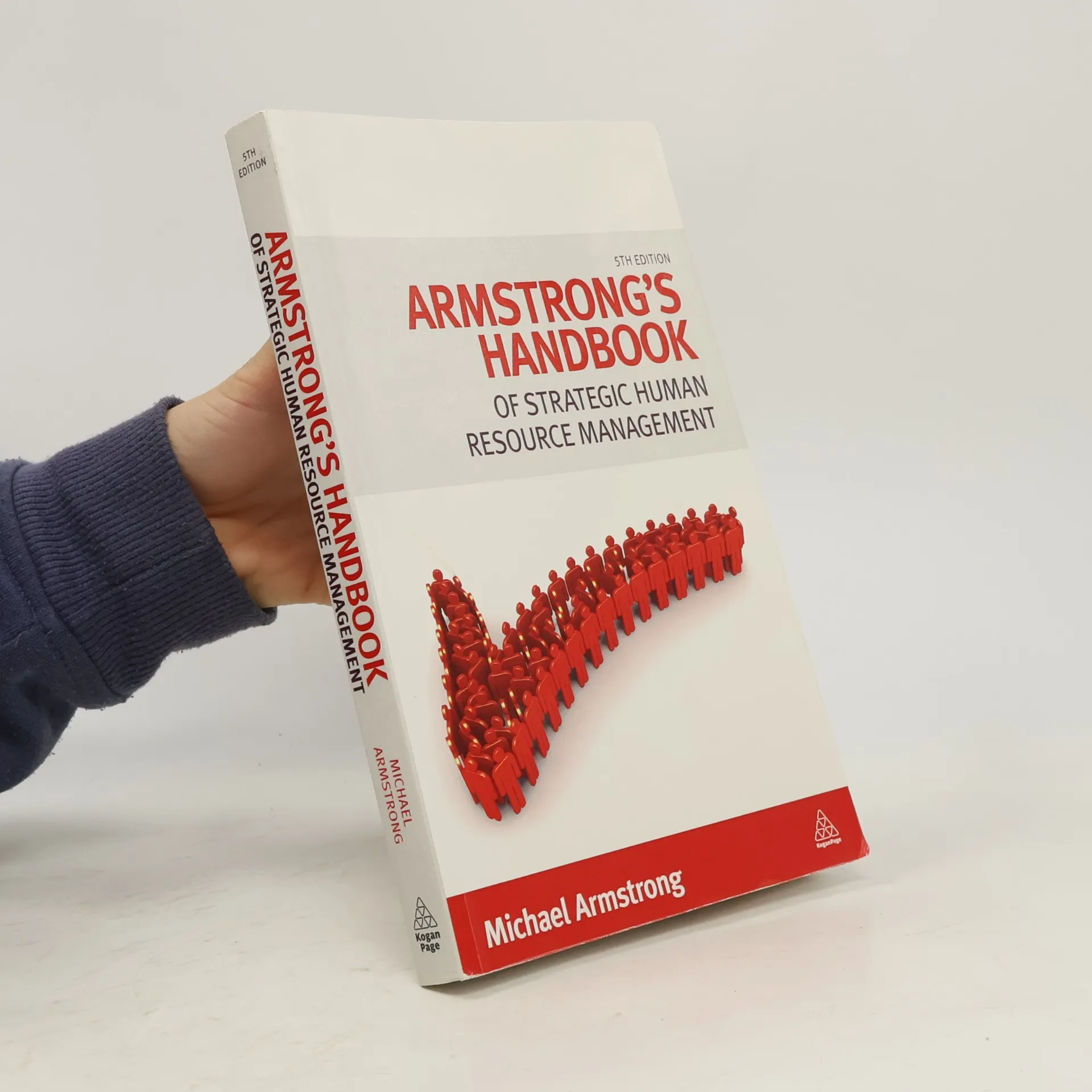
Strategic human resource management has been taken up by academics, consultants and practitioners alike. However, the integration of human resource strategy with overall business strategy is often easier in theory than in practice. Armstrong's Handbook of Strategic Human Resource Management provides a bridge between theory and practice and offers a guide both to formulating human resource strategies and to implementing them. Substantially updated, this edition includes new material which reflects important developments in HR strategies linked with those issues which affect HRM on a day to day basis including: - Human capital management - Corporate social responsibility - Organization development - Engagement - Talent management With key concepts and terms at the beginning of every chapter and summarizing key learning points at the end, Armstrong's Handbook of Strategic Human Resource Management is an extremely practical resource for the classroom. This new edition which includes case studies, checklists, practical examples, and a special Strategic HRM workbook simplifies the material, making it a valuable reference for students.
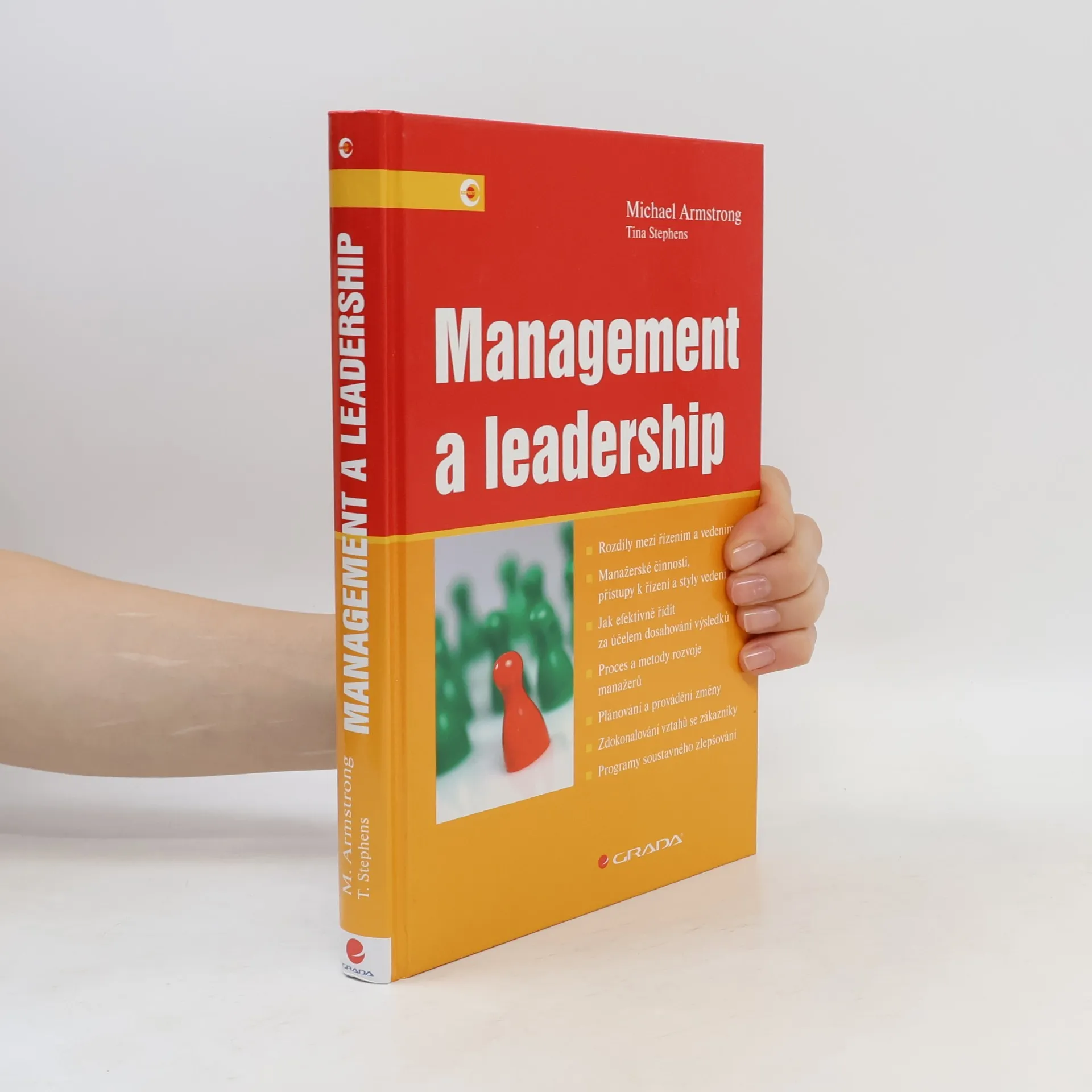
Moderní publikace o klíčových oblastech zájmu každého manažera - managementu a leadeshipu - je určena nejen všem manažerům a podnikatelům, ale také personalistům, lektorům a studentům vysokých škol a MBA studií. Seznámíte se s prioritními dovednostmi v managementu a přístupy efektivního leadershipu, získáte nezbytné informace o moderních teoriích a zkušenostech z praxe. Kniha se věnuje aktuální problematice manažerských rolí, strategického managementu, leadershipu, managementu změny, zákaznické orientaci manažerů a celé firmy, neustálého zlepšování procesů a výsledků či managementu kvality. Velmi čtivý a informacemi nabitý text z pera uznávané evropské kapacity na HRM je doplněn případovými studiemi a příklady z praxe (tzv. best practices) z firem, jako je např. Dell, Audi, Boeing Company nebo Singapore Airlines, a mnoha schématy a kontrolními seznamy.
Požadavky na manažery v dnešním nejistém a náročném světě stále rostou. I ti nejzkušenější musí sledovat vývojové trendy a pravidelně si osvěžovat základní dovednosti. Nové, aktualizované a revidované vydání tohoto praktického průvodce pokrývá pět klíčových oblastí managementu. Zahrnuje moderní přístupy k vedení a přináší nové pohledy na známé aspekty manažerské práce. I když žádná kniha nemůže poskytnout konkrétní řešení pro každou situaci, tento průvodce, založený na více než třech letech zkušeností, nabízí pravidla, která vám pomohou získat nezbytné manažerské znalosti a dovednosti. Kapitoly se zaměřují na odhadování různých typů lidí, posuzování vlastních výkonů, autoritu, rozhodování, rozvoj emocionální inteligence, jednání s obtížnými lidmi, vedení pohovorů, dosahování pracovního závazku, zvládání stresu, týmovou práci a určování priorit. Kniha pokrývá široké spektrum dovedností a přístupů úspěšných manažerů, což ji činí neocenitelnou příručkou pro ambiciózní manažery a užitečnou pro vzdělávání řídících pracovníků v podnikatelské sféře i státní správě.
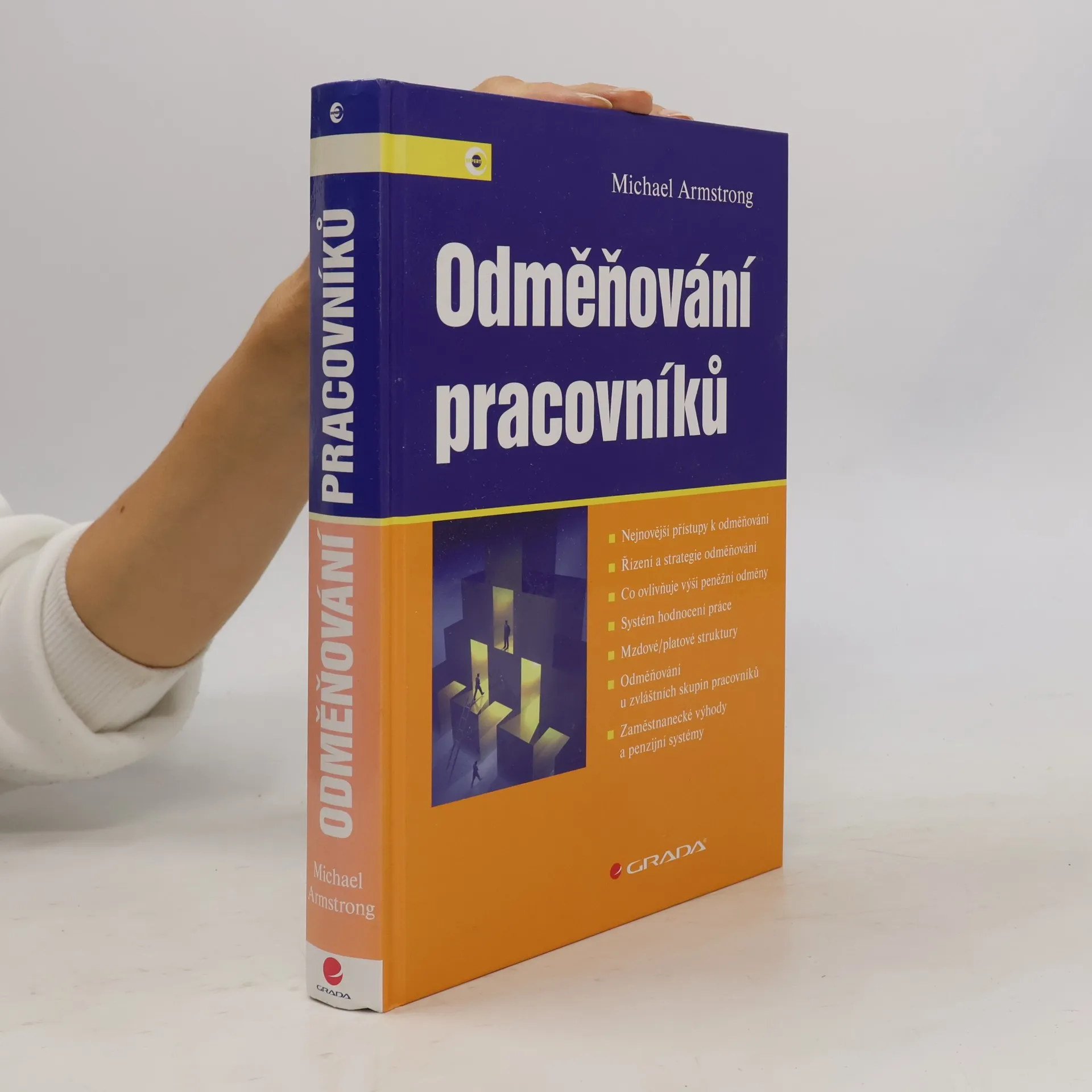
Publikace uznávaného autora v oblasti řízení lidských zdrojů se jako jediná na našem trhu komplexně zabývá odměňováním pracovníků v praxi. Je praktickou příručkou jak pro personalisty a další profesionály v oblasti odměňování a řízení lidských zdrojů, tak nezbytným materiálem pro studenty VŠ. Věnuje se koncepci a praktické aplikaci řízení odměňování, představuje klíčové teorie a příklady nejlepší praxe odměňování pracovníků. Kniha je velmi čtivá, obsahuje mnoho kontrolních seznamů a schémat. Čtenář se podrobně a komplexně seznámí se základy a koncepcí řízení odměňování, s metodami hodnocení práce, strukturami stupňů a mzdovými/platovými strukturami, dozví se, jak hodnotit a odměňovat podle výkonu, schopností a další zásluh a jak řídit odměňování zvláštních skupin pracovníků. Na závěr se kniha věnuje zaměstnaneckým výhodám, penzím a příplatkům a také řízení systémů odměňování. Knihu přeložil uznávaný odborník v oblasti řízení lidských zdrojů prof. Ing. Josef Koubek, CSc.
V knize Řízení pracovního výkonu v podnikové praxi se světově uznávaný odborník v oblasti řízení lidských zdrojů Michael Armstrong věnuje jedné z nejnovějších koncepcí řízení pracovníků, a sice koncepci řízení pracovního výkonu.
Tento stále populárnější přístup nahrazuje tradiční způsoby řízení lidí při práci, zejména příkazové řízení a hodnocení pracovního výkonu, a zaměřuje se na budoucí pracovní výkon a s ním spojený rozvoj schopností pracovníka. Důraz se klade na dialog mezi manažerem a pracovníkem a na snahu o optimální využívání schopností a potenciálu pracovníka. Výsledkem by mělo být společné stanovování cílů s přihlédnutím ke schopnostem a preferencím pracovníka, průběžné poskytování zpětné vazby a společné posuzování pracovního výkonu.
Vedle nezbytných definic a teoretických východisek uvádí Armstrong množství faktických informací a příkladů praktického uplatnění této koncepce. Vyjmenovává existující modely tohoto řízení, reakce manažerů, vedoucích týmů i řadových pracovníků a podrobně se zabývá uplatněním této koncepce v praxi i vyhodnocováním systému řízení pracovního výkonu a jeho efektivnosti.
Knihu přeložil prof. Ing. Josef Koubek, CSc., uznávaný odborník v oblasti řízení lidských zdrojů.
Získejte zásadní manažerské a řídicí dovednosti, které skutečně vedou k výsledkům.
Tato kniha vám ukáže, jak se stát efektivním manažerem. Poradí, jak prostřednictvím motivace, odměňování a správného vedení dostat z pracovníků to nejlepší. Příručka obsahuje také praktická cvičení, šablony a tipy. Najdete v ní též rady pro zlepšování angažovanosti zaměstnanců a zvládání konfliktů. Získejte zásadní manažerské a řídicí dovednosti, které skutečně vedou k výsledkům!
Obsah:
Jak se chovat k lidem jako dobrý lídr.
Budování týmu, organizace a motivace.
Delegování pravomocí, zadávání práce a řízení výkonnosti.
Odměňování, řízení změn a řešení problémů.
17 cvičení k otestování znalostí.