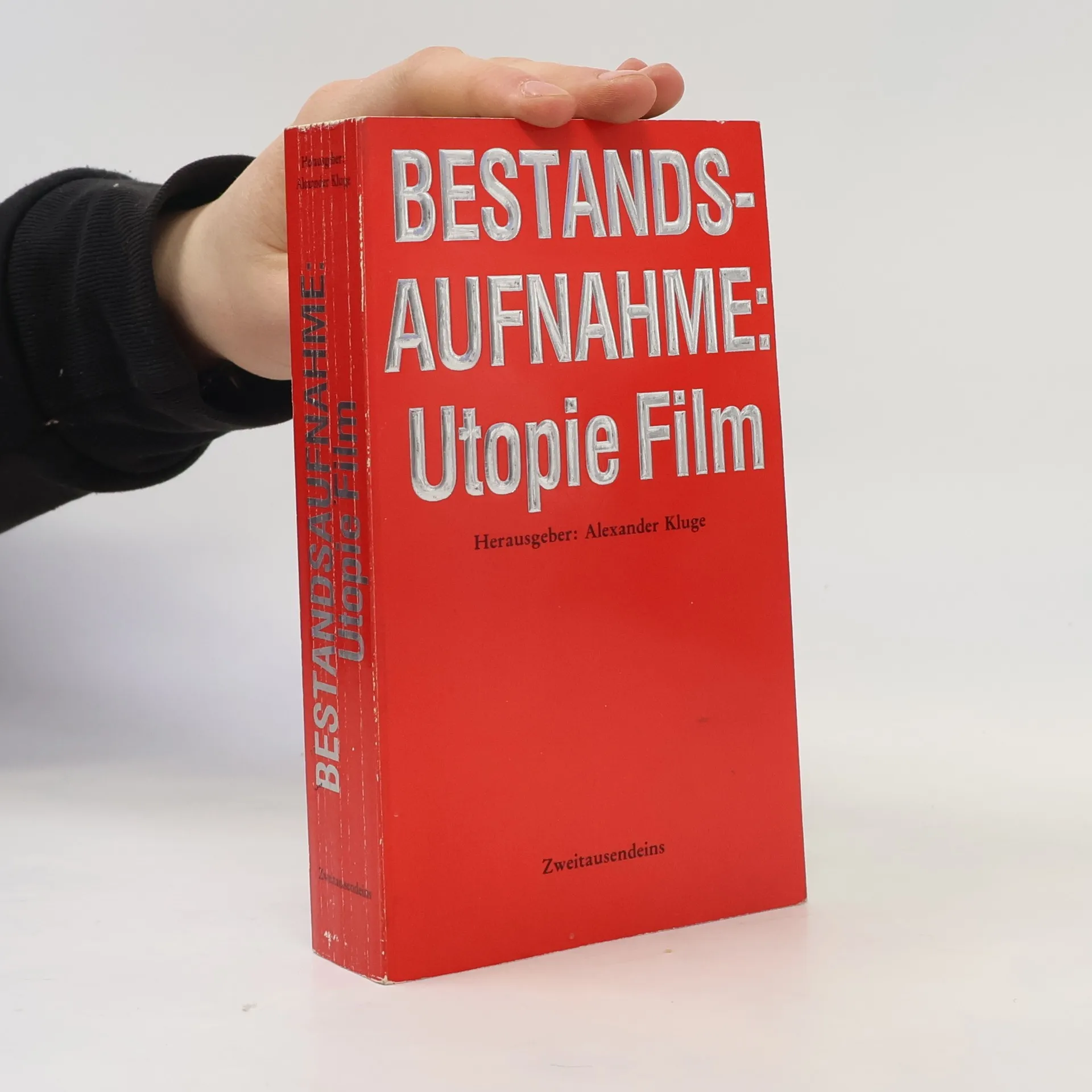
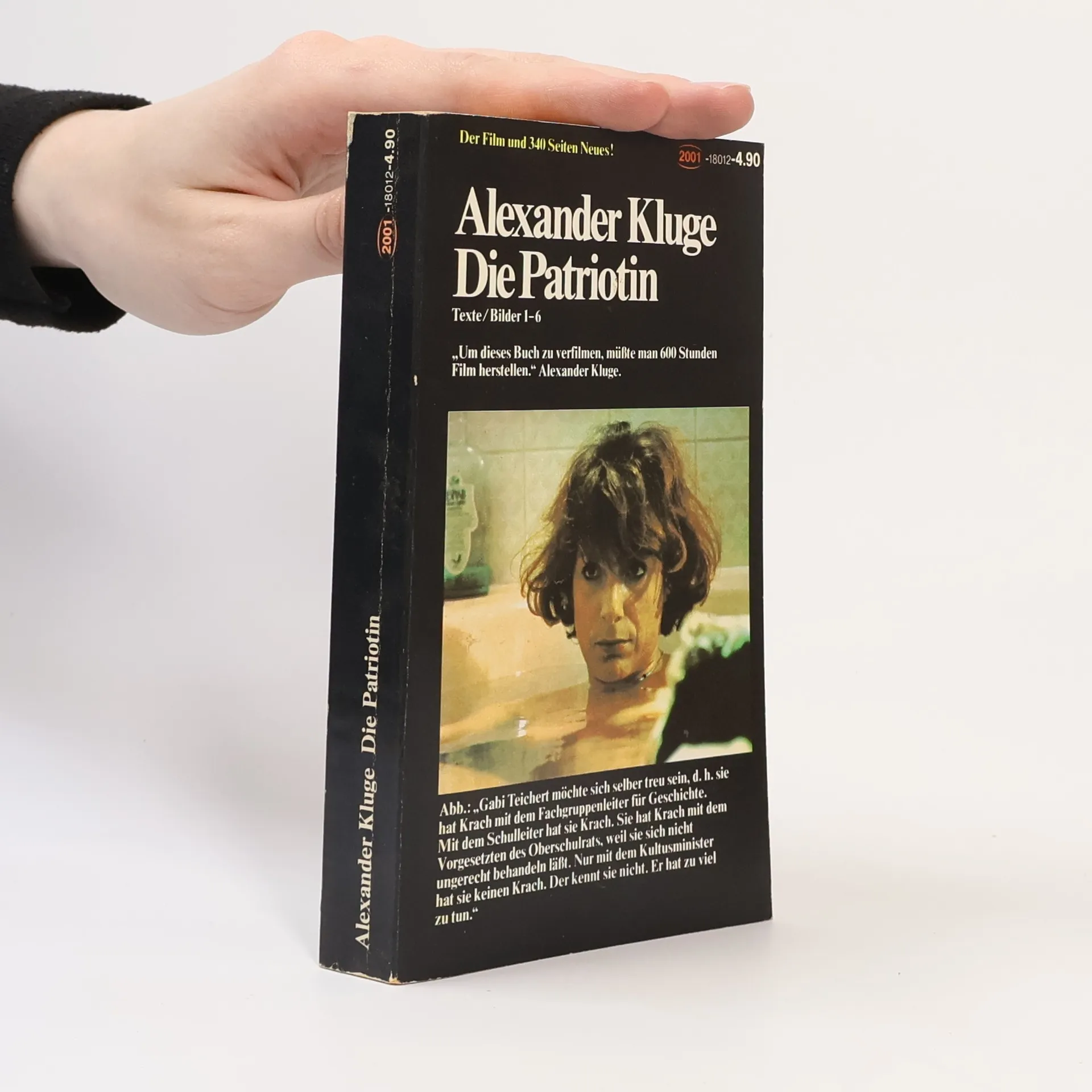
An intellectually stimulating yet accessible collection of short vignettes on Russia and Germany by Alexander Kluge. Not just in light of a contested pipeline during the war in Ukraine but also after centuries of both exchange and rejection, Russia and Germany were and are as far away from each other as they are intrinsically linked. The geopolitical present seems critical, the signs pointing towards conflict and polarity. In this hot climate, German author Alexander Kluge makes Russia the exclusive subject of his latest book, offering multiple perspectives: from that of the historical German patriots of the Napoleonic Wars of Liberation to the narrative point of view of Franz Kafka and Heiner Müller; from messianic yearning and utopian expectations of the twentieth century to the full-blown or near-miss catastrophes in the atomic age. Composed in Kluge's characteristic short-prose vignette style, interspersed with numerous images and often humorous asides, Russia Container is yet another brilliant and thought-provoking work from one of Europe's most prolific and deeply intellectual literary genius. The volume includes a preface specially written to engage with the current events in Ukraine, making Kluge's narratives even more timely and topical.
Alexander Kluge Livres


30 April 1945
- 302pages
- 11 heures de lecture
April 30, 1945, marked an end of sorts in the Third Reich. The last business day before a national holiday and then a series of transfers of power, April 30 was a day filled with contradictions and bewildering events that would forever define global history. It was on this day that while the Red Army occupied Berlin, Hitler committed suicide in his underground bunker, and, in San Francisco, the United Nations was being founded. Alexander Kluge’s latest book, The 30th of April 1945, covers this single historic day and unravels its passing hours across the different theaters of the Second World War. Translated by Wieland Hoban, the book delves into the events happening around the world on one fateful day, including the life of a small German town occupied by American forces and the story of two SS officers stranded on the forsaken Kerguelen Islands in the South Indian Sea. Kluge is a master storyteller, and as he unfolds these disparate tales, one unavoidable question surfaces: What is the appropriate reaction to the total upheaval of the status quo? Enriched by an afterword by Reinhard Jirgl, translated by Iain Galbraith, The 30th of April 1945 is a riveting collection of lives turned upside down by the deadliest war in history. The collective experiences Kluge paints here are jarring, poignant, and imbued with meaning. Seventy years later, we can still see our own reflections in the upheaval of a single day in 1945.
Parsifal Kontainer
- 180pages
- 7 heures de lecture
Two modern renaissance men pay homage to the medieval tale of Parsifal From Wolfram von Eschenbach's epic of chivalry to Richard Wagner's opera, from the knight as fool to the fool as savior, the story of Parsifal has struck deep chords with artists over the centuries. In this collaboration, Georg Baselitz's studies for a 2018 production of Parsifalat the Munich State Opera (2018) are paired with Alexander Kluge's responses to Baselitz's drawings, through stories in which he filters out individual elements from Eschenbach's epic, such as Parsifal's native wit or the figure of the Knight of the Cheerful Countenance. The result is an ongoing communication conducted over long periods of time: aspects of the Middle Ages can be found in the present. The volume concludes with Tristan Marquardt's text "Excerpts from a Parsifal Lexicon," which shows how far our contemporary language has diverged from Eschenbach's in terms of meaning and sound.
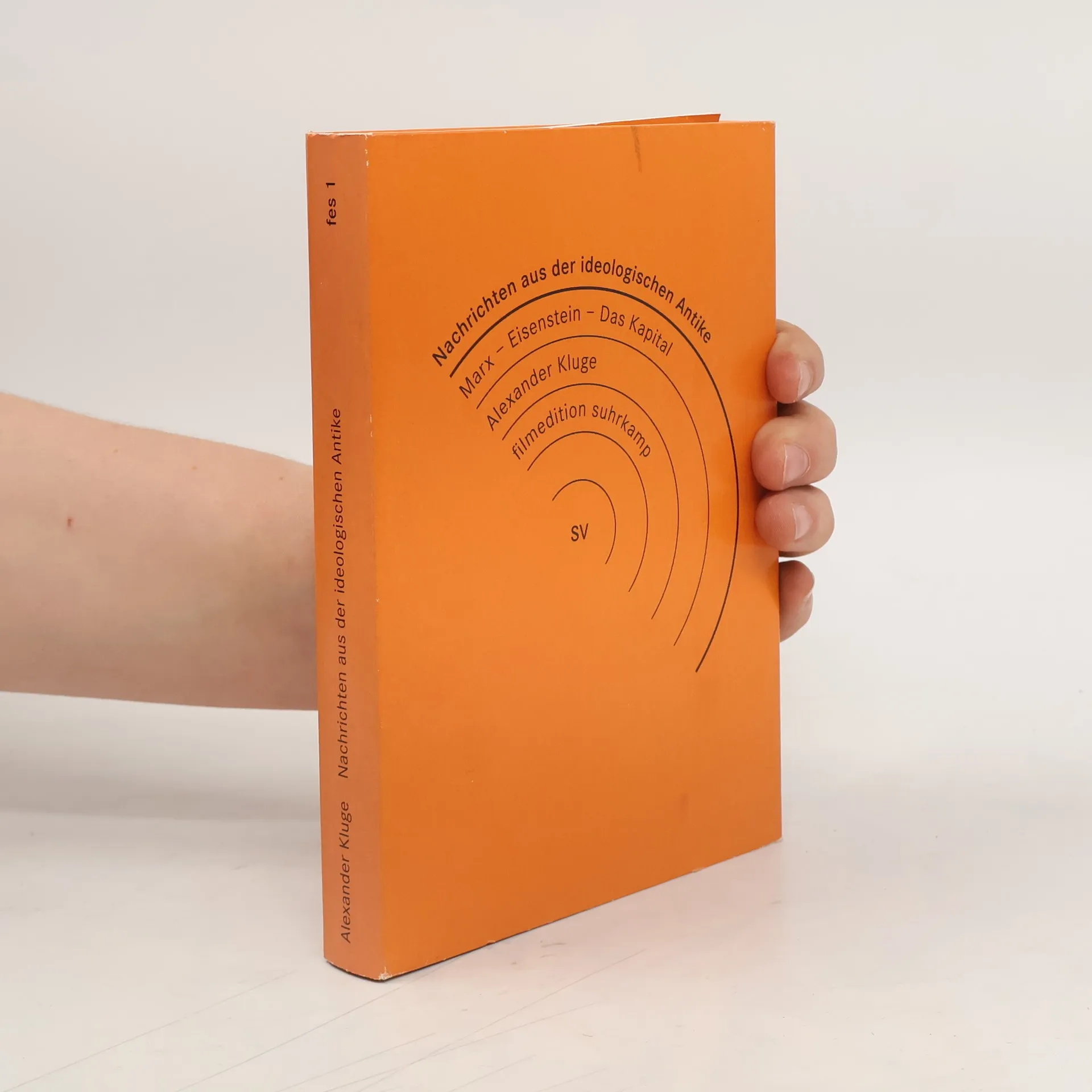
Filmedition Suhrkamp - 1: Nachrichten aus der ideologischen Antike
Marx - Eisenstein - Das Kapital
Das fünfte Buch - neue Lebensläufe
- 564pages
- 20 heures de lecture
»Unsere Lebensläufe sind die Häuser, aus deren Fenstern wir Menschen die Welt deuten: ein Gefäß der Erfahrung für das literarisch Erzählbare.« Alexander Kluge Mit diesem Fünften Buch gelangt Alexander Kluges großes Erzählprojekt zu seinem Abschluß. In vier voraufgegangenen Bänden, der zweibändigen »Chronik der Gefühle« und den einbändigen Geschichtensammlungen »Die Lücke, die der Teufel läßt« sowie »Tür an Tür mit einem anderen Leben«, wurden seit dem Jahr 2000 die über sechs Jahrzehnte hinweg entstandenen Geschichten des Autors in großformatigen Bänden versammelt. Alle Geschichten, die darin nicht enthalten waren, werden diesem Eckband seines Lebenswerks nun auf neue Weise eingeschrieben: konzentriert und endgültig. Darüber hinaus aber führt »«Das fünfte Buch mit einer großen Gruppe »Neuer Lebensläufe« auf den Beginn von Kluges Laufbahn als Erzähler zurück. Seine »Lebensläufe« erschienen 1962, vor genau 50 Jahren. Und wieder nutzt dieser Erzähler sein bewährtes Gefäß: den »Lebenslauf« als das Gefäß aller Erfahrung – für Abgründe der Vernunft, für Brückenköpfe zu offenen Horizonten, für die realistisch-antirealistische Doppelnatur des Menschen und den inneren Partisanen in jedem von uns.
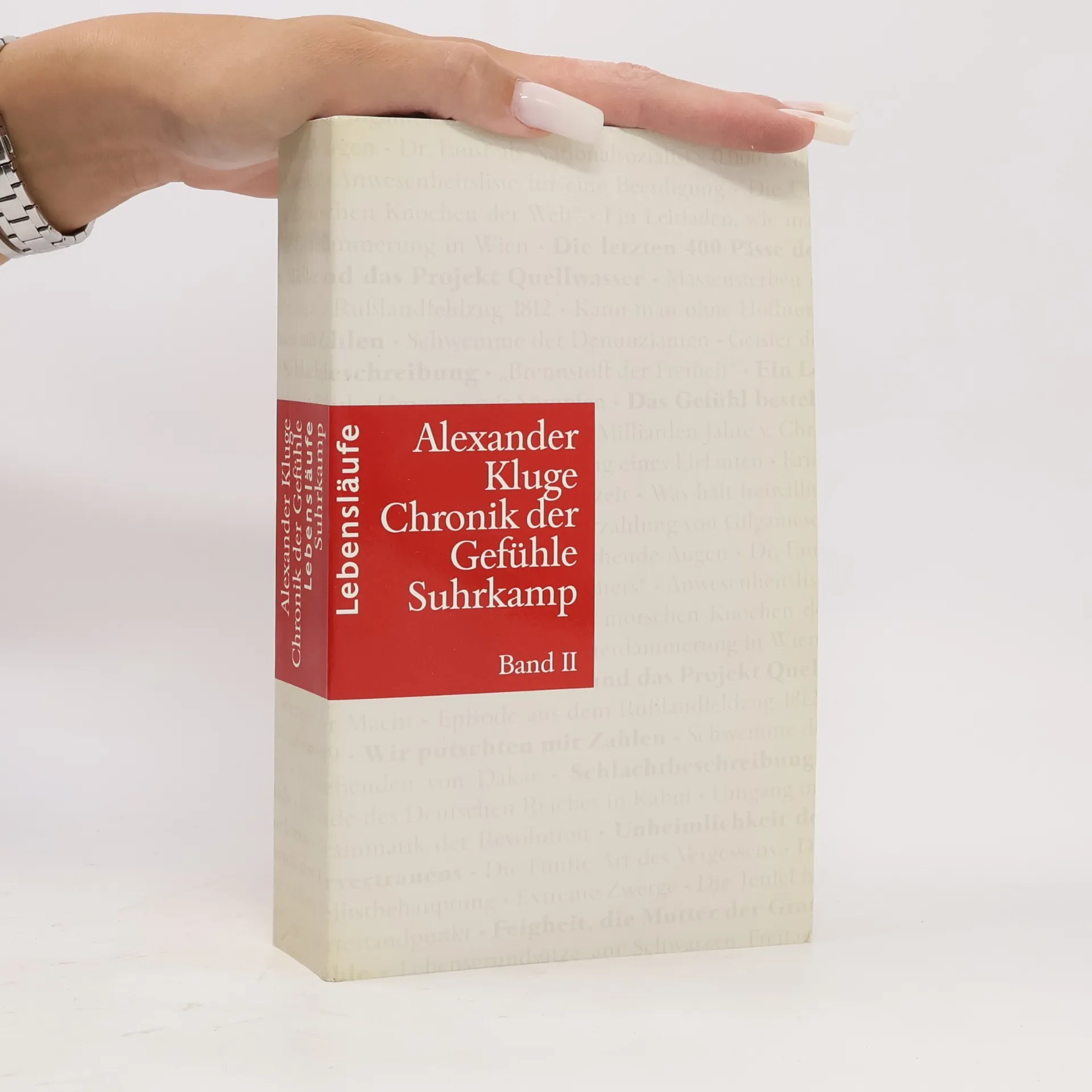
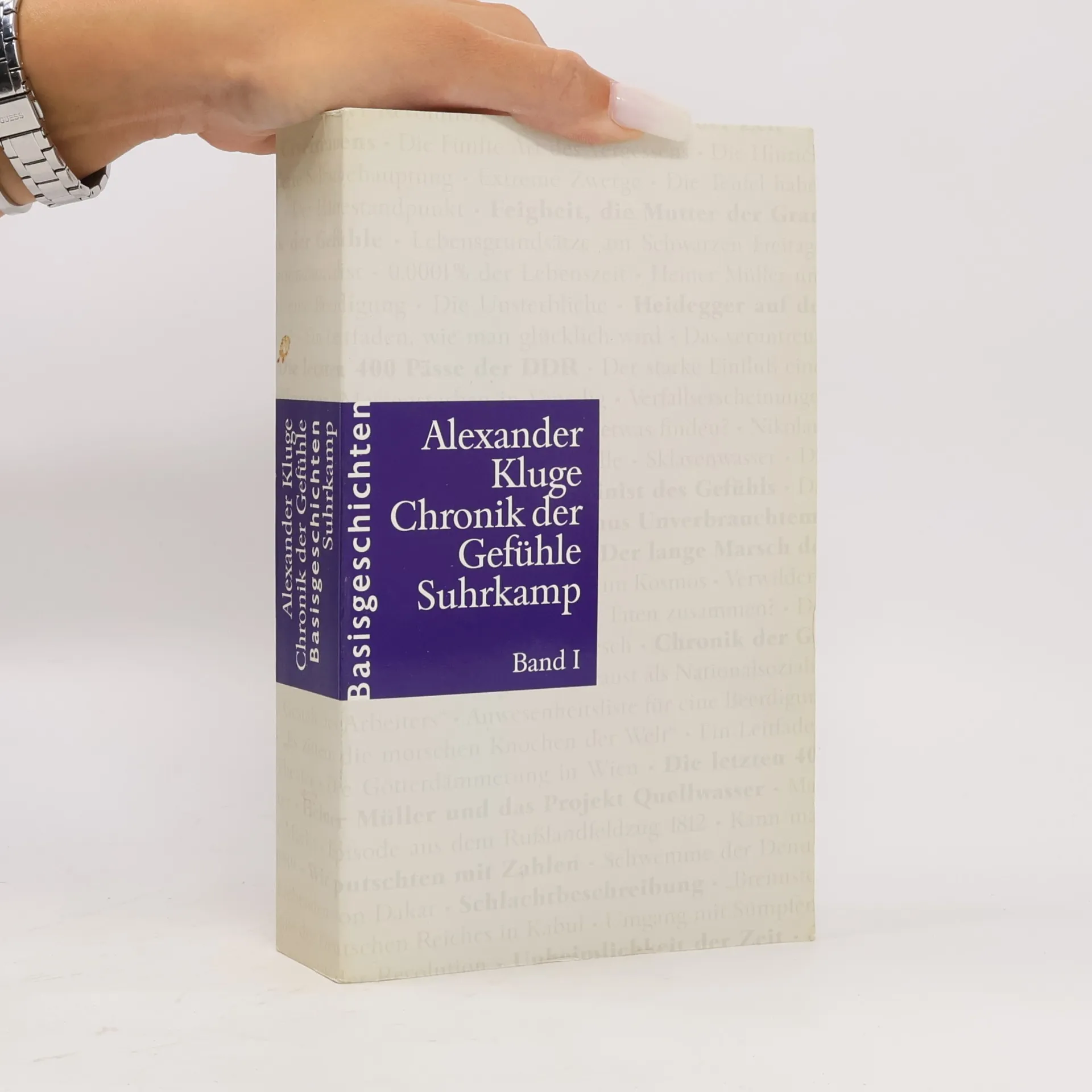
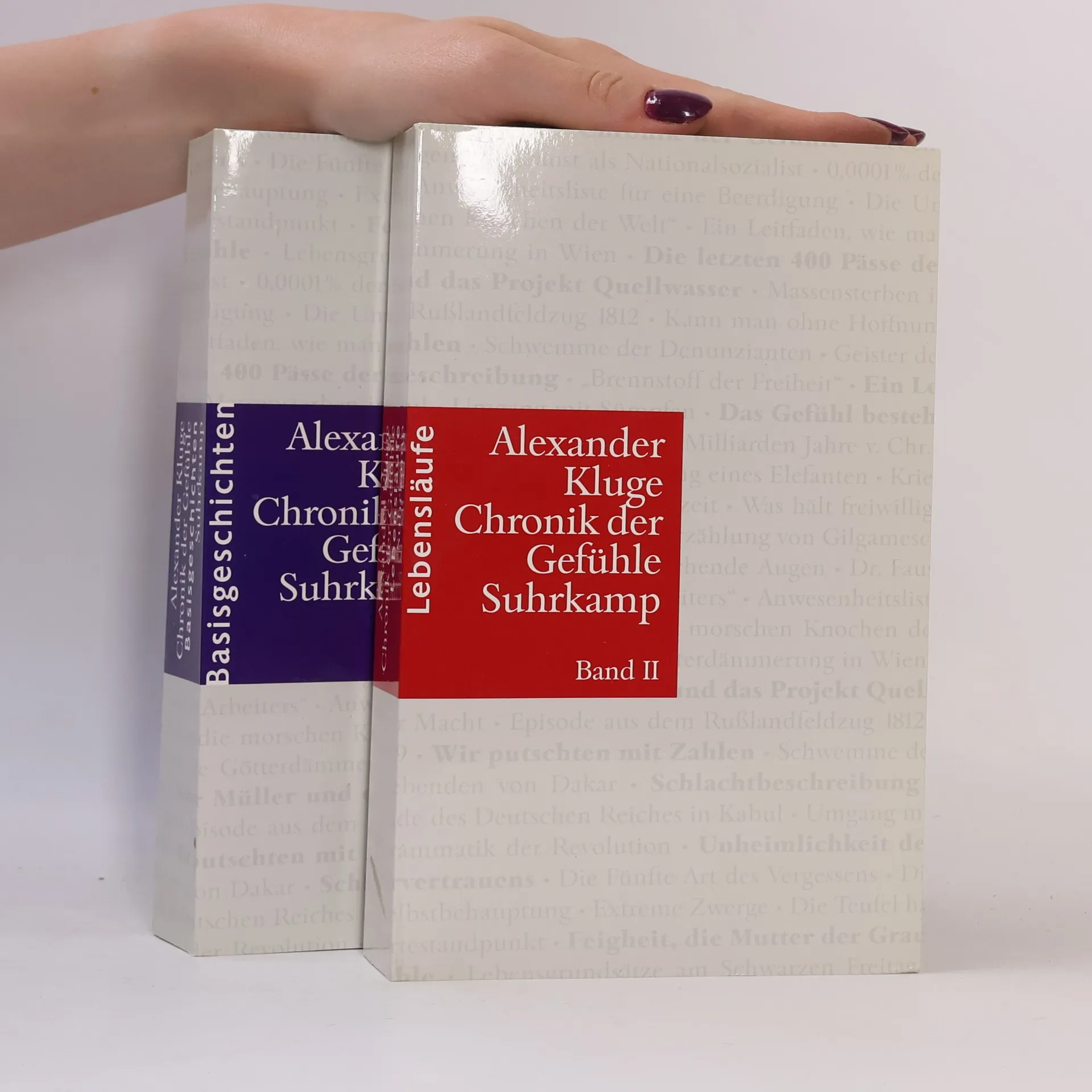
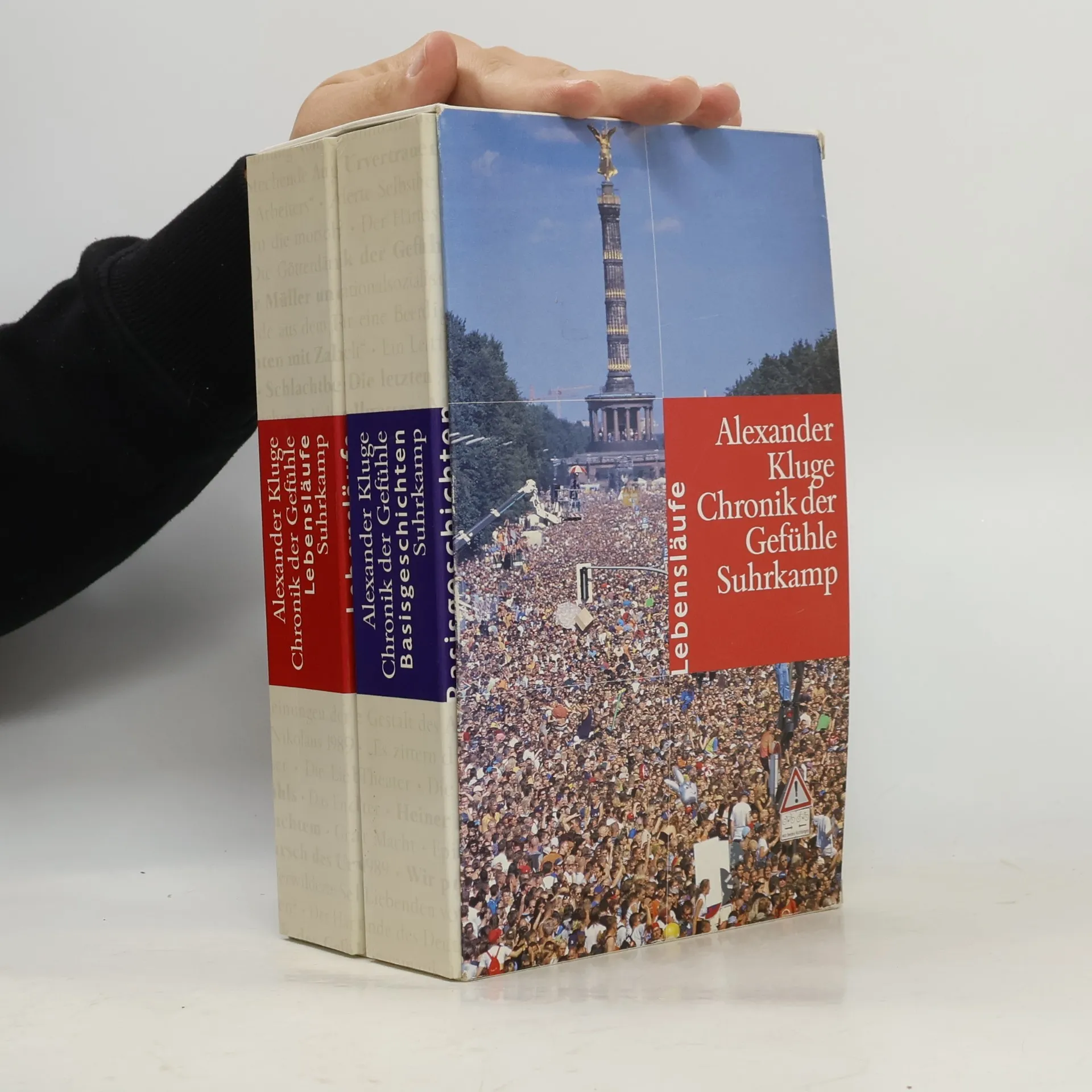
Die Chronik der Gefühle ist ein einzigartiges Werk der Gegenwartsliteratur, das in Lebensläufen und Geschichten die Erfahrungen und Emotionen beleuchtet, mit denen wir auf Zeit, Epoche und deren Brüche reagieren. Alexander Kluges Opus magnum durchstreift Zeit und Geschichte und sucht, unsere oft rätselhaften und widerstandsfähigen Verhaltensweisen, Reaktionen und Leidenschaften aus neuen Perspektiven zu ergründen. Die beiden Bände Basisgeschichten und Lebensläufe versammeln sämtliche erzählerischen Texte Kluges in einer Dramaturgie, die wie unsere Erinnerung funktioniert: von der Gegenwart rückwärts. Die neuesten Geschichten thematisieren den Beginn des 21. Jahrhunderts und schildern Lebensläufe aus der Zeit um 1989, der Bonner Republik und zurück bis 1945. Kluge verbindet lakonische Kürze mit ausführlichen Erzählungen und Pressefotos, um ein halbes Jahrhundert und dessen emotionale Temperatur sichtbar zu machen. Die Bücher Schlachtbeschreibung, Lernprozesse mit tödlichem Ausgang, Lebensläufe und Neue Geschichten, die Kluges Rang als außergewöhnlicher Schriftsteller begründeten, sind in diesen Erzählkosmos integriert und entfalten überraschende Wirkung. Zeit und Geschichte nehmen auf unsere Lebenspläne keinerlei Rücksicht, was die Gefühle rebellisch macht und weitreichende Folgen hat. So wie Kluge ist davon noch nicht erzählt worden.
Alexander Kluge, ein vielseitiger Denker und Mitbegründer des Neuen Deutschen Films, bietet in „Zum Himmel, zur Hölle, zum Mehrwert“ Einblicke in sein Leben und Denken. In zehn Interviews reflektiert er über Krieg, Kindheit und gesellschaftliche Themen. Ein Bonusgespräch mit Christoph Schlingensief rundet das Buch ab und lädt zur Auseinandersetzung mit Kluges Ideen ein.
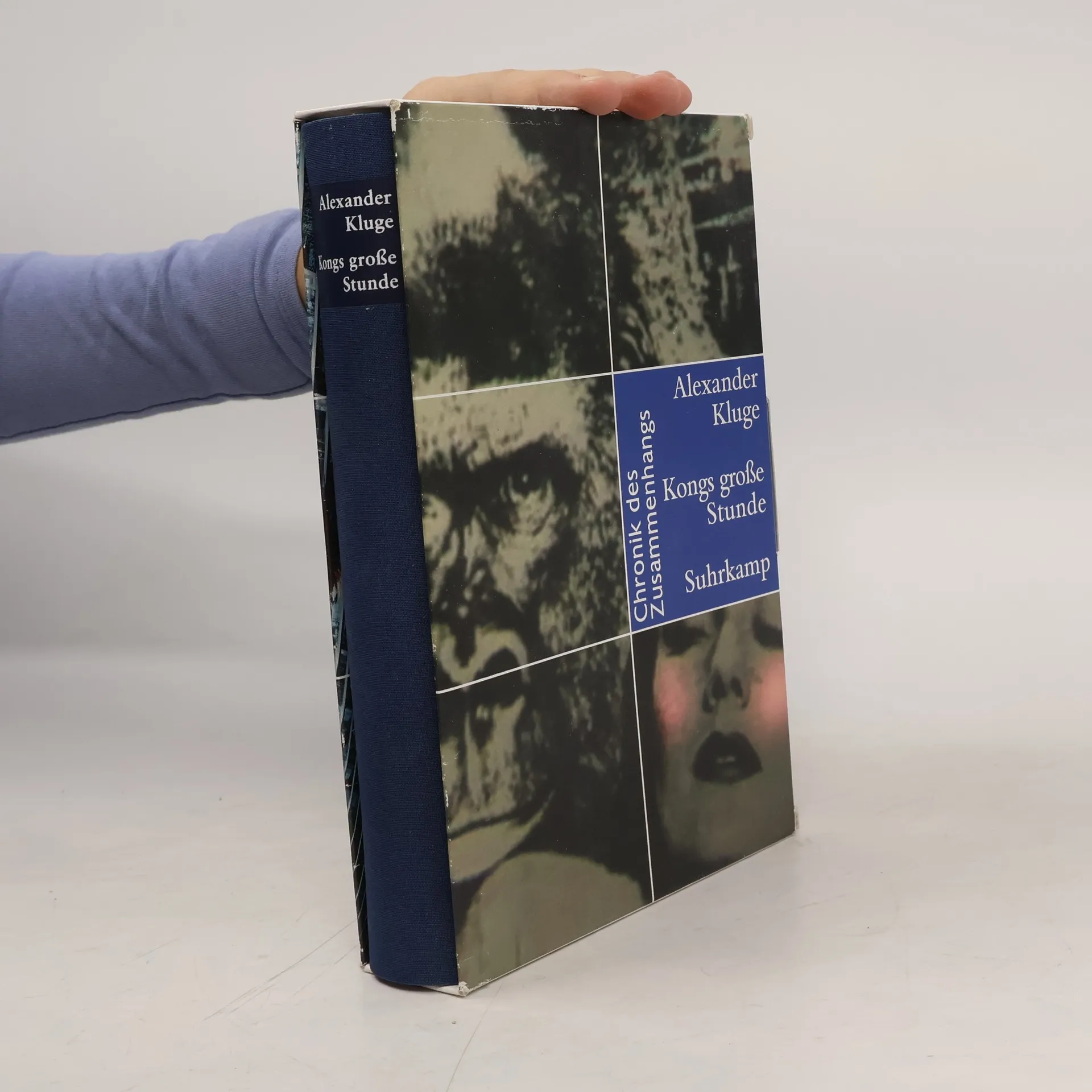
Der große Menschenaffe verteidigt das ihm Liebste gegen eine Welt von Teufeln. Wer und was aber ist dieses offenbar undomestizier- bare Tier? Liegt es vielleicht in uns selbst? Öffnet sich hier ein Boden, auf dem wir uns zu selbstsicher bewegen? Für Alexander Kluge stellt sich damit erneut die Frage nach erschließbaren Räumen in uns Menschen und in unserer Millionen Jahre alten Vergangenheit. Diesen Raum durchmisst er in dreizehn Stationen unter wechselnden Perspektiven, doch immer in konkreten Geschichten. So geht es um »Reparaturerfahrung« als essenzielle Lebenspraxis ebenso wie um die genealogische Erinnerung an Vater und Mutter. Zu einer Chronik des Zusammenhangs gehören aber nicht nur Personen, sondern auch Dinge mitsamt der in ihnen aufbewahrten mensch lichen Arbeit. Sind solche Dinge nicht selbst oft »verzauberte Menschen« und bergen Romane? Schließlich die Kunst als »große Oper« im Leben und auf der Bühne. Sie bietet die direkteste Darstellung von Leidenschaft mit ihren elementaren Wurzeln in der Realität: im Terror, im Glück und in stillgestellten Bürger kriegen des Gefühls aus ältester Zeit.
Die Herzlichkeit der Vernunft
- 189pages
- 7 heures de lecture
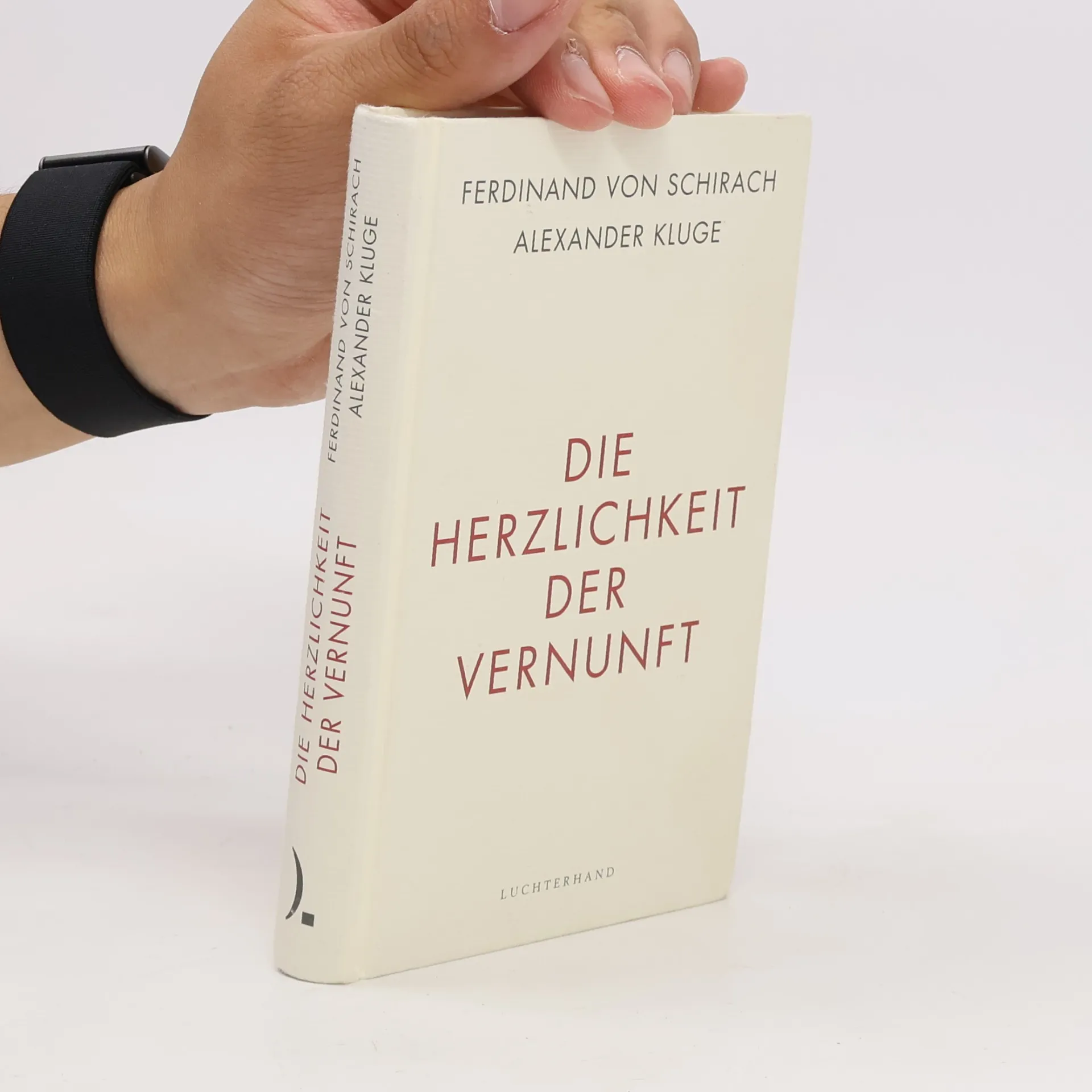
Sokrates oder das Glück der Bescheidenheit, Voltaire oder die Freiheit durch Toleranz, Kleist oder das Wissen um den Menschen, Terror oder die Klugheit des Rechts, Politik oder das Lob der Langsamkeit: Ferdinand von Schirach und Alexander Kluge unterhalten sich über Grundfragen des Rechts und der Gesellschaft, über Theater und Literatur, über die Gefahren der direkten Demokratie und der sozialen Medien und darüber, was den Menschen im eigentlichen Sinn menschlich macht. „Die Herzlichkeit der Vernunft“ ist ein sehr persönlicher Dialog der beiden Schriftsteller.
"Alexander Kluges Napoleon-Kommentar ist eine Beobachtung zusammengesetzt aus Geschichten, Filmbildern, Tagebuchnotizen und drei Zeichnungen von Georg Baselitz. Erzählen als eine Form, sich in die Geschichte hineinzuweben"--Publisher's website
In Gefahr und größter Not bringt der Mittelweg den Tod
Texte zu Kino, Film, Politik
Der Band macht lange vergriffene Texte Alexander Kluges zu Medien und Medienpolitik wieder zugänglich, ergänzt durch neuere Arbeiten – scharfsinnige und geistreiche Analysen, die nichts an Aktualität eingebüßt haben. Alexander Kluge ist vieles in einer Person: Literat und Filmemacher, Gesellschaftskritiker und Medientheoretiker und, seit den späten achtziger Jahren, auch Fernsehautor. Im Mittelpunkt seiner theoretischen Beschäftigung mit Film und Filmpolitik steht das Verhältnis von Erfahrung und medial vermittelter Wirklichkeit. Wie gelingt es Filmen, der vielschichtigen und hochkomplexen Wahrnehmung gerecht zu werden, mit der wir die Wirklichkeit strukturieren? Kluges Verständnis von Film basiert auf einem eigensinnigen Realismus-Begriff, der das audiovisuelle Medium als intelligible Struktur und komplexes Werkzeug realer gesellschaftlicher Kommunikation begreift.
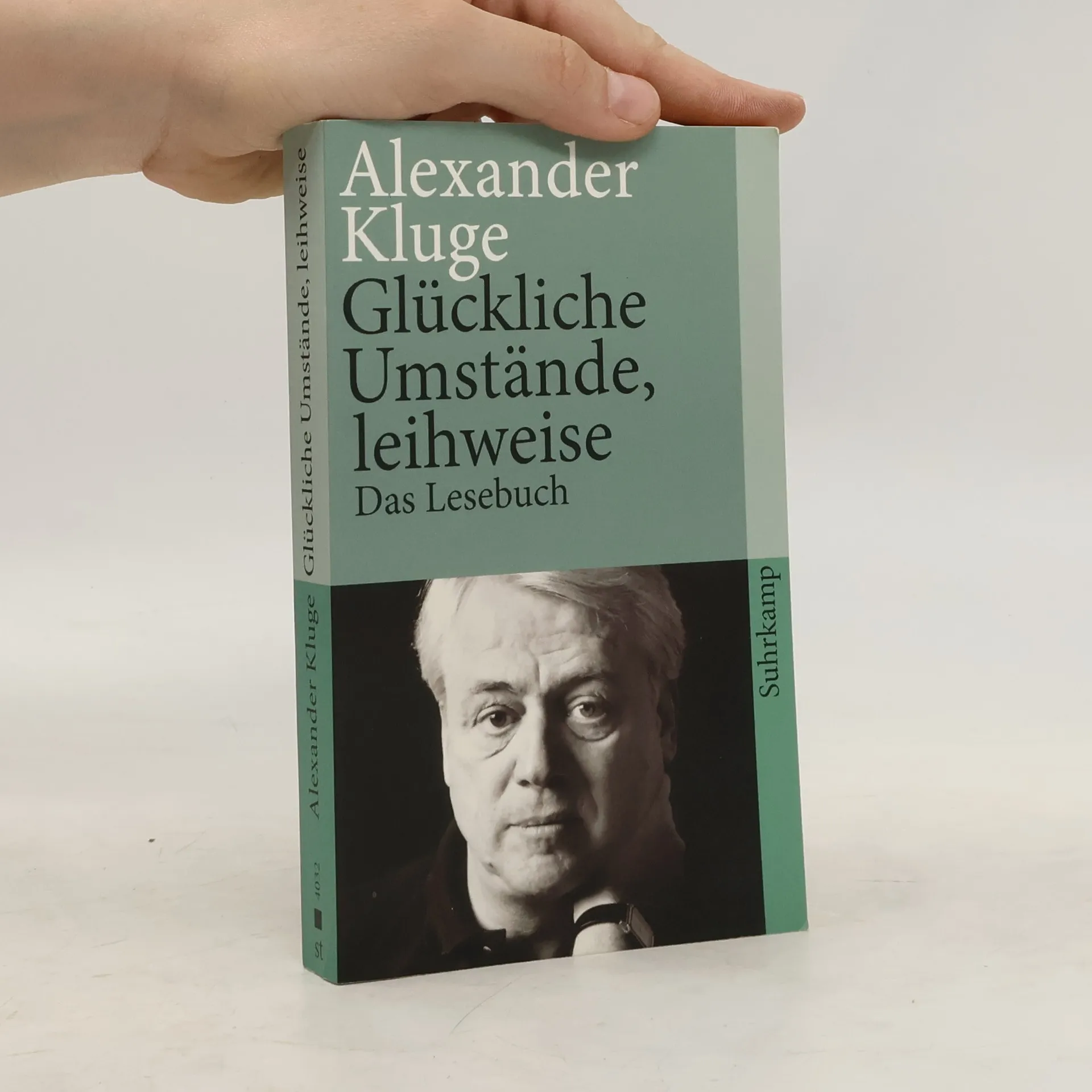
Alexander Kluge ist Autor und Regisseur von bislang 23 Filmen und zahllosen TV-Sendungen, doch „mein Hauptwerk“, so hat er einmal gesagt, „das sind meine Bücher“. Fast unübersehbar scheinen die Tausende von Geschichten, die er in fünf Jahrzehnten geschrieben hat. Mit rund hundert Erzählungen bietet dieses Lesebuch erstmals eine repräsentative Auswahl und damit einen idealen Einstieg in Kluges literarisches Werk.Es geht darin um die unterschiedlichsten Themen und Motive – um den Kosmos als Kino und um die Sehnsucht der Zellen, um die Hinrichtung eines Elefanten und um das Projekt Homunculus, um eine seltsame Robinsonade und um wunderbare Rettung aus der Tiefe. Aber immer steht ein Gedanke im Mittelpunkt: Das Glück ist flüchtig, doch der geborene Hoffnungsträger Mensch sucht es hartnäckig, halsbrecherisch und unter den widrigsten Umständen. Ein aktuelles Gespräch mit dem Autor über die Prinzipien seiner Poesie rundet den Band ab.
Der 92-jährige Autor und Filmemacher Alexander Kluge erprobt in Der Konjunktiv der Bilder die Kooperationsfähigkeit der bildverarbeitenden KI Stable Diffusion. Als Filmemacher verfügt er über eine langjährige Erfahrung im Umgang mit der Kamera und ihren Formen des Sehens, die sich vom menschlichen Sehen unterscheiden. Deshalb ist seine Neugier auf die andersartigen Bilder, die die KI generiert, besonders groß. In einem Essay reflektiert er die Eigenart dieser neuartigen Bilder, in denen Zufälle und Fehler zu Möglichkeitsformen führen, zu offenen Bildern, die schwer zu verorten sind. Kluge stellt Regeln für den Gebrauch der „virtuellen Kamera“ auf und trägt so bei zu einer Debatte über den Umgang mit KI. Und er erprobt in einer Reihe von Bild-Text-Geschichten, die von Fällen von Scheinschwangerschaft auf dem Gebiet der DDR über Philemon und Baucis bis zum Söldner Prigoschin reichen, wie die „virtuelle Kamera“ einen Raum eröffnet, in dem sich auf neue Weise erzählen und imaginieren lässt. Alexander Kluge geb. 1932 in Halberstadt, Drehbuchautor, Film- und Fernsehproduzent, Schrift- steller, Philosoph und einer der einflussreichsten Vertreter des Neuen Deutschen Films.
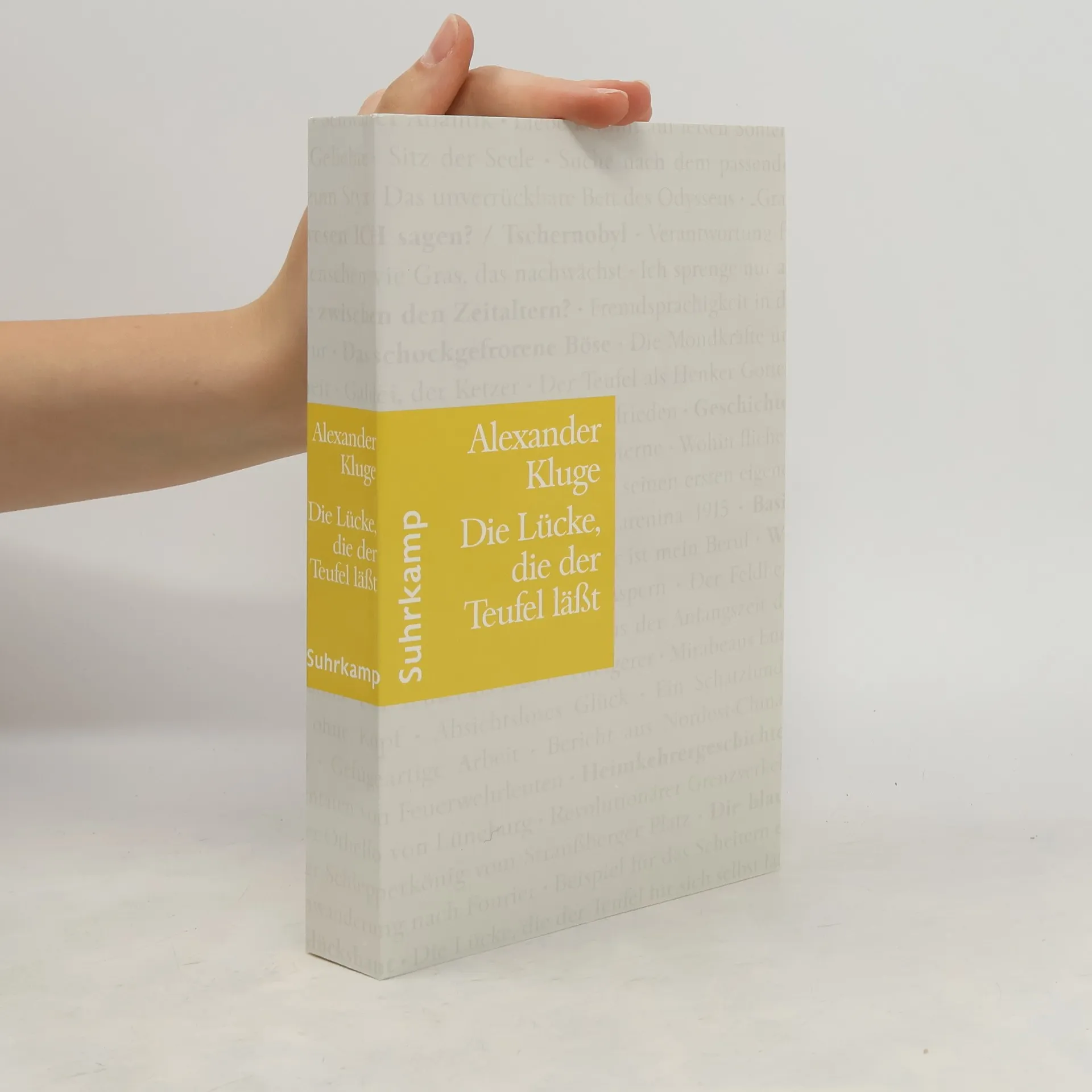
Mit einer Sammlung von 500, allesamt neuen, Geschichten, Die Lücke, die der Teufel läßt, setzt Kluge seine Chronik der Gefühle fort. Erzählte diese in \"Lebensläufen\" und \"Basisgeschichten\" von den Erfahrungen und vor allem den Gefühlen, mit denen wir auf Zeit, Epoche und deren Brüche reagieren, so führt das neue Buch über neun Kapitel in die Bedrohlichkeitsstruktur der Realität selbst. Stichworte wie Revolution und Weltkrieg, Tschnernobyl, 11. September oder Irakkrise bezeichnen einige der unheimlichsten Komplexe einer scheinbar kompakten, undurchdringlich-übermächtigen Wirklichkeit. In neun Kapiteln gehen Kluges Erzählungen diesen und anderen Menetekeln des 20. Jahrhunderts, der ihnen innewohnenden Mechanik und Zweckrationalität nach, um dann in einer großen Coda zum Schluß noch einmal alle Motive und Themen zu variieren - und zu wenden. Vor allem von Gegenläufigem zu Gefährdung und Auslöschung ist nun die Rede: in Geschichten von Heimkehrern, von Aufbruch und Andrang an den Außengrenzen der \"Festung Europa\", von der Suche nach dem \"Schatz des Lebens\" und der tröstenden Aussicht, daß sich konkrete Menschen nicht allzulange auf der Höhe des Bösen halten: Das aber reißt die entscheidende Lücke in die Machinationen des Teufels. Es sind Geschichten von hoher analytischer Kraft: Aus der Perspektive von 2003, aus einer Neuen Welt, sagen sie uns: Die Erfahrungen des 20. Jahrhunderts sind nicht abschließend.
Anselm Kiefer und Alexander Kluge erforschen in ihrer Freundschaft die Konzepte von Verlässlichkeit und Zeit sowie deren Verbindung zu Macht, Liebe, Wahrheit und Geld. Sie kombinieren Bilder und Texte, um historische und gegenwärtige Themen zu beleuchten und unsere poetische Aufmerksamkeit für die Zusammenhänge der Zeit zu schärfen.
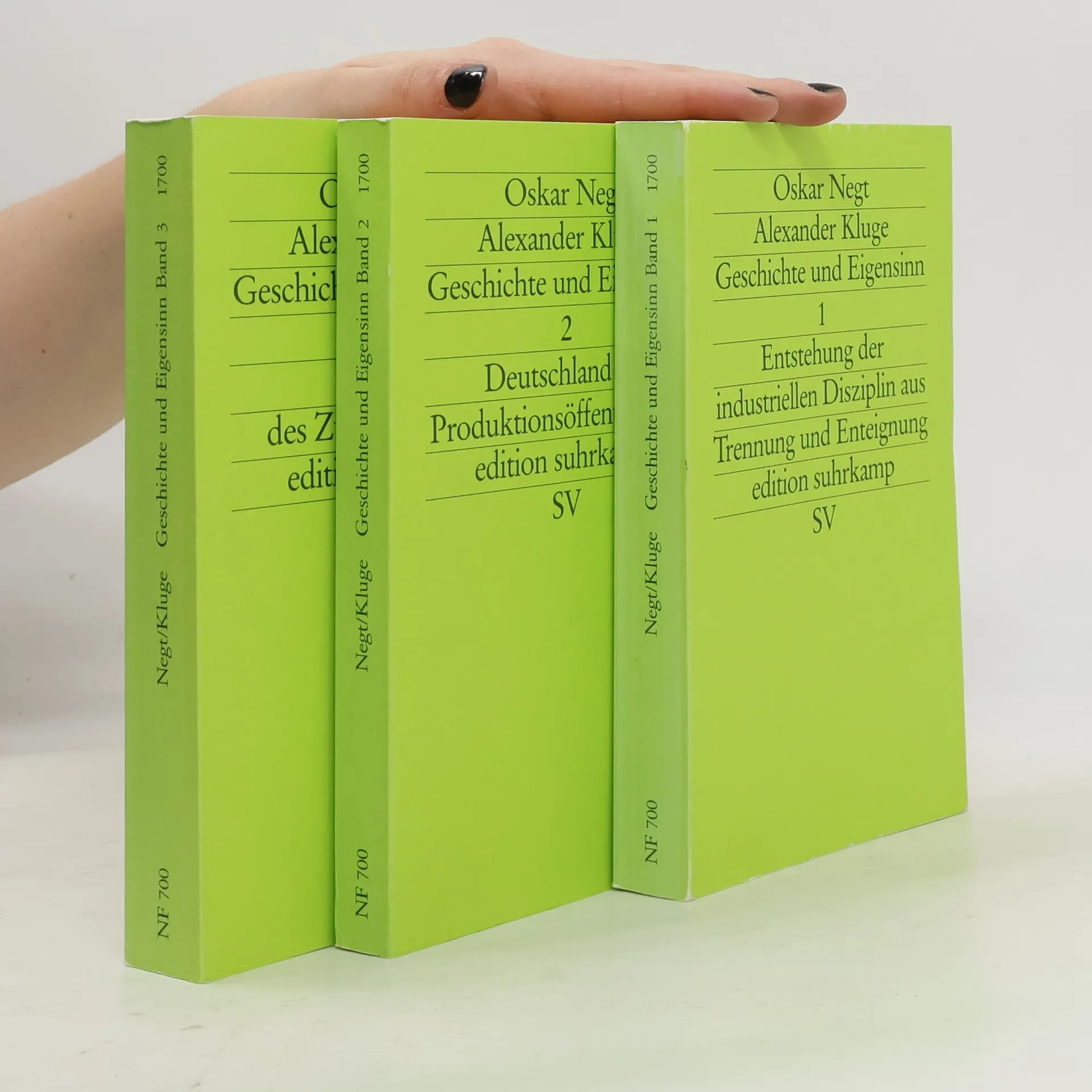
„Geschichte und Eigensinn“ ist das Hauptwerk einer dreijährigen Zusammenarbeit der beiden Autoren und eine Fortsetzung der kritischen Theorie mit demokratischem Charakter. Insbesondere lesen die Autoren Texte von Marx als Spuren der Geschichte und entwickeln daraus eine Ökonomie der Arbeitskraft oder der menschlichen Eigenschaften, ohne deren Eigensinn die Prozesse der Geschichte nicht zu verstehen wären. „Uns interessiert, was, in einer Welt, in der es offenkundig ist, dass Katastrophen eintreten, die stoffverändernde Arbeit leistet. Das sind die geschichtlichen Arbeitsvermögen: Entstanden aus Trennungsprozessen und bewaffnet mit Eigensinn, der sich gegen die Trennungen wehrt. Vom Leser wird bei diesem Buch Eigeninteresse erwartet, indem er sich die Passagen und Kapitel heraussucht, die mit seinem Leben zu tun haben.“
Bibliothek Suhrkamp: Nachricht von ruhigen Momenten
89 Geschichten. 64 Bilder
- 135pages
- 5 heures de lecture
Im goldenen Herbst des Jahres 2012 stand »Die Welt« für einen Tag still, und als Sinnbild des Stillstands lag dort ein schläfriger Hund, wo sonst die Schlagzeilen drohen. Was war geschehen? Gerhard Richter, einer der global maßgeblichen Künstler, hatte die Herrschaft ergriffen und allen 30 Seiten der »Welt«-Ausgabe vom 5. Oktober 2012 seinen Handstempel aufgedrückt: Bilder von ruhigen Momenten in unruhigen Zeiten, Aufhebung des politischen Primats, Privates statt Welthistorisches, vor allem aber: kunstvolle Kontraste zwischen Schärfe und Unschärfe. Bei der öffentlichen Vorstellung dieser ungewöhnlichen Kunstaktion hielt Alexander Kluge die Laudatio. Spontan begleitete er die Fotos mit Geschichten. Gerhard Richter antwortete darauf ebenso spontan mit dem Vorschlag eines gemeinsamen Buches. Richter lieferte weitere Bilder und Kluge weitere Geschichten. So entstand nach dem Erfolgsbuch »Dezember« eine zweite gemeinsame Arbeit der beiden im Februar 1932 geborenen Künstler: ein Buch zur zeitgleich durchlebten Geschichte, so scharf wie unscharf gesehen.
Der Angriff der Gegenwart auf die übrige Zeit
- 112pages
- 4 heures de lecture
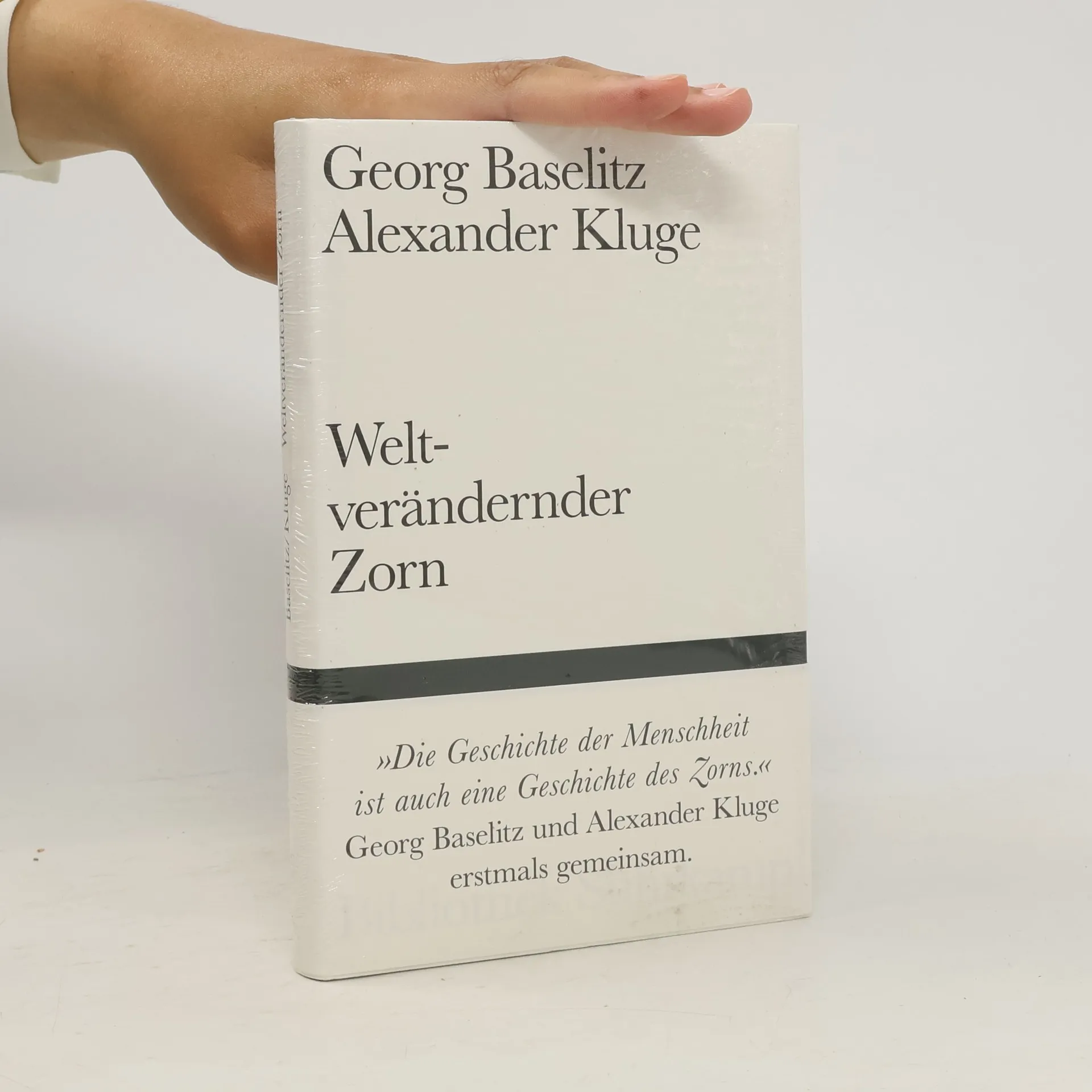
Die Geschichte der Menschheit ist auch eine Geschichte des Zorns. Zorn und Eigensinn sind nächste Verwandte. Bei Georg Baselitz und im Werk von Alexander Kluge sind das grundlegende Kategorien. Zorn ist dynamisch, kann aufwachsen und mit eruptiver Plötzlichkeit sich entladen in flammenden Protest, in Revolte, Revolution und Krieg. Im Typus des Helden konzentrieren sich seine Energien. Georg Baselitz und Alexander Kluge spiegeln den melancholisch geprägten Typus des abendländischen Helden (und seiner Dekonstruktion) mit dem so ganz anderen Heldenethos der japanischen Antipoden, der »Gegenfüßler«. Mächtiger aber noch als jeder Zorn ist der Witz, der in dem ausgestreckten Finger des japanischen Meisters Katsushika Hokusai auf unser Europa zeigt.
Das Buch der Kommentare. Unruhiger Garten der Seele
- 387pages
- 14 heures de lecture
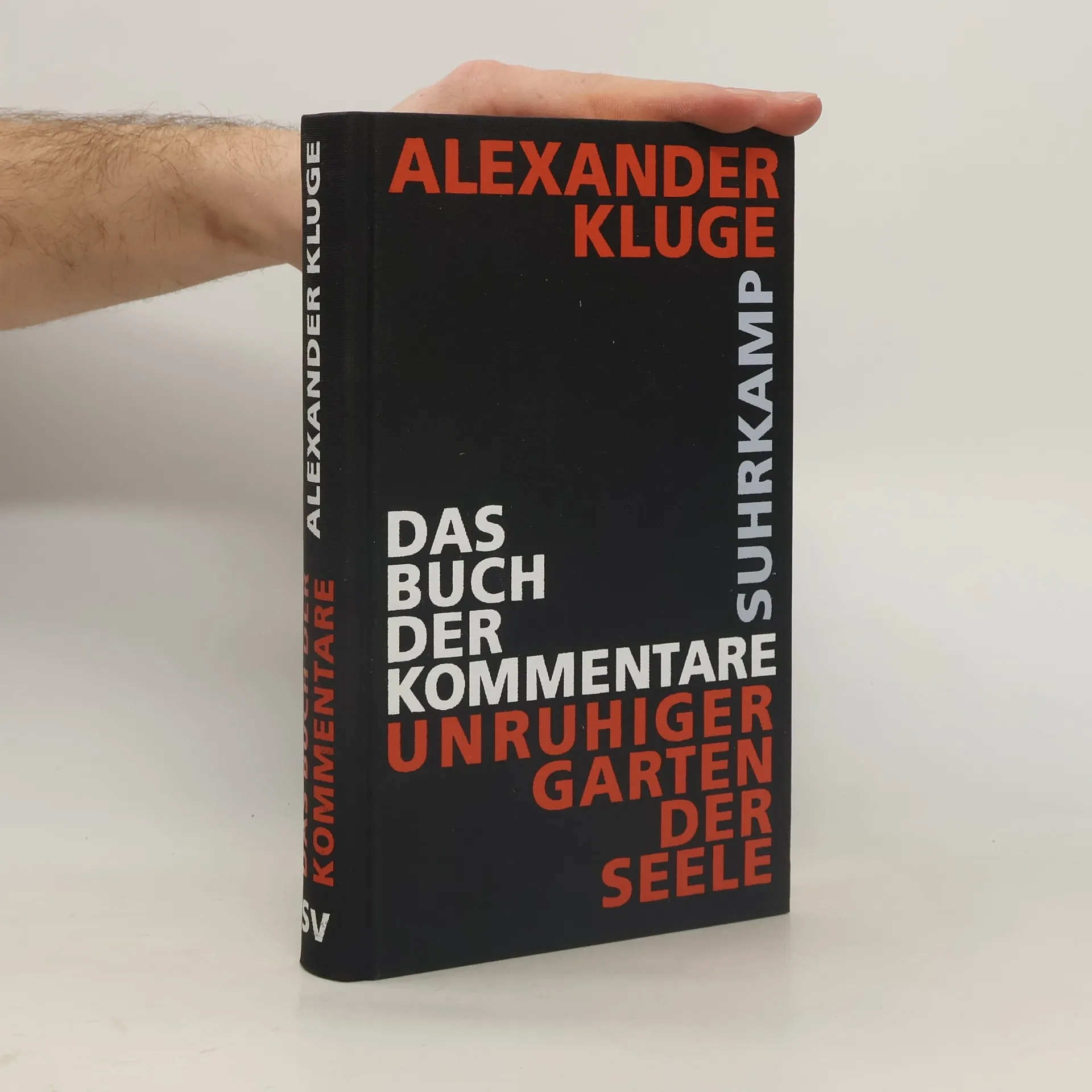
Anlässlich seines 90. Geburtstags präsentiert Alexander Kluge in „Das Buch der Kommentare“ ein persönliches Werk, das den düsteren Advent 2020 reflektiert. Es thematisiert die Herausforderungen durch das Virus und stellt grundlegende Fragen zur menschlichen Existenz und Identität. Kluge experimentiert mit der Form des Kommentars und verbindet antike und moderne Gedanken.
Zirkus / Kommentar
- 167pages
- 6 heures de lecture
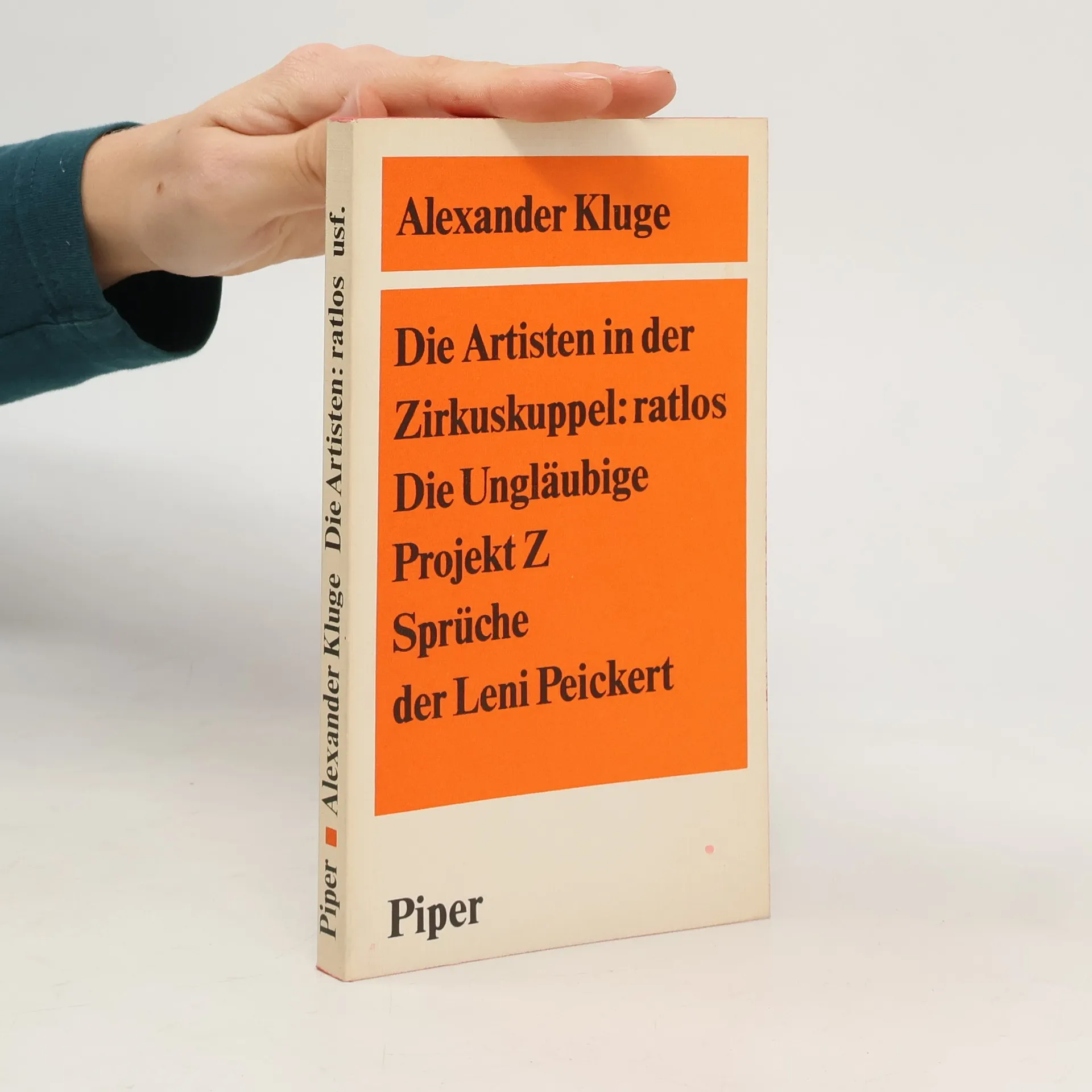
Seit frühester Kindheit ist der Zirkus für Alexander Kluge ein Faszinosum und ein Phänomen seiner Zuwendung, die sich über sein filmisches Werk (Die Artisten in der Zirkuskuppel, ratlos) bis in die jüngsten seiner literarischen Arbeiten erhalten hat. In ihm findet er das »Schattenbild der Arbeit« und zugleich das Inbild menschlicher Spitzenleistung von Liebe über Krieg bis zur Revolution. Denn die im Zirkus vorgeführten Leistungen sind Projektionsflächen von Utopien, bieten ein fassliches Bild für Entwicklungen der Zivilisation mit ihren fast unendlichen Möglichkeiten und zwischenzeitlich unvermeidlichen Abstürzen – gleich ob der Beifall aufrauscht oder die Artisten auf dem Boden der Manege ihre Glieder zählen.In Wortfeldern, Bildern und Filmsequenzen (QR-Codes) öffnet sich auf 200 Seiten ein breites Panorama, in dem sich ratlose Artisten und hochdiffizil operierende Chirurgen ebenso tummeln wie die Kampfpiloten im Zirkus der Lüfte, allmachtstrunkene Sansculotten und nicht zuletzt: die Tiere, deren übermenschlichen Leistungen zwischen Dressur und Flucht dieses Buch ein bleibendes Denkmal setzt.
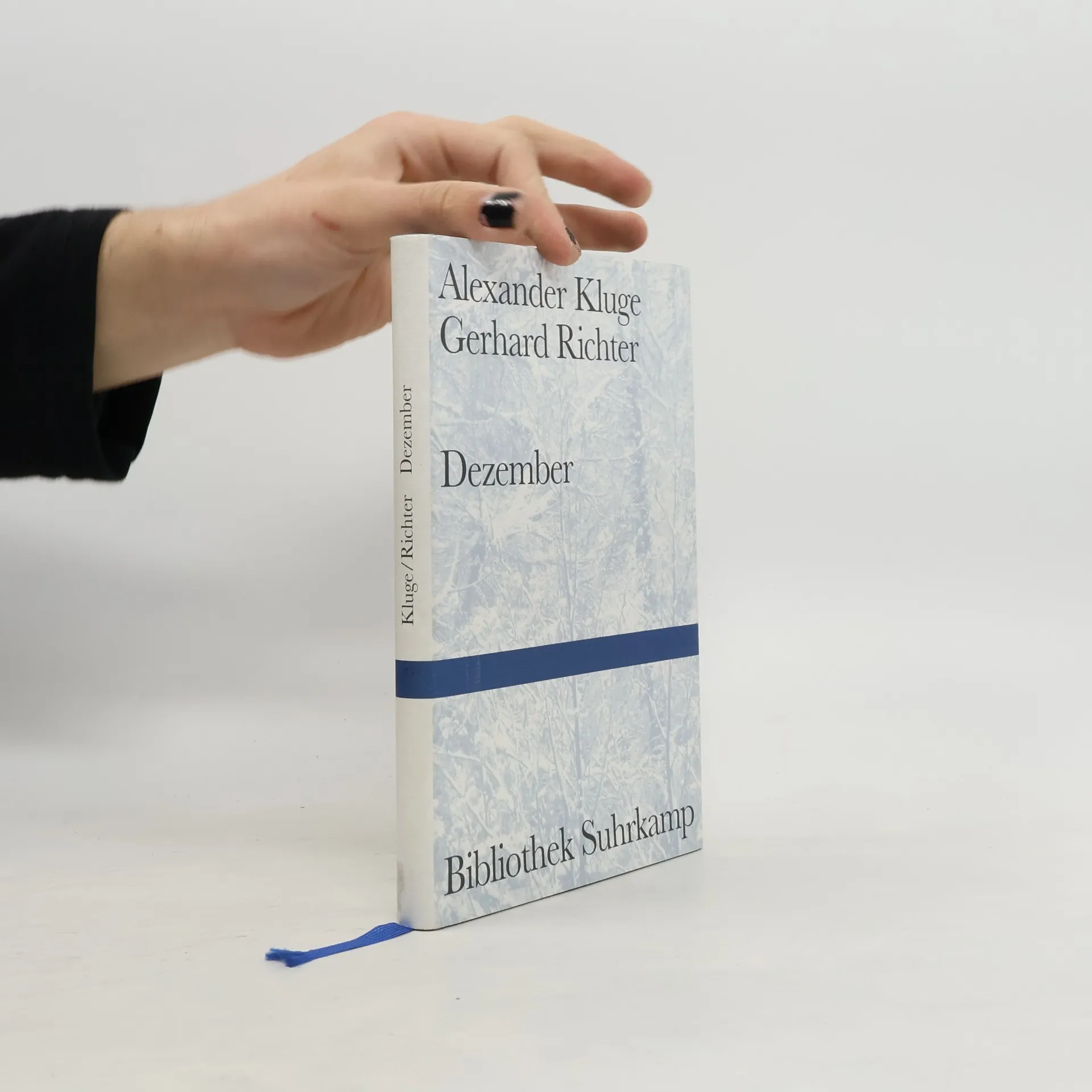
Zu Silvester 2009 verabreden sich im Hotel „Waldhaus“ zu Sils Maria (Engadin) Gerhard Richter und Alexander Kluge zu einer Zusammenarbeit. Richter friert die dezemberliche Natur des graubündischen Hochgebirges in 39 Farbfotografien ein. Kluge stellt diesen kontemplativen Bildern seine Texte gegenüber. So nähern sich beide dem Phänomen Dezember. Dieses Buch enthält 39 Bilder und 39 Kalendergeschichten plus einer Coda, mit subversiven Moralitäten und Lehren aus der Geschichte, die alles andere versuchen als einzulullen in die kindheitsseligen Verlockungen eines für die globale, nationale und private Geschichte Jahr für Jahr fatalen Monats. Ein Dezemberbuch, ein Buch zu Weihnachten, ein Buch für alle Zeiten des Jahres.
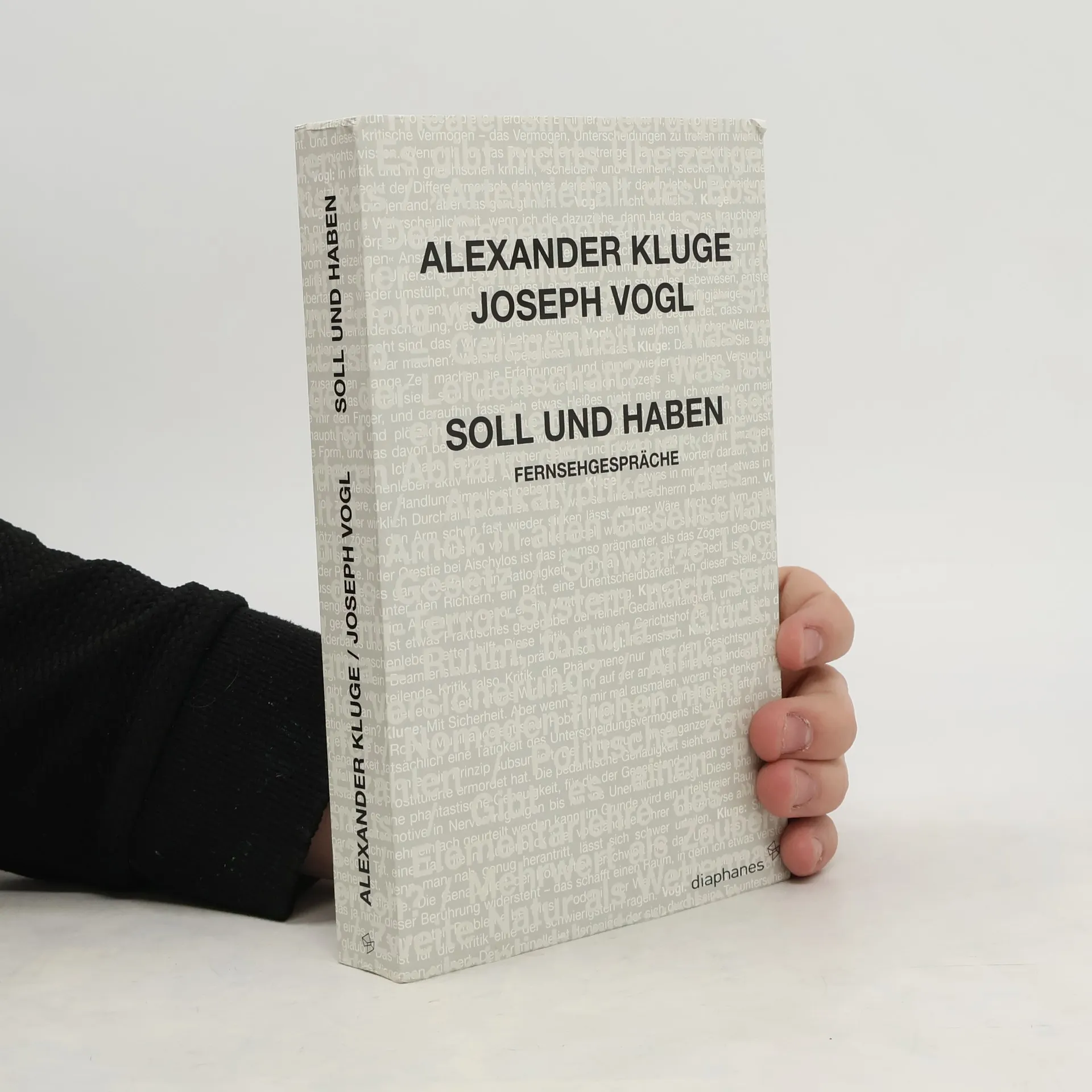
Das deutsche Privatfernsehen ist nicht für niveauvolle Diskussionsformate bekannt; umso überraschender ist es, wenn der Zapper auf einem Kanal Sätze hört wie: »Ökonomischer Aberglaube ist so etwas wie das Spektrum bürgerlicher Tugenden«. Er ist in eines der merkwürdigen Kulturmagazine von Alexander Kluge geraten. Kluge, ein eigensinniger Autor, Filmemacher und Kulturtheoretiker, produziert seit 1988 unabhängige Kulturmagazine im deutschen Privatfernsehen. Seit 1994 ist der Kulturwissenschaftler Joseph Vogl regelmäßiger Gast in seinen Sendungen. Kluges charakteristische Interviewtechnik findet in Vogl ihr kongeniales Gegenüber. Das Ergebnis sind über vierzig Fernsehinterviews, die eine eigene Kunst der zielführenden Abschweifung kultivieren und das Genre neu erfinden. Diese Gespräche werden nun erstmals in Buchform versammelt. Das thematische Spektrum reicht durch die Zeiten und Kulturen. Vogl spricht über Amoklauf, Kapitalismus in Ostindien, globalisierte Gefühle und den geheimen Zusammenhang von Terror und Macht. Kluges Präsenz bringt die Befragten dazu, mehr zu sagen als das bereits Bekanntgegebene. Zudem ergeben sich schlaglichtartige Erhellungen der aktuellen Verhältnisse: »Aus der Ferne kommt unser Nächstes zurück«.
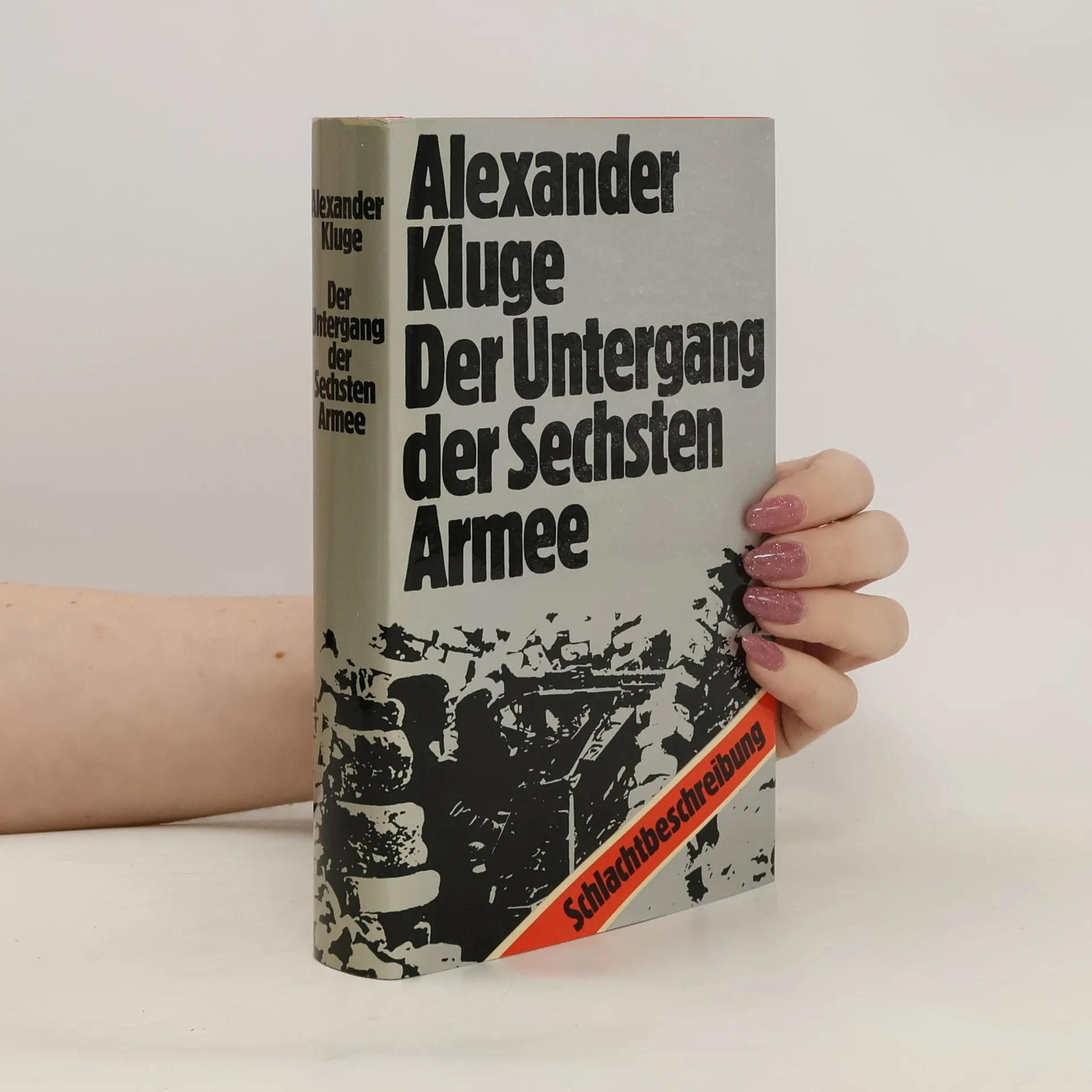
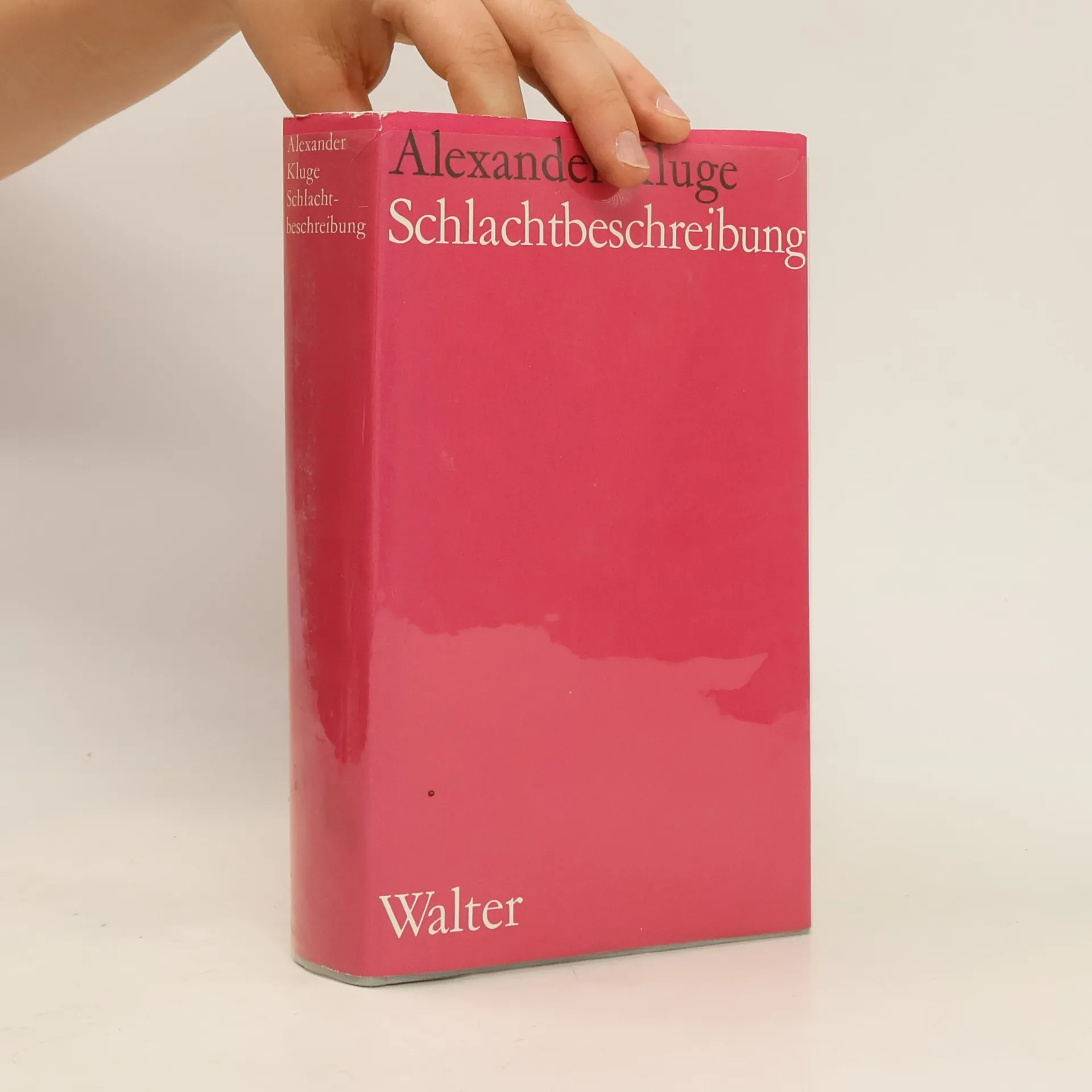
In seinem zweiten Buch beschreibt er die erbärmliche Weite und Verschwendung des Krieges, indem er die Schlacht von Stalingrad im Winter 1942 analysiert.
Geschichten vom Kino
- 351pages
- 13 heures de lecture
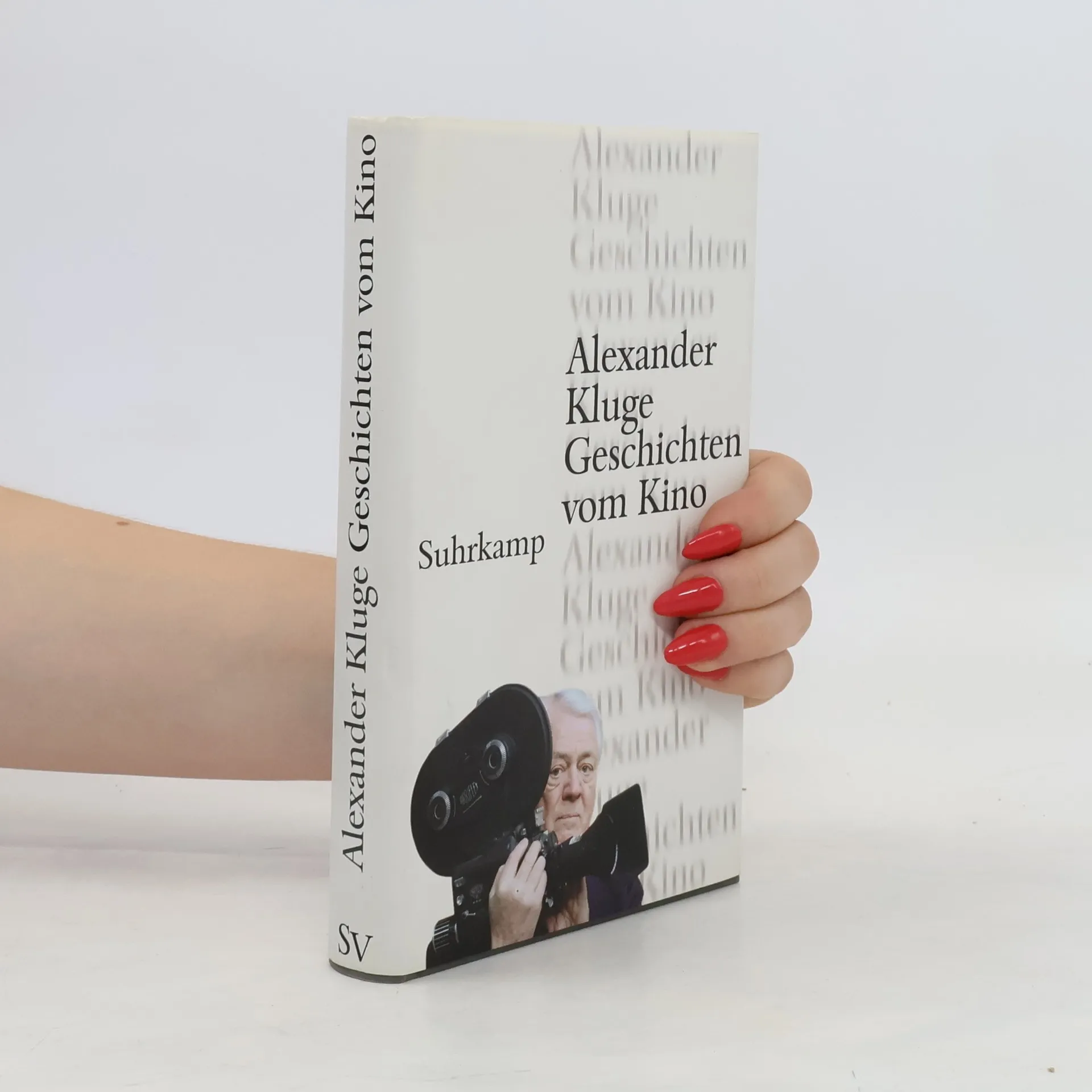
Seit etwa 120 Jahren rattern die Kinoprojektoren, geräuschvoll und unaufhaltsam. Die Filmgeschichte ist jung. »Sie ist nicht älter«, sagt Alexander Kluge, »als meine Großmutter mütterlicherseits.« Die 120, zum überwiegenden Teil neuen Geschichten dieses Buches sind literarische Erzählungen in der kurzen und gewohnt lakonischen Art des Autors Kluge. Zugleich aber zeigen diese Geschichten die tiefe Zuneigung, die den Regisseur Kluge über mehrere Jahrzehnte seines Berufslebens (immerhin ein Fünftel der Filmgeschichte) mit dem Filmemachen verbunden hat. Die Geschichten handeln davon, wie die Kamera erfunden wurde, und von dem Elan, mit dem sich die Menschenmassen das frühe Kino aneigneten. Es wird gezeigt, wie der Film alles Unheil des 20. Jahrhunderts »getreu«, aber »blind« begleitete. Es geht um den Anti-Realismus des Gefühls, mit dem das Kino darauf beharrt, ein »Magazin des Glücks« zu errichten, und wie zäh und fachkundig die Zuschauer darauf achten, daß die Happy-Ends und die Trauer an der rechten Stelle stehen. Erzählt wird vom Filmemachen und von Filmemachern, von der Vielfalt der Grautöne im Schwarzweißfilm und von der Utopie, die im »Prinzip Kino« versteckt ist. Und die nicht untergeht, wenn jüngere Medien das Kino zu überholen suchen.
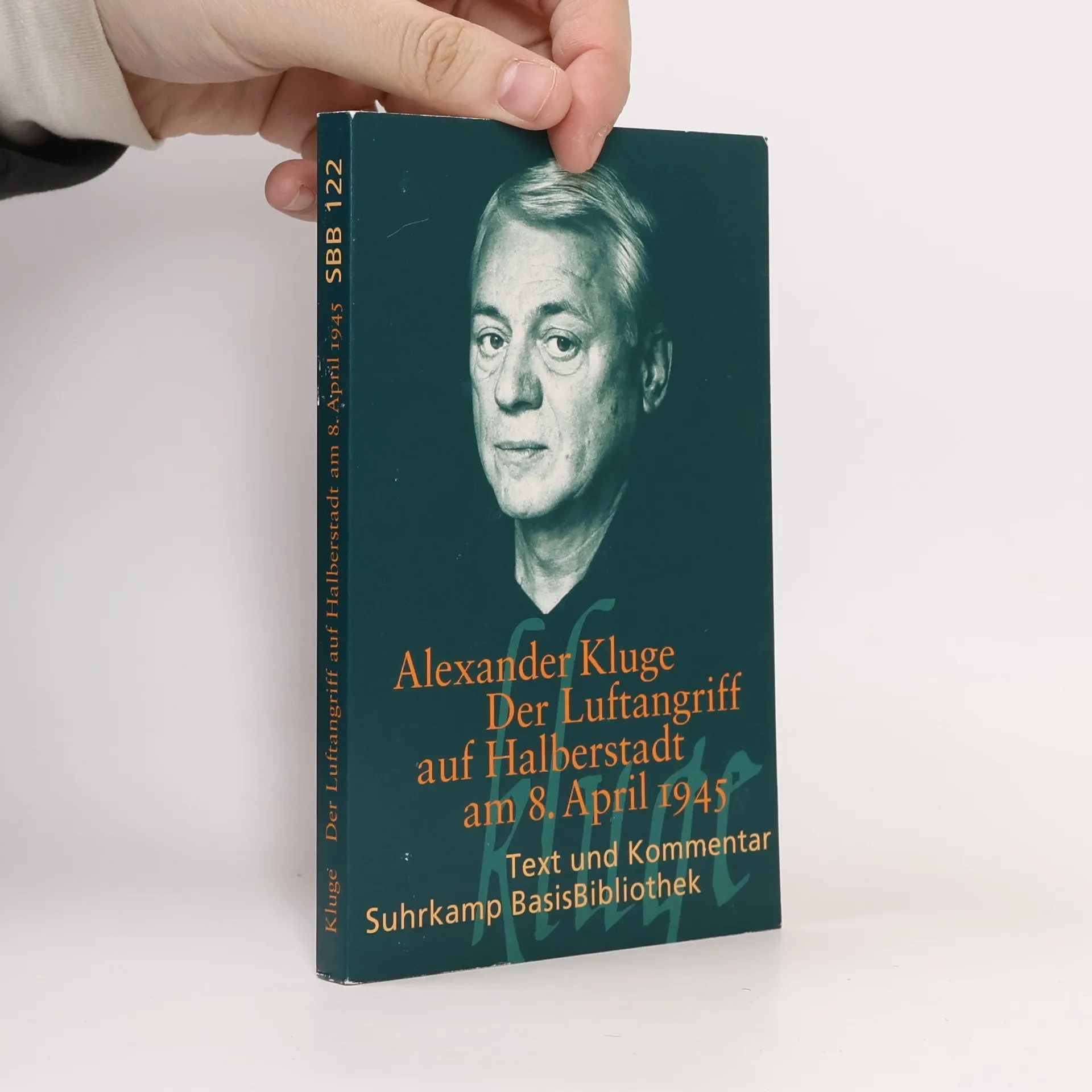
Der Luftangriff auf Halberstadt am 8. April 1945
- 134pages
- 5 heures de lecture
Text und Kommentar in einem Band. In der Suhrkamp BasisBibliothek erscheinen literarische Hauptwerke aller Epochen und Gattungen als Arbeitstexte für Schule und Studium. Der vollständige Text wird ergänzt durch anschaulich geschriebene Kommentare.
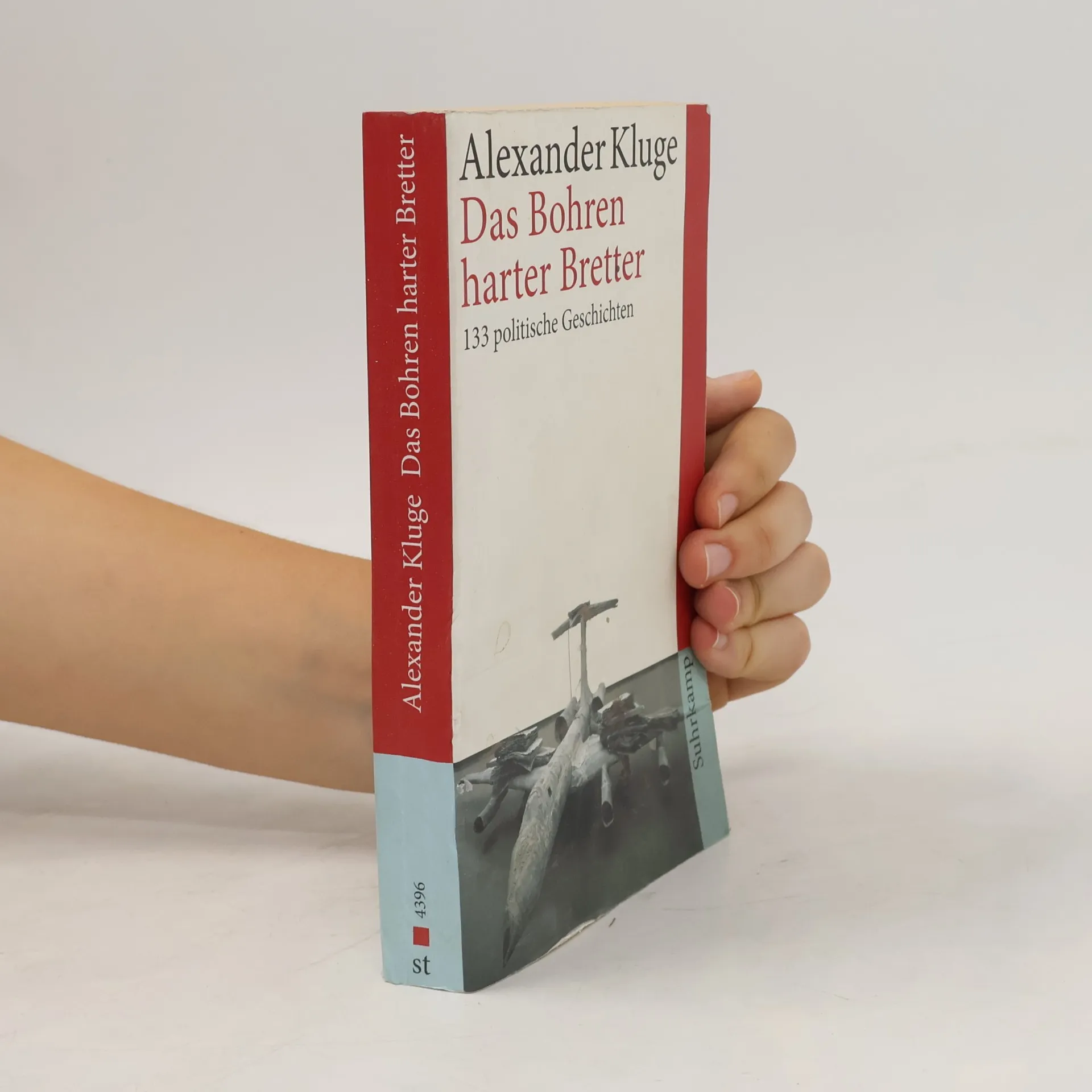
Politik, sagt Alexander Kluge, ist ein besonderer Aggregatzustand alltäglicher Gefühle. Sie ist überall. Sie bewegt private Lebensläufe ebenso wie die Öffentlichkeit. Und so behaupten sich in seiner Geschichtsschreibung neben den Großen auch die Kleinen, Unbekannten, fast Namenlosen. Von Max Weber stammt der berühmte Satz, die Politik sei »ein starkes langsames Bohren von harten Brettern mit Leidenschaft und Augenmaß zugleich«. Von ihm ausgehend, untersucht Kluge in 133 Geschichten jene Werkzeuge, die politisch agierenden Menschen im harten Kampf um die Macht zur Verfügung stehen. Für intelligente Zähigkeit als Voraussetzung politischer Veränderung ist Max Webers Bohrer gewiss ein geeignetes Bild. Was ist aber ein Hammer im politischen Geschäft? Was heißt »Feingriff«? Und zuletzt führen alle Fragen auf die eine: Was ist dieses »Politische« überhaupt?
Trotzdem
- 74pages
- 3 heures de lecture
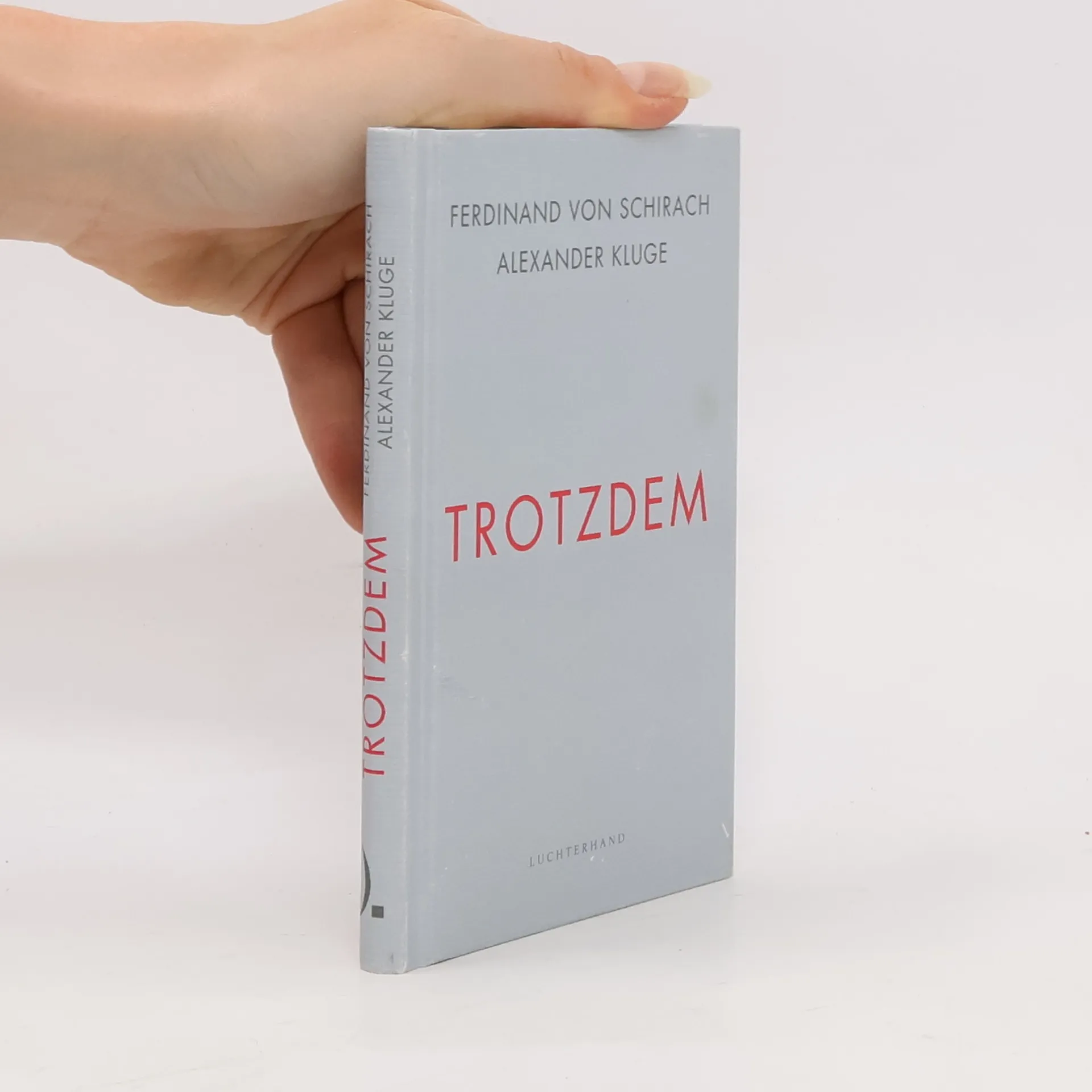
Am 30. März 2020, 19 Tage nachdem die Weltgesundheitsorganisation (WHO) die Ausbreitung eines neuartigen Coronavirus (SARS-CoV-2) zu einer Pandemie erklärt hatte, führten Alexander Kluge (München) und Ferdinand von Schirach (Berlin) zwei Gespräche über einen Instant-Messaging-Dienst. Das Corona-Virus hat uns an eine Zeitenwende gebracht. Beides ist jetzt möglich, das Strahlende und das Schreckliche.
Vom Auswildern der Gespenster
- 176pages
- 7 heures de lecture
Die Erzählung thematisiert die Rolle von Geisterwesen in Europa und hinterfragt, ob die Aufklärung deren Existenz zu stark eingeschränkt hat. Sie regt an, über die Notwendigkeit der Groteske in einer zunehmend verrückten Realität nachzudenken. Der Autor spielt mit der Idee, dass eine verrückte Erzählung vielleicht besser ist als eine verrückte Wirklichkeit und lädt die Leser ein, die Grenzen zwischen Realität und Fantasie zu erkunden.
Das Labyrinth der zärtlichen Kraft, m. DVD
- 607pages
- 22 heures de lecture
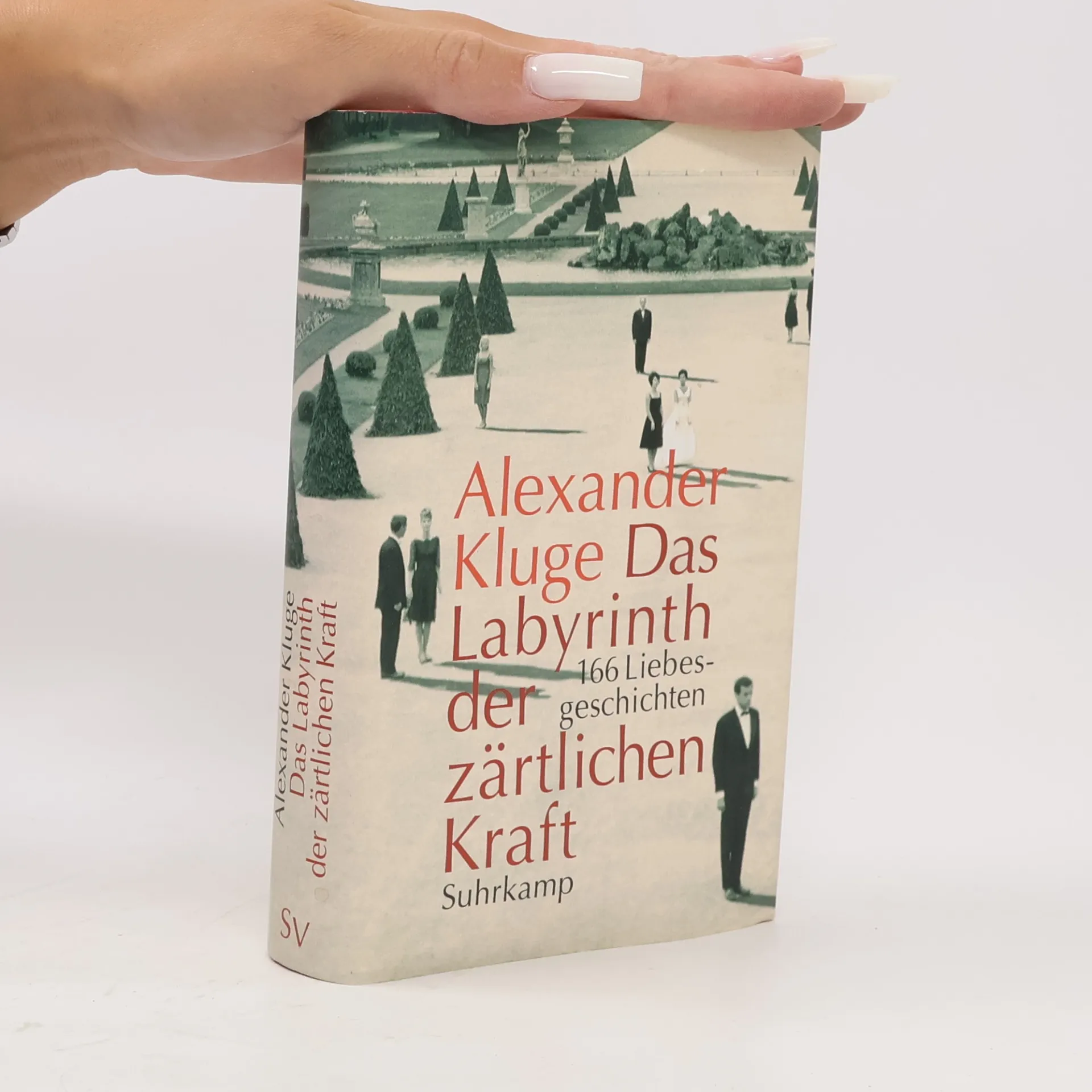
Es gibt keine menschliche Eigenschaft, die älter und fürs Überleben notwendiger ist als die Liebe. Wer liebt, sagt man, ist verkauft mit Haut und Haar. Zugleich ist Liebe, so heißt es in Bizets Carmen, „frei wie ein Vogel“. Wie verschieden ist sie von anderen guten Dingen, von ruhiger Freundlichkeit, unerschütterlicher Ruhe, Vertragstreue und von ausgeglichenen Bilanzen! Sie ist ein ‚Attraktor’, unbezwinglich wie die Gravitation, nach der die Sterne tanzen. Zugleich aber der dunklen Energie ähnlich, die uns in eine unbekannte Zukunft vorwärtstreibt. In diesem Labyrinth der Gegensätze kann man sich verirren. In Zeiten der Not und der Finanzkrise versammelt sich die zärtliche Kraft an deren Gegenpol im Erzählten. Denn sie besitzt ihre ganz eigene Ökonomie.Die meisten der hier versammelten 166 Liebesgeschichten sind längst geschrieben. Sie verbargen sich bisher in den 2000 Texten von Alexander Kluge. „Basisgeschichten“ war einer ihrer Namen. Nun ordnen sie sich thematisch neu und in Gesellschaft neuer Geschichten und Reflexionen zu einem Flug über die Landkarten der Liebe. Auf einem Hochplateau endet dieser Flug, im Herzen des schönsten Liebesromans der nichtsentimentalen Tradition und einem Kardinaltext der Moderne über Beziehungsökonomie: der Princesse de Clèves der Madame de La Fayette.
Alexander Kluge, Jonathan Meese. Schramme am Himmel
Nachrichten vom Helden Hagen
Mehrere Jahre beschäftigten sich Jonathan Meese und Alexander Kluge mit Hagen von Tronje, jener sagenhaften Gestalt aus dem Nibelungenlied. Beide fesselte etwas an dieser rätselhaften Figur, die Jonathan Meese eines Tages in Hagen von Troja umtaufte. Von der Antike bis ins Silicon Valley und von den mittelhochdeutschen Überlieferungen, über Filmaufnahmen Fritz Langs bis zu Jan Philipp Reemtsmas Buch Warum Hagen Jung Ortlieb erschlug. Unzeitgemäßes über Krieg und Tod spannt sich die poetische Grabung zum Prinzip Hagen.Schramme am Himmel ist eine künstlerische Kollaboration zwischen Alexander Kluge und Jonathan Meese, bei der Texte und Bilder sich gegenseitig anstiften und weitertreiben. -- Verlagshomepage
Das Separatrix Projekt
- 704pages
- 25 heures de lecture
Lernprozesse mit tödlichem Ausgang
- 365pages
- 13 heures de lecture
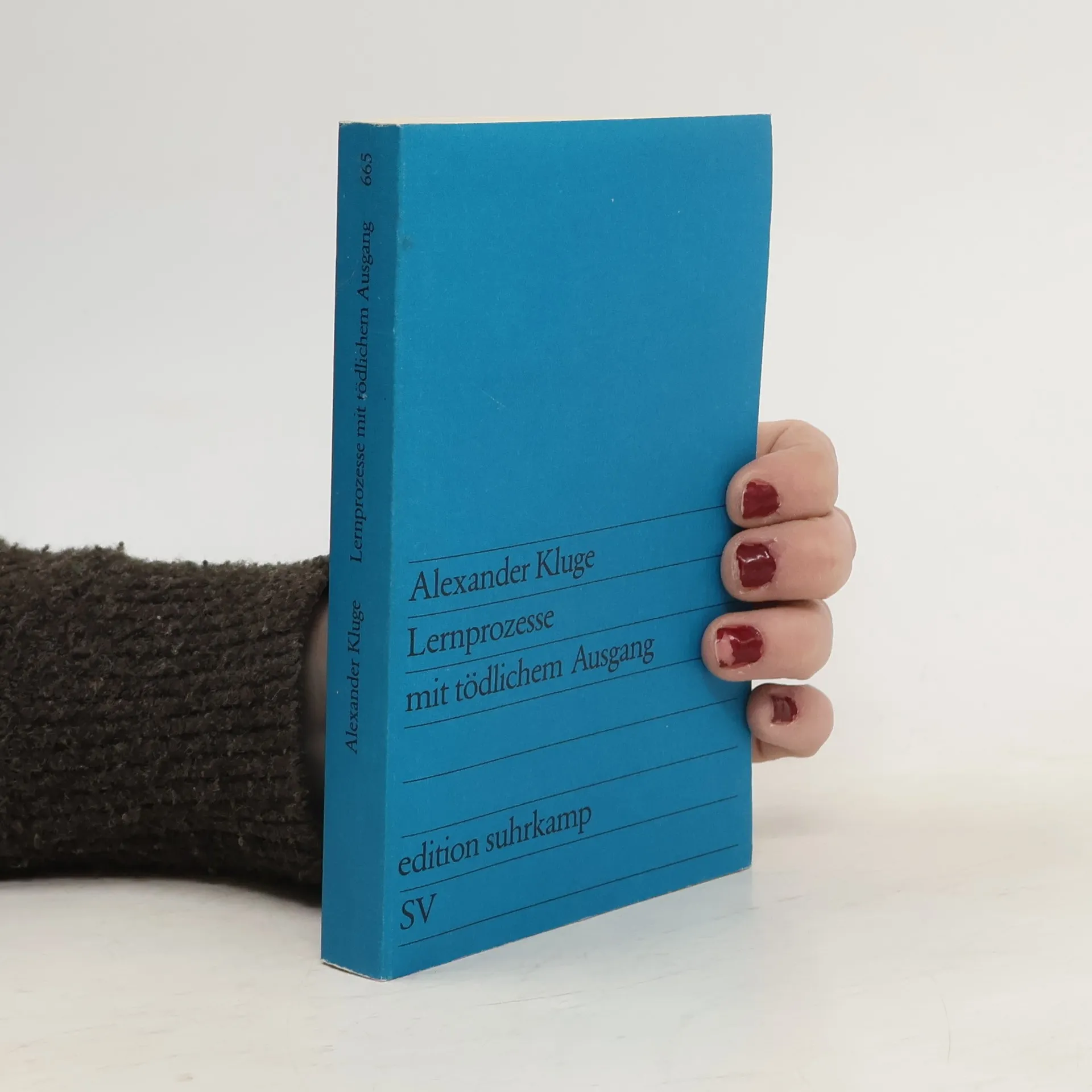
Die Erzählungen in Alexander Kluges legendärem Debüt von 1962 thematisieren die Auswirkungen des Bruchs von 1945 auf individuelle Lebenswege. Sie beleuchten die Frage nach Tradition und Identität durch eine Mischung aus fiktiven und autobiografischen Lebensläufen. Gemeinsam zeichnen sie ein melancholisches Bild, das die komplexen Verflechtungen von Geschichte und persönlichem Schicksal reflektiert.
Kriegsfibel 2023
- 126pages
- 5 heures de lecture
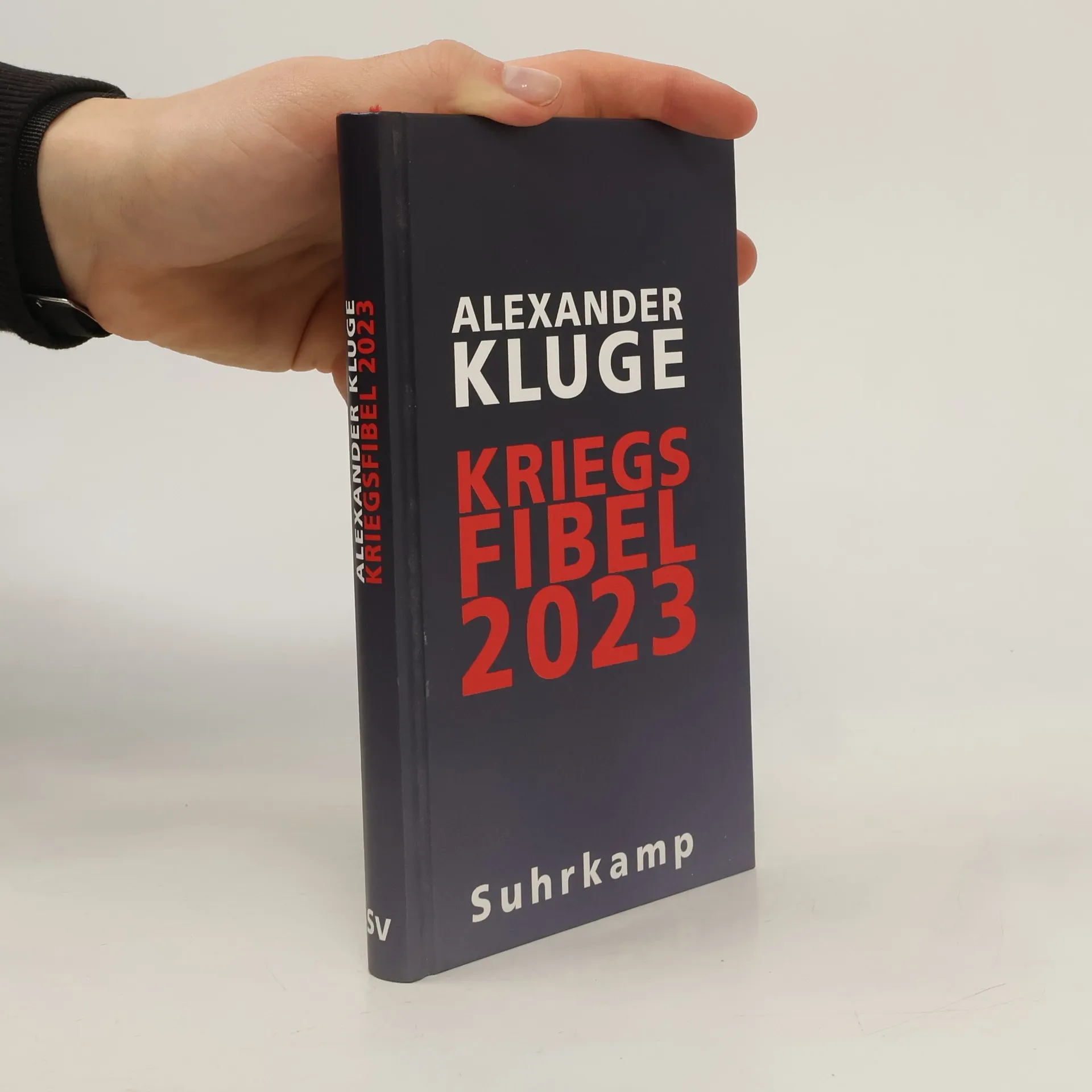
»Der Krieg ist wieder da.« Mit dieser ersten von sechs Stationen beginnt Alexander Kluge sein neuestes Buch, veranlasst durch einen Angriffskrieg, der zunächst auf europäischem Schauplatz, aber mit globaler Wirkung geführt wird. Der Autor zielt damit weder auf eine Parteinahme noch auf einen Appell. Vielmehr geht es ihm um den »Maulwurf Krieg«, um dessen zähes und oft unterirdisches Überleben, um das, was er aus Menschen macht und zu welchem Eigenleben er imstande ist. Was der Autor, nach ikonischem Vorbild, im Schilde führt: eine Fibel. Für diese formuliert er einfache Geschichten und unterlegt sie mit Bildmontagen und Filmsequenzen. Zehn Jahre war der Autor alt, als er – auf der Schulbank und mit dem Finger auf der Landkarte – deutsche Panzer auf der Fahrt nach Stalingrad verfolgte. In der ganzen Zwischenzeit bis zu seinem 91. Geburtstag im Februar 2023 hat dieser »Chronist der Gefühle« die Kostümierungen des Krieges immer wieder studiert: Krieg ist sterblich, aber er stirbt nicht schnell. Wie können wir auf seine Zumutungen antworten? »Die Unmöglichkeit, nicht zu weinen«, das ist eine unserer Stärken, heißt es in der sechsten und letzten Station des Buches. Das Versteinerte und der Charakterpanzer in uns sind eine Täuschung. Tränen in unseren Augen machen blind, aber auch hellsichtig. Wir Menschen sind für den Krieg ungeeignete Geschöpfe. Doch unsere Schwäche enthält eine Hoffnung.
Oskar Negt/Alexander Kluge: Kant Kommentare
Volte Expanded #12
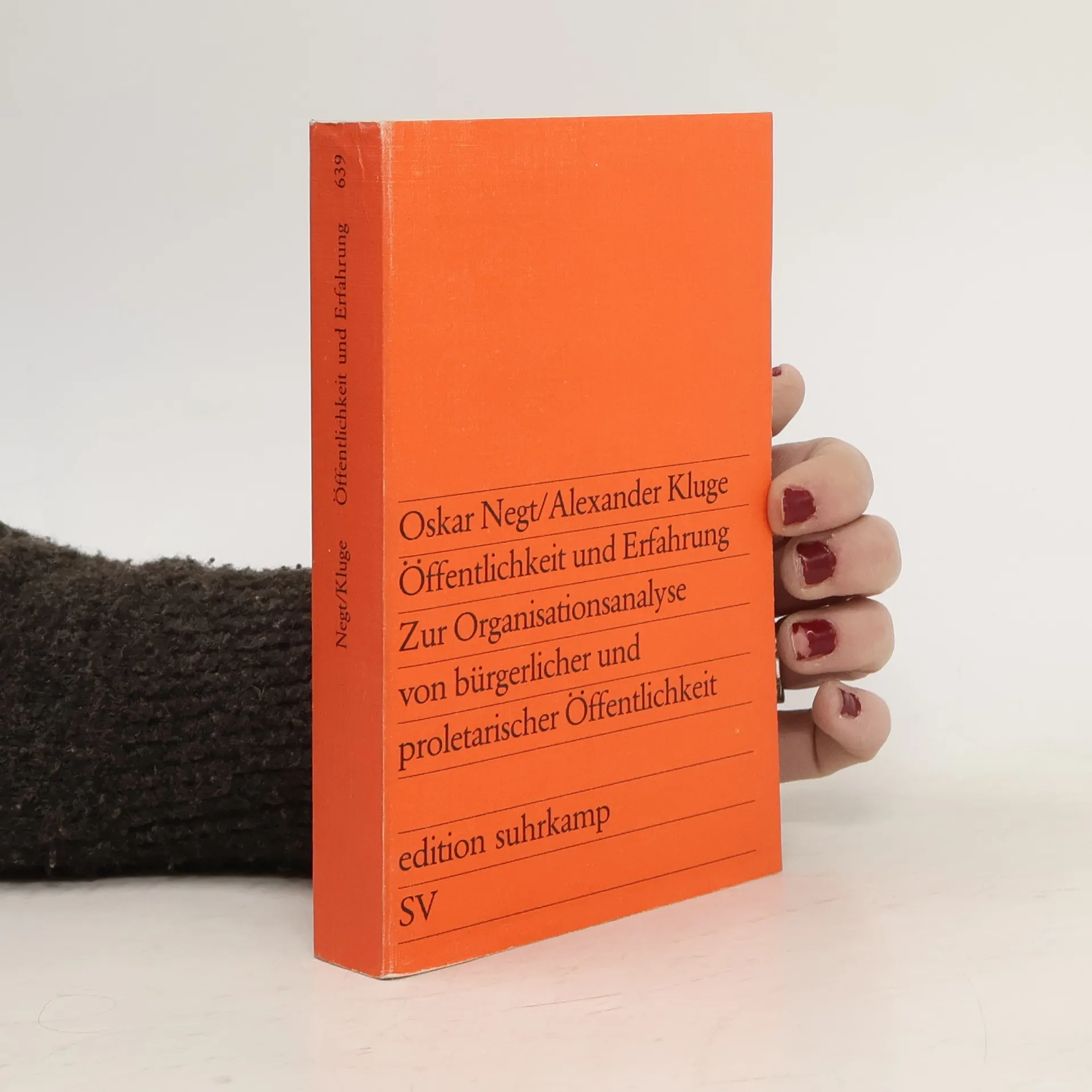
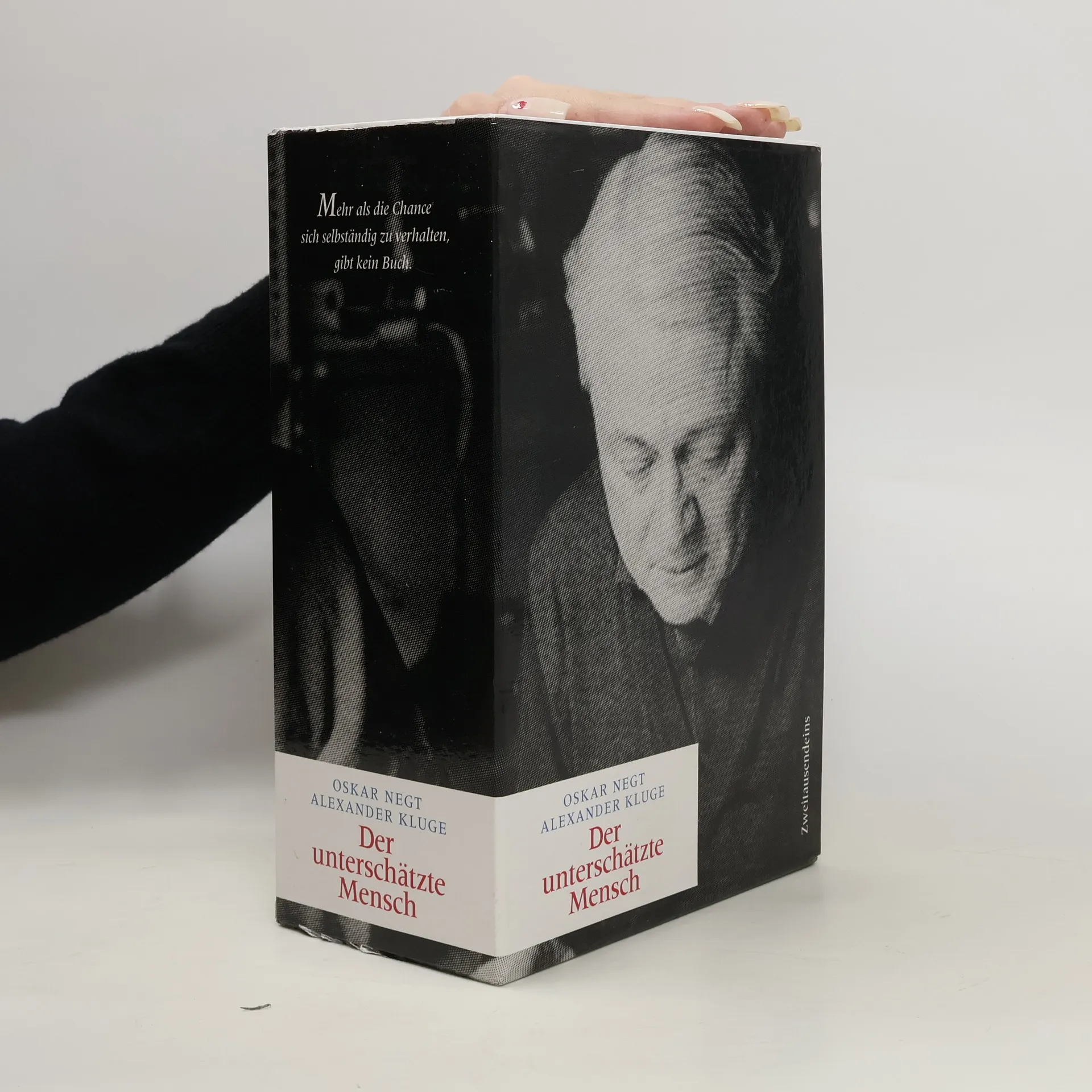
Den Autor und Filmemacher Alexander Kluge und den Philosophen Oskar Negt, beide mit einem starken Bezug zur Frankfurter Schule, verbindet eine lange gemeinsame Arbeit. Angefangen mit den Büchern Öffentlichkeit und Erfahrung (1972) und Geschichte und Eigensinn (1981), fortgesetzt durch eine Anzahl von Fernsehgesprächen für dctp, bis hin zu ihrer zweibändigen Textsammlung Der unterschätzte Mensch (2001). Nicht nur ihre Überlegungen, auch die assoziative, lebendige Form ihrer Bücher, stellte im Feld der Theorie etwas völlig Neues dar. Für den Band Kant Kommentare haben sie den Faden der gemeinsamen Arbeit noch einmal aufgenommen und folgen dem Denken und der Person des Königsberger Philosophen bis in die feinsten Kapillare. Alexander Kluge schreibt: „Ohne Negt, meinen Mentor, hätte ich die BAUGRUBE KANT nicht so gründlich kennengelernt. Der Königsberger Philosoph hat mich überrascht. Er ist alterslos, modern. Es verblüfft mich, wenn er , Mutterwitz‘ gegen den , Schulwitz‘ setzt.“ Oskar Negt, *1934, Sozialphilosoph, lehrte an der Universität Hannover, beschäftigte sich in seiner Arbeit u. a. mit Fragen des Lernens und der Selbstregulierung. Alexander Kluge, *1932 in Halber- stadt, Filmemacher, Autor, Fernsehproduzent, Philosoph und Rechtsanswalt.
Heinrich von Kleist – ein Gewitterleben
- 182pages
- 7 heures de lecture
Essays, Interviews und Kurzgeschichten über Heinrich von Kleist, die Kluges Faszination für den preußischen Gewitterkopf zum Ausdruck bringen. Alexander Kluge bezeichnet in einem Gespräch mit Jens Bisky, der eine Biographie über Heinrich von Kleist geschrieben hat, dessen Existenz als »Gewitterleben«. Mit Johann Wolfgang von Goethe könnte man Kleist einen vulkanischen Charakter nennen. Gewitter und Vulkanausbruch sind bedrohliche Ereignisse. Heinrich von Kleist war der Meinung, dass gefährliche Situationen den Menschen anspornen. Kluge hat 1985 den Kleist-Preis erhalten für seinen Film und das Buch »Die Macht der Gefühle«. Er hat eine Rede auf den preußischen Schriftsteller gehalten, Geschichten über ihn geschrieben, Gespräche in seinen Kulturmagazinen im Fernsehen geführt, unter anderem mit Joseph Vogl, Thomas Schmid, Jens Bisky. Kluge hat mit Ferdinand von Schirach über Kleists Geschichte »Der Findling« gesprochen und die Oper »Erdbeben. Träume« von Toshio Hosokawa gefilmt, die von Kleists »Erbeben in Chili« und Fukushima ausgeht. Für diese Oper hat Marcel Beyer das Libretto geschrieben. Mit keinem anderen Schriftsteller ist Alexander Kluge so häufig verglichen worden wie mit Heinrich von Kleist. Der Band »Heinrich von Kleist – ein Gewitterleben« zeigt Kluges Faszination für den preußischen Gewitterkopf.
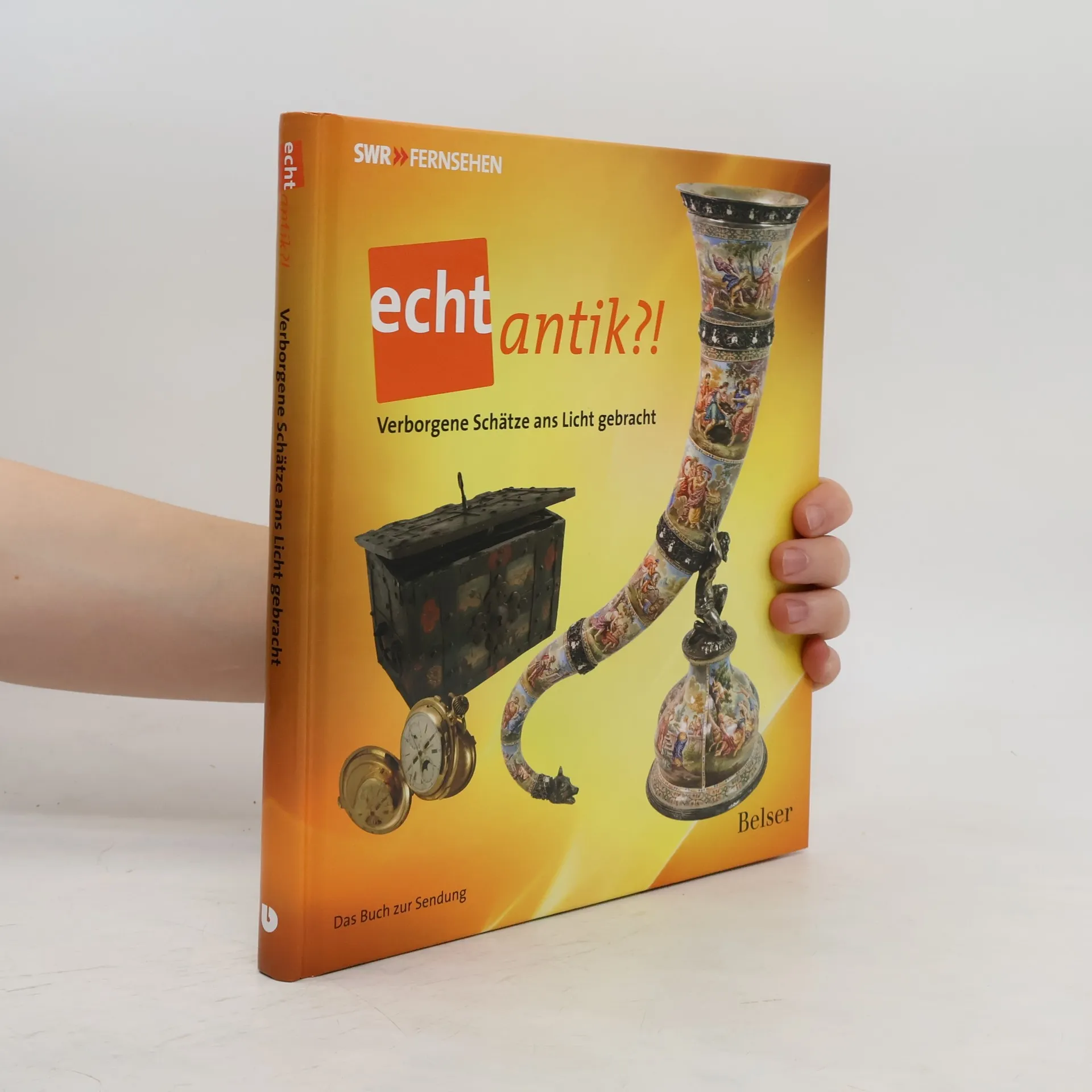
Zum Stöbern, Schmökern und Entdecken. Sie lieben den Flair und die Geheimnisse vergangener Zeiten oder wollen gerne den Wert eines eigenen Familien-Erbstückes kennen? In diesem Band finden sich die kostbarsten, schönsten und interessantesten Stücke aus der TV-Sendung „echt antik?!“. Nach Lebens- und Erlebnisbereichen gegliedert, lädt dieses ansprechend gestaltete Buch zum Stöbern, Schmökern und Entdecken ein. Die unterhaltsamen und kenntnisreichen Texte der „echt antik?!“-Experten erzählen die Geschichten der Gegenstände und gehen auf Fragen zur Herstellung, Datierung und Zuschreibung, ursprünglichen Nutzung sowie zum Erhaltungszustand und Wert ein. Eine spannende Lektüre, die um praktische Tipps zum Pflegen und Sammeln ergänzt wird. · Die Highlights aus der TV-Sendung · Mit den „echt antik?!“-Experten · Erbstücke richtig geschätzt · Mit praktischen und wertvollen Tipps zum Pflegen und Sammeln · Ideal zum Verschenken
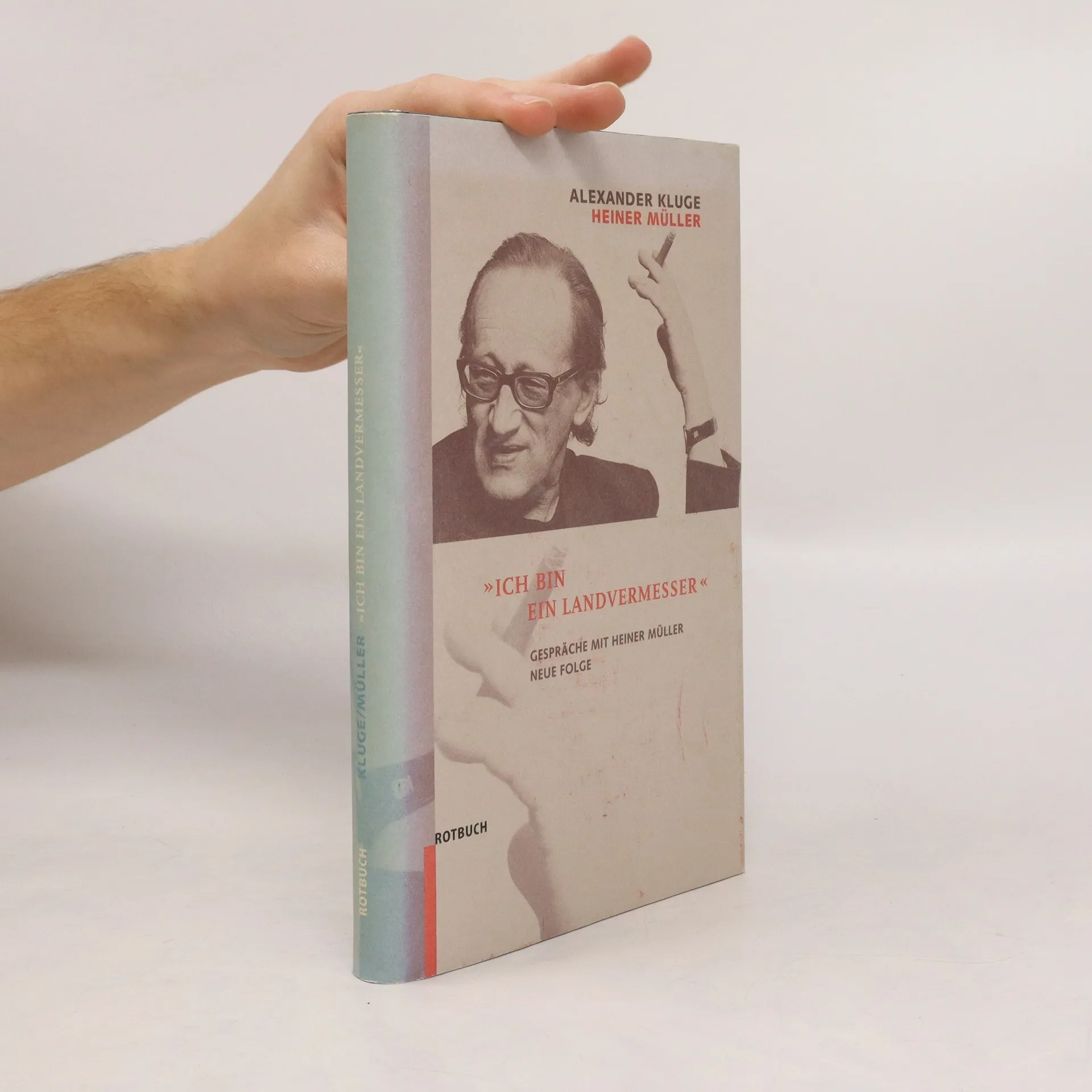
„Es ist ein Irrtum, daß die Toten tot sind“ Sie verwandelt sich in unbedrohbaren Staub. Am 30. Dezember 1995 ist Heiner Müller gestorben. Alexander Kluge führte in den Monaten davor eine Reihe von Gesprächen mit ihm. Im Herbst 1995 zum Beispiel geht es um Atem, Hitler, Immanuel Kant, den Generationsvertrag, um Trost durch Verwandlung und um Tabak: „Wer raucht, sieht kaltblütig aus.“ Heiner Müller spricht über Ovids Metamorphosen, Demokratie, einen Buchkauf in Japan und über Germania: 40 Radfahrer in gelben Trikots/ kommen hupend und klingelnd auf die Bühne / Germania zerhackt den Flügel / Hitler verwandelt sich in einen Engel / der furzend über dem Publikum kreist / Hannelore Hoger als Germania. Heiner Müller bei Rotbuch: Werke: Kassette mit 7 Bänden: Geschichten aus der Produktion 1 & 2- Die Umsiedlerin oder das Leben auf dem Lande - Theaterarbeit - Germania-Tod in Berlin - Mauser - Herzstück.
Gelegenheitsarbeit einer Sklavin
- 250pages
- 9 heures de lecture
Der vorliegende Band enthält drei unveröffentlichte Filmentwürfe: Das sabotierte Verbrechen, Gelegenheitsarbeit einer Sklavin, Drei Frauen / Mitten im Sumpf / Hunger nach Sinn (im Auszug abgedruckt) sowie die Textliste des Films Gelegenheitsarbeit einer Sklavin. Es geht um die einzelnen Schritte bei der »Abweichung vom Drehbuch«, die für die Arbeitsweise des unabhängigen Autorenfilms unabdingbar ist. Sodann folgen Kommentare zur realistischen Methode. Das Interesse an Realismus hat seine Wurzel im Protest, d. h. einer grundsätzlich auch antirealistischen Haltung der menschlichen Sinnlichkeit. Der Umgang mit einem solchen antagonistischen Realitätsbegriff setzt eine analytische Methode voraus, die in der Organisation der Sinne selber, aber auch in den Formgesetzen der Realität angelegt ist. Die Thesen beziehen sich nicht auf den Einzelfilm, sondern auf die Filmarbeit insgesamt. An den Gegensatz zwischen realistischer Methode und dem Vergnügungsinteresse von Zuschauern im Kino soll man nicht fest glauben.
Anlässlich des 85. Geburtstags von Alexander Kluge richtet das Museum Folkwang dem Filmemacher, Autor und Künstler eine umfassende Werkschau aus. Die Ausstellung führt in sein künstlerisches ‚Pluriversum‘ ein und zielt auf die Veranschaulichung von Kluges zentralen Methoden, Themen und Denkwegen. Im Zentrum stehen dabei seine filmischen Collagen. Die ausstellungsbegleitende Publikation greift die Themen der Ausstellung auf und stellt das für Kluge zentrale Arbeitsprinzip der Kollaboration ins Zentrum, das ‚Zusammen denken‘ mit Wissenschaftlern und Künstlern wie beispielsweise Thomas Demand, Georg Baselitz oder Ben Lerner. Wie die Ausstellung entsteht auch die Publikation in enger Zusammenarbeit mit Alexander Kluge. „Alexander Kluge—Pluriversum“, Museum Folkwang, Essen (15. September 2017 bis 7. Januar 2018 und im 21er Haus in Wien von Februar bis April 2018).
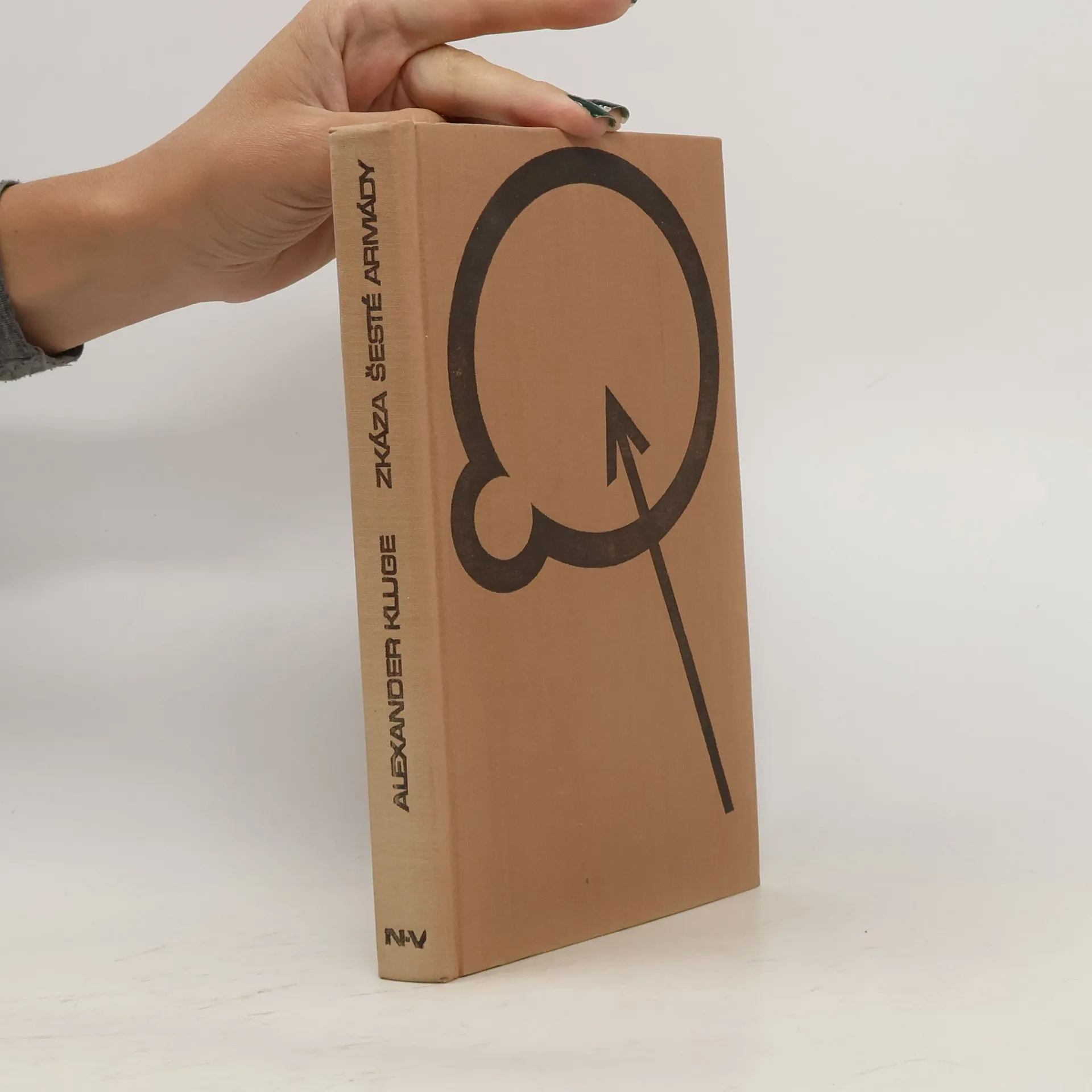
Jde o životopisy, zčásti vymyšlené, zčásti nevymyšlené; dohromady tvoří truchlivou historii.
Zkáza šesté armády
Popis jedné bitvy
Jedinečná "grandiózní asambláž", jíž byl sestaven z vojenského dokumentárního materiálu nevšední obraz bitvy u Stalingradu a zániku Paulusovy šesté armády, je "umělecké dílo složené z mnoha neuměleckých součástí". Za oficiálními zprávami z fronty následují upravující direktivy pro tisk, německé směrnice pro válku v zimě, kázání vojenských kněží a montáž faktů a údajů i hledisek, čerpaných od přímých svědků boje a od Hitlerovy generality,jejíž členové jsou zároveň autorovou popisnou metodou výstižně portrétováni. Z německého originálu "Schlachtbeschreibung" a s přihlédnutím k vydání "Der Untergang der Sechsten Armee" přeložil Karel Richter. Doslov napsal Ludvík Kundera. První vydání.
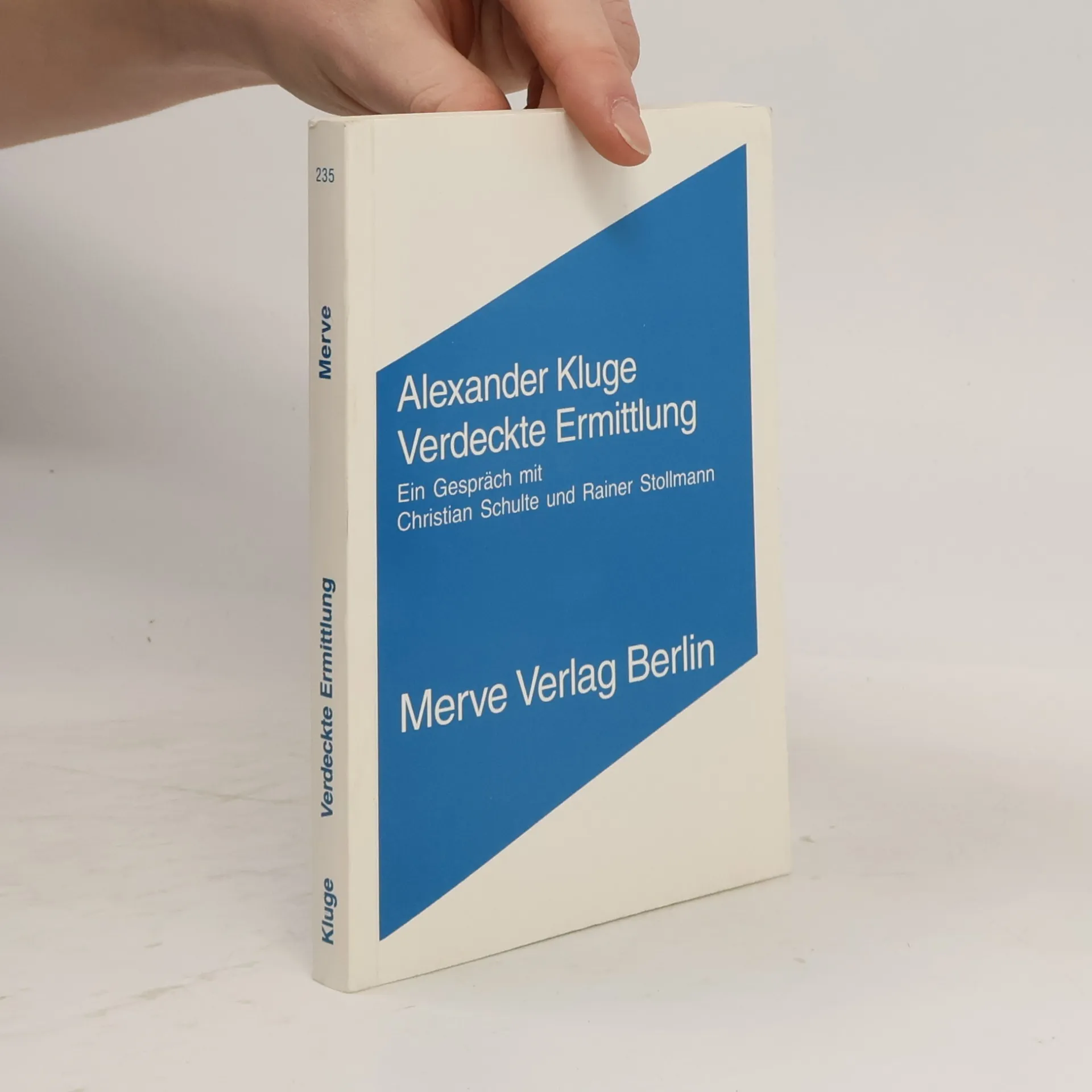
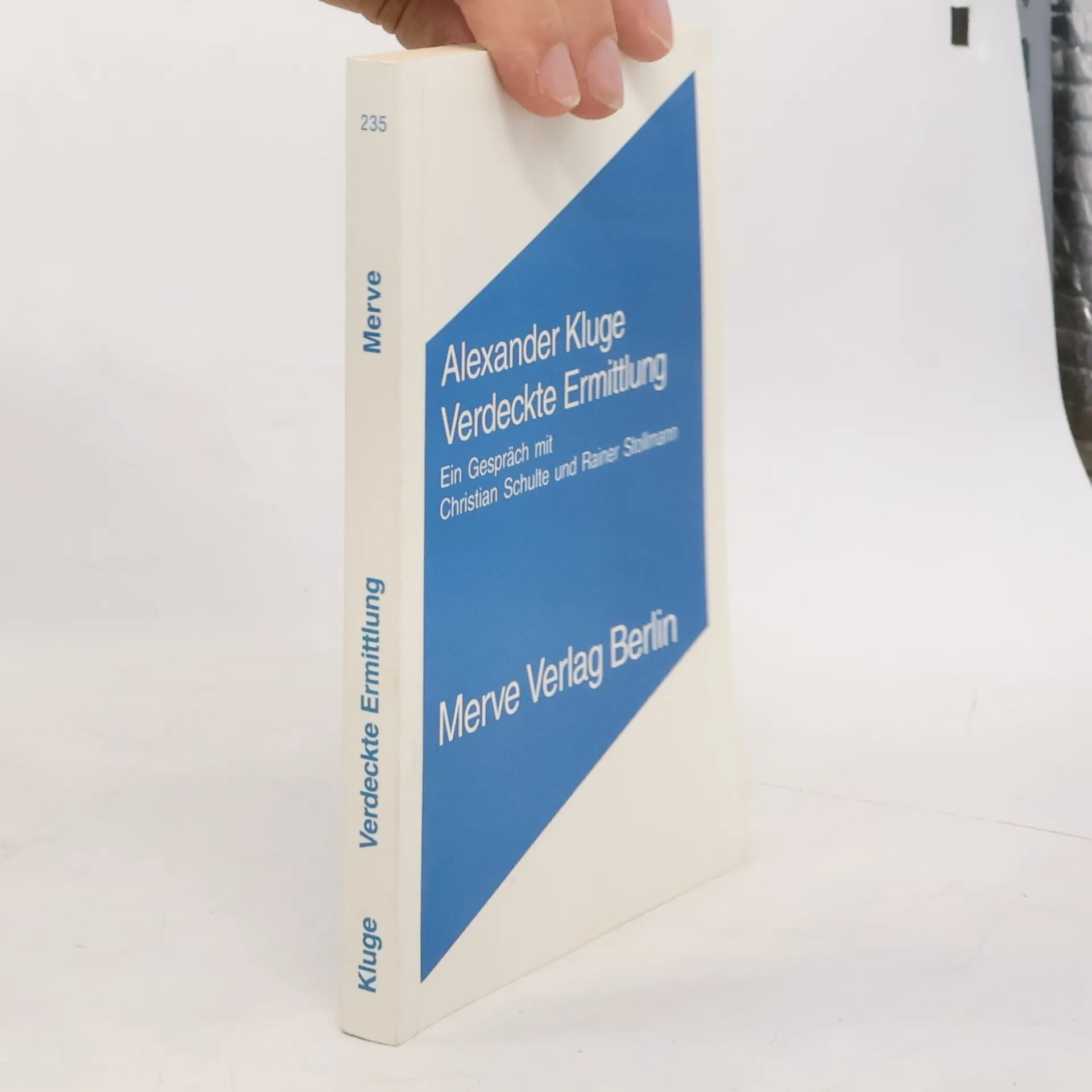
Internationaler Merve Diskurs - 235: Verdeckte Ermittlung
Ein Gespräch mit Christian Schulte und Rainer Stollmann
- 139pages
- 5 heures de lecture
Kluge expliziert seine Poetik, erläutert seine Verfahrensweise, spricht über seine Begegnungen mit Heiner Müller, Gorbatschow. Was ist der Ernstfall? Wie findet man Auswege? Was hält freiwillige Taten zusammen? „Alexander Kluge ist ein Meister in der Kunst der erzählerischen Verdunkelung. Die Abblenden sind auch in diesem Band völlig erhellend.“ (Fritz Göttler, SZ)
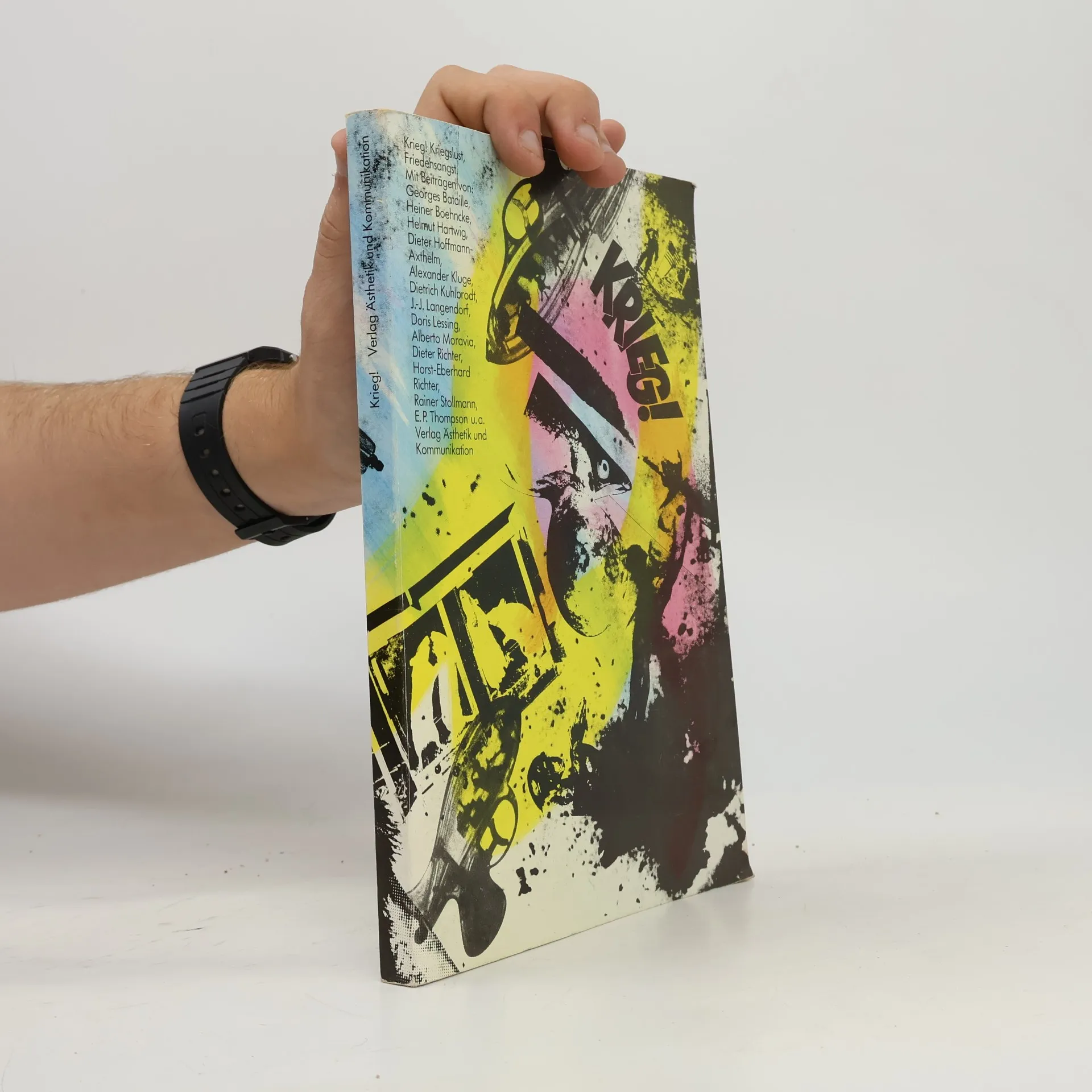
Krieg - Friedensangst, Kriegslust
- 191pages
- 7 heures de lecture
Libro usado en buenas condiciones, por su antiguedad podria contener señales normales de uso
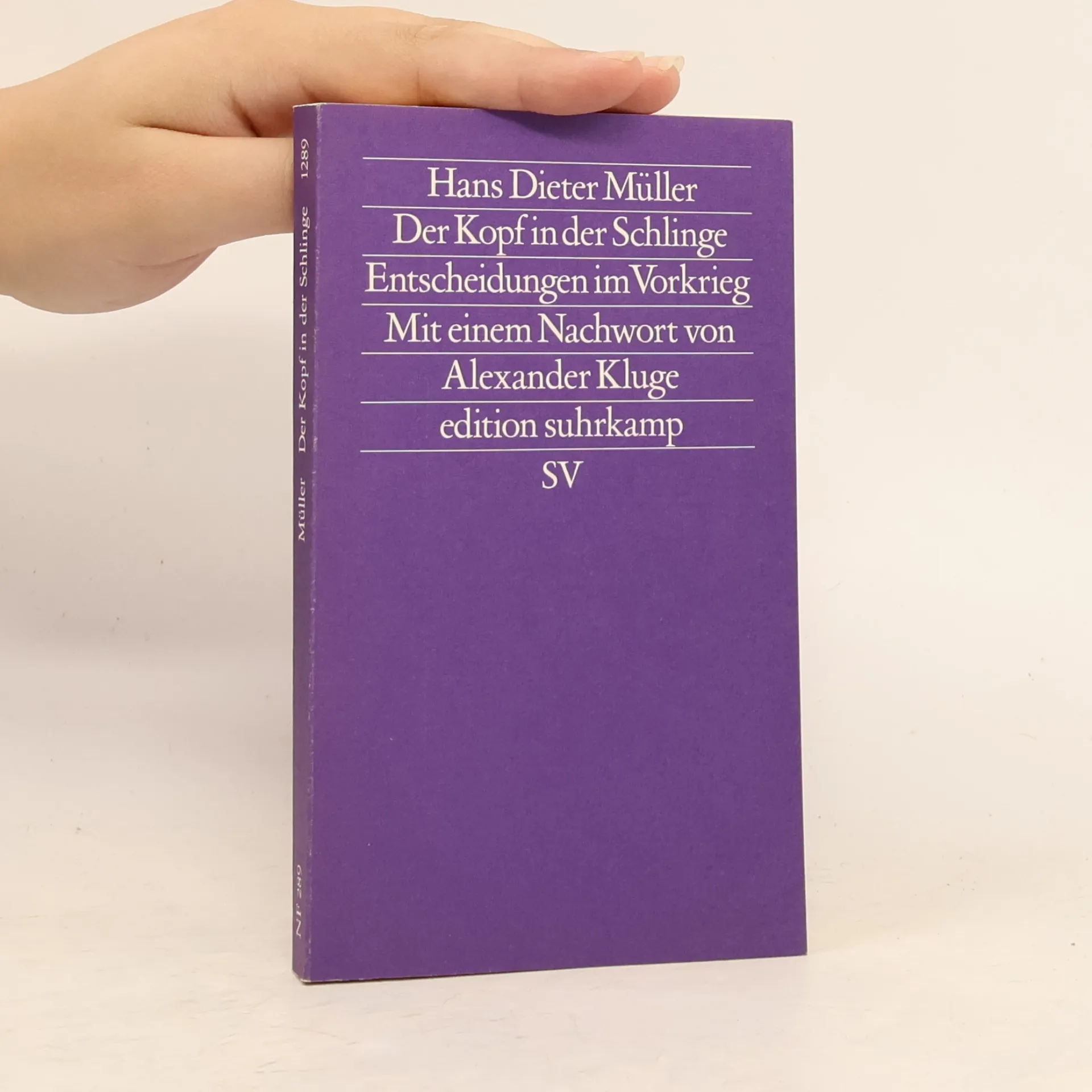
Edition Suhrkamp - 1289: Der Kopf in der Schlinge
Entscheidungen im Vorkrieg
- 210pages
- 8 heures de lecture
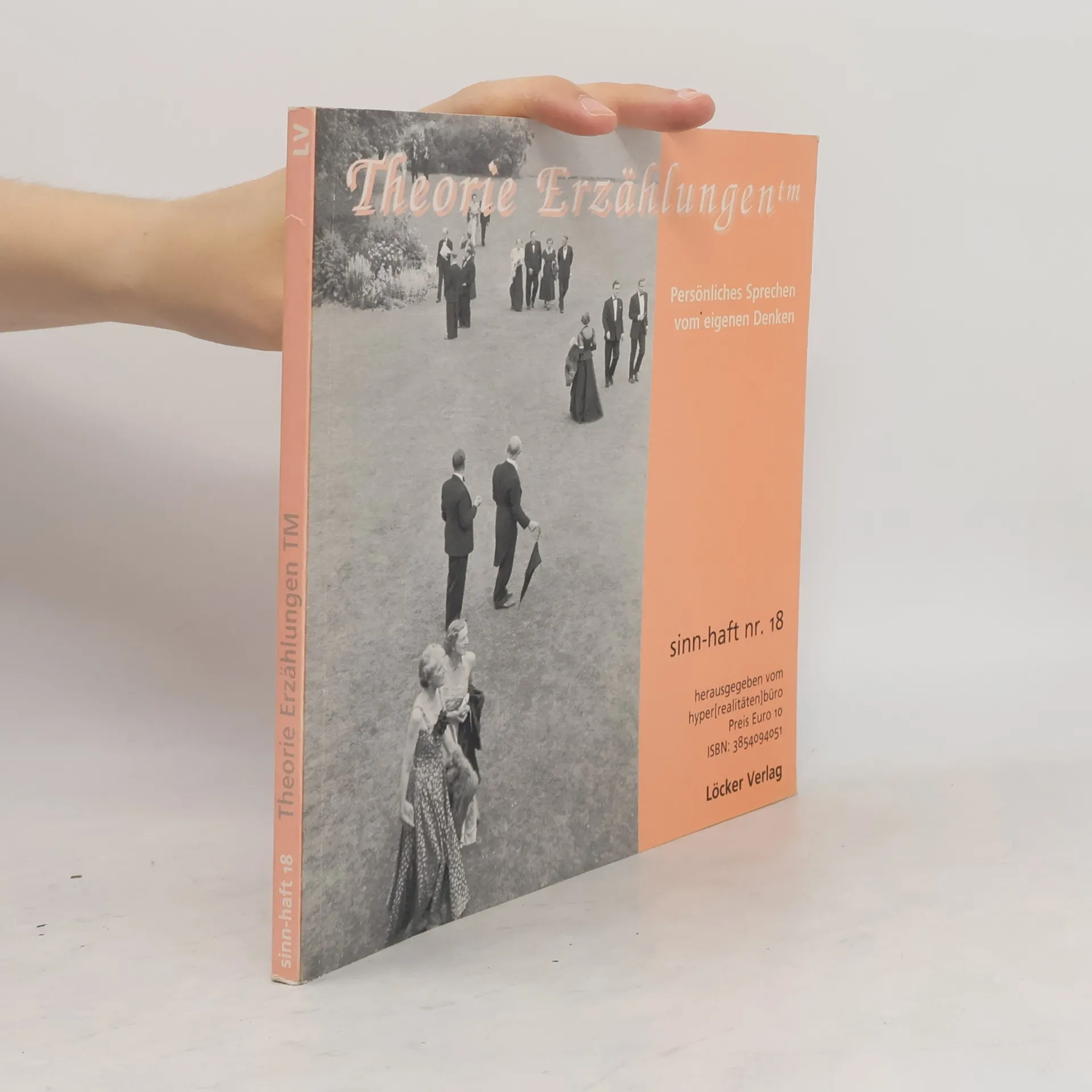
Sinn-haft - 18: Theorie Erzählungen
Persönliches Sprechen vom eigenen Denken
- 146pages
- 6 heures de lecture
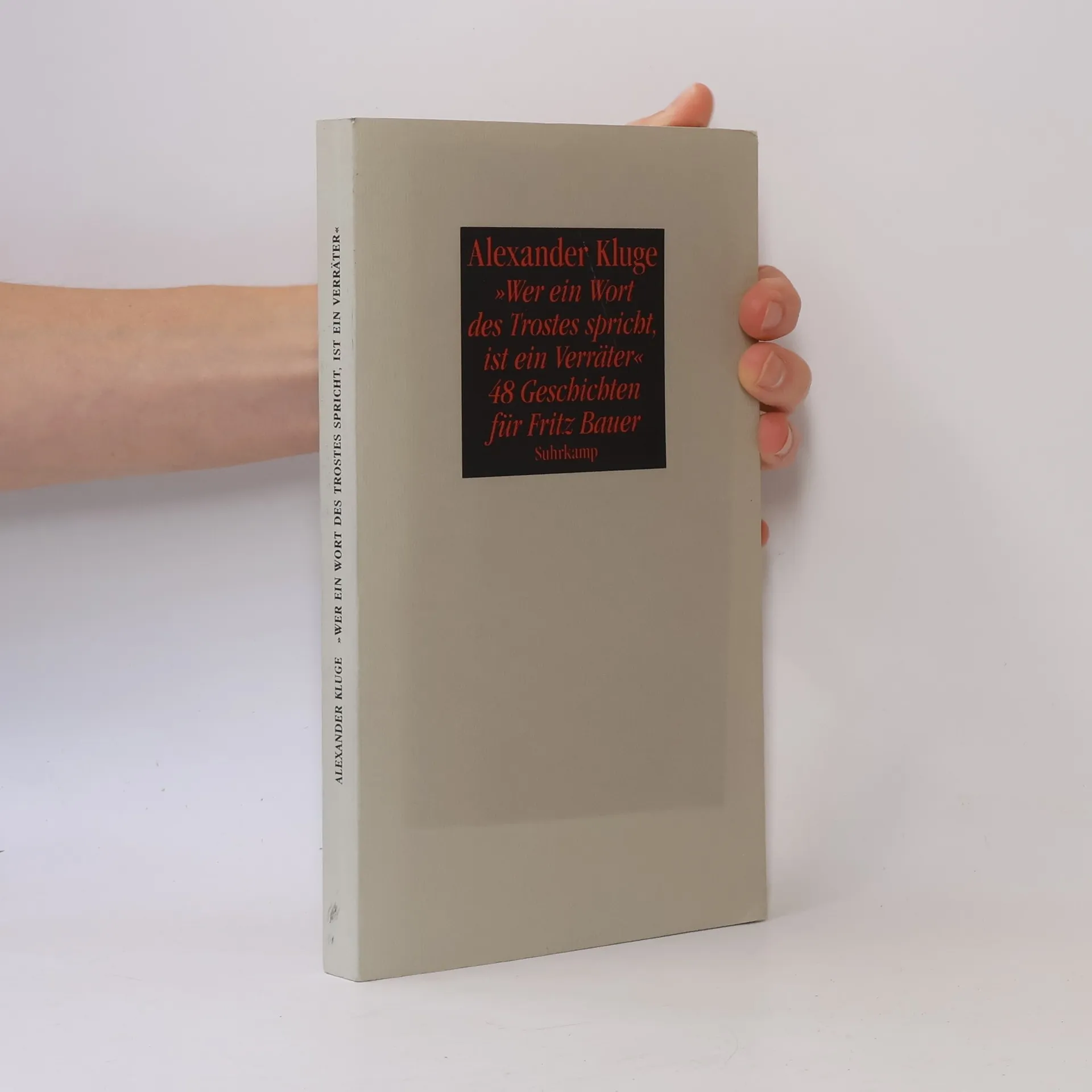
"Wer ein Wort des Trostes spricht, ist ein Verräter"
48 Geschichten für Fritz Bauer
- 113pages
- 4 heures de lecture
Die Auseinandersetzung mit dem Dritten Reich spielt in Alexander Kluges Werk eine wichtige Rolle. Die Judenvernichtung bildet dabei ein gravitatives Zentrum. Die Schwierigkeit, den Holocaust mit den Mitteln der Kunst zu erfassen, liegt aber darin, dass die klassische literarische Form – wie Adorno festgestellt hat – bei Auschwitz nicht greift. Umso wichtiger, dass man die Erfahrung der eigenen Zeit, der Jetzt-Zeit, immer wieder in diesen geschichtlichen Absturz hineinhält, sie darin »eicht«. Dauerhaft und beharrlich gilt es weiterzuerzählen: vom Versagen der Eliten, von der Rasanz eines behördlich organisierten bösen Willens, von der extremen Seltenheit der Rettung. »Wer ein Wort des Trostes spricht, ist ein Verräter« ist ein Buch über bittere Schicksale, bekannte und unbekannte, aber vor allem auch über Organisationsformen, die Menschen vernichten. Gewidmet sind die 48 Geschichten dem entschlossenen Kämpfer für Gerechtigkeit, Fritz Bauer, Generalstaatsanwalt des Landes Hessen während der Auschwitzprozesse.
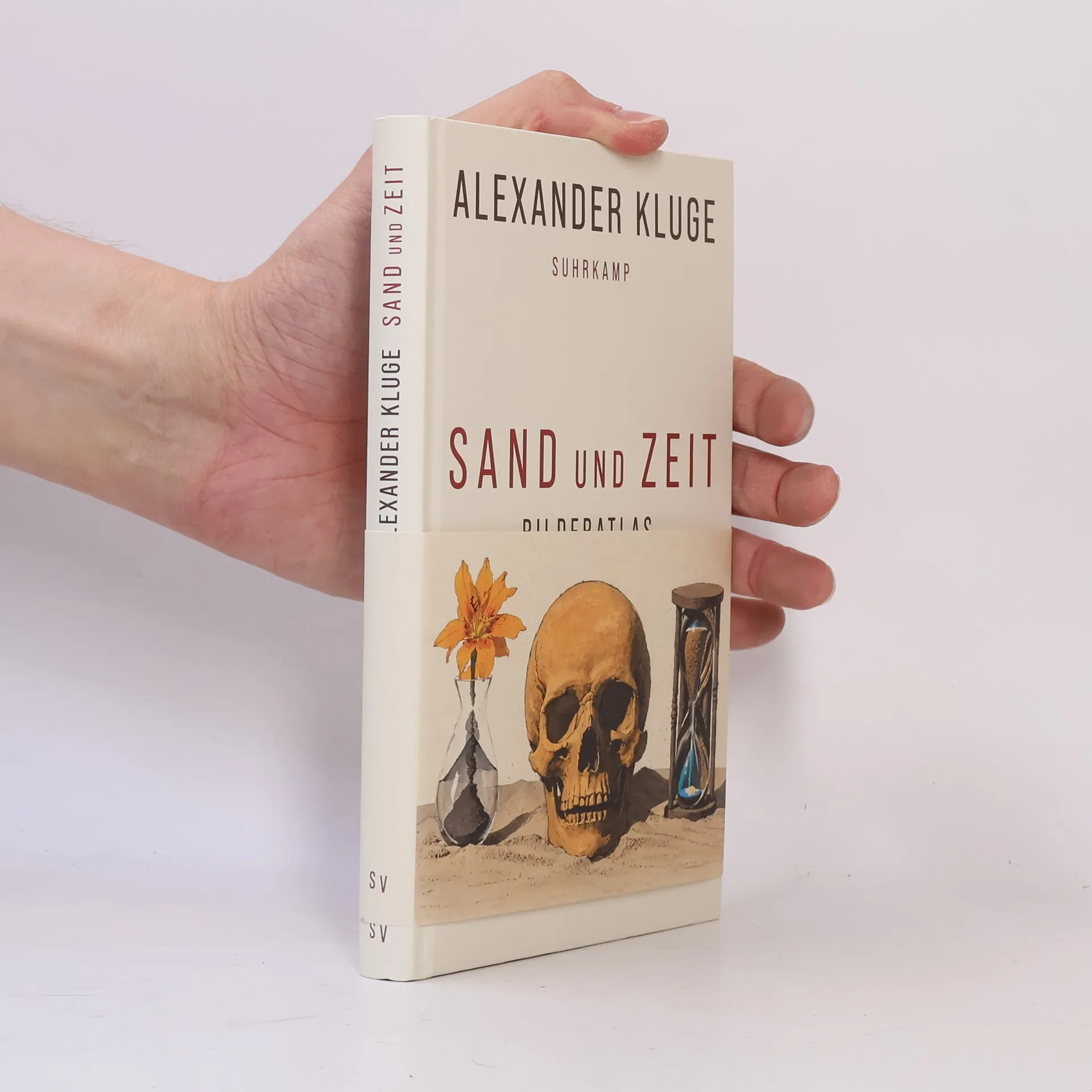
Was finden wir, wenn wir im Sand der Geschichte graben? Was ergibt sich aus der Historie für die Gegenwart und unmittelbare Zukunft? Alexander Kluge zeigt ungeahnte Zusammenhänge auf, indem er Texte und zahlreiche Bilder versammelt, für die er zum Teil künstliche Intelligenz als »virtuelle Kamera« nutzt. Sein Bilderatlas ermöglicht ihm zum einen, die Geschichte lebendig zu halten, und zum anderen einen hintergründigen Kommentar zur Gegenwart, ohne Parteinahme oder Appell, dafür mit überraschendem Erkenntnisgewinn. Sand entsteht über Tausende oder sogar Millionen von Jahren und zählt heute zu den begehrtesten Rohstoffen. Er ist ein Bestandteil von Beton, aber auch Mikrochips werden aus Quarzsand bzw. dem daraus gewonnenen Silizium hergestellt. Solche Mikrochips sind nicht nur in Smartphones und Laptops verbaut, sondern unter anderem auch in Drohnen, und sie werden im Bereich Automatisierung und künstliche Intelligenz genutzt. Für die Gegenwart kann das bedeuten: Drohnen zerstören im Krieg – in wenigen Sekunden – Gebäude und Straßen derart, dass nur noch Staub und Sand übrig bleiben. Ein so fein gemahlener Sand jedoch, der zum Leben und als Rohstoff nunmehr ungeeignet ist.
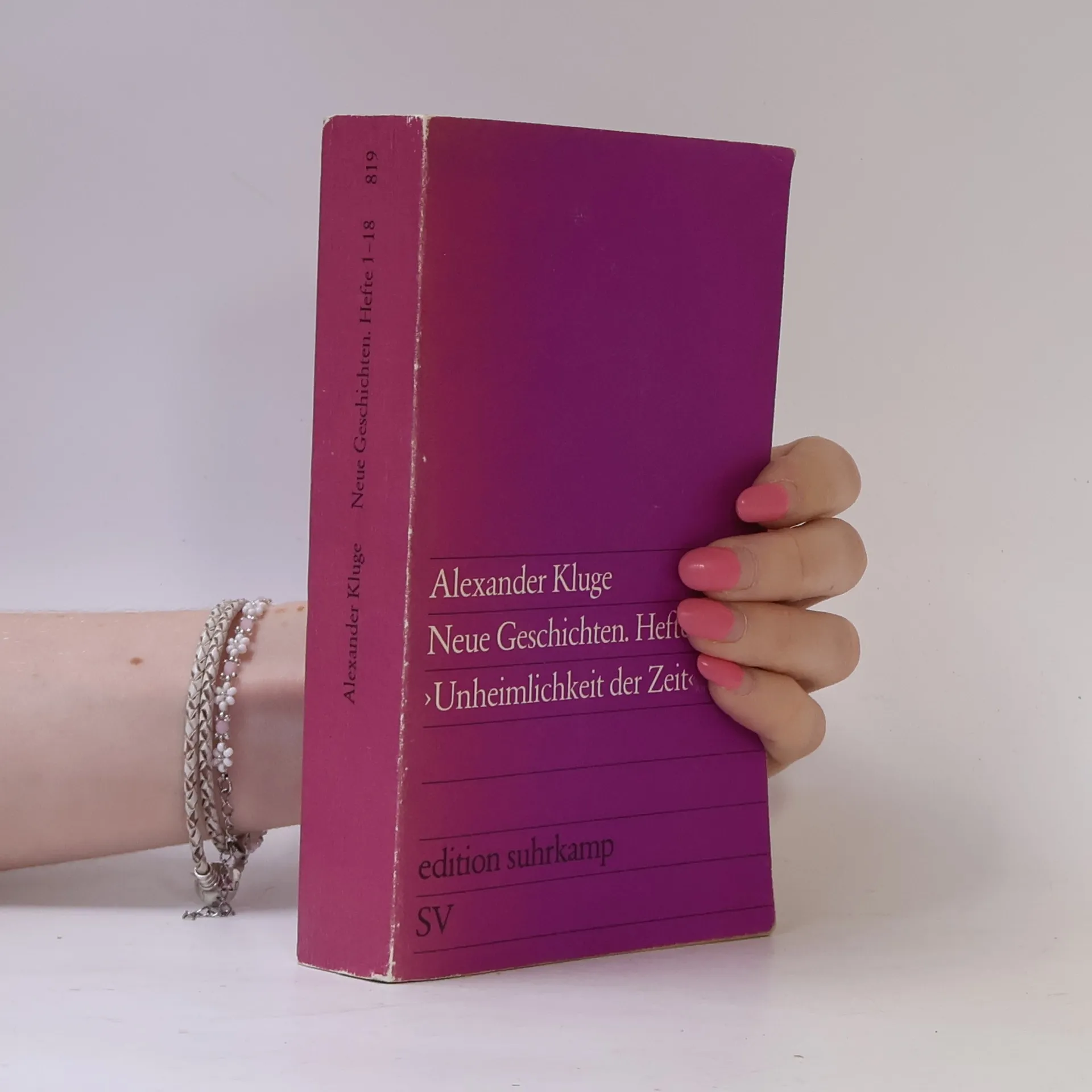
Neue Geschichten. Hefte 1-18. Unheimlichkeit der Zeit
- 618pages
- 22 heures de lecture
German
Wir Glückskinder der Ersten Globalisierung - Kein Angriff im Nebel - Das moderne Raubtier - Die Wende von Dezember 1941 - Der Flügelschlag der Geschichte - Abschied von den Lokomotiven - Abschied vom Zirkus - Die siamesischen Hände/Zwischen Liebe und Barabarei - Inseln auf Leben und Tod
Neue Geschichten. Hefte 1–18
Unheimlichkeit der Zeit
Nachrichten aus der Tiefe des Alls
- 158pages
- 6 heures de lecture
Das Jahr 1990 freilegen
- 592pages
- 21 heures de lecture
Der Vergleich der Jahre 1989 und 1990 zeigt, dass sie in der kollektiven Erinnerung sehr unterschiedlich präsent sind. Während sich die meisten schnell an 1989 erinnern können und die dramatischen Ereignisse dieses Herbstes leicht nachzuvollziehen sind, wirkt 1990 wie ein blinder Fleck. Die Erinnerungen an dieses Jahr sind schwer zu fassen, da sie von den sich überschlagenden Ereignissen, unerfüllten Wünschen und unacknowledged Kränkungen geprägt sind. Das Jahr 1990 freilegen beschäftigt sich mit den verschiedenen Facetten dieses Jahres und ihrer heutigen Relevanz. Es kombiniert Bilddokumente und Stimmen aus 1990 mit essayistischen Reflexionen und Geschichten, die aus der Perspektive der Gegenwart auf dieses Jahr zurückblicken.
Text: German
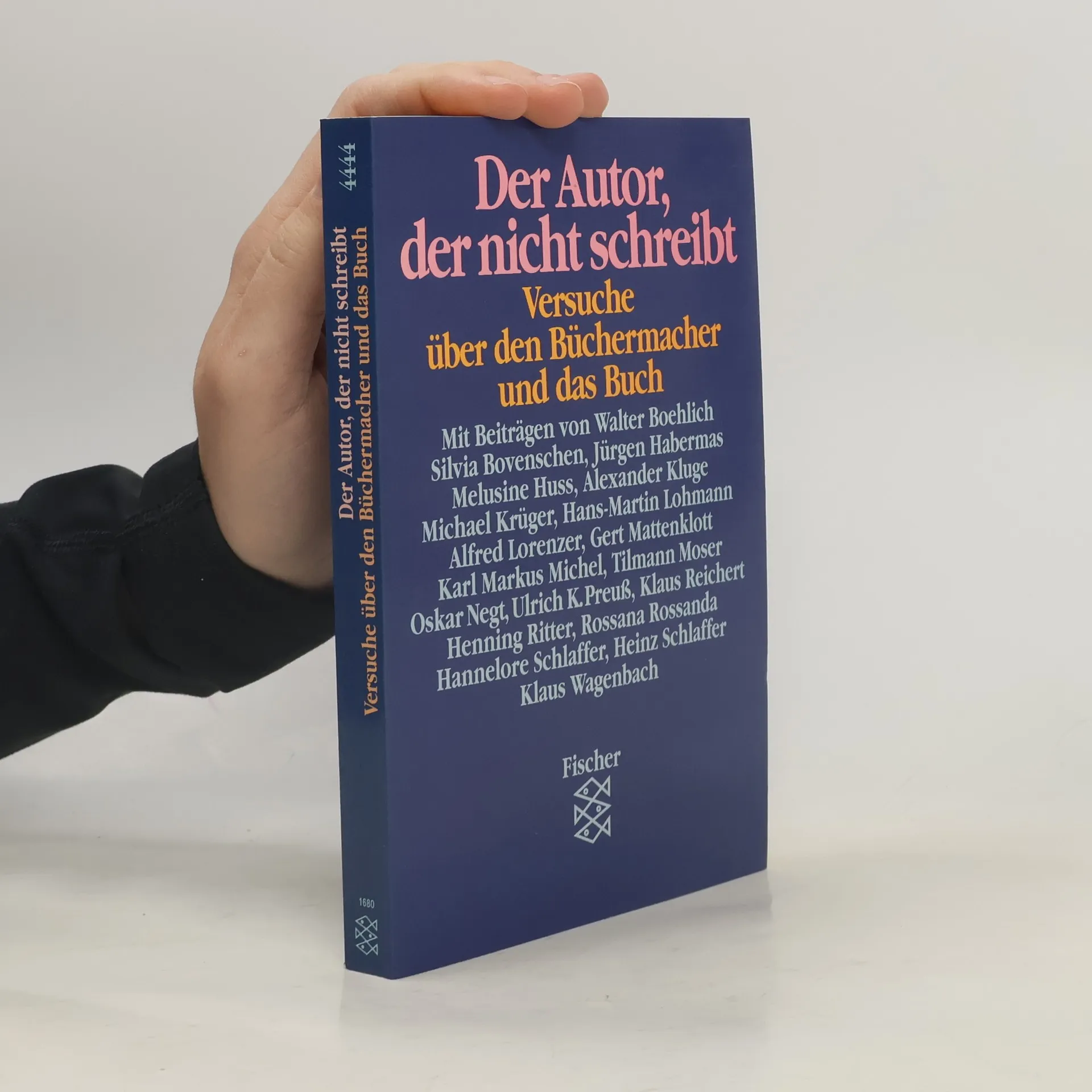
Der Autor, der nicht schreibt
Versuche über den Büchermacher und das Buch (Festschrift für Günther Busch)
- 272pages
- 10 heures de lecture
Mit Beiträgen von Walter Boehlich, Silvia Bovenschen, Jürgen Habermas, Melusine Huss, Alexander Kluge, Michael Krüger, Hans-Martin Lohmann, Alfred Lorenzer, Gert Mattenklott, Karl Markus Michel, Tilmann Moser, Oskar Negt, Ulrich K. Preuß, Klaus Reichert, Henning Ritter, Rossana Rossanda, Hannelore Schlaffer, Heinz Schlaffer, Klaus Wagenbach
German
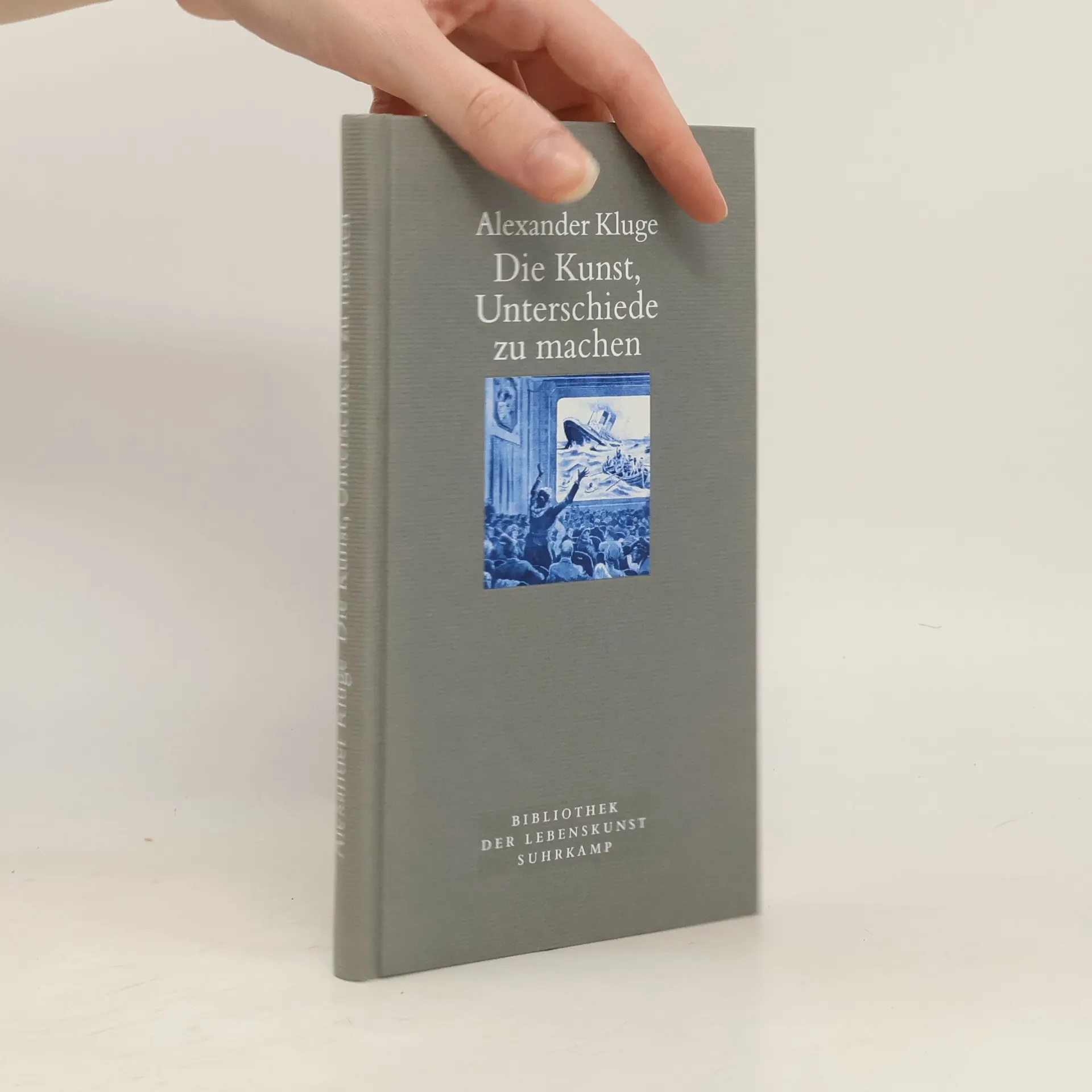
Die Kunst, Unterschiede zu machen
- 110pages
- 4 heures de lecture
Neue Rundschau - 119. Jahrgang, Heft 4: Film und Erzählen
- 246pages
- 9 heures de lecture
Geschichte und Eigensinn 1-3
Entstehung der industriellen Disziplin aus Trennung und Enteignung. Deutschland als Produktionsöffentlichkeit. Gewalt des Zusammenhangs
- 3volumes
Chronik der Gefühle 1-2
- 2volumes