

Suddenly, in spite of the trials of old age, and with the end in sight, everything seems possible again: love letters, soliloquies, scenes of jealousy, swan songs, social satire, and moments of happiness. Only an ageing artist who had once more cheated death could get to work with such wisdom, defiance and wit. A wealth of touching stories is condensed into artful miniatures. In a striking interplay of poetry, lyric prose and drawings, Grass creates his final, major work of art. A moving farewell gift, a sensual, melancholy summation of a life fully lived.
Breon Mitchell Ordre des livres (chronologique)
Ce traducteur littéraire est spécialisé dans la littérature allemande, présentant au public des œuvres classiques et contemporaines. Ses traductions sont reconnues pour leur fidélité au texte original et leur valeur littéraire. Grâce à son travail dévoué, il rend accessible la richesse de la littérature germanophone à un public plus large. Sa profonde compréhension de la langue et de la littérature transparaît dans chaque volume qu'il réalise.

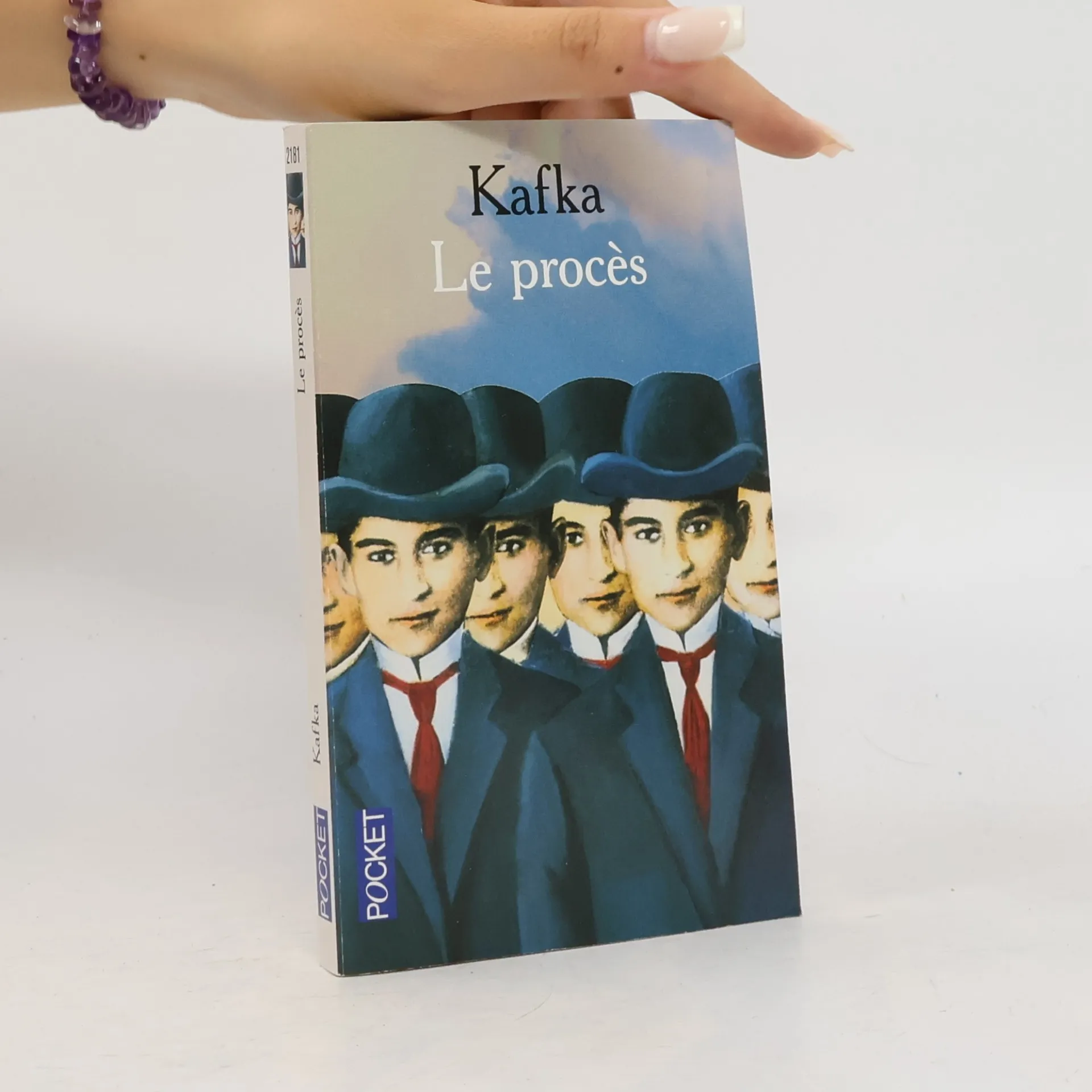

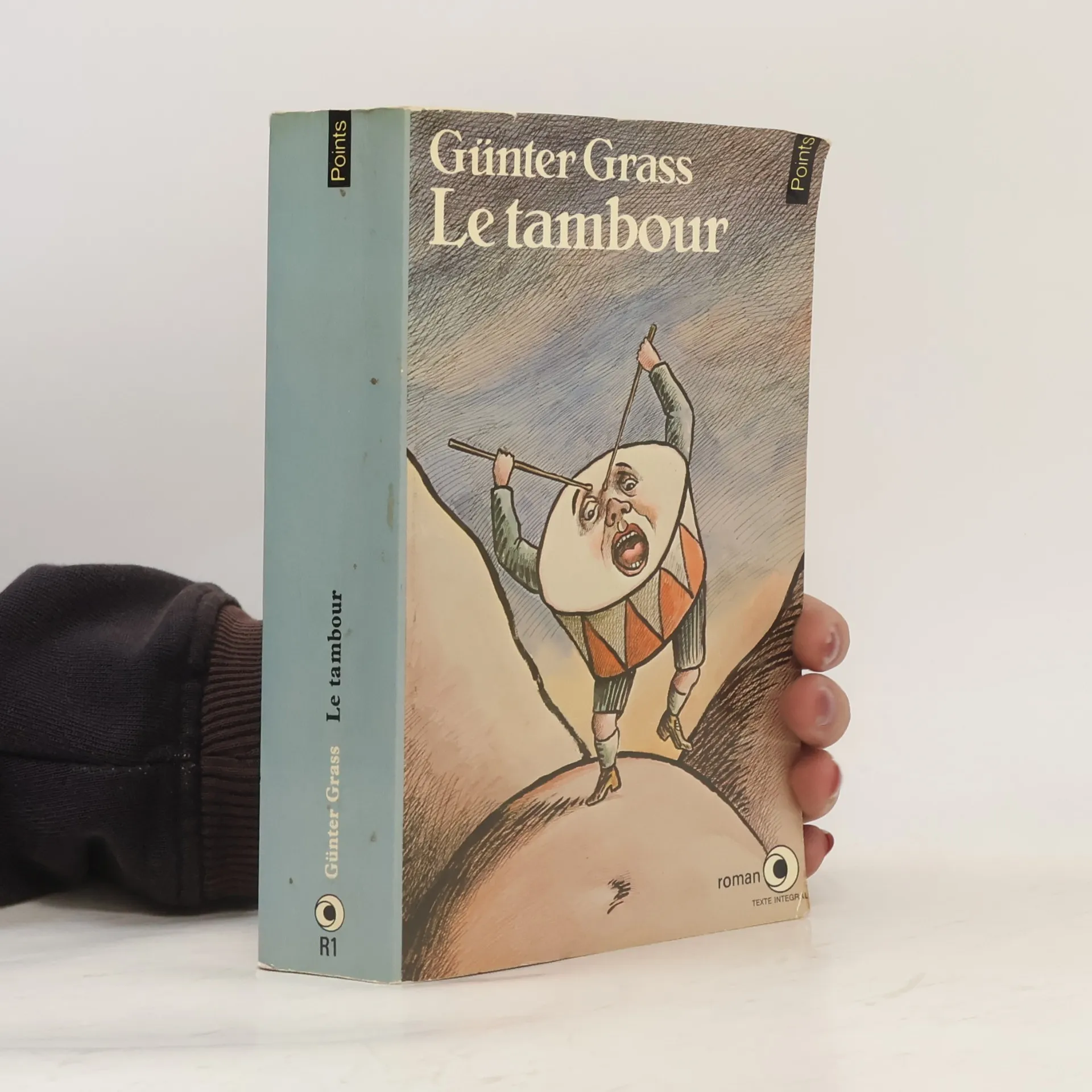
Le tambour
- 634pages
- 23 heures de lecture
Le jour de ses trois ans, Oscar Matzerath a renoncé à grandir. Témoin désinvolte des événements qui se déroulent à Dantzig de 1924 à 1950, Oscar qui, sous les apparences de l'enfance a la maturité d'un adulte, fait jaillir un univers grotesque et mystérieux, une impitoyable condition humaine ensevelie sous les décombres de l'histoire... Günter Grass est né à Danzig en 1927. Son premier roman, Le Tambour, a connu un succès mondial et a été adapté au cinéma par Volker Schlöndorff. Günter Grass est notamment l'auteur du Chat et la Souris, Les Années de chien, Le Turbot, En crabe, qui sont disponibles en Points. Il a reçu le prix Nobel de littérature en 1999. " Le Tambour est un roman formidable – et formidablement inégalé. C'est également un exemple typique de roman de l'absurde. " New York Times Traduit de l'allemand par Jean Amsler Présentation par Jean-Pierre Lefebvre
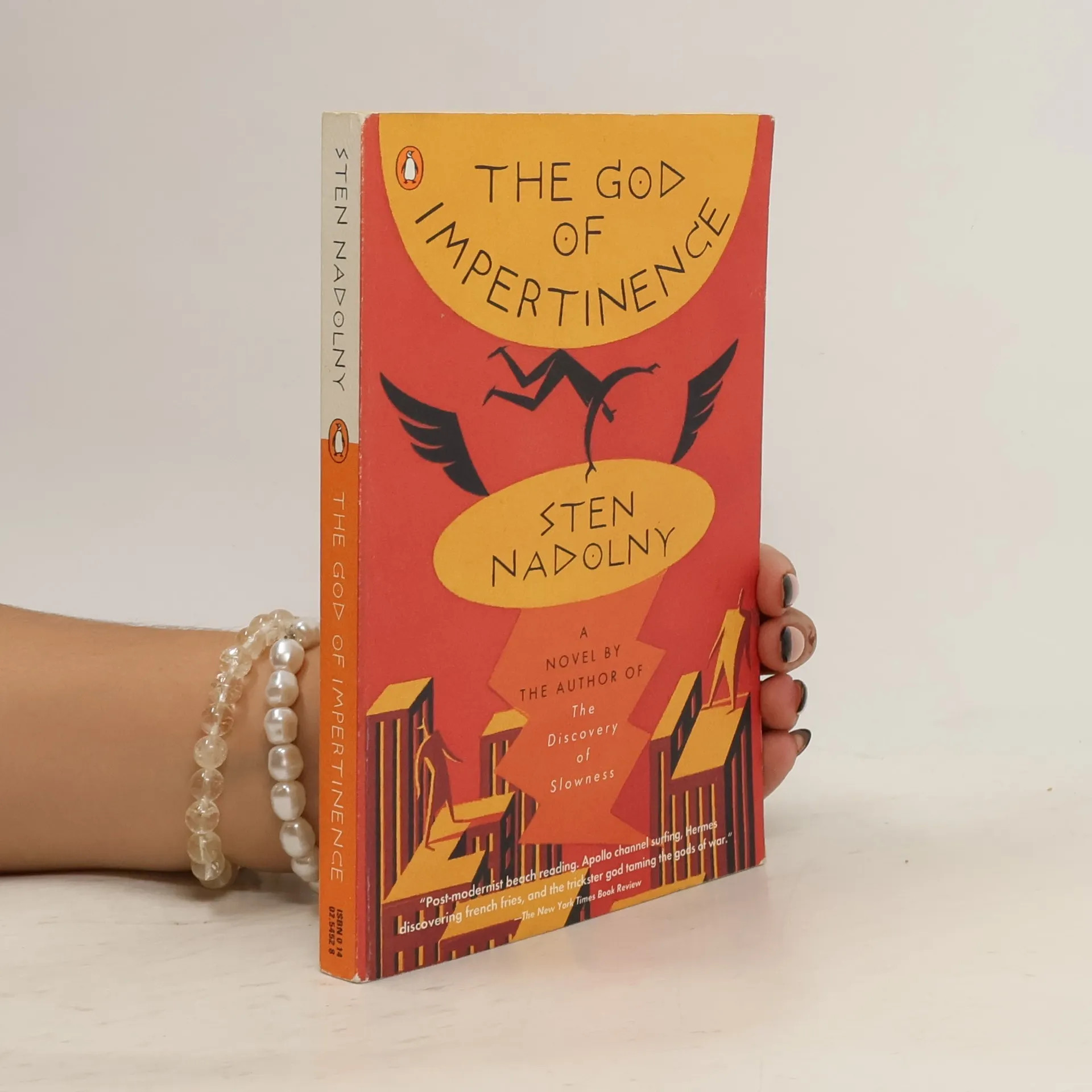
The God of Impertinence
- 224pages
- 8 heures de lecture
From the acclaimed author of The Discovery of Slowness comes a book that is "postmodernist beach reading: Apollo channel surfing, Hermes discovering french fries and the trickster god taming the gods of war" (The New York Times Book Review). The ancient gods are still among us! After 2,187 years in chains, Hermes -- the fun-loving god of stolen kisses, erotic freedom, turmoil, and thievery -- is freed. He soon sets out to resurrect the long-forgotten virtues of curiosity, imagination, humor...and mischief.Finding the modern age strange and confusing, Hermes catches up with the cultural changes of the last two millenniums by tapping the minds of everyone from graffiti artists to brain specialists. He soon learns that disempowered Zeus has retired to play golf in Missouri and that Hephaestus, the neurotic and cranky god of volcanoes, is plotting the demise of gods and mankind alike. Hermes needs all the impertinence and roguery he can muster for the game of divine poker that will decide the fate of the world, in this swift and amusing fable for the end of the millennium.
The Selected Stories of Siegfried Lenz
- 225pages
- 8 heures de lecture
Siegfried Lenz is one of Germany's foremost writers, ranking in popularity as well as critical esteem with Günter Grass and Heinrich Böll. In the United States, his stature is based on his novel The German Lesson, but he is also considered one of the best short story writers of the postwar generation. These twenty-six stories make up the first comprehensive collection of his short works to appear in English.