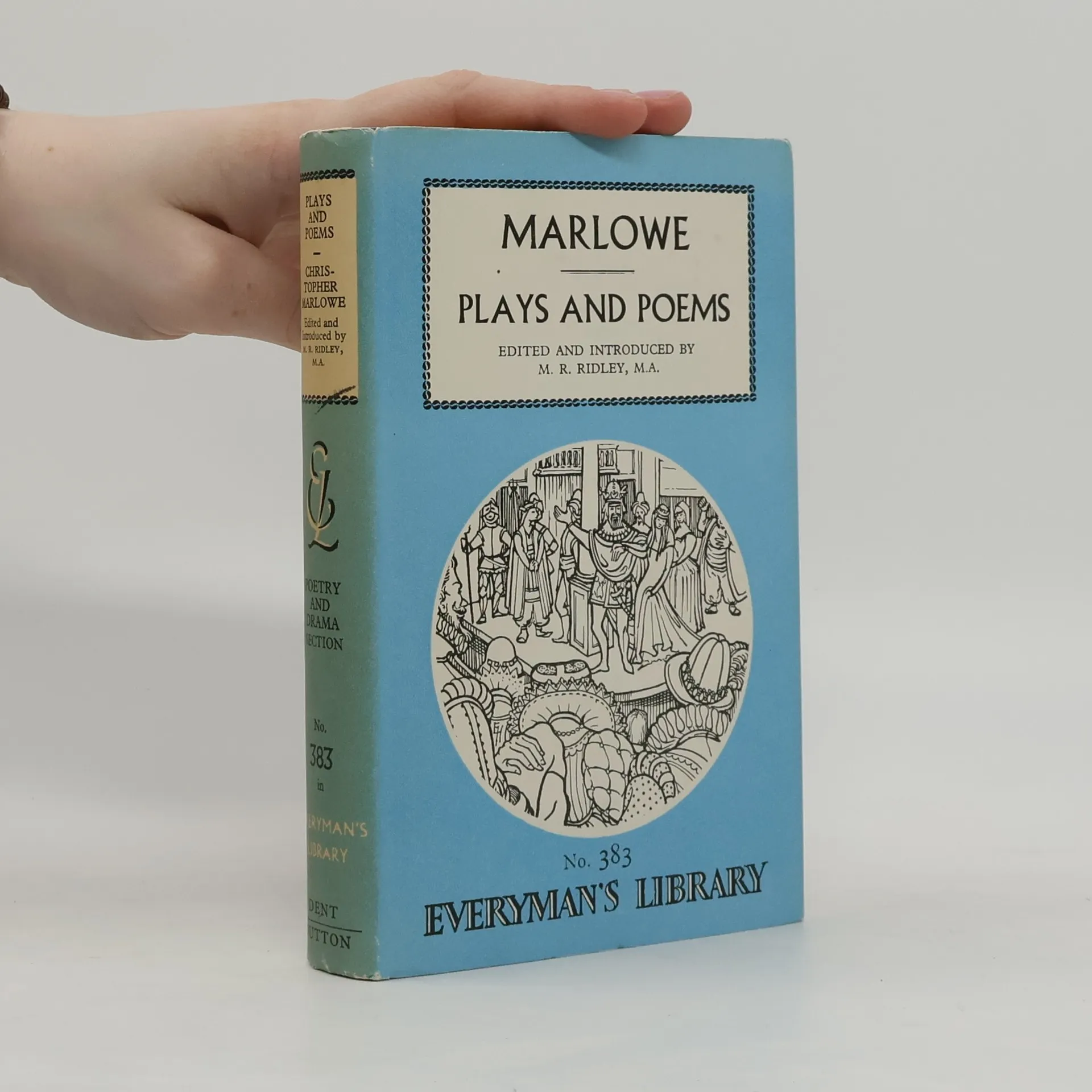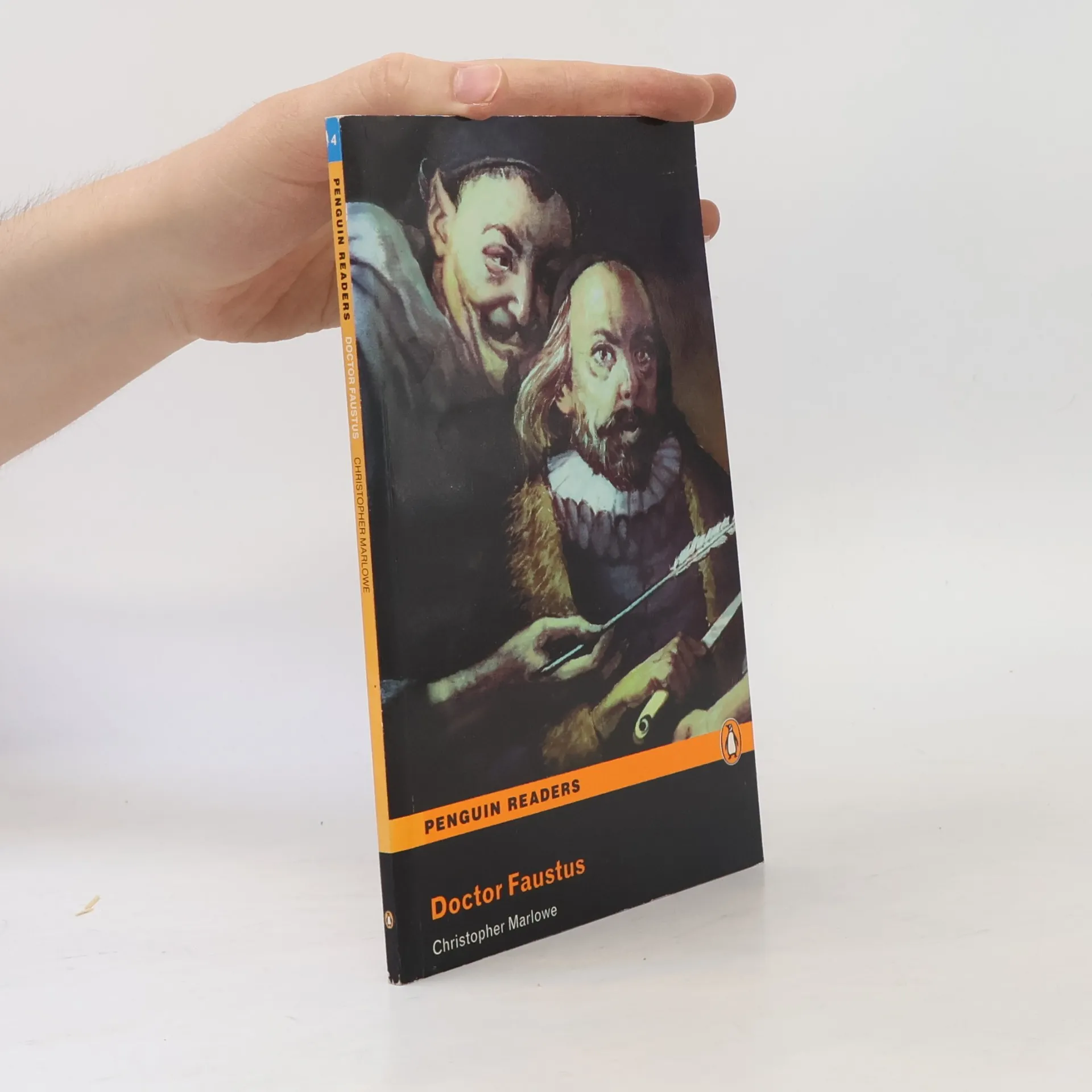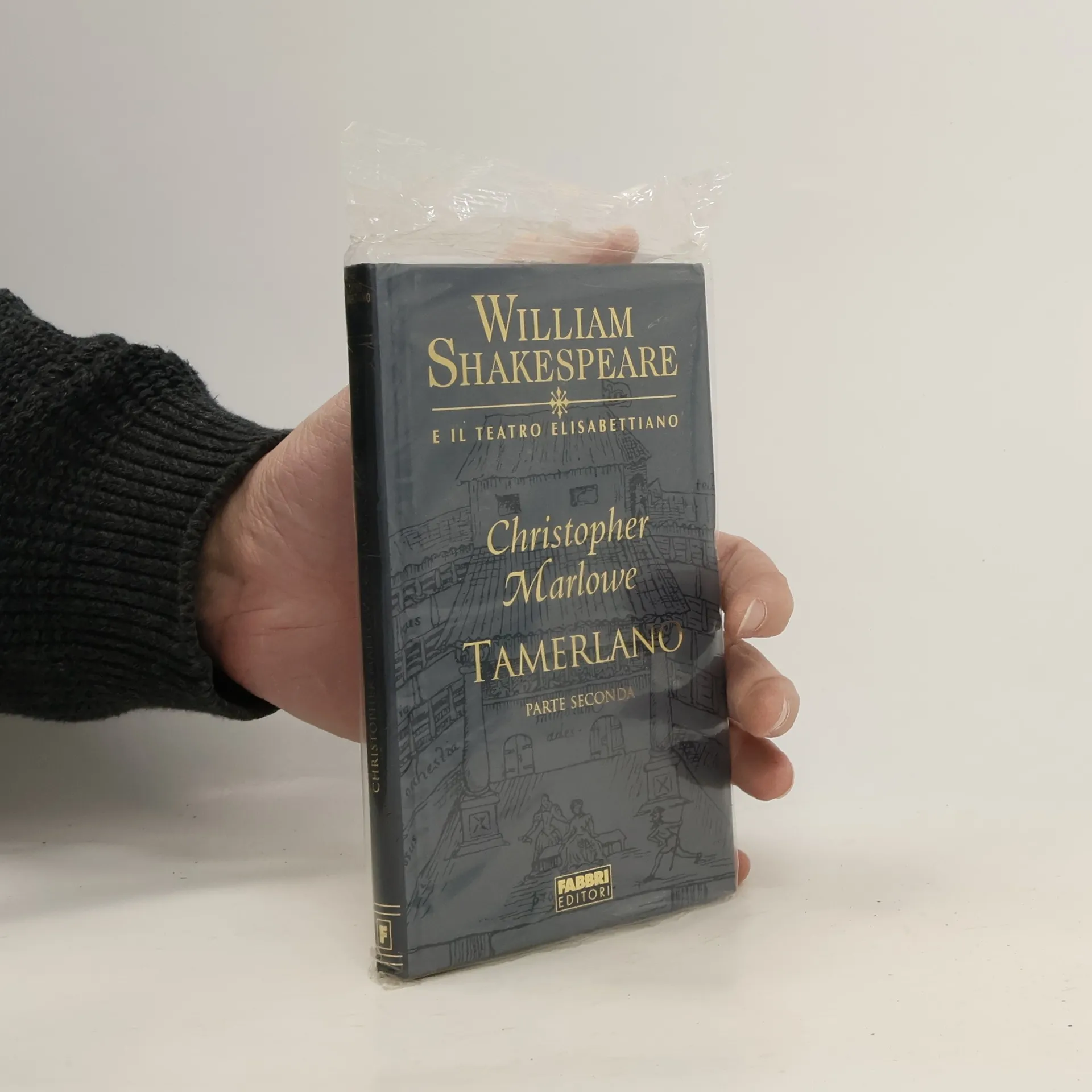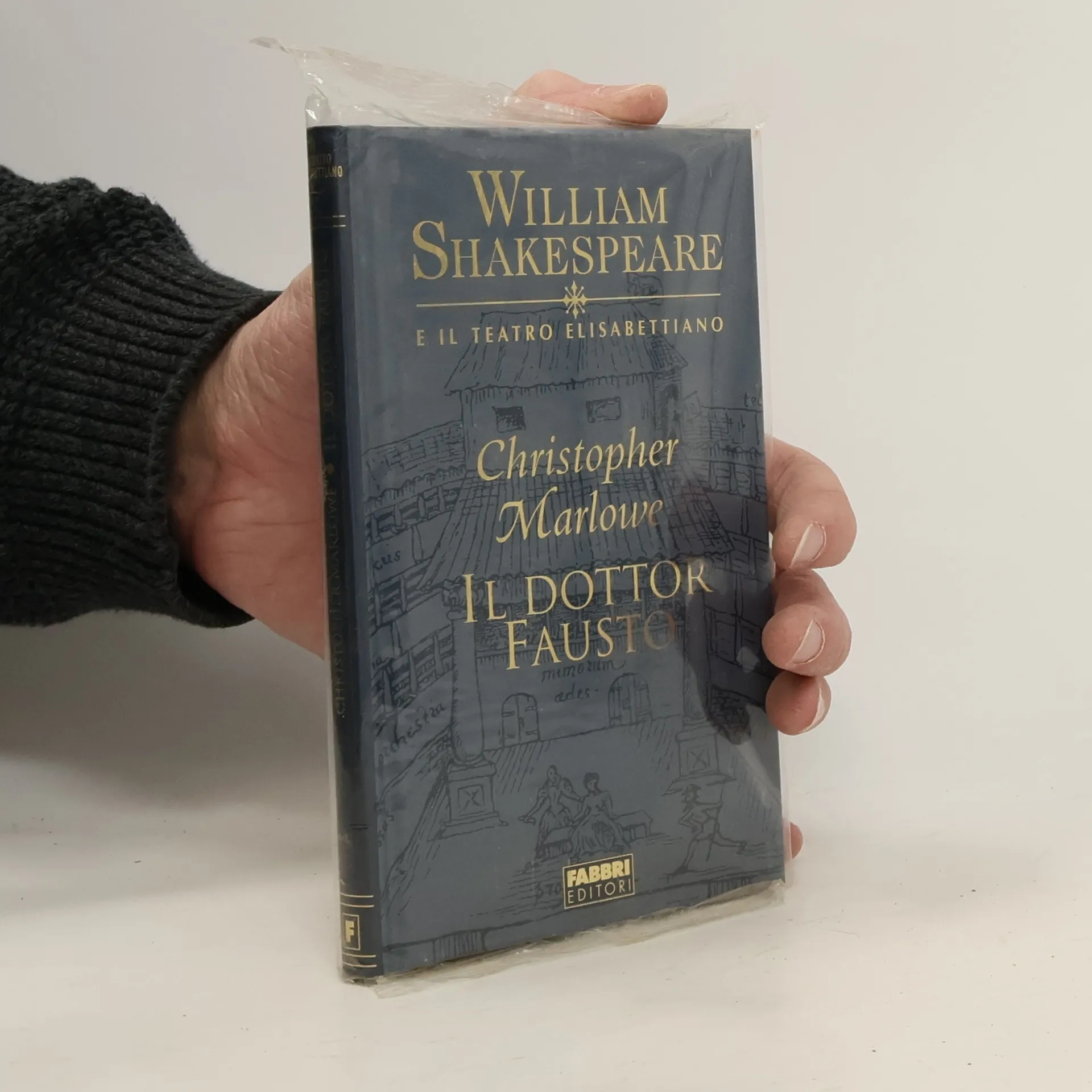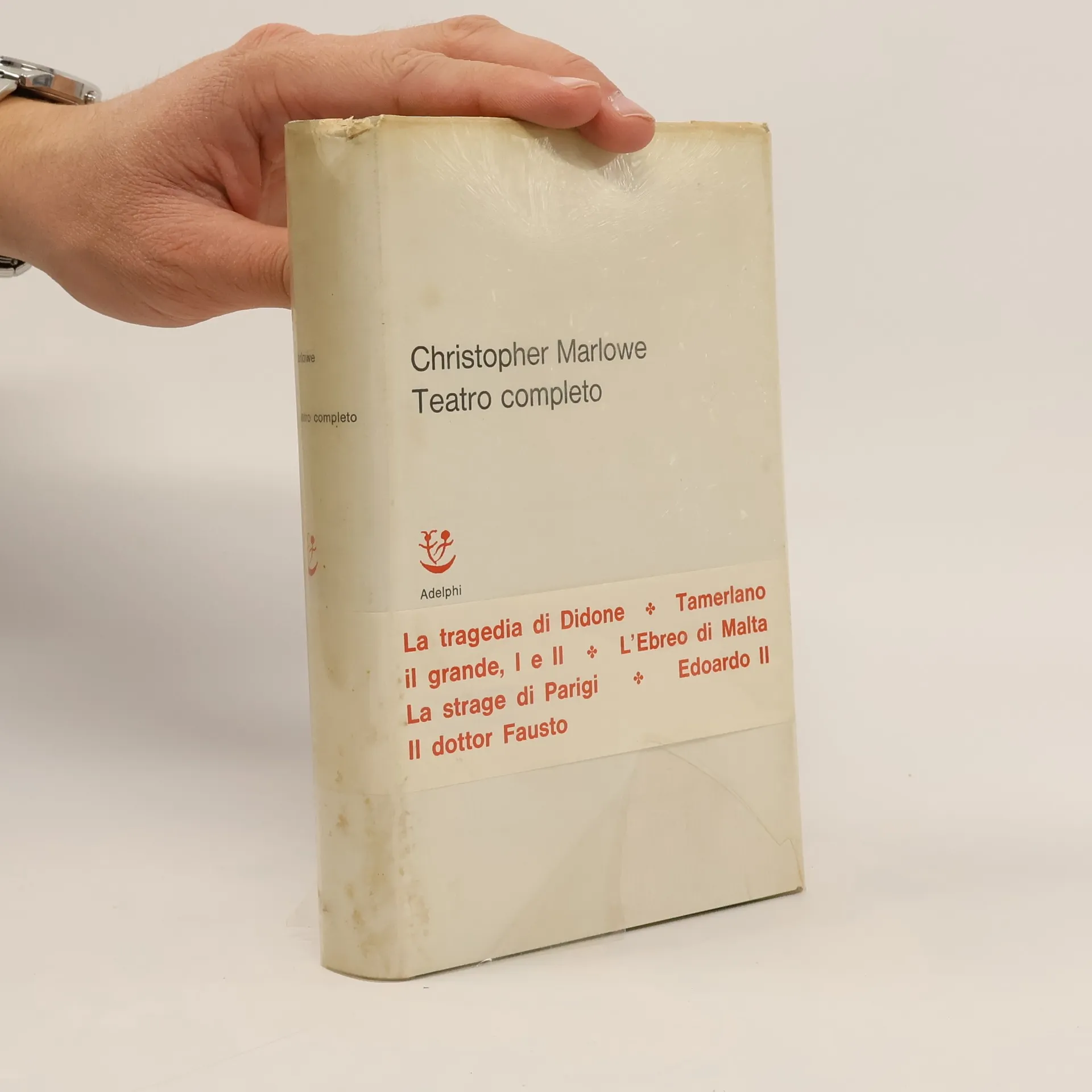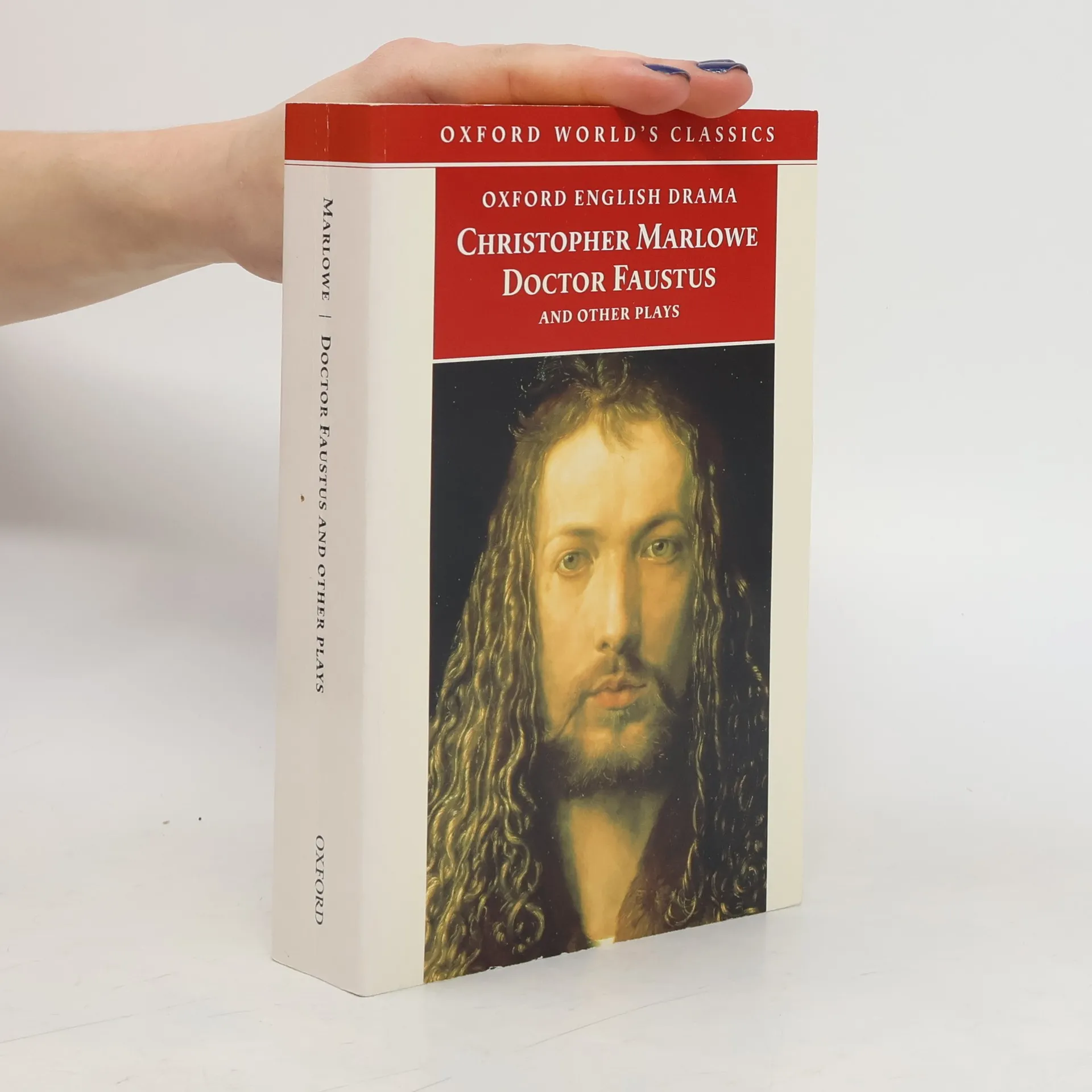

Christopher Marlowe fut un dramaturge et poète élisabéthain de premier plan, dont l'œuvre rivalise avec celle de William Shakespeare au sommet de l'époque. Il est célèbre pour son magnifique vers blanc, ses protagonistes ambitieux et sa propre fin mystérieuse et prématurée. Ses pièces de théâtre témoignent d'une puissante énergie dramatique et d'une profondeur philosophique, cimentant son héritage de maître de la tragédie anglaise.
Par le maître et rival de Shakespeare, une pièce de 1593 qui inaugure "l'un des grands mythes de l'ère moderne" (cf. la présentation, p. 9-38). Il existe deux versions de la pièce, la version A date de 1604 et la version B, plus abondante, de 1616. L'édition repose sur un travail synthétique: version B + les 36 lignes de la version A non reprises dans la version B + en annexe, p. 272-297, les variantes du texte A quand il diffère trop de B. Sept pages de notes. [SDM].
Obsessed with revenge after losing his wealth and assets to the government, Barabas becomes embroiled in a web of murder schemes and love stories. Christopher Marlowe's play explores themes of religion, class, and prejudice, featuring intricate characters that drive a gripping narrative. The tension and excitement build throughout the tragedy, making it a captivating exploration of ambition and vengeance.
Their texts fully restored by recent scholarship, Marlowe's astonishing works can now be appreciated as originally written. This edition includes all of Marlowe's plays, including two versions of Doctor Faustus
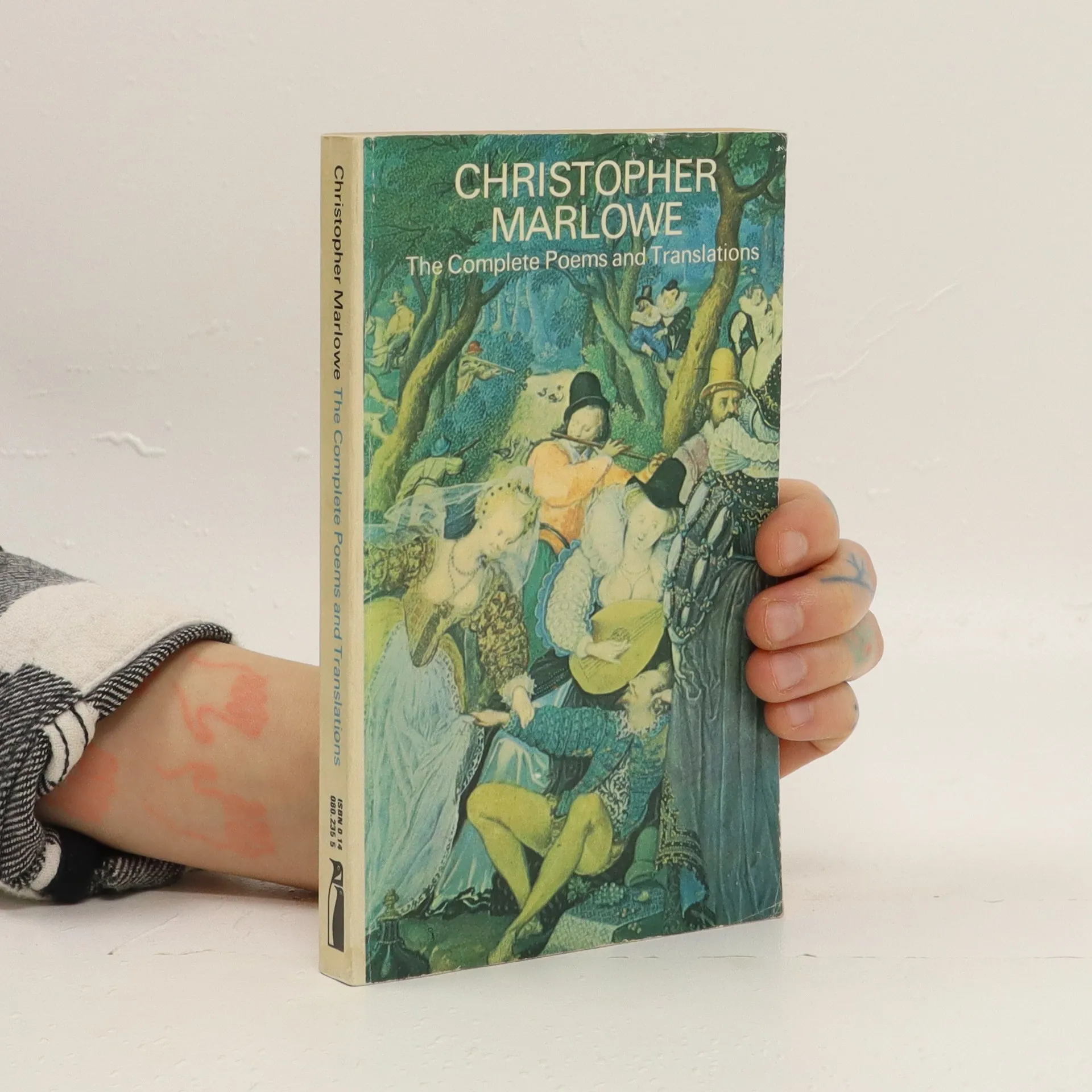
The essential lyric works of the great Elizabethan playwright newly revised and updated Though best known for his plays and for courting danger as a homosexual, a spy, and an outspoken atheist Christopher Marlowe was also an accomplished and celebrated poet. This long-awaited updated and revised edition of his poems and translations contains his complete lyric works from his translations of Ovidian elegies to his most famous poem, The Passionate Shepherd to His Love, to the impressive epic mythological poem Hero and Leander.
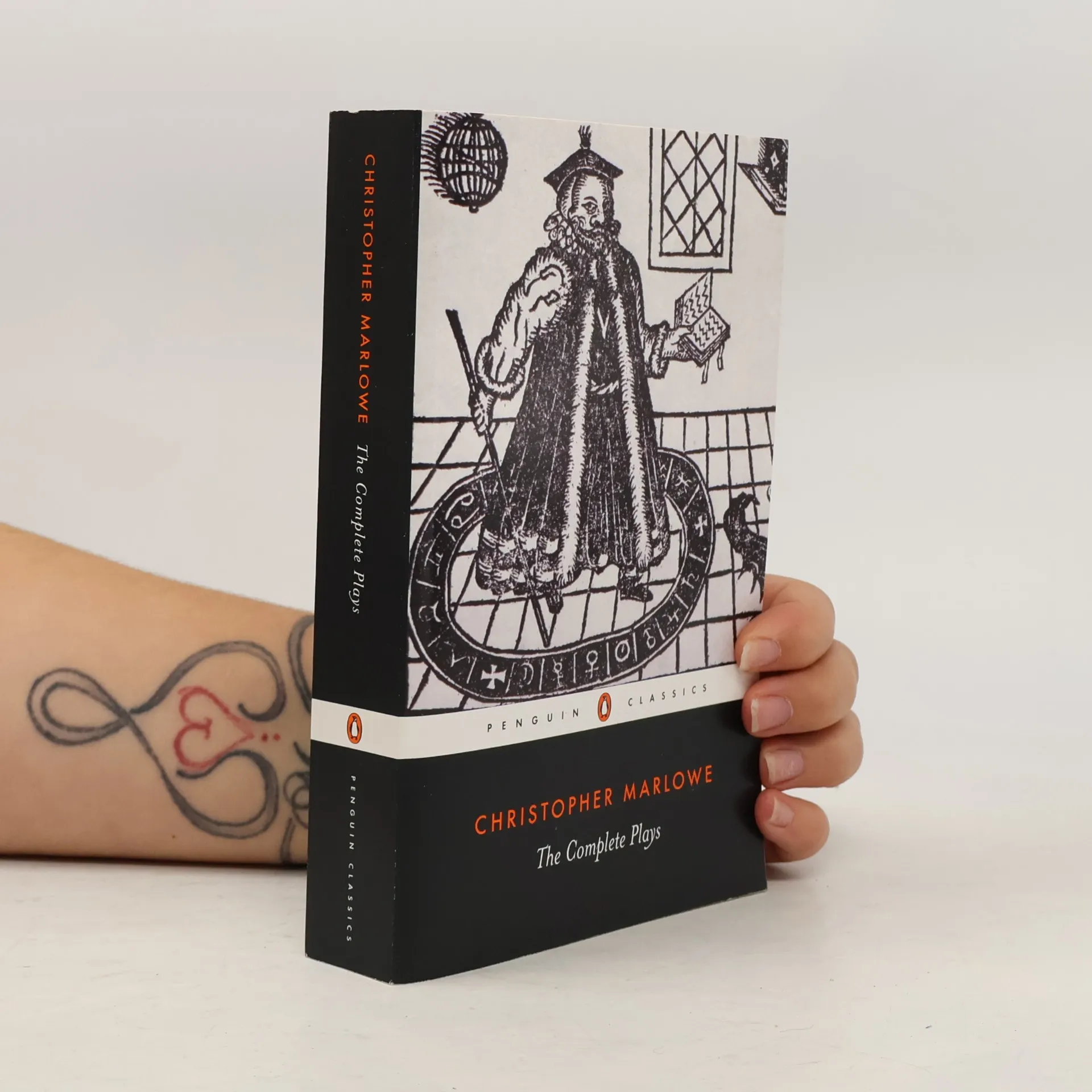
Christopher Marlowe (1564-1593), a man of extreme passions and a playwright of immense talent, is the most important of Shakespeare's contemporaries. This edition offers his five major plays, which show the radicalism and vitality of his writing in the few years before his violent death. Tamburlaine Part One and Part Two deal with the rise to world prominence of the great Scythian shepherd-robber; The Jew of Malta is a drama of villainy and revenge; Edward II was to influence Shakespeare's Richard II. Doctor Faustus, perhaps the first drama taken from the medieval legend of a man who sells his soul to the devil, is here in both its A- and its B- text, showing the enormous and fascinating differences between the two. Under the General Editorship of Dr. Michael Cordner of the University of York, the texts of the plays have been newly edited and are presented with modernized spelling and punctuation. In addition, there is a scholarly introduction and detailed annotation.
This classical work explores the tragic tale of Dido, the Queen of Carthage, capturing themes of love, betrayal, and fate. Recognized for its historical significance, the text has been meticulously reformatted and retyped to ensure clarity and readability, making it accessible for contemporary readers. Alpha Editions aims to preserve this important piece of literature for future generations, presenting it in a modern format that honors its original essence while enhancing the reading experience.
The rise of queer theory in the last fifteen years or so has led to a large body of criticism on Edward II , on Marlowe more generally, and indeed on Renaissance literature. This new introduction to the play takes full account of that criticism, offering students a useful and lively overview of the field. While it is often remarked that the writing in Edward II is less 'Marlovian' than his other major plays, no critic has yet fully discussed why this might be the case. The new introduction brings together these topics in order to demonstrate how our understanding of the play is enhanced by considering these aspects of the play together. In addition the introduction also includes a performance history, updating the history given in the previous edition and paying greater attention to Derek Jarman's film, with which the play is often studied. All this ensures the edition meets the needs of students and teachers fully and imaginatively.
Marlowe's play retains its power to shock even today, and this edition gives full value to its three overriding themes of sexual favouritism, political confrontation and sheer cruelty. Critics in the last twenty years, who have focused on the overtly sexual relationship between Edward and his favourite Gaveston, have hailed it as a 'gay classic'; earlier interpretations concentrated rather on the deposition by his subjects of a weak king, reading it in tandem with Shakespeare's Richard II. The introduction shows how the play works to give the audience an equal emotional commitment to opposing points of view and concludes that this is what makes Edward II such an uncomfortable and challenging play.
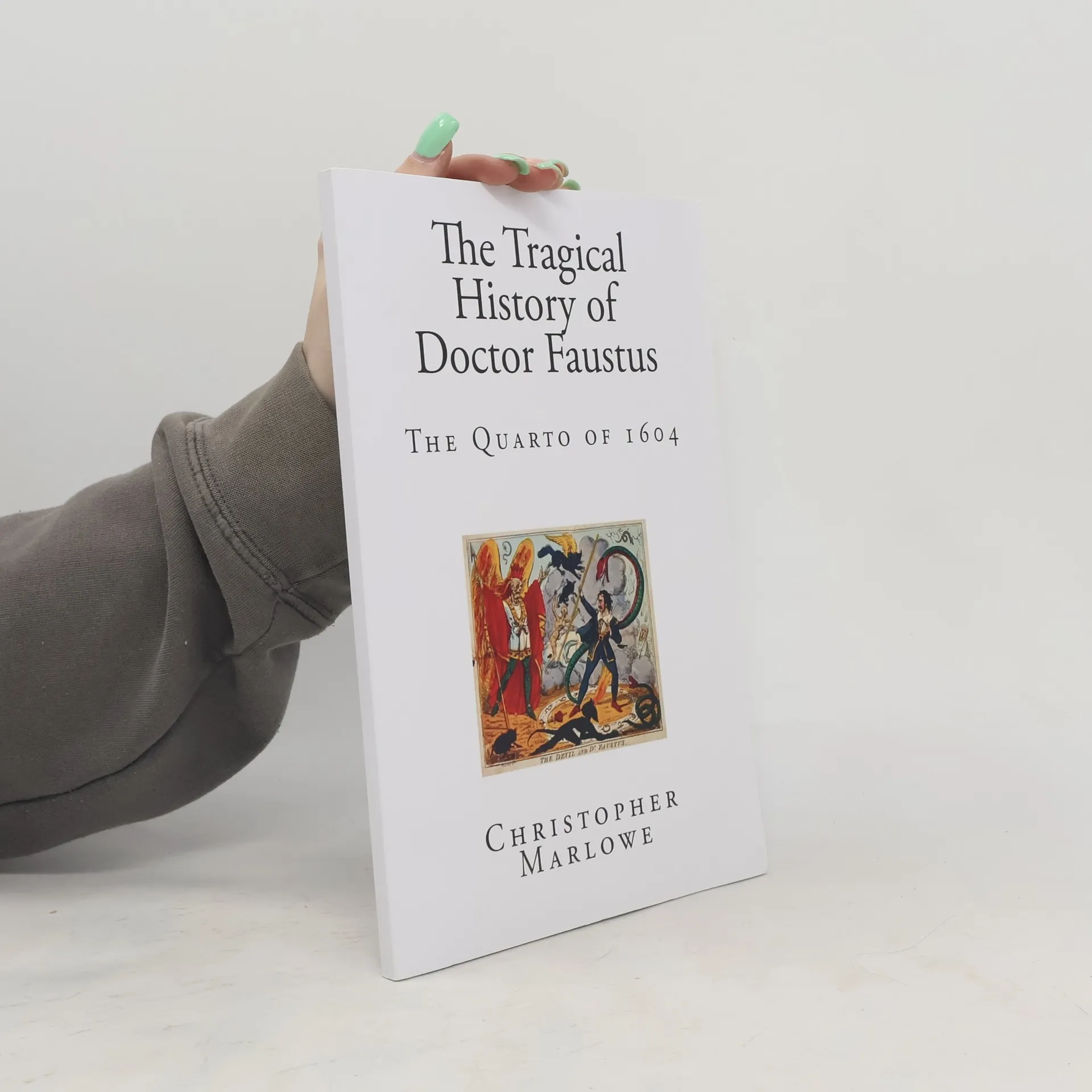
Doctor Faustus is the most brilliant scholar of his day. He has studied hard and is now master of all areas of learning. However, he wants something more, so he enters into an agreement with the Devil. He agrees to sell his soul in return for twenty-four years of knowledge, power and riches, which only brings him despair and terror as he realises the full implication of his impulsive action.
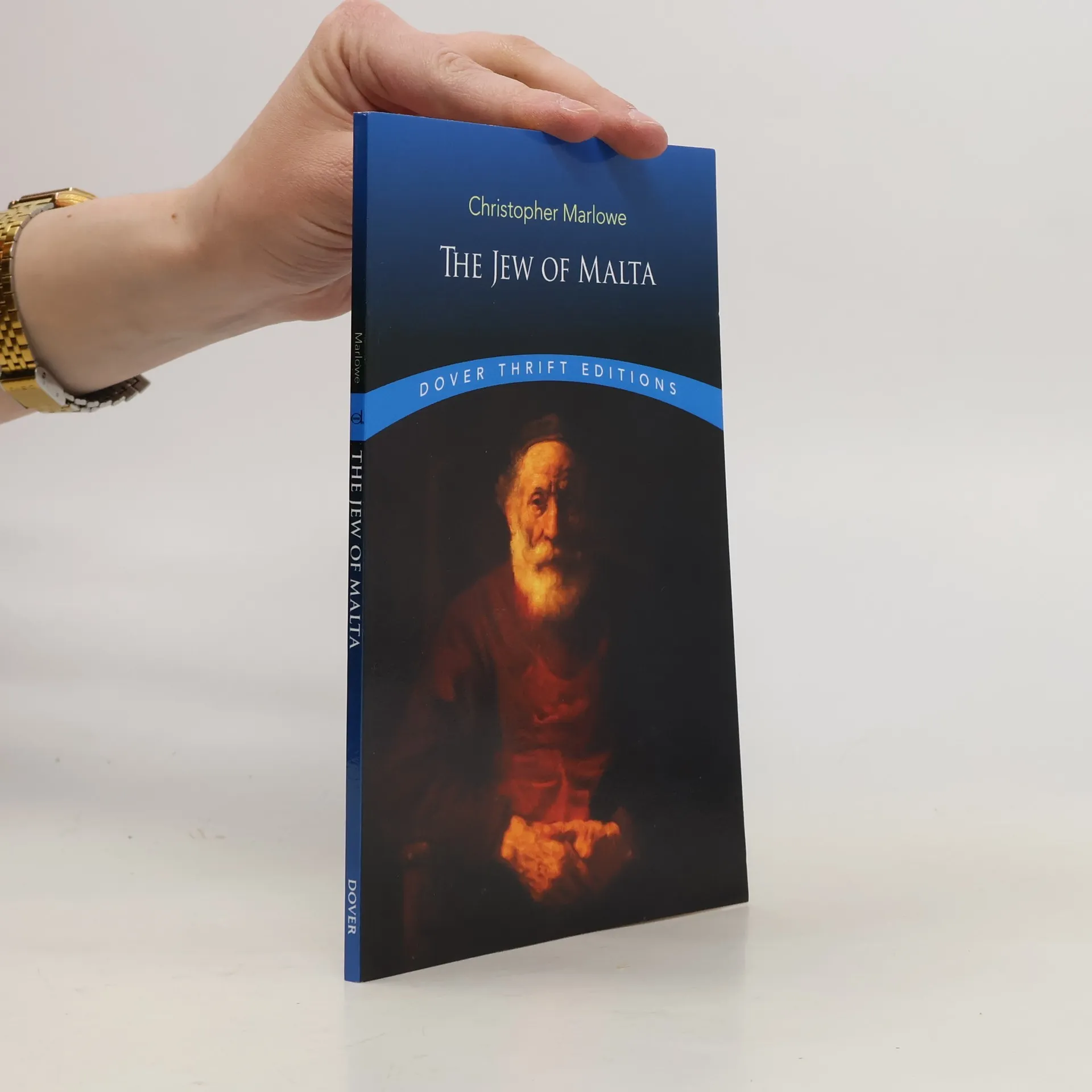
The spirit of Machiavelli presides over The Jew of Malta, in which the title character relentlessly plots to maintain and extend his political influence and wealth. A paragon of remorseless evil, Barabas befriends and betrays the Turkish invaders and native Maltese alike, incites a duel between the suitors for his daughter's hand, and takes lethal revenge upon a convent of nuns.Both tragedy and farce, this masterpiece of Elizabethan theater reflects the social and political complexities of its age. Christopher Marlowe's dramatic hybrid resonates with racial tension, religious conflict, and political intrigue — all of which abounded in 16th-century England. The playwright, who infused each one of his plays with cynical humor and a dark world view, draws upon stereotypes of Muslim and Christian as well as Jewish characters to cast an ironic perspective on all religious beliefs.The immediate success of The Jew of Malta on the Elizabethan stage is presumed to have influenced Marlowe's colleague, William Shakespeare, to draw upon the same source material for The Merchant of Venice . The character of Barabas is the prototype for the well-known Shylock, and this drama of his villainy remains a satirical gem in its own right.
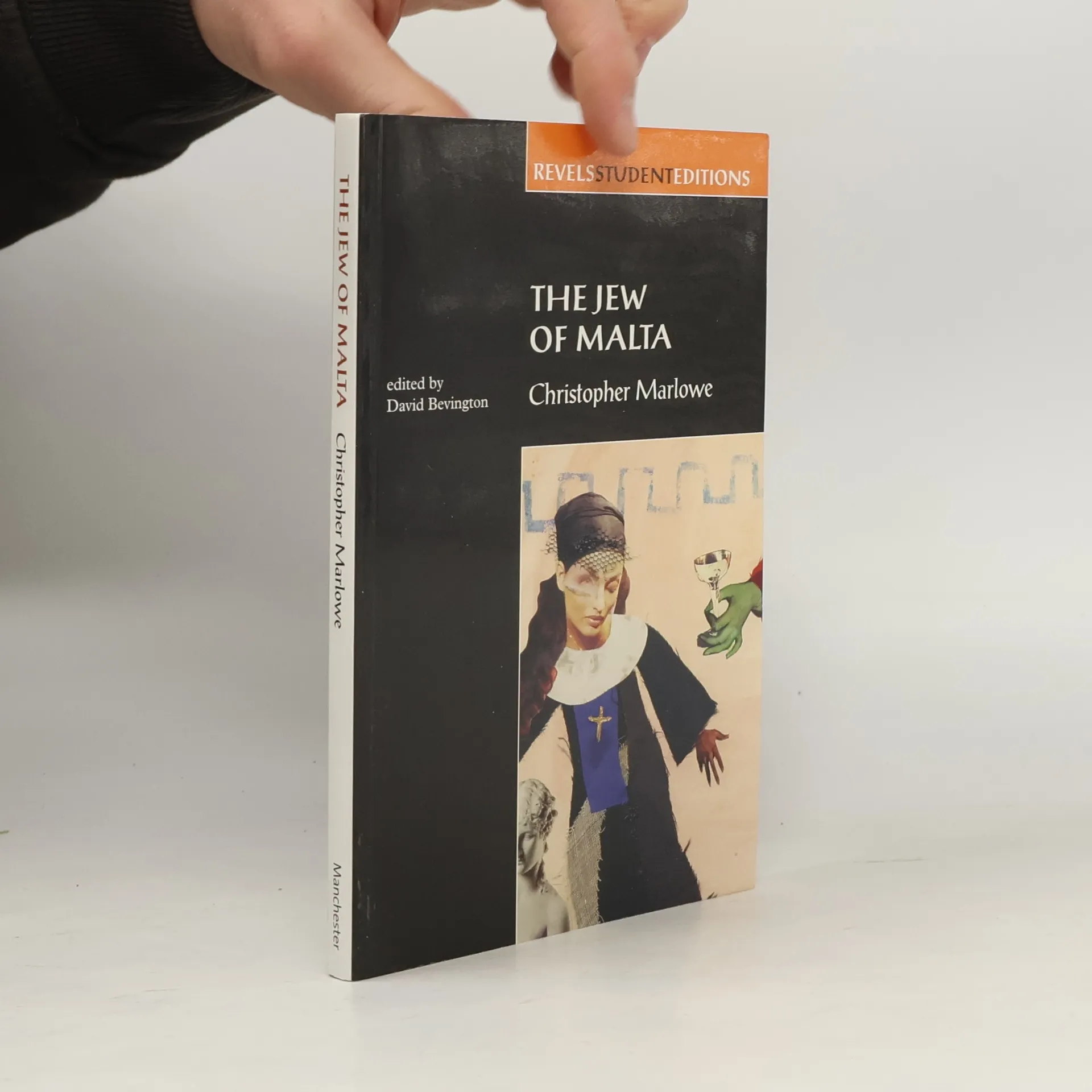
This edition is of the best-known play by one of Shakespeare’s chief predecessors and early contemporaries, Christopher Marlowe. The Jew of Malta was enormously influential on Shakespeare when he came to write The Merchant of Venice , and for good reason, since the play explores anti-Semitism and revenge. An introduction discusses the significance of this formative and brilliant play, with detailed commentary provided for meanings of difficult words, lines and references. Distilled from the insight and learning found in the fuller Revels edition but updated and streamlined, this is the most contemporary commentary now available.
Christopher Marlowe's story of a Scythian shepherd who through using his
brutality, lust for power and also his charm becomes a mighty conqueror and
the King of Persia. schovat popis
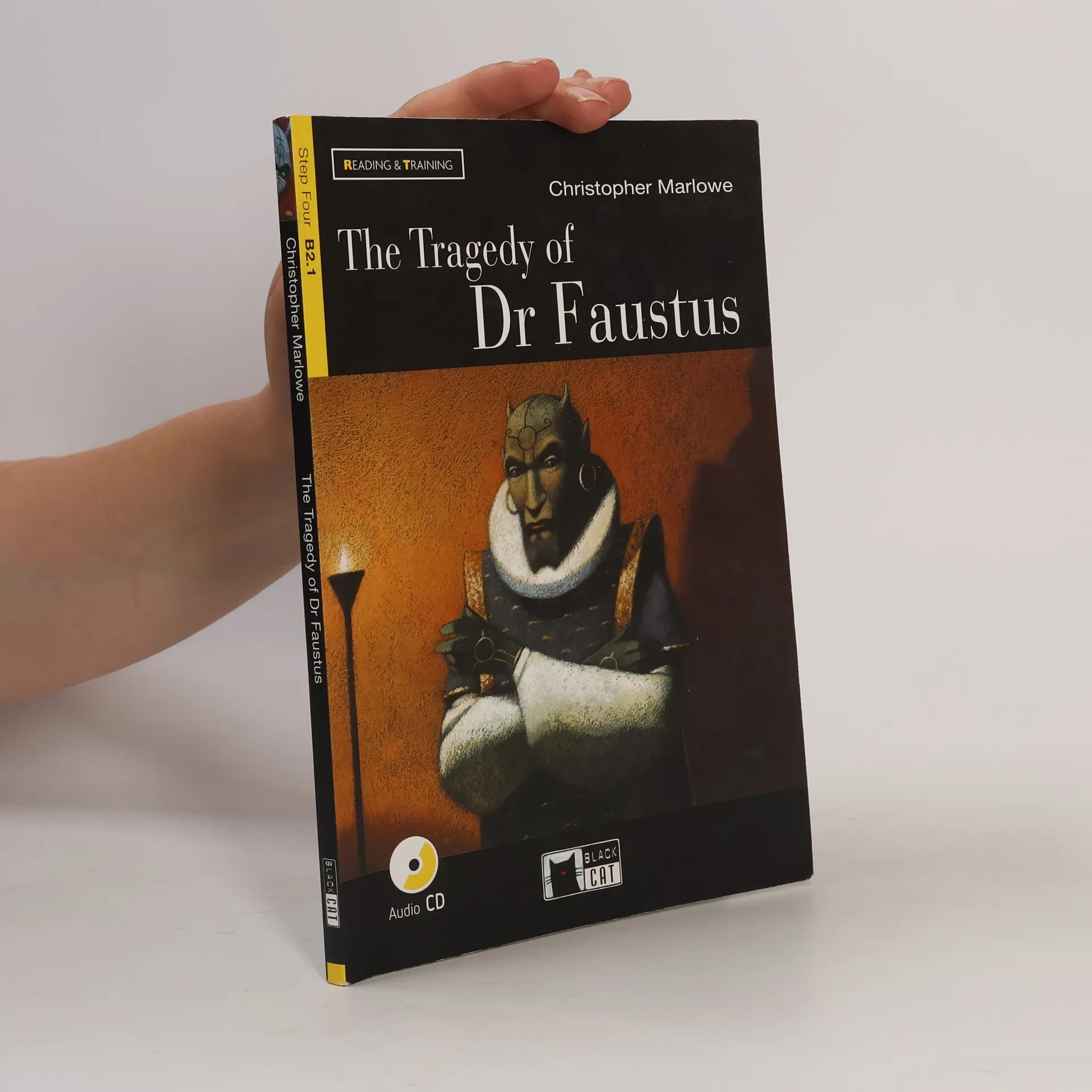
Doctor Faustus is a clever man who is greedy for knowledge and power. After he signs an agreement with the Devil, in his own blood, his new skills are admired around the world. But there are two sides to an agreement with the Devil. There is a price to pay...
All Ovid's Elegies, Lucan's First Booke, Dido Queene of Carthage, Hero and Leander
288pages
11 heures de lecture
The final volume of the Oxford English Texts edition features the two parts of Tamburlaine the Great and The Massacre at Paris, both presented for the first time in an old-spelling edition. It includes comprehensive textual annotations and critical commentary, offering in-depth discussions on the plays' themes, historical context, textual evolution, interpretation, stage action, and language. This edition is essential for understanding Marlowe's work in a scholarly context.
Focusing on accessibility, this publication by Megali aims to provide historical works in large print, catering specifically to individuals with impaired vision. The commitment to reproducing original texts ensures that important literary and historical content remains available to a wider audience, enhancing the reading experience for those who may struggle with standard print sizes.
The life and work of Christopher Marlowe, an influential Elizabethan playwright and poet, are explored in this engaging narrative. Known for his groundbreaking use of blank verse, Marlowe set the stage for future dramatists, including Shakespeare. His play "Tamburlaine" garnered significant attention and imitation, solidifying his status as a leading figure in London theater before his untimely death. Scholars continue to debate his impact on Shakespeare and the broader landscape of Elizabethan drama, highlighting Marlowe's enduring legacy in literature.
This edition of a classic text presents the reformatted and retyped version of a significant work in human history, ensuring clarity and readability for modern audiences. Published originally in 1616, it explores the themes of ambition and the consequences of knowledge through the story of Doctor Faustus. Alpha Editions aims to preserve this important literary piece for future generations by providing a fresh format that maintains the essence of the original while enhancing accessibility.
The narrative follows a disillusioned scholar who trades his soul for knowledge and power, leading to his transformation into a magician. As he gains extraordinary abilities, his growing vanity and relentless desires overshadow his quest for spiritual redemption. Christopher Marlowe's work explores themes of ambition, corruption, and the consequences of forsaking one's soul for earthly gains, ultimately depicting the tragic downfall of its protagonist.
Die Tragödie um Doktor Faustus thematisiert den Pakt zwischen Wissen und Macht. Faustus, ein brillanter Gelehrter, ist unzufrieden mit den Grenzen menschlichen Wissens und verkauft seine Seele an den Teufel in der Hoffnung auf unbegrenzte Fähigkeiten. Die Erzählung beleuchtet seine innere Zerrissenheit, den Kampf zwischen Gut und Böse sowie die Konsequenzen seines Handelns. Marlowe schafft eine tiefgreifende Auseinandersetzung mit den Themen Ambition, Verzweiflung und der Suche nach Sinn, die bis heute relevant sind.
Christopher Marlowe, ein revolutionärer Dramatiker des 16. Jahrhunderts, starb 1593 gewaltsam. Er führte machiavellistische Bösewichte und titanische Herrscher ein und beeinflusste bedeutende Schriftsteller wie Shakespeare. Seine Werke, darunter "Dr. Faustus" und "Edward II.", wurden lange in Deutschland vernachlässigt, bis Wolfgang Schlüter sie brillant übersetzte.
Marlowes "Der Jude von Malta" ist ein bedeutendes englisches Renaissancedrama über Juden unter Christen und bleibt aktuell in seiner Radikalität. Der zweite Teil enthält Essays, darunter Marx' "Zur Judenfrage" und eine Analyse von Stephen Greenblatt zu den Verbindungen zwischen beiden Texten. Ein Nachwort von Friedmar Apel rundet das Werk ab.