
Bookbot

D. C. Dennett

    28 mars 1942 – 19 avril 2024

    Daniel Dennett est un philosophe éminent dont l'œuvre explore la philosophie de l'esprit, la science et la biologie, particulièrement dans leurs intersections avec la biologie évolutive et les sciences cognitives. Reconnu pour sa perspective séculière, il contribue de manière significative à la compréhension de la conscience et de sa place dans le monde naturel. Son écriture se caractérise par la clarté et une volonté de relier des domaines de pensée apparemment distincts.

    D. C. Dennett
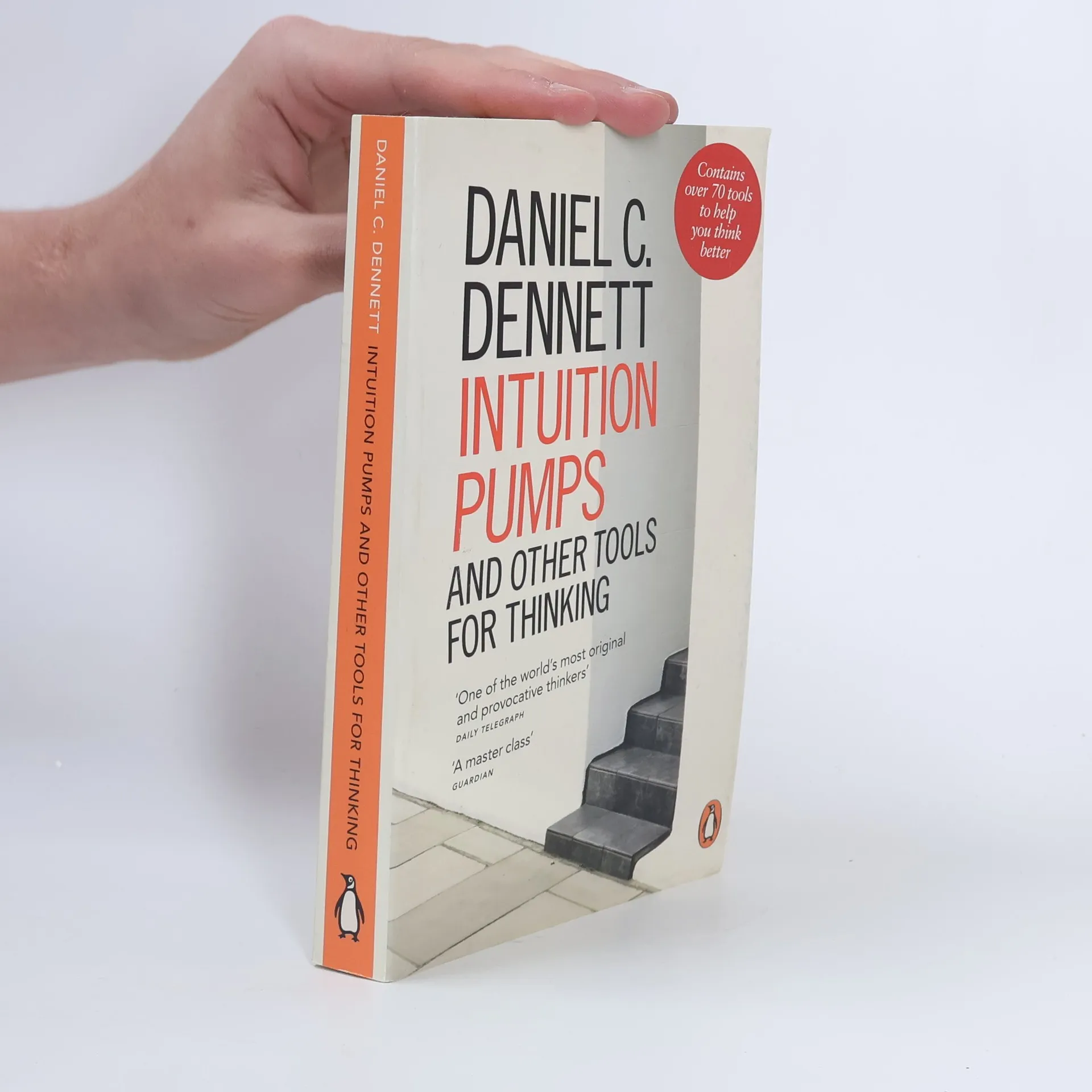
    Intuition Pumps And Other Tools for Thinking
    Freedom Evolves
    Breaking the Spell
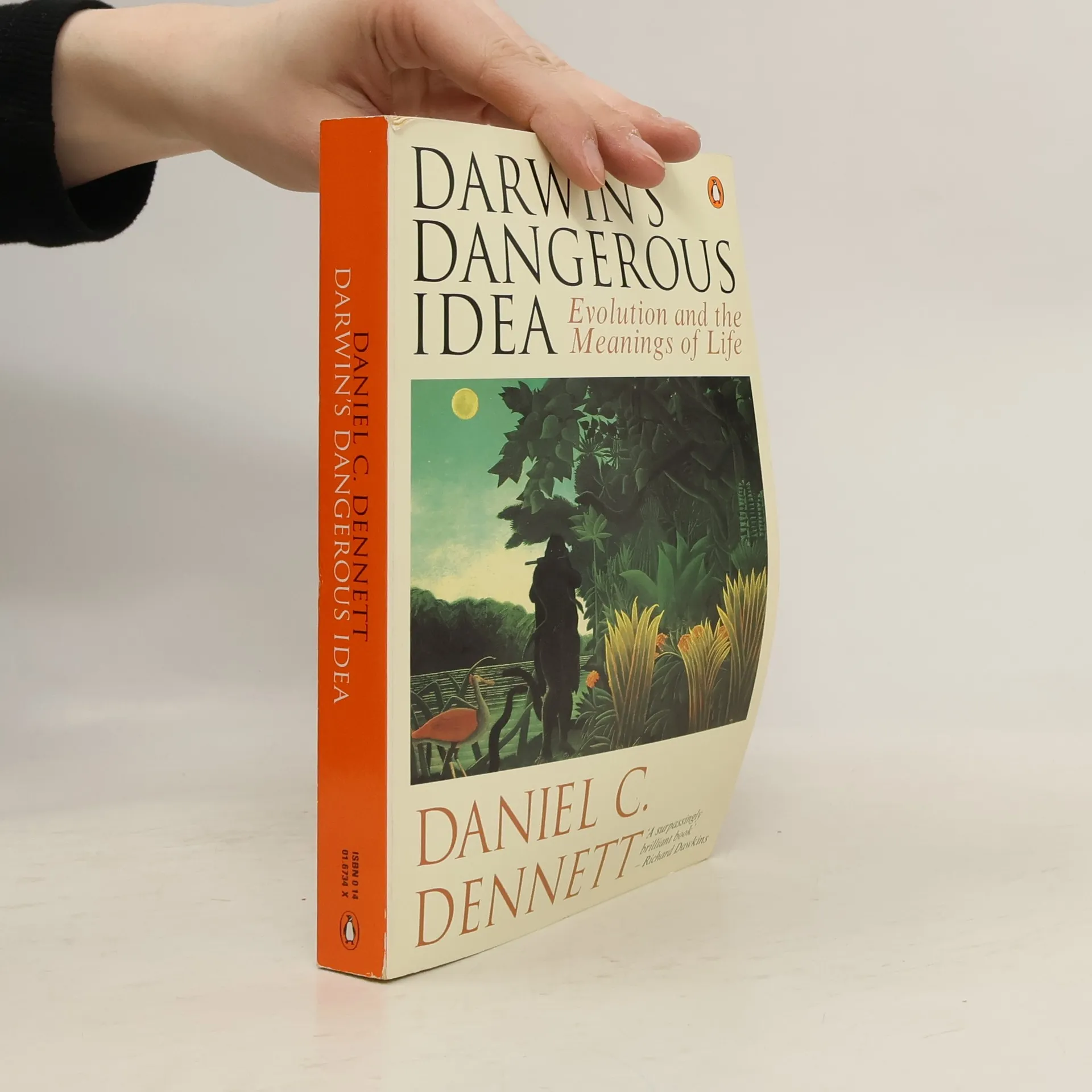
    Darwin's Dangerous Idea
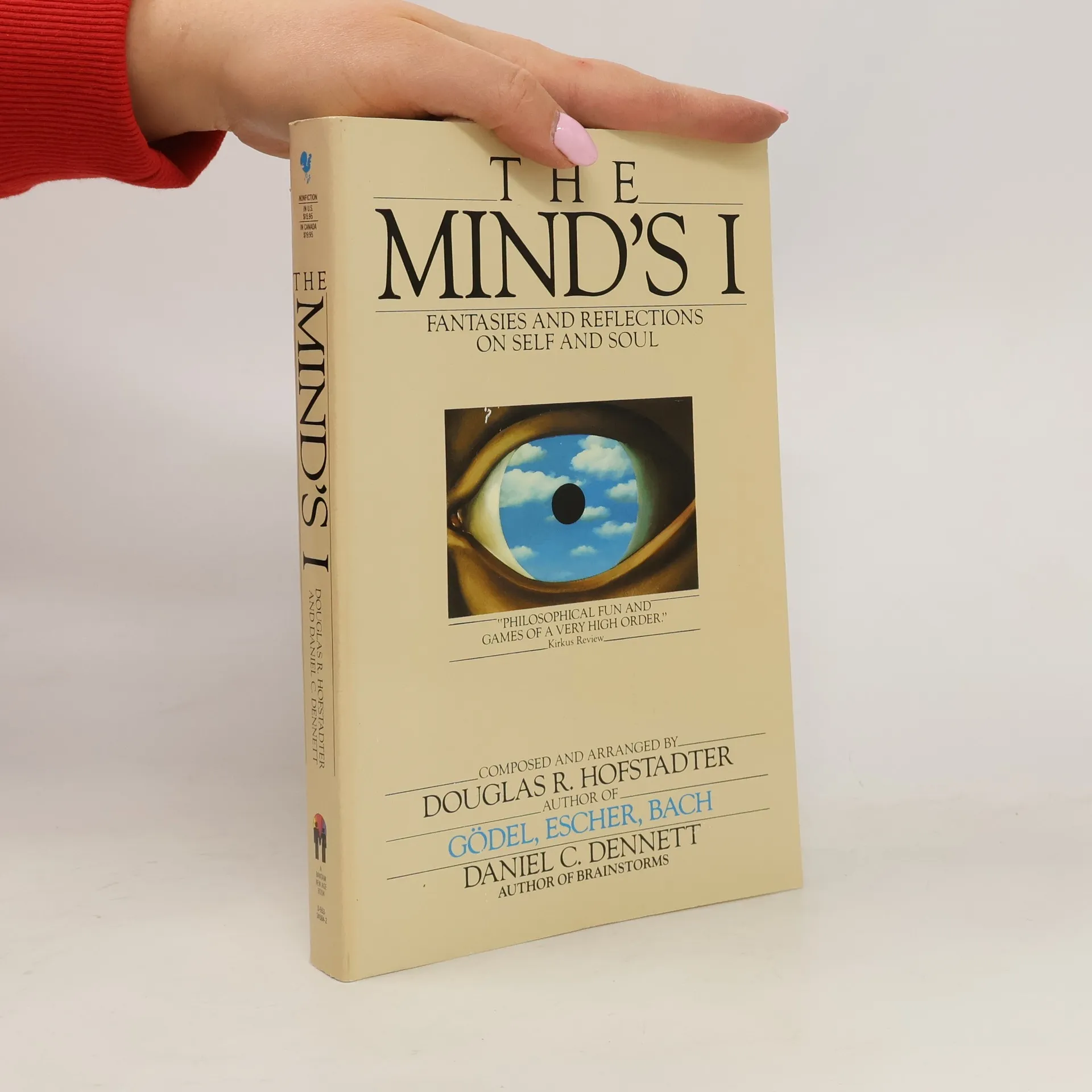
    The mind's I : fantasies and reflections on self and soul
    Just Deserts
    • Just Deserts

      • 200pages
      • 7 heures de lecture

      The concept of free will is profoundly important to our self-understanding, our interpersonal relationships, and our moral and legal practices. If it turns out that no one is ever free and morally responsible, what would that mean for society, morality, meaning, and the law? Just Deserts brings together two philosophers – Daniel C. Dennett and Gregg D. Caruso – to debate their respective views on free will, moral responsibility, and legal punishment. In three extended conversations, Dennett and Caruso present their arguments for and against the existence of free will and debate their implications. Dennett argues that the kind of free will required for moral responsibility is compatible with determinism – for him, self-control is key; we are not responsible for becoming responsible, but are responsible for staying responsible, for keeping would-be puppeteers at bay. Caruso takes the opposite view, arguing that who we are and what we do is ultimately the result of factors beyond our control, and because of this we are never morally responsible for our actions in the sense that would make us truly deserving of blame and praise, punishment and reward. Just Deserts introduces the concepts central to the debate about free will and moral responsibility by way of an entertaining, rigorous, and sometimes heated philosophical dialogue between two leading thinkers.

      Just Deserts
      4,1
    • Brilliant, shattering, mind-jolting,The Mind's Iis a searching, probing nook--a cosmic journey of the mind--that goes deeply into the problem of self and self-consciousness as anything written in our time. From verbalizing chimpanzees to scientific speculations involving machines with souls, from the mesmerizing, maze-like fiction of Borges to the tantalizing, dreamlike fiction of Lem and Princess Ineffable, her circuits glowing read and gold,The Mind's I opens the mind to the Black Box of fantasy, to the windfalls of reflection, to new dimensions of exciting possibilities.
      The mind's I : fantasies and reflections on self and soul
      4,2
    • Darwin's Dangerous Idea

      • 592pages
      • 21 heures de lecture

      Argues that the theory of evolution can demystify the miracles of life without devaluing our most cherished beliefs. In this book, the author explores every aspect of evolutionary thinking to show why it is so fundamental to our existence, and why it affirms - not threatens - our convictions about the meaning of life.

      Darwin's Dangerous Idea
      4,1
    • Breaking the Spell

      • 448pages
      • 16 heures de lecture

      The New York Times bestseller – a “crystal-clear, constantly engaging” (Jared Diamond) exploration of the role that religious belief plays in our lives and our interactions For all the thousands of books that have been written about religion, few until this one have attempted to examine it scientifically: to ask why—and how—it has shaped so many lives so strongly. Is religion a product of blind evolutionary instinct or rational choice? Is it truly the best way to live a moral life? Ranging through biology, history, and psychology, Daniel C. Dennett charts religion’s evolution from “wild” folk belief to “domesticated” dogma. Not an antireligious screed but an unblinking look beneath the veil of orthodoxy, Breaking the Spell will be read and debated by believers and skeptics alike.

      Breaking the Spell
      3,9
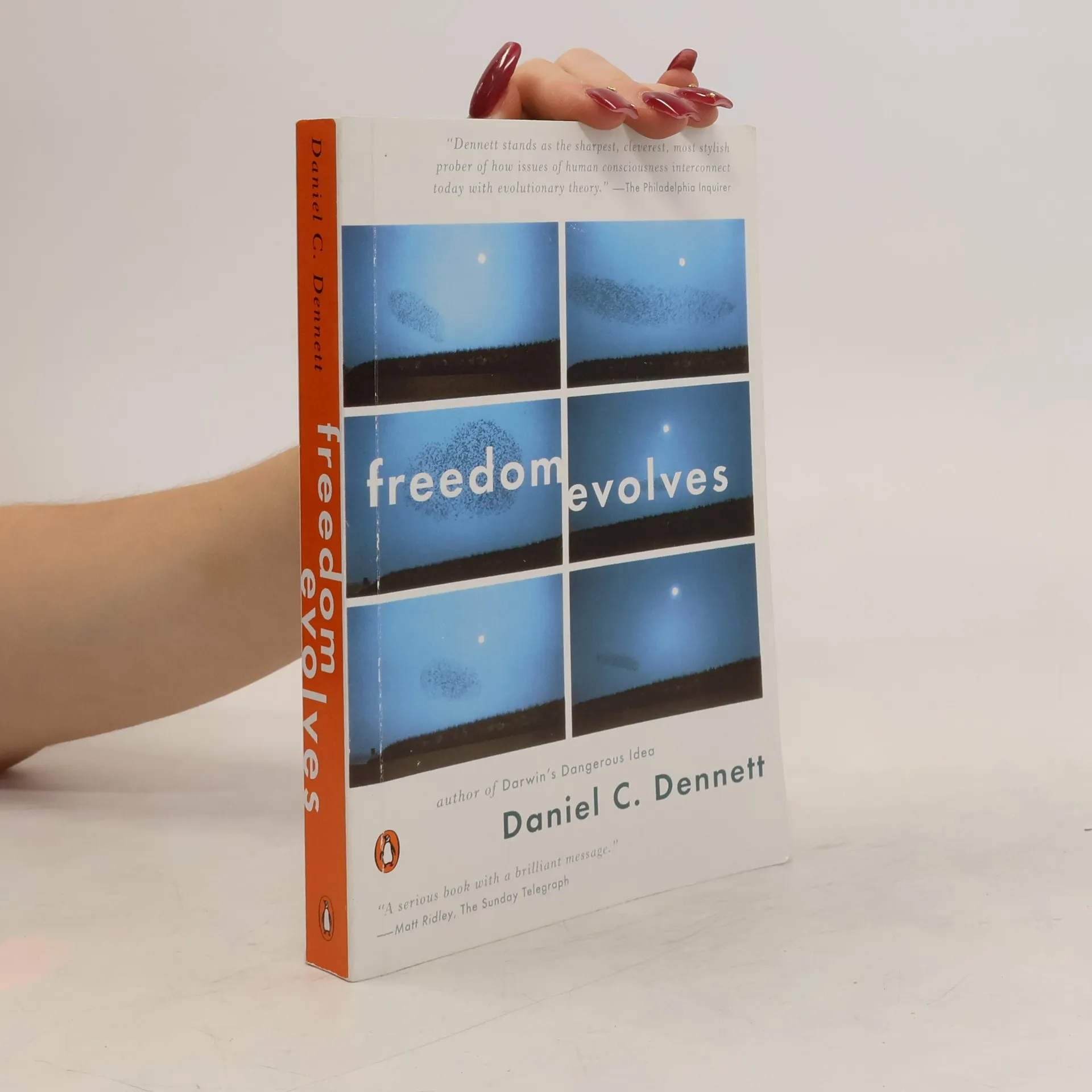
    • Freedom Evolves

      • 368pages
      • 13 heures de lecture

      Can there be freedom and free will in a deterministic world? Renowned philosopher Daniel Dennett emphatically answers "yes!" Using an array of provocative formulations, Dennett sets out to show how we alone among the animals have evolved minds that give us free will and morality. Weaving a richly detailed narrative, Dennett explains in a series of strikingly original arguments—drawing upon evolutionary biology, cognitive neuroscience, economics, and philosophy—that far from being an enemy of traditional explorations of freedom, morality, and meaning, the evolutionary perspective can be an indispensable ally. In Freedom Evolves, Dennett seeks to place ethics on the foundation it deserves: a realistic, naturalistic, potentially unified vision of our place in nature.

      Freedom Evolves
      3,8
    • One of the world's leading philosophers offers aspiring thinkers his personal trove of mind-stretching thought experiments. Includes 77 of Dennett's most successful "imagination-extenders and focus-holders.O

      Intuition Pumps And Other Tools for Thinking
      3,8
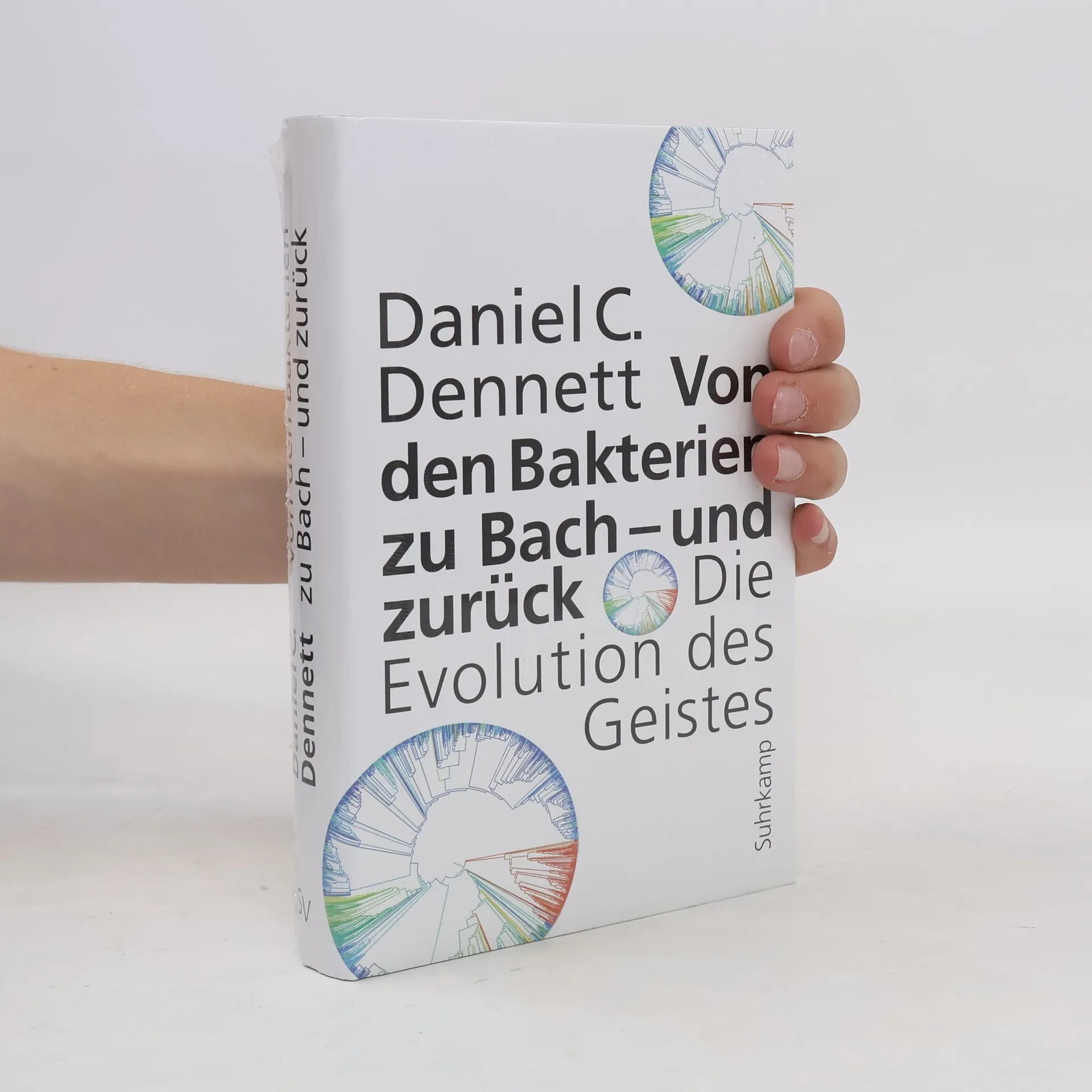
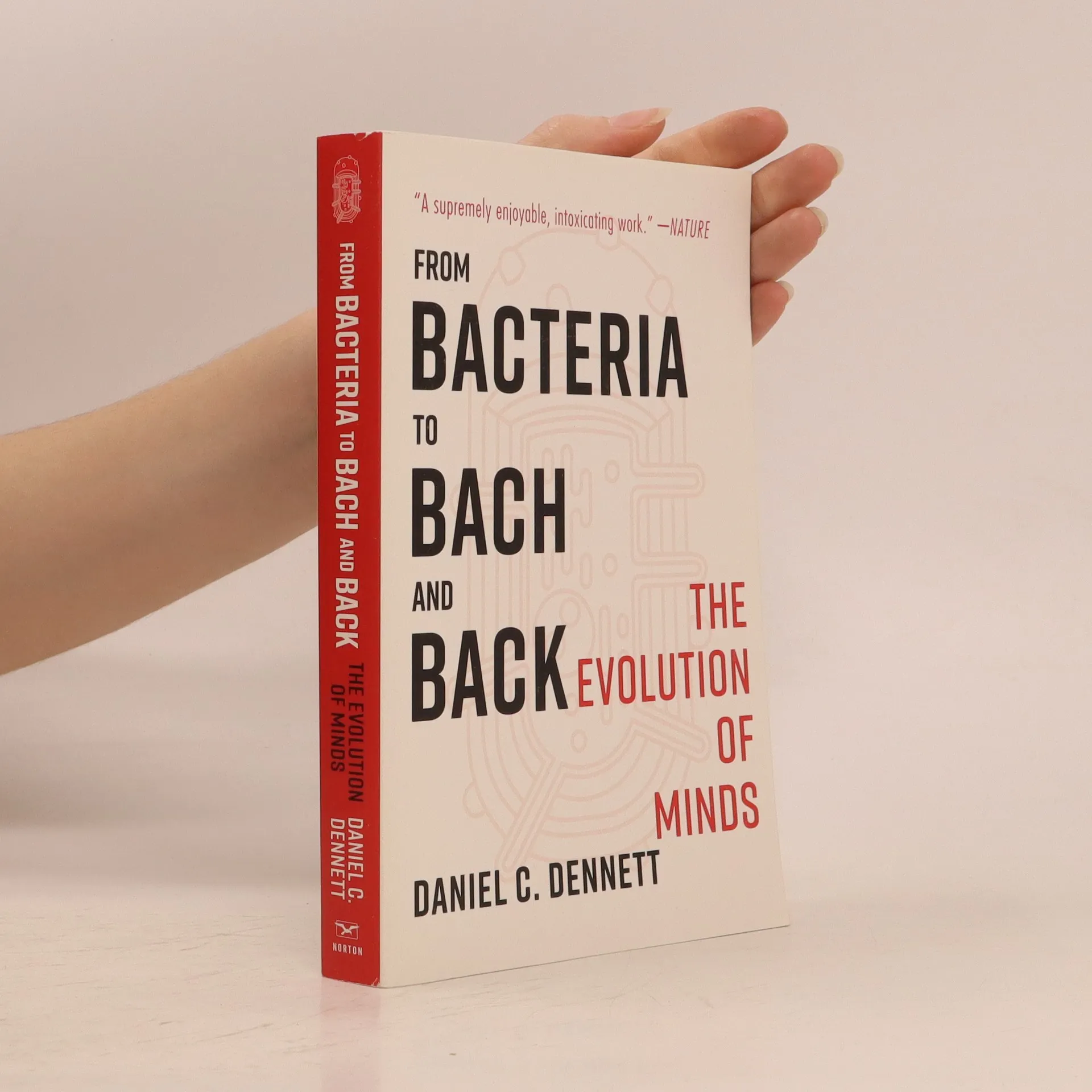
    • From Bacteria to Bach and Back

      • 496pages
      • 18 heures de lecture

      One of America's foremost philosophers offers a major new account of the origins of the conscious mind.

      From Bacteria to Bach and Back
      3,7
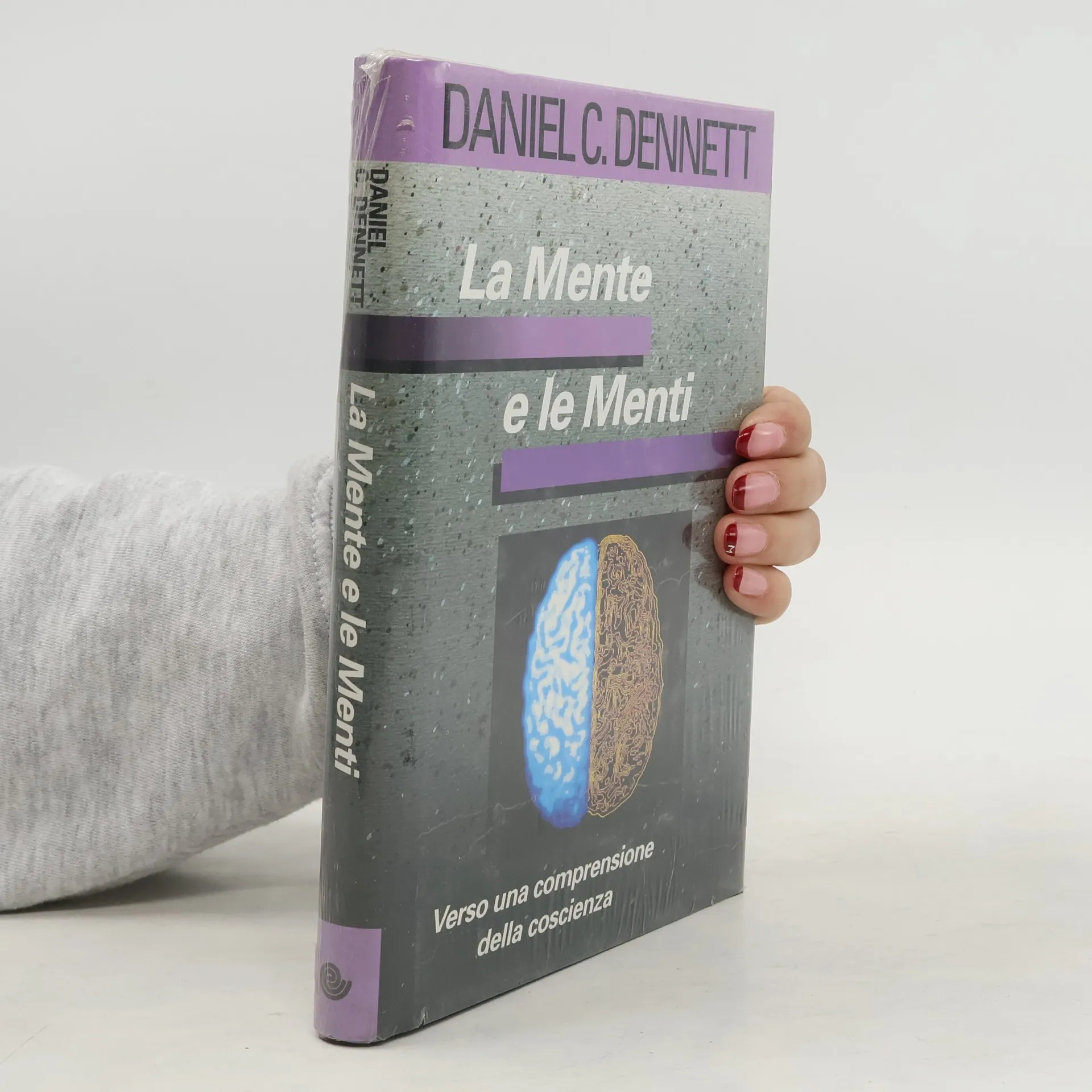
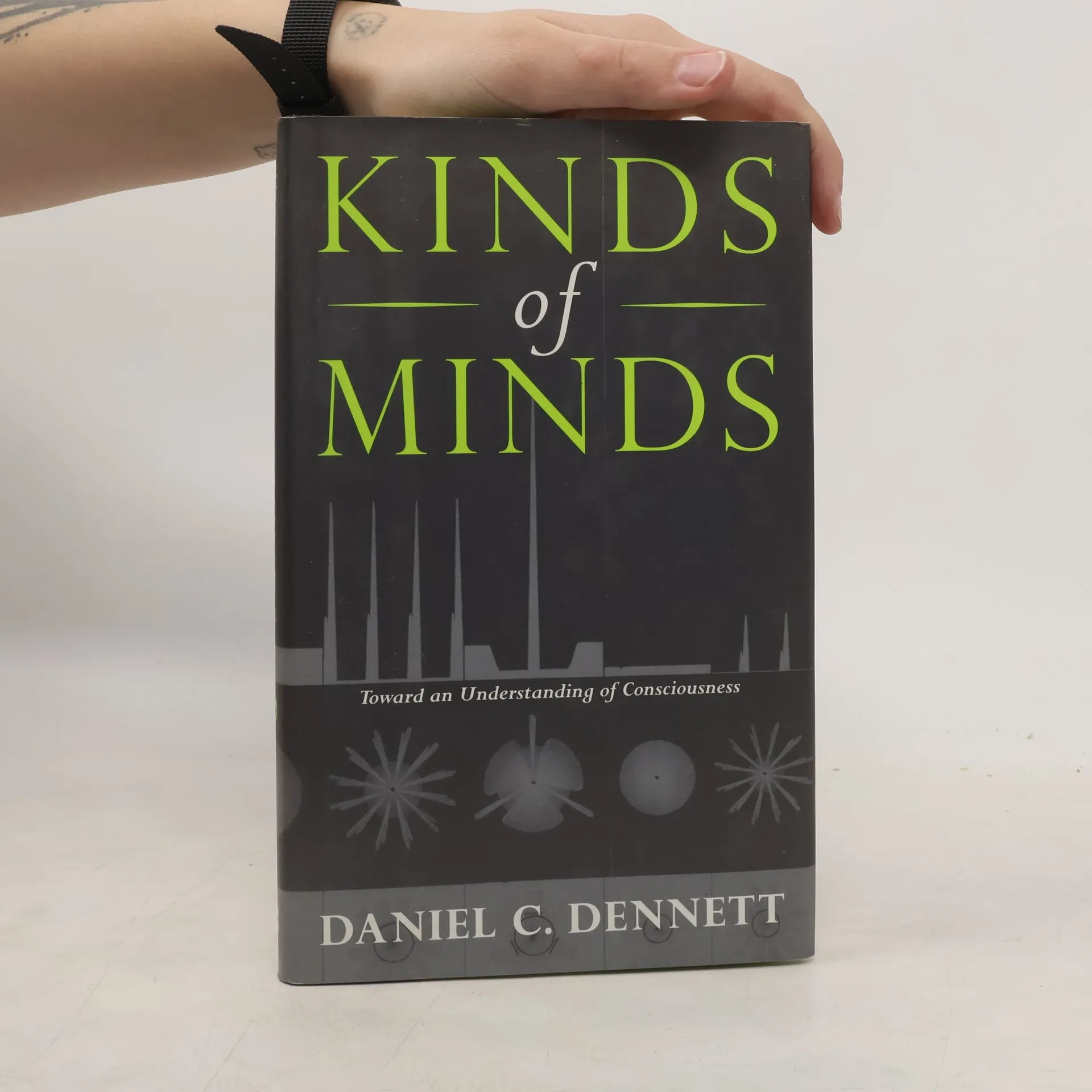
    • Kinds of Minds

      Toward an Understanding of Consciousness

      • 184pages
      • 7 heures de lecture

      Combining ideas from philosophy, artificial intelligence, and neurobiology, Daniel Dennett leads readers on a fascinating inquiry into intriguing possibilities: Can we truly know what others think? What sets the human mind apart from that of complex animals? If such animals gained language, would their communities develop intelligence as nuanced as ours? Will robots, equipped with sensory systems akin to ours, ever display traits traditionally seen as uniquely human, such as meta-cognition? Dennett explores these questions from an evolutionary standpoint, tracing the journey from DNA and RNA to the evolution of animal life. He illustrates how organisms evolved from simple responses to environmental stimuli to sophisticated methods of predicting future events based on past experiences. Whether discussing robots with video-camera "eyes" that create the illusion of consciousness or contemplating whether spiders are merely tiny robots weaving intricate webs, Dennett excels at posing thought-provoking questions that stimulate and challenge our understanding of mind and intelligence.

      Kinds of Minds
      3,6
    • I've Been Thinking

      • 447pages
      • 16 heures de lecture

      'One of today's most readable, intellectually nimble and scientifically literate philosophers' Nature 'Who would have guessed that a philosopher's life could be so full of adventures?' Daniel C. Dennett, philosopher and cognitive scientist, has spent his career considering consciousness. I've Been Thinking traces the development of Dennett's own intellect and instructs us how we too can become good thinkers. Dennett's restless curiosity leads him from his childhood in Beirut to Harvard, and from Parisian jazz clubs to 'tillosophy' on his tractor in Maine. Along the way, he encounters and debates with a host of legendary thinkers, and reveals the breakthroughs and misjudgments that shaped his paradigm-shifting philosophies. Thinking, Dennett argues, is hard, and risky. In fact, all good philosophical thinking is inevitably accompanied by bafflement, frustration and self-doubt. It is only in getting it wrong that we, very occasionally, find a way to get it right. This memoir by one of the greatest philosophers of our time will speak to anyone who seeks a life of the mind with adventure and creativity.

      I've Been Thinking
      3,3
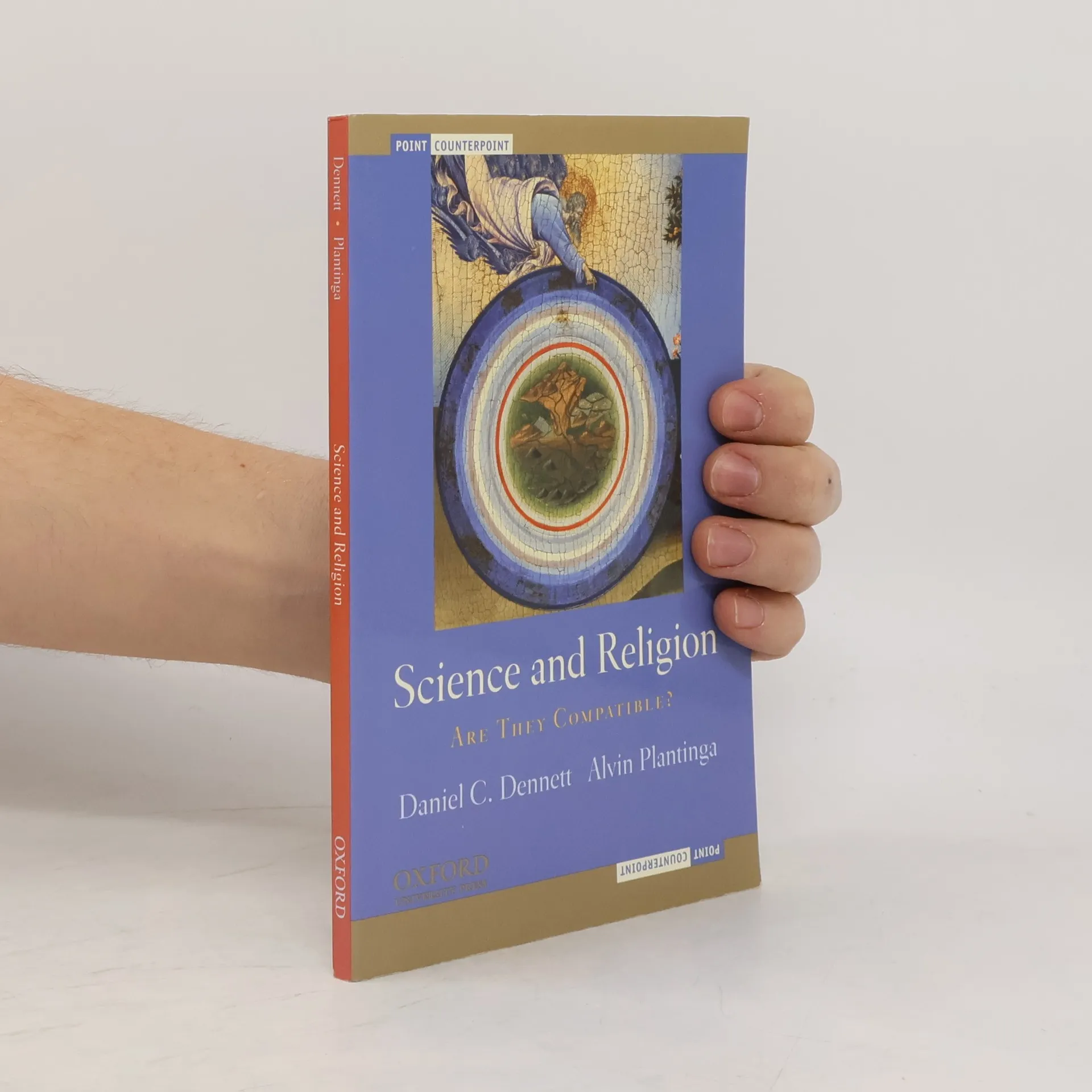
    • Science and Religion

      • 82pages
      • 3 heures de lecture

      An enlightening discussion that will motivate students to think critically, the book opens with Plantinga's assertion that Christianity is compatible with evolutionary theory because Christians believe that God created the living world, and it is entirely possible that God did so by using a process of evolution.

      Science and Religion
      3,5
    • Ako sa veci majú

      • 252pages
      • 9 heures de lecture

      Knihu s podtitulom Sprievodca myšlienkami modernej vedy zostavili editori J. Brockman a K. Matsonová so širokým záberom tém - od fyziky ku kozmológii, od biológie k antropológii, od filozofie k psychológii. Nájdeme tu eseje autorov: Marian Stamp Dawkinsonová, Mary Catherine Batesonová, Richard Dawkins, Paul Davies, P. W. Atkins, Robert Shapiro, Jack Cohen, Lewis Wolpert, Lynn Margulisová, Stephen Jay Gould, Patrick Bateson, Steve Jones, Peter Ward, Anne Fausto-Sterlingová, Daniel C. Dennett, Hao Wang, Wiliam H. Calvin, Michael S. Gazzaniga, Pascal Boyer, Nicholas Humphrey, Roger C. Schank, Dan Sperber, Steven Rose, David Gelernter, Sherry Turkleová, Lee Smolin, Alan H. Guth, Ian Stewart, W. Daniel Hillis, Freeman Dyson, Joel E. Cohen, Niles Eldredge, Martin Rees.

      Ako sa veci majú
      5,0
    • Myseľ, telo, stroj

      • 218pages
      • 8 heures de lecture

      Počnúc Platónom si filozofi kladú otázku, čo je poznanie. Ako poznávame vonkajší svet pohybov, objektov a farieb? Ako poznávame vnútorný svet predstáv, vier a želaní? A ako tieto dva svety spolu súvisia? Človek poznáva mysľou, ale čo je myseľ? Ako možno zistiť, čo sa v nej deje? Aký je vzťah medzi mysľou a telom? Ako svet v nás súvisí so svetom okolo nás? Kniha Myseľ, telo, stroj predstavuje deviatich filozofov a vedcov - R. Dawkinsa, D. C. Dennetta, R. Van Gulicka, T. Nagela, K. H. Pribrama, R. Rortyho, J. R. Searla, R. M. Smullyana a A. M. Turinga, ktorí významne ovplyvnili súčasné diskusie o týchto problémoch, zamestnávajúcich filozofov už viac ako dvetisíc rokov. Okrem filozofov zaujme aj odborníkov v súvisiacich vedných disciplínach ( biológii, logike, psychológii, umelej inteligencii) a každého, kto slobodne rozmýšľa o tom, akú predstavu si mi ľudia máme vytvoriť o sebe a svojom mieste v prírode.

      Myseľ, telo, stroj
      5,0
    • Myślenie jest trudne, a niektóre problemy mogą sprawić, że poczujesz ból głowy już na samą myśl o nich. Ta książka to zbiór ulubionych narzędzi myślowych, które nie tylko opisuję, ale także wykorzystuję, aby delikatnie poprowadzić Twój umysł przez skomplikowane zagadnienia dotyczące znaczenia, umysłu i wolnej woli. Rozpoczniemy od prostych, uniwersalnych narzędzi, które można zastosować do różnych problemów. Niektóre z nich są znane, inne zaś rzadziej omawiane. Następnie zaprezentuję narzędzia specjalistyczne, stworzone do rozwiązywania konkretnych, uwodzicielskich idei, które mogą ograniczać myślenie ekspertów. Zajmiemy się również demontażem złych narzędzi myślowych, które mogą wprowadzić w błąd, jeśli nie będziesz ostrożny. Bez względu na to, czy dotrzesz do proponowanego celu, ta podróż dostarczy Ci nowych sposobów myślenia o omawianych zagadnieniach oraz o samym myśleniu. (Daniel C. Dennett) Daniel C. Dennett jest profesorem filozofii na Uniwersytecie Tufts i kieruje Center for Cognitive Studies. Jest autorem wielu książek i artykułów naukowych, uznawanym ekspertem w dziedzinie świadomości i wolnej woli.

      Dźwignie wyobraźni i inne narzędzia do myślenia BR
      4,0
    • Den Bann brechen

      • 531pages
      • 19 heures de lecture

      Religion ist, wie jedes andere menschliche oder nichtmenschliche Phänomen, den Naturgesetzen unterworfen und somit auch naturwissenschaftlich erforschbar. So lautet Daniel Dennetts These. In seiner Untersuchung konzentriert er sich vor allem auf die Gründe und Bedingungen für die Entstehung der Religion, ihre verschiedenen Erscheinungsformen und Ausprägungen sowie auf die Mannigfaltigkeit ihrer Inhalte. Um Handlungsstrategien im Umgang mit religiösen Auswüchsen aller Art entwickeln zu können, muß man zunächst ihre Grundlagen verstehen. Warum hat die menschliche Evolution ein so kostspieliges Phänomen hervorgebracht und am Leben gehalten? Wem nützt die Religion? Ist es wahrscheinlich, daß Religiosität genetisch bedingt ist? Oder sind es eher religiöse »Meme«, die sich erfolgreicher vermehrt haben als ihre Konkurrenten? Bei dem Versuch, aus Glauben Wissen zu machen, sind einige Hindernisse zu überwinden. So ist die Erforschung für heilig gehaltener Phänomene häufig mit einem Tabu belegt, einem »Bann«, den es zu brechen gilt, auch auf die Gefahr hin, den erforschten Gegenstand damit eventuell zu beschädigen. Die Religion kann, ebenso wie die Politik, die Philosophie oder andere Kulturphänomene, ihre Legitimität nur behaupten, wenn sie sich der wissenschaftlichen Analyse stellt.

      Den Bann brechen
      3,5
    • Natura umysłów

      • 184pages
      • 7 heures de lecture

      Wybitny filozof Daniel C. Dennett, poszukując odpowiedzi na pytania o naturę naszego umysłu, łączy idee z zakresu filozofii, sztucznej inteligencji i neurobiologii. Starając się zrozumieć świadomość, stawia szereg intrygujących, a czasem wręcz niepokojących pytań. Czy możemy wiedzieć, co naprawdę dzieje się w umyśle innego człowieka? Czy to możliwe, że jesteś jedynym umysłem we Wszechświecie, a wszystko poza tobą jest jedynie bezwiednym mechanizmem? Autor dowodzi, jak bardzo skomplikowaną materią jest umysł człowieka – utkany z wielu różnych wątków i łączący wiele różnych wzorów. Niektóre z nich są tak stare jak samo życie, inne tak nowe jak dzisiejsza technologia. Umysł człowieka jest pod wieloma względami dokładnie taki jak umysły zwierząt, pod innymi całkowicie się od nich różni. Dzięki tej książce dostrzeżemy ścieżki, jakimi można podążyć, i pułapki, których należy unikać w naszych nieustających eksploracjach natury umysłów.

      Natura umysłów
      3,4
    • Was ist der menschliche Geist und wie ist er überhaupt möglich? Daniel C. Dennett ist der weltweit wohl bedeutendste Fürsprecher von Materialismus, Aufklärung und Wissenschaft. Seit über fünfzig Jahren wirbt und streitet er für seine Ansichten. Mit diesem Buch wagt er noch einmal einen Rundumschlag, eine Meistererzählung von den Ursprüngen des Lebens über die Geistesgrößen der Menschheit wie Johann Sebastian Bach, Marie Curie oder Pablo Picasso bis hin zur Künstlichen Intelligenz. Dennett zeigt, wie eine vollkommen geistlose genetische und kulturelle Evolution es geschafft hat, zunächst die Einzeller, dann Pflanzen und Tiere sowie schließlich den Geist, die Kultur und das Bewusstsein hervorzubringen. Und er schießt dabei gewohnt scharf gegen Kreationisten, Antidarwinisten und alle anderen, denen ihr dogmatischer Schlummer wichtiger ist als die Wahrheit.

      Von den Bakterien zu Bach - und zurück
      3,4
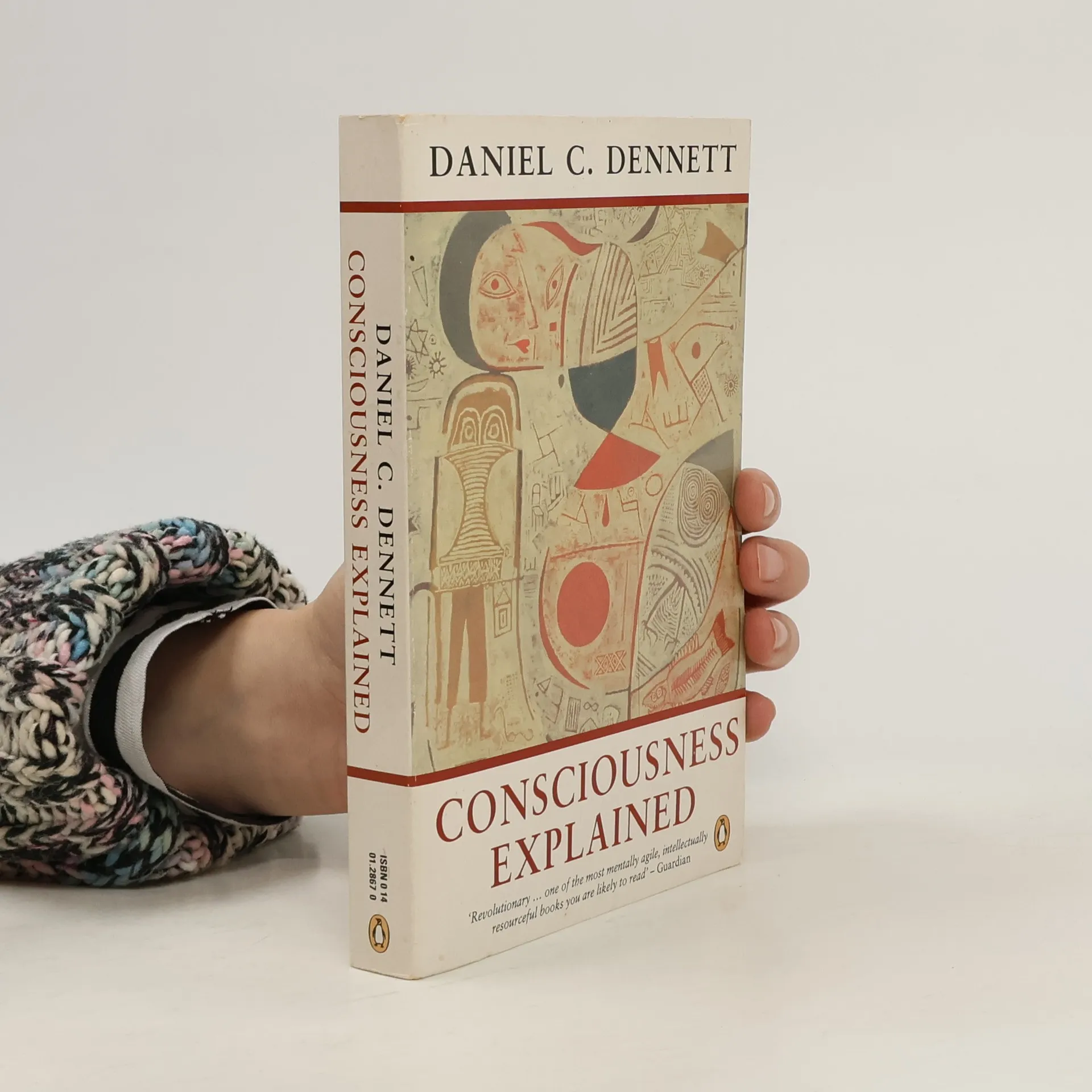
    • Consciousness explained

      • 528pages
      • 19 heures de lecture

      This book revises the traditional view of consciousness by claiming that Cartesianism and Descartes' dualism of mind and body should be replaced with theories from the realms of neuroscience, psychology and artificial intelligence. What people think of as the stream of consciousness is not a single, unified sequence, the author argues, but "multiple drafts" of reality composed by a computer-like "virtual machine". Dennett considers how consciousness could have evolved in human beings and confronts the classic mysteries of consciousness: the nature of introspection, the self or ego and its relation to thoughts and sensations, and the level of consciousness of non-human creatures.

      Consciousness explained
      3,9
    • Wolna wola

      • 304pages
      • 11 heures de lecture

      Twoje stanowisko, Dan, jest jak węgorz - za każdym razem, kiedy je uchwycę, a przynajmniej tak mi się wydaje, wymyka mi się z rąk, skarży się Gregg D. Caruso. Tak właśnie się dzieje, kiedy filozofowie usiłują sklasyfikować wszystkie izmy, odparowuje Daniel C. Dennett. Dwóch znakomitych filozofów ściera się - życzliwie, ale bez merytorycznej taryfy ulgowej - w epistolarnej dyskusji o tym, czy jesteśmy kukiełkami na linkach przypadku, czy mamy życie pod niejaką choćby kontrolą. Sceptycznie spoglądający na ideę wolnej woli Caruso spotyka się z reprezentującym pogląd przeciwny Dennettem. Ten pierwszy, analityk z temperamentu, szuka równo ciętych definicji. Ten drugi, głową i sercem darwinista, wskazuje, że analogowy świat nie operuje w trybie binarnym. Próbując rozstrzygnąć problem wolnej woli i związanej z nią odpowiedzialności moralnej, Dennett i Caruso ponoszą oczywiste fiasko. Nie zdoławszy przekonać adwersarza do swoich poglądów przegrywają, ale ze wspaniałym efektem. Poglądy którego z nich mają solidniejszą konstrukcję? Decyzja należy do wolnej woli Czytelnika.

      Wolna wola
      3,4
    • Od bakterii do Bacha. O ewolucji umysłów

      • 600pages
      • 21 heures de lecture

      Jeden z najwybitniejszych współczesnych filozofów przedstawia nową koncepcję początków świadomego umysłu. Zastanawia się, dlaczego istnieją umysły i jak mogą one zadawać pytania oraz na nie odpowiadać. Zrozumienie naszych świadomych umysłów prowadzi przez skomplikowaną ścieżkę nauki i filozofii, opartą na założeniu, że ludzie są obiektami fizycznymi, podlegającymi prawom fizyki. Ta droga pełna jest trudności empirycznych i konceptualnych, a wielu ekspertów prowadzi ożywione dyskusje na ten temat. Autor, przez ponad pięćdziesiąt lat, przeszukiwał te zawirowania, znajdując ścieżkę do satysfakcjonującej koncepcji, która ukazuje, jak magia umysłu urzeczywistnia się bez magii. Choć nie jest to jedyna droga, autor wskazuje, że jest to obecnie najlepsza i najbardziej obiecująca. Książka jest niezwykle przyjemną i wciągającą lekturą, łączącą pięćdziesięcioletnie refleksje Dennetta. Zyskał on reputację jednego z najłatwiejszych w lekturze i intelektualnie zręcznych filozofów. Jego wiedza z zakresu neurologii, językoznawstwa, sztucznej inteligencji, informatyki i psychologii redefiniuje rolę filozofa. Autor odwiedzi Polskę z wykładami w dniach 21-24 października.

      Od bakterii do Bacha. O ewolucji umysłów
      3,6
    • Myślenie jest trudne, a niektóre problemy mogą sprawić, że głowa zacznie boleć od samego myślenia o nich. Książka ta to zbiór ulubionych narzędzi do myślenia, które posłużą do łagodnego prowadzenia przez skomplikowane koncepcje znaczenia, umysłu i wolnej woli. Rozpoczniemy od prostych, uniwersalnych narzędzi, które można zastosować w różnych zagadnieniach. Niektóre z nich są znane, inne zaś rzadko omawiane. Następnie zaprezentuję narzędzia specjalistyczne, zaprojektowane do rozmontowywania specyficznych idei, które mogą ograniczać myślenie ekspertów. Zajmiemy się również złymi narzędziami, które mogą wprowadzić w błąd, jeśli nie będziesz ostrożny. Niezależnie od tego, czy dotrzesz do proponowanego celu, ta podróż dostarczy Ci nowych sposobów myślenia o omawianych kwestiach oraz o samym myśleniu. Autor, Daniel C. Dennett, jest profesorem filozofii na Uniwersytecie Tufts, gdzie kieruje Center for Cognitive Studies. Jest uznawanym ekspertem w dziedzinie świadomości i wolnej woli, autorem wielu książek i artykułów naukowych.

      Dźwignie wyobraźni i inne narzędzia do myślenia w.4/23
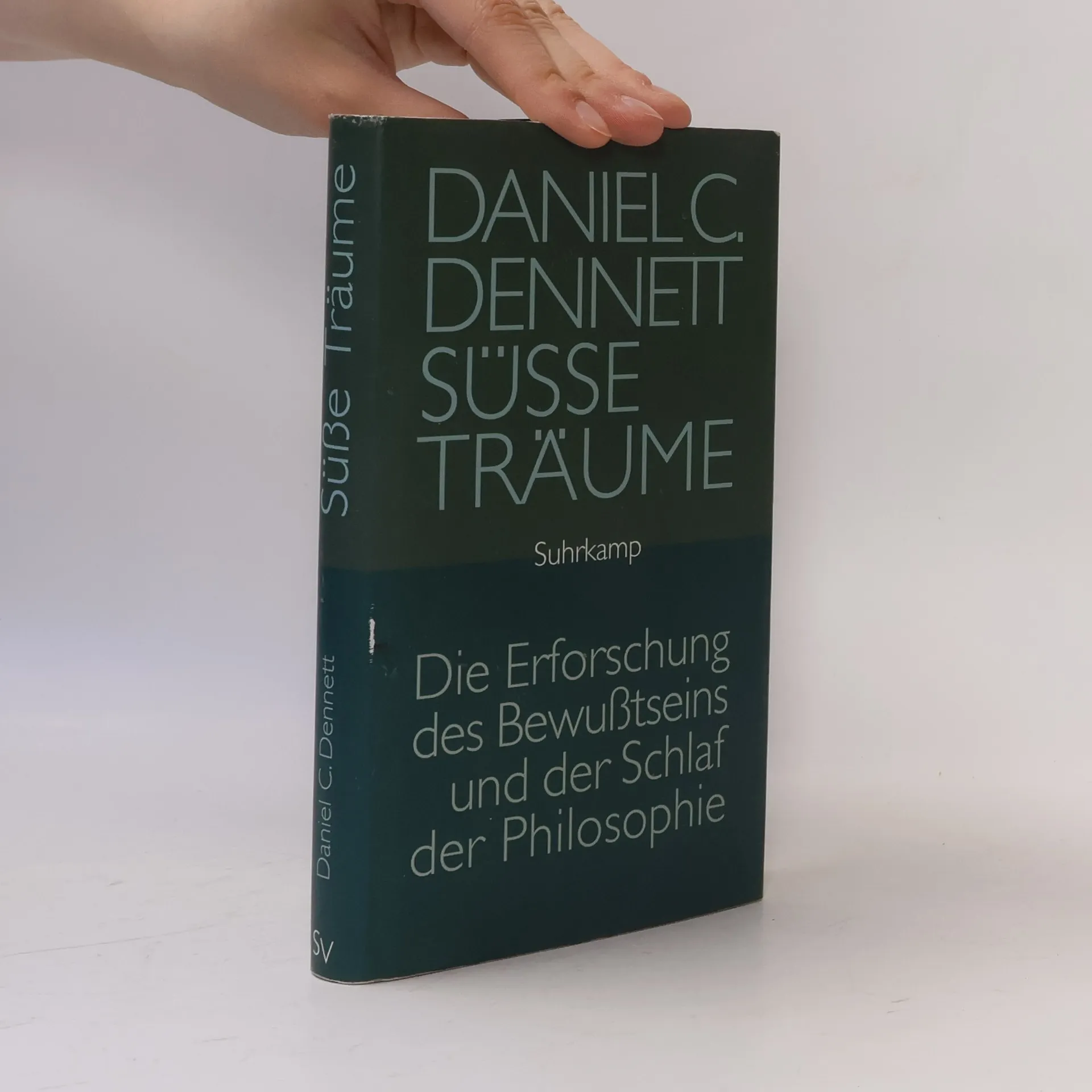
    • Süße Träume

      Die Erforschung des Bewußtseins und der Schlaf der Philosophie

      Süße Träume
    • Süße Träume

      • 215pages
      • 8 heures de lecture

      Schillernd, enigmatisch, schwer zu fassen: Das Bewusstsein gilt als eines der großen Rätsel unserer Zeit. Viele, darunter auch Philosophen, behaupten, es sei unmöglich, es wie andere Phänomene zu erforschen. Bewusstsein sei »etwas anderes« oder »mehr« als bloße Biologie und würde sich einer wissenschaftlichen Erklärung entziehen. Daniel C. Dennett, ein prominenter Widersacher dieser Auffassung, plädiert leidenschaftlich für eine wissenschaftliche Untersuchung des Bewusstseins und ruft seine Zunft auf, sich diesem Thema zu widmen. Er argumentiert, dass Bewusstsein Teil unserer biologischen Ausstattung ist und mit naturwissenschaftlichen Methoden erforscht werden kann. Die Herausforderungen dabei kommen vor allem aus der philosophischen Tradition, die an subjektiven Erlebnisqualitäten festhält, die sich angeblich einer objektiven Erklärung entziehen. Dennett beleuchtet die zentralen Debatten über den Status des Bewusstseins, dekonstruiert berühmte philosophische Gedankenexperimente und fordert Gegner wie John Searle oder David Chalmers heraus. Schritt für Schritt entzaubert er die Illusionen, die aus einer festgefahrenen Haltung gegenüber intuitiven Vorstellungen resultieren, und zeigt auf, dass diese Träume die Erforschung des Bewusstseins behindern, anstatt sie zu fördern.

      Süße Träume