

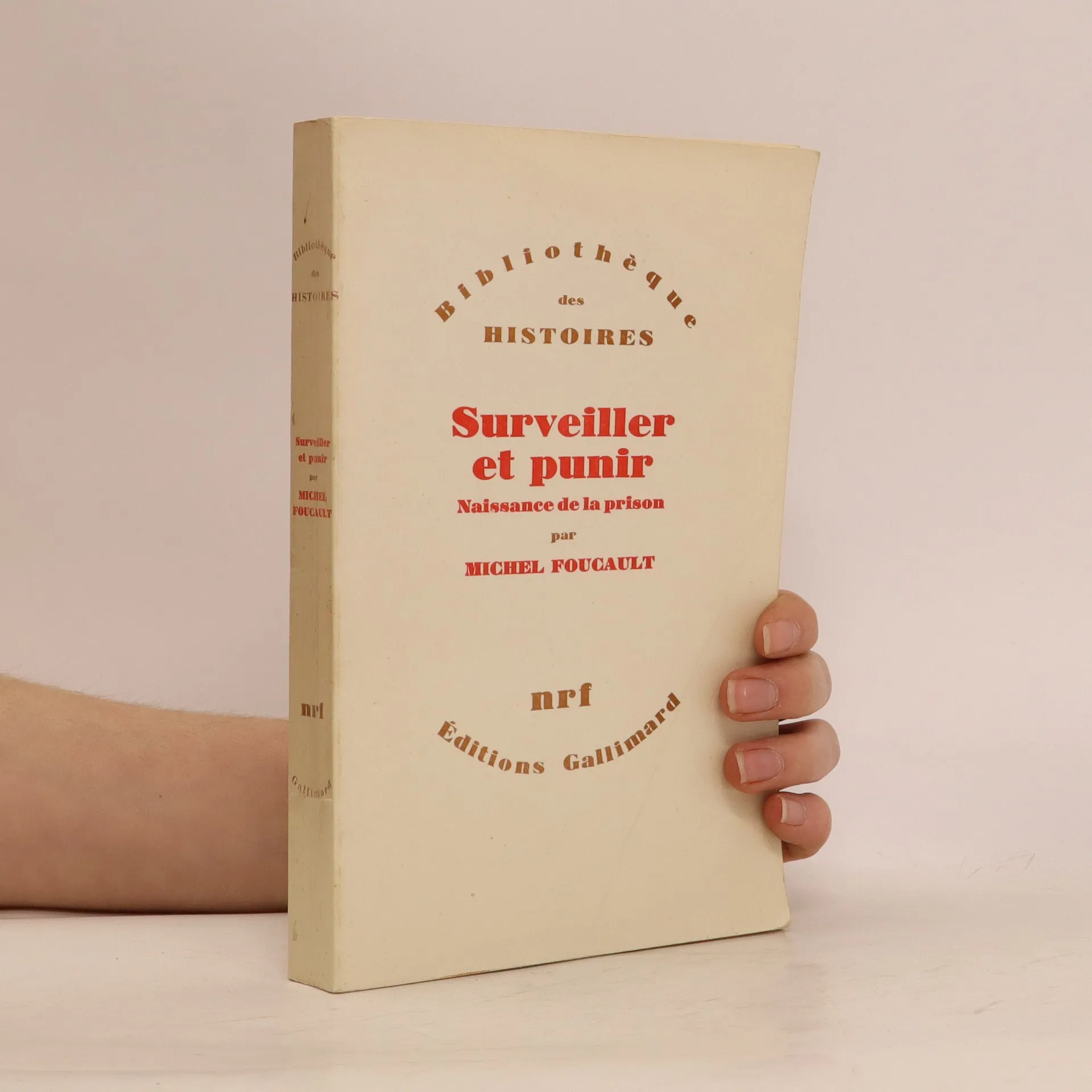
Peut-être avons-nous honte aujourd'hui de nos prisons. Le XIXe siècle, lui, était fier des forteresses qu'il construisait aux limites et parfois au cœur des villes. Elles figuraient toute une entreprise d'orthopédie sociale. Ceux qui volent, on les emprisonne ; ceux qui violent, on les emprisonne ; ceux qui tuent, également. D'où vient cette étrange pratique et le curieux projet d'enfermer pour redresser? Un vieil héritage des cachots du Moyen Âge? Plutôt une technologie nouvelle : la mise au point, du XVIe au XIXe siècle, de tout un ensemble de procédures pour quadriller, contrôler, mesurer, dresser les individus, les rendre à la fois «dociles et utiles». Surveillance, exercices, manœuvres, notations, rangs et places, classements, examens, enregistrements, toute une manière d'assujettir les corps, de maîtriser les multiplicités humaines et de manipuler leurs forces s'est développée au cours des siècles classiques, dans les hôpitaux, à l'armée, dans les écoles, les collèges ou les ateliers : la discipline. Penser les relations de pouvoir aujourd’hui ne peut se faire sans prendre en compte l’ouvrage de Michel Foucault (1926-1984), devenu aussi indispensable à notre époque que le Léviathan de Hobbes le fut à l’époque moderne.
Alan Sheridan Livres
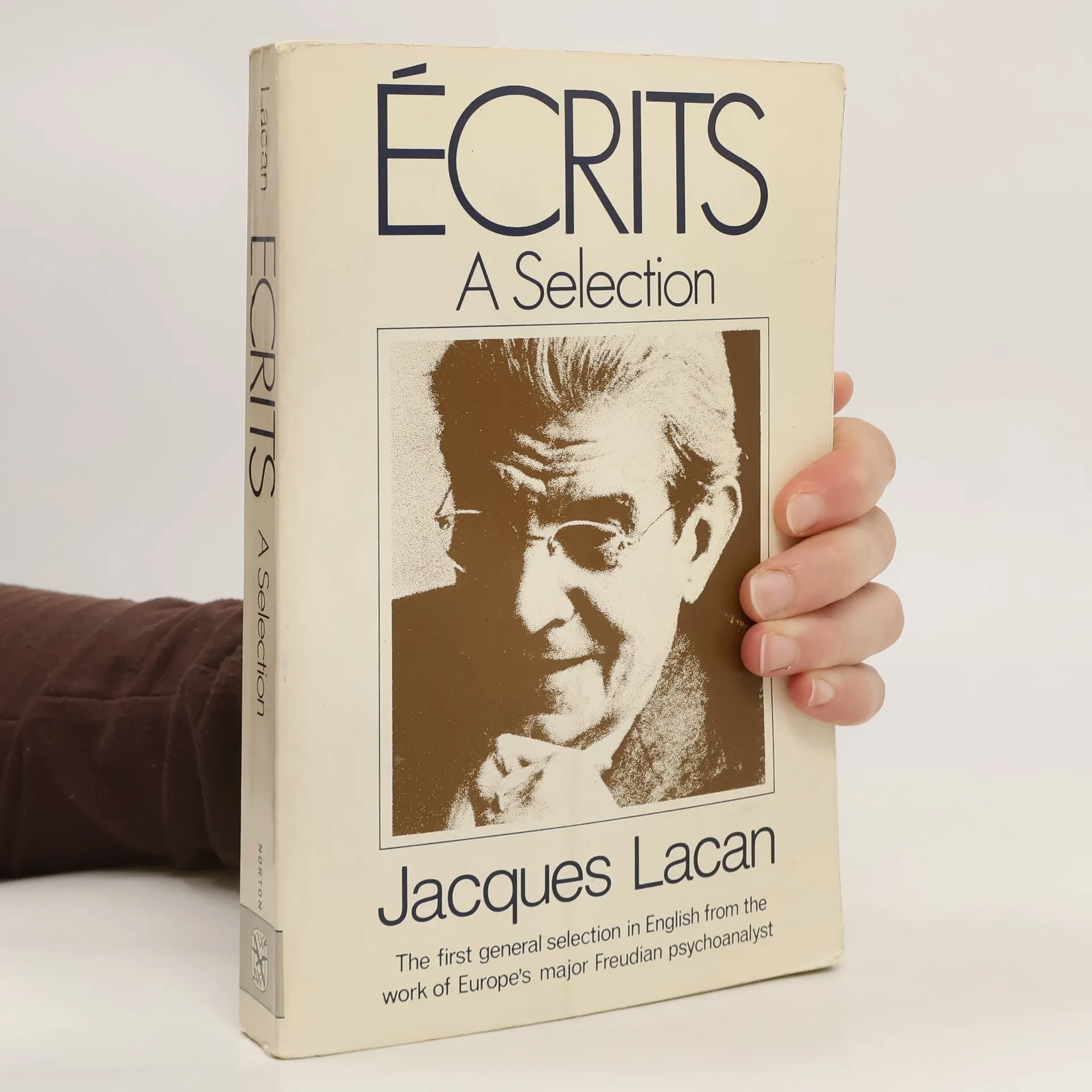
Écrits. A selection
- 338pages
- 12 heures de lecture
Nine essays chosen by Lacan reveal the evolving thought of Europe's major Freudian psychoanalyst
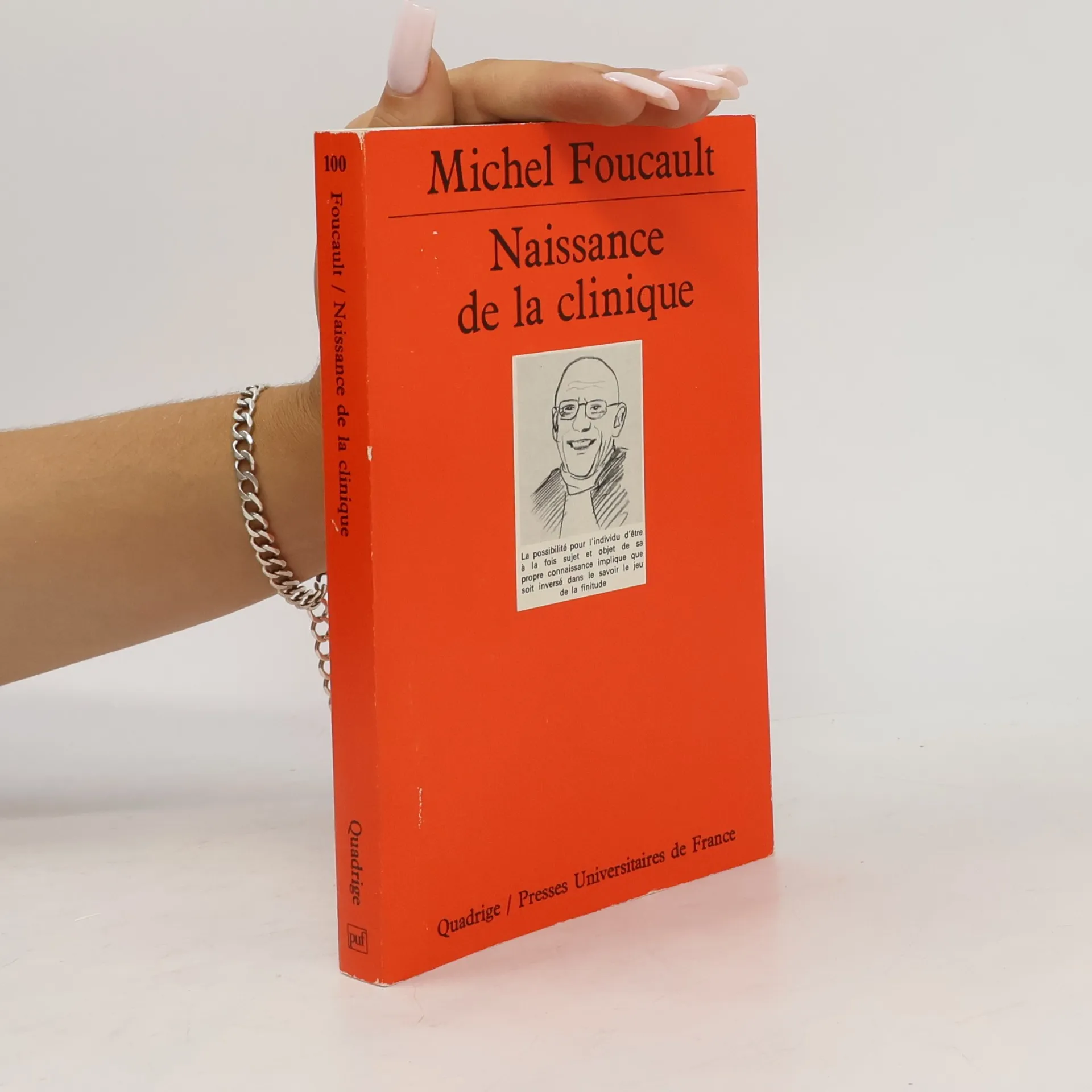
Quadrige - 100: Naissance de la clinique
- 232pages
- 9 heures de lecture
Naissance de la clinique constitue aussi, à travers une analyse historique et critique de la constitution du sujet, le malade, tel qu'il peut devenir objet de connaissance, la naissance d'une oeuvre philosophique qui va marquer durablement la pensée contemporaine internationale. Lointaine héritière de la tradition critique de Kant, l'oeuvre de Michel Foucault (1926-1984) s'attache à retracer une histoire de la pensée qui ne connaît pas d'équivalent et explore sans relâche ni concession les modes de subjectivation et d'objectivation de la connaissance.
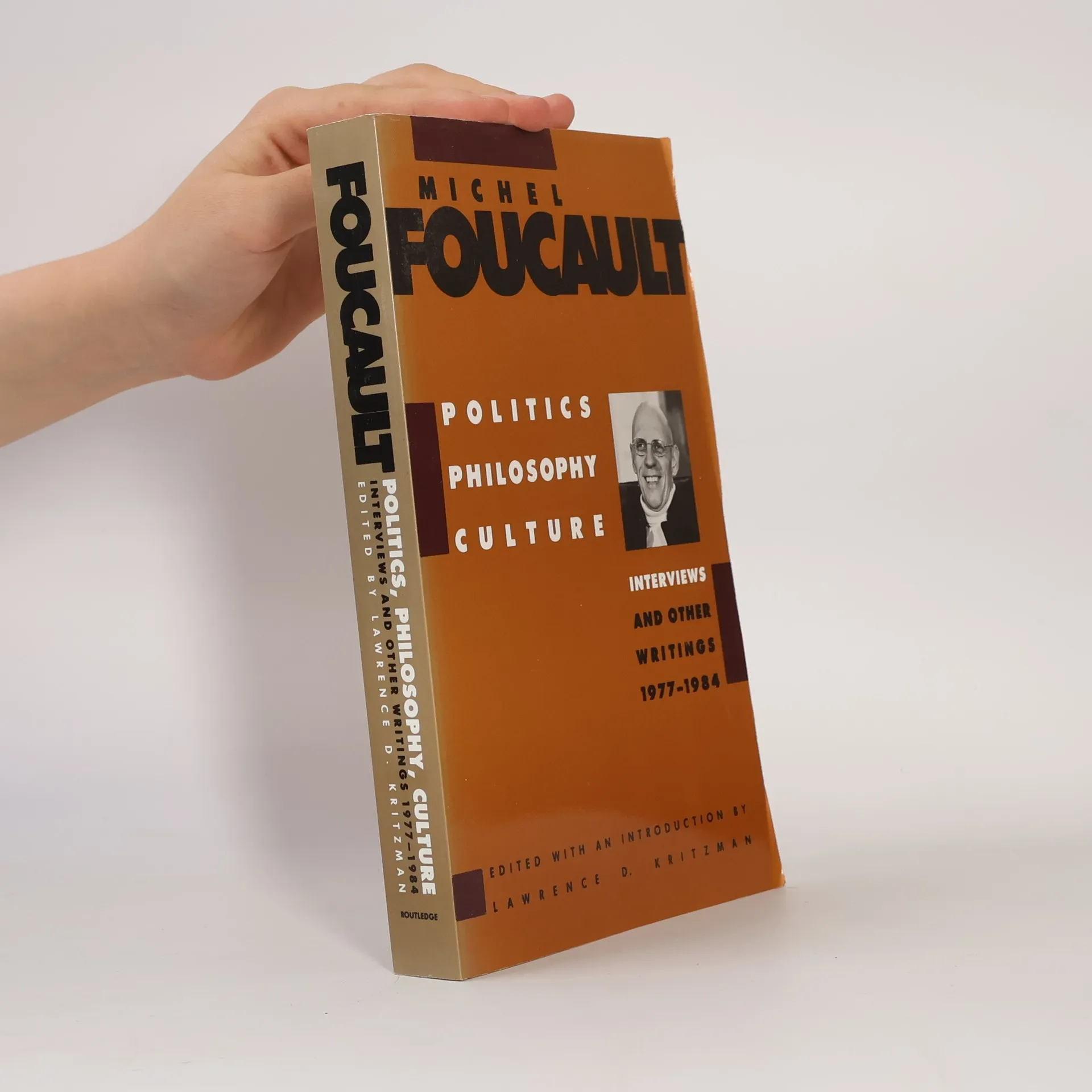
Politics, Philosophy, Culture contains a rich selection of interviews and other writings by the late Michel Foucault. Drawing upon his revolutionary concept of power as well as his critique of the institutions that organize social life, Foucault discusses literature, music, and the power of art while also examining concrete issues such as the Left in contemporary France, the social security system, the penal system, homosexuality, madness, and the Iranian Revolution.