
Bookbot

Clara Winston

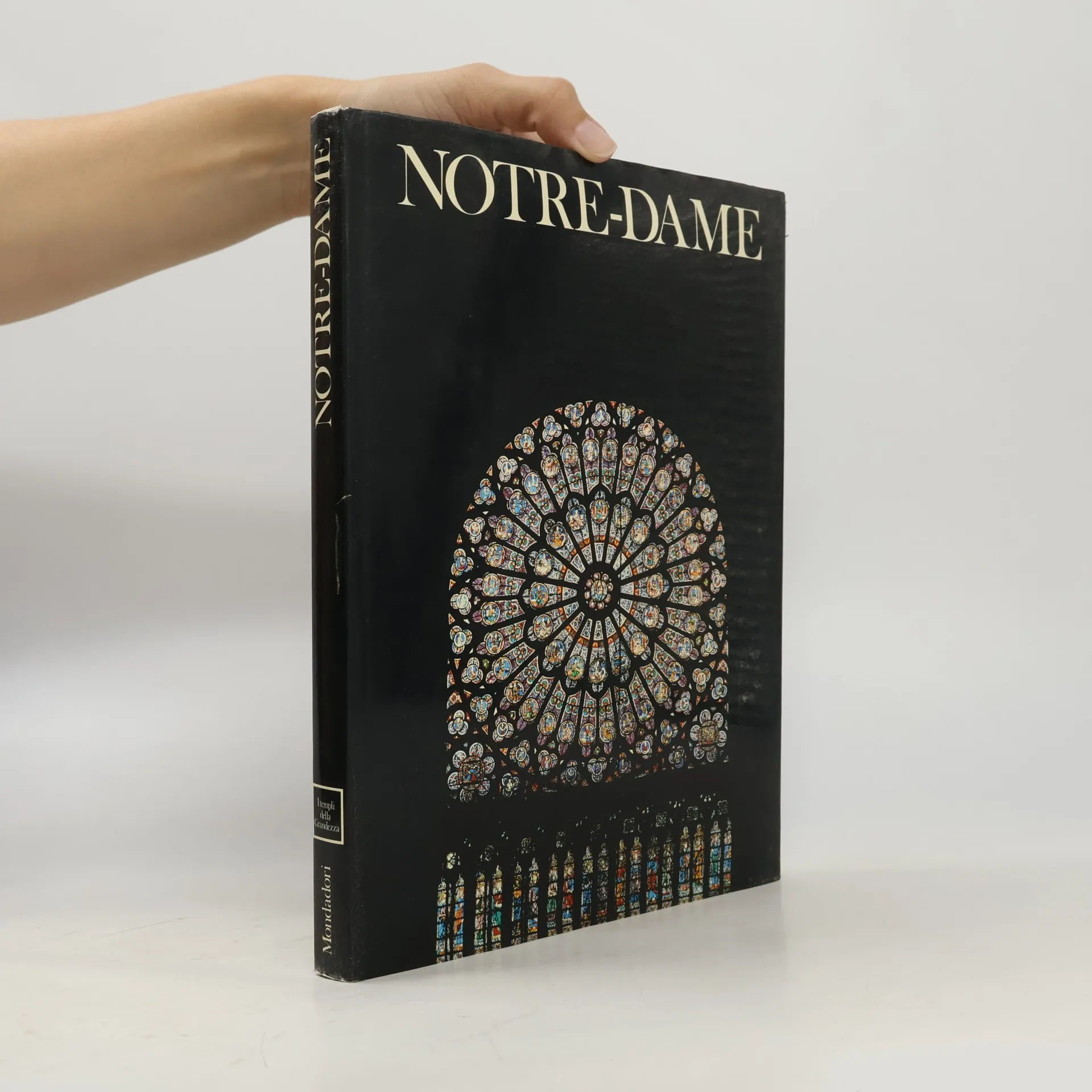
    Notre-Dame
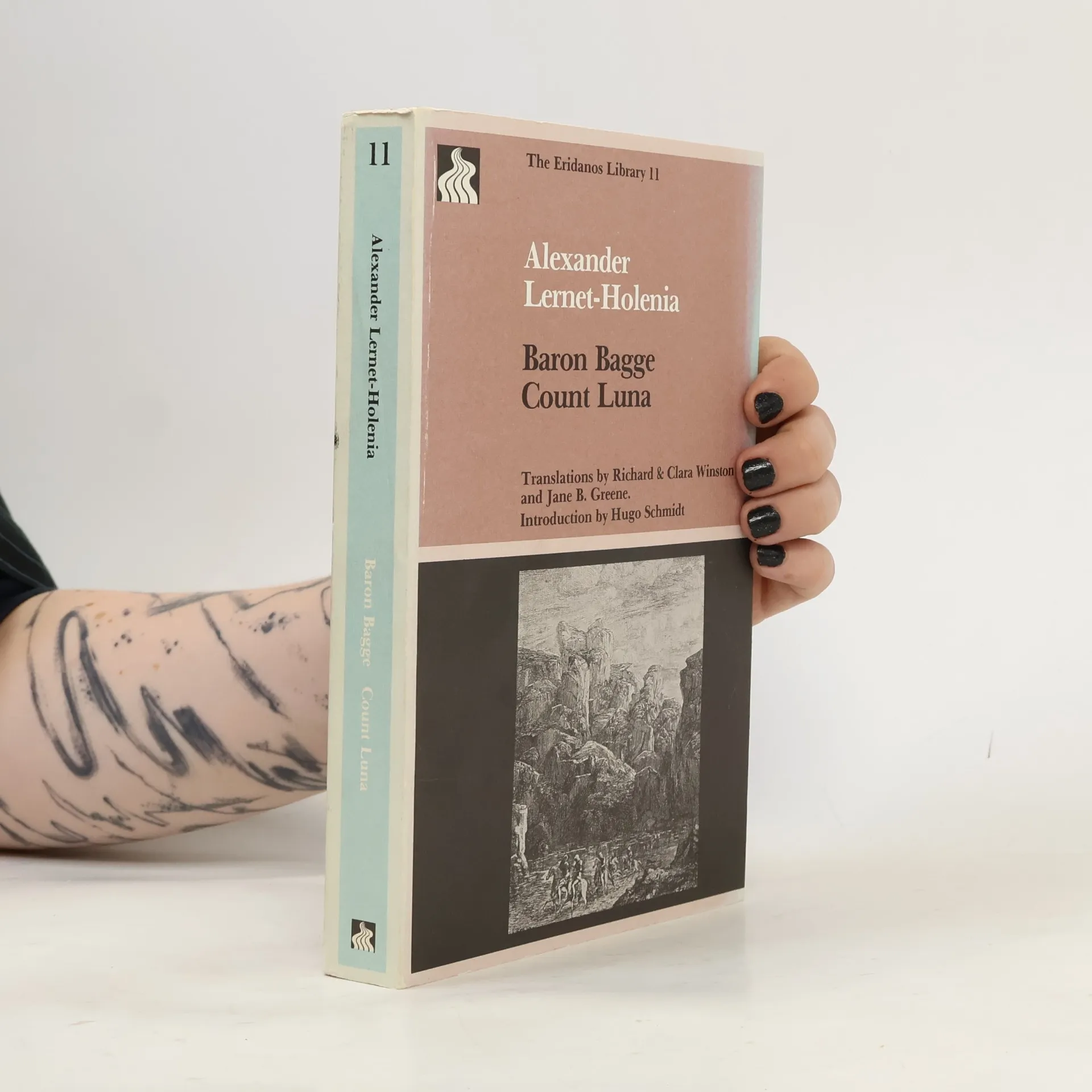
    The Eridanos Library - 11: Baron Bagge Count Luna
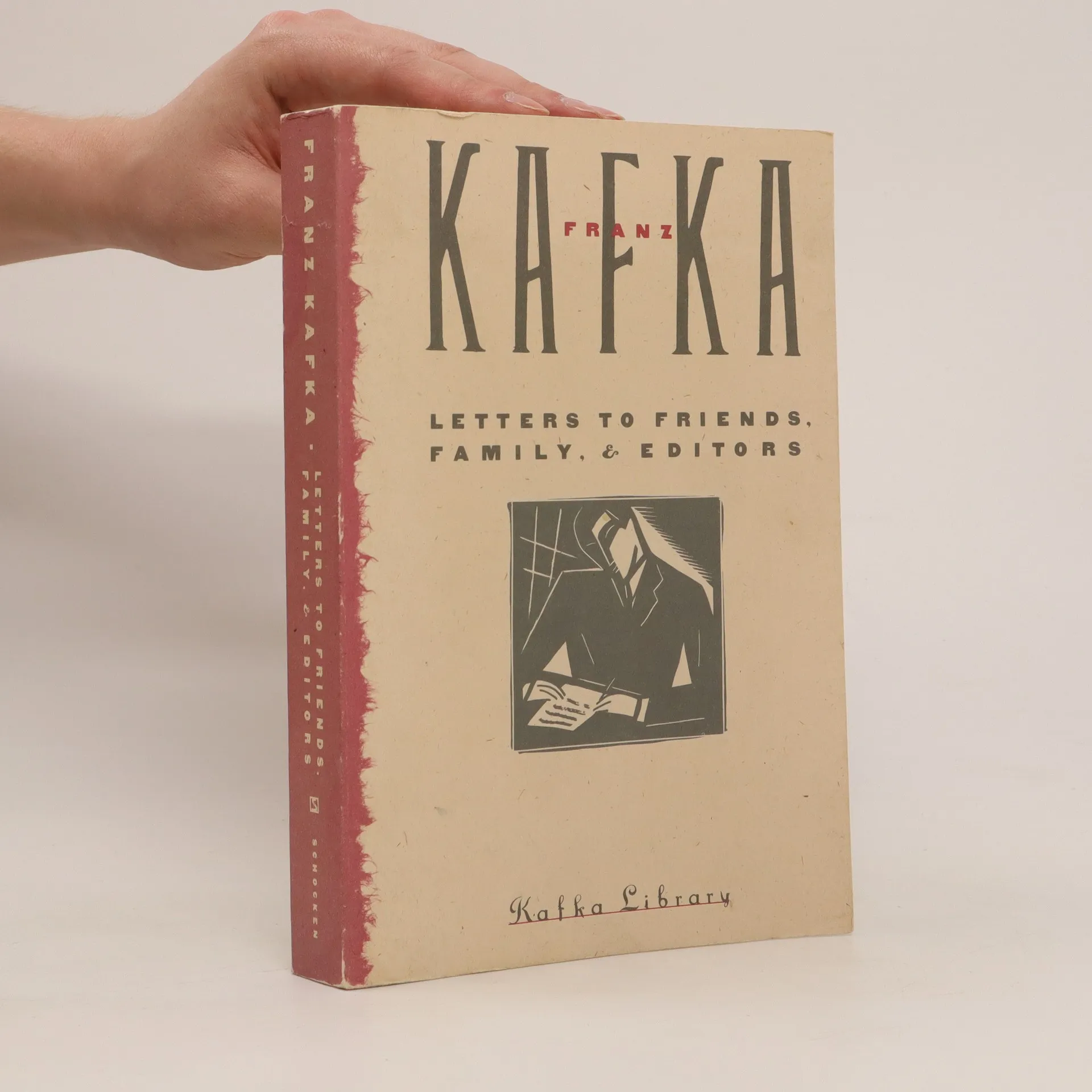
    Letters to Friends, Family, and Editors
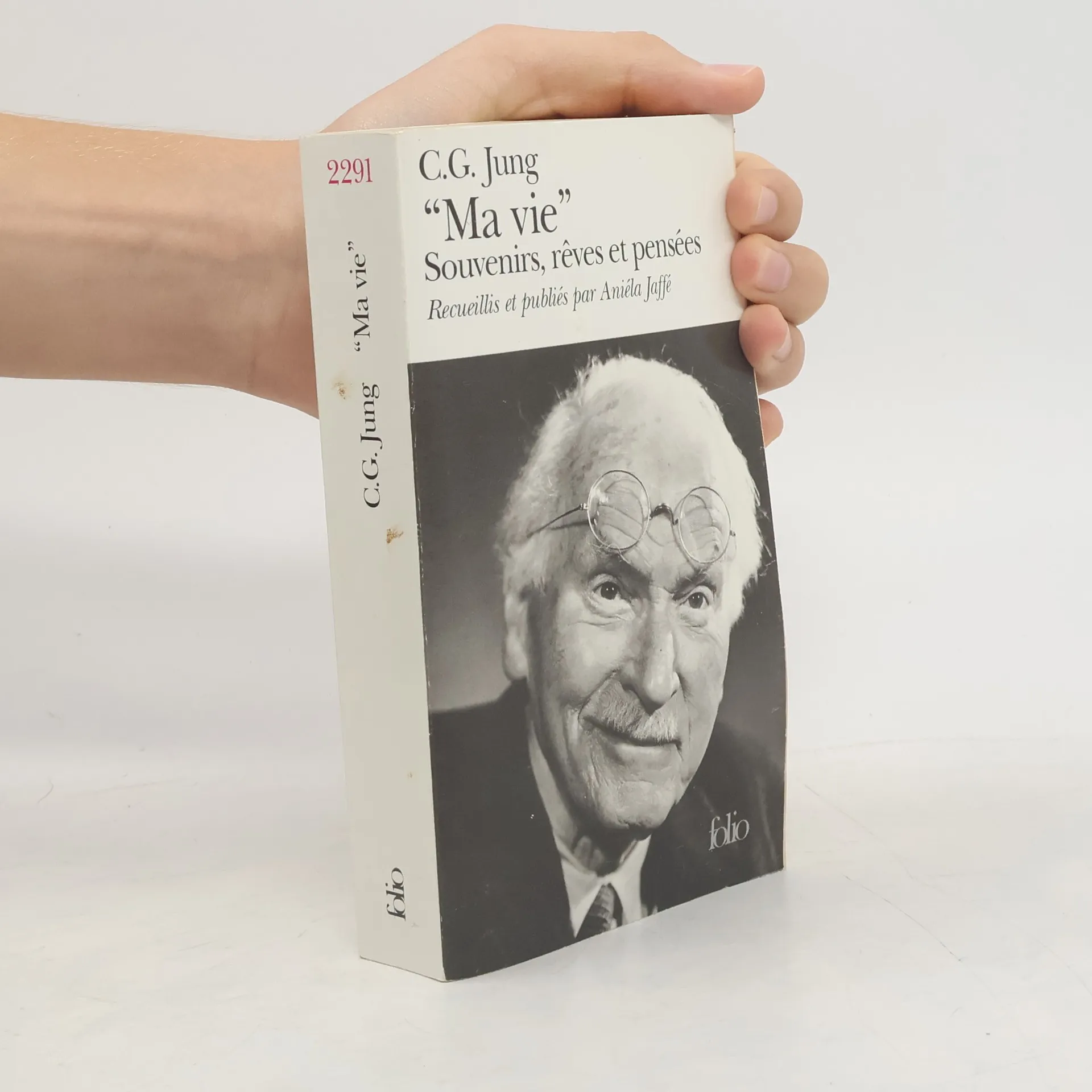
    Ma vie
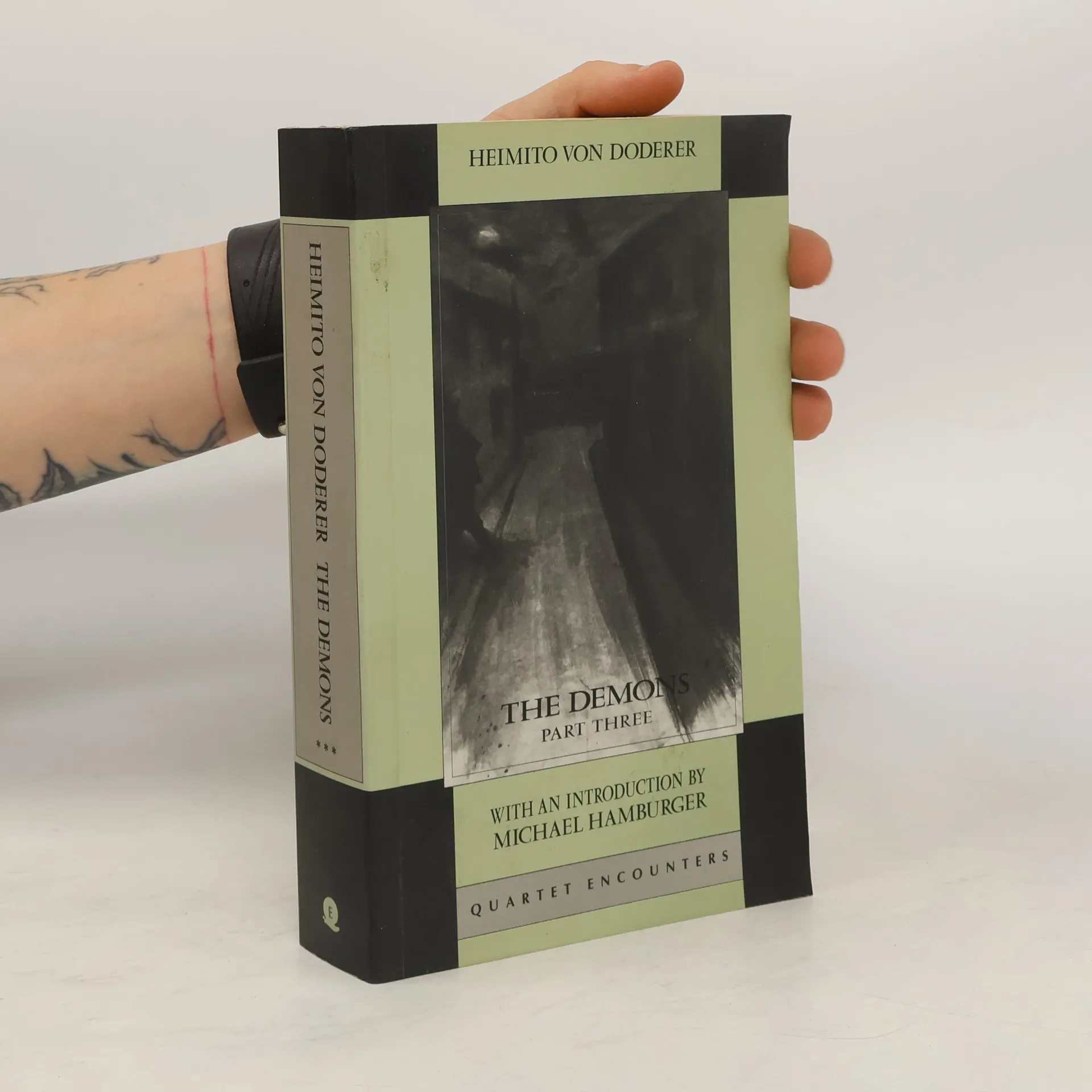
    The Demons. Part Three
    • The Demons. Part Three

      • 484pages
      • 17 heures de lecture

      Heimito von Doderer was one of the twentieth century's most distinguished Austrian novelists. His finest novel is The Demons, a monumental work and itself the 'Götterdämmerung' as it were to earlier novels. The central preoccupation of this masterpiece is the decline of European civilization. He began work on it in 1931, after reading Dostoyevsky's The Devils. Symphonic in construction, it is a panoramic re-creation of Viennese society in all its strata, conjuring the depths as well as the heights of everything we might think of as Vienna. Doderer has Balzacian scope as well as owing much to Proust and Musil. His human comedy is drawn with a humour as vital when ironic as when satirical, and his baroque imagination is well served by his tireless linguistic ingenuity.

      The Demons. Part Three1989
      4,2
    • Two short novels deal with the experiences of a military officer at the close of World War I, and with the guilt of an industrialist who inadvertently causes Count Luna to be sent to a concentration camp in war-torn Europe

      The Eridanos Library - 11: Baron Bagge Count Luna1988
    • Letters to Friends, Family, and Editors

      • 509pages
      • 18 heures de lecture

      Collected after his death by his friend and literary executor Max Brod, here are more than two decades' worth of Franz Kafka's letters to the men and women with whom he maintained his closest personal relationships, from his years as a student in Prague in the early 1900s to his final months in the sanatorium near Vienna where he died in 1924.Sometimes surprisingly humorous, sometimes wrenchingly sad, they include charming notes to school friends; fascinating accounts to Brod about his work in its various stages of publication; correspondence with his publisher, Kurt Wolff, about manuscripts in progress, suggested book titles, type design, and late royalty statements; revealing exchanges with other young writers of the day, including Martin Buber and Felix Weltsch, on life, literature, and girls; and heartbreaking reports to his parents, sisters, and friends on the declining state of his health in the last months of his life.

      Letters to Friends, Family, and Editors1977
      4,1
    • Ma vie

      • 527pages
      • 19 heures de lecture

      " J'ai donc entrepris aujourd'hui, dans ma quatre-vingt-troisième année, de raconter le mythe de ma vie. " C'est au printemps 1957, quatre ans avant sa mort, que C.G. Jung, un des grands fondateurs de la psychanalyse, se fait le témoin de lui-même. Très peu d'évènements extérieurs : l'enfance de fils de pasteur, les combats psychiatriques du début du siècle, les voyages en Amérique du Sud et au Nouveau-Mexique, la construction sur un plan symbolique de la tour de Bollingen : autant de précisions autobiographiques qui éclairent cependant la genèse d'une des œuvres qui ont le plus influencé l'essor contemporain de la psychologie des profondeurs. C'est aussi la rencontre avec Freud, puis les démêlés avec le maître, jusqu'à la rupture de l'héritier présomptif à propos du rôle de la sexualité dans le développement du psychisme. Mais toutes ces aventures ne sont évoquées qu'en fonction des rencontres plus fondamentales du conscient et de l'inconscient. " Ma vie est l'histoire d'un inconscient qui a accompli sa propre réalisation ".

      Ma vie1965
      4,2