David Quammen est célèbre pour ses écrits captivants sur la science, la nature et le voyage, offrant aux lecteurs des aperçus profonds sur l'interconnexion du monde naturel. Sa voix narrative distinctive donne vie à des thèmes écologiques et évolutifs complexes, encourageant une appréciation plus profonde des systèmes complexes de la planète. Le travail de Quammen se caractérise par sa rigueur intellectuelle et sa capacité à éclairer les merveilles de l'environnement. Il est connu pour son exploration réfléchie de la manière dont la vie se déroule dans divers paysages.
Examines the emergence and causes of new diseases all over the world, describing a process called “spillover” where illness originates in wild animals before being passed to humans and discusses the potential for the next huge pandemic. 70,000 first printing.
David Quammen's book, The Song of the Dodo, is a brilliant, stirring work, breathtaking in its scope, far-reaching in its message -- a crucial book in precarious times, which radically alters the way in which we understand the natural world and our place in that world. It's also a book full of entertainment and wonders. In The Song of the Dodo, we follow Quammen's keen intellect through the ideas, theories, and experiments of prominent naturalists of the last two centuries. We trail after him as he travels the world, tracking the subject of island biogeography, which encompasses nothing less than the study of the origin and extinction of all species. Why is this island idea so important? Because islands are where species most commonly go extinct -- and because, as Quammen points out, we live in an age when all of Earth's landscapes are being chopped into island-like fragments by human activity. Through his eyes, we glimpse the nature of evolution and extinction, and in so doing come to understand the monumental diversity of our planet, and the importance of preserving its wild landscapes, animals, and plants. We also meet some fascinating human characters. By the book's end we are wiser, and more deeply concerned, but Quammen leaves us with a message of excitement and hope.
As the co-formulator with Charles Darwin of the theory of biological evolution via natural selection, naturalist Alfred Russel Wallace (1823-1913) argued that plant and animal species develop throughout organic history. Wallace focused special attention on the diversity of tropical life forms and became acutely aware of the adaptive relationship between each species and its particular environment: an ongoing relationship that is necessary for survival and reproduction. After amassing empirical evidence from the Malay Archipelago, Wallace wrote Island Life (1881) in order to document the dynamic realtionship between organisms and their climatic habitats. Anticipating our present concern with both endangered species and vanishing environments, Wallace's ecological studies helped substantiate the fact of evolution. This book is an excellent example of long-term research and the far-reaching insights such scientific projects hold for understanding and appreciating the evolving life on Earth.
**A NEW YORK TIMES BOOK OF THE YEAR 2022 and FINANCIAL TIMES BEST BOOK OF 2023** **Shortlisted for the Royal Science Society Book Prize 2023** From the author of the prescient Spillover: Animal Infections and the Next Human Pandemic Breathless is the story of the scientific quest to decipher, control and fight Covid-19. Breathless traces SARS-CoV-2's fierce journey through the human population as seen by the scientists who study its origin, ever-changing nature and capacity to kill. It shows how strange viruses emerge as we disrupt wild ecosystems - sometimes causing global catastrophe - and suggests this coronavirus could be a 'forever virus' that's destined to bedevil us endlessly. Quammen also explains that experts saw this pandemic coming; that scientists warned 'the next big one' would be caused by a changeable new virus, but were ignored for political or economic reasons; and that while the origins of this virus may not be known for years, some suppositions are compelling and others can be dismissed. Breathless takes us inside the frantic international effort to control SARS-CoV-2 as if peering over the shoulders of the brilliant scientists who led the chase. Praise for Spillover: 'A frightening and fascinating masterpiece of science reporting' Walter Isaacson 'A real-life thriller with an outcome that affects us all' Elizabeth Kolbert
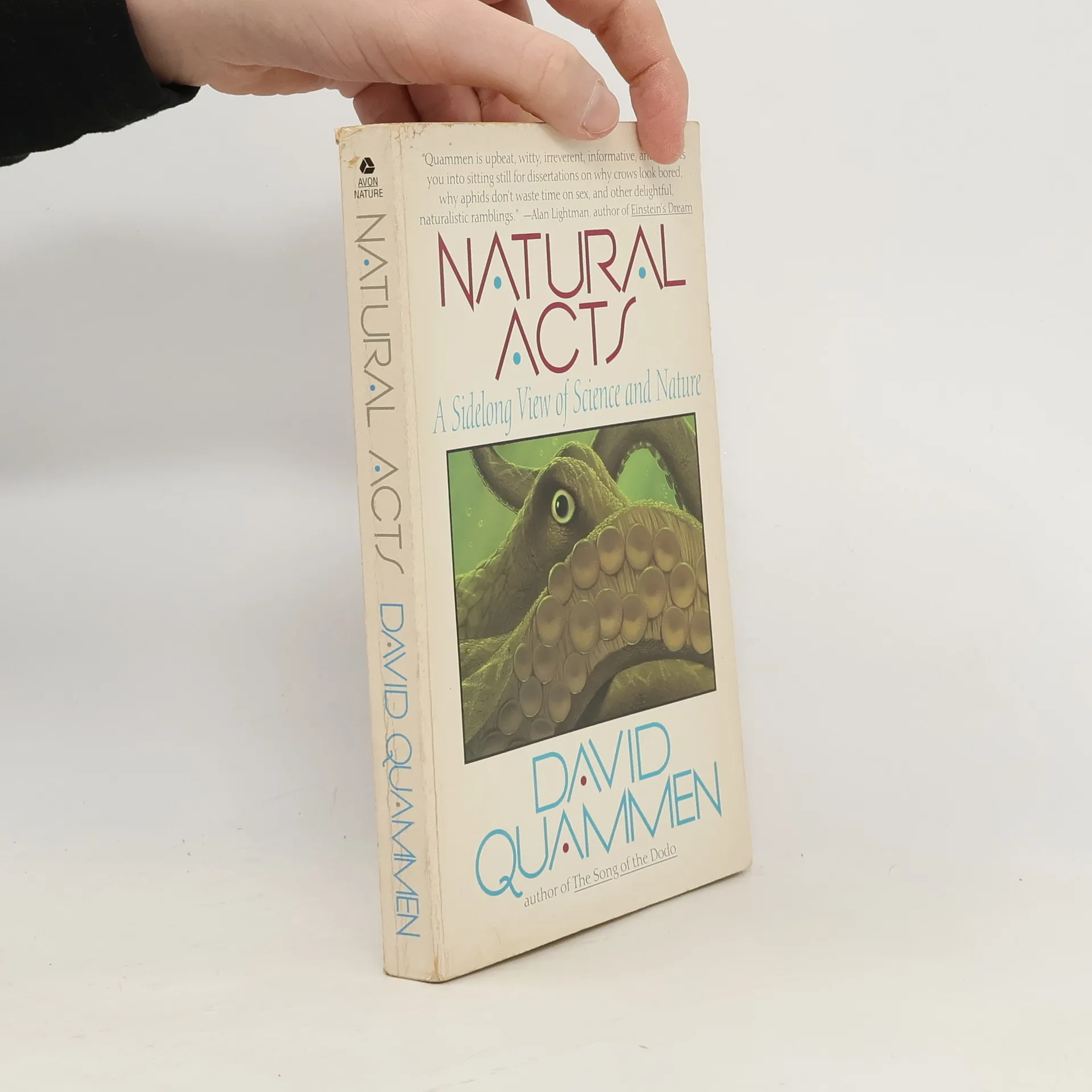
A revised and expanded edition of Quammenâ s first book of nonfiction, including the best of his recent work.â Lively writing about science and nature depends less on the offering of good answers, I think, than on the offering of good questions,â said David Quammen in the original introduction to Natural Acts. For more than two decades, he has stuck to that credo. In this updated version of his first essay collection, Quammenâ s lively curiosity leads him from New Mexico to Romania, from the Congo to the Amazon, asking questions about mosquitoes (what are their redeeming merits?), dinosaurs (how did they change the life of a dyslexic Vietnam vet?), and cloning (can it save endangered species?). This expanded edition returns to print Quammenâ s best-loved â Natural Actsâ columns, which first appeared in Outside magazine in the early 1980s, and includes recent pieces such as â Planet of Weeds,â an influential Harperâ s cover story. The new Natural Acts is an eye-opening journey that will please both Quammen fans and newcomers to his work.
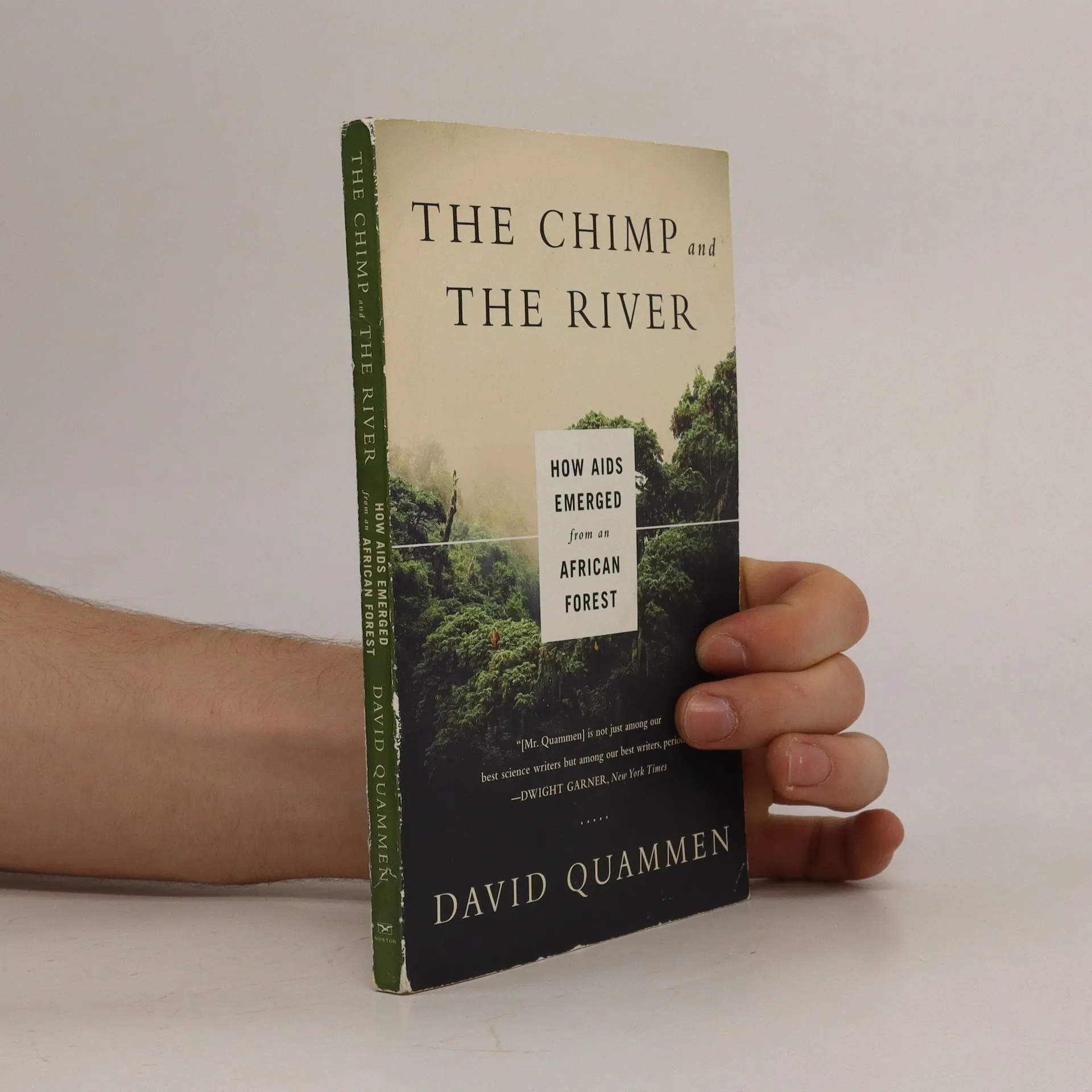
In this "frightening and fascinating masterpiece" (Walter Isaacson), David Quammen explores the true origins of HIV/AIDS. The real story of AIDS—how it originated with a virus in a chimpanzee, jumped to one human, and then infected more than 60 million people—is very different from what most of us think we know. Recent research has revealed dark surprises and yielded a radically new scenario of how AIDS began and spread. Excerpted and adapted from the book Spillover, with a new introduction by the author, Quammen's hair-raising investigation tracks the virus from chimp populations in the jungles of southeastern Cameroon to laboratories across the globe, as he unravels the mysteries of when, where, and under what circumstances such a consequential "spillover" can happen. An audacious search for answers amid more than a century of data, The Chimp and the River tells the haunting tale of one of the most devastating pandemics of our time.
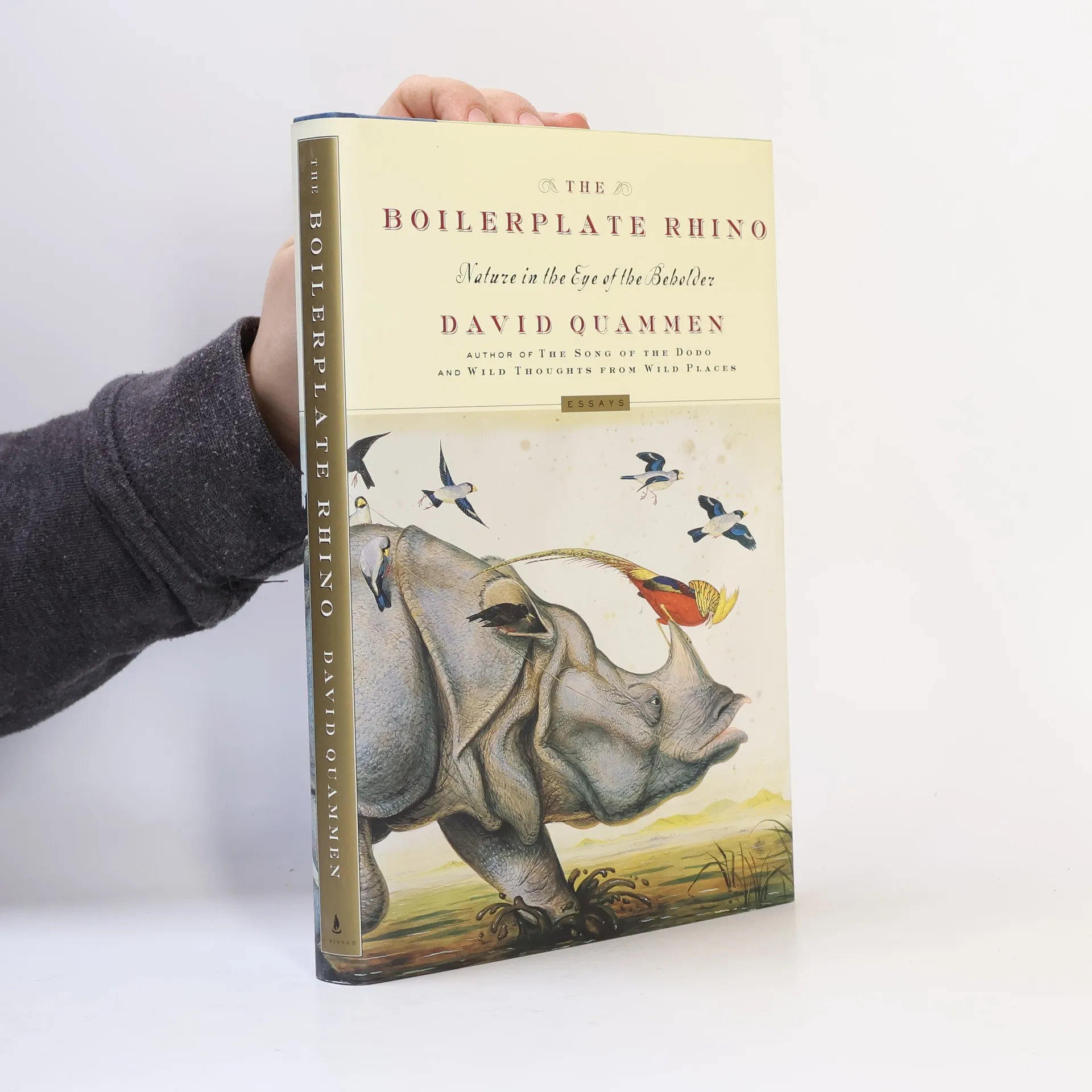
A selection of 26 of Quammen's most durable and engaging essays from his monthly column in Outside magazine, written between 1981 to 1996. Topics include rattlesnake handlers, eel mythology and arachnophobia.
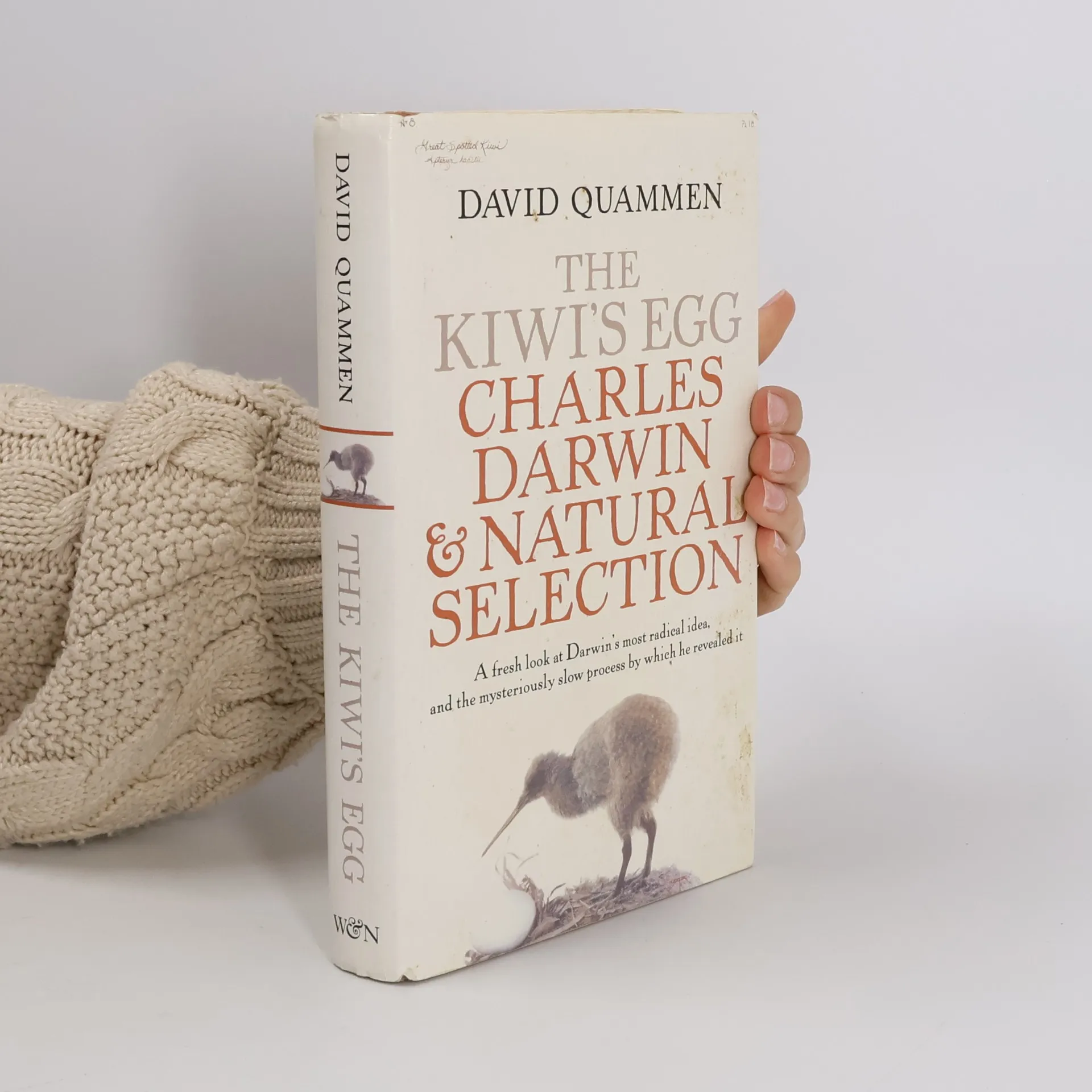
21 years passed between Charles Darwim's epiphany that 'natural selection' formed the basis of evolution and the scientist's publication of 'On the Origin of Species'. This text looks at why Darwin delayed the publication and examines what happened during the course of those two decades.
The Man-Eating Predator in the Jungles of History and the Mind
515pages
19 heures de lecture
Monster of God is a journey through time and landscape, through science and literature and myth, to explore the nature of big predators and the variety of human attitudes toward them. It's an intellectual travelogue spanning continents and disciplines - from Romania to Australia, from ecology to art history, and from Beowulf to Hollywood. In search of human voices as well as formidable beasts, Quammen visited and revisited four remote landscapes, little-known places where rural people still lead perilous lives in propinquity to one or another species of big predator. His book carries us along on those travels - up to high meadows in the Carpathian Mountains of Romania, where the brown bear coexists uneasily with cheese-making shepherds; to an Aboriginal community in northern Australia, where the saltwater crocodile is venerated as an ancestor; to the snowbound Bikin River valley in the mountainous Russian Far East, where the Siberian tiger competes with natives trappers of the Udege tribe for a limited supply of deer and boar; and to the Gir forest of western India, last refuge of the Asiatic lion, where stock-herding people known as Maldharis graze their buffaloes in the presence of the great cats. It also takes us into the background of ecological thinking on certain crucial concepts, such as food chains, the pyramid of numbers, and keystone species.
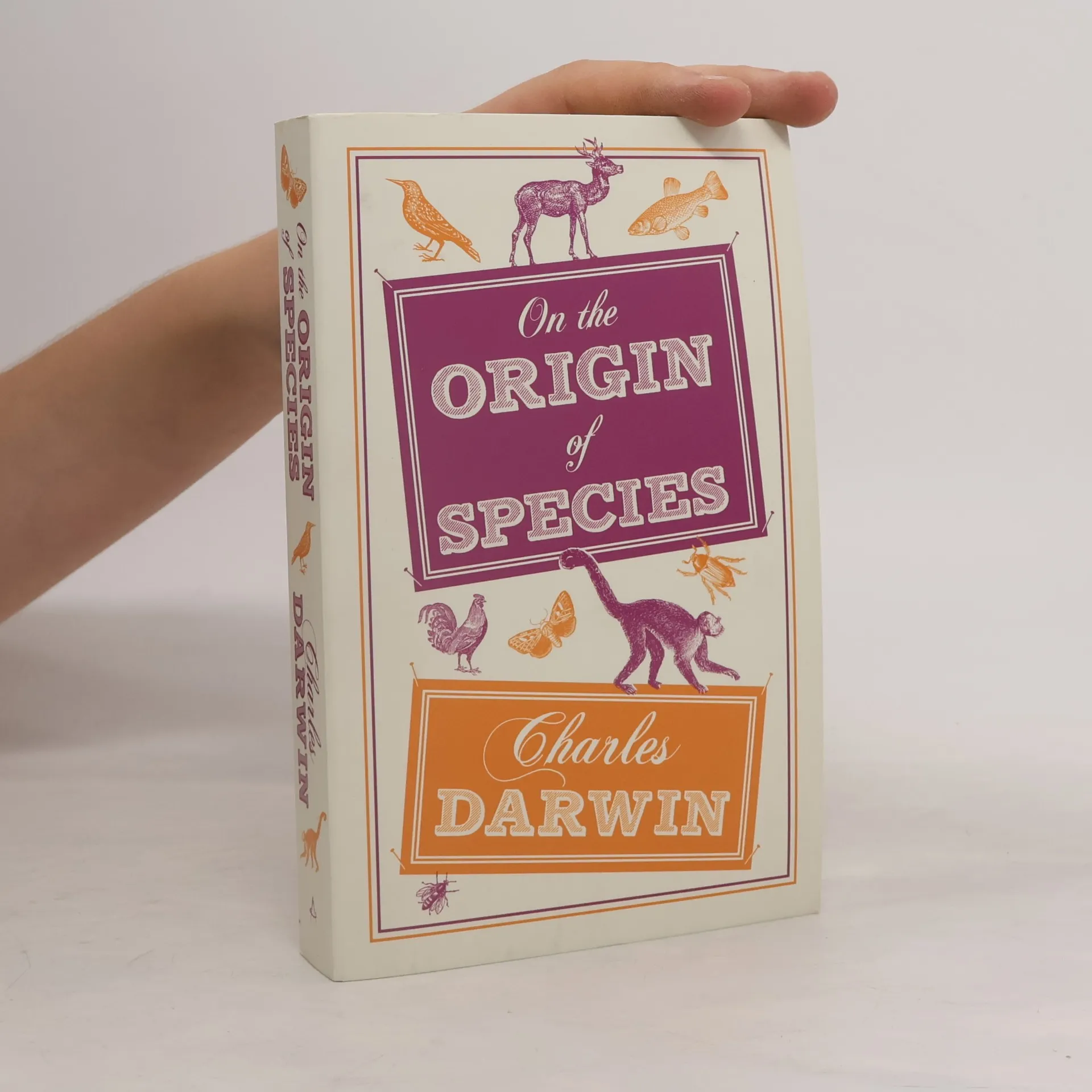
When Darwin set sail at the end of 1831, it was only with a vague notion that all life forms, both present and extinct, were more strongly related than the Christian version of the world's creation purported them to be. During his five-year voyage of research and discovery on board HMS Beagle, and later from his home in Kent, he painstakingly collected a mass of evidence from across the planet – from Paraguay and the Galapagos Islands to Staffordshire and Scotland – building a compelling case for a theory that would change the world we live in – and the way we look at it – for ever. The foundation of evolutionary biology and natural selection – which prompted as huge a revolution in the fields of science and religion as Copernicus's heliocentric model of the universe and Newton's law of gravity, Darwin's On the Origin of Species is perhaps the most important book of scientific observation ever written.
"In the mid-1970s, scientists began using DNA sequences to reexamine the history of all life. Perhaps the most startling discovery to come out of this new field -- the study of life's diversity and relatedness at the molecular level -- is horizontal gene transfer (HGT), or the movement of genes across species lines. It turns out that HGT has been widespread and important; we now know that roughly eight percent of the human genome arrived sideways by viral infection--a type of HGT."--Amazon.com
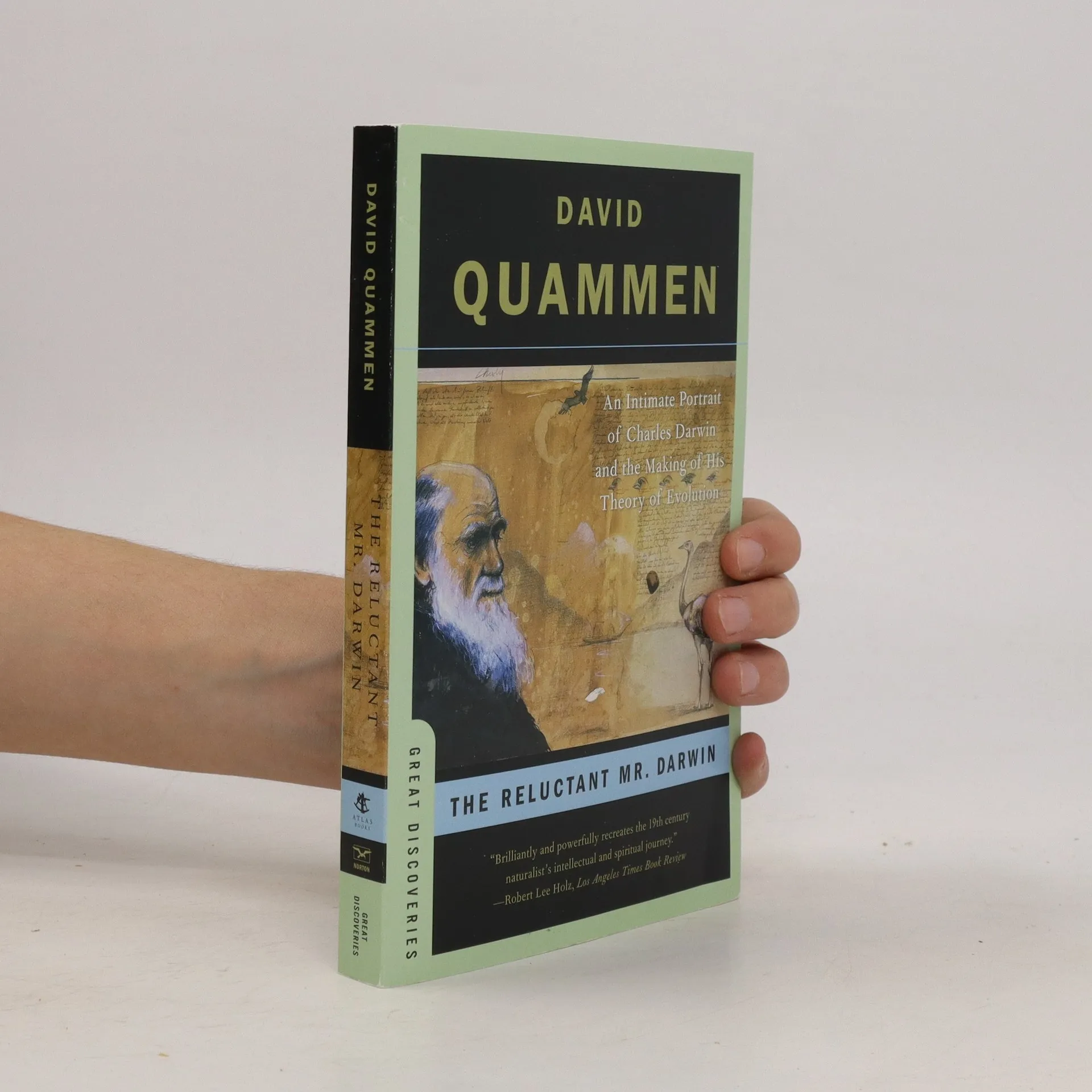
Evolution, during the early nineteenth century, was an idea in the air. Other thinkers had suggested it, but no one had proposed a cogent explanation for how evolution occurs. Then, in September 1838, a young Englishman named Charles Darwin hit upon the idea that 'natural selection' among competing individuals would lead to wondrous adaptations and species diversity. Twenty-one years passed between that epiphany and publication of On the Origin of Species. The human drama and scientific basis of Darwin's twenty-one-year delay constitute a fascinating, tangled tale that elucidates the character of a cautious naturalist who initiated an intellectual revolution.Also published under the title "The Reluctant Mr Darwin" in the US.
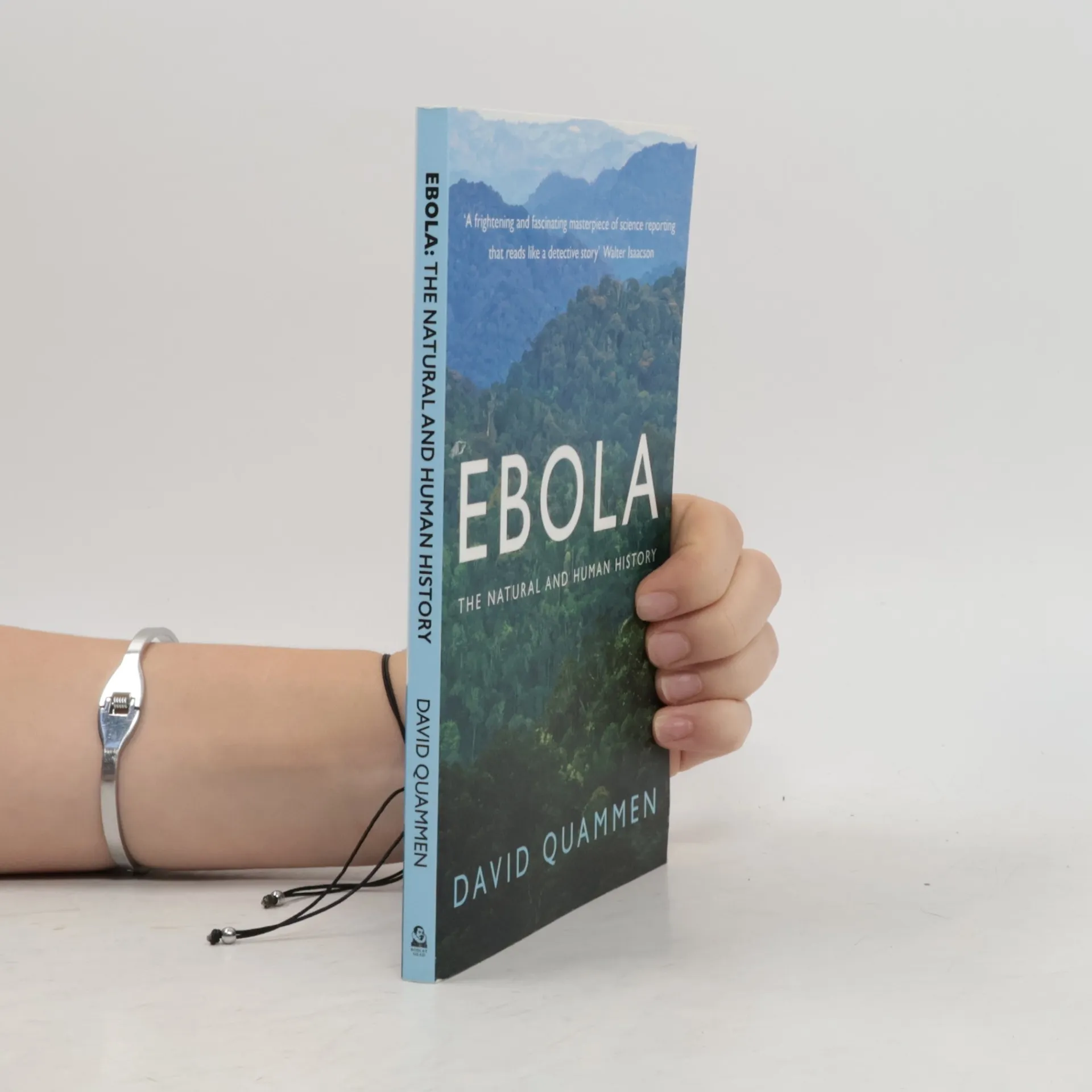
In 1976 a deadly virus emerged from the Congo forest. As swiftly as it came, it disappeared, leaving no trace. Over the four decades since, Ebola has emerged sporadically, each time to devastating effect. It can kill up to 90% of its victims. In between these outbreaks, it is untraceable, hiding deep in the jungle. The search is on to find Ebolaâe(tm)s elusive host animal. And until we find it, Ebola will continue to strike. Acclaimed science writer and explorer David Quammen first came near the virus whilst travelling in the jungles of Gabon, accompanied by local men whose village had been devastated by a recent outbreak. Here he tells the story of Ebola, its past, present and its unknowable future.
Mayberry, met een staat van dienst in de Vietnam Special Forces, denkt een kalm leven gevonden te hebben. Dan ontvangt hij 'van een broer van een vriend' een brief met de formule voor een 'superbom'. Hij houdt het best bewaakte geheim van de Amerikaanse regering in handen. Waarom juist hij? Mayberry raakt in een maalstroom van gebeurtenissen. Sommiige verwacht hij, andere zijn onvoorstelbaar. Ze voeren hem terug nar Vietnam. Waarom? Hij moet het weten? Naar de hel met de kalmte! David Quammens roman is een briljante mengeling an feiten en fictie, waarin de race om de 'superbom' de achtergrond vormt voor een met grote vaart geschreven verhaal over internationale nucleaire spionage. David Quammen is een meester van de suspense in de traditie van Eric Ambler en Len Deighton.
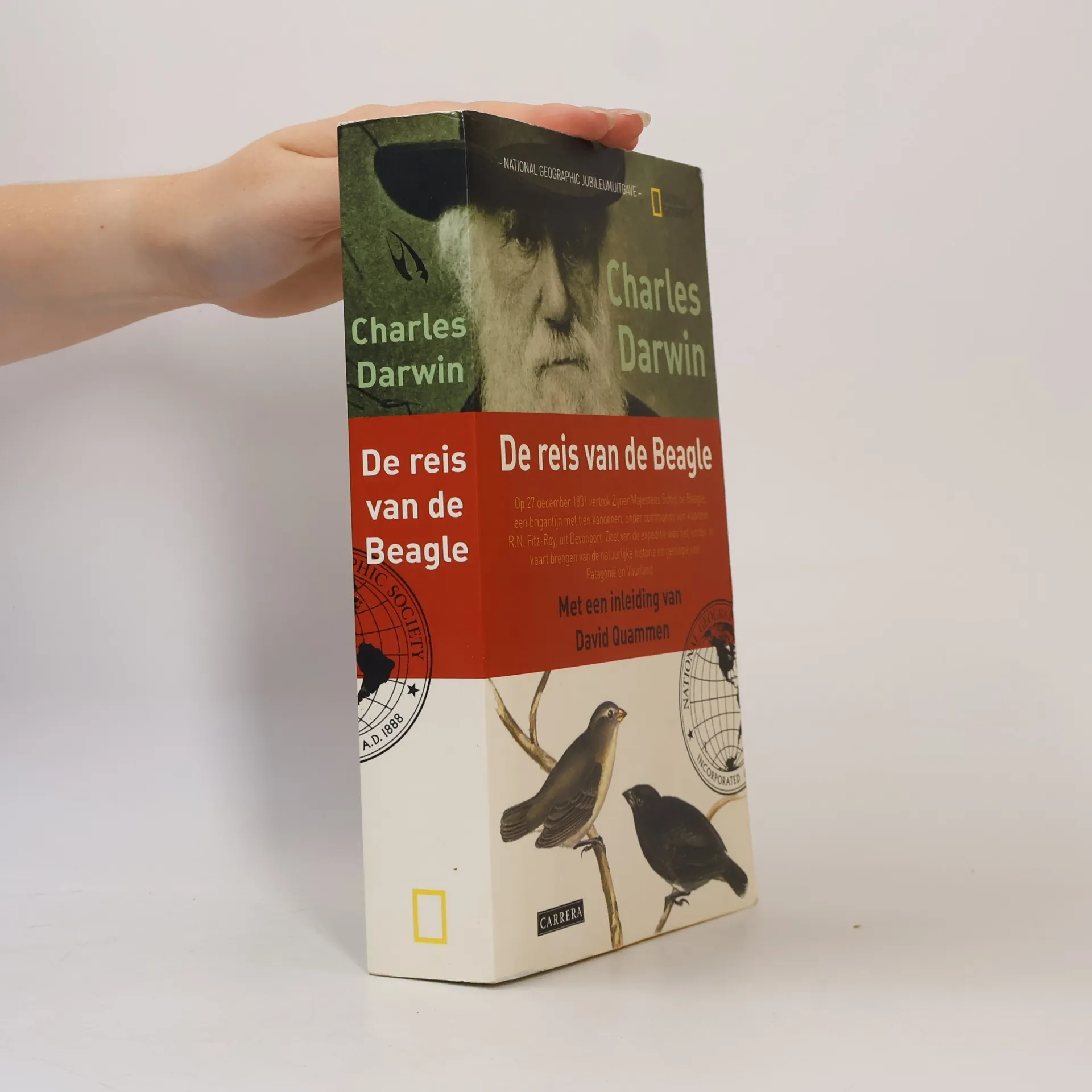
Reisverslag van de 5 jaar durende zeereis die de Britse wetenschapper Charles Darwin vanaf 1831 maakte naar Zuid-Amerika, Afrika, Australië en eilanden in de Stille en Indische Oceaan.