Willi Zurbrüggen Livres


Mi chiamo Rigoberta Menchú
- 346pages
- 13 heures de lecture
Durante l'inverno del 1982 Elisabeth Burgos, sociologa e studiosa di antropologia di origine venezuelana, ha trascorso otto giorni con Rigoberta Menchú, giovane contadina guatemalteca dell'etnia quiché. Dell'incontro sono note le pagine di questo libro che, conservando il fascino del racconto orale, ci trasmette l'esistenza di Rigoberta e della sua gente. Dall'autobiografia al mito, dalla memoria collettiva alla denuncia politica, dal rito religioso alla rivelazione dei fondamenti materiali e culturali del popolo quiché. Una donna indiana impara lo spagnolo e lascia il Guatemala per testimoniare al mondo il tormentato percorso delle popolazioni latino-americane verso l'emancipazione.
Sepulvedas Geschichten entfalten sich weltweit, von Mexiko bis Hamburg, und thematisieren Abenteuer, Fernweh und schöne Frauen. Zentral sind die verpassten Gelegenheiten und überraschenden Momente, die neue Perspektiven auf andere Welten eröffnen.
Aquarius
Roman
Der Schatten dessen, was wir waren
- 156pages
- 6 heures de lecture
In a warehouse in Santiago, three aging friends meet and await the arrival of a man from their past. Once militant supporters of Salvador Allende, they have grown disillusioned in the three and a half decades since his assassination. Their city has changed under Pinochet, and so have they: heart troubles, thinning hair, a few pounds too many around the waist; there is little left to connect them with their glory days. But now, the three friends have been called together at the behest of the anarchist, Pedro Nolasco, a.k.a. The Shadow, to carry out one final revolutionary gesture. But Lucho, Lolo and Cacho wait in vain; the sudden and gruesome death of The Shadow leaves them without a leader. Now they must turn to Coco Aravena, the most reckless of their former comrades. After years of playing second fiddle, this is the bumbling Coco’s chance to show them what he is capable of.
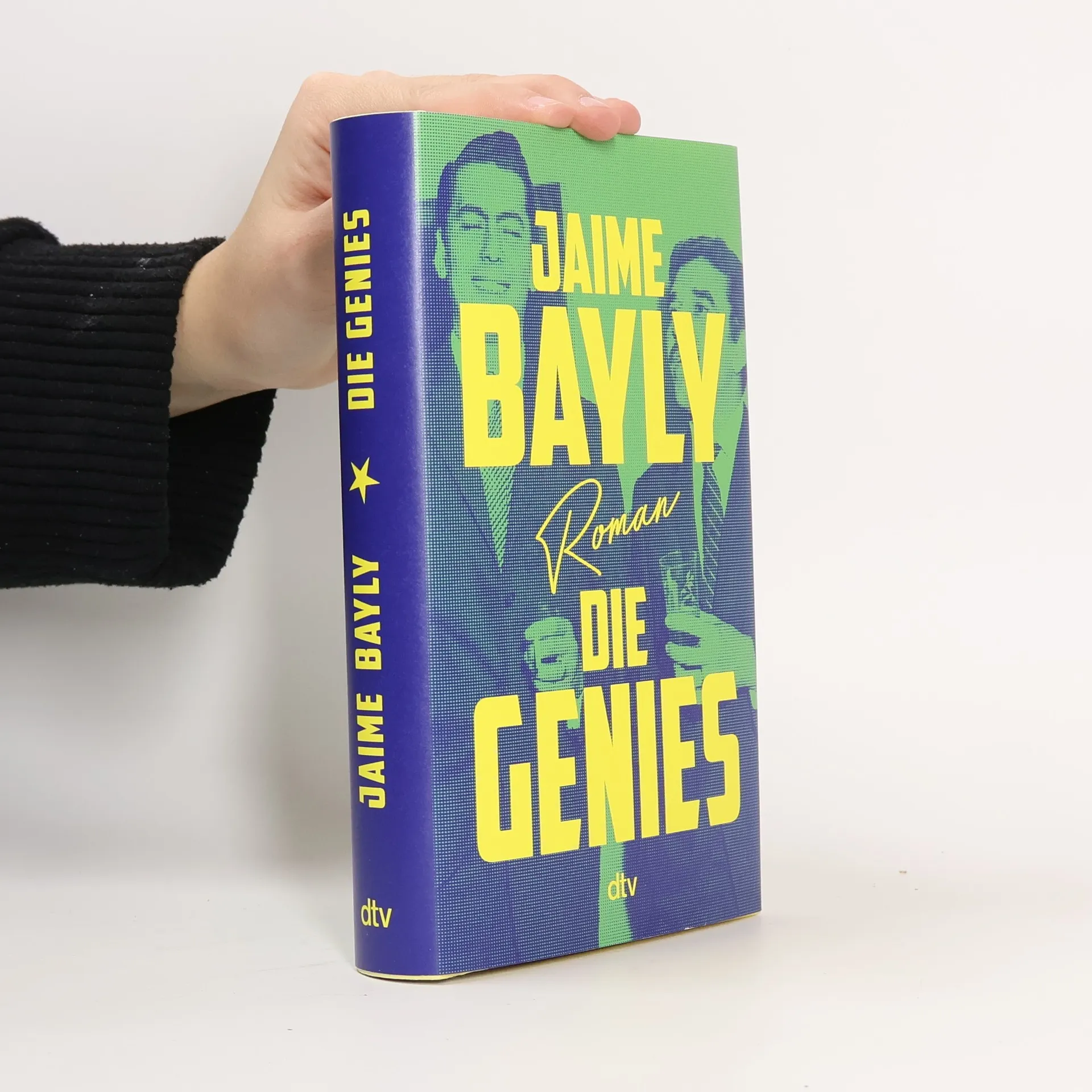
Als Autoren Freunde, als Liebhaber Feinde – García Márquez und Vargas Llosa Dieser überraschungsreiche Roman, Bestseller in Spanien , beschreibt die Jahre des lateinamerikanischen Booms so, wie man es noch nie gelesen hat. Ein Feuerwerk an urkomischen Szenen, manche erfunden, viele wahr. García Márquez und Vargas Llosa lernten sich 1967 auf dem Flughafen von Caracas kennen. Es war der Beginn einer intensiven Freundschaft: In Barcelona waren sie Nachbarn, beide unterstützten die kubanische Revolution. Sie wähnten sich als unzertrennliche Genies. Bis eines Tages Vargas Losa in einem Kino in Mexiko Stadt García Márquez niederschlug und ihm die Nase brach. »Dies ist für das, was du Patricia angetan hast!« , rief er dabei aus. Was war passiert? Was hatte García Márquez seiner Frau angetan?