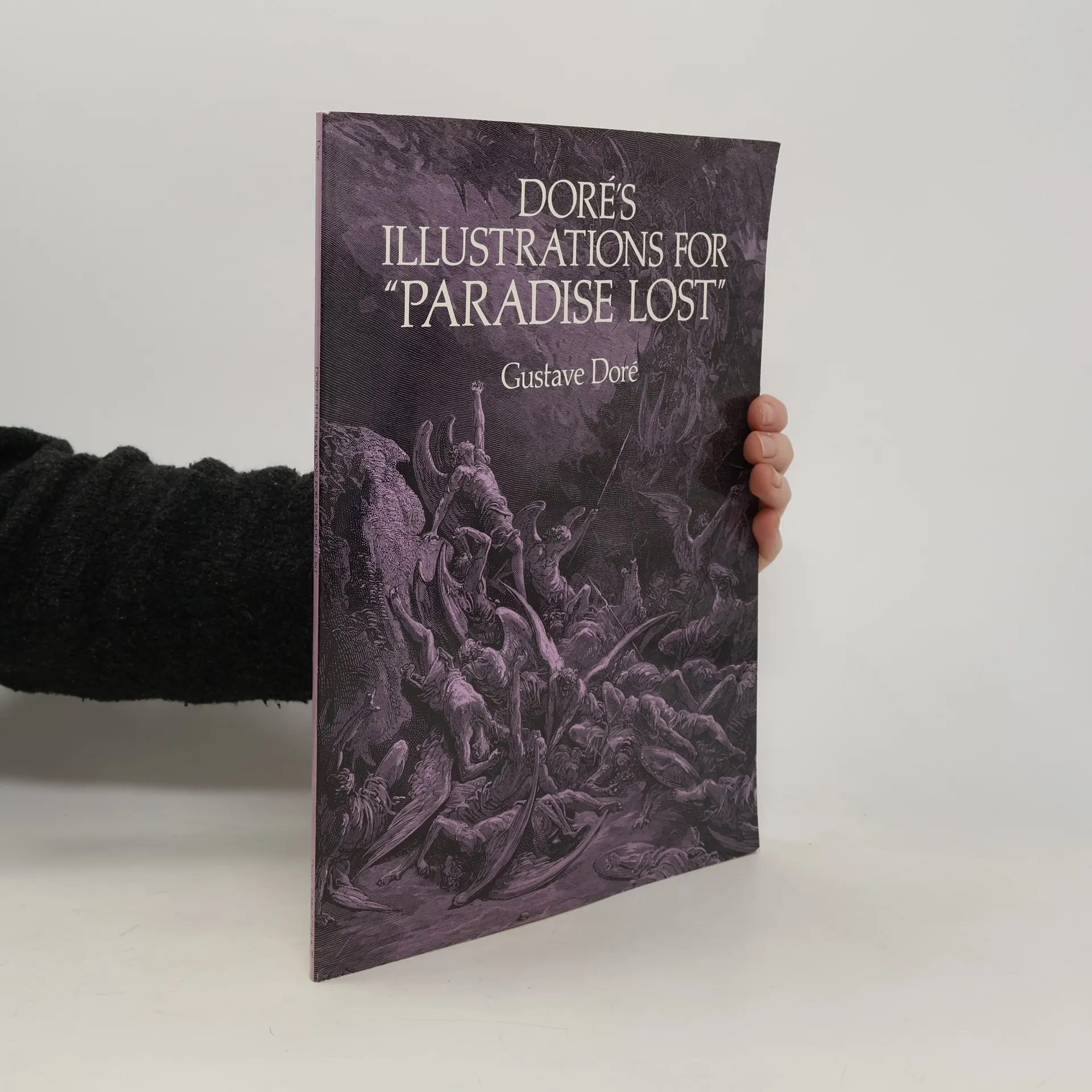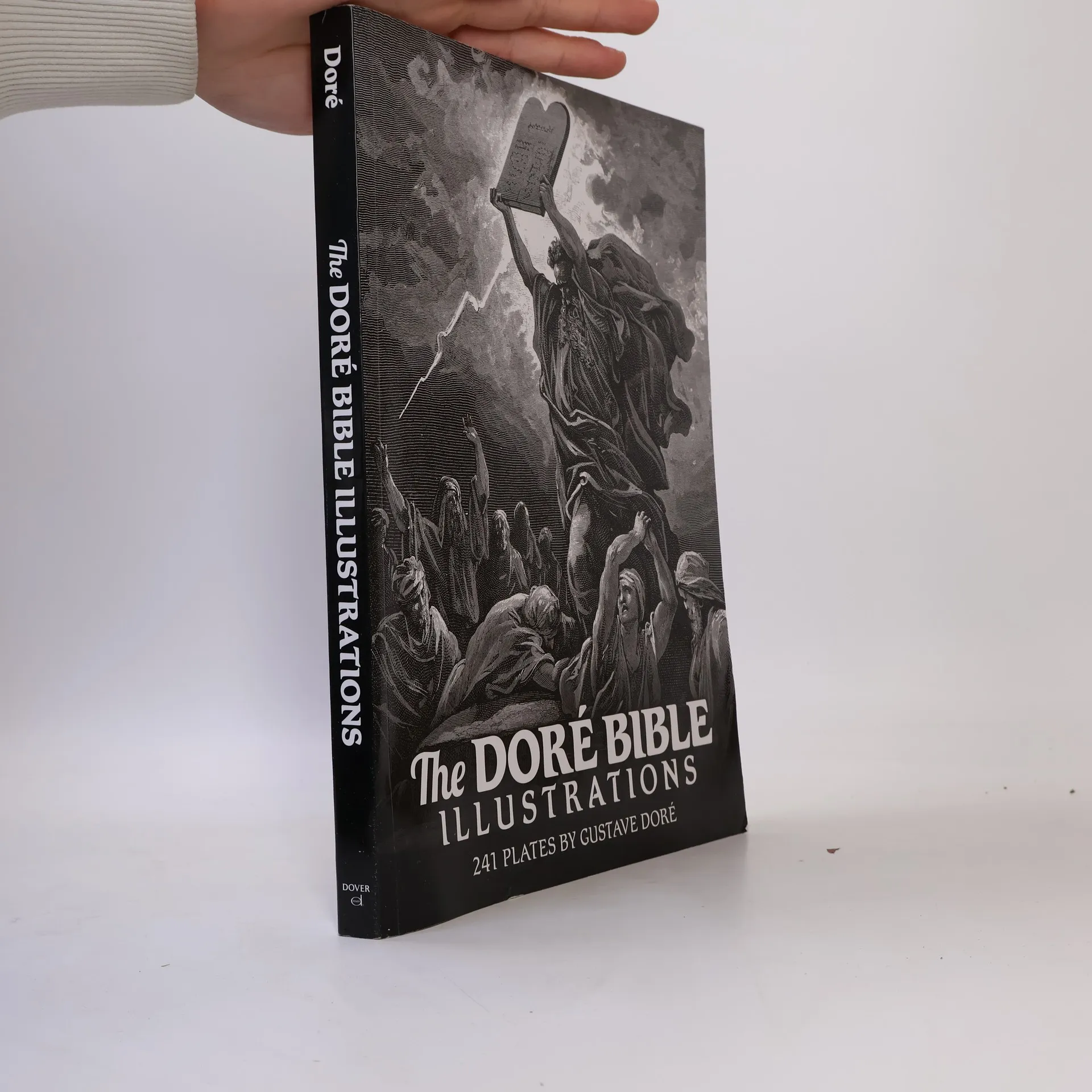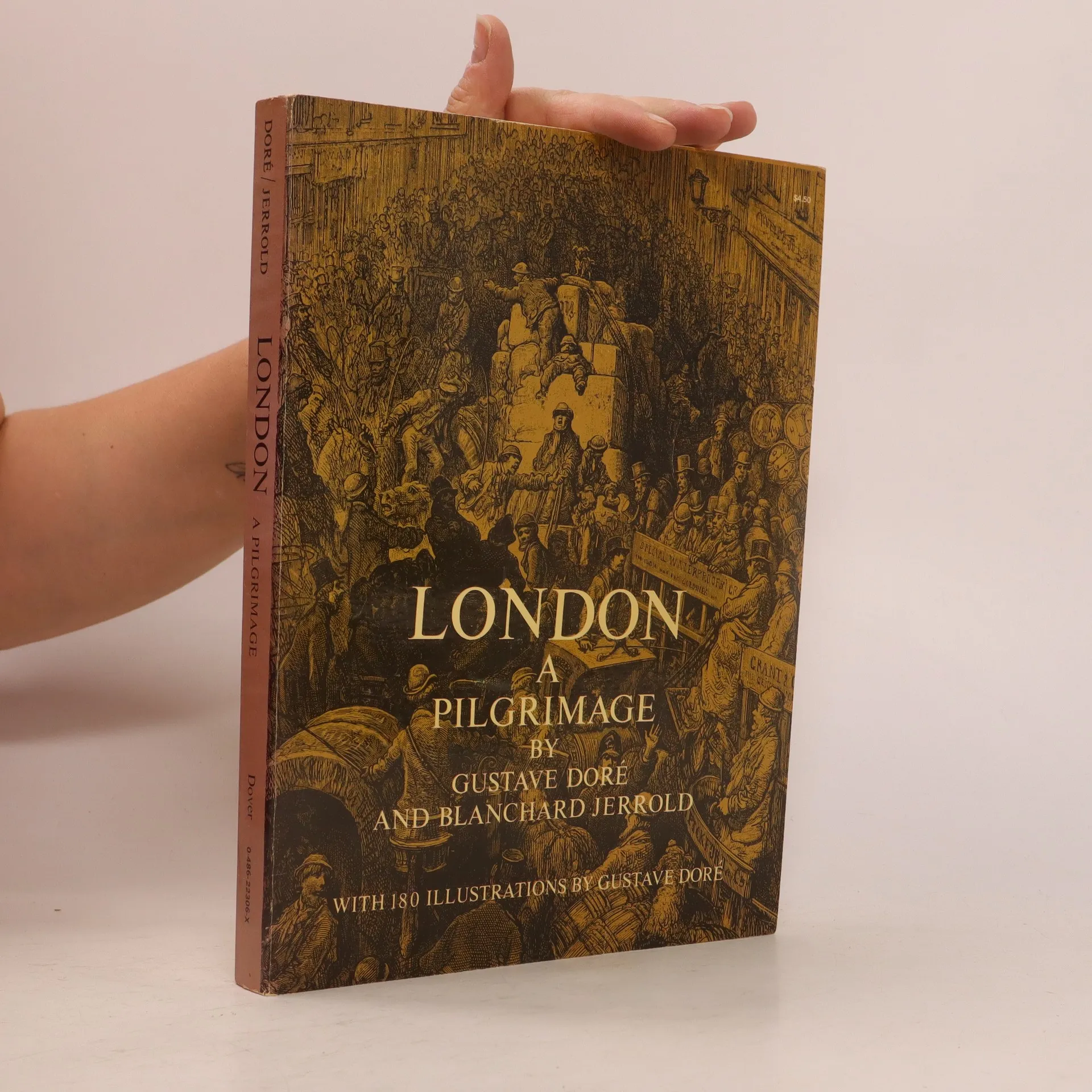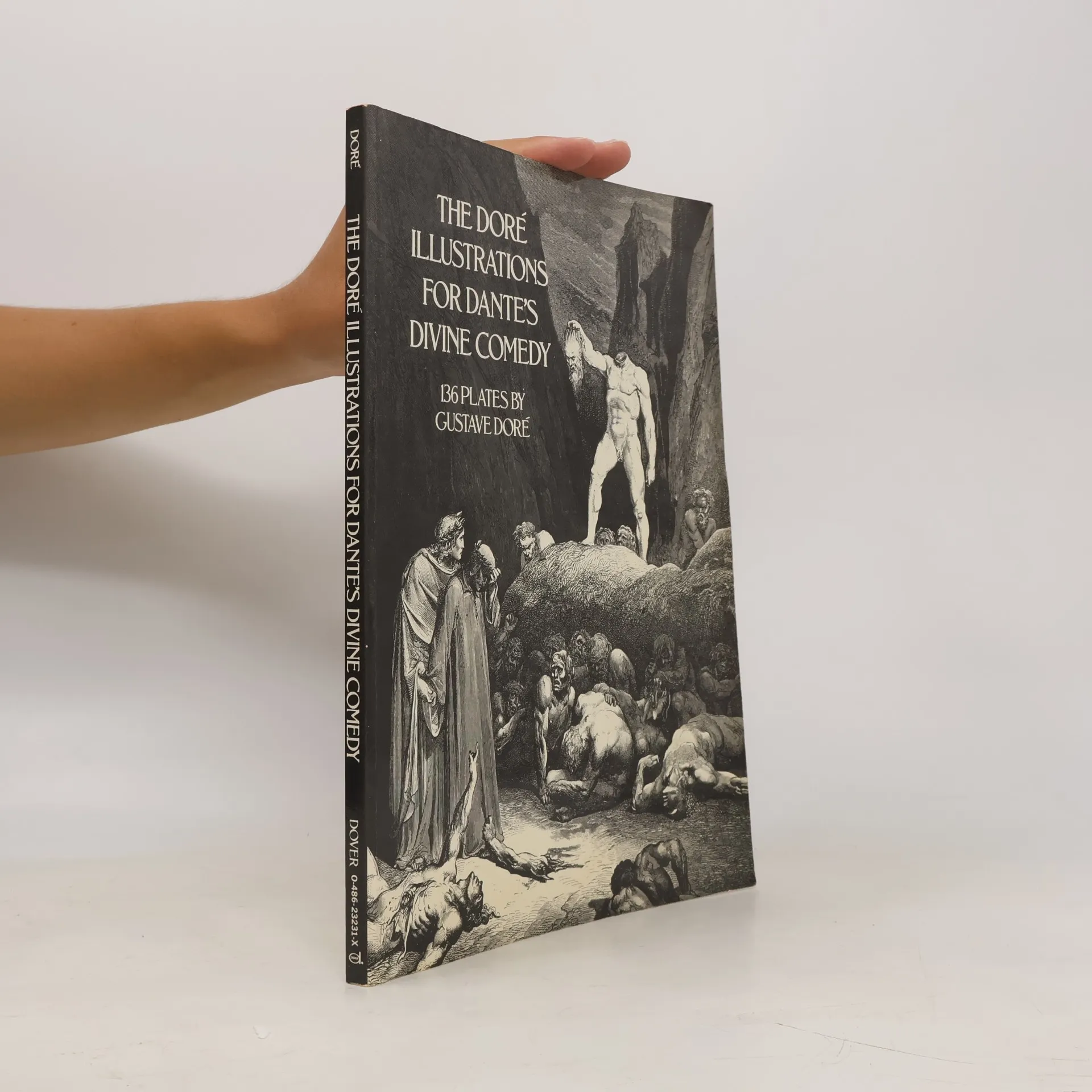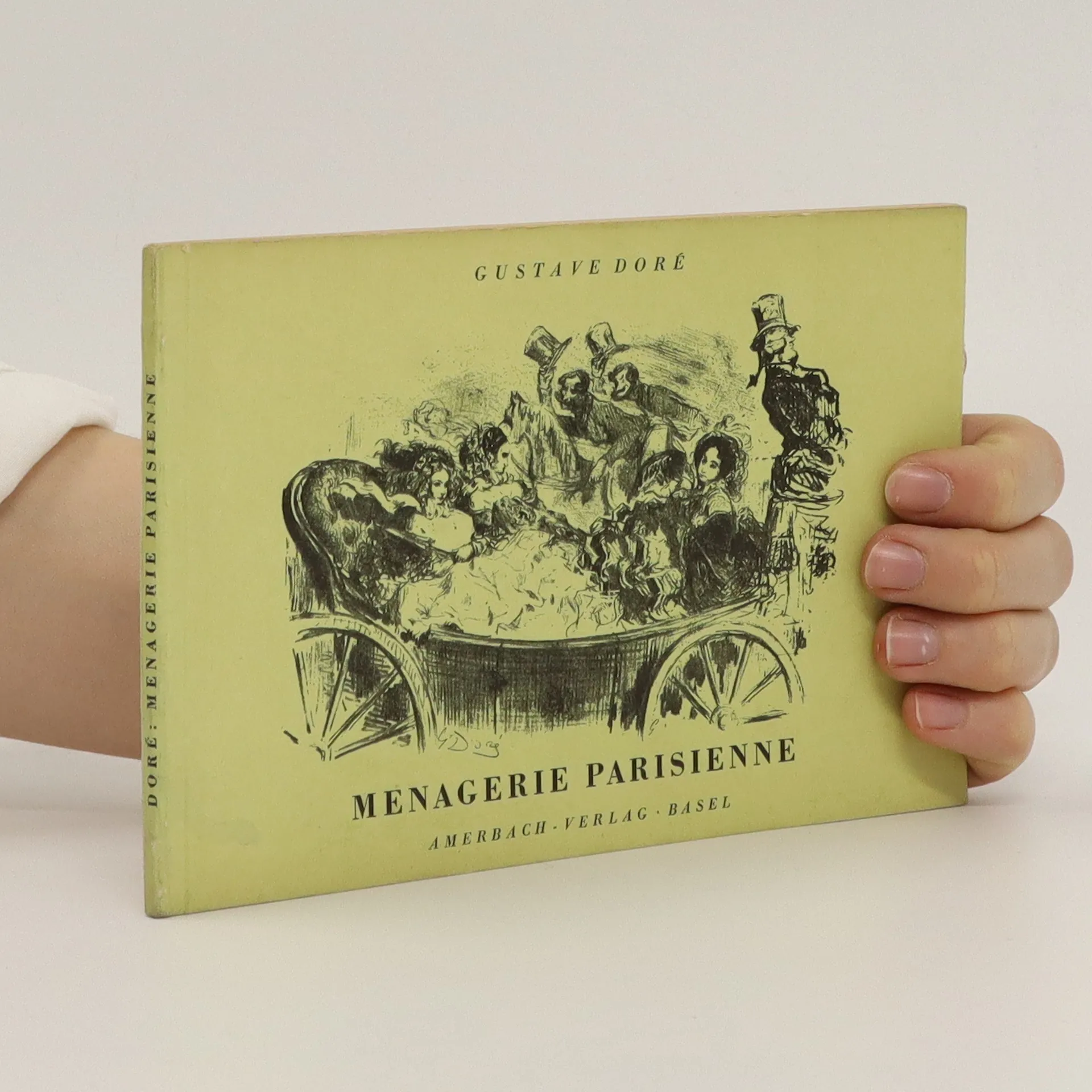
Bookbot

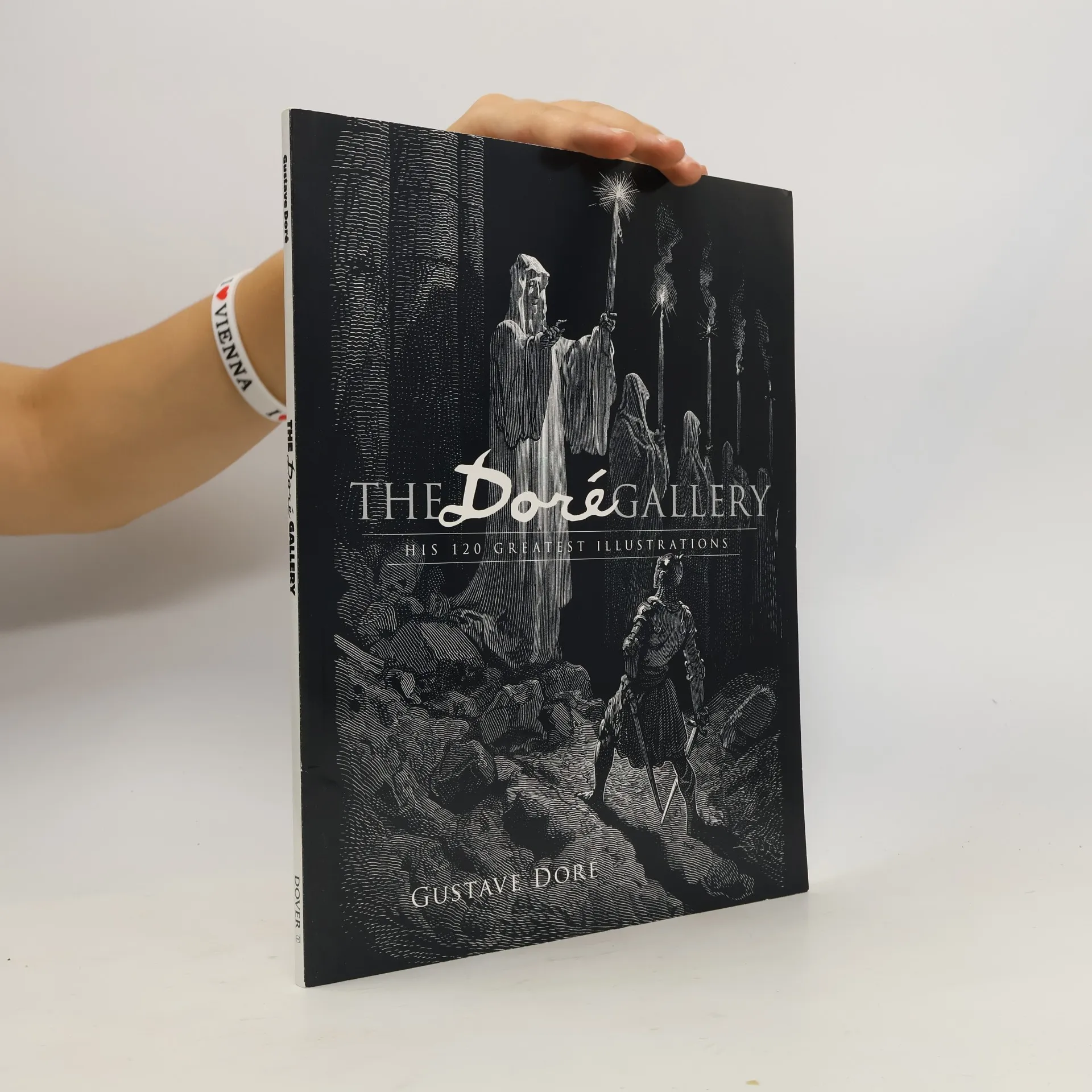
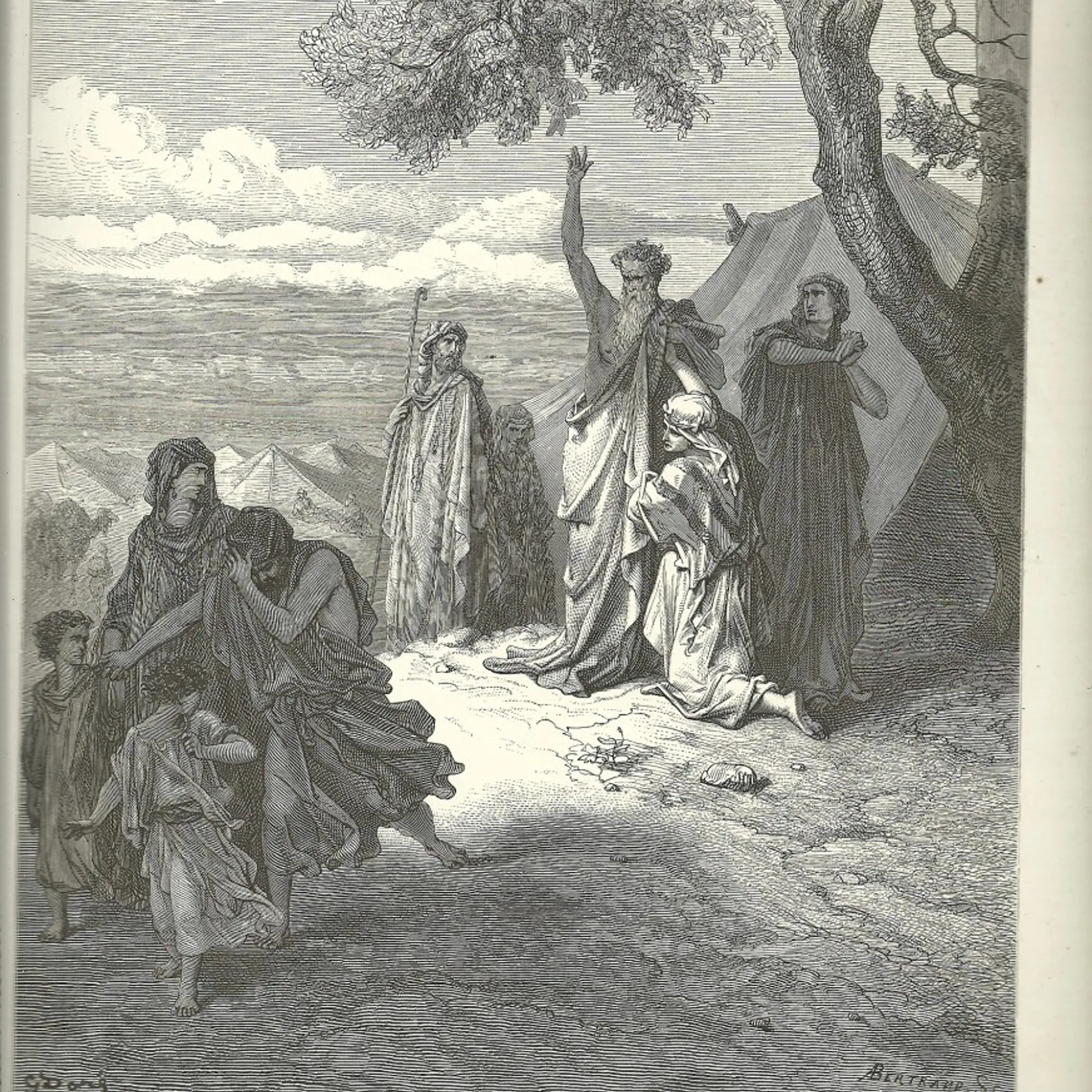
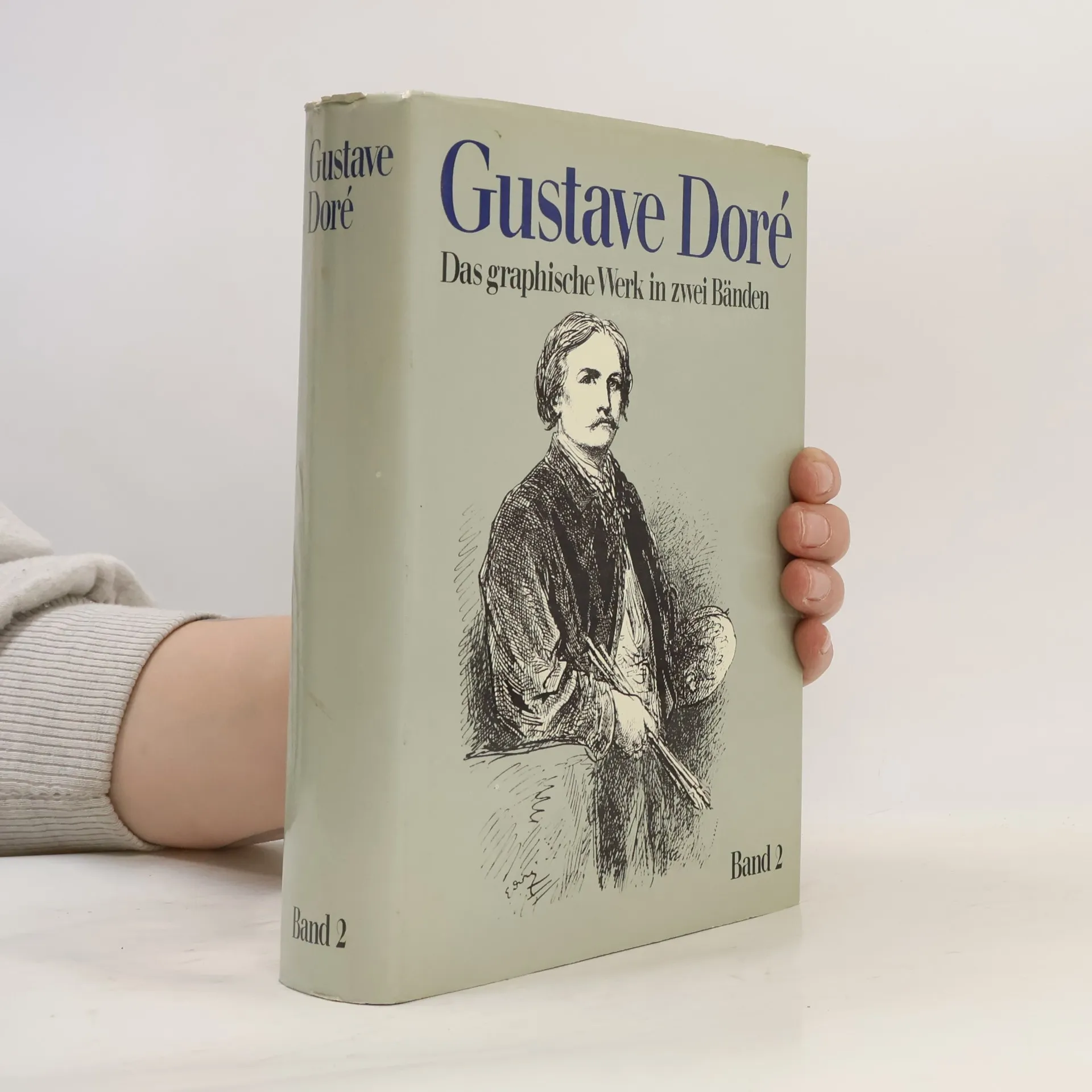
Gustave Doré

    6 janvier 1832 – 23 janvier 1883

    Gustave Doré fut l'illustrateur français le plus populaire et le plus prospère du milieu du XIXe siècle. Il acquit une large renommée grâce à ses illustrations d'œuvres majeures, contribuant à établir le livre illustré grand format à travers l'Europe. Son art se caractérise par un goût plein d'entrain, quoique quelque peu naïf, pour le grotesque, commercialisant la fascination romantique pour le bizarre. Plus tard, ses études plus sobres des quartiers pauvres de Londres retinrent l'attention de van Gogh, marquant une orientation vers une observation plus terre à terre.

    Le coureur des bois
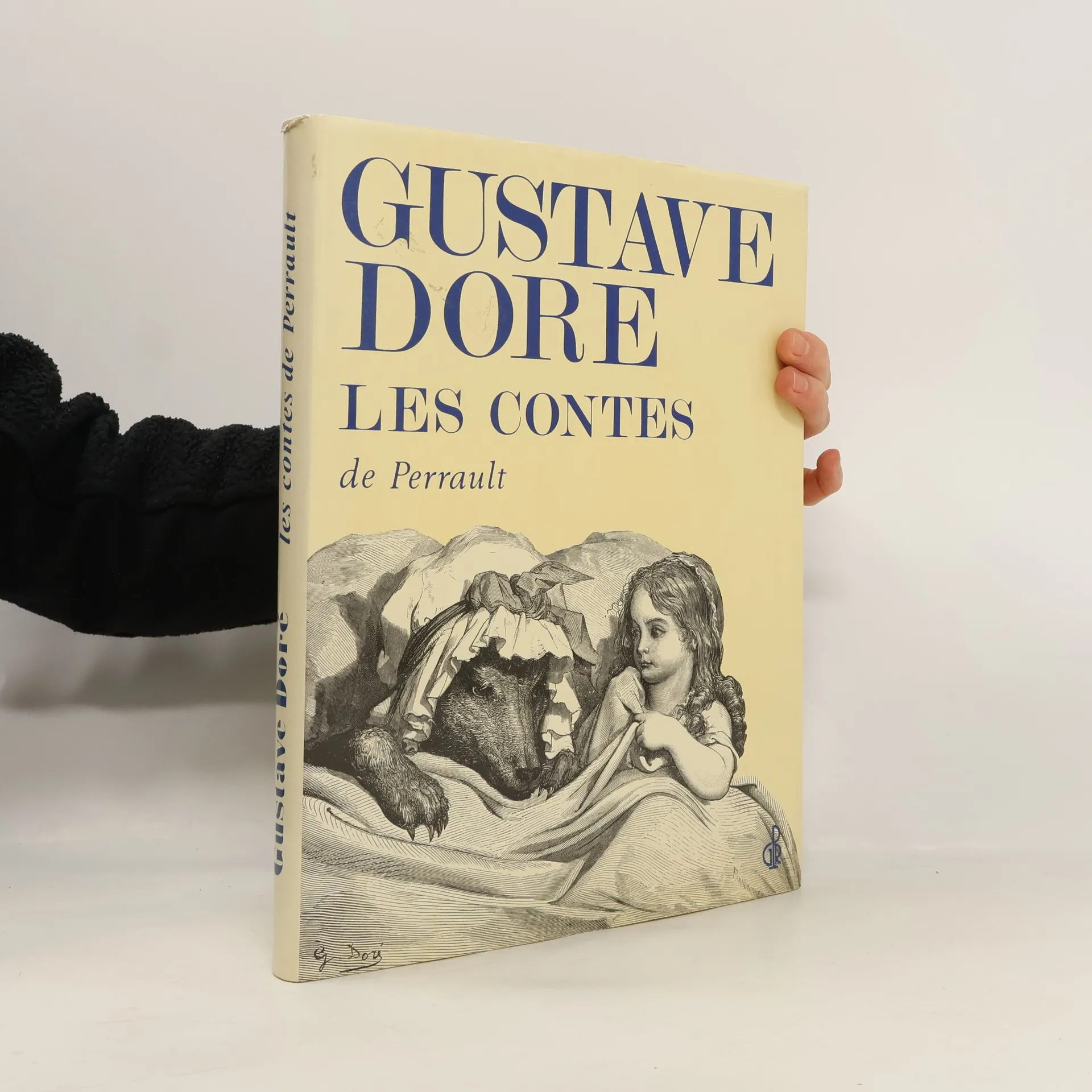
    Les Contes de Perrault
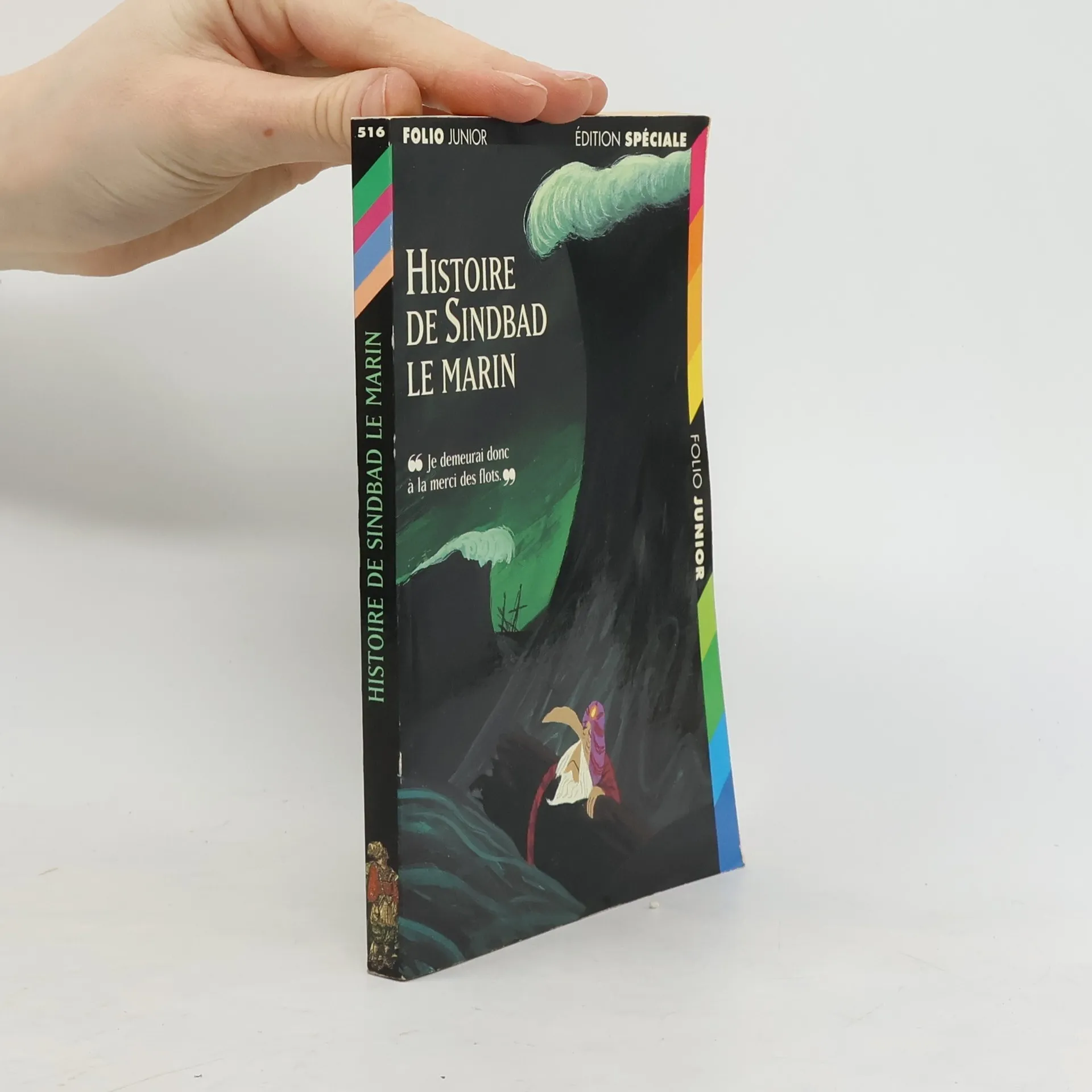
    Histoire de Sindbad le marin
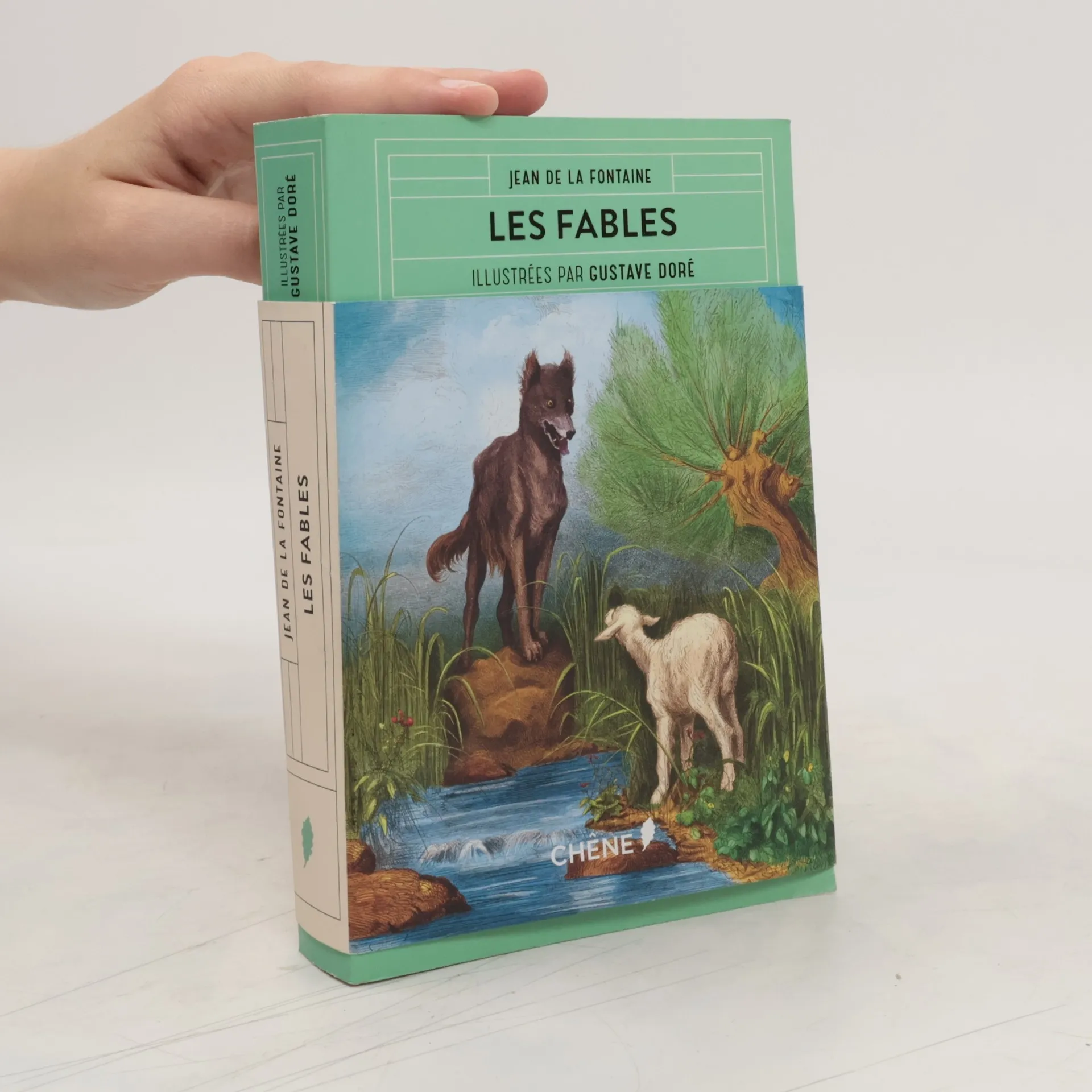
    Les fables
    Gustave Doré. Album du Centenaire
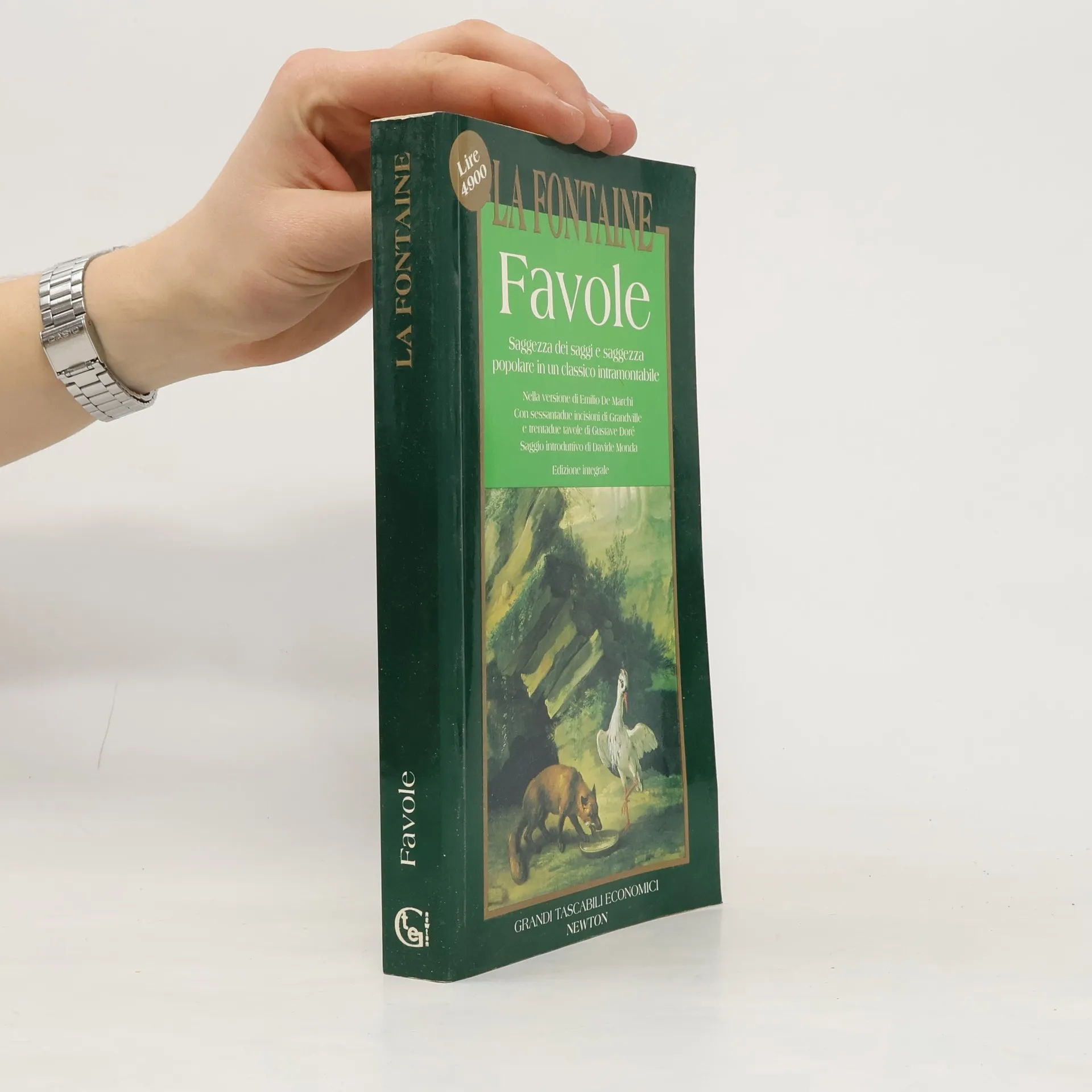
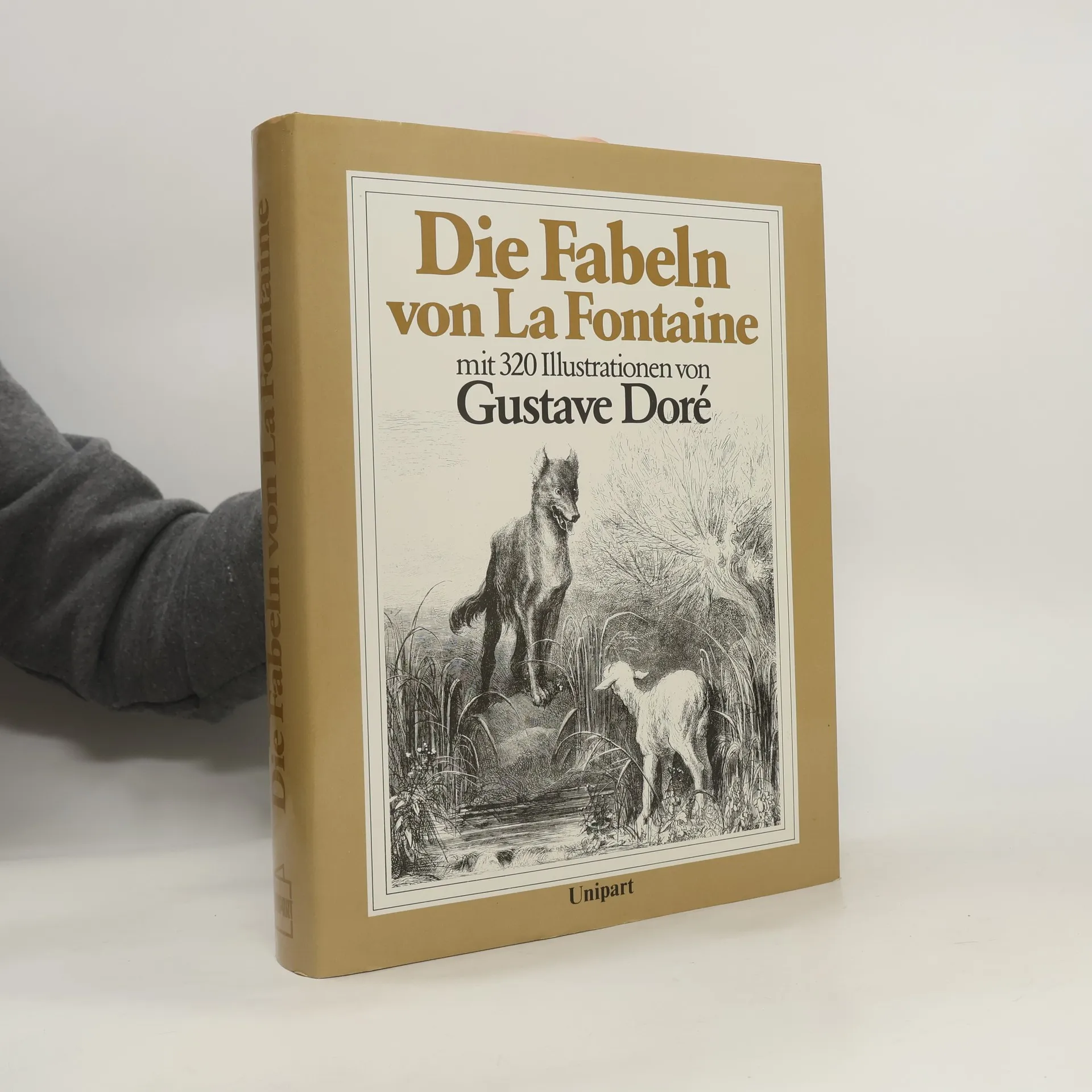
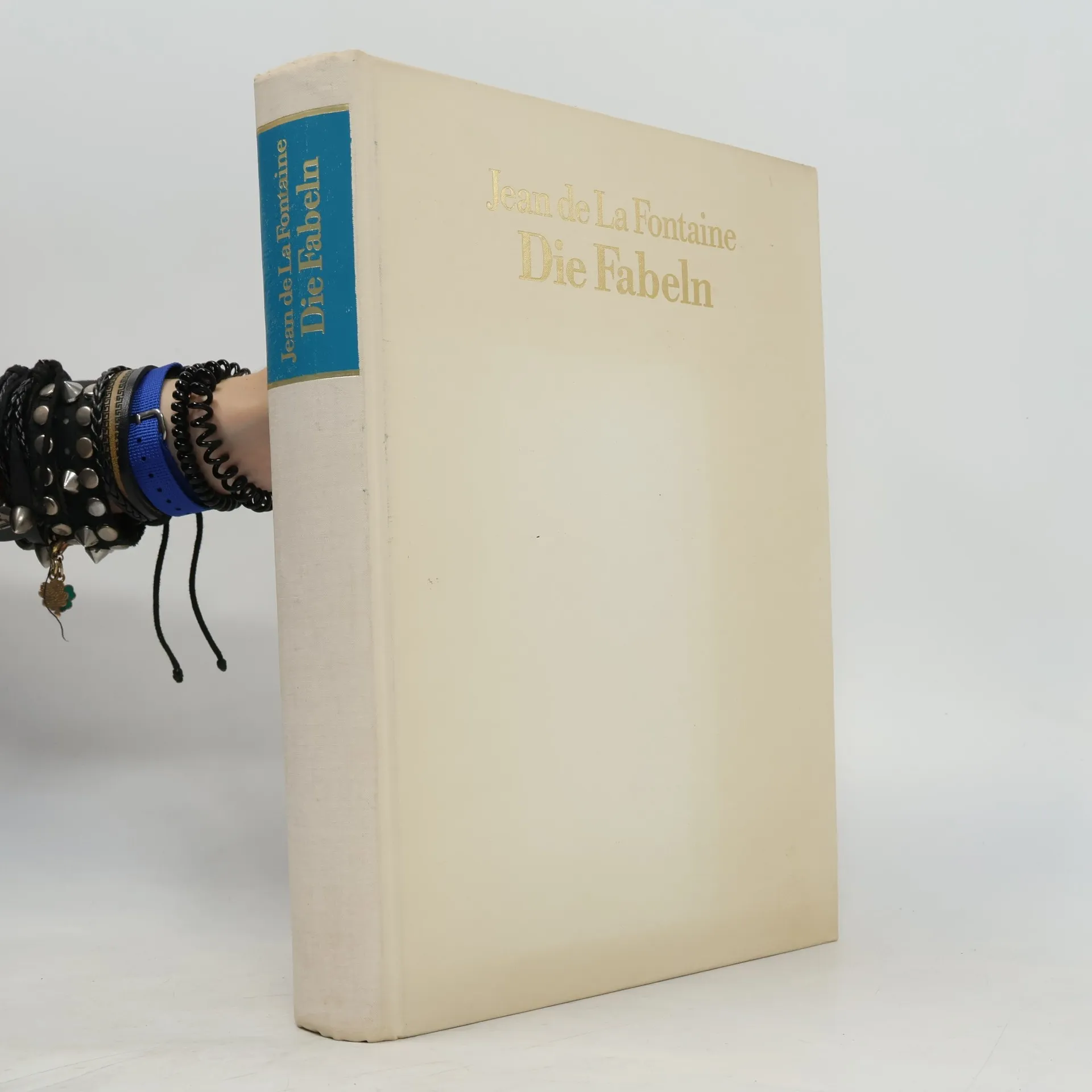
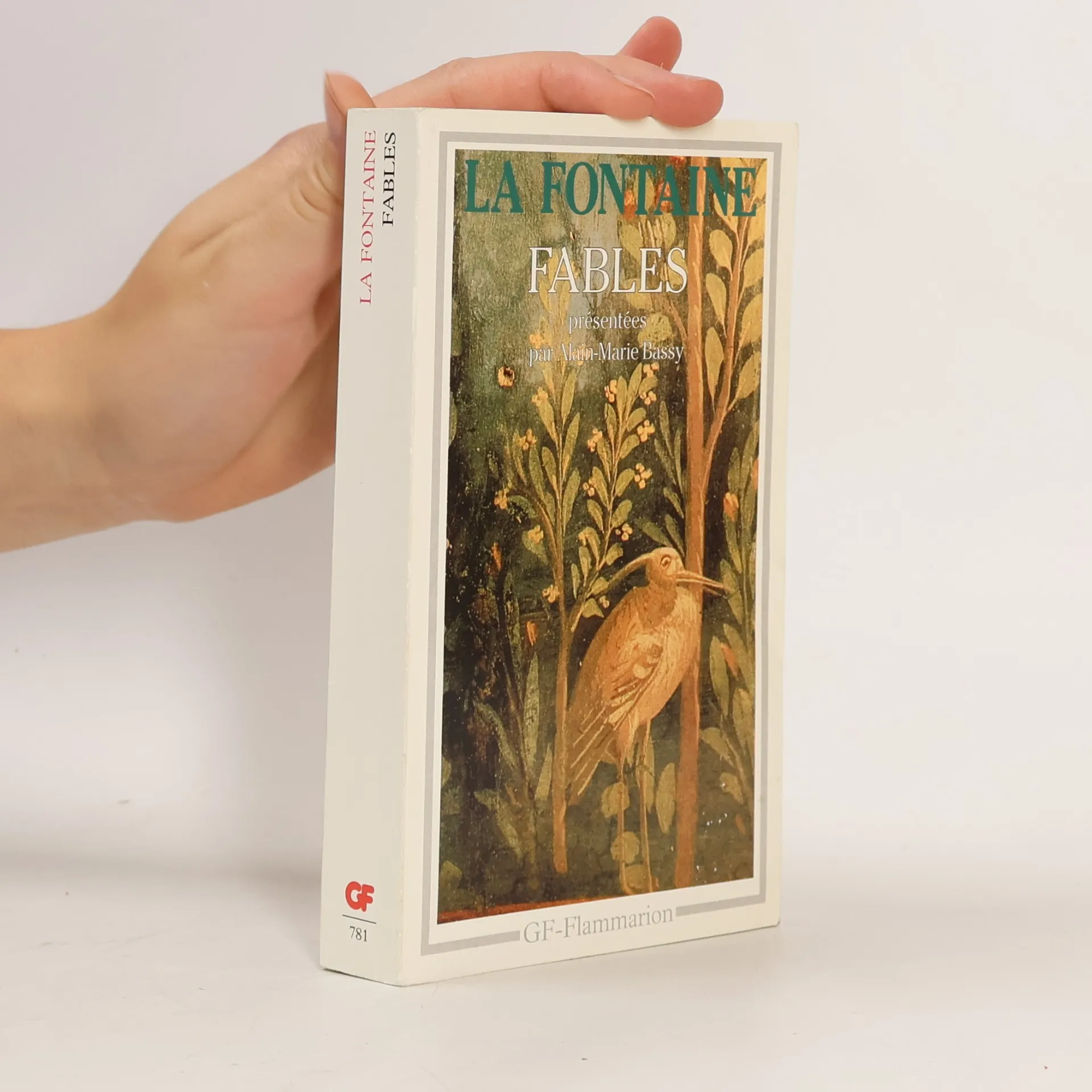
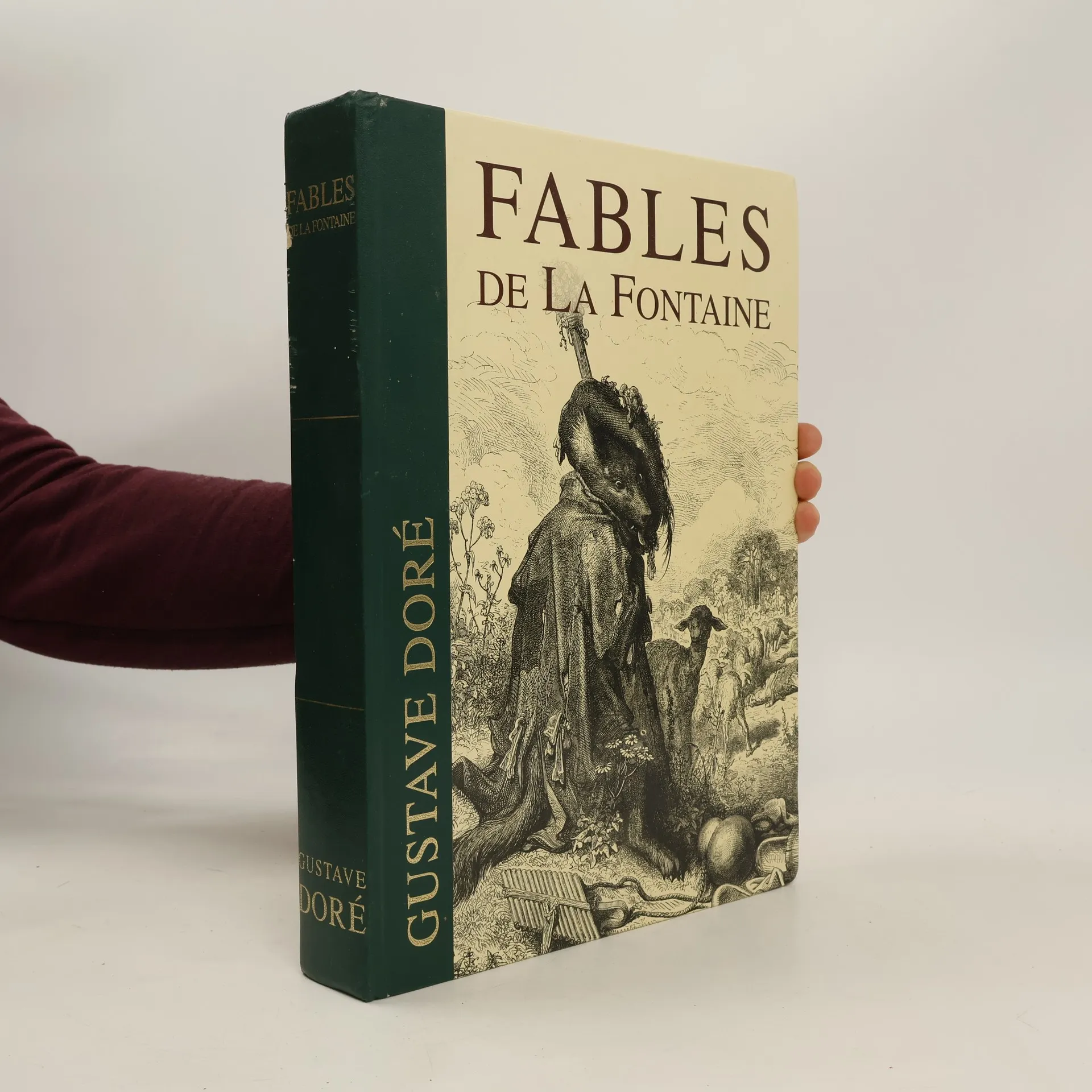
    Fables de La Fontaine
    • Une tortue, un corbeau, un lièvre, une fourmi, un lion, et même un pot au lait : autant de figures familières qui peuplent, parmi tant d'autres, notre imaginaire, resurgissent régulièrement, et que nous devons toutes au fabuleux talent de Monsieur de La Fontaine. Il est le prince des poètes, lui qui a su transformer une tradition un peu rigide, celle de la fable, en un art exceptionnel, qui charme l'oreille tout en réjouissant l'esprit, réveille les bois, anime les animaux et parvient à toucher tous les hommes. Moralité : on aurait tort de ne pas se replonger dans la lecture des Fables, qui ravissent les enfants et enchantent les adultes ! Leur pertinence impertinente est sans doute à l'origine de leur succès ininterrompu : qu'on les récite, comme à l'école, qu'on se les répète pour soi seulement ou qu'on se les "mette en bouche", comme le fit avec un bonheur évident le comédien Fabrice Luchini, on ne résiste pas au petit plaisir d'une fable.
      Fables de La Fontaine
      4,2
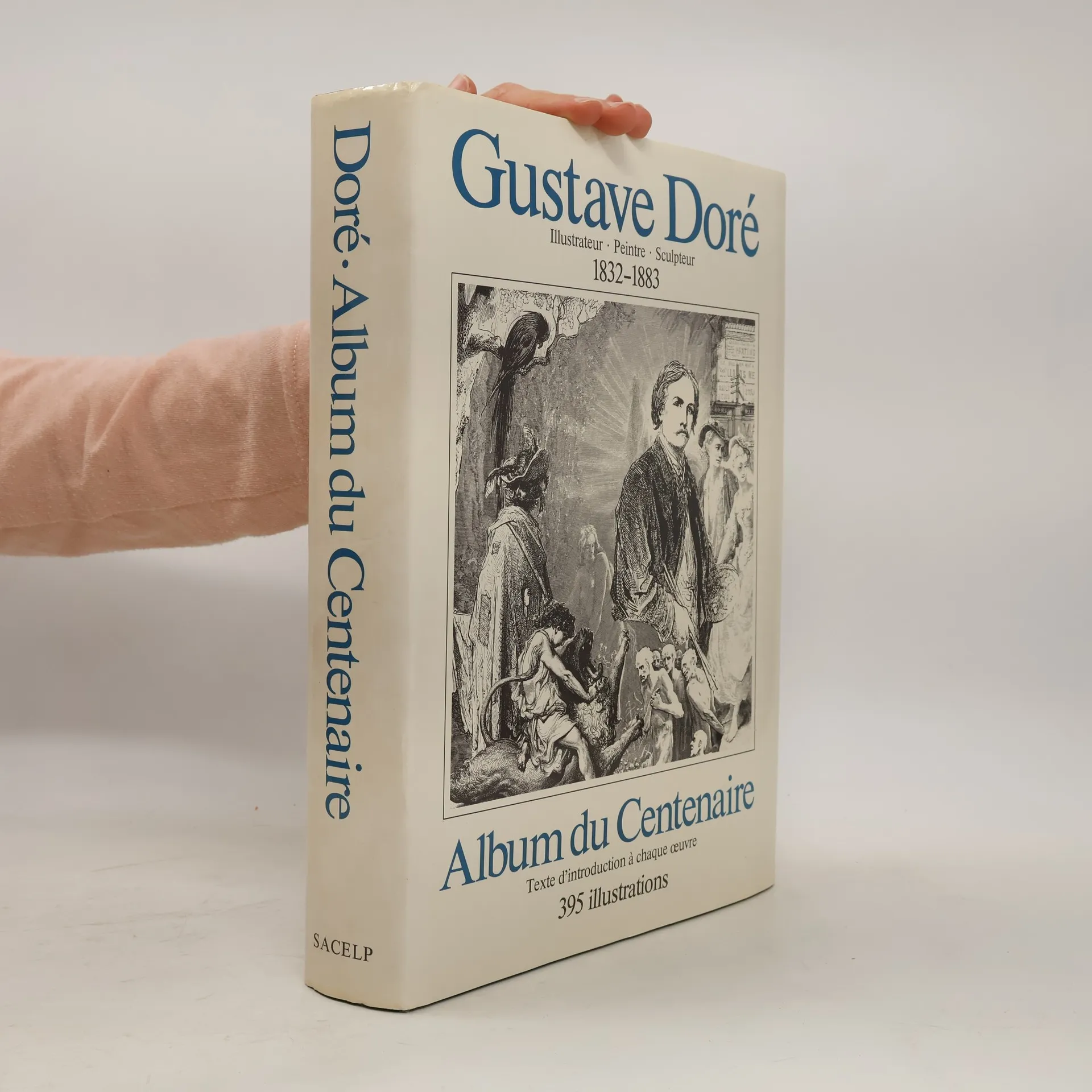
    • Gustave Doré. Album du Centenaire

      Texte d'introduction à chaque œuvre 395 illustrations

      • 447pages
      • 16 heures de lecture

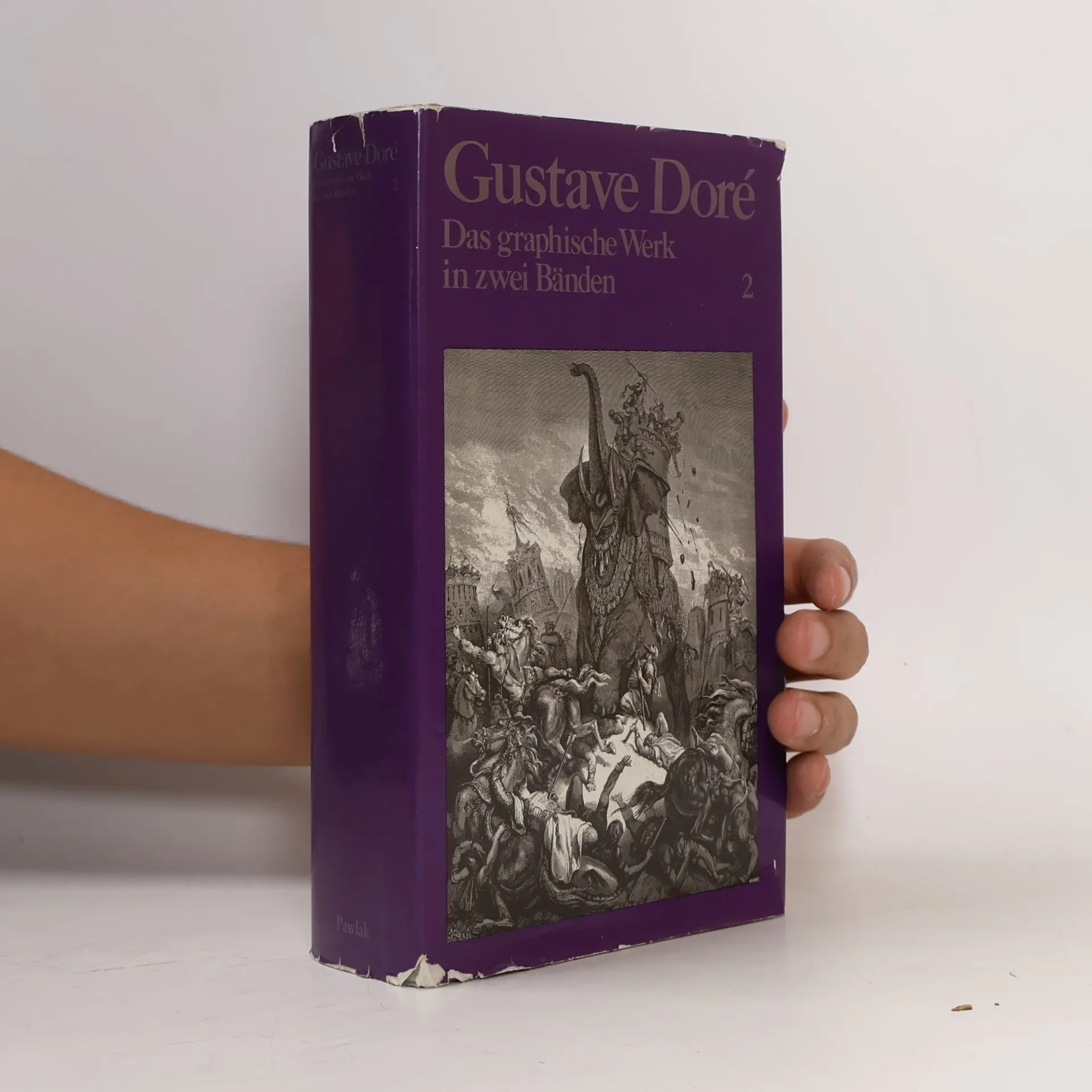
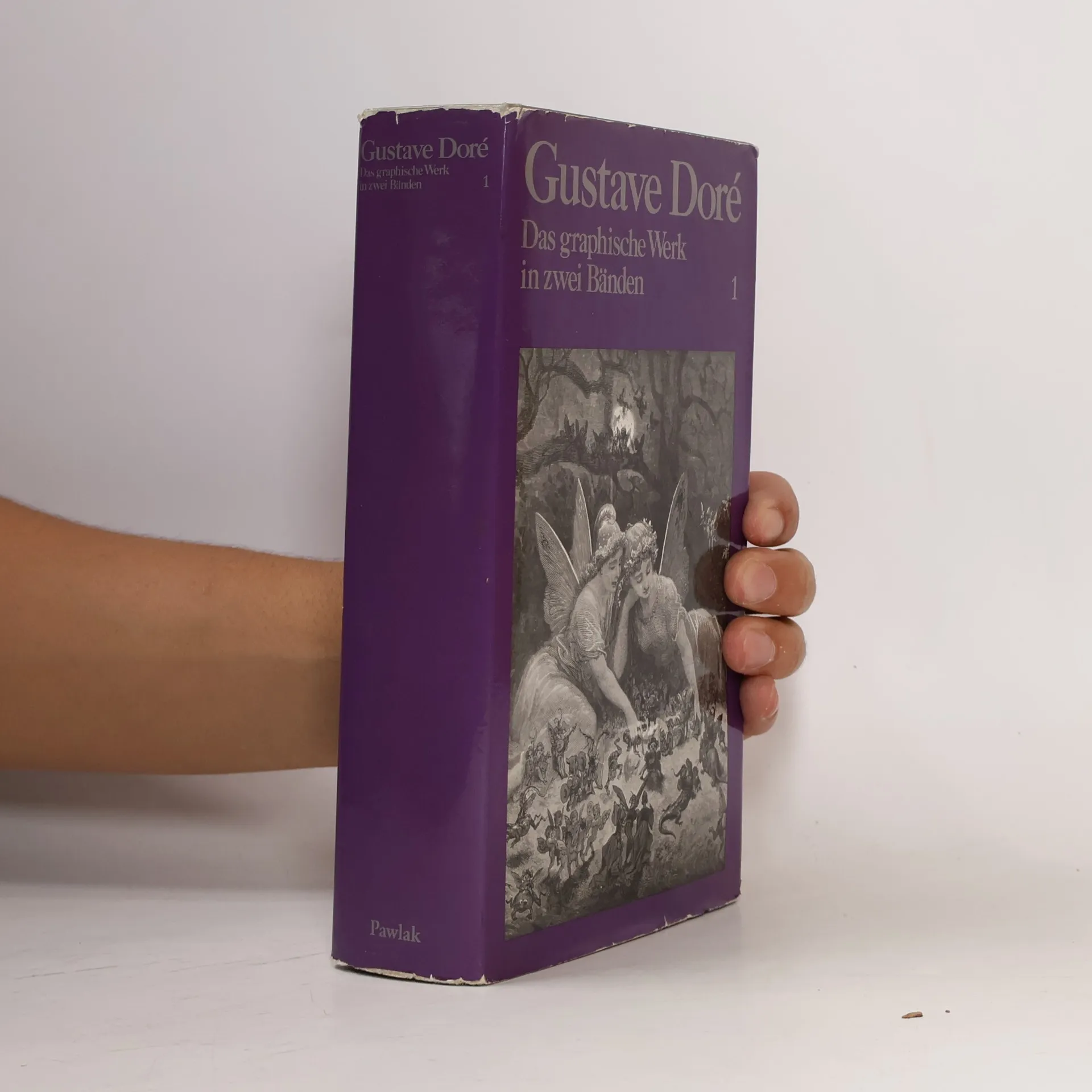
      Anthologie de l'œuvre du dessinateur, peintre, sculpteur Gustave Doré (1832-1883) pour le centenaire de son décès

      Gustave Doré. Album du Centenaire
      3,0
    • Les fables

      • 448pages
      • 16 heures de lecture

      En 1867, les éditions Hachette publiaient les Fables de La Fontaine illustrées par Gustave Doré en deux volumes. Plus de huit cents pages parmi lesquelles ont été choisies, pour le présent ouvrage, les plus belles gravures de l'artiste. Ces quarante-trois oeuvres, mises en couleurs, sont l'occasion de redécouvrir avec émerveillement le travail unique de Gustave Doré et les textes de La Fontaine, monument de la littérature française.

      Les fables
    • "Vous n'avez peut-être entendu parler que confusément de mes étranges aventures, et des dangers que j'ai courus sur mer dans les sept voyages que j'ai faits; et puisque l'occasion s'en présente, je vais vous en faire un rapport fidèle..." Ainsi parle Sindbad le marin, ainsi commence l'un des contes les plus célèbres des Mille et Une Nuits...

      Histoire de Sindbad le marin
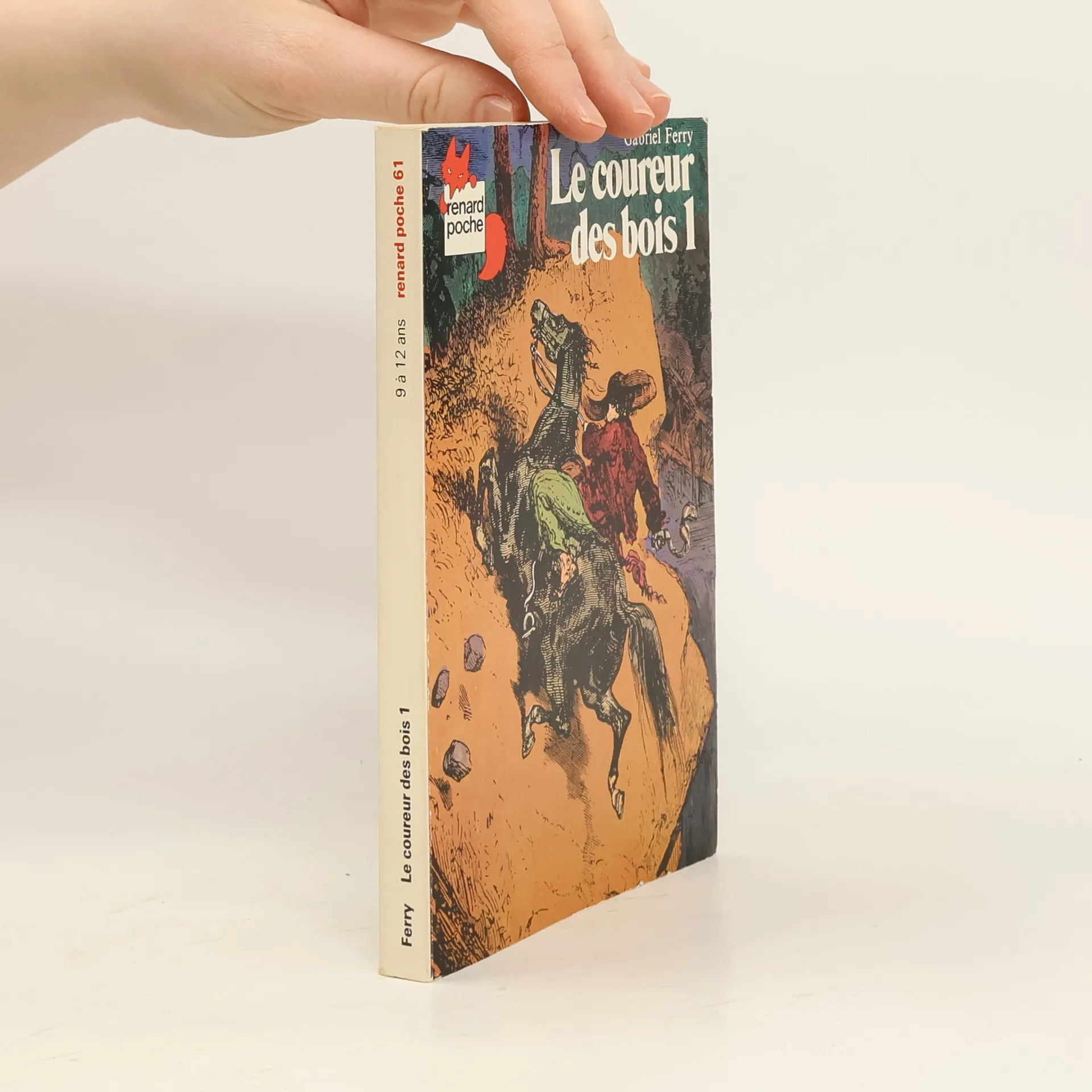
    • Le coureur des bois

      • 119pages
      • 5 heures de lecture

      Une détonation retentit alors qu'un Indien levait sa carabine pour tirer sur un chasseur audacieux. L'Indien tomba, laissant tomber son arme. Pepe, se jetant à terre pour recharger son rifle, invita Fabian à agir. Ce dernier tira, mais son coup manqua l'Indien, qui ne fut que blessé par un cri de rage. Des flèches volèrent vers le Canadien, mais Bois-Rose, imperturbable, les esquivait habilement. Lorsque Pepe eut rechargé son arme, il profita d'un moment d'hésitation chez les Indiens pour récupérer le corps de Gayferos. Ce dernier, accroché à ses épaules, laissa les bras de Bois-Rose libres pour manœuvrer. Le Canadien, avançant à reculons dans l'eau, ne tira qu'une seule fois, provoquant un cri d'agonie d'un Indien. La retraite stratégique, soutenue par les tirs de Fabian et Pepe, finit par imposer le respect à leurs ennemis. Quelques minutes plus tard, Bois-Rose, victorieux, déposa Gayferos, presque évanoui, sur le sol de l'îlot. Le géant annonça qu'ils avaient mis hors de combat trois adversaires.

      Le coureur des bois
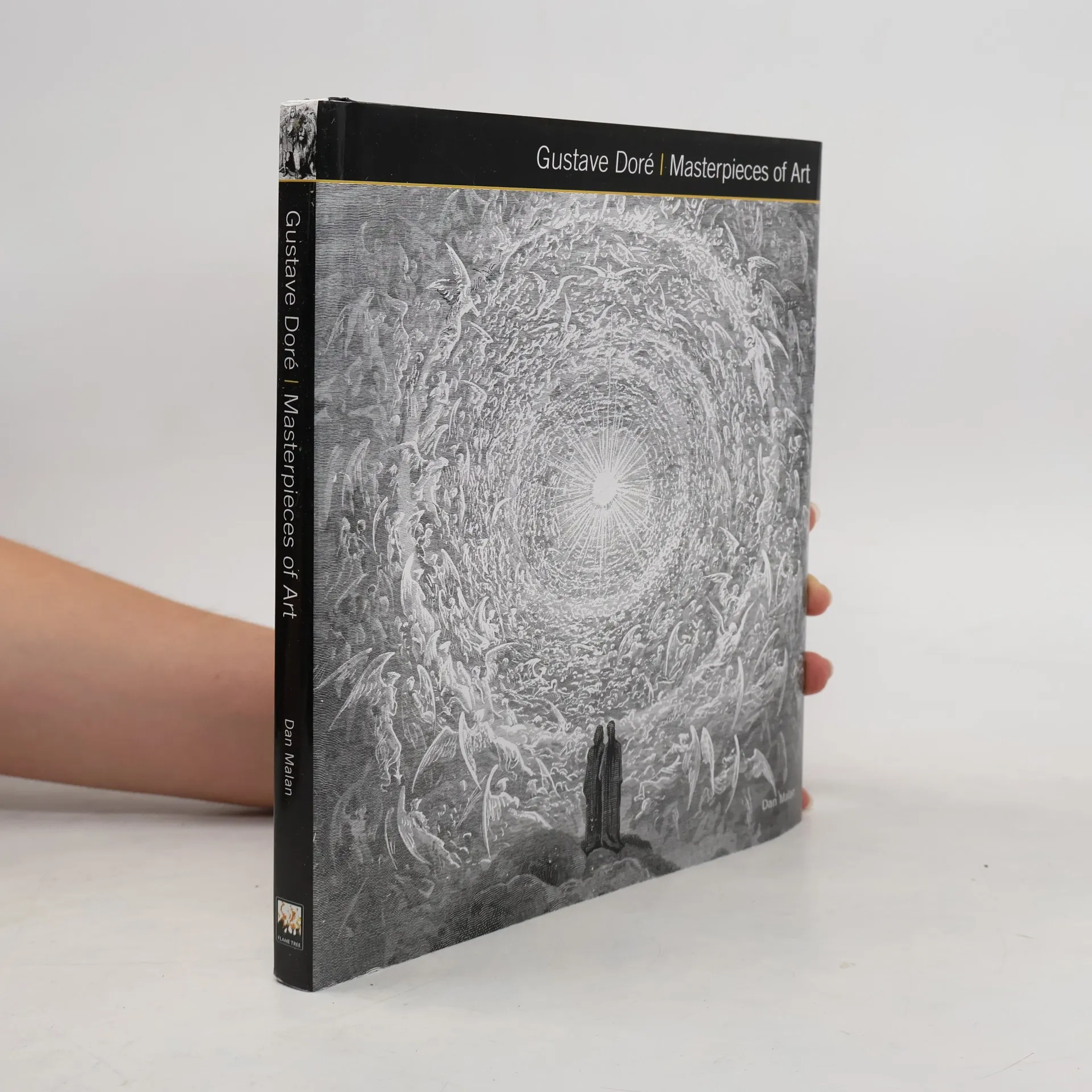
    • The fantastic Gustave Doré

      • 480pages
      • 17 heures de lecture

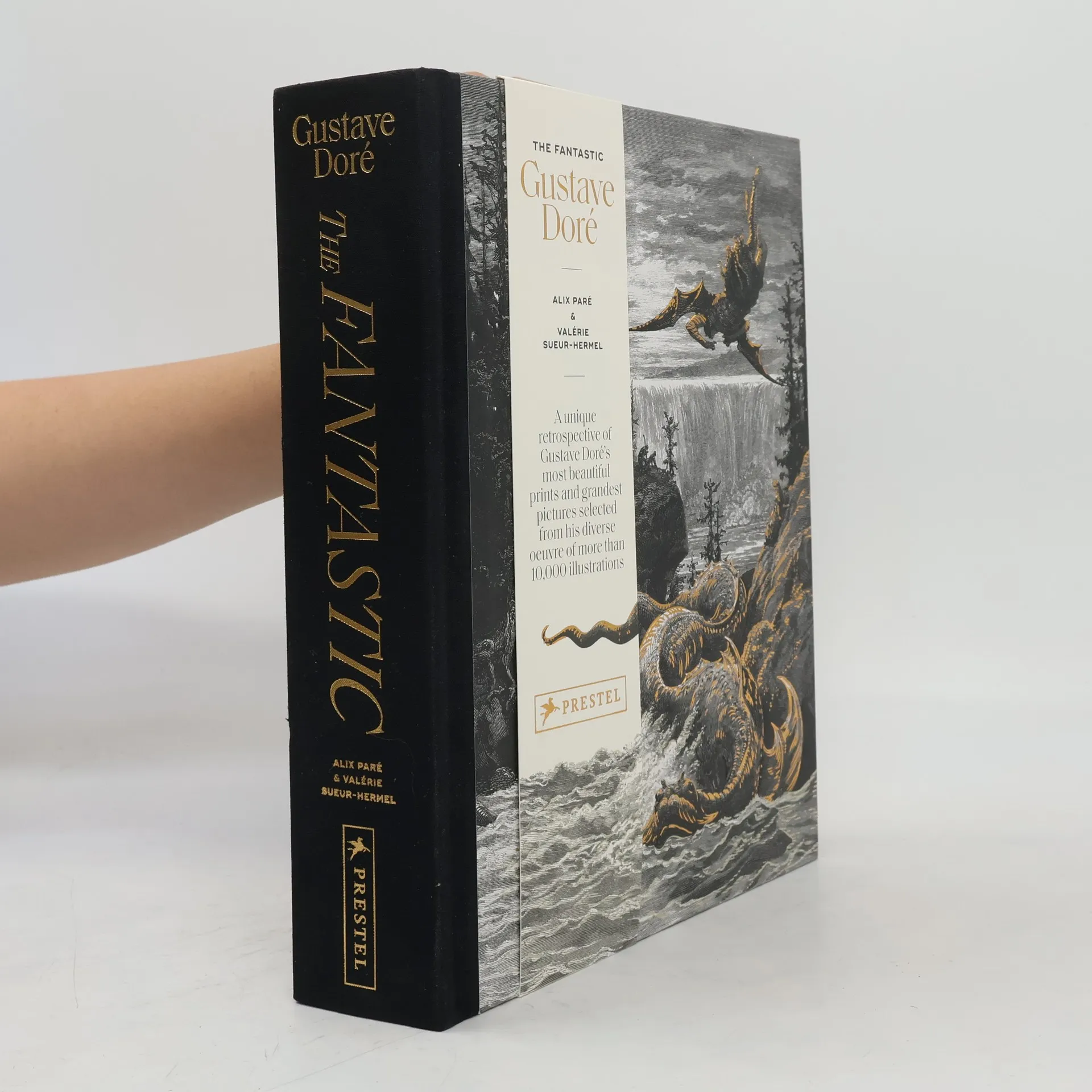
      This authoritative retrospective of Doré’s prints and paintings showcases over 10,000 works in a spectacularly ornate package that reflects the artist’s dramatic style. If you were a literature consumer in the nineteenth century, your library likely featured his illustrations. From the Bible to Shakespeare, Balzac to Poe, Doré’s intricate and exuberant drawings brought great works to life, making them as cherished as the stories they illustrated. This magnificent volume also reveals his talents as a sculptor, painter, and cartoonist. It spans Doré’s entire career, with chapters dedicated to specific works such as The Divine Comedy, Don Quixote, Tennyson’s Idylls of the King, and medieval fairy tales, each accompanied by exquisite full-page reproductions that highlight his genius in line, shading, and texture. The authors provide insights into the techniques Doré used to create his masterpieces. Fans will appreciate the book's stunning production, featuring quarter binding, gold foil stamping, embossing, a belly band, and silkscreen printing on three edges. Filled with incisive analysis and expert historical perspectives, this volume is a consummate collector’s item—expansive and sensational, just like the artist himself.

      The fantastic Gustave Doré
      4,9
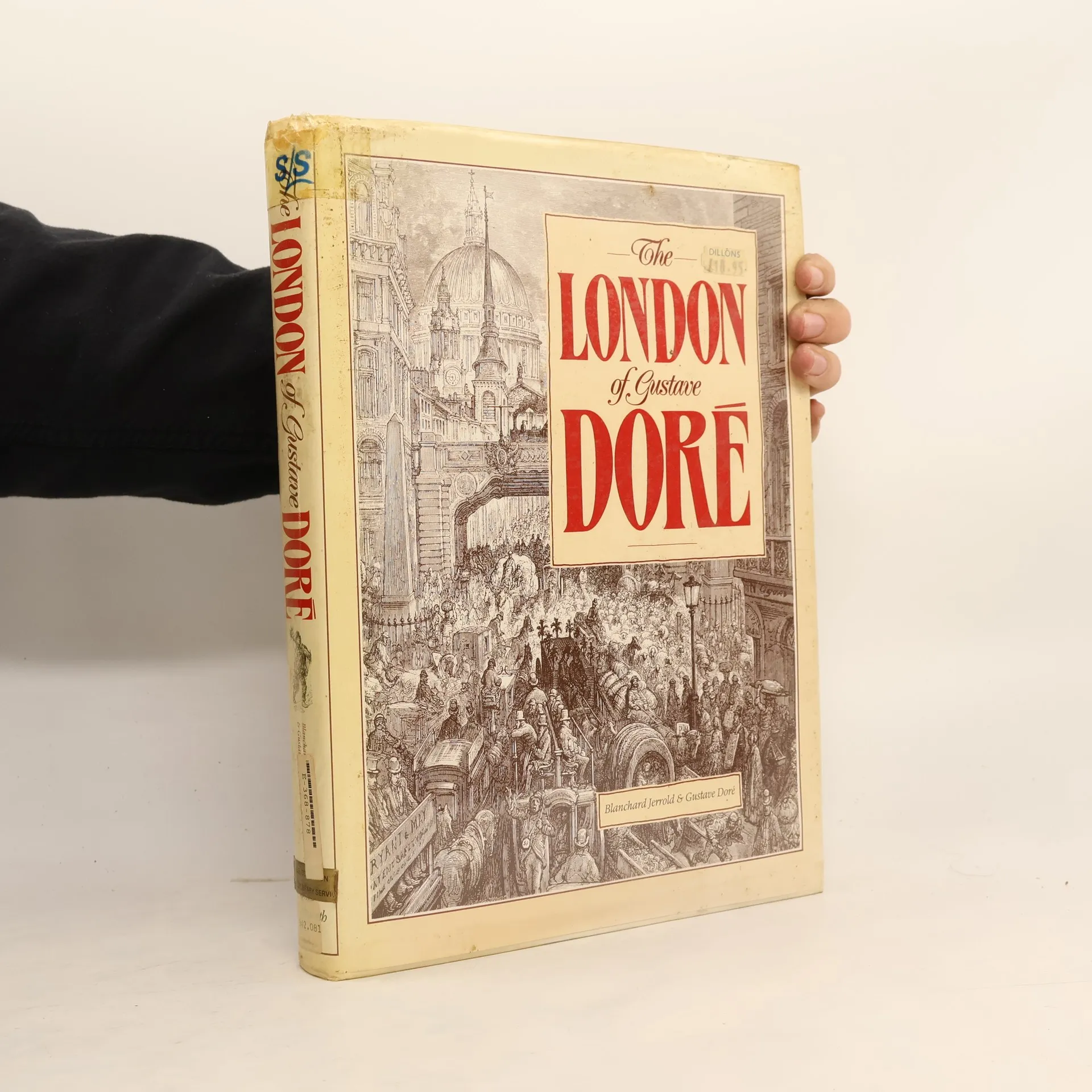
    • 'London: A Pilgrimage' was conceived in 1868 by the journalist and playwright Blanchard Jerrold. Accompanied by the famous artist Gustave Dore, Jerrold prowled every corner of the heaving metropolis, sometimes with plain-clothes police for protection. 'London: A Pilgrimage' is a forgotten classic of social journalism, a frank and brutal look at the poverty striken, gin-swilling London of the nineteenth century, written in a perceptive, bold and gripping style.180 incredible etchings by Dore escort Jerrold on his odyssey through the pulsating city, into the Lambeth gas works, seedy opium dens and grubby bathing houses; peering curiously into the desperate lives of the flower sellers, lavender girls and organ grinders. 'London: A Pilgrimage' is an enlightening work that brings to life the chaotic and gloomy past of a great city on the cusp of modern times.Peter Ackroyd's excellent introduction sheds further light on the period and the context in which Jerrold and Dore felt compelled to reveal to the world the squalor into which London was slowly sinking.

      London a pilgrimage
      4,4
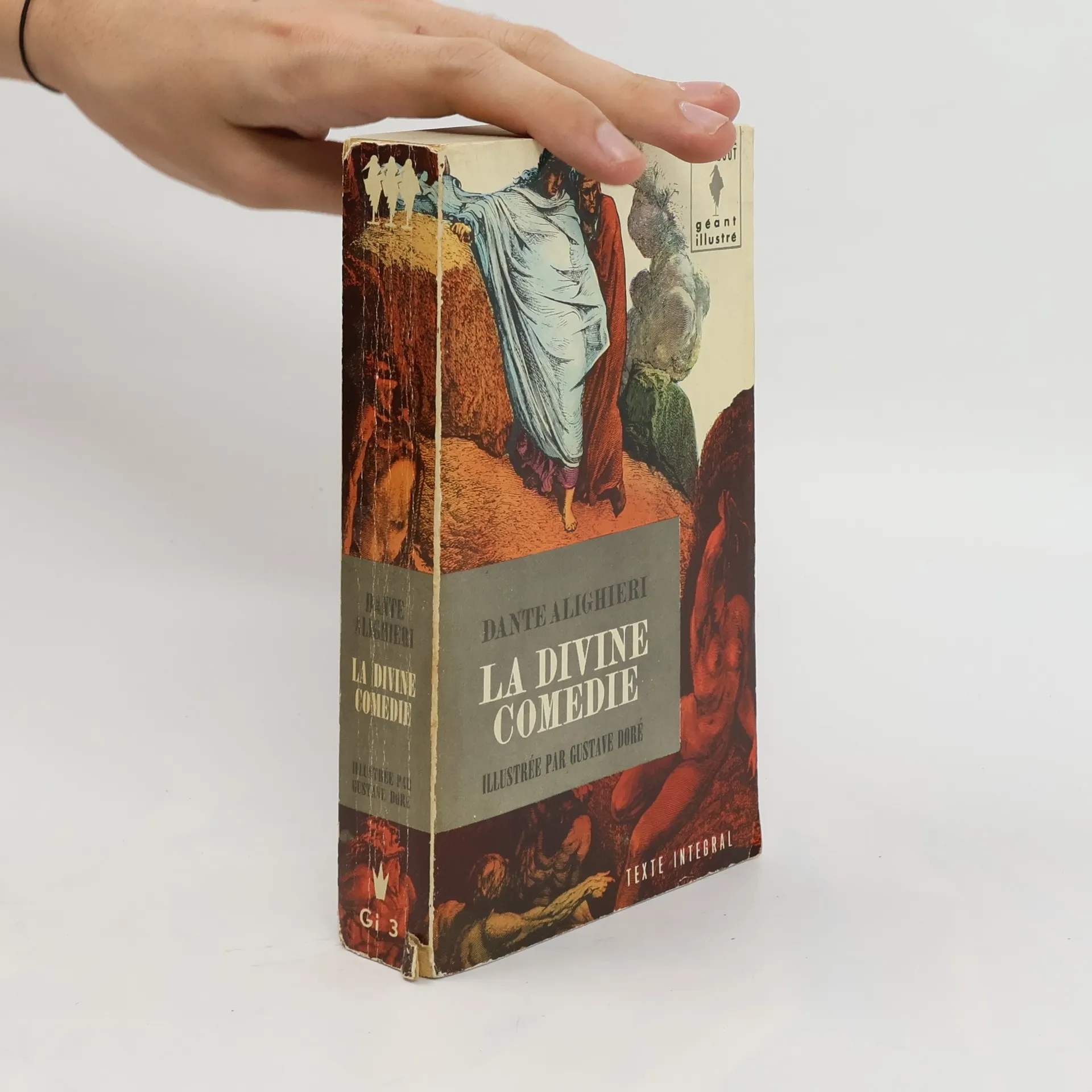
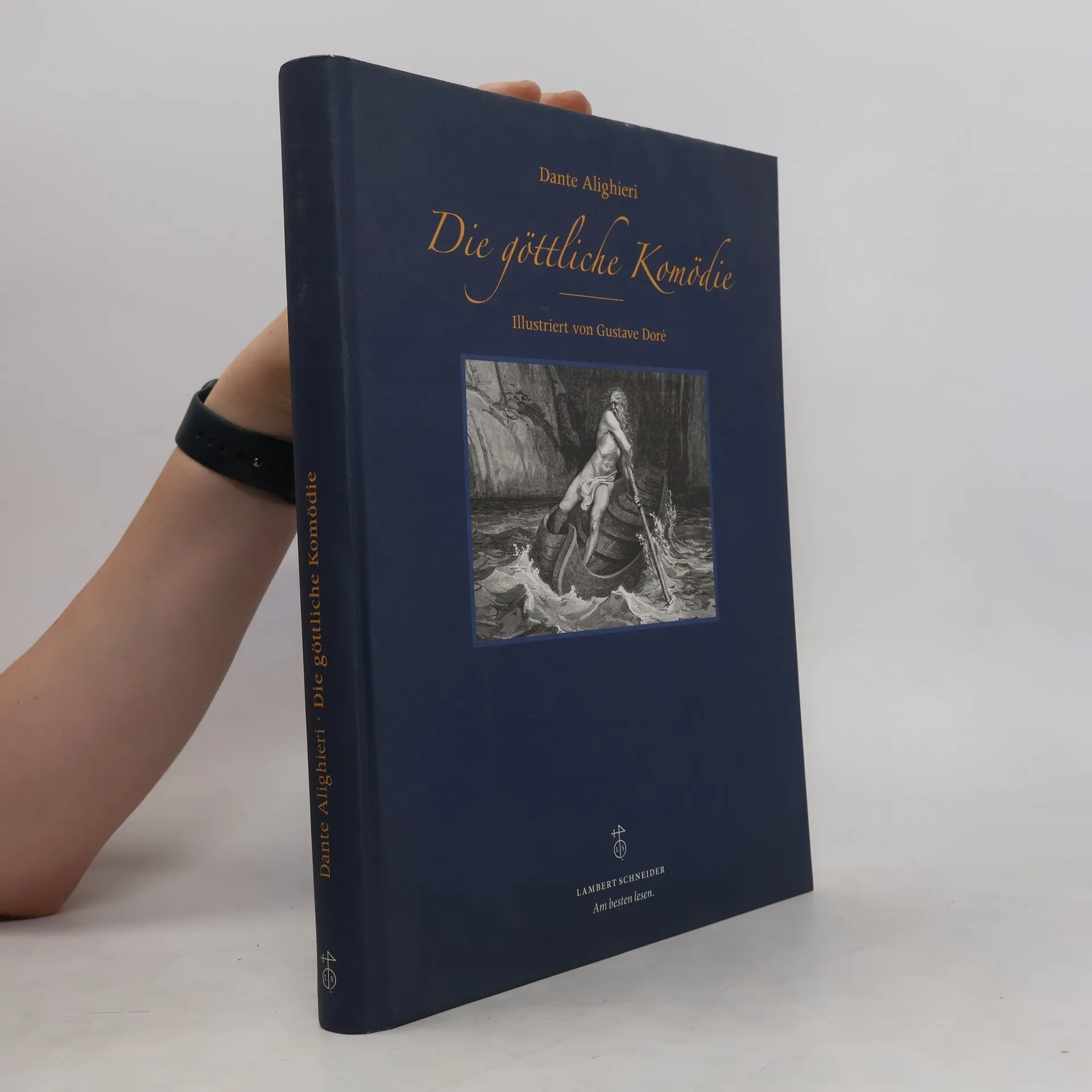
    • Long narrative poem originally titled Commedia (about 1555 printed as La divina commedia) written about 1310-14 by Dante. The work is divided into three major sections--Inferno, Purgatorio, and Paradiso--which trace the journey of a man from darkness and error to the revelation of the divine light, culminating in the beatific vision of God. It is usually held to be one of the world's greatest works of literature. The plot of The Divine Comedy is simple: a man is miraculously enabled to visit the souls in Hell, Purgatory, and Paradise. He has two guides: Virgil, who leads him through the Inferno and Purgatorio, and Beatrice, who introduces him to Paradiso. Through these fictional encounters taking place from Good Friday evening in 1300 through Easter Sunday and slightly beyond, Dante the character learns of the exile that is awaiting him (an actual exile that had already occurred at the time of writing). This device allowed Dante not only to create a story out of his exile but also to explain how he came to cope with personal calamity and to offer suggestions for the resolution of Italy's troubles as well.

      Dante's Divine Comedy: Hell, Purgatory, Paradise
      5,0
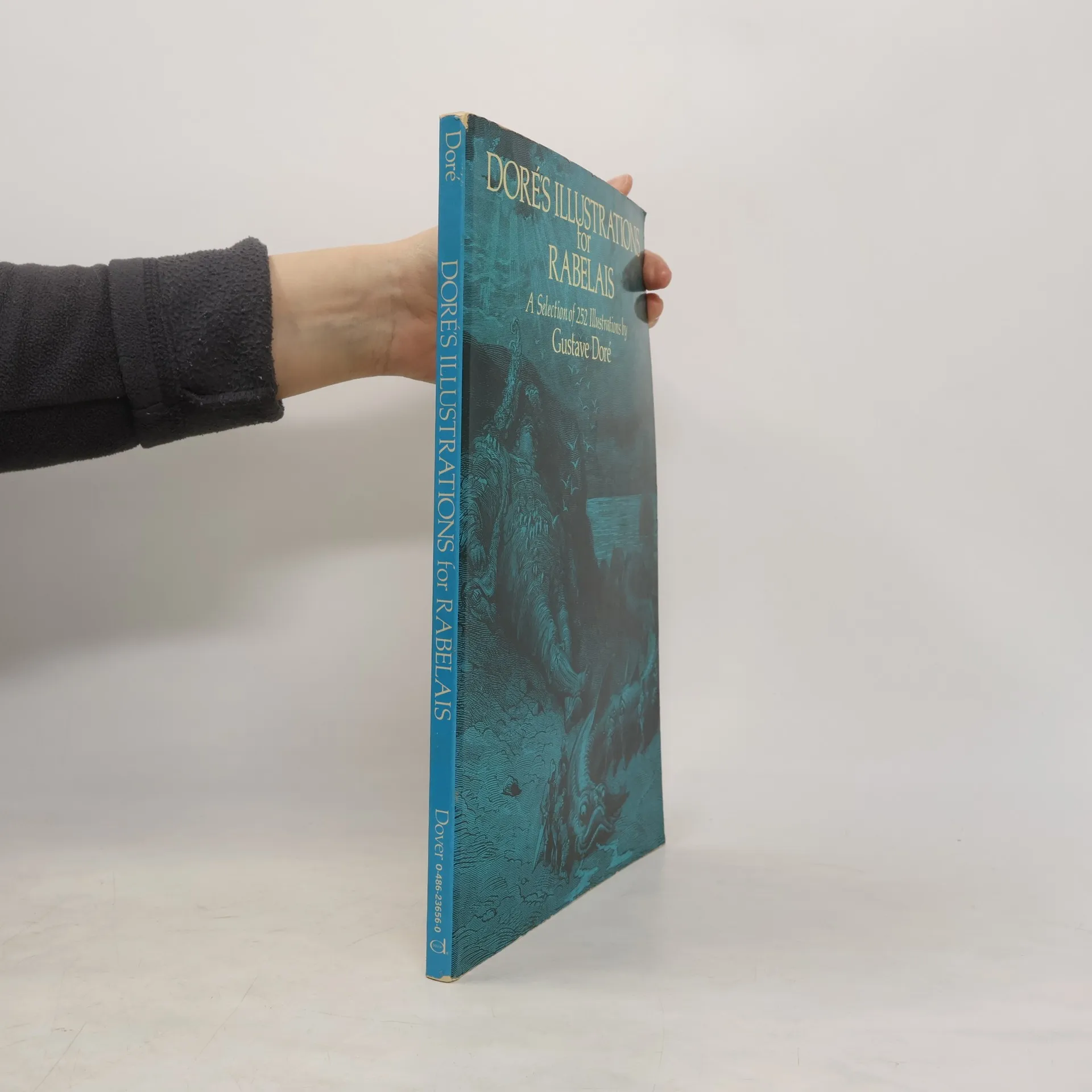
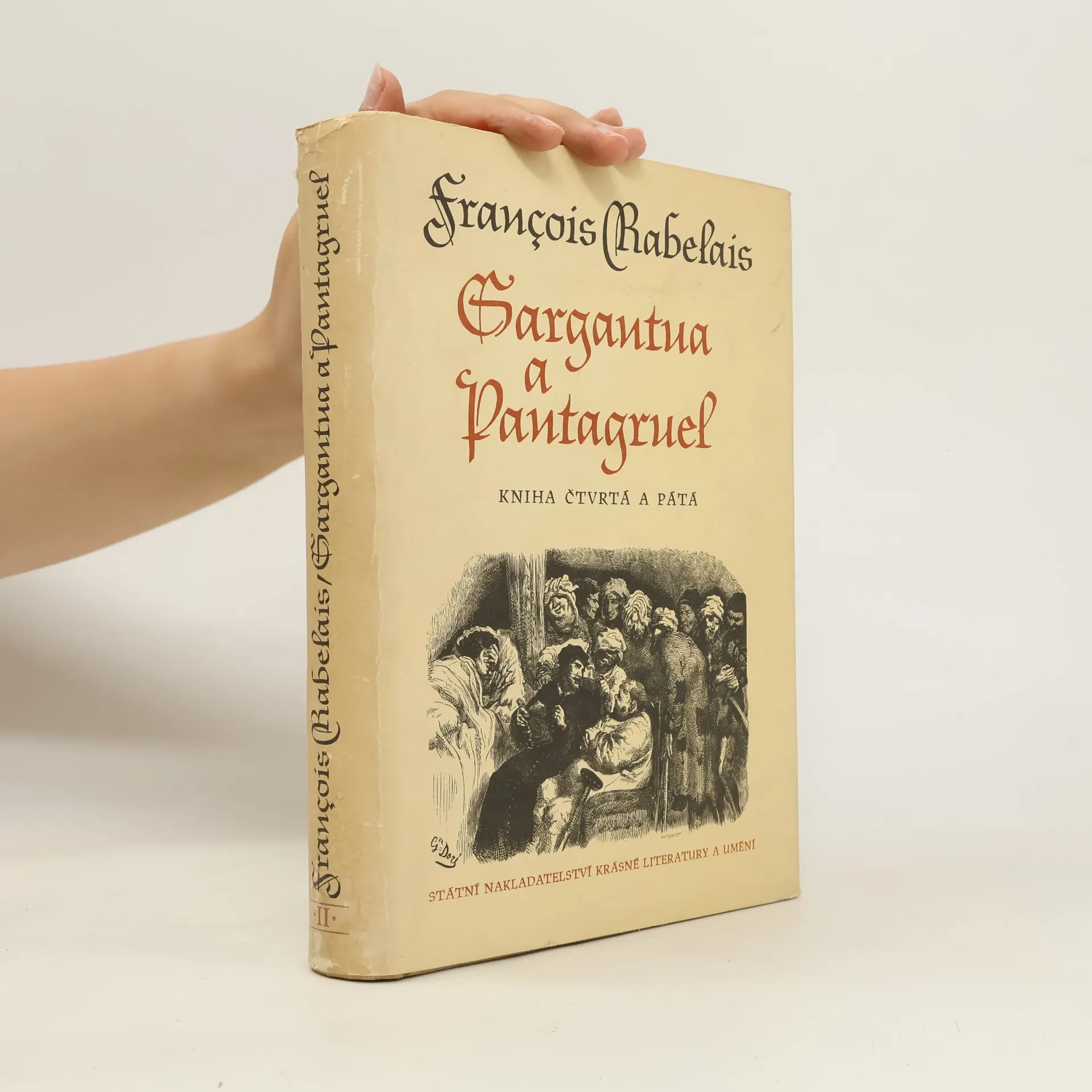
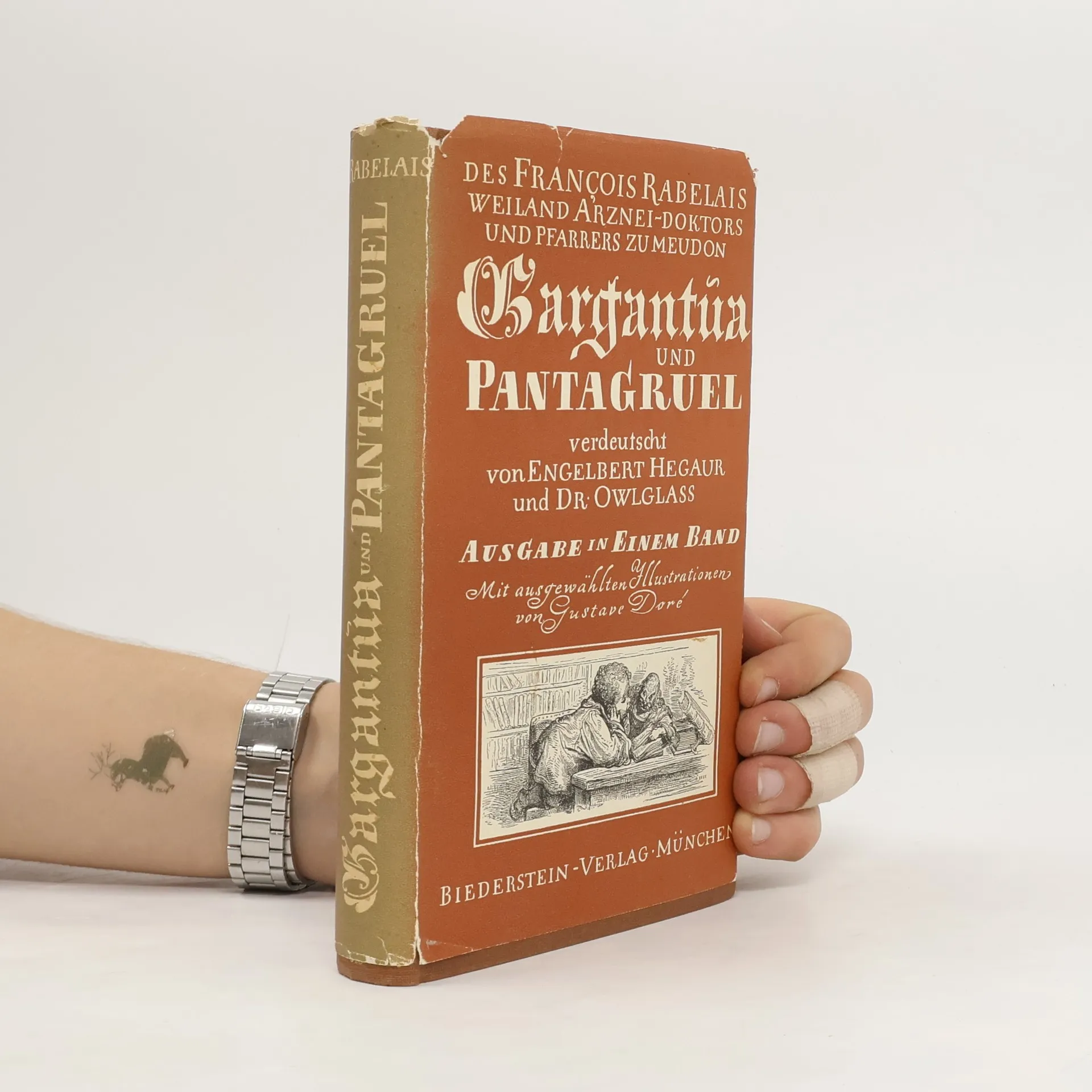
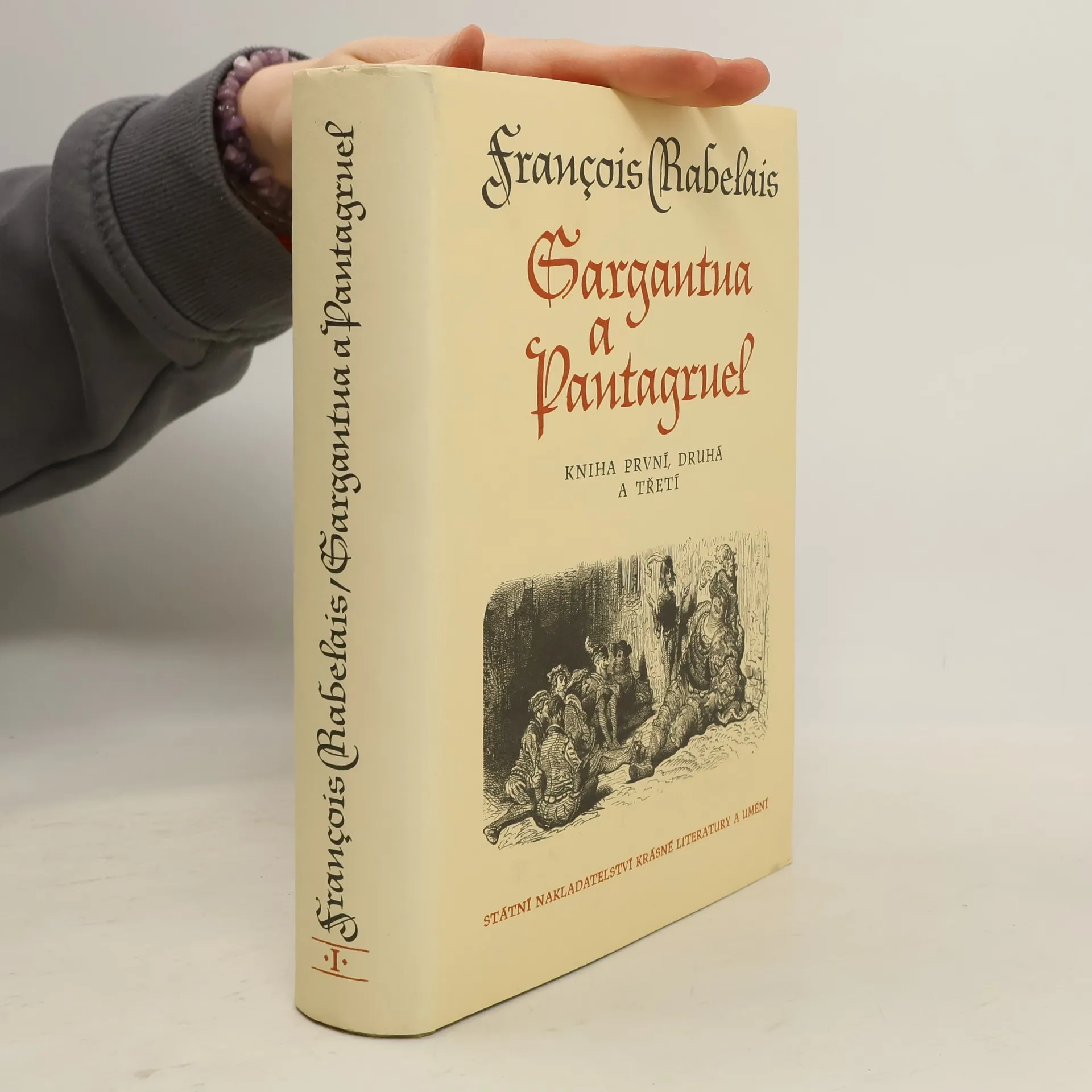
    • Doré's Illustrations for Rabelais

      • 153pages
      • 6 heures de lecture

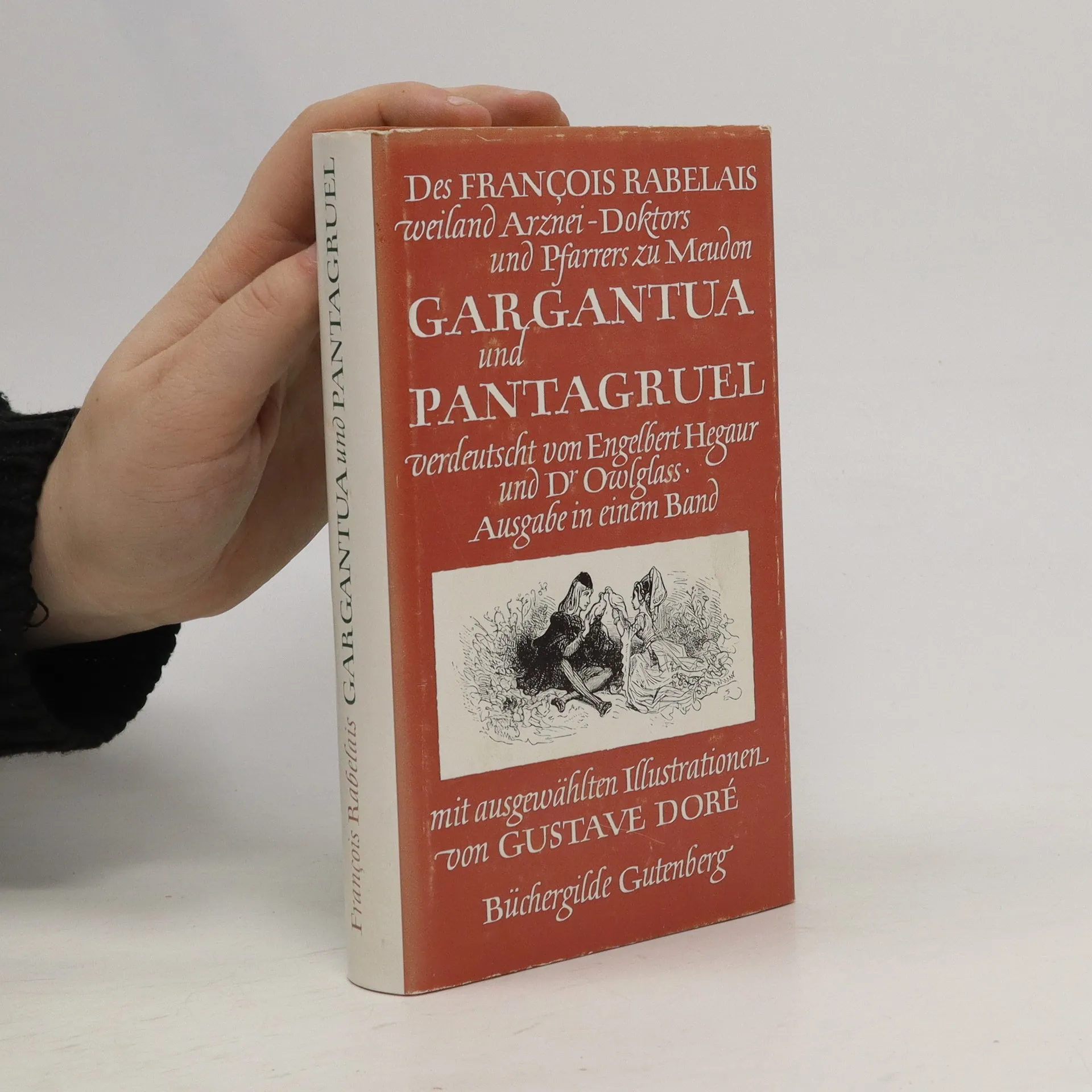
      Generous sampling of Doré’s magnificent illustrations for Rabelais’ Gargantua and Pantagruel, including all 60 original full-page illustrations and 192 smaller works—all meticulously reproduced from rare original editions. Captions.

      Doré's Illustrations for Rabelais
      4,3
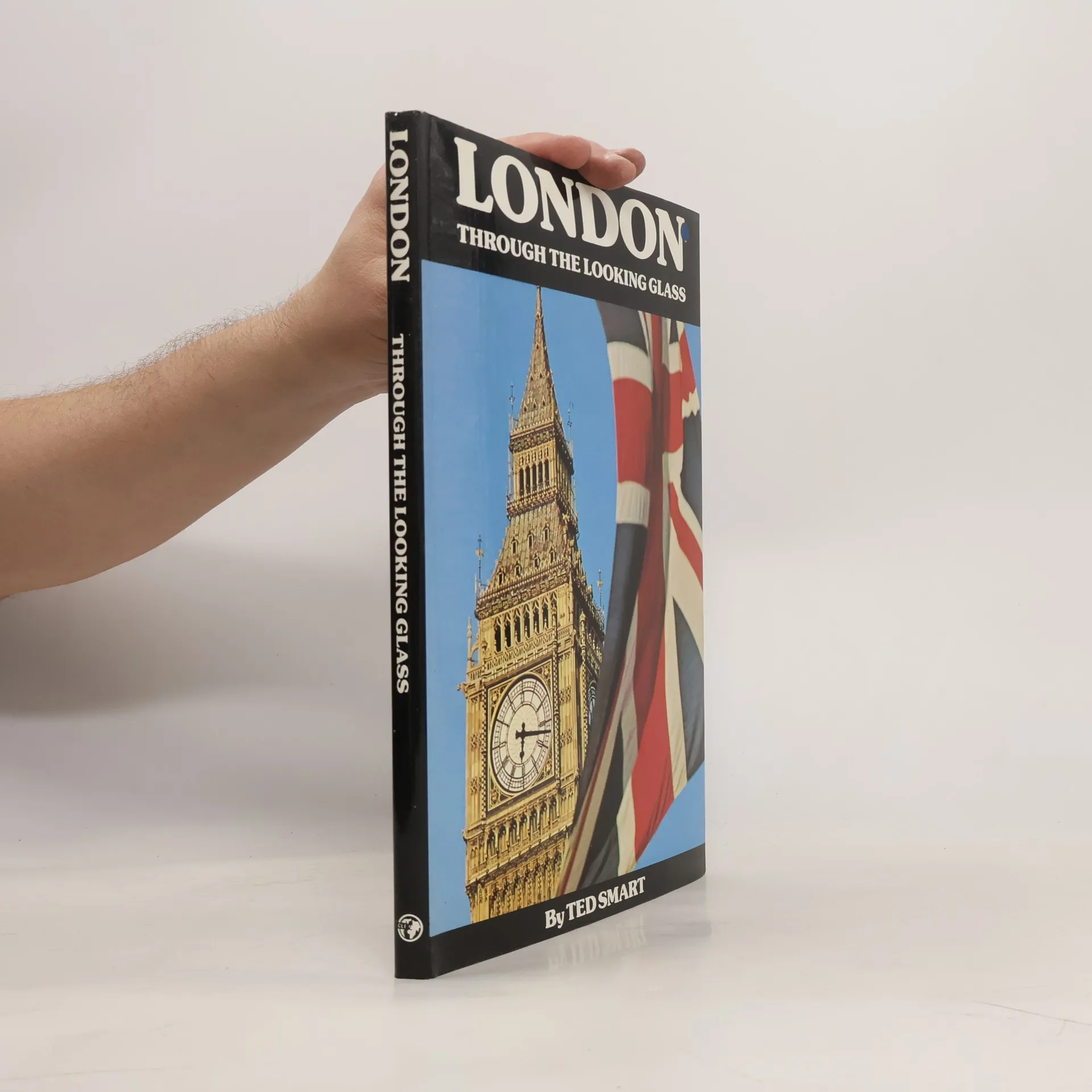
    • London

      • 95pages
      • 4 heures de lecture

      Text and captioned color photographs depict the sights, places of interest, and people of London.

      London
      4,0
    • Béatrice est morte dans l'éclat de sa jeunesse. Le narrateur, qui l'aimait passionnément, espère la retrouver au Paradis, où elle siège parmi les bienheureux. Pour y parvenir, il doit traverser l'Enfer et le Purgatoire... C'est à ce voyage dans l'au-delà que nous convie Dante avec La Divine Comédie. Empruntant à la mythologie antique et à l'imaginaire populaire du Moyen Age, ce récit à la fois prophétique et philosophique constitue l'un des monuments de la littérature occidentale.

      La Divine Comedie
      4,0
    • Inferno: The Divine Comedy

      • 396pages
      • 14 heures de lecture

      New verse translation by prize-winning translator with facing Italian text, part of Alma Classics Evergreen series. Includes an extensive section on Dante's life and works.

      Inferno: The Divine Comedy
      4,0
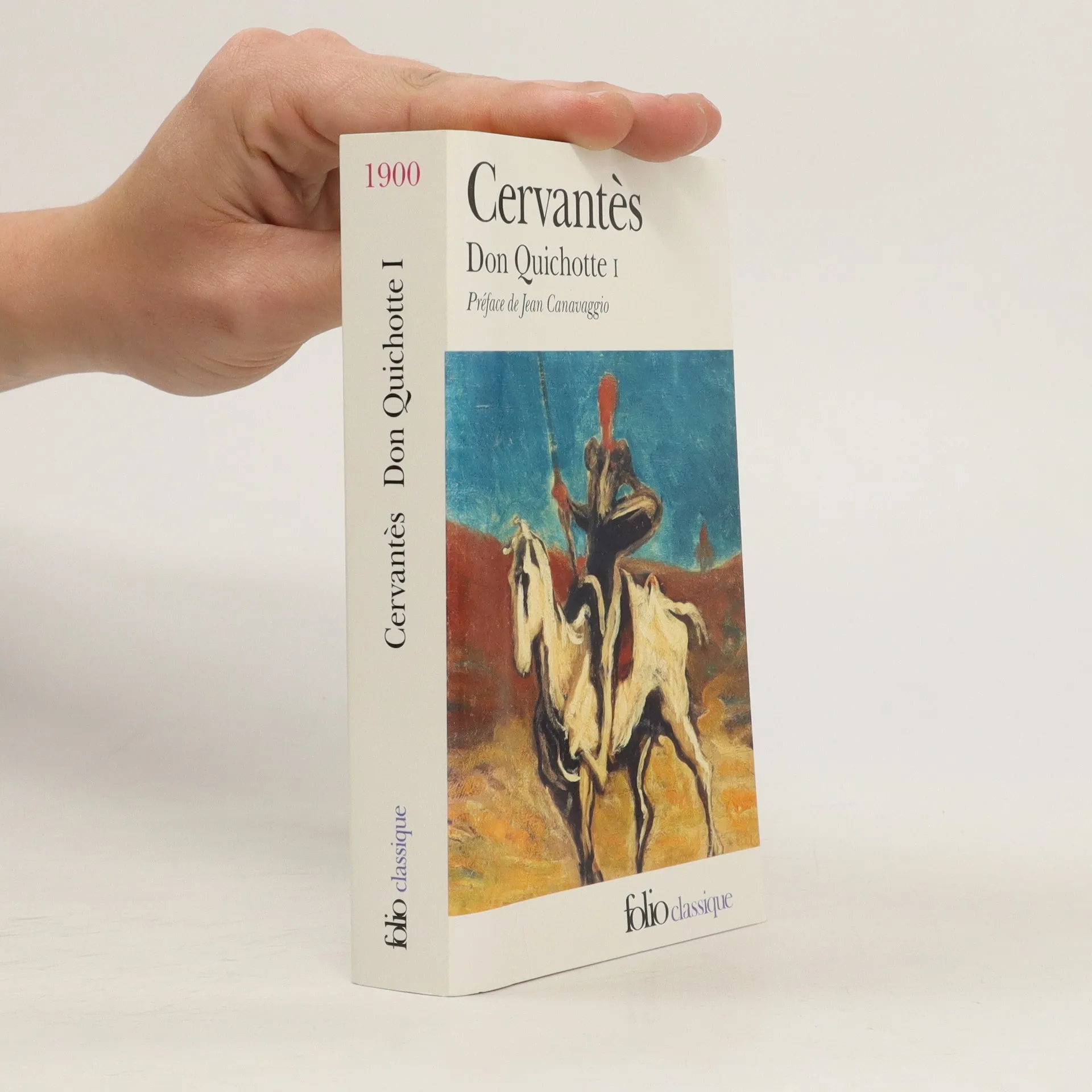
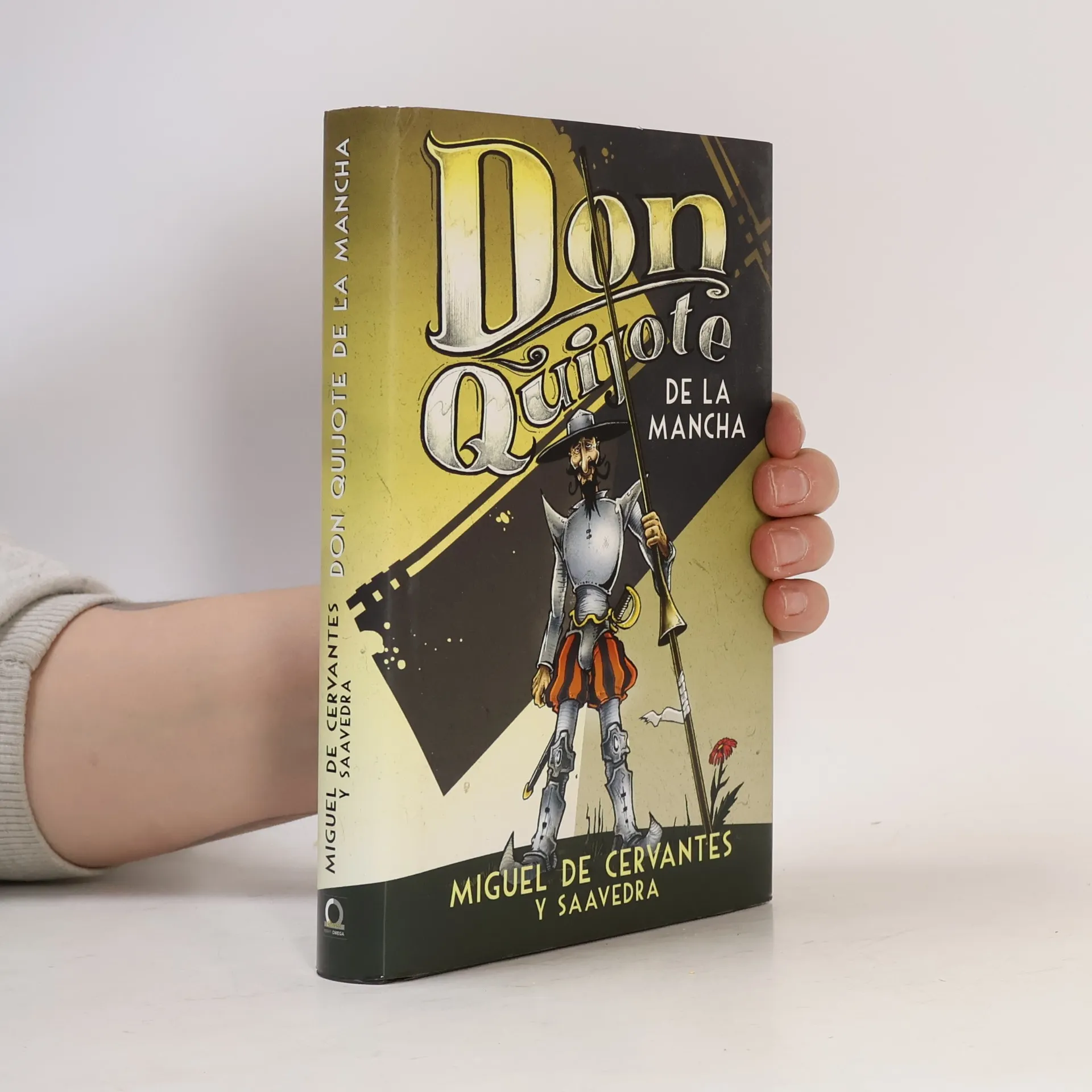
    • Don Quichotte de la Manche, tome 1

      • 634pages
      • 23 heures de lecture

      Là-dessus ils découvrirent trente ou quarante moulins à vent, et, dès que don Quichotte les vit, il dit à son écuyer : "La fortune conduit nos affaires mieux que nous n'eussions su désirer, car voilà, ami Sancho Pança, où se découvrent trente ou quelque peu plus de démesurés géants, avec lesquels je pense avoir combat et leur ôter la vie à tous. - Quels géants ? dit Sancho. - Ceux que tu vois là, répondit son maître, aux longs bras, et d'aucuns les ont quelquefois de deux lieues. - Regardez, monsieur, répondit Sancho, que ceux qui paraissent là ne sont pas des géants, mais des moulins à vent et ce qui semble des bras sont les ailes, lesquelles, tournées par le vent, font mouvoir la pierre du moulin. - Il paraît bien, répondit don Quichotte, que tu n'es pas fort versé en ce qui est des aventures : ce sont des géants, et, si tu as peur, ôte-toi de là et te mets en oraison, tandis que je vais entrer avec eux en une furieuse et inégale bataille." Et, disant cela, il donna des éperons à son cheval Rossinante. [Source : 4e de couv.]

      Don Quichotte de la Manche, tome 1
      3,9
    • The Divine Comedy

      Hell, Purgatory, Paradise

      • 384pages
      • 14 heures de lecture

      "Written between 1308 and his death in 1321, this ... epic poem is widely considered to be the last great work of medieval literature and the first great work of the Renaissance - straddling two worlds on the brink of change... /Its] profound Christian message and detauiled social and political commentary of fourteenth-century Italy weave a rich tapestry of interpretation, meaning and symbolism. Dante's allegorical analysis of the mystery of divine revelation to the unsuspecting human soul is beautifully conveyed as a subtle journey of wonder and self-discovery, made personal by characters (and sinners) drawn from his own lineage, contemporary Florentine life, mythology and the Bible. ... "--Back cover.

      The Divine Comedy
    • The Dore Gallery Of Bible Illustrations

      in large print

      • 156pages
      • 6 heures de lecture

      This book is a reproduction of a historical work, specifically designed in large print to enhance readability for individuals with impaired vision. The publishing house Megali focuses on making classic texts accessible, ensuring that important literary and historical works can be enjoyed by a wider audience.

      The Dore Gallery Of Bible Illustrations
    • The narrative poem explores Dante's journey through Hell, Purgatory, and Paradise, reflecting the medieval worldview and the soul's quest for God. Influenced by Christian theology and philosophy, particularly the works of Thomas Aquinas, it features Virgil as a symbol of human reason and Beatrice as divine knowledge. This edition includes Henry Francis Cary's esteemed translation and is enhanced by Gustave Doré's stunning illustrations, making it a significant contribution to both Italian and world literature.

      Divine Comedy (Complete Edition): Illustrated & Annotated
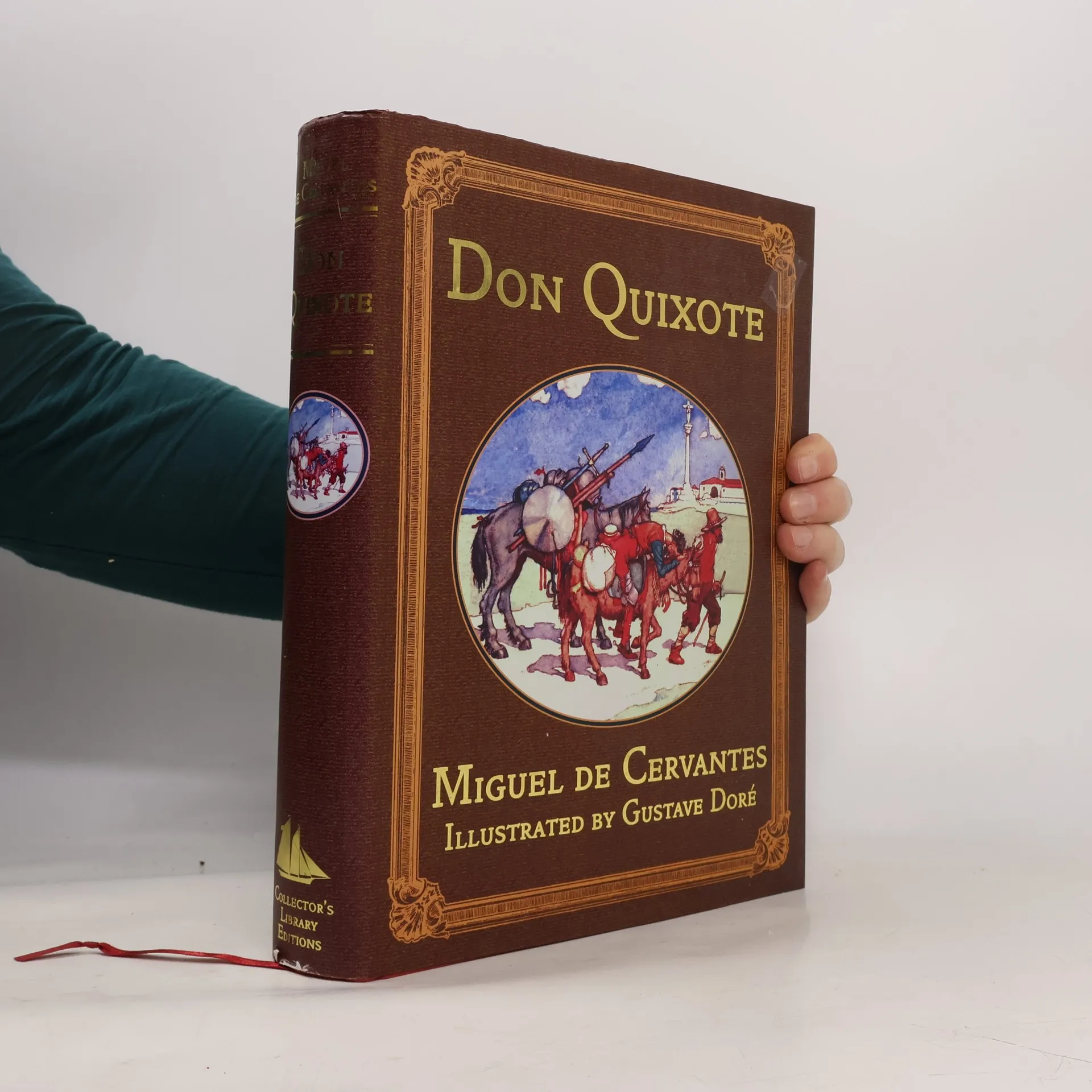
    • Collector's Library Editions: Don Quixote

      • 700pages
      • 25 heures de lecture

      Don Quixote is a masterpiece of world fiction, a brilliant satire on traditional romances and an uproarious comedy and a prose-epic in a new genre for its time. Widely regarded as the world's first modern novel, and one of the funniest and most tragic books ever written, Don Quixote chronicles the famous adventures of the noble knight-errant Don Quixote de La Mancha and his faithful squire, Sancho Panzal. Don Quixote travels through sixteenth-century Spain in search of adventure, dedicating his actions of valour to a country girl whom he calls Dulcinea, seeing her as his lady. He takes on spirits, evil enchanters and most famously, of course, giants in the form of windmills.

      Collector's Library Editions: Don Quixote
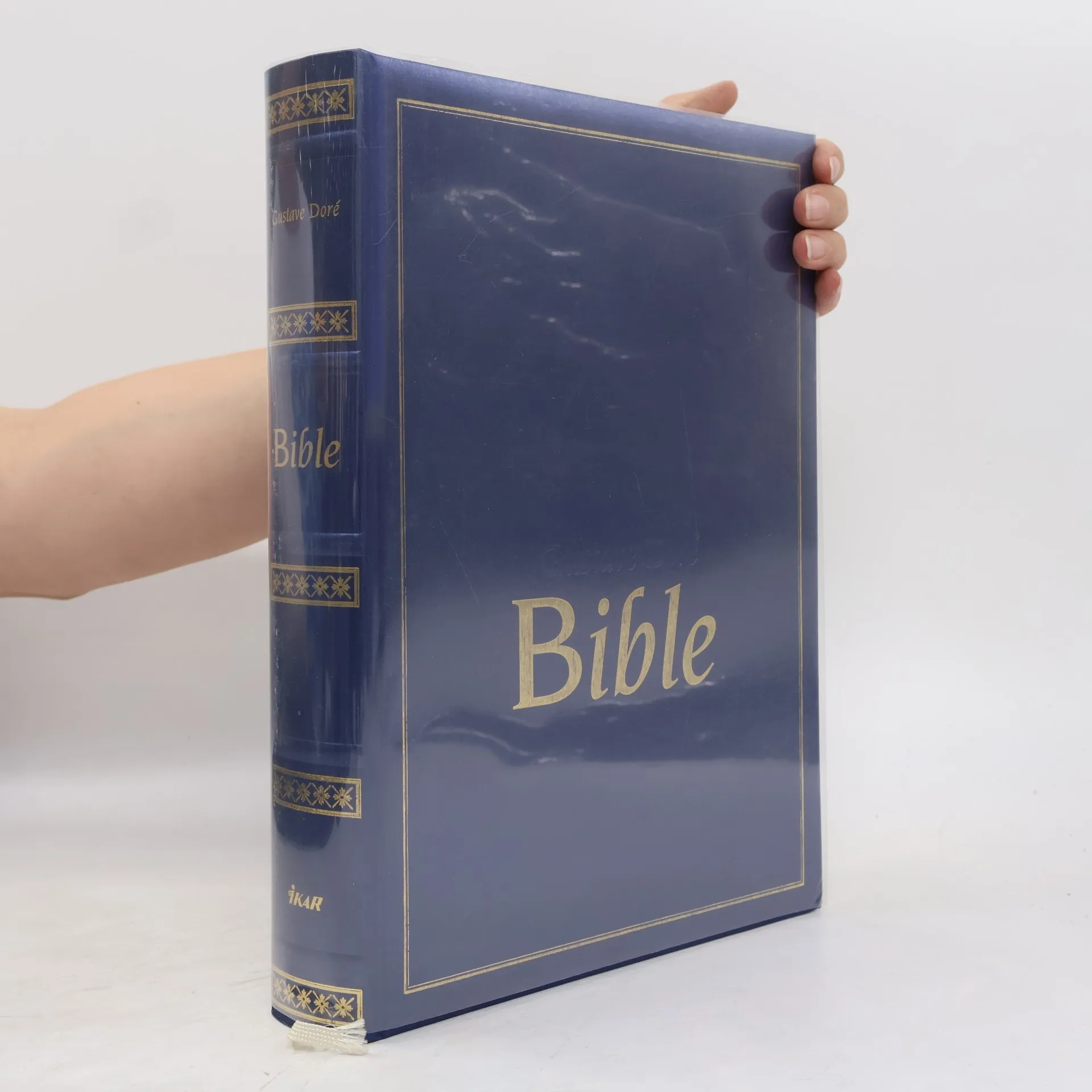
    • Bible

      • 480pages
      • 17 heures de lecture

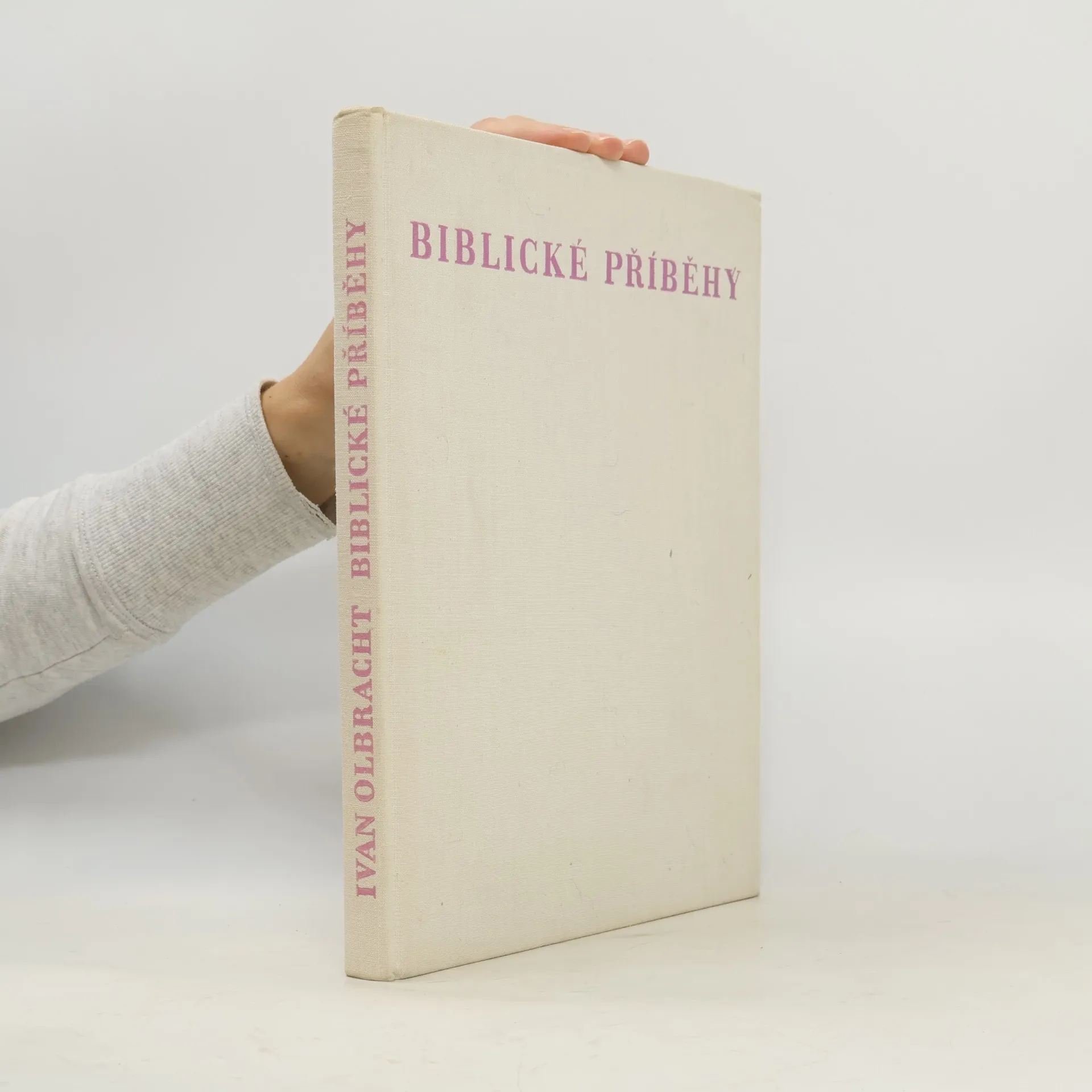
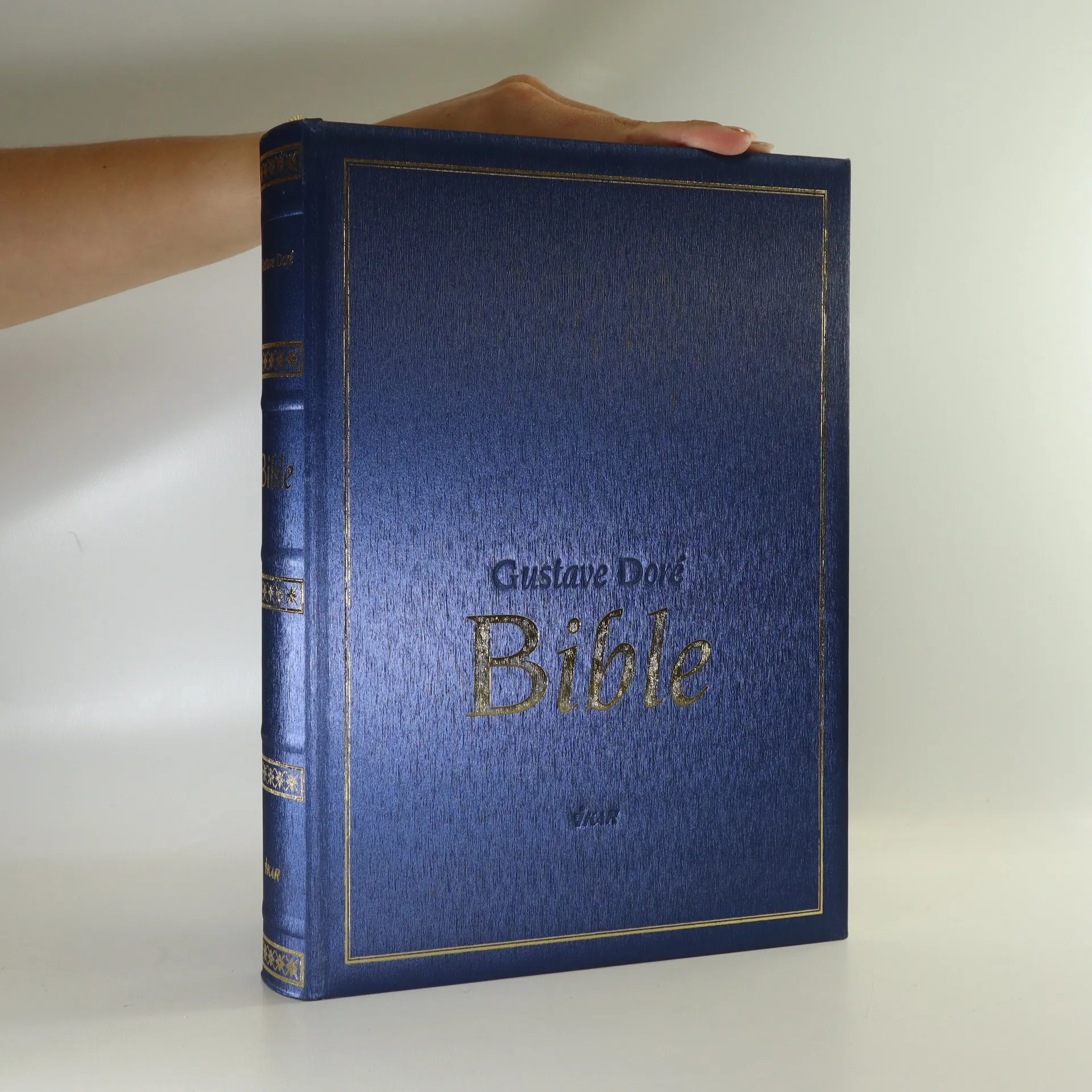
      Výběr biblických textů podle Českého ekumenického překladu. Technicky dokonalé, nápadité a dramatické ilustrace Gustava Dorého.

      Bible
      4,8
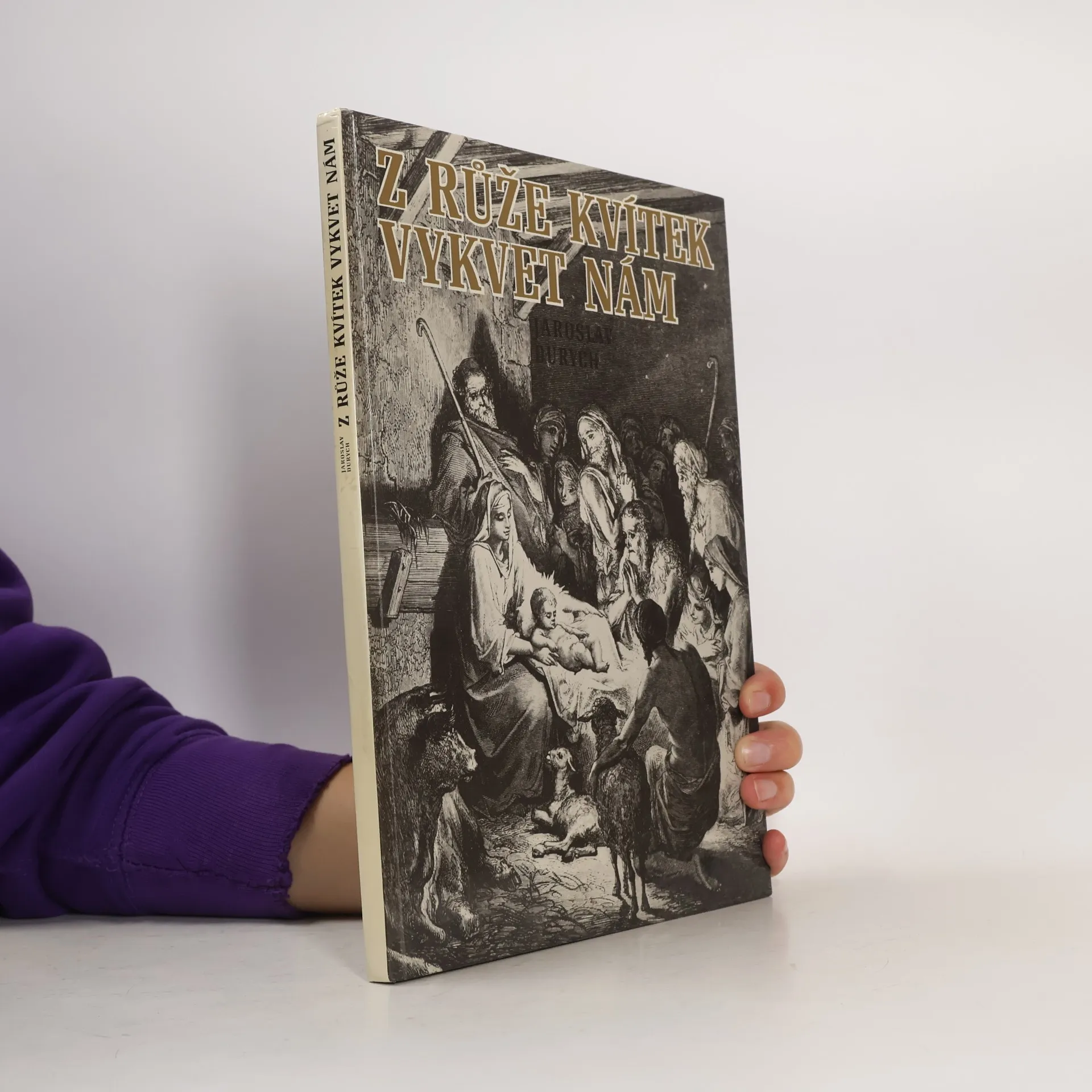
    • Z růže kvítek vykvet nám

      Příběhy novozákonní pro mládež

      Příběhy novozákonní pro mládež. Kapitoly: Starý zákon, Mládí Mariino, Anděl Páně, V Betlémě, V Egyptě. V Nazaretě, Předchůdce Páně, Prorokem ve své vlasti, Vyvolení apoštolů, Nový zákon, Úklady farizeů, Syn Boží před Židy, Ukřižování, Oslavení.

      Z růže kvítek vykvet nám
      4,9
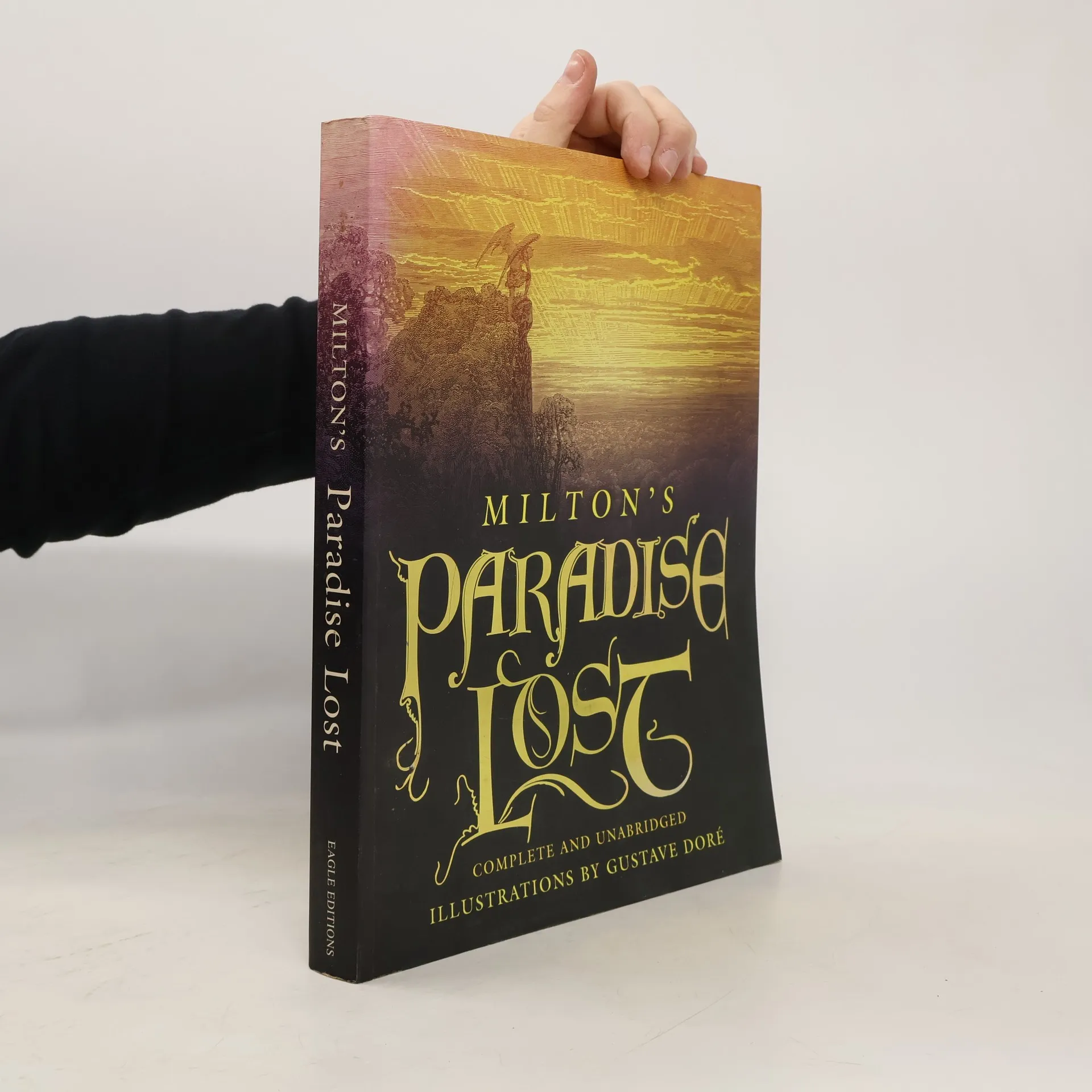
    • Paradise Lost

      • 317pages
      • 12 heures de lecture

      Of man's first disobedience, and the fruit Of that forbidden tree, whose mortal taste Brought death into the world... Sing heavenly muse' From almost the moment of its first publication in 1667, Paradise Lost was considered a classic. It is difficult now to appreciate both how audacious an undertaking it represents, and how astonishing its immediate and continued success was. Over the course of twelve books Milton wrote an epic poem that would 'justify the ways of God to men', a mission that required a complex drama whose source is both historical and deeply personal. The struggle for ascendancy between God and Satan is played out across hell, heaven, and earth but the consequences of the Fall are all too humanly tragic - pride, ambition, and aspiration the motivating forces. In this new edition derived from their acclaimed Oxford Authors text, Stephen Orgel and Jonathan Goldberg discuss the complexity of Milton's poem in a new introduction, and on-page notes explainits language and allusions.

      Paradise Lost
      4,3
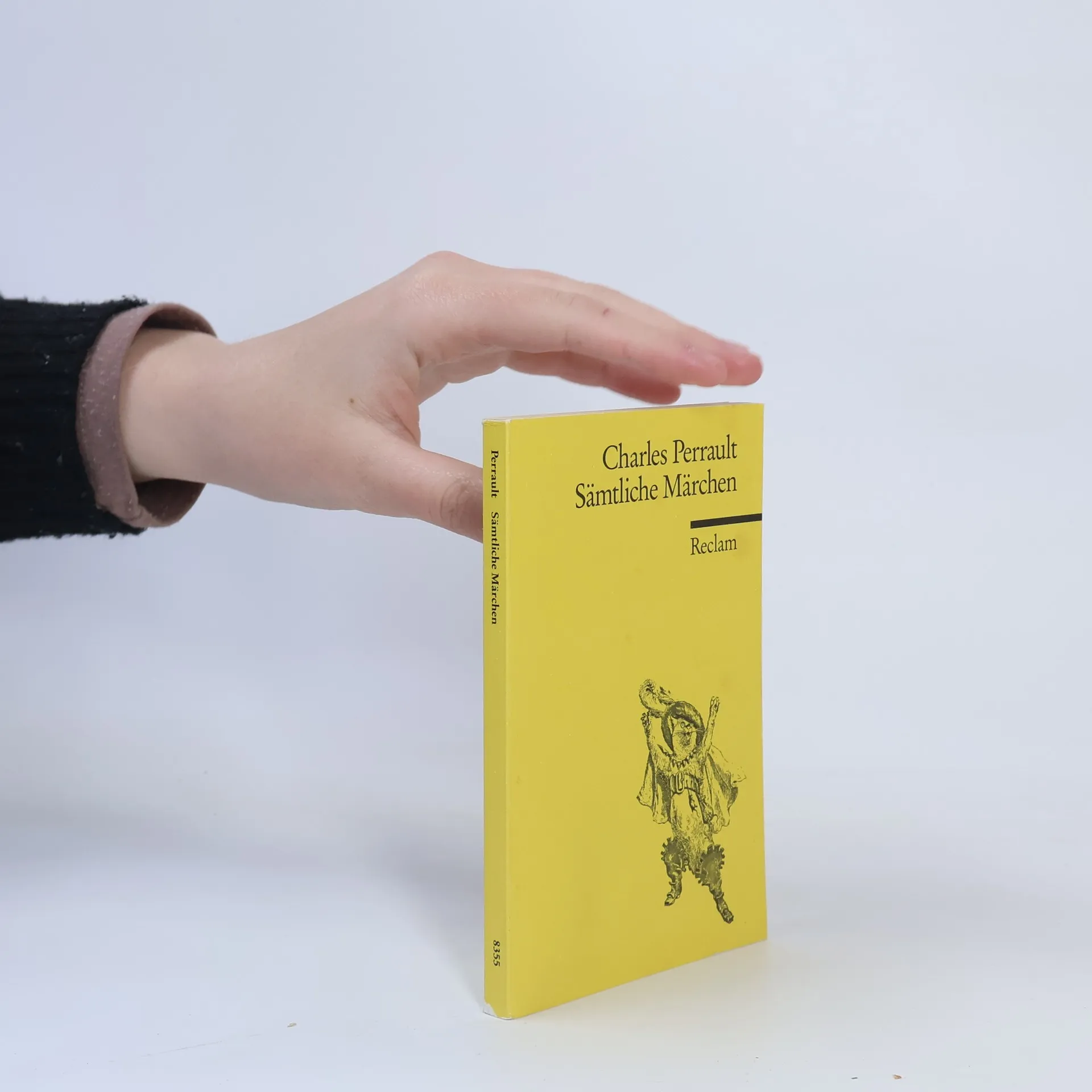
    • Das Bändchen enthält sowohl die drei (hier in Prosa wiedergegebenen) Versmärchen Perraults als auch die zwei Jahre später (1697) erschienenen acht Prosamärchen, die unter dem Titel »Contes de ma mere l'Oye« (»Erzählungen meiner Mutter Gans«) berühmt geworden sind. Sie sind für den deutschen Leser besonders reizvoll, weil sie die großen, ihm bekannten Märchenstoffe in zum Teil deutlich unterschiedenen Versionen überliefern.

      Reclams Universal-Bibliothek: Sämtliche Märchen
      4,0
    • Příběhy starého Izraele

      • 133pages
      • 5 heures de lecture

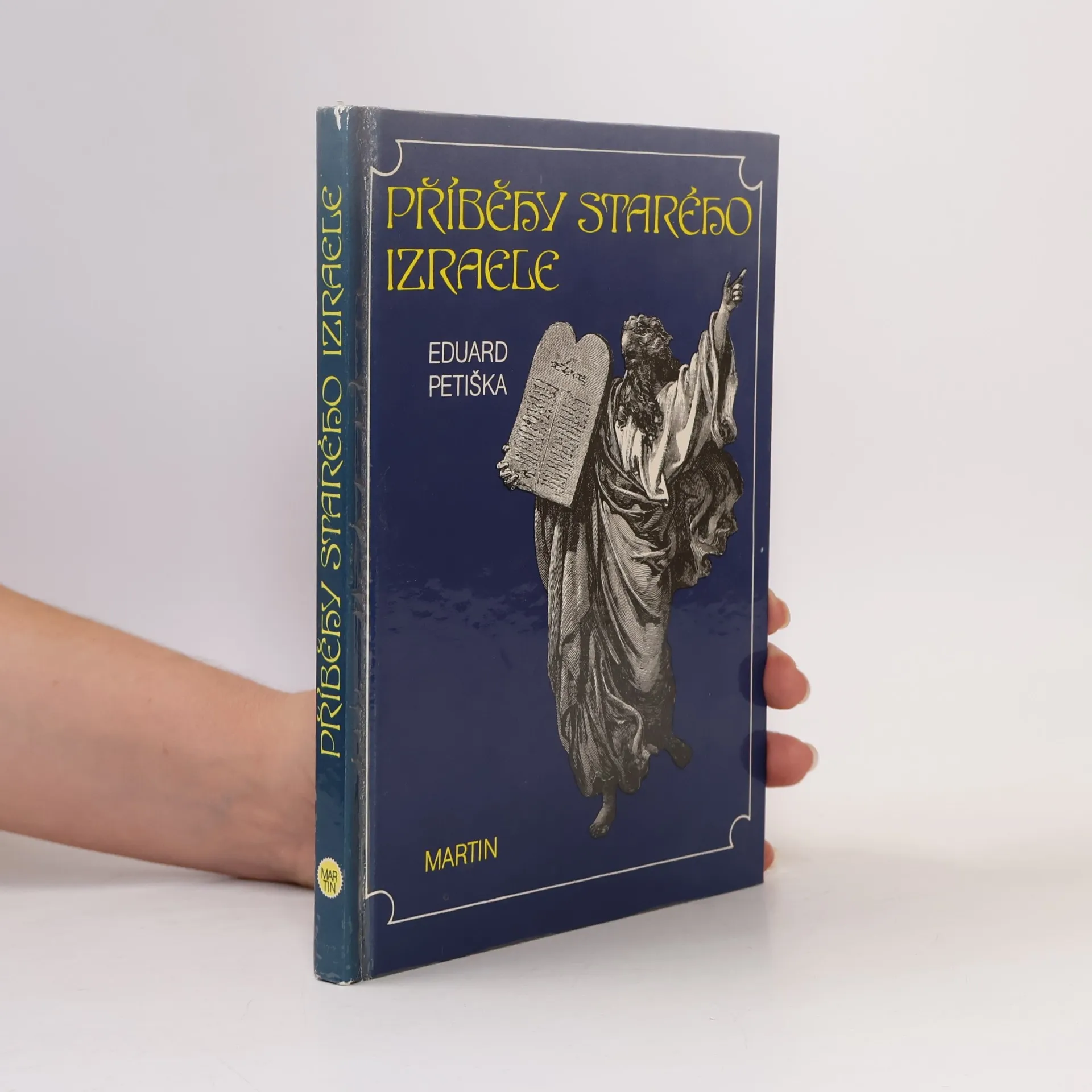
      2.samostatné vydání Vyprávění o stvoření světa, Adamovi a Evě, Kainu a Ábelovi, o potopě světa, o Mojžíšovi, malém Davidovi a obru Goliášovi, o králi Šalamounovi...

      Příběhy starého Izraele
      4,1
    • Fables

      Livres VII à XI

      Une tortue, un corbeau, un lièvre, une fourmi, un lion, et même un pot au lait : autant de figures familières qui peuplent, parmi tant d'autres, notre imaginaire, resurgissent régulièrement, et que nous devons toutes au fabuleux talent de Monsieur de La Fontaine. Il est le prince des poètes, lui qui a su transformer une tradition un peu rigide, celle de la fable, en un art exceptionnel, qui charme l'oreille tout en réjouissant l'esprit, réveille les bois, anime les animaux et parvient à toucher tous les hommes. Moralité : on aurait tort de ne pas se replonger dans la lecture des Fables, qui ravissent les enfants et enchantent les adultes ! Leur pertinence impertinente est sans doute à l'origine de leur succès ininterrompu : qu'on les récite, comme à l'école, qu'on se les répète pour soi seulement ou qu'on se les "mette en bouche", comme le fit avec un bonheur évident le comédien Fabrice Luchini, on ne résiste pas au petit plaisir d'une fable.
      Fables
      4,1
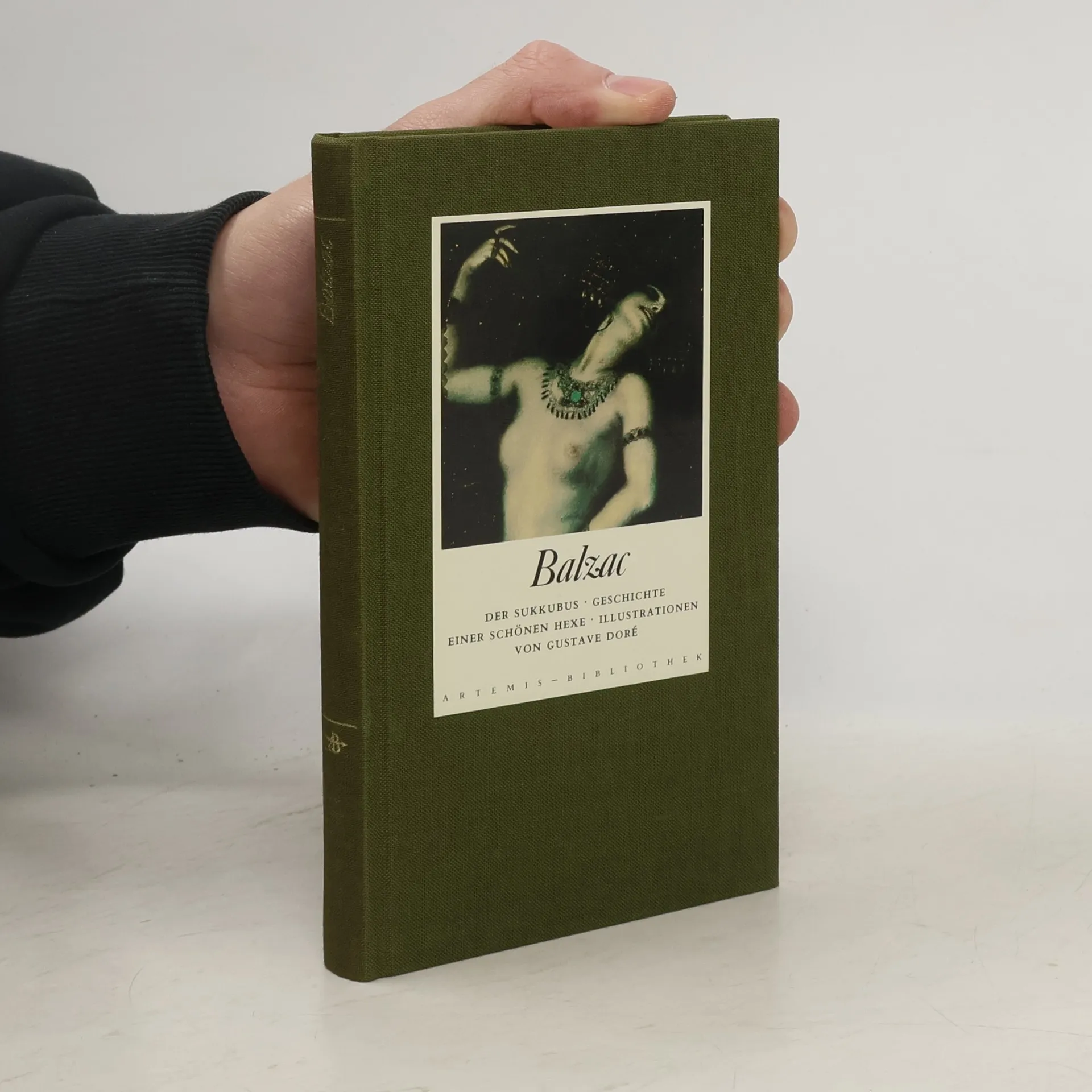
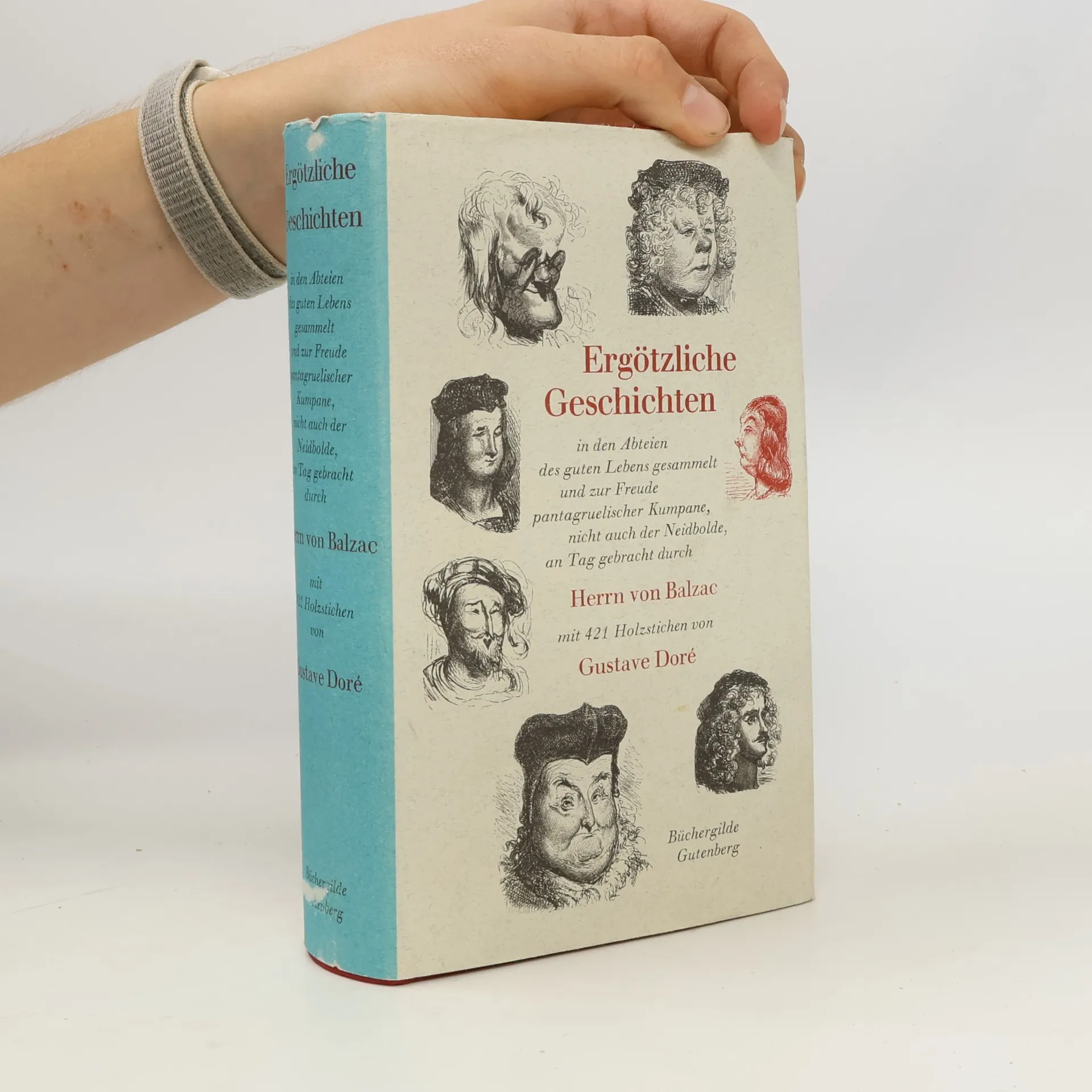
    • Illustrierte Ausgabe in der Übersetzung von Walter Widmer stammt ursprünglich aus den "Tolldrastischen Geschichten" Ill.: Gustave Doré (1956, Winkler-Verlag, München)

      Der Sukkubus. Geschichte einer schönen Hexe
      3,5
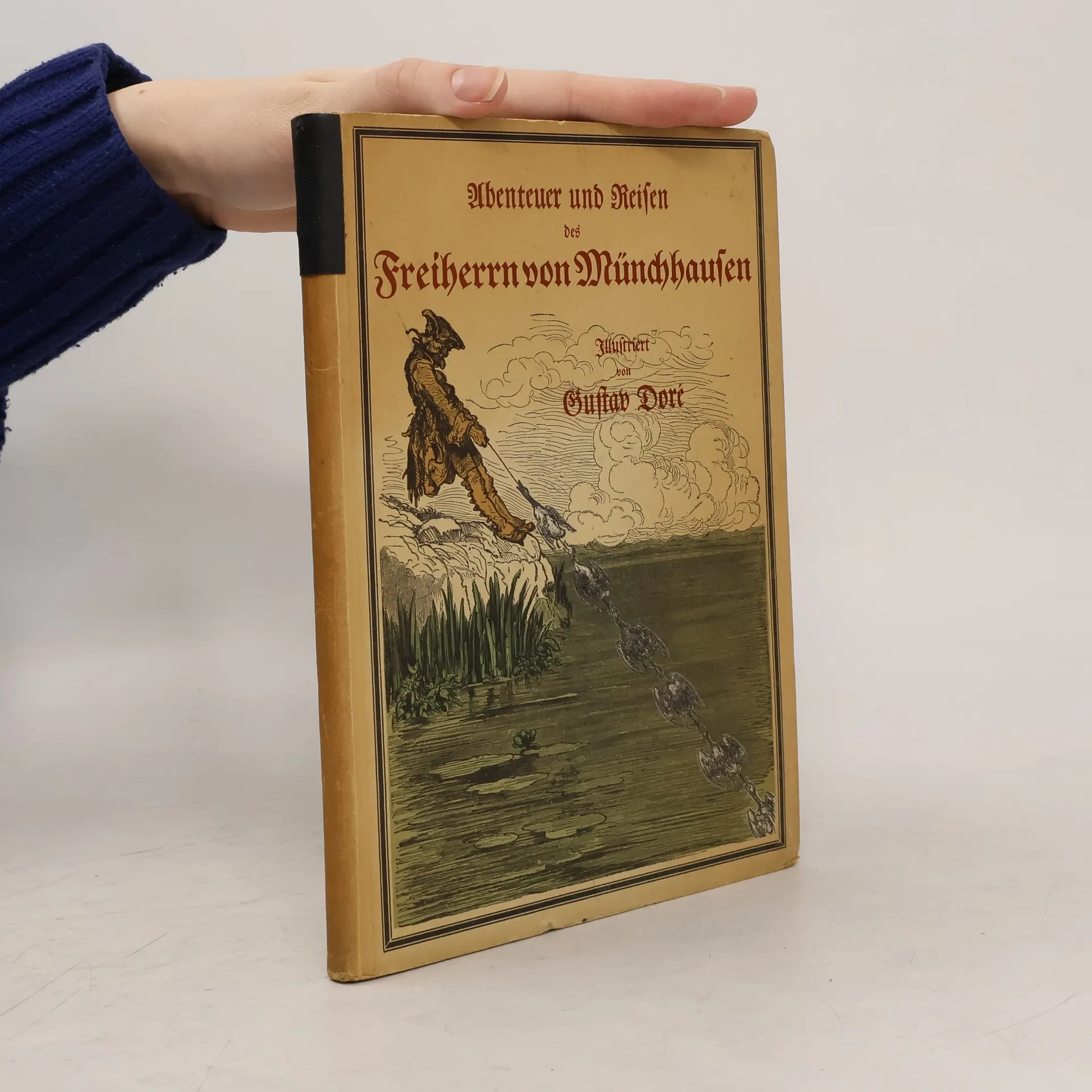
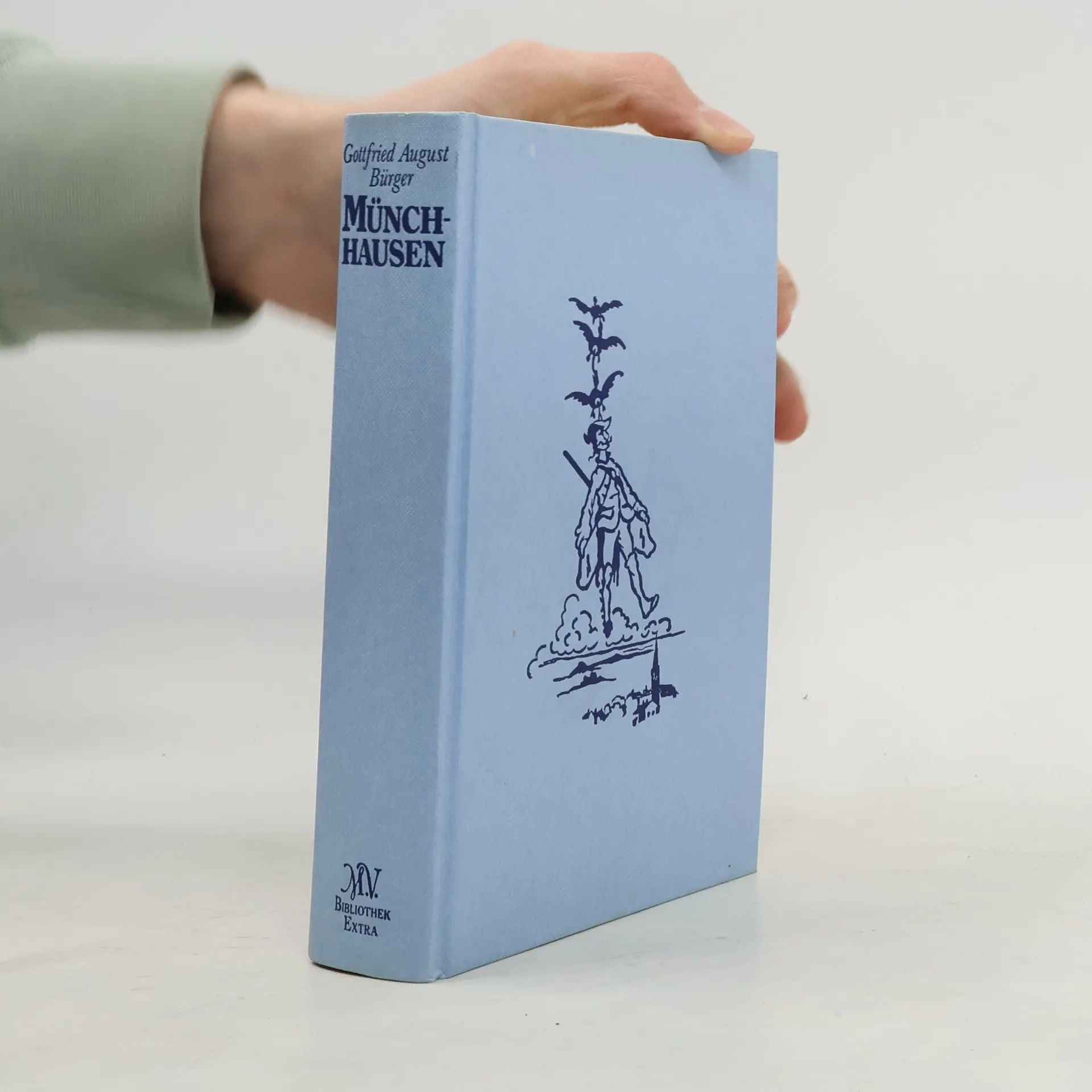
    • Münchhausens Abenteuer - Easy Reader

      • 64pages
      • 3 heures de lecture

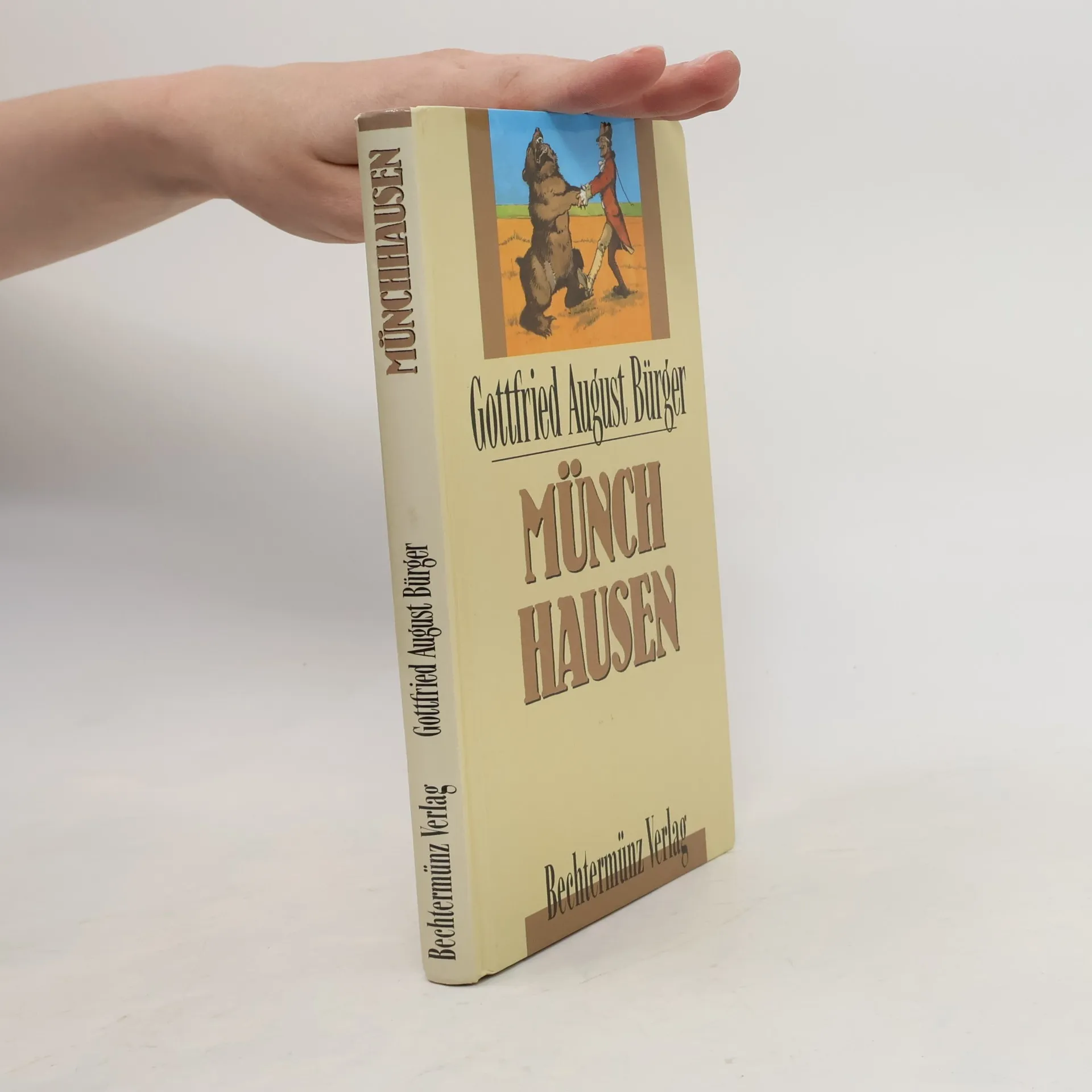
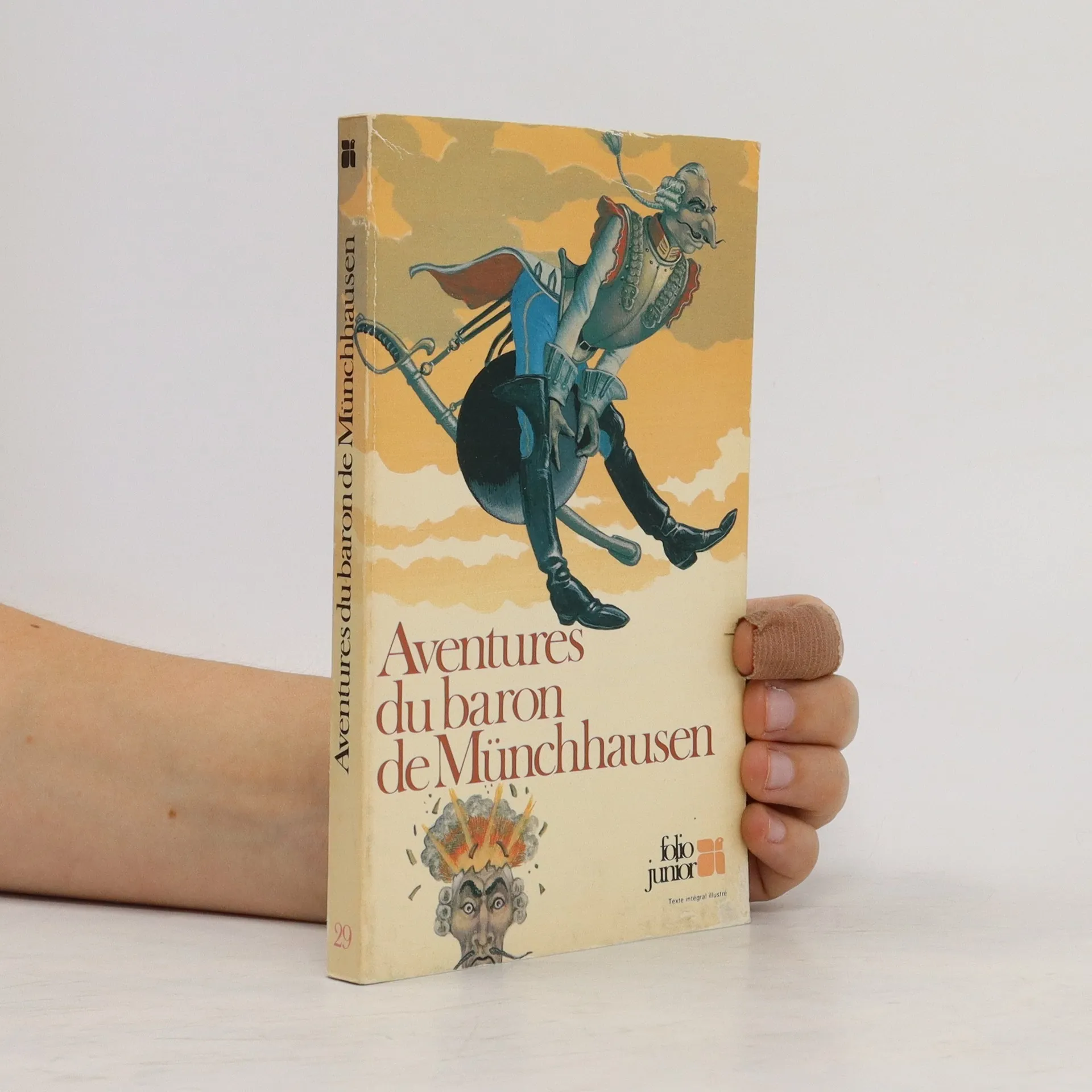
      Ob zu Lande, zu Wasser oder in der Luft – als berühmt-berüchtigter Lügenbaron erlebt man die tollsten Sachen! Beim riskanten Ritt auf einer Kanonenkugel steigen einem bezüglich des Flugziels schon mal »nicht unerhebliche Bedenklichkeiten zu Kopfe«, und mitunter muss man sich an den eigenen Haaren eben selbst aus dem Morast ziehen, da es ja sonst keiner tut. Die herrlich aberwitzigen Geschichten vom Freiherrn von Münchhausen, die Gottfried August Bürger Ende des 18. Jahrhunderts neu bearbeitete und herausgab, funkeln bis heute vor Einfallsreichtum und grandioser Selbstironie.

      Münchhausens Abenteuer - Easy Reader
      3,9
    • Zjednodušené převyprávění určené především mladším čtenářům. Vrcholné dílo španělské renesance, které mělo být původně parodií na rytířské romány. V malé španělské vesnici na náhorní plošině La Mancha žil chudý šlechtic, který se nazýval Quijana. Měl dvě velké vášně – lov a četbu rytířských eposů. To druhé mu dokonce zabíralo tolik času, že nejednou zapomněl vyrazit na hon a o své panství se už skoro vůbec nestaral. Nakonec ho svět velkých hrdinů, překrásných žen a sladkých milostných románků ovládl tak, že vyčistil svou zrezivělou zbroj, vyhřebelcoval stařičkého dýchavičného koně a se sluhou bez špetky fantazie se rozhodl vyrazit do světa šířit rytířskou slávu jako Don Quijote de la Mancha. Kniha, která popisuje jeho neuvěřitelné příběhy, výrazně ovlivnila evropskou literaturu. A slovní spojení jako „boj s větrnými mlýny“ či „donkichotství“ se dostala do obecného povědomí a v běžné řeči se používají dodnes. Text upravila Eliška Nosálová.

      Don Quijote de la Mancha : verze pro mládež
      3,7
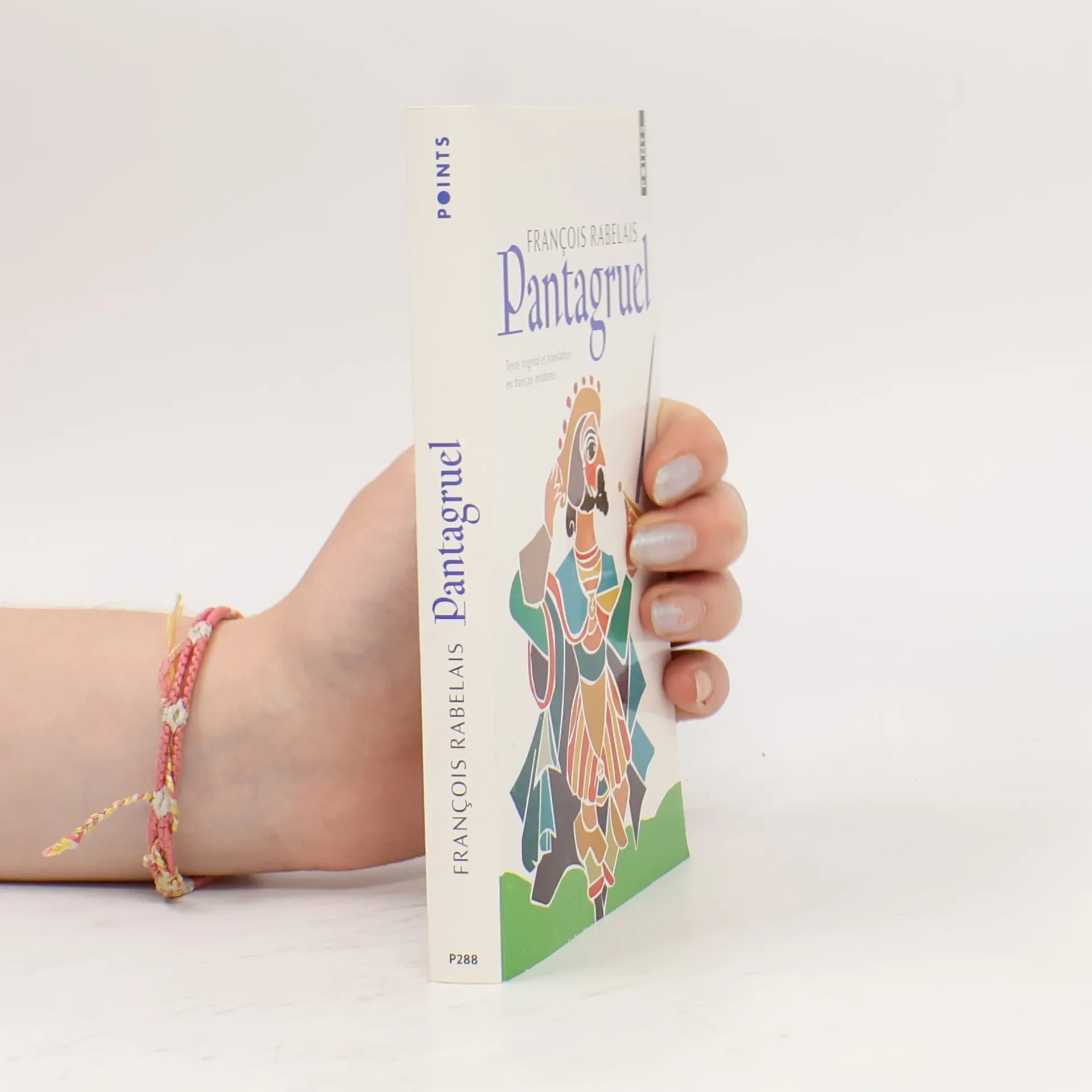
    • Pantagruel

      • 191pages
      • 7 heures de lecture

      Fils de Gargantua, Pantagruel - qui, bébé, réduit son berceau en miettes, étrangle un ours et mange le jarret de sa nourrice - donne le coup d'envoi de la Renaissance française. C'est un bon géant, qui sème l'épouvante et dont les exploits surpassent ceux d'Hercule. Mais Rabelais lui préfère encore Panurge, l'homme à tout faire, éternel étudiant sans scrupules qui connaît soixante-trois manières de se procurer de l'argent, toutes assez malhonnêtes. Et ces deux monstres de se lancer dans des voyages fabuleux. Or, ces êtres prodigieux nous ressemblent, et le moine-médecin Rabelais est toujours là, bouillonnant de santé et de jeunesse, fou d'idées et de malice.
      Pantagruel
      3,7
    • Biblické příběhy

      • 120pages
      • 5 heures de lecture

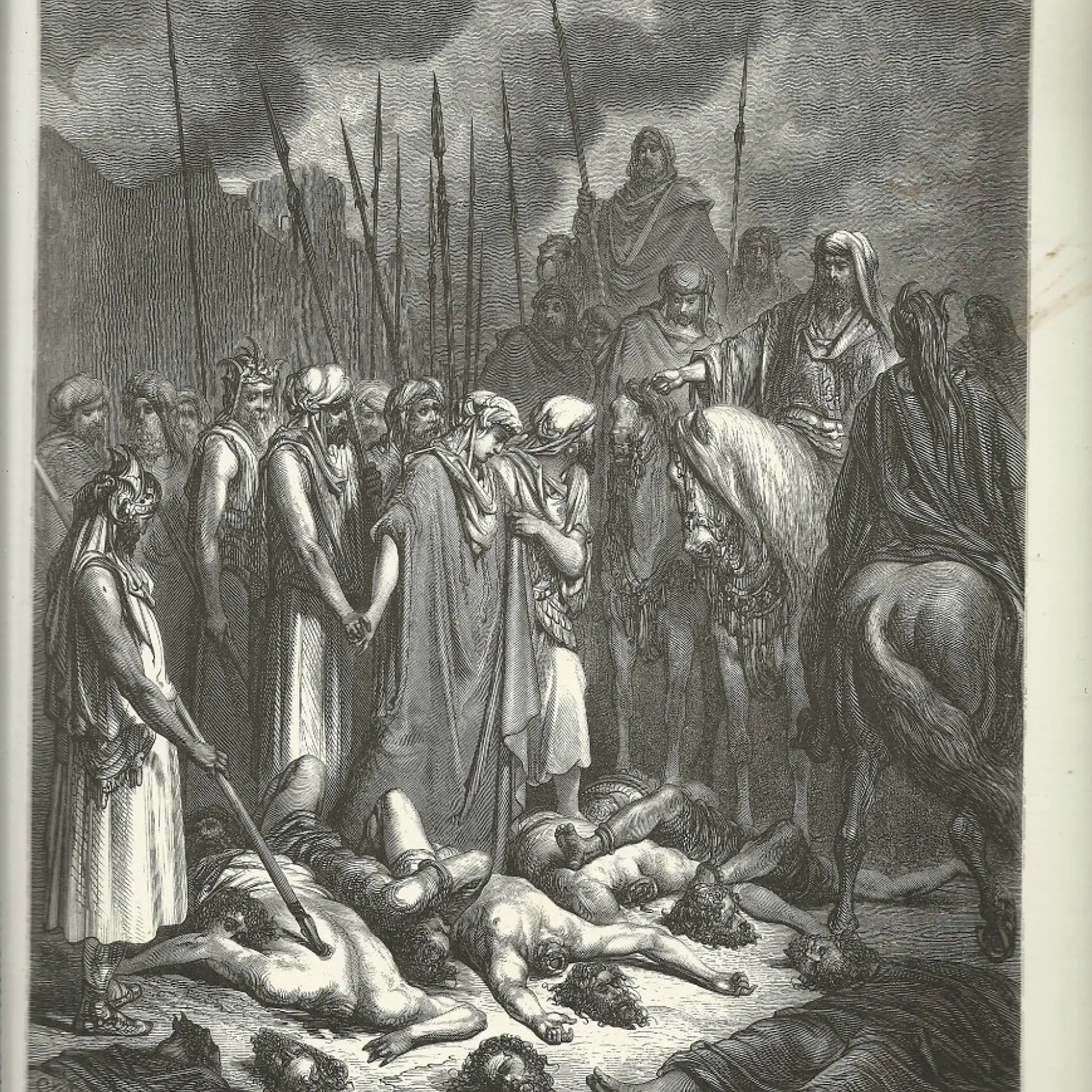
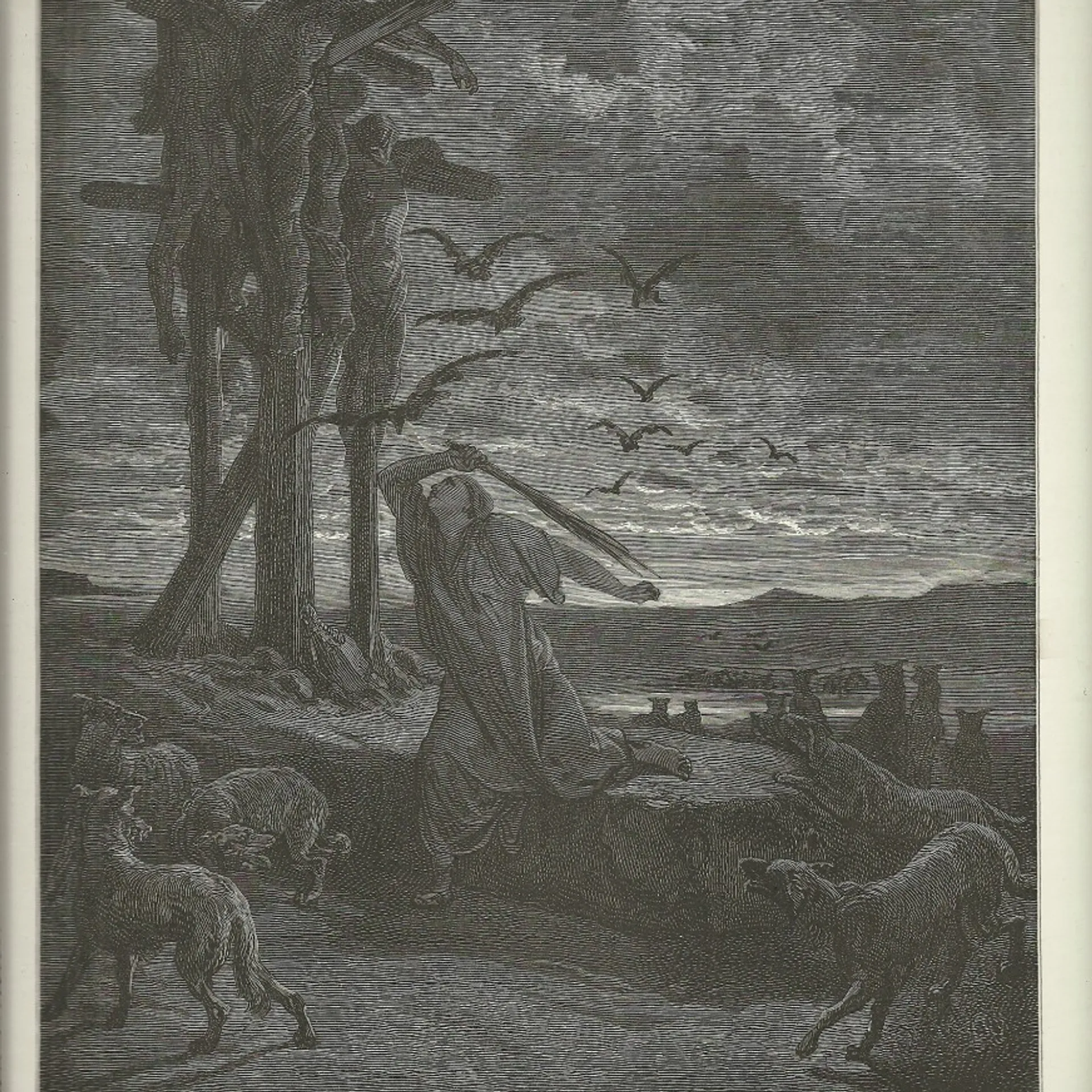
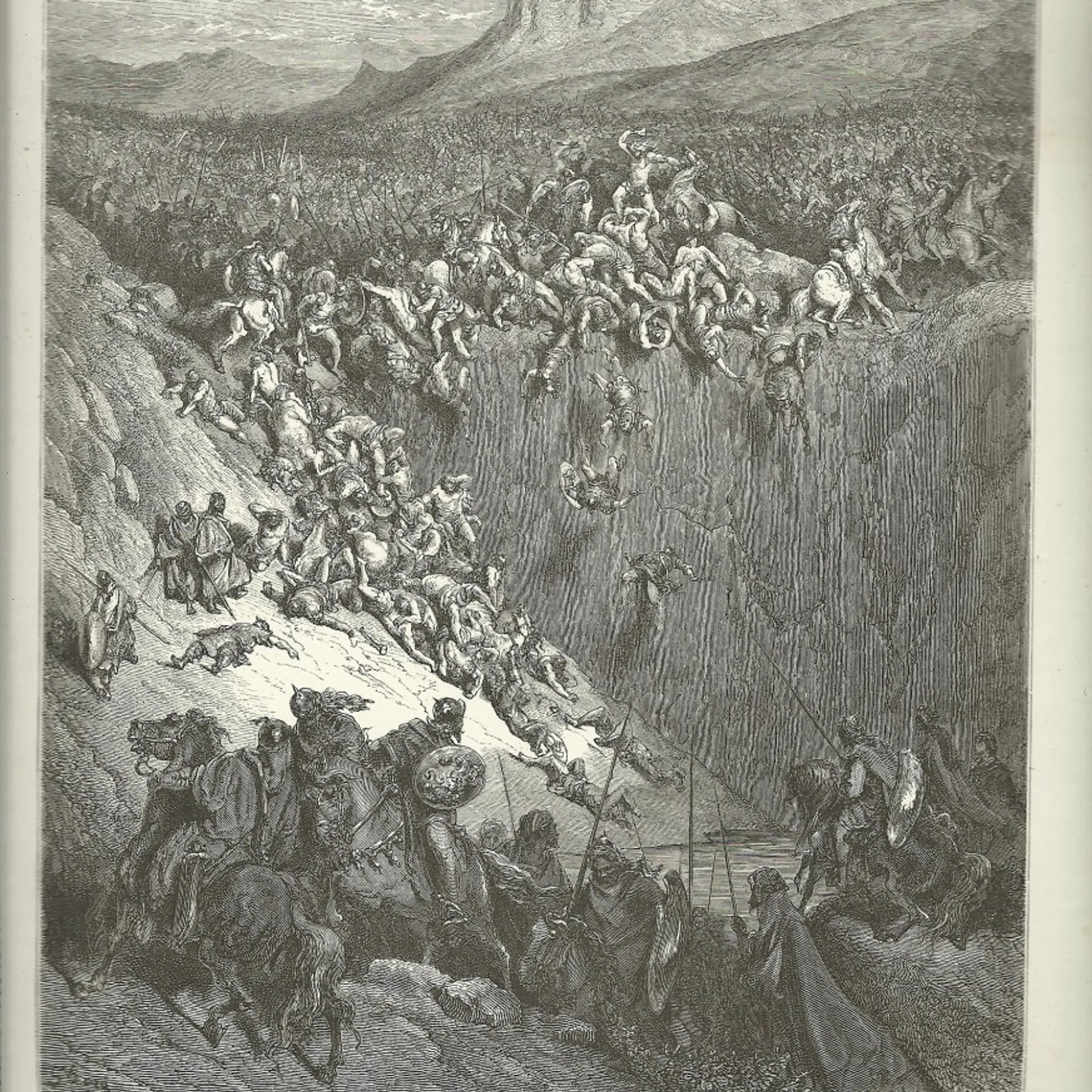
      Příběhy ze Starého zákona; autor vynechal vysloveně náboženské pasáže, bohoslužebné poučky a didakticko- náboženské části. Zaměřil se na kapitoly, které vyprávějí o historii, o společenských a politických poměrech, o politickém zřízení a o způsobu myšlení jednoho ze starověkých národů. Dílo zobrazuje utrpení a pronásledování starožidovského národa. V době okupace Československa nacisty má být výzvou k odporu a ke statečnosti.... celý text

      Biblické příběhy
      3,4
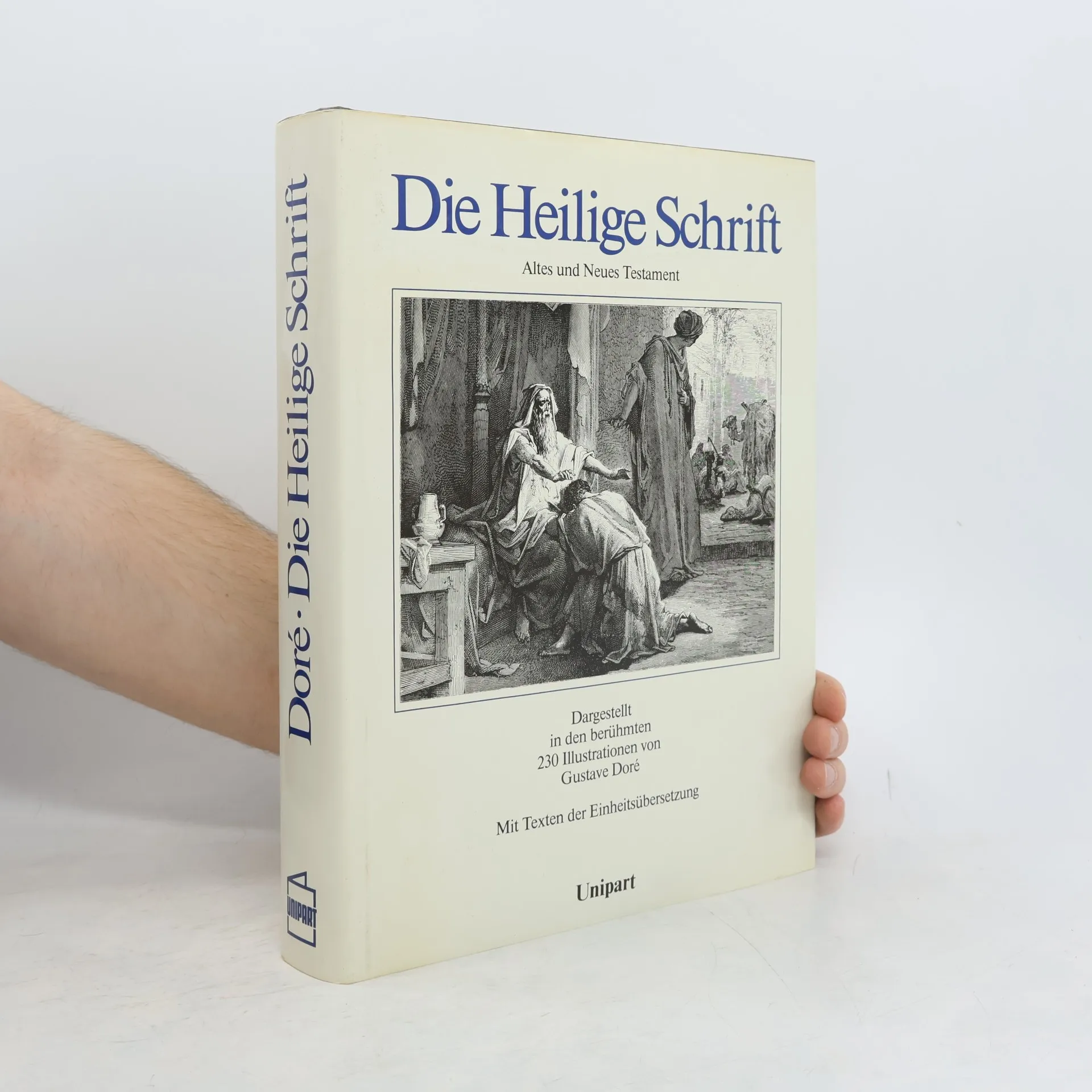
    • Das alte und das neue Testament in den 120 schönsten Bildern von Gustav Doré in Verbindung mit ausgewählten Schrifttexten erzählt und erklärt als Gebetsteil ist das Buch der Psalmen in neuer Übersetzung und zum Gebrauch als kirchliches Stundengebet vollständig dargeboten

      Die Heilige Schrift in Bildern
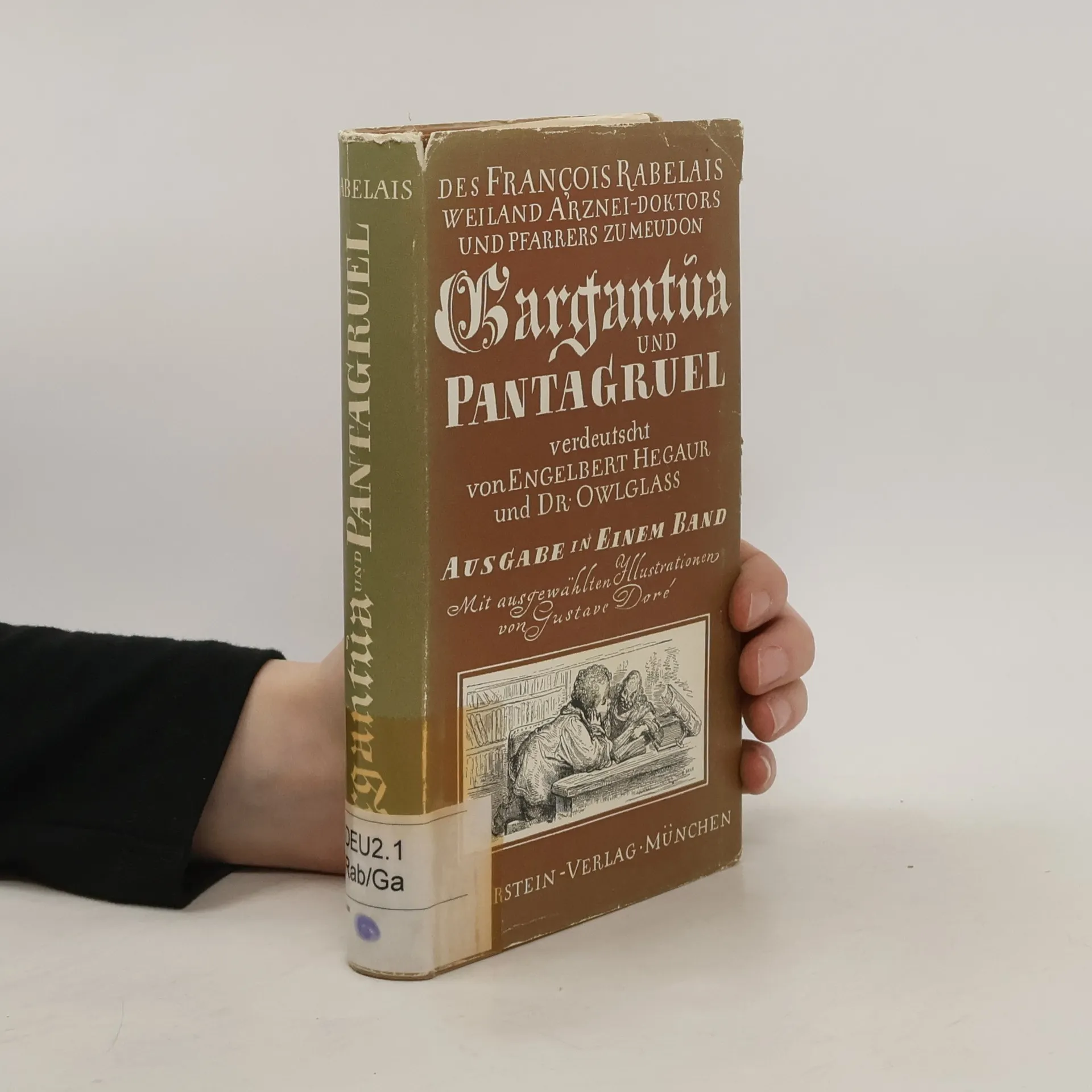
    • Gargantua und Pantagruel

      • 780pages
      • 28 heures de lecture

      Francois Rabelais: Gargantua und Pantagruel Erstdruck 1532-1564. 1. Buch Lyon 1532, 2. Buch Lyon 1534, 3. Buch Paris 1546, 11 Kap. des 4. Buchs Lyon 1548, 4. Buch Paris 1552, unvollst. Fass. d. 5. Buchs o.O. 1562, 5. Buch Lyon 1564. Hier in der Ubers. v. Gottlob Regis. Neuausgabe mit einer Biographie des Autors. Herausgegeben von Karl-Maria Guth. Berlin 2016. Textgrundlage sind die Ausgaben: Rabelais, Franz: Gargantua und Pantagruel. 2 Bande, ubers. v. Gottlob Regis, hg. v. Wilhelm Weigand, Munchen, Leipzig: Georg Muller, 1911 Die Paginierung obiger Ausgaben wird in dieser Neuausgabe als Marginalie zeilengenau mitgefuhrt. Umschlaggestaltung von Thomas Schultz-Overhage unter Verwendung des Bildes: Francois Rabelais, anonymes Portrat aus dem 17. Jahrhundert. Gesetzt aus der Minion Pro, 11 pt.

      Gargantua und Pantagruel
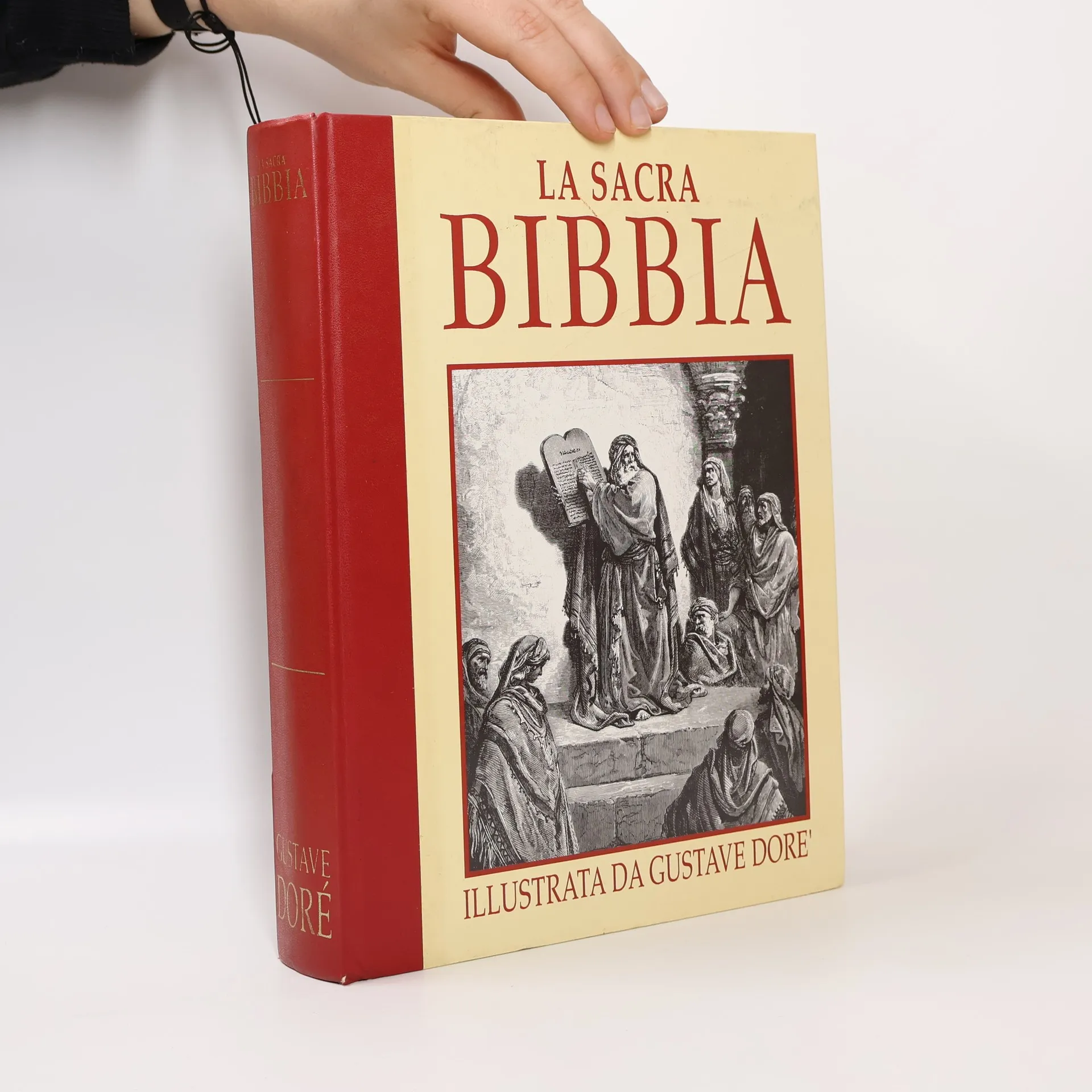
    • Die heilige Schrift

      Des Alten und Neuen Testaments

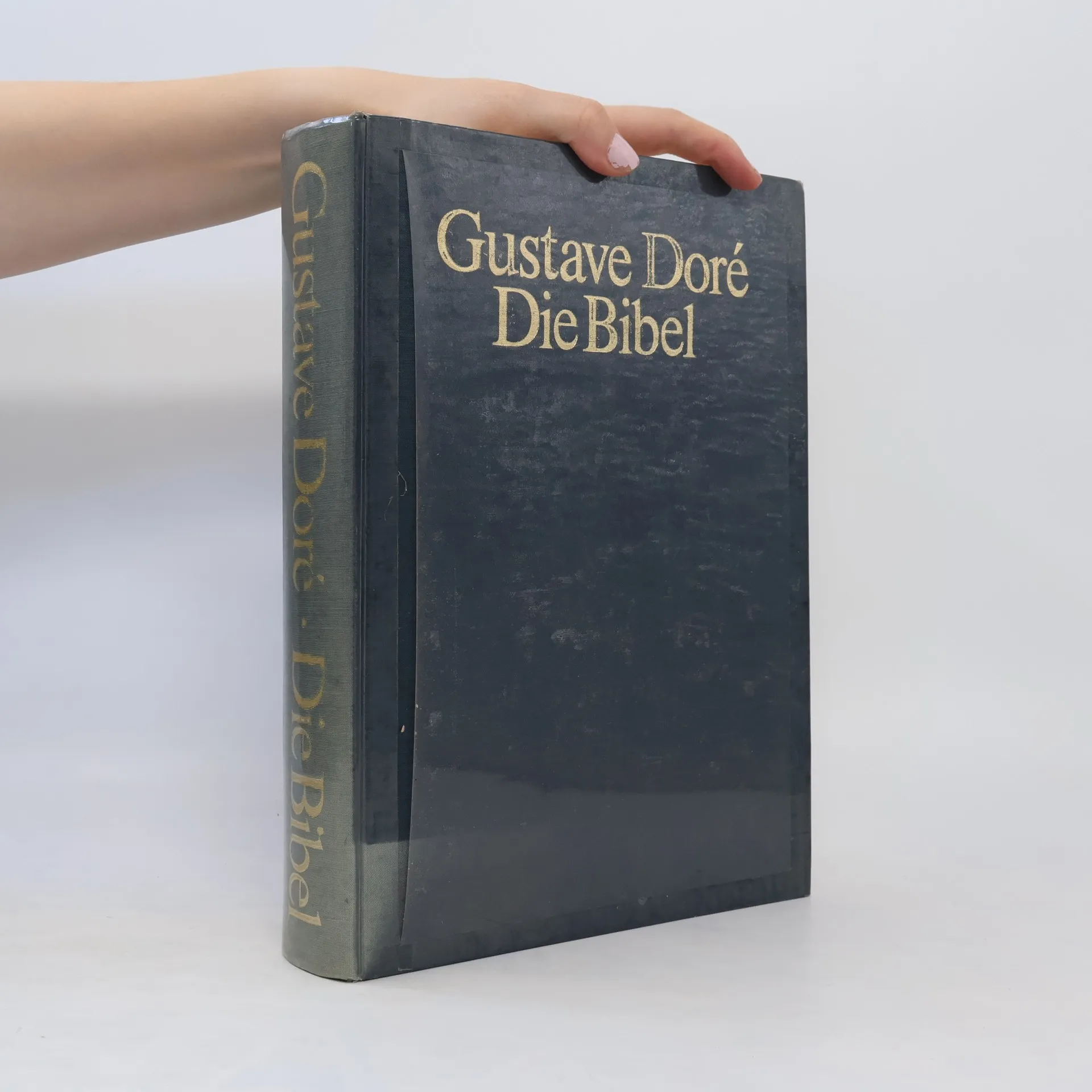
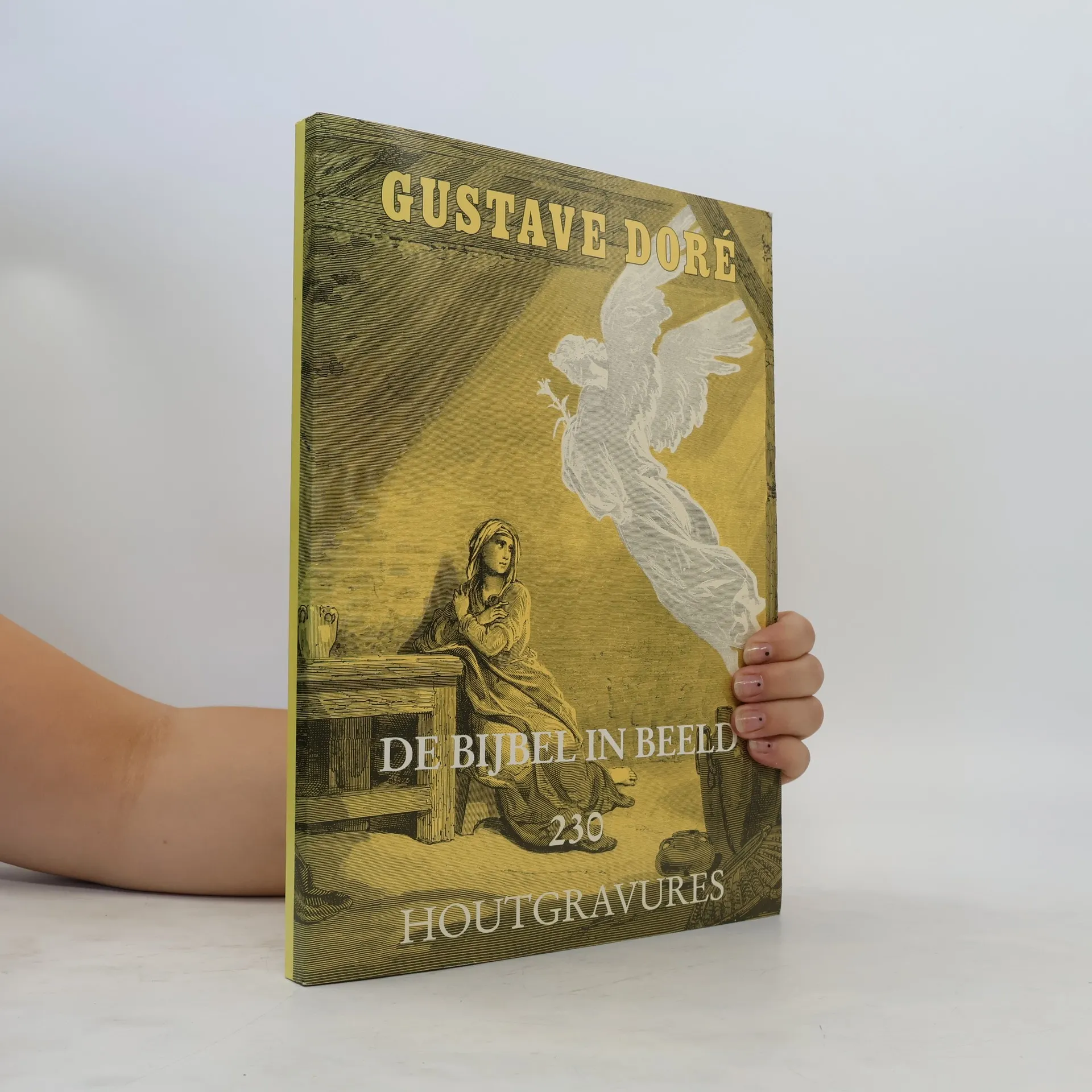
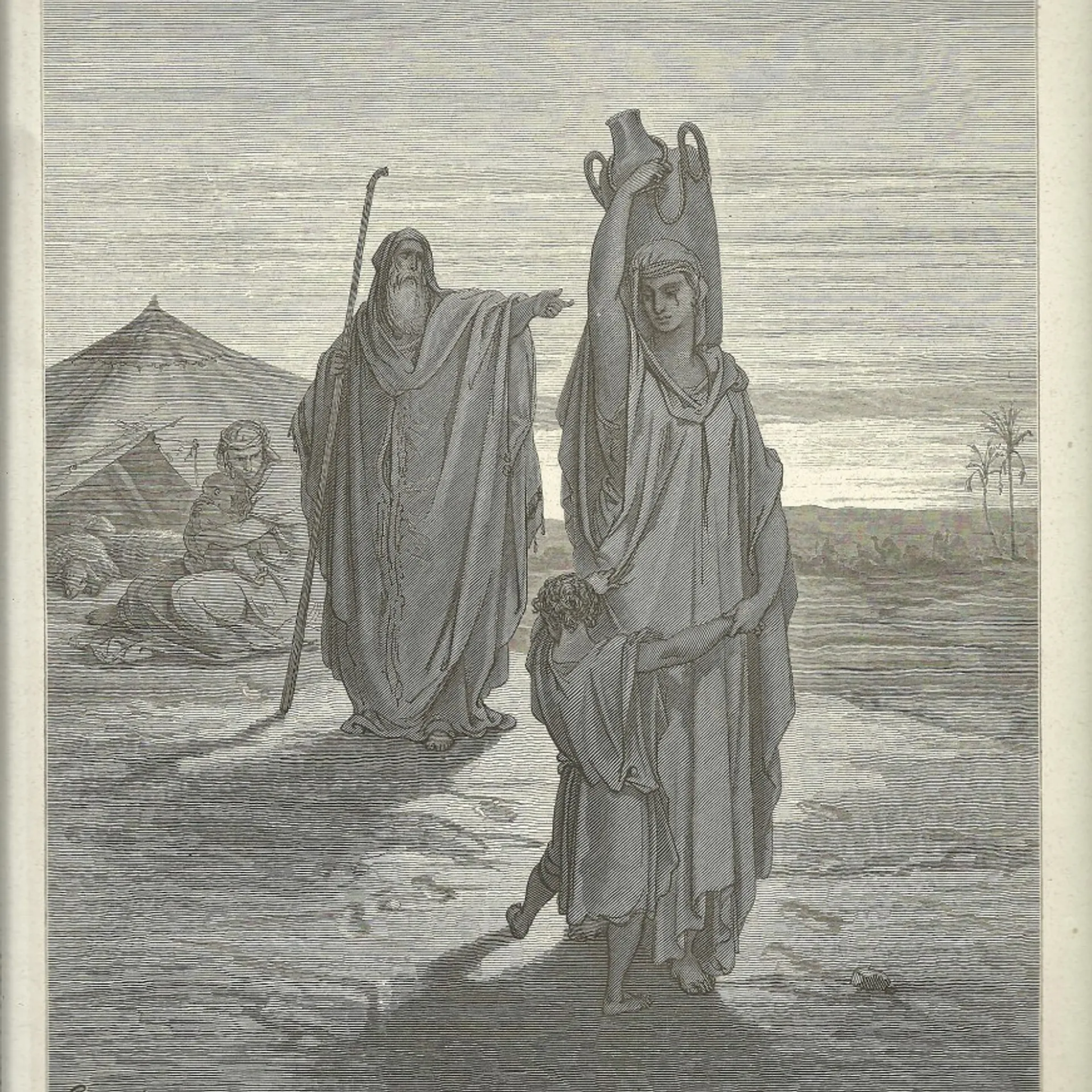
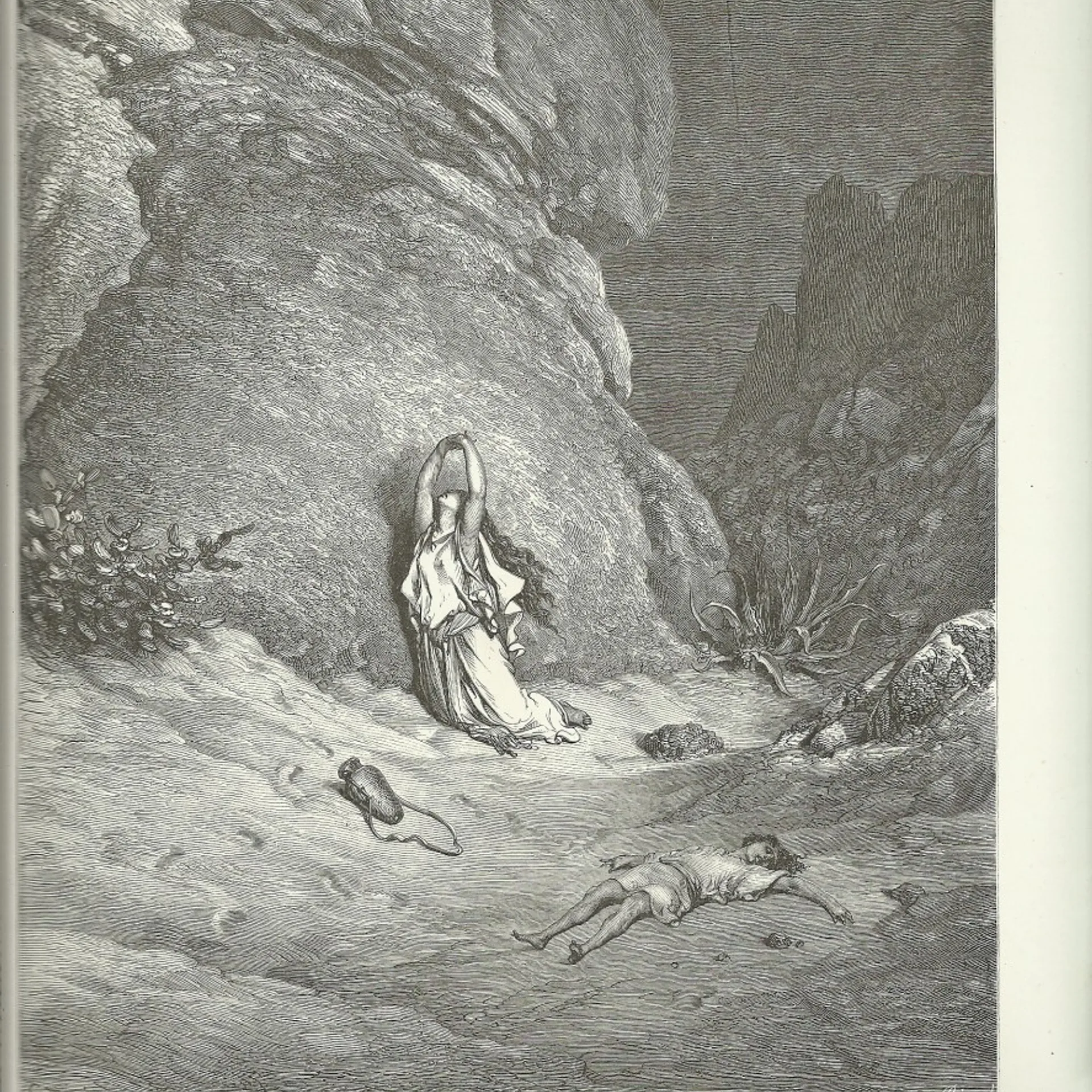
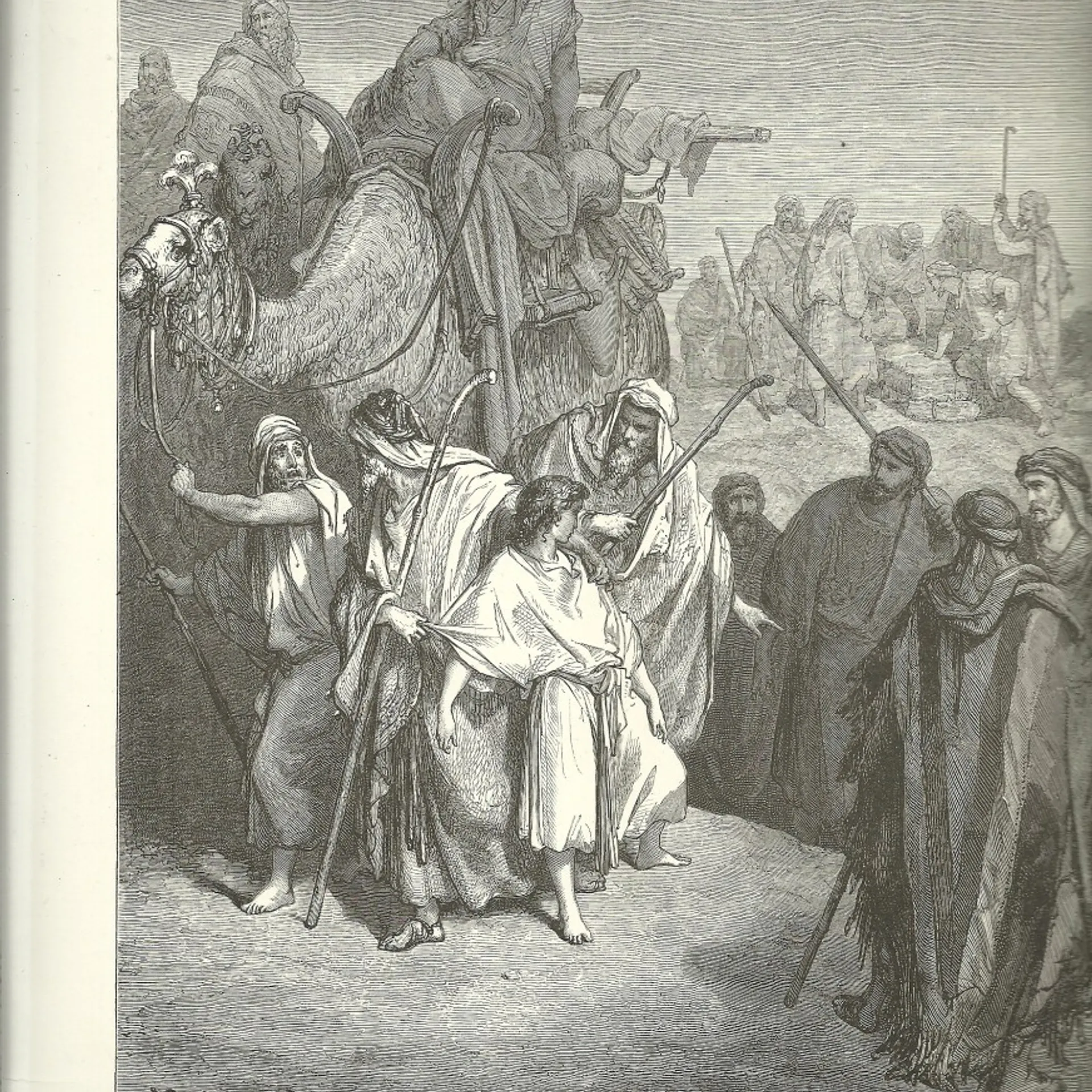
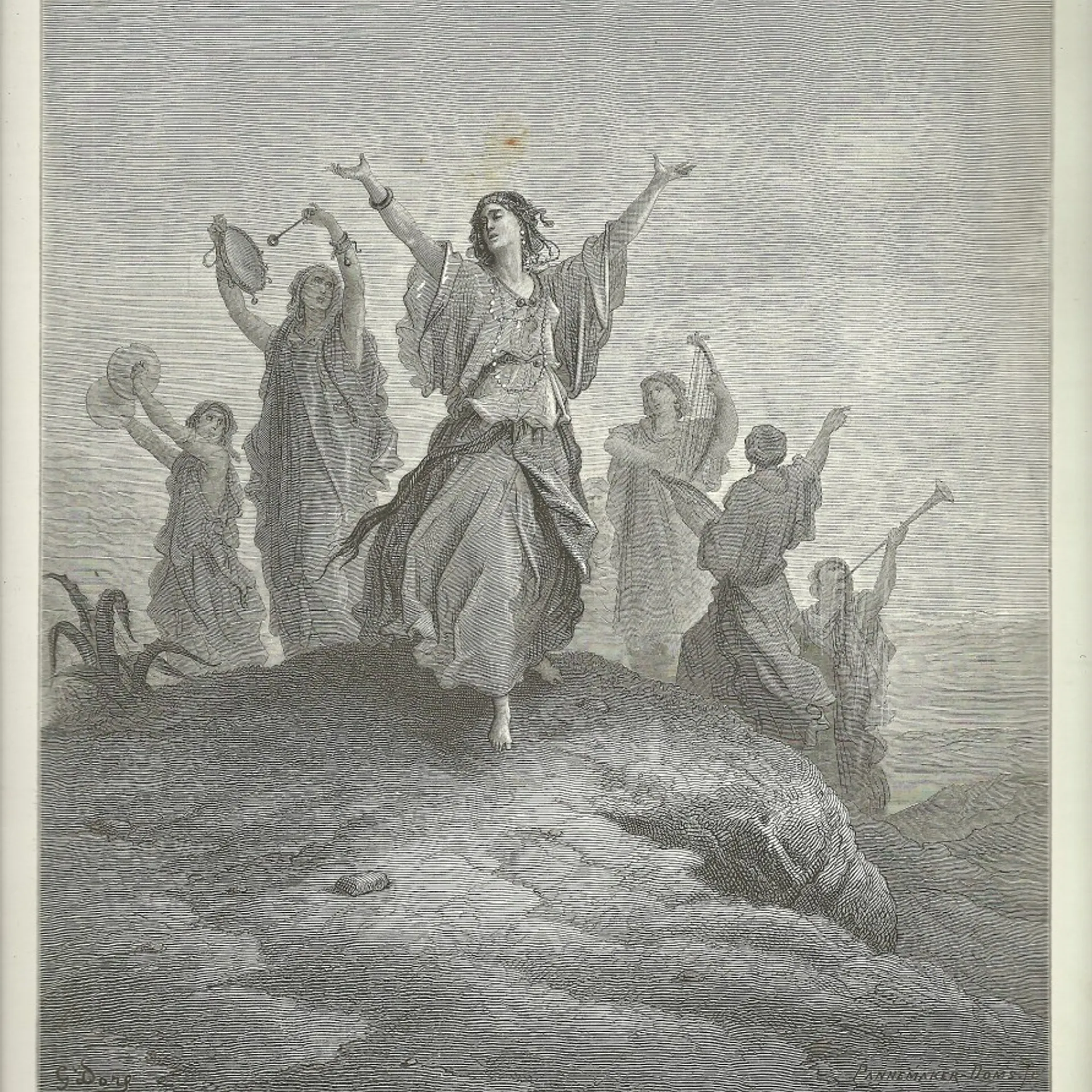
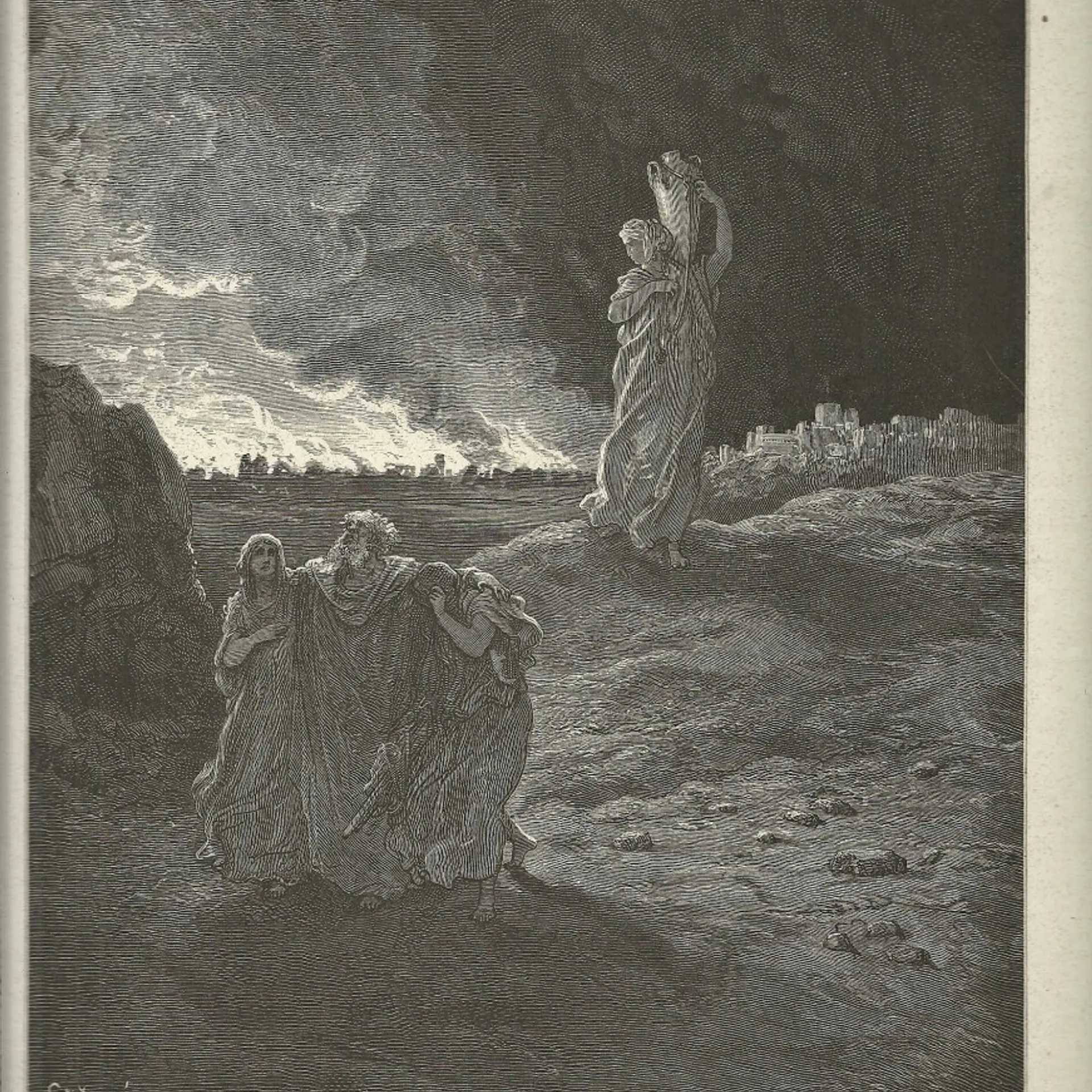
      Gustave Dorés (1832-1883) künstlerisches Oeuvre besticht nicht nur durch unerschöfliche Phantasie und Erzählfreude, sondern vor allem durch effektvolle Helldunkelwirkungen. Seine 238 Bibelstiche entstanden im Rahmen des 1861 begonnenen Großunternehmens einer illustrierten Weltbibliothek. Die „Doré-Bibel“ zählt zu den meist verkauften Büchern der Welt!

      Die heilige Schrift
    • V malé španělské vesnici na náhorní plošině La Mancha žil chudý šlechtic, který se nazýval Quijana. Měl dvě velké vášně – lov a četbu rytířských eposů. To druhé mu dokonce zabíralo tolik času, že nejednou zapomněl vyrazit na hon a o své panství se už skoro vůbec nestaral. Nakonecho svět velkých hrdinů, překrásných žen a sladkých milostných románků ovládl tak, že vyčistil svou zrezivělou zbroj, vyhřebelcoval stařičkého dýchavičného koně a se sluhou bez špetky fantazie se rozhodl vyrazit do světa šířit rytířskou slávu jako Don Quijote de la Mancha. Kniha, která popisuje jeho neuvěřitelné příběhy, výrazně ovlivnila evropskou literaturu. A slovní spojení jako „boj s větrnými mlýny“ či „donkichotství“ se dostala do obecného povědomí a v běžné řeči se používají dodnes.

      Důmyslný rytíř Don Quijote de la Mancha. Díl I. a II.
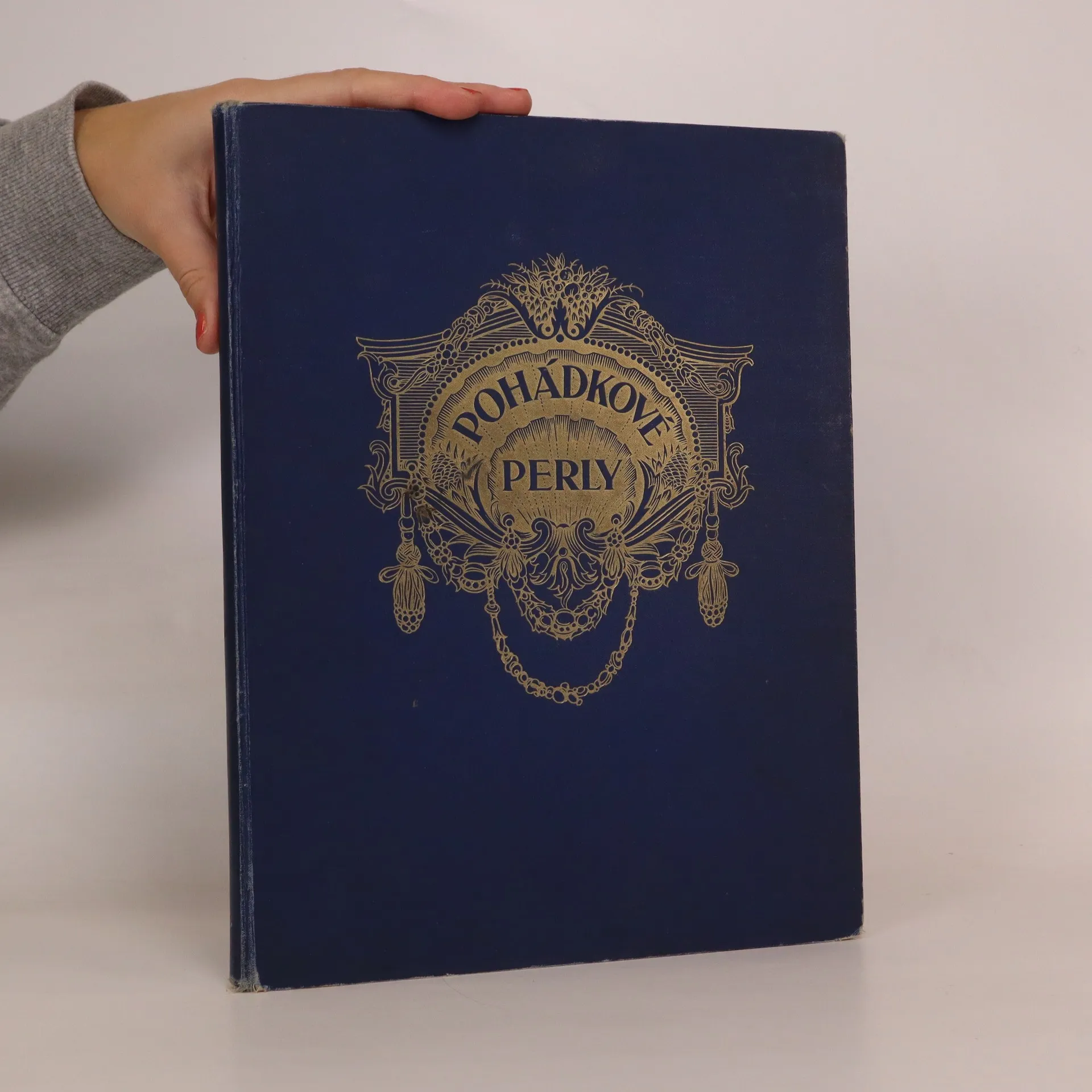
    • Charles Perrault: "Červená Karkulka" Karel Jaromír Erben: "Otesánek" Charles Perrault: "Modrovous" Karel Jaromír Erben: "Jezinky" Charles Perrault: "Paleček" Karel Jaromír Erben: "O třech přadlenách" Charles Perrault: "Princ Chocholouš" Karel Jaromír Erben: "Dobře tak, že je smrt na světě"Božena Němcová: "Čert a Káča" Charles Perrault: "Kocour v botách" Leonid Andrejev: "Chrabrý vlk" Charles Perrault: "Oslí kůže" Božena Němcová: "Noční stráž" Karel Jaromír Erben: "Dlouhý, Široký a Bystrozraký" Charles Perrault: "Popelka, nebo skleněný pantoflíček" Bratři Grimmové: "Bělinka" Charles Perrault: "Víla" Jan Fr. Hruška: "Karak se Hondza ženil" Božena Němcová: "Lesní ženka" Charles Perrault: "Šípková Růženka" Karel Jaromír Erben: "Tři zlaté vlasy Děda-Vševěda" František Bartoš: "O zviřátkách a loupežnících" Božena Němcová: "O dvanácti měsíčkách"

      Pohádkové perly (+ dobová reklama)