This book is a reproduction of a historical work, specifically designed in large print to enhance readability for individuals with impaired vision. The publishing house Megali focuses on making classic texts accessible, ensuring that important literary and historical works can be enjoyed by a wider audience.
Gustave Doré Ordre des livres (chronologique)
6 janvier 1832 – 23 janvier 1883
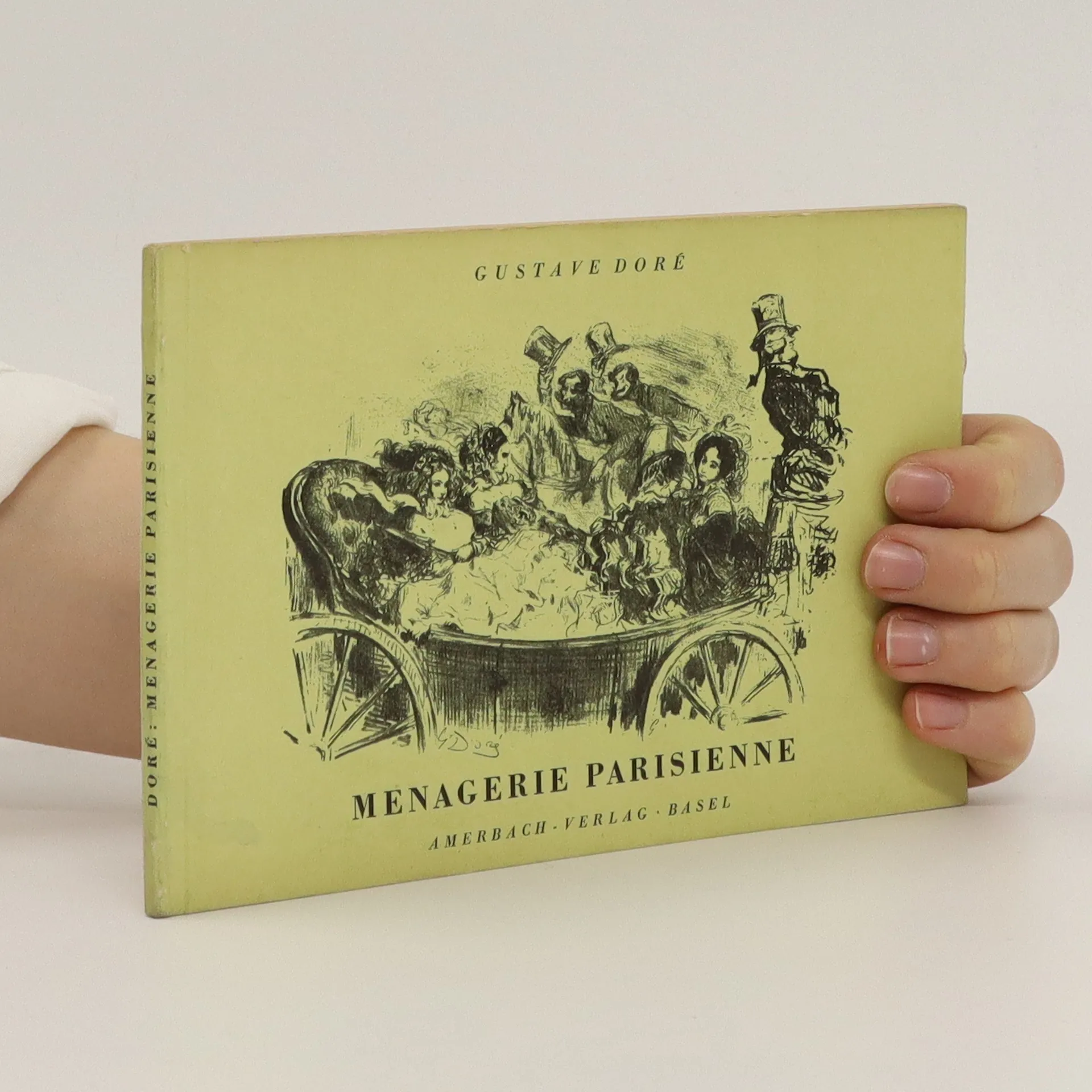
Gustave Doré fut l'illustrateur français le plus populaire et le plus prospère du milieu du XIXe siècle. Il acquit une large renommée grâce à ses illustrations d'œuvres majeures, contribuant à établir le livre illustré grand format à travers l'Europe. Son art se caractérise par un goût plein d'entrain, quoique quelque peu naïf, pour le grotesque, commercialisant la fascination romantique pour le bizarre. Plus tard, ses études plus sobres des quartiers pauvres de Londres retinrent l'attention de van Gogh, marquant une orientation vers une observation plus terre à terre.
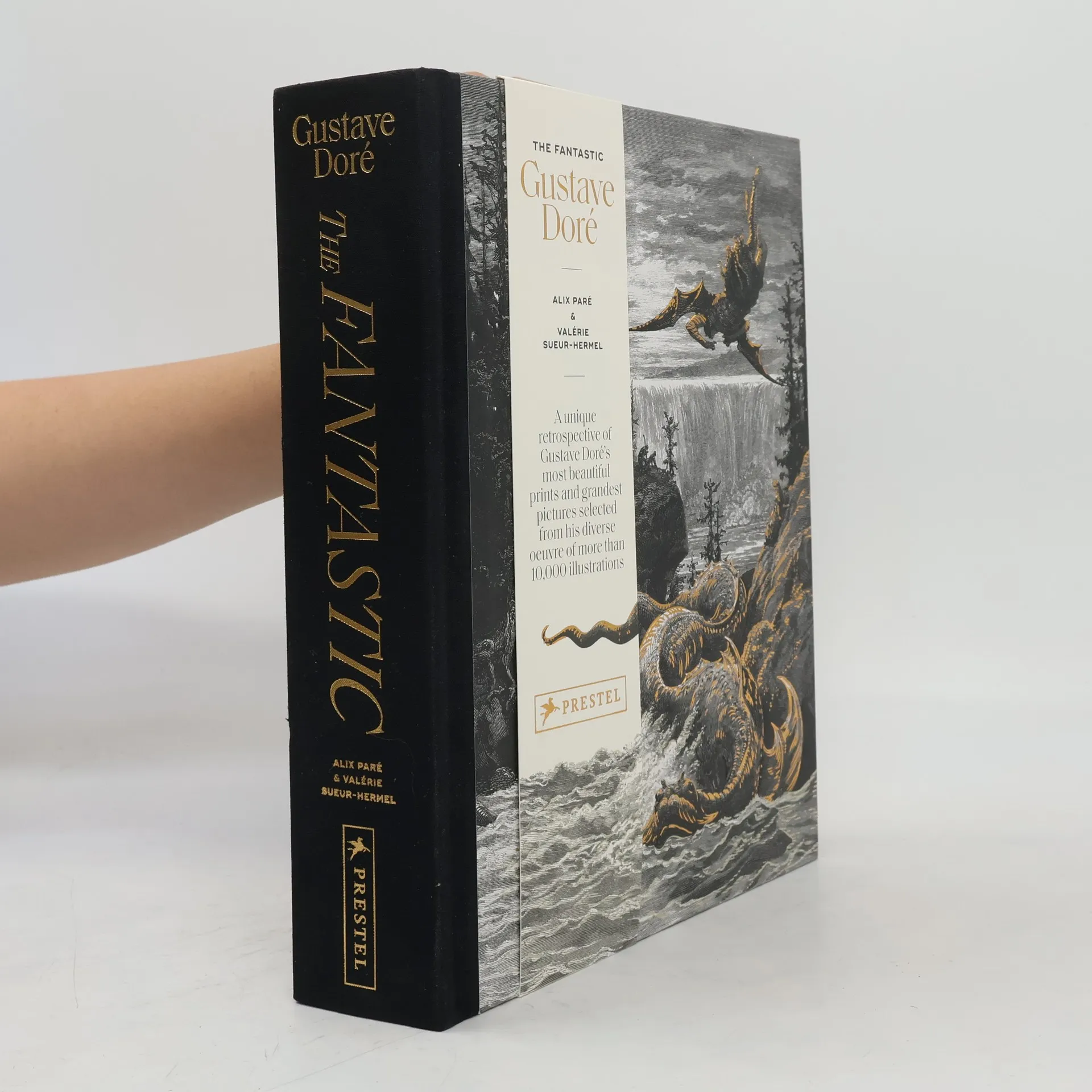
The fantastic Gustave Doré
- 480pages
- 17 heures de lecture
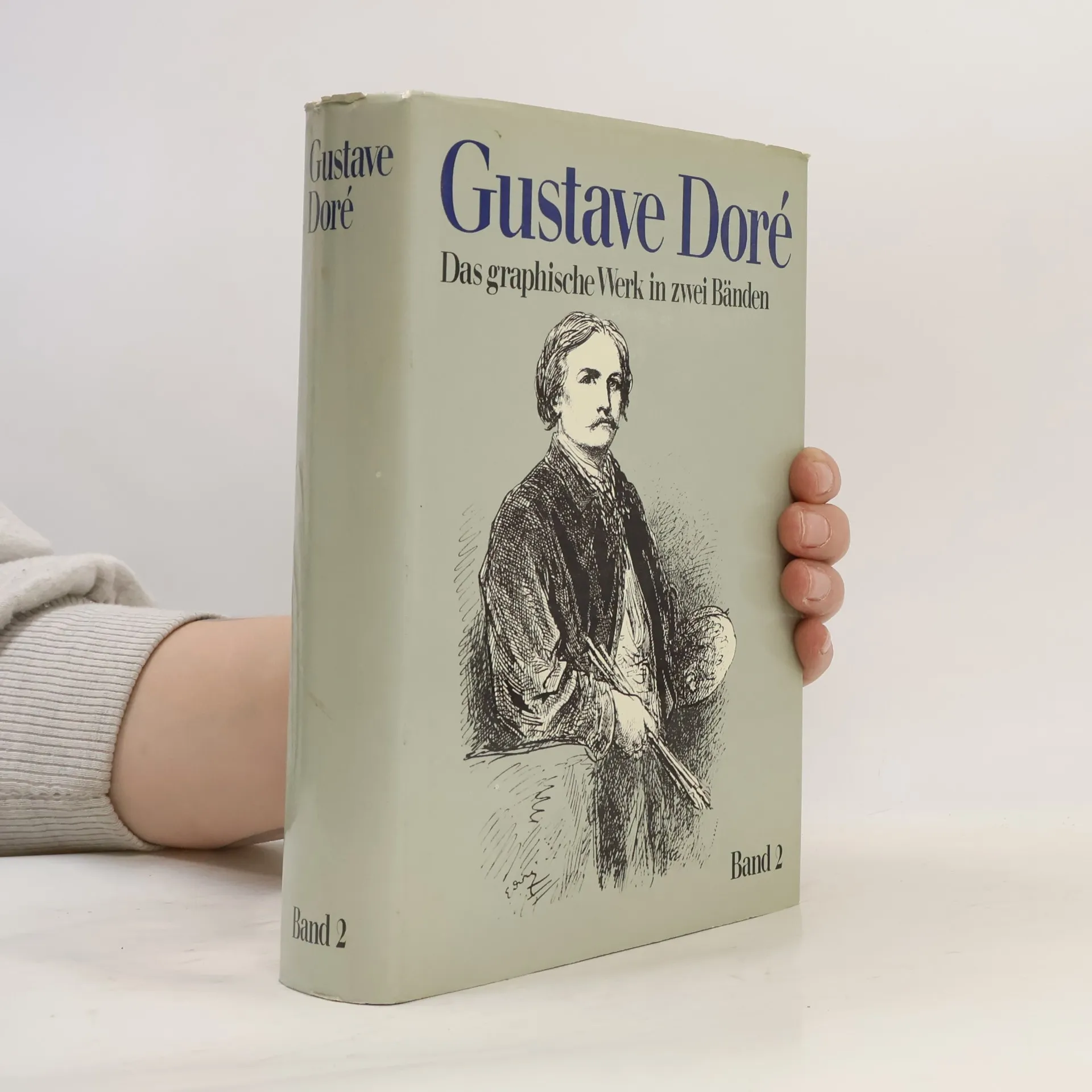
This authoritative retrospective of Doré’s prints and paintings showcases over 10,000 works in a spectacularly ornate package that reflects the artist’s dramatic style. If you were a literature consumer in the nineteenth century, your library likely featured his illustrations. From the Bible to Shakespeare, Balzac to Poe, Doré’s intricate and exuberant drawings brought great works to life, making them as cherished as the stories they illustrated. This magnificent volume also reveals his talents as a sculptor, painter, and cartoonist. It spans Doré’s entire career, with chapters dedicated to specific works such as The Divine Comedy, Don Quixote, Tennyson’s Idylls of the King, and medieval fairy tales, each accompanied by exquisite full-page reproductions that highlight his genius in line, shading, and texture. The authors provide insights into the techniques Doré used to create his masterpieces. Fans will appreciate the book's stunning production, featuring quarter binding, gold foil stamping, embossing, a belly band, and silkscreen printing on three edges. Filled with incisive analysis and expert historical perspectives, this volume is a consummate collector’s item—expansive and sensational, just like the artist himself.
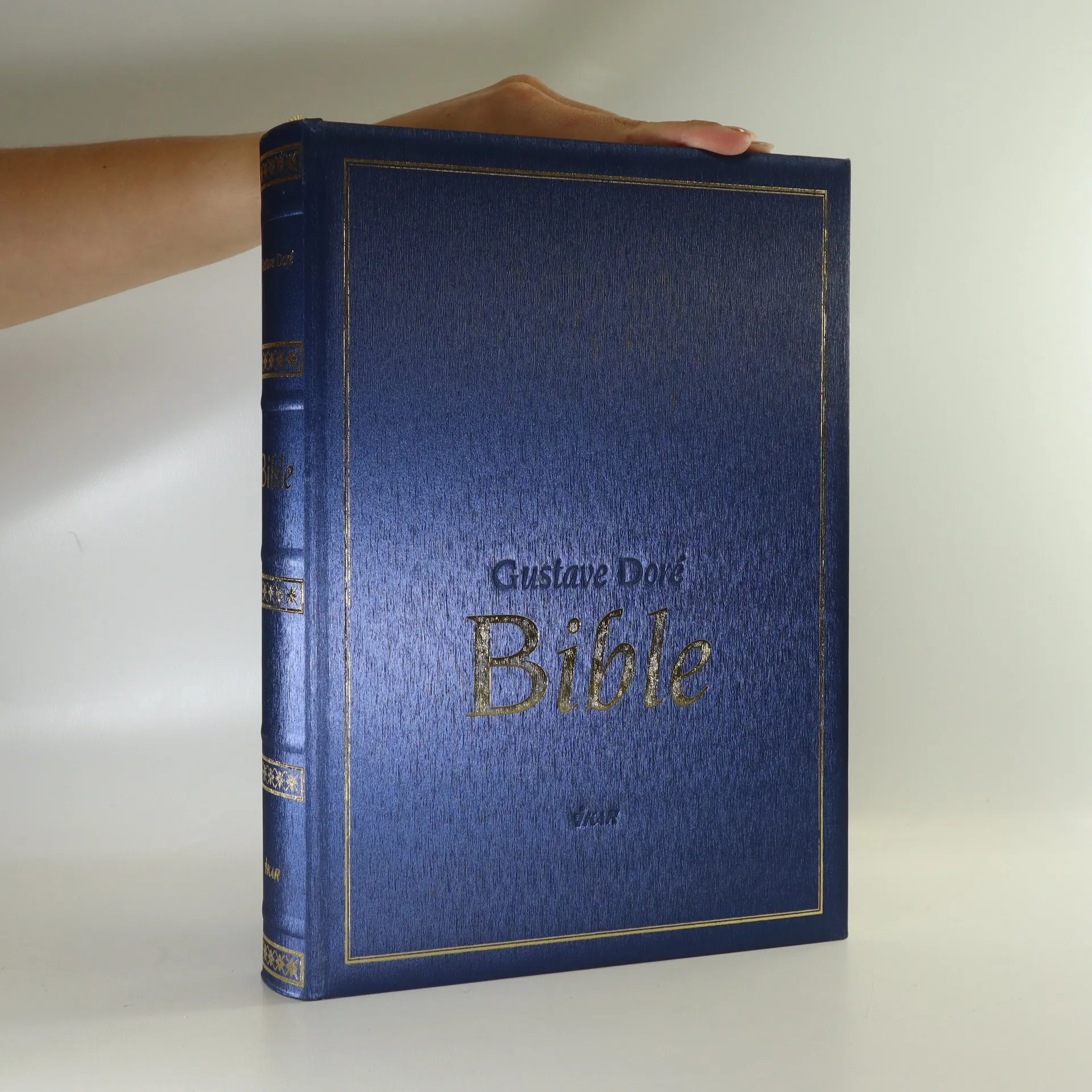
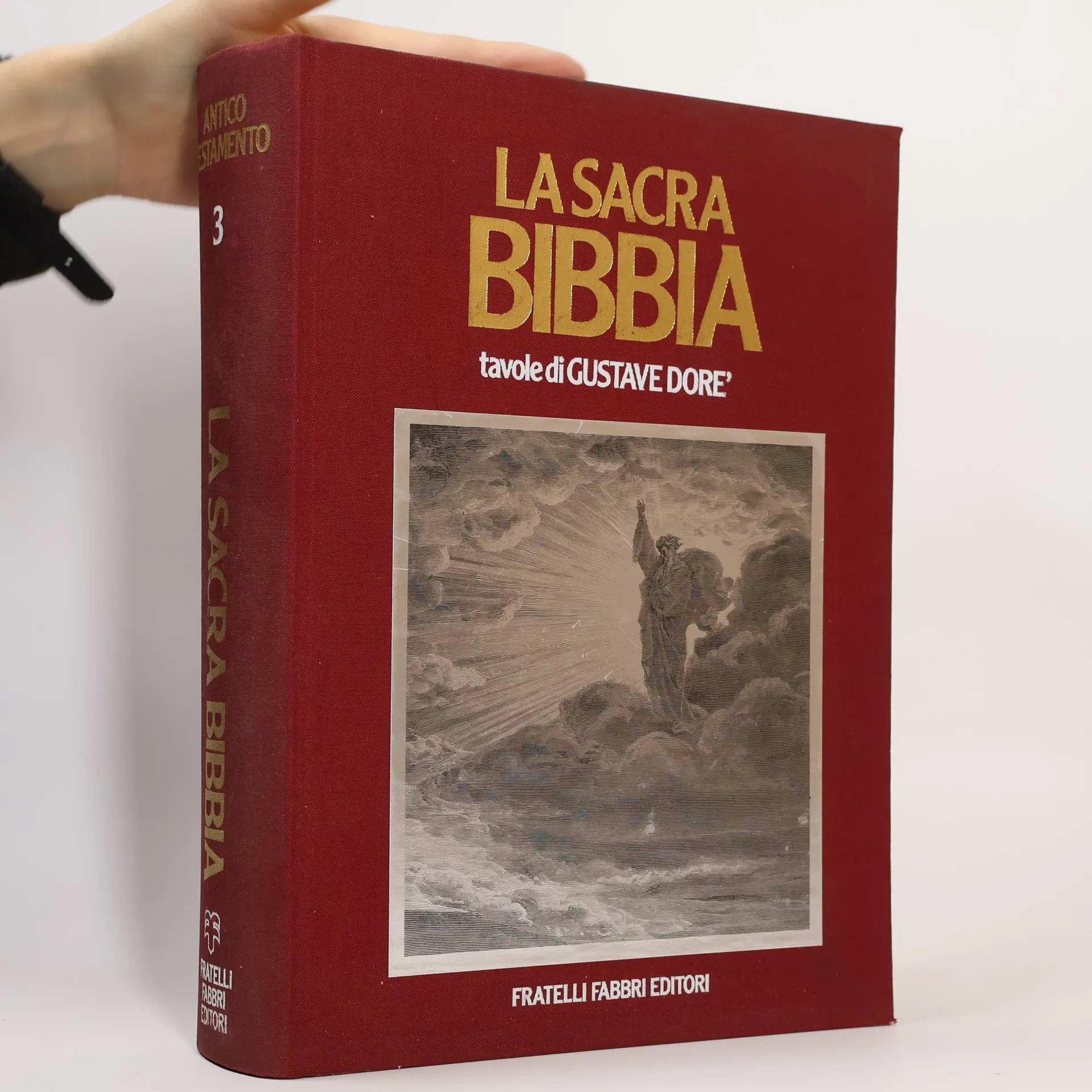
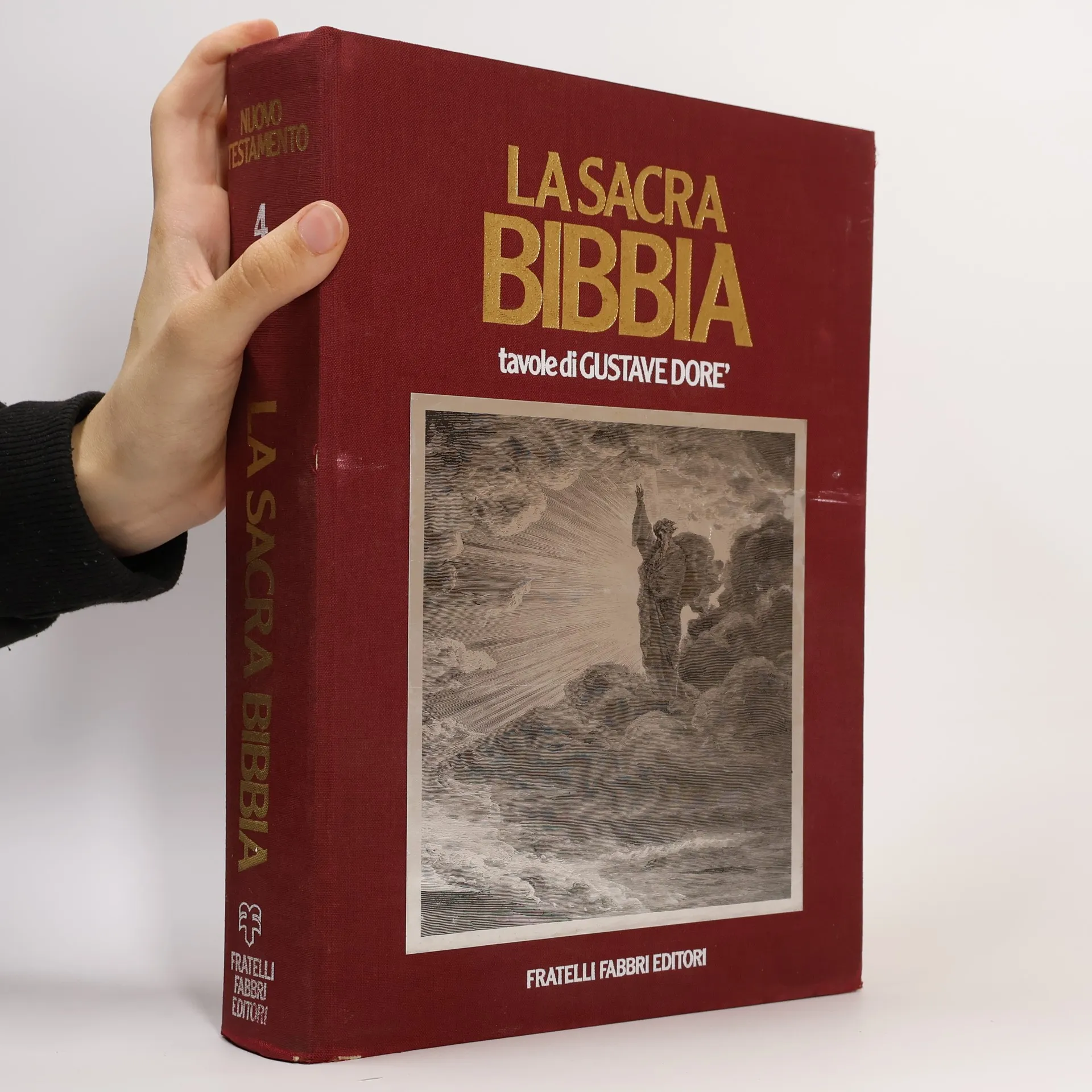
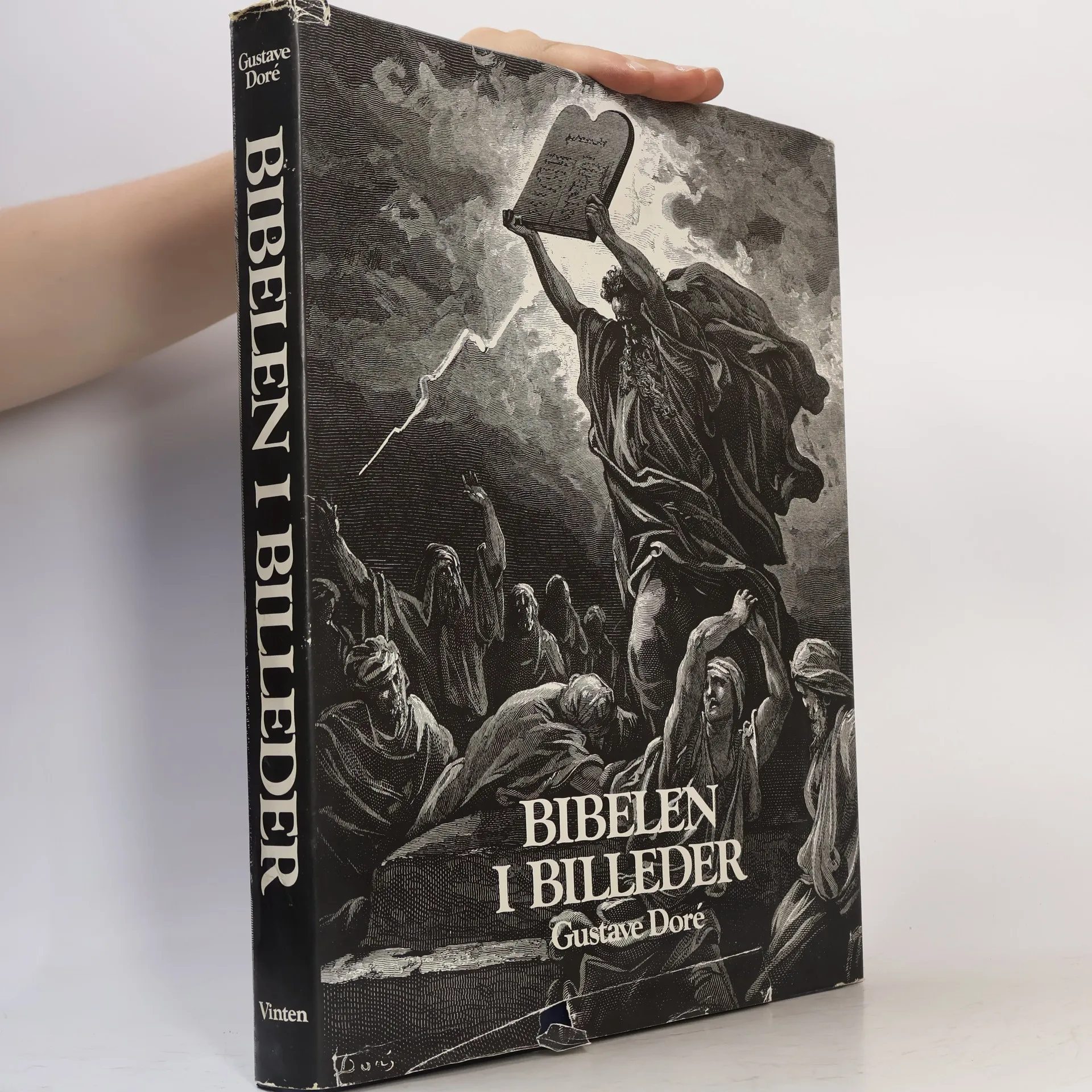
Kniha kníh v sprievode pôsobivých ilustrácií majstra Gustava Dorého Biblia alebo Sväté písmo je predovšetkým kódexom kresťanskej filozofie a morálky, je však aj jedinečným a neprekonateľným literárnym dielom. Biblické príbehy fascinujú jednoduchých ľudí i vzdelancov, inšpirujú spisovateľov a básnikov, no ich dramatický náboj, obraznosť a extatickosť sú výzvou najmä pre výtvarných umelcov. Túto knihu biblických príbehov z domácich a zo zahraničných biblických prameňov zostavil Pavel Plesník. Dopĺňajú ich reprodukcie 241 drevorytov všestranne nadaného Paula Gustava Louisa Christopha Dorého. Umelcove technické majstrovstvo, nápaditosť a zmysel pre dramatickosť dali jeho ilustráciám klasických diel svetovej literatúry neprekonateľnú kvalitu, ktorá očarúva ďalšie a ďalšie generácie čitateľov. Dorého Svätá Biblia (La Grande Bible de Tours) vyšla prvý raz v roku 1866 a zaznamenala mimoriadny úspech.
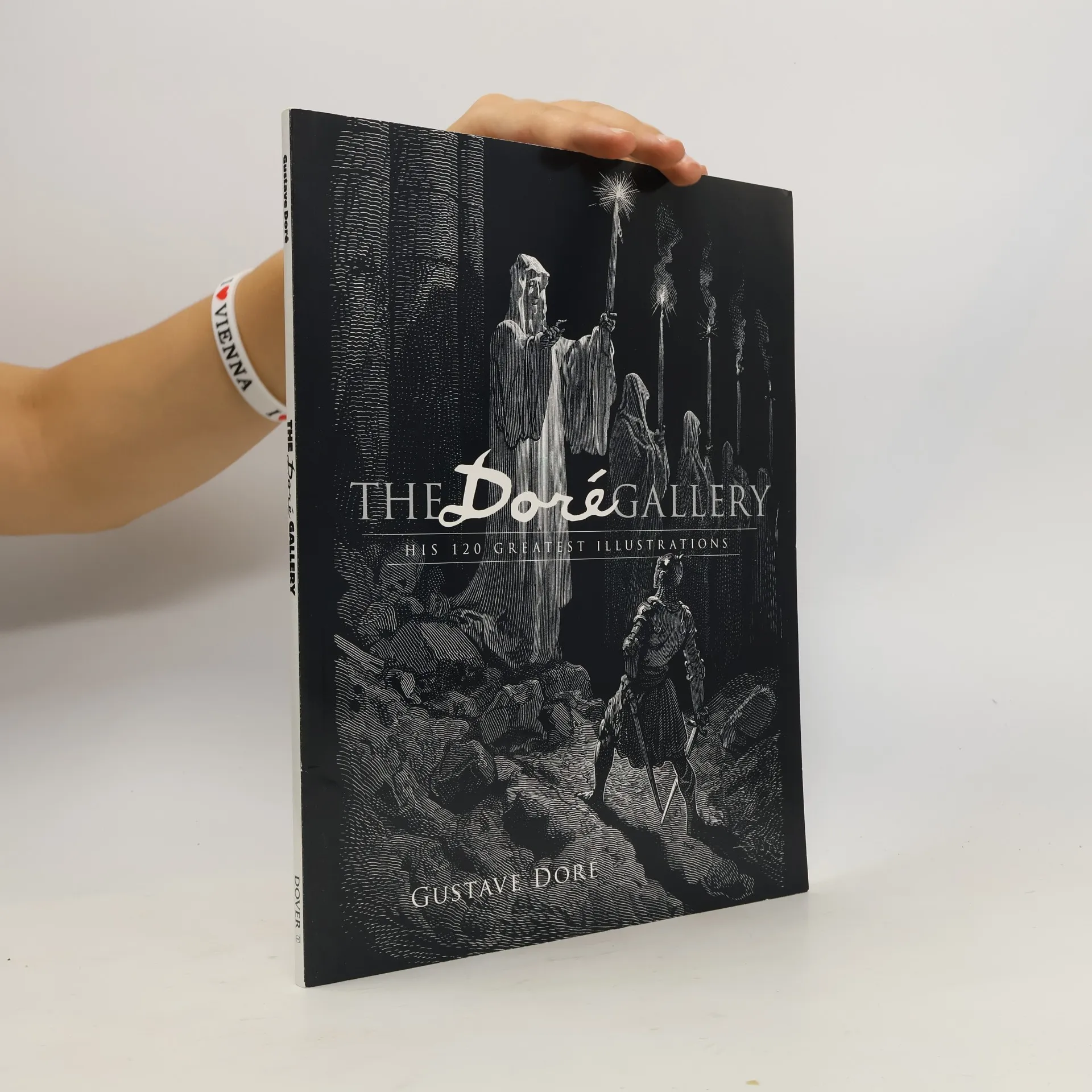
This superb compilation showcases the art of Gustave Doré, one of the nineteenth century's most prolific and successful book illustrators. Brimming with stunning images created to accompany the world's greatest literature, this volume compiles the very finest and most famous plates from Doré's work.Scores of magnificent, finely wrought engravings feature such dramatic and powerful scenes as Don Quixote tilting at windmills, Christ driving the money-changers from the temple, Moses destroying the tablets inscribed with the Ten Commandments, and Charon rowing his ferry to the gates of Hell. Sources include immortal stories ranging from Milton's Paradise Lost and Dante's Divine Comedy to Coleridge's Rime of the Ancient Mariner, Poe's "The Raven," and more than a dozen other books.For graphic artists and designers, this collection will provide an outstanding assortment of royalty-free images. For lovers of art and literature, these inspired plates will provide the definitive imagery of a host of literary classics.
Gustave Dore Masterpieces of Art
- 128pages
- 5 heures de lecture
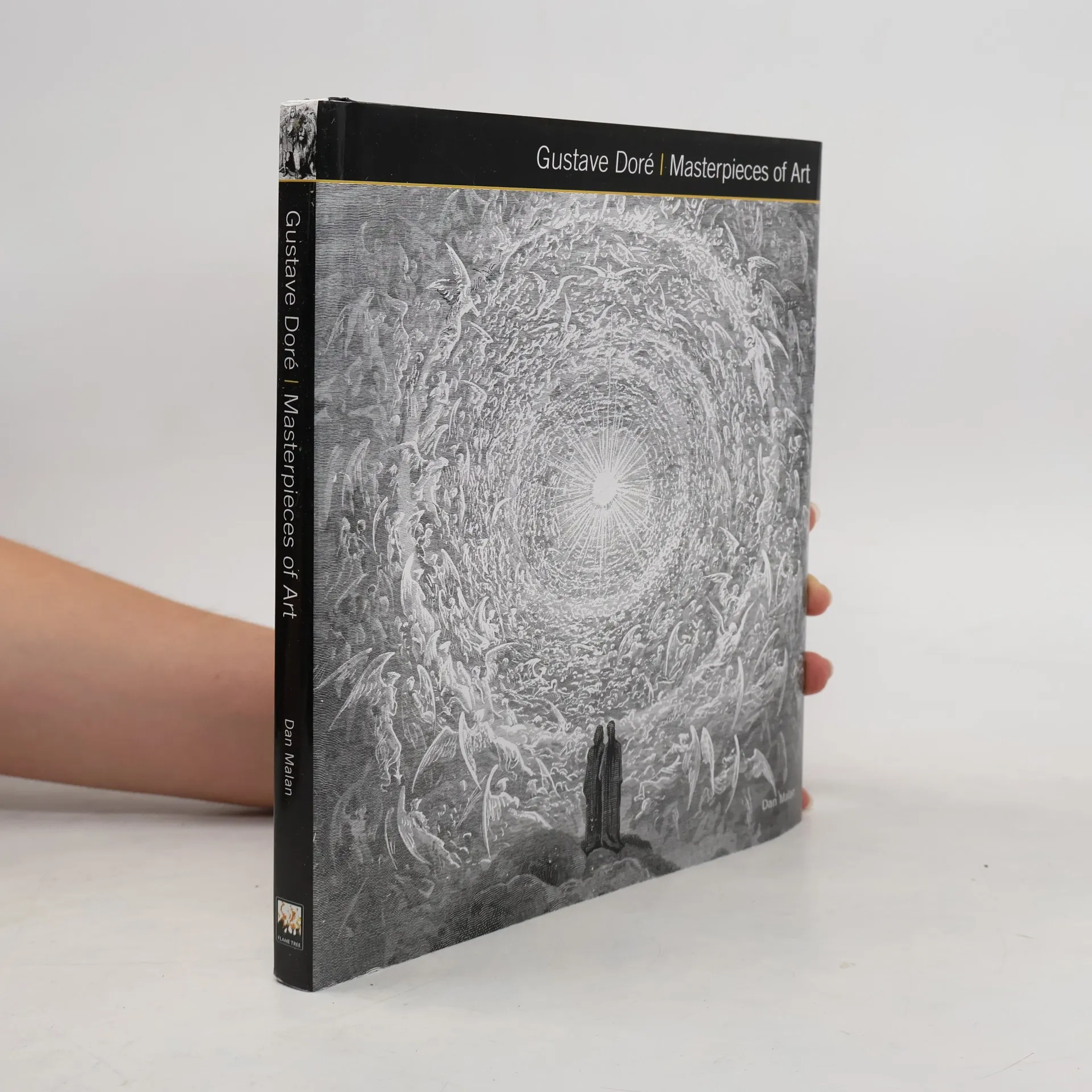
The supremely talented, prodigious and influential artist Gustave Dore is best known for his intricate engravings illustrating everything from the Bible to Don Quixote to The Divine Comedy. This gorgeous book introduces you to his life, work and legacy before presenting a carefully curated selection of his finest engravings.
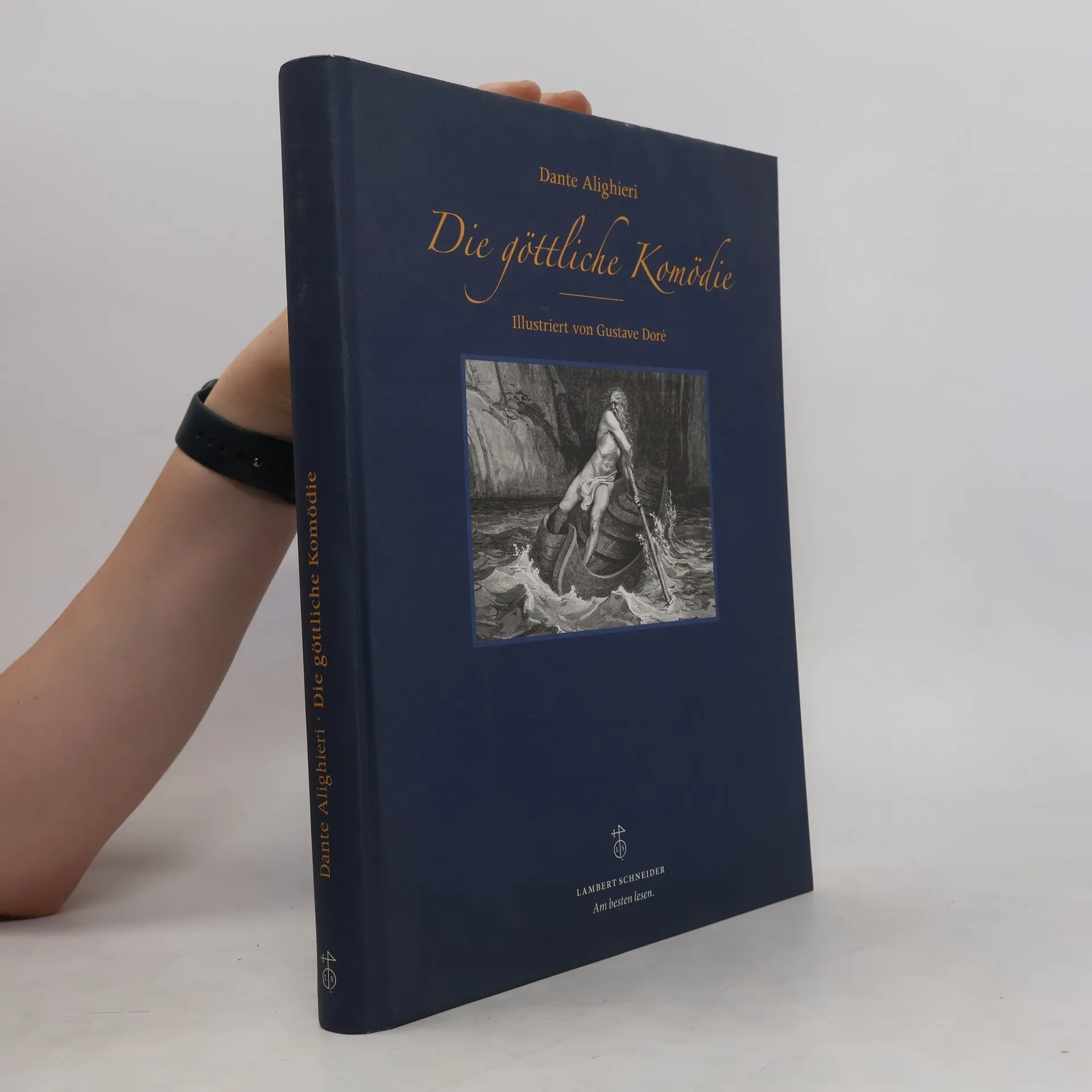
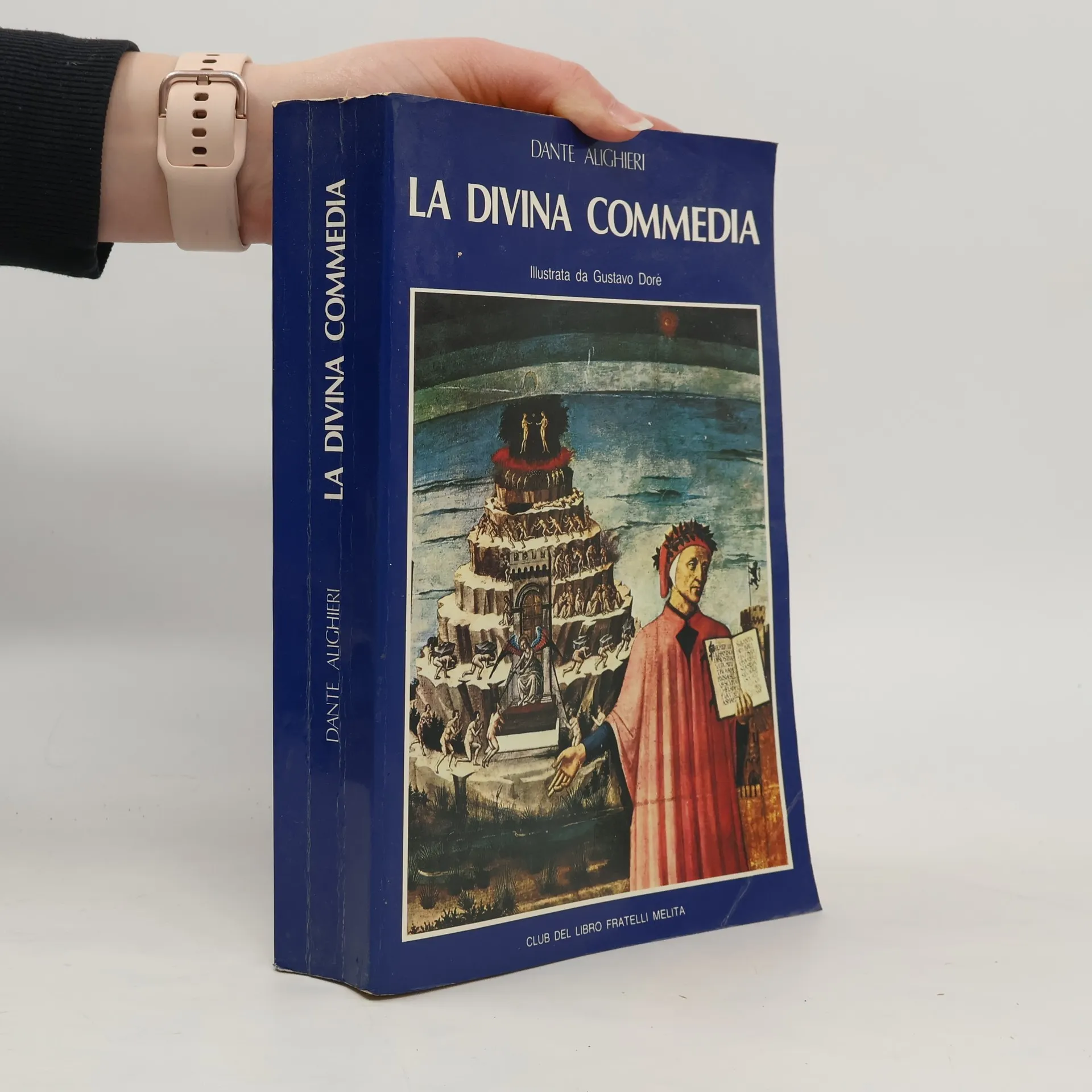
Dante Alighieri, Die göttliche Komödie
- 296pages
- 11 heures de lecture
Paradise Lost
- 316pages
- 12 heures de lecture
One of the oldest and most powerful stories of all time—God and Satan, Adam and Eve—retold in stunning graphic novel form by the dark and beautiful imagery of Pablo Auladell. Milton’s epic poem charts humanity’s fall from grace and the origin of the struggle between God and Satan, good and evil, life and death. In the aftermath of the Angels’ devastating defeat in the war for Heaven, Satan determines to seek his revenge. Meanwhile, Adam and Eve have newly awakened in the Garden of Eden . . . First published nearly three hundred and fifty years ago, Paradise Lost has now been reimagined by the Spanish artist Pablo Auladell. His astonishing artwork portrays the complexity and tragedy of one of the great stories of all time. His bleak and surprising imagery captures the lyricism of Milton’s original for a new audience—and is a masterful tribute to a literary classic.
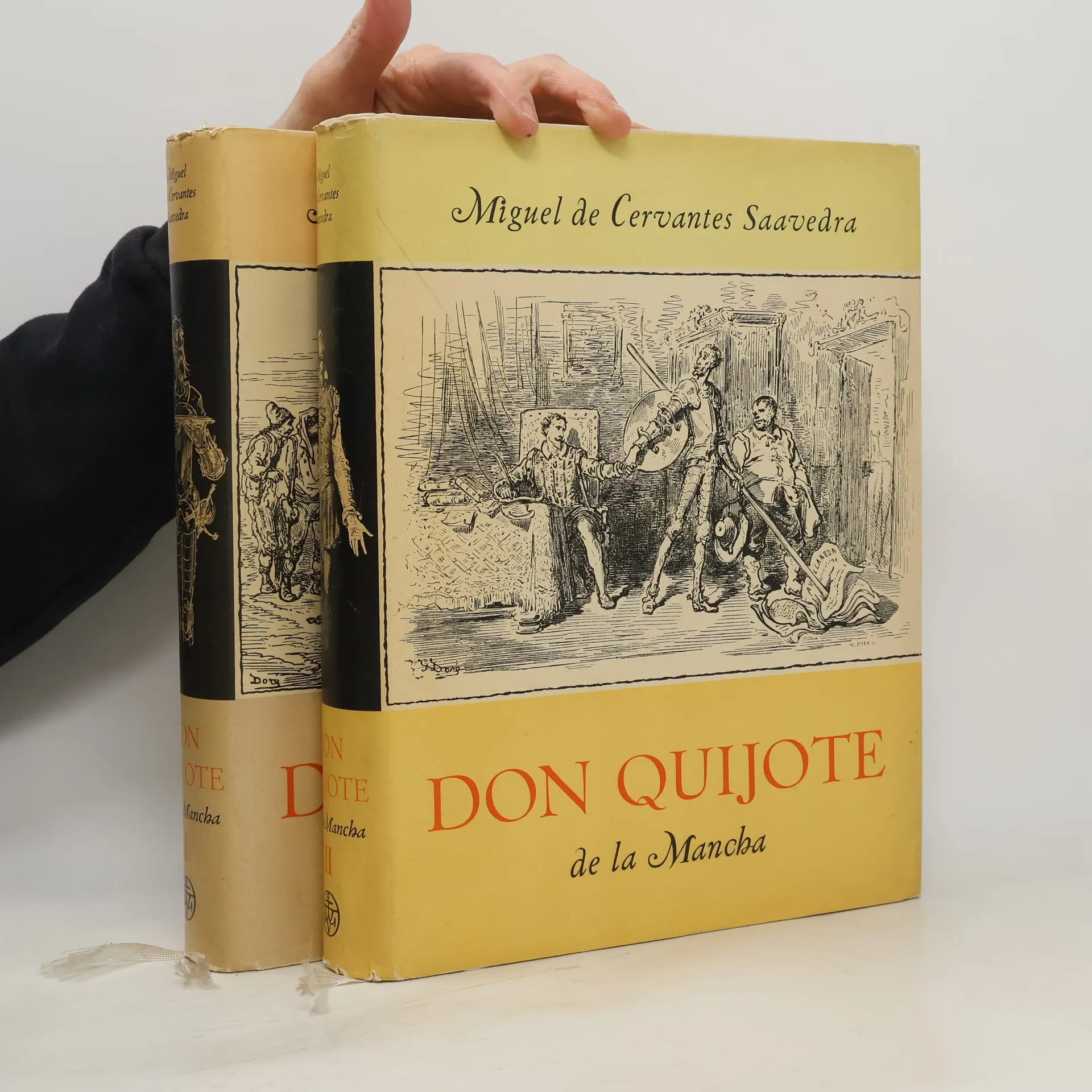
Zjednodušené převyprávění určené především mladším čtenářům. Vrcholné dílo španělské renesance, které mělo být původně parodií na rytířské romány. V malé španělské vesnici na náhorní plošině La Mancha žil chudý šlechtic, který se nazýval Quijana. Měl dvě velké vášně – lov a četbu rytířských eposů. To druhé mu dokonce zabíralo tolik času, že nejednou zapomněl vyrazit na hon a o své panství se už skoro vůbec nestaral. Nakonec ho svět velkých hrdinů, překrásných žen a sladkých milostných románků ovládl tak, že vyčistil svou zrezivělou zbroj, vyhřebelcoval stařičkého dýchavičného koně a se sluhou bez špetky fantazie se rozhodl vyrazit do světa šířit rytířskou slávu jako Don Quijote de la Mancha. Kniha, která popisuje jeho neuvěřitelné příběhy, výrazně ovlivnila evropskou literaturu. A slovní spojení jako „boj s větrnými mlýny“ či „donkichotství“ se dostala do obecného povědomí a v běžné řeči se používají dodnes. Text upravila Eliška Nosálová.
The Hunter Bible is sure to become a treasured family heirloom. This beautifully illustrated King James 1611 Version Bible is limited to 500 copies worldwide.
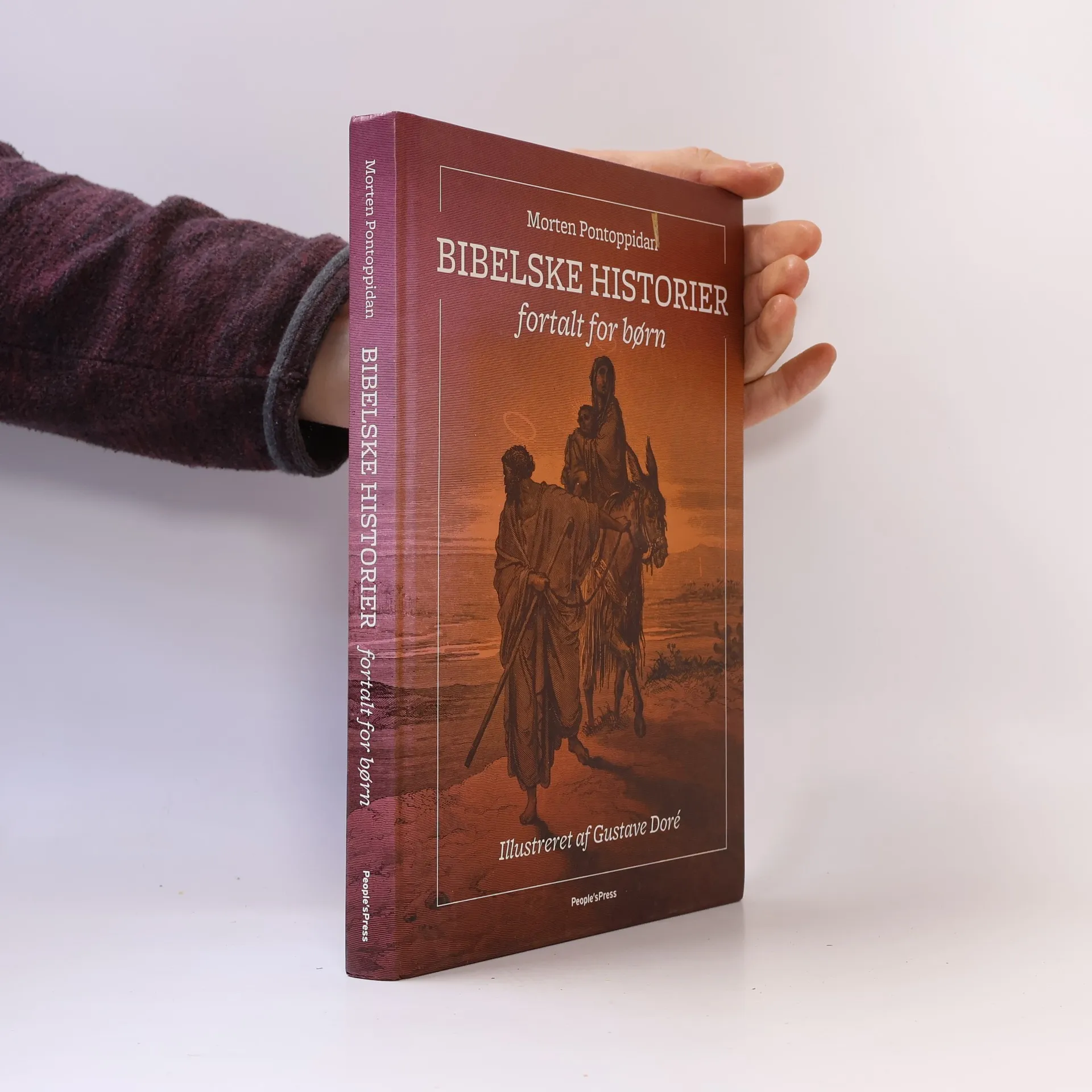
Bibelske historier
fortalt for børn
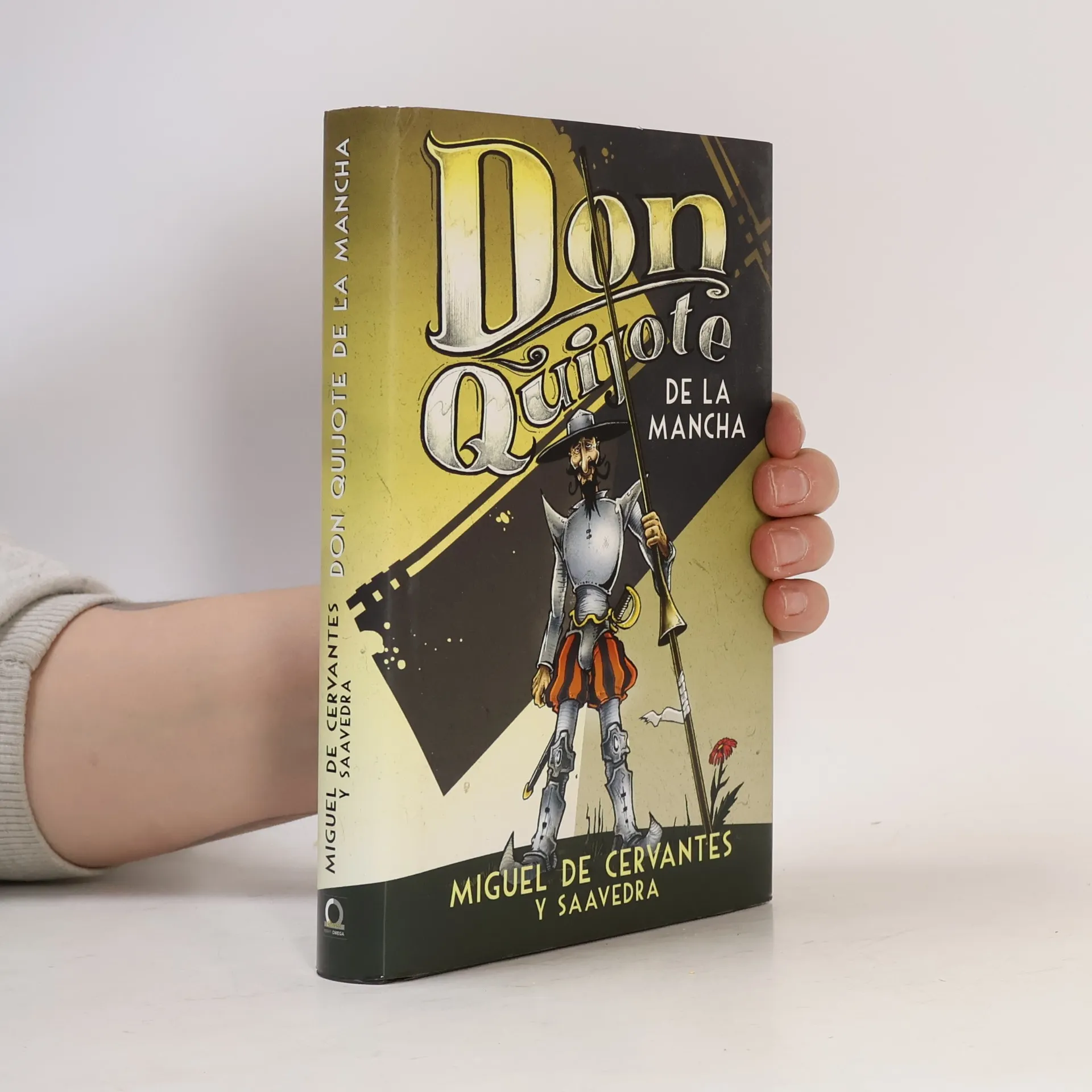
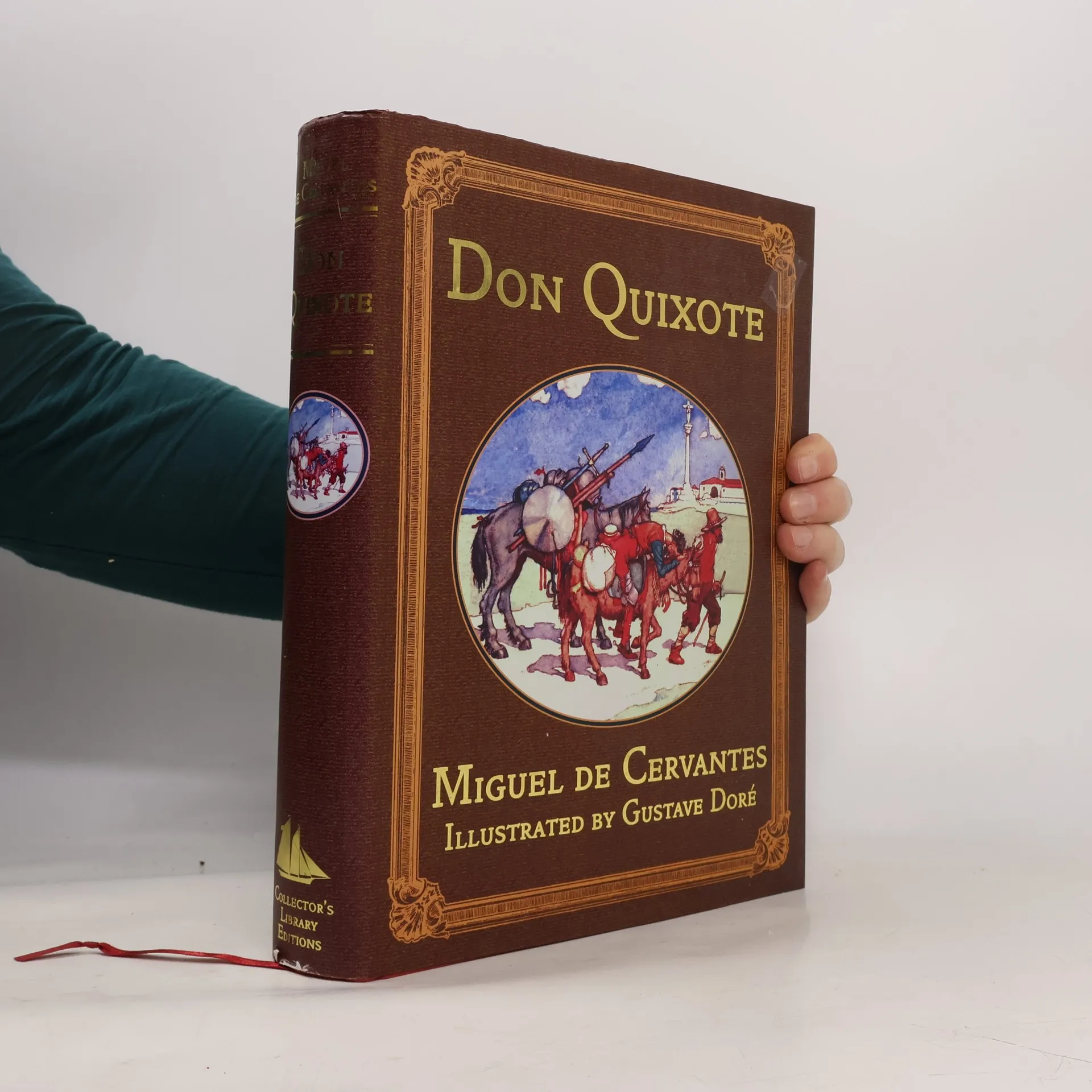
Collector's Library Editions: Don Quixote
- 700pages
- 25 heures de lecture
Don Quixote is a masterpiece of world fiction, a brilliant satire on traditional romances and an uproarious comedy and a prose-epic in a new genre for its time. Widely regarded as the world's first modern novel, and one of the funniest and most tragic books ever written, Don Quixote chronicles the famous adventures of the noble knight-errant Don Quixote de La Mancha and his faithful squire, Sancho Panzal. Don Quixote travels through sixteenth-century Spain in search of adventure, dedicating his actions of valour to a country girl whom he calls Dulcinea, seeing her as his lady. He takes on spirits, evil enchanters and most famously, of course, giants in the form of windmills.
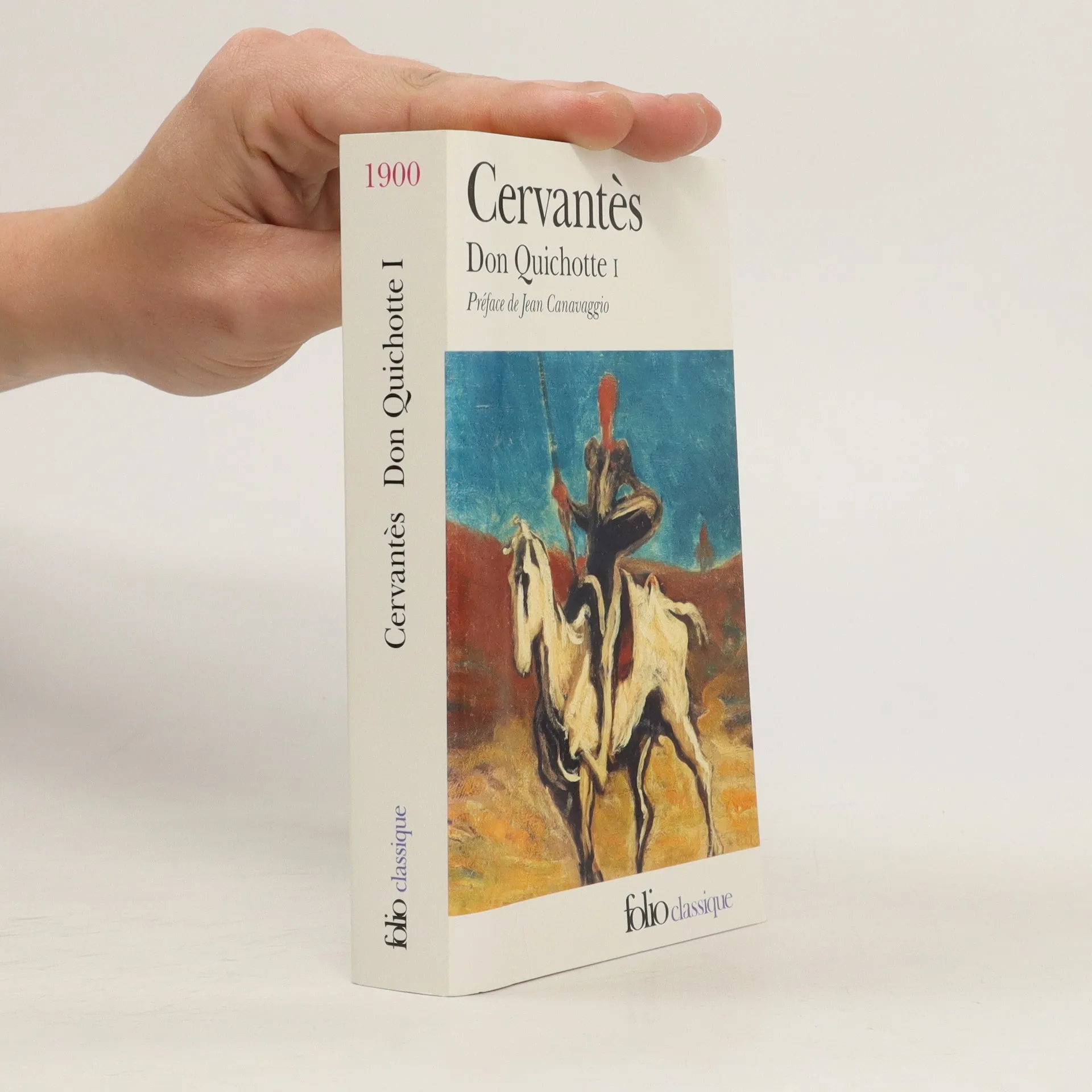
Don Quichotte de la Manche, tome 1
- 634pages
- 23 heures de lecture
Là-dessus ils découvrirent trente ou quarante moulins à vent, et, dès que don Quichotte les vit, il dit à son écuyer : "La fortune conduit nos affaires mieux que nous n'eussions su désirer, car voilà, ami Sancho Pança, où se découvrent trente ou quelque peu plus de démesurés géants, avec lesquels je pense avoir combat et leur ôter la vie à tous. - Quels géants ? dit Sancho. - Ceux que tu vois là, répondit son maître, aux longs bras, et d'aucuns les ont quelquefois de deux lieues. - Regardez, monsieur, répondit Sancho, que ceux qui paraissent là ne sont pas des géants, mais des moulins à vent et ce qui semble des bras sont les ailes, lesquelles, tournées par le vent, font mouvoir la pierre du moulin. - Il paraît bien, répondit don Quichotte, que tu n'es pas fort versé en ce qui est des aventures : ce sont des géants, et, si tu as peur, ôte-toi de là et te mets en oraison, tandis que je vais entrer avec eux en une furieuse et inégale bataille." Et, disant cela, il donna des éperons à son cheval Rossinante. [Source : 4e de couv.]
La Fontaine meséi
- 479pages
- 17 heures de lecture
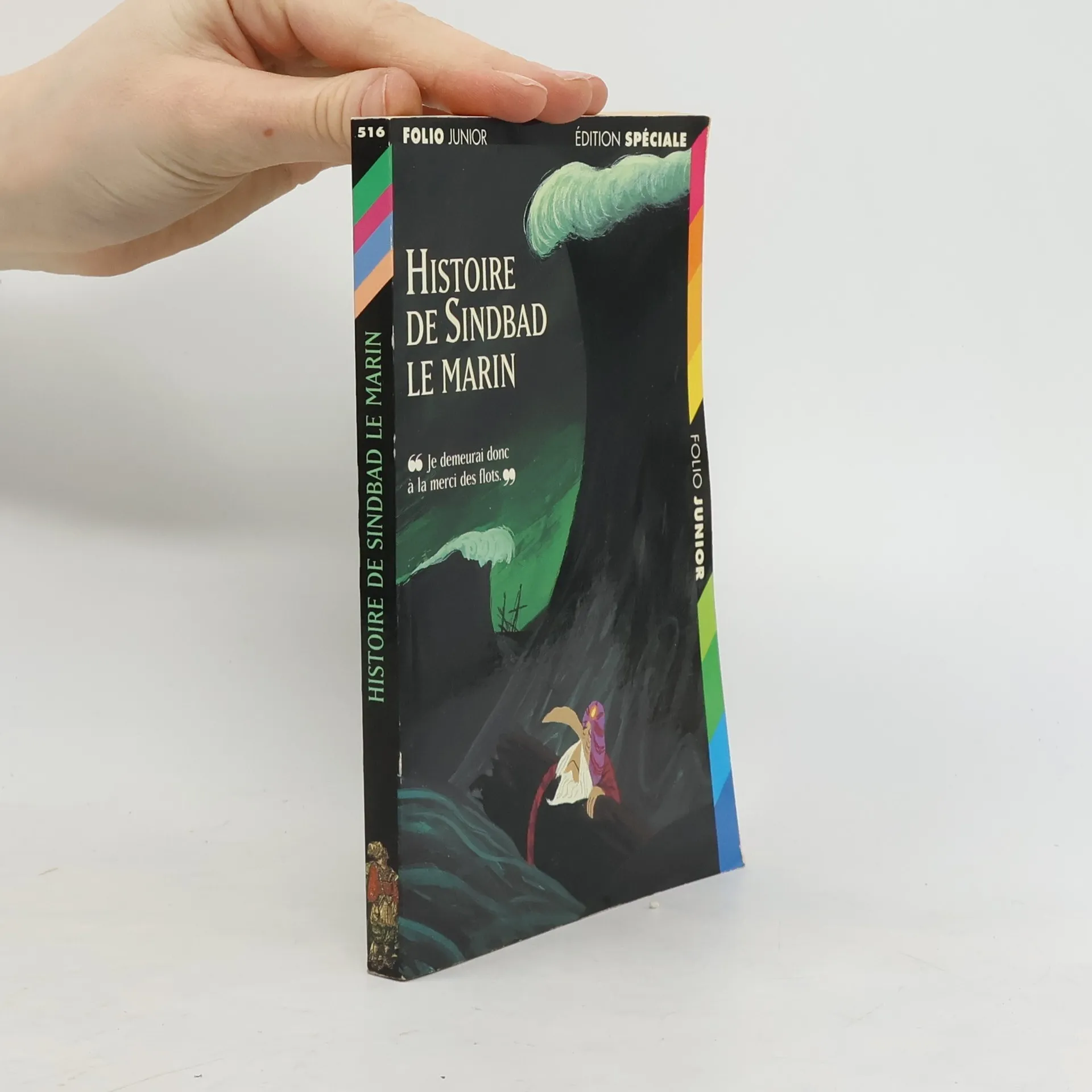
"Vous n'avez peut-être entendu parler que confusément de mes étranges aventures, et des dangers que j'ai courus sur mer dans les sept voyages que j'ai faits; et puisque l'occasion s'en présente, je vais vous en faire un rapport fidèle..." Ainsi parle Sindbad le marin, ainsi commence l'un des contes les plus célèbres des Mille et Une Nuits...
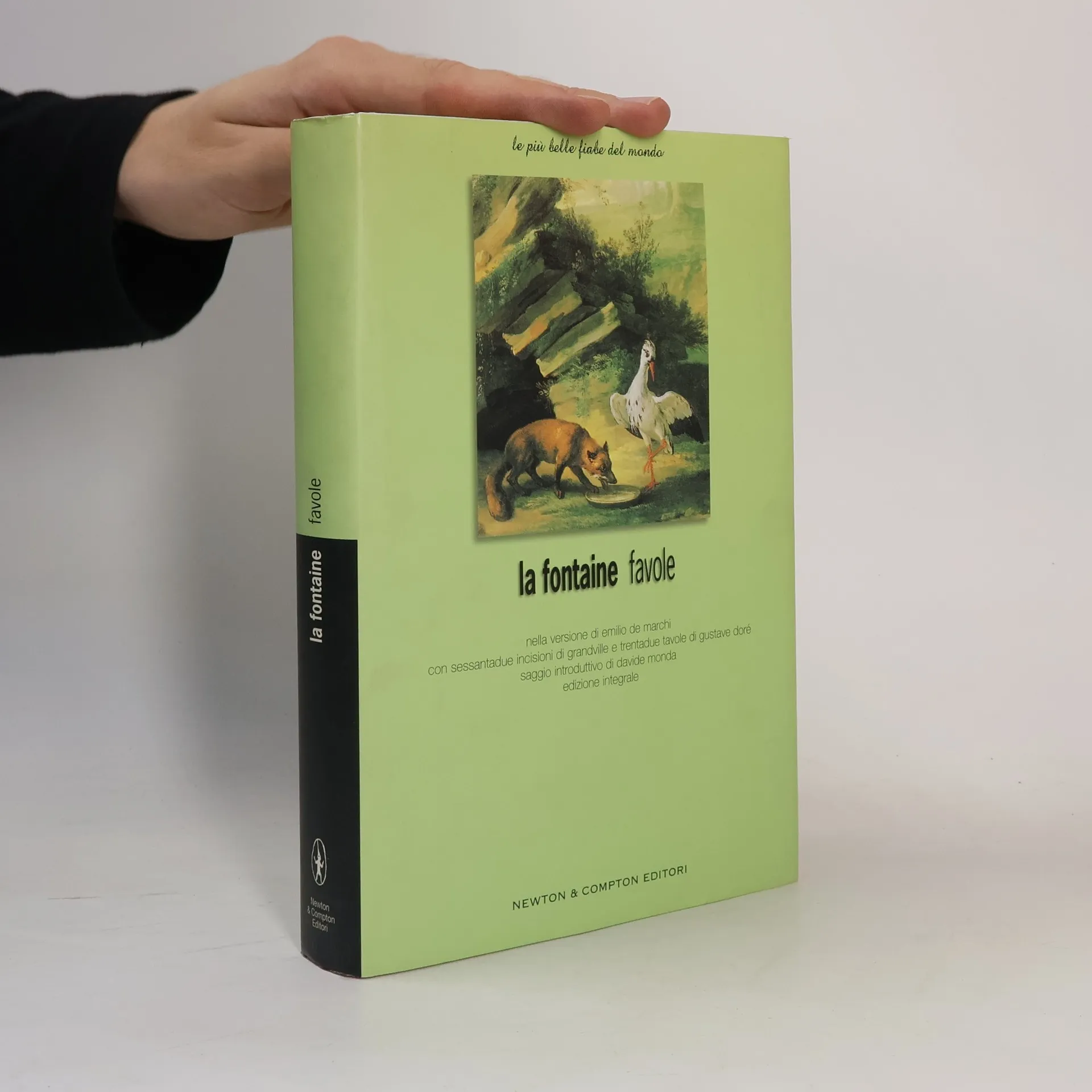
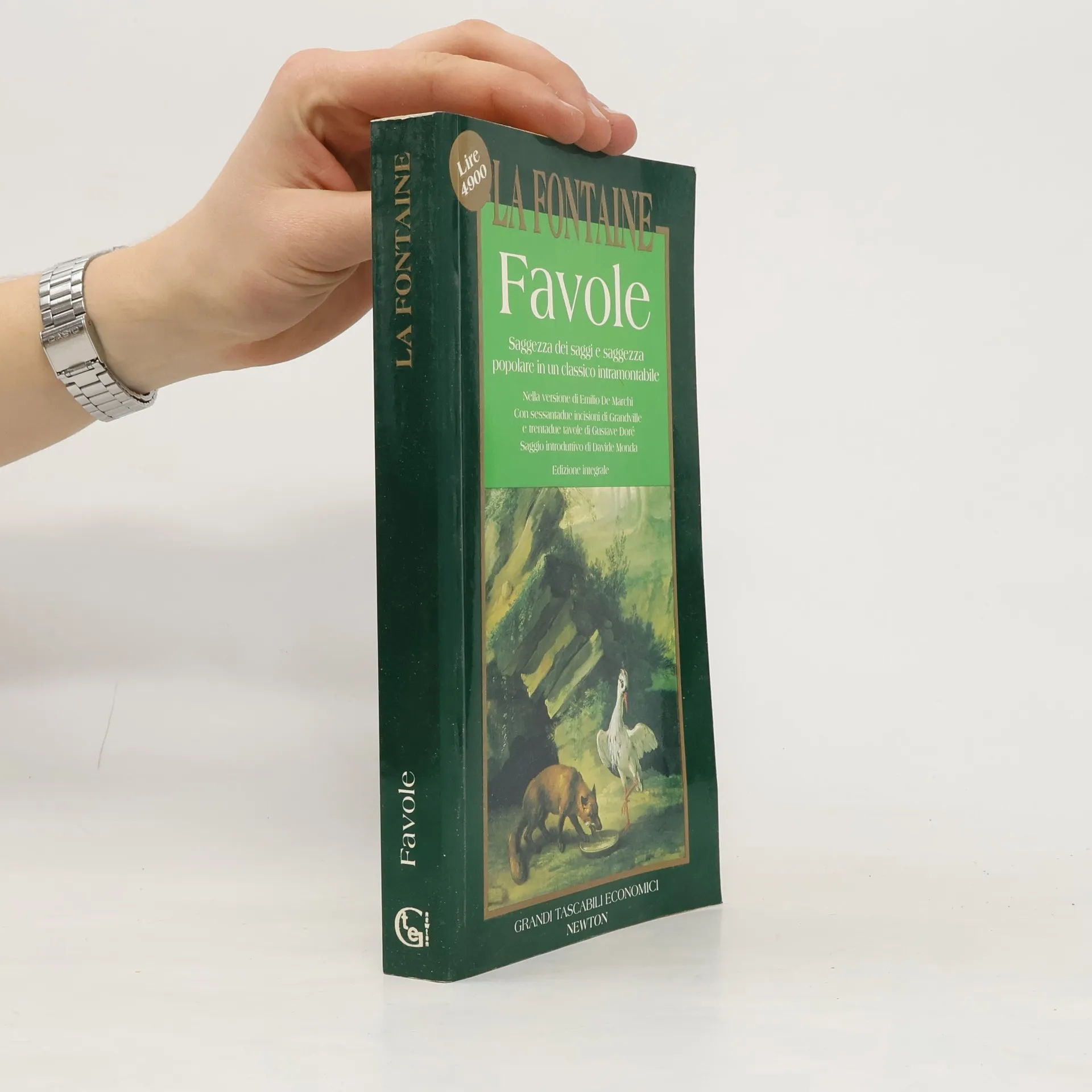
Favole. Saggezza dei saggi e saggezza popolare in un classico intramontabile - Edizione integrale
- 368pages
- 13 heures de lecture
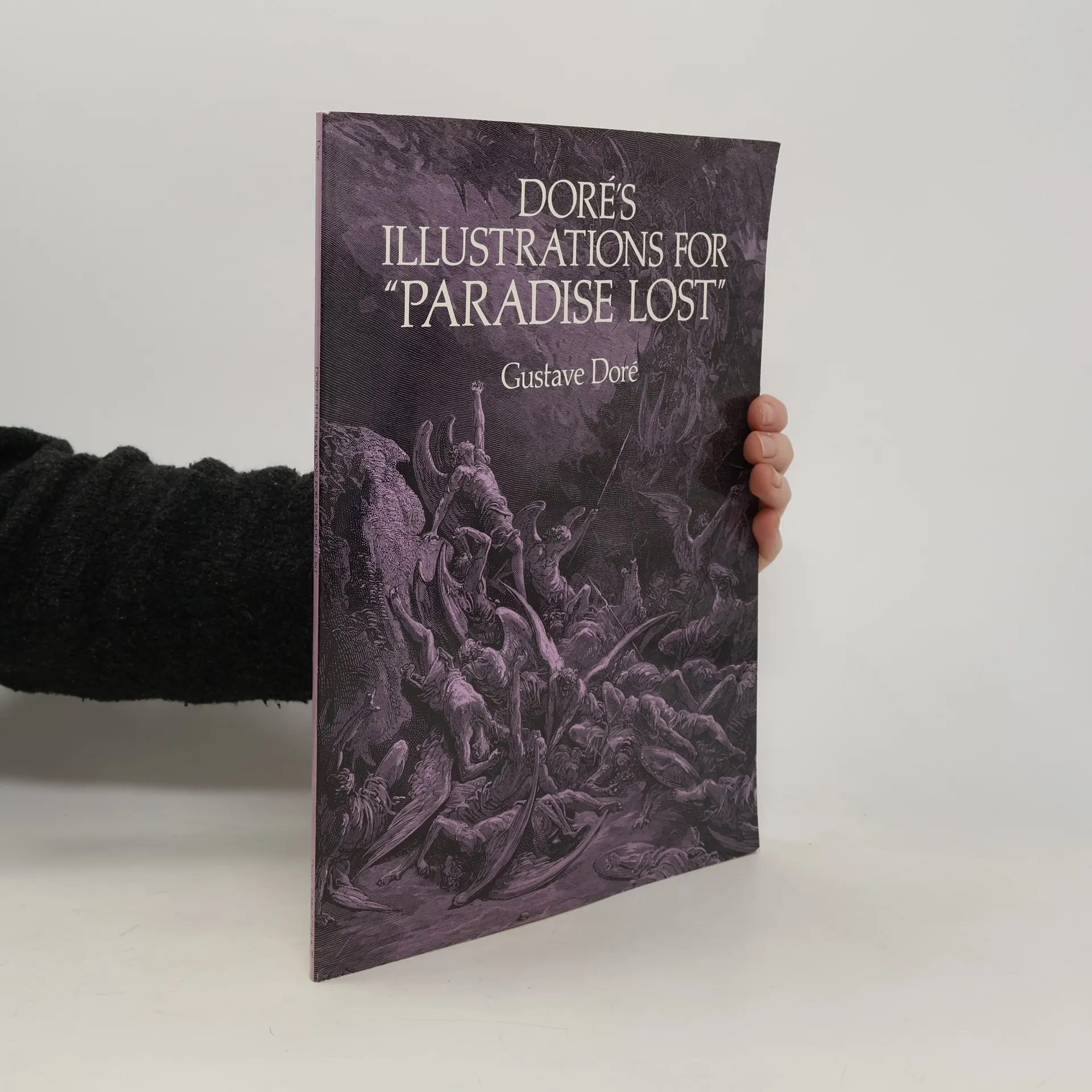
Gustave Doré's Romantic style of illustration, supremely imaginative and richly detailed, was ideally suited to literary subjects. His wood-engraved illustrations for John Milton's monumental epic poem Paradise Lost, recounting mankind's fall from the grace of God through the work of Satan, were among his finest and most dramatic works. This volume presents superb reproductions of all 50 plates drawn by Doré and engraved in his studios for the original edition of Paradise Lost.Artists and art lovers will find in these pages supreme examples of the illustrator's art. Among the events the expulsion of Satan from heaven, Adam and Eve in Paradise, the nine-day fall of Lucifer's legions to Hell, the Creation, the temptation of Eve, the Flood, Moses holding up the Ten Commandments, and the fearsome creatures Milton referred to as "Gorgons, and Hydras, and Chimeras dire."The dreamlike, otherworldly quality Doré often brought to his work seems especially appropriate for Paradise Lost with its lofty spirit and epic events. Indeed, Doré's grand conception seems to realize perfectly Milton's own poetic version. Appropriate quotes from the text of Paradise Lost are printed alongside each illustration. A plot summary of the entire poem is also included.
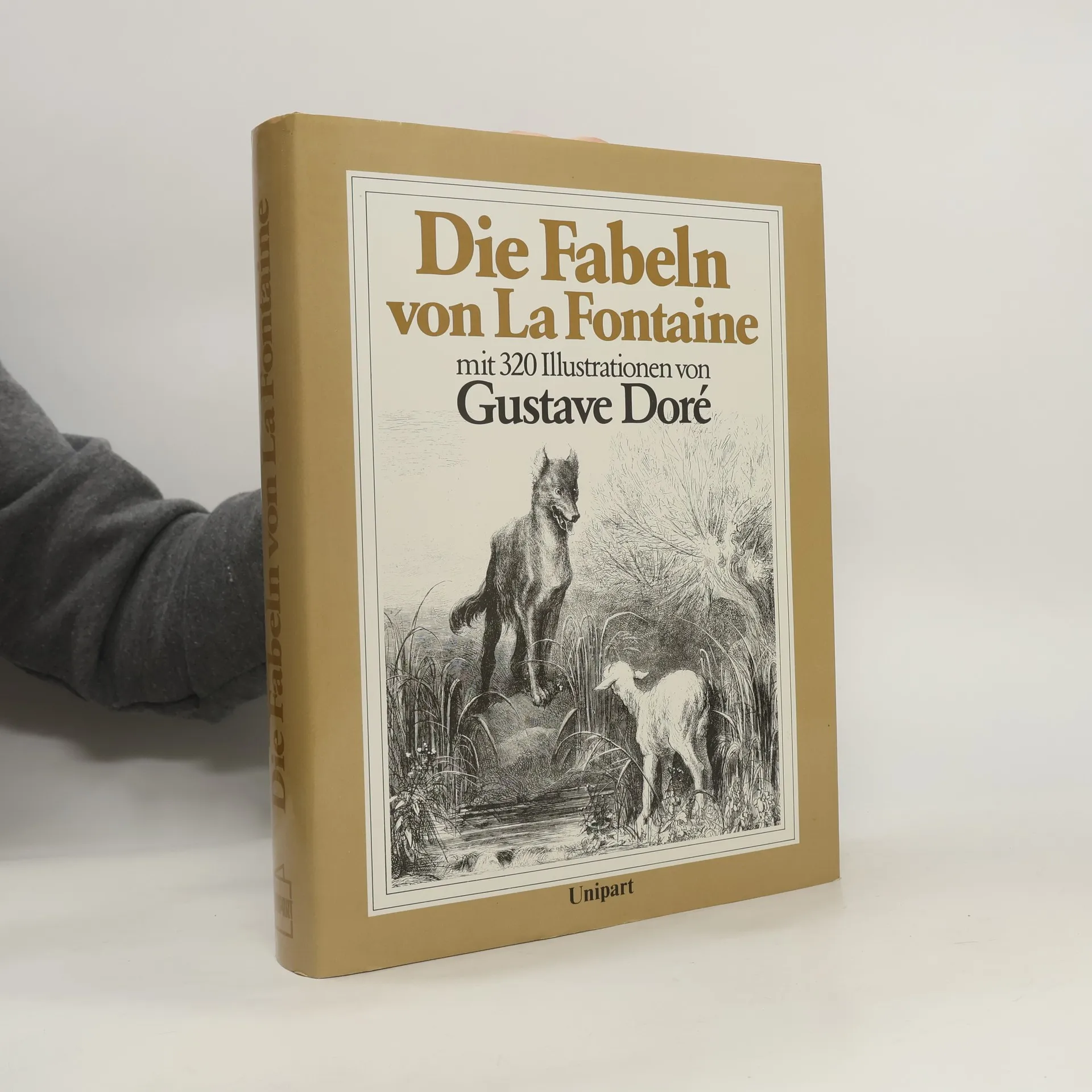
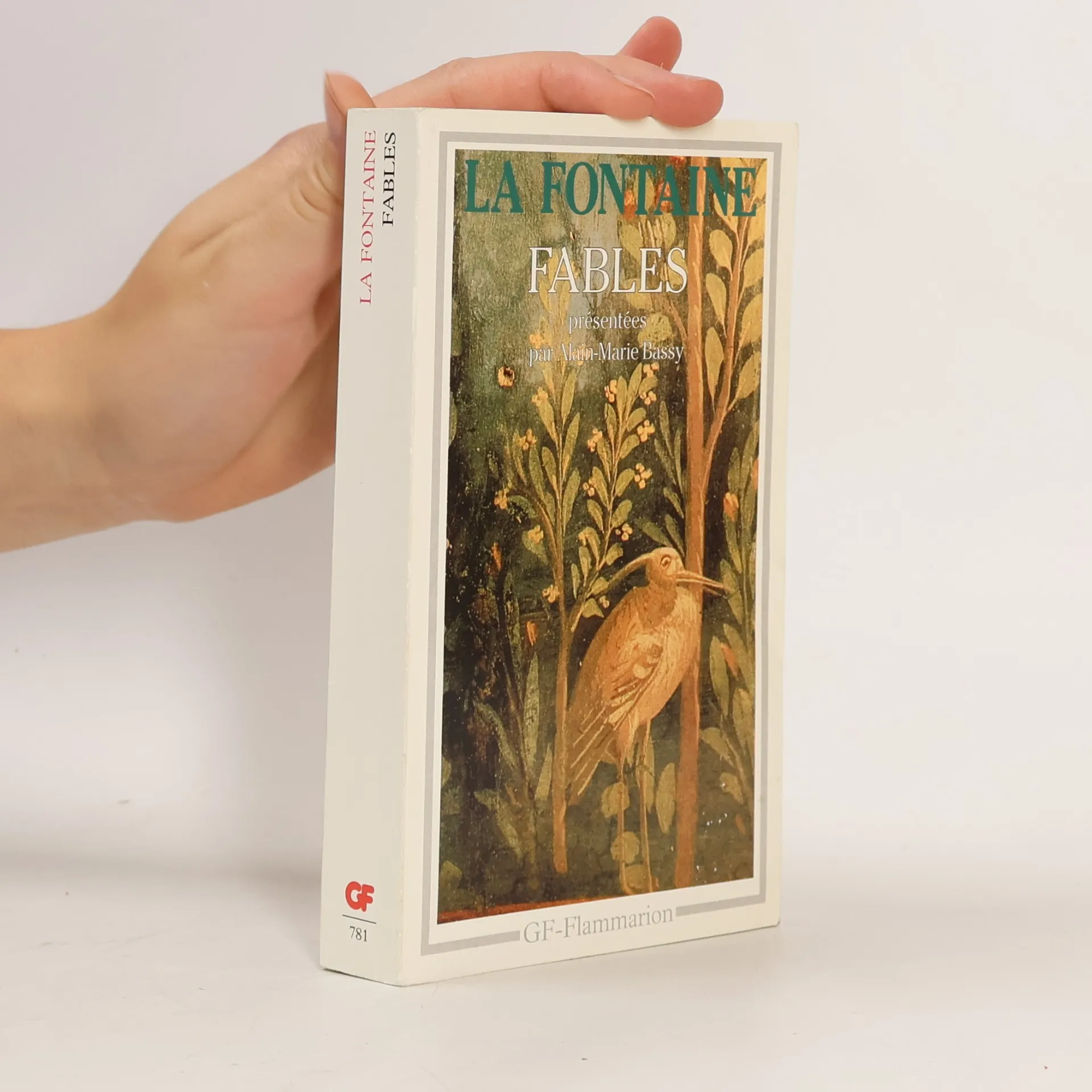
In der Einleitung zu seinen Fabeln erklärt La Fontaine sein Vorhaben: Er wählte einige antike Tiergeschichten aus und verlieh ihnen neue Züge, um sie dem Geschmack seiner Zeitgenossen anzupassen und ihnen eine moralische Lehre zu entnehmen. Die Tiere helfen dem Dichter, den Menschen zu belehren. La Fontaine orientiert sich an den Fabeln von Äsop, Phaedrus und anderen, doch bleibt in seinen Gedichten nur das Gerüst der Handlung erhalten; alles andere ist sein geistiges Eigentum. Er löst sich von seinen Vorgängern, findet seinen eigenen Ton und erfindet fast eine neue literarische Gattung. Was bei seinen Vorbildern kalt und leblos war, wird bei La Fontaine lebendig und schafft ein eigenes Universum von Eindrücken und Gefühlen. Er verbindet klassischen Geschmack mit modernem Empfinden und betrachtet das Leben und menschliche Schwächen mit Nachsicht. Die Fabel verwandelt sich bei ihm von einer moralischen Lektion in ein Drama und eine bunte Satire, in der die zeitgenössische Gesellschaft die Kulisse bildet. La Fontaine hat Mitgefühl mit einfachen Menschen und schätzt ihren Charakter und Freundschaft. Seine Philosophie ist nachsichtig gegenüber menschlichen Fehlern, weshalb seine Werke zeitlos bleiben und von Generation zu Generation bewundert werden.
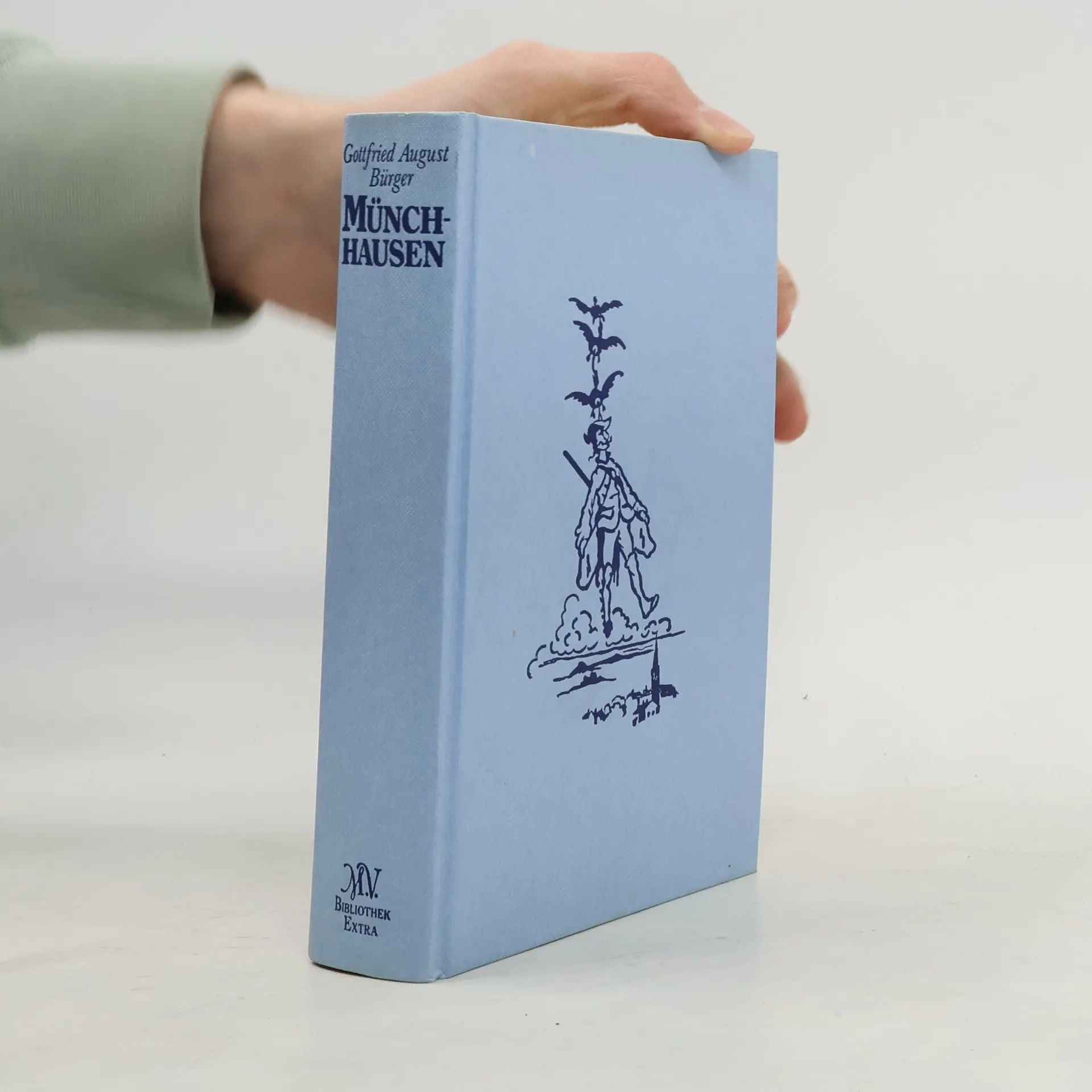
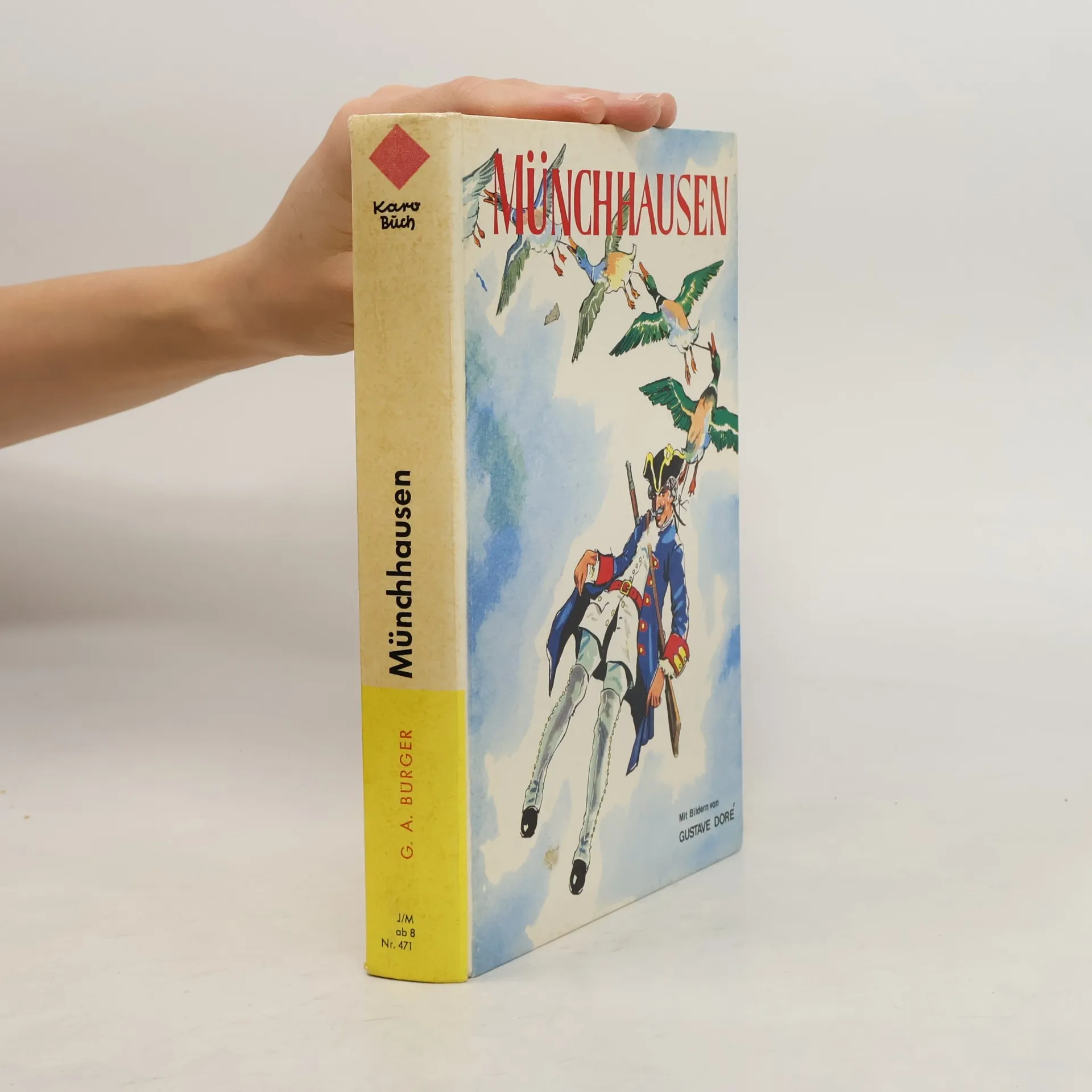
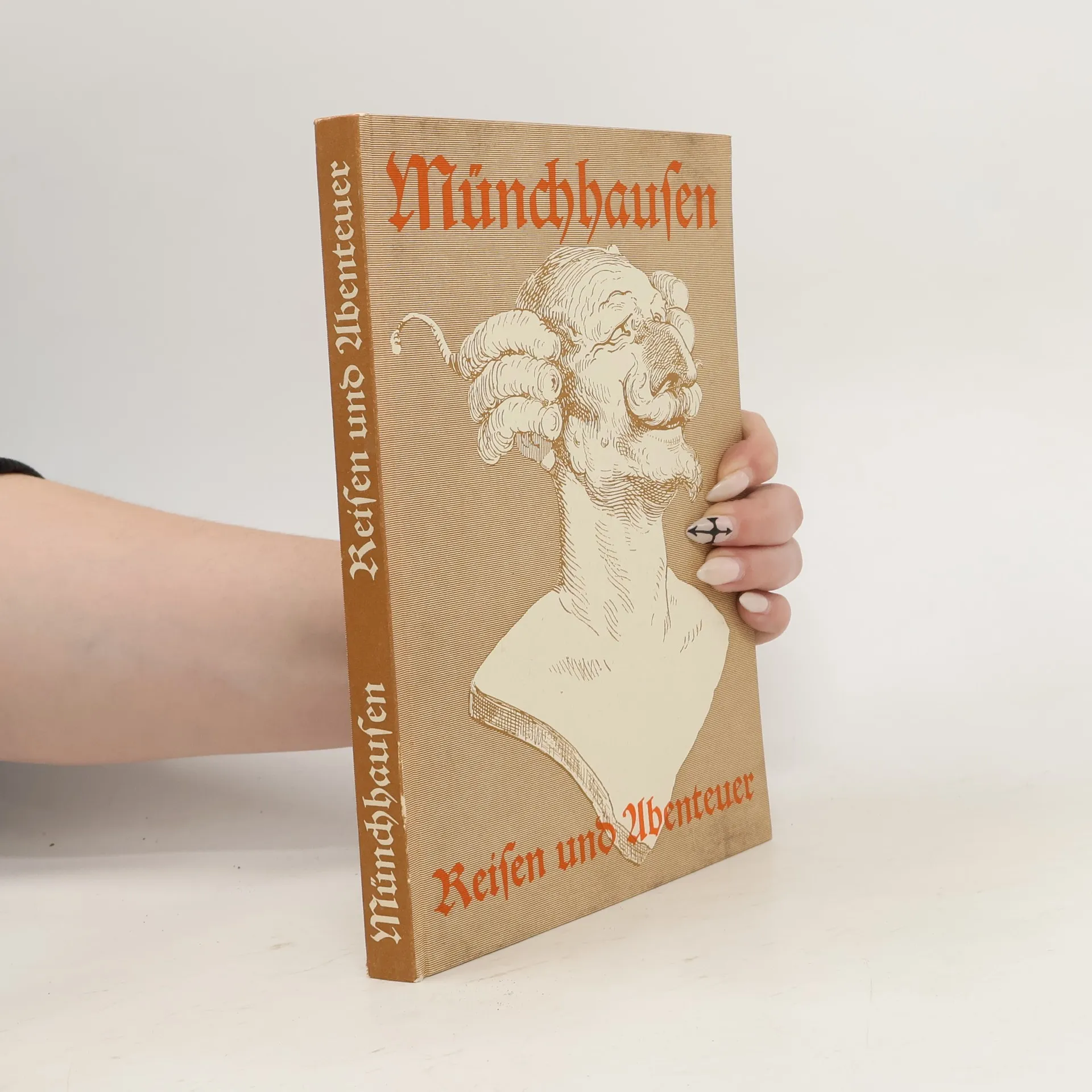
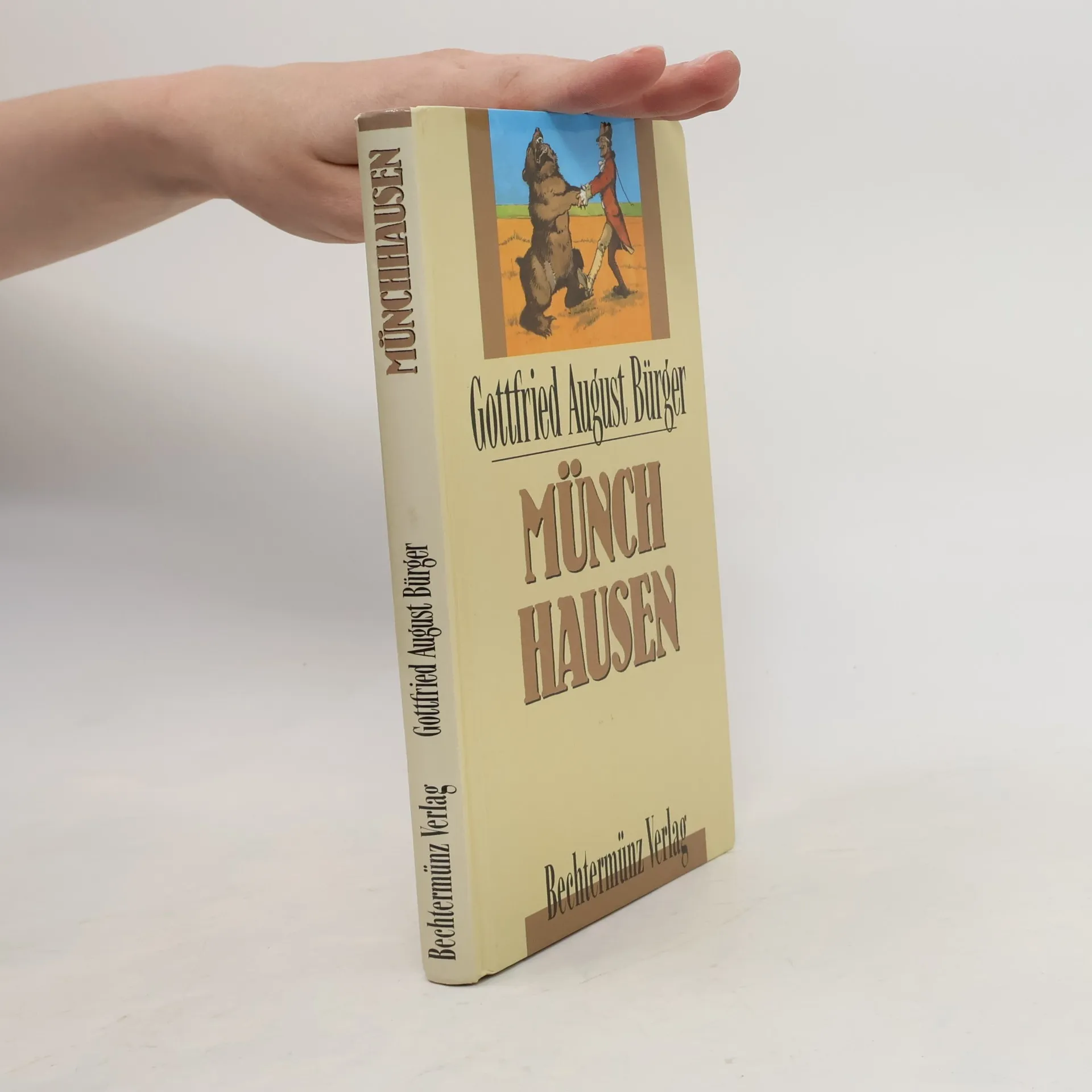
Aventures du baron de Münchhausen
- 154pages
- 6 heures de lecture
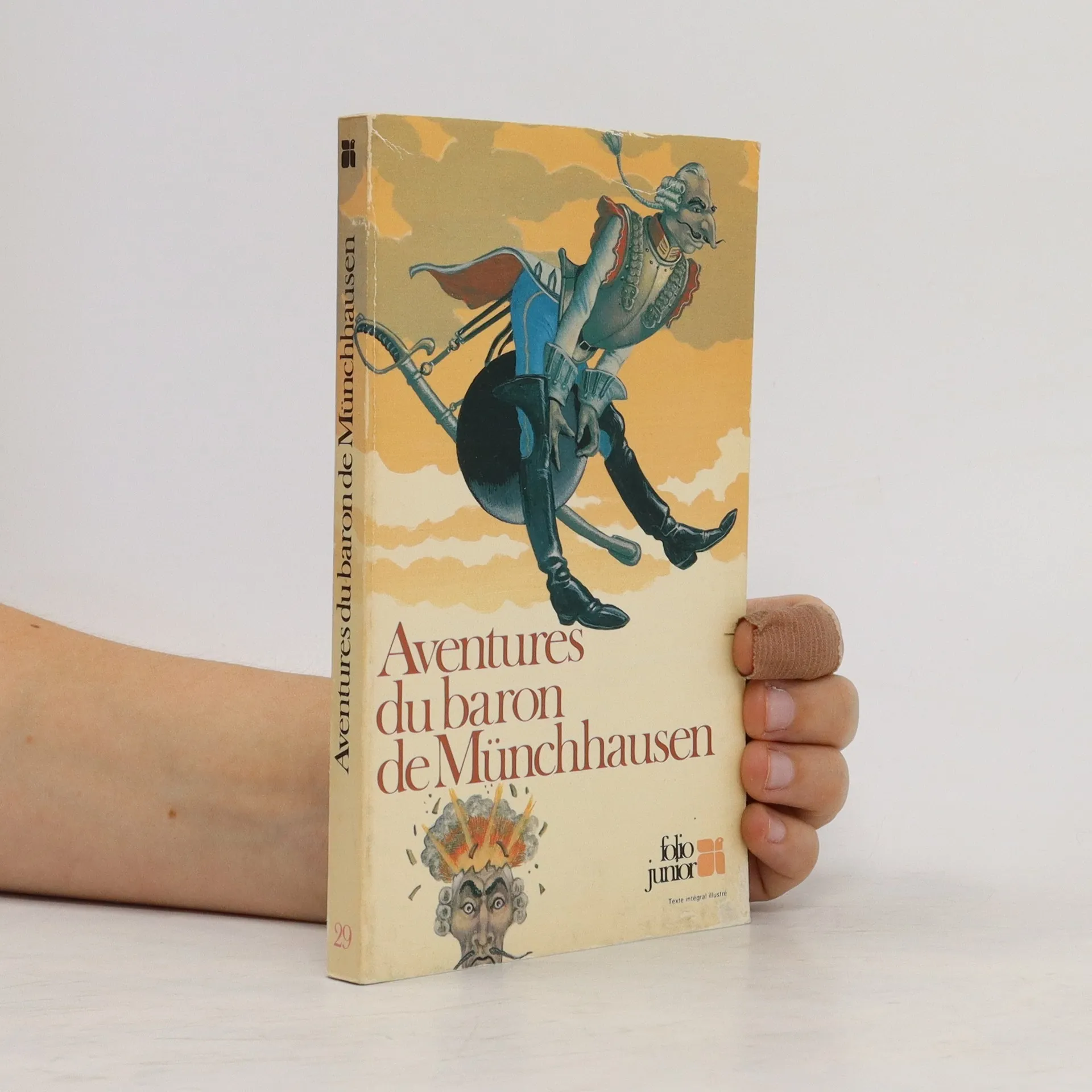
Les extraordinaires aventures de l'extravagant baron de Münchhausen illustrées par Gustave Doré. Texte loufoque de présentation sévère.
Bible
- 479pages
- 17 heures de lecture
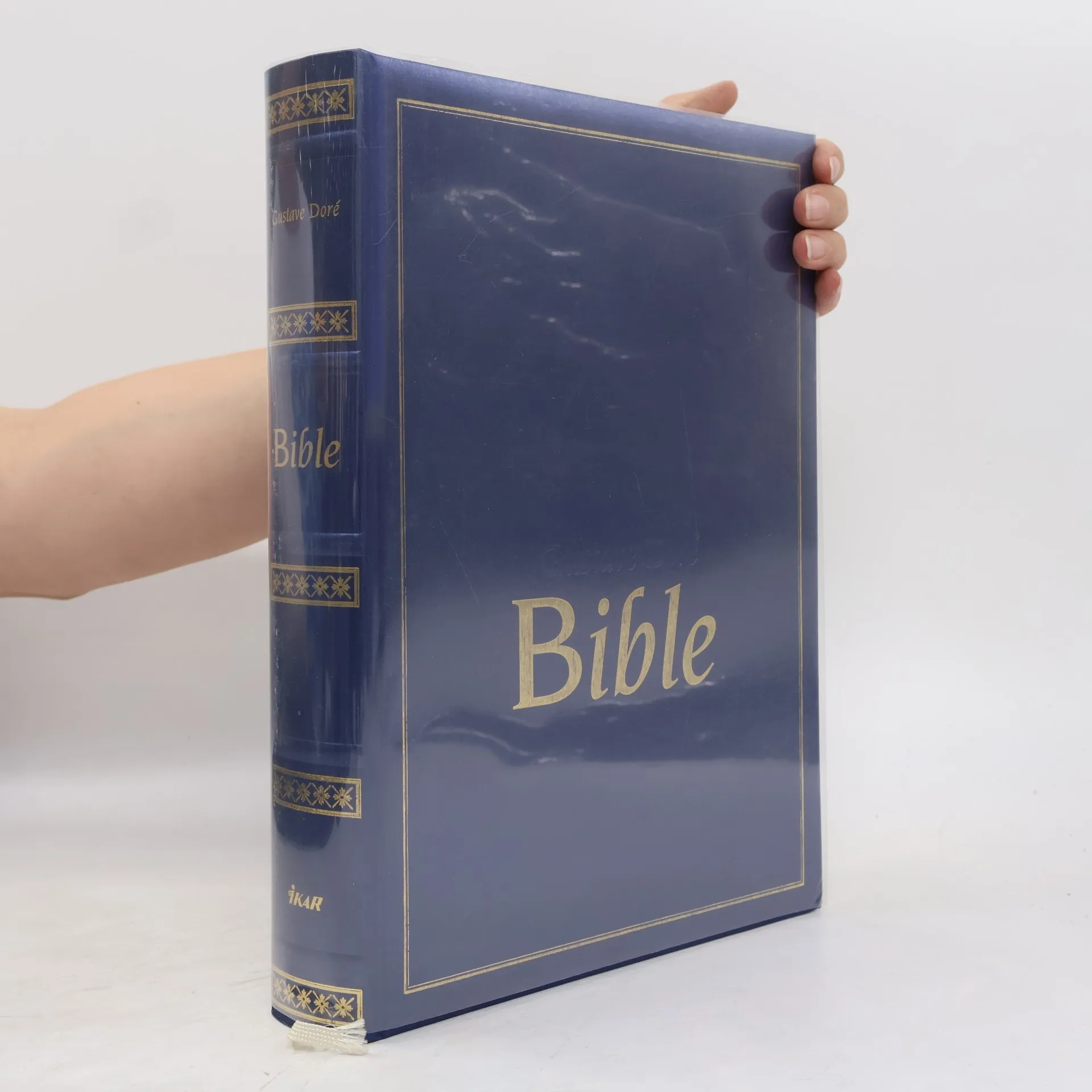
Výběr biblických textů podle Českého ekumenického překladu. Technicky dokonalé, nápadité a dramatické ilustrace Gustava Dorého.
Příběhy starého Izraele
- 134pages
- 5 heures de lecture
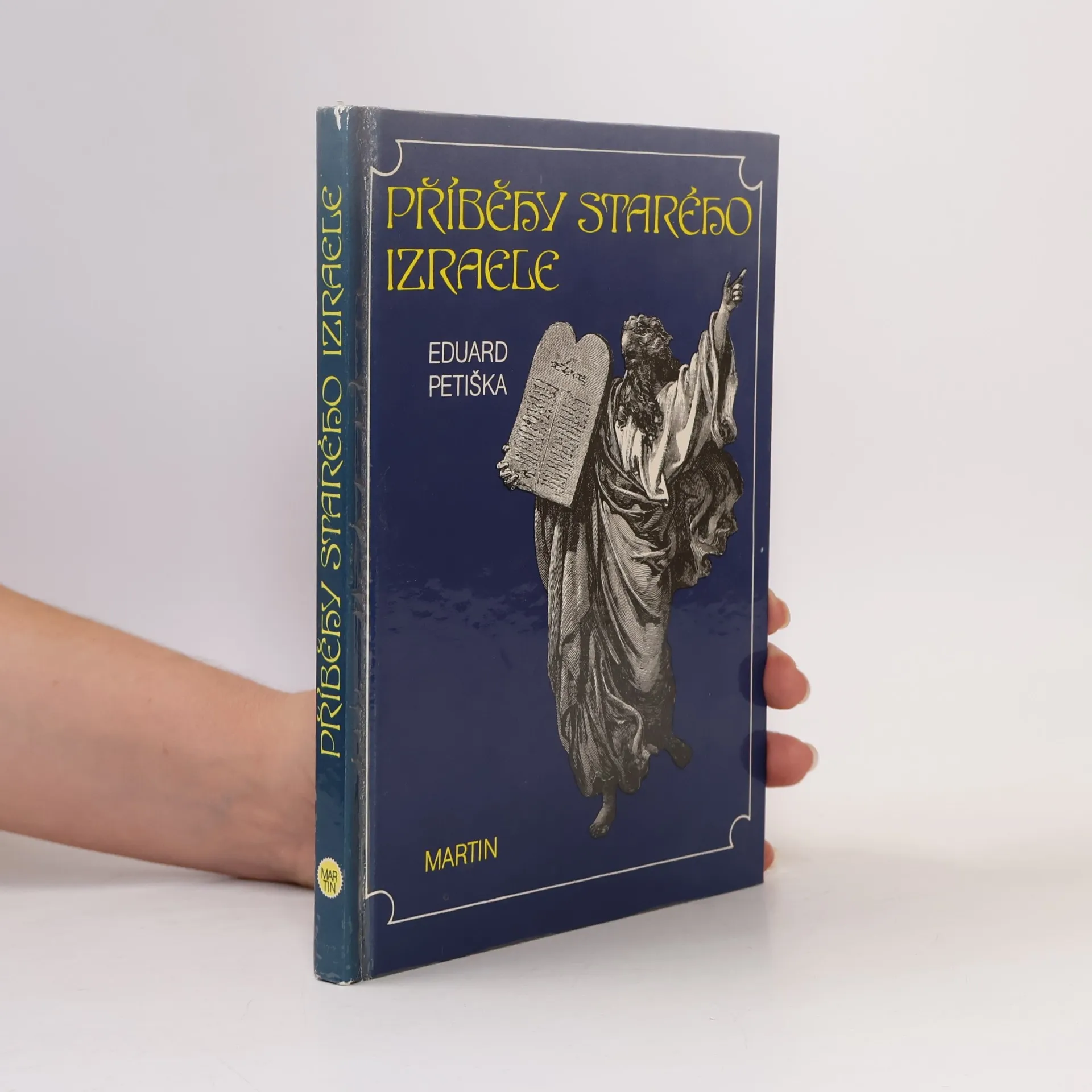
Eduard Petiška v Příbězích starého Izraele představuje ve čtrnácti kapitolách starozákonní výklad dějin izraelského národa. Zachycuje klíčové momenty od stvoření světa Jahvem, přes vyvedení Izraelitů z Egypta a stavbu Jeruzaléma, až po babylonské zajetí. Zmiňuje první vraždu, kdy Kain zabil Ábela, a jeho trest, známý jako Kainovo znamení. Další kapitoly se věnují potopě světa a Noemově arše, stavbě Babylonské věže a následnému popletení jazyků. Dále se příběh zaměřuje na Abraháma, Josefa, města Sodomu a Gomoru, vyvedení Izraelců z Egypta a siláka Samsona, jehož síla byla ukryta ve vlasech. Vypráví také o králích Saulovi a Šalamounovi, proroku Jonášovi, Jeremiášovi a Danielovi, který prorokoval propuštění Izraelců z Babylonu. Mojžíš, klíčová postava, vyvedl Izraelity z Egypta na žádost Jahveho, po deseti ranách, které postihly Egypt. Na Sinaji obdržel Desatero přikázání, ale do zaslíbené země se nedostal. Izraelité se chtěli vrátit do Egypta, což vedlo k jejich čtyřicetiletému putování. Kniha končí návratem Izraelců z babylonského zajetí zpět do své země. Obrazový doprovod je výběrem z díla Gustava Doré.
Les fables
- 448pages
- 16 heures de lecture
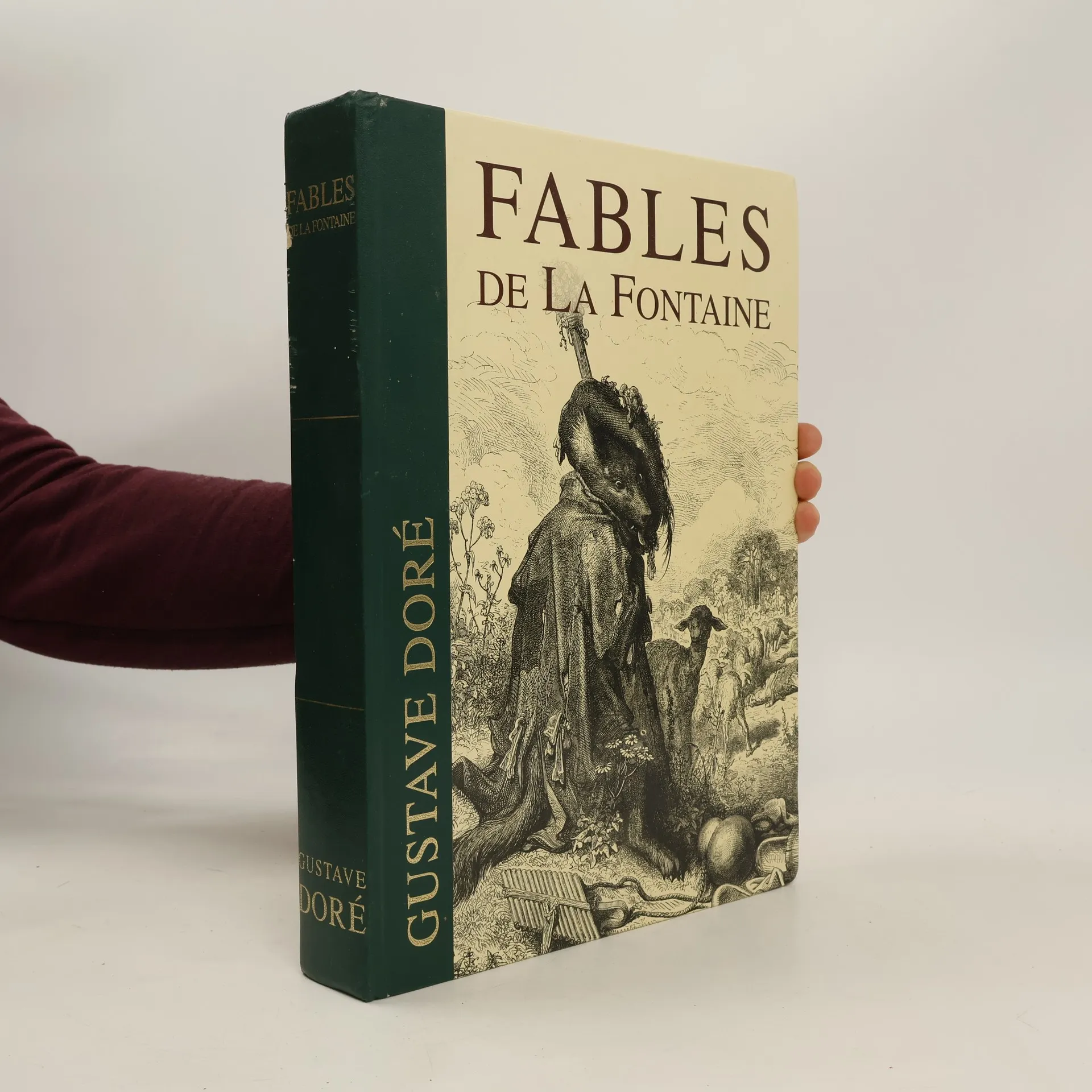
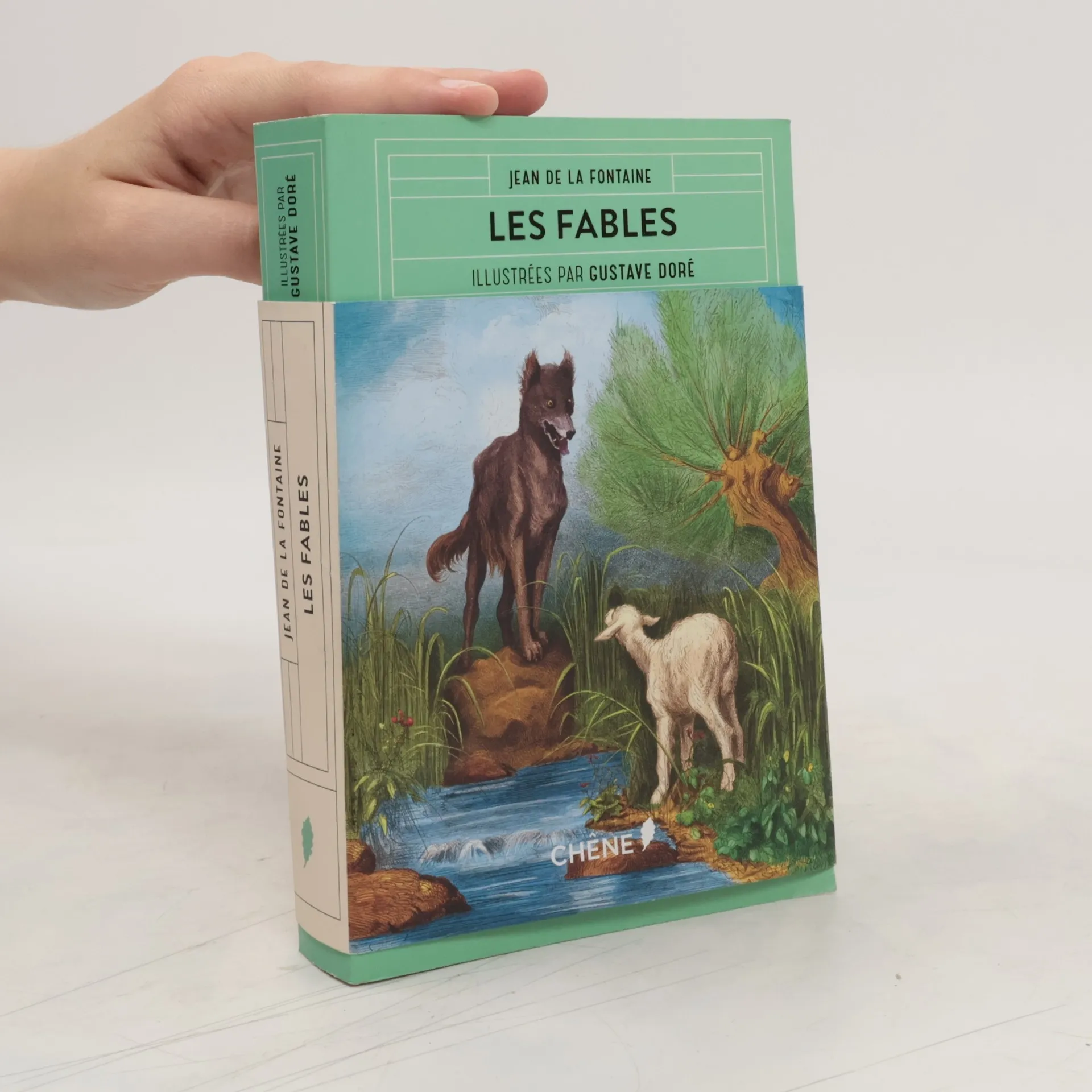
En 1867, les éditions Hachette publiaient les Fables de La Fontaine illustrées par Gustave Doré en deux volumes. Plus de huit cents pages parmi lesquelles ont été choisies, pour le présent ouvrage, les plus belles gravures de l'artiste. Ces quarante-trois oeuvres, mises en couleurs, sont l'occasion de redécouvrir avec émerveillement le travail unique de Gustave Doré et les textes de La Fontaine, monument de la littérature française.
700 copyright-free prints by great 19th-century illustrator includes ready-to-reproduce cuts and engravings from Don Quixote, scenes from Baron de Munchausen and Fables of La Fontaine, witty caricatures from Rabelais and Balzac's Droll Stories.
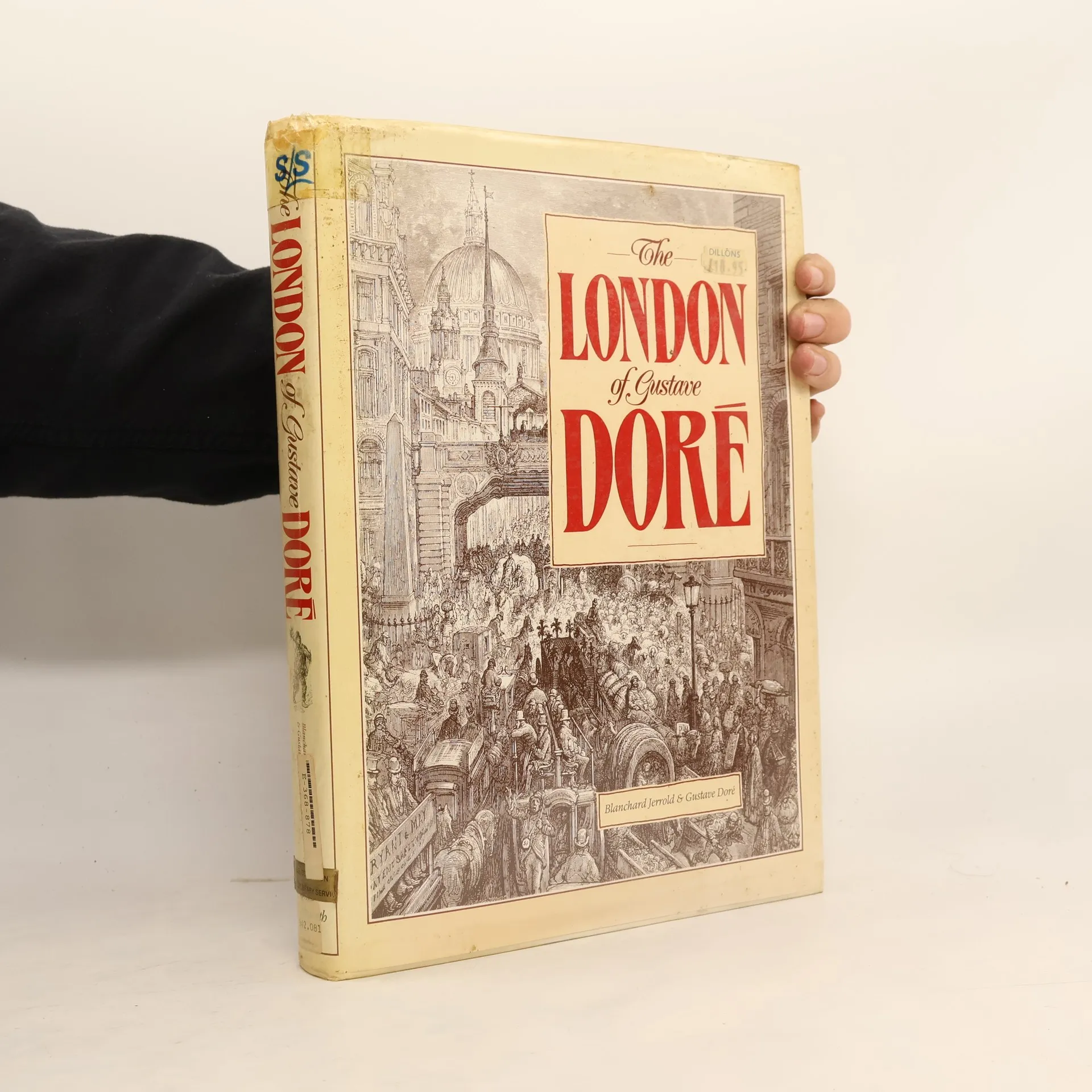
The London of Gustave Doré
- 224pages
- 8 heures de lecture
'London: A Pilgrimage' was conceived in 1868 by the journalist and playwright Blanchard Jerrold. Accompanied by the famous artist Gustave Dore, Jerrold explored every corner of the bustling metropolis, sometimes with plain-clothes police for protection. 'London: A Pilgrimage' is a classic of social journalism, offering a frank and brutal look at the poverty-stricken, gin-swilling London of the nineteenth century, written in a perceptive, bold, and gripping style. 180 incredible etchings by Dore accompany Jerrold on his journey through the vibrant city, into the Lambeth gas works, seedy opium dens, and grubby bathing houses; peering curiously into the desperate lives of flower sellers, lavender girls, and organ grinders. 'London: A Pilgrimage' is an enlightening work that brings to life the chaotic and gloomy past of a great city on the cusp of modern times.
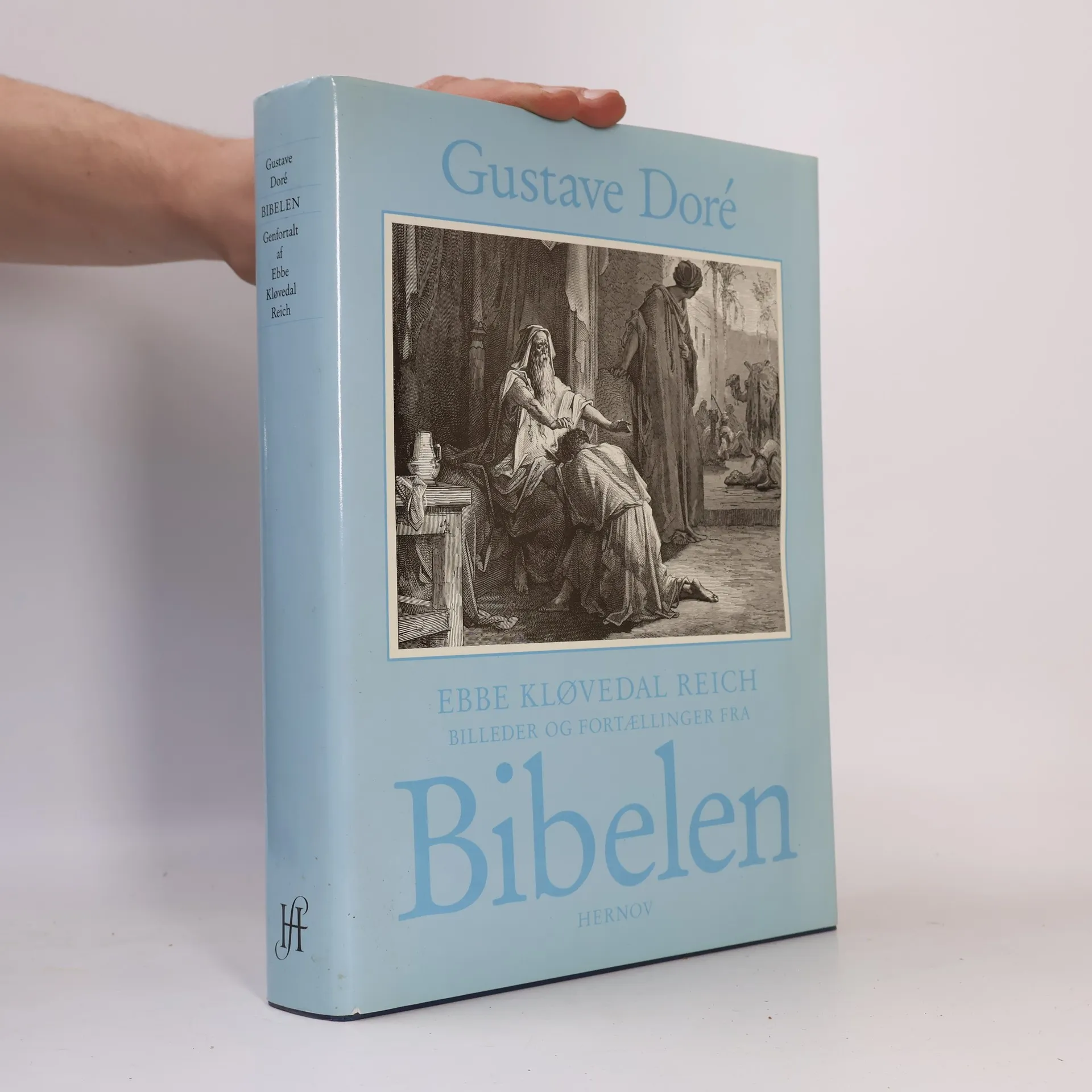
Billeder og fortællinger fra Bibelen
- 463pages
- 17 heures de lecture
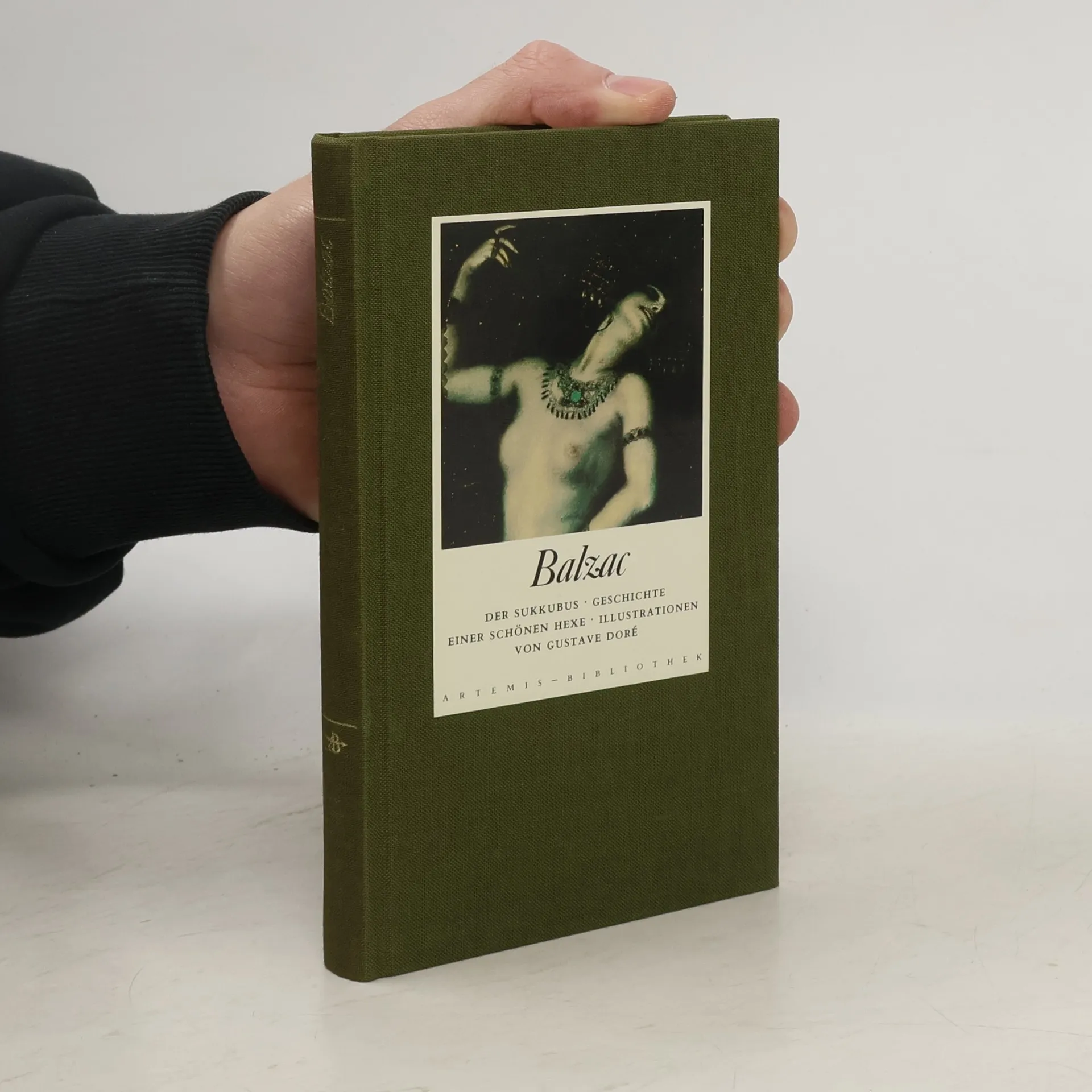
Der Sukkubus. Geschichte einer schönen Hexe
- 149pages
- 6 heures de lecture
Illustrierte Ausgabe in der Übersetzung von Walter Widmer stammt ursprünglich aus den "Tolldrastischen Geschichten" Ill.: Gustave Doré (1956, Winkler-Verlag, München)
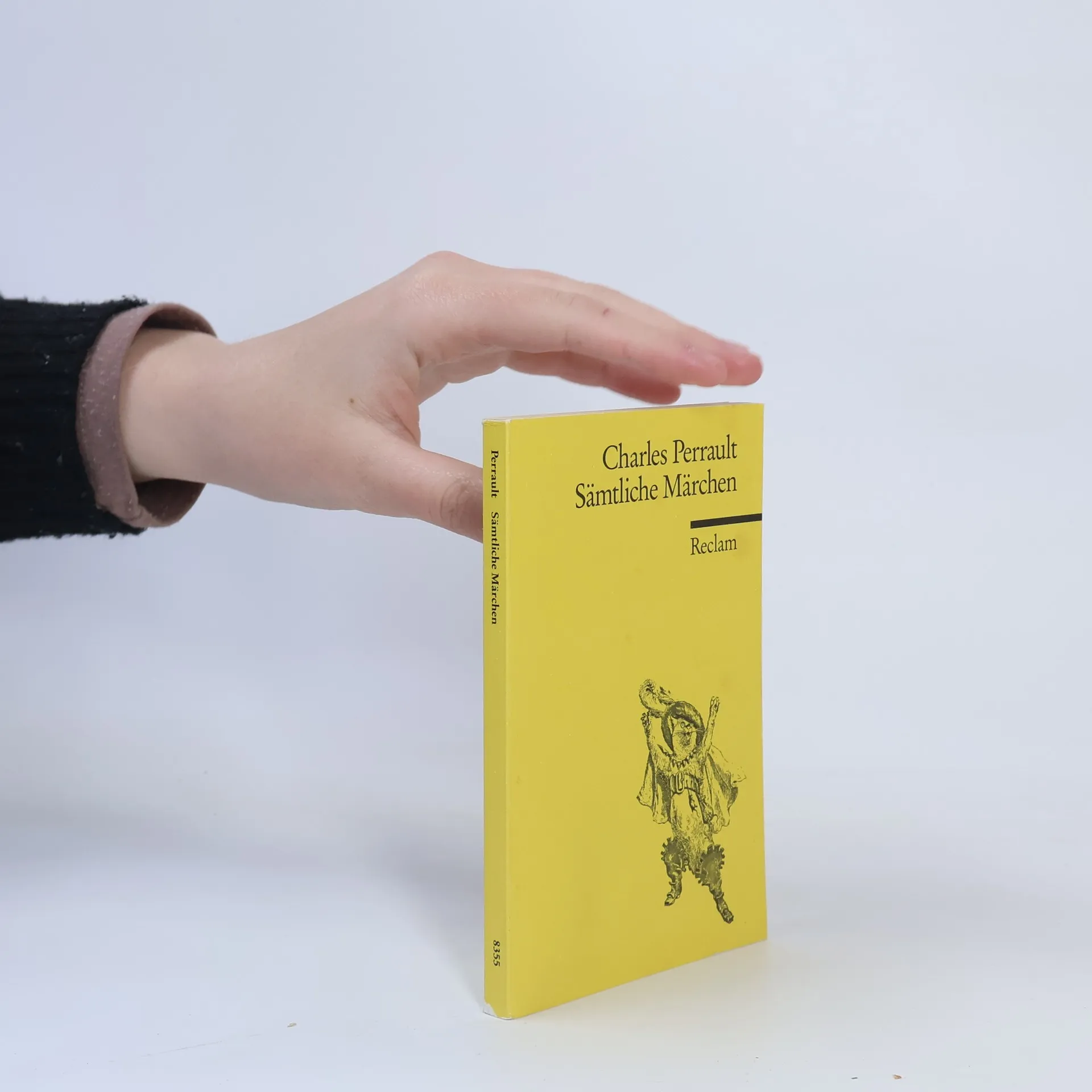
Reclams Universal-Bibliothek: Sämtliche Märchen
- 141pages
- 5 heures de lecture
Das Bändchen enthält sowohl die drei (hier in Prosa wiedergegebenen) Versmärchen Perraults als auch die zwei Jahre später (1697) erschienenen acht Prosamärchen, die unter dem Titel »Contes de ma mere l'Oye« (»Erzählungen meiner Mutter Gans«) berühmt geworden sind. Sie sind für den deutschen Leser besonders reizvoll, weil sie die großen, ihm bekannten Märchenstoffe in zum Teil deutlich unterschiedenen Versionen überliefern.
158 Holzstücke v. Dore, Gustave ( Bibliothek Extra) 329 S.
Die Taten des Herkules
- 54pages
- 2 heures de lecture
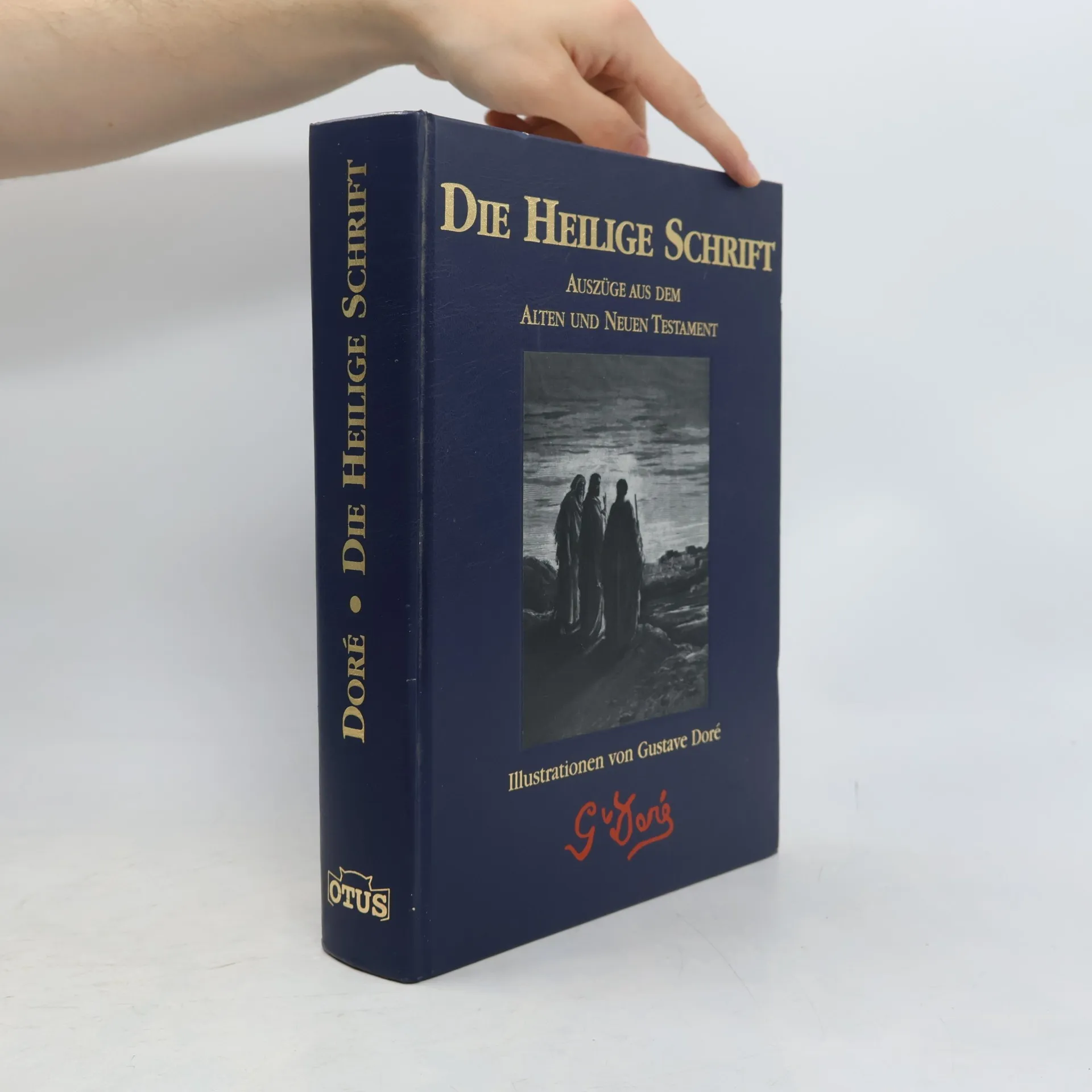
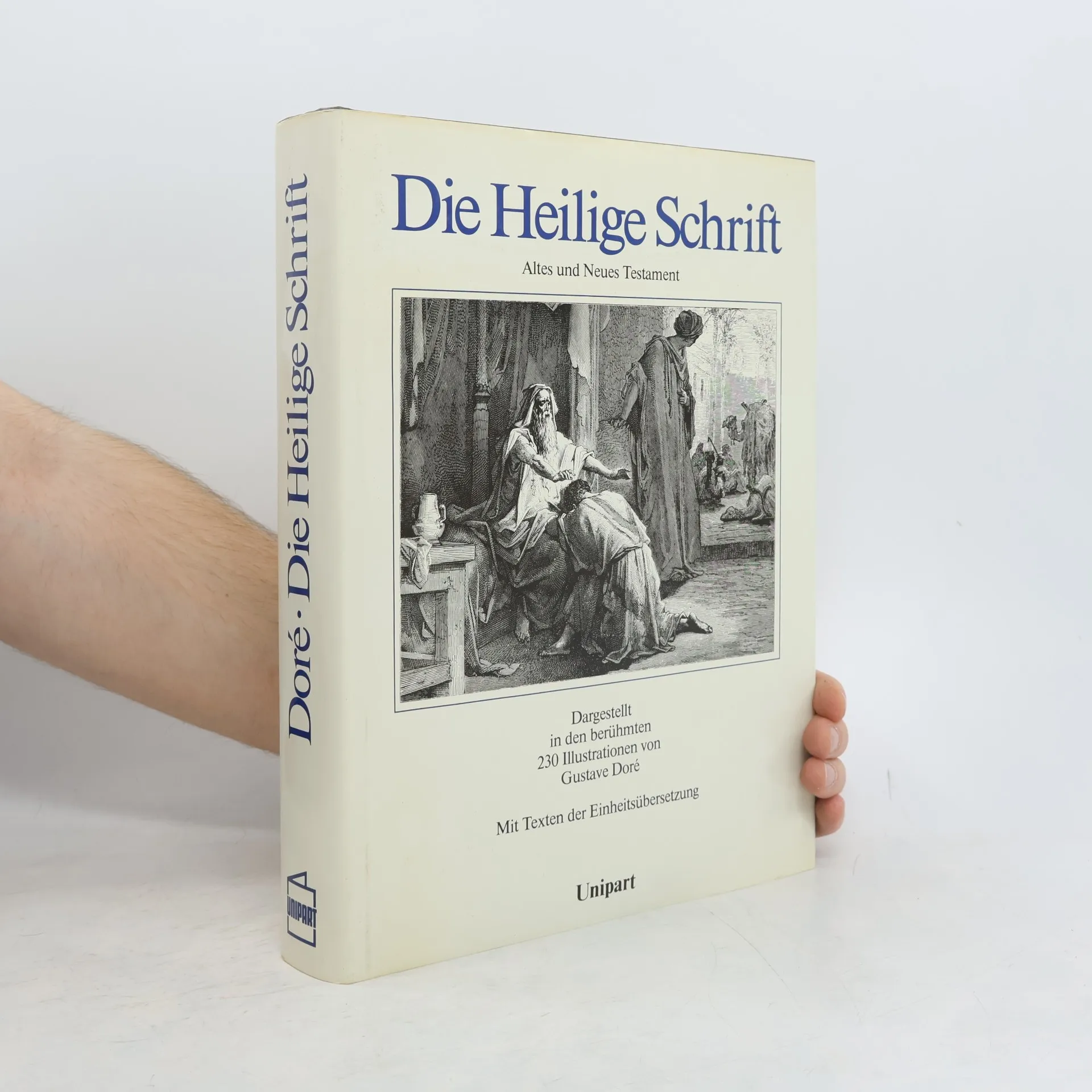
Die Heilige Schrift
- 470pages
- 17 heures de lecture
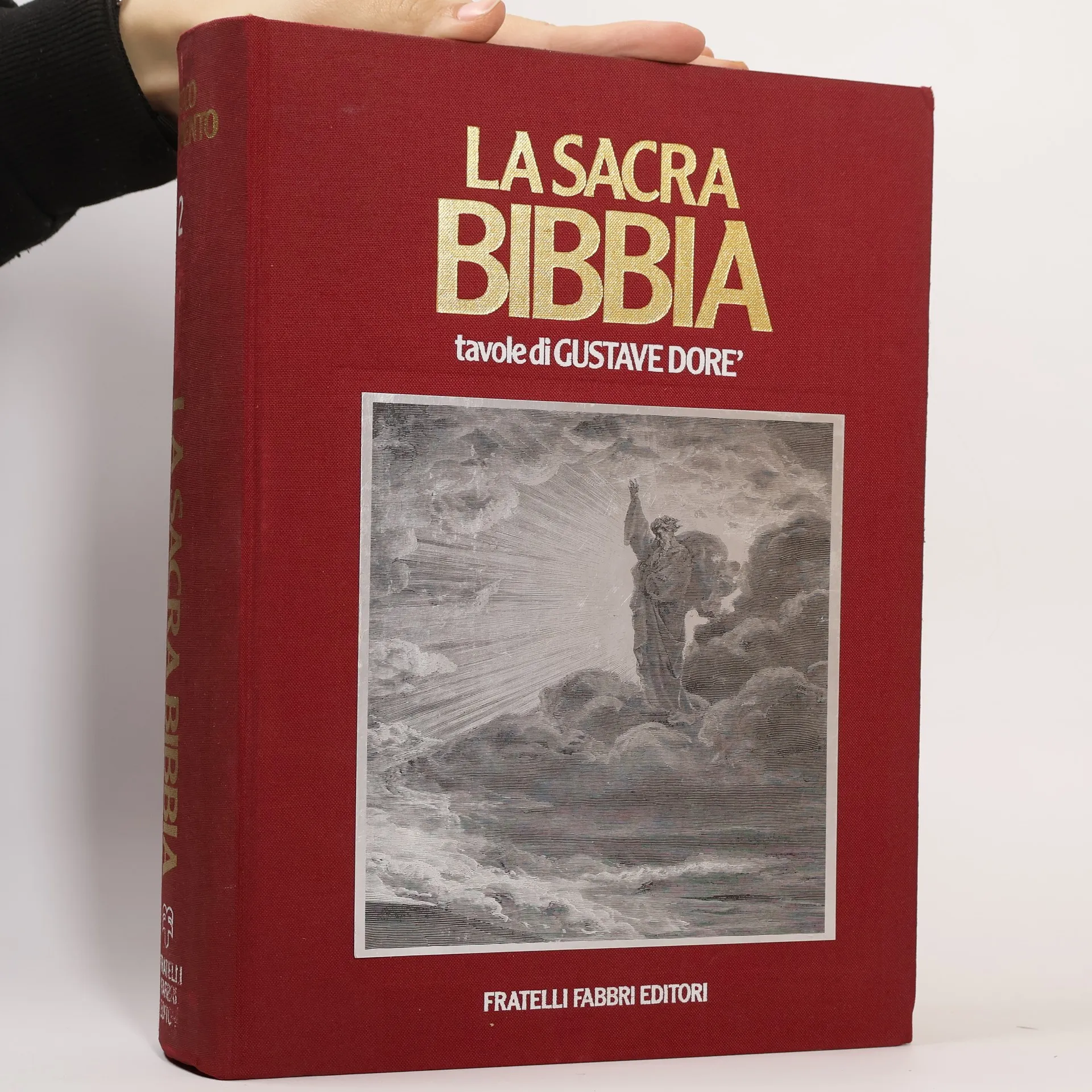
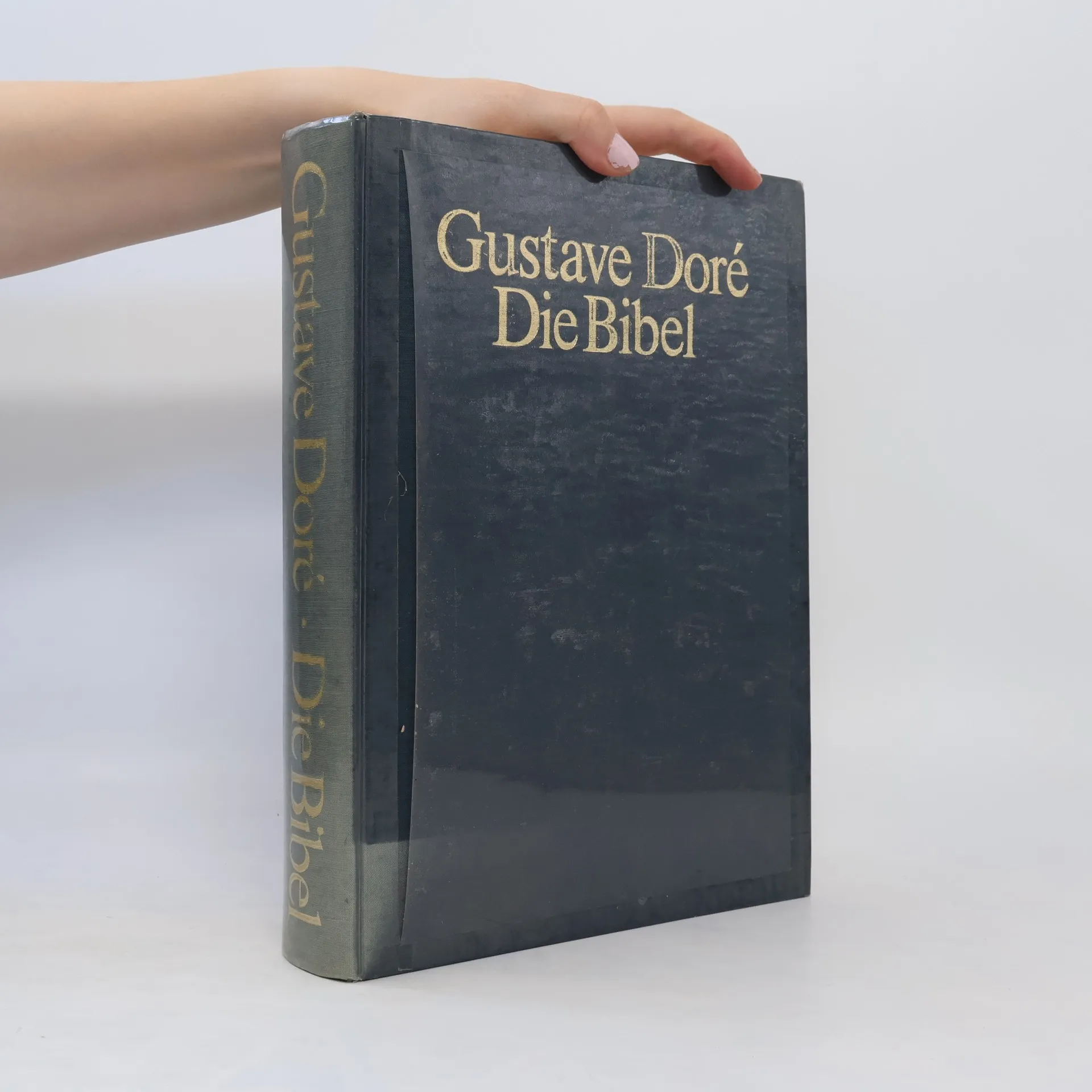
Gustave Dorés (1832-1883) künstlerisches Oeuvre besticht nicht nur durch unerschöfliche Phantasie und Erzählfreude, sondern vor allem durch effektvolle Helldunkelwirkungen. Seine 238 Bibelstiche entstanden im Rahmen des 1861 begonnenen Großunternehmens einer illustrierten Weltbibliothek. Die „Doré-Bibel“ zählt zu den meist verkauften Büchern der Welt!
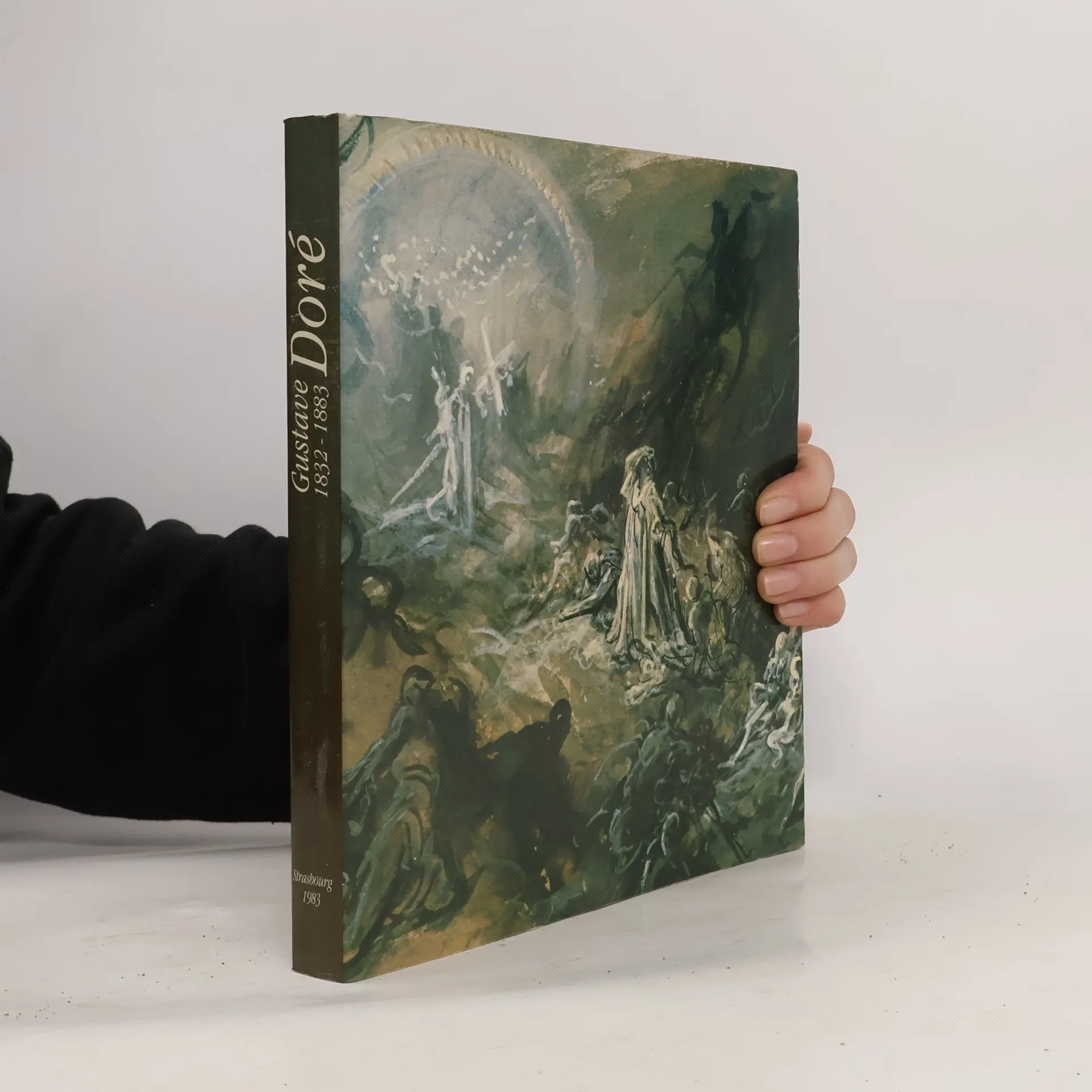
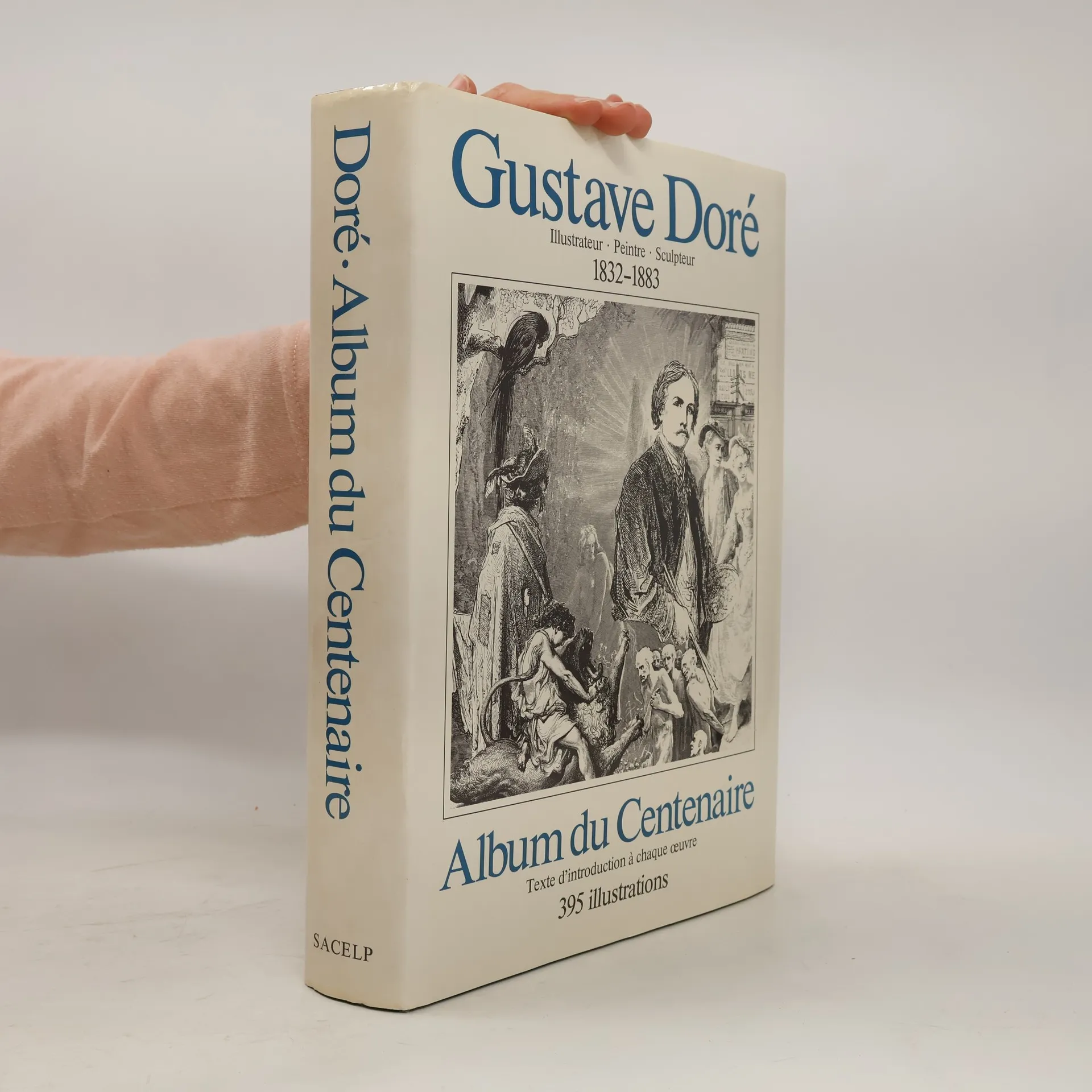
Gustave Doré. Album du Centenaire
Texte d'introduction à chaque œuvre 395 illustrations
- 447pages
- 16 heures de lecture
Anthologie de l'œuvre du dessinateur, peintre, sculpteur Gustave Doré (1832-1883) pour le centenaire de son décès
Die Fabeln von La Fontaine
- 479pages
- 17 heures de lecture
De wonderbaarlijke avonturen van Baron von Münchhausen
- 174pages
- 7 heures de lecture
Prachtig geïllustreerde en goed vertaalde uitgave met zeer wonderlijke verhalen van een Duitse baron (1720-1797) die door de ongelooflijkheid van zijn verhalen de bijnaam kreeg van "leugenbaron".
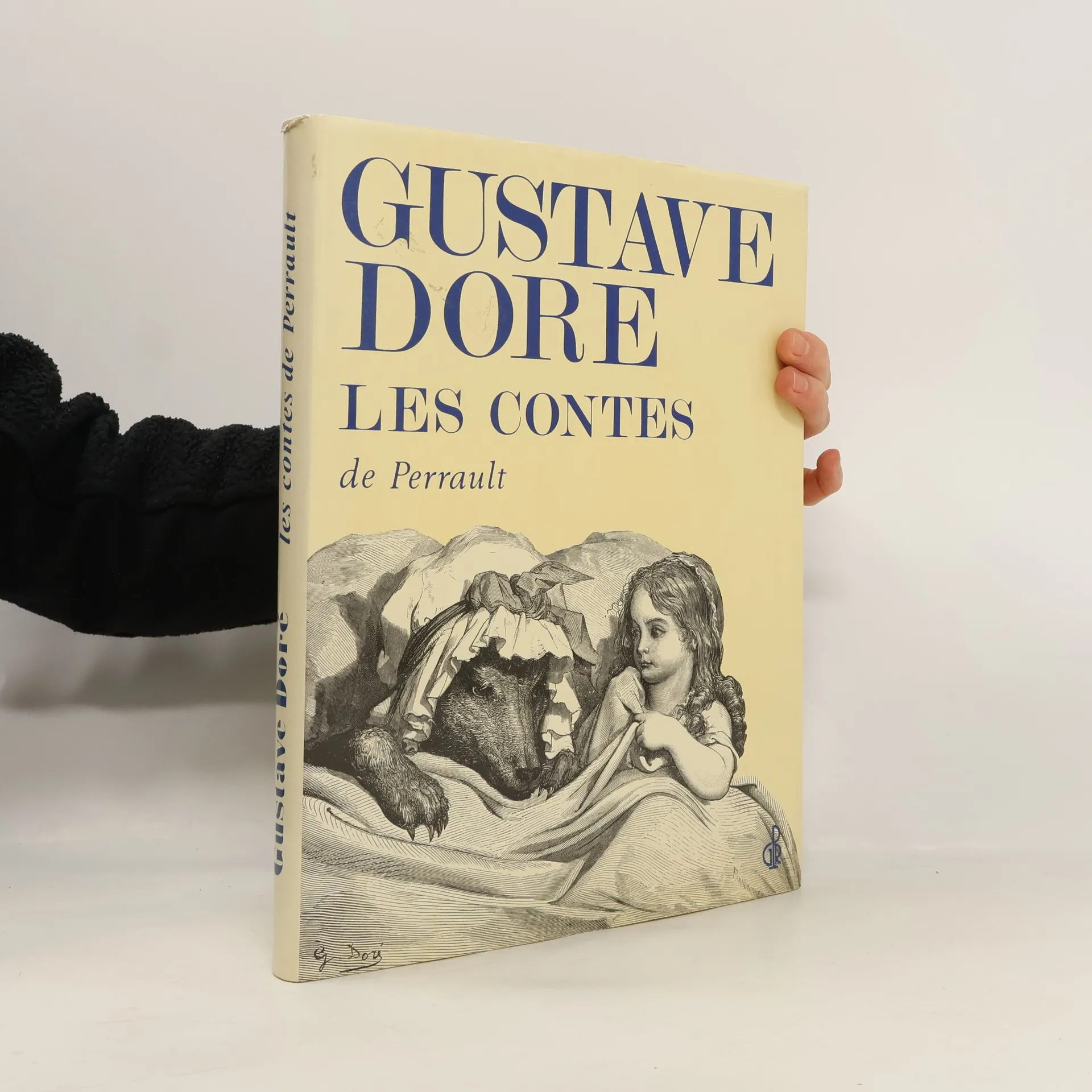
Les Contes de Perrault
Illustrations de Gustave Doré
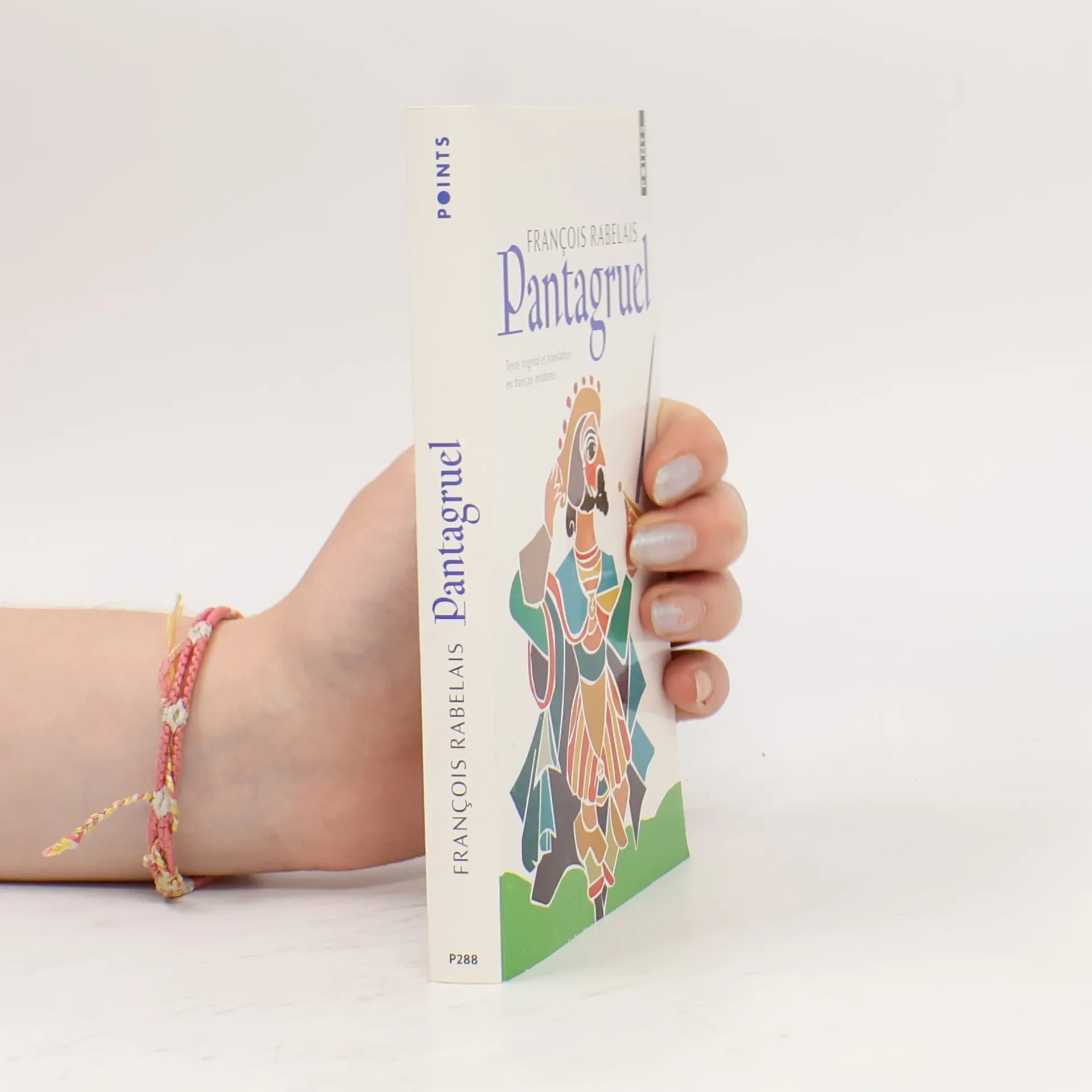
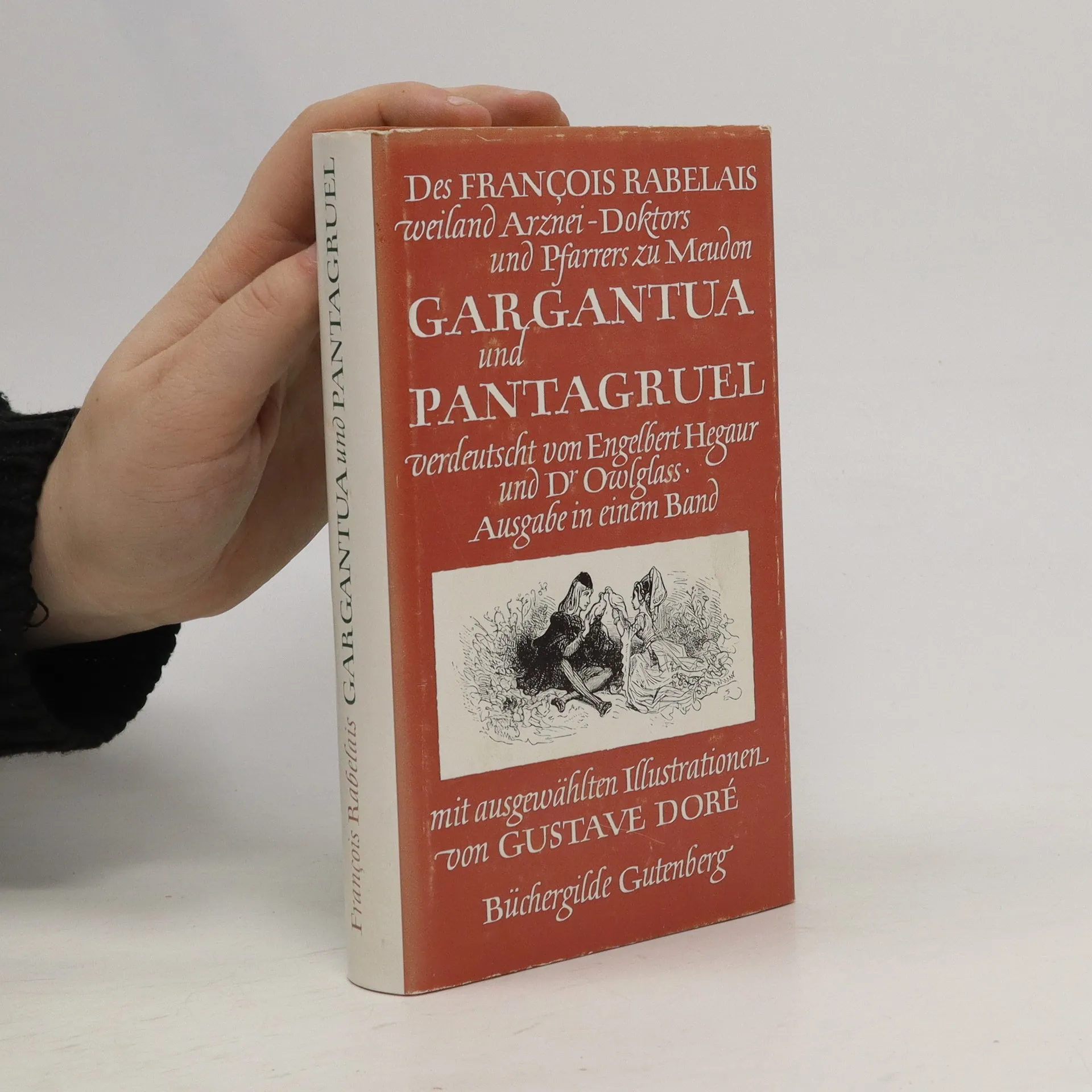
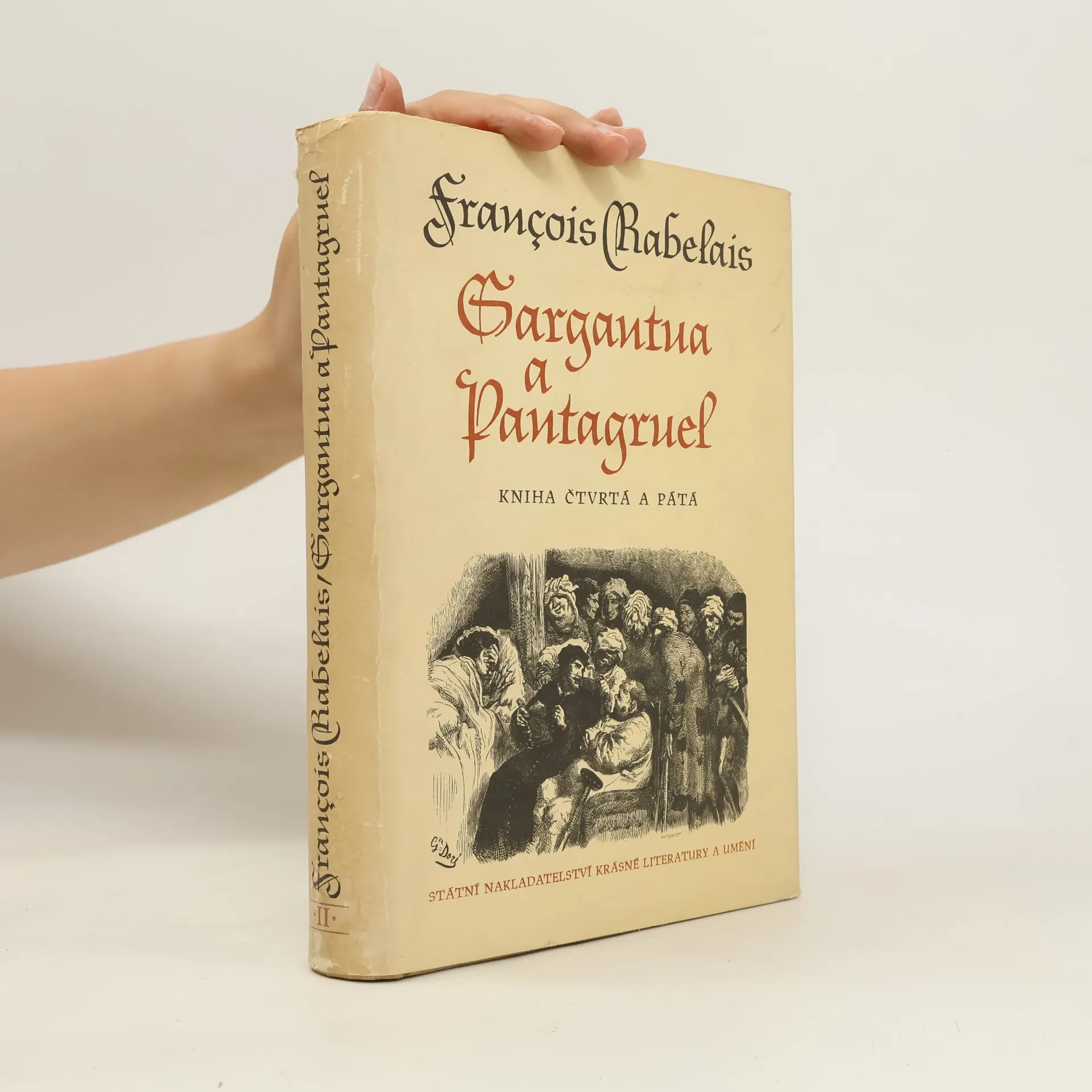
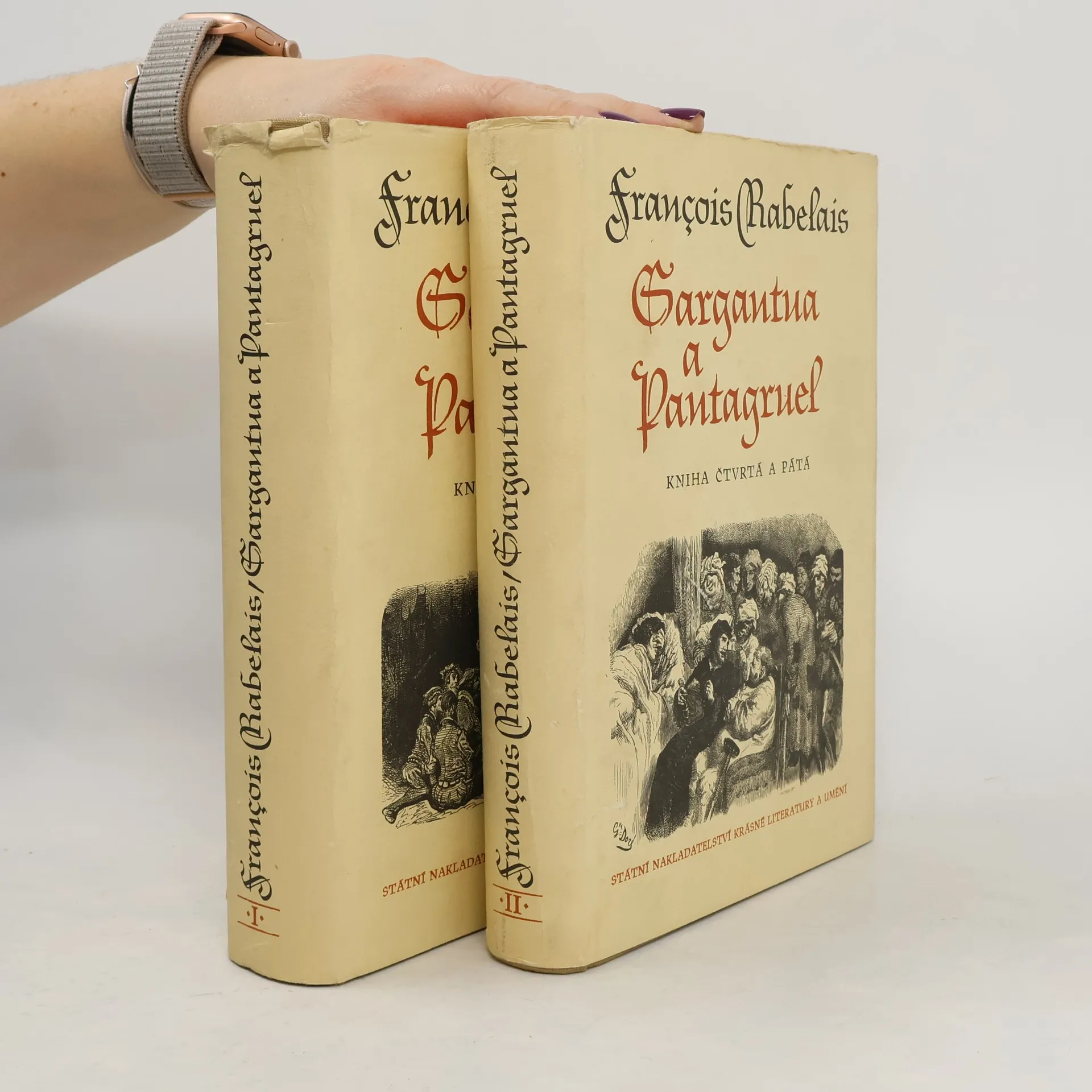
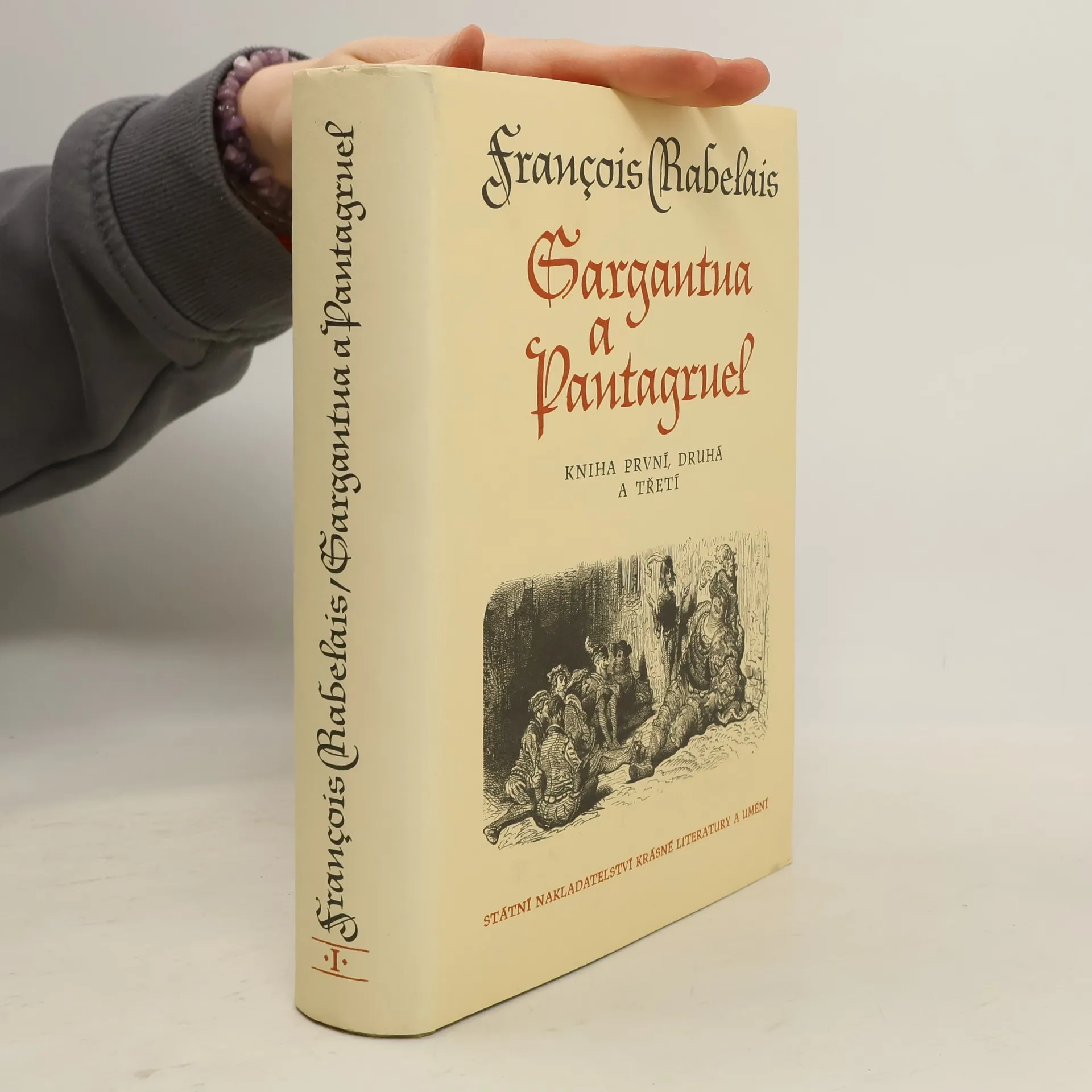
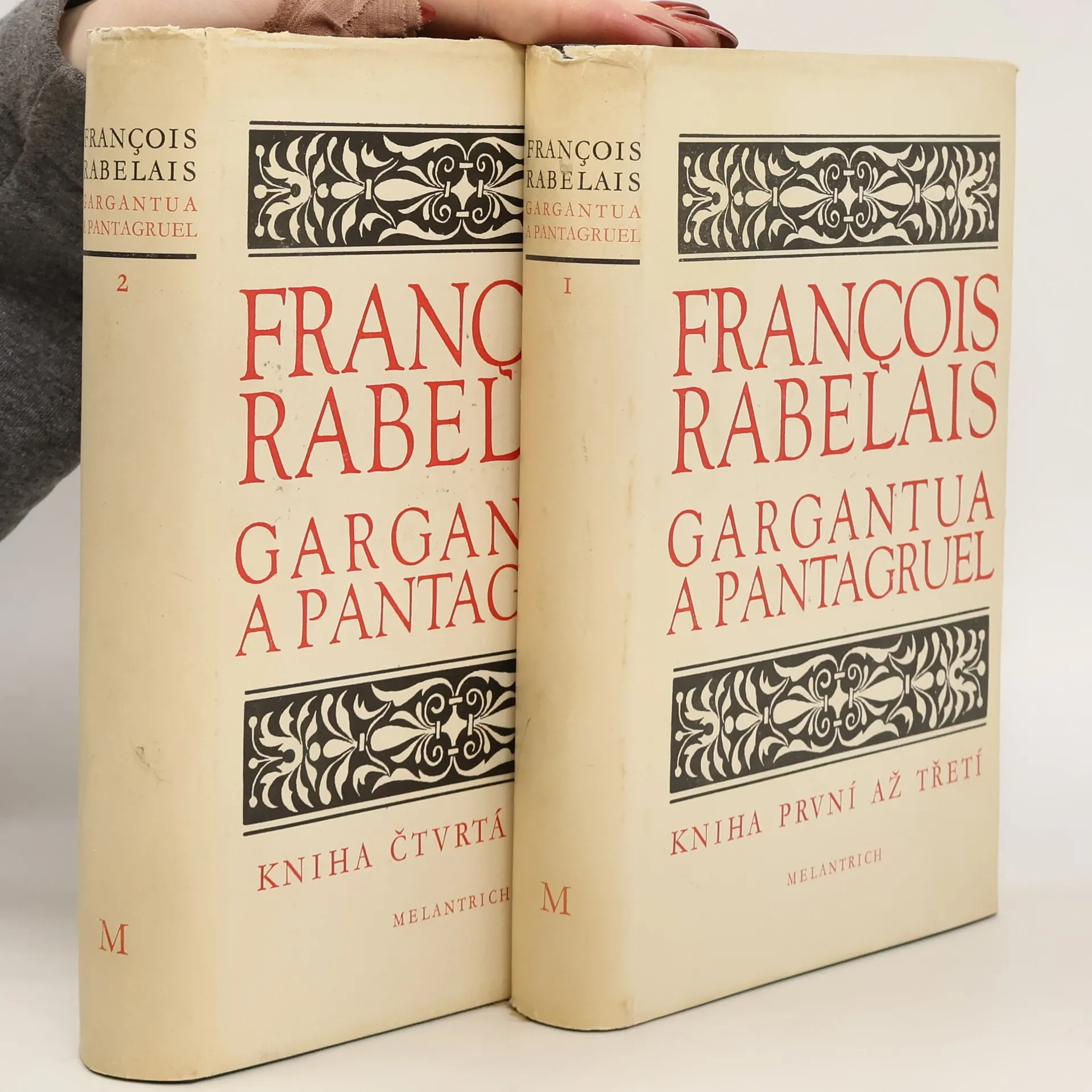
Fils de Gargantua, Pantagruel - qui, bébé, réduit son berceau en miettes, étrangle un ours et mange le jarret de sa nourrice - donne le coup d'envoi de la Renaissance française. C'est un bon géant, qui sème l'épouvante et dont les exploits surpassent ceux d'Hercule. Mais Rabelais lui préfère encore Panurge, l'homme à tout faire, éternel étudiant sans scrupules qui connaît soixante-trois manières de se procurer de l'argent, toutes assez malhonnêtes. Et ces deux monstres de se lancer dans des voyages fabuleux. Or, ces êtres prodigieux nous ressemblent, et le moine-médecin Rabelais est toujours là, bouillonnant de santé et de jeunesse, fou d'idées et de malice.
Fables de la Fontaine
- 537pages
- 19 heures de lecture
Une tortue, un corbeau, un lièvre, une fourmi, un lion, et même un pot au lait : autant de figures familières qui peuplent, parmi tant d'autres, notre imaginaire, resurgissent régulièrement, et que nous devons toutes au fabuleux talent de Monsieur de La Fontaine. Il est le prince des poètes, lui qui a su transformer une tradition un peu rigide, celle de la fable, en un art exceptionnel, qui charme l'oreille tout en réjouissant l'esprit, réveille les bois, anime les animaux et parvient à toucher tous les hommes. Moralité : on aurait tort de ne pas se replonger dans la lecture des Fables, qui ravissent les enfants et enchantent les adultes ! Leur pertinence impertinente est sans doute à l'origine de leur succès ininterrompu : qu'on les récite, comme à l'école, qu'on se les répète pour soi seulement ou qu'on se les "mette en bouche", comme le fit avec un bonheur évident le comédien Fabrice Luchini, on ne résiste pas au petit plaisir d'une fable.
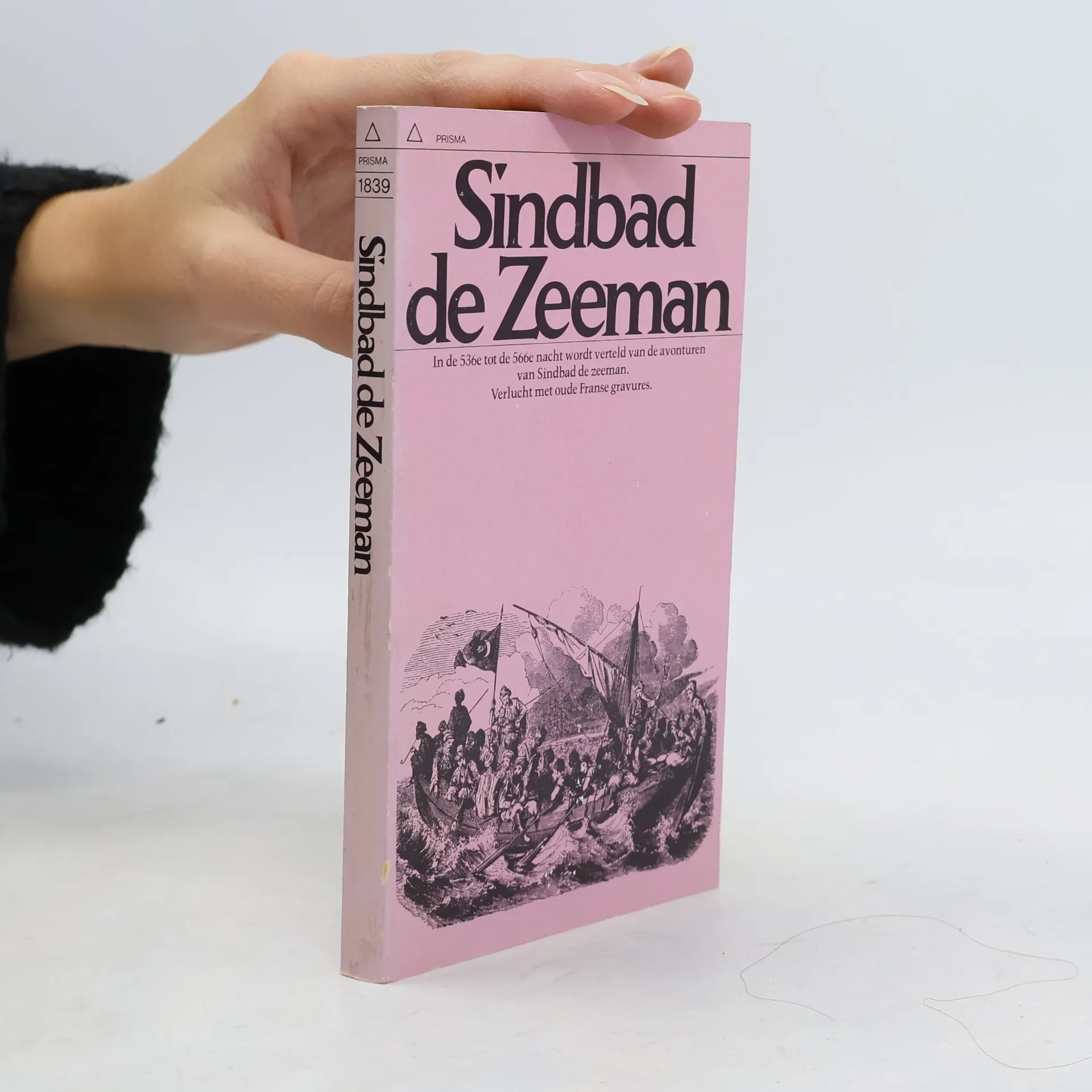
Sindbad de Zeeman
- 152pages
- 6 heures de lecture
De vertellingen van duizend-en-een-nacht vinden hun oorsprong in drie culturen: Indisch, Perzisch en Arabisch en kregen hun huidige vorm tegen het einde van de 18e eeuw in Egypte. In de 536e tot 566e nacht wordt verteld van de avonturen van Sindbad de Zeeman. Het boek is verlucht met oude Franse gravures.
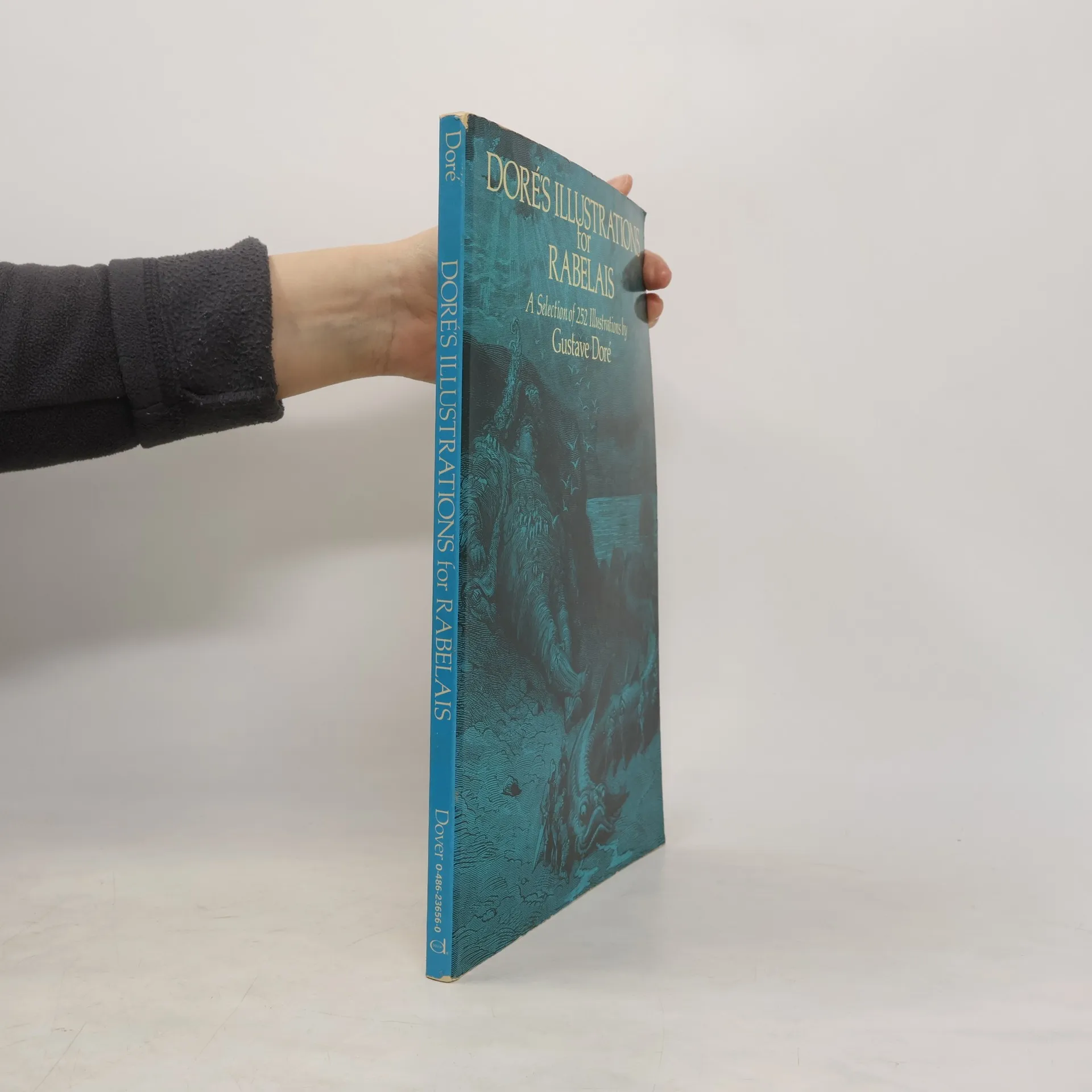
Doré's Illustrations for Rabelais
- 153pages
- 6 heures de lecture
Generous sampling of Doré’s magnificent illustrations for Rabelais’ Gargantua and Pantagruel, including all 60 original full-page illustrations and 192 smaller works—all meticulously reproduced from rare original editions. Captions.
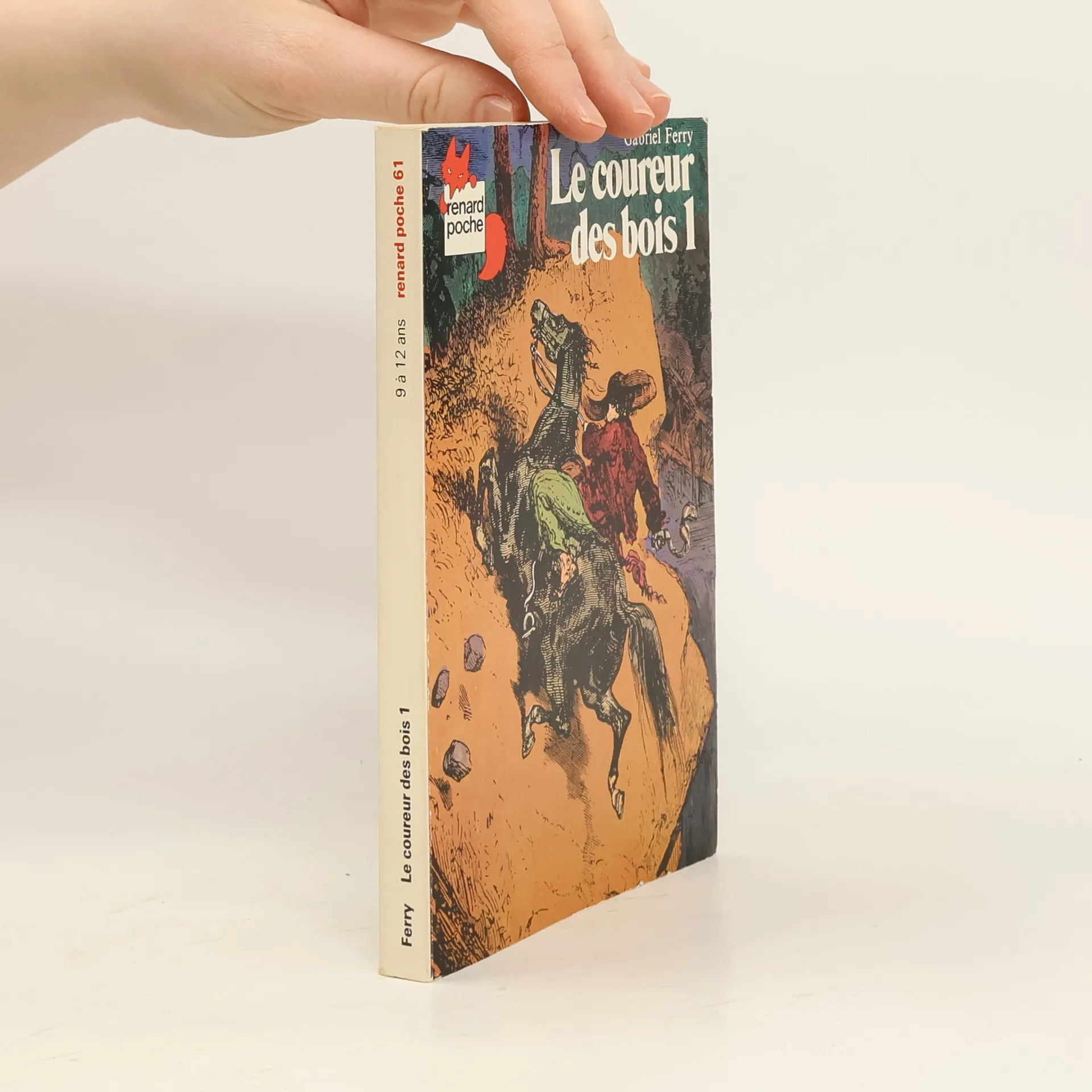
Le coureur des bois
- 119pages
- 5 heures de lecture
Une détonation retentit alors qu'un Indien levait sa carabine pour tirer sur un chasseur audacieux. L'Indien tomba, laissant tomber son arme. Pepe, se jetant à terre pour recharger son rifle, invita Fabian à agir. Ce dernier tira, mais son coup manqua l'Indien, qui ne fut que blessé par un cri de rage. Des flèches volèrent vers le Canadien, mais Bois-Rose, imperturbable, les esquivait habilement. Lorsque Pepe eut rechargé son arme, il profita d'un moment d'hésitation chez les Indiens pour récupérer le corps de Gayferos. Ce dernier, accroché à ses épaules, laissa les bras de Bois-Rose libres pour manœuvrer. Le Canadien, avançant à reculons dans l'eau, ne tira qu'une seule fois, provoquant un cri d'agonie d'un Indien. La retraite stratégique, soutenue par les tirs de Fabian et Pepe, finit par imposer le respect à leurs ennemis. Quelques minutes plus tard, Bois-Rose, victorieux, déposa Gayferos, presque évanoui, sur le sol de l'îlot. Le géant annonça qu'ils avaient mis hors de combat trois adversaires.
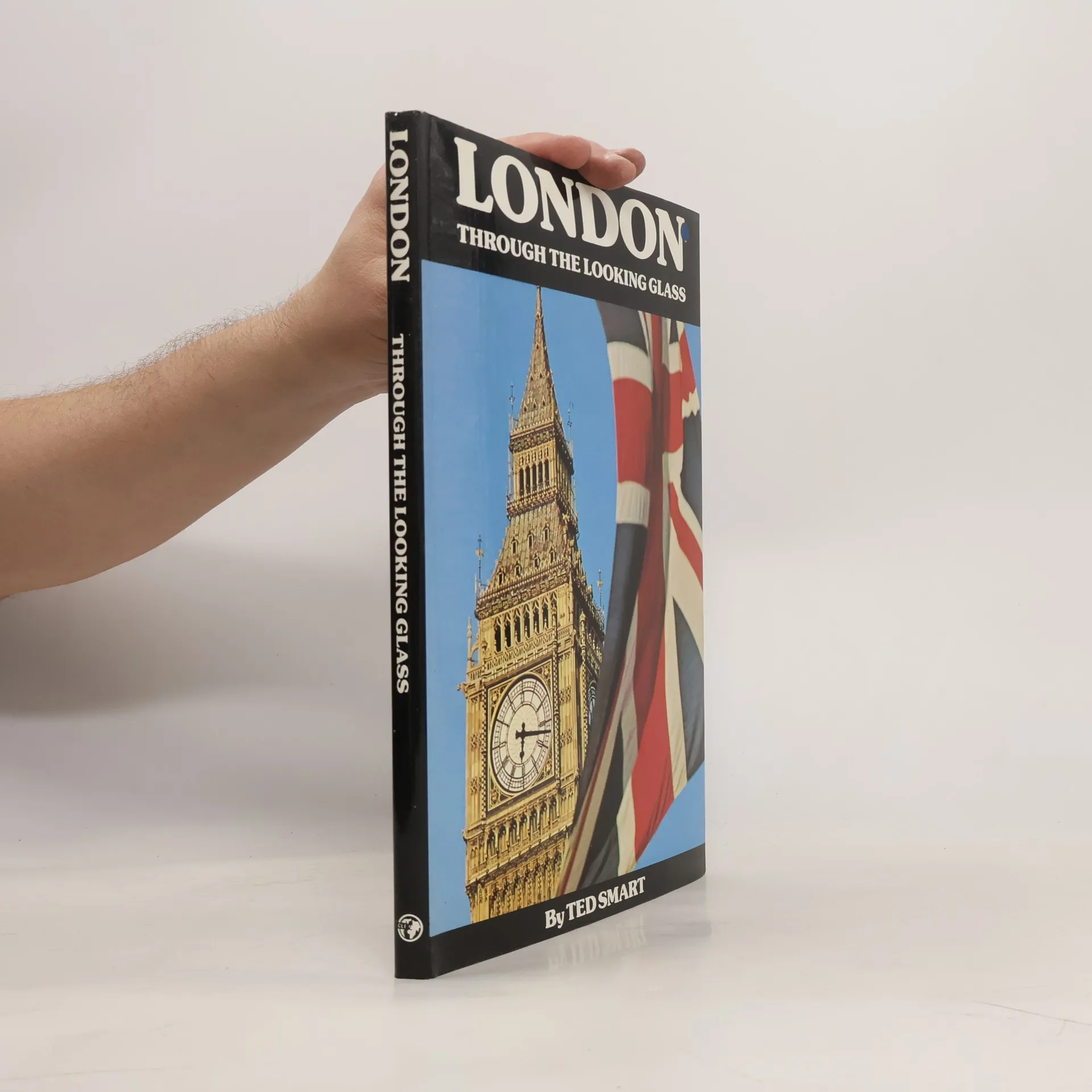
London a Picture Book to Remember Her By
- 31pages
- 2 heures de lecture
Displays color photographs of the marketplaces, parks, museums, historic buildings, and modern structures of London
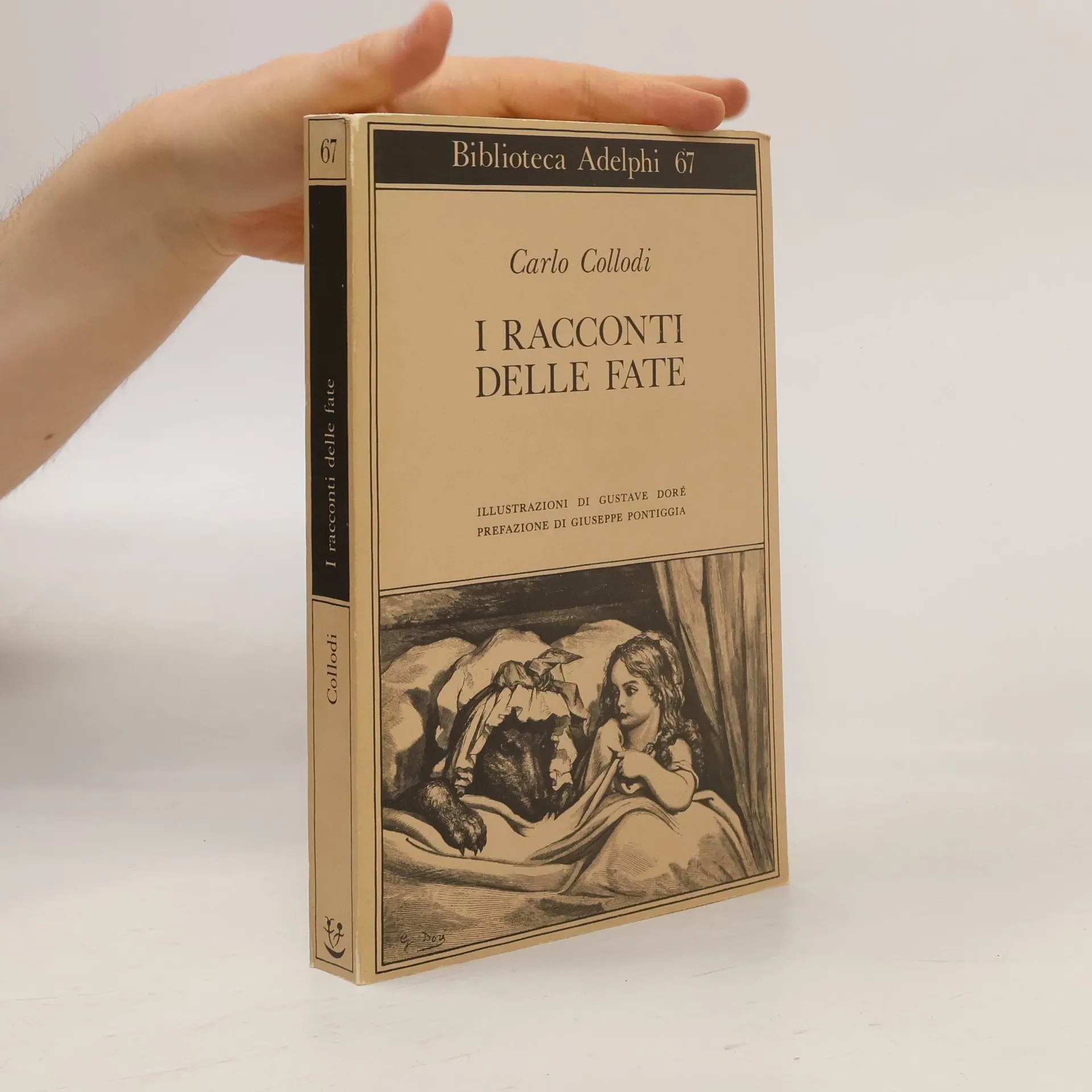
Biblioteca Adelphi - 67: I racconti delle fate
- 308pages
- 11 heures de lecture
Nel 1875, sei anni prima di scrivere Pinocchio, Collodi accetta l'incarico di tradurre le fiabe di Charles Perrault per l'editore Paggi di Firenze. Questo compito, inizialmente curioso, diventa una vera passione. Le fiabe di Perrault, che rappresentano il culmine del genere tra il Sei e il Settecento alla Corte del Re Sole, includono classici come Cappuccetto Rosso e Cenerentola. Collodi arricchisce il suo lavoro con storie di altre importanti autrici francesi dell'epoca, come Madame d’Aulnoy e Madame Le Prince de Beaumont, note per la loro eleganza e comprensione psicologica. Tuttavia, non si limita a una traduzione fedele; il suo istinto narrativo lo porta a vivificare il linguaggio degli originali, infondendo tocchi di arguzia toscana e spontaneità popolare. Così, la Corte di Versailles si trasforma in una Toscana granducale e umile. I racconti delle fate ottengono immediato successo e segnano una svolta nella vita di Collodi, avvicinandolo a un genere che lo renderà immortale. Queste storie, riprodotte integralmente con le illustrazioni di Doré, offrono una lingua viva e comunicativa, rappresentando i vertici della favolistica europea e anticipando felicemente la creazione di Pinocchio.
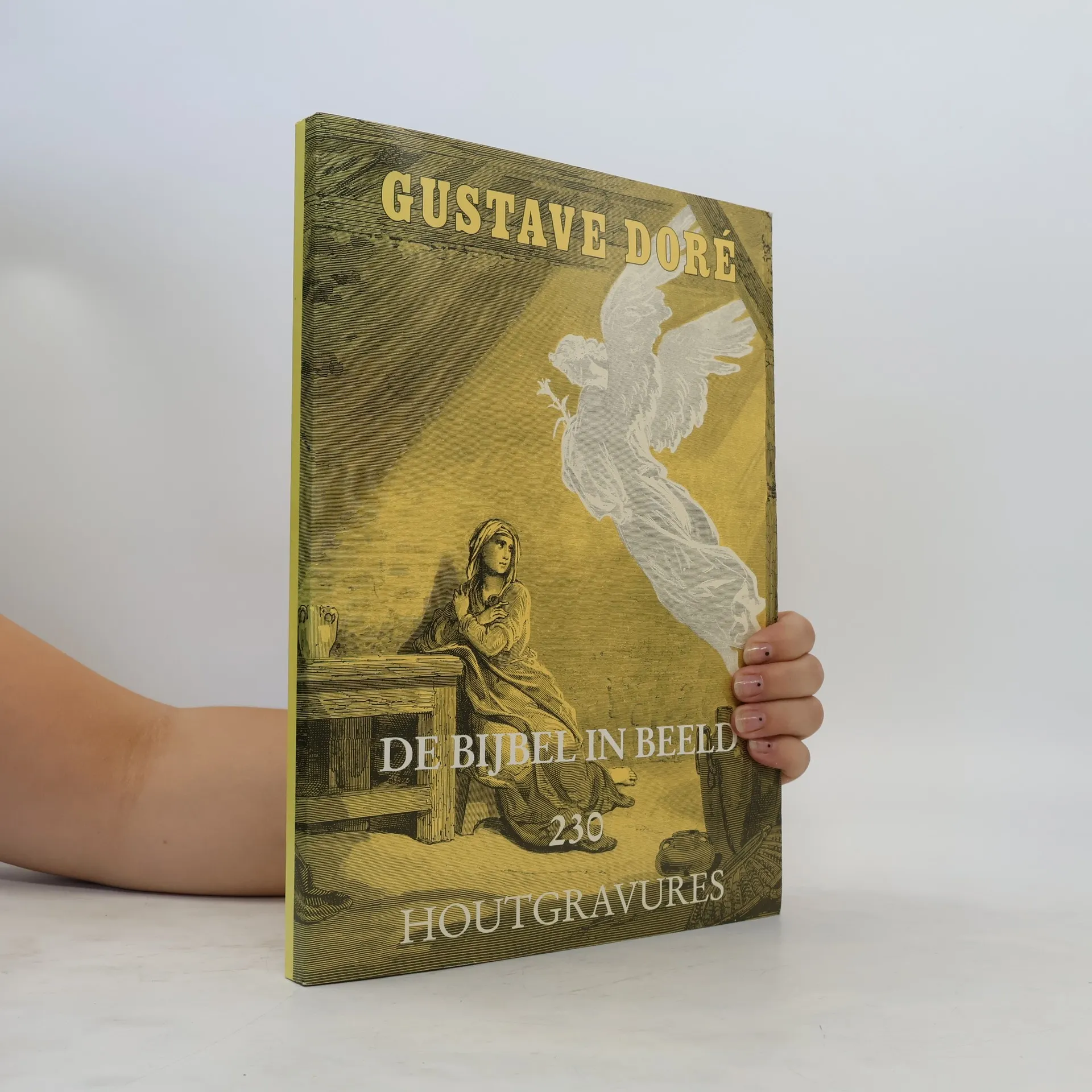
230 gravures van de hand van Gustave Doré uit de periode rond 1865. In deze uitgave wordt elke gravure vergezeld door de bijbehorende scene uit de Bijbel. Met een inleiding over de verschillende Bijbelvertalingen en de tekeningen van Doré. Uitgegeven door Uitgeverij Septuagint. De Bijbelfragmenten zijn ontleend aan de Bijbelvertaling 1951 van het NBG. De inleidende tekst is vertaald door het NBG, naar de oorspronkelijke Duitse tekst van Walter Dirks. (c) 1974 Hasso Ebeling Verlag, Luxemburg (c) 1976 Nederklandstalige editie Uitgeverij Septuaginta en het Nederlands Bijbelgenootschap (NBG)
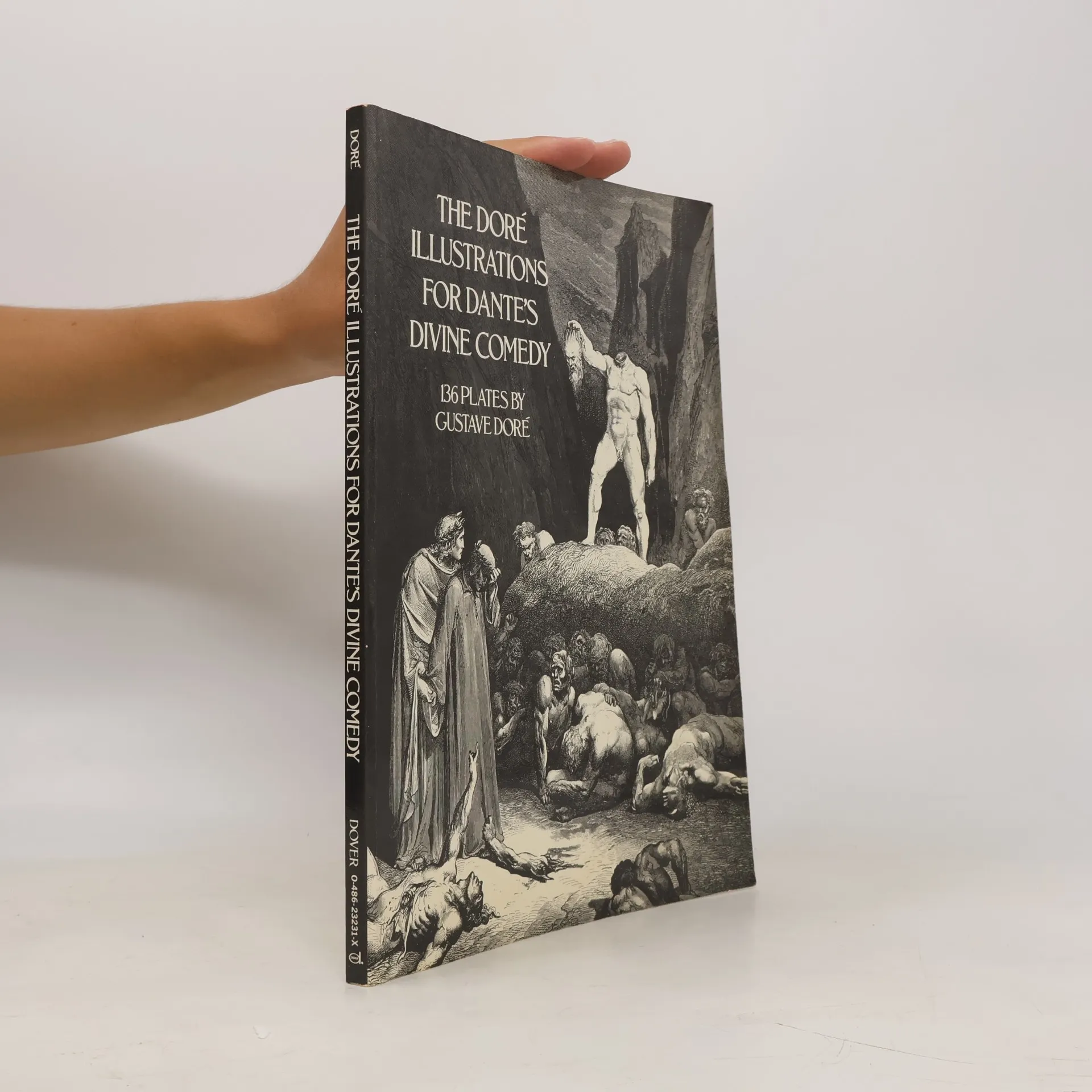
Reproductions of Dore's scenes from the Inferno, Purgatorio and Paradiso are accompanied by lines from Longfellow's translation
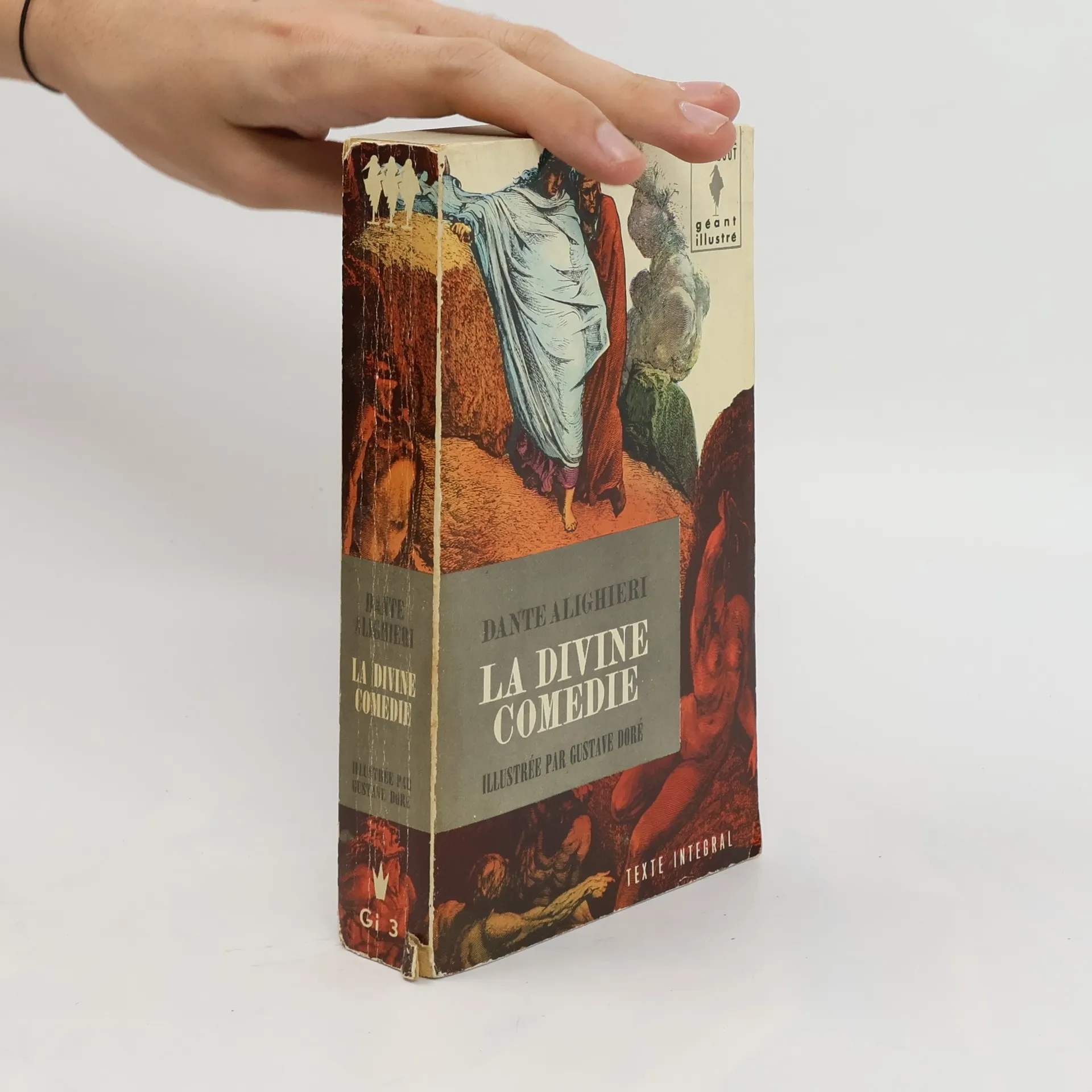
Béatrice est morte dans l'éclat de sa jeunesse. Le narrateur, qui l'aimait passionnément, espère la retrouver au Paradis, où elle siège parmi les bienheureux. Pour y parvenir, il doit traverser l'Enfer et le Purgatoire... C'est à ce voyage dans l'au-delà que nous convie Dante avec La Divine Comédie. Empruntant à la mythologie antique et à l'imaginaire populaire du Moyen Age, ce récit à la fois prophétique et philosophique constitue l'un des monuments de la littérature occidentale.
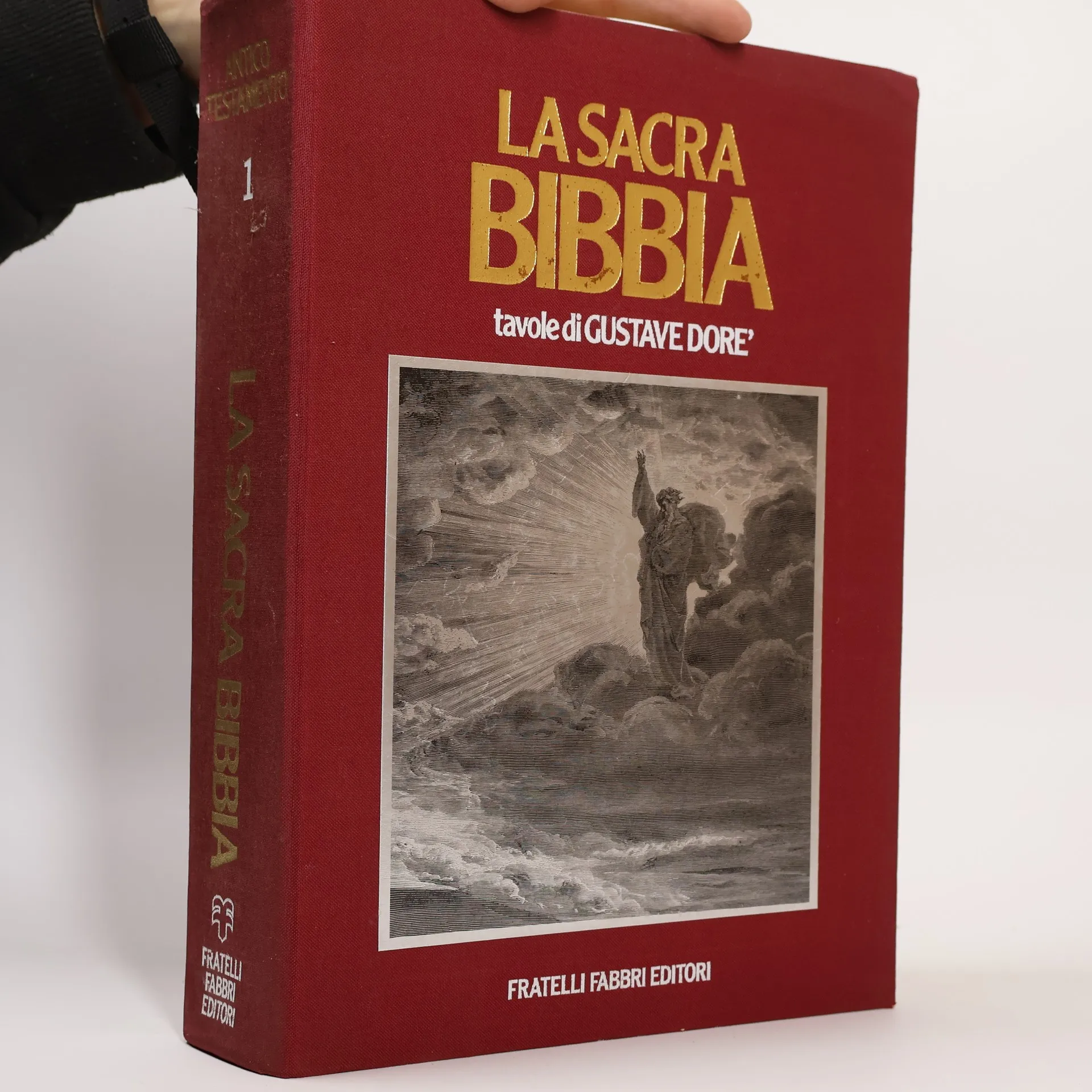
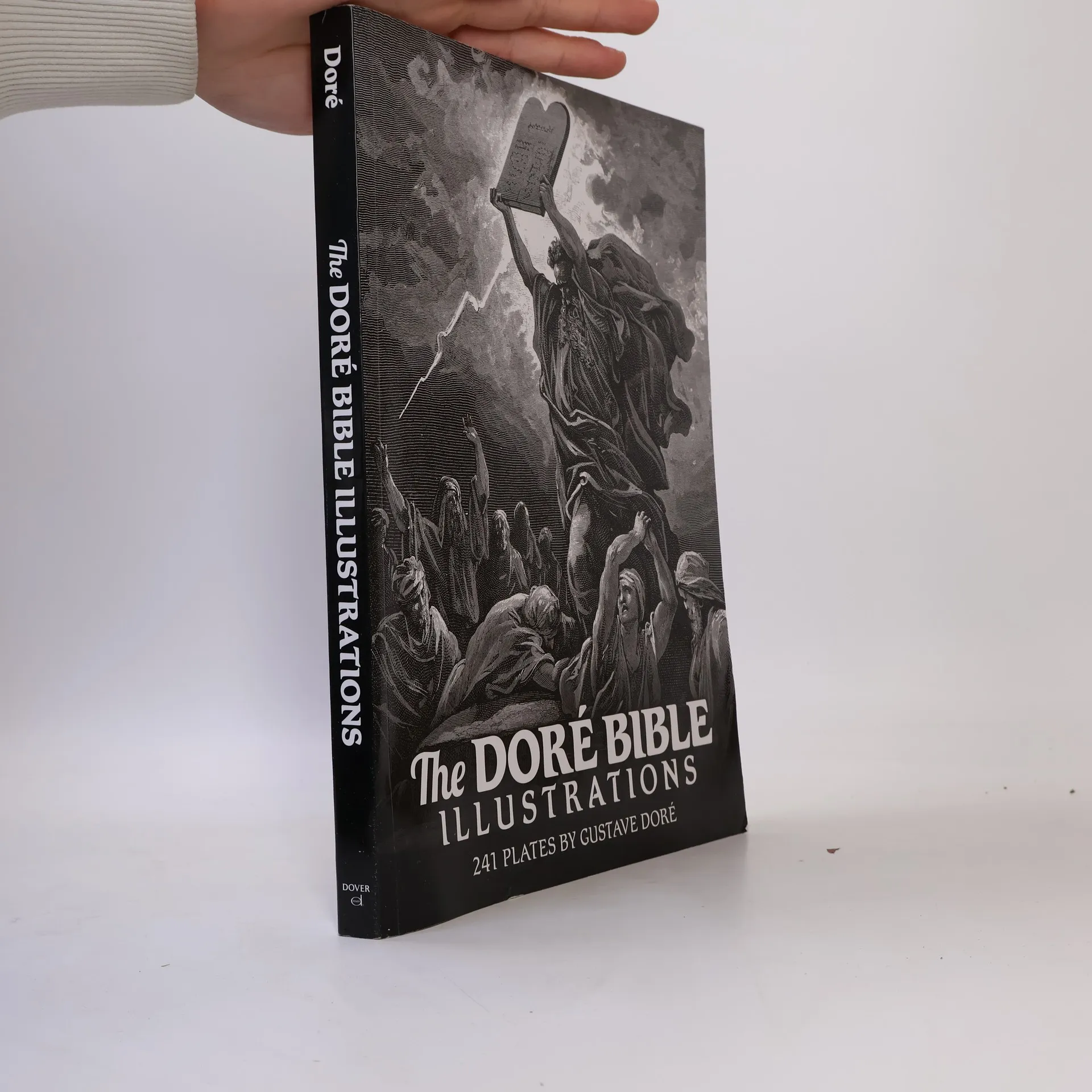
Nowhere but in the Bible were dramatic textual material and the artistry of Gustave Doré more perfectly matched. The Book of Books seemed to unleash a new power of creation in Doré not apparent in his previous work. In the Creation scenes, the horrifying visions of the Flood, the battle sequences with their monumental crowds, the plates depicting the life of Jesus — many of which have now become the standard iconography — and finally the vision of the New Jerusalem, Doré reached the fullest expressions of his extraordinary talent.This book collects all 241 plates — long out of print — that Doré executed for the Bible. In these plates, reproduced from outstanding early editions, the artist not only captures the dramatic intensity of the Scriptures, but sustains it longer than any other single artist was able to do. In addition, Doré reimagined all the scenes, so that what he produced was not a mere reworking of what centuries of other artists had already done, but a new and fresh visual interpretation of the Bible.Each plate is accompanied by the verses from the Authorized (King James) Version of the Bible that the scene depicts, and an Introduction by Millicent Rose covers Doré's life and art in general. This is a sumptuous book that everyone, from those interested in Scripture to lovers of great art, will be proud to possess.
Gargantua und Pantagruel
- 780pages
- 28 heures de lecture
Francois Rabelais: Gargantua und Pantagruel Erstdruck 1532-1564. 1. Buch Lyon 1532, 2. Buch Lyon 1534, 3. Buch Paris 1546, 11 Kap. des 4. Buchs Lyon 1548, 4. Buch Paris 1552, unvollst. Fass. d. 5. Buchs o.O. 1562, 5. Buch Lyon 1564. Hier in der Ubers. v. Gottlob Regis. Neuausgabe mit einer Biographie des Autors. Herausgegeben von Karl-Maria Guth. Berlin 2016. Textgrundlage sind die Ausgaben: Rabelais, Franz: Gargantua und Pantagruel. 2 Bande, ubers. v. Gottlob Regis, hg. v. Wilhelm Weigand, Munchen, Leipzig: Georg Muller, 1911 Die Paginierung obiger Ausgaben wird in dieser Neuausgabe als Marginalie zeilengenau mitgefuhrt. Umschlaggestaltung von Thomas Schultz-Overhage unter Verwendung des Bildes: Francois Rabelais, anonymes Portrat aus dem 17. Jahrhundert. Gesetzt aus der Minion Pro, 11 pt.
V malé španělské vesnici na náhorní plošině La Mancha žil chudý šlechtic, který se nazýval Quijana. Měl dvě velké vášně – lov a četbu rytířských eposů. To druhé mu dokonce zabíralo tolik času, že nejednou zapomněl vyrazit na hon a o své panství se už skoro vůbec nestaral. Nakonecho svět velkých hrdinů, překrásných žen a sladkých milostných románků ovládl tak, že vyčistil svou zrezivělou zbroj, vyhřebelcoval stařičkého dýchavičného koně a se sluhou bez špetky fantazie se rozhodl vyrazit do světa šířit rytířskou slávu jako Don Quijote de la Mancha. Kniha, která popisuje jeho neuvěřitelné příběhy, výrazně ovlivnila evropskou literaturu. A slovní spojení jako „boj s větrnými mlýny“ či „donkichotství“ se dostala do obecného povědomí a v běžné řeči se používají dodnes.
Ob zu Lande, zu Wasser oder in der Luft - als berühmt-berüchtigter Lügenbaron erlebt man die tollsten Sachen! Beim riskanten Ritt auf einer Kanonenkugel steigen einem bezüglich des Flugziels schon mal »nicht unerhebliche Bedenklichkeiten zu Kopfe«, und mitunter muss man sich an den eigenen Haaren eben selbst aus dem Morast ziehen, da es ja sonst keiner tut.
Das alte und das neue Testament in den 120 schönsten Bildern von Gustav Doré in Verbindung mit ausgewählten Schrifttexten erzählt und erklärt als Gebetsteil ist das Buch der Psalmen in neuer Übersetzung und zum Gebrauch als kirchliches Stundengebet vollständig dargeboten
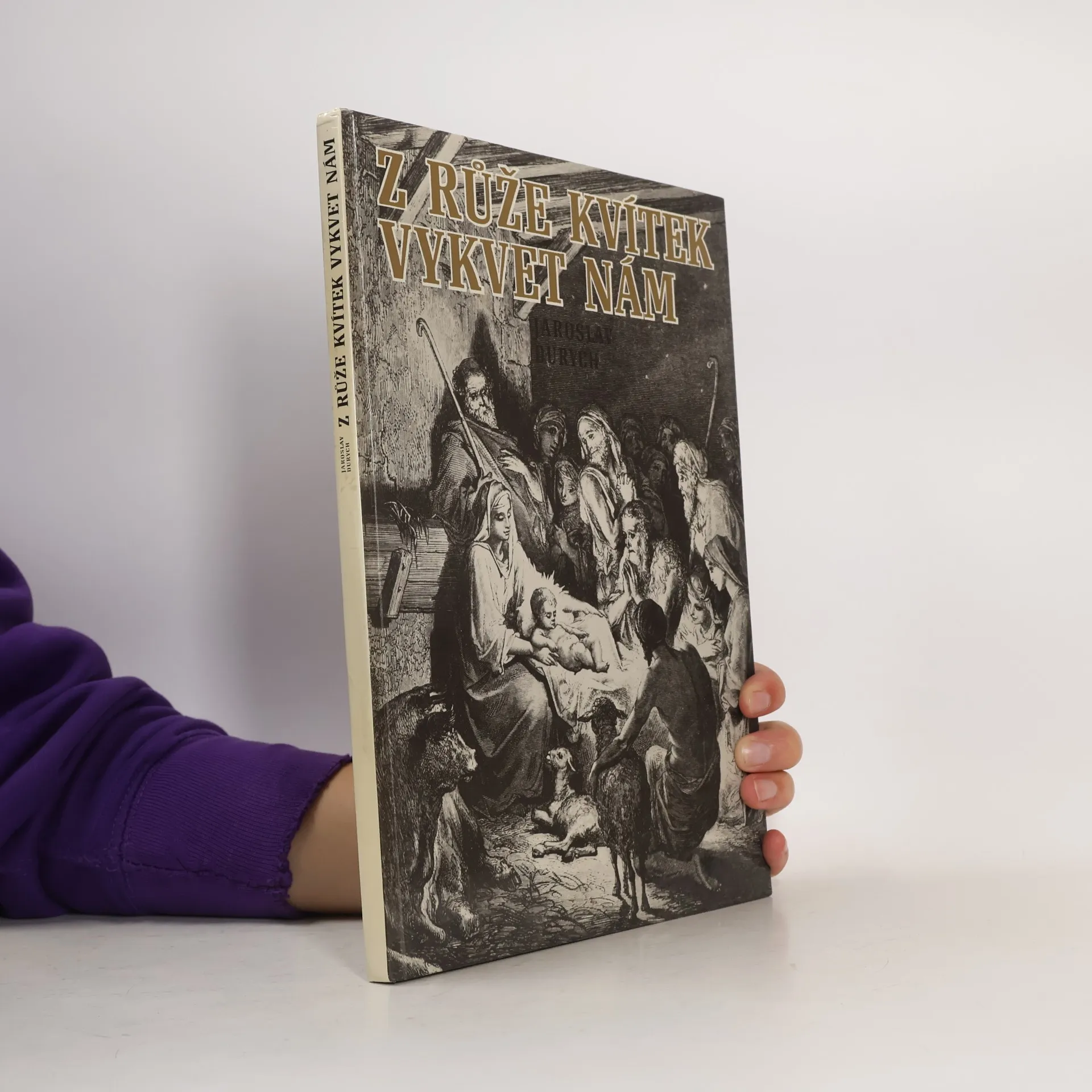
Z růže kvítek vykvet nám
- 104pages
- 4 heures de lecture
Příběhy novozákonní pro mládež. Kapitoly: Starý zákon, Mládí Mariino, Anděl Páně, V Betlémě, V Egyptě. V Nazaretě, Předchůdce Páně, Prorokem ve své vlasti, Vyvolení apoštolů, Nový zákon, Úklady farizeů, Syn Boží před Židy, Ukřižování, Oslavení.
Biblické příběhy
Starý zákon pro mládež
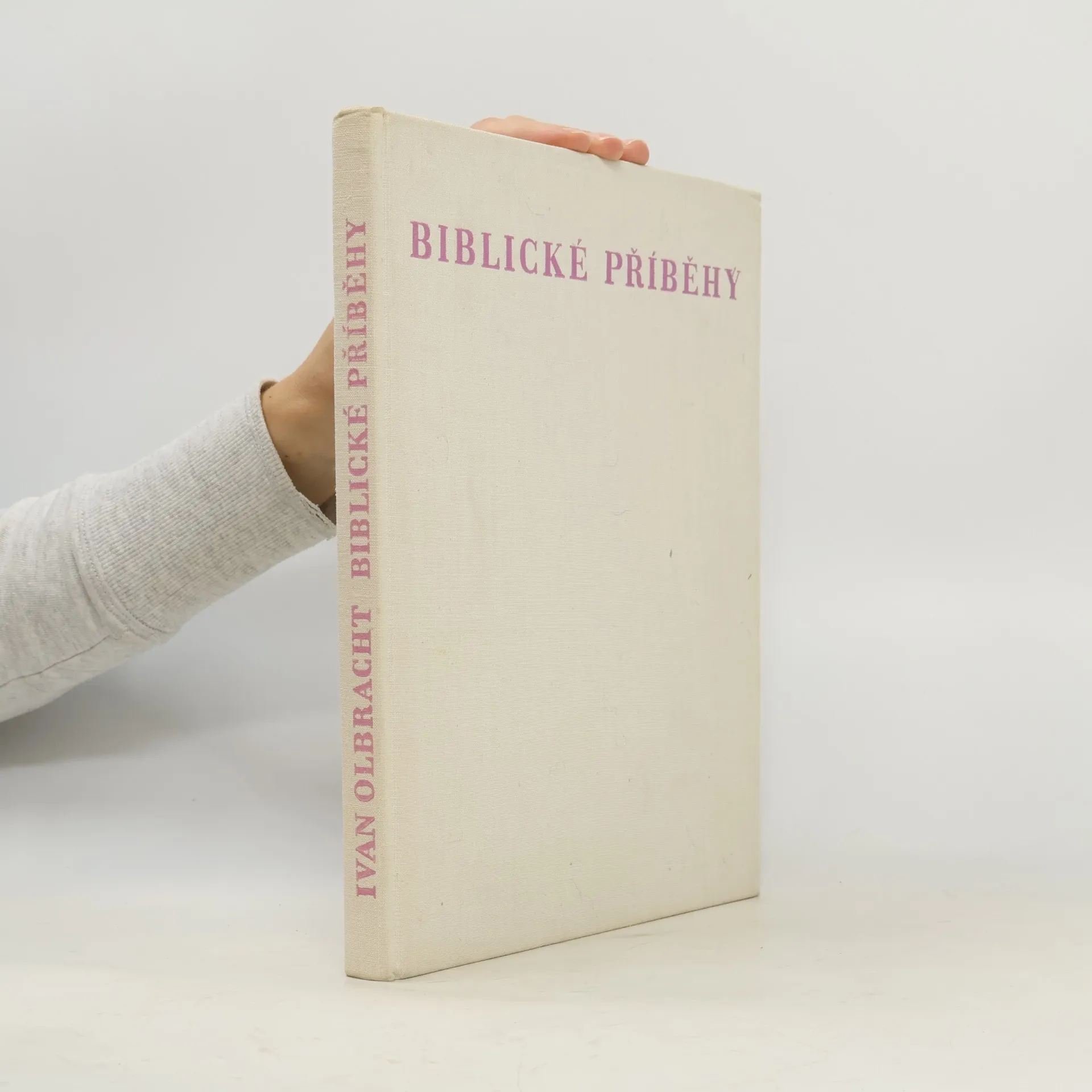
Třicet vzrušujících příběhů ze Starého zákona, zobrazujících historii židovského národa stále bojujícího a pronásledovaného protivenstvím silnějších, udržujícího se mravními zákony a nezlomnou vůlí, že bude jednou osvobozen a žít v spokojenosti. Kniha vyšla v obdivuhodném zpracování Ivana Olbrachta po prvé za okupace a byla protestem proti nelidskému a nenávistnému chování k lidu jiné víry a jiné rasy.
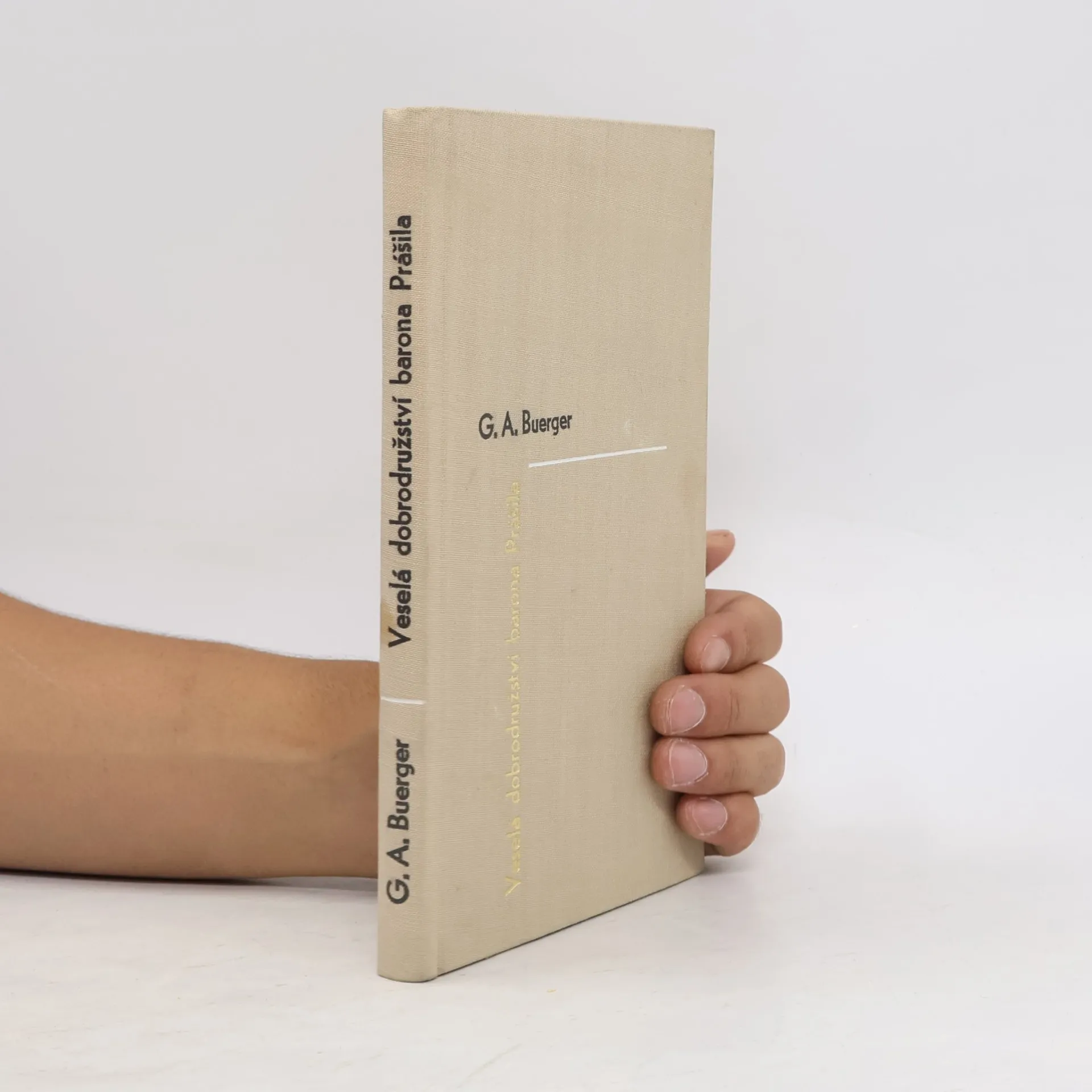
Podivuhodné cesty po vodě i souši, polní tažení a veselá dobrodružství barona Prášila, jak je sám při víně vypravuje v kruhu svých přátel
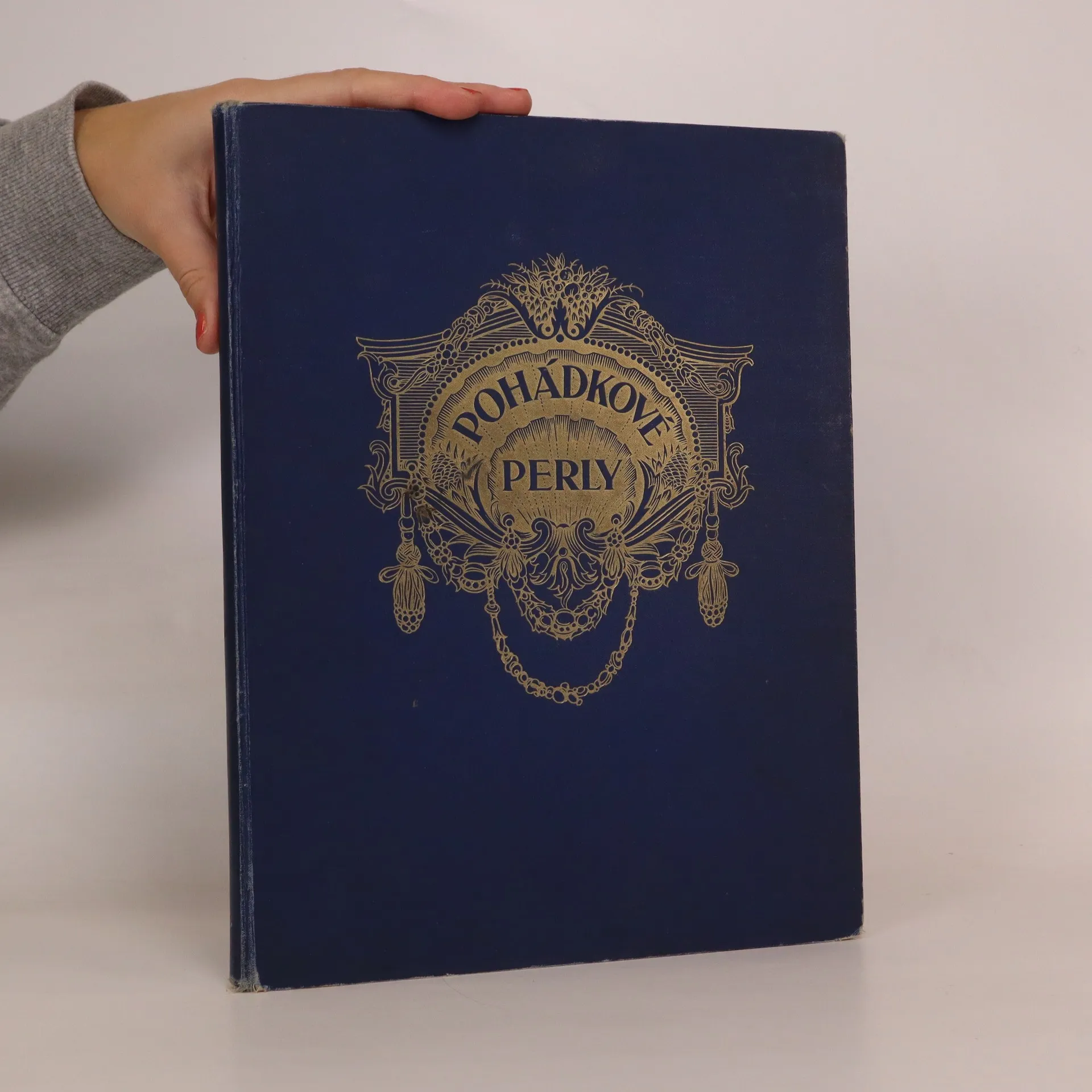
Charles Perrault: "Červená Karkulka" Karel Jaromír Erben: "Otesánek" Charles Perrault: "Modrovous" Karel Jaromír Erben: "Jezinky" Charles Perrault: "Paleček" Karel Jaromír Erben: "O třech přadlenách" Charles Perrault: "Princ Chocholouš" Karel Jaromír Erben: "Dobře tak, že je smrt na světě"Božena Němcová: "Čert a Káča" Charles Perrault: "Kocour v botách" Leonid Andrejev: "Chrabrý vlk" Charles Perrault: "Oslí kůže" Božena Němcová: "Noční stráž" Karel Jaromír Erben: "Dlouhý, Široký a Bystrozraký" Charles Perrault: "Popelka, nebo skleněný pantoflíček" Bratři Grimmové: "Bělinka" Charles Perrault: "Víla" Jan Fr. Hruška: "Karak se Hondza ženil" Božena Němcová: "Lesní ženka" Charles Perrault: "Šípková Růženka" Karel Jaromír Erben: "Tři zlaté vlasy Děda-Vševěda" František Bartoš: "O zviřátkách a loupežnících" Božena Němcová: "O dvanácti měsíčkách"